
















Quick Listen:
In the vibrant tech corridors of Bangalore and the bustling fashion lanes of Mumbai, a transformative shift is taking place in everyday fitness apparel. Homegrown activewear companies are masterfully integrating environmental stewardship with high-performance design, capturing the attention of discerning consumers. With wellness priorities escalating in urban India, these indigenous brands demonstrate that aesthetic appeal, athletic utility, and ecological mindfulness can harmoniously converge, reshaping how city dwellers approach their active lifestyles.
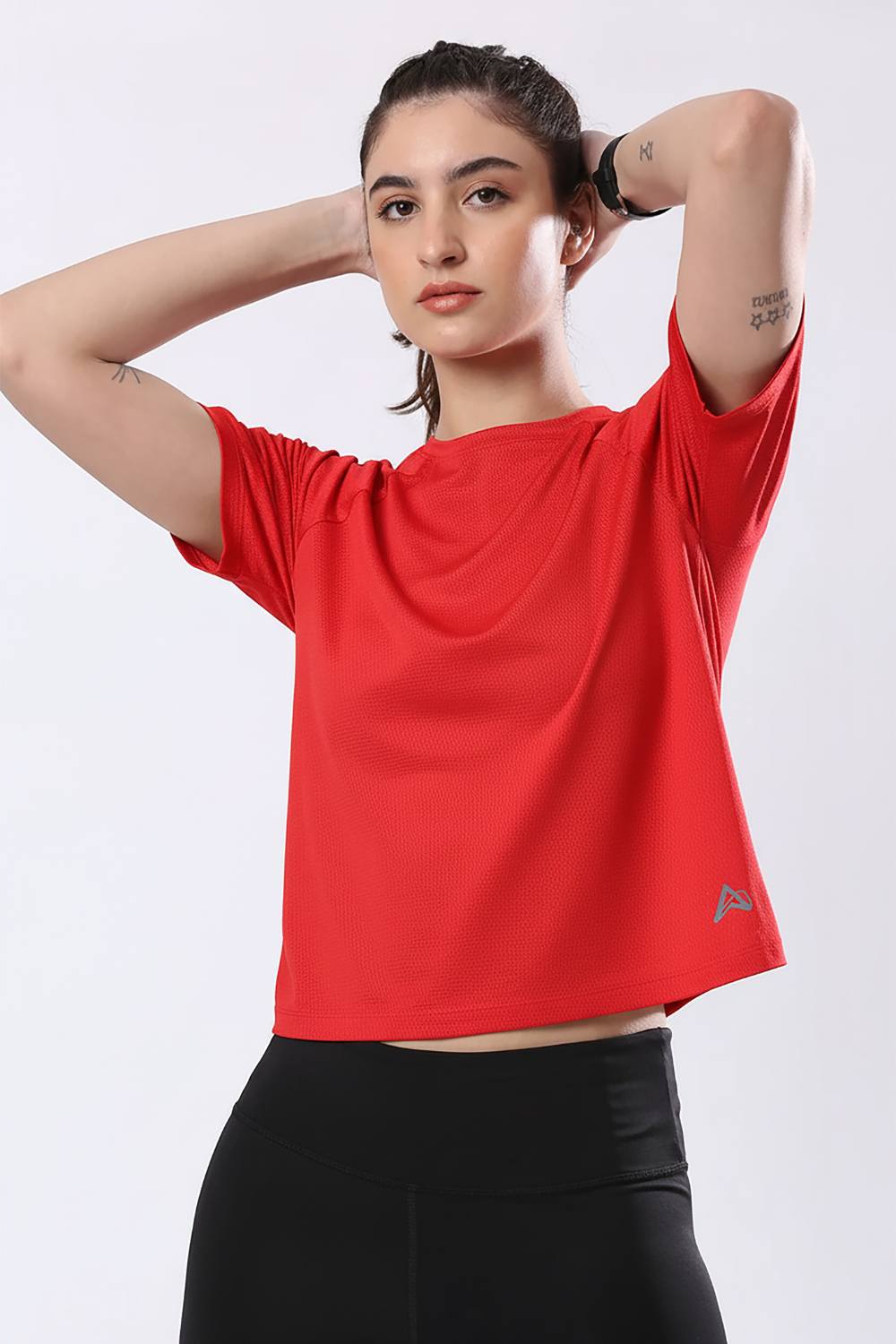
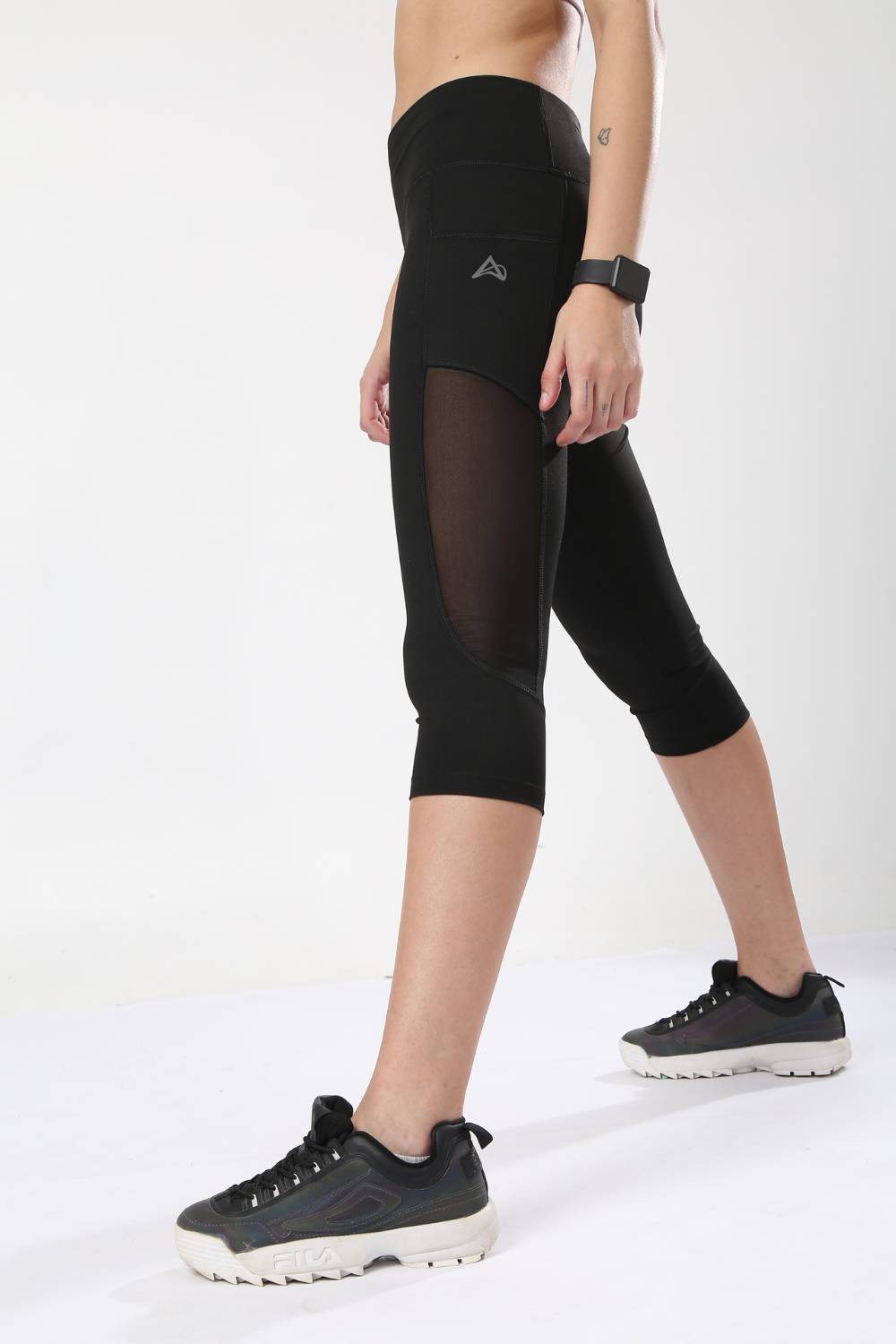
Tired of gear that slows you down? Chafing, soggy fabrics, and missing pockets kill your run's momentum. At Aguante, we're runners who get it. Our high-performance activewear features moisture-wicking fabrics, ergonomic designs, and smart storage to keep you focused. Shop Now!
Urban India Pioneers Sustainable Fitness Apparel Innovation
Envision a jogger navigating Delhi's Lodhi Gardens in leggings fashioned from repurposed plastic bottles, or a yoga practitioner in Pune selecting tops derived from certified organic cotton blends. This vivid scenario reflects the evolving landscape of sustainable athleisure within India. Drawing from verified industry analysis, the worldwide market for such apparel achieved a valuation of USD 106.3 billion in 2024, with projections indicating expansion to USD 198.7 billion by 2033, reflecting a compound annual growth rate (CAGR) of 6.7% over the 2025-2033 period. In key hubs such as Bangalore, Hyderabad, Mumbai, Pune, Navi Mumbai, Delhi, Gurugram, Surat, and Ahmedabad, this expansion resonates deeply, propelled by professionals who seamlessly merge rigorous workouts with sustainable living choices.
Why does this matter in the activewear sector? India's burgeoning industry rides the wave of heightened health awareness, where local enterprises are leveraging eco-conscious fabrics to gain competitive edges. Stringent governmental policies and heightened corporate social responsibility (CSR) efforts are accelerating this transition in these metropolitan areas, transforming imported concepts into authentically Indian practices. This localization not only aligns with national sustainability goals but also empowers domestic textile innovations, fostering economic resilience in fashion-forward cities.
The drivers behind this surge are multifaceted. Escalating public interest in environmentally sound athleisure items stands out, complemented by swift progress in eco-textile production techniques, including the adoption of reclaimed and degradable fibers. The booming health and fitness sector further amplifies opportunities, as noted in comprehensive market evaluations. In essence, these elements position cities like Gurugram and Surat at the forefront of a sector where functionality meets planetary protection.
Key Trends Shaping the Landscape: Innovation and Consumer Shifts
Step inside a fitness center in Gurugram or browse a specialty store in Surat, and the evolution becomes evident. Manufacturers are abandoning resource-intensive synthetics in favor of naturally sourced, reusable fabrics consider yarns that decompose naturally or dyes with minimal ecological footprints. Historical market expansion in sustainable athleisure owes much to the broader casual-sportswear phenomenon, alongside societal pushes toward wellness, ecological consciousness, influencer promotions, and evolving buyer tastes, as outlined in detailed sector reports.
In Mumbai and Delhi, high-profile endorsements magnify visibility, yet the real game-changer lies in manufacturing breakthroughs. Cutting-edge developments in using post-consumer recyclables emerge as pivotal forces. Analysis from IMARC Group underscores surging needs for green products, bolstered by online retail growth and digital marketplaces. In Hyderabad and Ahmedabad, virtual shopping surges enable access to high-end lines that embody CSR principles, while wellness currents gain momentum residents in Navi Mumbai increasingly choose attire that bolsters personal health without harming the environment.
Contemporary shifts reveal enterprises weaving eco-practices into their foundational strategies. For example, in Pune, firms trial degradable textiles to comply with tough regulations, yielding a balanced ecosystem of accessible mass-market and luxury offerings, both exhibiting robust advancement. This trend extends to rapid integration of low-impact production, ensuring activewear delivers peak performance while safeguarding human and environmental well-being. Globally influenced yet locally adapted, these patterns highlight how trade fluctuations and tariffs impact outlooks, necessitating agile responses in export-oriented zones like Mumbai.
Prominent players are embedding green commitments into CSR frameworks, propelling overall sector vitality. The emphasis on natural, renewable, recycled, biodegradable, and eco-efficient textiles defines sustainable athleisure, offering wearers durable options that prioritize global preservation. In Bangalore's innovation districts, this translates to tech-infused fabrics; in Surat's textile heartlands, it means scalable, ethical sourcing. These trends not only drive sales but also cultivate loyalty among urban demographics valuing authenticity.
Practical Illustrations: Success Stories Across Metropolitan Hubs
Consider an emerging label in Bangalore's vibrant startup scene, launching collections crafted from salvaged marine plastics. These pieces excel in high-intensity training durability while adhering to waste-minimizing processes, appealing to tech professionals seeking multifunctional gear. In Mumbai's competitive arenas, upscale producers procure regional organic materials, slashing transport emissions and delivering moisture-managing shirts that enhance comfort during intense sessions.
In Delhi and Gurugram, documented partnerships link designers with skilled craftspeople in Surat, yielding artisanal, hand-woven items that embody tradition and sustainability. A notable Hyderabad enterprise employs minimal-impact fabrics for posture-supporting yoga leggings designed to break down harmlessly after lifecycle completion, catering to corporate employees in IT corridors who prioritize ethical consumption. Manufacturers in Ahmedabad emphasize renewable inputs, feeding supply networks that span these urban centers, ensuring consistent quality and availability.
Such implementations deliver tangible outcomes. A Pune-based venture's pivot to decomposable components spurred revenue growth by resonating with fitness aficionados, demonstrating market viability. In Navi Mumbai, seamless online fusions propel luxury athleisure directly to consumers, validating that dual focus on human and ecological welfare translates to commercial success. These cases underscore broader applications: from gym-to-office transitions in Gurugram to weekend hikes in Hyderabad, sustainable options prove versatile and reliable.
Further afield in Surat and Ahmedabad, mass-segment producers scale operations using biodegradable elements, bridging affordability with premium aspirations. This duality mass appeal versus exclusive lines mirrors sector dynamics, where environmental safeguards enhance user experiences without compromising on stretch, breathability, or style.
Navigating Obstacles: Costs, Regulations, and Market Hurdles
Despite the momentum, hurdles persist. Procuring eco-materials in Surat and Ahmedabad often inflates expenses, as reclaimed fabrics command premiums over traditional alternatives, squeezing margins for emerging players. Disruptions in international supply lines, exacerbated by fluctuating trade policies and duties as highlighted in industry overviews, particularly challenge Mumbai's export-focused entities.
Constraints include technological import barriers and awareness gaps in suburban fringes of these cities. Potential pitfalls involve scrutiny over authenticity claims, where unsubstantiated eco-assertions risk reputational damage. In Bangalore and Hyderabad, rigorous compliance mandates require verifiable evidence, layering administrative loads on innovators juggling expansion. Smaller Delhi outfits grapple with pricing dilemmas, striving to democratize high-end green features amid cost pressures.
Although demand fueled by eco-sentiments propels progress, inadequate large-scale facilities can bottleneck supply. Reports from The Business Research Company caution on these barriers, emphasizing that while innovation offers pathways forward, proactive risk management is essential. In essence, balancing scalability with sincerity defines survival in this competitive terrain.
Prospects and Advantages: Driving Efficiency and Economic Gains
On the brighter horizon, abundant prospects await. The proliferation of digital commerce in Pune and Gurugram unlocks national reach, enabling brands to connect with environmentally attuned shoppers beyond physical boundaries. Advancements in green production methodologies trim operational waste, yielding efficiency improvements some facilities report up to 20% reductions in resource use, aligned with broader sector efficiencies.
Corporate repercussions are profound: Infusing sustainability into CSR elevates brand equity, attracting funding in Mumbai's dynamic ecosystems. In Ahmedabad, aligning with fitness booms fosters customer retention, with luxury categories outpacing growth. Delhi's corporate arenas present avenues through employee wellness initiatives, securing volume contracts for versatile apparel.
Long-range benefits include fiscal prudence; decomposable resources mitigate end-of-life burdens, lowering environmental levies. For Hyderabad ventures, capitalization on the anticipated 6.7% CAGR involves strategic scaling harness escalating interest, and financial uplifts follow. Overall, these synergies not only enhance profitability but also contribute to India's sustainable development narrative, positioning local brands as global contenders.
Toward a Sustainable Tomorrow: Insights and Strategies
As dusk falls on Bangalore's serene waters or Mumbai's iconic horizons, the trajectory for indigenous activewear gleams with promise. Specialists at, per IMARC projections, anticipate sustained escalation, advocating deepened commitments to recyclables and allied breakthroughs. Actionable advice includes bolstering indigenous research in Pune and Surat hubs, alongside awareness drives through digital channels in Gurugram.
By 2033, these locales stand poised to claim substantial shares of the envisioned USD 198.7 billion valuation, steering India's contribution. Marry operational excellence with genuine eco-integrity, and stakeholders reap rewards consumers gain superior products, enterprises thrive, and ecosystems endure. This paradigm invites participation, urging the sector to sustain momentum, one innovative design at a time, for a healthier, greener urban India.
Frequently Asked Questions
What is driving the growth of sustainable activewear in India?
The sustainable activewear market in India is experiencing rapid growth due to several key factors. Rising health and wellness awareness among urban professionals, particularly in cities like Bangalore, Mumbai, and Delhi, has increased demand for eco-conscious fitness apparel. Additionally, advancements in eco-textile production techniques including recycled and biodegradable fibers combined with stricter government policies and corporate social responsibility initiatives are accelerating this shift toward environmentally friendly athleisure options.
How are Indian activewear brands incorporating sustainability into their products?
Homegrown Indian activewear brands are innovating with eco-friendly materials such as fabrics made from repurposed plastic bottles, organic cotton blends, and biodegradable textiles. These companies are abandoning resource-intensive synthetics in favor of naturally sourced and renewable materials that offer the same high-performance qualities moisture management, durability, and stretch while minimizing environmental impact. Many brands in cities like Pune, Hyderabad, and Surat are also partnering with local craftspeople to create artisanal pieces that blend traditional techniques with modern sustainability practices.
What challenges do sustainable activewear brands face in India?
Despite growing demand, sustainable activewear brands in India face several significant hurdles. The procurement of eco-friendly materials often comes at a premium cost compared to traditional fabrics, which can squeeze profit margins for emerging players, especially in manufacturing hubs like Surat and Ahmedabad. Additionally, disruptions in international supply chains, technological import barriers, and the need for rigorous compliance with authenticity standards create administrative burdens. Smaller brands also struggle with pricing dilemmas as they attempt to make high-quality sustainable products accessible while managing higher production costs.
Disclaimer: The above helpful resources content contains personal opinions and experiences. The information provided is for general knowledge and does not constitute professional advice.
You may also be interested in: The Importance of Moisture-Wicking Fabric for Runners: Why It Matters
Tired of gear that slows you down? Chafing, soggy fabrics, and missing pockets kill your run's momentum. At Aguante, we're runners who get it. Our high-performance activewear features moisture-wicking fabrics, ergonomic designs, and smart storage to keep you focused. Shop Now!
Powered by flareAI.co