





Quick Listen:
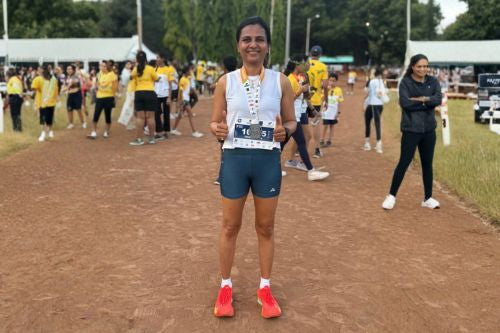
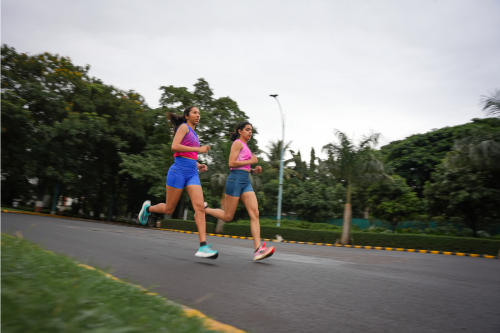
On a crisp morning in Bangalore's Cubbon Park, dozens of runners converge, not merely to clock kilometers, but to exchange anecdotes, offer advice, and forge connections that extend well past the trails. This ritual unfolds similarly in India's dynamic urban centers from Mumbai's Marine Drive to Delhi's Lodhi Gardens transforming simple group runs into vital catalysts for communal ties and well-being. In a nation where metropolitan existence can breed solitude amidst the hustle, these shared paces are redefining urban interactions, promoting fitness, and sparking societal shifts with quiet determination.
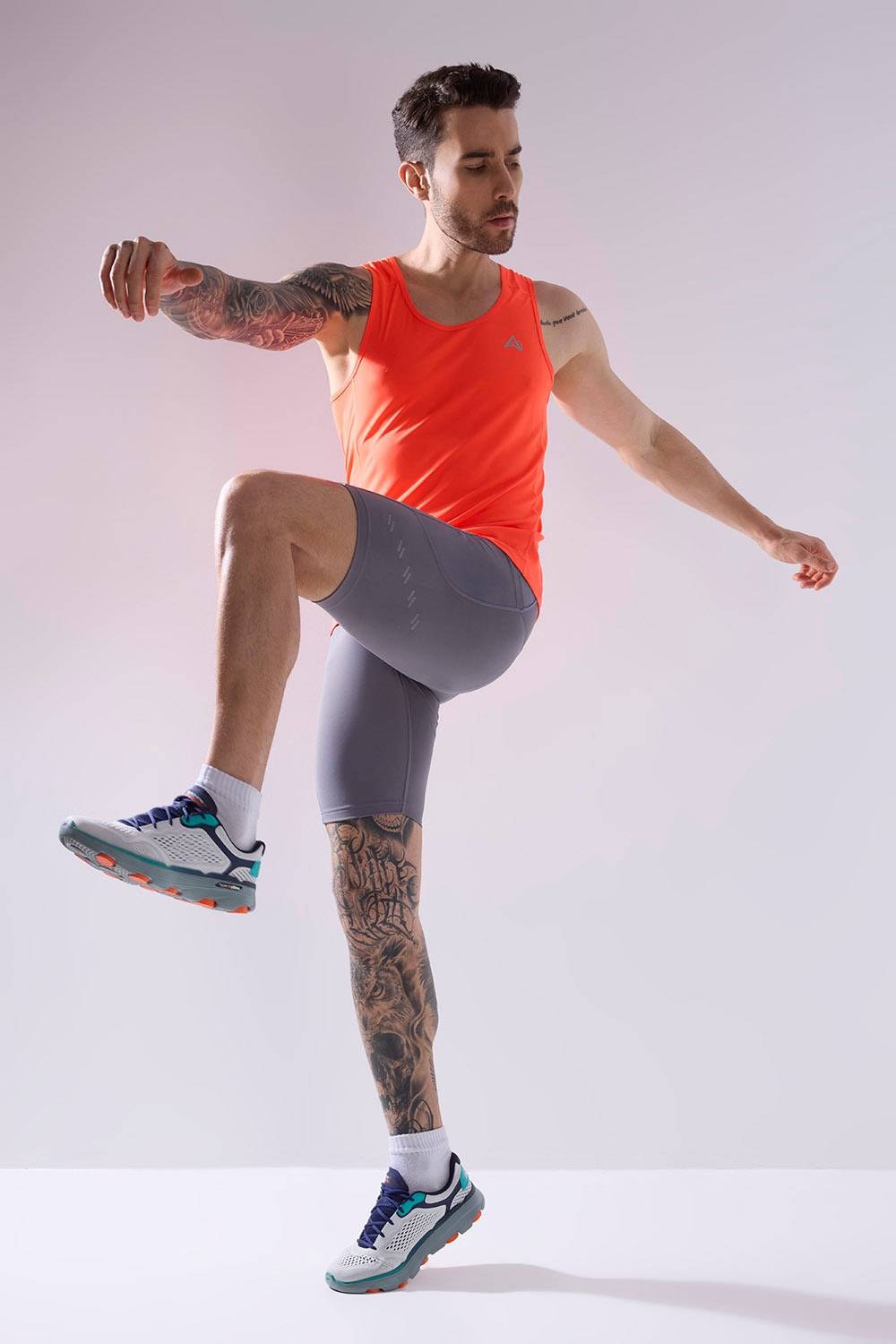
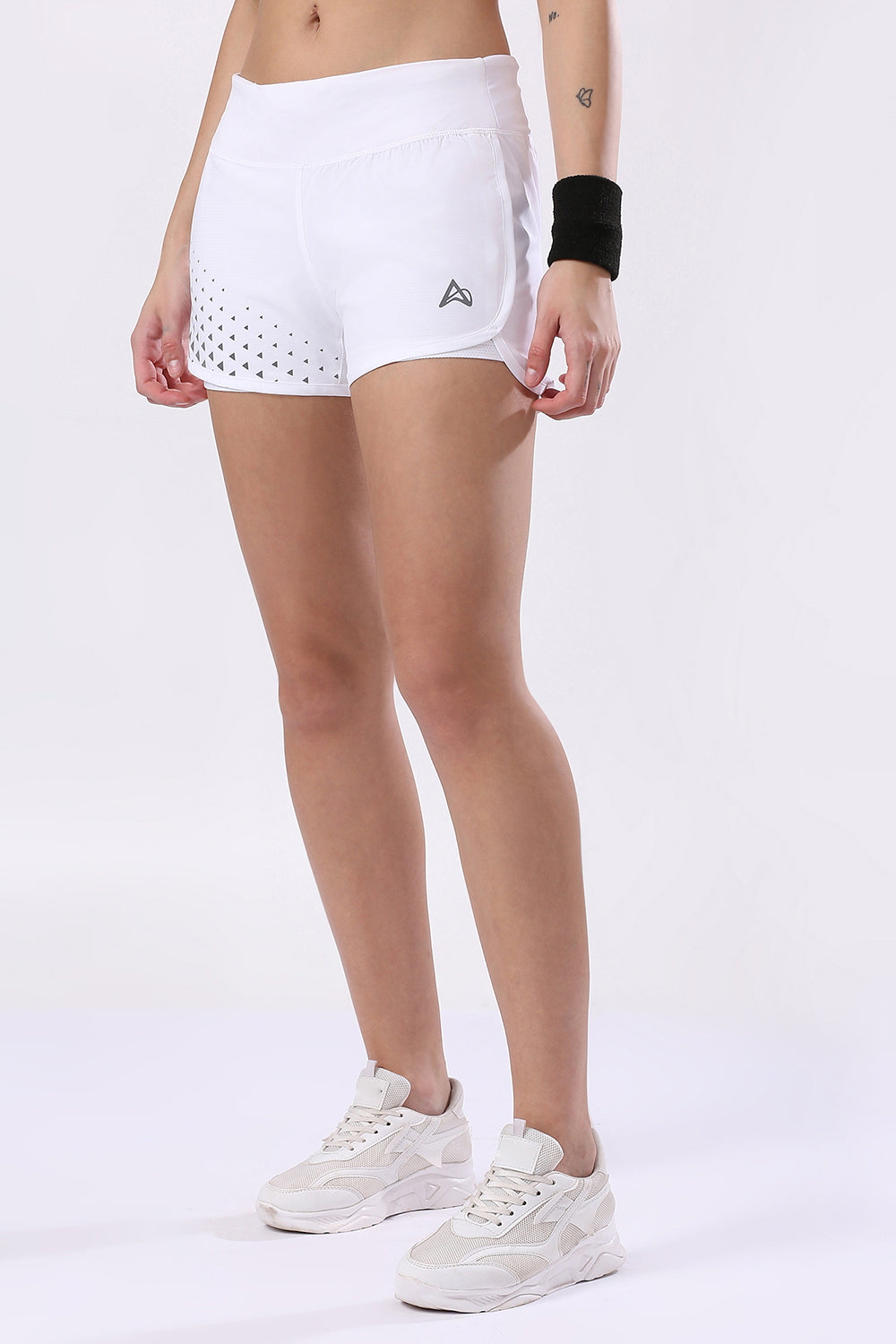
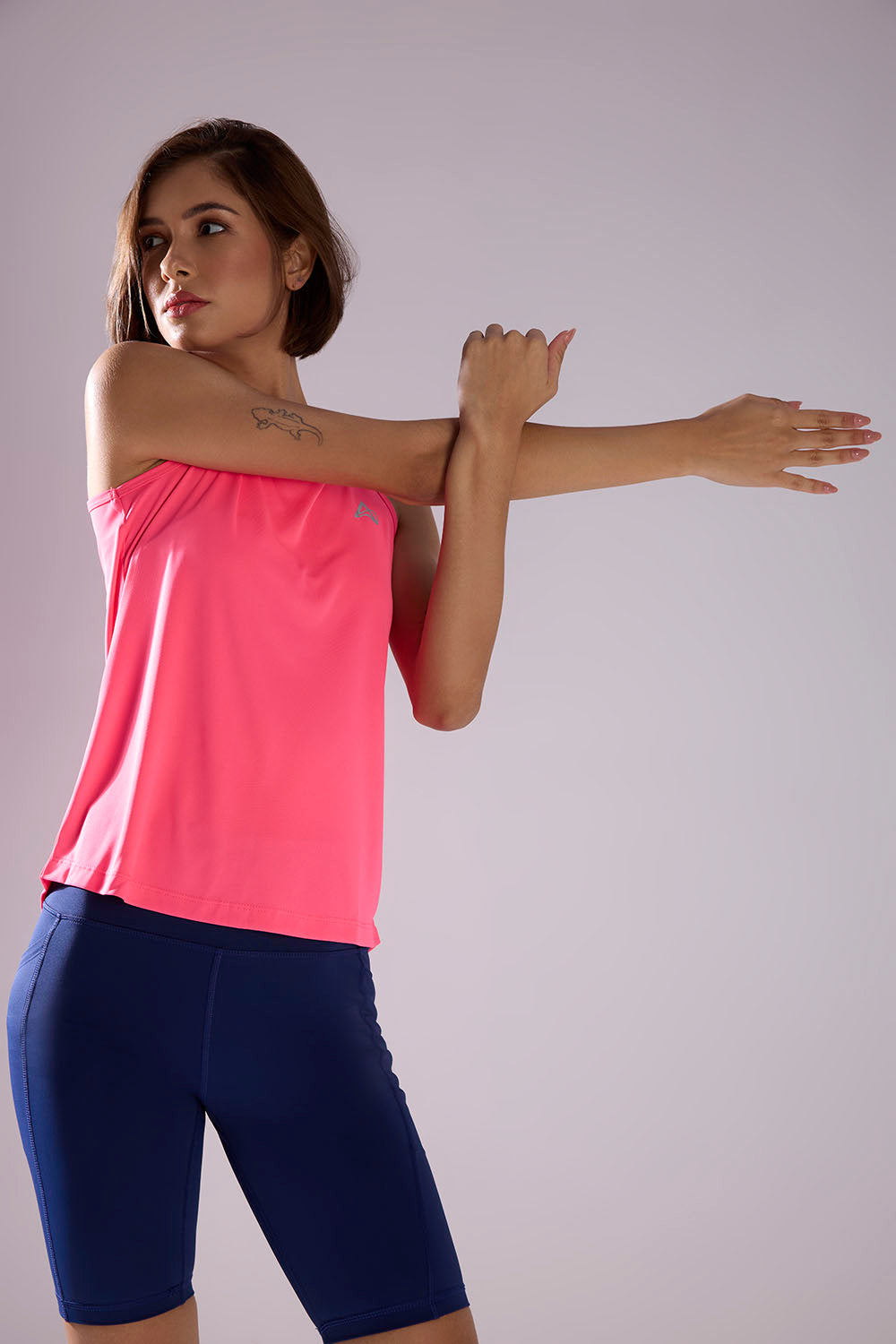
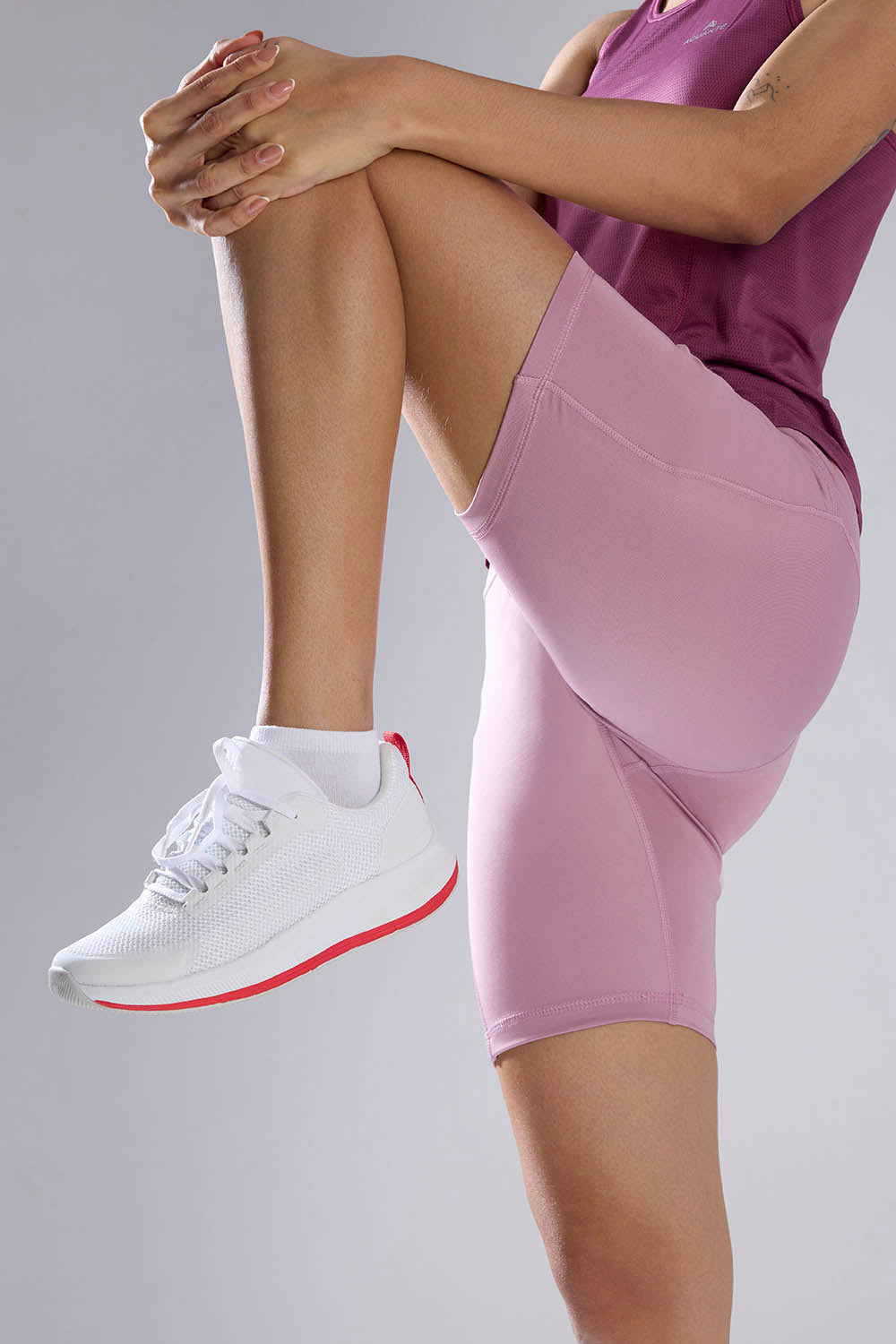
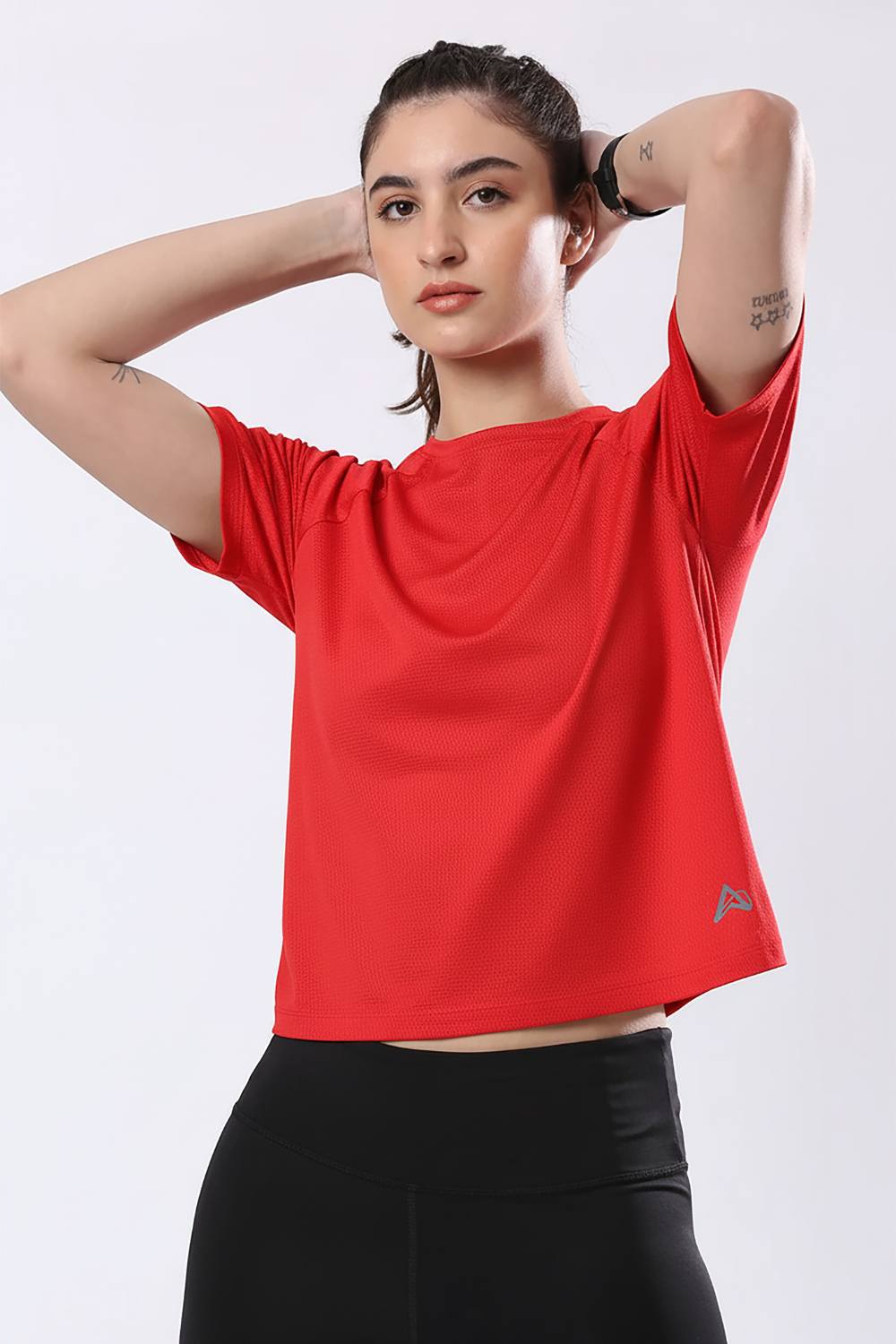
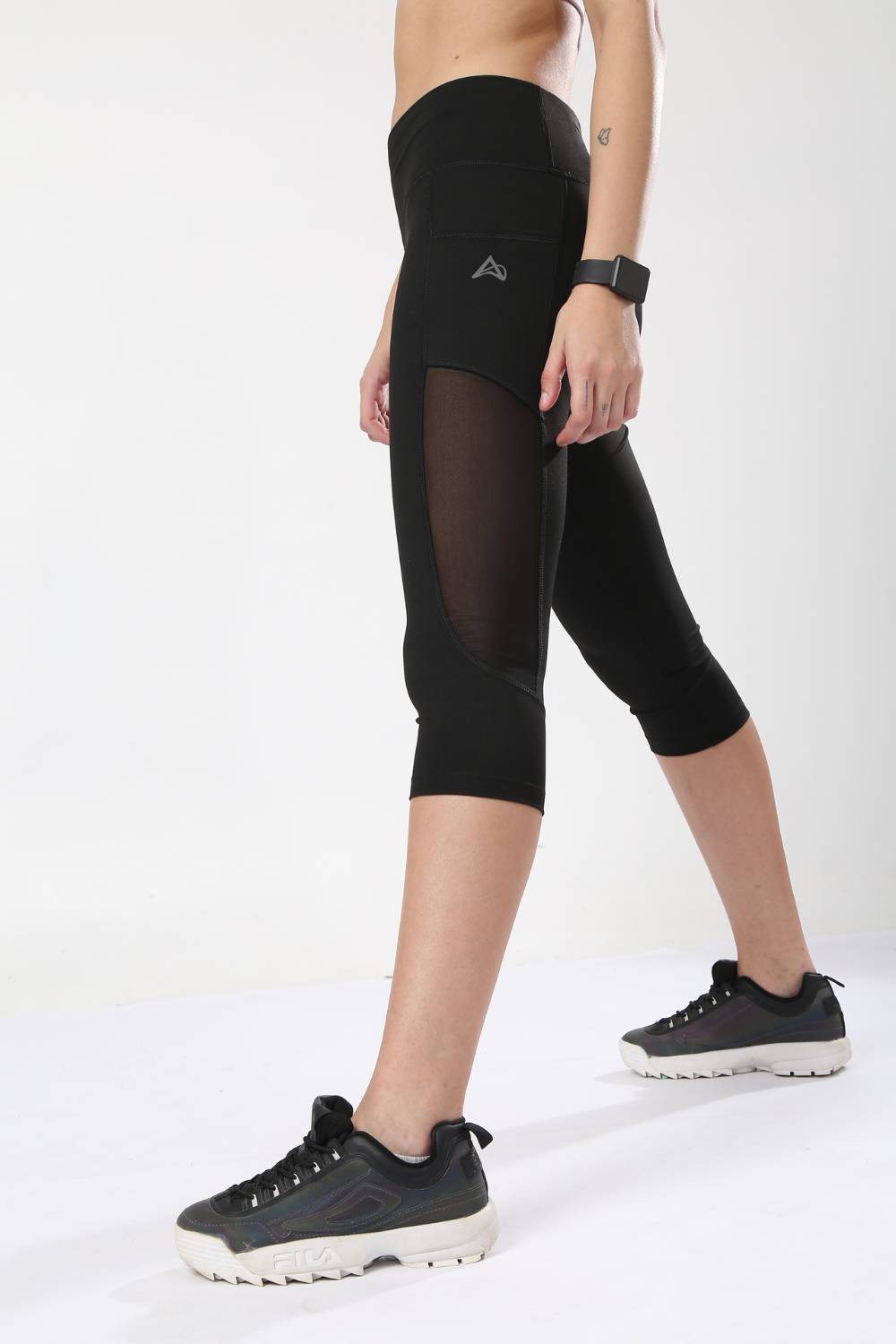
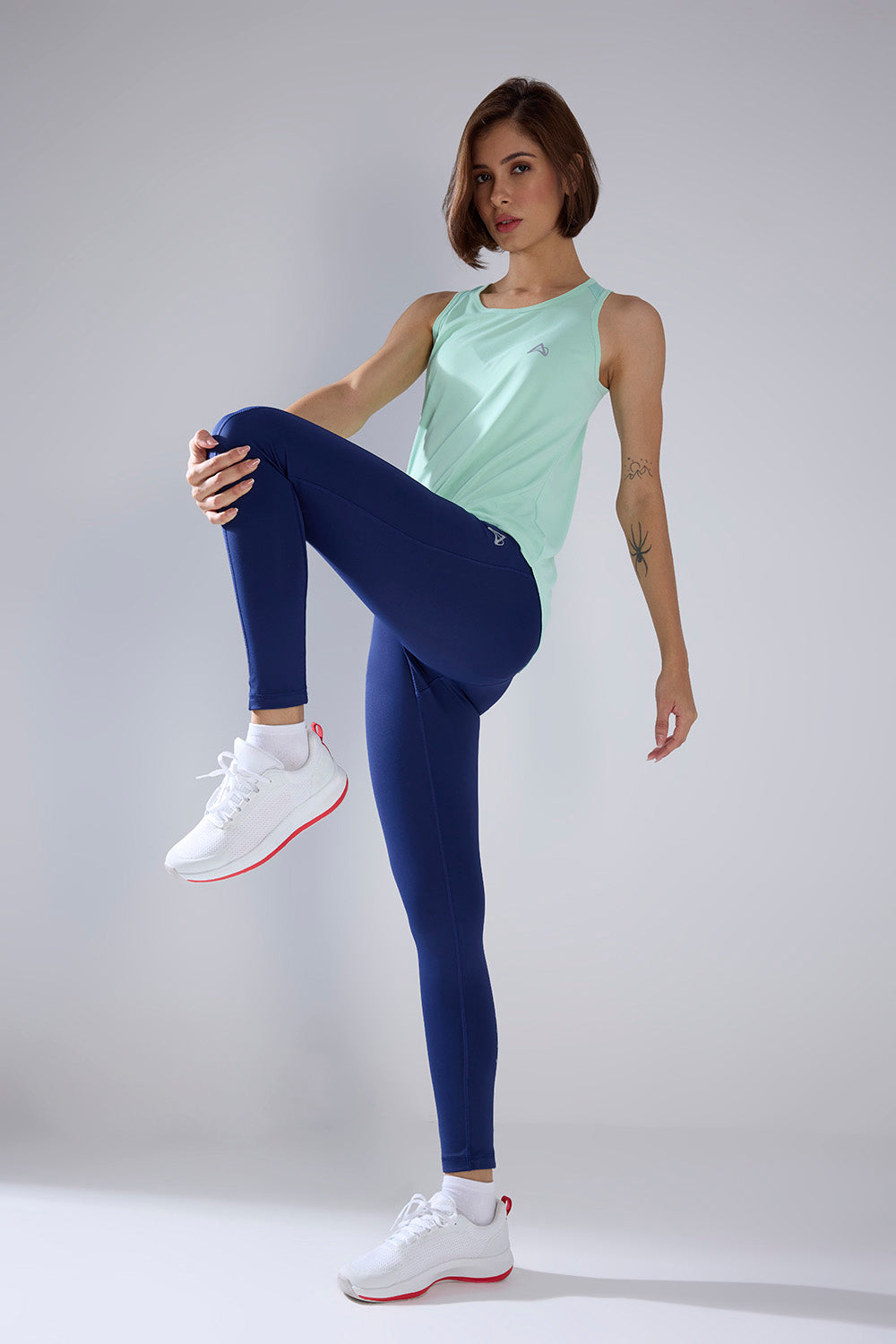
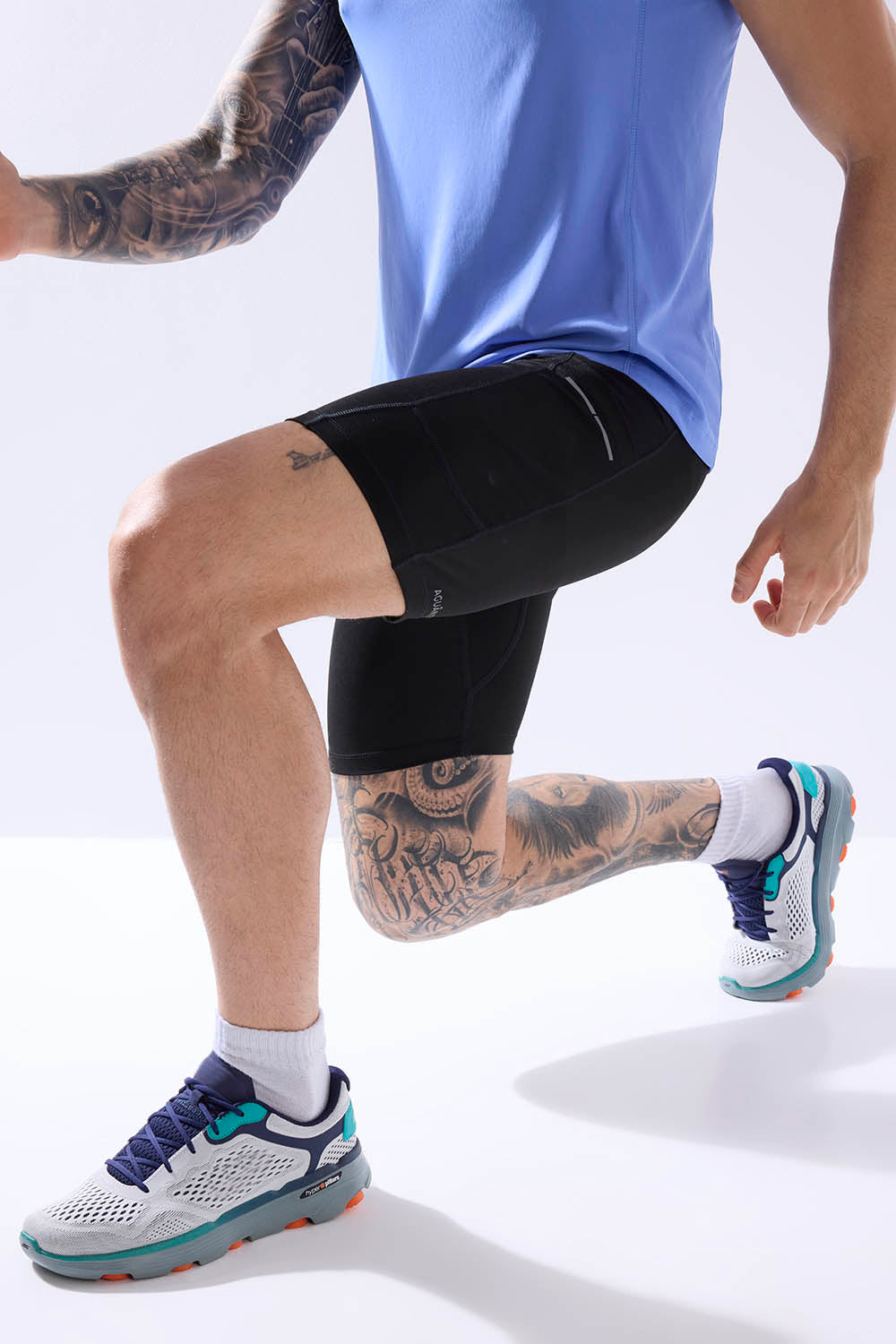
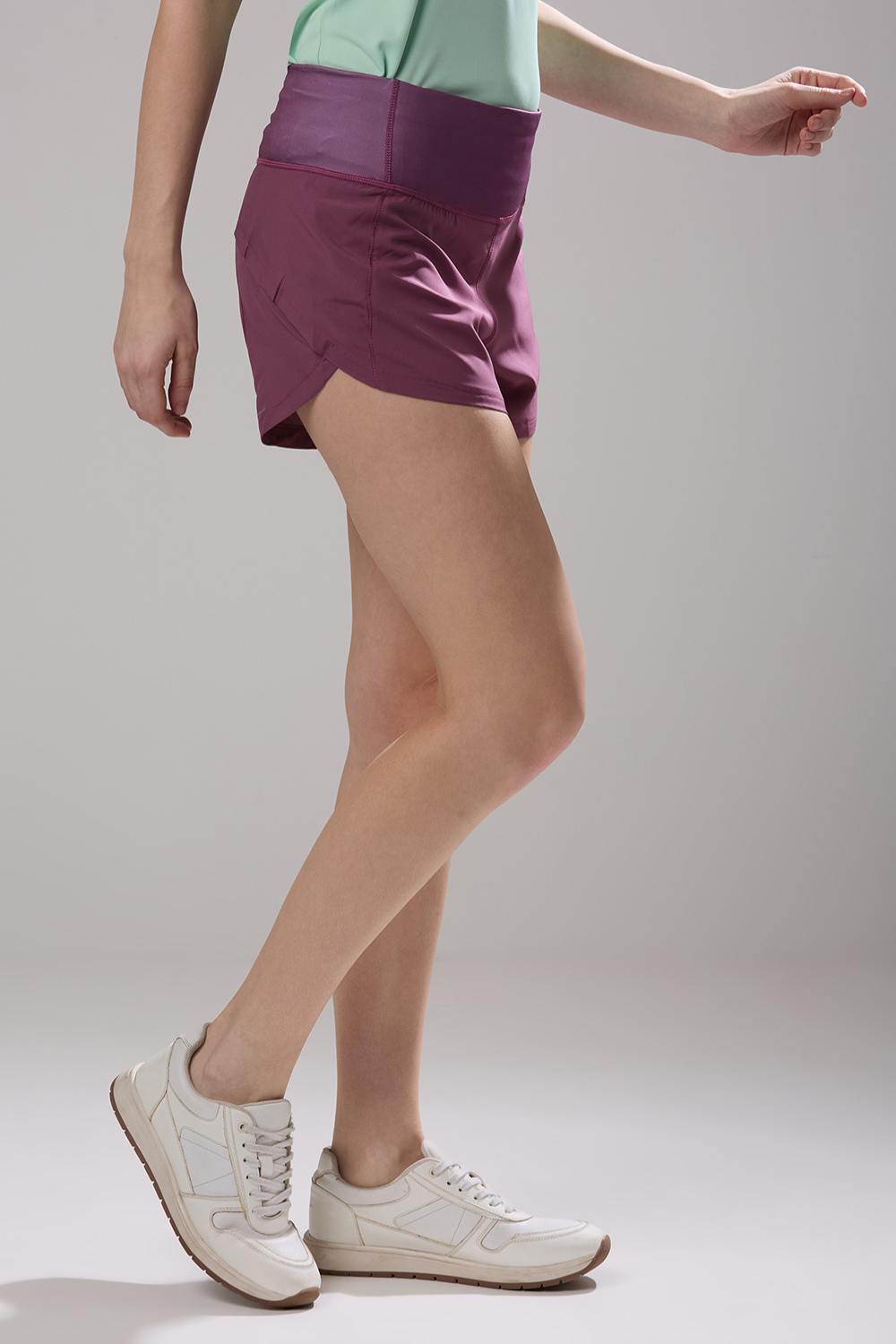
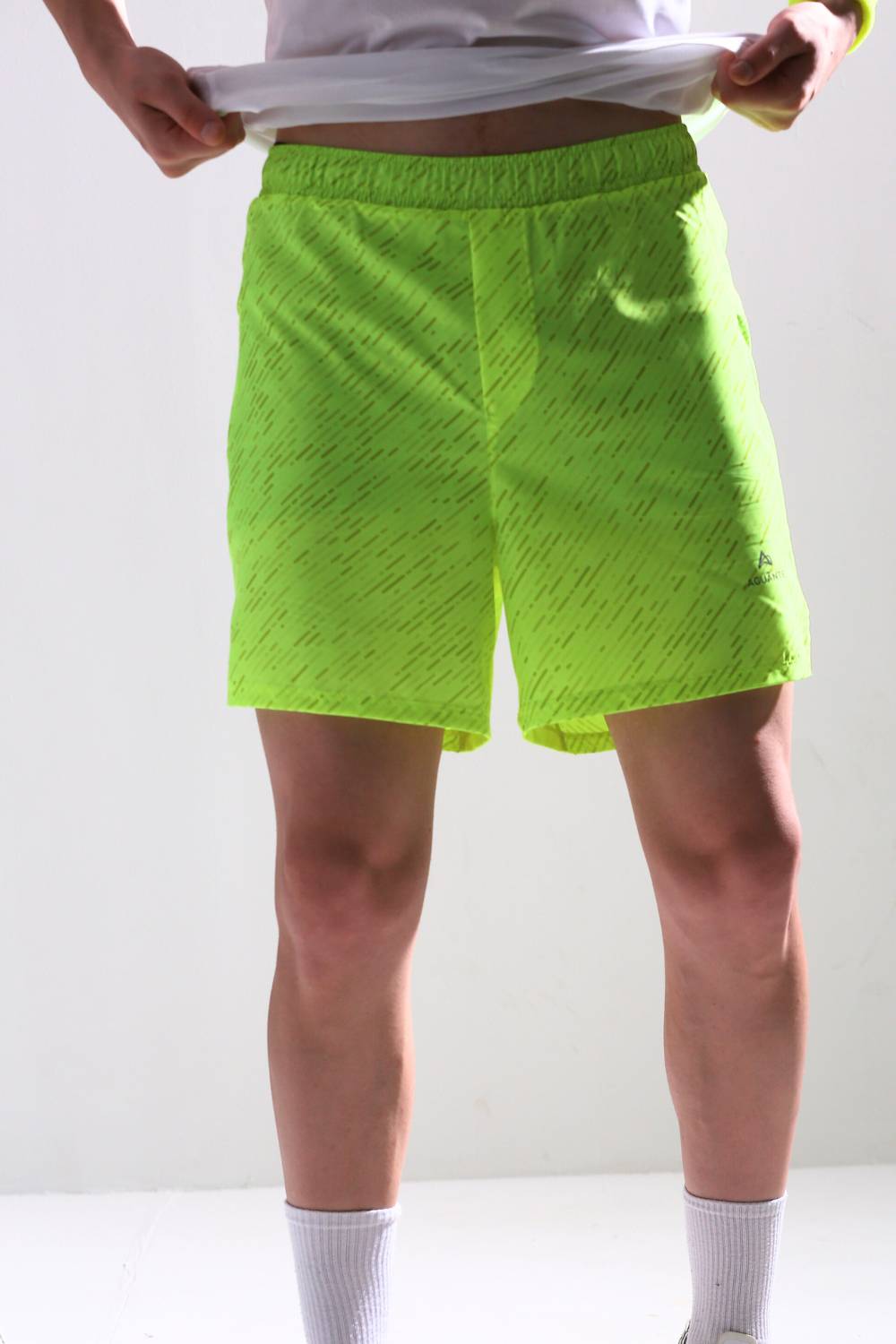
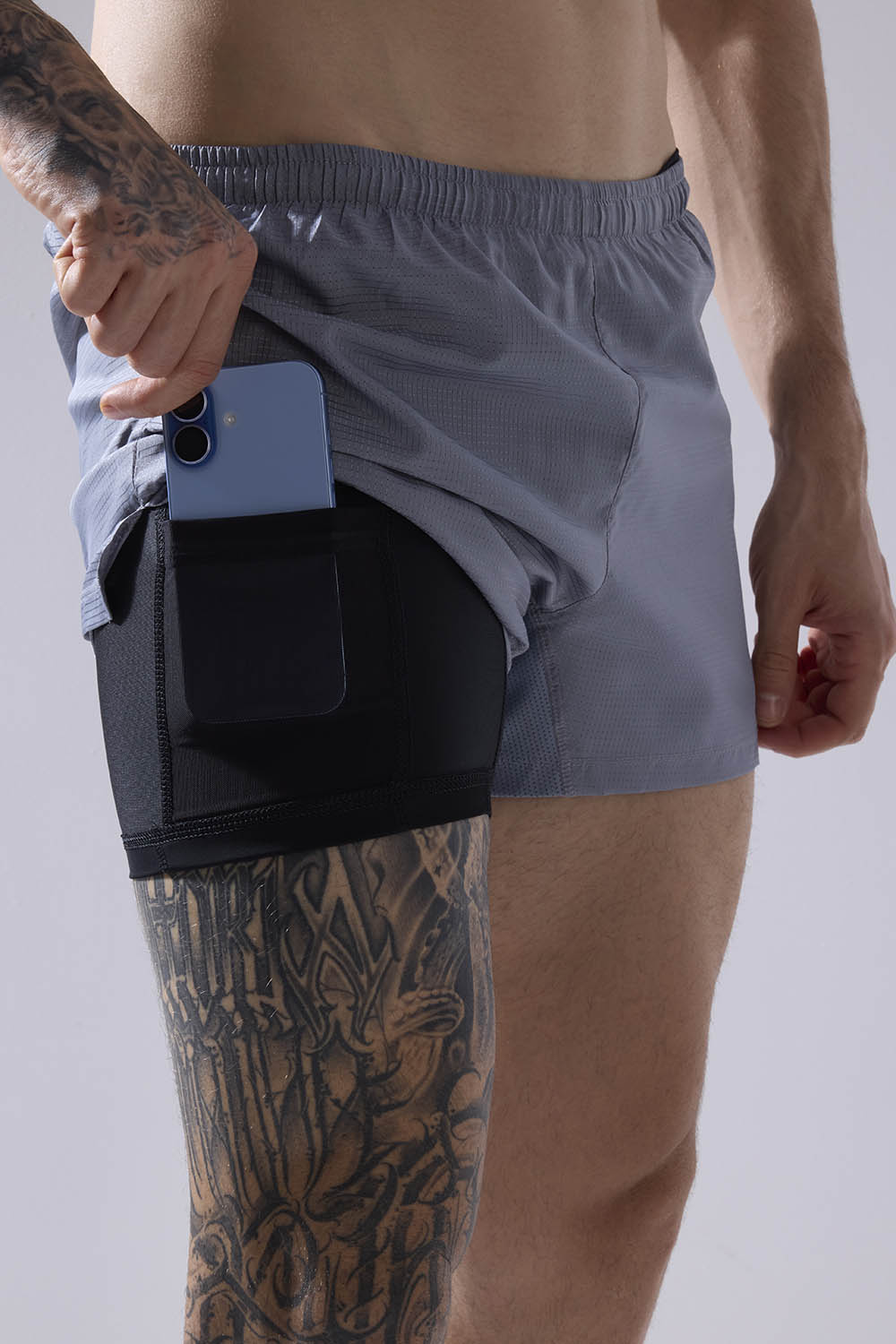
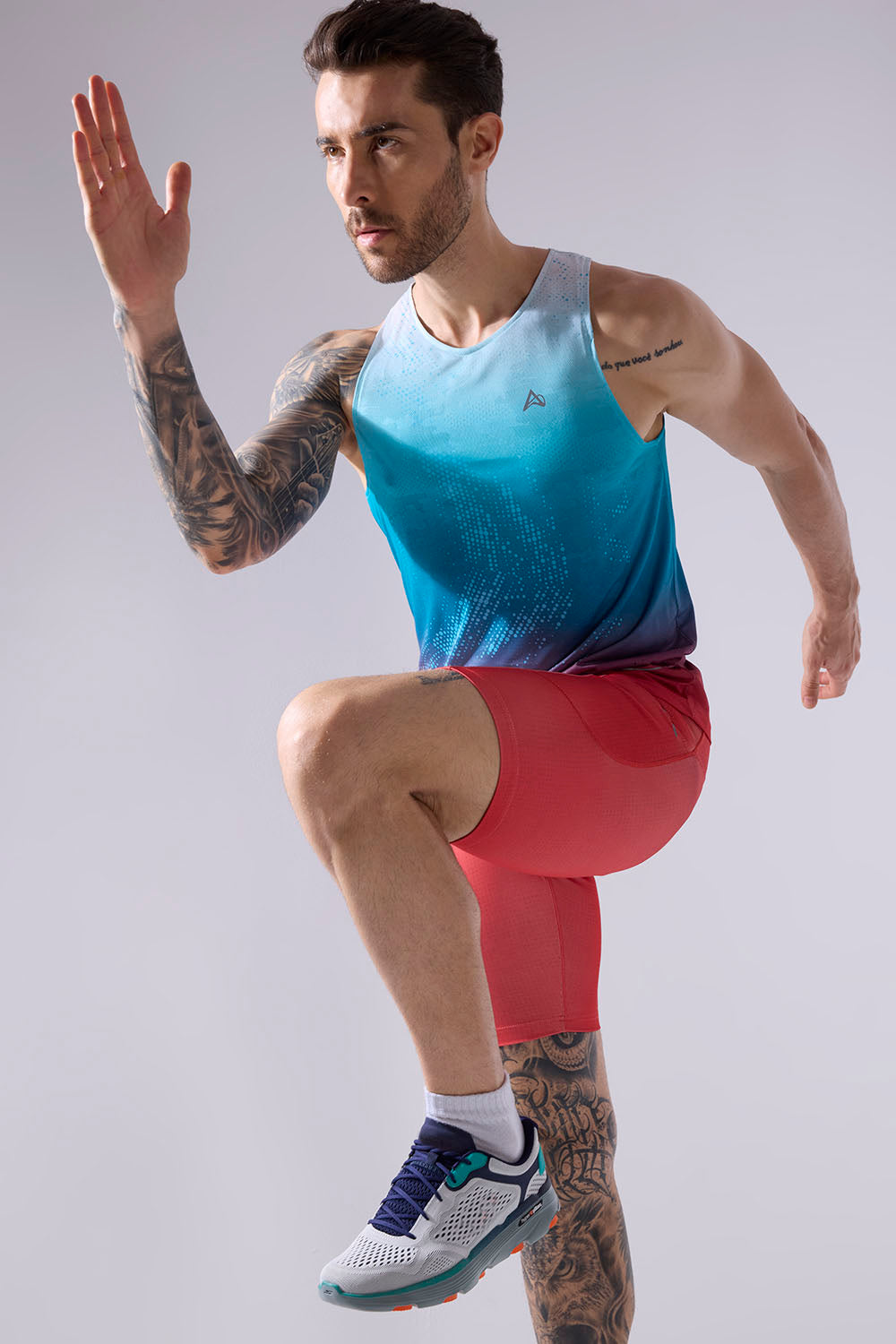
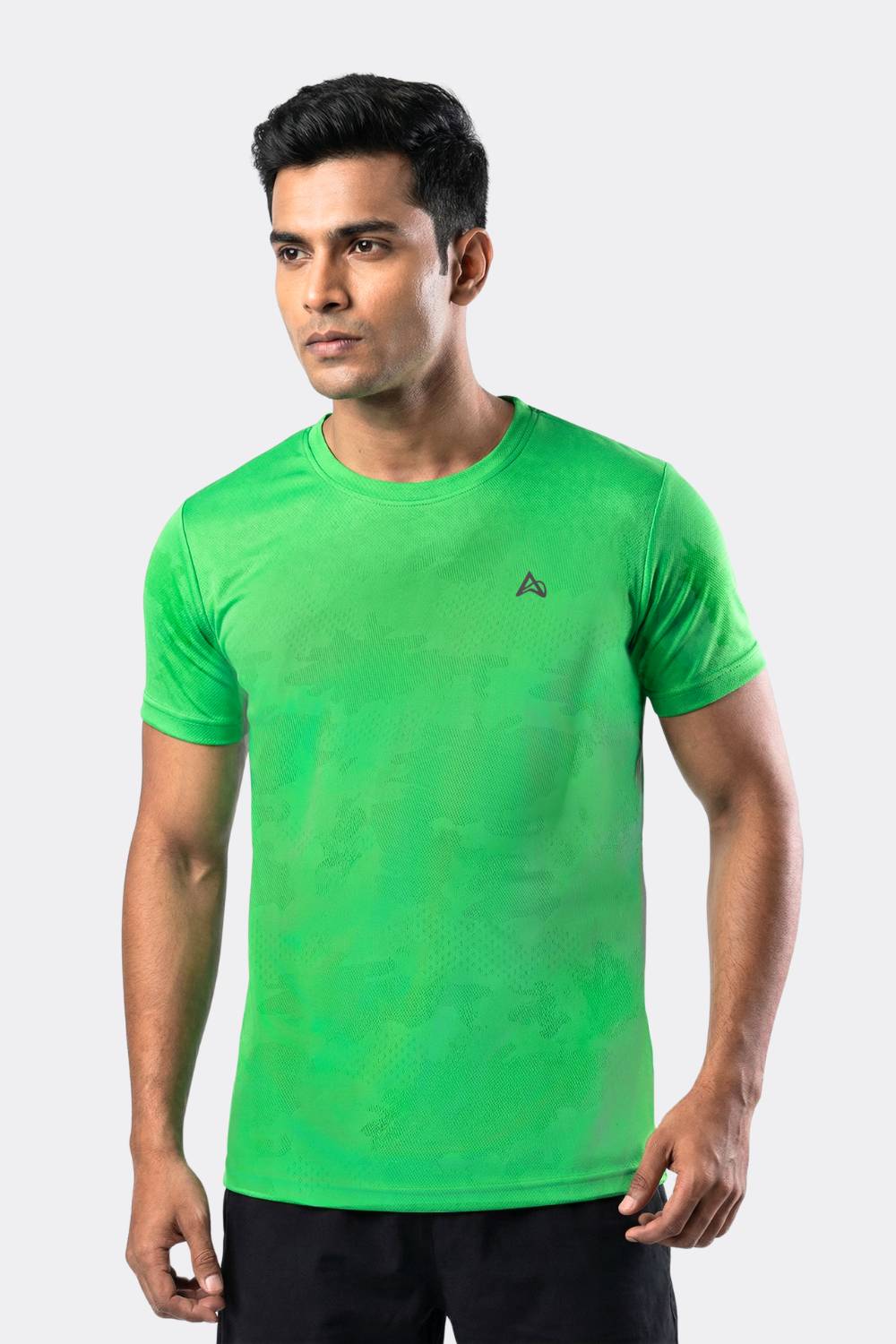
Tired of gear that slows you down? Chafing, soggy fabrics, and missing pockets kill your run's momentum. At Aguante, we're runners who get it. Our high-performance activewear features moisture-wicking fabrics, ergonomic designs, and smart storage to keep you focused. Shop Now!
How Group Runs Are Strengthening Urban Running Communities Across India's Major Cities
Spanning from Bangalore's Cubbon Park to Mumbai's Marine Drive, structured group runs transcend mere physical training they cultivate an interconnected, wellness-oriented city lifestyle. This uprising aligns with a widespread fitness transformation. Following the pandemic, Indians have abandoned isolated gym routines for communal outdoor pursuits. Such changes reflect worldwide tendencies: in 2024, participation in running and jogging in the United States exceeded 50 million individuals for the first time since 2020, marking the discipline's most significant surge since the 1970s when recreational jogging gained traction, rendering it undeniably trendy.
In India, this impetus gains traction through comparable dynamics. Initiatives such as the Fit India Movement have intensified emphasis on open-air endeavors, resulting in heightened involvement in urban running gatherings post-COVID. Activewear manufacturers recognize the potential: the worldwide running gear sector achieved USD 44.18 billion in value during 2024, with projections to attain USD 69.86 billion by 2033, advancing at a compound annual growth rate (CAGR) of 5.18% over 2025-2033. North America commands the landscape with more than 31.1% market portion in 2024, yet India's segment swells as consumer awareness of health benefits escalates prompting more people to jog for fitness maintenance and to address health issues tied to modern lifestyles.
Technological integrations accelerate this evolution. Platforms for runner communities worldwide attained a valuation of USD 1.72 billion in 2024, propelled by widespread uptake of digital tools among athletes and groups, and are forecasted to grow at a 12.8% CAGR, hitting USD 5.10 billion by 2033. This expansion stems from escalating fitness tech adoption, heightened interest in group-based activities, and smart device proliferation that meshes effortlessly with these systems. A key driver remains the worldwide emphasis on wellness, where running stands out as an approachable exercise option, and these platforms enhance interaction, drive, and responsibility essential for novices and veterans alike.
Within Indian metropolises, this manifests beyond screens into tangible assemblies merging virtual planning with physical effort. The broader health infrastructure supports it: the international health and fitness club industry stood at USD 104.05 billion in 2022, anticipated to rise from USD 112.17 billion in 2023 to USD 202.78 billion by 2030, with an 8.83% CAGR. North America held 42.59% in 2022, providing diverse facilities like pools, equipment, and group programs that complement outdoor runs by emphasizing holistic wellness.
Emerging Trends in Urban Running Culture
Bangalore and Hyderabad pioneer with innovative, tech-oriented collectives. Groups like the Jayanagar Jaguars coordinate structured sessions, preparation regimens, and charitable races, attracting professionals from tech hubs. Similarly, Hyderabad Runners facilitate official gatherings, leveraging applications such as Strava for geo-specific trials that transition online connections to in-person engagements.
In Mumbai and Navi Mumbai, vitality abounds. Registrations for the Mumbai Marathon have climbed 25% year-over-year according to Maharashtra's 2024 sports policy records, while suburban events like Sunday Soul Sante blend jogging with markets. Marine Drive transforms into a scenic route for early risers, combining ocean views with rhythmic steps.
Delhi and Gurugram witness outfits such as the Reebok Running Squad and Decathlon Run Clubs noting women comprising 40% of newcomers in 2025 a subtle yet profound shift toward greater female involvement, supported by guided groups ensuring security. Pune and Ahmedabad advance via "Safe Streets" partnerships involving authorities and brands, designating dedicated morning lanes for collective exercises.
Apps like Fittr and Cult.fit incorporate site-based incentives, mirroring international networks like Adidas Runners that have proliferated through online channels and apps. As noted in trends from Europe, running groups have long existed for mutual encouragement and enjoyment, but digital era has simplified organization, birthing hundreds of communities motivated by common aspirations. In India, this integrates into a vast wellness framework where outdoor alternatives provide cost-free, sociable options to formal clubs.
Technological advancements in gear such as innovative materials further propel participation, driven by events like marathons and trail runs. Health club's amenities underscore the shift toward comprehensive programs, yet group runs offer accessible entry points, amplifying social bonds in densely populated cities.
Case Studies: How Group Runs Are Building Communities
Consider Bangalore's Cubbon Park Runners, collaborating with emerging activewear firms on fortnightly "zero-waste" outings. Participants gather litter during jogs and recycle apparel, initiating discussions on sustainability and creating loops for gear repurposing that align with rising eco-consciousness.
Mumbai's Marine Drive Running Club allies with the BMC Health Department for "Run for Clean Air" initiatives, merging exercise with environmental advocacy amid urban pollution. Runners not only improve personal health but also advocate for policy changes, emerging as informed advocates.
In Delhi-NCR, Adidas Runners Delhi implements beginner mentoring, elevating retention by 30% in areas like Gurugram and Noida. Novices learn techniques from experienced members, cultivating lasting commitments and reducing attrition through shared knowledge.
Pune Happy Runners establish brand-backed hydration points, converting routines into social hubs where conversations flow as freely as water, boosting sponsor exposure via corporate social responsibility ties.
These examples illustrate runs as unifying forces, blending well-being with objectives. Globally, run clubs face scrutiny as "content factories" or pace-exclusive but their popularity endures, fueled by running's inherent appeal and communal joy, even amid criticisms of overcrowding or social media focus.
Such dynamics highlight how digital networking has eased group formation, echoing the motivation, goal-setting, and fun that define endurance sports gatherings worldwide.
Challenges Limiting Broader Participation
Despite enthusiasm, barriers persist. Infrastructural deficits in Gurugram and Navi Mumbai compel runners onto hazardous streets, with shrinking parks exacerbating access issues in expanding urban areas.
Pollution severely impacts Delhi and Ahmedabad, where elevated air quality indices during winter force pauses, as per Central Pollution Control Board metrics, diverting participants to indoor options or inactivity.
Gender-specific safety worries deter women in northern and central regions, particularly during dawn or dusk sessions, limiting half the potential demographic. Efforts like group chaperones or illuminated routes help, but systemic gaps remain.
For enterprises, dispersed clubs hinder uniform partnerships, complicating data gathering and sponsorship scalability. Nevertheless, organic growth prevails, underpinned by genuine passion over structural hurdles.
Opportunities and Brand Impact for Activewear Companies
Entities like aguante.in stand to gain by backing local runs, fostering allegiance and user-created media participants photographing attire and sharing online. This authenticity thrives in a functionality-driven market, where demand for advanced features like moisture management and reflectivity aligns with global moderate expansion in gear, spurred by tech innovations and event involvement.
E-commerce within communities flourishes via event QR codes linking efforts to incentives, bridging physical and digital sales. Collaborations with city health programs enhance credibility through purpose-aligned actions.
The runner platform's growth fueled by wellness focus and device integration offers brands data-rich touchpoints. As health awareness drives jogging for condition management, activewear firms embedding in social fabrics secure lasting engagement, mirroring how community-driven activities boost accountability. In India, this localization amplifies reach: sponsoring ties into rising participation, leveraging the CAGR trajectories for sustained impact.
The Future of Running Communities in India's Cities
Group runs embody a transition to participatory, societal fitness embedded in local settings. Experts view them as modern social hubs, enhancing physical health alongside environmental and communal harmony.
Projections indicate 20–25% expansion in structured urban running by 2030, based on industry analyses. Companies incorporating meaningful elements sustainable materials, inclusive events will differentiate. As metros thrum with these assemblies, India's cities advance united, proving that collective motion amplifies individual and shared resilience. Ultimately, a single shared step propels multitudes forward.
Frequently Asked Questions
How are group runs strengthening urban running communities in India's major cities?
Group runs are transforming urban fitness culture by creating interconnected communities that extend beyond physical training. From Bangalore's Cubbon Park to Mumbai's Marine Drive, these structured group runs foster social connections, promote wellness, and provide accessible alternatives to traditional gym memberships. With women comprising 40% of newcomers in cities like Delhi and Gurugram, these communities are becoming increasingly inclusive and serve as modern social hubs that combine fitness with environmental advocacy and sustainability initiatives.
What are the main challenges limiting broader participation in urban running groups?
Infrastructure deficits, air pollution, and safety concerns present significant barriers to participation in India's running communities. Cities like Delhi and Ahmedabad face severe air quality issues during winter that force runners indoors, while inadequate infrastructure in Gurugram and Navi Mumbai compels runners onto hazardous streets. Gender-specific safety concerns particularly affect women during early morning or evening runs in northern and central regions, though initiatives like group chaperones and illuminated routes are helping address these challenges.
What opportunities do group runs present for activewear brands in India?
Activewear companies can leverage the growing running community by sponsoring local runs, creating authentic user-generated content, and building brand loyalty through community engagement. With the global running gear market projected to reach USD 69.86 billion by 2033 and runner community platforms expected to hit USD 5.10 billion, brands that integrate sustainable materials, support inclusive events, and utilize e-commerce innovations like event QR codes can establish lasting connections with health-conscious consumers seeking advanced features like moisture management and reflectivity.
Disclaimer: The above helpful resources content contains personal opinions and experiences. The information provided is for general knowledge and does not constitute professional advice.
You may also be interested in: Why Indian Marathoners Choose Aguante for Long Runs
Tired of gear that slows you down? Chafing, soggy fabrics, and missing pockets kill your run's momentum. At Aguante, we're runners who get it. Our high-performance activewear features moisture-wicking fabrics, ergonomic designs, and smart storage to keep you focused. Shop Now!
Powered by flareAI.co