



Quick Listen:
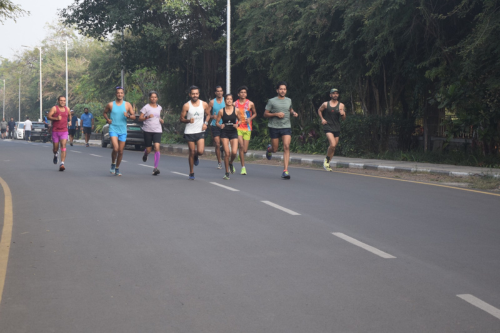
Before the first light breaks over Mumbai's Marine Drive, the city is already alive with the steady cadence of runners cutting through the humid dawn. In Bangalore's Cubbon Park, joggers in bright, breathable gear dart past misty lawns, while Delhi's Lodhi Gardens pulse with the energy of early-morning sprints. These urban runners, part of India's swelling fitness movement, aren't just chasing faster times they're reshaping the activewear landscape. Once the domain of global powerhouses like Nike and Adidas, India's running gear market is witnessing a surge of local brands delivering high-performance apparel crafted for the country's unique climate, culture, and economic realities.
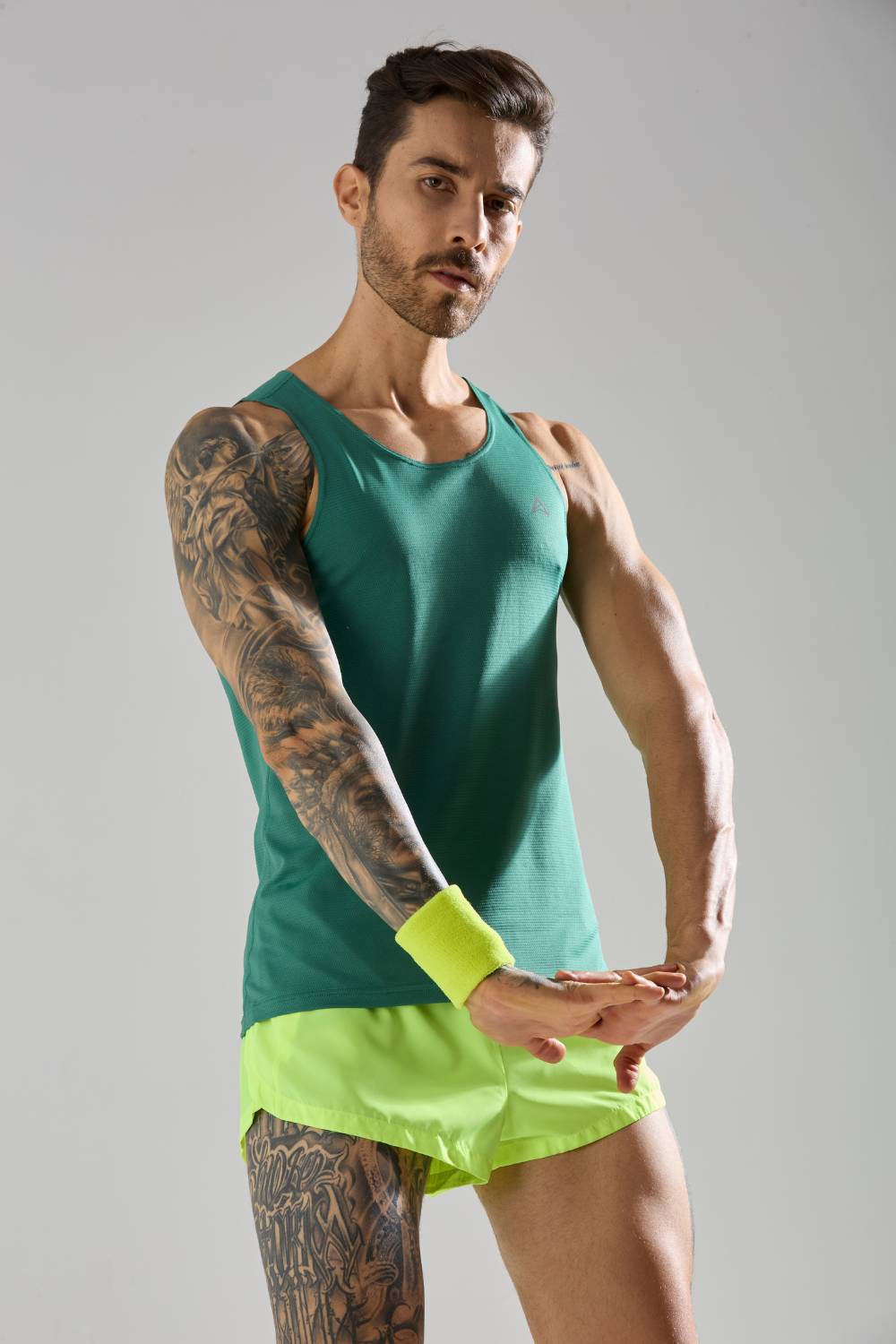
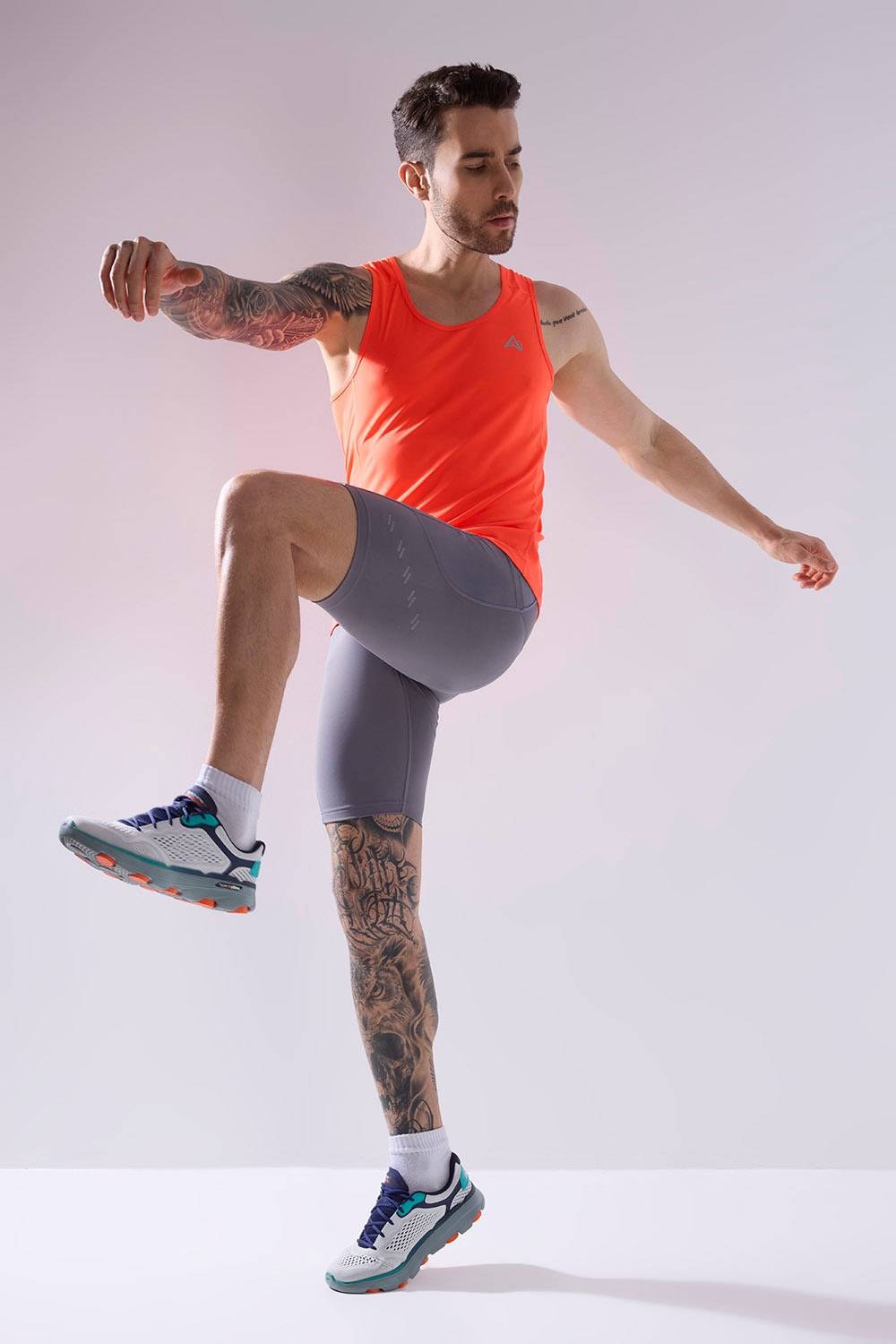
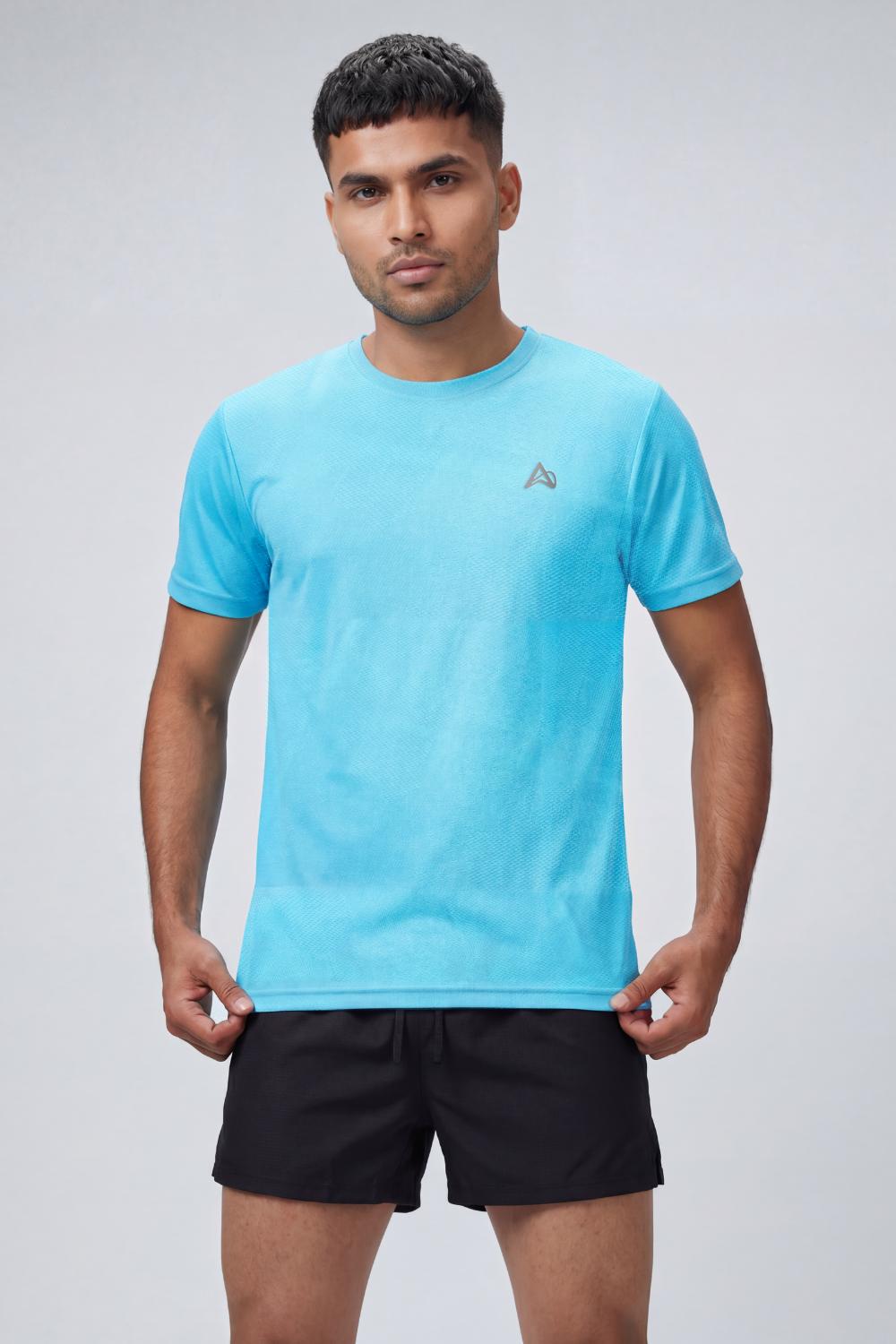
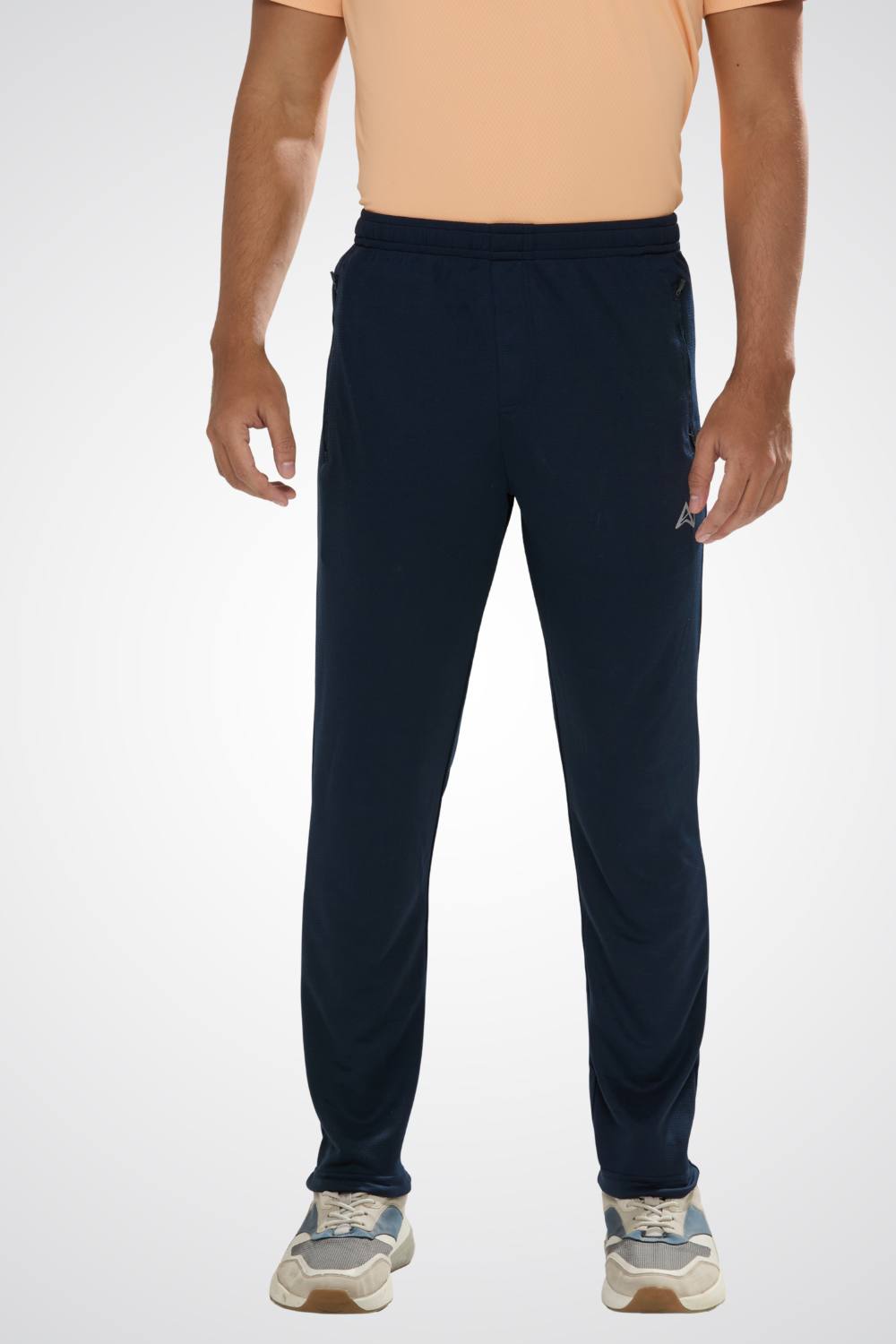
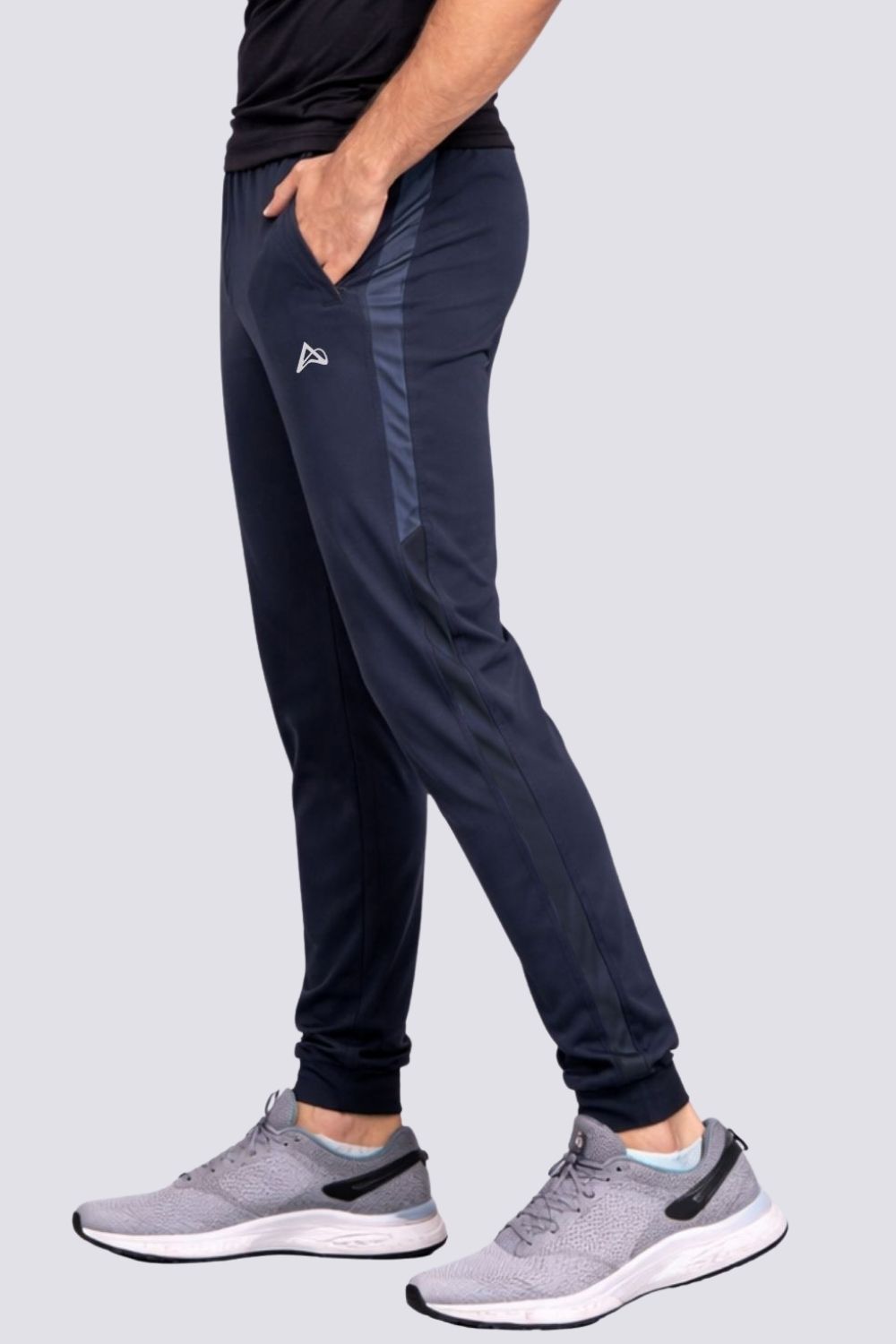
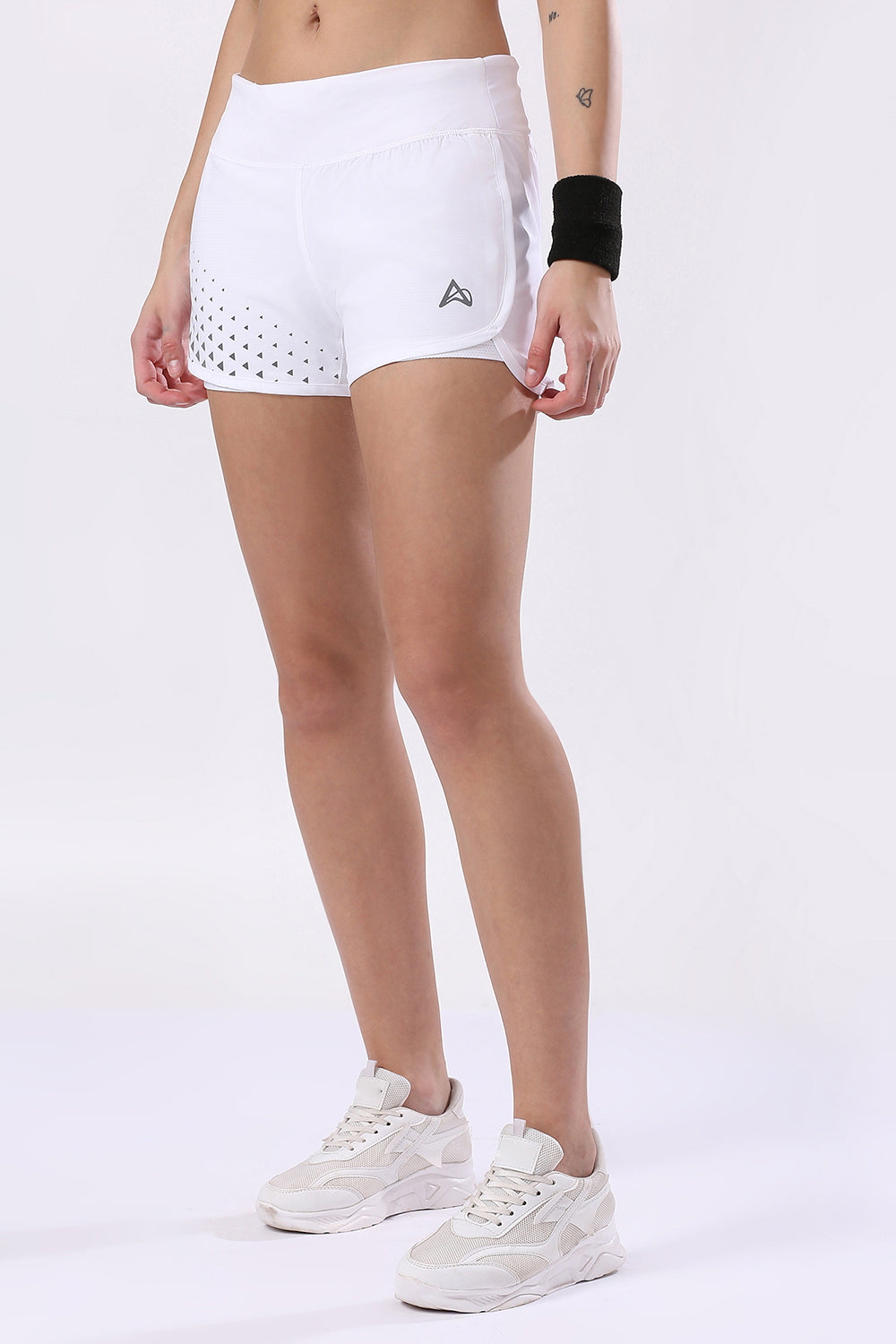
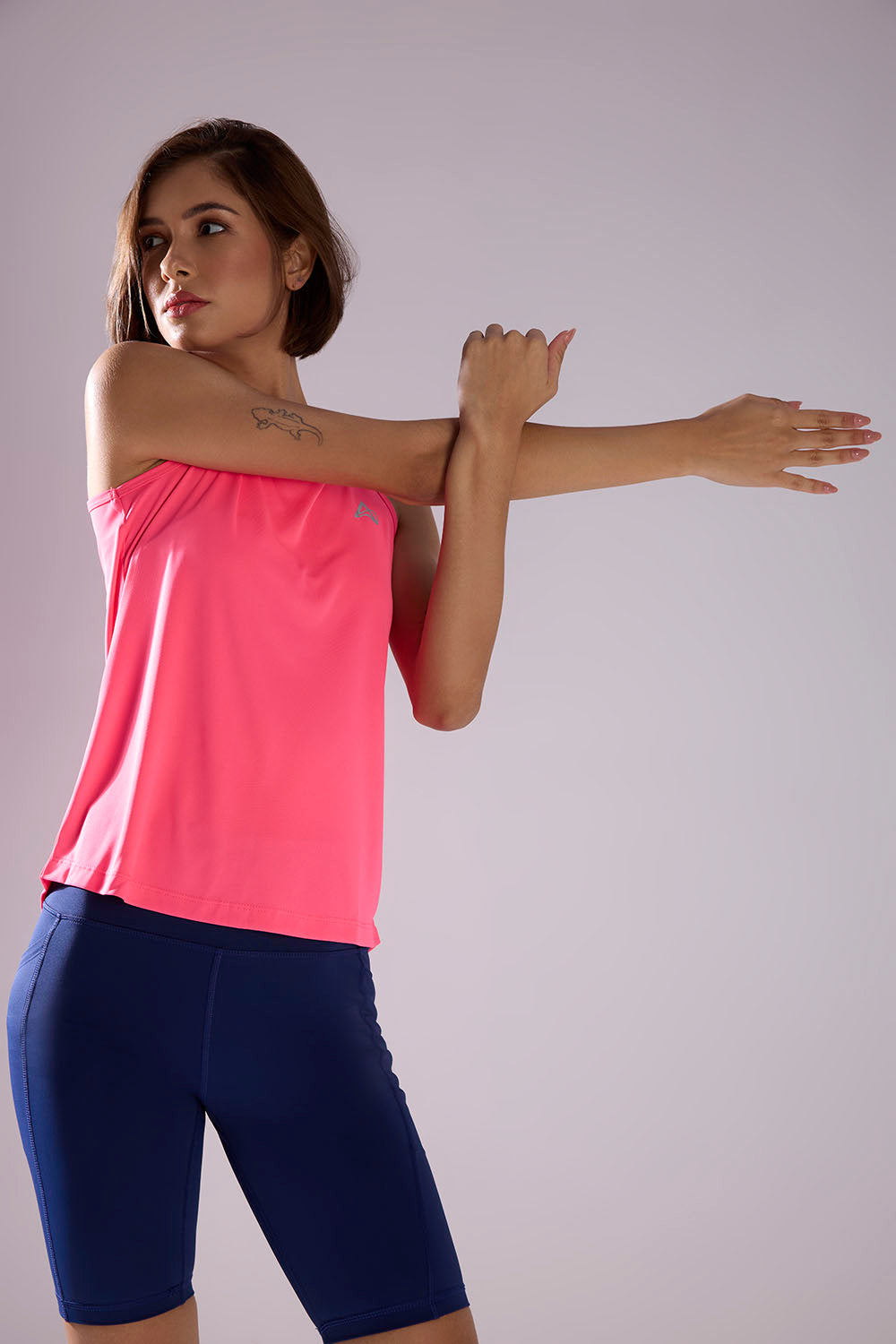
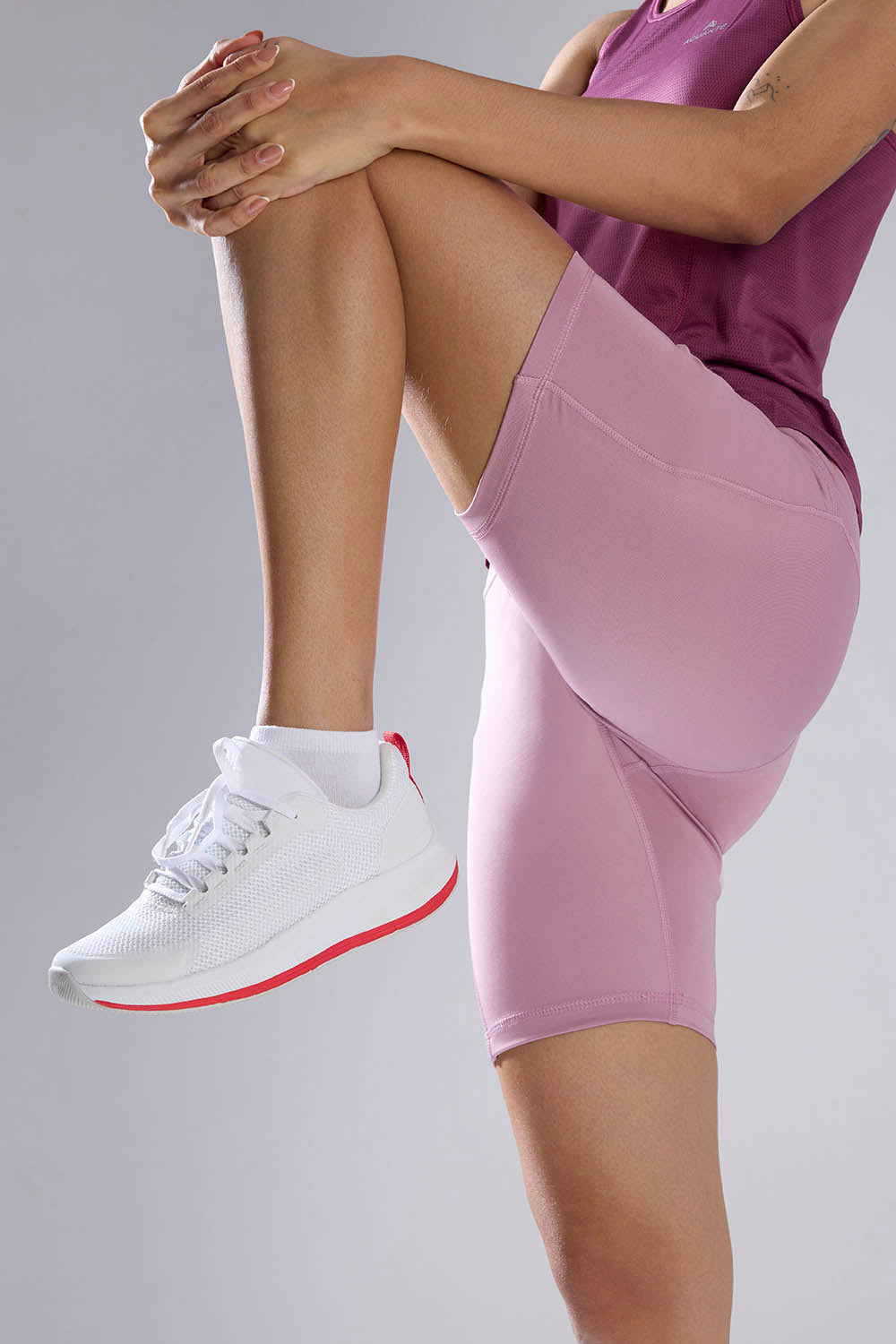
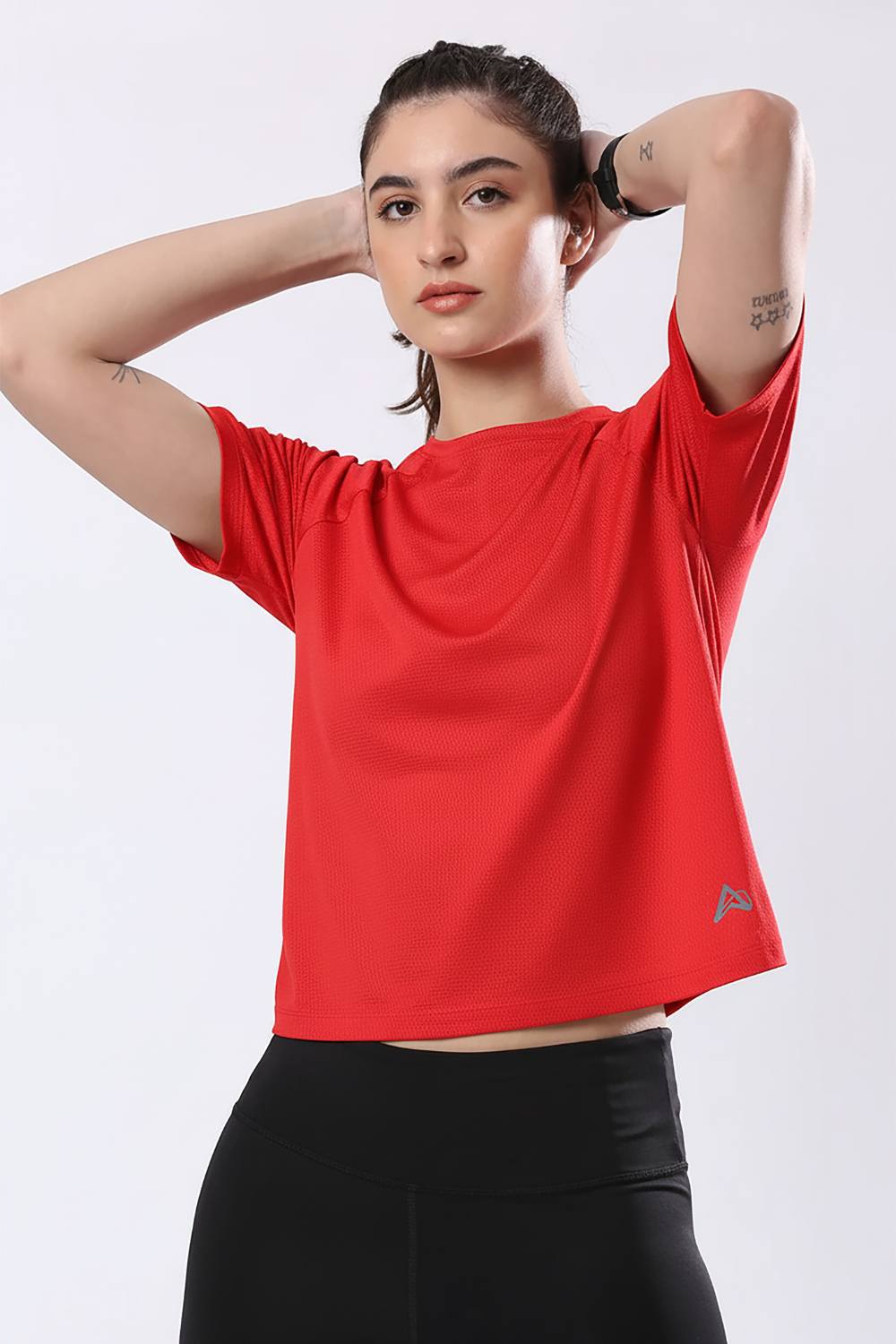
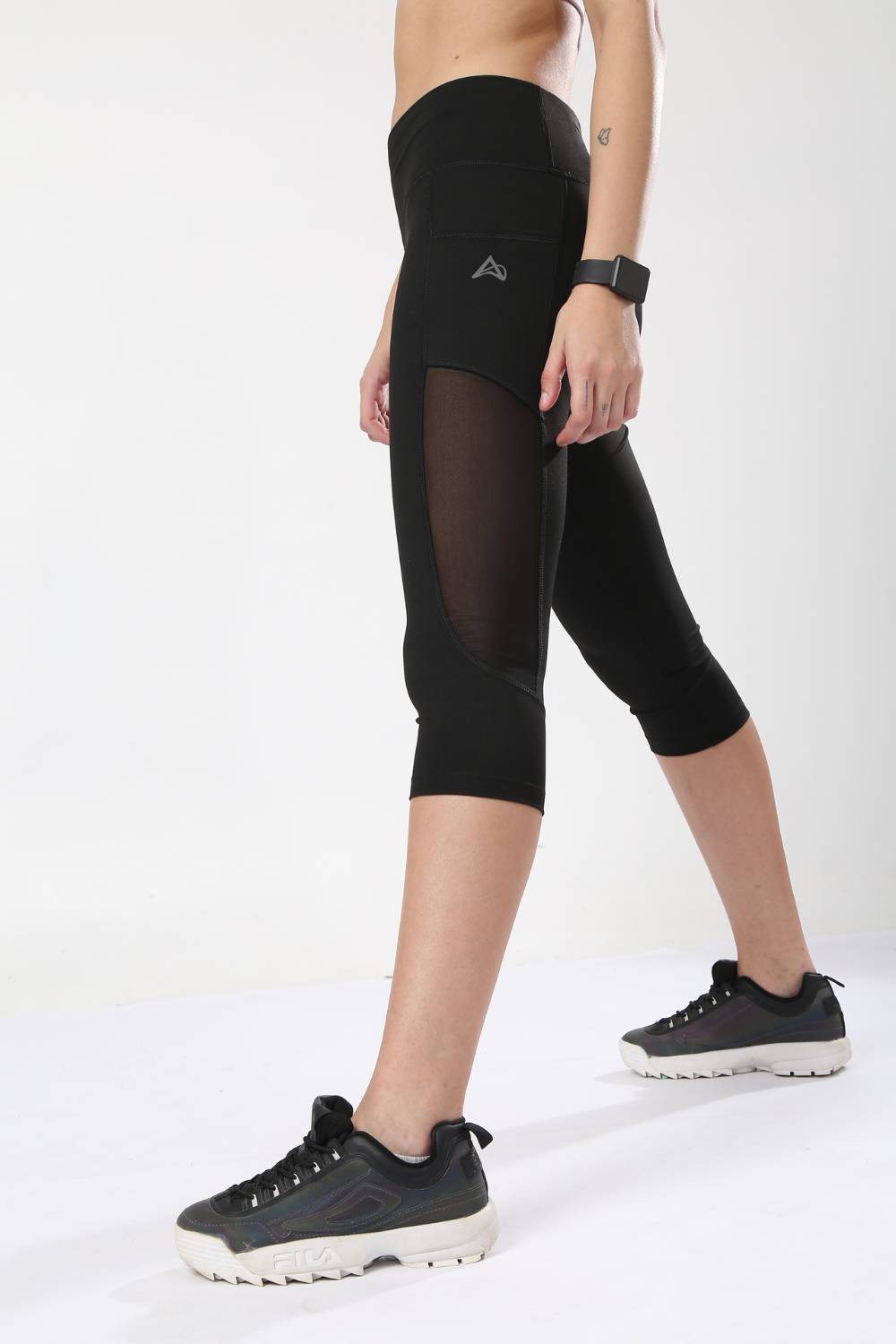
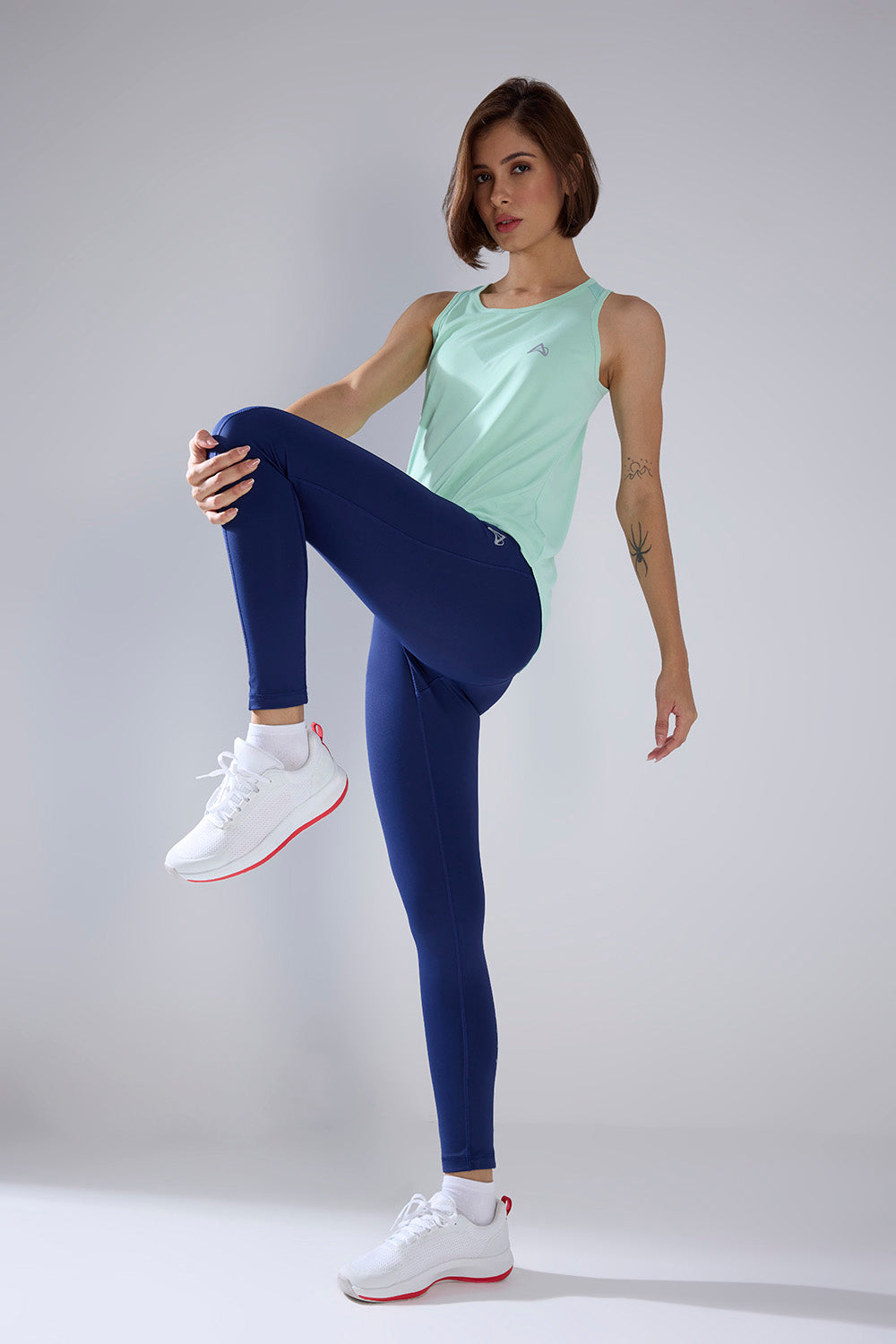
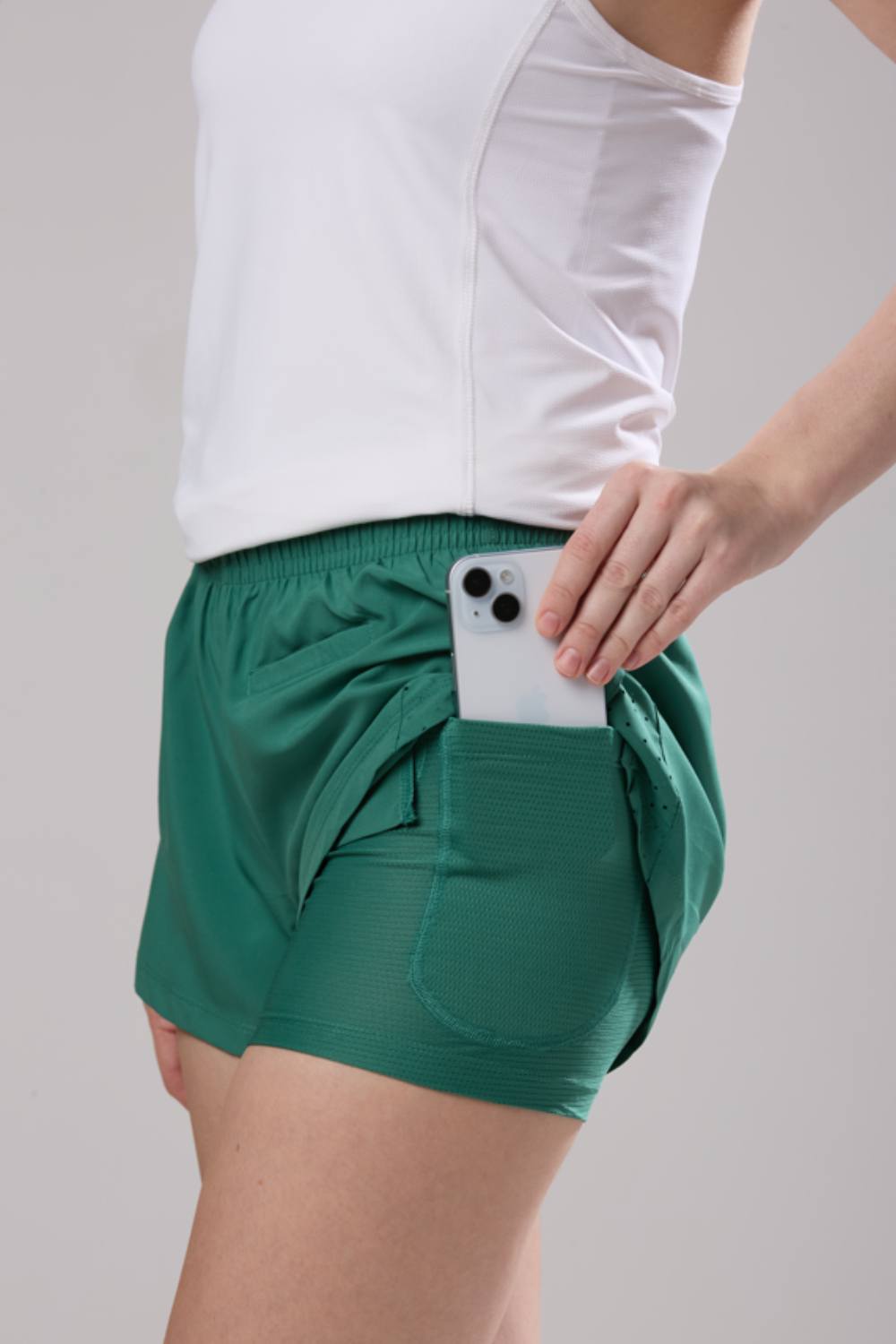
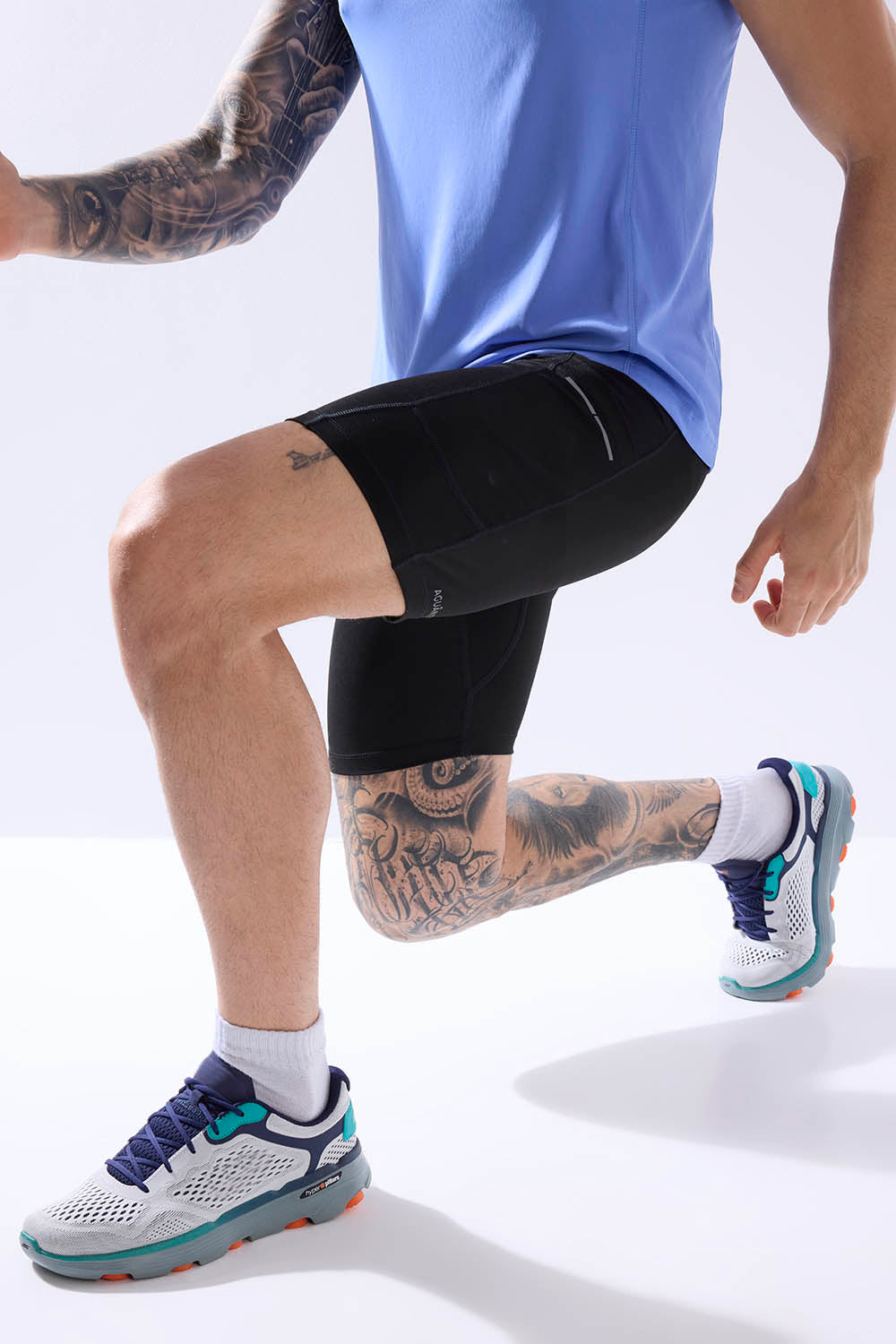
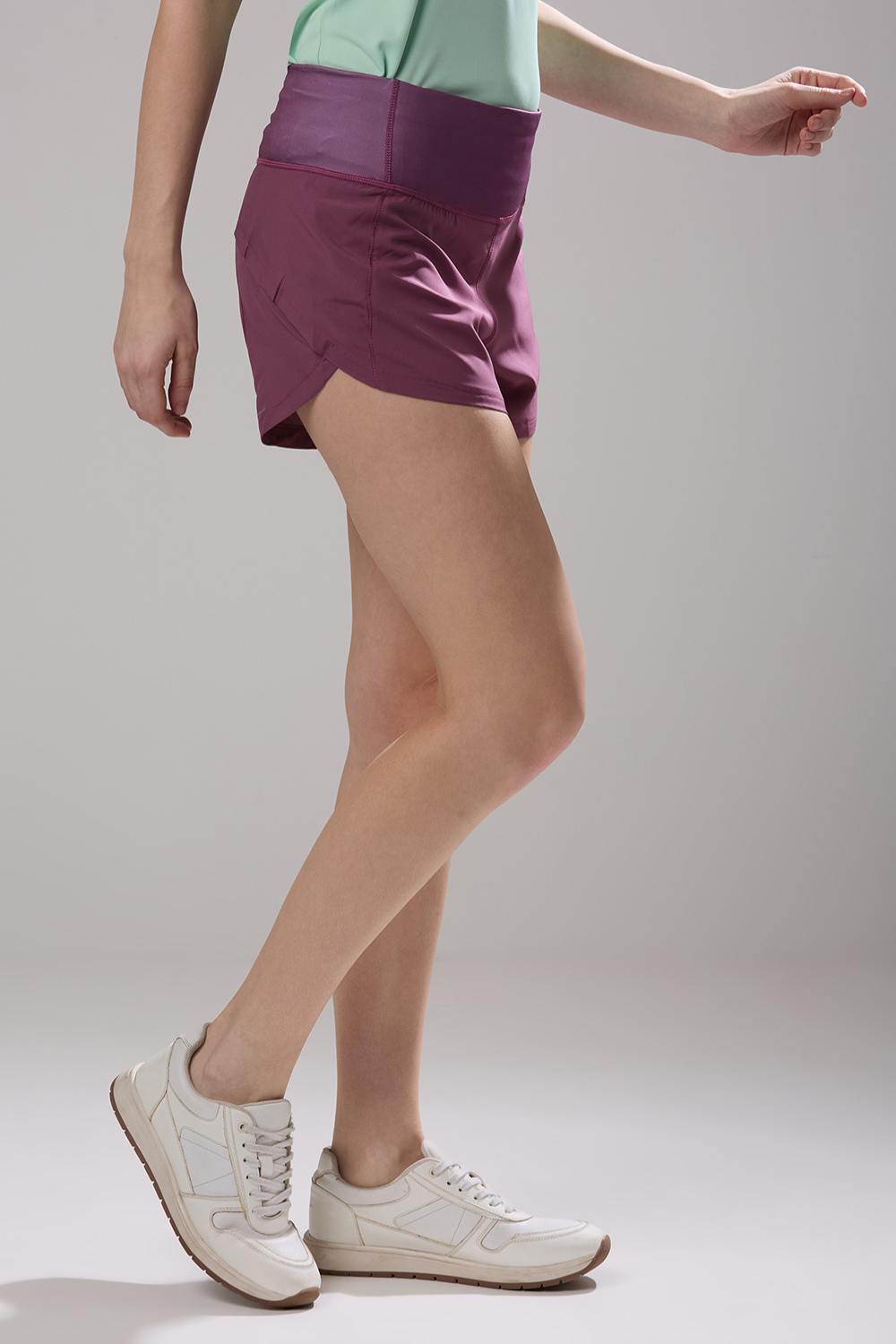
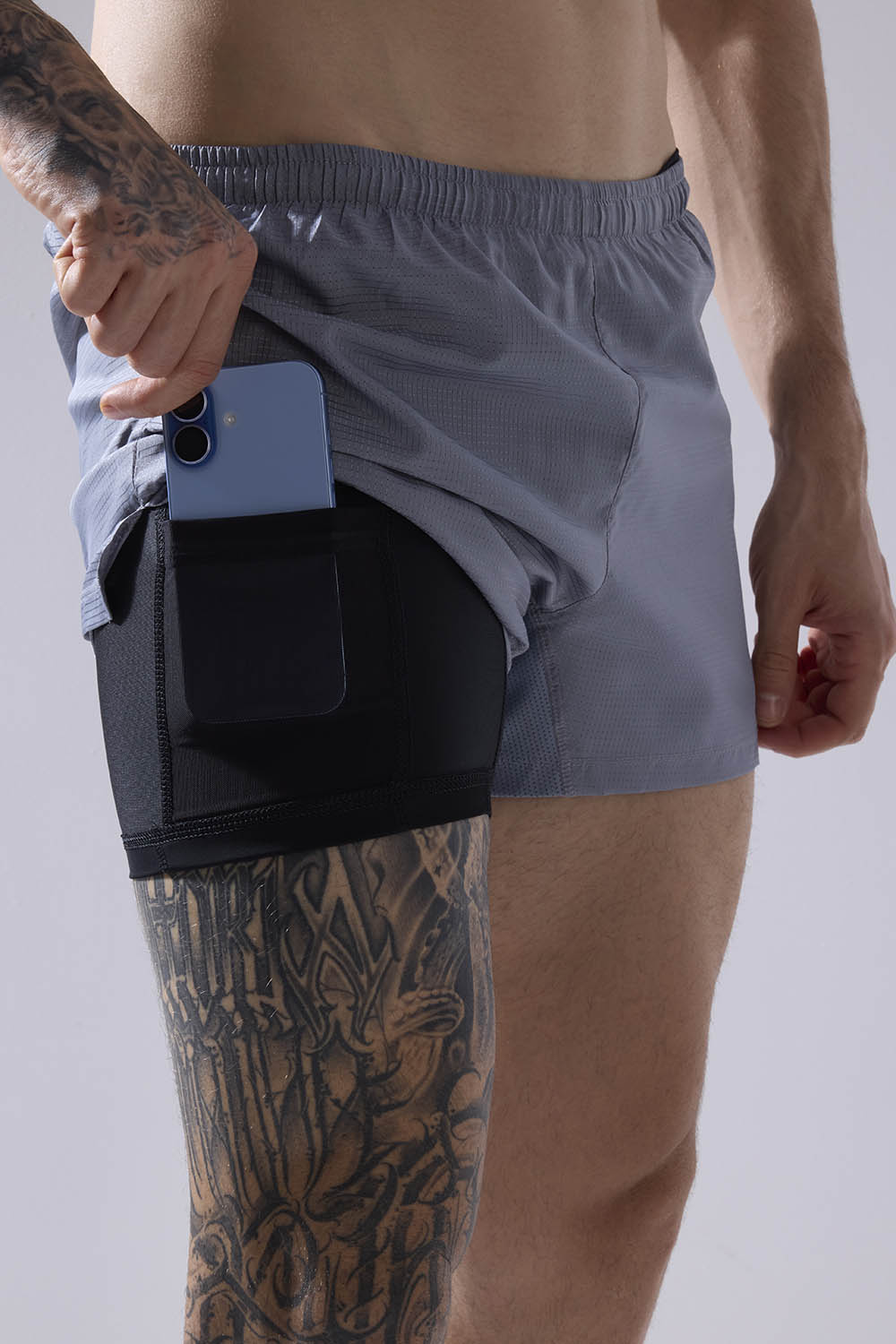
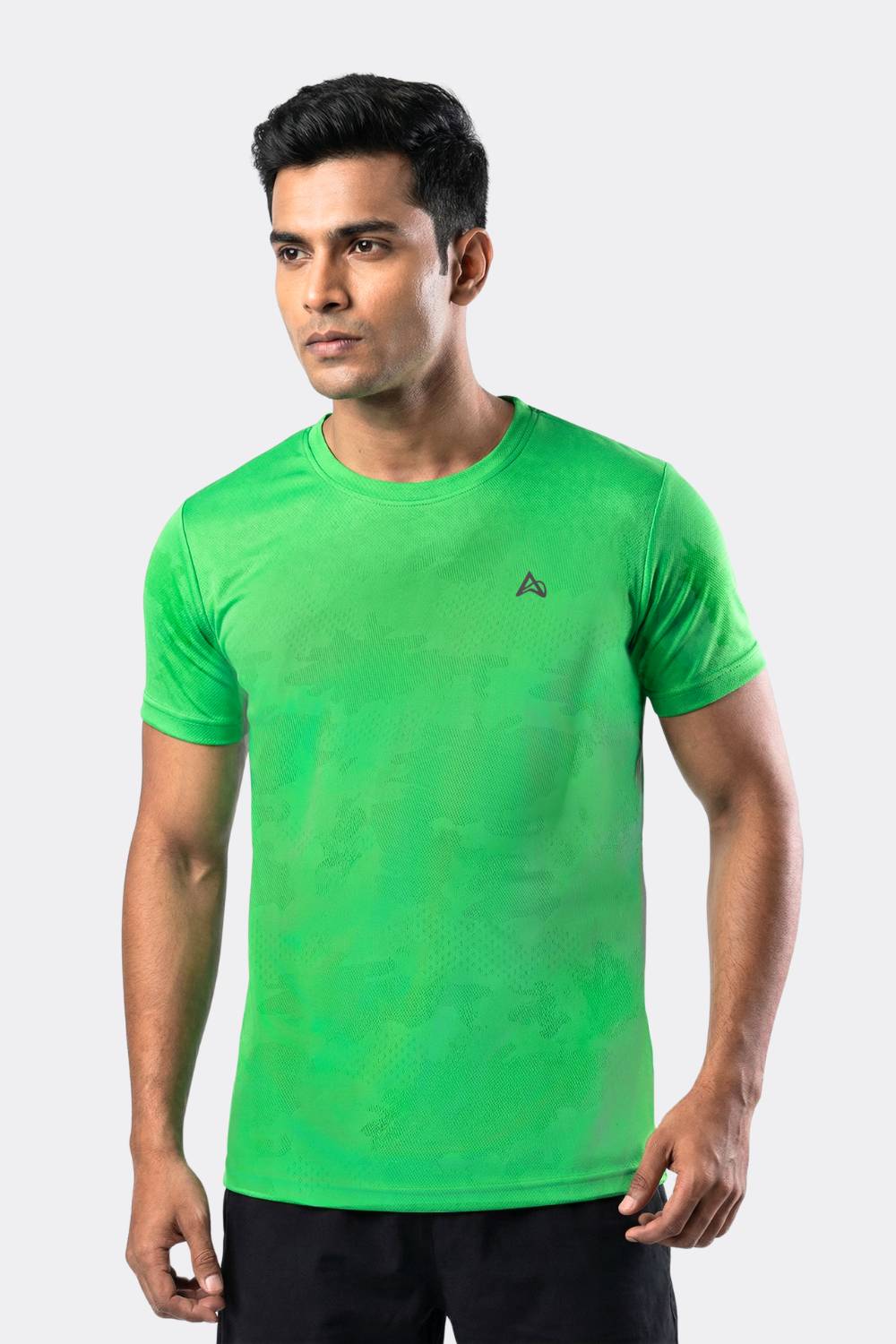
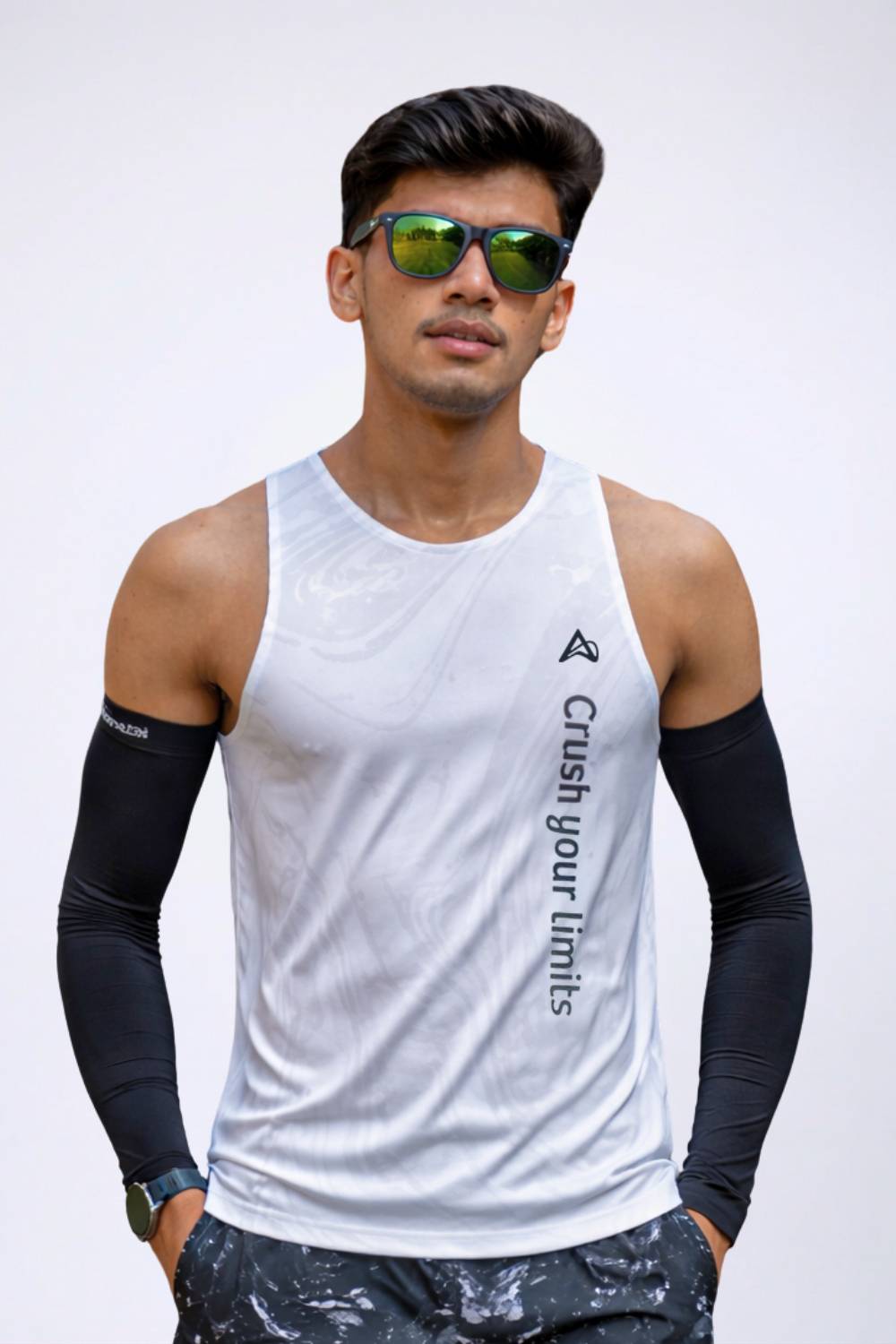
Tired of gear that slows you down? Chafing, soggy fabrics, and missing pockets kill your run's momentum. At Aguante, we're runners who get it. Our high-performance activewear features moisture-wicking fabrics, ergonomic designs, and smart storage to keep you focused. Shop Now!
The Rise of Homegrown Running Gear
India's running culture has exploded in scale and ambition. The Tata Mumbai Marathon, celebrating its 20th year in 2025, drew nearly 60,000 participants a stark contrast to the modest 10,000 registered runners nationwide when it launched in 2004. This boom mirrors a broader shift: India's urban middle class, bolstered by growing disposable incomes and a heightened focus on wellness, is embracing running as a lifestyle. A 2024 report from IMARC Group projects the India running gear market to grow from USD 2.4 billion to USD 4.8 billion by 2033, with a robust compound annual growth rate (CAGR) of 7.71%. Driving this growth are factors like rapid urbanization, the proliferation of marathons, athlete endorsements, and the rise of e-commerce, with the market spanning running footwear, apparel, accessories, and fitness trackers across regions like North, South, East, and West India.
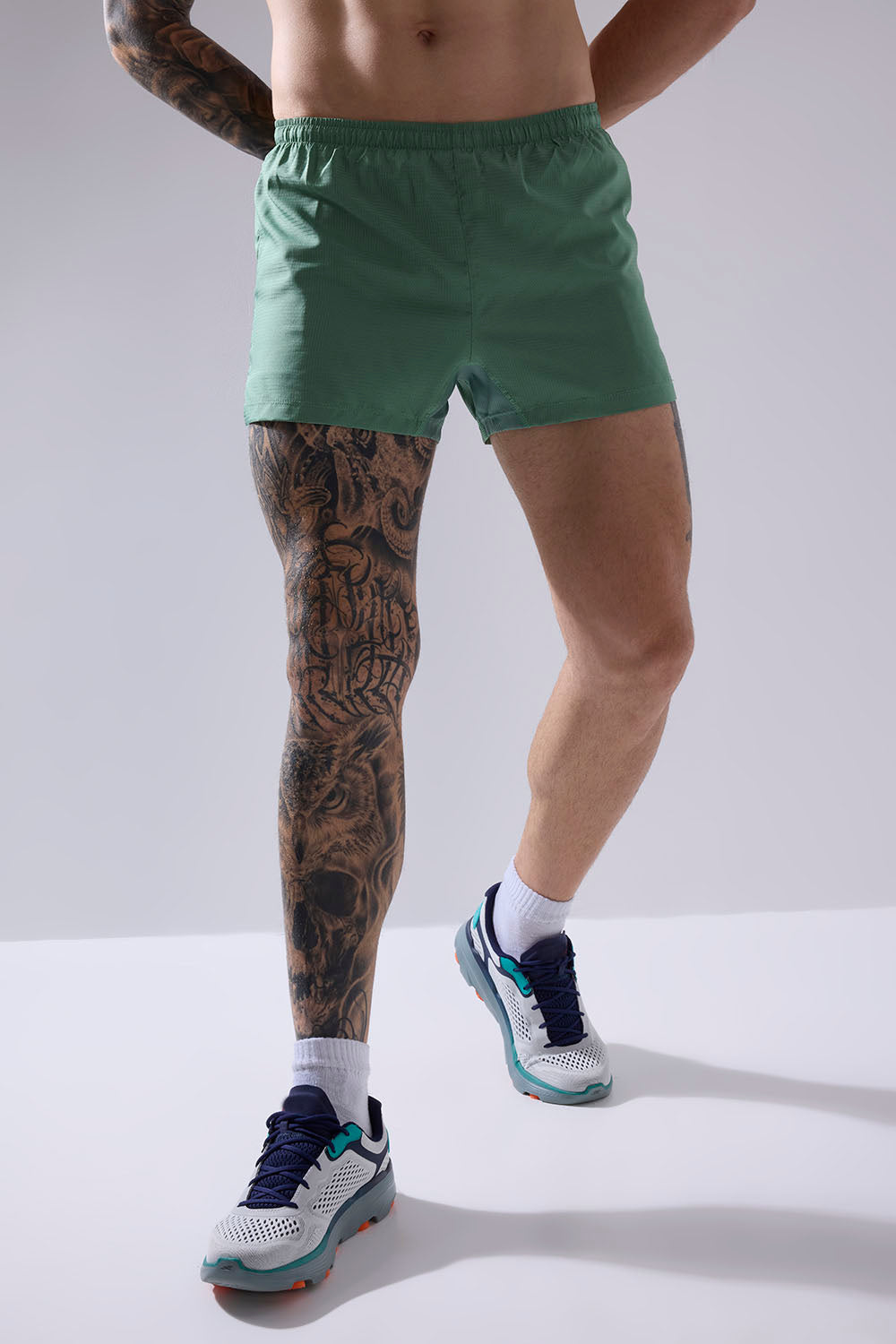
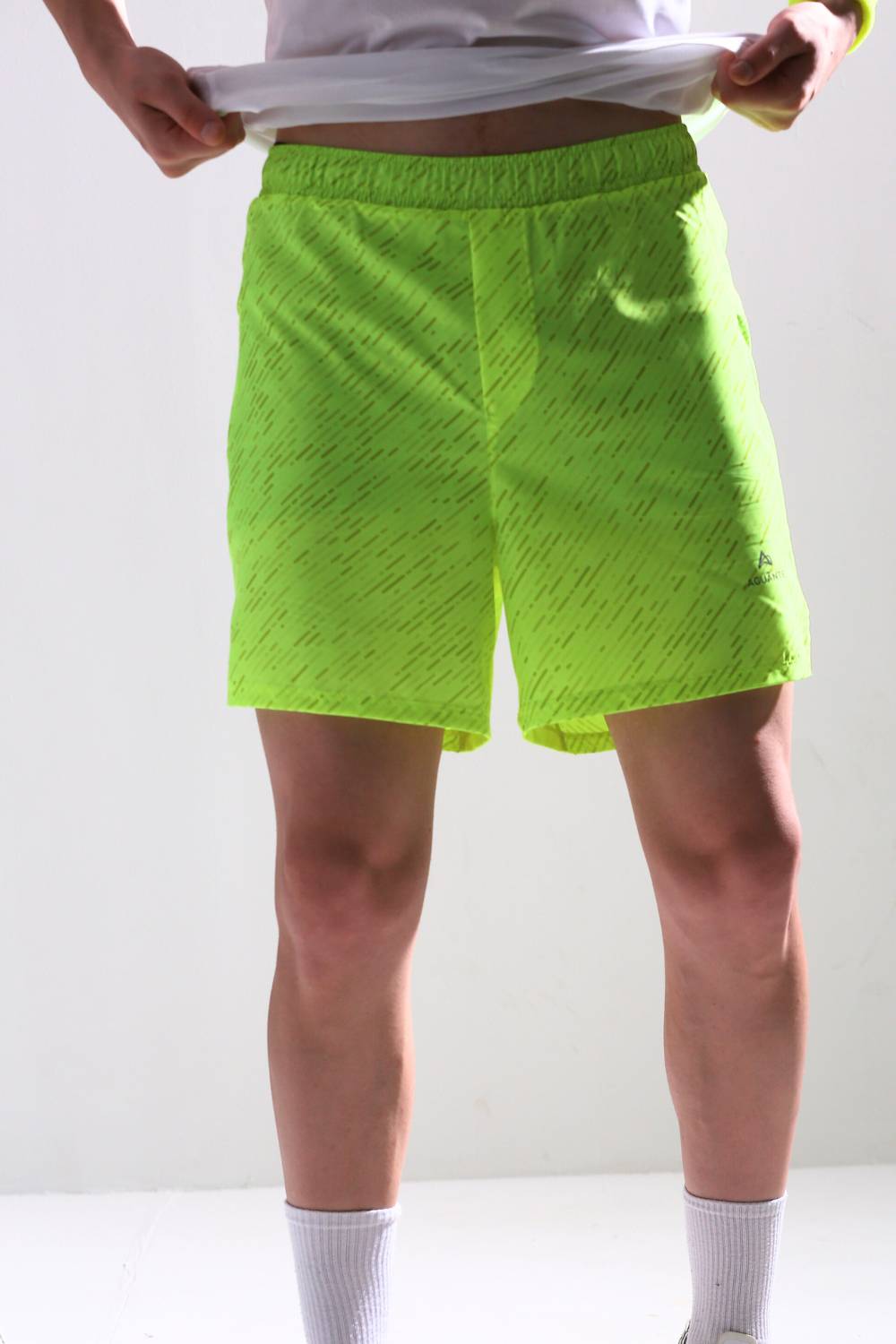
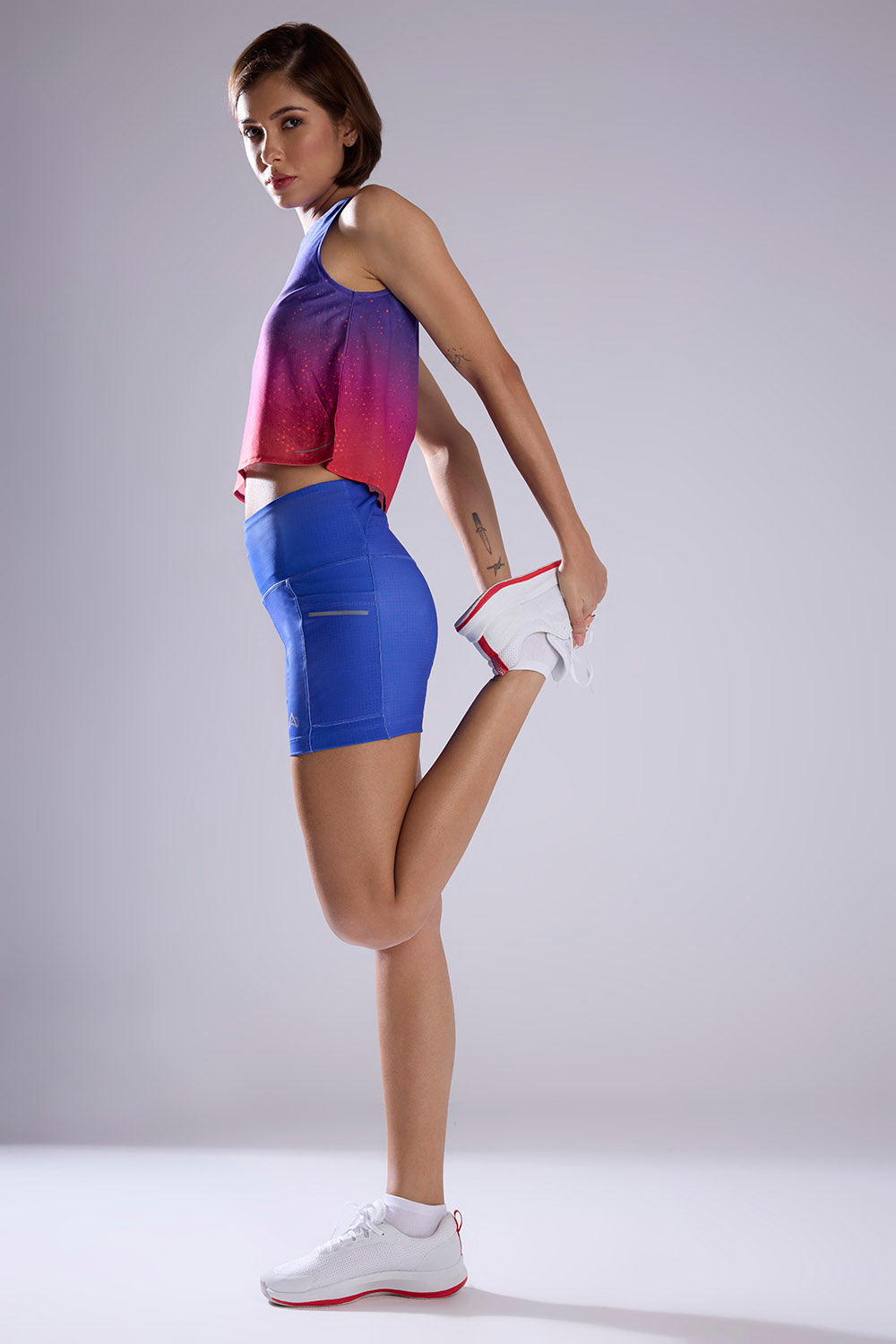
Cities like Mumbai, Delhi, and Bangalore are at the heart of this transformation, hosting vibrant running clubs and races that attract thousands. These urban runners face India's challenging climate oppressive heat, monsoon downpours, or dusty winters and demand gear that performs under pressure. Local brands are stepping up with apparel designed for these conditions: lightweight fabrics that wick away sweat, UV-protective layers for blazing afternoons, and flexible designs that endure year-round training. Bangalore's Aguante.in, for example, has gained traction with its ergonomically crafted shorts and tights, optimized for sweat absorption and comfort on Cubbon Park's humid trails. Unlike global brands, these homegrown players prioritize India's specific needs, blending innovation with cultural relevance.
Affordability Without Compromise
The appeal of local brands lies not only in their tailored designs but also in their affordability. Global giants, while synonymous with quality, often carry price tags that feel out of reach for India's young, budget-conscious runners. Local brands, by contrast, offer high-performance gear at accessible prices, resonating with consumers in cities like Pune and Gurugram. According to Ken Research, the India sports apparel market, valued at approximately USD 706 million, is propelled by rising health consciousness, increased sports participation, and the athleisure trend. This growth is particularly pronounced in metropolitan hubs like Mumbai, Delhi, and Bangalore, where urbanization and a fitness-driven culture fuel demand for stylish, functional sportswear.
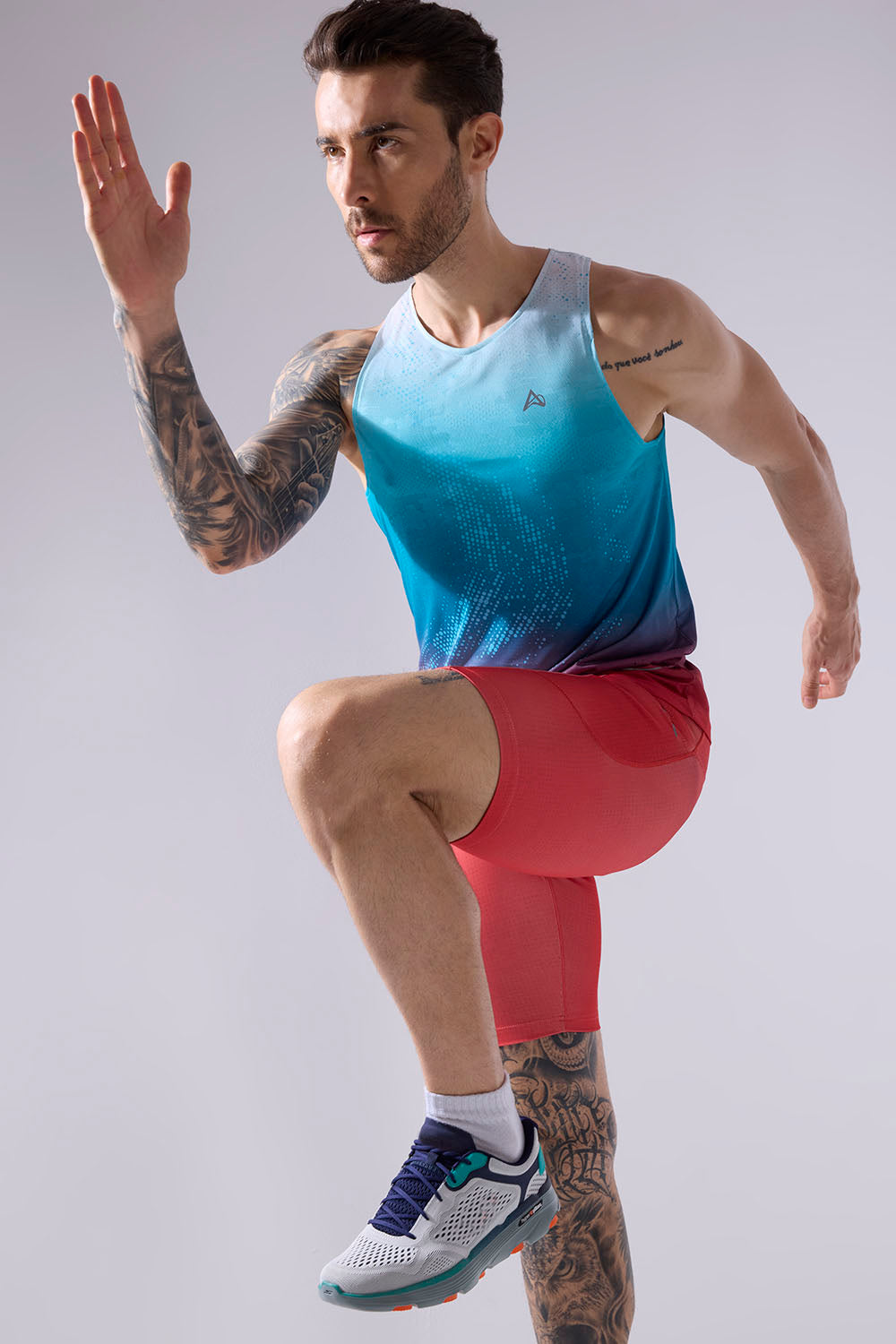
In Gurugram, where runners train through monsoons and dry winters, local brands provide versatile, temperature-regulating apparel that doesn't strain wallets. A Mumbai-based company, for instance, sponsors local marathons, supplying runners with customized gear sleek, breathable tees and shorts that stay comfortable during a half-marathon. These brands are also capitalizing on India's e-commerce surge, reaching runners in emerging urban centers like Ahmedabad and Surat, where fitness culture is taking root. By offering gear that feels purpose-built for Indian runners, they're carving out a loyal customer base that values performance and relatability over imported prestige.
Navigating a Competitive Landscape
Despite their momentum, local brands face formidable challenges. Global players like Adidas, Puma, and Nike command significant market share, backed by decades of brand equity and polished marketing. The India athletic footwear market, which generated USD 6.879 billion in 2022 and is projected to reach USD 11.342 billion by 2030 at a CAGR of 6.4%, highlights their dominance, with traditional, non-sustainable materials still leading despite the rise of sustainable options. In upscale neighborhoods of Delhi and Mumbai, some runners remain loyal to these brands, associating them with superior quality and status. Local brands, meanwhile, grapple with perceptions of inferior durability a hurdle they must overcome to win broader trust.
Supply chain complexities further complicate the picture. Scaling production to meet demand across India's diverse regions from Surat's humid shores to Delhi's arid winters requires precision and resources. Smaller brands often struggle with consistent quality and timely delivery, critical factors for building customer confidence. Yet, these challenges also breed opportunity. Unencumbered by global corporate structures, local brands can adapt swiftly, incorporating runner feedback or adjusting designs for regional weather patterns. Their proximity to customers fosters deep community ties, evident in sponsorships of Mumbai's marathons or partnerships with Bangalore's running clubs, which help them compete on authenticity and engagement.
Seizing Opportunities in a Growing Market
The outlook for India's local activewear industry is promising. The broader India apparel and footwear market, valued at USD 67.32 billion, is expected to reach USD 109 billion by 2030, growing at a CAGR of 8.45%. This expansive market, encompassing everything from casual clothing to athletic wear, offers ample room for innovation. Local brands are uniquely positioned to cater to regional nuances apparel suited for South India's sticky summers or North India's chilly mornings. Sustainability is another key differentiator, with younger urban runners increasingly drawn to eco-friendly materials. The rise of sustainable footwear, noted as the fastest-growing segment in the athletic footwear market, underscores this shift.
Expansion into Tier-2 and Tier-3 cities presents a significant opportunity. As fitness culture spreads to places like Surat, Ahmedabad, and beyond, local brands can leverage online platforms and direct-to-consumer models to reach these markets efficiently. Social media amplifies their reach, turning a Pune 5K sponsorship or a Delhi running club partnership into a brand-building moment. By fostering community connections, these brands aren't just selling gear they're embedding themselves in the lives of India's runners, creating loyalty that global competitors struggle to match.
Running Toward a Homegrown Future
As the sun rises over Mumbai's Marine Drive, the runners keep coming students, professionals, parents, all united by the pursuit of the next stride. They're not just running for fitness or glory; they're fueling a cultural shift where local brands are redefining high-performance activewear. With designs that tackle India's climate, prices that respect its economic diversity, and a commitment to community, these brands are proving that world-class gear can be born at home. As India's running gear market races toward a USD 4.8 billion horizon, one thing is certain: local brands are not just keeping pace they're setting it, one runner at a time.
Frequently Asked Questions
Why are Indian runners choosing local brands over international ones like Nike and Adidas?
Indian runners are increasingly favoring local brands because they offer high-performance gear specifically designed for India's unique climate conditions such as humidity, monsoons, and heat at significantly more affordable prices. These homegrown brands understand regional needs better, providing moisture-wicking fabrics, UV protection, and temperature-regulating apparel that cater to training conditions in cities like Mumbai, Bangalore, and Delhi. Additionally, local brands build stronger community connections through marathon sponsorships and running club partnerships, offering authentic engagement that resonates with budget-conscious, fitness-driven urban consumers.
How much is India's running gear market expected to grow in the coming years?
India's running gear market is projected to grow from USD 2.4 billion to USD 4.8 billion by 2033, achieving a compound annual growth rate (CAGR) of 7.71%. This growth is driven by rapid urbanization, the proliferation of marathons and running events, increased athlete endorsements, and the expansion of e-commerce platforms. The broader sports apparel market, valued at approximately USD 706 million, is also experiencing significant growth due to rising health consciousness and the athleisure trend, particularly in metropolitan hubs like Mumbai, Delhi, and Bangalore.
What advantages do local Indian activewear brands have in competing with global giants?
Local Indian activewear brands can adapt quickly to regional weather patterns and runner feedback without the constraints of global corporate structures, allowing them to innovate faster and serve specific needs across diverse climates. They leverage strong community engagement through local marathon sponsorships and running club partnerships, building authentic relationships that global competitors struggle to replicate. Furthermore, these brands are expanding into Tier-2 and Tier-3 cities using direct-to-consumer models and social media, reaching emerging fitness markets in cities like Ahmedabad and Surat more efficiently while offering sustainable, eco-friendly materials that appeal to younger urban runners.
Disclaimer: The above helpful resources content contains personal opinions and experiences. The information provided is for general knowledge and does not constitute professional advice.
You may also be interested in: Urban Running Culture Drives Social Media Apparel Trends
Tired of gear that slows you down? Chafing, soggy fabrics, and missing pockets kill your run's momentum. At Aguante, we're runners who get it. Our high-performance activewear features moisture-wicking fabrics, ergonomic designs, and smart storage to keep you focused. Shop Now!
Powered by flareAI.co