



Quick Listen:
Envision hitting the trails on a sweltering afternoon, perspiration building, yet your gear swiftly channels it away, leaving you focused and empowered. This isn't mere convenience it's a game-changer that instills the self-assurance runners crave to conquer distances and doubts alike.
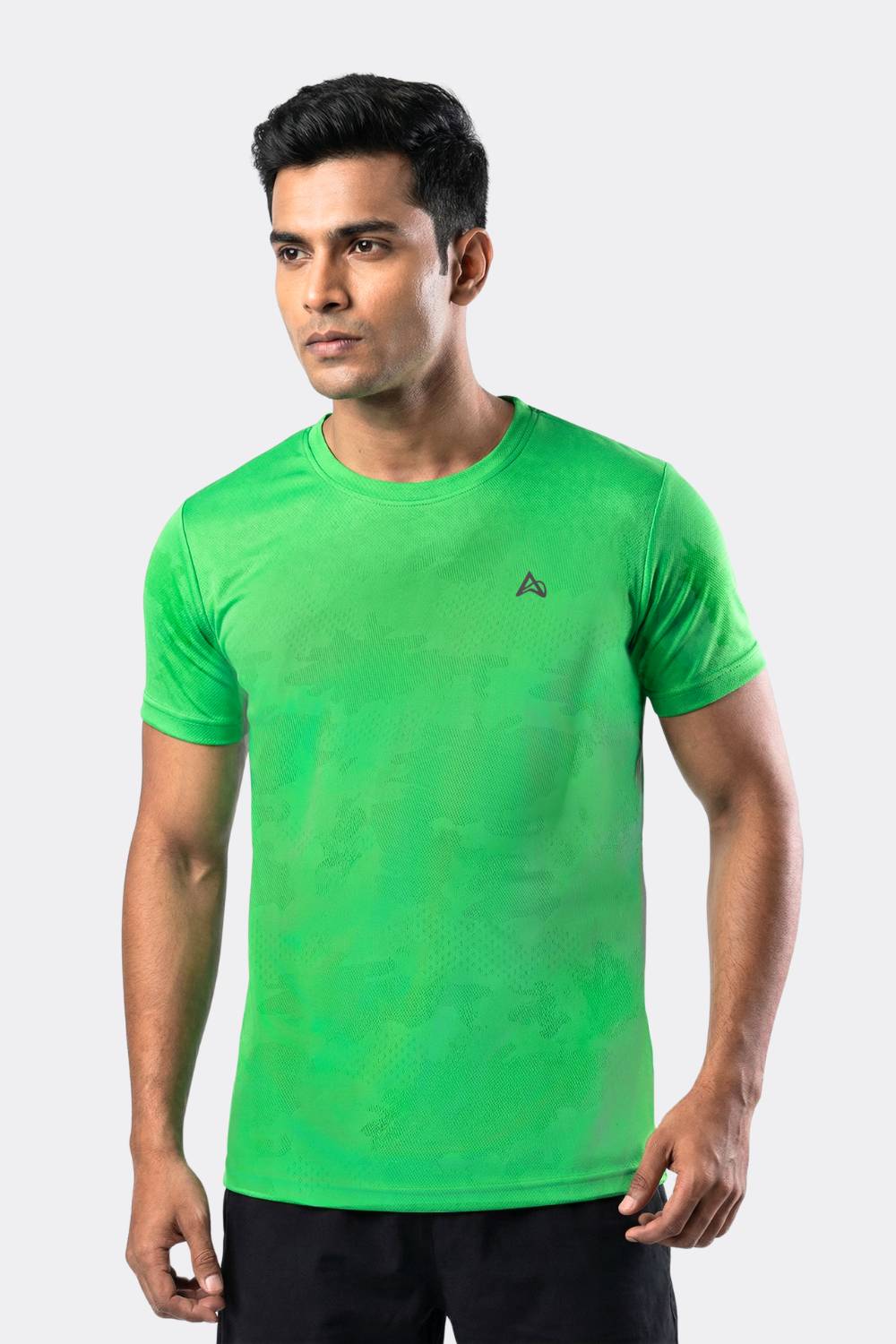
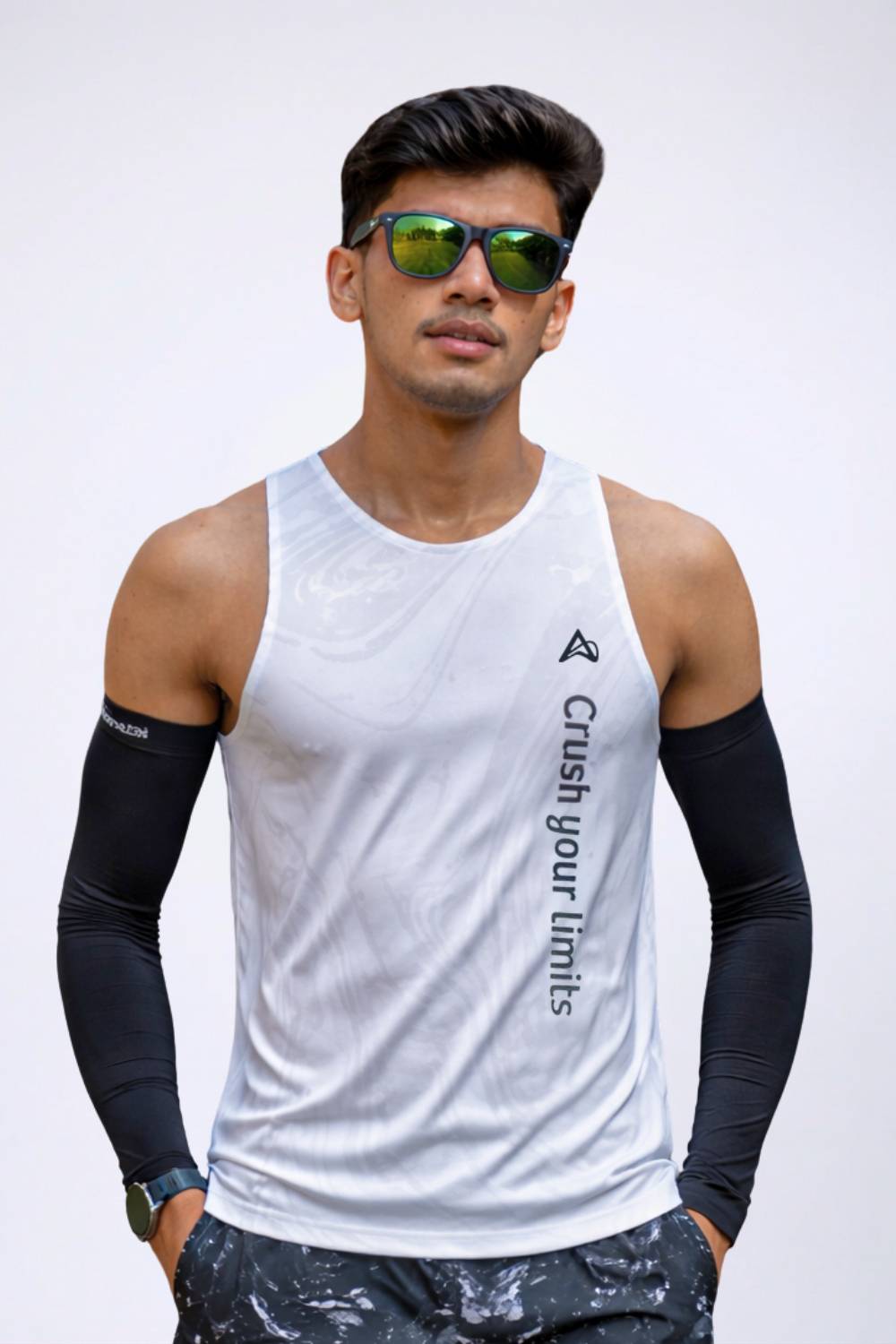
In the world of running, where every step tests both body and mind, discomfort from sweat-soaked clothing can shatter concentration. Quick-dry fabrics emerge as unsung heroes, engineered to transport moisture away from the skin and promote rapid evaporation. This technology doesn't just enhance physical comfort; it fosters a psychological edge, allowing runners to trust their equipment and, by extension, their own capabilities.
At its core, the mechanism relies on advanced textile engineering. Synthetic fibers such as polyester are designed with hydrophilic properties that draw sweat outward through capillary action, where it spreads and dries quickly. This prevents the heavy, clinging sensation of traditional cotton, which absorbs and retains moisture, leading to chafing and distractions. For casual runners logging neighborhood loops or elites training for marathons, this means uninterrupted flow rhythm preserved, irritation minimized, and mental clarity sharpened.
Confidence isn't abstract here; it's tangible. When apparel performs reliably, runners report heightened focus and reduced anxiety about environmental factors. A dry base layer means less energy wasted on adjusting ill-fitting, damp clothes, freeing mental resources for pacing, breathing, and strategy. This subtle support builds over miles, transforming tentative outings into assured rituals.
Experts in sports science emphasize how moisture management ties directly to performance psychology. Regulating body temperature through efficient wicking prevents the overheating that triggers early fatigue, a common confidence killer. In high-stakes scenarios, like hill repeats or long runs, staying cool and dry equates to sustained motivation, proving that gear can indeed bolster resilience.
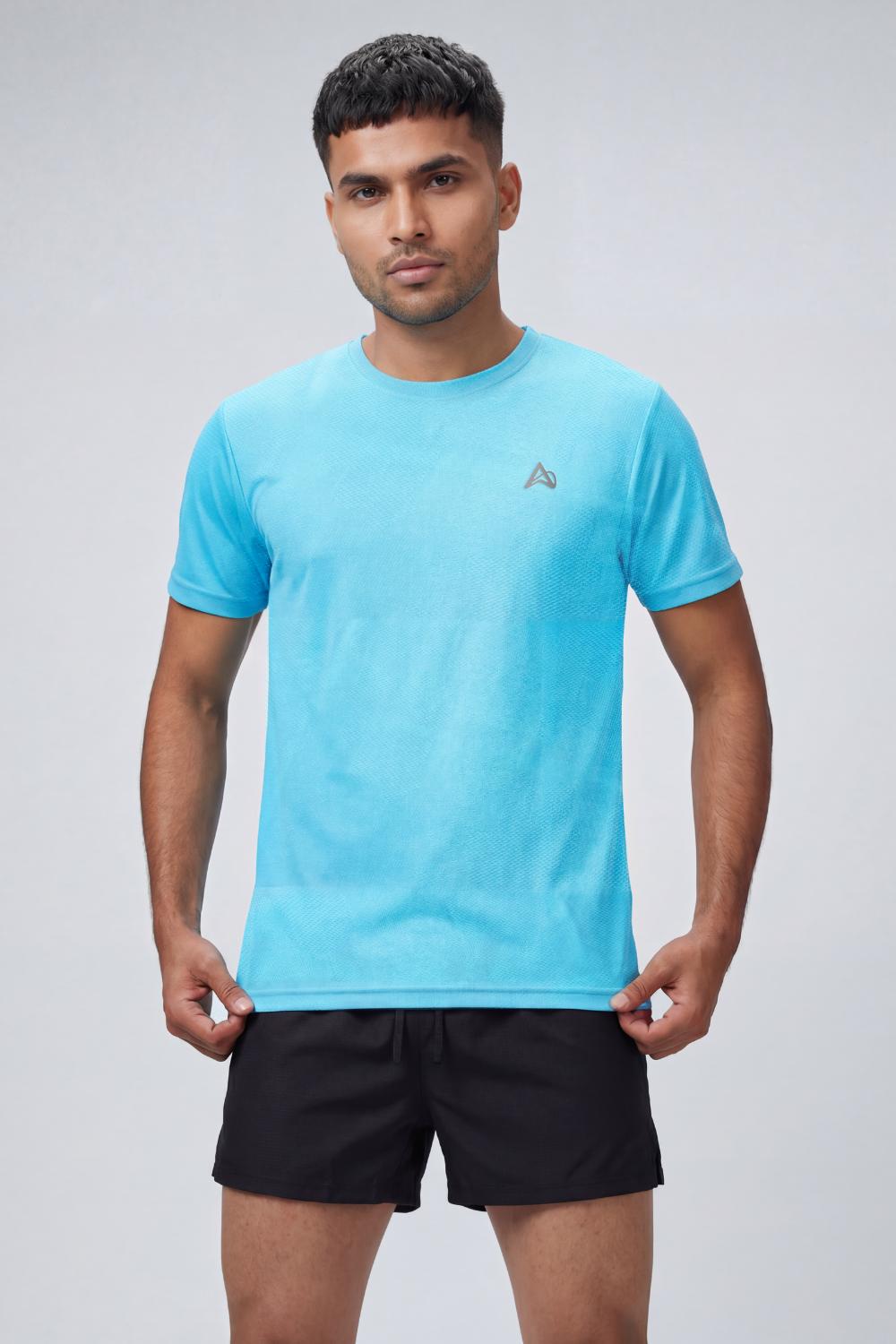
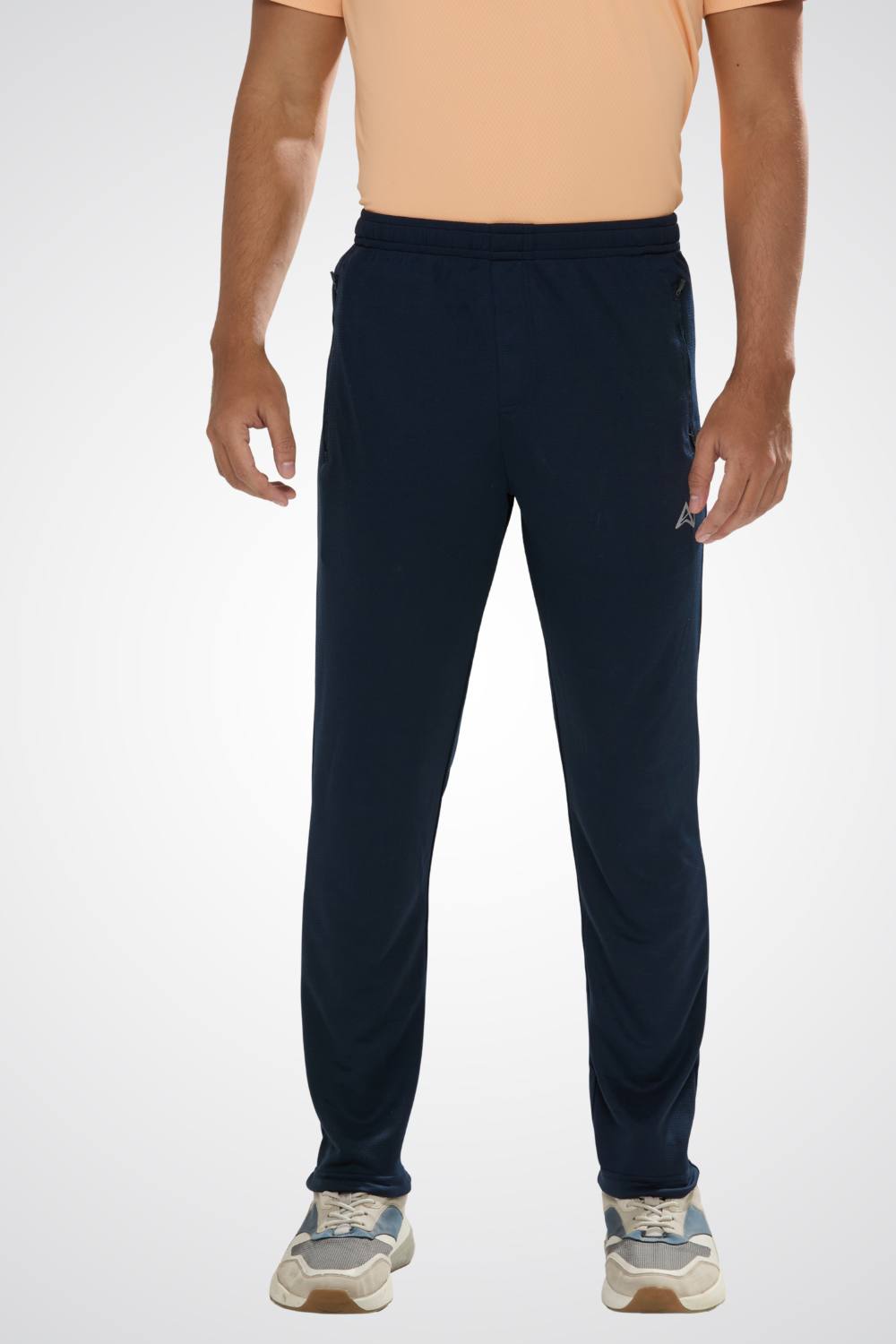
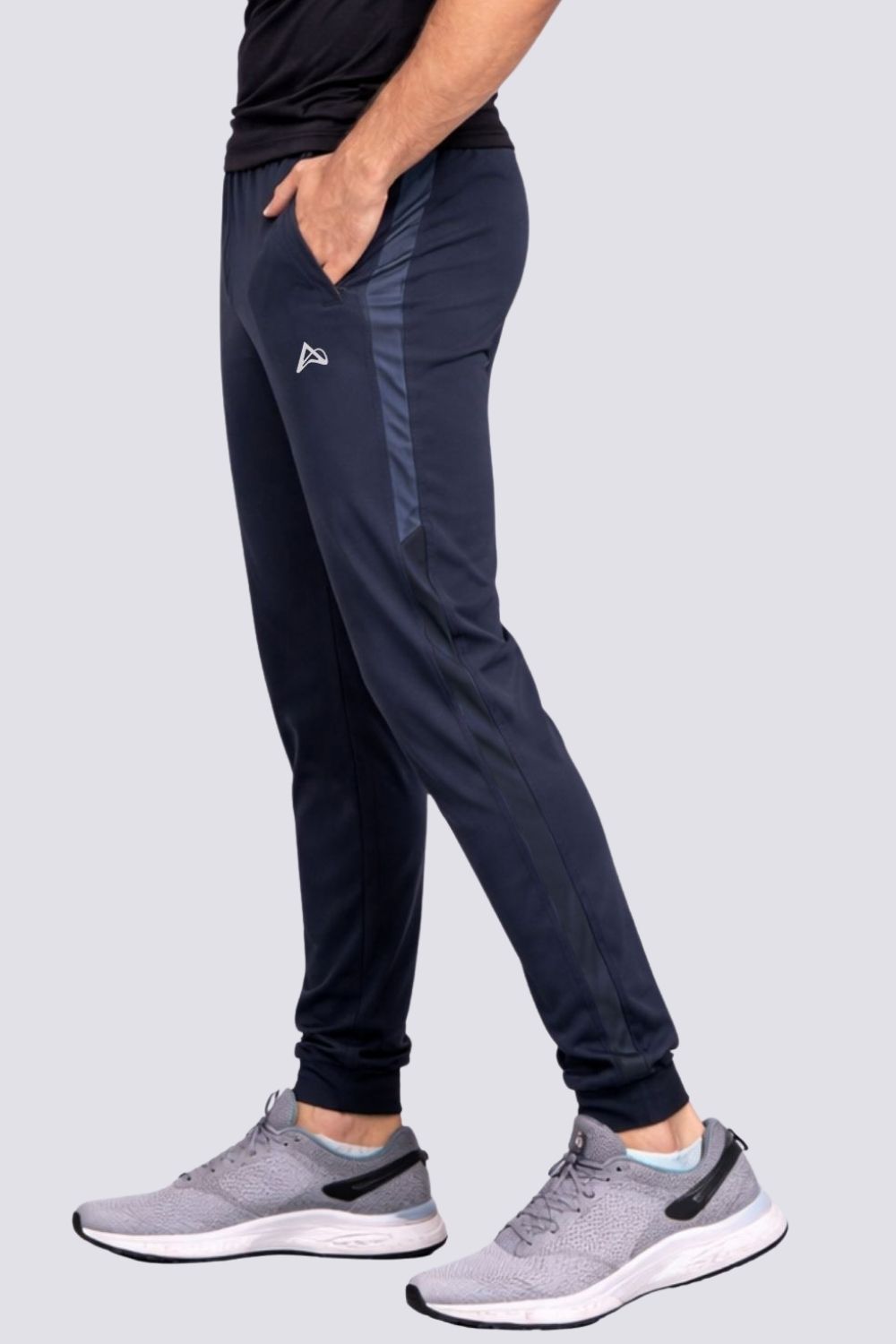
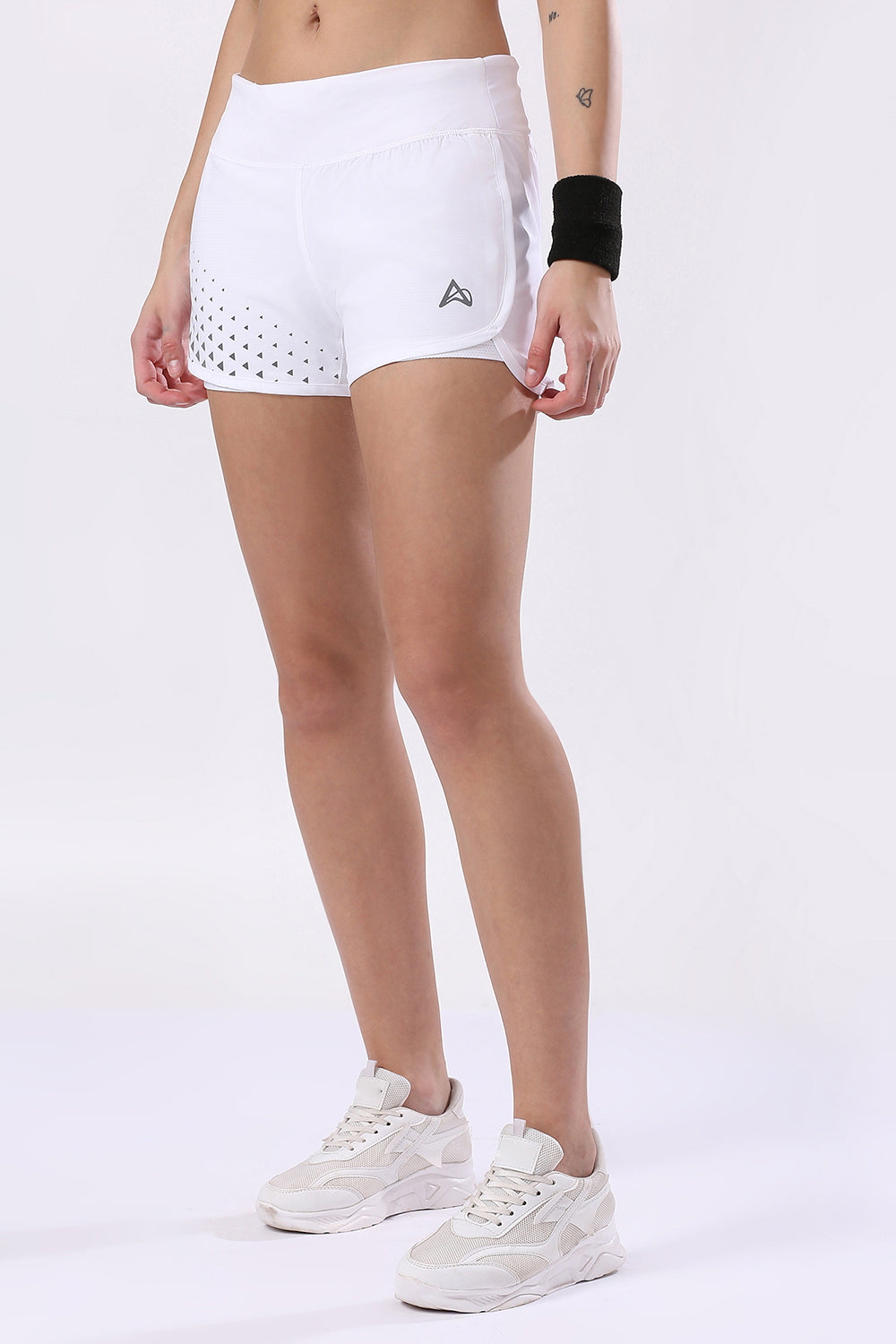
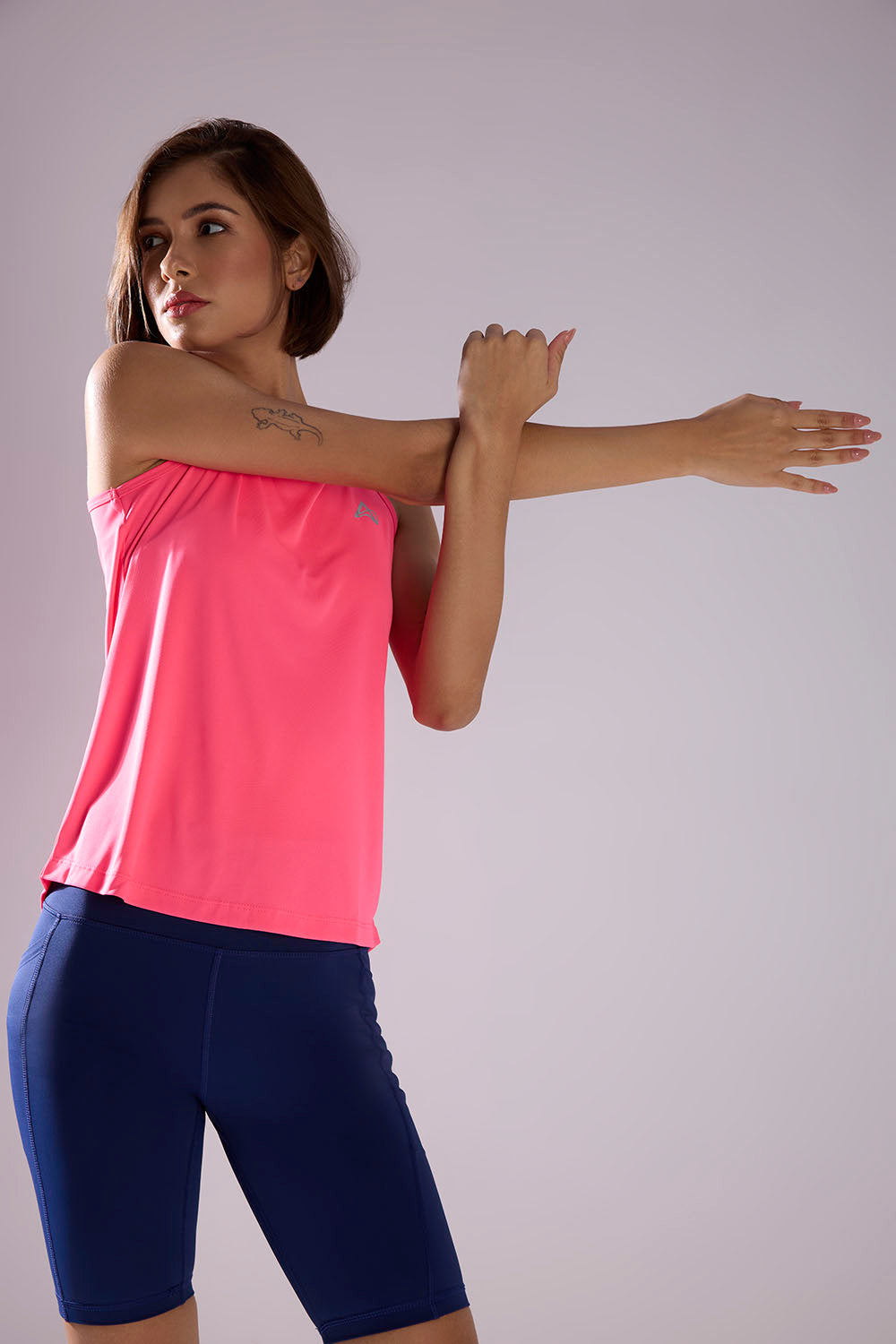
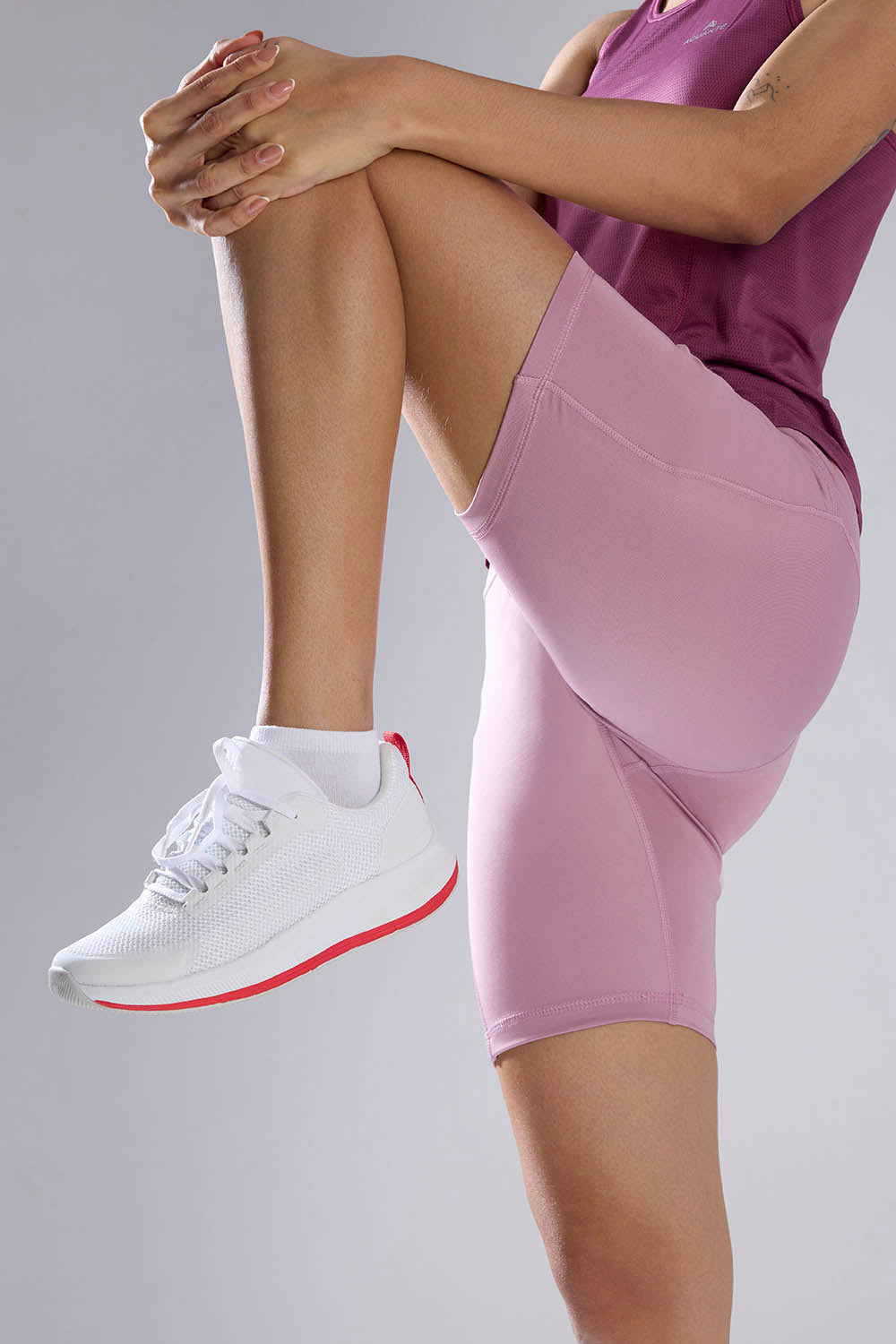
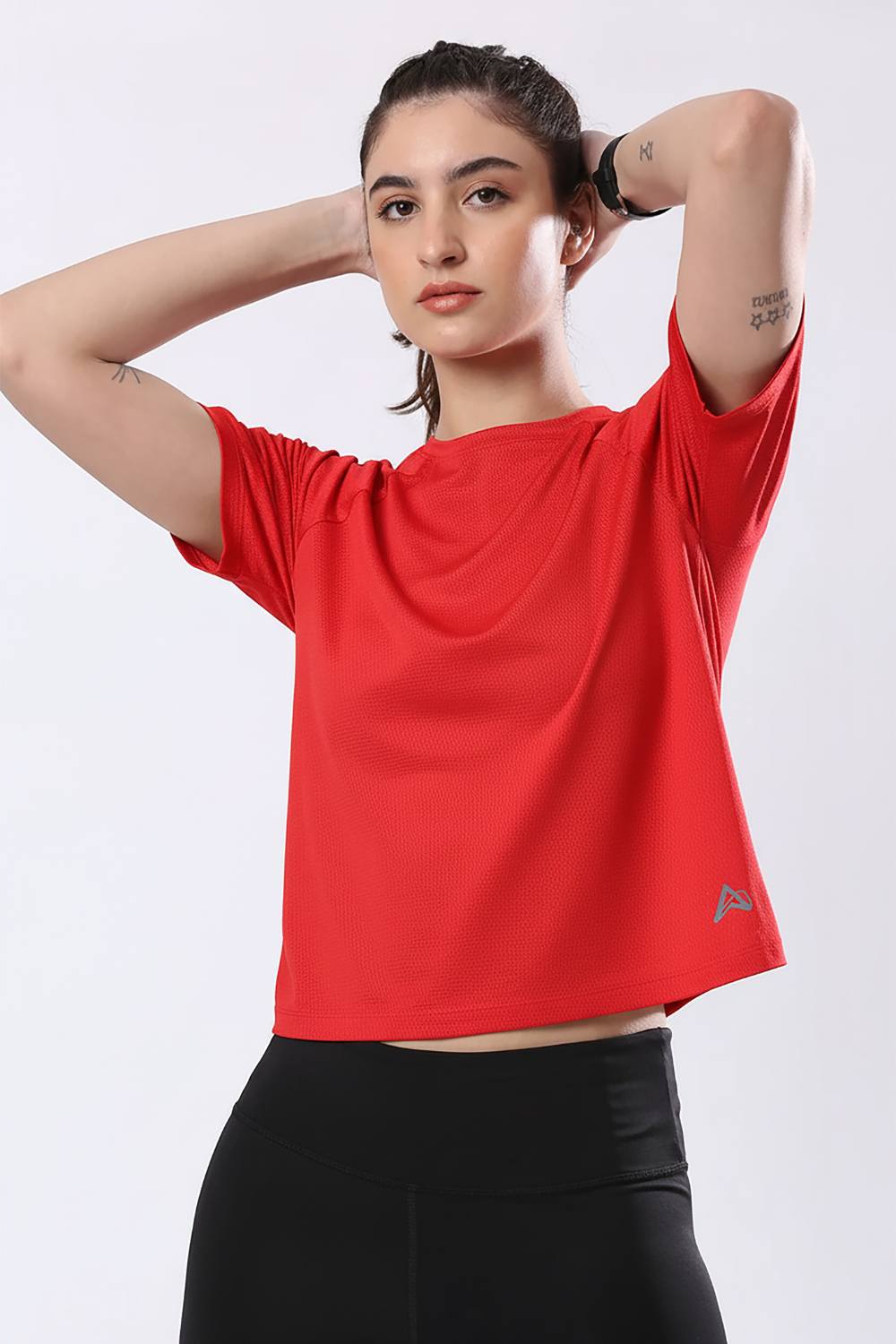
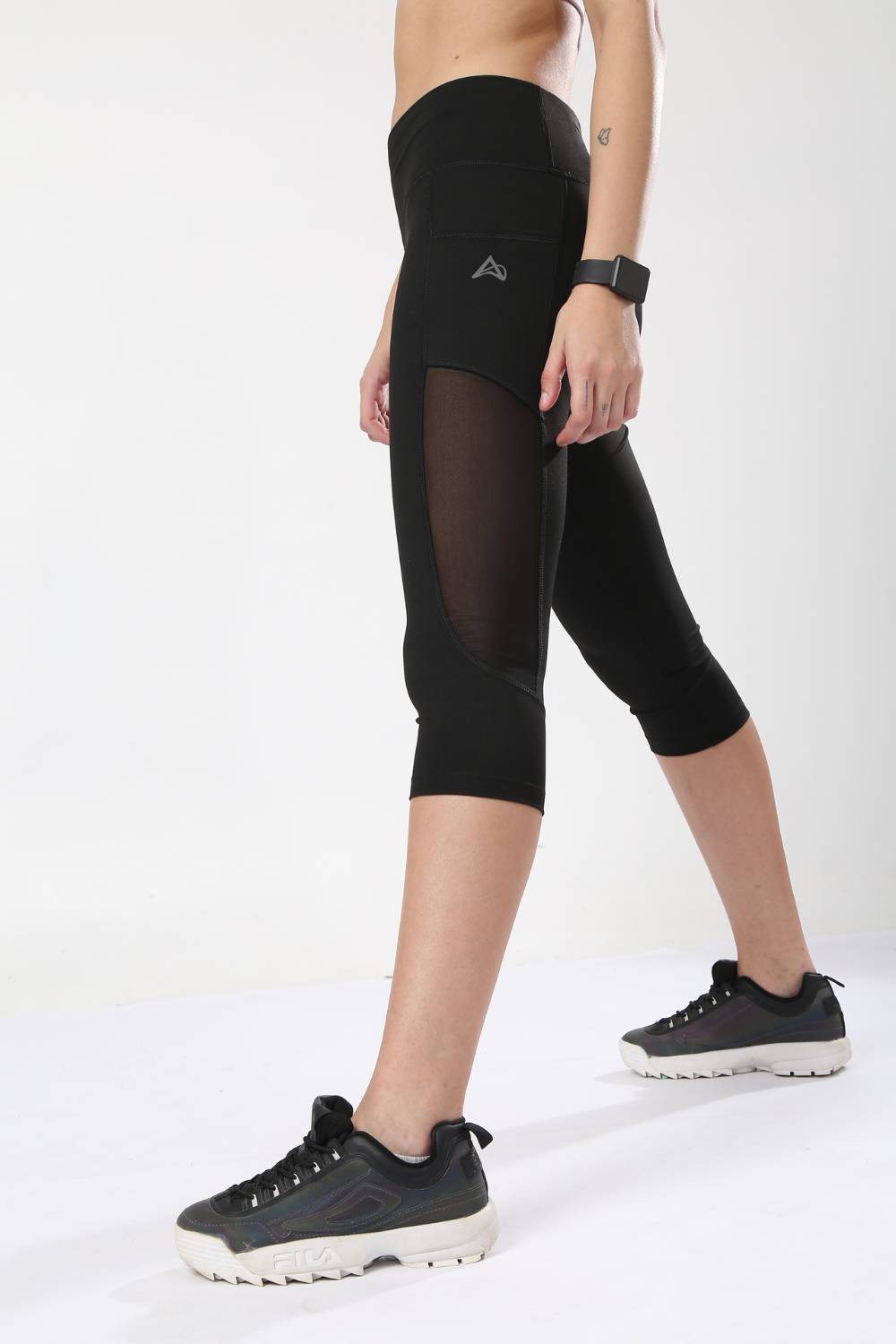
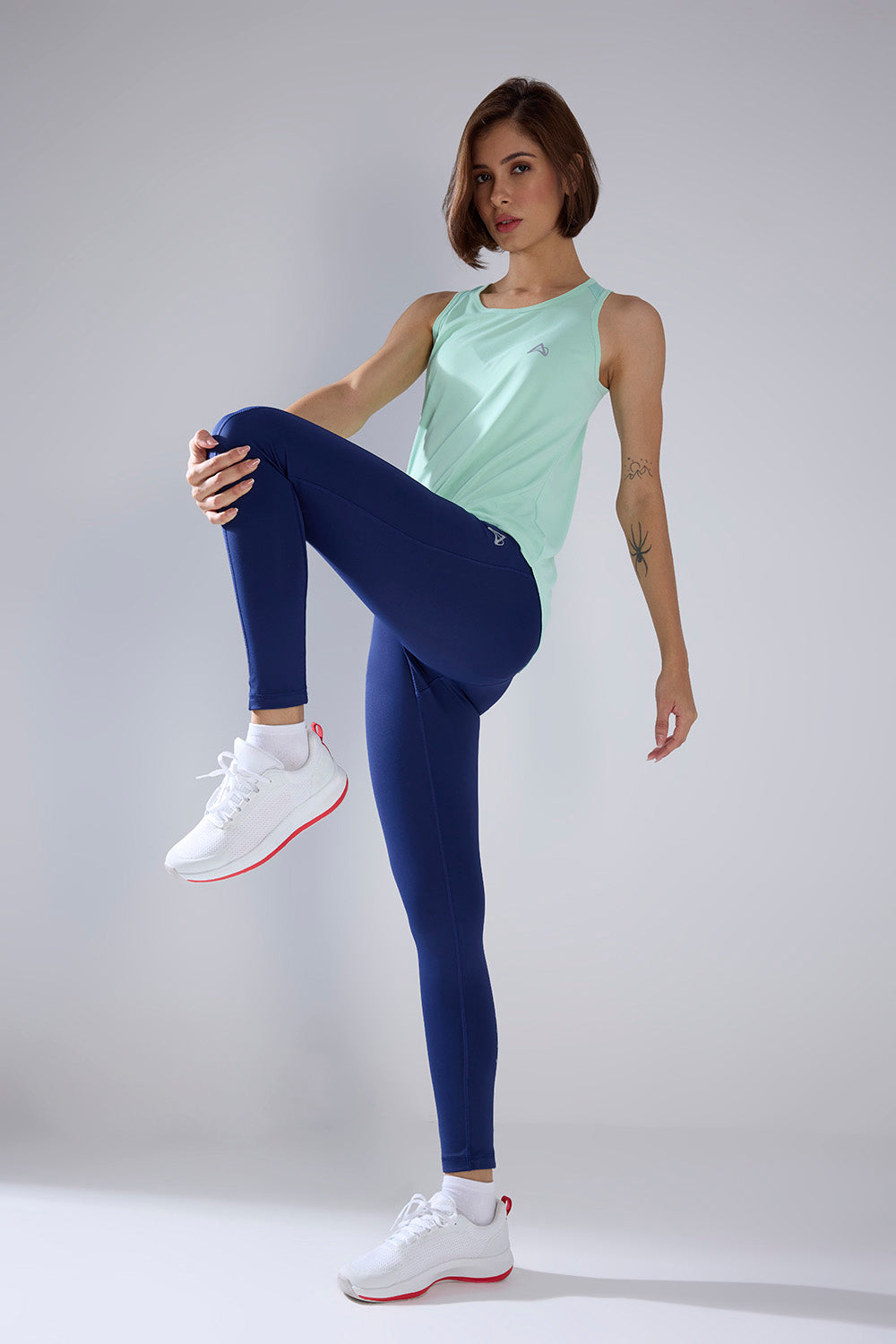
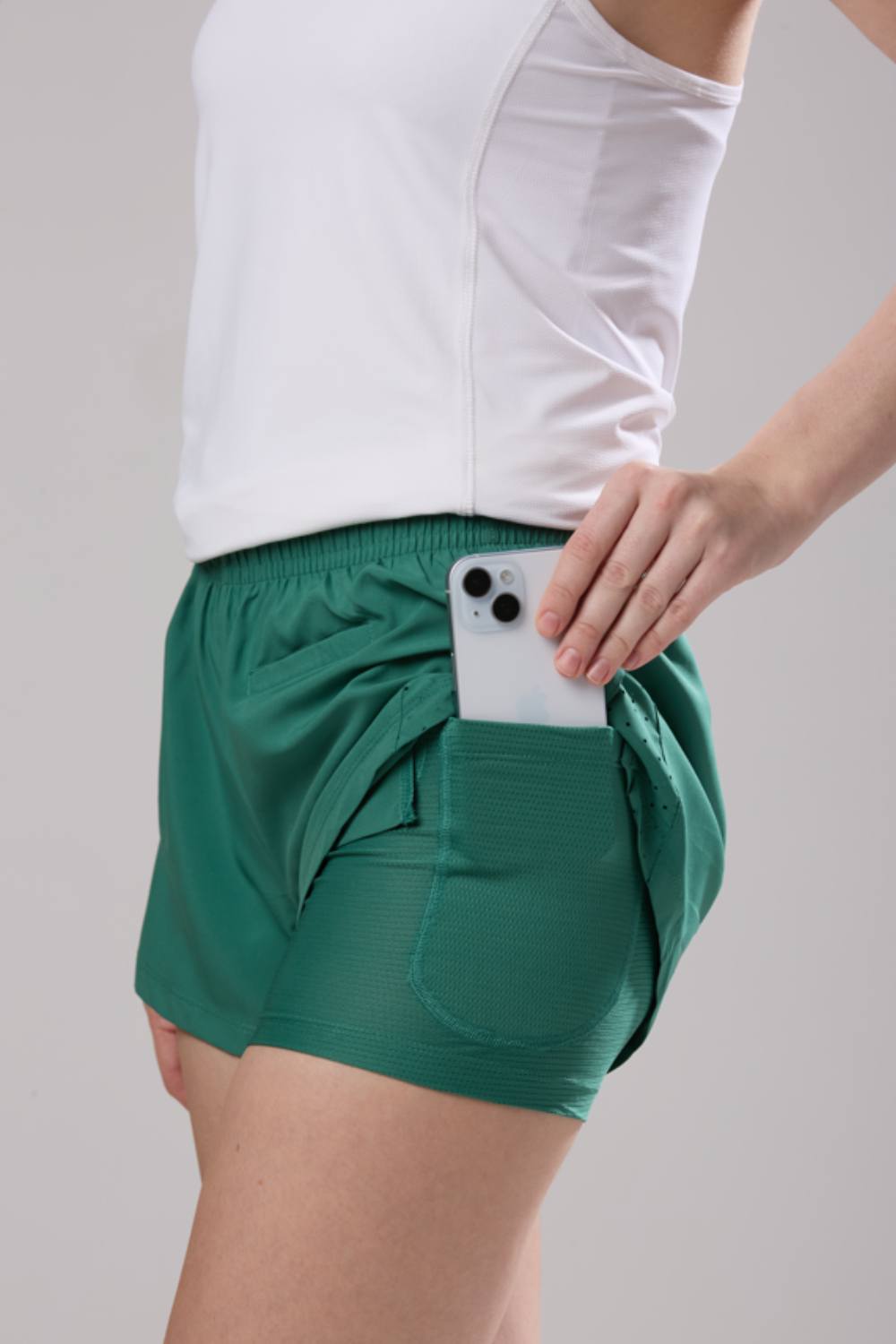
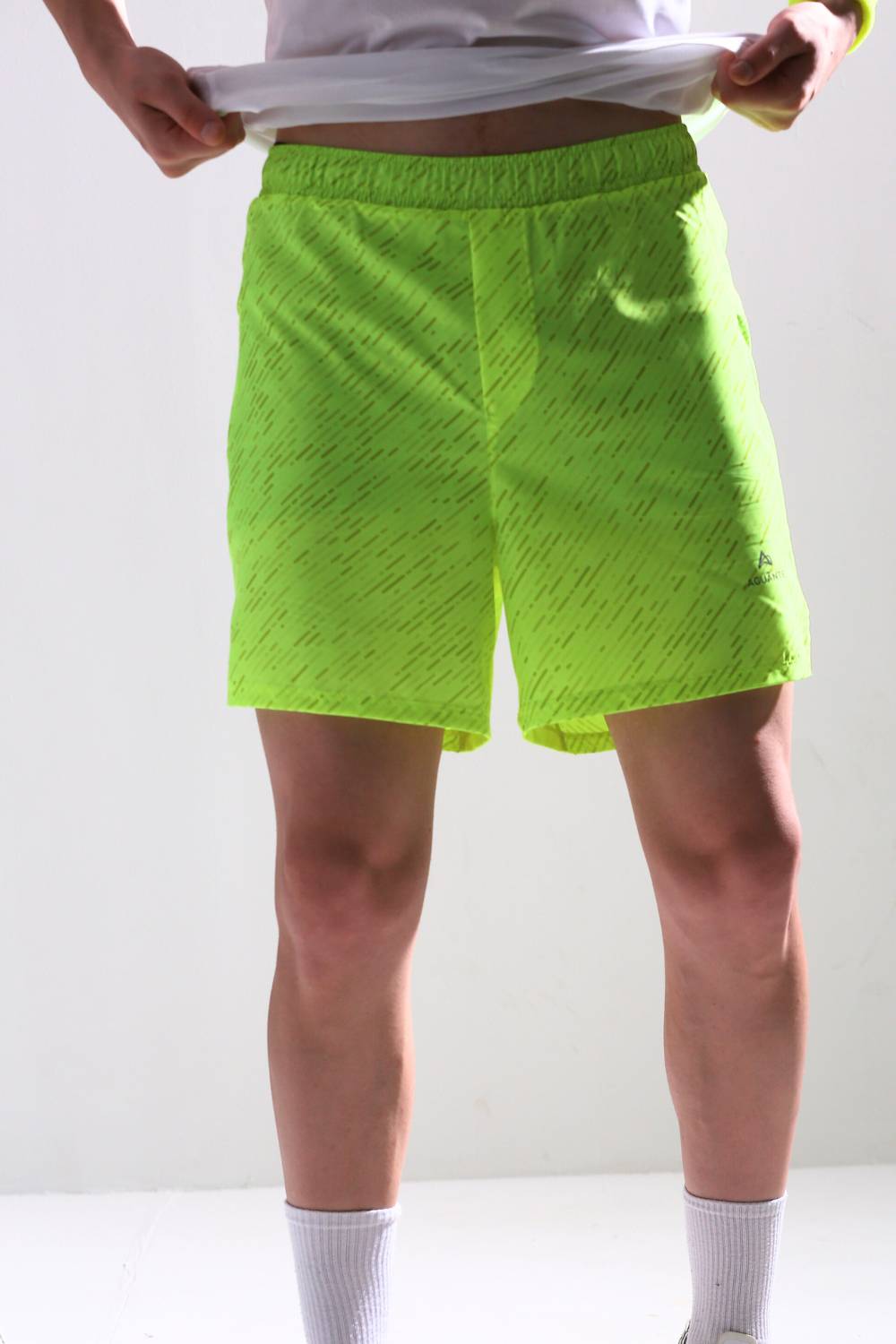
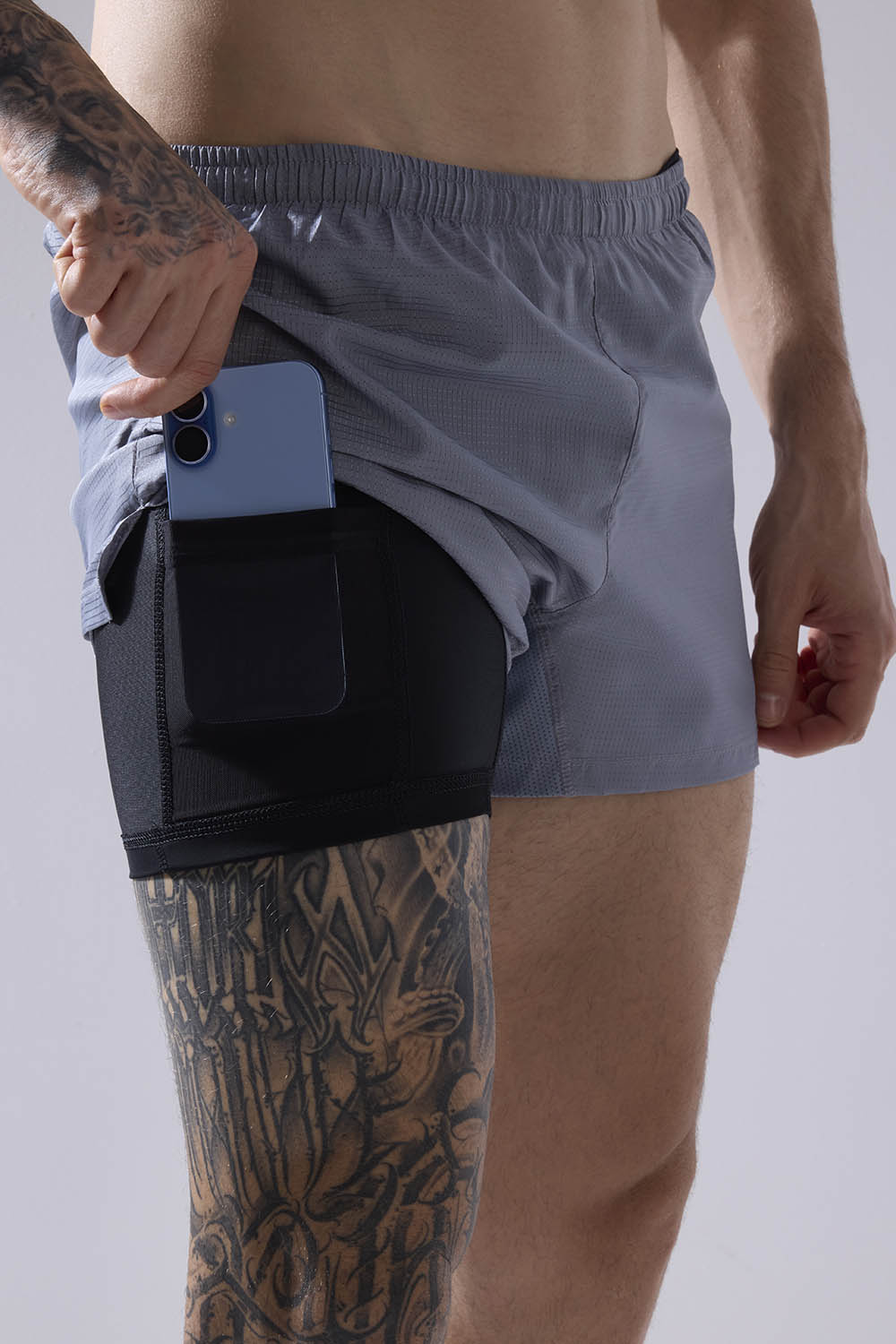
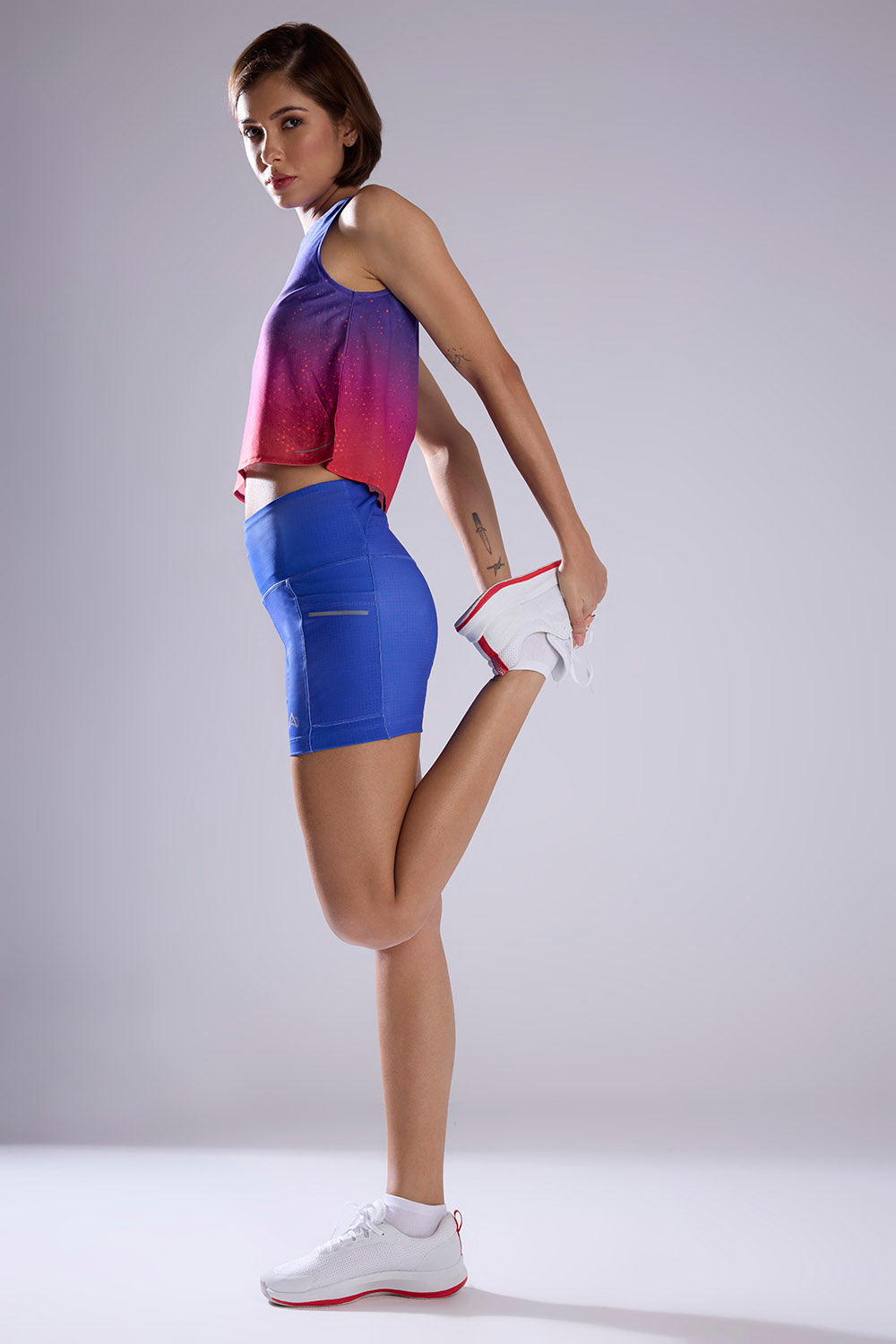
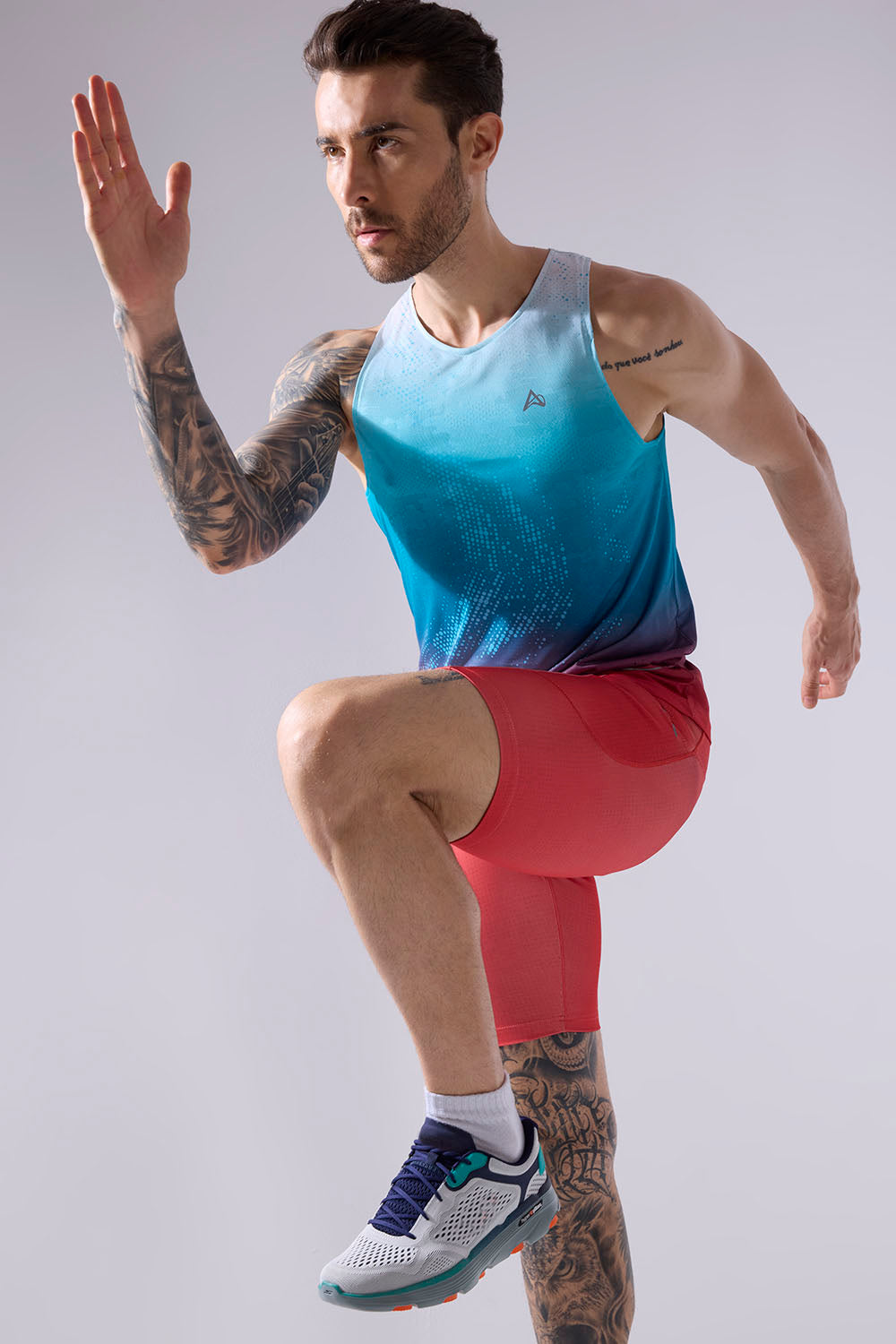
Tired of gear that slows you down? Chafing, soggy fabrics, and missing pockets kill your run's momentum. At Aguante, we're runners who get it. Our high-performance activewear features moisture-wicking fabrics, ergonomic designs, and smart storage to keep you focused. Shop Now!
How Moisture Management Fuels Mental Resilience
The evidence extends beyond anecdotes into empirical insights and market dynamics. Runners consistently note greater command over their efforts when fabrics handle perspiration effectively. This control stems from dual benefits: physical ease and temperature stability, both critical during exertion.
As detailed in an authoritative industry analysis, materials that draw moisture away play a pivotal role in maintaining thermal balance, ensuring users remain arid and at ease amid strenuous efforts. This directly amplifies assurance, particularly amid booming interest in outdoor endeavors. Individuals increasingly turn to paths and pavements for stress alleviation, physical conditioning, and psychological uplift pursuits where dependable attire proves indispensable.
Consider the novice tackling their inaugural 5K. Pre-race jitters amplify every sensation, but a shirt that evaporates sweat on contact sidesteps the demoralizing dampness, making the goal seem within reach. Veterans in ultra-distance events share similar testimonies: depending on textiles that endure hours of variable conditions conserves vital stamina for the psychological demands of persistence.
This phenomenon mirrors societal shifts. Following global health disruptions, populations seek solace in natural settings trails for hiking, roads for jogging to recharge and bond with the environment. The aforementioned analysis highlights how fabrics enabling moisture transfer facilitate these activities, noting rising participation driven by recognition of wellness advantages, including tension reduction, fitness gains, mental health improvements, and overall lifestyle enhancement.
On a macroeconomic level, these trends fuel substantial industry expansion. The sector for such performance textiles has expanded robustly lately and is projected to reach $3.86 billion by 2029, advancing at a 6.4% compound annual growth rate (CAGR). This surge owes much to heightened health consciousness, where effective, dryness-promoting garments promote adherence to routines, cultivating lasting habits and inner strength.
Delving deeper, the market's segmentation reveals applications across activewear, underscoring versatility. From gym sessions to trail runs, these fabrics adapt, supporting diverse users in their quests for reliability.
The Bigger Picture: Innovation and Everyday Empowerment
Innovation propels this field forward, with manufacturers integrating quick-dry features alongside odor control via antimicrobial agents or sun-shielding elements. The result? Apparel that functions as a comprehensive shield, empowering wearers against multiple adversaries.
Such advancements level the playing field. Once reserved for professional athletes with access to high-end kits, quick-dry technology now permeates budget-friendly lines, inviting broader participation. Everyday enthusiasts can venture out emboldened, secure in the knowledge that their clothing won't undermine their resolve.
Sustainability weaves into this narrative compellingly. Fabrics crafted from repurposed plastics or eco-friendly synthetics resonate with environmentally aware runners, harmonizing efficacy with planetary responsibility. Choosing these options reinforces a runner's identity, adding layers of pride and certainty to each outing.
Yet, hurdles remain. Achieving optimal ventilation in scorching climates demands ongoing refinement, influenced by supply chain disruptions from rising costs, international tensions, and post-pandemic rebounds as outlined in comprehensive market evaluations like the one from Research and Markets on moisture-wicking fabrics characteristics, trends, strategies, and macro economic scenarios.
A thorough PESTEL examination in the same report illuminates driving forces: governmental initiatives promoting physical activity (political), societal shifts toward wellness cultures (social), breakthroughs in material science (technological), eco-regulations and sustainability demands (environmental), and compliance standards (legal). Restraints include cost fluctuations and raw material availability, but drivers outweigh them, cementing these fabrics as essentials.
Geopolitical events and inflation further shape availability, yet recovery from COVID-19 has accelerated adoption, as people prioritize health investments. Interest rate impacts on consumer spending notwithstanding, the trajectory points upward, fueled by strategic frameworks that address these variables.
Real-world applications abound. Urban runners dodging city heat benefit from fabrics that mitigate humidity's toll, while trail enthusiasts appreciate durability against brush and weather swings. Coaches advocate for them in training programs, citing reduced injury risks from chafing and improved recovery through better thermoregulation.
Psychologically, the boost is profound. Sports psychologists link apparel confidence to overall self-efficacy believing in your gear spills over into believing in your training. This cascade effect encourages goal-setting, from shaving minutes off personal bests to completing first ultras.
Market characteristics reveal segmentation by fiber type, end-use, and region, with synthetics dominating due to superior wicking. Strategies involve R&D investments, partnerships with athletes for testing, and marketing tied to lifestyle benefits.
Stepping Forward with Assurance
In essence, quick-dry fabrics transcend utility they dismantle obstacles to self-belief, enabling runners amidst modern life's pressures. As global analyses affirm, from PESTEL drivers to projected $3.86 billion valuations by 2029, this technology underpins a healthier, more active world. Lace up with intention next time; that unassuming layer might propel you further, affirming that in running's quiet battles, innovative threads weave the strongest victories.
Frequently Asked Questions
How do quick-dry fabrics help build confidence in runners?
Quick-dry fabrics enhance runner confidence by efficiently wicking moisture away from the skin, preventing the heavy, clinging sensation of sweat-soaked clothing. This technology eliminates distractions like chafing and discomfort, allowing runners to maintain focus on pacing, breathing, and strategy rather than adjusting damp gear. By providing reliable performance and temperature regulation, these fabrics create a psychological edge that helps runners trust their equipment and, by extension, their own capabilities during training and races.
What is the market size for moisture-wicking fabrics and why is it growing?
The moisture-wicking fabrics market is projected to reach $3.86 billion by 2029, growing at a 6.4% compound annual growth rate (CAGR). This expansion is driven by heightened health consciousness following global health disruptions, increased participation in outdoor activities for stress relief and fitness, and growing recognition of wellness advantages including mental health improvements. The technology's evolution from elite athlete gear to budget-friendly options has also democratized access, encouraging broader adoption and long-term exercise adherence.
Do quick-dry fabrics actually improve running performance or just comfort?
Quick-dry fabrics improve both comfort and performance by directly impacting physical and psychological factors during runs. These materials regulate body temperature through efficient moisture management, preventing overheating that triggers early fatigue a common confidence killer in high-stakes scenarios like hill repeats or long runs. Sports science experts confirm that this temperature stability conserves mental and physical energy, reducing anxiety about environmental factors and freeing cognitive resources for performance optimization, ultimately supporting sustained motivation and resilience over miles.
Disclaimer: The above helpful resources content contains personal opinions and experiences. The information provided is for general knowledge and does not constitute professional advice.
You may also be interested in: Running Apparel for Beginners: What to Look for in Your First Kit
Tired of gear that slows you down? Chafing, soggy fabrics, and missing pockets kill your run's momentum. At Aguante, we're runners who get it. Our high-performance activewear features moisture-wicking fabrics, ergonomic designs, and smart storage to keep you focused. Shop Now!
Powered by flareAI.co