





Quick Listen:
In the dim light before sunrise along Mumbai's Marine Drive, runners halt their pace, smartphones raised to snap the glowing horizon over the Arabian Sea. A personal run transforms into a communal moment, shared instantly on Instagram Reels, motivating countless others nationwide to hit the streets. Across India, social media does more than record these efforts it drives a profound transformation in physical activity, community building, and wellness habits.
Glance at feeds in cities like Delhi or Bangalore, and the evidence is clear: fitness influencers holding poses in makeshift home setups, joggers tracking distances in neighborhood greens, tagged under #FitIndia or #RunIndia. The shift gained speed during the pandemic, yet platforms such as Instagram, Strava, and local video apps have embedded exercise into everyday social interactions. Fitness now reaches beyond premium clubs and city dwellers, streaming into remote areas through affordable devices, making wellness accessible in a country home to over 1.4 billion people.
The scale of this change shows in hard data. India's virtual fitness sector recorded USD 350.5 million in earnings during 2022, with projections to climb to USD 2,854.9 million by 2030, advancing at a 30% compound annual growth rate from 2023 to 2030. That year, group-based sessions led as the top revenue source, but individual sessions stand out as the segment with the swiftest expansion ahead. Key contributors include platforms like ClassPass and Sworkit Health, enabling participants to access real-time classes or pre-recorded routines, effectively converting devices into guided coaches.
This growth reflects broader trends. Social media turns personal achievements into public inspirations, where a single post can spark widespread participation. In essence, these tools lower barriers, allowing anyone with a connection to join global fitness conversations adapted to Indian contexts.
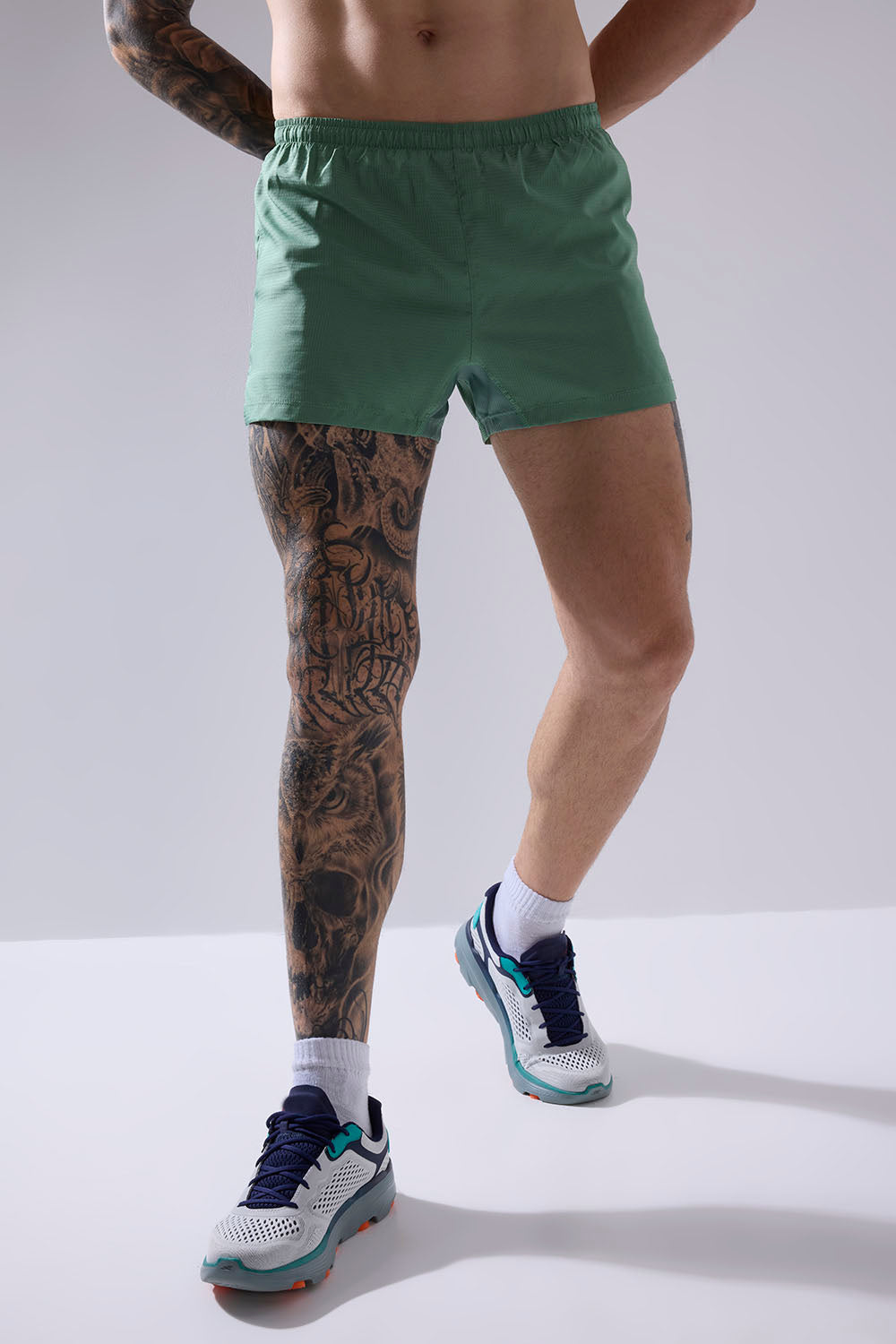
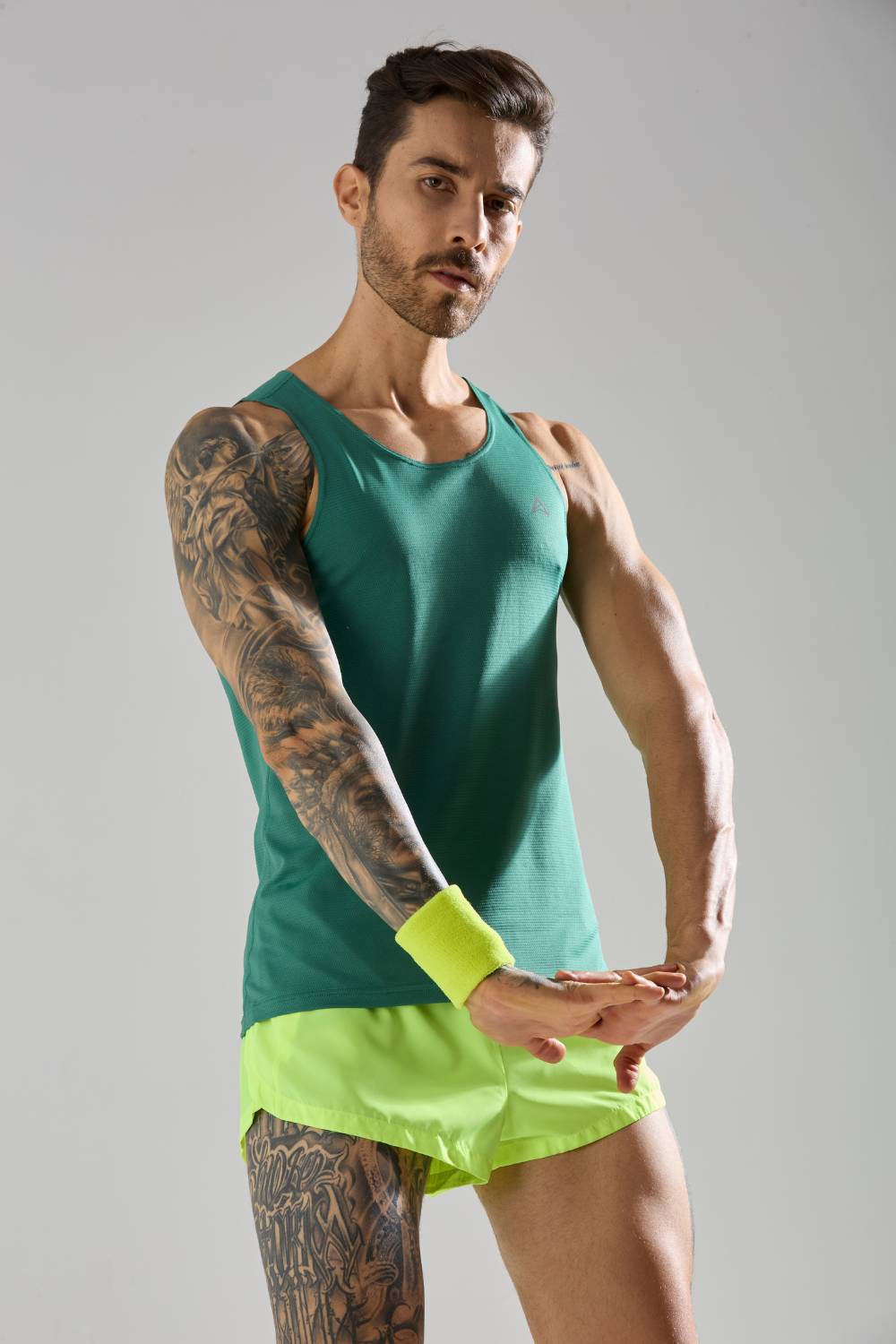
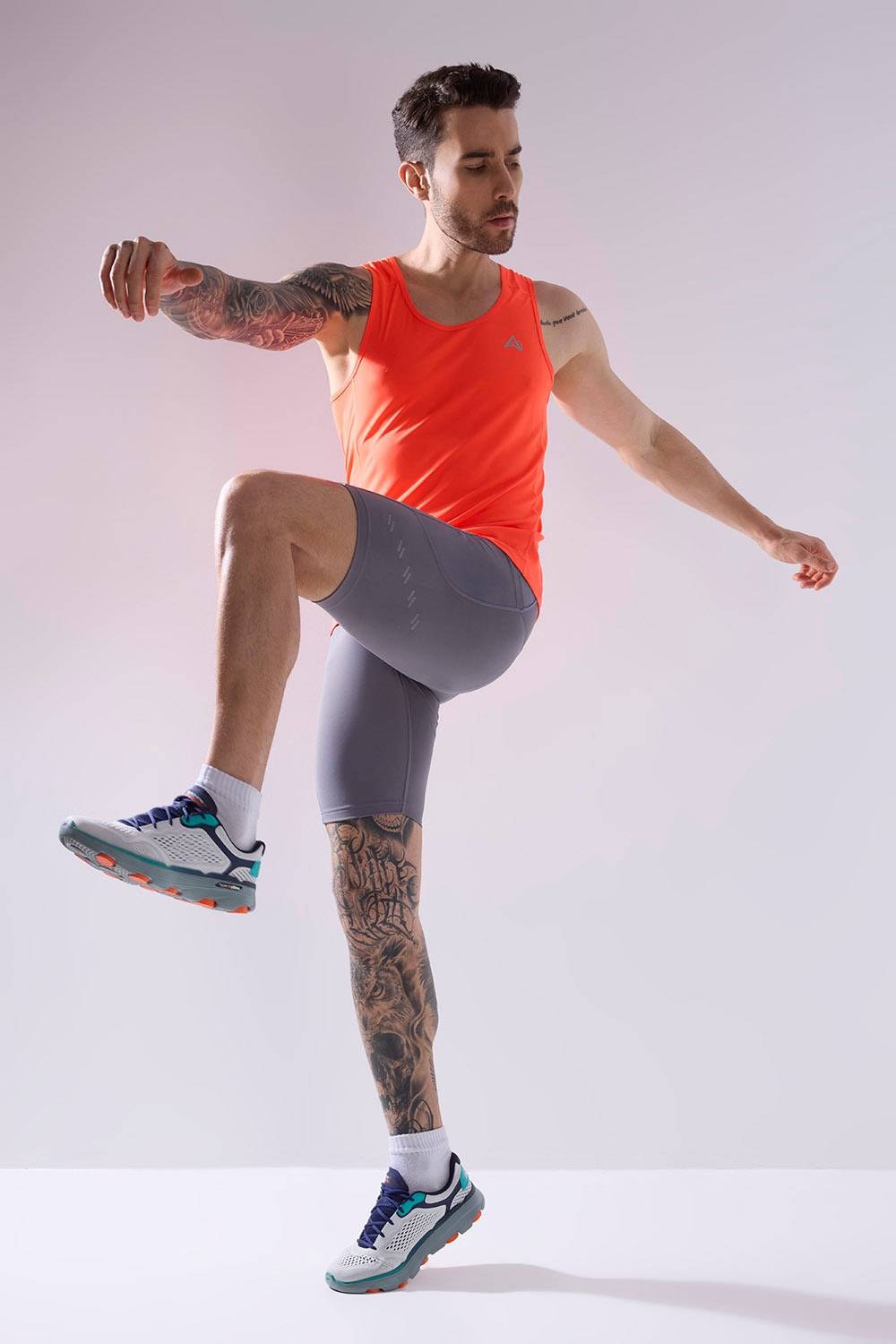
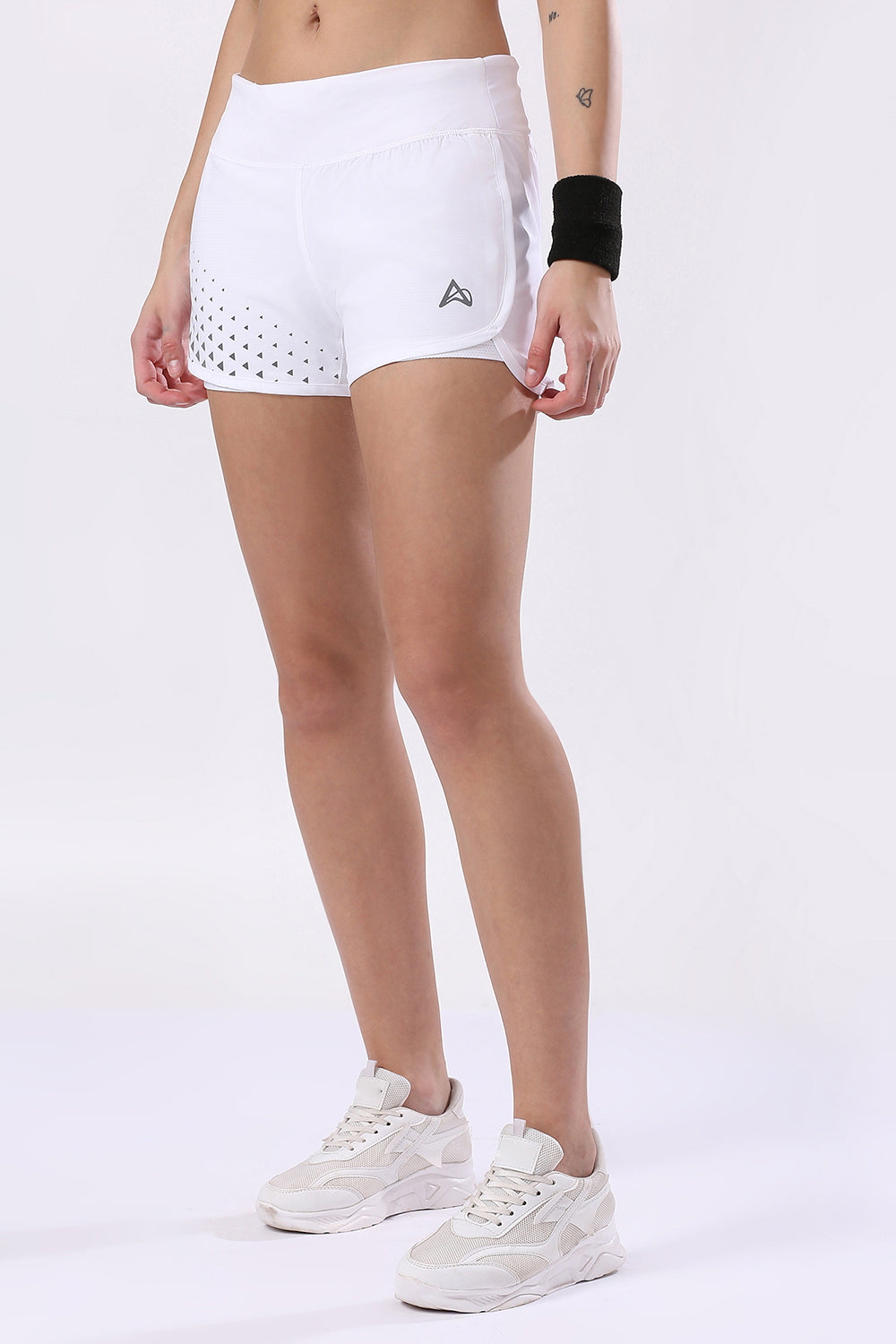
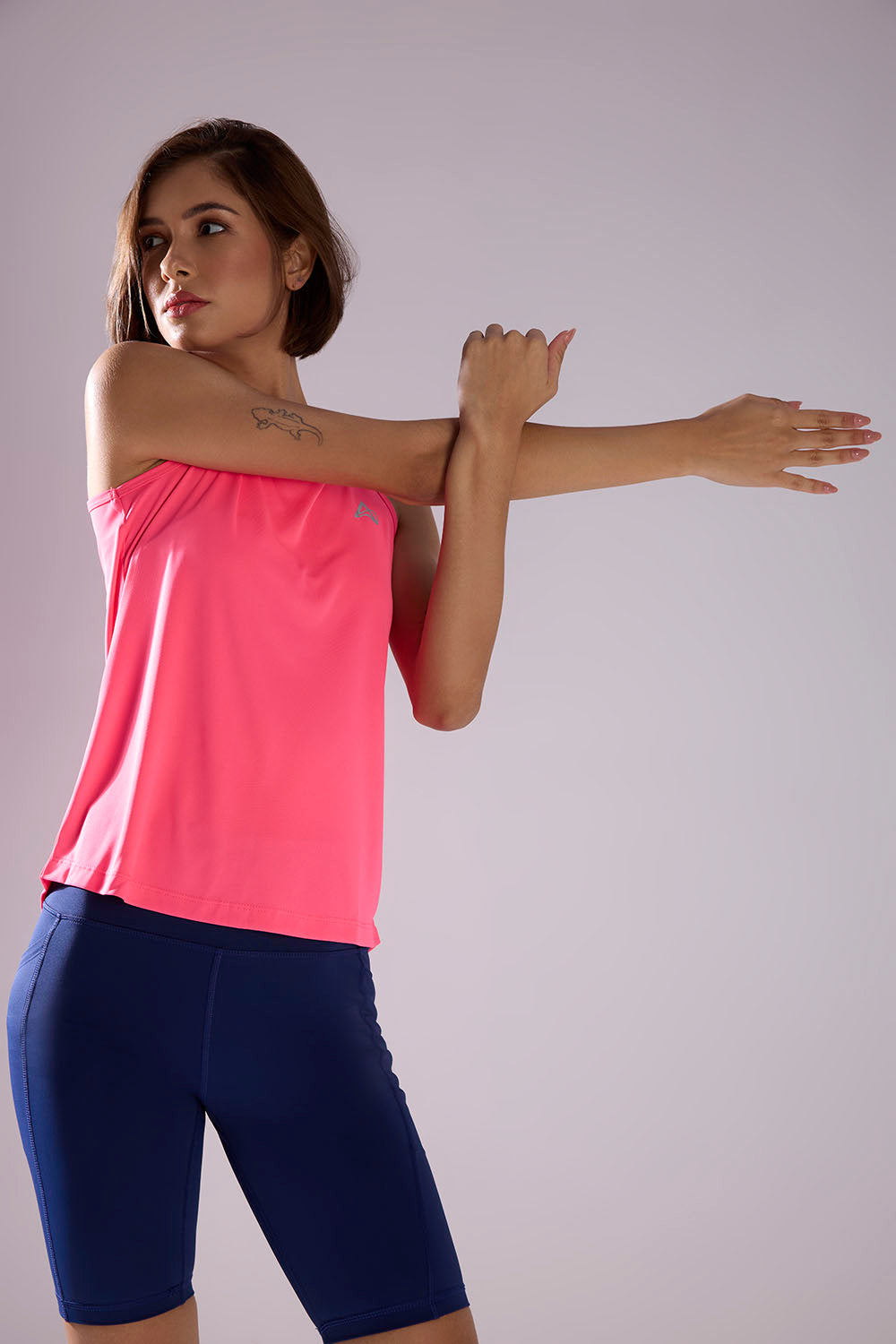
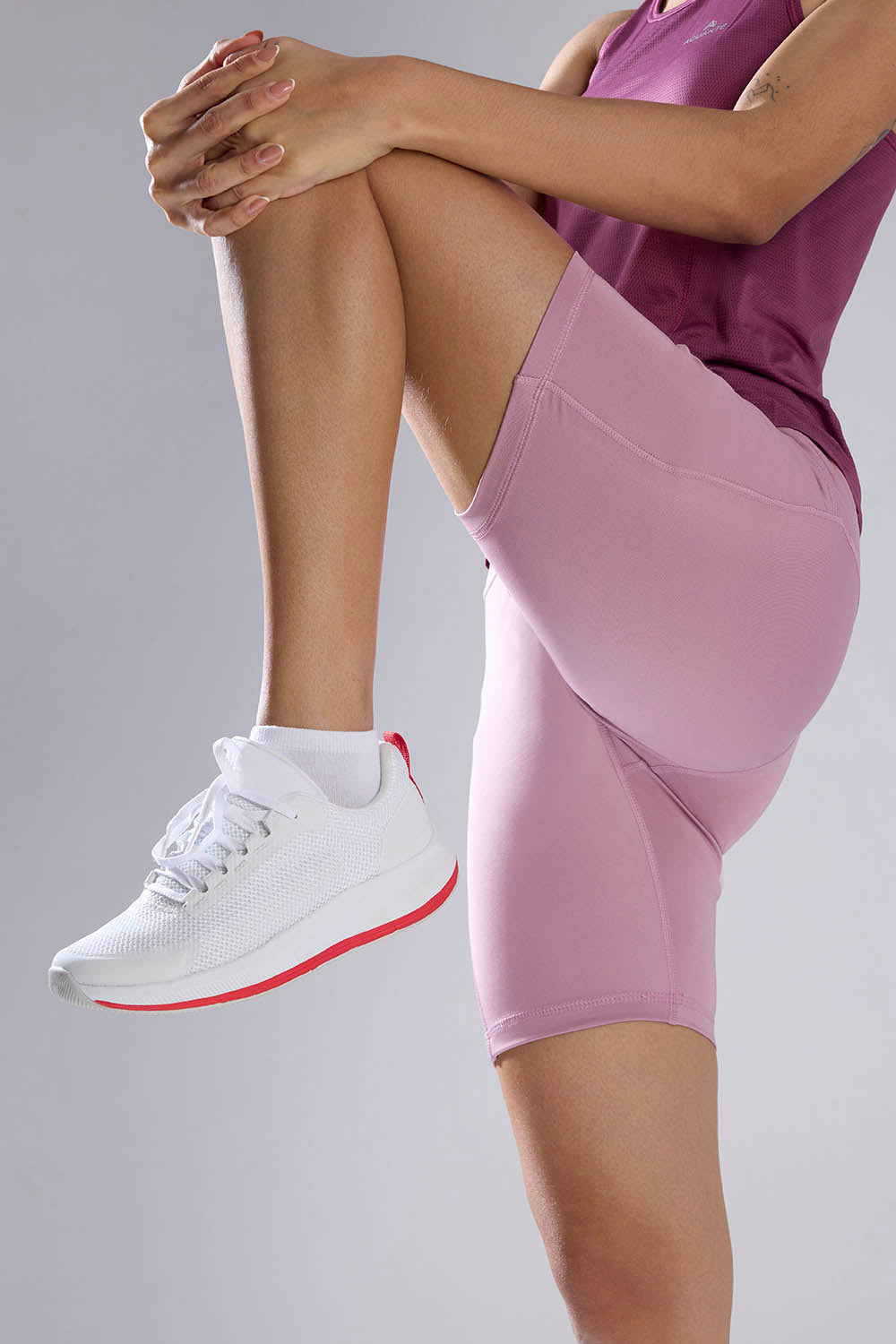
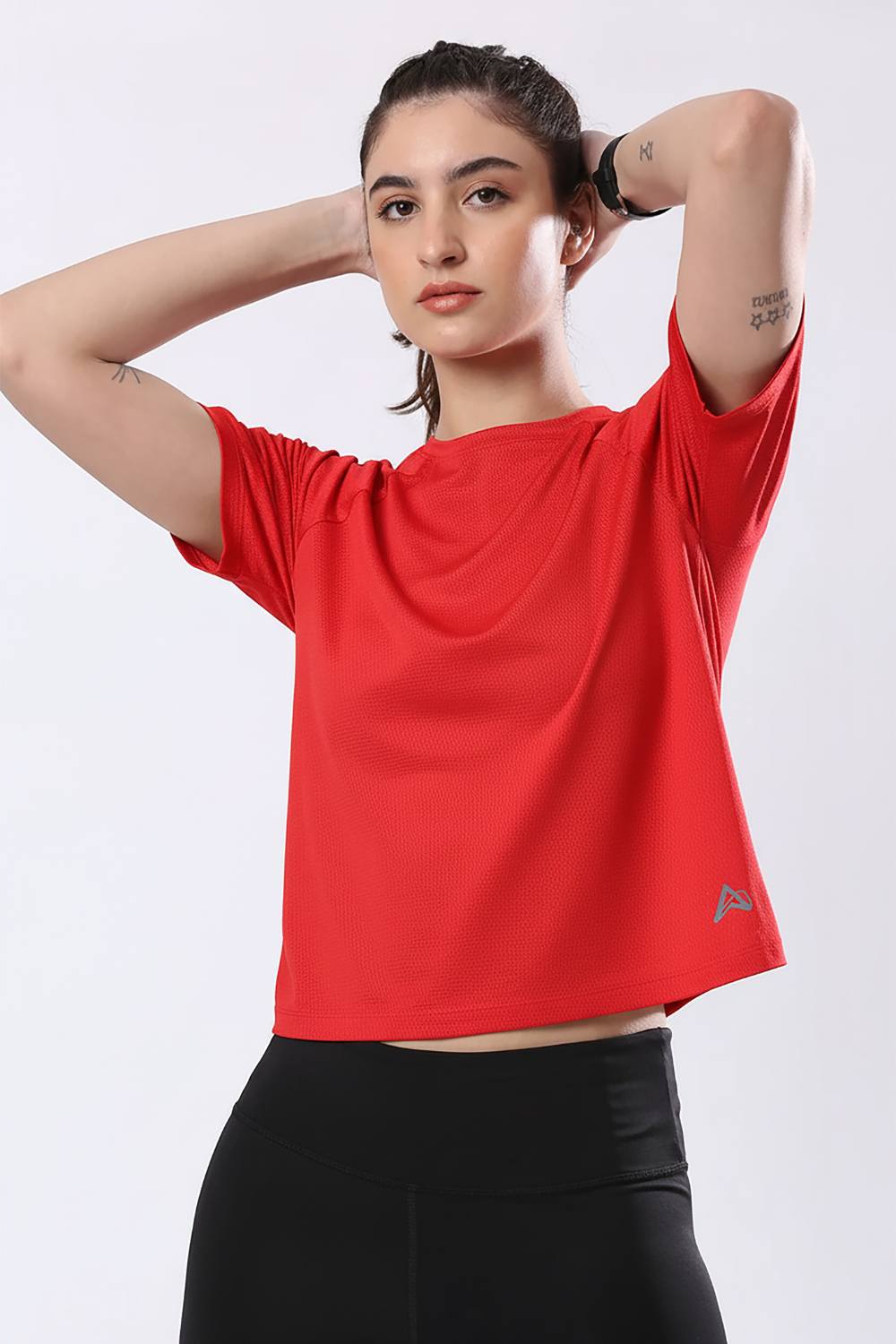
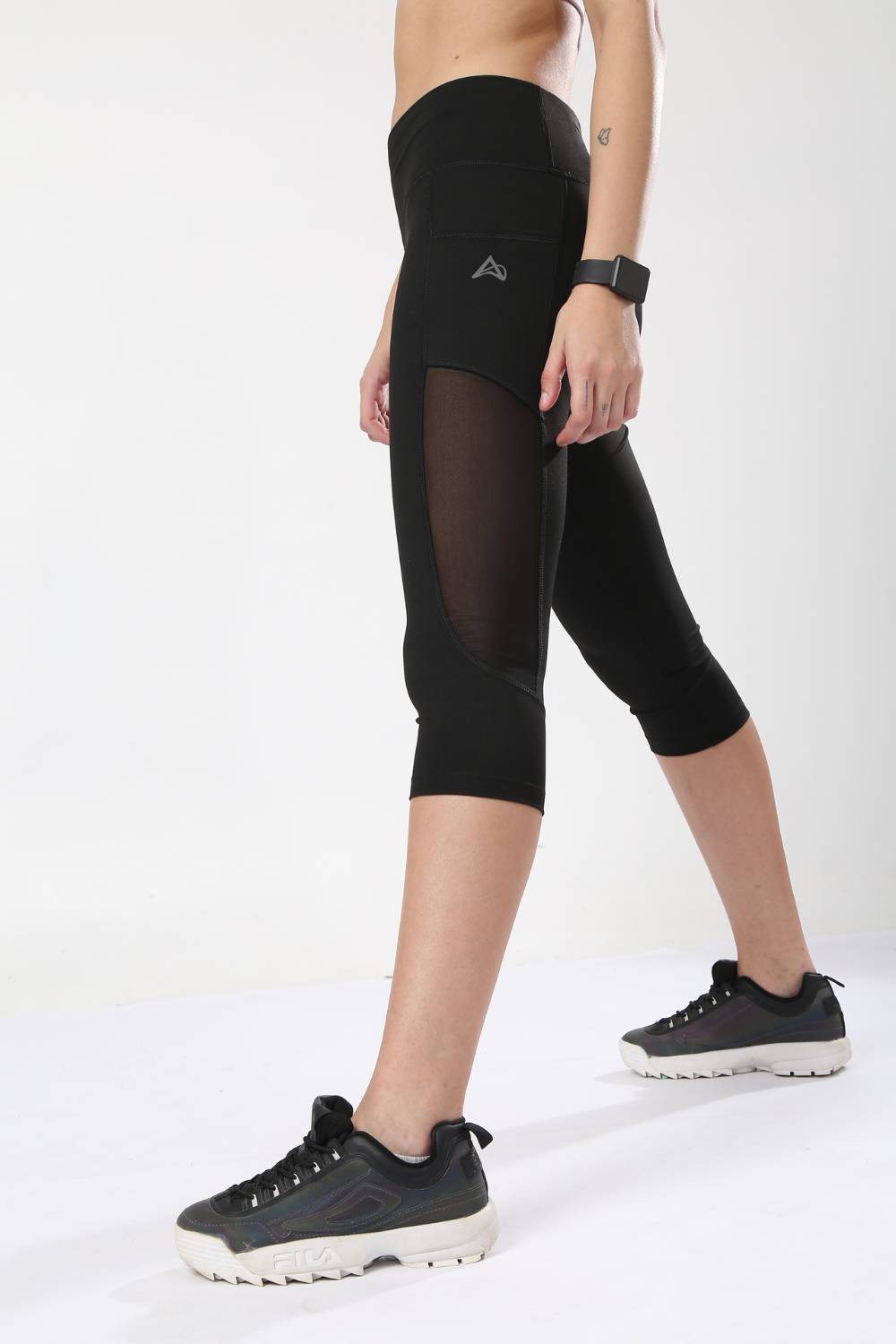
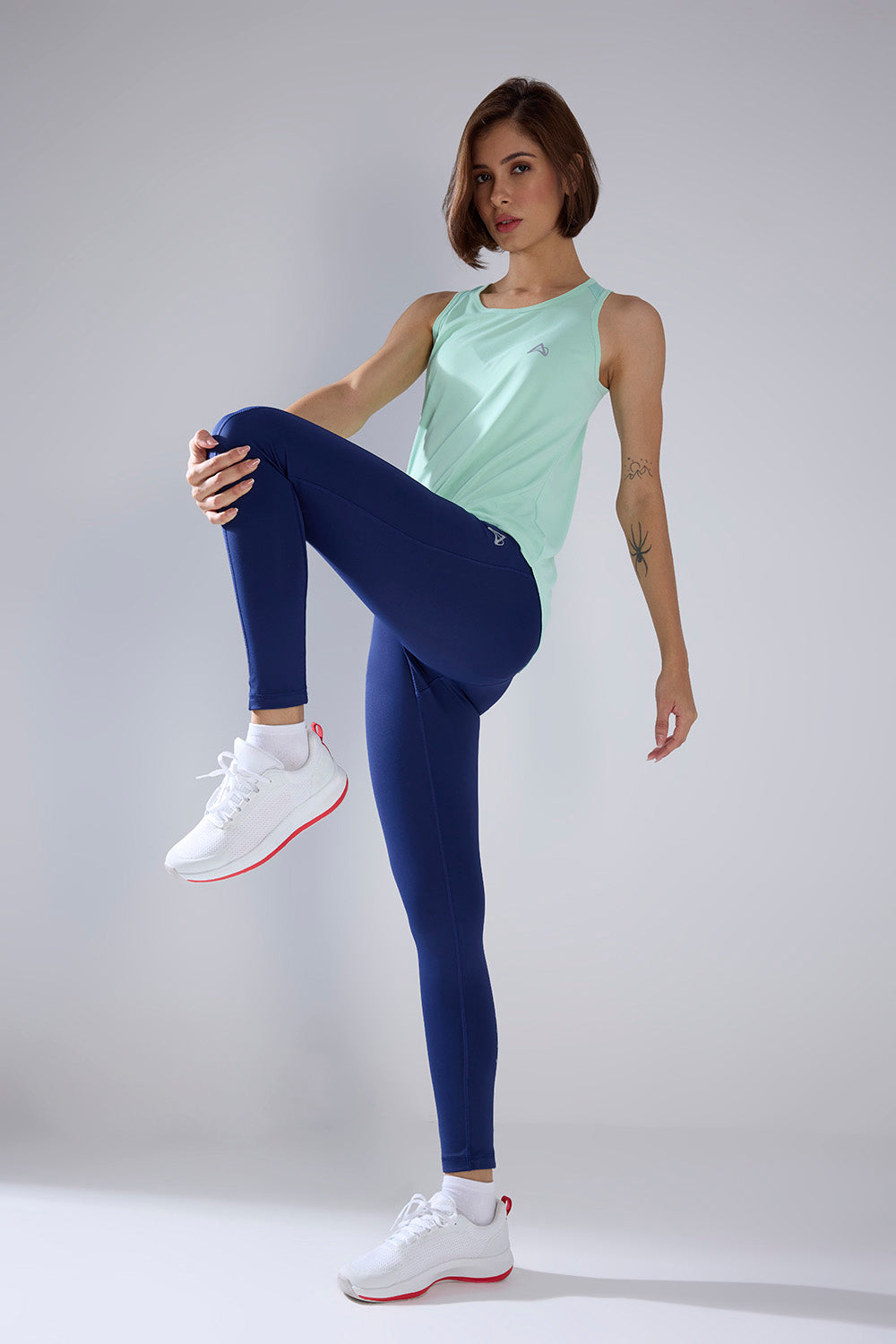
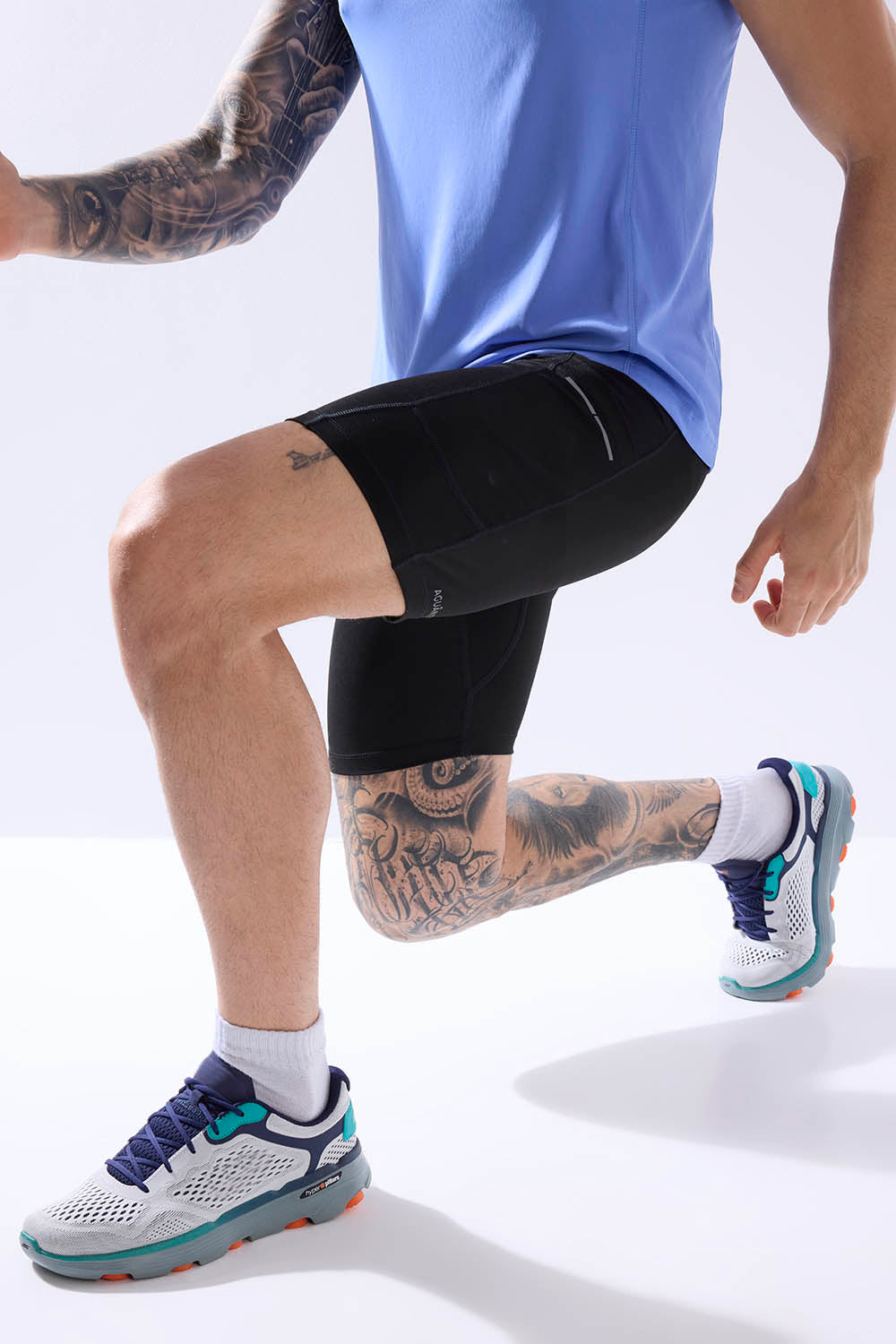
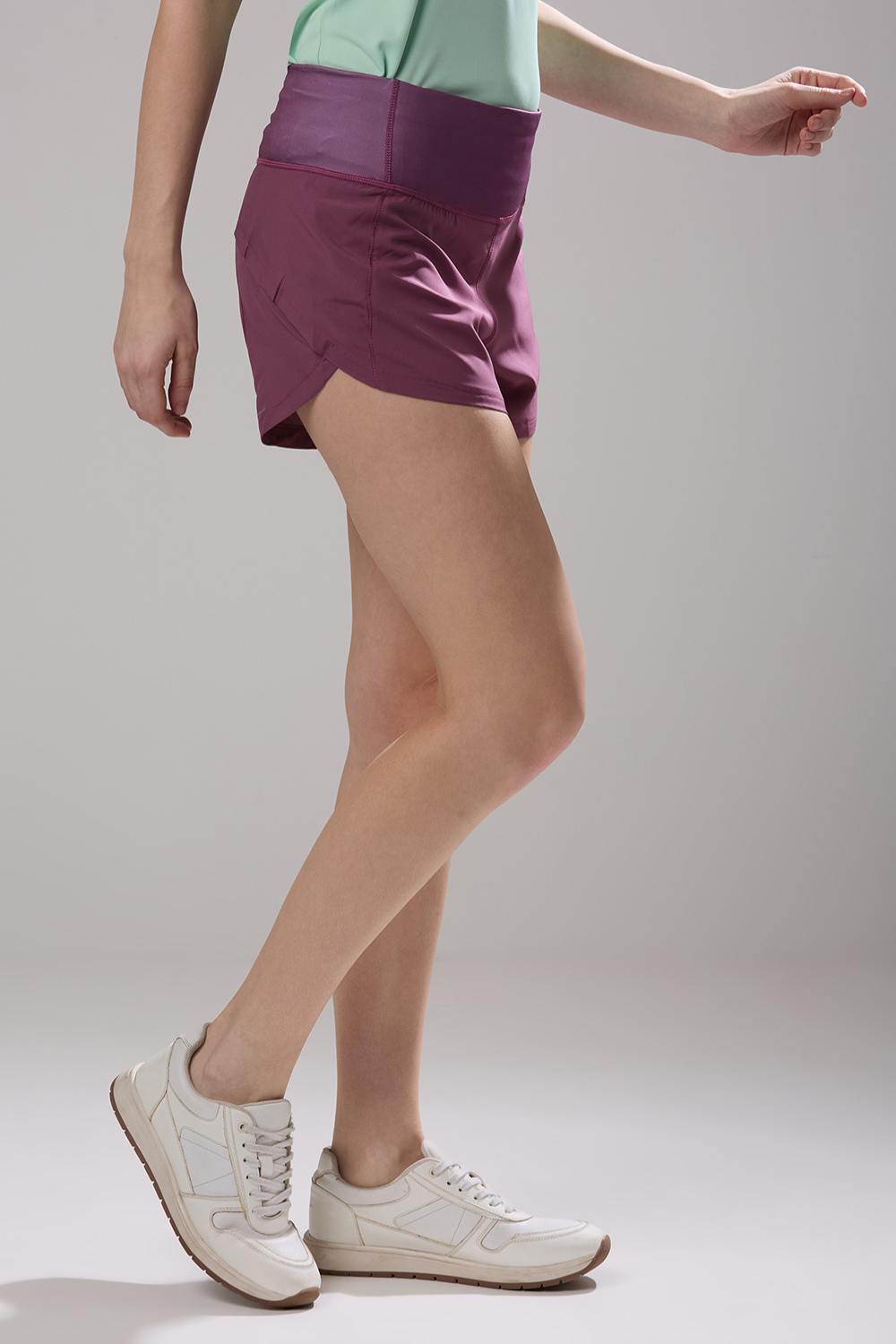
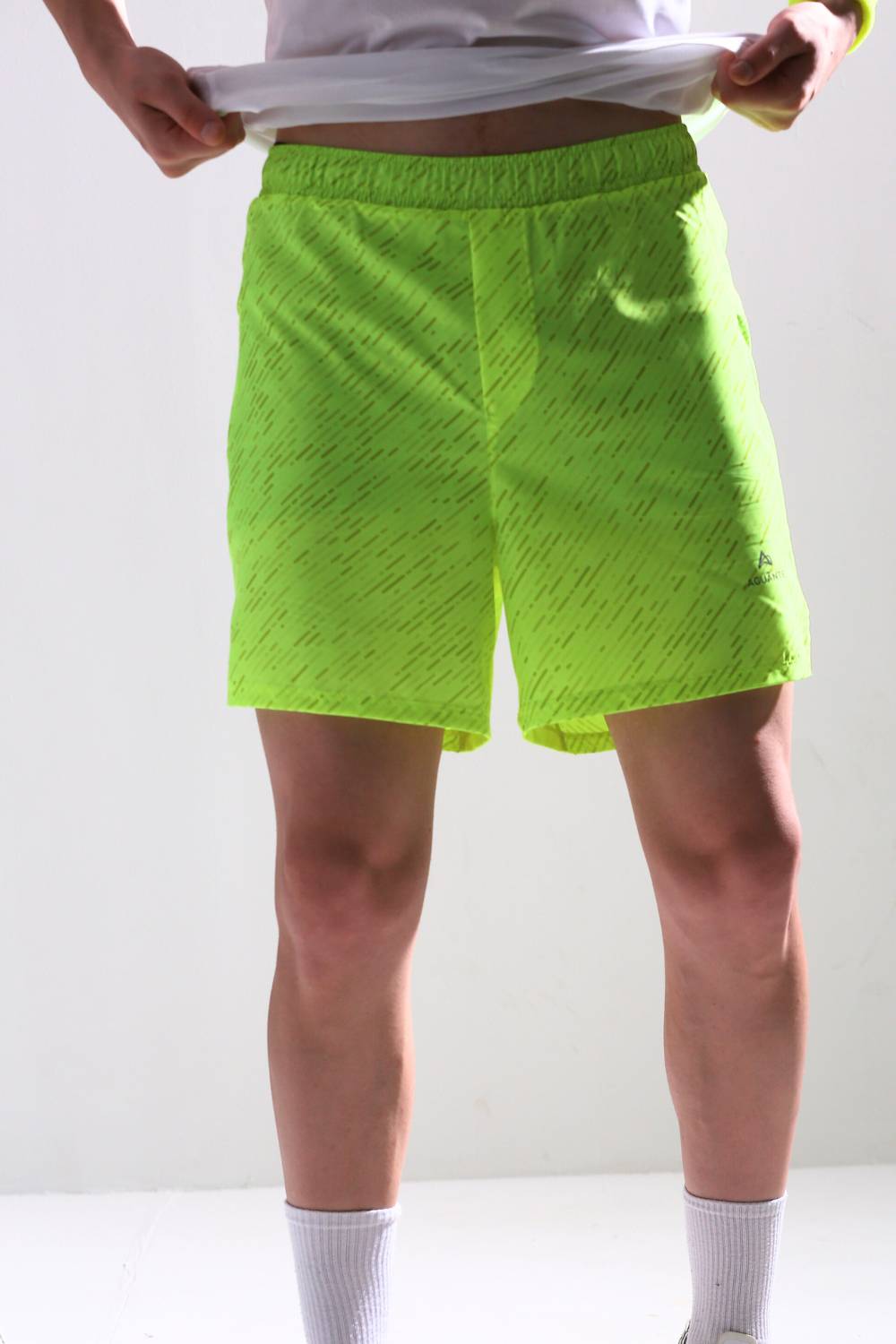
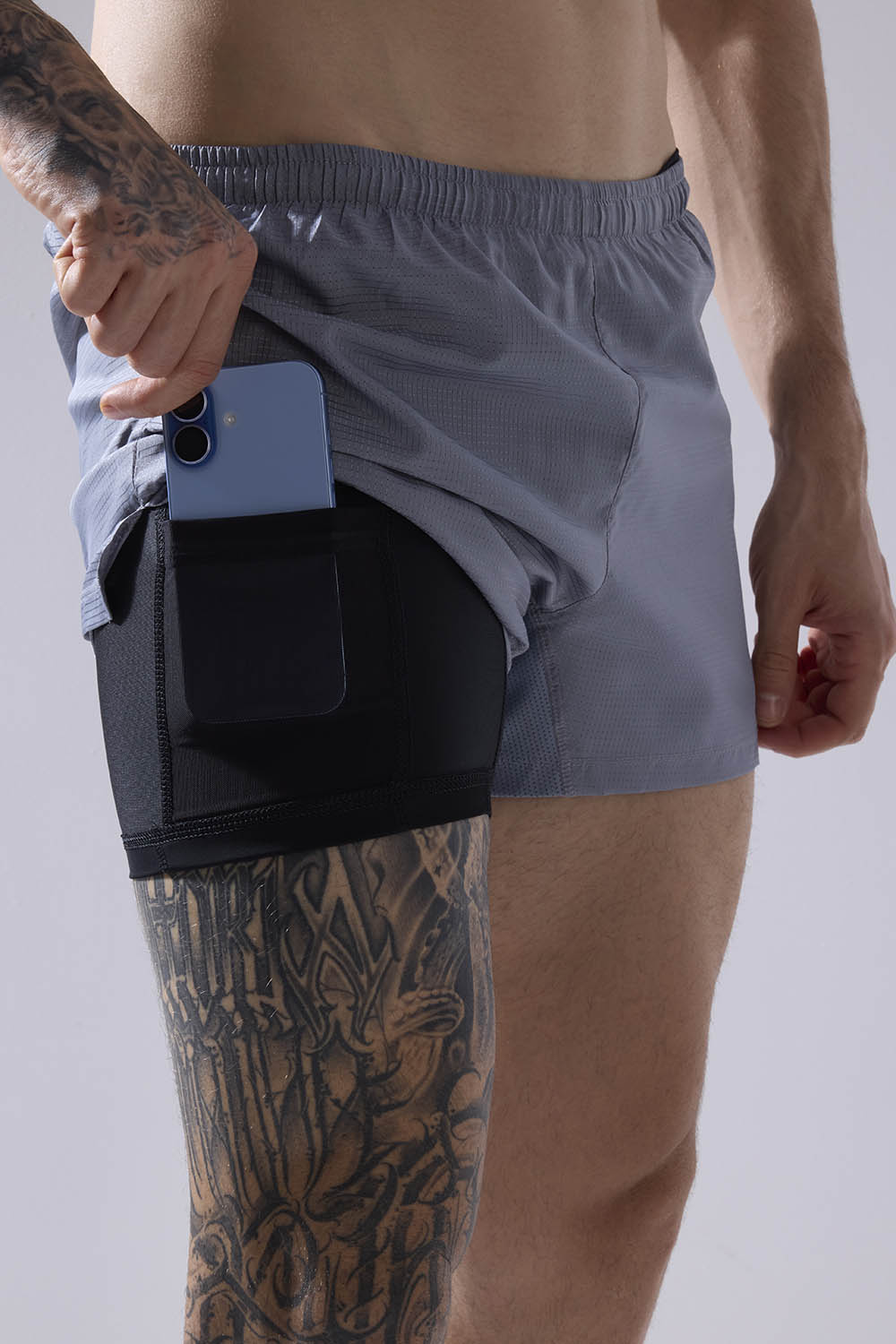
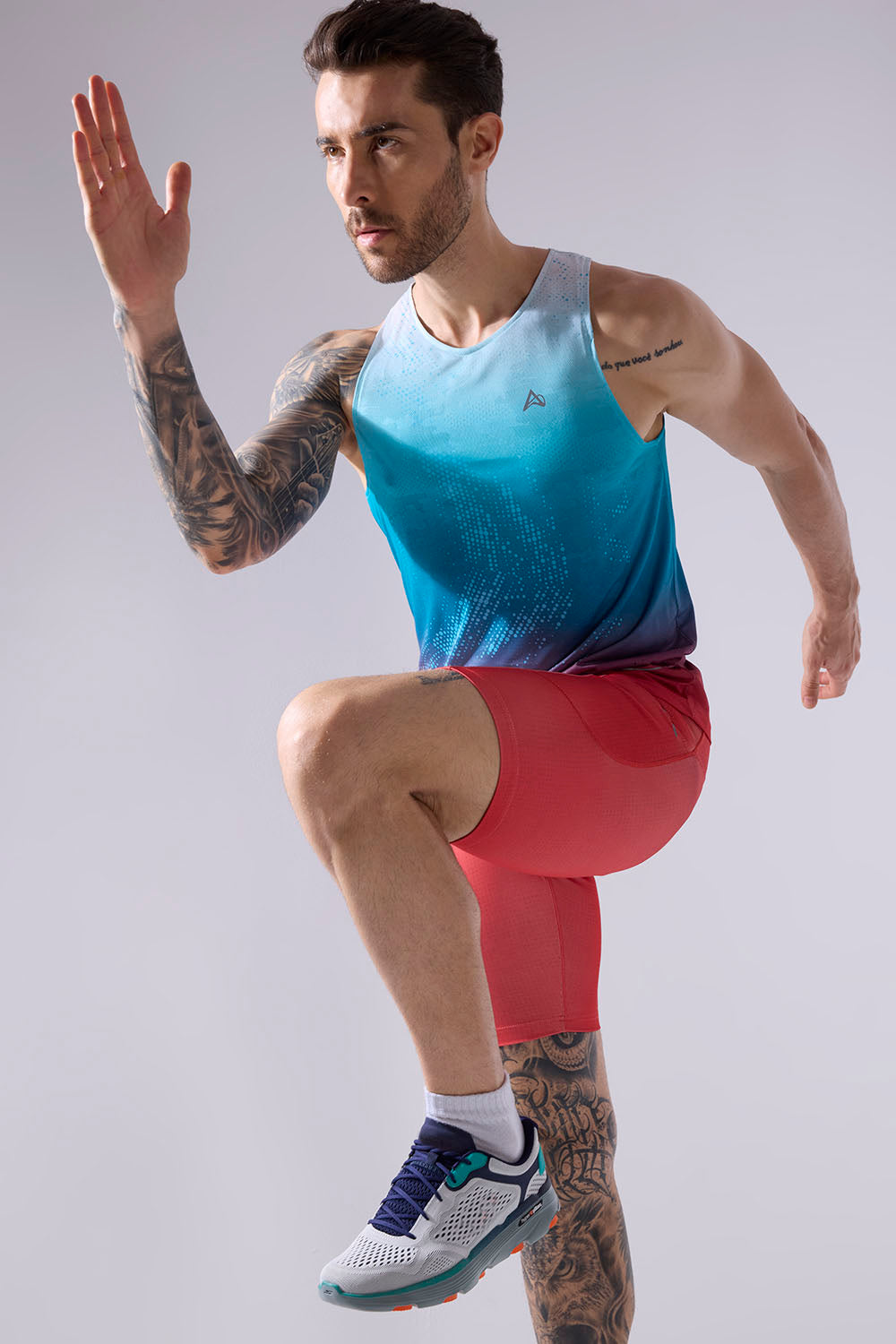
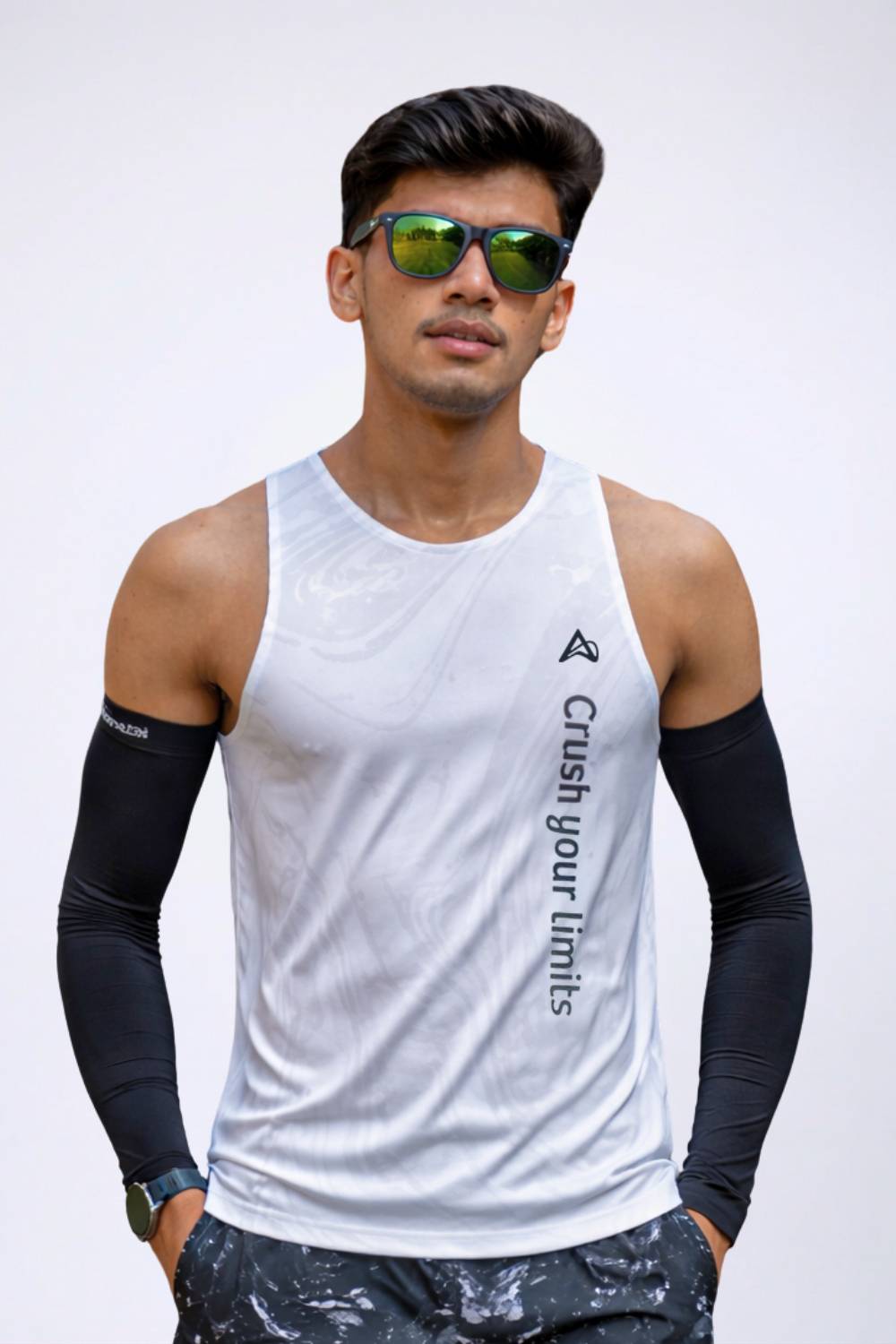
Tired of gear that slows you down? Chafing, soggy fabrics, and missing pockets kill your run's momentum. At Aguante, we're runners who get it. Our high-performance activewear features moisture-wicking fabrics, ergonomic designs, and smart storage to keep you focused. Shop Now!
The Explosion of Running Communities Online
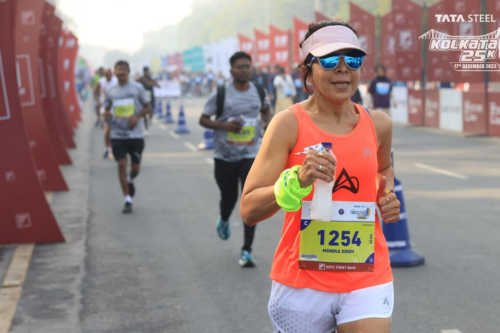
India's passion for running has surged, propelled largely by digital networks. Data from Strava's 2023 Year In Sport Trend Report highlights the momentum: the country experienced a 59% rise in running group engagements compared to the previous year, ranking among the world's strongest increases. Major hubs including Mumbai, Bangalore, Pune, Hyderabad, and Delhi now host vibrant collectives, with dawn gatherings broadcast live, attracting first-timers who discover them through shared stories.
Timelines overflow with milestones 5K completions, marathon medals fostering chain reactions. A jogger's post-run image from a Hyderabad green space draws responses from distant enthusiasts in tier-2 towns, leading them to organize local meetups. Yet challenges persist in equipment. As participation grows, athletes increasingly critique overseas products that don't suit local climates or builds, advocating for domestic alternatives designed from actual user experiences. These discussions gain traction in online forums, urging manufacturers to innovate and respond to authentic needs.
Supporting this is the larger ecosystem of sports and fitness products, which reached USD 4.88 billion in value by 2024 and is forecasted to hit USD 9.96 billion by 2034, expanding at a 7.40% CAGR over 2025-2034. Public and private funding for infrastructure plays a pivotal role, building parks and trails that influence habits and boost demand for related items. Government efforts in city and outlying areas open fresh avenues, where new facilities quickly trend on platforms like X, filling up as residents document their visits and routines.
Consider how a freshly laid track in a midsize town becomes an instant hit: photos and videos circulate, drawing crowds and creating virtual cheer squads. This integration of physical spaces with online buzz sustains engagement, turning occasional activities into habits.
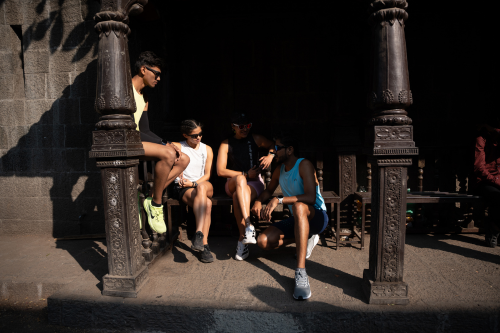
Social media's role extends to education and motivation. Runners exchange tips on form, nutrition, and recovery in comment threads, building knowledge bases that rival professional advice. Clubs use apps to coordinate events, track progress, and celebrate collectively, making the sport more approachable. In post-pandemic India, where health awareness spiked, these networks provide accountability miss a run, and your streak notifications remind you, shared publicly for added incentive.
Virtual Sessions and the Power of Digital Influence
At the heart of this evolution is the personal touch of online content. A celebrity's yoga sequence or an office worker's high-intensity interval training demo resonates because it mirrors real life, encouraging viewers to try it themselves. Live streams on Instagram foster group energy, aligning with the dominant market category of shared experiences. However, personalized solo workouts are accelerating quickest, ideal for those juggling family or irregular hours, monitored through apps and posted at one's discretion.
Global providers like Wellbeats, Les Mills, and Wexer adapt offerings with regional flavors think sessions dubbed in Hindi or set to popular Bollywood beats enhancing relatability. This customization helps bridge cultural gaps, making international standards feel homegrown. Meanwhile, influencers emerge from diverse backgrounds: a Bangalore engineer sharing trail runs, a Mumbai homemaker leading chair exercises, their authenticity drawing followers who see themselves reflected.
The ecosystem thrives on interaction. Strava challenges span the nation, where users upload timings and narratives, sparking rivalries and friendships. In tech-centric Pune, professionals ditch screens for paths, their before-and-after stories liked and shared, inspiring peers in similar roles. This visibility normalizes fitness amid busy schedules, showing it's achievable in 20-minute windows or weekend outings.
Yet balance is key. Uneven internet access limits reach in rural pockets, and the chase for engagement can lead to overexertion or unrealistic standards. Experts note the need for mindful consumption, where platforms promote rest as much as rigor. Despite hurdles, benefits prevail: digital ties convert lone efforts into supported journeys, with apps like Fitness On Demand and Mindbody Business facilitating seamless access.
Looking deeper, social media democratizes expertise. Free tutorials replace costly trainers, while community feedback refines techniques. For women, online groups offer safe spaces to discuss barriers like safety during evening runs, leading to collective solutions such as buddy systems publicized via WhatsApp or Instagram.
Infrastructure, Investment, and Lasting Impact
Underlying the digital surge is tangible development. Investments in recreational infrastructure government-led urban renewals and private wellness centers create environments ripe for social sharing. A new gym in a semi-urban locale gets reviewed online, its classes filling based on viral testimonials. This synergy embeds activity deeper, with the sports goods market's growth mirroring rising consumer spend on quality gear.
From apparel to gadgets, demand rises for items tailored to Indian physiques and conditions breathable fabrics for humid monsoons, shoes for uneven terrains. The running boom exposes gaps, but also opportunities, as local brands step up, tested and endorsed by community influencers. Initiatives like Fit India Movement amplify this, with social campaigns encouraging participation tracked via apps.
Economically, the virtual space's expansion signals sustainability. By 2030, the projected USD 2,854.9 million valuation underscores tech's staying power, with companies like Navigate Wellbeing Solutions and VIXY Online Video Platform innovating delivery. Group formats continue leading, but solo's rise points to personalized futures, perhaps AI-driven routines shared peer-to-peer.
A Connected Future in Motion
India's fitness landscape, illuminated by glowing screens, shifts from isolated pursuits to interconnected movements, with social media as the catalyst. Expanding markets and thriving groups highlight inclusion: villagers accessing urban coaching digitally, ordinary citizens embracing wellness in manageable doses. In this networked age, each upload advances collective health, affirming that in India, getting fit is as much about community as calories vibrant, shared, and unstoppable.
Frequently Asked Questions
How is social media influencing fitness trends in India?
Social media platforms like Instagram, Strava, and local video apps are transforming fitness into a social activity by making workouts accessible and motivating millions across India. Fitness influencers and everyday runners share their journeys using hashtags like #FitIndia and #RunIndia, turning personal achievements into public inspiration that encourages widespread participation. The impact is significant India's virtual fitness market reached USD 350.5 million in 2022 and is projected to grow to USD 2,854.9 million by 2030, demonstrating how digital platforms are democratizing wellness beyond premium gyms and urban centers.
Why is running becoming so popular in India through online communities?
India experienced a 59% rise in running group engagements in 2023 according to Strava's Year In Sport report, making it one of the world's fastest-growing running markets. Online communities in cities like Mumbai, Bangalore, Pune, Hyderabad, and Delhi use social media to organize dawn gatherings, share milestone achievements, and motivate first-timers who discover these groups through Instagram stories and posts. These digital networks create accountability and support systems where a single post-run image can inspire distant enthusiasts to organize their own local meetups, effectively turning solo activities into connected movements.
What role does infrastructure investment play in India's social media-driven fitness boom?
Government and private investments in recreational infrastructure such as parks, trails, and fitness centers create shareable spaces that fuel social media engagement and sustained participation. When new facilities open in urban or semi-urban areas, they quickly trend on platforms like Instagram and X as residents document their visits and workouts, creating virtual communities around physical locations. This synergy between tangible development and digital sharing has contributed to India's sports and fitness product market reaching USD 4.88 billion in 2024, with projections to hit USD 9.96 billion by 2034, as increased participation drives demand for quality gear tailored to Indian conditions.
Disclaimer: The above helpful resources content contains personal opinions and experiences. The information provided is for general knowledge and does not constitute professional advice.
You may also be interested in: Urban Running Culture Drives Social Media Apparel Trends
Tired of gear that slows you down? Chafing, soggy fabrics, and missing pockets kill your run's momentum. At Aguante, we're runners who get it. Our high-performance activewear features moisture-wicking fabrics, ergonomic designs, and smart storage to keep you focused. Shop Now!
Powered by flareAI.co