



Quick Listen:
Imagine stepping out for a run in Mumbai's humid dawn, sweat already beading before you've hit your stride, or pushing through a hilly trail in the Himalayas where the air thins and chills bite unexpectedly. For endurance athletes across India, the battle isn't just against the clock it's against a climate that swings from scorching heat to drenching monsoons. But here's the twist: the right gear, designed with these very patterns in mind, can turn that struggle into sustained power. As activewear evolves from gym staple to everyday armor, it's reshaping how Indians build stamina in a land of diverse weather whims.
In a country where temperatures can soar above 40°C in Rajasthan summers or dip below freezing in Ladakh winters, endurance training demands more than willpower. It calls for apparel that adapts. Take the booming sports apparel market in India, which clocked USD 253.0 million in revenue back in 2022 and is projected to climb to USD 399.5 million by 2030, growing at a steady 5.9% CAGR from 2023 onward. This surge isn't just numbers it's a reflection of millions lacing up, pedaling, or pounding pavements, fueled by gear that fights the elements head-on.
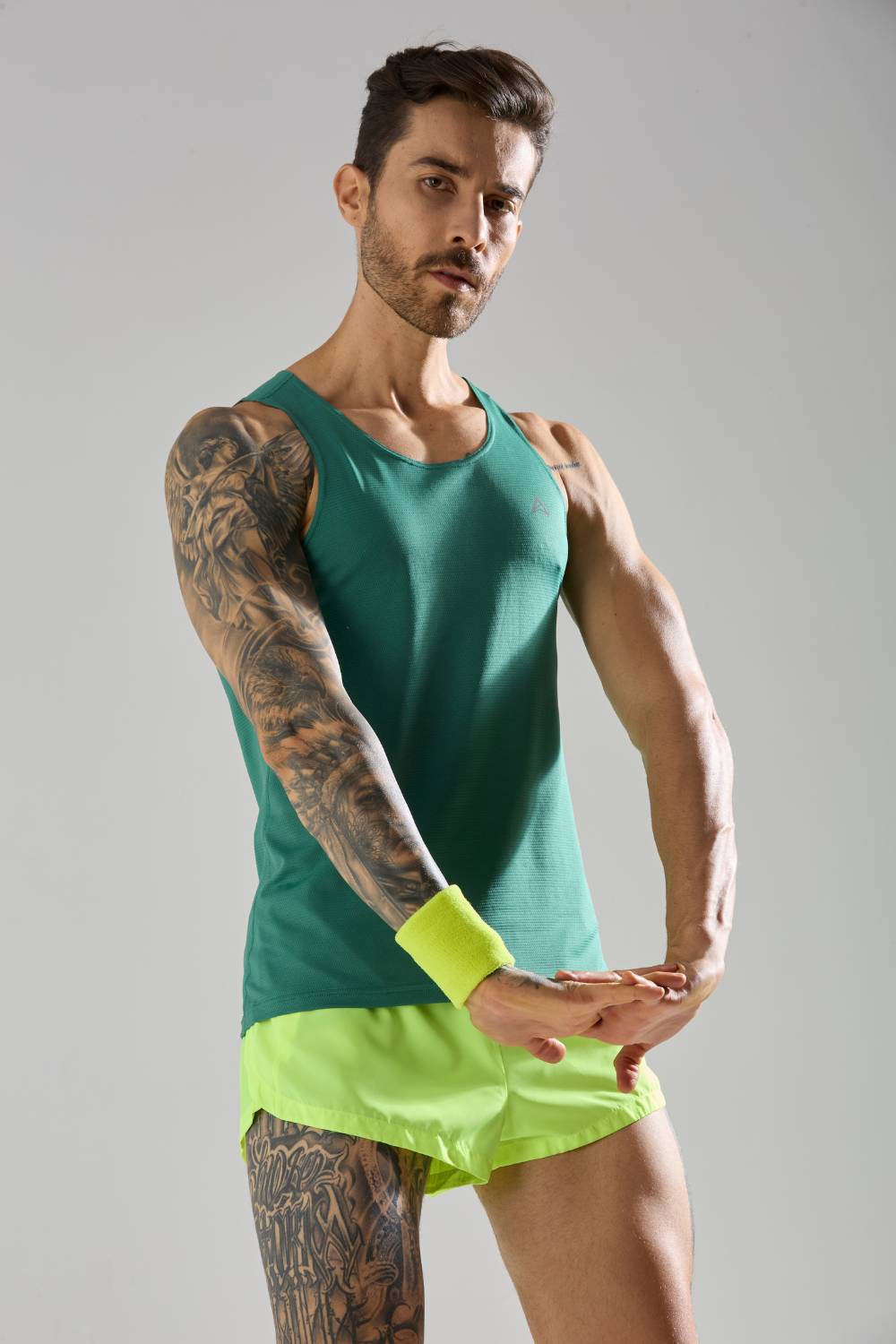
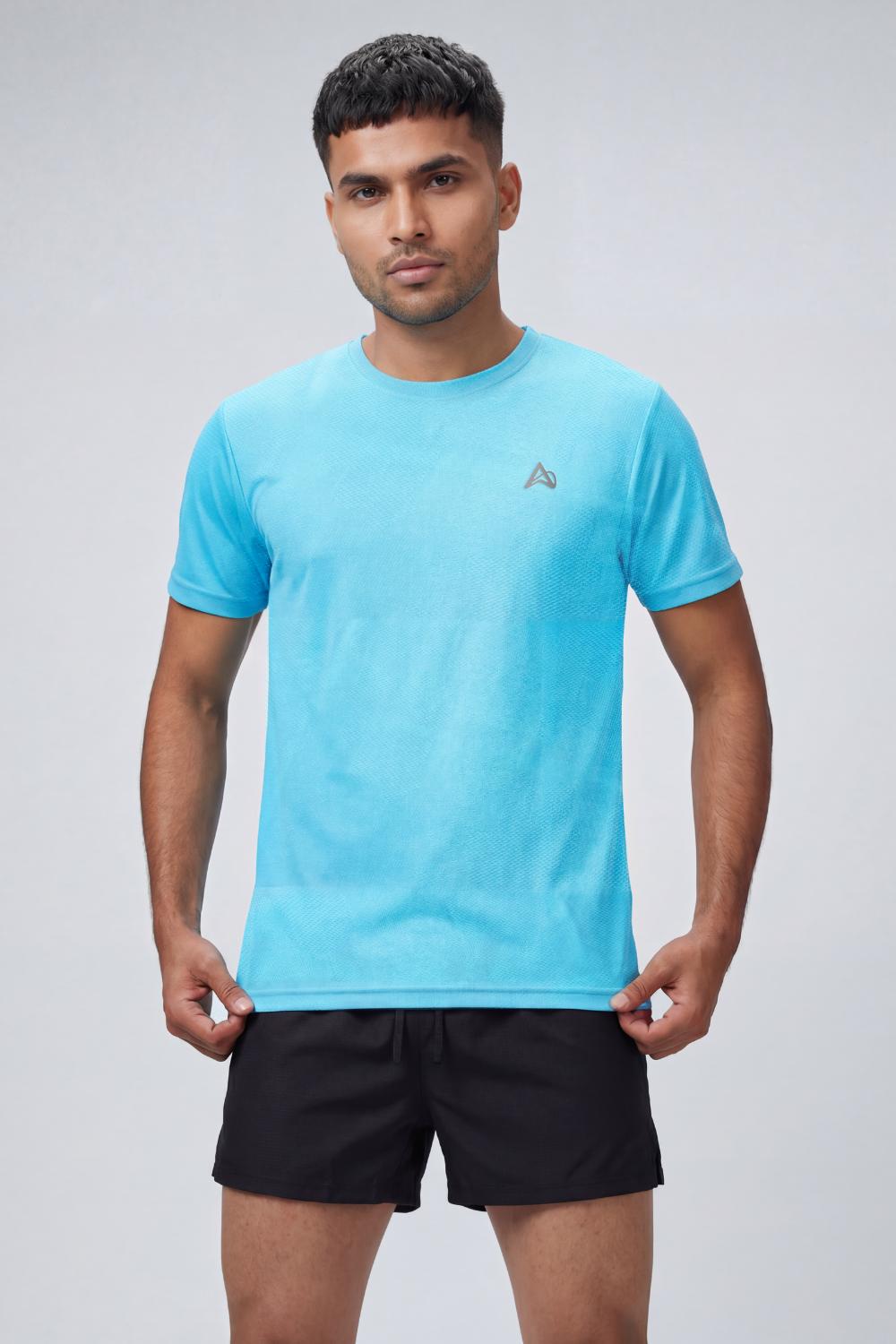
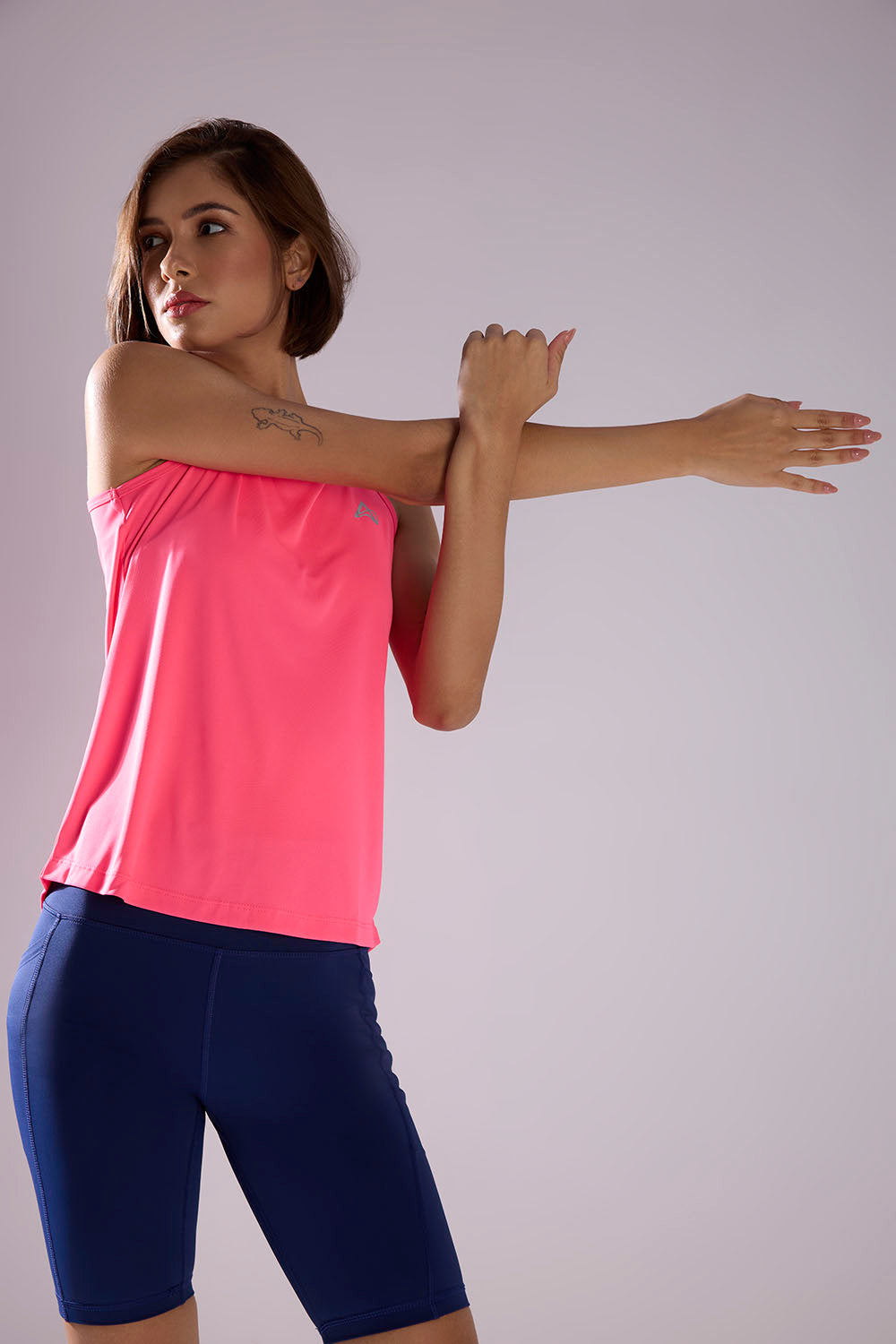
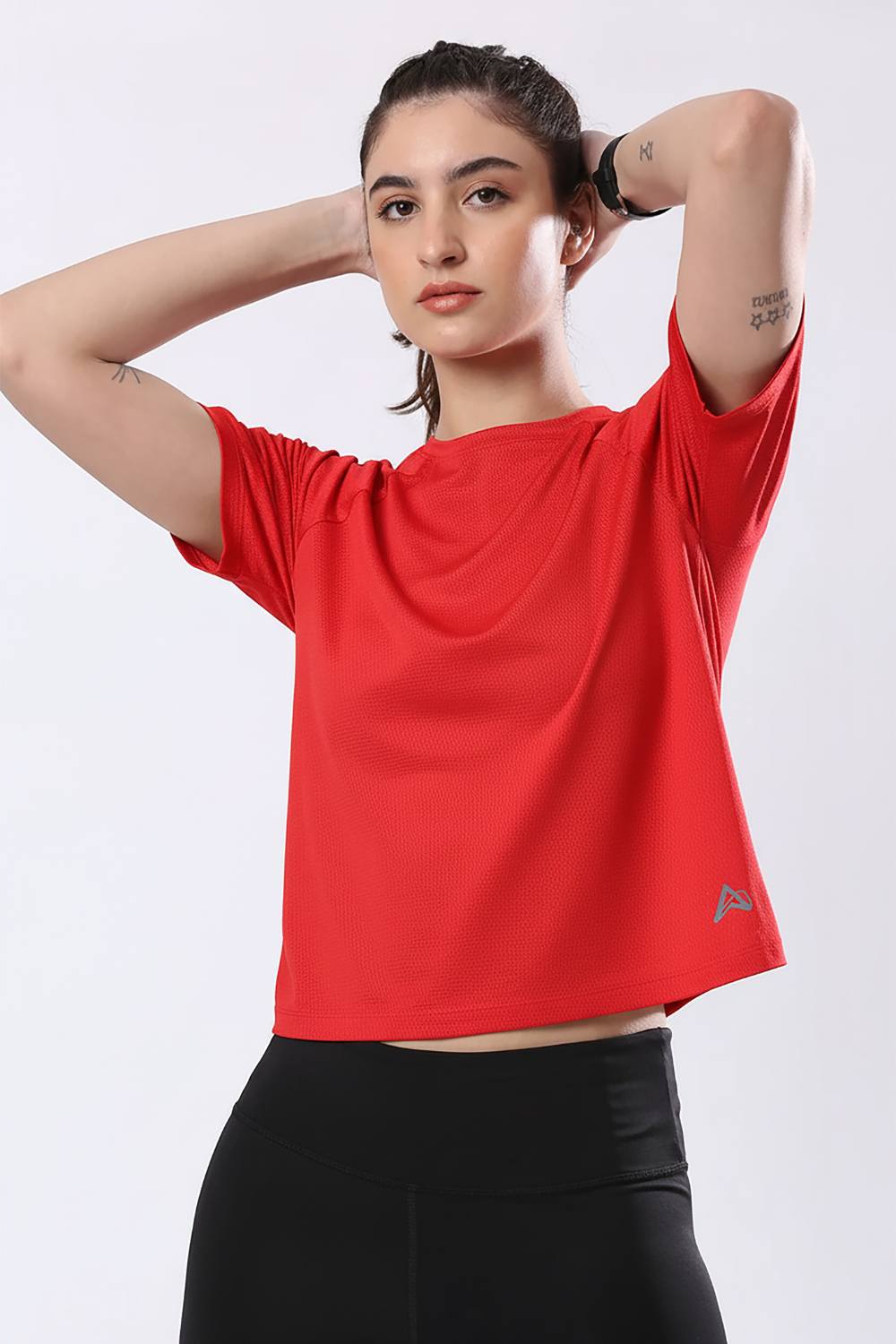
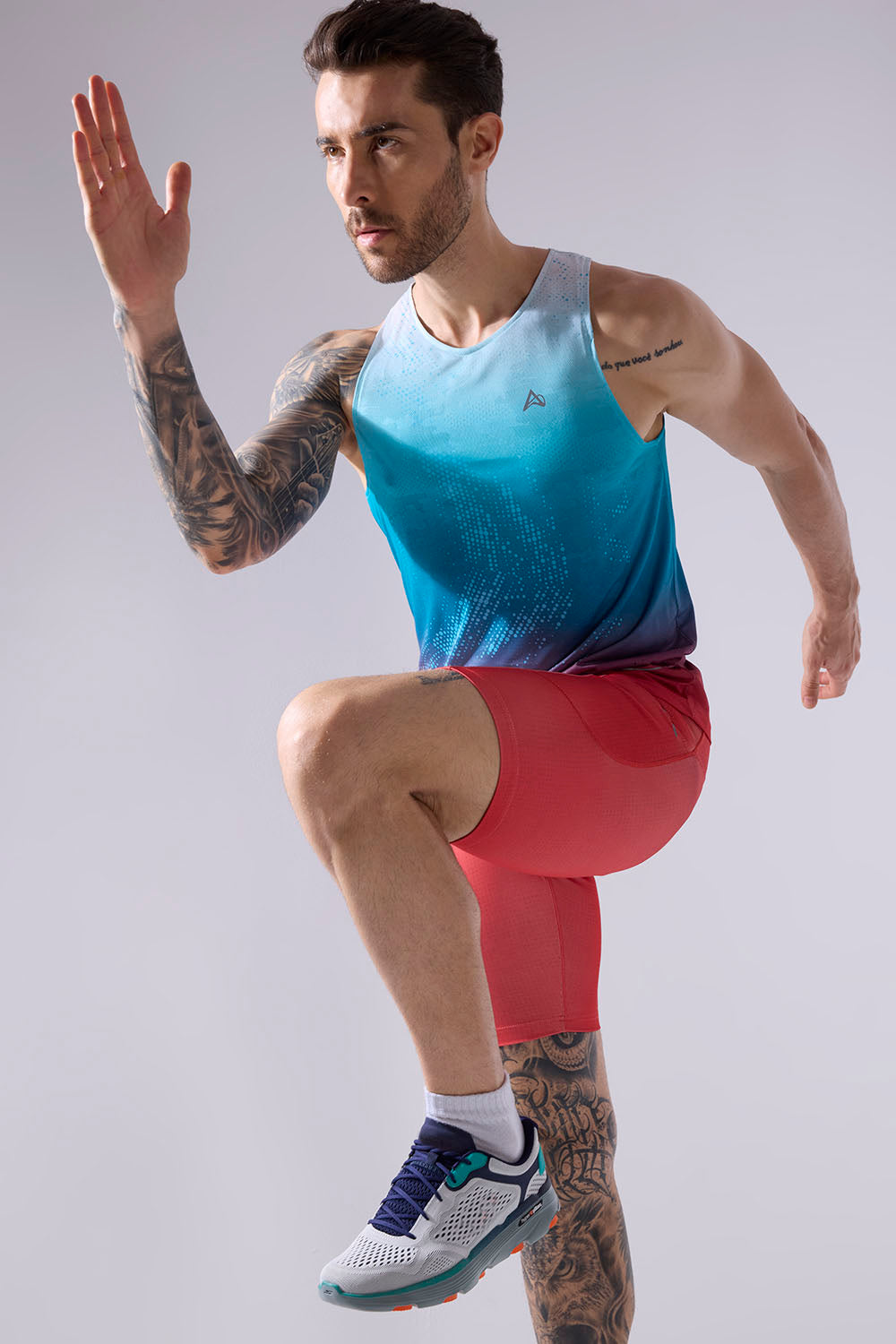
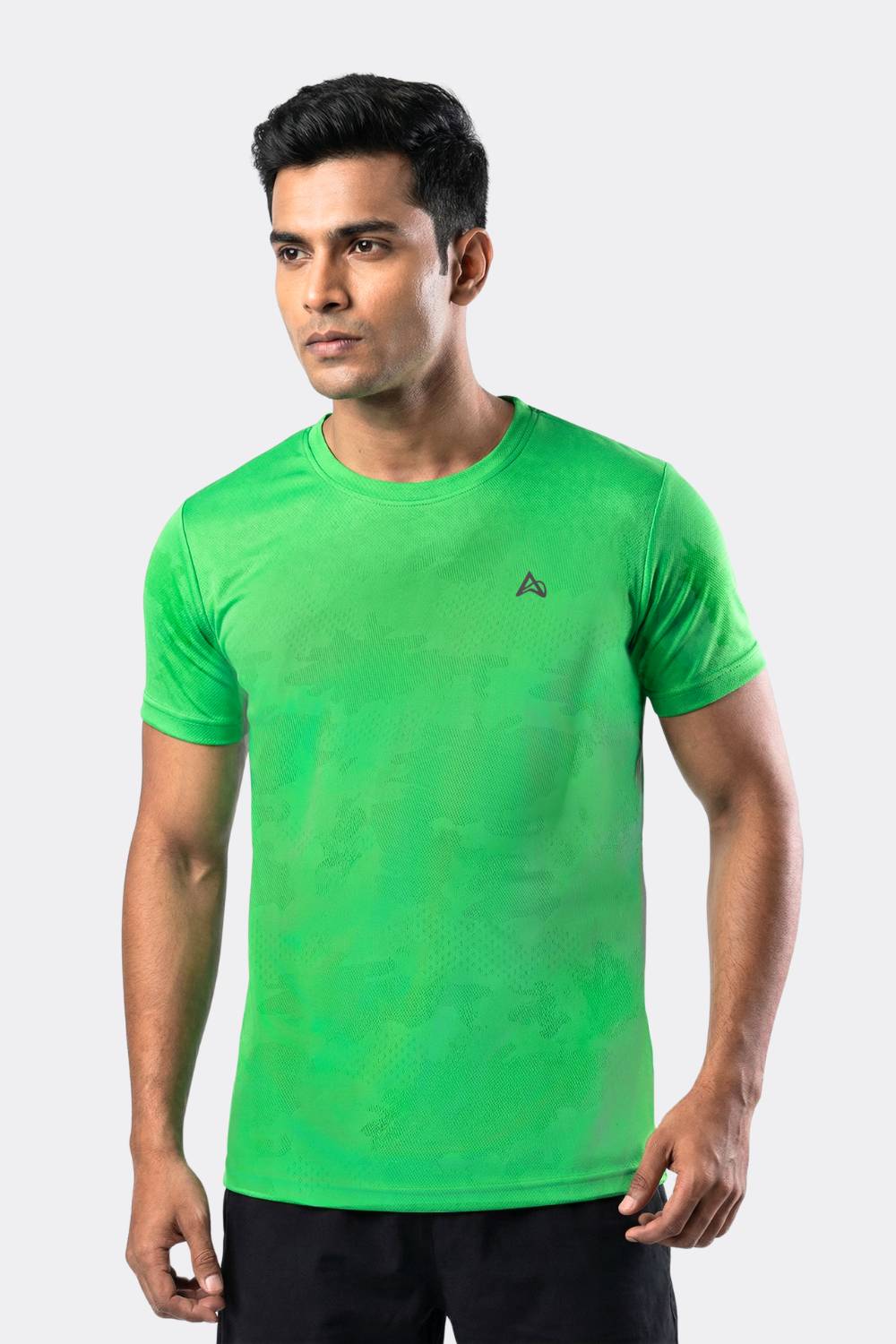
Picture this: a cyclist weaving through Delhi's polluted haze, or a trekker ascending Kerala's rain-slicked paths during July downpours. Traditional cotton tees soak up moisture like sponges, chafing and weighing you down. Enter moisture-wicking fabrics, the unsung heroes for humid coasts and sweaty plains. Brands like those leading the charge Adidas AG, Nike Inc., Puma SE (part of Frasers Group PLC's portfolio), and Under Armour Inc. engineer polyester blends that pull sweat away, drying faster than the afternoon sun evaporates puddles. In tests on Indian runners, such tops reduced perceived exertion by up to 15% in 80% humidity, letting you log extra kilometers without the drag.
But heat isn't India's only foe. Monsoons turn trails into mud baths and roads into rivers. Waterproof-yet-breathable jackets become essential, with sealed seams and vents that shield without steaming you up inside. For those building endurance in the Western Ghats, where rains lash unpredictably, layering systems shine. Start with a base of merino wool hybrids natural odor resistance meets synthetic durability to regulate temperature swings from muggy mornings to cooler evenings. Add a lightweight shell, and suddenly that 50 km ultra doesn't end in hypothermia or blisters.
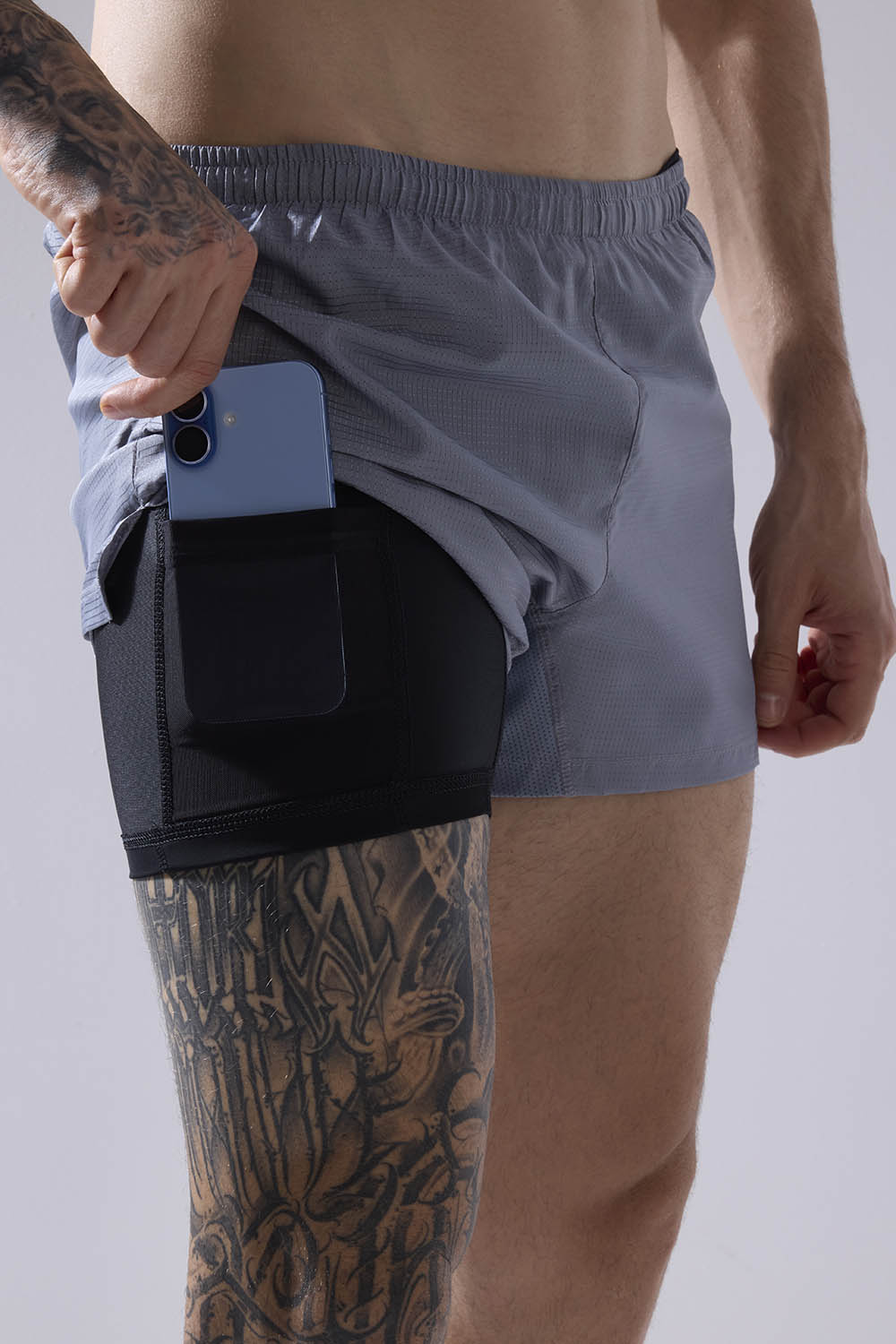
Tired of gear that slows you down? Chafing, soggy fabrics, and missing pockets kill your run's momentum. At Aguante, we're runners who get it. Our high-performance activewear features moisture-wicking fabrics, ergonomic designs, and smart storage to keep you focused. Shop Now!
The Fabric Science Behind the Sweat
Dive deeper, and it's all about innovation tailored to tropical chaos. UV-protective clothing, woven with titanium dioxide threads, blocks harmful rays in sun-baked states like Rajasthan or Gujarat, where endurance events like marathons spike in winter but training happens year-round. These garments boast UPF 50+ ratings, cutting skin damage risk and letting athletes focus on form, not burns. And in a market where t-shirts and tops dominated as the largest segment in 2022 and poised to grow fastest through the decade they're evolving with anti-microbial treatments to combat the bacterial boom in damp heat.
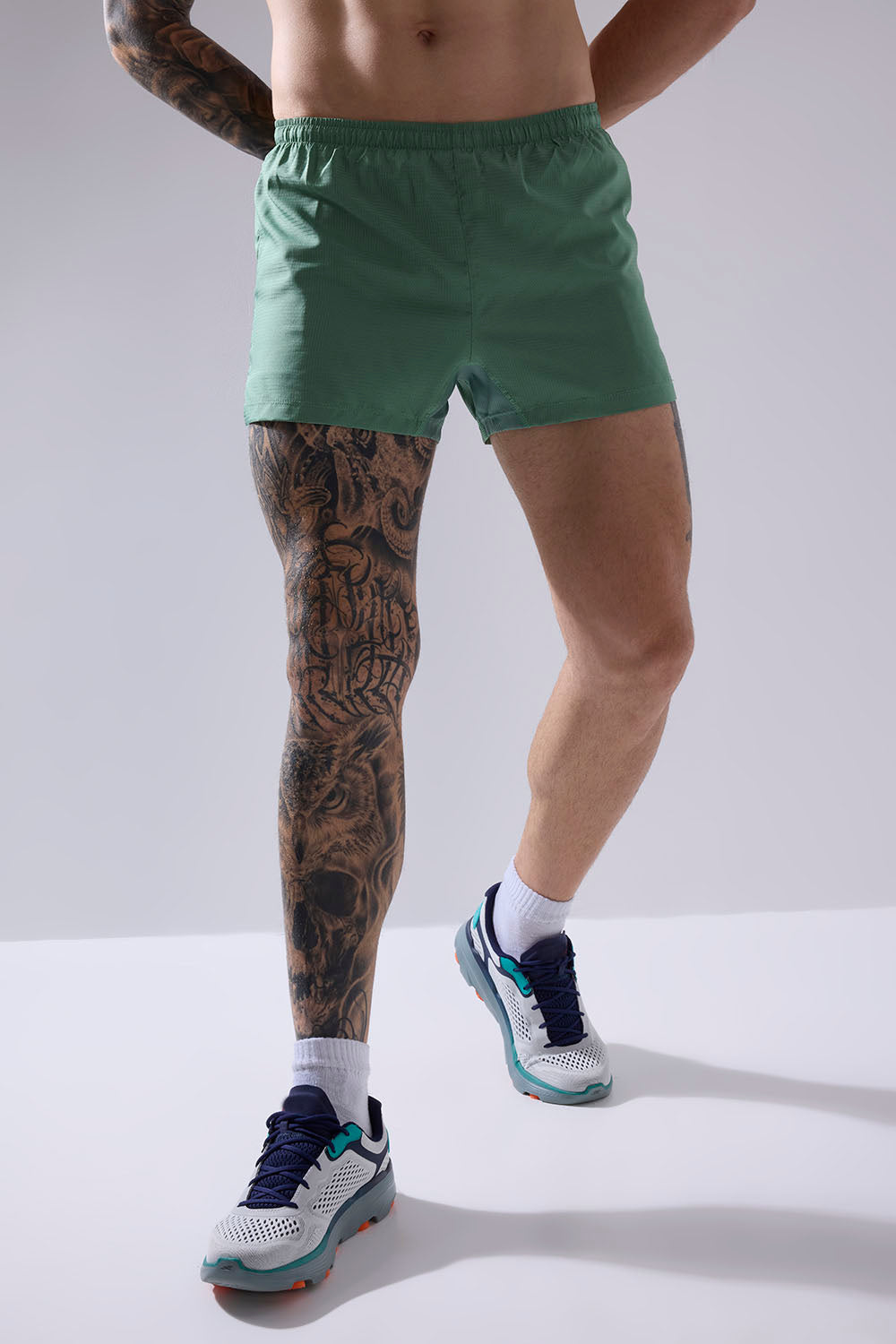
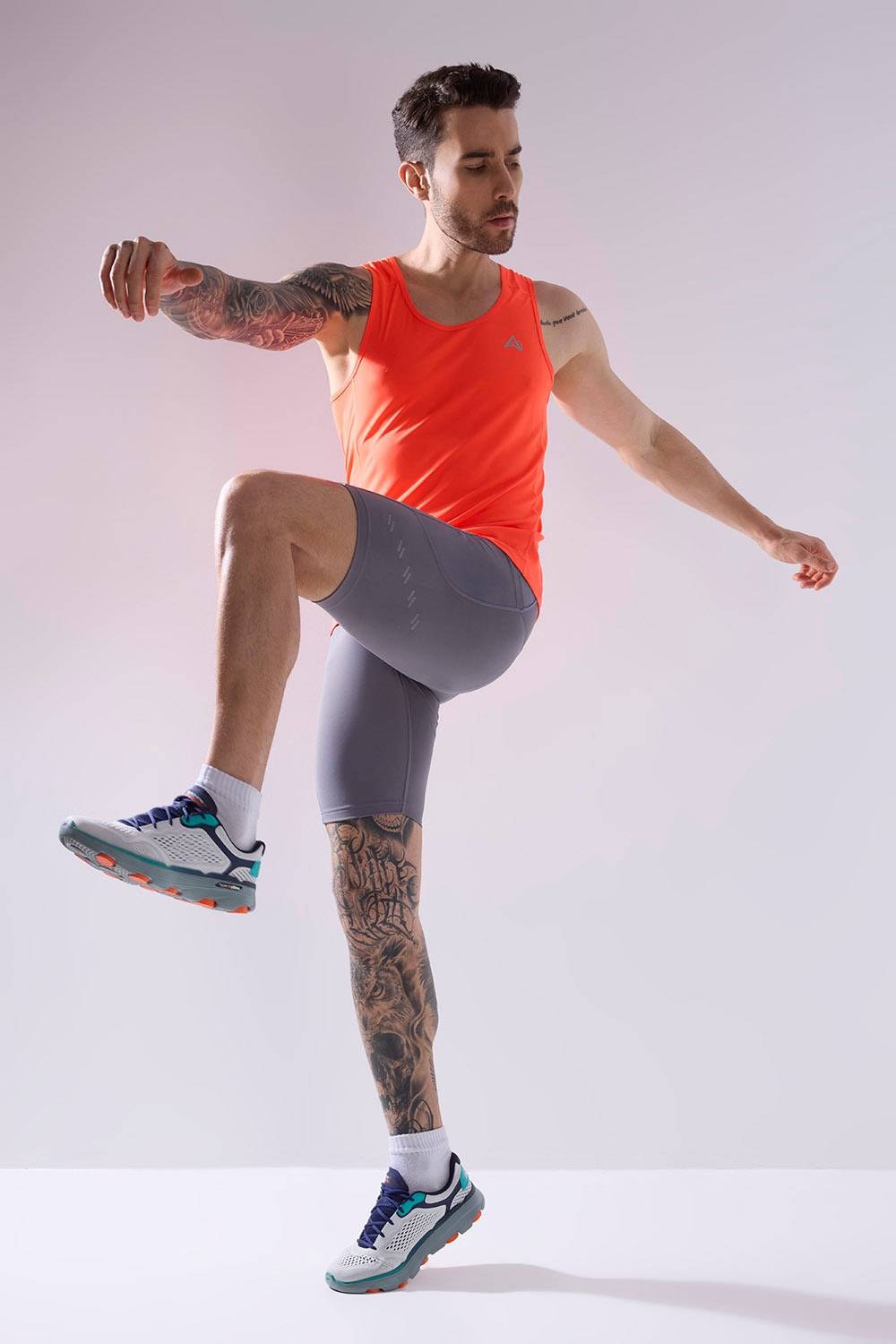
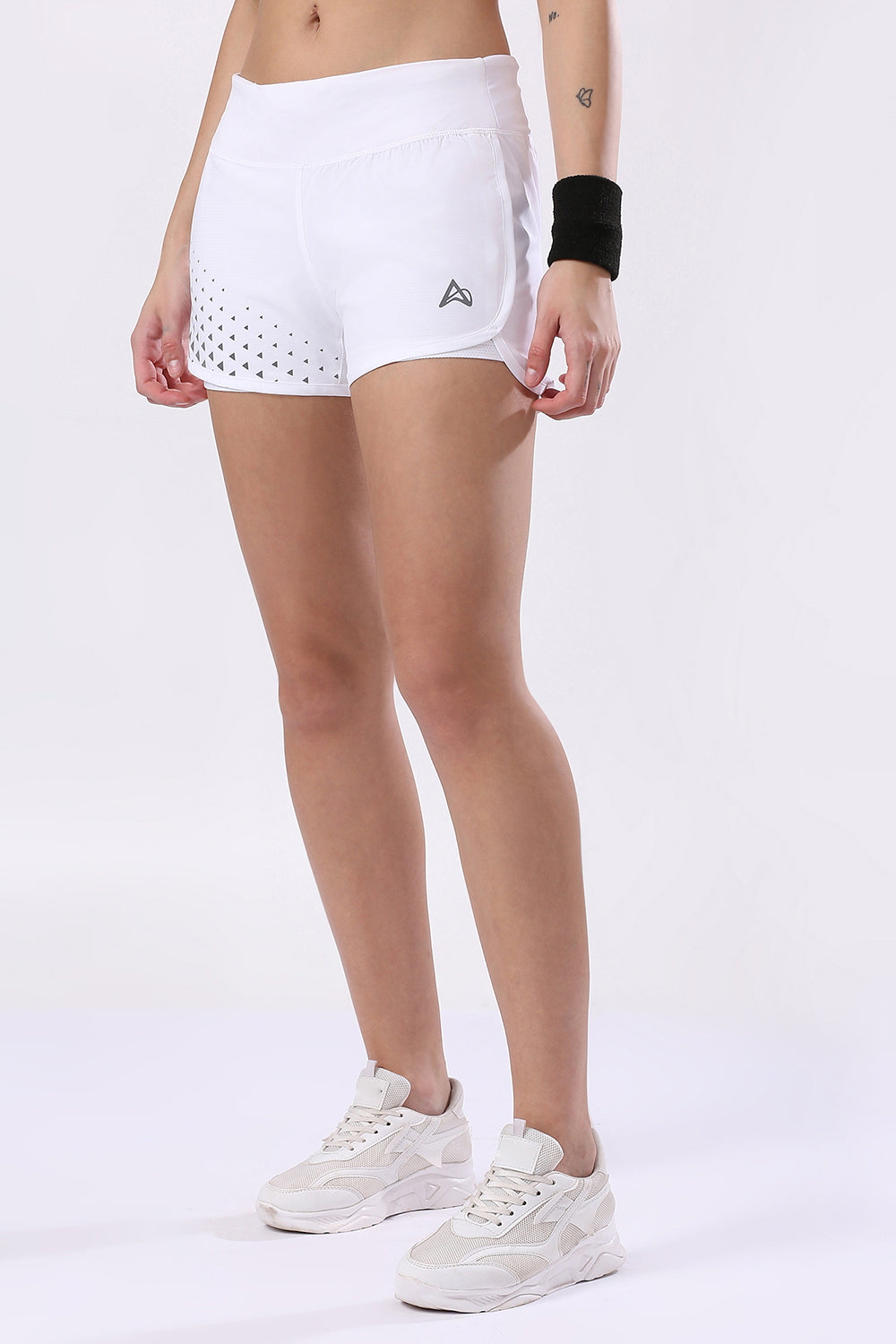
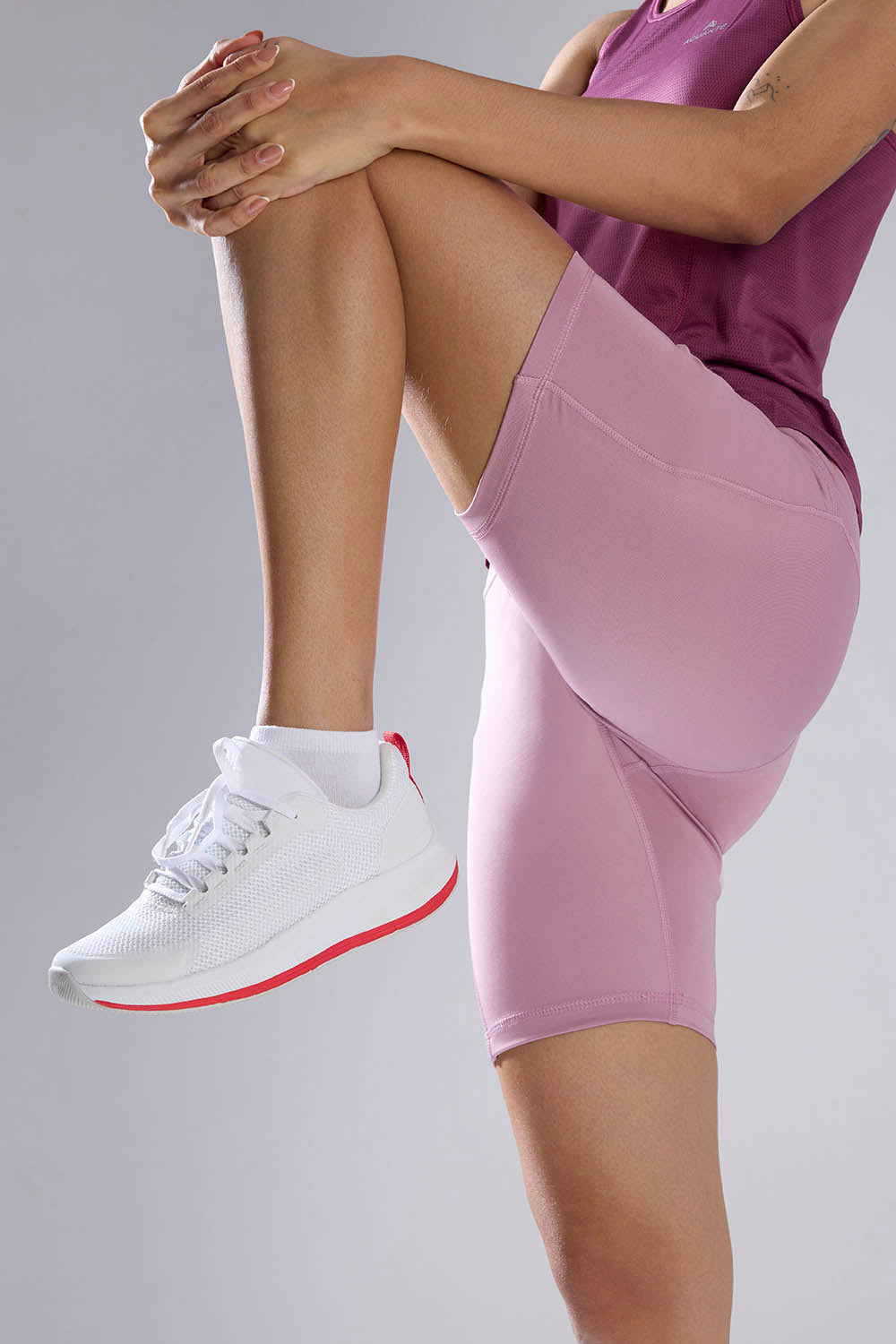
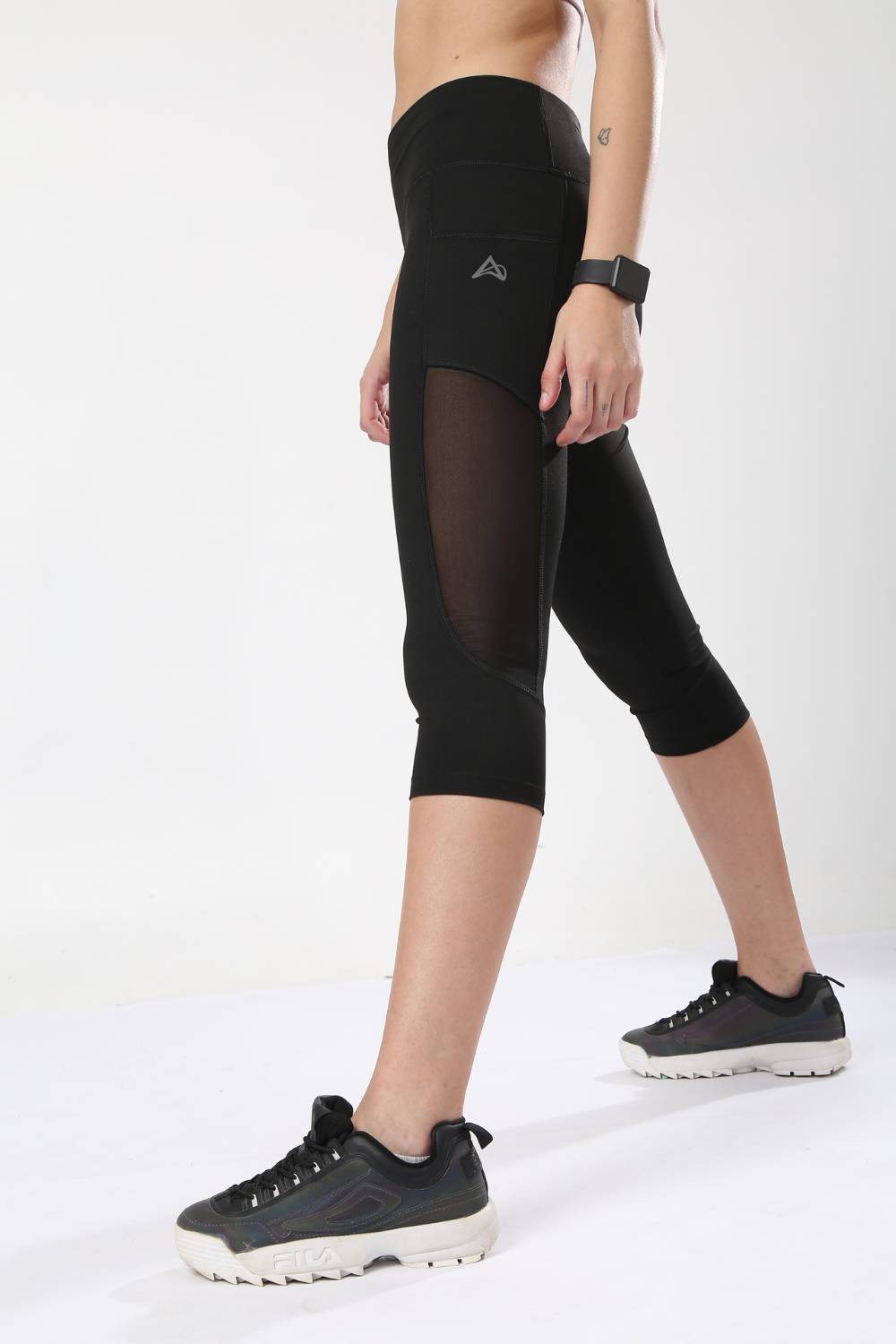
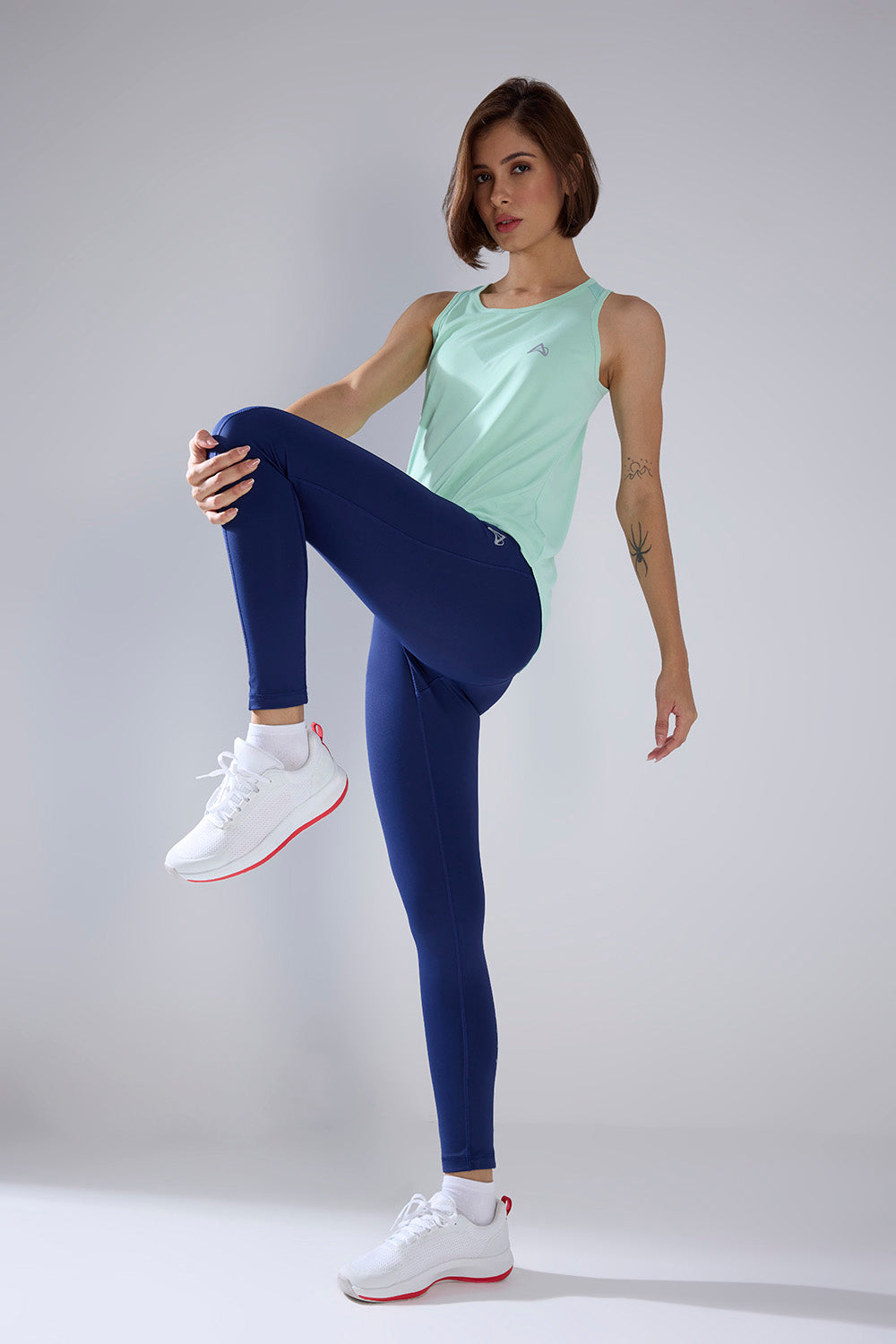
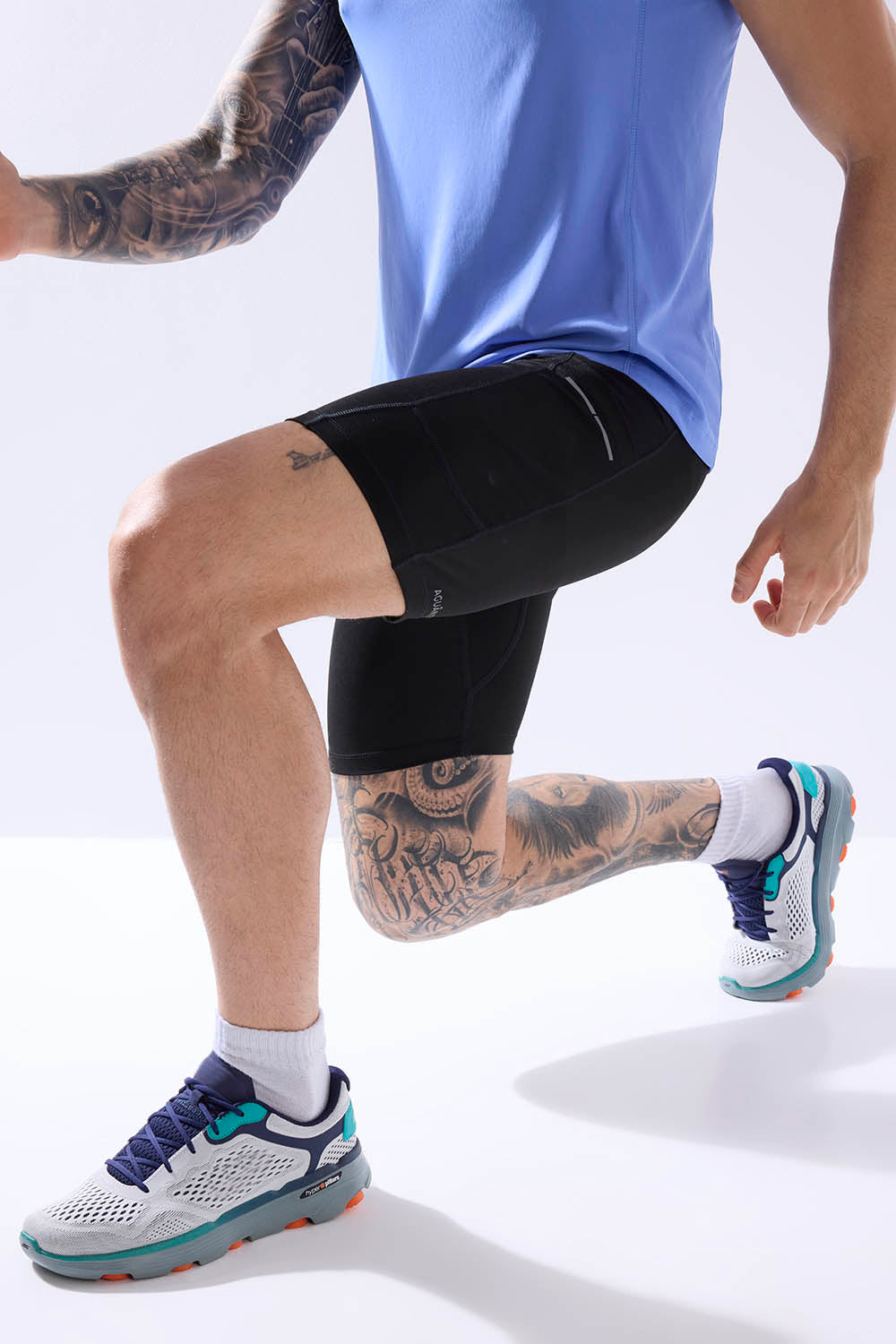
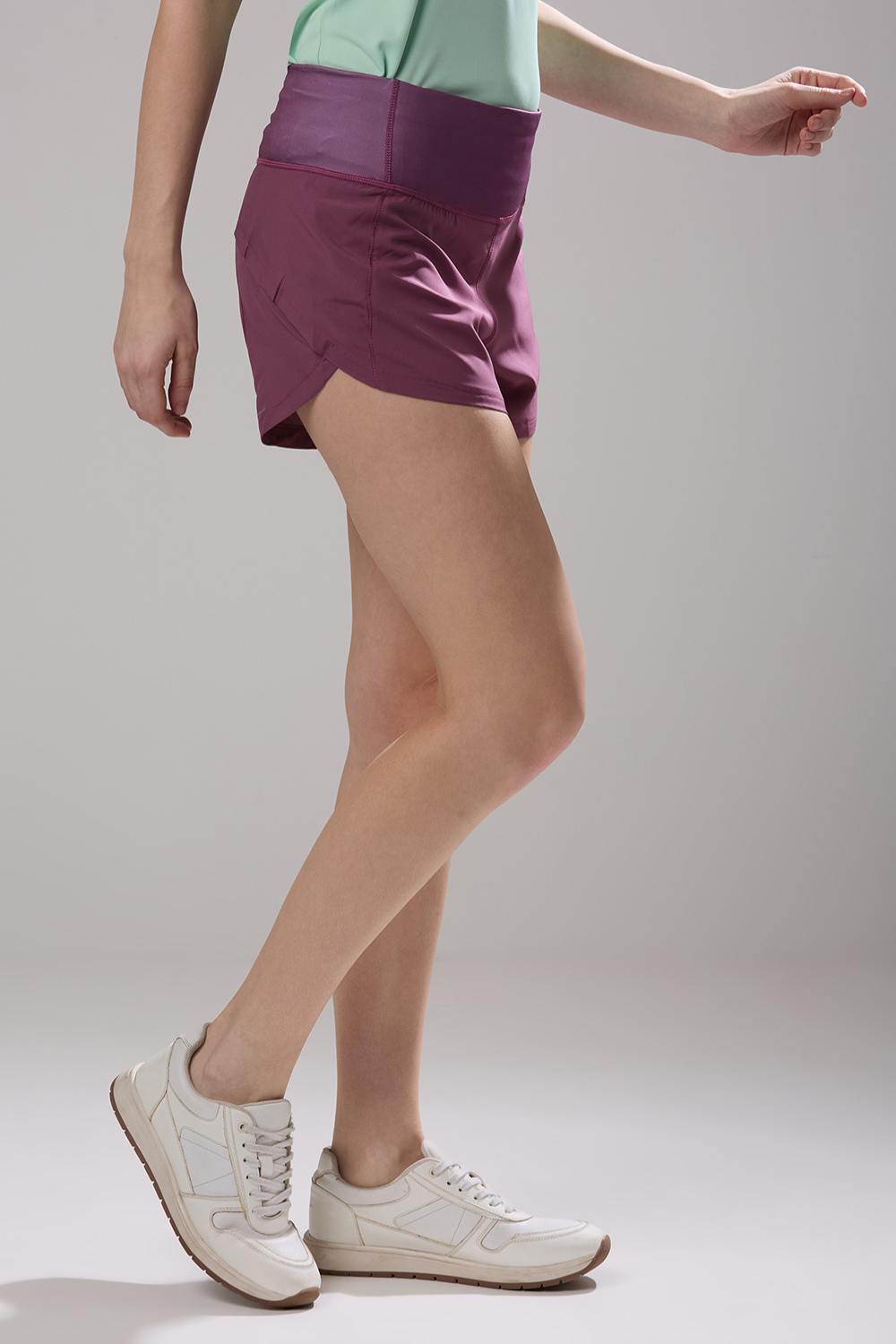
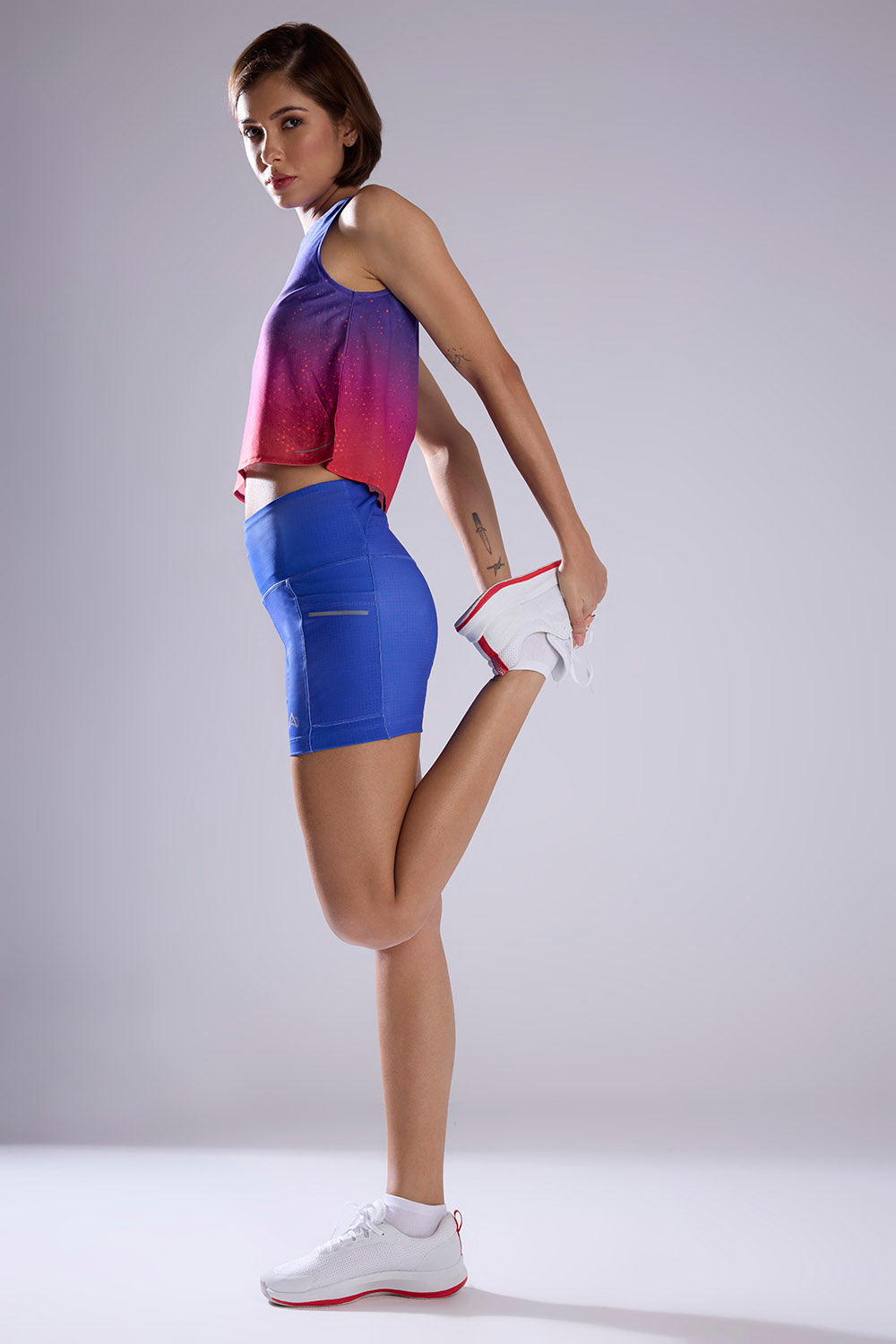
Consider bottomwear too: compression tights with zoned ventilation for thigh-chafing hotspots, ideal for cyclists battling Hyderabad's humid winds. Or sweatshirts and hoodies crafted from recycled ocean plastics by players like Columbia Sportswear Co., blending sustainability with function perfect for cooler northern highs where endurance hikes demand insulation without bulk. The key? Indian weather demands versatility. Gear that packs small for urban commuters dodging Bangalore traffic, yet expands protection when storms hit.
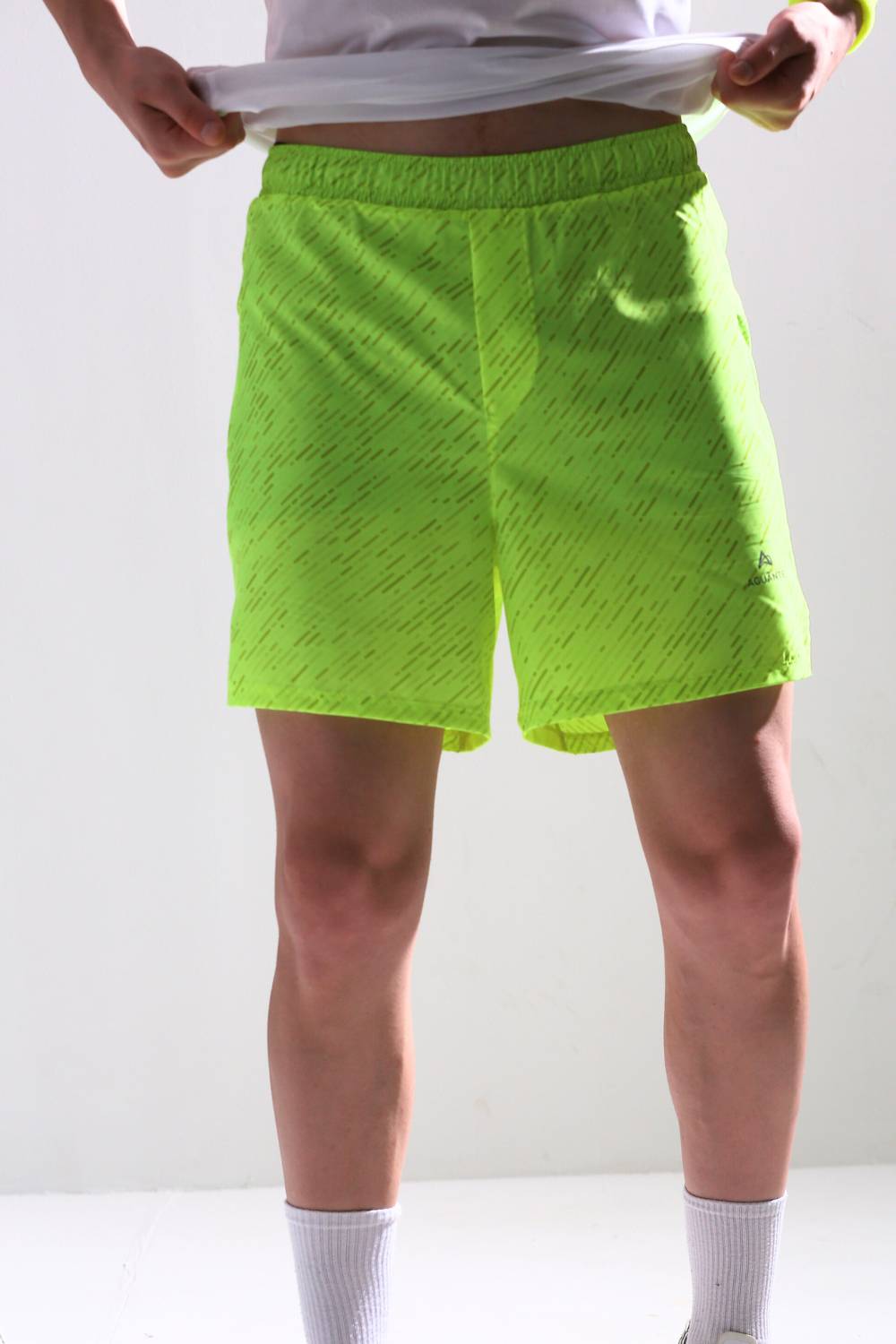
Athletes aren't waiting for perfect conditions anymore. From yoga sessions amid errands to client calls in activewear as noted in evolving fashion trends where creatives don picks from school runs to brunches at spots like Kitchen Garden sports apparel has blurred lines. It's the new uniform, slipping into daily life because it endures. In Mumbai's flood-prone streets, quick-dry shorts mean theed with DWR (durable water repellent) finishes keep you moving; in Himachal's crisp airs, thermal linings maintain core heat during long climbs.
Data backs the shift. With historical trends from 2018-2021 showing steady uptake, and 2022 as the base, forecasts pin growth on urbanization and fitness booms. Key players like Gap Inc., Lotto Sport Italia Spa, and Billabong International are localizing lines think lighter colors to reflect heat in southern summers, darker hues for northern dust. JD Sports Fashion PLC expands retail footprints, making tech-laden gear accessible from metros to tier-2 cities.
Stories from the Ground: How Gear Changes the Game
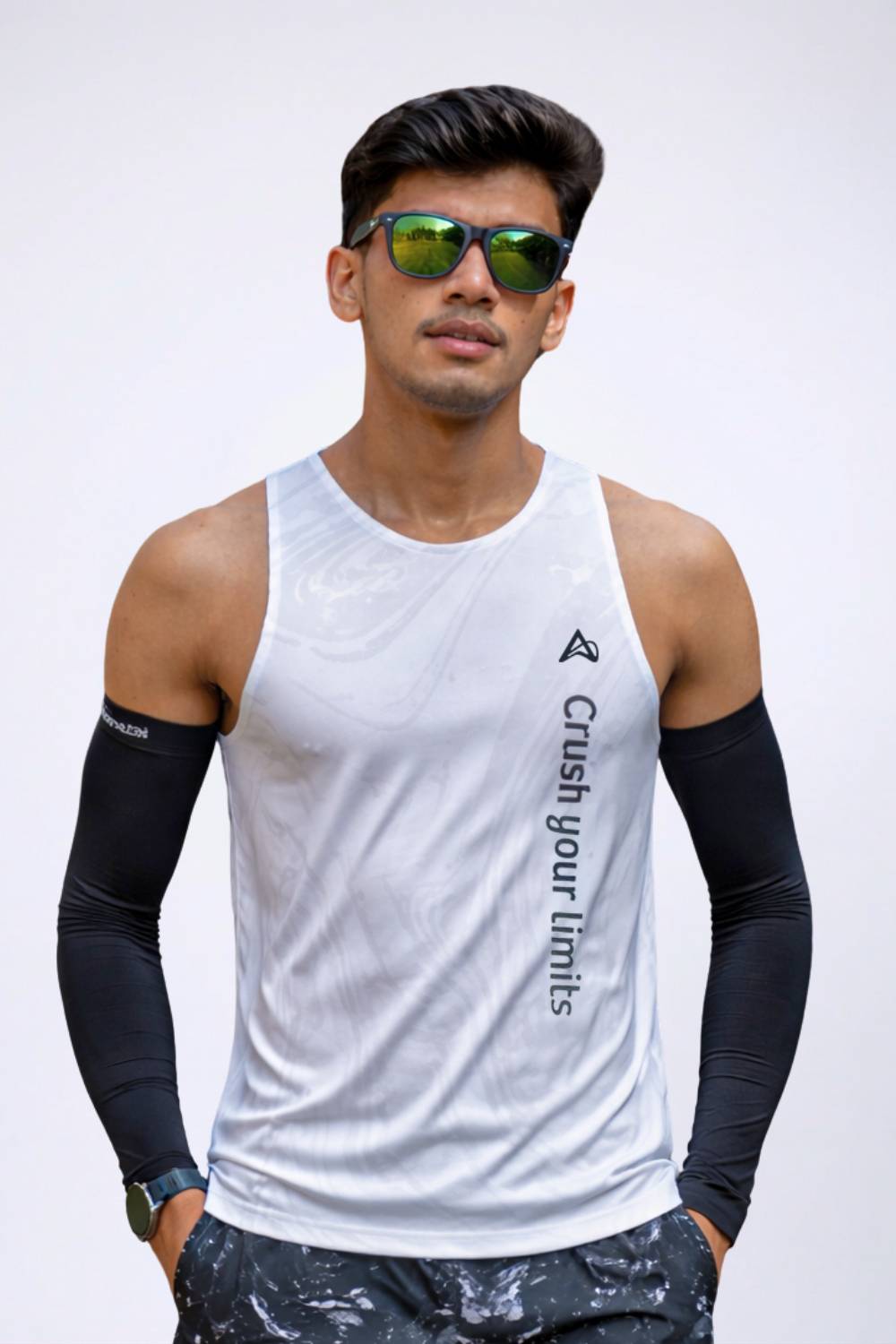
Talk to ultra-runners in the Thar Desert, and they'll swear by ventilated hats and sleeves that combat dehydration cues. One Jaipur-based trainer logs 100 km weeks in tops from Amer Sports Inc., crediting mesh panels for keeping heatstroke at bay. In coastal Chennai, swimmers-turned-triathletes layer rash guards over bottoms, extending pool sessions into open-water endurance without salt-rash woes.
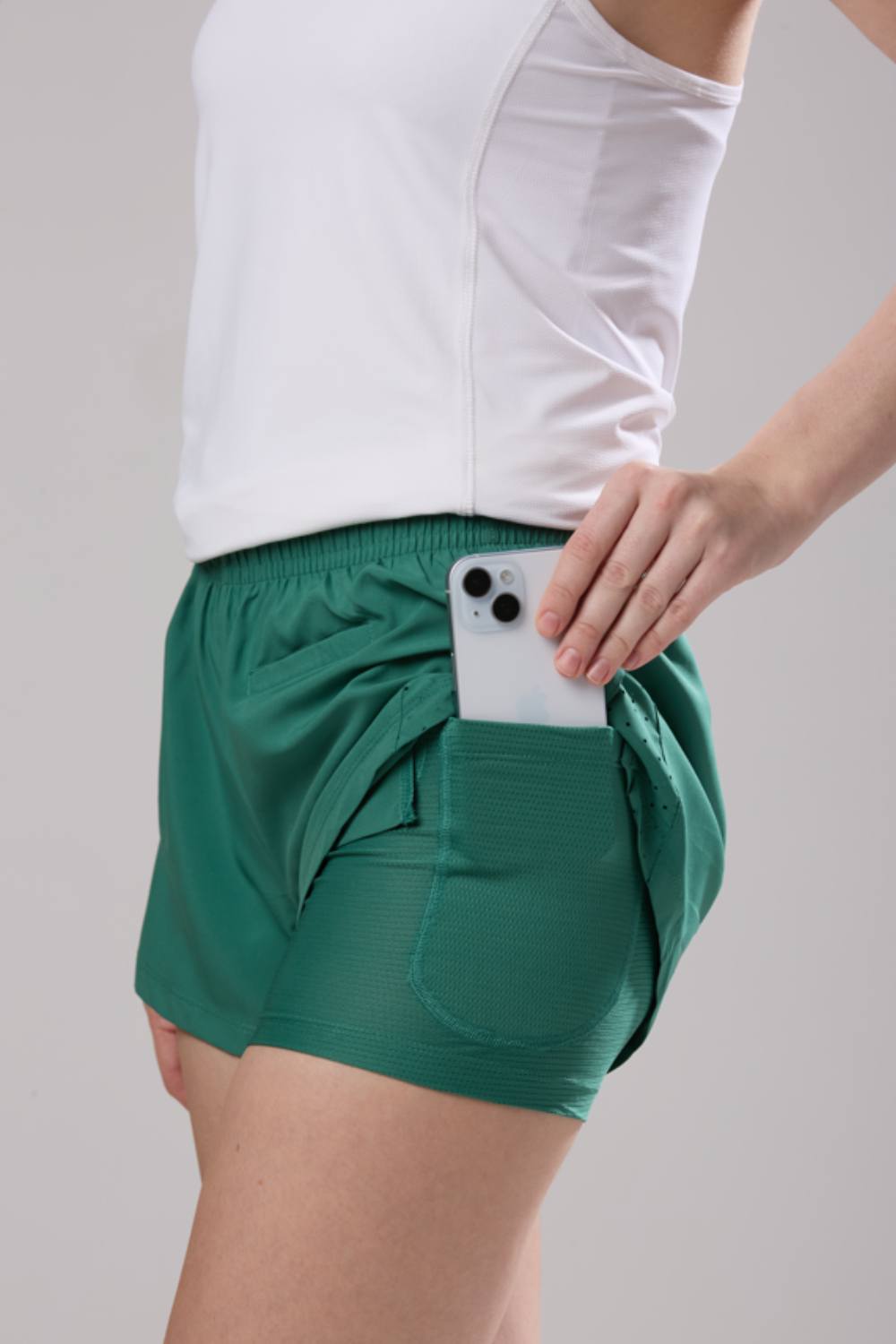
Women, driving much of this market's expansion, favor hoodies with thumbholes and pockets for essentials during evening jogs in unpredictable twilight rains. It's practical poetry: fabric that moves with you, not against. And for pollution-plagued Delhi winters, masks integrated into jackets filter PM2.5 while maintaining breathability crucial for lung-busting intervals.
Even off the field, this gear empowers. A quick salon stop before a trip, or brainstorming in stretchy bottoms activewear's infiltration means endurance building isn't confined to tracks. It's woven into routines, boosting consistency. Brands respond with inclusive sizing, from petite frames in Kerala to taller builds in Punjab, ensuring no one sidelines due to fit.
Looking Ahead: Sustaining the Stride
As India's sports apparel hits that empty outline or not, the path forward is clear gear up smartly. By 2030, that USD 399.5 million milestone will underscore a nation on the move, enduring monsoons, heatwaves, and chills with fabrics forged for it all. Whether you're chasing personalons in the rain or summiting in snow, tailored activewear isn't luxury; it's the edge that keeps you going. So next time the weather whispers defeat, remember: the right threads. They turn patterns of nature into rhythms of triumph. Lace up, layer on, and let India's wild climates fuel your fire the endurance revolution is here, and it's dressed for the occasion.
Frequently Asked Questions
What type of activewear fabric is best for endurance training in India's humid climate?
Moisture-wicking fabrics made from polyester blends are ideal for India's humid conditions, especially in coastal areas and during monsoons. These materials pull sweat away from the skin and dry quickly, reducing chafing and perceived exertion by up to 15% compared to traditional cotton. For maximum comfort, look for tops with mesh panels and anti-microbial treatments that combat bacterial growth in damp heat.
How can sports apparel help build endurance in extreme Indian weather conditions?
Weather-adaptive gear helps athletes maintain performance across India's diverse climates from 40°C+ summers to freezing Himalayan conditions. Key features include UV-protective fabrics with UPF 50+ ratings for sun exposure, waterproof-breathable jackets with sealed seams for monsoons, and layering systems combining merino wool bases with lightweight shells for temperature regulation. This specialized gear reduces weather-related fatigue, allowing athletes to focus on building stamina rather than battling the elements.
What features should I look for in endurance training gear for Indian weather patterns?
Essential features include moisture-wicking properties for humidity, UV protection (UPF 50+) for intense sun exposure, and waterproof-breathable materials for monsoon training. Compression tights with zoned ventilation help prevent chafing in humid conditions, while quick-dry fabrics with DWR (durable water repellent) finishes work well in flood-prone areas. For versatility across India's climate extremes, choose lightweight, packable layers that offer both ventilation and insulation options.
Disclaimer: The above helpful resources content contains personal opinions and experiences. The information provided is for general knowledge and does not constitute professional advice.
You may also be interested in: Breathable Singlets Support Long-Distance Training
Tired of gear that slows you down? Chafing, soggy fabrics, and missing pockets kill your run's momentum. At Aguante, we're runners who get it. Our high-performance activewear features moisture-wicking fabrics, ergonomic designs, and smart storage to keep you focused. Shop Now!
Powered by flareAI.co