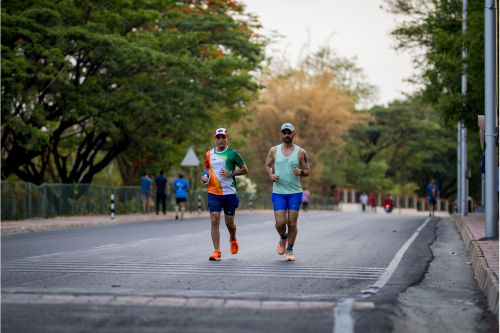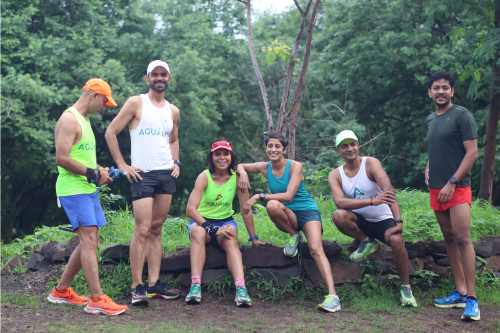




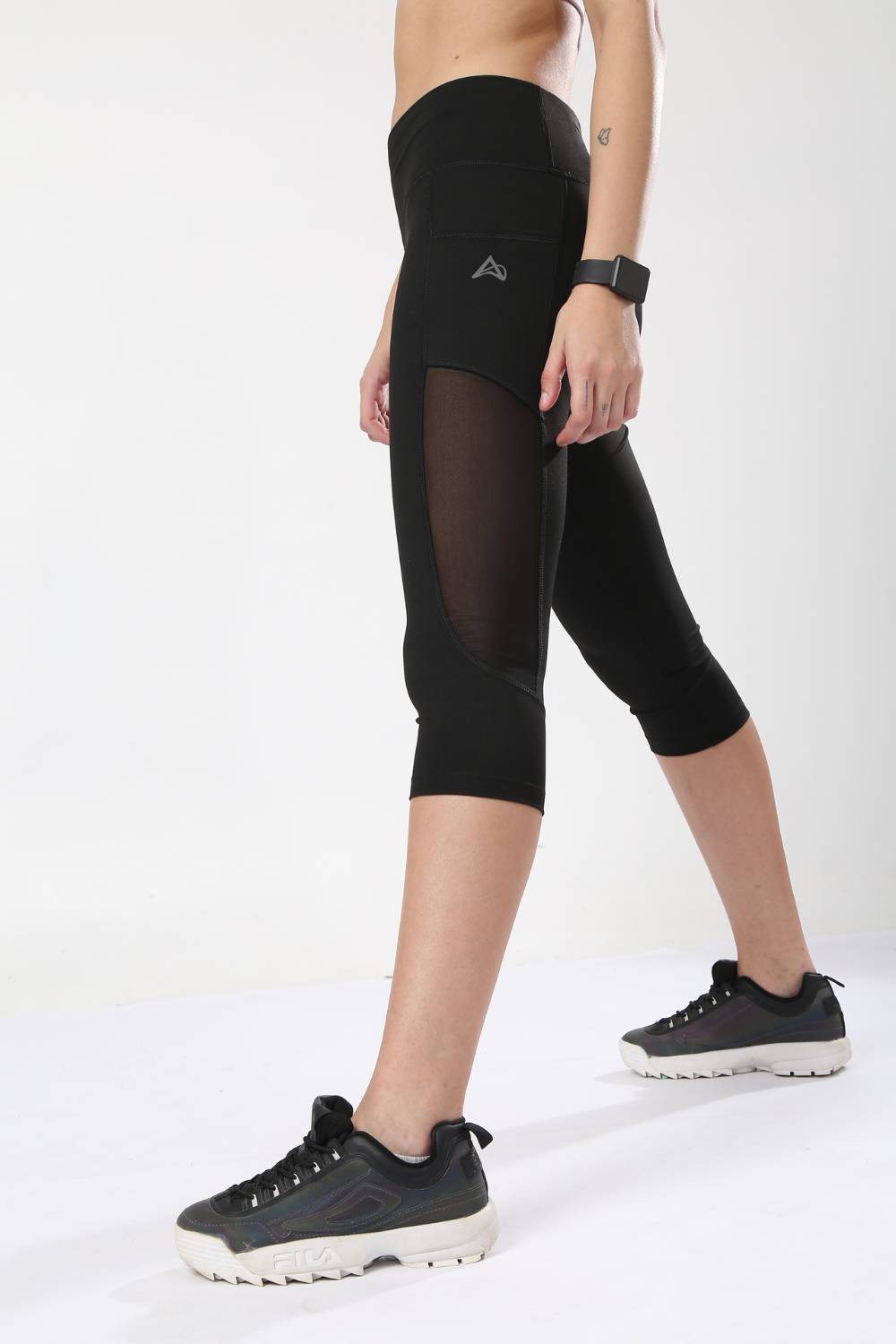



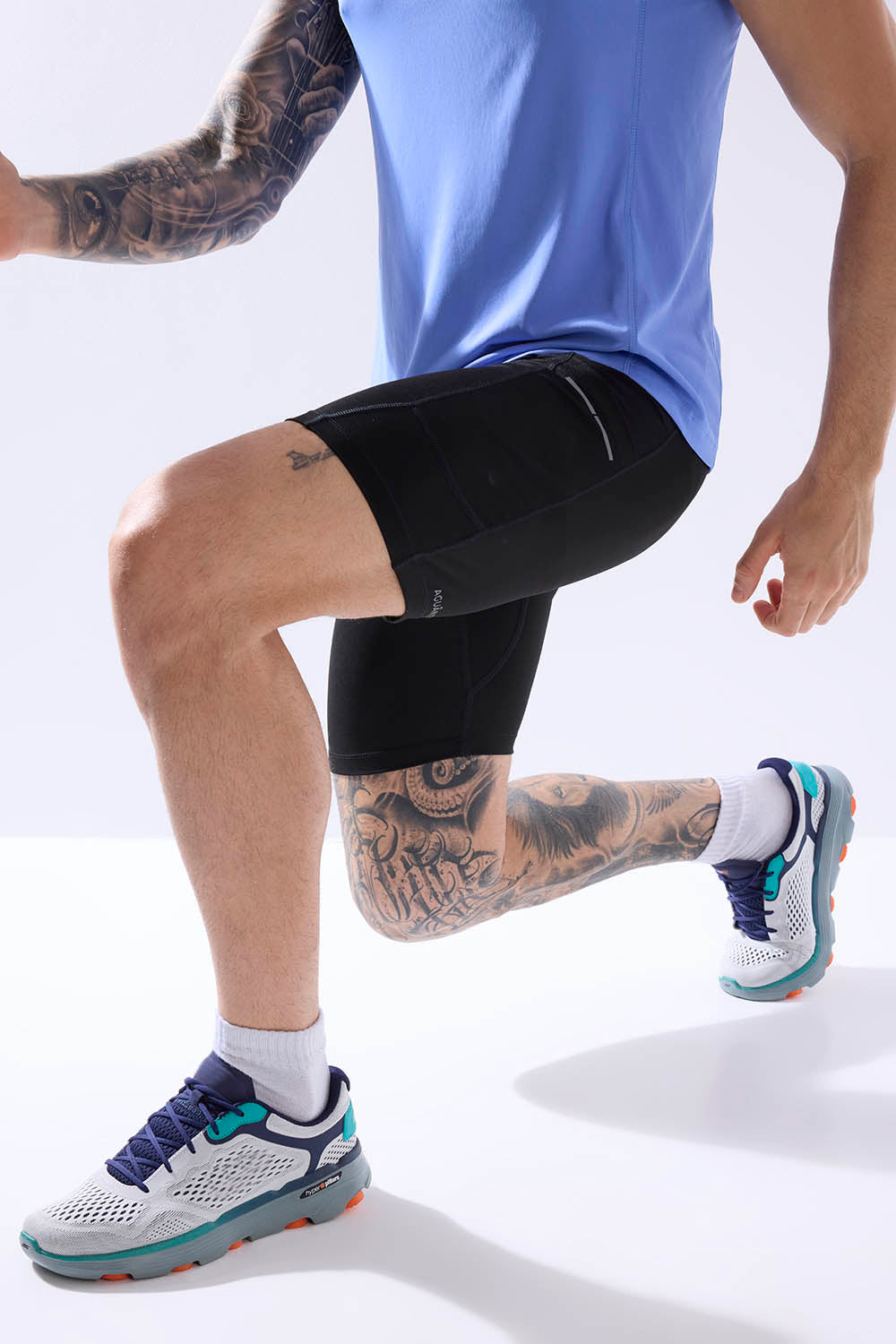
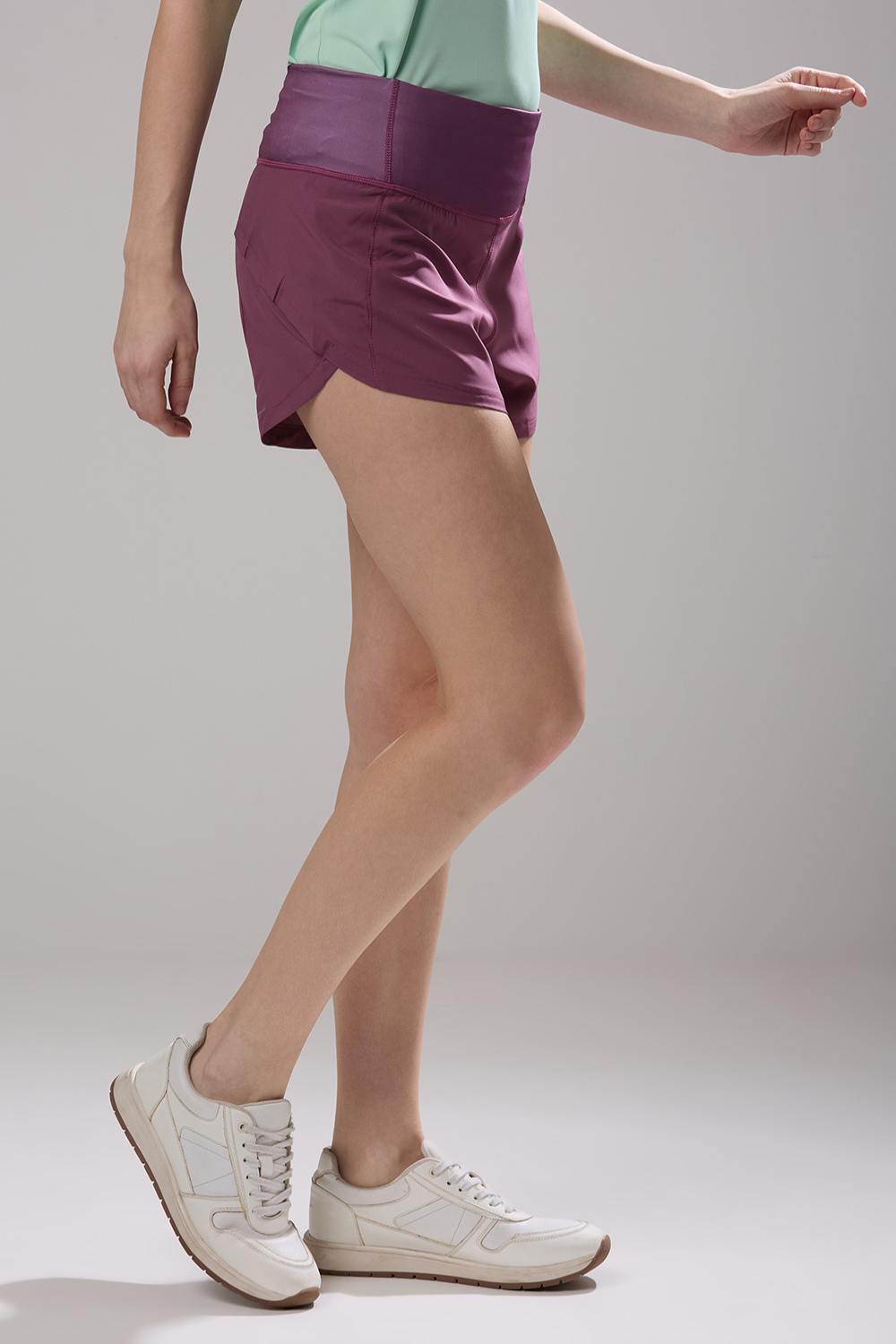




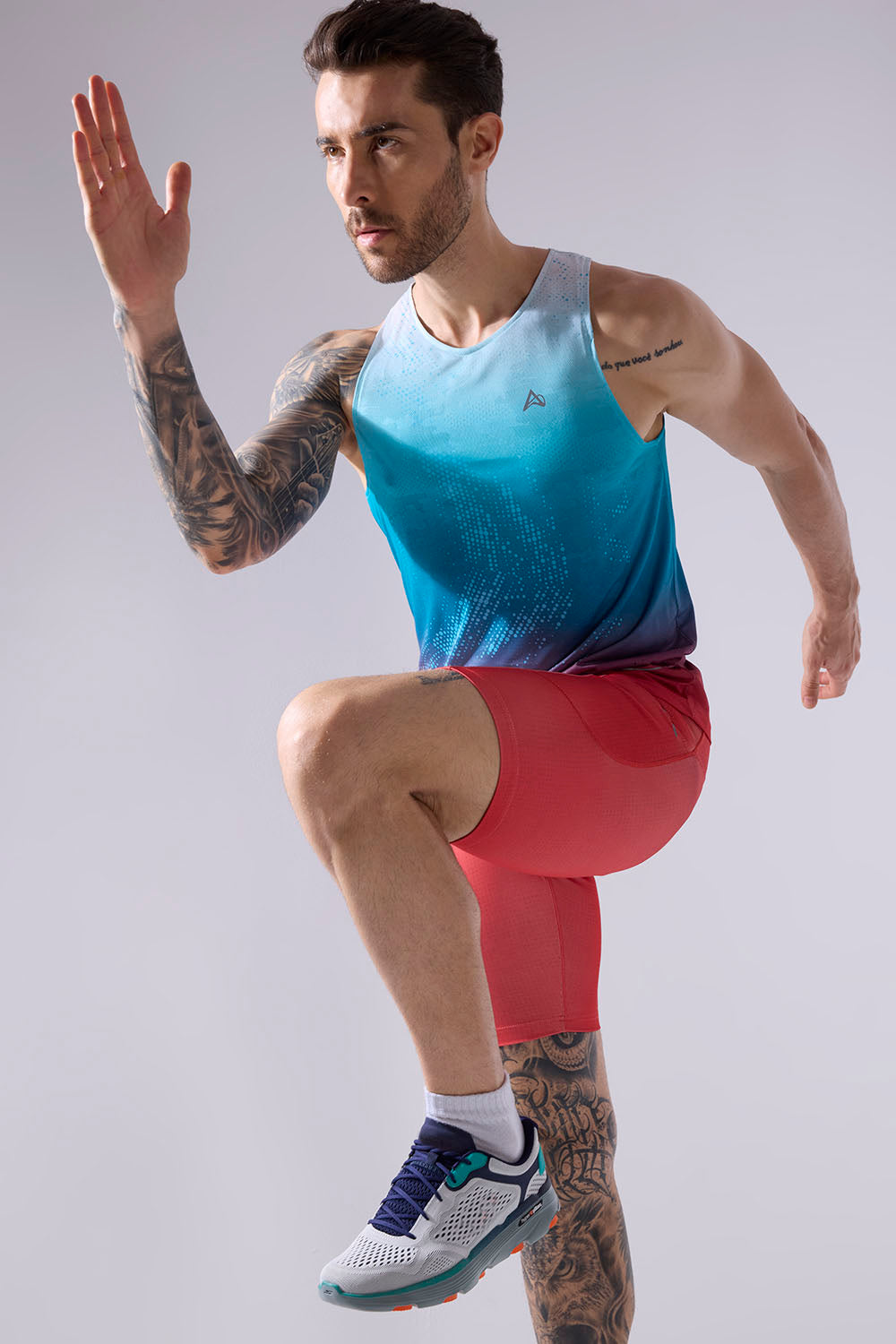


In cities like Bangalore and Pune, early morning running groups are becoming a regular part of public parks and lakeside trails, while Mumbai and Navi Mumbai are seeing an increase in coastal route running communities. Delhi and Gurugram, with their expanding corporate populations, are witnessing structured weekend running clubs that cater to both beginners and endurance athletes. These communities are not just fitness groups they function as social networks that encourage consistency, discipline, and shared progress. What makes this shift significant is the democratization of running participation. In Hyderabad, Surat, and Ahmedabad, recreational running is no longer limited to elite athletes or marathon trainees. Office workers, students, and older adults are increasingly participating in short-distance runs and fitness walks. This reflects a broader cultural shift toward accessible wellness, where running is seen as one of the simplest entry points into healthier living.
Tired of gear that slows you down? Chafing, soggy fabrics, and missing pockets kill your run's momentum. At Aguante, we're runners who get it. Our high-performance activewear features moisture-wicking fabrics, ergonomic designs, and smart storage to keep you focused. Shop Now!
Changing Running Habits in India's City Ecosystems
One of the most noticeable changes in running habits in India is the shift in timing and training discipline. Urban runners are increasingly opting for early morning or late evening sessions due to work schedules, climate conditions, and traffic density. This behavioral shift has made visibility and safety an essential part of running culture, particularly in high-traffic cities like Mumbai and Delhi. Another key change is the integration of digital tools. Runners in Bangalore and Hyderabad frequently rely on mobile apps for pace tracking, route planning, and virtual challenges. Meanwhile, community-driven running events in Pune and Gurugram are encouraging structured training plans for half-marathons and endurance races. These trends indicate that running is no longer a casual activity it is becoming a structured lifestyle practice influenced by data, community motivation, and performance tracking.
Running Apparel and Performance Expectations
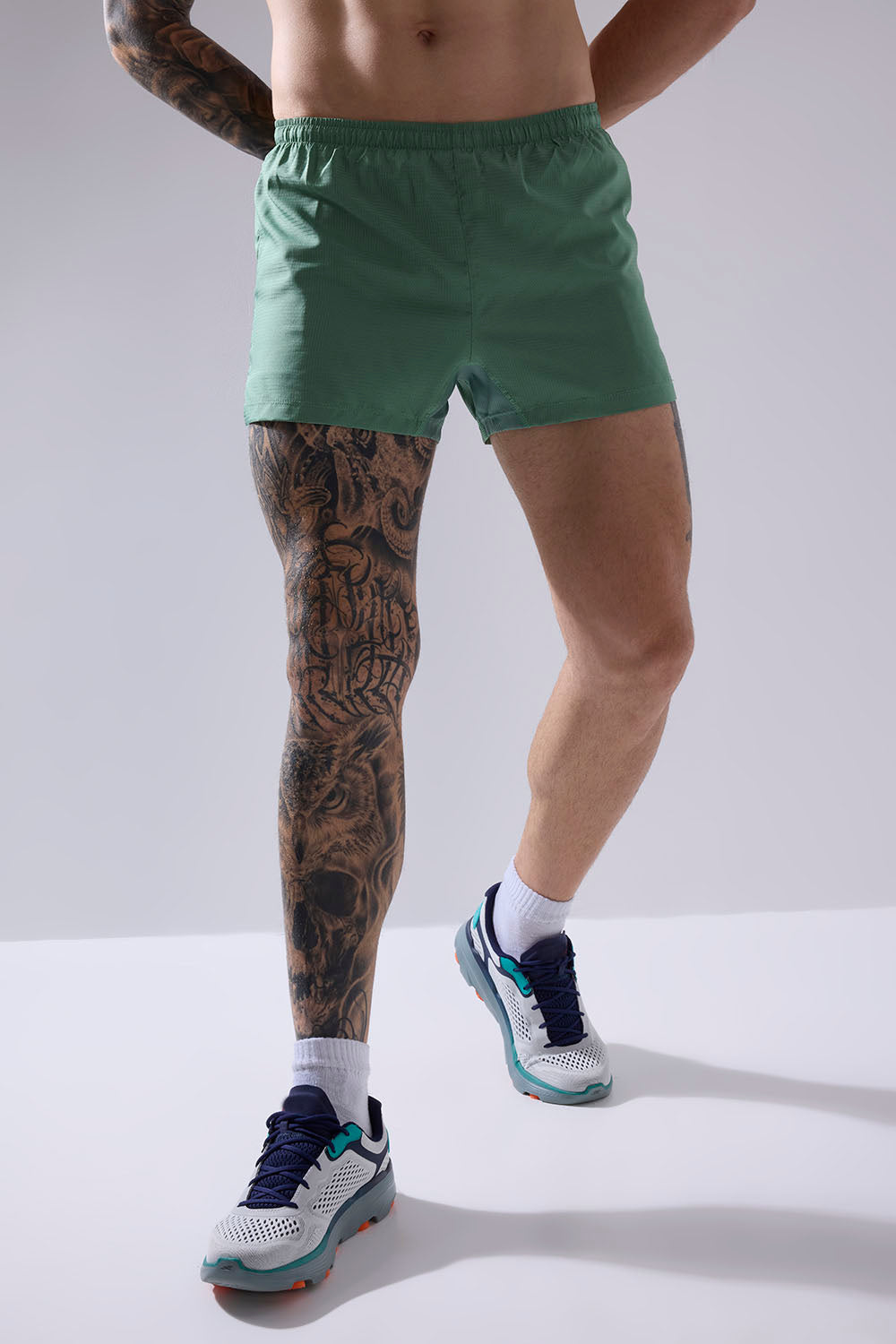
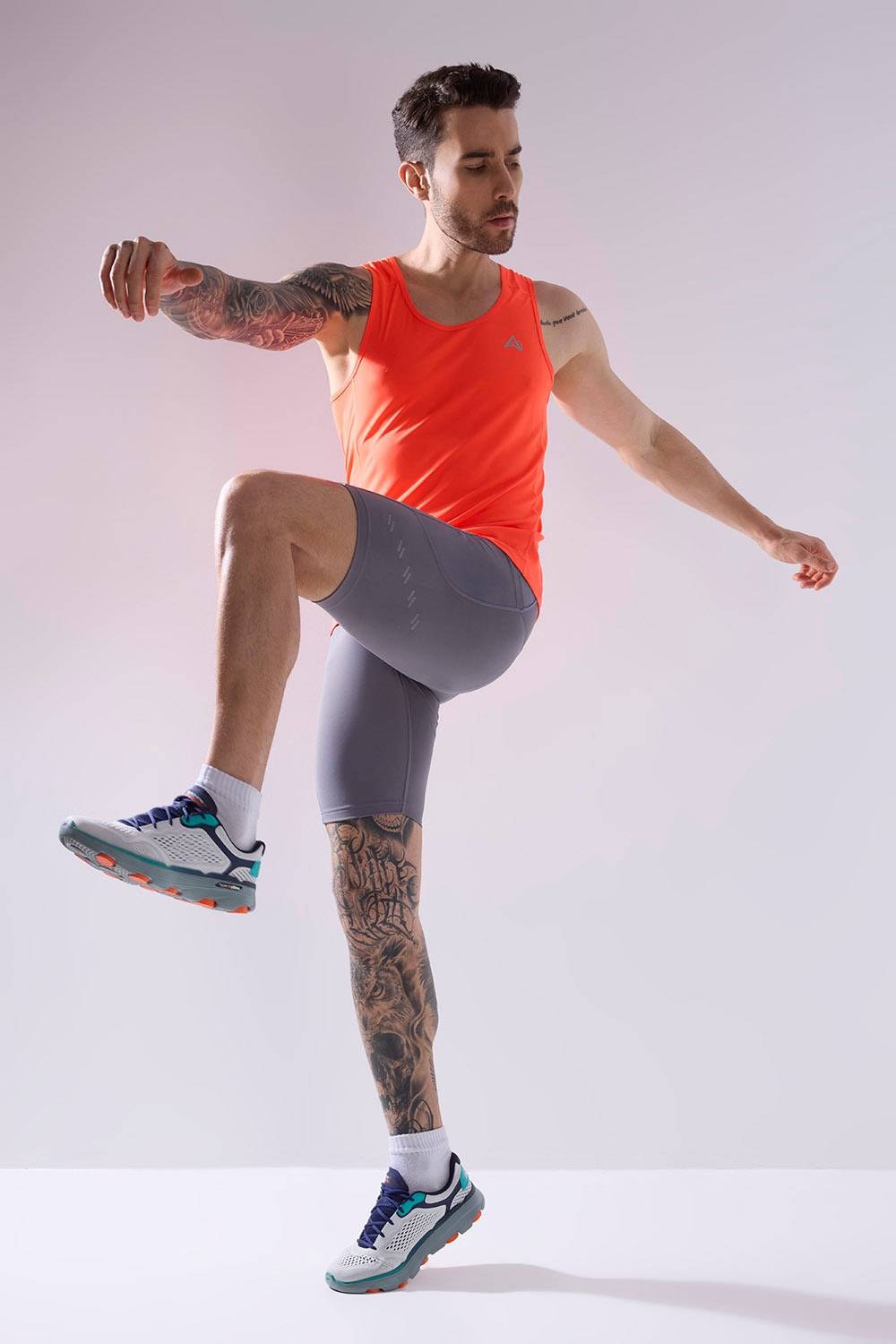
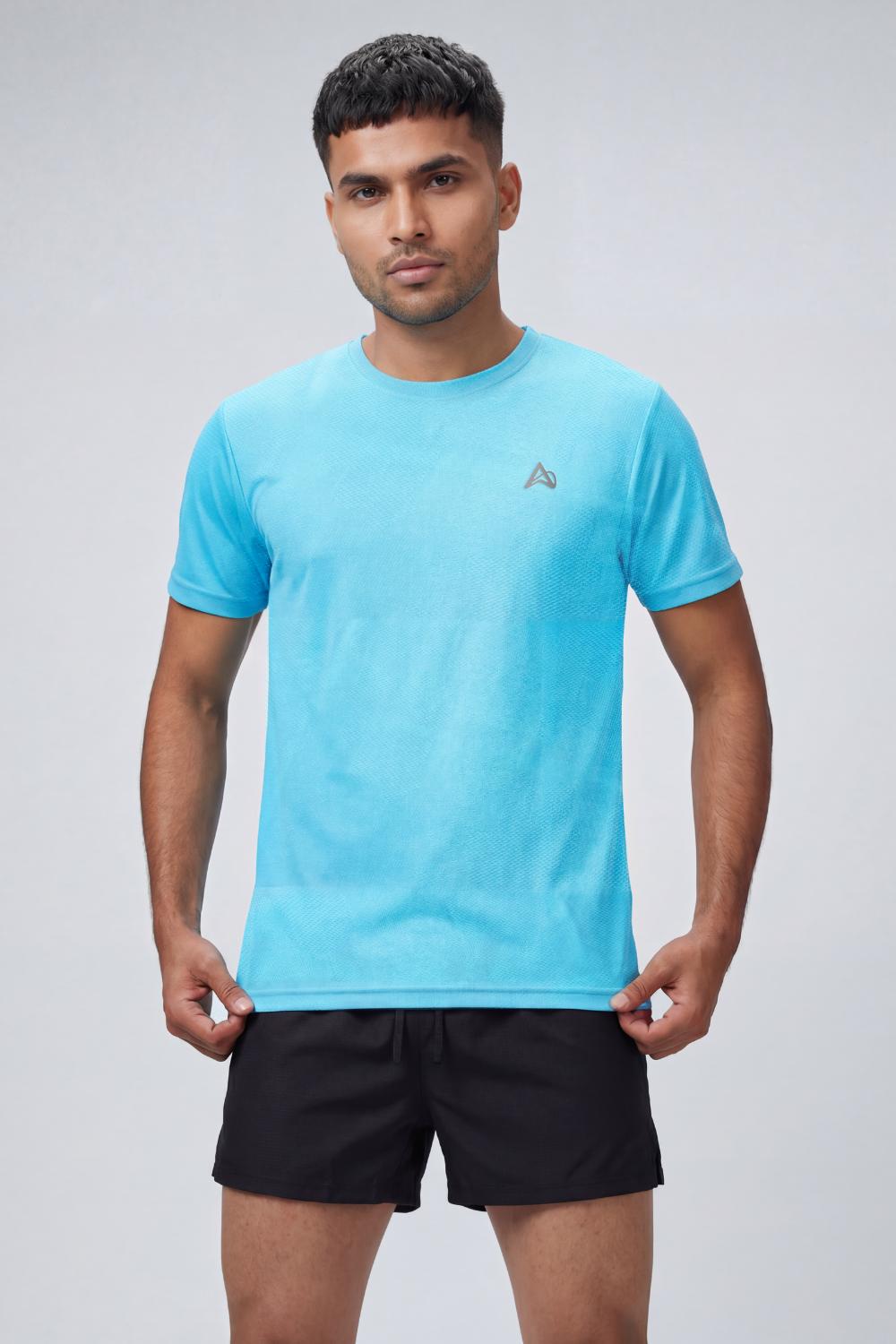
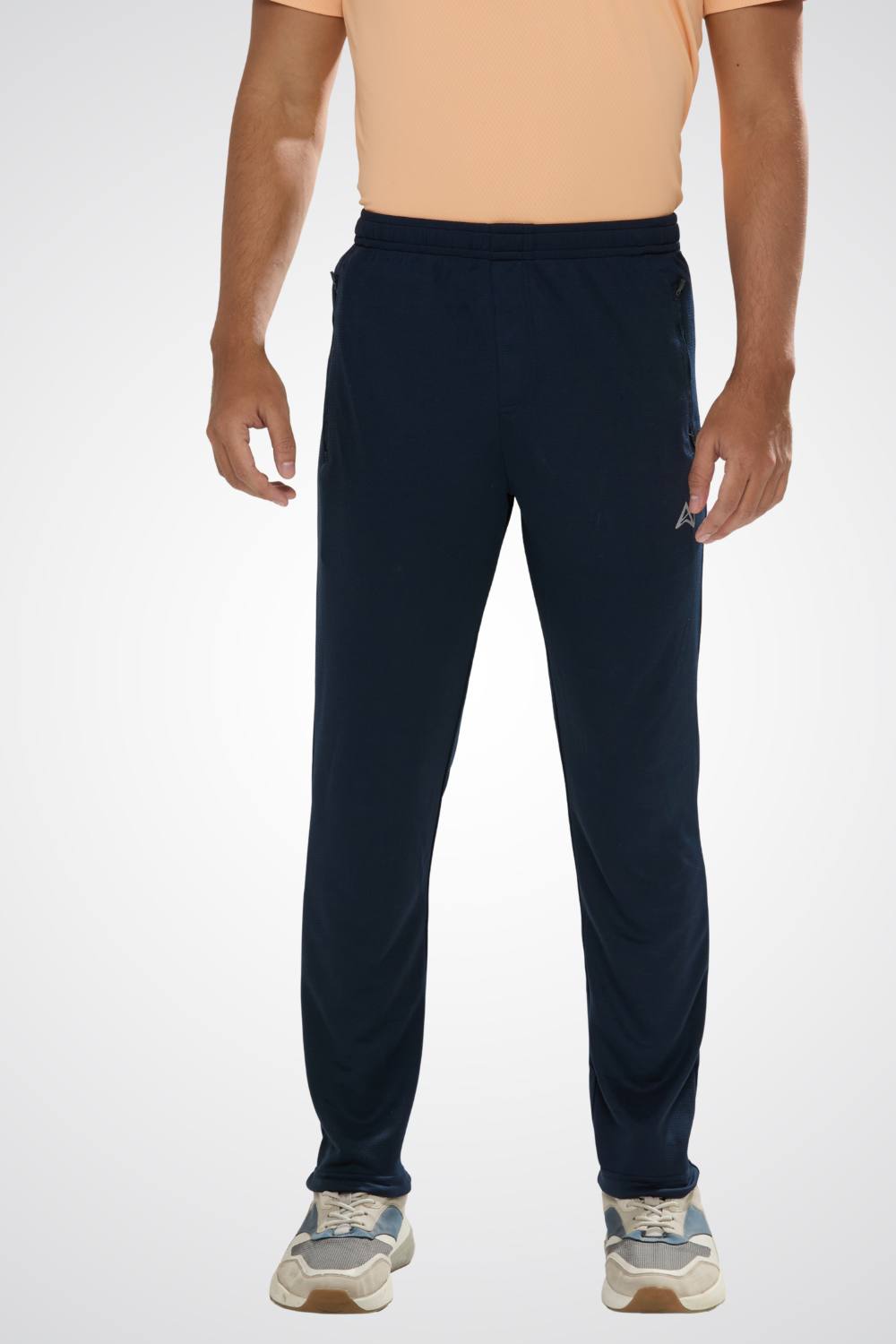
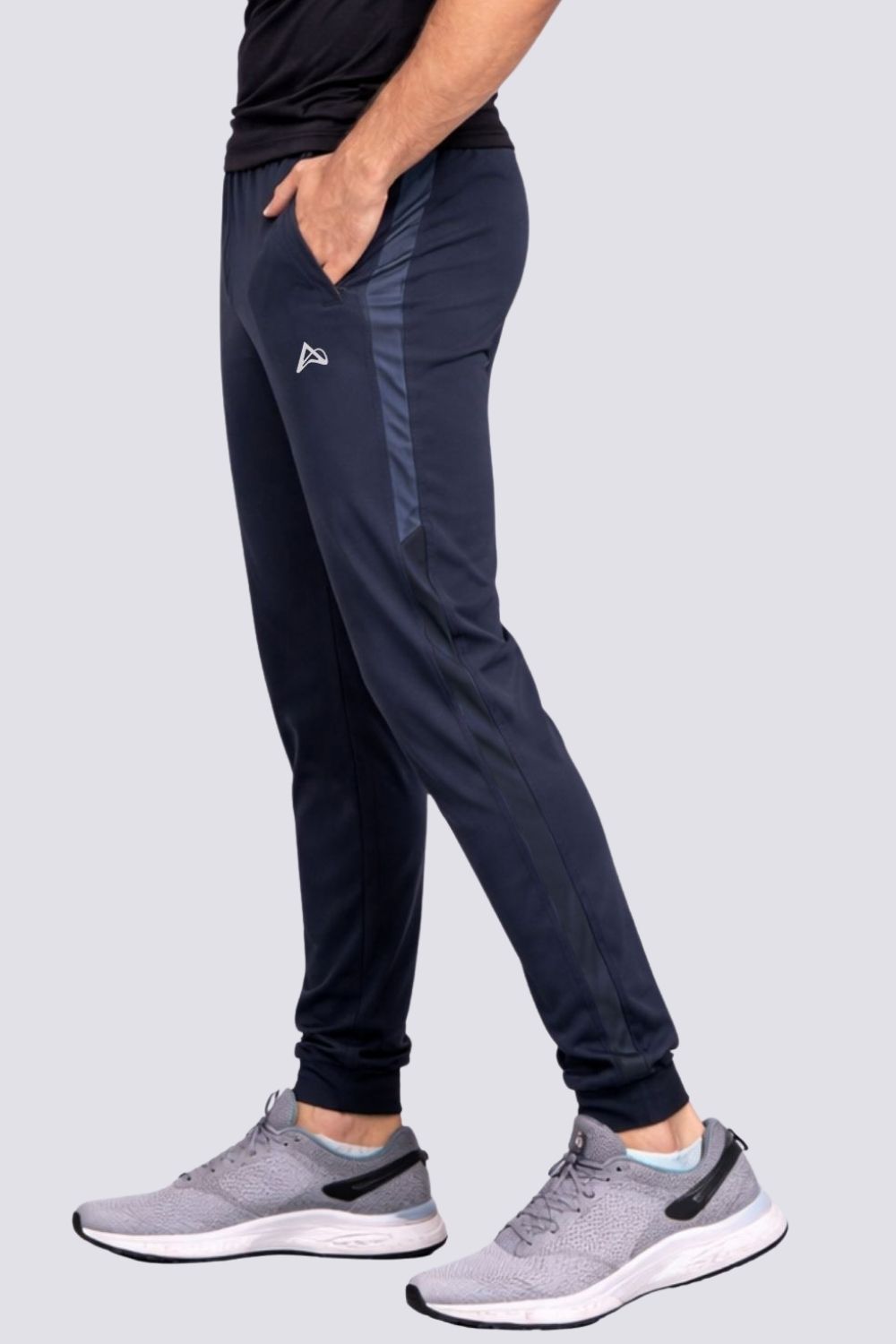
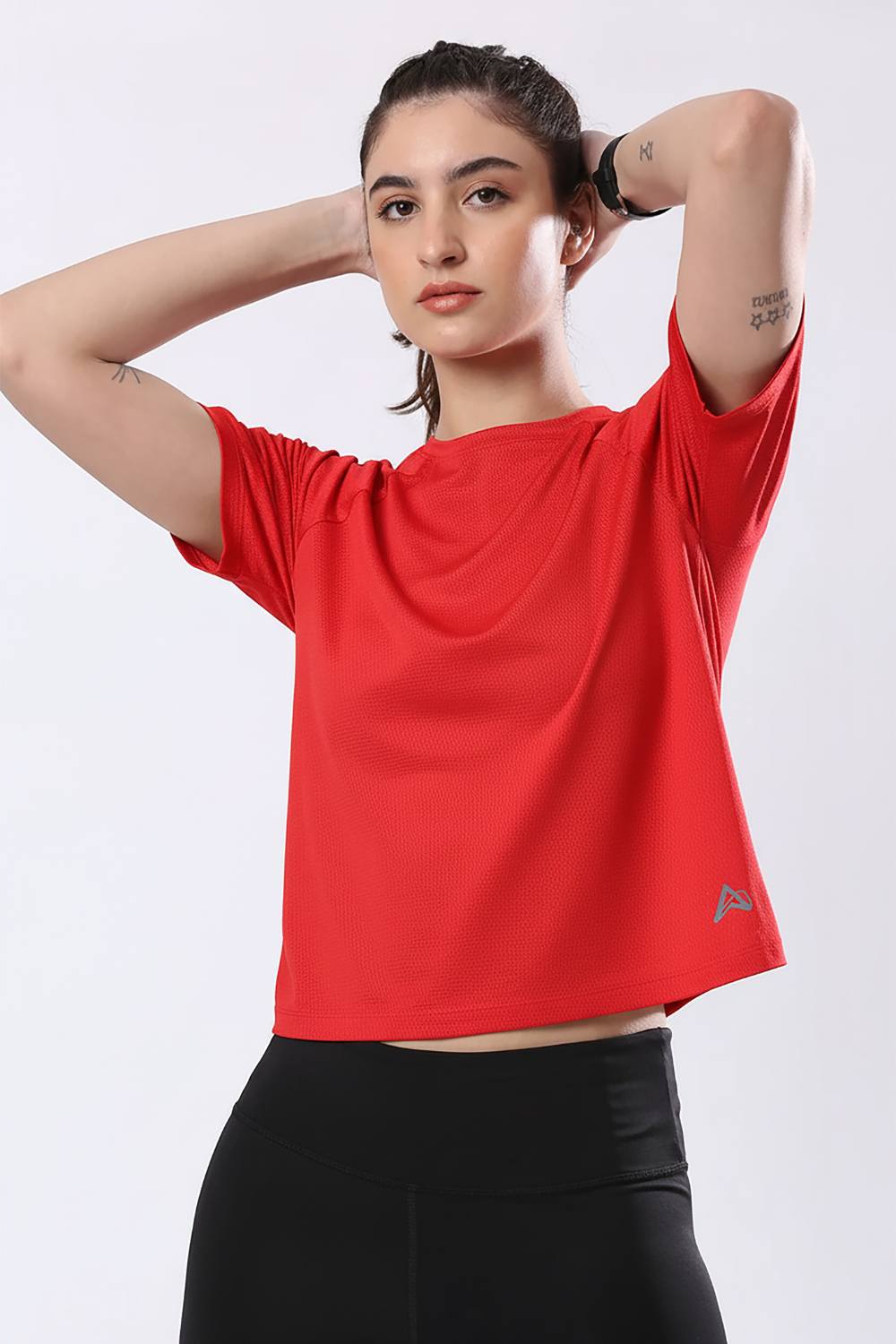
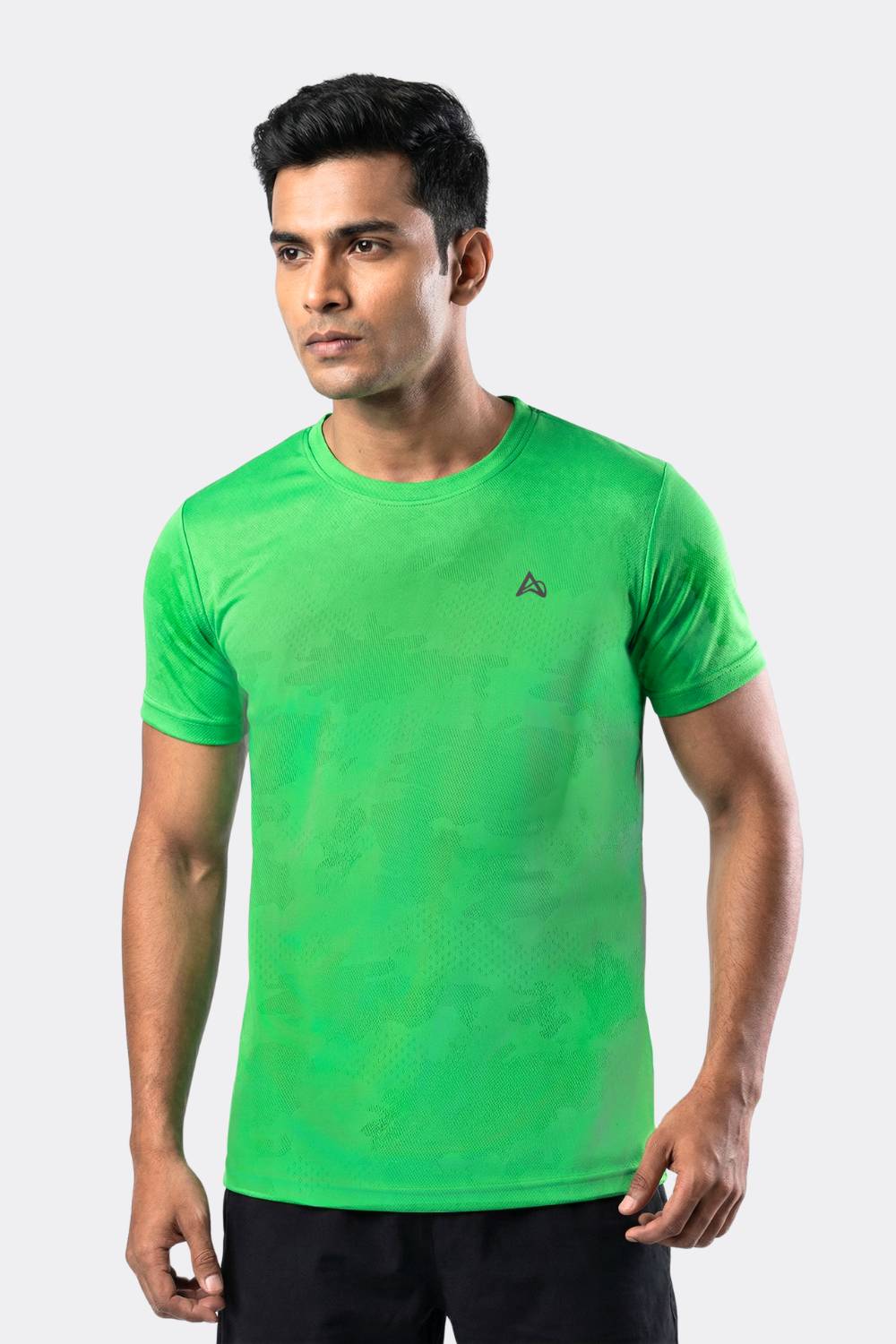
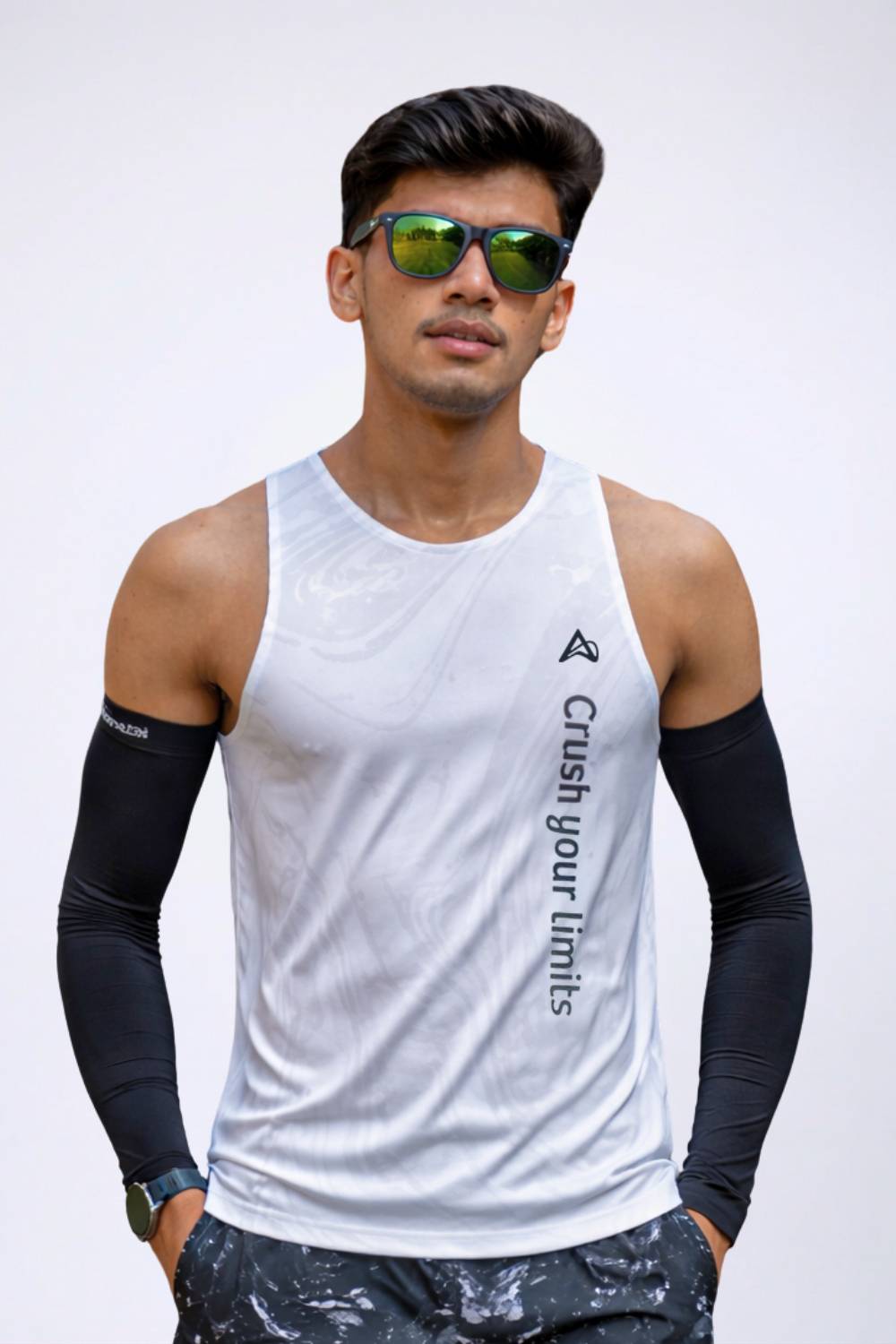
The evolution of running habits in India's urban centers is closely tied to the growth of performance-driven apparel. This growth reflects a broader consumer shift toward specialized clothing designed for comfort, breathability, and endurance performance rather than general athletic wear. In Indian cities like Bangalore, Mumbai, and Delhi, this global trend is reflected in the increasing adoption of moisture-wicking fabrics, lightweight running shoes, and temperature-adaptive apparel. Runners are becoming more aware of how clothing impacts performance, especially during long-distance training or humid weather conditions. As a result, apparel choices are now seen as part of training strategy rather than just style preference, influencing how runners prepare for both casual jogs and competitive events.
Safety, Visibility, and the Rise of Reflective Gear
As running expands into early mornings and late evenings across cities like Gurugram, Pune, and Navi Mumbai, safety has become a central concern. Visibility challenges in low-light conditions have led to increased awareness around reflective and high-visibility gear, especially among solo runners and women athletes. In India's emerging fitness markets, this aligns with the rising adoption of reflective vests, armbands, and lightweight visibility accessories among urban runners. These products are no longer niche safety add-ons they are becoming standard components of a runner's gear kit, particularly in densely populated or traffic-heavy urban zones.
City-Level Differences in Running Behavior
Each Indian metropolitan region is shaping running culture in distinct ways. Bangalore, with its tech-driven workforce, has developed a strong culture of organized running groups and weekend long-distance training sessions. Hyderabad is witnessing rapid growth in mixed-ability running clubs, while Mumbai and Navi Mumbai are heavily influenced by coastal routes and marathon preparation cycles. In Delhi and Gurugram, structured fitness communities are emerging within corporate ecosystems, where running is often integrated into broader wellness programs. Surat and Ahmedabad, meanwhile, are experiencing a gradual rise in recreational running, driven by younger populations adopting fitness as part of lifestyle identity. Across all these cities, running is becoming a shared cultural practice rather than an isolated fitness activity.
Marathons, Events, and the Growth of Running Communities
Marathon participation and organized running events are playing a crucial role in shaping urban running communities India. Cities like Mumbai and Delhi host large-scale marathon events that attract both amateur and professional runners, while Pune and Bangalore are known for frequent 5K and 10K community runs that encourage first-time participants. These events are not only competitive platforms but also social catalysts that strengthen motivation and long-term engagement. Training groups often form months in advance of major events, creating structured preparation cycles that include group runs, endurance training, and recovery planning. This ecosystem is helping normalize running as a consistent lifestyle habit rather than a seasonal or occasional activity.
Future Outlook for Running Culture and Activewear Demand
The continued evolution of fitness trends in India suggests that running will remain a core entry point into urban wellness culture. As cities become more congested and lifestyles more sedentary, running offers a flexible, low-barrier form of physical activity that adapts easily to different schedules and fitness levels. For the performance apparel industry, this shift presents a clear direction: demand will continue to grow for gear that balances comfort, durability, and safety. Brands operating in this space are increasingly focusing on fabric innovation, ergonomic design, and visibility-enhancing features to meet the needs of modern runners. In India's emerging fitness markets, this convergence of lifestyle change and apparel innovation is shaping a more structured and performance-oriented running ecosystem.
Frequently Asked Questions
How is running culture changing in Indian cities like Bangalore, Mumbai, and Delhi?
Running culture across India's major urban centers is rapidly evolving from a solitary morning habit into a socially connected, technology-enabled movement. Cities like Bangalore have developed organized running groups and weekend long-distance training sessions, while Mumbai is shaped by coastal routes and marathon preparation cycles. Delhi and Gurugram are seeing structured running clubs emerge within corporate ecosystems as part of broader wellness programs. This shift reflects a growing embrace of running as a shared lifestyle practice rather than an individual fitness activity.
What running gear and apparel trends are gaining popularity among urban runners in India?
Urban runners in India are increasingly prioritizing performance-driven apparel over general athletic wear, with moisture-wicking fabrics, lightweight running shoes, and temperature-adaptive clothing becoming mainstream choices. Apparel is now viewed as part of training strategy, especially during long-distance runs or in humid conditions common across cities like Mumbai and Hyderabad. Safety gear such as reflective vests and high-visibility armbands is also rising in adoption, particularly among early morning and late evening runners in traffic-heavy zones like Gurugram and Navi Mumbai.
How are marathons and running events shaping fitness communities across India's emerging markets?
Organized running events and marathons are acting as social catalysts that strengthen community motivation and long-term participation in cities across India. Mumbai and Delhi host large-scale marathon events drawing both amateur and professional runners, while Pune and Bangalore are known for frequent 5K and 10K community runs that welcome first-time participants. Training groups often form months ahead of major events, creating structured preparation cycles that normalize running as a consistent lifestyle habit rather than a seasonal activity. This event-driven culture is a key driver behind the rapid growth of running communities in India's urban fitness markets.
Disclaimer: The above helpful resources content contains personal opinions and experiences. The information provided is for general knowledge and does not constitute professional advice.
You may also be interested in: Affordable Performance Gear Expands Access in Tier-II Indian Cities
Tired of gear that slows you down? Chafing, soggy fabrics, and missing pockets kill your run's momentum. At Aguante, we're runners who get it. Our high-performance activewear features moisture-wicking fabrics, ergonomic designs, and smart storage to keep you focused. Shop Now!
Powered by flareAI.co