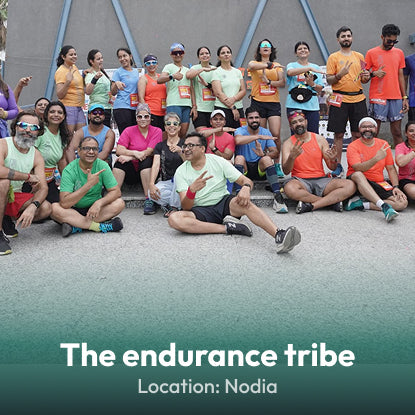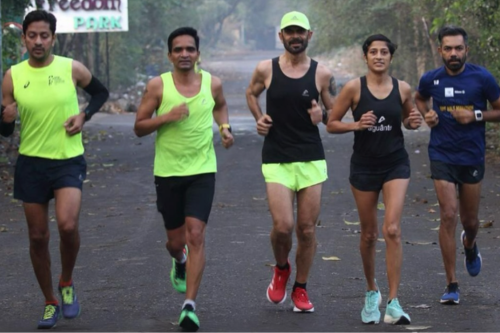








Preparing for the Hyderabad Marathon requires more than simply increasing your weekly kilometres. Your training plan, running shoes, nutrition, hydration, recovery routine, and running apparel all play an important role in helping you reach the starting line prepared. Hyderabad's warm and humid conditions also make choosing the right training gear especially important.
Whether you're preparing for the 10K, Half Marathon, or Full Marathon, these Hyderabad Marathon training essentials can help you build a practical training kit.
1. A Structured Training Plan
Start with a training plan based on your race distance and current fitness level.
Your plan should generally include:
-
Easy recovery runs
-
Long-distance runs
-
Tempo or threshold sessions
-
Interval workouts
-
Rest or recovery days
-
Strength training
Increase your training volume gradually rather than trying to add distance too quickly.
2. Reliable Running Shoes
Running shoes are one of the most important marathon-training investments.
Look for shoes that provide:
-
Comfortable cushioning
-
Good fit
-
Adequate stability
-
Breathable construction
-
Reliable grip
Most importantly, don't wait until race week to test your marathon shoes. Use your chosen pair during long training runs so you know how they feel after several hours.
3. Moisture-Wicking Running T-Shirts
Hyderabad's weather can make long runs particularly sweaty. A cotton T-shirt may become heavy and uncomfortable as your mileage increases.
Choose running T-shirts with:
-
Moisture-wicking fabric
-
Quick-drying construction
-
Lightweight material
-
Breathable panels
-
Flatlock seams
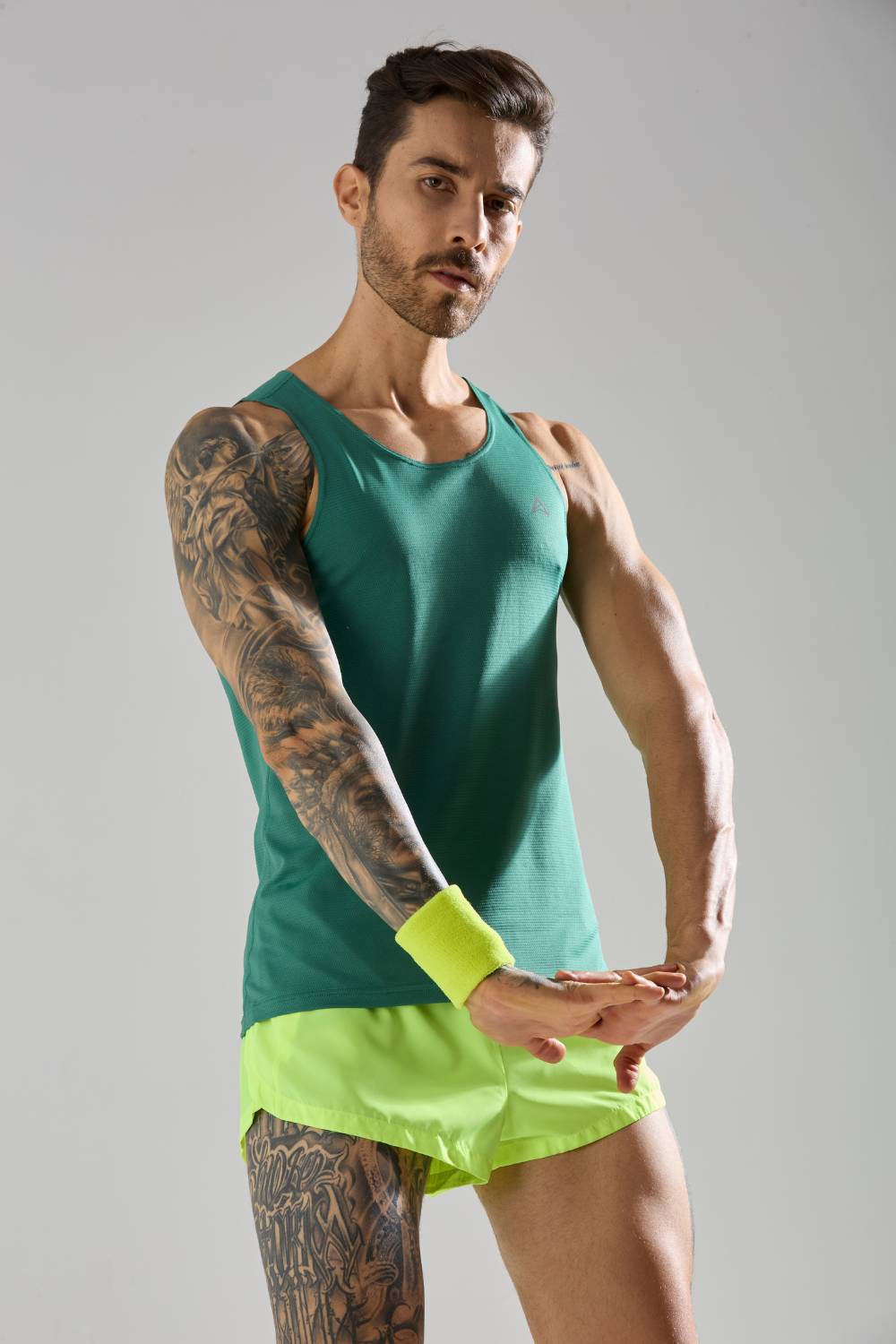
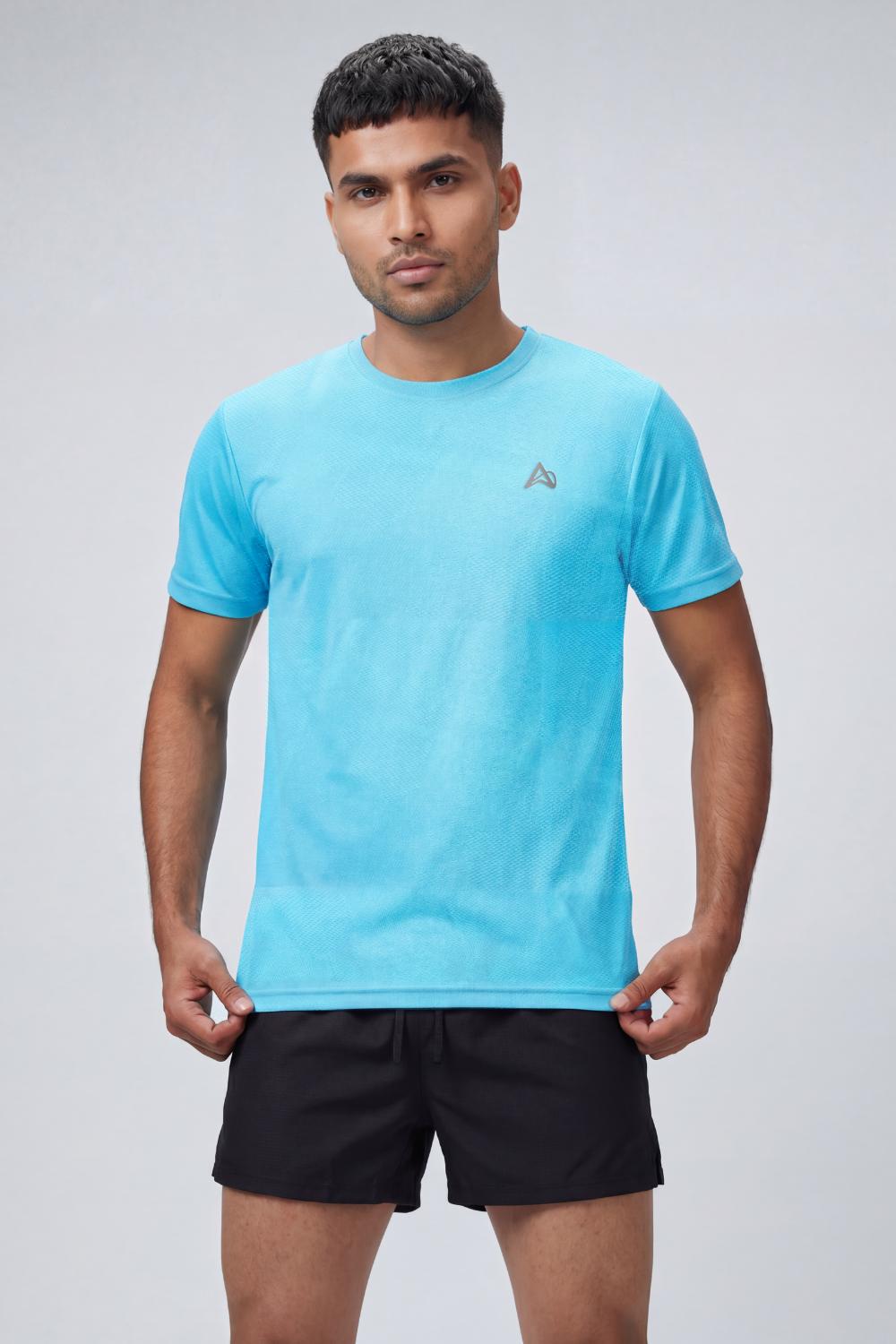
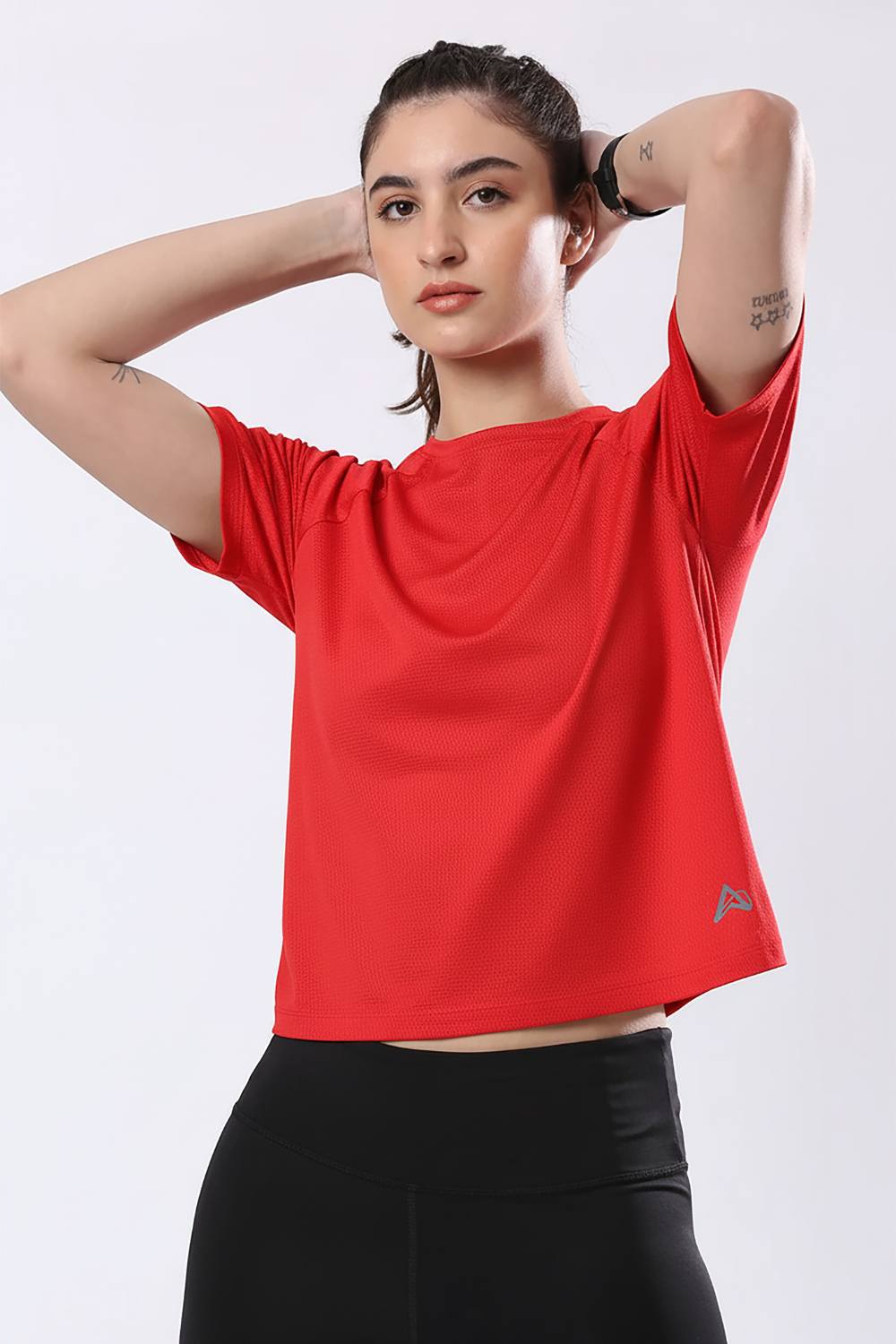
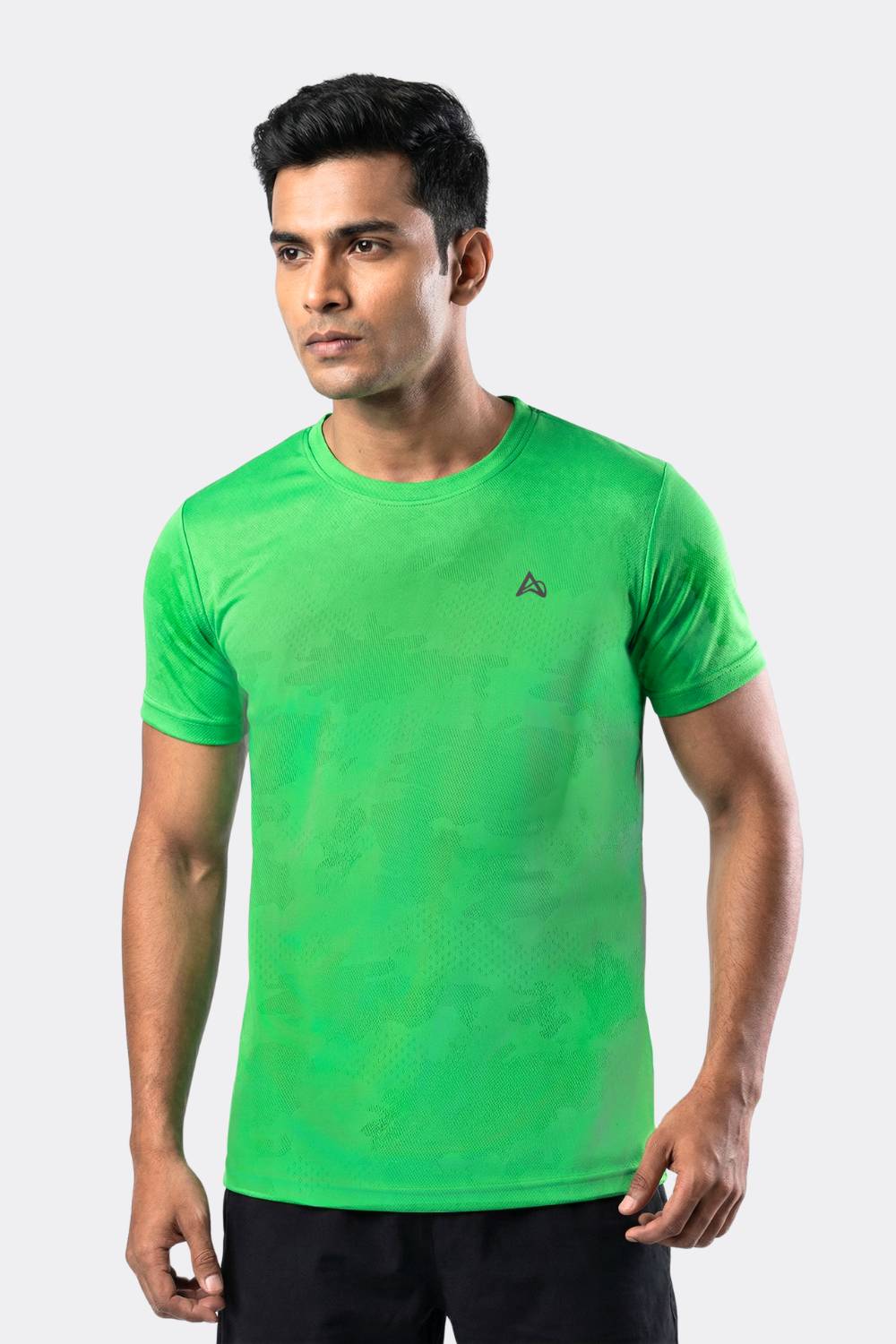
Aguante Running T-Shirts
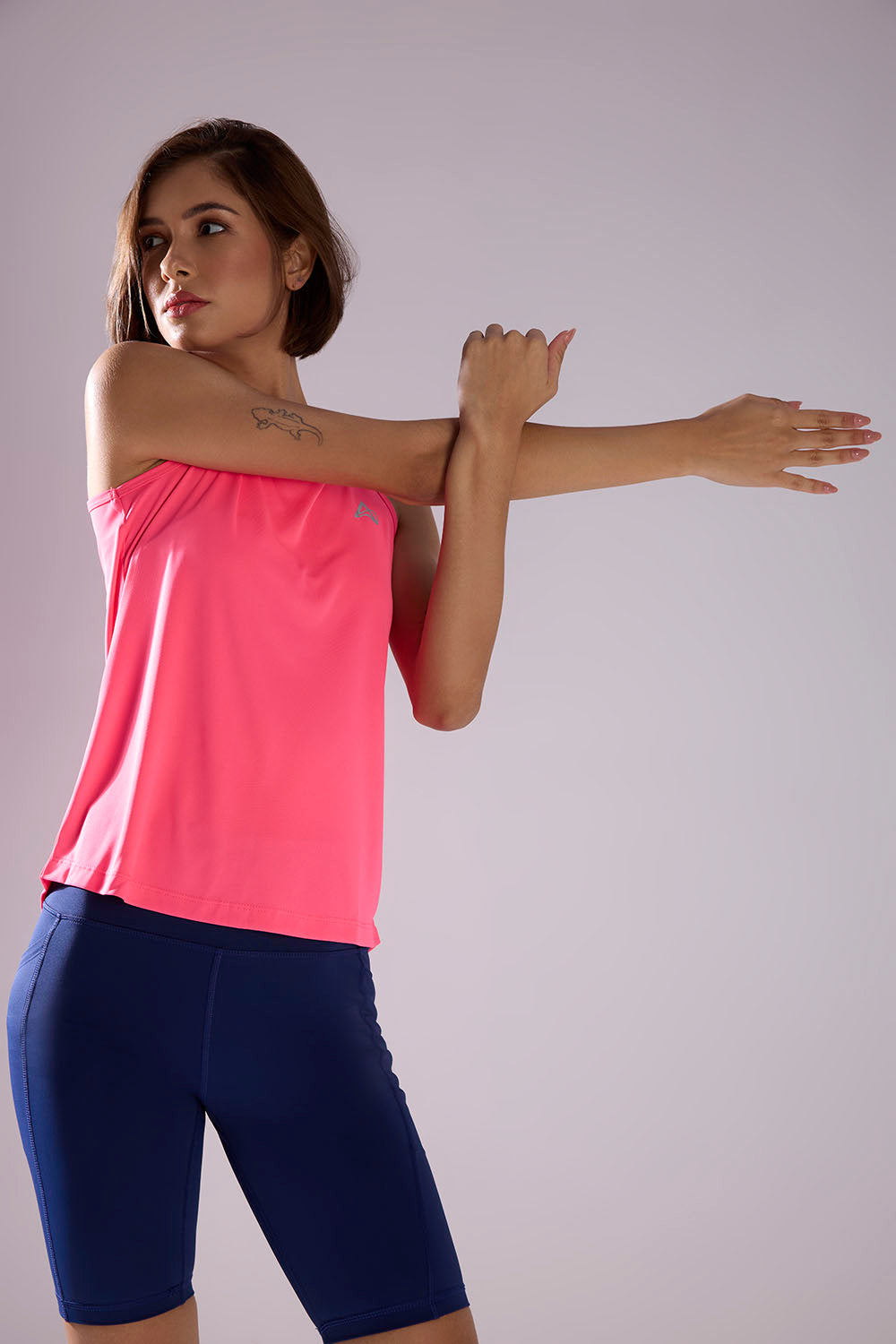
Aguante performance running T-shirts are designed for Indian running conditions, combining lightweight technical fabrics with moisture management and breathable construction. They can be used for everything from daily training runs to longer marathon sessions.
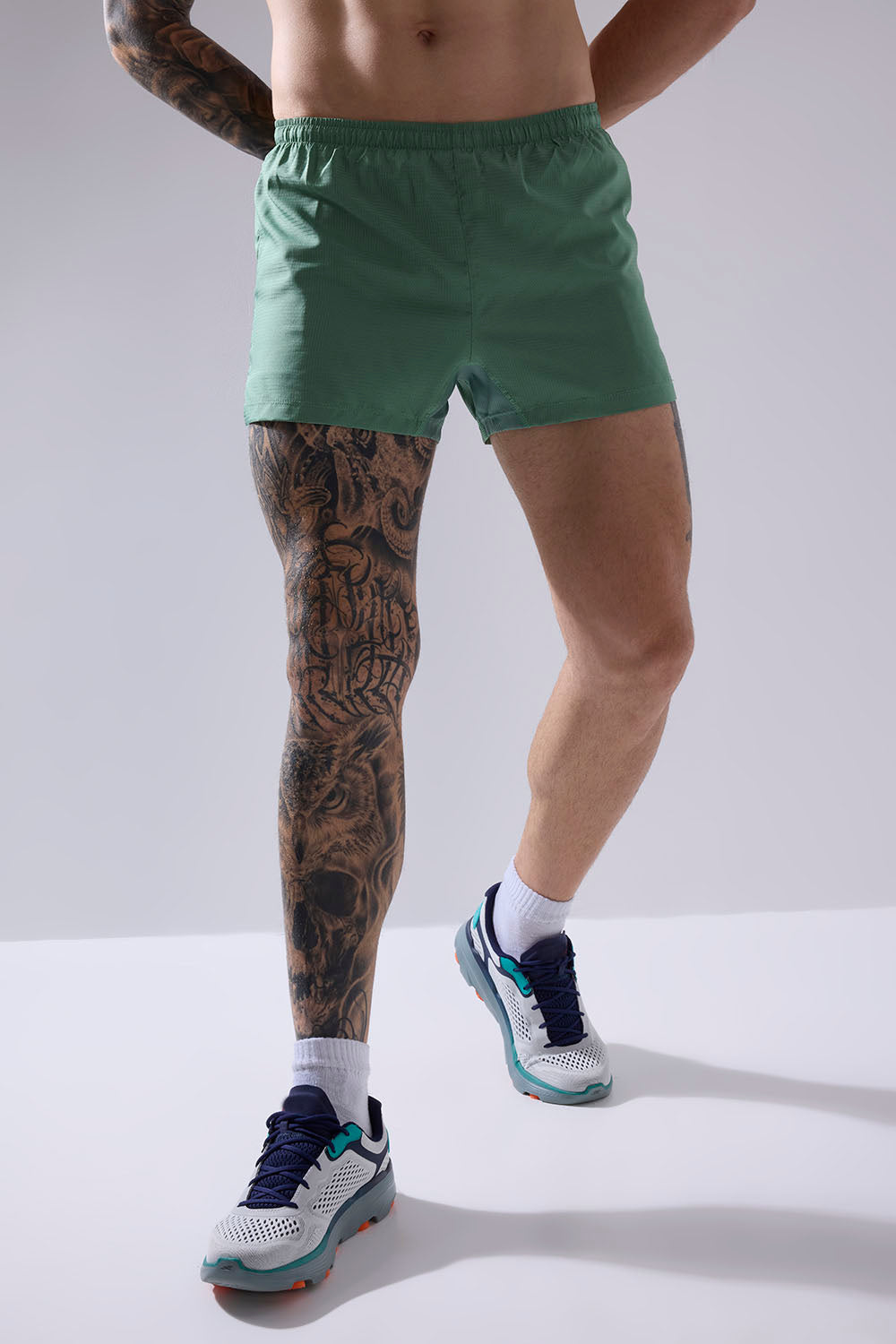
4. Running Shorts or Half Tights
Your lower-body apparel becomes increasingly important as your mileage increases.
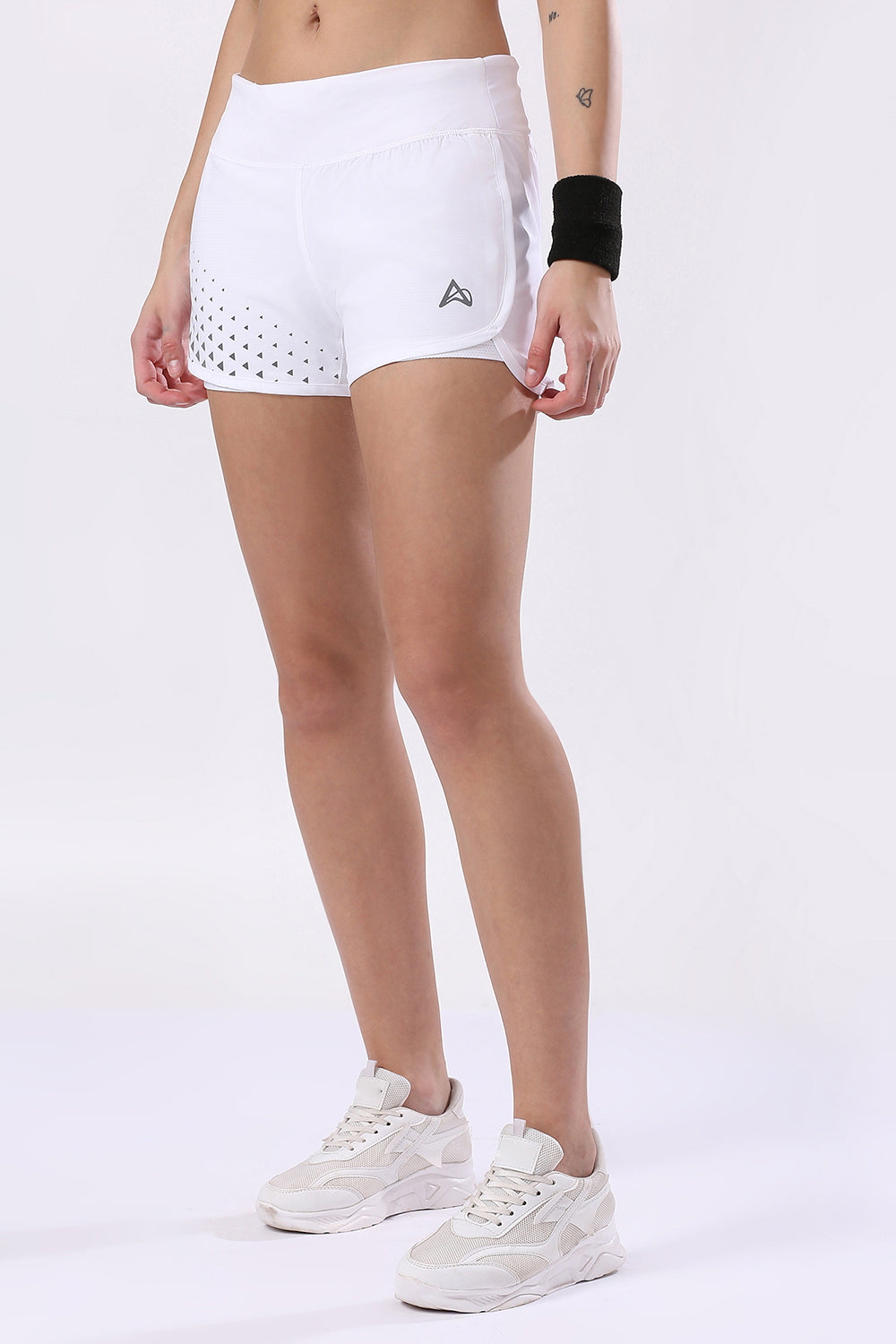
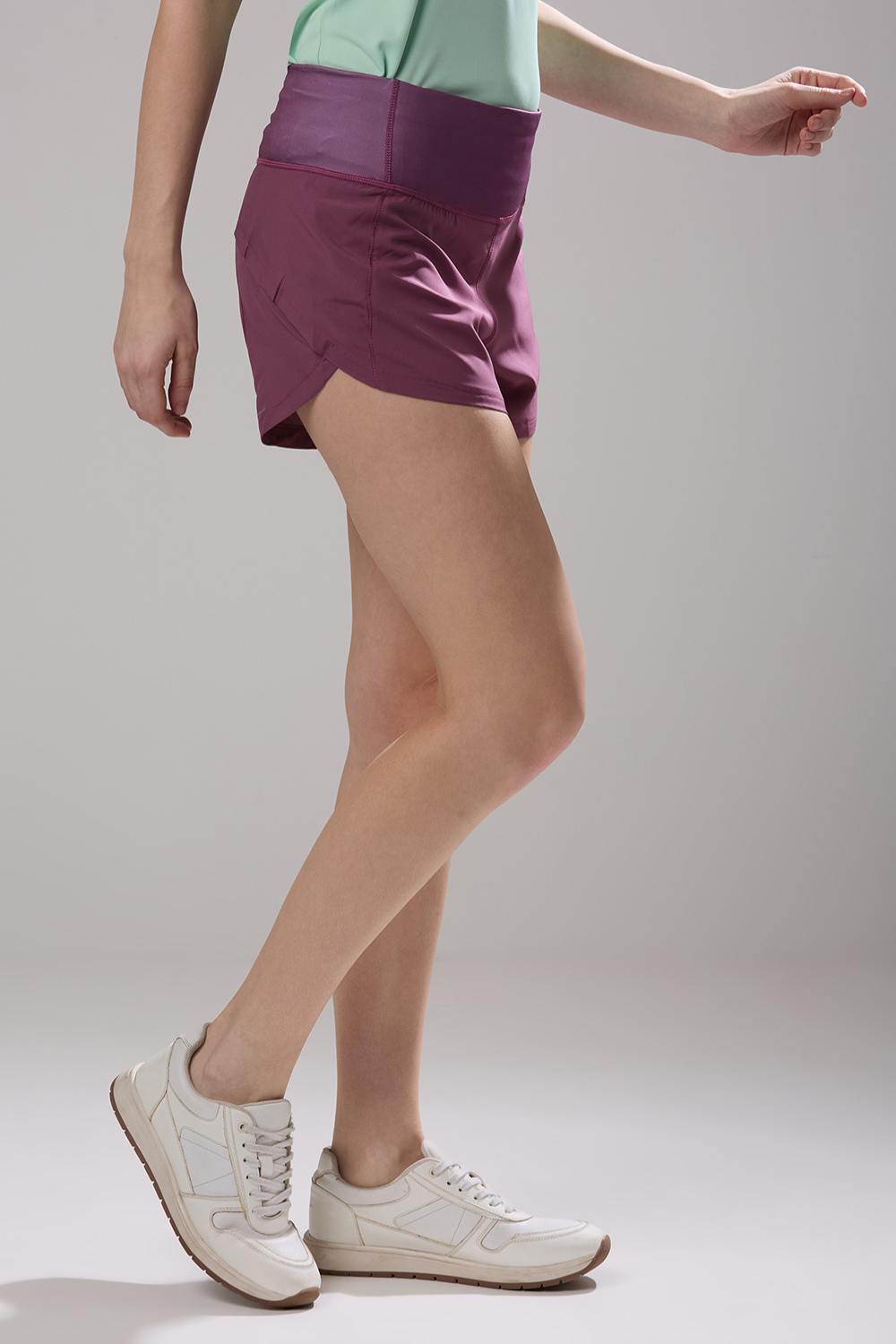
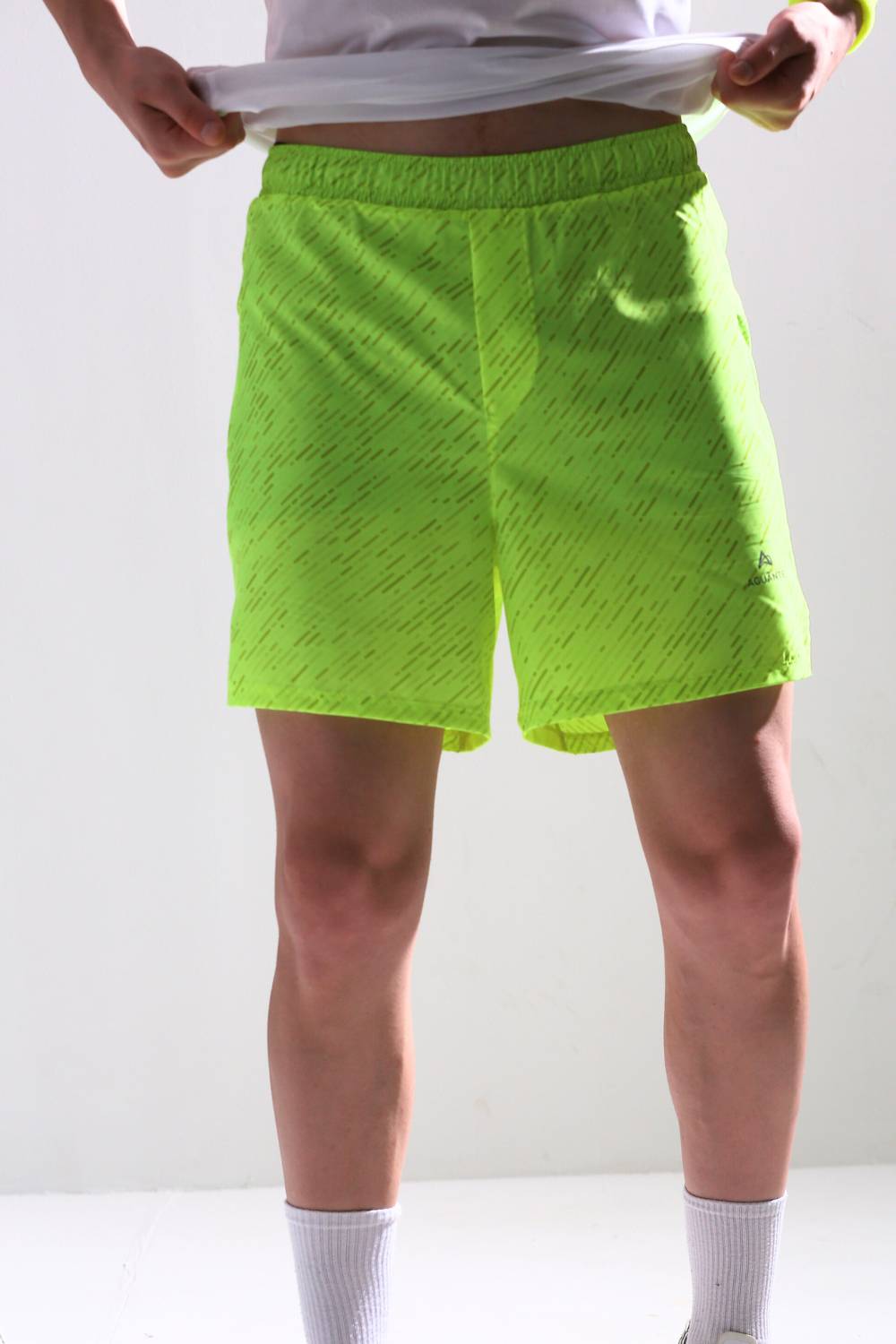
Running Shorts
Choose lightweight shorts if you prefer maximum ventilation.
Look for:
-
Breathable fabric
-
Quick-drying material
-
Stretch
-
Comfortable waistband
-
Secure pockets
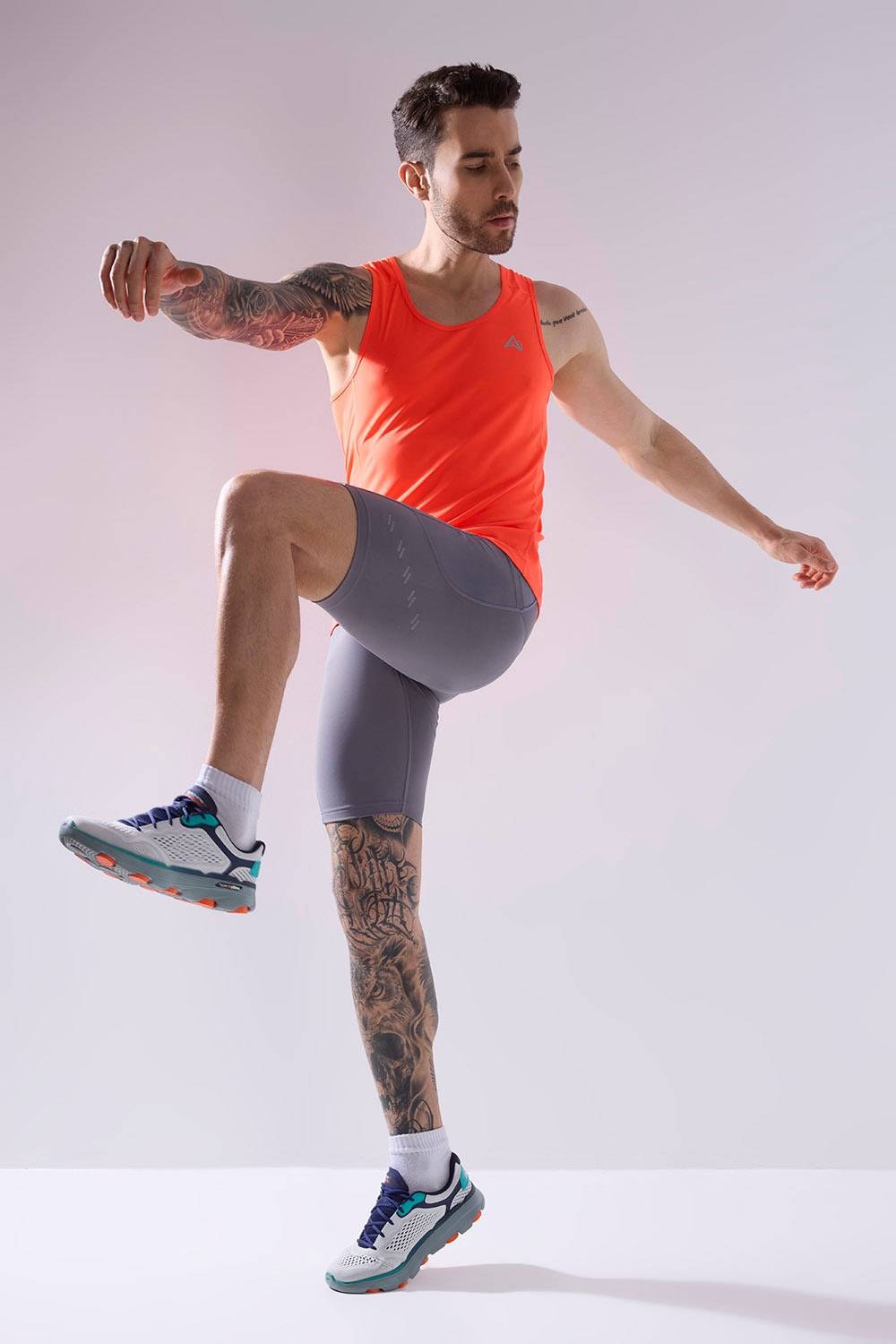
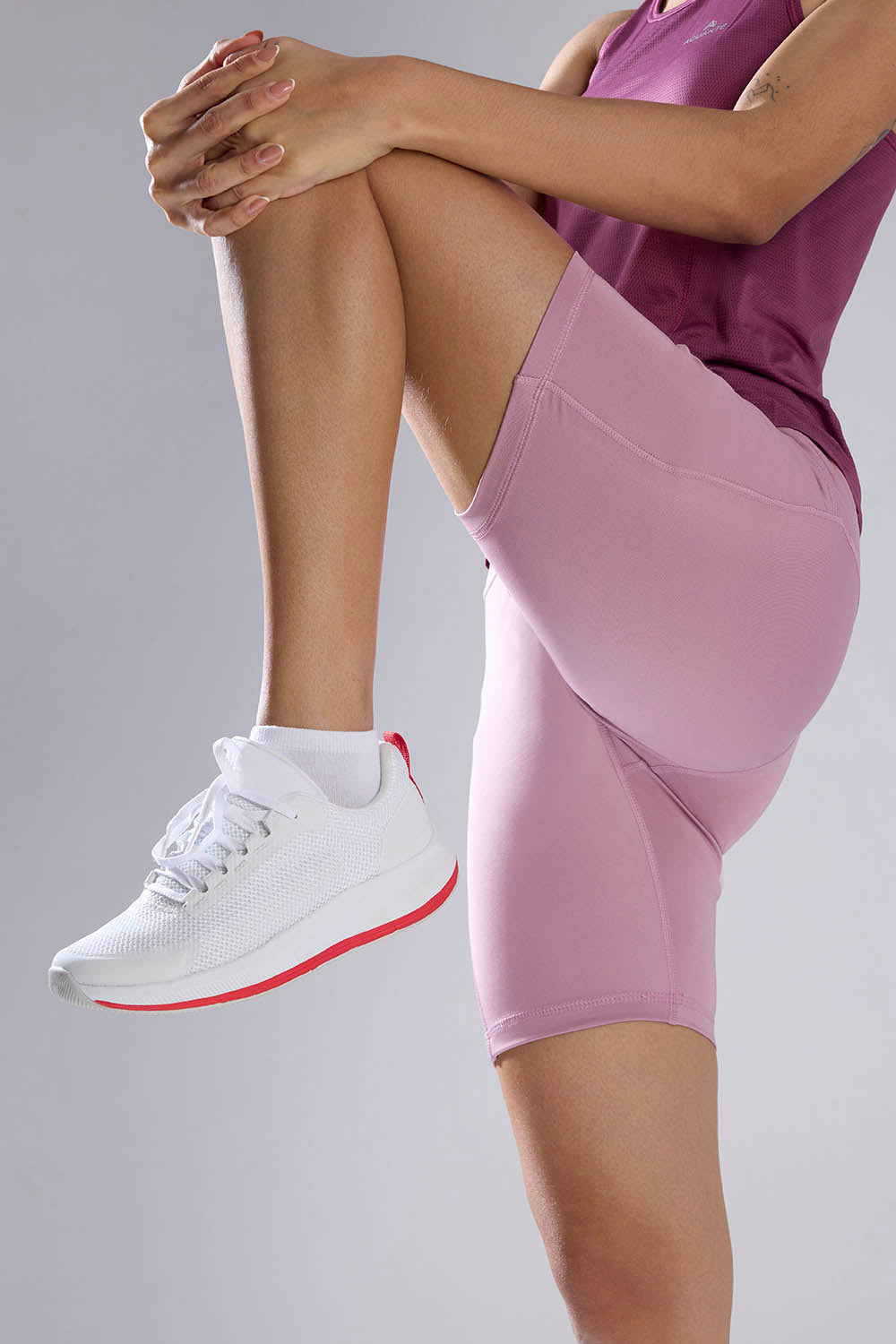
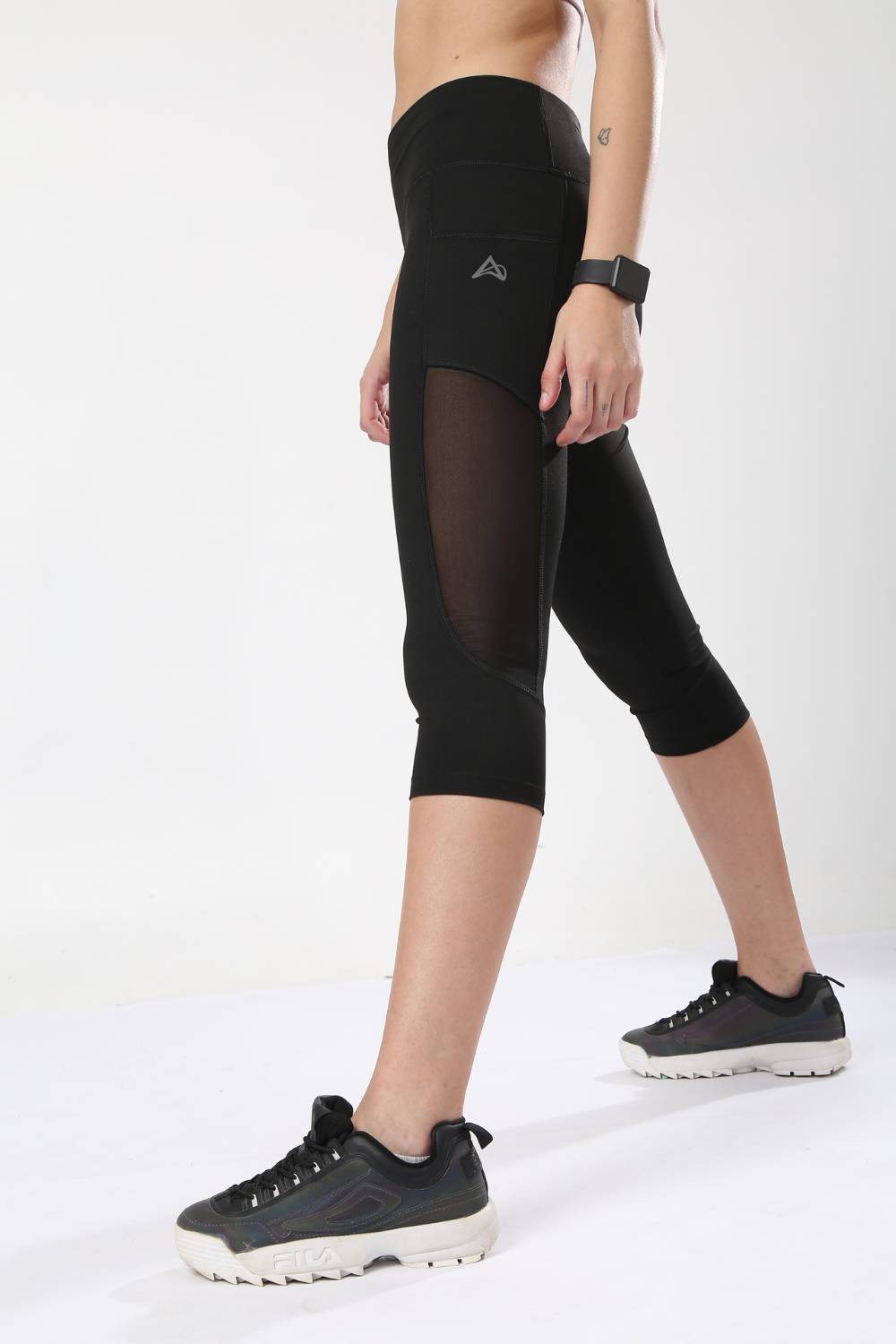
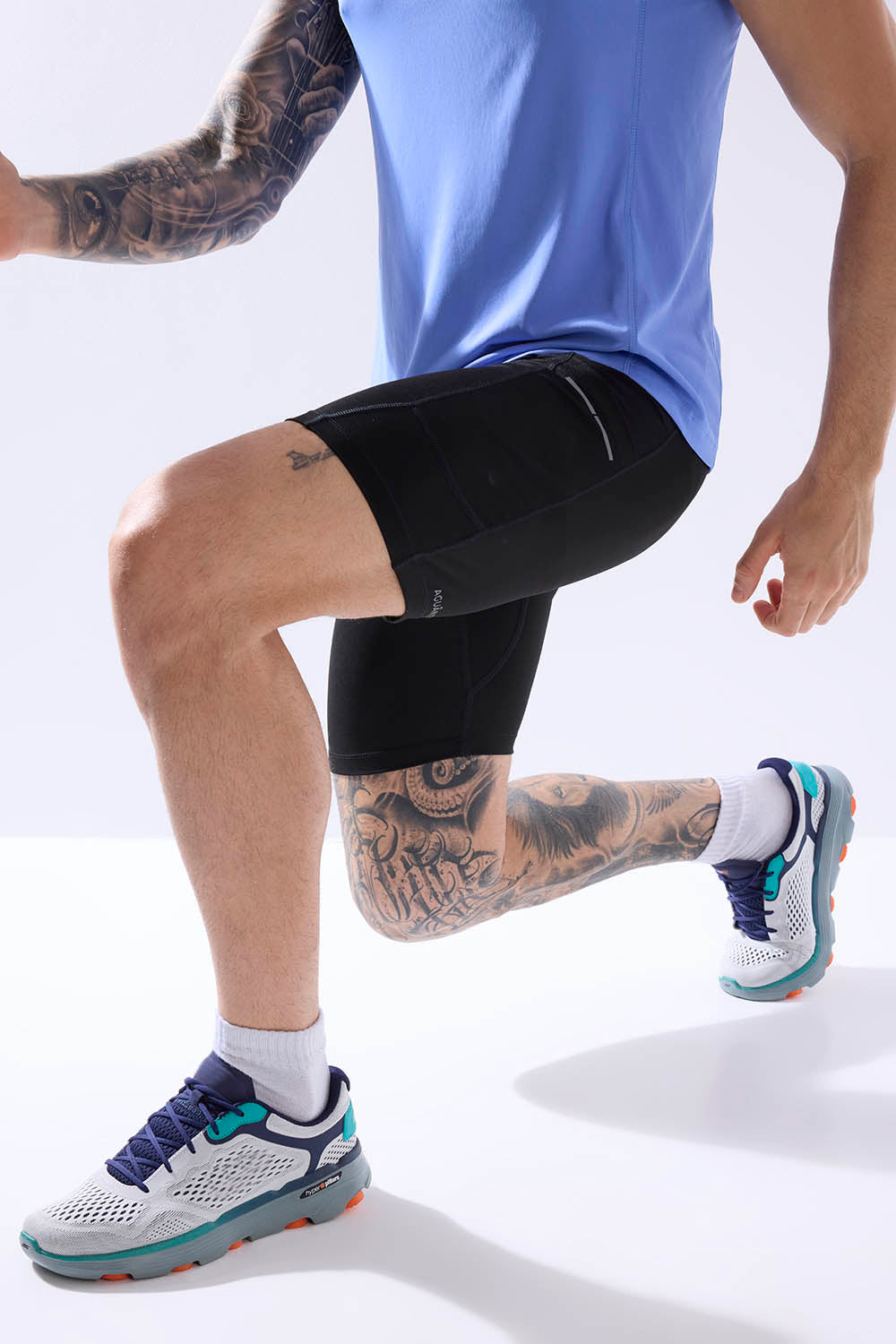
Half Tights
Half tights can be particularly useful for long-distance training because they offer:
-
Reduced thigh chafing
-
Secure fit
-
Stretch and freedom of movement
-
Stable storage for gels and phone
-
Comfortable coverage
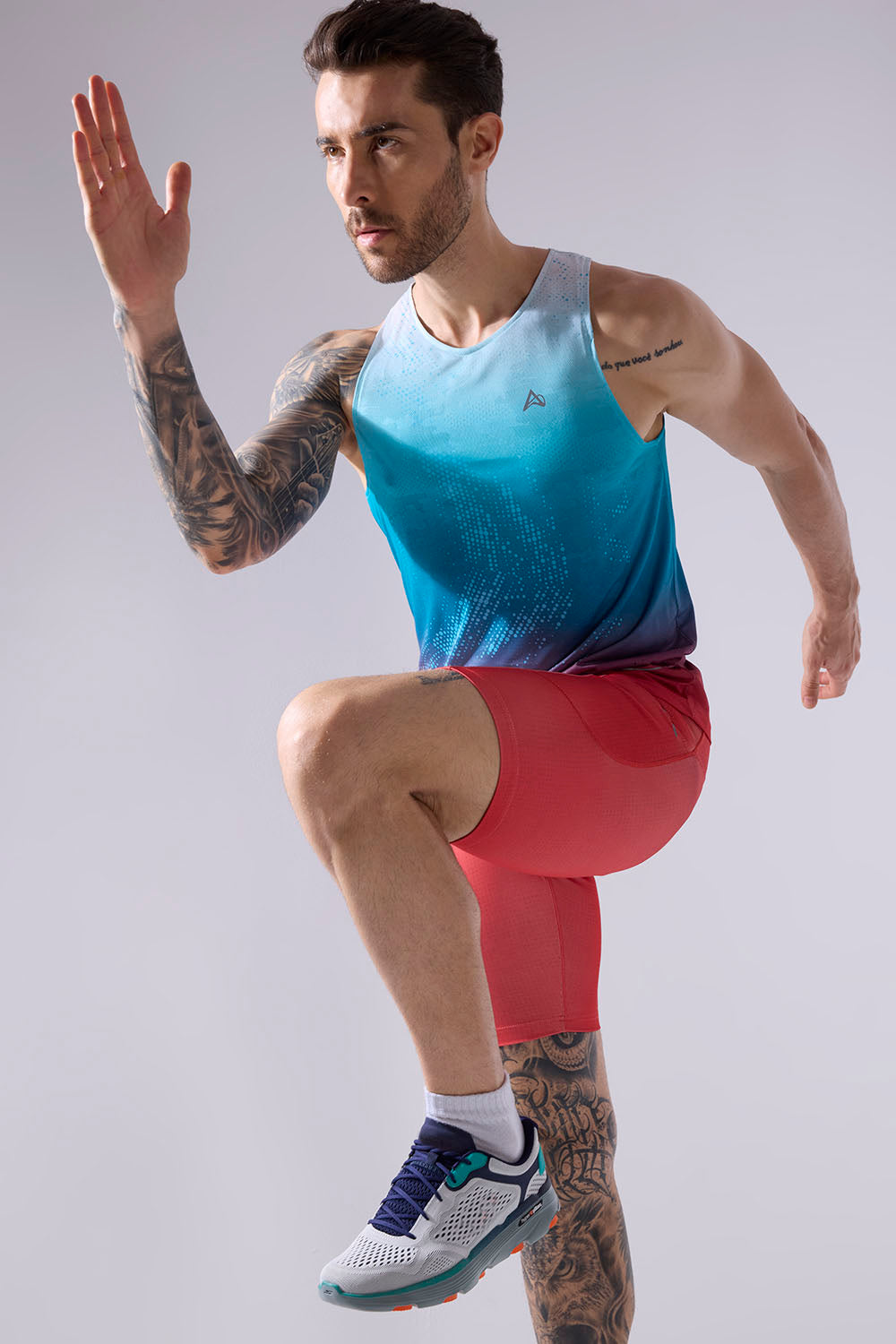
Aguante half tights are a practical option for runners who prefer a secure fit and storage during long runs.
5. Performance Running Socks
Don't overlook your socks.
Good running socks should be:
-
Moisture-wicking
-
Breathable
-
Comfortable
-
Securely fitted
-
Low-friction
Use the same socks during training that you plan to use for race day.
6. Hydration Strategy
Hydration is an essential part of marathon preparation, particularly when training in warm weather.
For longer runs, consider:
-
Water bottles
-
Soft flasks
-
Hydration vests
-
Electrolytes
Don't wait until race day to figure out what works for you. Practice your hydration strategy during long runs.
7. Long-Run Nutrition
As your training distance increases, you'll need to practice fueling.
Depending on your individual needs and plan, this may include:
-
Energy gels
-
Sports drinks
-
Energy chews
-
Other familiar carbohydrate sources
The important rule is to test your nutrition during training rather than introducing new products during the race.
8. Anti-Chafing Protection
Long runs can expose areas of friction that aren't noticeable during shorter workouts.
Pay attention to:
-
Inner thighs
-
Underarms
-
Waistband area
-
Feet
Anti-chafing balm can be useful, but properly fitting running apparel is equally important.
9. GPS Running Watch
A GPS watch can help you monitor:
-
Distance
-
Pace
-
Heart rate
-
Training sessions
-
Recovery
-
Long-run progress
For marathon preparation, it's particularly useful for learning to maintain a controlled pace rather than starting too quickly.
10. Running Cap and Sunglasses
For daytime training, lightweight accessories can improve comfort.
Consider:
-
Breathable running cap
-
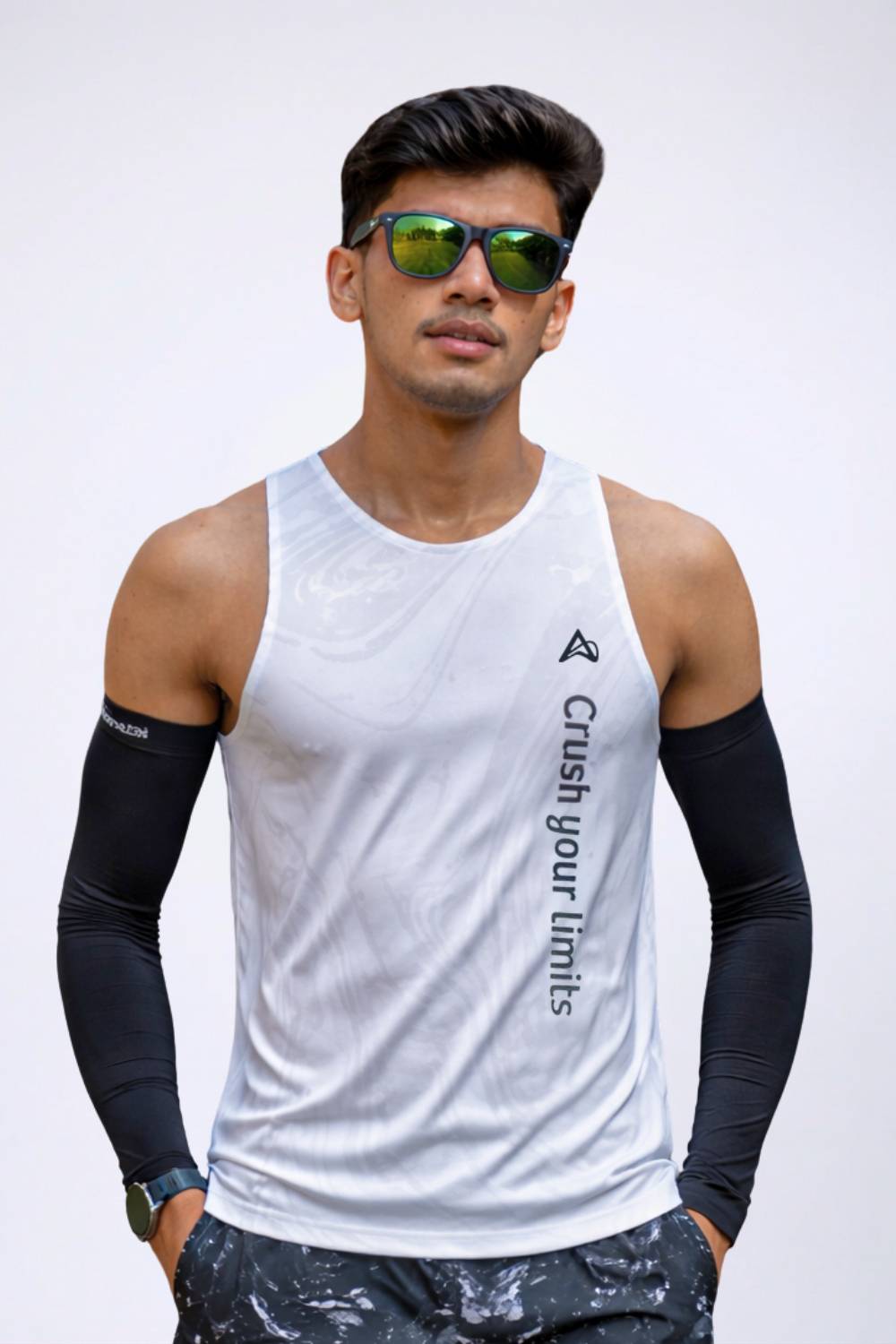
Sports sunglasses
-
Sweat-resistant sunscreen
A cap can also help manage sweat while you're running.
11. Strength Training Equipment
Marathon preparation shouldn't consist entirely of running.
Strength training can support overall running performance and resilience.
Useful exercises include:
-
Squats
-
Lunges
-
Calf raises
-
Glute bridges
-
Core exercises
You don't necessarily need a large home gym. Basic equipment such as resistance bands and a pair of weights can be sufficient for many runners.
12. Recovery Essentials
Recovery is part of marathon training.
Useful recovery tools include:
-
Foam roller
-
Massage ball
-
Comfortable recovery clothing
-
Sleep and rest tracking
Most importantly, give your body enough time to recover between demanding sessions.
13. Running Belt or Secure Storage
Long training runs often require carrying a phone, keys, ID, and nutrition.
Choose either:
-
Running shorts with secure pockets
-
Half tights with storage
-
Running belt
-
Hydration vest
Avoid carrying loose items that bounce around while running.
14. Train in Your Race-Day Gear
One of the most important training essentials is practice.
Before race day, test:
-
Your running T-shirt
-
Shorts or half tights
-
Socks
-
Shoes
-
Nutrition
-
Hydration
-
Anti-chafing strategy
-
Phone/storage setup
Your longest training runs are the best opportunity to identify problems.
Hyderabad Marathon Training Kit
|
Essential |
What to Look For |
|
Running T-shirt |
Moisture-wicking, lightweight, breathable |
|
Shorts |
Quick-drying, lightweight, secure |
|
Half tights |
Anti-chafing, stretch, storage |
|
Running shoes |
Comfortable, tested, supportive |
|
Socks |
Moisture-wicking, low friction |
|
Hydration |
Bottle, vest or soft flask |
|
Nutrition |
Tested gels/carbohydrates |
|
GPS watch |
Pace and distance tracking |
|
Cap |
Lightweight and breathable |
|
Anti-chafe |
Balm for friction-prone areas |
|
Recovery |
Foam roller/massage ball |
Why Aguante Can Be Part of Your Training Kit
For runners training in Hyderabad, Aguante offers performance-focused running apparel designed with Indian weather and long-distance running in mind.
A marathon training wardrobe can include:
-
Aguante moisture-wicking running T-shirts
-
Aguante running shorts
-
Aguante half tights
-
Lightweight performance apparel for long runs
The combination of moisture management, lightweight fabrics, comfortable fits, and practical storage makes running apparel an important part of a consistent training routine.
Common Training Mistakes to Avoid
Avoid:
-
Increasing mileage too quickly
-
Running every session at maximum intensity
-
Ignoring recovery
-
Wearing cotton on long runs
-
Testing new shoes immediately before race day
-
Ignoring chafing
-
Trying new nutrition during the marathon
-
Neglecting strength training
Consistency is more valuable than one extremely hard workout.
Final Thoughts
The right Hyderabad Marathon training essentials can make your preparation more comfortable and organized. A structured training plan, reliable running shoes, moisture-wicking apparel, comfortable shorts or half tights, performance socks, hydration, nutrition, and recovery tools should form the foundation of your marathon kit. For runners training in India's warm conditions, Aguante provides running apparel designed around moisture management, breathability, comfort, and long-distance performance. Prepare your gear alongside your training plan, test everything during your long runs, and you'll be much better prepared when Hyderabad Marathon race day arrives.