









Quick Listen:
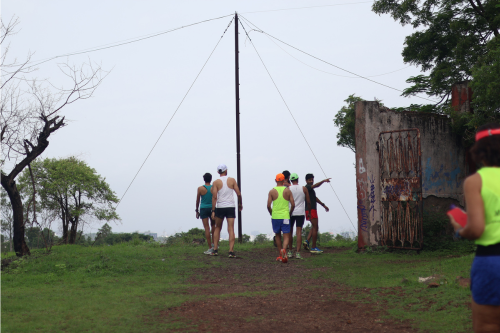
As dusk settles over India's sprawling cities, from the humid shores of Mumbai to the foggy avenues of Delhi, thousands of runners hit the streets for their evening miles. The cooler air offers relief from daytime heat, but dim lighting, heavy traffic, and unpredictable road conditions turn these runs into a serious safety challenge. Reflective running gear has emerged as one of the most practical and proven solutions, dramatically improving visibility without requiring major behavioral changes.
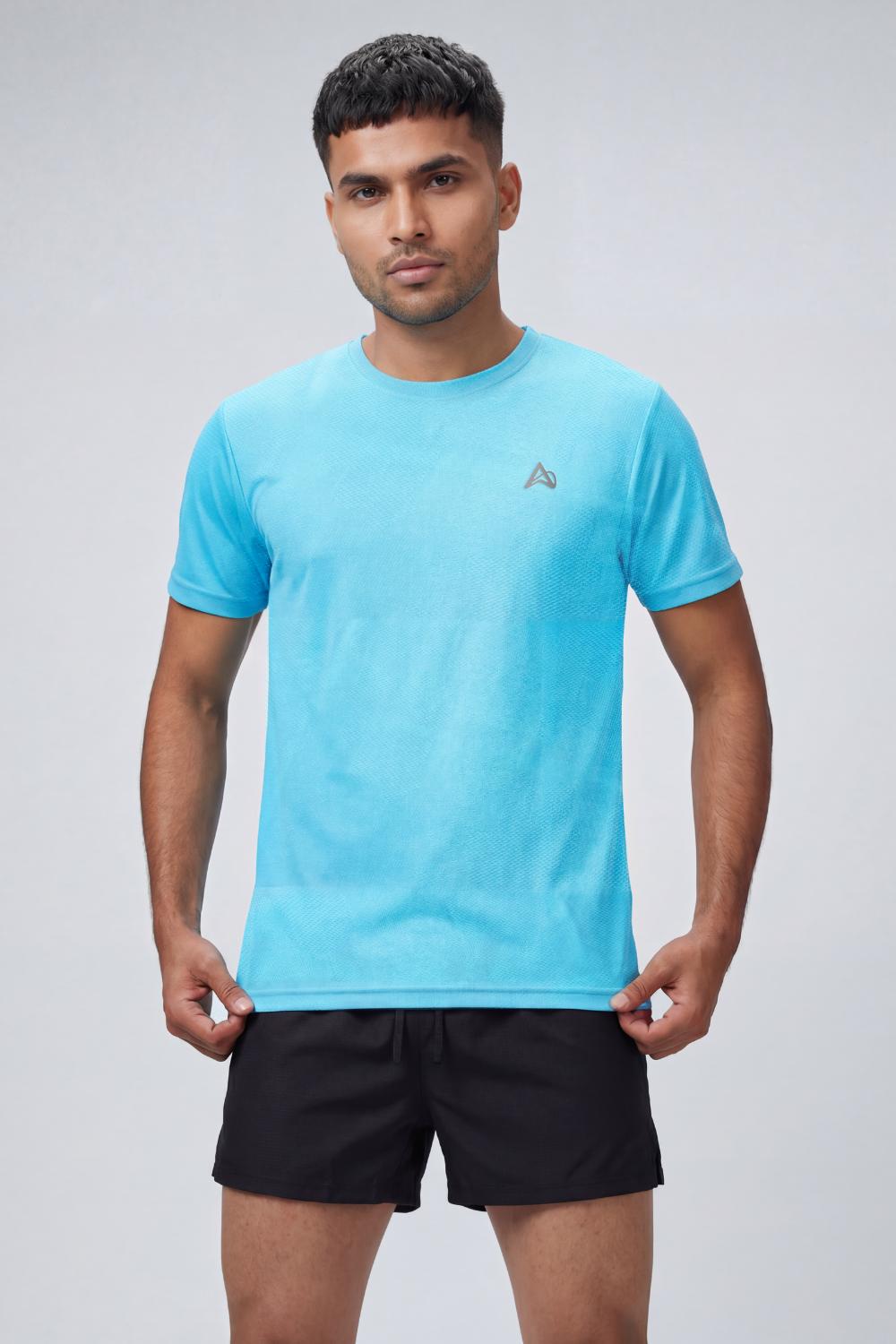
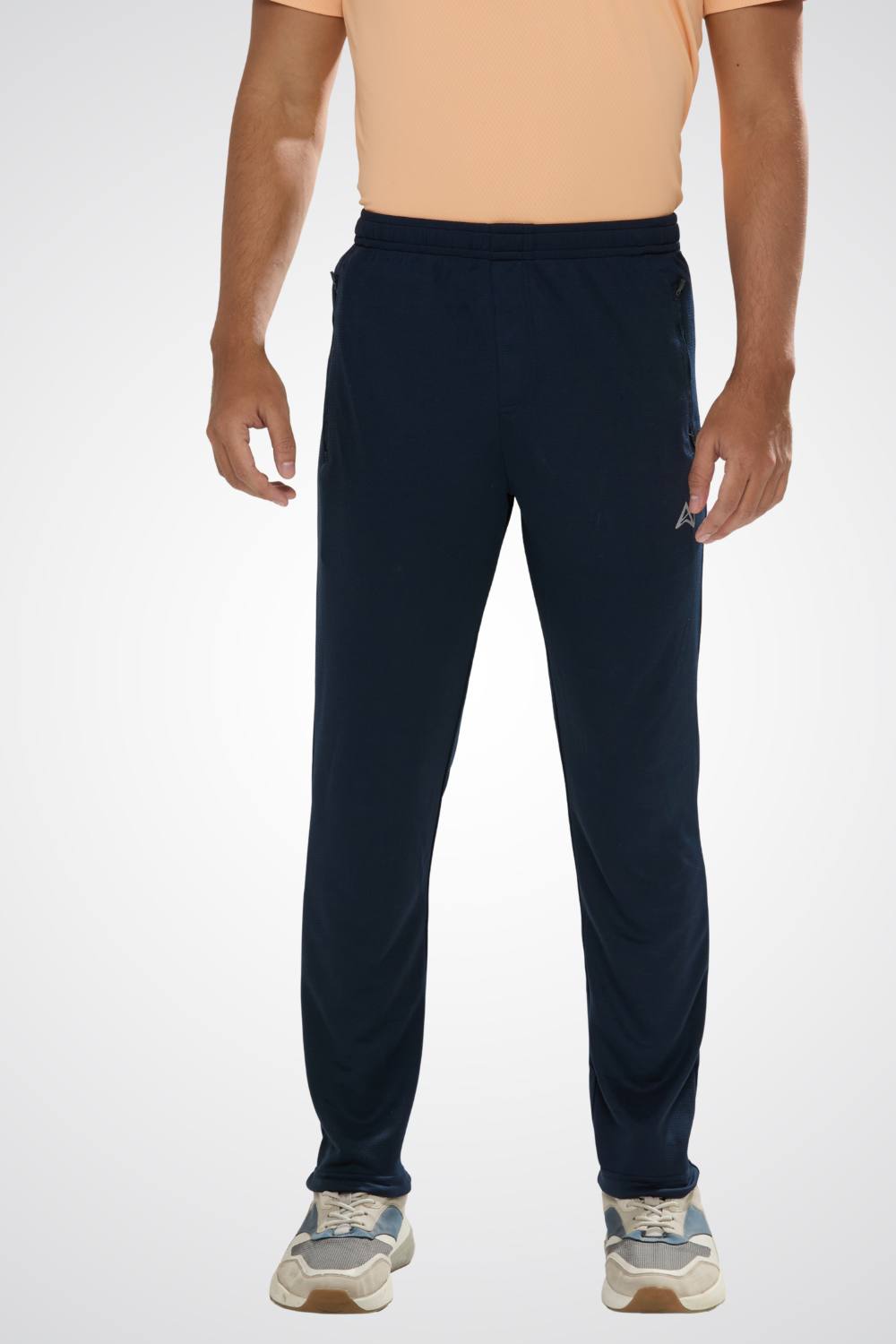
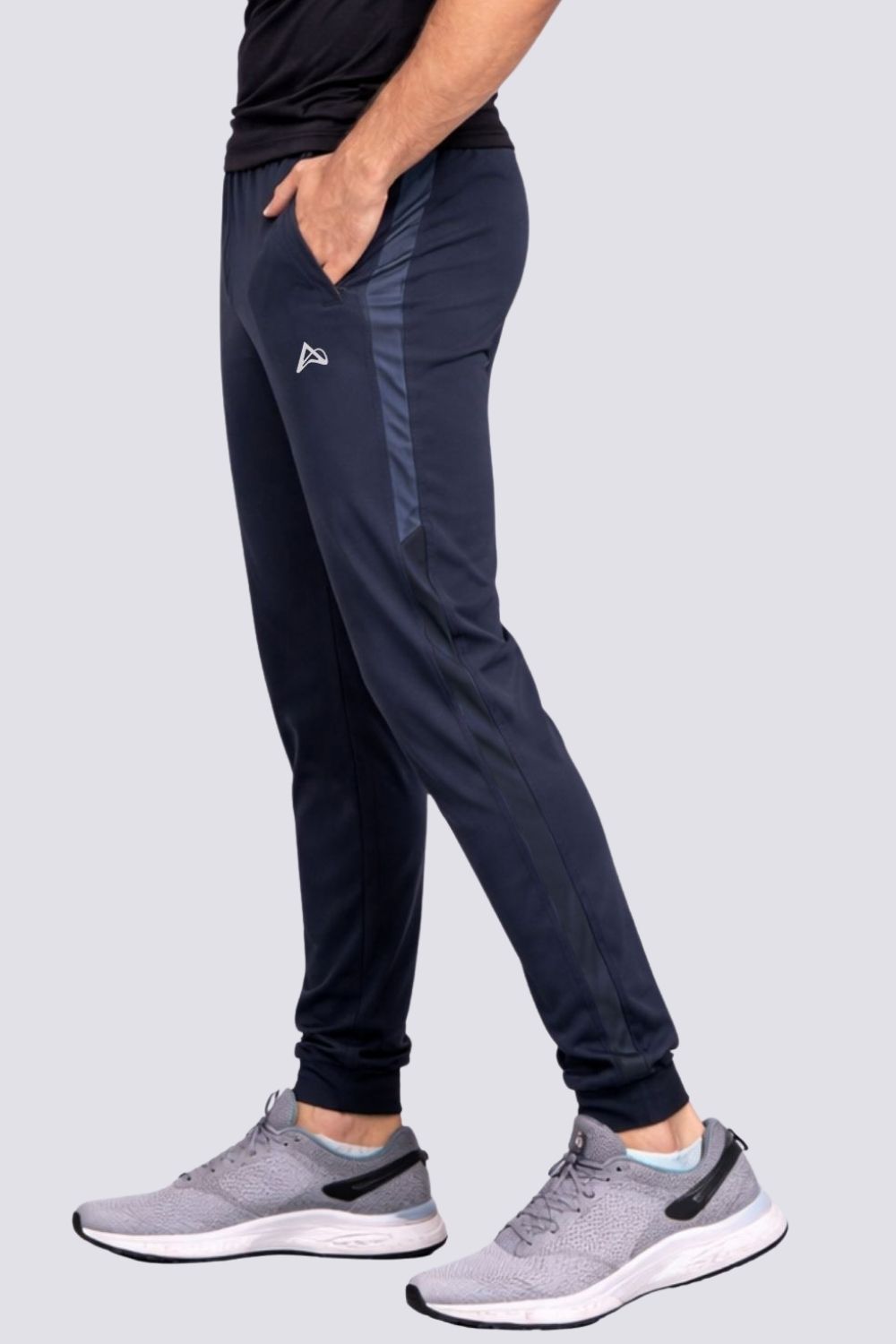
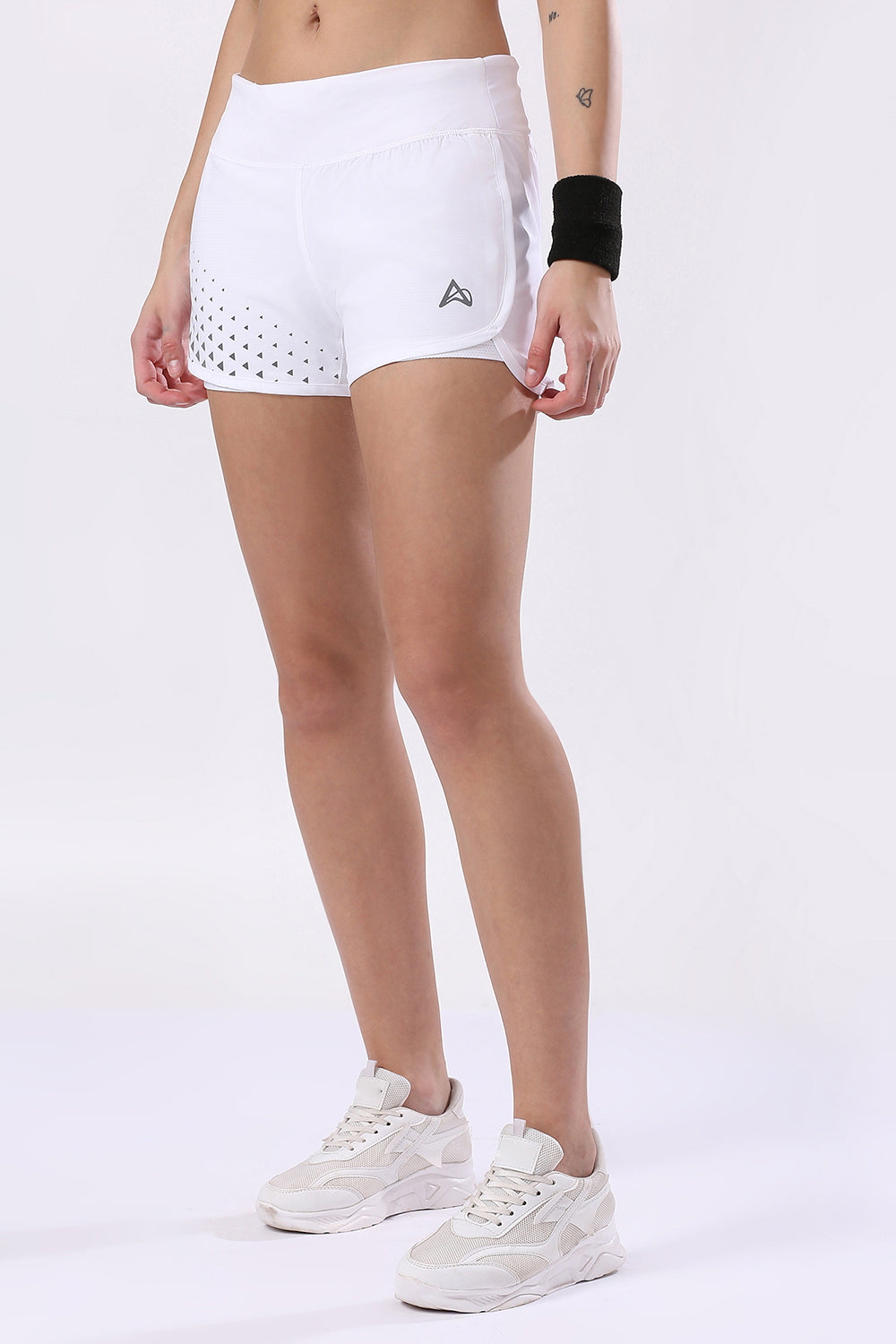
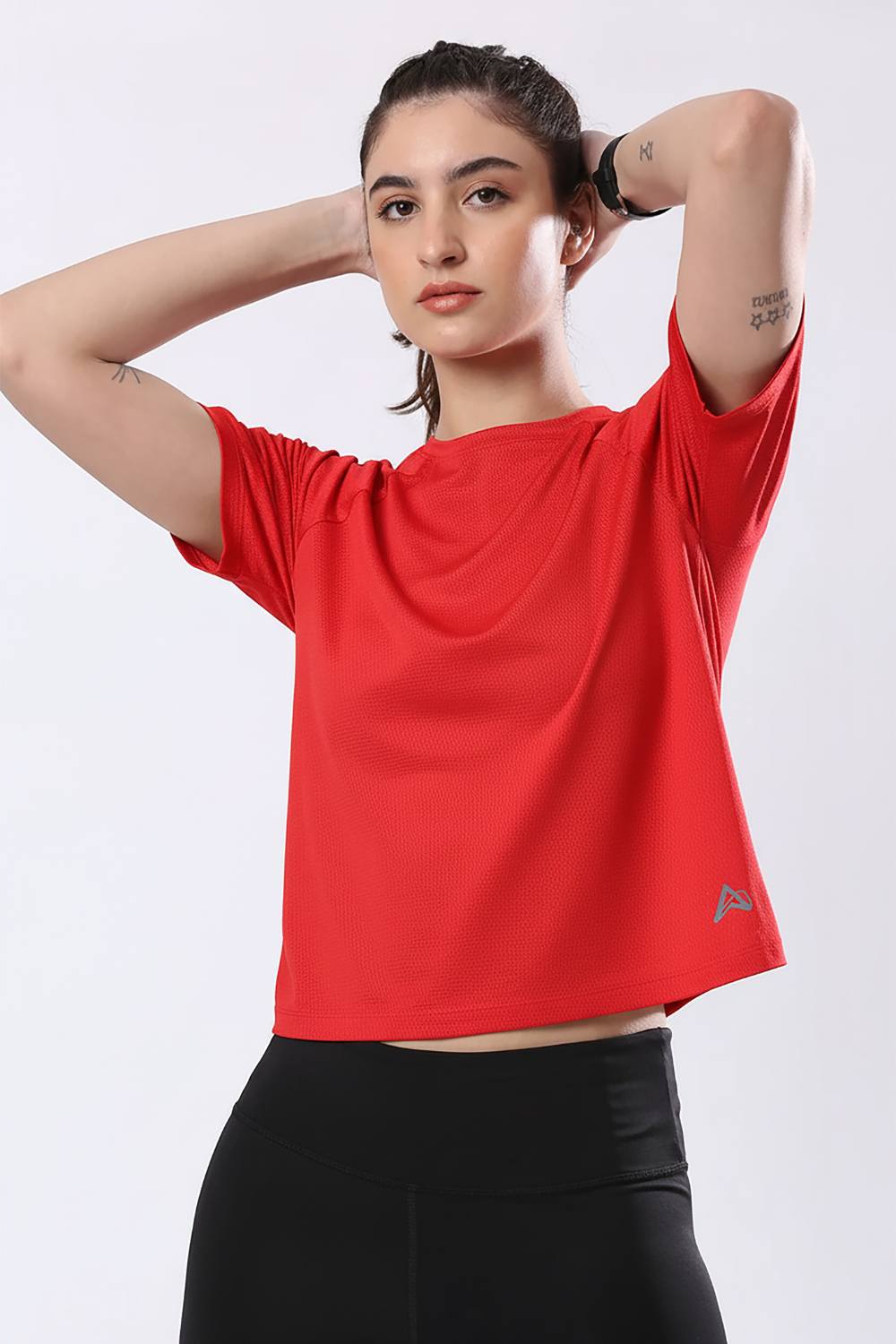
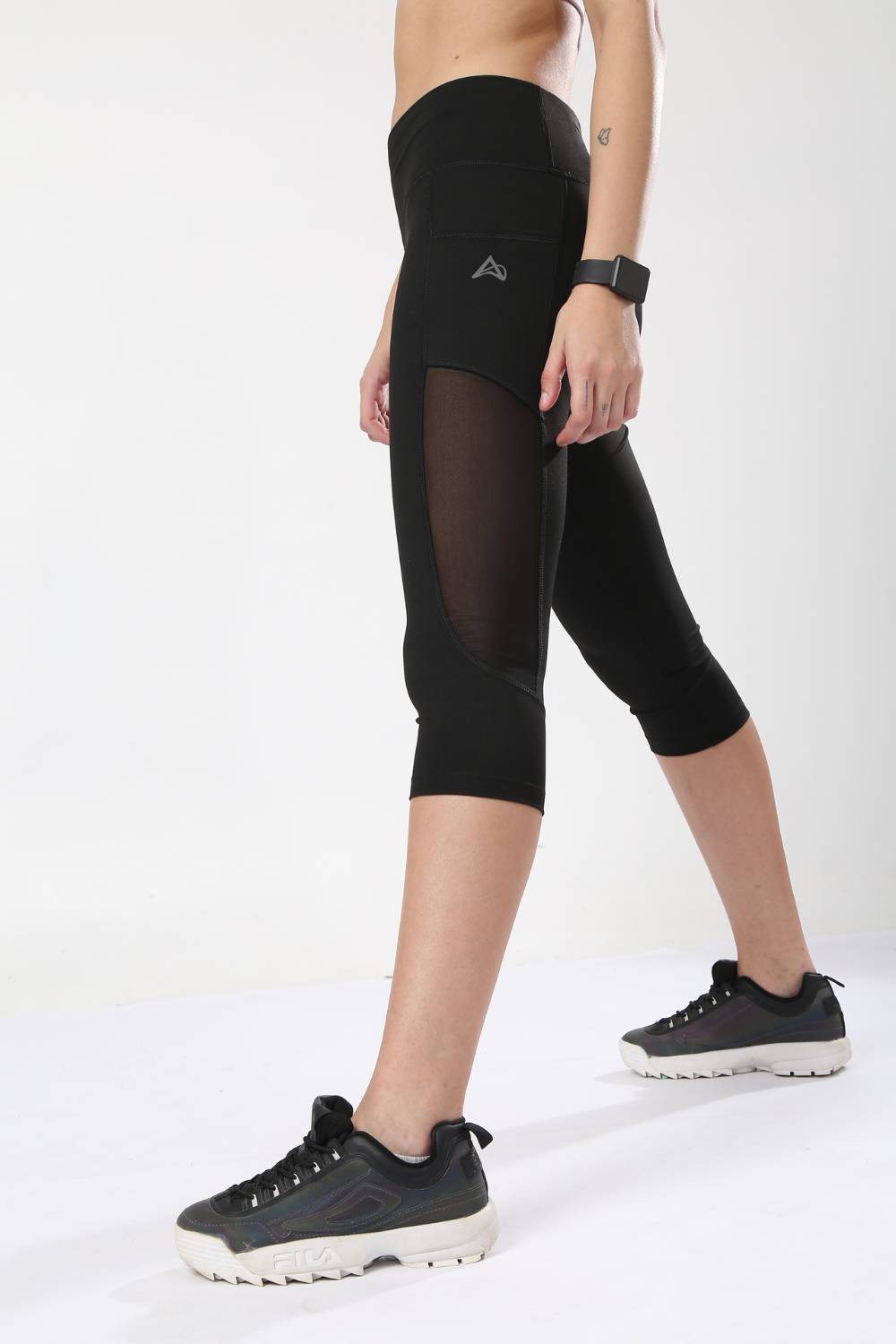
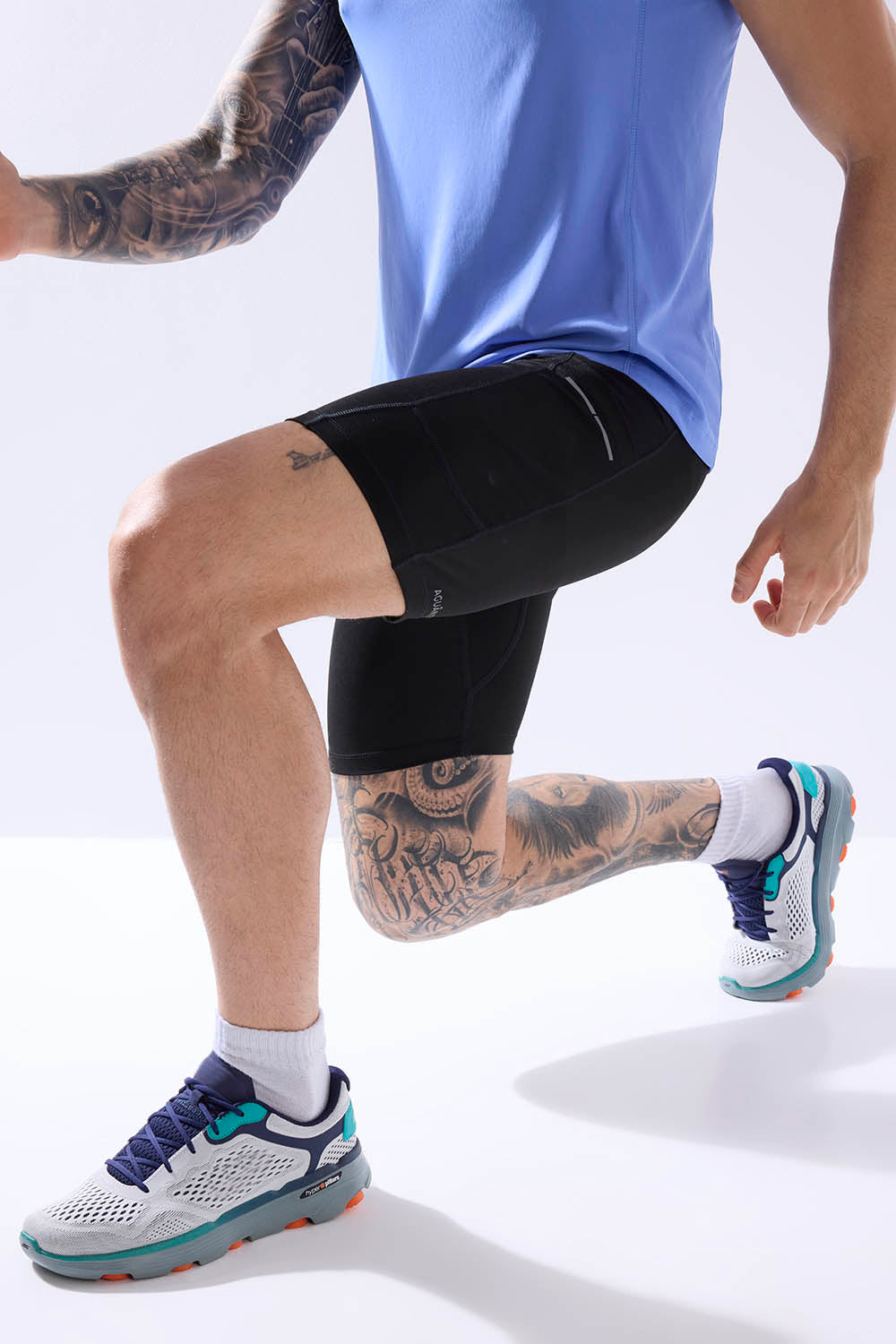
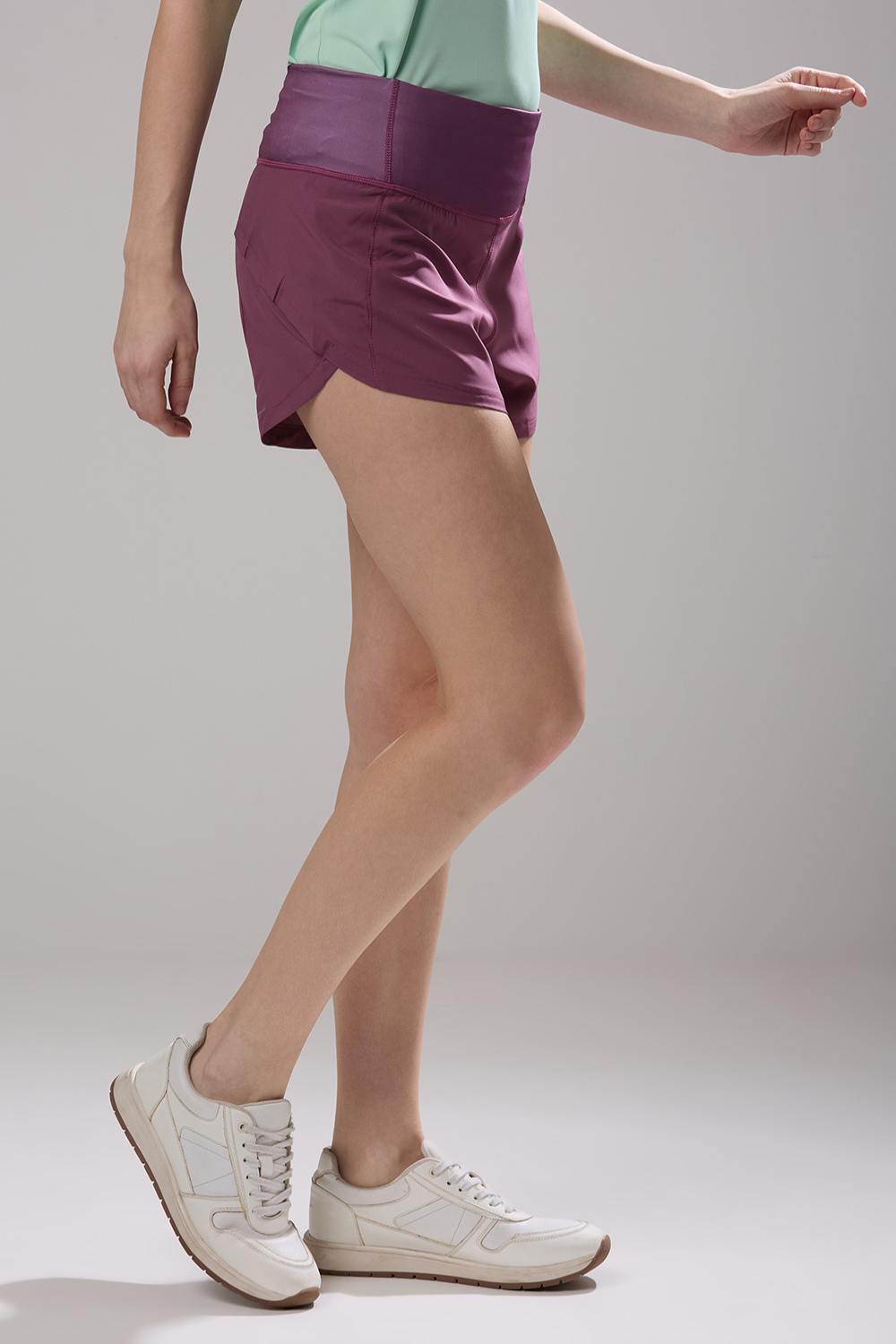
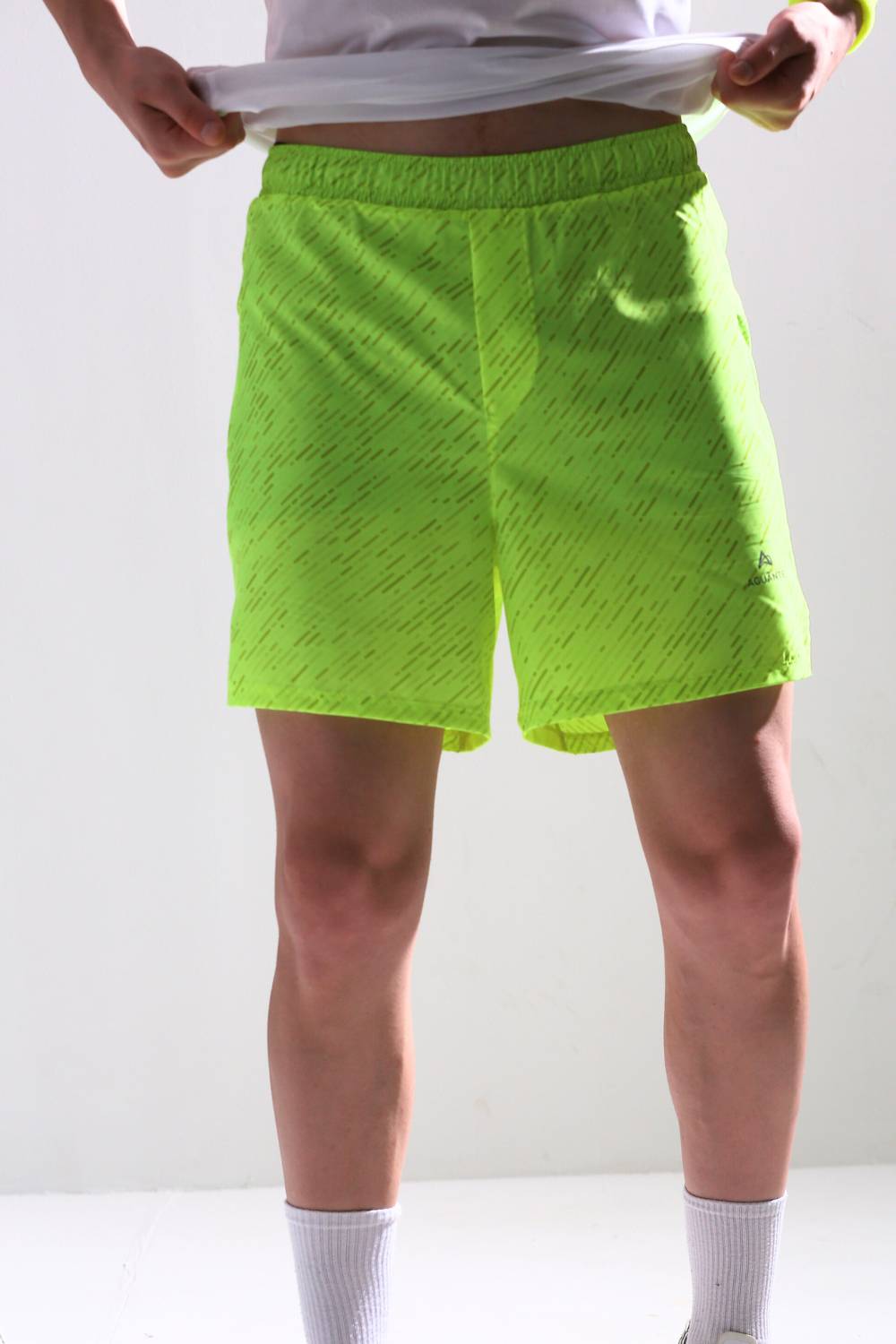
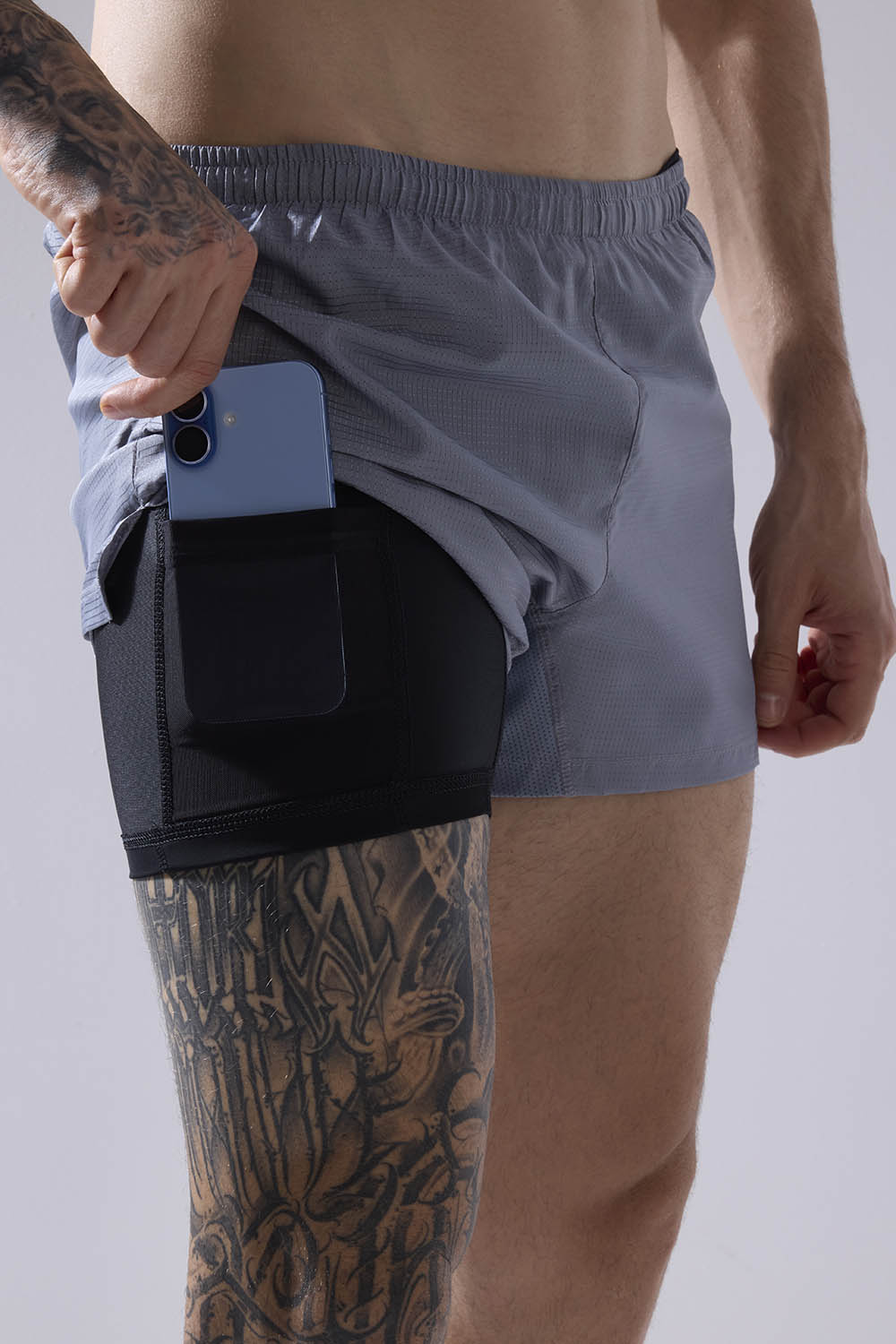
Tired of gear that slows you down? Chafing, soggy fabrics, and missing pockets kill your run's momentum. At Aguante, we're runners who get it. Our high-performance activewear features moisture-wicking fabrics, ergonomic designs, and smart storage to keep you focused. Shop Now!
The Surge in Evening and Night Running Across Indian Cities
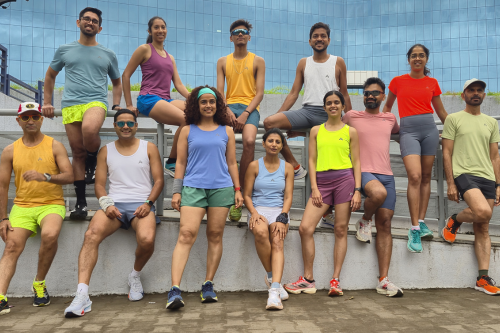
In cities like Bangalore, Hyderabad, Pune, and Ahmedabad, night running has become a mainstream fitness habit. Daytime temperatures frequently climb above 35°C, pushing serious runners, marathon trainees, and casual joggers toward twilight and after-dark sessions. Mumbai's local health departments have recorded a noticeable rise in organized evening running groups over recent years, while fitness-tracking apps in Delhi and Gurugram consistently show higher participation rates after sunset.
This shift mirrors wider lifestyle changes: greater health awareness, longer working hours, and the appeal of escaping daytime heat and crowds. The result is a steadily growing demand for running apparel that prioritizes both performance and visibility after dark. In places such as Navi Mumbai, Surat, and Pune where pedestrian safety concerns remain elevated at night runners increasingly look for gear designed to make them unmistakable to motorists.
India Sports Apparel Market was valued at USD 705.85 Million in 2024 and is expected to reach USD 1592.58 Million by 2030 with a CAGR of 14.52%. The India sports apparel market is experiencing robust growth, driven by rising health consciousness, increasing participation in fitness and sporting activities, and growing urbanization. A surge in gym memberships, marathon events, and youth engagement in sports has boosted demand for athleisure and performance wear.
How Reflective Materials Actually Work
Modern reflective running gear relies on retroreflective technology: tiny glass beads or prismatic elements embedded in fabric or applied as strips. When struck by headlights, these materials bounce light straight back toward the source often making the wearer visible from distances of 200–300 meters in low-light conditions.
The Physics in Simple Terms
Unlike ordinary bright colors that scatter light in all directions, retroreflective surfaces return it in a tight beam. Government transport studies in Delhi have repeatedly emphasized the value of this property in areas where street lighting is inconsistent or absent, a situation still common in many Gurugram suburbs and parts of Pune.
Today's designs go further. Brands now combine retroreflective strips with moisture-wicking base layers, LED accents, and even glow-in-the-dark yarns adaptations especially useful in humid Hyderabad and monsoon-heavy Mumbai.
Real-Life Impact: Stories from Indian Roads
On Mumbai's iconic Marine Drive, evening runners once faced constant near-misses with evening traffic. After one prominent local running community required reflective armbands and vests, group members reported a clear drop in dangerous encounters. Drivers began acknowledging the runners with honks rather than close passes, a small but meaningful change in behavior.
In Bangalore, a university-led initiative distributed reflective jackets to marathon training groups running through poorly lit industrial corridors near Electronic City. Participants later described feeling noticeably more secure, especially on stretches affected by ongoing construction and reduced ambient light.
Delhi's notorious winter fog creates another layer of hazard. A Gurugram municipal health program outfitted regular joggers around key public spaces with reflective track pants and tops. Police records covering the following two years showed a measurable reduction in pedestrian-vehicle incidents during evening hours.
- Pune's Hinjewadi tech corridor now sees community runs where reflective vests are standard issue, helping large groups stay visible to fast-moving vehicles.
- Navi Mumbai's long stretches along Palm Beach Road benefit from council-backed visibility campaigns that encourage reflective accessories.
- Surat's strong textile ecosystem has made budget-friendly reflective options widely available, lowering the entry barrier for safety-conscious runners.
Why Reflective Gear Matters More Than Ever
India's sports apparel sector continues to expand rapidly, driven by rising fitness participation, urban growth, and greater disposable income. Market research consistently points to strong demand for functional athleisure pieces that serve both training and everyday use. The surge in gym memberships, marathon participation, and youth-led recreational sports has accelerated interest in performance-oriented clothing including items built with visibility in mind.
E-commerce platforms in Mumbai, Delhi, and Bangalore report sustained high search volume for reflective running jackets, shorts, and shoes, particularly during the post-monsoon months when evening weather becomes ideal for longer runs. Domestic manufacturers are responding by integrating reflective elements into locally designed, breathable fabrics suited to India's diverse climates.
The India Sports Apparel Market was valued at USD 0.71 Billion in 2024, and is expected to reach USD 1.59 Billion by 2030, rising at a CAGR of 14.52%. The market is expanding rapidly, fueled by rising health awareness, growing participation in sports and fitness activities, and increasing urbanization. Consumers are increasingly investing in athleisure and performance wear, driven by gym memberships, marathons, and youth involvement in recreational sports.
Limitations Runners Should Understand
Reflective gear is highly effective but not infallible. In heavily polluted cities such as Delhi and Gurugram, thick smog can scatter and absorb light, reducing the range at which reflections are noticeable. Mumbai's environmental studies have documented similar limitations during periods of severe air quality.
Affordability remains an issue in price-sensitive markets like Surat and Ahmedabad. Lower-cost alternatives sometimes lose reflectivity after repeated washing, so proper care following manufacturer guidelines is essential. Government advisories circulated in Bangalore stress regular inspection and gentle laundering to maintain performance.
Avoiding Complacency
Some runners in Hyderabad have admitted to relaxing traffic awareness because they felt “covered” by their gear. Rain, common in Pune and parts of Mumbai, can temporarily coat reflective surfaces and diminish effectiveness, underscoring the need for backup solutions such as clip-on lights or high-visibility colors.
Business and Community Opportunities Ahead
The expanding appetite for safety-focused running apparel creates fertile ground for innovation. Navi Mumbai-based startups are already experimenting with connected reflective wear that pairs with smartphones to deliver visibility alerts to nearby drivers an idea with clear appeal for group runs and urban marathons.
Brands concentrating on Delhi, Mumbai, and Bangalore benefit from strong online sales channels, while partnerships with local gyms and running clubs in Pune and Hyderabad help build grassroots credibility. In manufacturing hubs like Surat, there is growing potential to produce and export customized, climate-appropriate reflective products. Universities in Ahmedabad have publicly supported targeted subsidies, arguing that improved nighttime visibility would eventually translate into fewer accidents and lower public health costs.
Looking Forward: Smarter, Safer Night Miles
Researchers affiliated with Delhi sports institutions anticipate that future reflective gear will incorporate adaptive technologies perhaps fabrics that automatically adjust brightness according to ambient light or integrate subtle smart sensors. A sports-science expert based in Gurugram observes that “as cities continue to urbanize and running becomes more embedded in daily routines, visibility solutions must evolve alongside the lifestyle.”
For now, the message is straightforward: start small if you're new to night running reflective armbands or a vest deliver immediate gains. Serious runners in Mumbai, Bangalore, and beyond can confidently invest in full reflective kits tailored to local conditions. Ultimately, the right gear transforms a potentially hazardous activity into one that runners can enjoy with far greater peace of mind.
“Being seen isn't optional it's the foundation of safe night running,” says an experienced Pune marathon coordinator who has witnessed the difference reflective clothing makes on crowded urban roads.
Across India's major cities, reflective running gear is proving to be far more than a fashion statement. It is a practical, evidence-backed tool that lets runners claim the night safely and confidently.
Frequently Asked Questions
How does reflective running gear improve visibility for night runners in Indian cities?
Reflective running gear uses retroreflective technology tiny glass beads or prismatic elements embedded in fabric that bounces headlight beams directly back toward the source, making runners visible from 200–300 meters away. Unlike bright colors that scatter light in all directions, retroreflective surfaces return light in a focused beam, which is especially effective on poorly lit roads common in areas like Gurugram suburbs and parts of Pune. This makes reflective vests, armbands, and jackets one of the most practical safety tools for evening and night runners navigating Indian urban traffic.
Is reflective running gear effective in foggy or heavily polluted conditions like Delhi's winters?
While reflective gear significantly improves nighttime visibility, it has limitations in Delhi's thick smog or heavy fog, where airborne particles can scatter and absorb reflected light, reducing its effective range. Similarly, rain in cities like Mumbai and Pune can temporarily coat reflective surfaces and diminish their performance. Runners in these conditions are advised to pair reflective clothing with clip-on LED lights and high-visibility colors as backup safety measures, rather than relying on reflective gear alone.
What are the best reflective running gear options for beginners doing night runs in India?
For runners new to night running, starting with simple accessories like reflective armbands or a reflective vest offers an immediate and affordable visibility boost without a large investment. As commitment to evening running grows, upgrading to full reflective kits including jackets, track pants, and shoes with integrated reflective strips provides comprehensive protection suited to India's varied urban conditions. Budget-conscious runners in cities like Surat and Ahmedabad can find cost-effective options thanks to the region's strong textile ecosystem, though it's important to follow care instructions carefully, as lower-cost gear can lose reflectivity after repeated washing.
Disclaimer: The above helpful resources content contains personal opinions and experiences. The information provided is for general knowledge and does not constitute professional advice.
You may also be interested in: Reflective Gear for Night Runs: Enhancing Safety and Visibility
Tired of gear that slows you down? Chafing, soggy fabrics, and missing pockets kill your run's momentum. At Aguante, we're runners who get it. Our high-performance activewear features moisture-wicking fabrics, ergonomic designs, and smart storage to keep you focused. Shop Now!
Powered by flareAI.co