



Quick Listen:
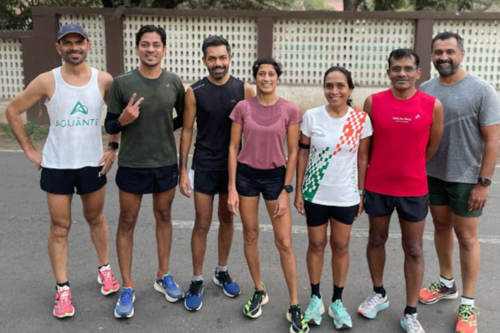
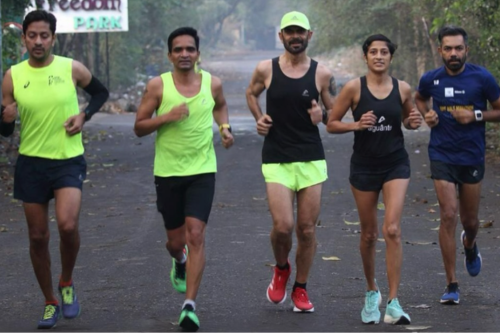
India's running scene is booming from pre-dawn loops around Lodhi Gardens in Delhi to coastal trails in Mumbai and evening jogs in Bengaluru's Cubbon Park. Yet the country's climate throws every challenge at runners: blistering dry-season heat that can top 40°C, suffocating humidity that makes every breath feel heavy, sudden downpours during the monsoon, and chilly winter mornings in the north. The gear that works perfectly in temperate climates quickly becomes a liability here. The good news? With thoughtful adaptations, runners can stay comfortable, safe, and fast no matter what the weather dishes out.
As participation in marathons, trail runs, and casual jogging surges across Indian cities, the demand for performance gear tailored to local realities has never been higher. Smart choices in fabrics, fit, and function turn potential misery into enjoyable miles.
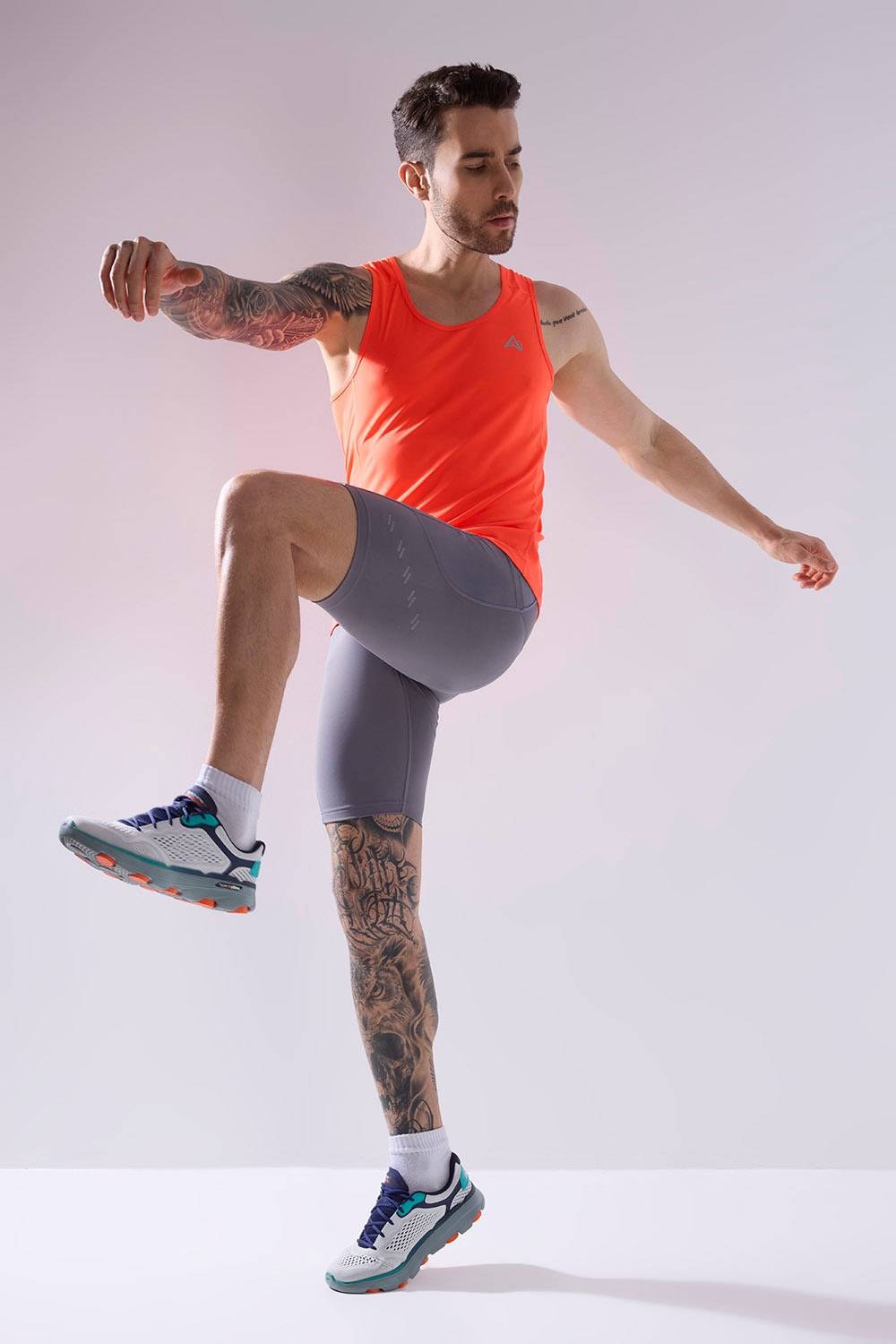
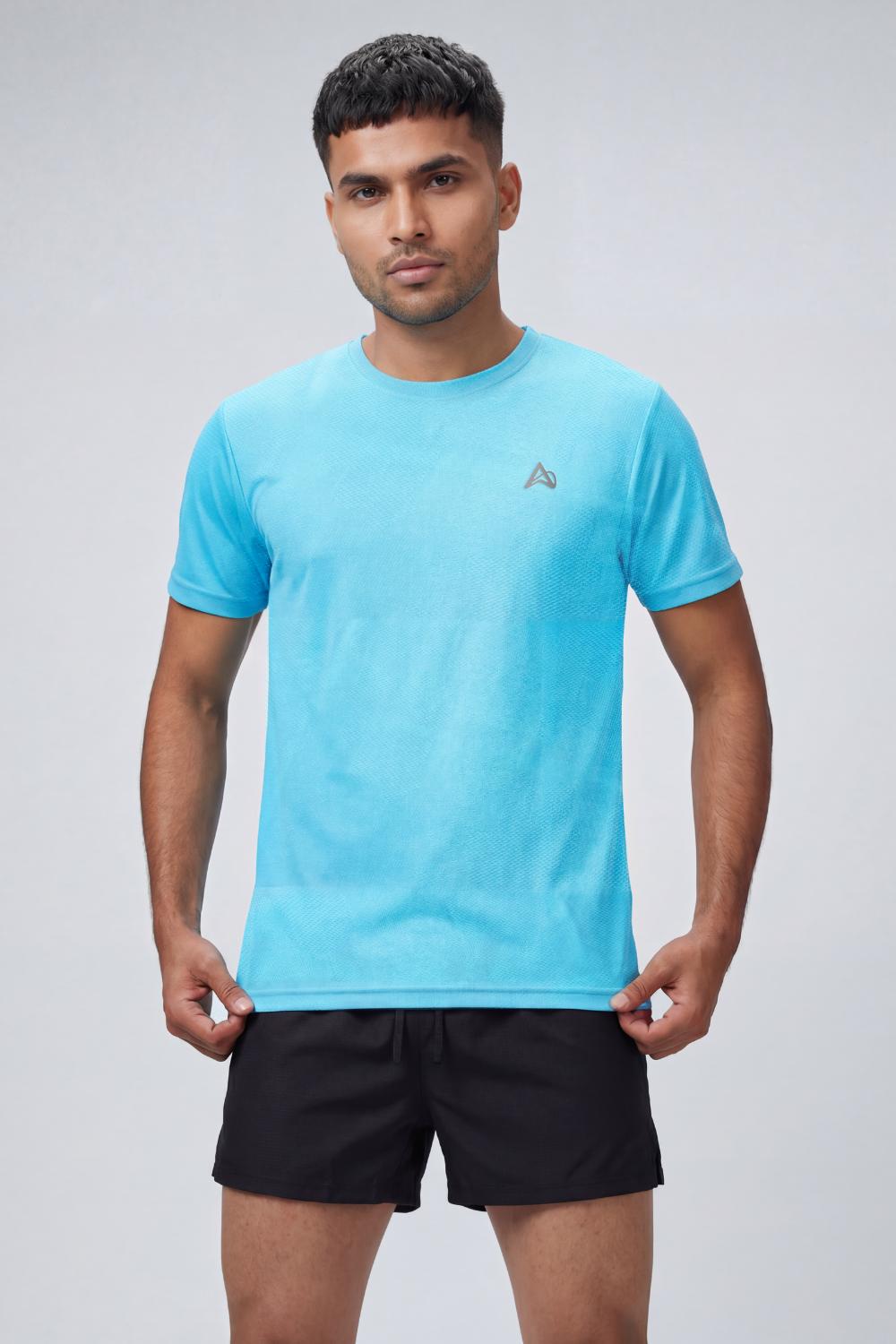
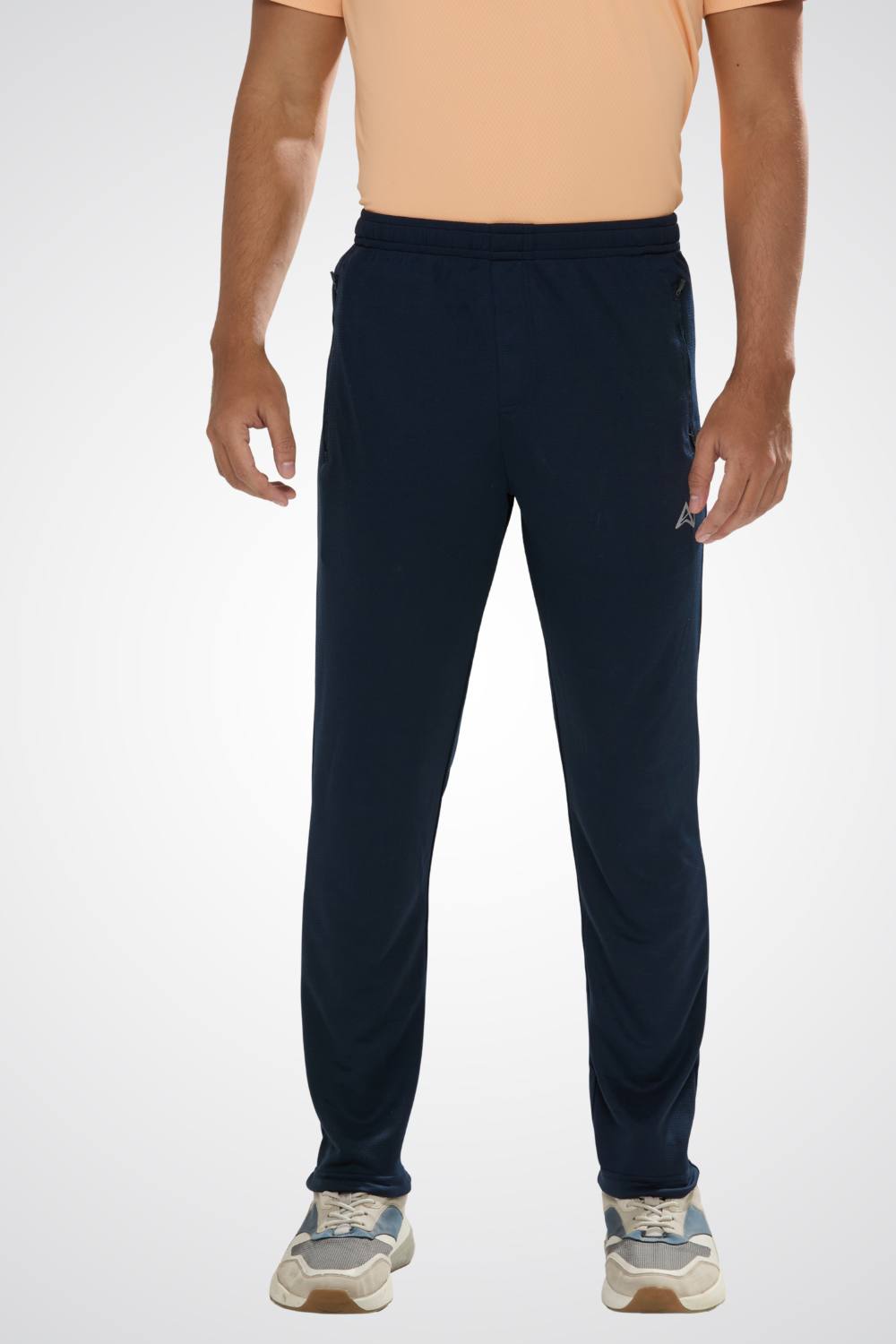
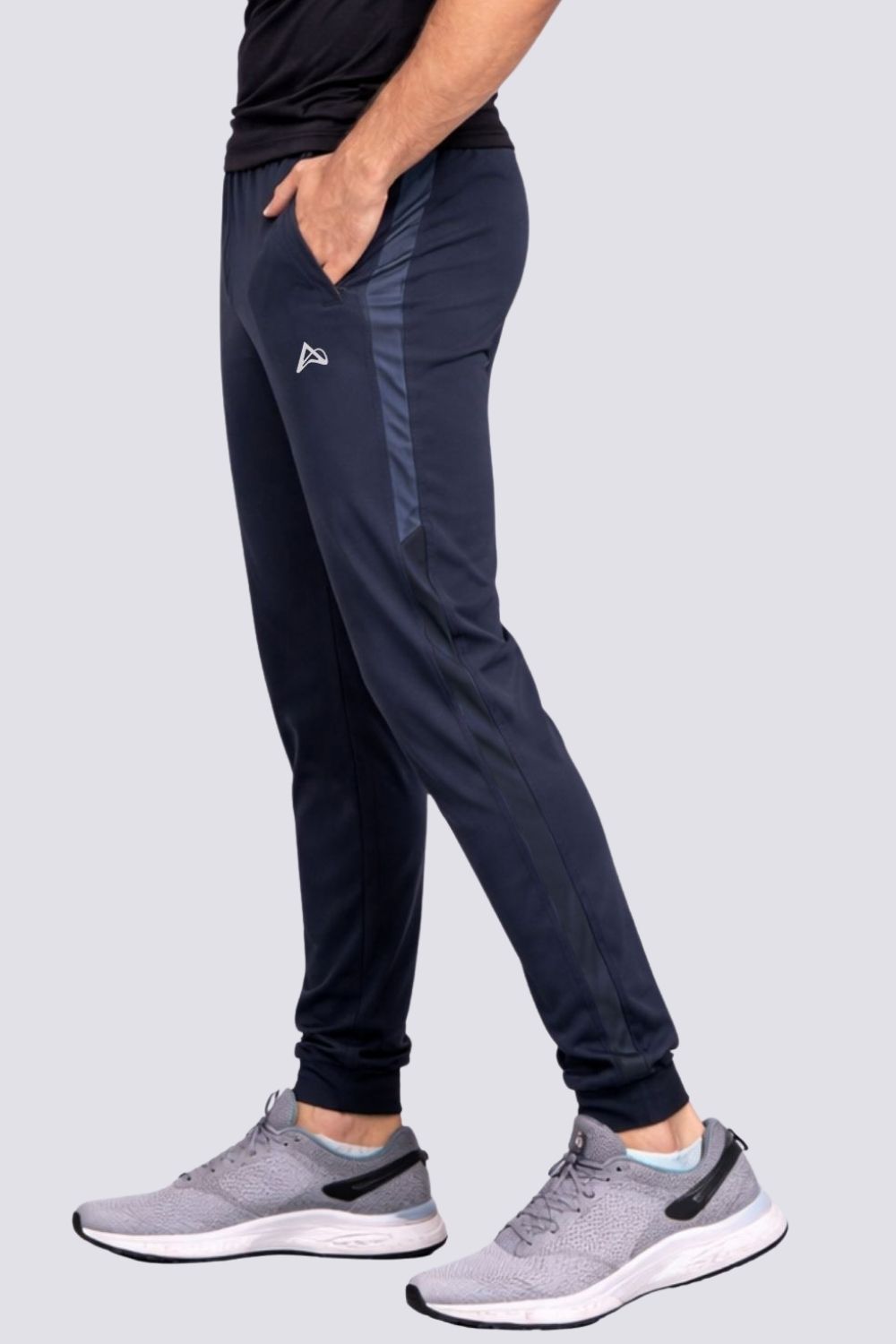
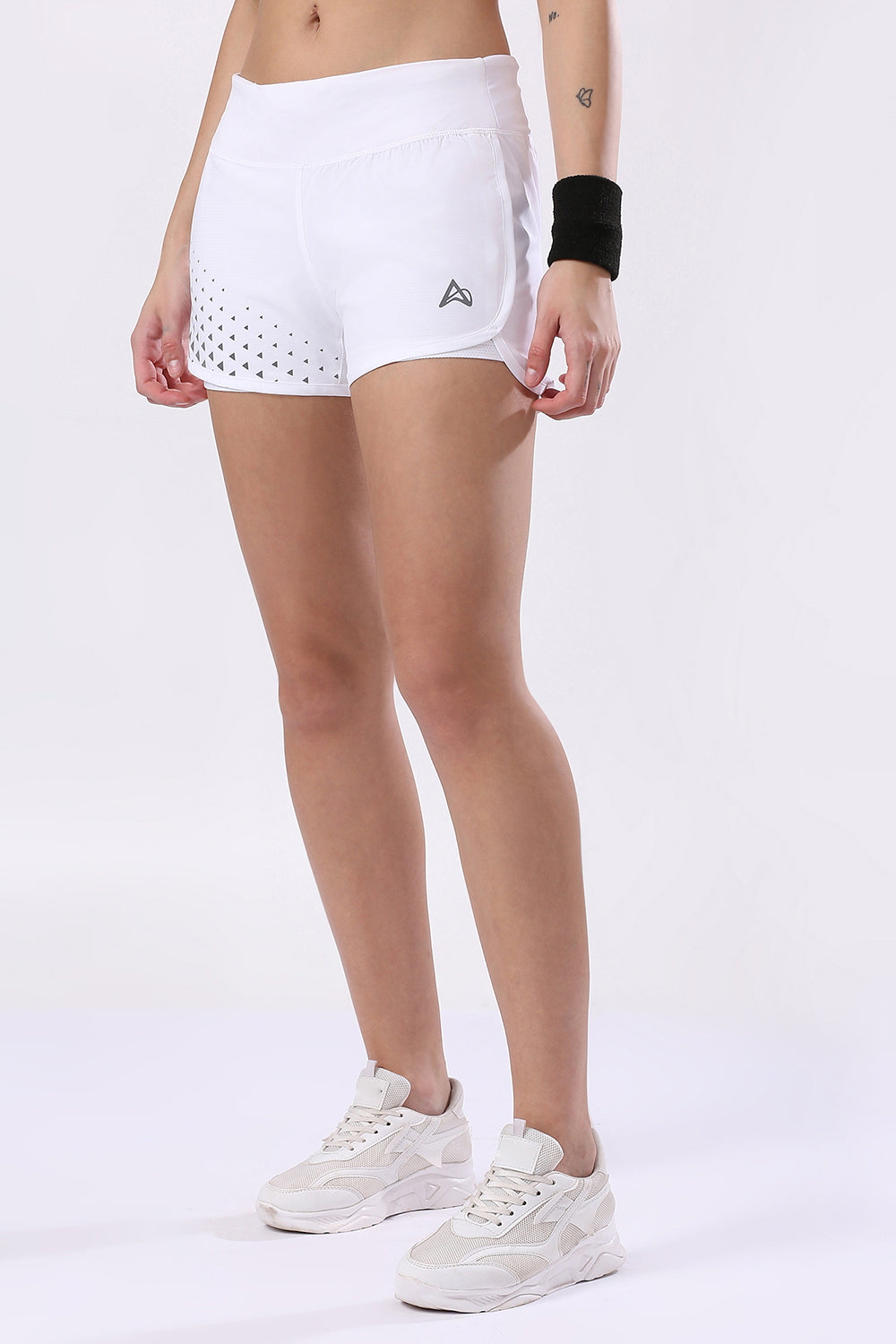
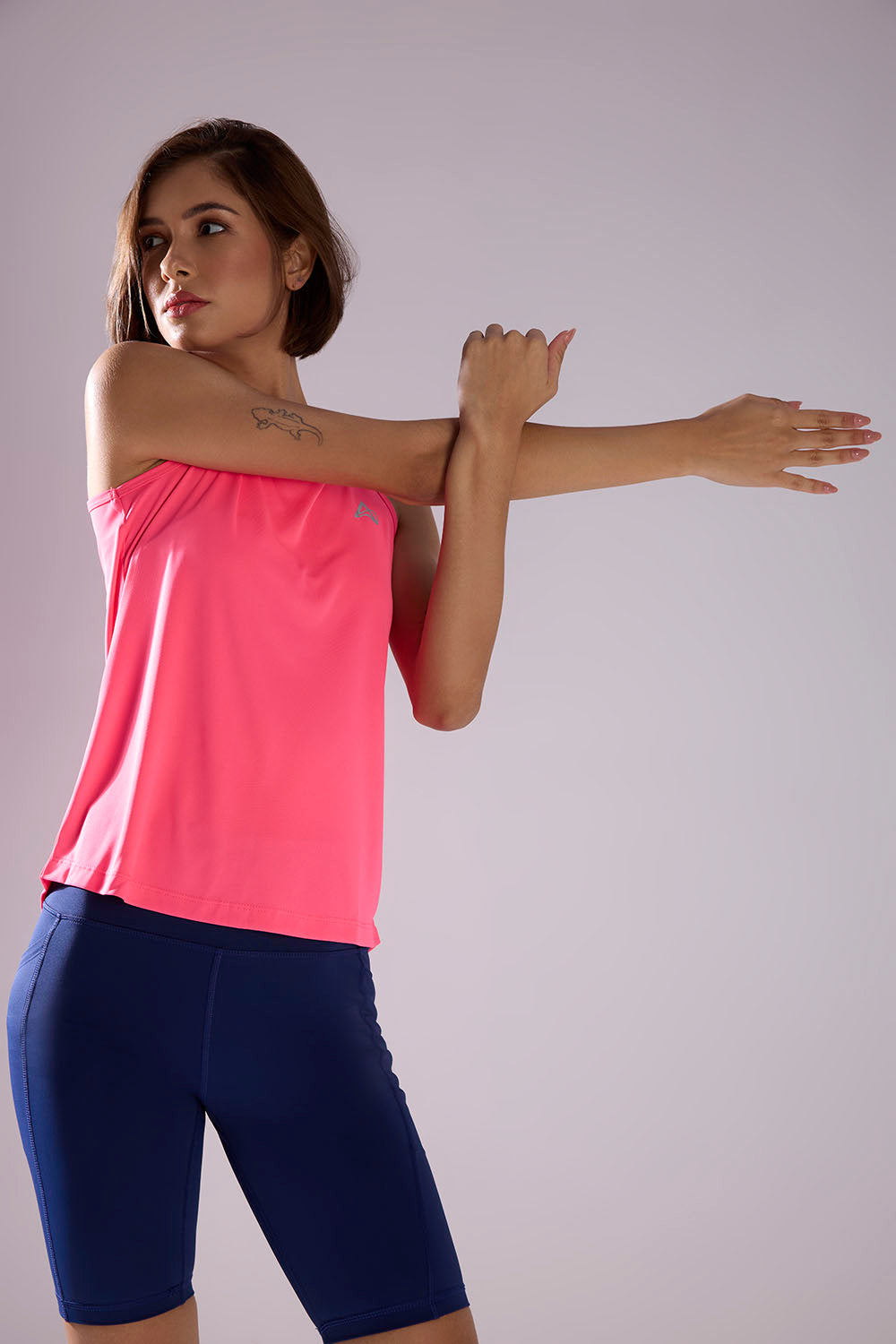
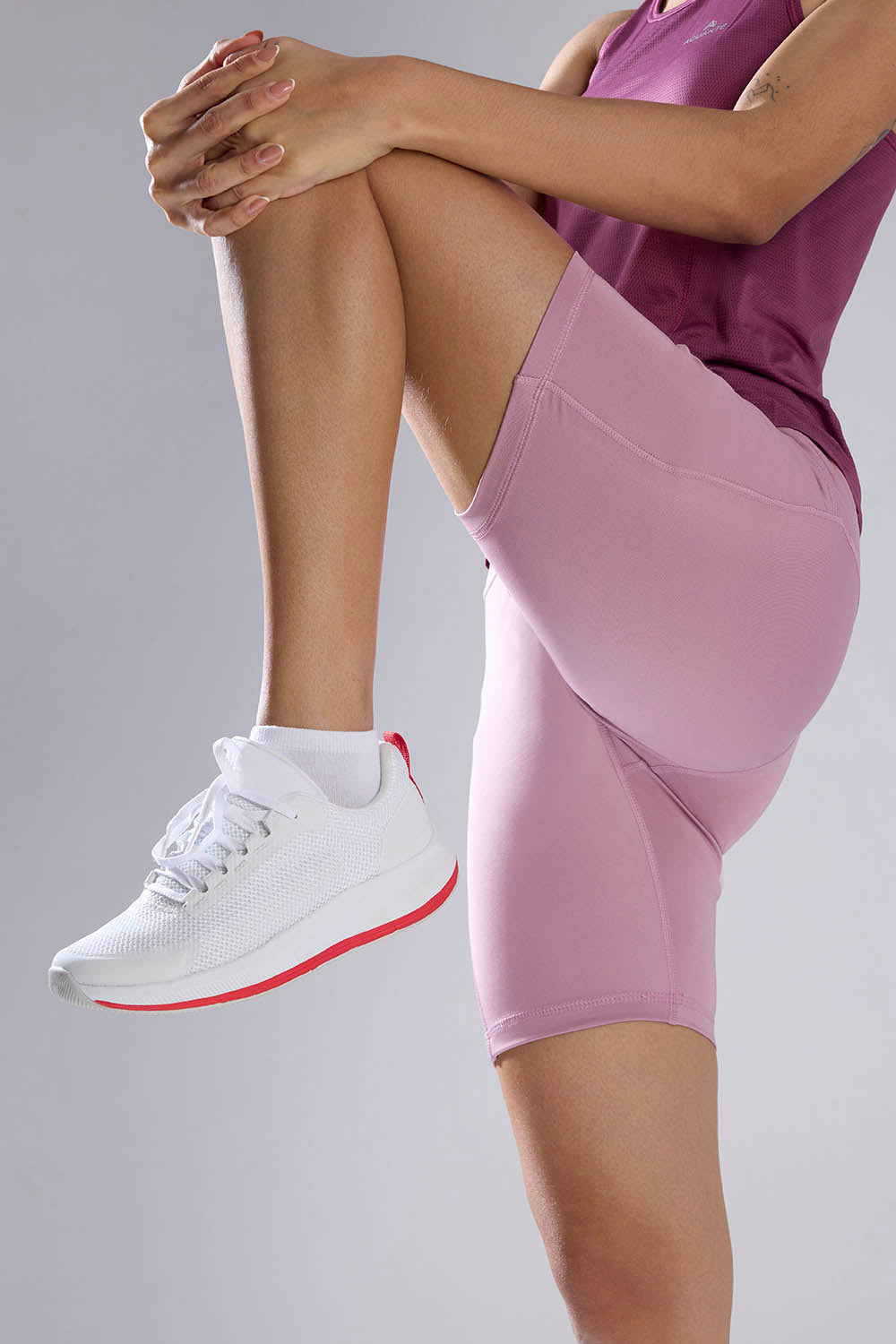
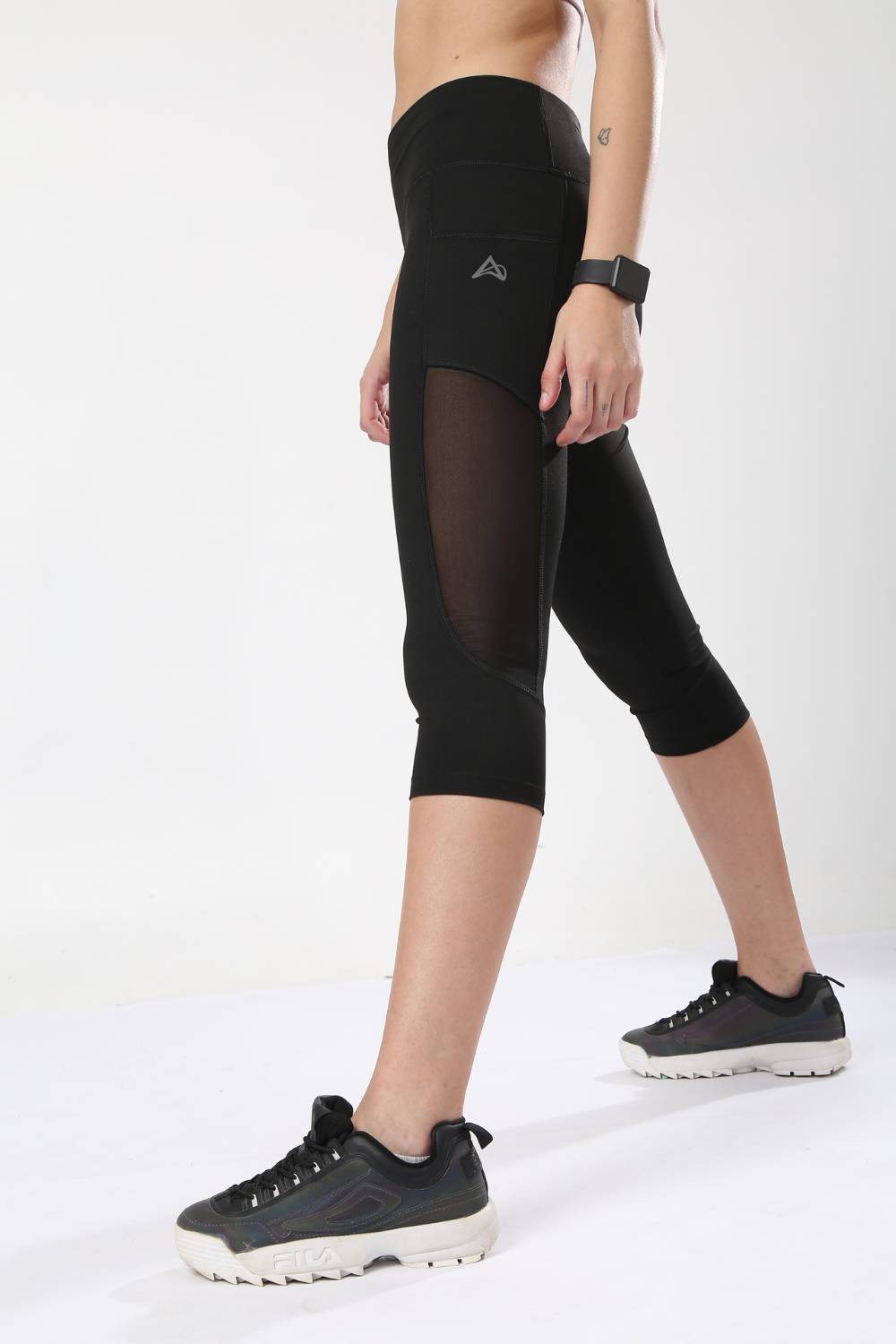
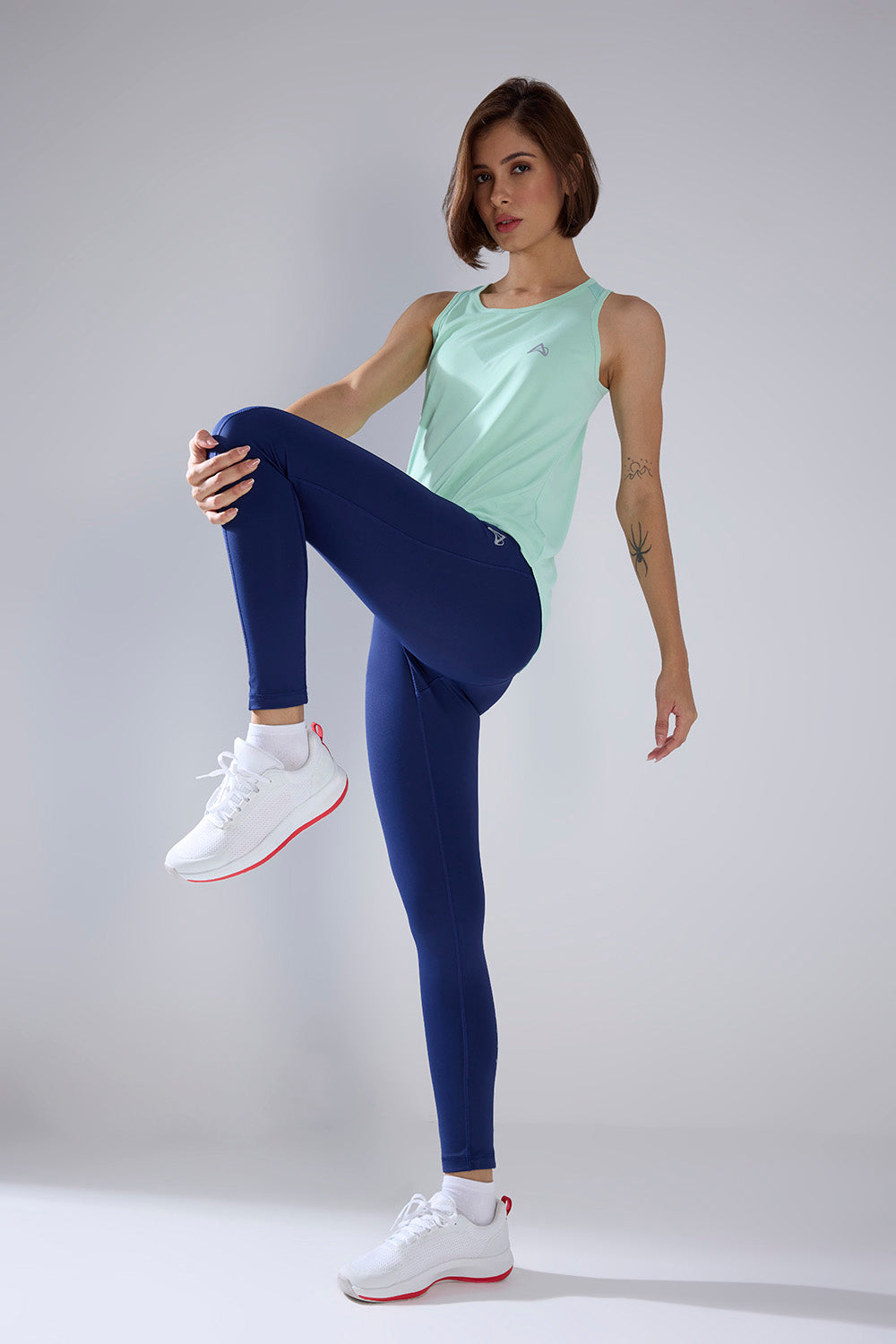
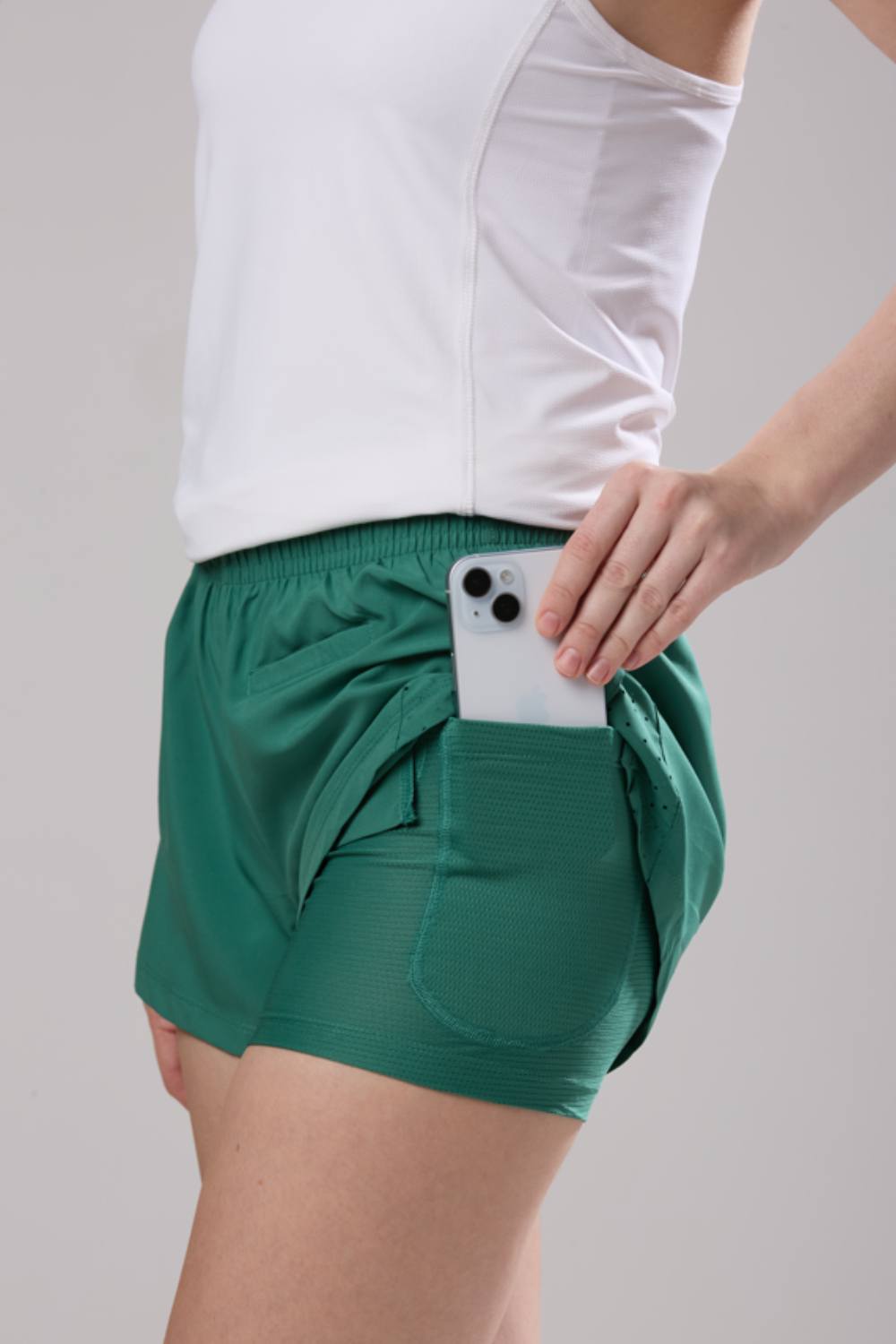
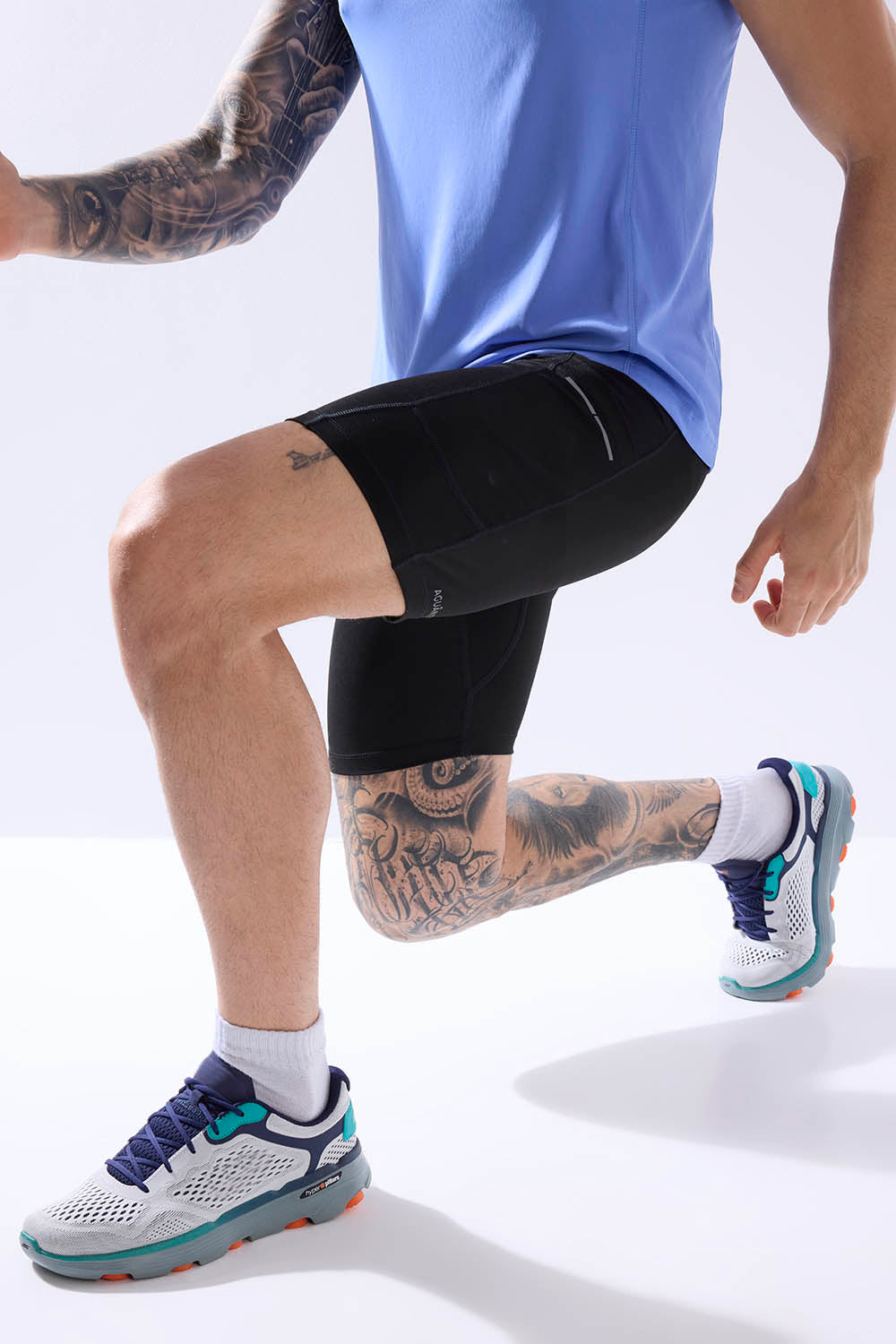
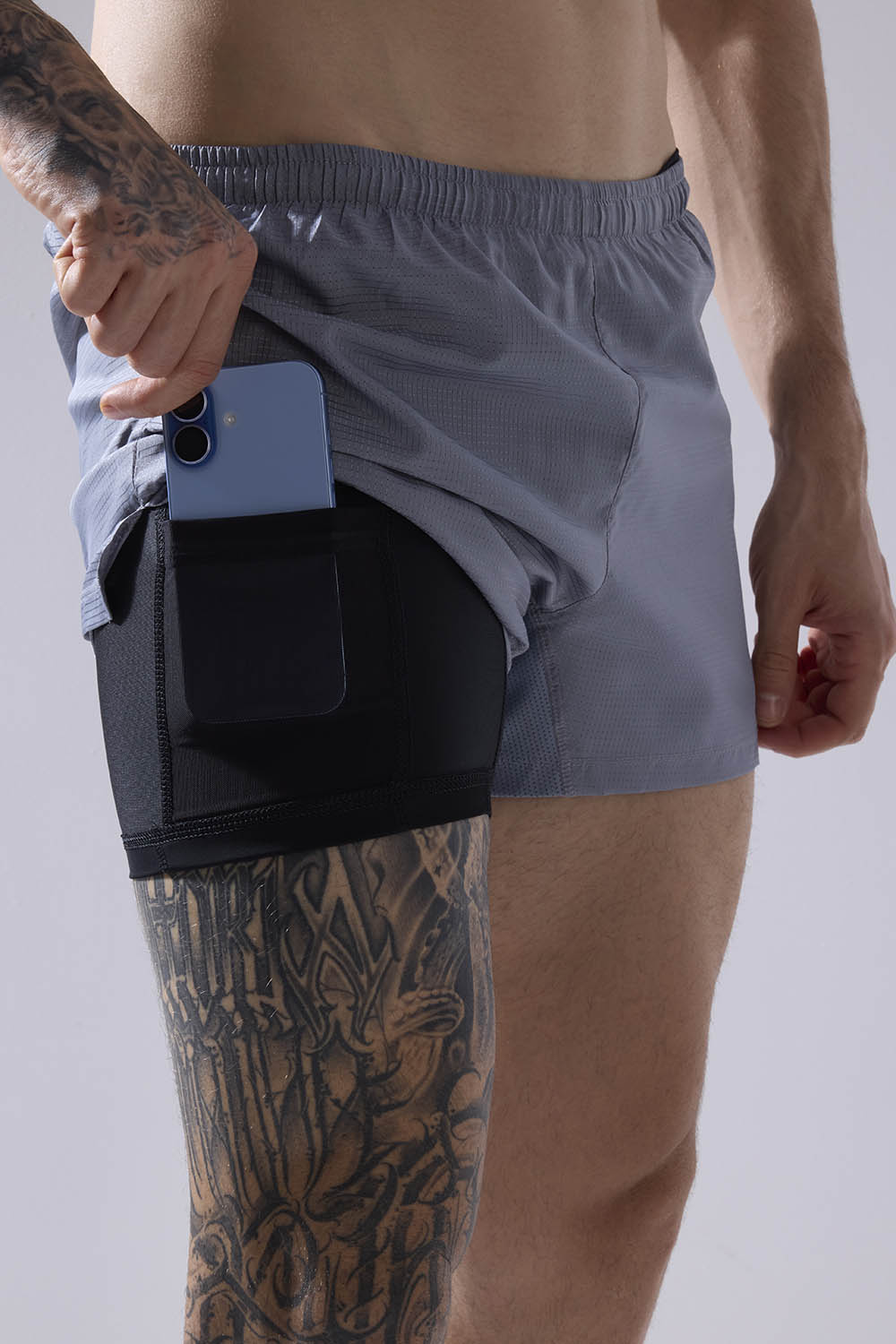
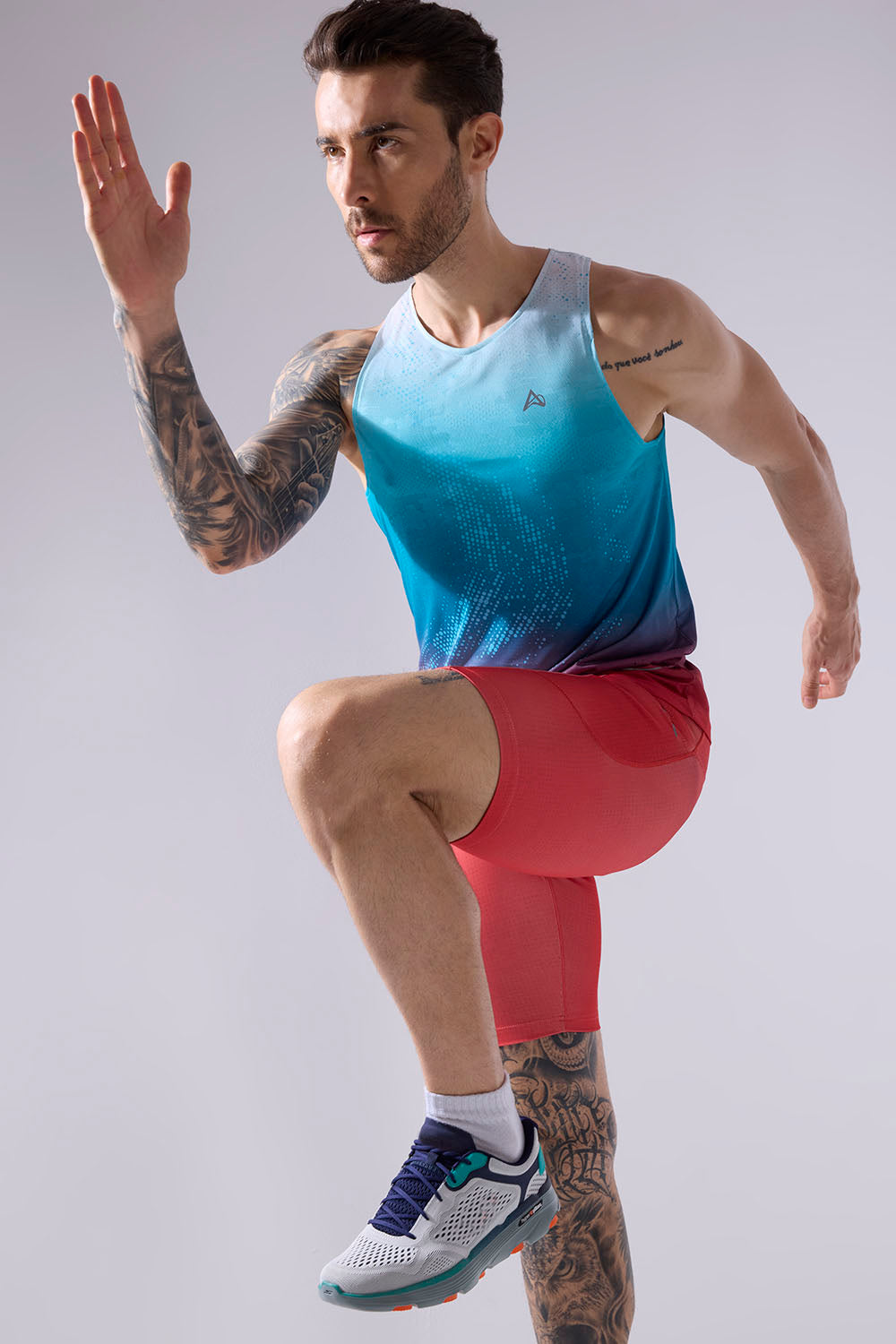
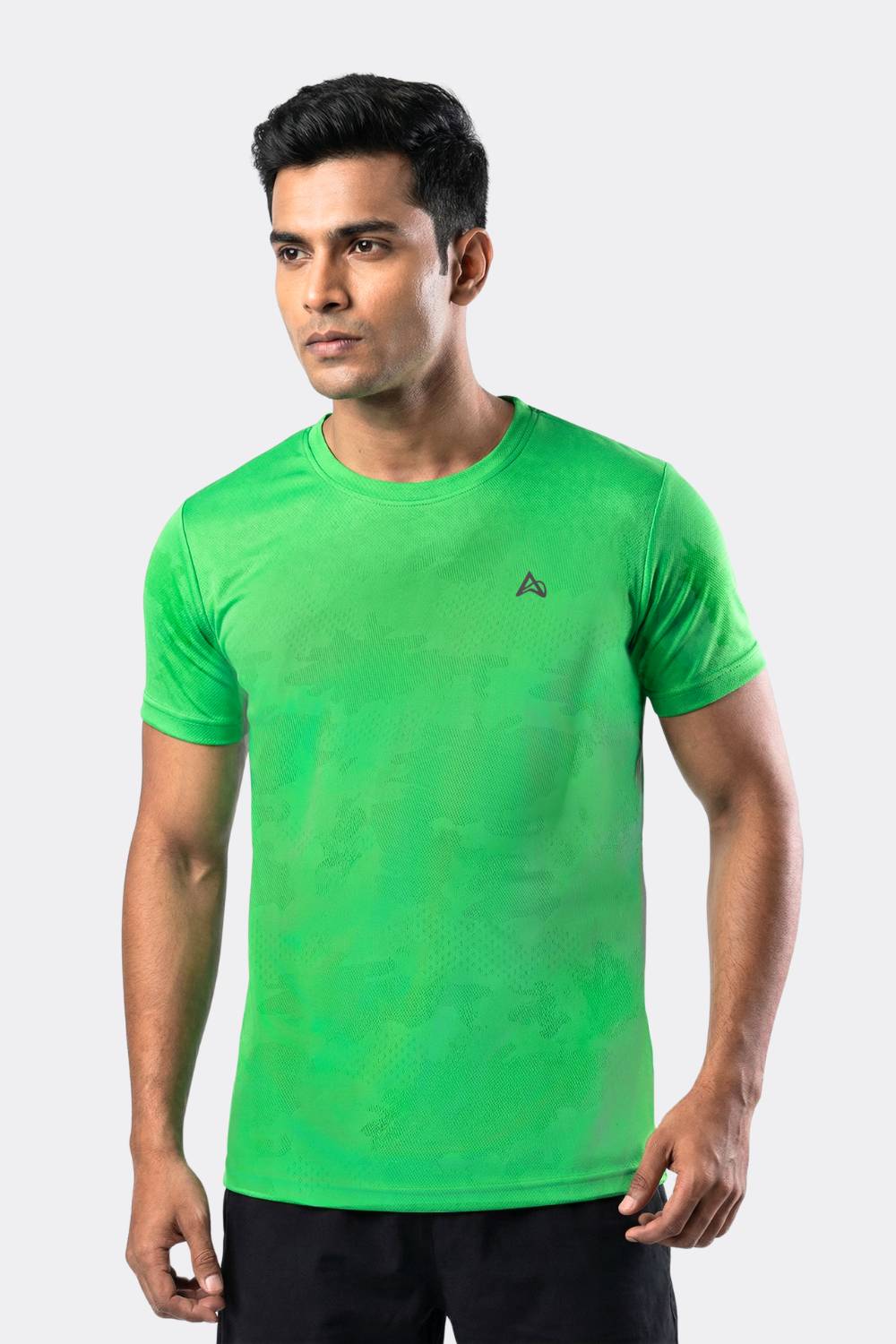
Tired of gear that slows you down? Chafing, soggy fabrics, and missing pockets kill your run's momentum. At Aguante, we're runners who get it. Our high-performance activewear features moisture-wicking fabrics, ergonomic designs, and smart storage to keep you focused. Shop Now!
Understanding India's Running Weather Extremes
Most of India experiences a tropical or subtropical climate with distinct seasons that directly affect how gear performs. Summer brings intense heat and high humidity, especially along the coasts and in the Gangetic plains, where the heat index frequently exceeds 45°C. The monsoon arrives between June and September, delivering heavy rain, waterlogged paths, and persistent dampness. Post-monsoon autumn and winter offer relief in many regions, but northern cities can dip below 10°C with biting early-morning fog.
These swings demand versatile, season-specific choices rather than one-size-fits-all equipment. What keeps you cool and dry in April might leave you soaked and chilled in July.
The global running gear market size was valued at USD 44.18 Billion in 2024. Looking forward, IMARC Group estimates the market to reach USD 69.86 Billion by 2033, exhibiting a CAGR of 5.18% from 2025-2033. North America currently dominates the market, holding a market share of over 31.1% in 2024. The running gear market share is driven by moderate growth driven by ongoing technological advancements, increasing health and fitness consciousness among consumers, and rising participation in marathons, trail running, and other organized running events.
Choosing Fabrics That Beat Heat and Humidity
In India's hot, humid months the single most important decision is fabric. Cotton, once the default for T-shirts and shorts, absorbs sweat and holds it against the skin, leading to chafing, heavier weight, and that clammy feeling that kills motivation. Instead, prioritize synthetic blends engineered for moisture management.
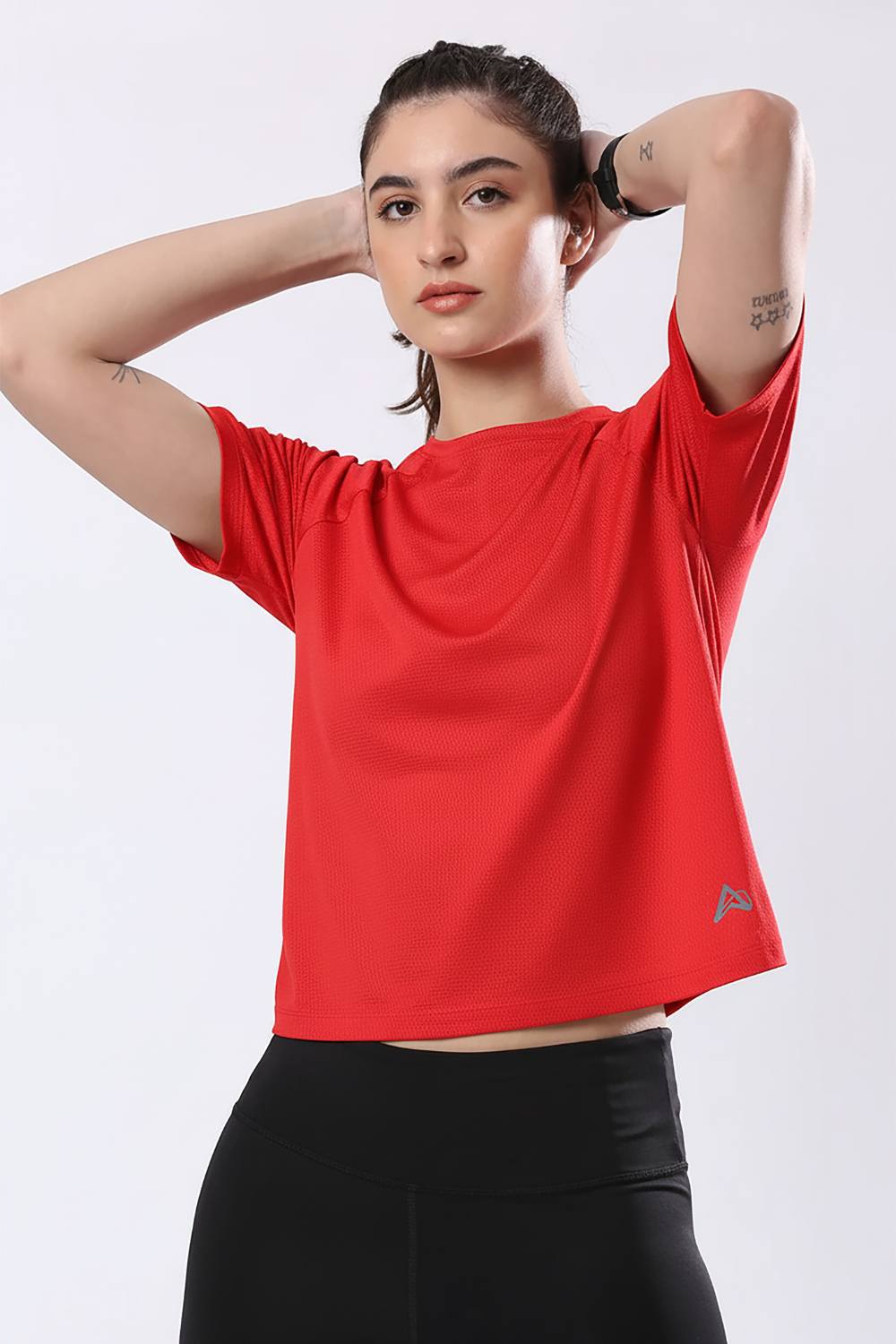
Polyester and nylon dominate modern running apparel because they wick sweat efficiently to the surface where it evaporates. Many premium pieces now incorporate moisture-wicking technologies with hydrophilic yarns that pull perspiration away and hydrophobic treatments that speed drying. Lightweight mesh panels on the chest, back, and underarms boost airflow, critical when humidity hovers at 80% or higher.
For extra-hot days, look for shirts and singlets labeled "hyper-breathable" or featuring strategic ventilation zones. Loose, relaxed fits allow air to circulate rather than trapping heat close to the body. In practice, a well-chosen technical tee can make the difference between cutting a run short and logging the full planned distance.
The global Runner Community Platform market size reached USD 1.72 billion in 2024, driven by the increasing adoption of digital solutions among runners and running organizations worldwide. The market is expected to expand at a CAGR of 12.8% during the forecast period, reaching a value of USD 5.10 billion by 2033.
Monsoon-Proof Gear: Staying Dry Without Overheating
When the rains arrive, the priority shifts from pure breathability to a balance of water resistance and ventilation. Fully waterproof jackets often cause runners to overheat in India's warm monsoon temperatures, turning the inside into a personal sauna.
Lightweight water-repellent shells with DWR (durable water-repellent) coatings shed light to moderate rain while still allowing vapor to escape. Pair them with quick-drying shorts and tops in synthetic fabrics that continue to wick even when wet. Anti-chafing seams and flatlock stitching prevent irritation from soaked fabric rubbing during long efforts.
Shoes present the biggest monsoon challenge. Standard mesh uppers drain quickly but offer little protection against deep puddles and muddy trails. Many runners switch to shoes with engineered mesh that balances drainage and debris protection, or opt for models with Gore-Tex-like membranes only if they run in cooler hill stations. For city roads during heavy rain, grippy outsoles with deep lugs channel water away and maintain traction on slick surfaces.
A simple but effective monsoon kit might include:
- Breathable, water-repellent cap or visor to keep rain out of eyes
- Reflective accents for low-visibility wet mornings
- Spare dry socks stashed in a waterproof pouch for post-run comfort
Footwear Adaptations for Varied Indian Terrains
India's running surfaces range from smooth urban asphalt to rocky Himalayan trails and muddy village paths. In humid heat, breathable mesh uppers prevent feet from stewing inside shoes. Cushioned midsoles absorb impact on concrete, while rock plates protect against sharp stones on trails.
During monsoon, drainage ports or perforated midsoles help water escape quickly, reducing the risk of blisters from prolonged wetness. Many Indian runners favor shoes with aggressive lug patterns for grip on wet roads and trails, yet still light enough for daily training.
Fit matters enormously in heat feet swell during long, sweaty runs, so half a size up with room in the toe box prevents black toenails and hotspots. Breathable socks in thin, synthetic blends or merino wool further reduce moisture buildup inside the shoe.
Layering Smartly for Temperature Swings
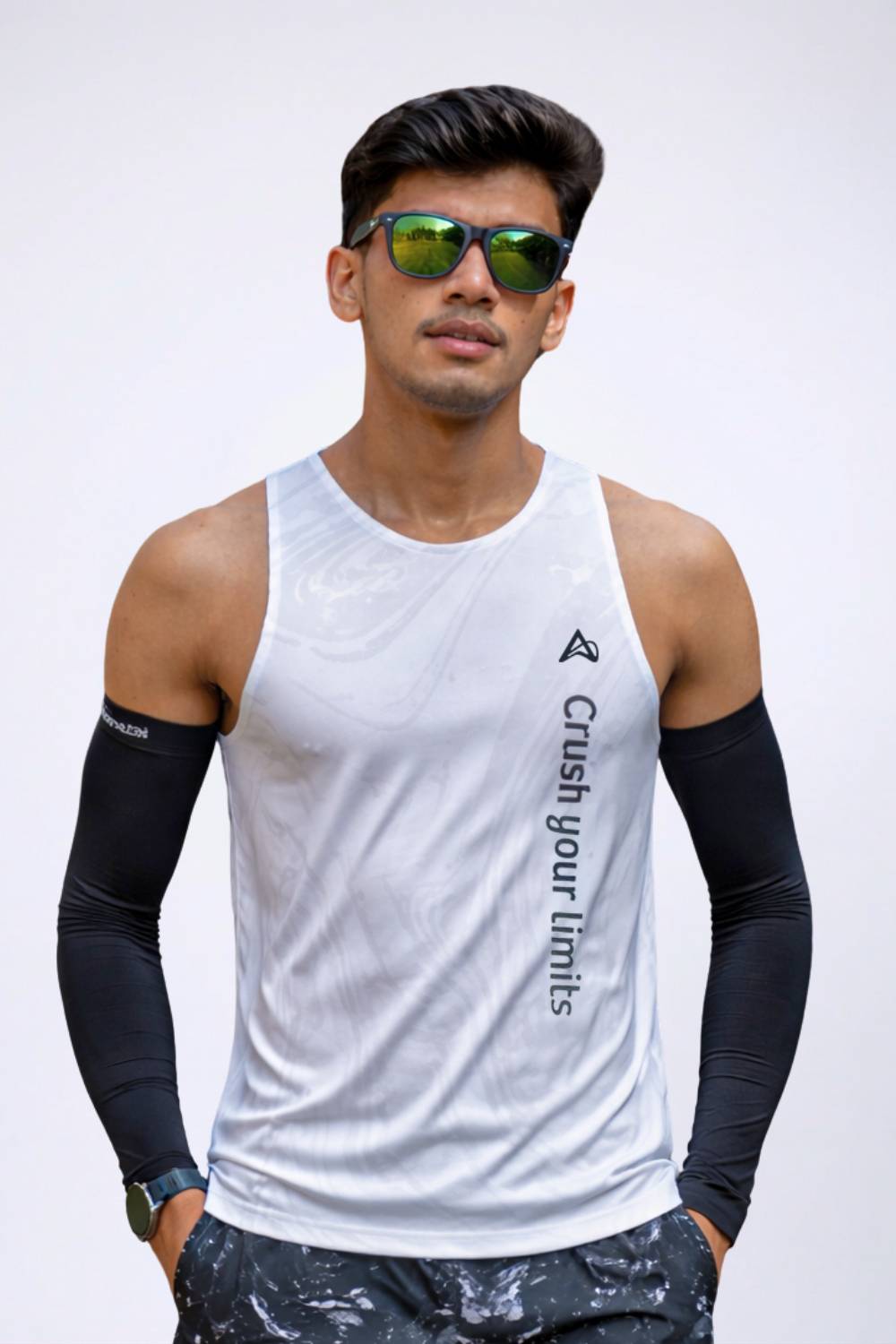
Early-morning runs in winter Delhi or hill stations require light layering that can be shed as the sun rises. A thin, long-sleeve base layer in moisture-wicking fabric provides warmth without bulk, while a packable wind shell blocks chilly breezes. Arm sleeves offer on-the-fly adjustability pull them up for warmth, push down when temperatures climb.
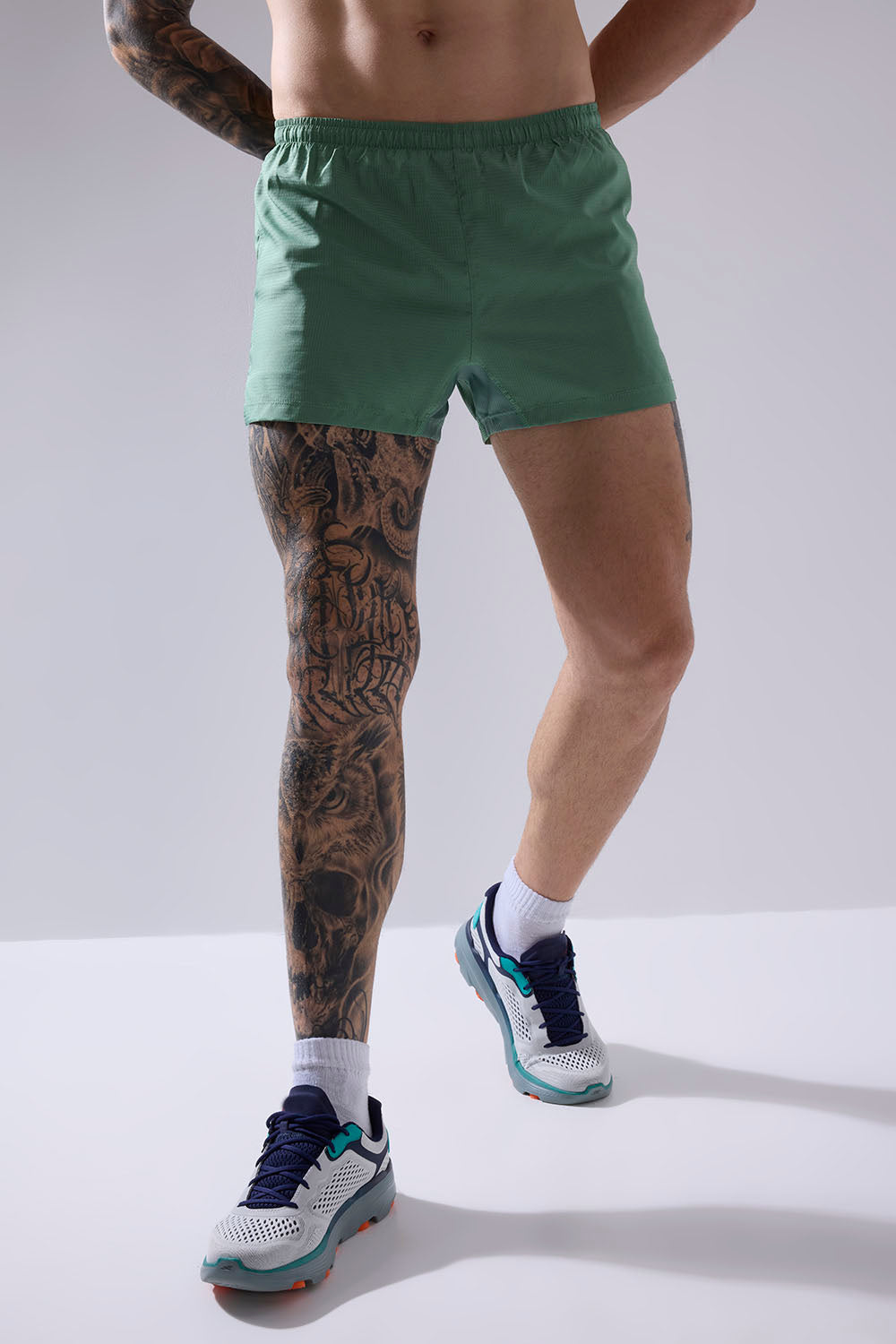
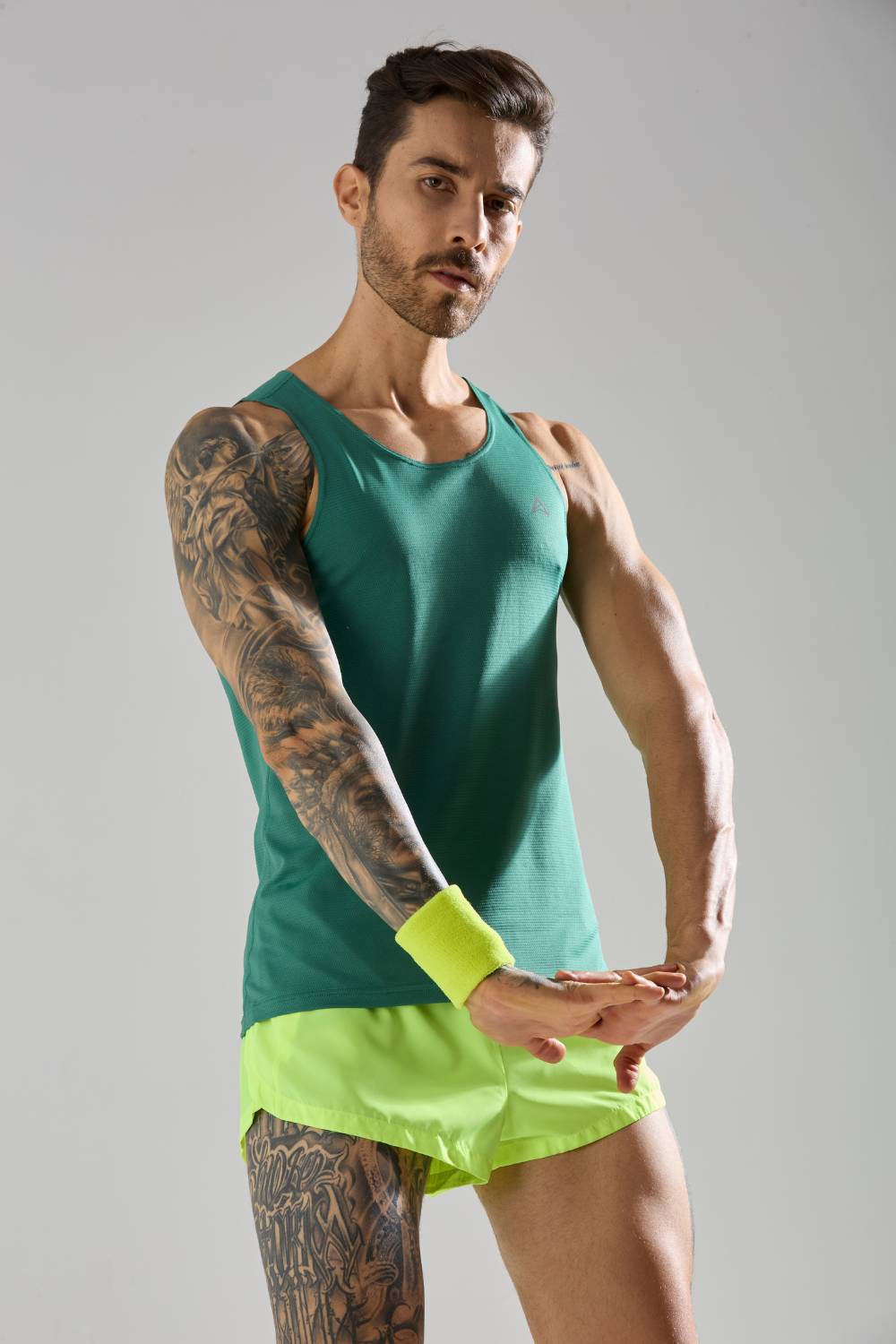
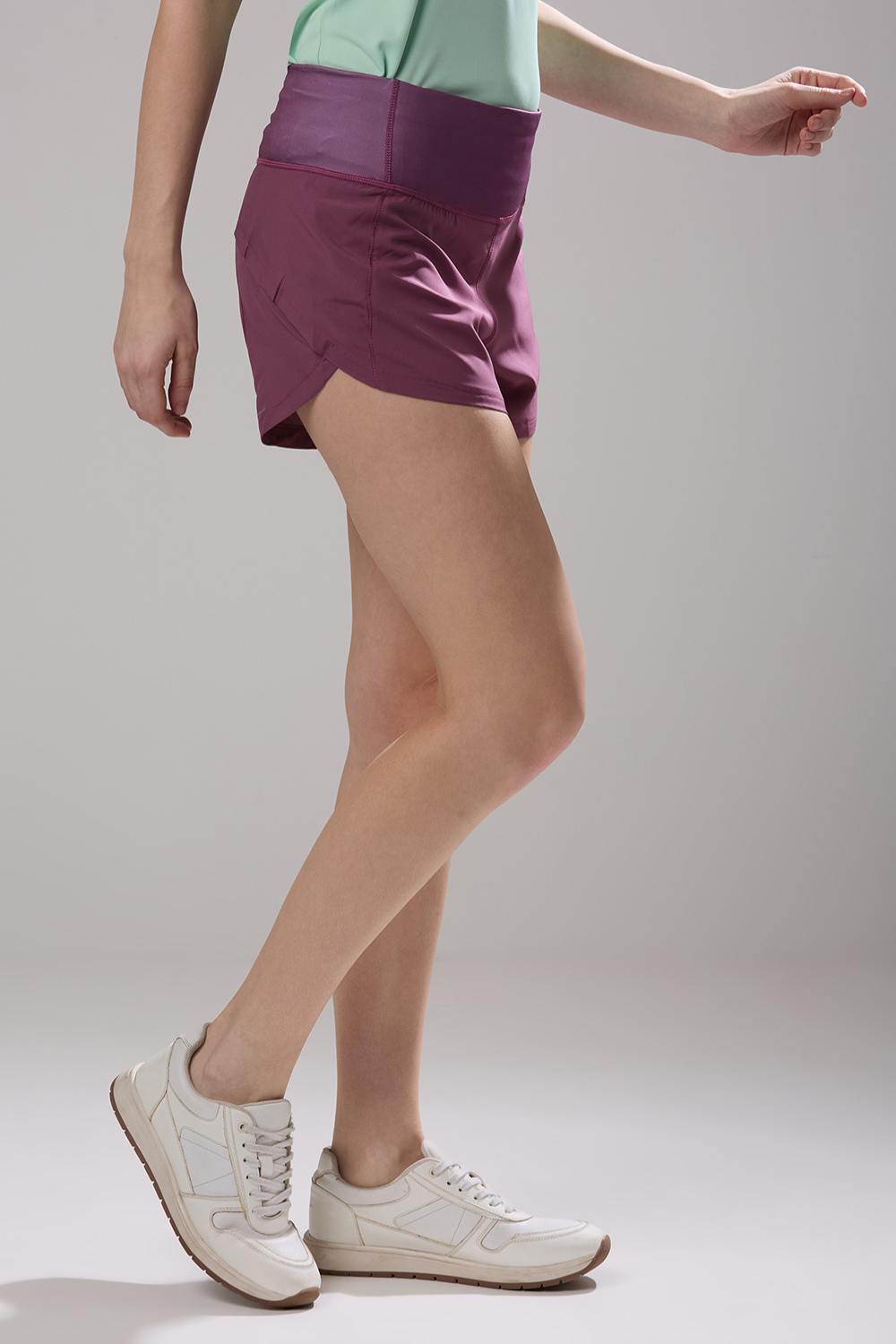
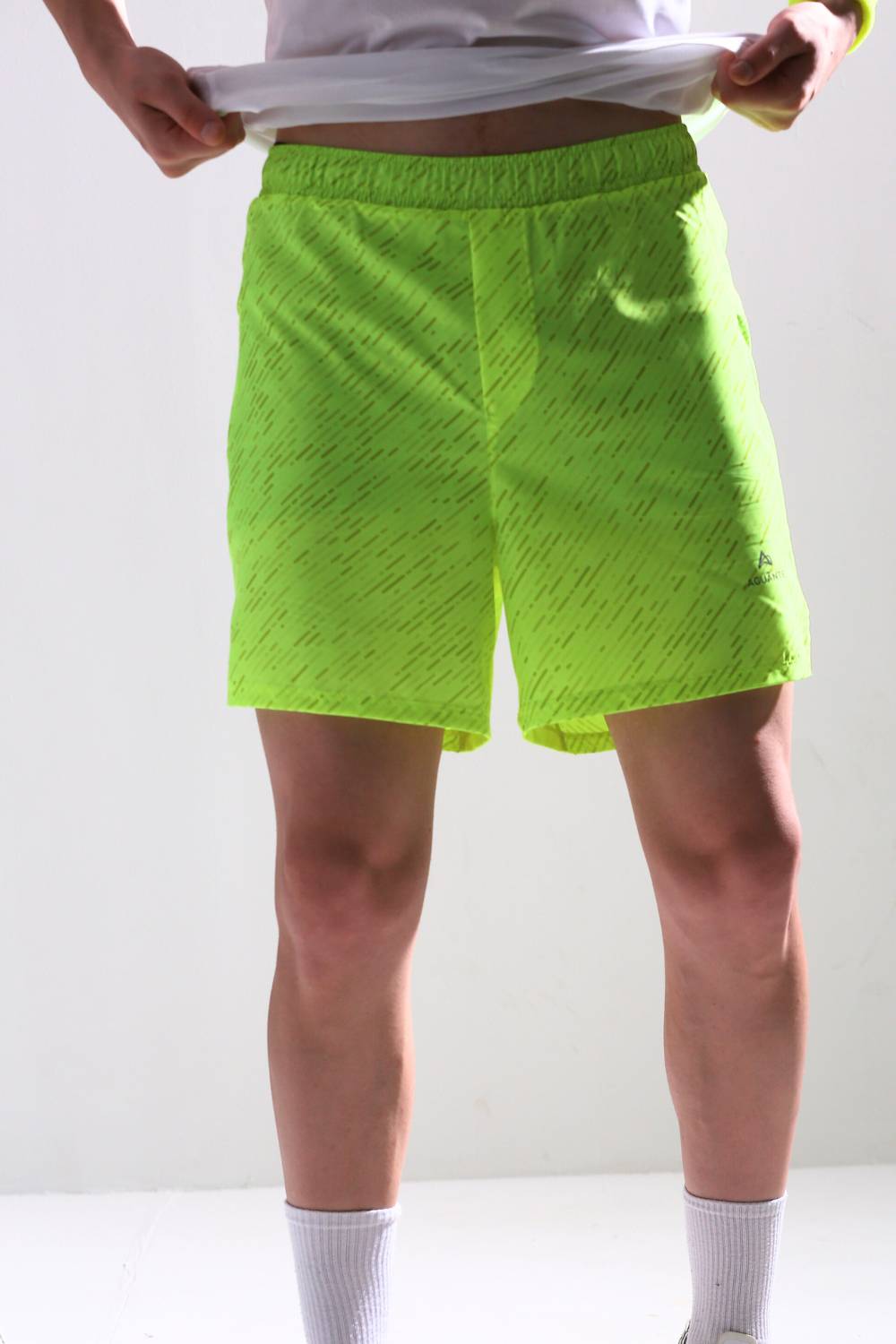
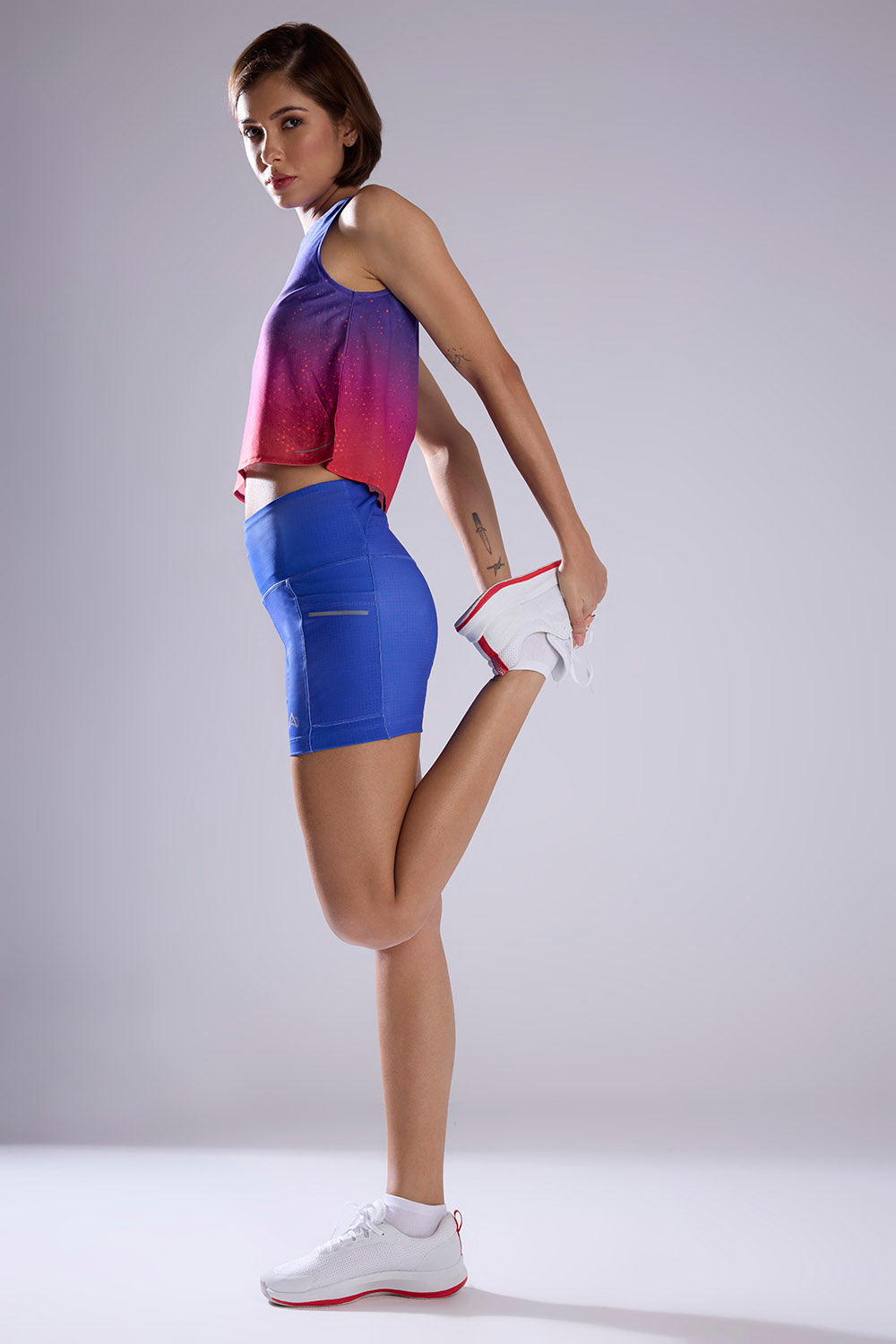
In contrast, summer demands minimal coverage. Sleeveless tops, split shorts, and visors keep the body ventilated. Hydration vests or handheld bottles become essential as sweat rates soar and water stations may be scarce outside major city races.
Accessories That Make a Real Difference
Small items often deliver outsized comfort in tough conditions. A good running cap or visor shields the face from sun and rain. Anti-slip sunglasses cut glare on bright days. Lightweight gloves can prevent numb fingers on cold mornings without overheating palms.
Sunscreen rated for sweat resistance protects exposed skin, while anti-chafe balms guard inner thighs and underarms during humid efforts. For trail runners, gaiters keep dust, pebbles, and monsoon mud out of shoes.
Looking Ahead: The Growing Indian Running Market
The appetite for better gear reflects broader trends. Rising health consciousness has fueled participation in running, with more Indians embracing the sport for fitness and community. While North America still leads in certain segments of the global market, Asia including India is among the fastest-growing regions thanks to urbanization, smartphone adoption, and wellness awareness.
Brands are responding with collections designed specifically for humid, tropical climates, incorporating advanced wicking and quick-dry technologies that suit local needs far better than imports built for cooler weather.
Final Thoughts on Running India's Seasons
Adapting gear to India's unique weather doesn't require an entirely new wardrobe just intentional choices that respect heat, humidity, rain, and occasional cold. Start with high-quality moisture-wicking basics, add season-specific pieces as needed, and experiment during shorter runs before committing to race day. The payoff is consistent training, fewer interruptions, and more enjoyment of the miles, whether you're chasing a personal best or simply savoring the sunrise over a sleeping city.
With the right setup, India's challenging climate stops being an obstacle and becomes part of what makes running here so rewarding.
Frequently Asked Questions
What is the best running fabric for India's hot and humid climate?
The best fabrics for running in India's heat and humidity are synthetic blends like polyester and nylon, which feature moisture-wicking technology to pull sweat away from the skin and speed up evaporation. Avoid cotton, as it absorbs moisture and holds it against the body, causing chafing and discomfort. Look for shirts labeled "hyper-breathable" with mesh ventilation panels on the chest, back, and underarms to maximize airflow, especially when humidity exceeds 80%.
What running gear should I wear during the Indian monsoon season?
During the monsoon, opt for lightweight water-repellent shells with DWR (durable water-repellent) coatings that shed rain while still allowing sweat vapor to escape fully waterproof jackets tend to cause overheating in India's warm monsoon temperatures. Pair these with quick-drying synthetic shorts and tops, and choose running shoes with engineered mesh uppers for drainage and grippy outsoles with deep lugs for traction on wet, slippery surfaces. Accessories like a breathable water-repellent cap and reflective accents for low-visibility mornings can also make a significant difference.
How should I choose running shoes for India's varied terrain and weather?
Running shoe selection in India should account for both terrain and season breathable mesh uppers and cushioned midsoles suit urban roads and summer heat, while aggressive lug patterns provide grip on wet monsoon trails and roads. In humid conditions, look for shoes with drainage ports or perforated midsoles to prevent blisters from prolonged wetness. Since feet swell during long runs in the heat, sizing up by half a size and pairing shoes with thin synthetic or merino wool socks can prevent hotspots and black toenails.
Disclaimer: The above helpful resources content contains personal opinions and experiences. The information provided is for general knowledge and does not constitute professional advice.
You may also be interested in: Marathon Growth in India Influences Gear Choices for Endurance
Tired of gear that slows you down? Chafing, soggy fabrics, and missing pockets kill your run's momentum. At Aguante, we're runners who get it. Our high-performance activewear features moisture-wicking fabrics, ergonomic designs, and smart storage to keep you focused. Shop Now!
Powered by flareAI.co