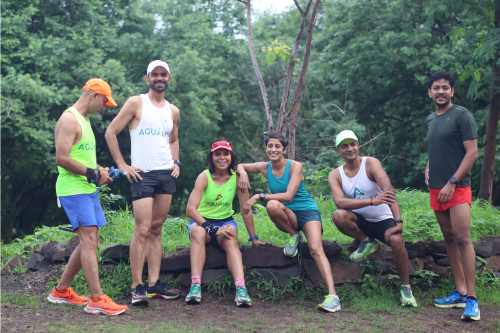
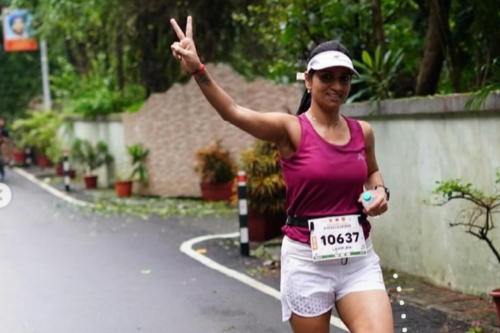
Long-distance running is a pursuit that demands not only endurance and mental focus but also careful attention to comfort and injury prevention. One of the most common challenges runners face, especially during extended runs, is chafing a form of skin irritation caused by friction between clothing and skin. While many runners may attribute discomfort solely to physical exertion, the role of properly designed activewear is often underestimated. Choosing the right running apparel can dramatically reduce irritation, improve performance, and make long runs a more enjoyable experience.
Tired of gear that slows you down? Chafing, soggy fabrics, and missing pockets kill your run's momentum. At Aguante, we're runners who get it. Our high-performance activewear features moisture-wicking fabrics, ergonomic designs, and smart storage to keep you focused. Shop Now!
The Science Behind Chafing and Skin Irritation
Chafing occurs when repeated friction affects the skin, often in areas such as the inner thighs, underarms, nipples, and around the waistline. Sweat and moisture exacerbate this friction, softening the skin and making it more susceptible to irritation. For long-distance runners in cities like Bangalore or Pune, where humidity levels can be high, managing moisture through effective clothing choices is critical. Runners frequently report that discomfort from improper clothing can lead to shortened training sessions or even long-term skin issues, emphasizing the need for apparel that balances fit, support, and breathability.
Proper activewear designed to prevent chafing integrates features such as flatlock seams, ergonomic cuts, and strategic paneling. These design elements reduce friction points and minimize the skin-to-fabric contact that often causes soreness. Beyond fabric choice, garment construction plays a key role: even moisture-wicking fabrics can irritate if seams or stitching create pressure points in high-friction areas.
Choosing the Right Fabrics for Long Runs
Fabric selection is perhaps the most significant factor in reducing chafing and maintaining comfort over long distances. Materials like polyester blends, nylon, and technical fabrics are engineered to draw sweat away from the skin, allowing it to evaporate more efficiently. For example, moisture-wicking running gear is essential in cities such as Mumbai or Hyderabad, where high temperatures combined with intense training can lead to excessive sweating. Natural fibers like cotton, while comfortable for casual wear, tend to retain moisture and exacerbate friction, making them less suitable for endurance running.
Additionally, some activewear brands incorporate anti-microbial treatments into their fabrics to reduce odor and bacterial growth caused by prolonged sweating. These treatments not only maintain hygiene but also help reduce skin irritation by preventing the buildup of bacteria in areas prone to friction. When selecting long-distance running clothing, it's important for runners to prioritize both moisture management and fabric durability to ensure consistent comfort across multiple training sessions.
Importance of Proper Fit and Ergonomic Design
A well-fitted garment can dramatically reduce chafing by minimizing excess movement and fabric bunching. Running apparel should follow the natural contours of the body without being overly tight, which could constrict circulation, or too loose, which could create friction. Ergonomic running tops, for example, feature tailored cuts and stretchable panels that move with the runner's body, reducing stress on sensitive areas such as the shoulders and chest.
High-performance running shorts and tights often incorporate compression elements that stabilize muscles and prevent skin from rubbing against itself during repetitive motion. In regions like Gurugram and Navi Mumbai, where urban runners may navigate uneven terrain or crowded streets, the combination of ergonomic design and performance fabrics ensures comfort without compromising mobility. Brands investing in these design details are responding to growing consumer demand for apparel that supports long-term running goals without causing discomfort.
Seamless and Flatlock Construction for Maximum Comfort
Seams are a primary source of friction-induced irritation. Traditional stitched garments can create raised edges that rub against the skin, especially during extended activity. Many modern activewear brands now employ flatlock stitching or seamless construction techniques to reduce pressure points. Flatlock seams lie flat against the body and prevent raised stitching from causing irritation, while seamless garments eliminate most friction points entirely. In cities like Delhi and Ahmedabad, where outdoor running can involve varied climates, these construction methods are particularly valuable for runners tackling longer distances in both high humidity and moderate temperatures.
Runners often notice that investing in garments with these construction techniques results in fewer instances of skin redness, sores, or discomfort, allowing for longer, uninterrupted sessions. Over time, the benefits of minimized friction can contribute to more consistent training schedules and improved performance outcomes.
Layering and Climate Considerations
Long-distance running in diverse climates requires thoughtful layering. Lightweight base layers that sit close to the skin can wick moisture and provide a smooth surface, reducing chafing under outer layers. In cooler mornings in Pune or early evenings in Mumbai, runners may layer a moisture-wicking long-sleeve top over a compression base to maintain warmth without adding friction.
Conversely, in hot and humid conditions, breathable and ventilated garments are essential. Mesh panels, laser-cut ventilation, and open-knit zones allow airflow and enhance moisture evaporation. Proper layering ensures that the skin remains dry and friction is minimized, which is crucial for comfort during runs exceeding 10 kilometers or more.
Role of Accessories and Complementary Gear
While clothing is central to reducing chafing, accessories such as anti-chafing balms, technical socks, and supportive undergarments complement apparel performance. Technical socks made with synthetic fibers can prevent blisters by reducing friction between the foot and shoe. Similarly, sports bras designed for high-impact running distribute support evenly, minimizing skin contact points that could lead to irritation. In cities like Surat and Hyderabad, where both urban and park running are popular, these accessories help runners tackle different surfaces without compromising skin comfort.
Anti-chafing balms or lubricants provide an additional layer of protection on particularly sensitive areas. Applied before a run, they form a barrier that reduces friction and can be particularly useful for marathon training or consecutive long-distance sessions. Combined with runner-friendly activewear, these strategies ensure a comprehensive approach to comfort and injury prevention.
Consumer Trends and Industry Insights
The sportswear market in India has been experiencing notable growth, driven by rising health consciousness and increased participation in fitness activities. Sports apparel in India is expanding as brands respond to consumer demand for performance wear that accommodates long-distance running. Urban runners in Bangalore, Mumbai, and Pune are increasingly seeking comfortable running clothes that combine style, moisture management, and ergonomic design.
Premium and international brands are entering the Indian market, supported by e-commerce and local retail expansion. Top wear remains a leading category, with bottom wear showing strong growth in the premium sportswear segment, highlighting consumer preference for high-quality, performance-focused activewear. These market dynamics reflect a broader trend of runners prioritizing garments that prevent chafing while enhancing performance, indicating a shift toward more specialized and technical running apparel.
Practical Recommendations for Runners
Runners looking to minimize chafing should prioritize garments designed for their specific activity and environmental conditions. Selecting moisture-wicking running gear and ensuring proper fit are foundational steps. Investing in ergonomic tops and bottoms, flatlock seams, and technical fabrics reduces irritation and supports longer training sessions. Consideration of local climate conditions and terrain can inform layering choices, while complementary accessories such as anti-chafing balms and performance socks further enhance comfort.
Urban runners in Delhi, Gurugram, and Navi Mumbai can benefit from trying different combinations of high-performance clothing and accessories to find the optimal balance for endurance running. Regular evaluation of apparel after multiple runs helps identify which garments perform best in reducing friction and discomfort, allowing runners to refine their activewear wardrobe strategically for long-term comfort and efficiency.
Proper activewear is a crucial factor in preventing chafing and maintaining comfort during long-distance running. By selecting moisture-wicking fabrics, ergonomic designs, and garments with advanced seam construction, runners can significantly enhance their running experience. Incorporating complementary gear and considering environmental conditions ensures that each run is both enjoyable and sustainable, paving the way for consistent performance and reduced risk of skin irritation.
Frequently Asked Questions
What type of fabric is best for preventing chafing during long-distance running?
Moisture-wicking synthetic fabrics like polyester blends, nylon, and technical performance materials are best for preventing chafing on long runs. Unlike cotton, which retains sweat and increases friction, these fabrics draw moisture away from the skin and allow it to evaporate quickly. Some activewear also features anti-microbial treatments that reduce bacterial buildup in high-friction zones, further minimizing skin irritation.
How does activewear design help reduce chafing for runners?
Key design features like flatlock seams, seamless construction, and ergonomic cuts significantly reduce friction-related skin irritation during running. Flatlock seams lie flat against the body instead of creating raised edges that rub, while seamless garments eliminate most pressure points entirely. Compression elements in shorts and tights also stabilize muscles and prevent skin-on-skin rubbing during repetitive motion.
What should long-distance runners use alongside proper activewear to prevent chafing?
In addition to moisture-wicking, well-fitted running apparel, runners can use anti-chafing balms or lubricants applied to sensitive areas before a run to create a friction-reducing barrier. Technical socks made from synthetic fibers help prevent blisters, and high-impact sports bras distribute support evenly to minimize irritation points. Together, these accessories and purpose-built activewear form a comprehensive strategy for skin comfort on runs exceeding 10 kilometers.
Disclaimer: The above helpful resources content contains personal opinions and experiences. The information provided is for general knowledge and does not constitute professional advice.
You may also be interested in: Understanding Garment Stretch for Improved Running Posture
Tired of gear that slows you down? Chafing, soggy fabrics, and missing pockets kill your run's momentum. At Aguante, we're runners who get it. Our high-performance activewear features moisture-wicking fabrics, ergonomic designs, and smart storage to keep you focused. Shop Now!
Powered by flareAI.co