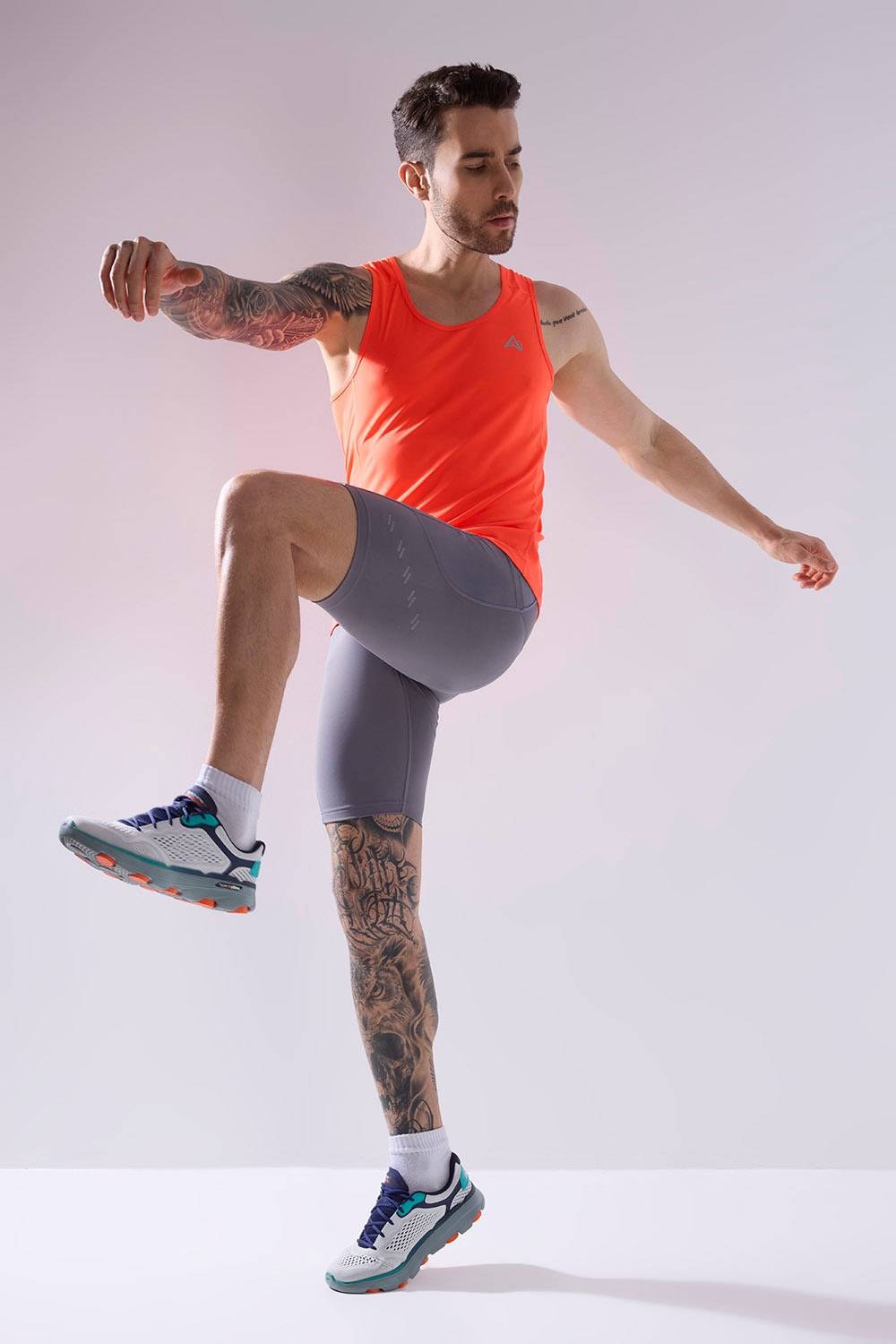
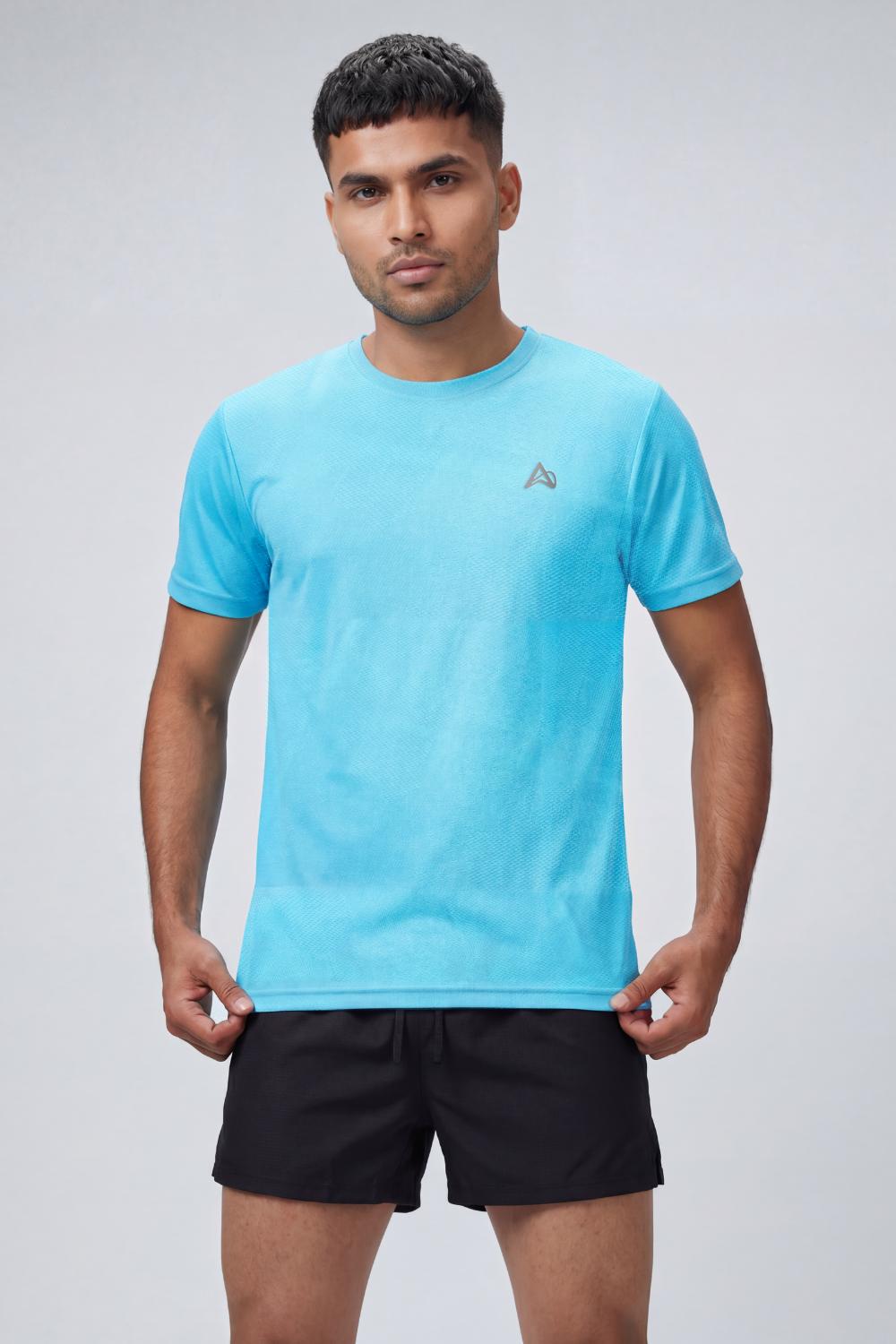
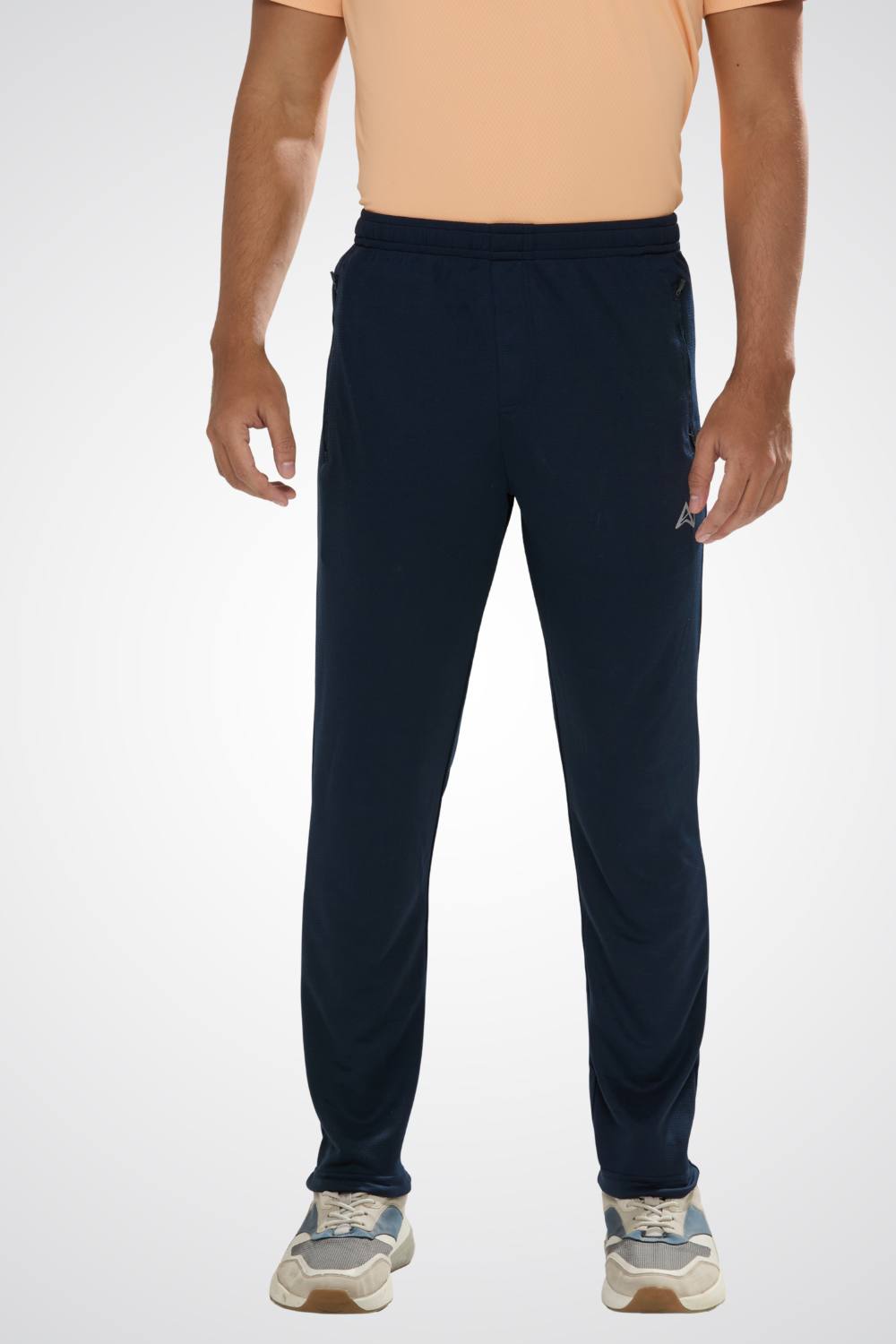
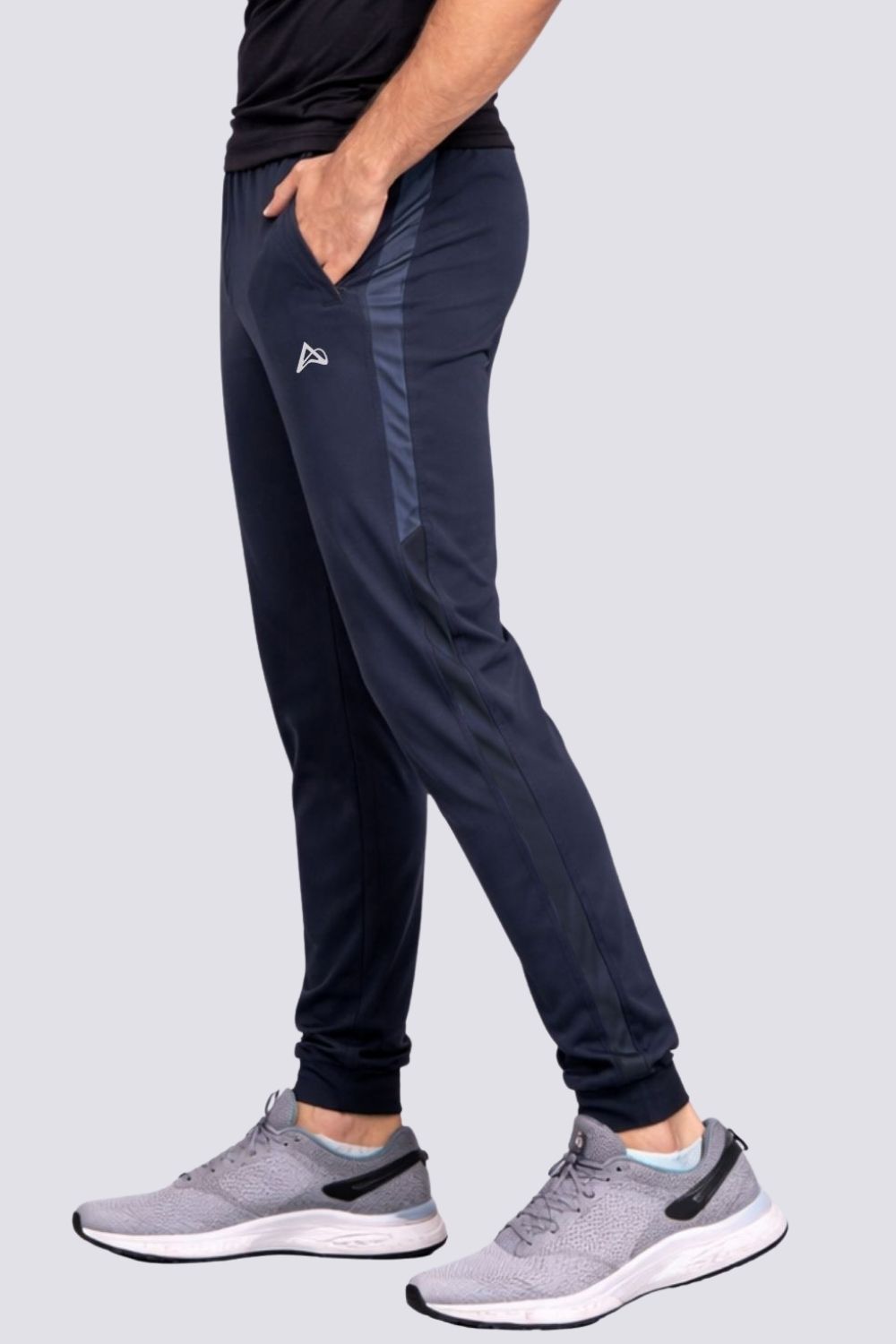

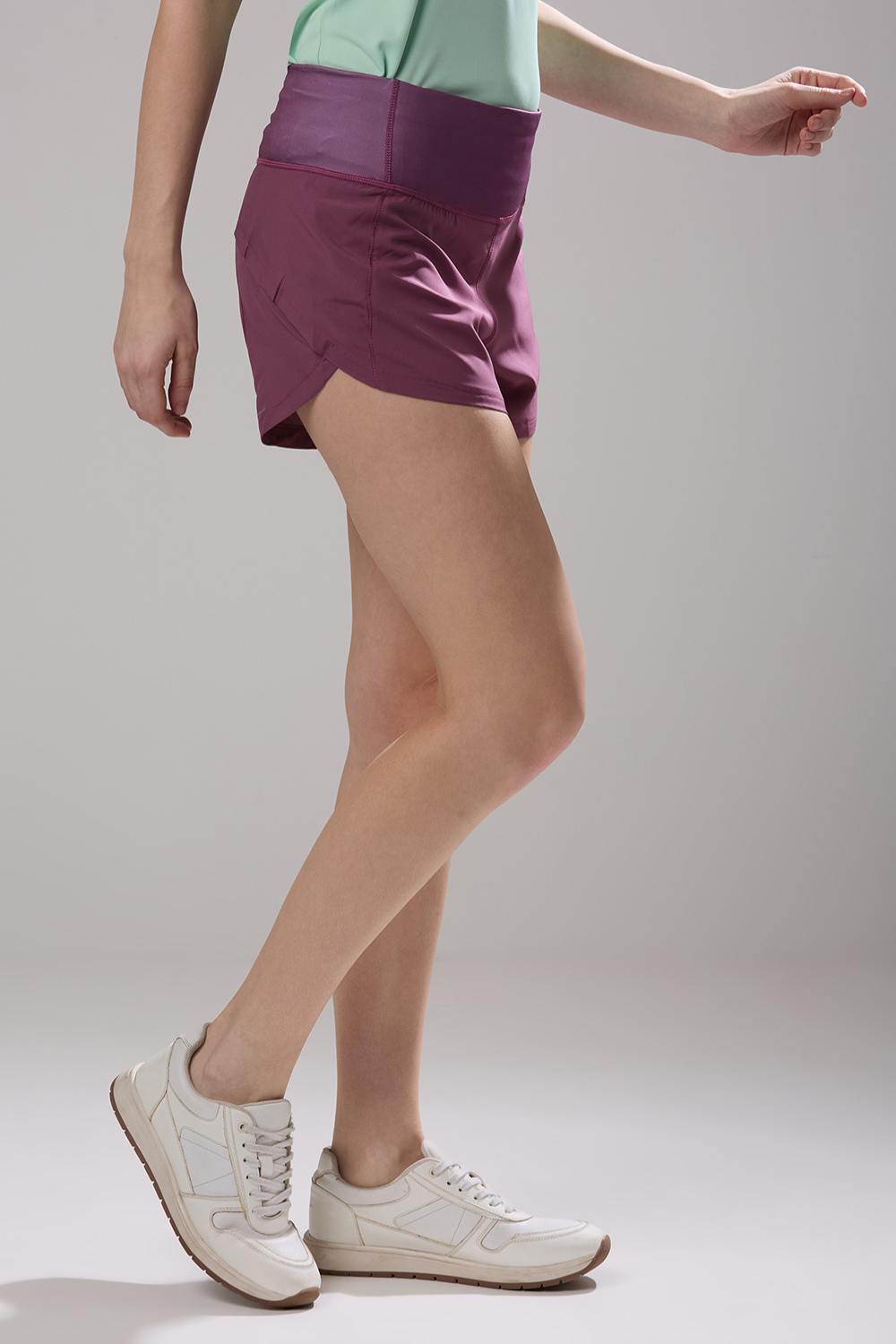
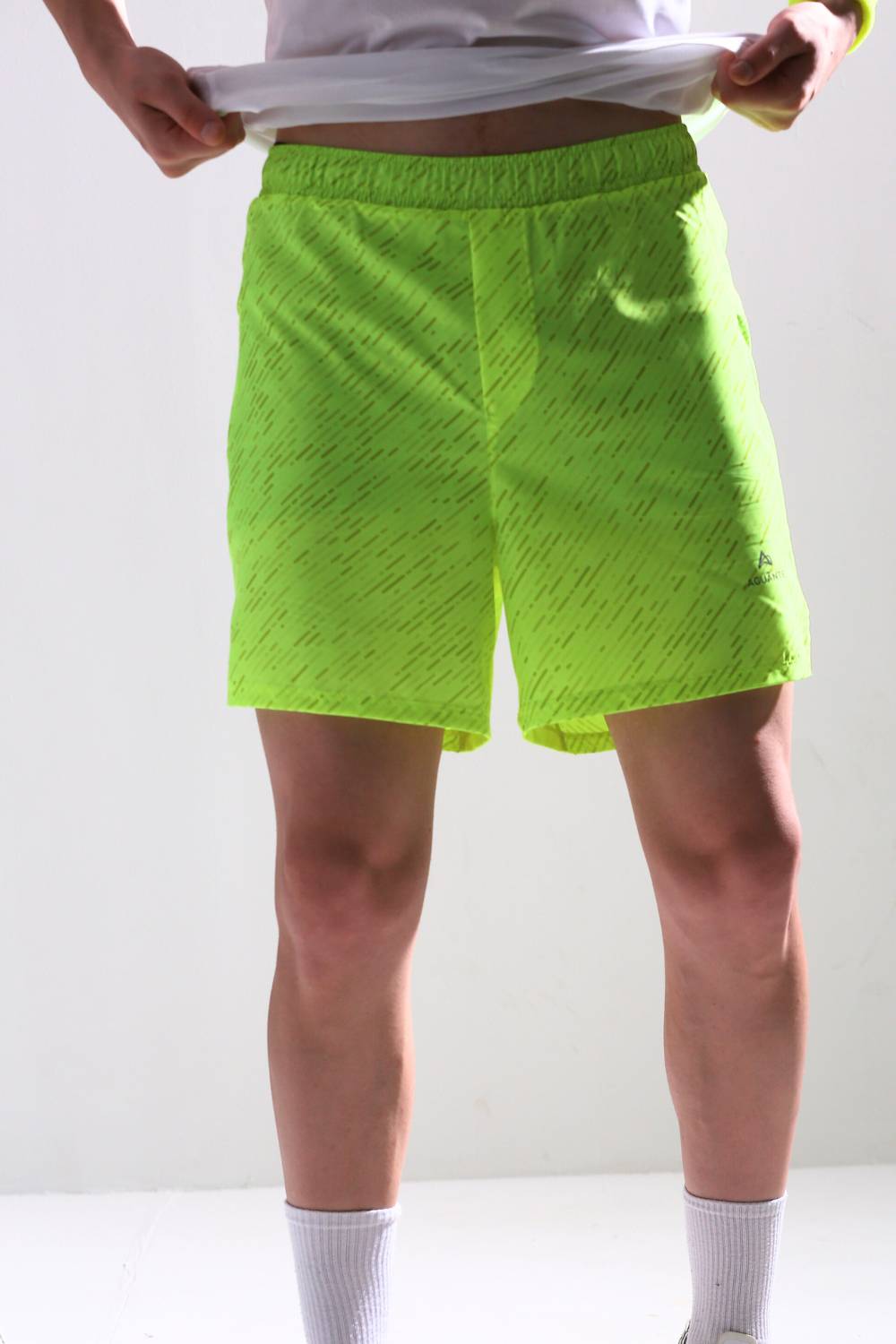
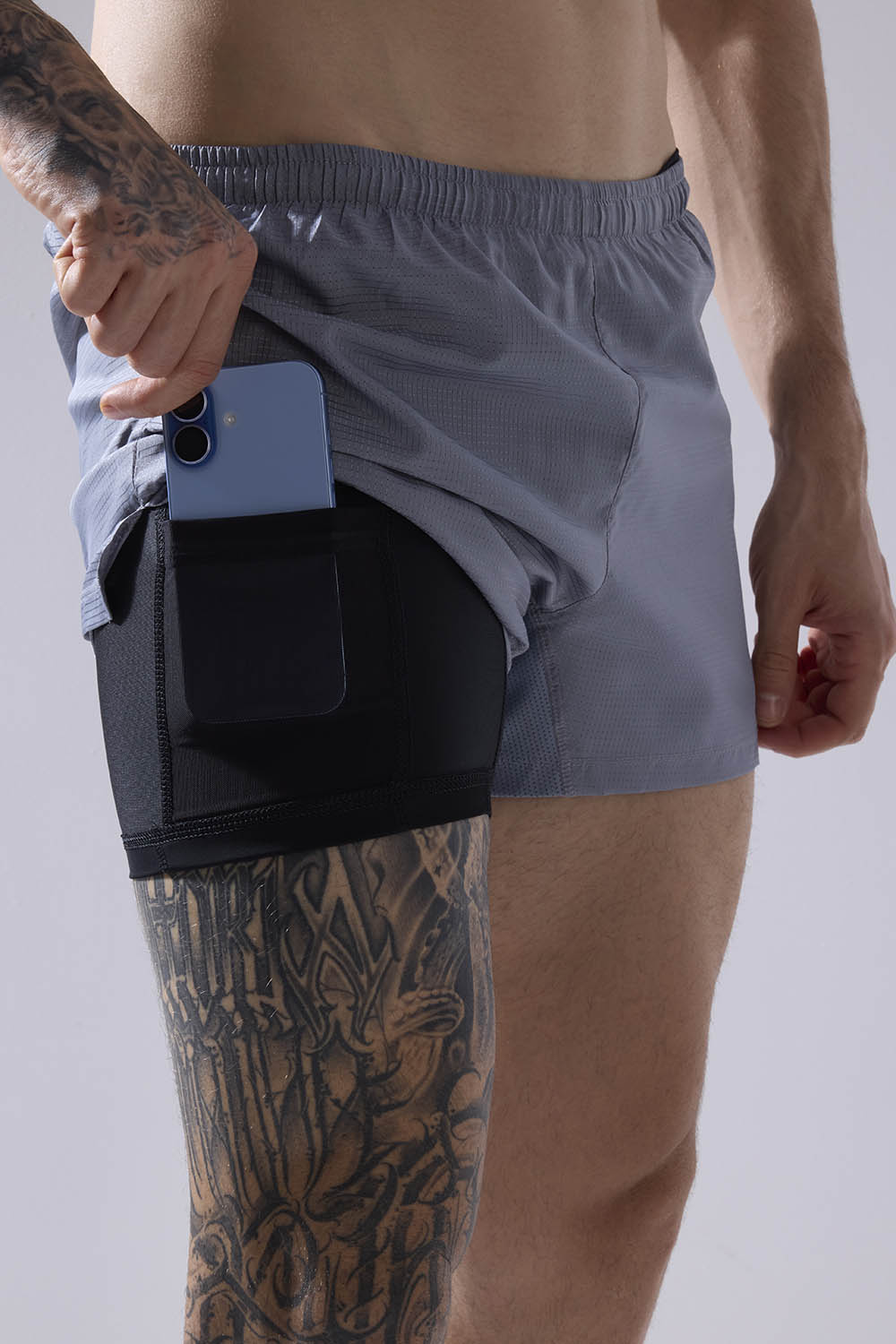

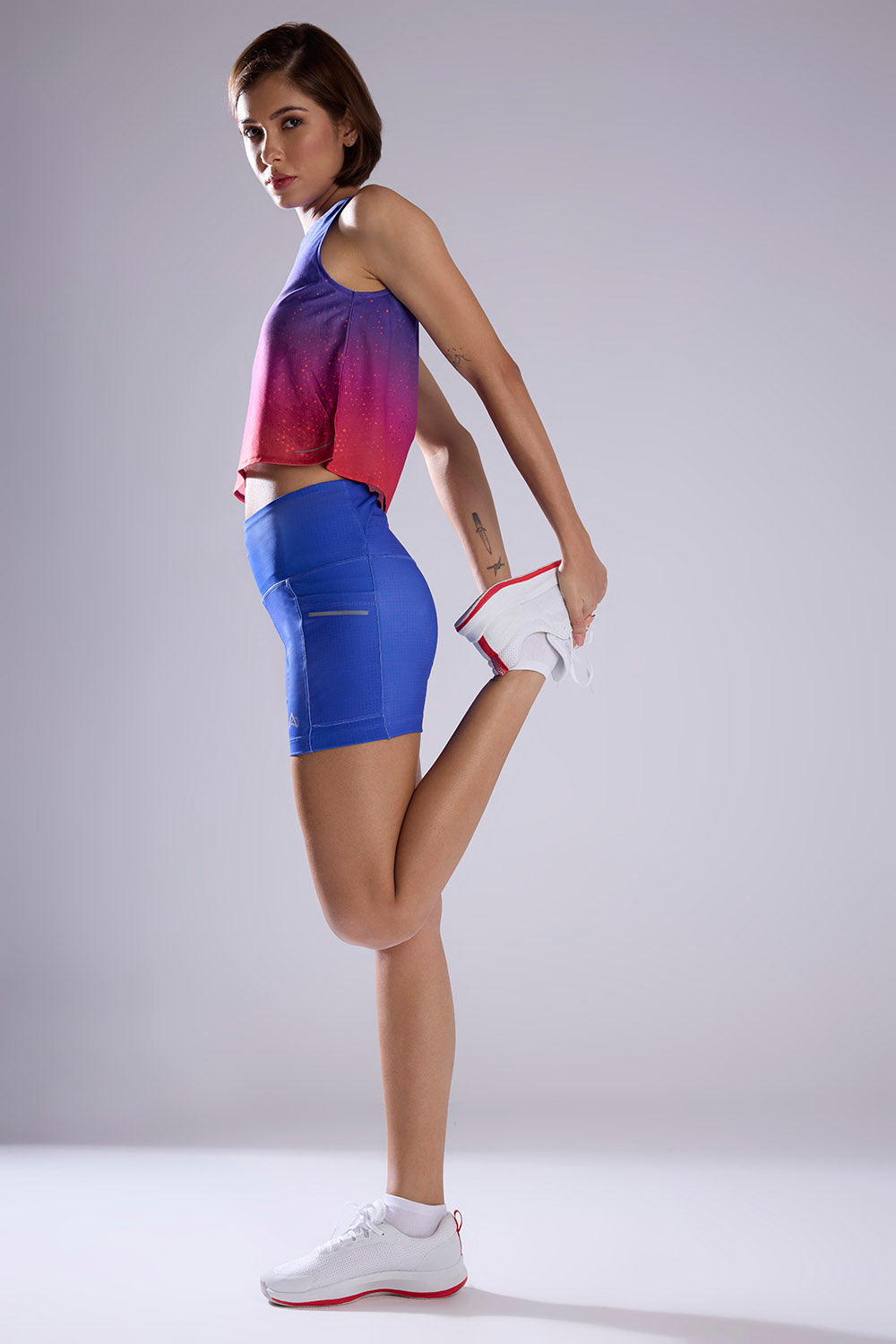
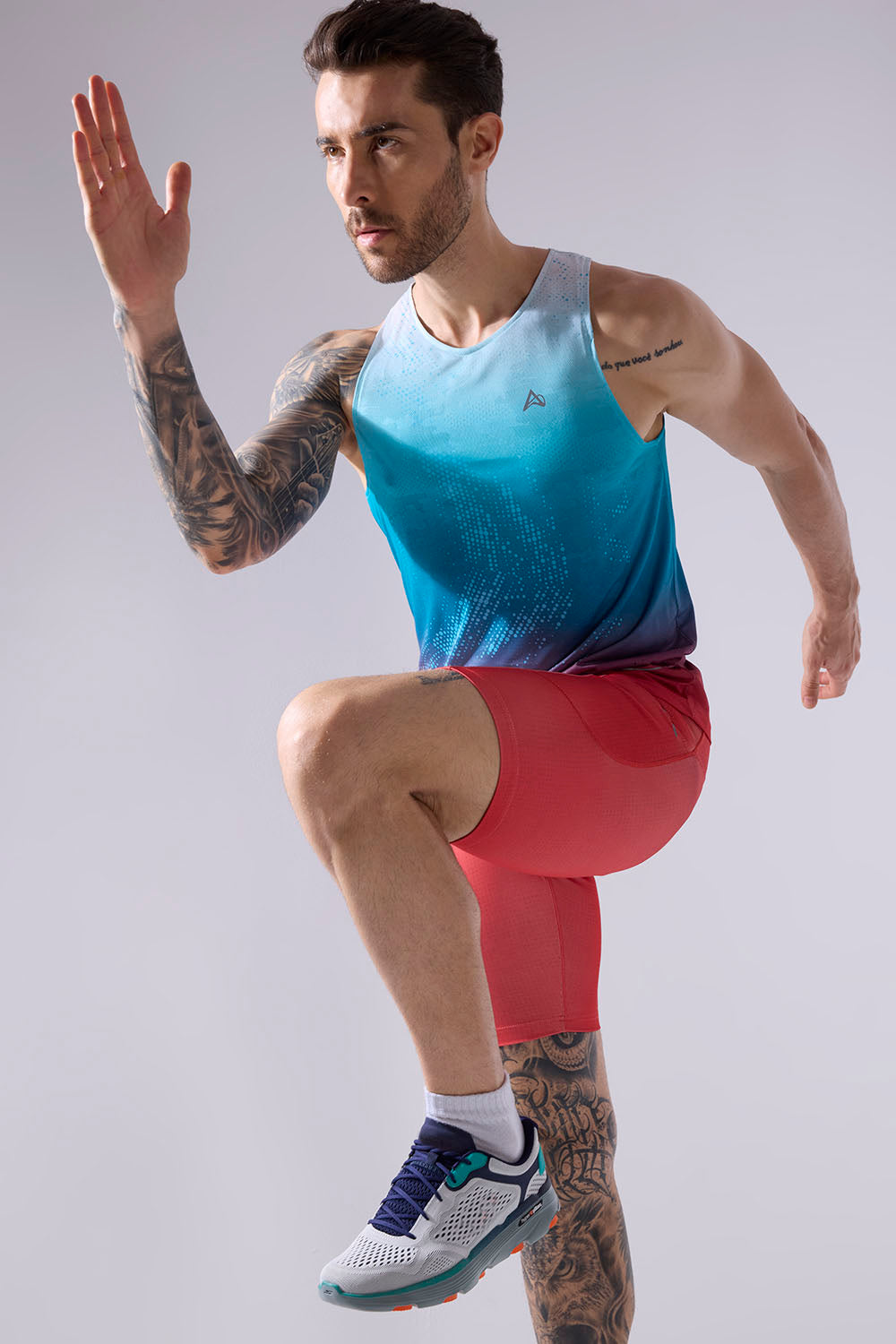

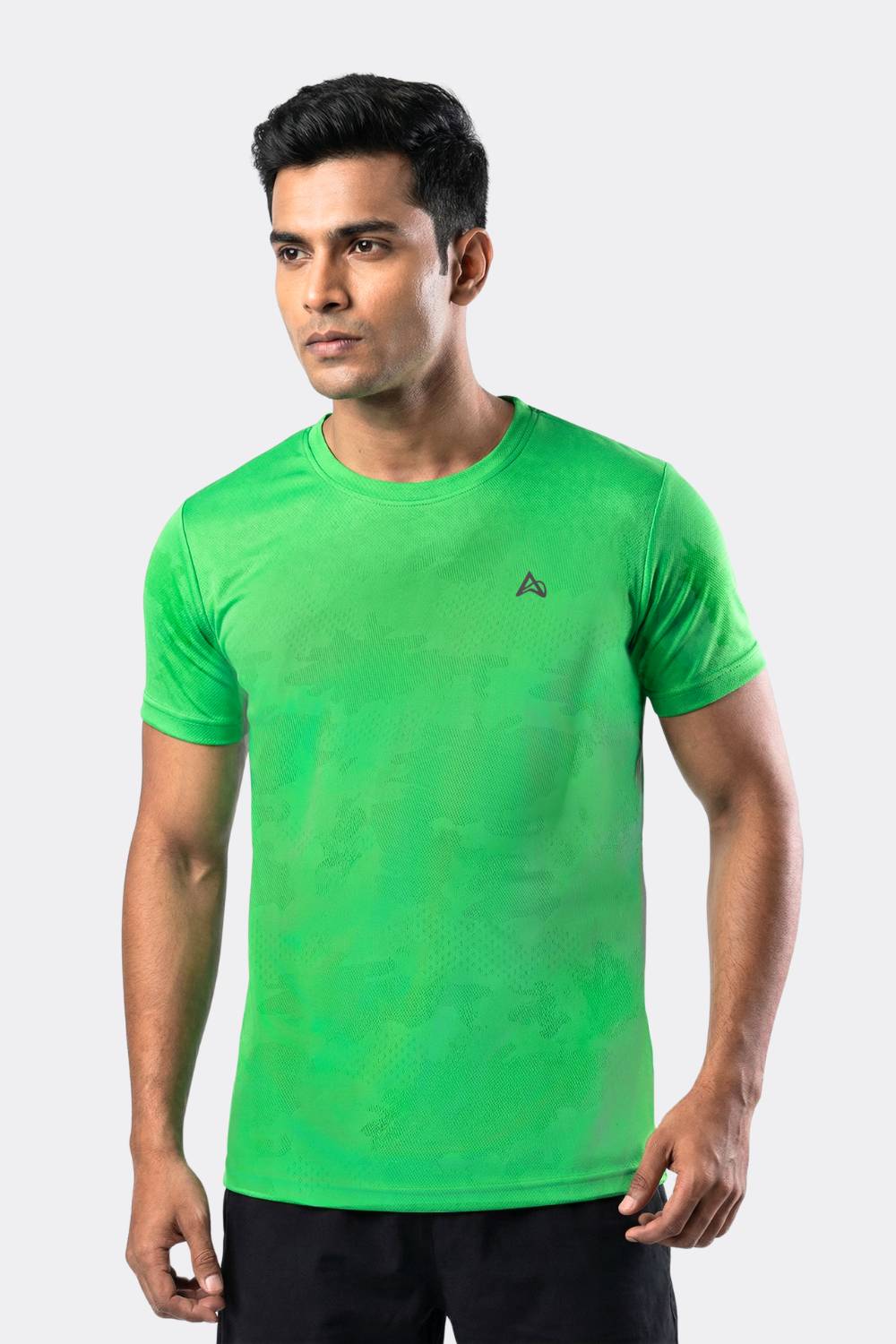
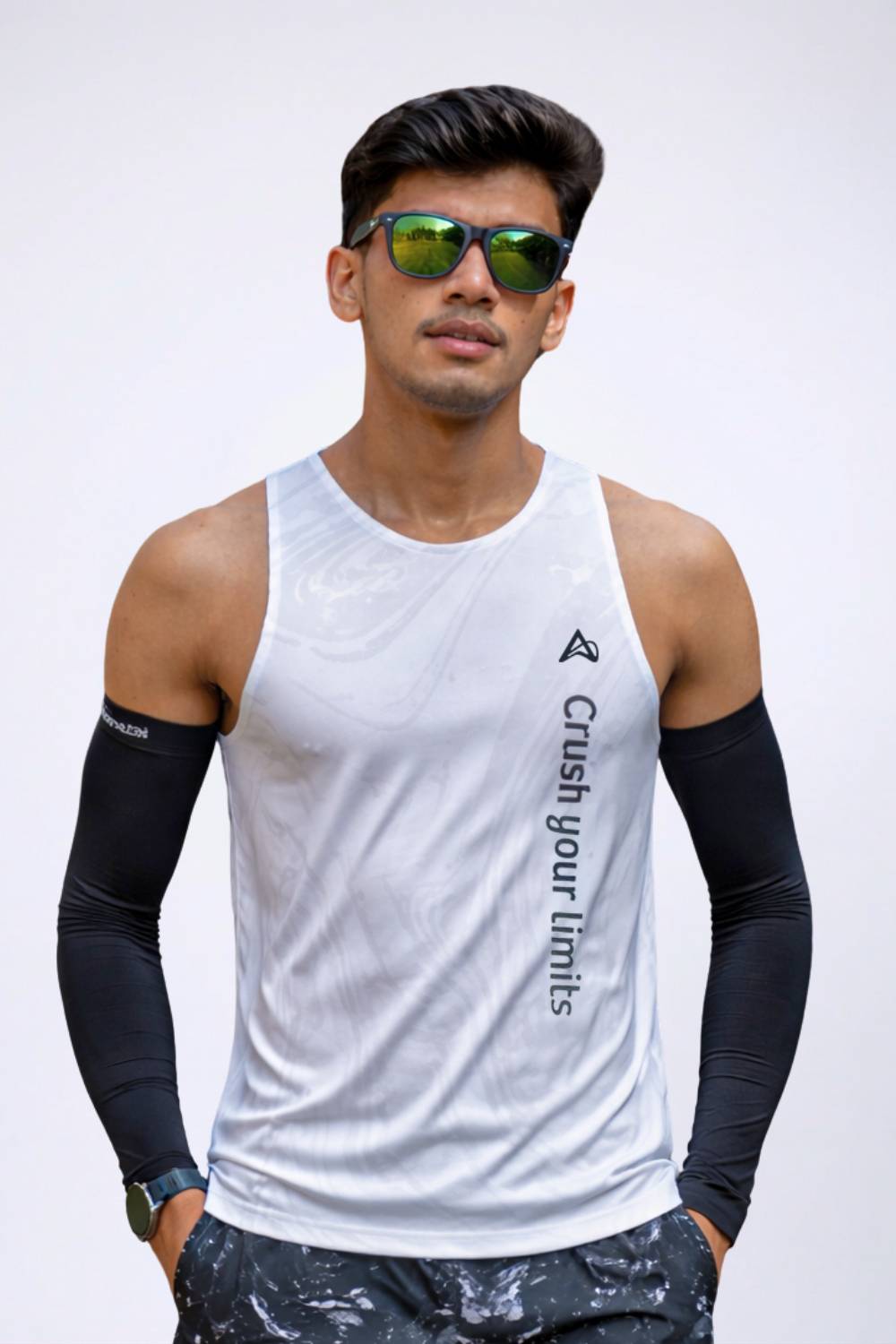

Long-distance running in hot and humid climates places unique demands on the human body. As core temperature rises and sweat production increases, comfort and endurance become tightly linked to what an athlete wears. This is where modern performance fabrics play a defining role. Designed to regulate heat, manage moisture, and reduce friction, they help runners maintain efficiency even during intense training sessions. For endurance athletes preparing for marathons or building stamina in warm regions across cities like Mumbai, Delhi, Bangalore, and Hyderabad, clothing is no longer a passive layer it is part of the performance system itself.
The growing importance of advanced sports textiles is reflected in the expansion of the global running apparel market, which has reached significant scale as athletes increasingly prioritize functional design over traditional sportswear. Within this shift, runners are paying closer attention to how fabric composition influences thermoregulation, fatigue resistance, and recovery. Brands in the performance segment, including Aguante, are responding with materials engineered specifically for endurance environments, where heat stress is a constant factor rather than an occasional challenge.
Tired of gear that slows you down? Chafing, soggy fabrics, and missing pockets kill your run's momentum. At Aguante, we're runners who get it. Our high-performance activewear features moisture-wicking fabrics, ergonomic designs, and smart storage to keep you focused. Shop Now!
Why Heat Becomes a Performance Barrier in Long-Distance Training
Heat is one of the most underestimated performance variables in endurance running. As temperatures rise, the body diverts more energy toward cooling itself through sweating and increased blood flow to the skin. This physiological response reduces the energy available for sustained muscular effort, leading to earlier fatigue. In high-humidity environments such as Mumbai or Surat, sweat evaporation becomes less efficient, compounding discomfort and elevating perceived exertion even at moderate training intensities.
Runners in cities like Delhi, Gurugram, and Ahmedabad often experience a noticeable decline in pace consistency during peak summer months. The issue is not only temperature but also heat retention caused by clothing that lacks breathability. When apparel traps moisture and restricts airflow, it creates a microclimate around the body that accelerates overheating. This makes fabric selection a critical component of long-distance training strategy rather than a secondary consideration.
How Performance Fabrics Support Thermoregulation and Moisture Control
Performance fabrics are engineered to support the body's natural cooling system rather than interfere with it. Unlike traditional cotton, which absorbs and retains sweat, modern synthetic blends are designed to pull moisture away from the skin and spread it across the fabric surface for faster evaporation. This process, known as moisture management, helps stabilize body temperature during prolonged physical exertion.
In practical terms, this means runners can maintain a more consistent internal temperature even during high-intensity intervals or long endurance runs. In humid training environments such as Bangalore or Hyderabad, where sweat evaporation is naturally slower, this difference becomes especially significant. Lightweight polyester blends and engineered mesh panels also improve airflow, reducing the buildup of heat pockets that typically form under layered clothing. The result is a more stable thermal environment that supports endurance performance over time.
Moisture-Wicking Fabrics in Long Distance Running: What Actually Works
Moisture-wicking fabrics are often misunderstood as simply “quick-dry” materials, but their function is more sophisticated. Effective wicking textiles use capillary action to move sweat away from the skin, distributing it across a larger surface area for evaporation. This helps prevent the damp, heavy feeling that often leads to chafing and discomfort during long runs.
In cities like Pune and Navi Mumbai, where runners frequently train along coastal or mixed-humidity routes, moisture control can directly influence training consistency. Fabrics that fail to manage sweat effectively tend to cling to the body, increasing friction and skin irritation over longer distances. Advanced sportswear designed for endurance running integrates multi-directional fibers that enhance this moisture transfer process, ensuring that fabric performance remains consistent even under sustained exertion. For athletes focused on improving stamina, this translates into fewer distractions and more controlled pacing.
Breathable Running Clothing and Airflow Optimization
Breathability is a defining feature of high-performance running apparel. It refers to the fabric's ability to allow air circulation while still maintaining structural integrity and support. Without adequate airflow, heat becomes trapped between the skin and clothing layers, increasing both physical and psychological strain during training sessions.
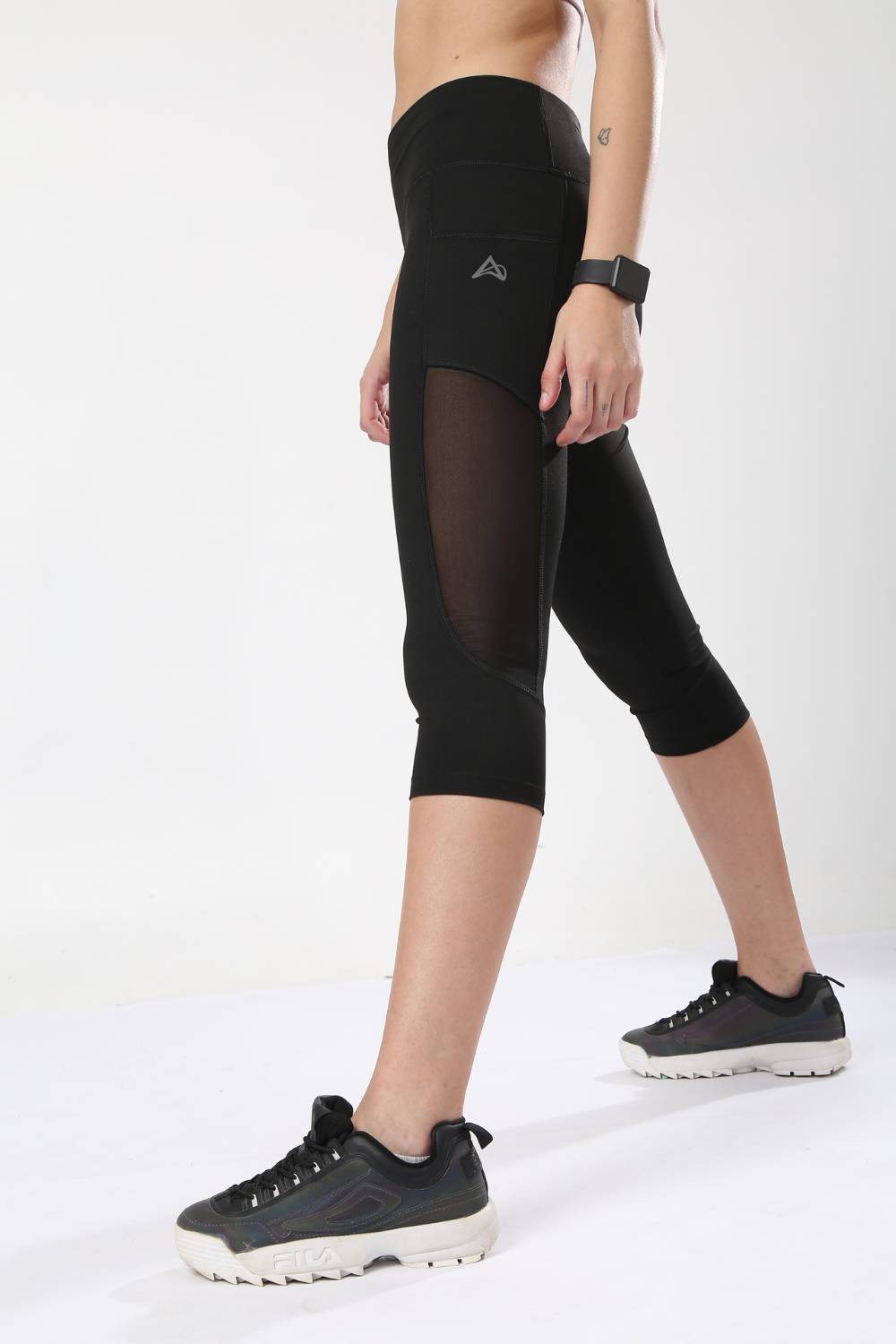
Modern breathable running clothing often incorporates strategically placed ventilation zones, particularly in high-sweat areas such as the back, underarms, and chest. In warmer regions like Ahmedabad and Surat, these design elements can significantly improve comfort during long-distance sessions. Mesh panels, laser-cut perforations, and lightweight weaves all contribute to enhanced airflow. When combined with moisture-wicking properties, breathability ensures that heat and sweat are continuously managed rather than accumulating over time.
Heat Regulation Running Gear and Fabric Technologies
Heat regulation in running apparel is achieved through a combination of material science and structural design. Synthetic fibers such as polyester and nylon blends are commonly used because they offer durability, elasticity, and moisture control. These materials are often engineered at the fiber level to enhance surface area, improving evaporation rates and reducing heat retention.
Beyond fiber composition, garment construction also plays a key role. Seamless knitting techniques reduce friction points, while ergonomic cuts improve movement efficiency during long-distance runs. In training environments across Delhi and Gurugram, where temperature fluctuations can be sharp between morning and midday runs, these features help stabilize comfort levels. The integration of heat regulation running gear allows athletes to maintain focus on pacing and endurance rather than environmental discomfort.
Choosing the Best Fabrics for Running in Heat: Practical Considerations
Selecting the best fabrics for running in heat requires balancing breathability, moisture management, and durability. Lightweight polyester blends are generally preferred for long-distance training due to their ability to wick sweat efficiently without becoming heavy. Elastane blends are often added to improve flexibility and fit, especially for compression-style apparel used in recovery or endurance support.
For runners training in Indian cities such as Bangalore, Mumbai, and Hyderabad, fabric choice can also depend on time of day and route conditions. Early morning runs may require lighter ventilation-focused apparel, while evening sessions in humid conditions benefit from stronger moisture-wicking capabilities. Sweat-wicking sportswear designed for endurance environments should always prioritize quick drying times and minimal skin adhesion to reduce chafing during extended activity.
Real-World Training Conditions Across Hot-Weather Cities
Training environments across India offer a clear illustration of how climate affects running apparel needs. In Mumbai and Navi Mumbai, high humidity levels make evaporation difficult, requiring runners to rely heavily on moisture-wicking fabrics for comfort. In contrast, cities like Delhi and Gurugram often present dry heat conditions where ventilation and breathability become more important than evaporation speed alone.
In Bangalore and Hyderabad, fluctuating humidity and temperature shifts throughout the day require versatile apparel systems that adapt to changing conditions. Meanwhile, Pune and Ahmedabad runners often face sustained heat exposure during peak summer months, making lightweight construction and heat regulation running gear essential for endurance consistency. Across all these regions, performance fabrics are not just enhancing comfort they are directly influencing training quality, recovery speed, and long-term athletic progression.
Fabric as a Performance Advantage in Endurance Running
Performance fabrics have redefined what it means to train in hot weather. By combining moisture-wicking technology, breathable construction, and heat-regulating design, modern running apparel supports the body's natural cooling mechanisms while minimizing fatigue. For endurance runners training across warm climates in cities like Mumbai, Delhi, and Bangalore, these advancements are not optional enhancements they are essential tools for maintaining consistency and improving performance.
As athletes continue to push longer distances and higher intensity training cycles, the role of intelligent sportswear becomes increasingly central. Choosing the right apparel is no longer just about comfort; it is about creating a controlled micro-environment that allows the body to perform efficiently under stress. In this context, performance fabrics represent a quiet but powerful advantage for anyone committed to long-distance running in challenging heat conditions.
Frequently Asked Questions
What are the best fabrics for long-distance running in hot and humid weather?
Lightweight polyester blends and synthetic fiber combinations are generally the top choice for running in heat, as they wick sweat away from the skin and dry quickly without becoming heavy. Elastane blends are often added for flexibility and a better fit. In high-humidity cities, multi-directional fiber constructions that enhance moisture transfer help reduce chafing and keep comfort levels stable throughout extended runs.
How do moisture-wicking fabrics improve performance during long runs?
Moisture-wicking fabrics use capillary action to pull sweat away from the skin and spread it across a larger surface area, where it evaporates faster. This prevents the damp, heavy feeling that causes friction and skin irritation over longer distances. By stabilizing body temperature and reducing discomfort, these fabrics help runners maintain more consistent pacing and focus during training.
Why is breathability important in running apparel for hot weather training?
Breathability allows air to circulate through the fabric, preventing heat from becoming trapped between the skin and clothing a key factor in avoiding overheating during intense sessions. High-performance running gear often features strategically placed mesh panels, laser-cut perforations, and ventilation zones in high-sweat areas like the back and underarms. When paired with moisture-wicking properties, breathable construction continuously manages both heat and sweat rather than letting them accumulate over time.
Disclaimer: The above helpful resources content contains personal opinions and experiences. The information provided is for general knowledge and does not constitute professional advice.
You may also be interested in: Why Pocket Design Matters in Running Shorts for Urban Athletes
Tired of gear that slows you down? Chafing, soggy fabrics, and missing pockets kill your run's momentum. At Aguante, we're runners who get it. Our high-performance activewear features moisture-wicking fabrics, ergonomic designs, and smart storage to keep you focused. Shop Now!
Powered by flareAI.co