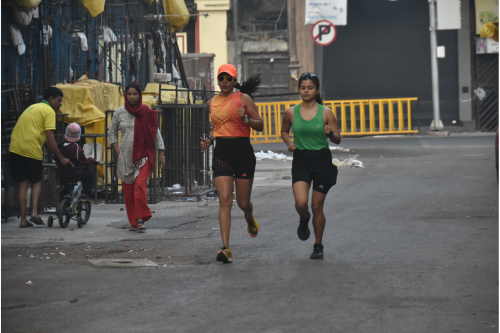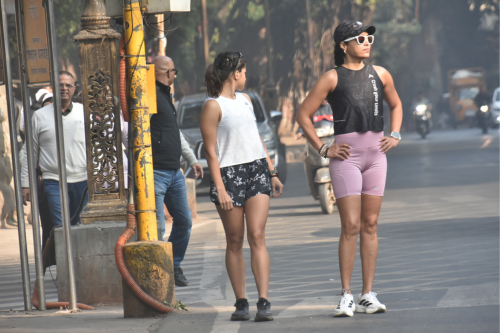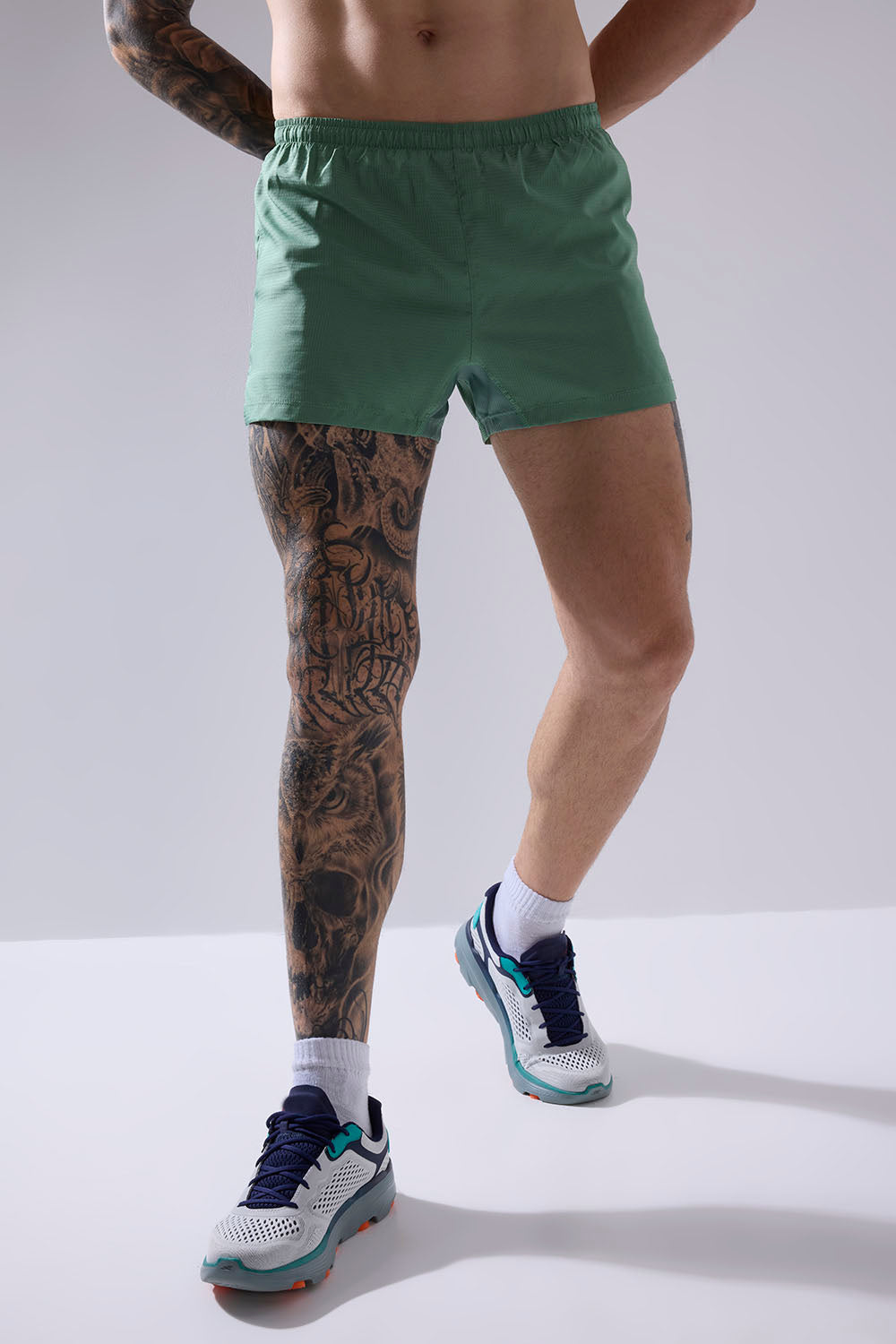
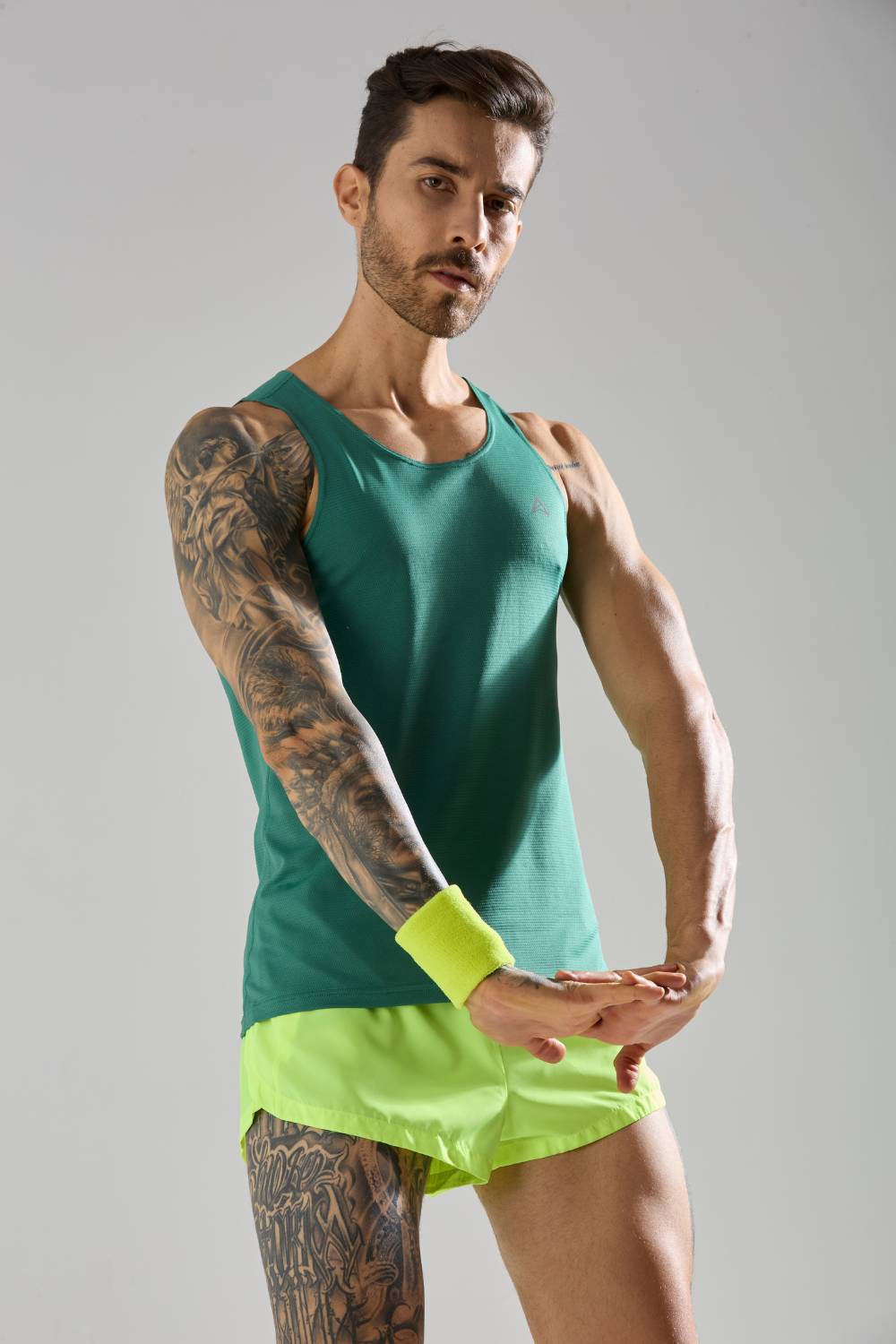
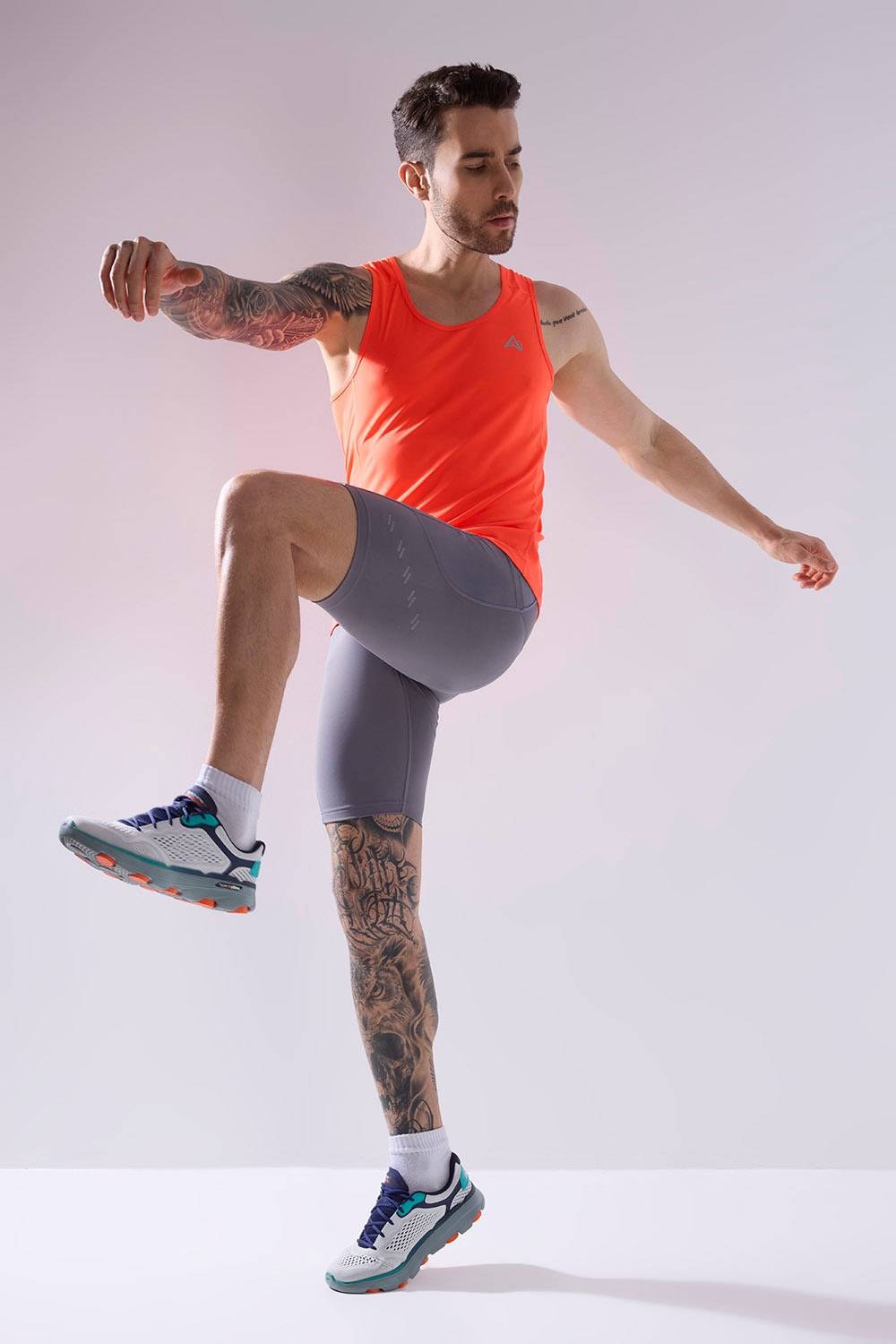
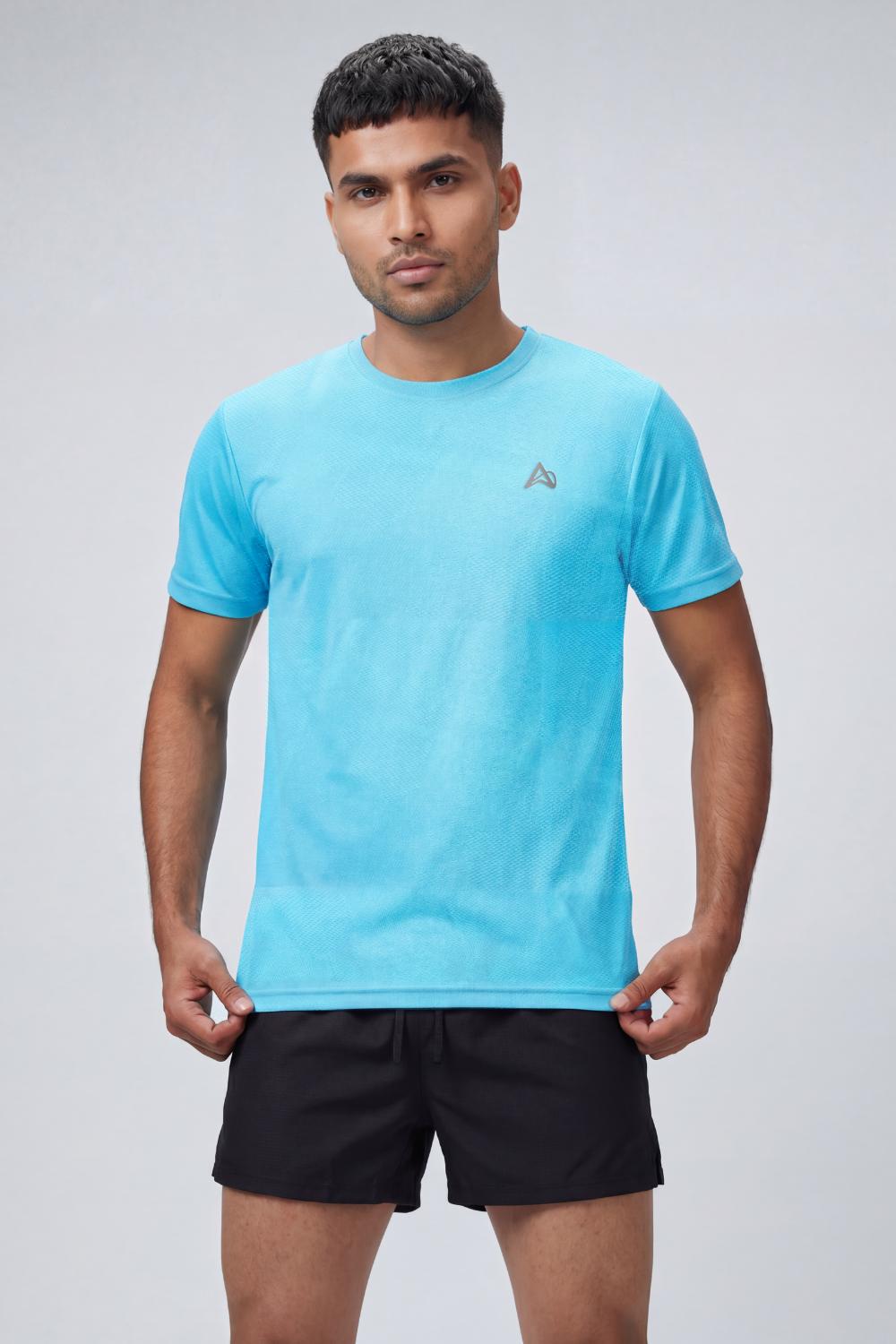
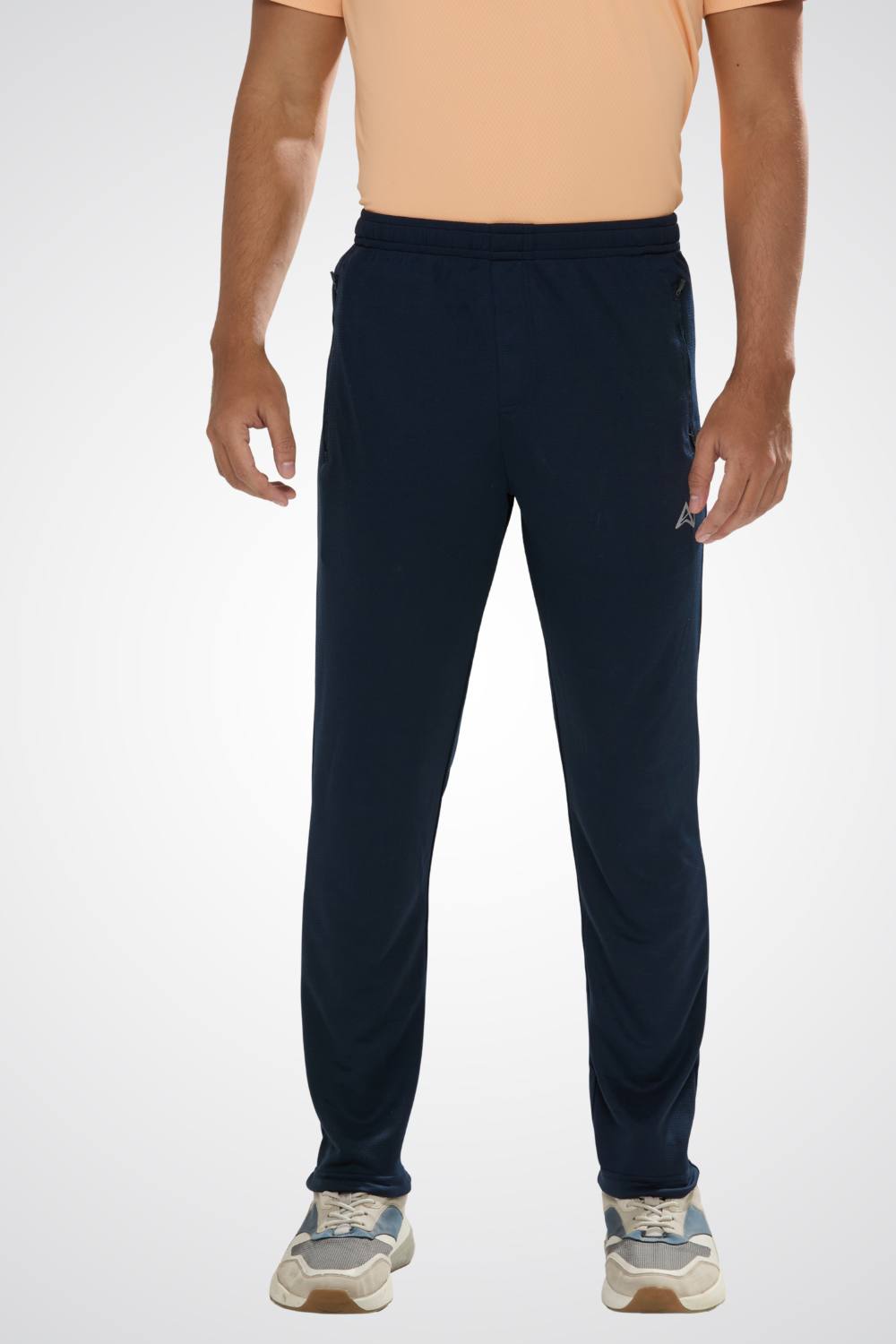
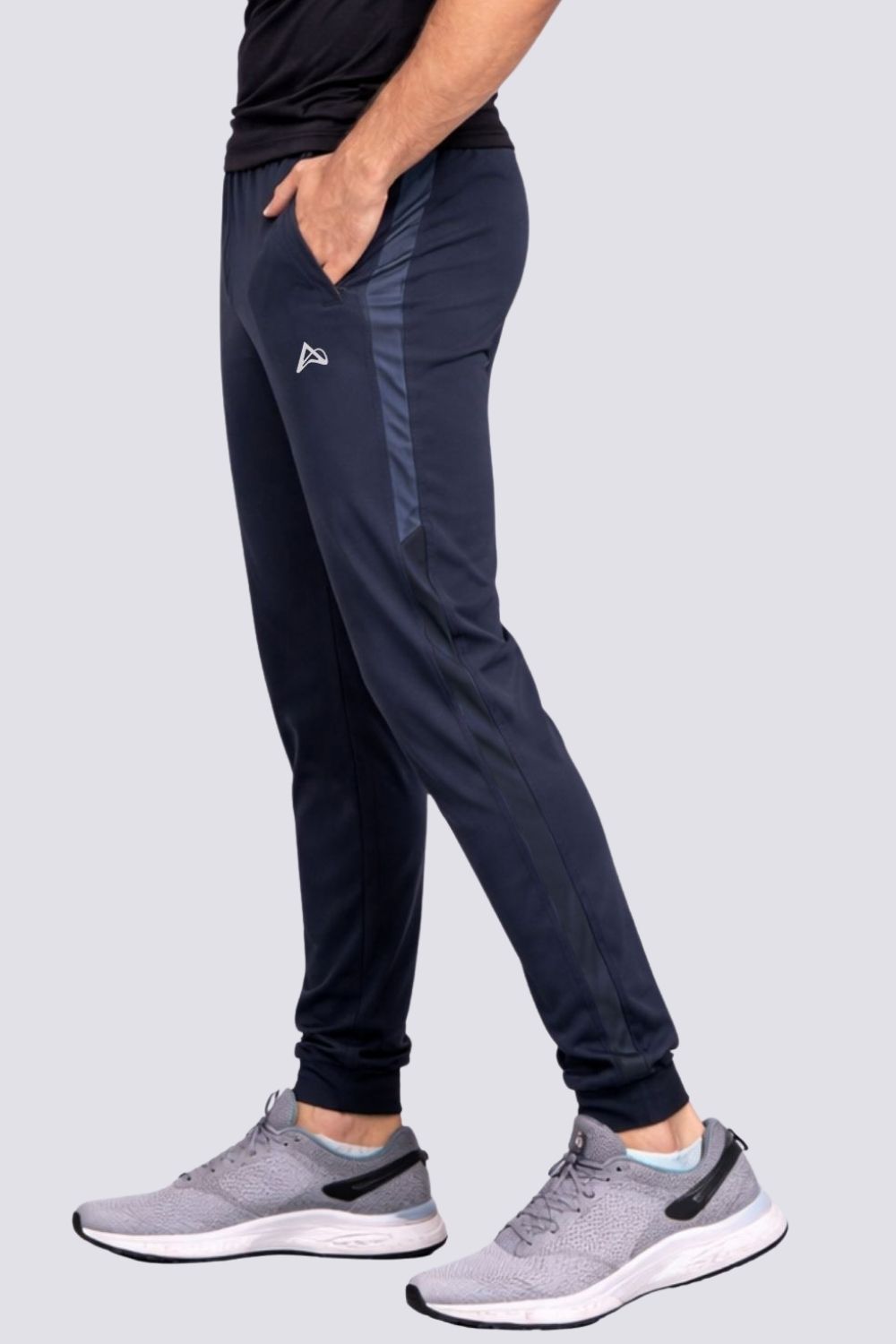
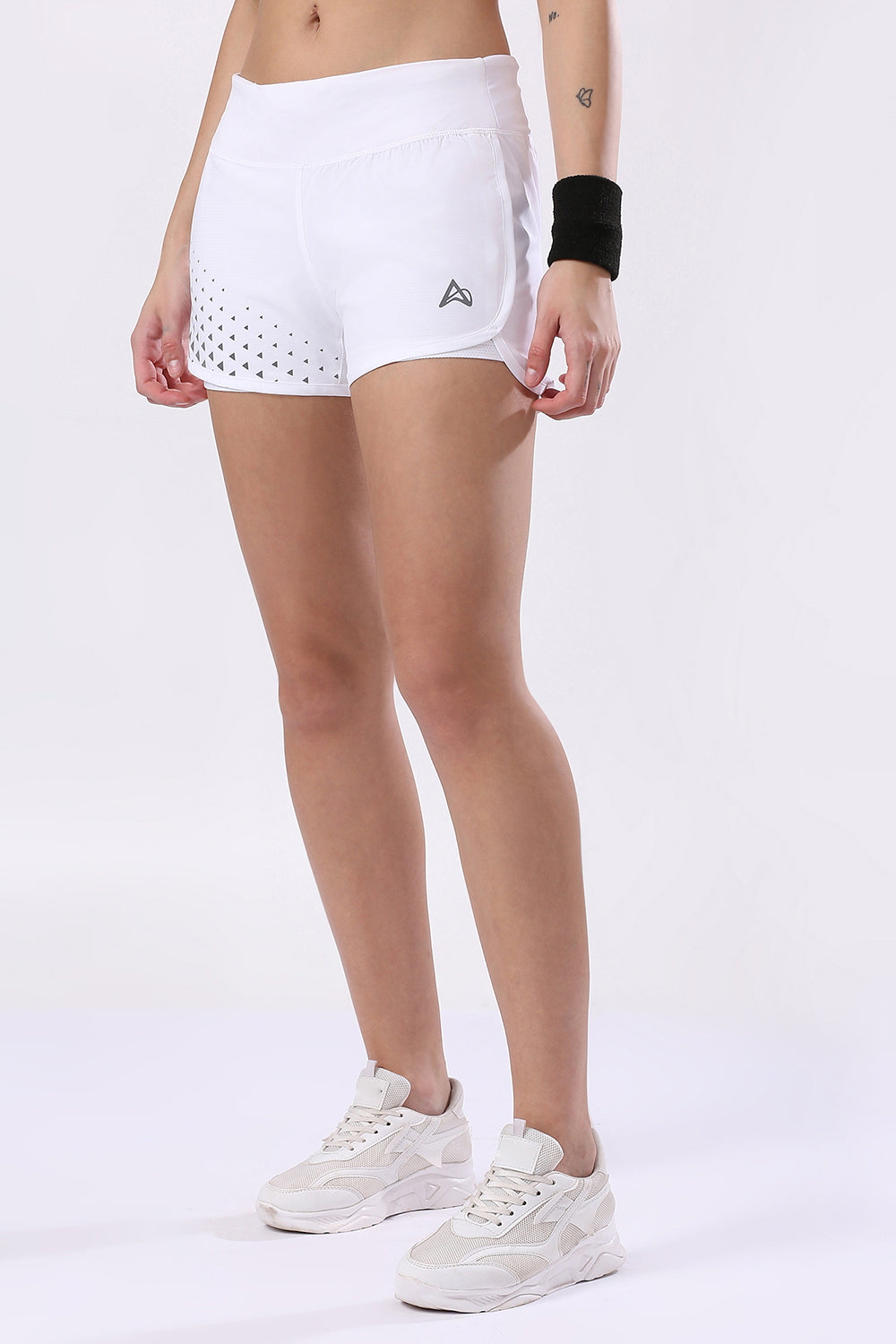
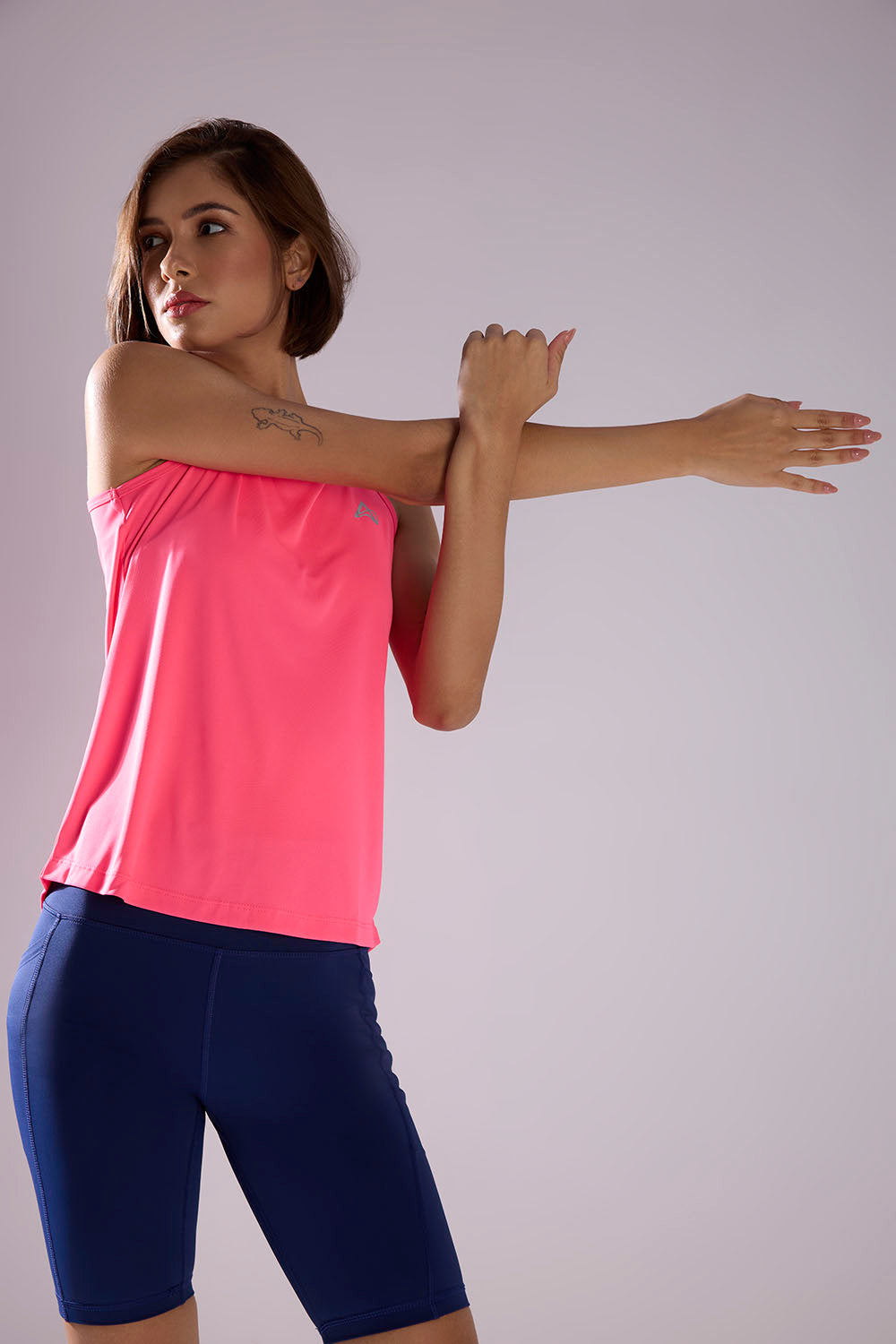
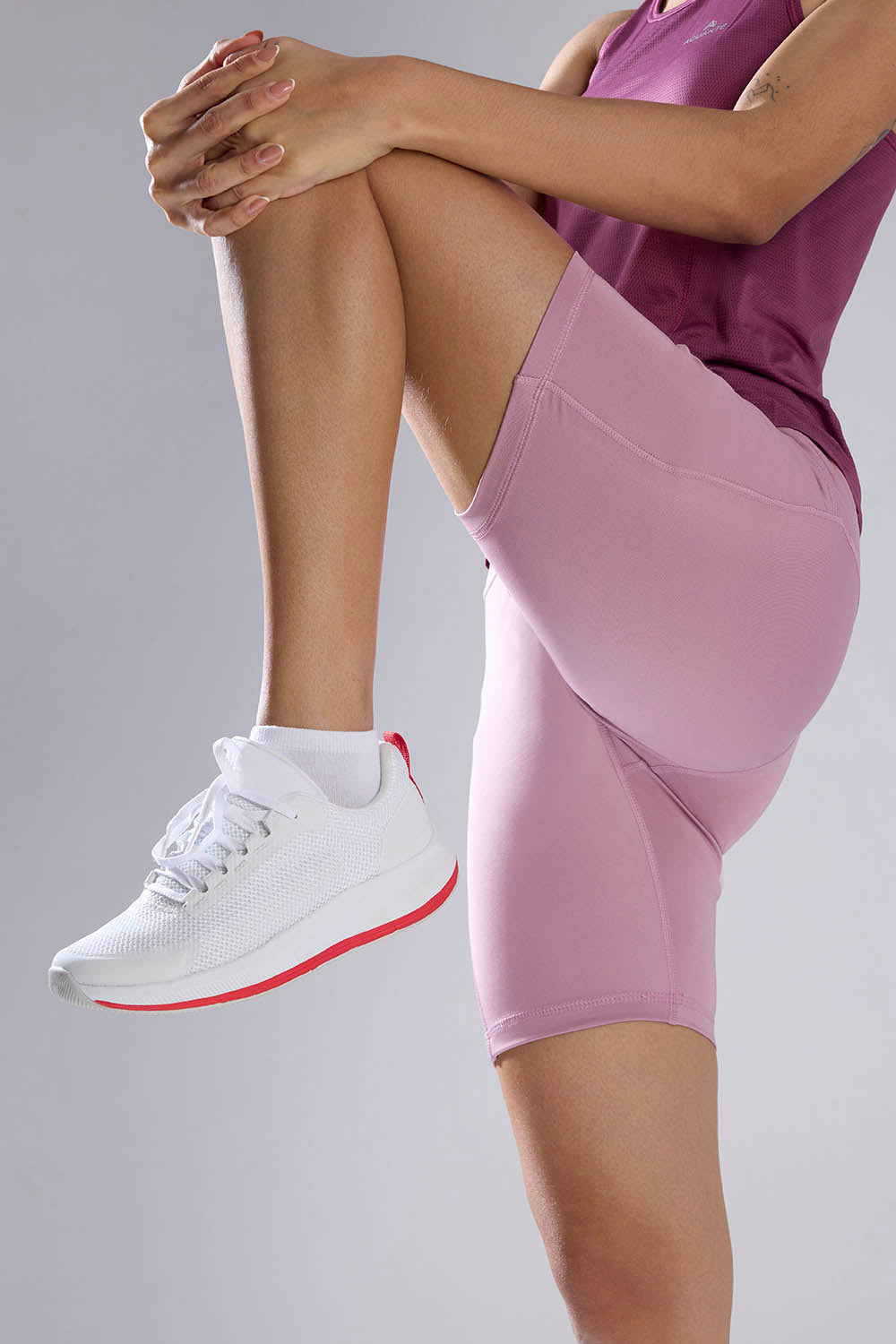
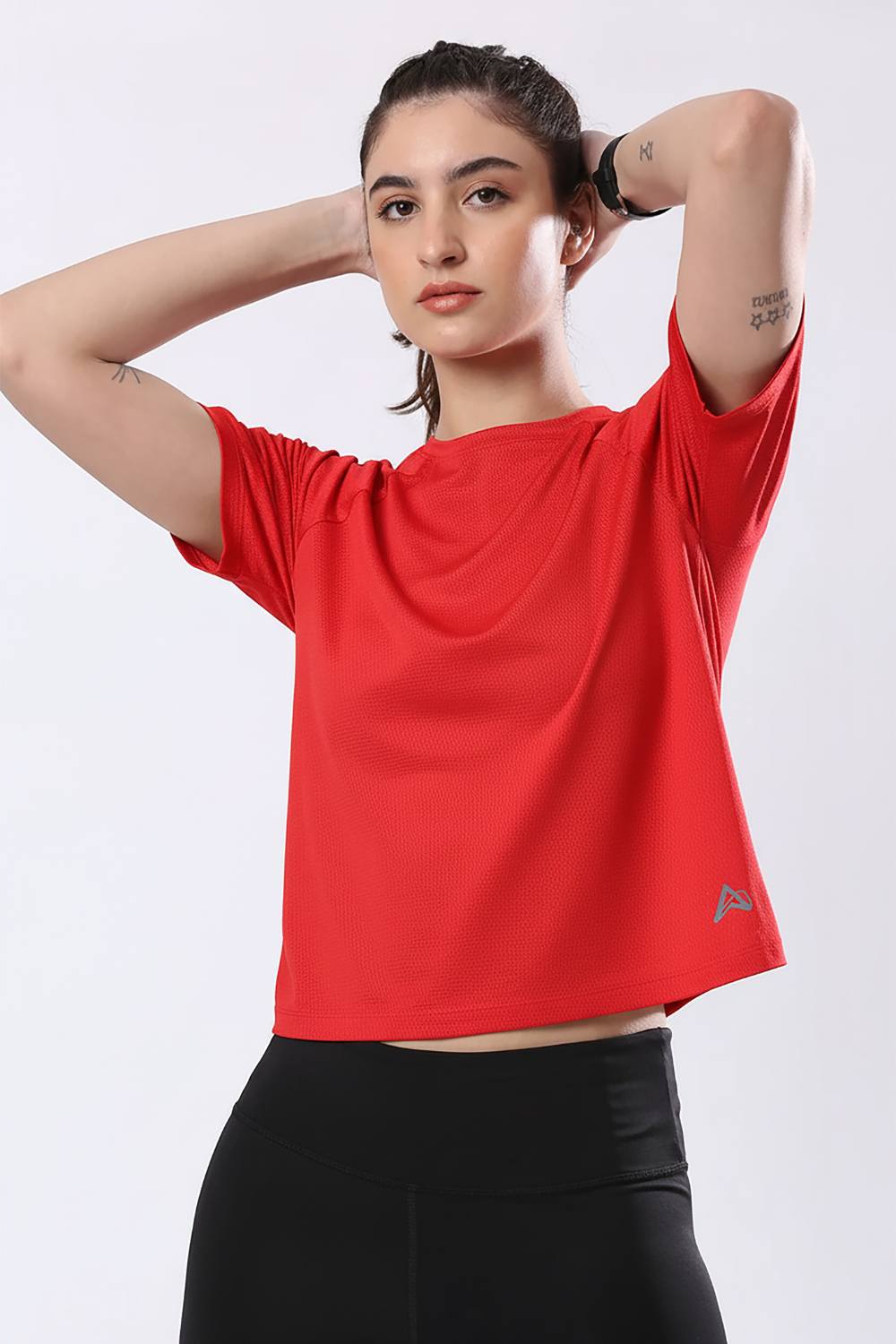
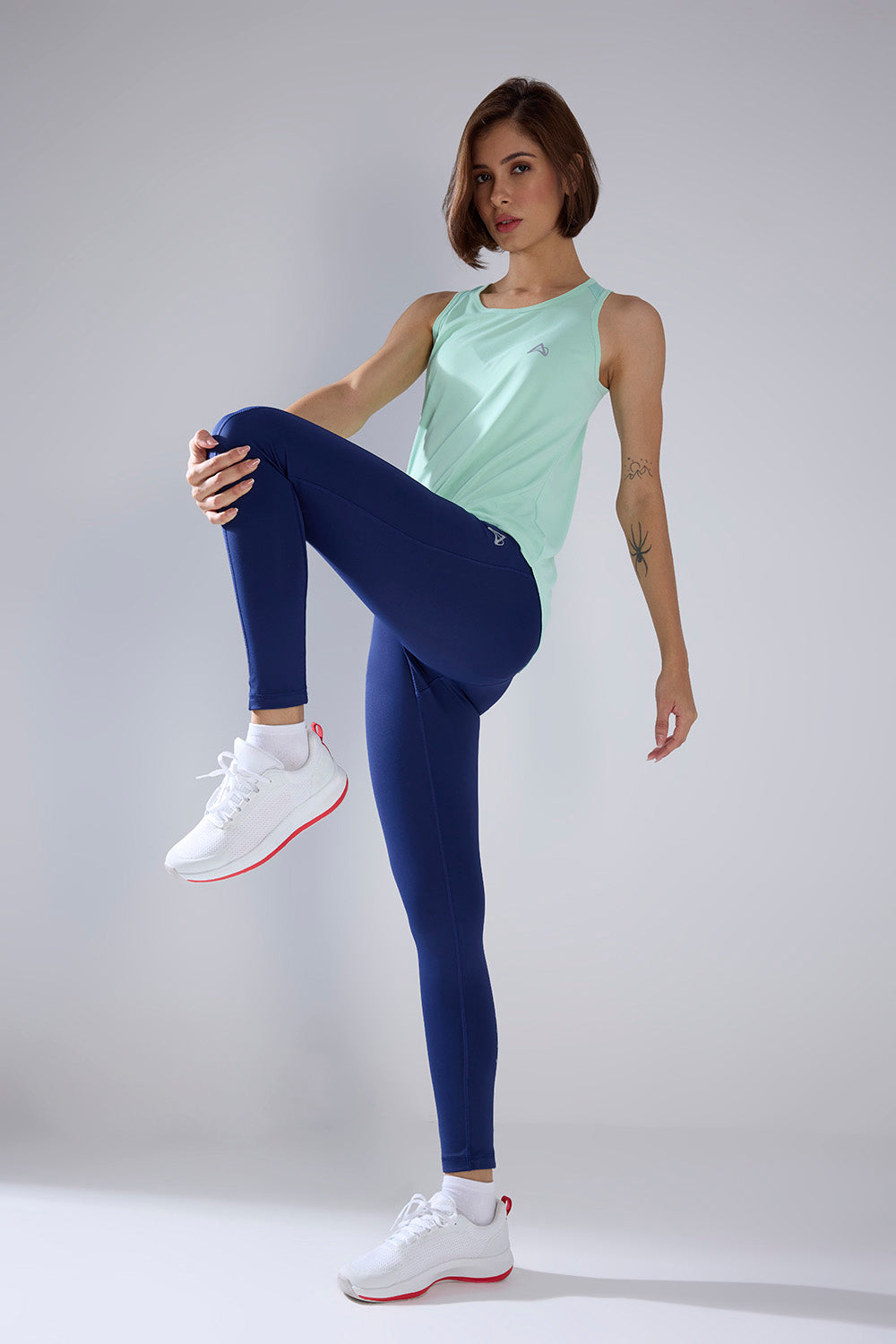

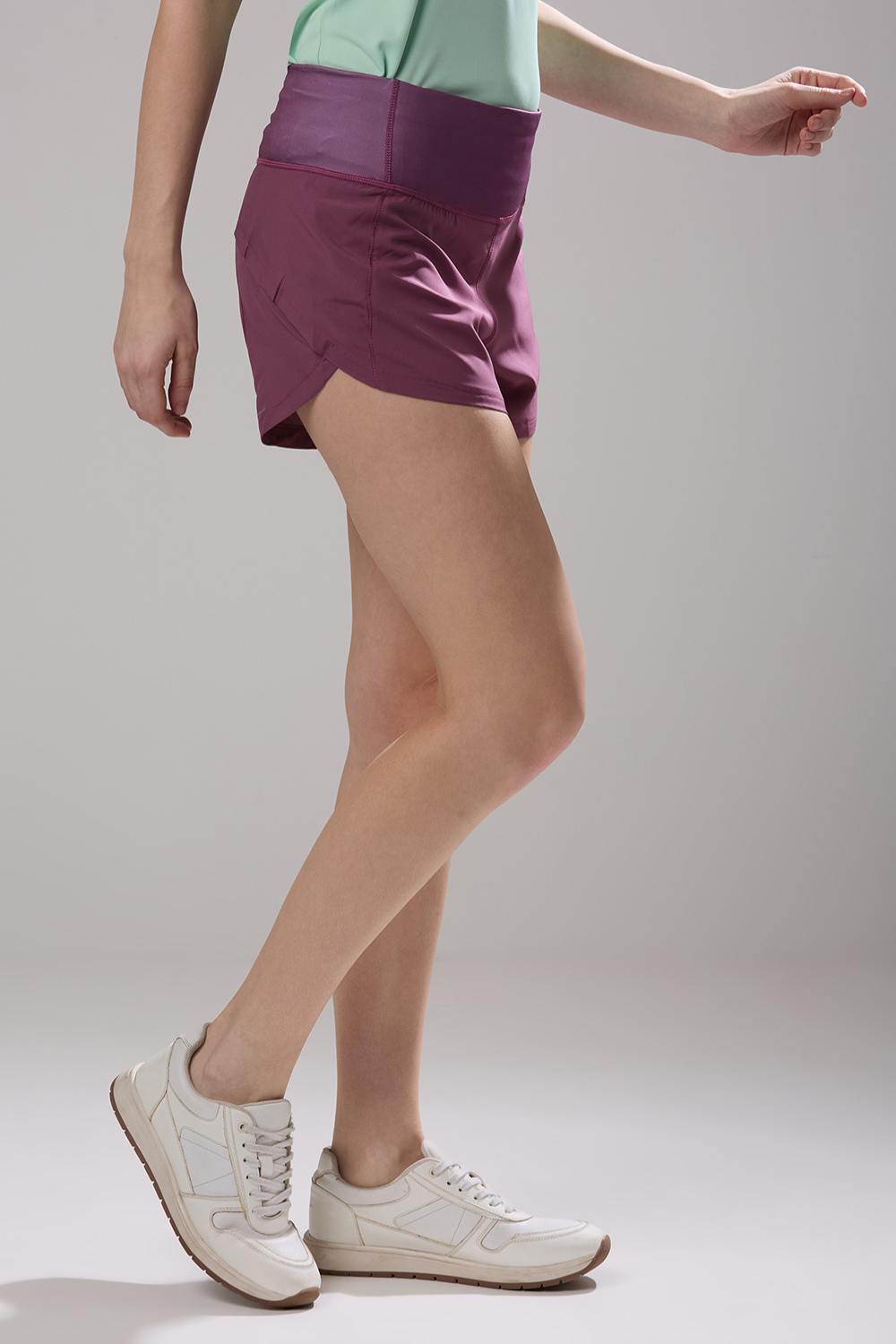
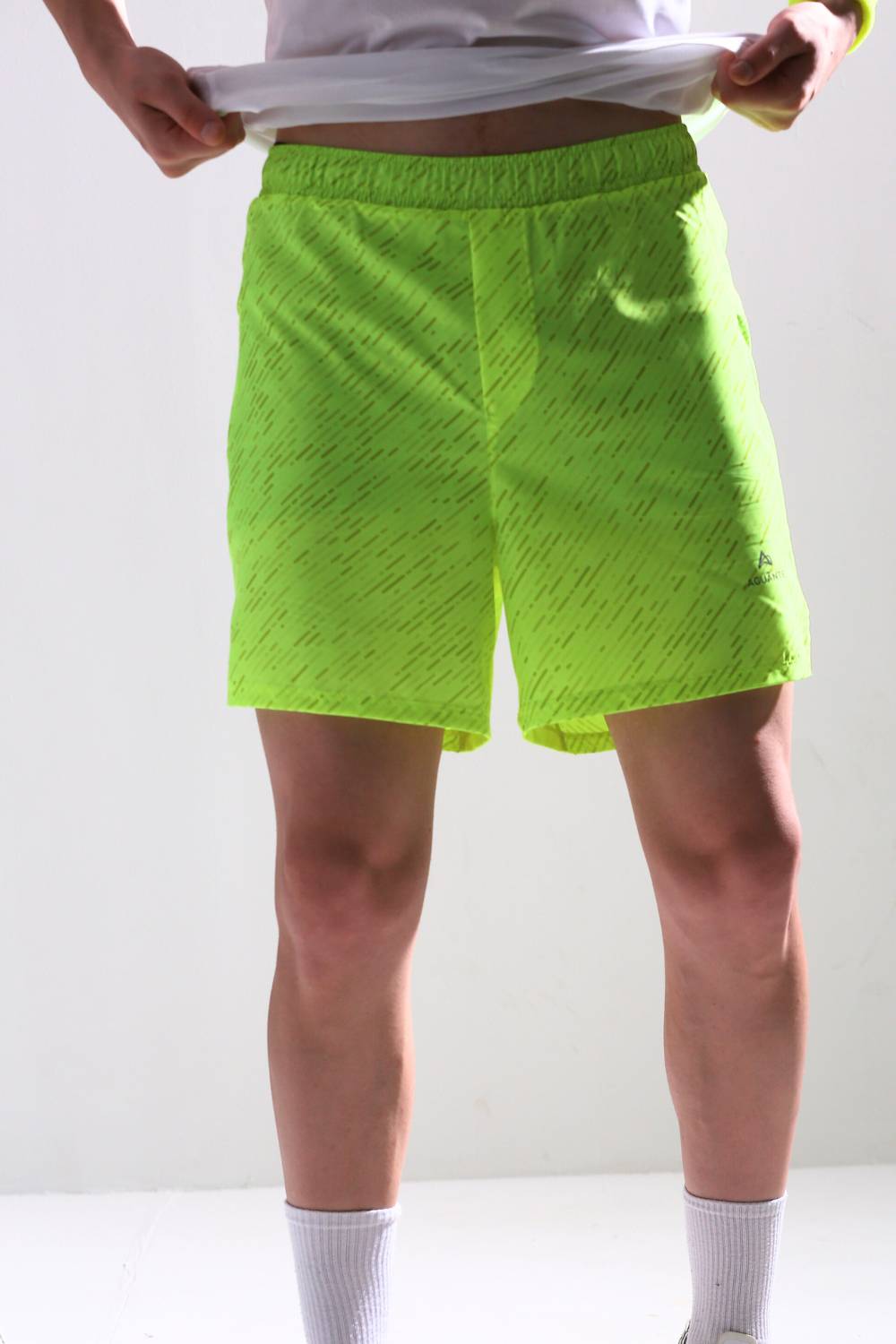
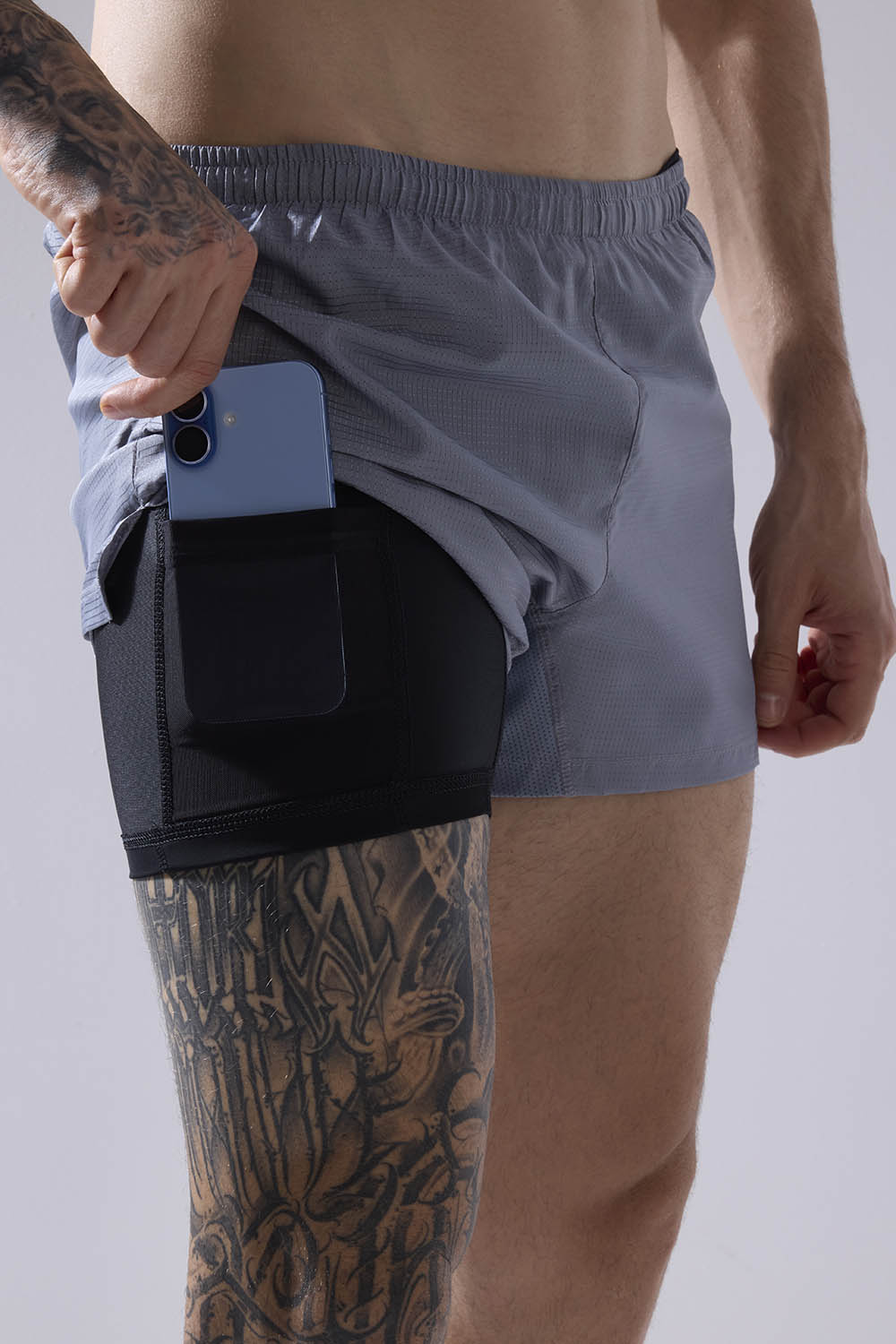

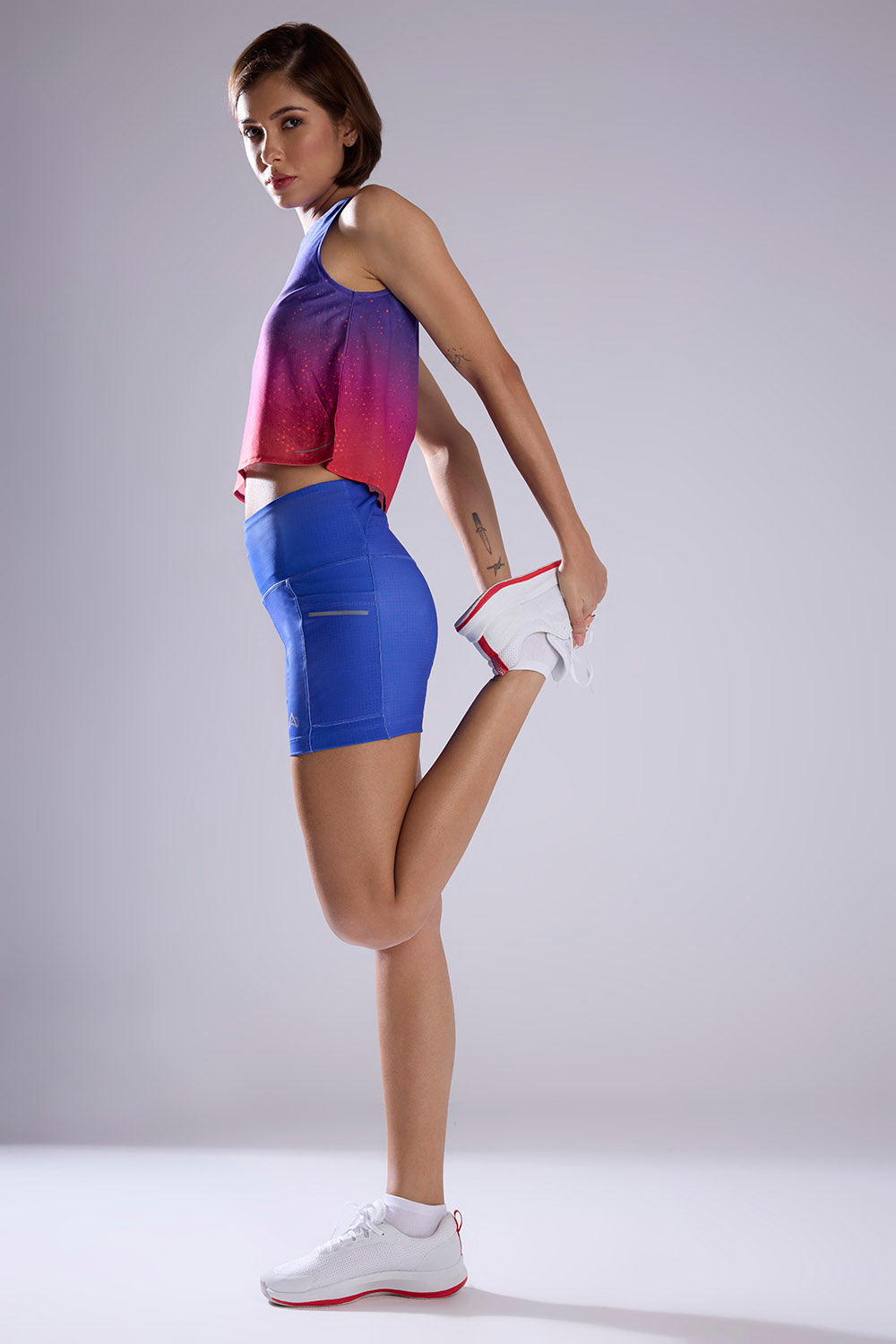
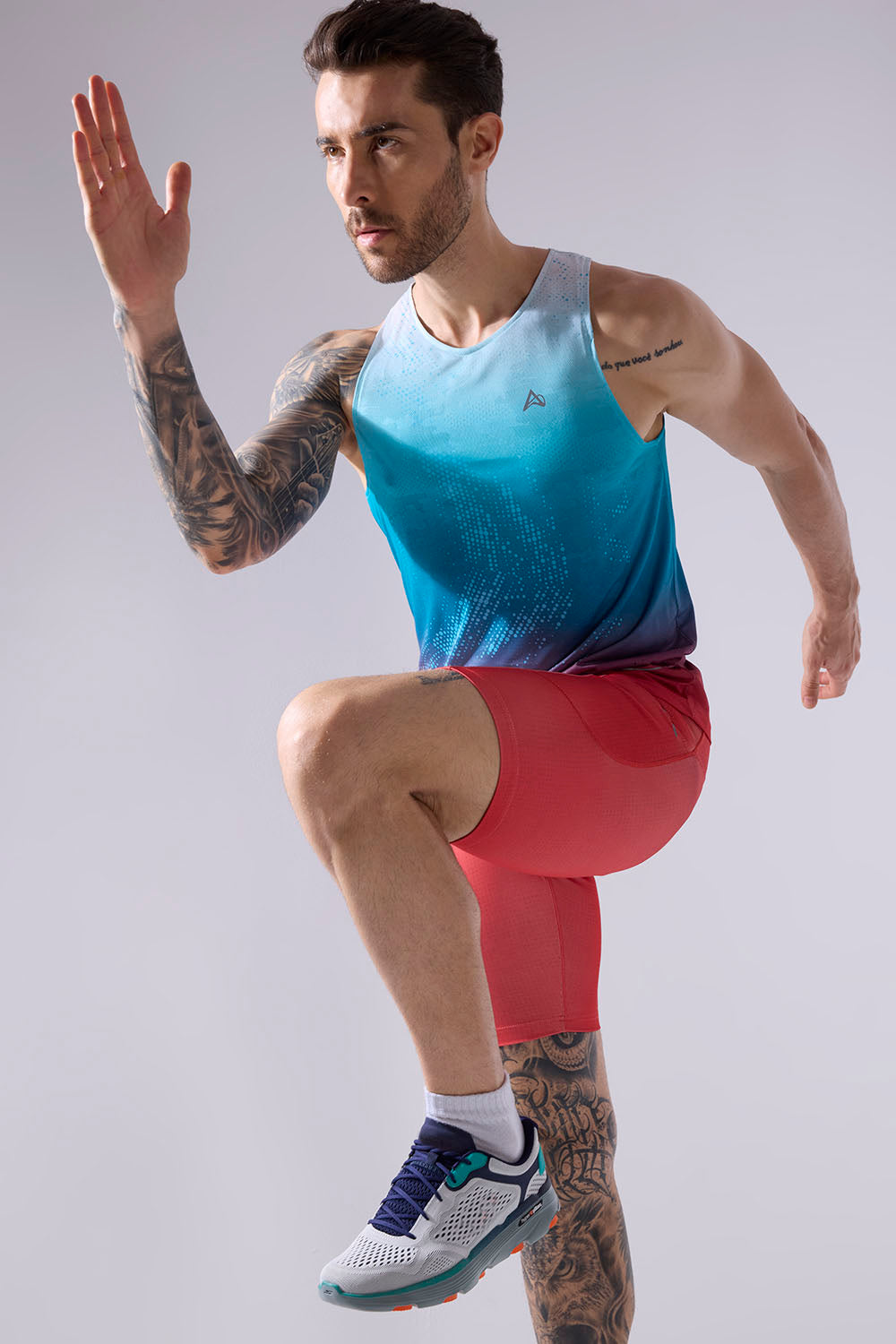

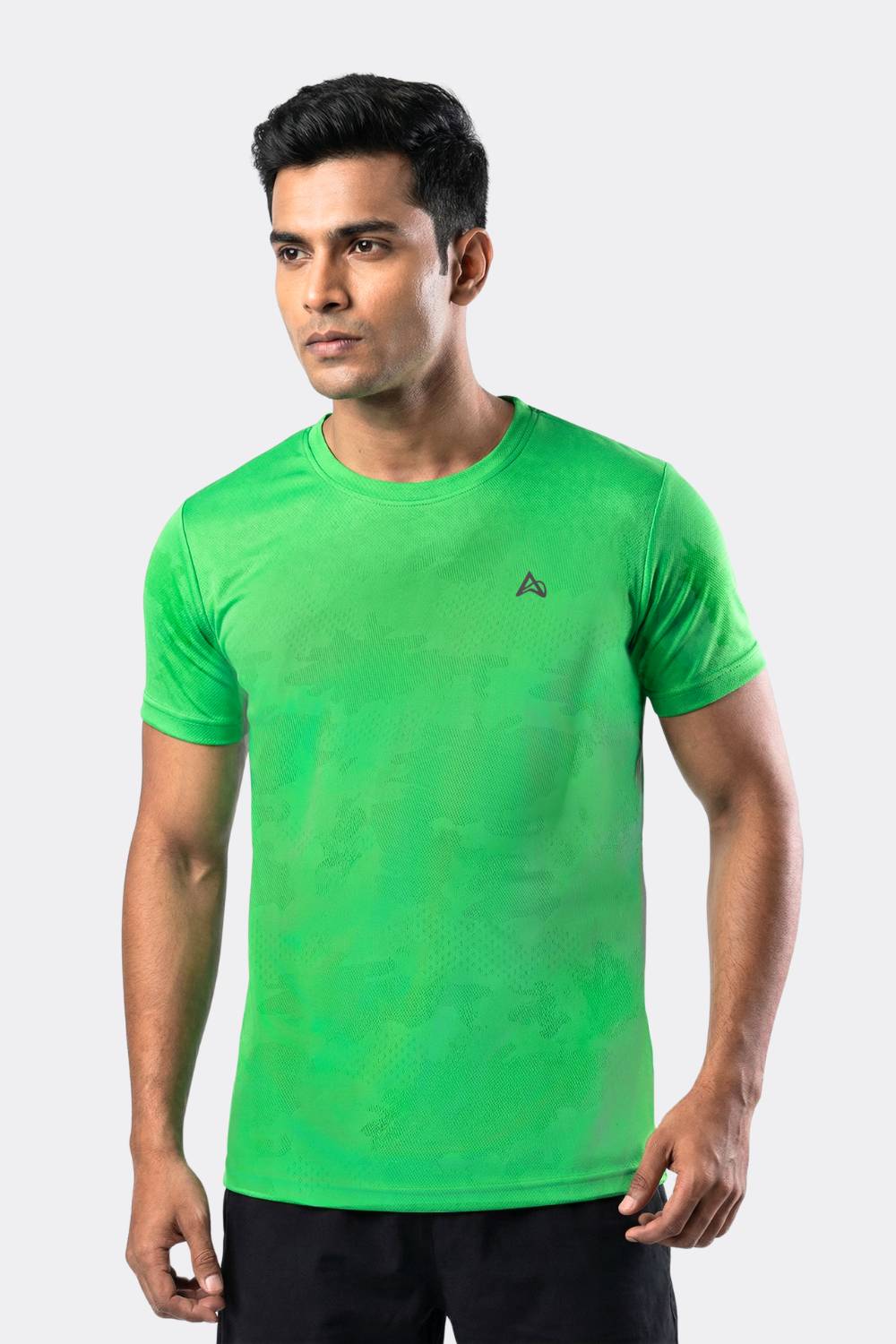
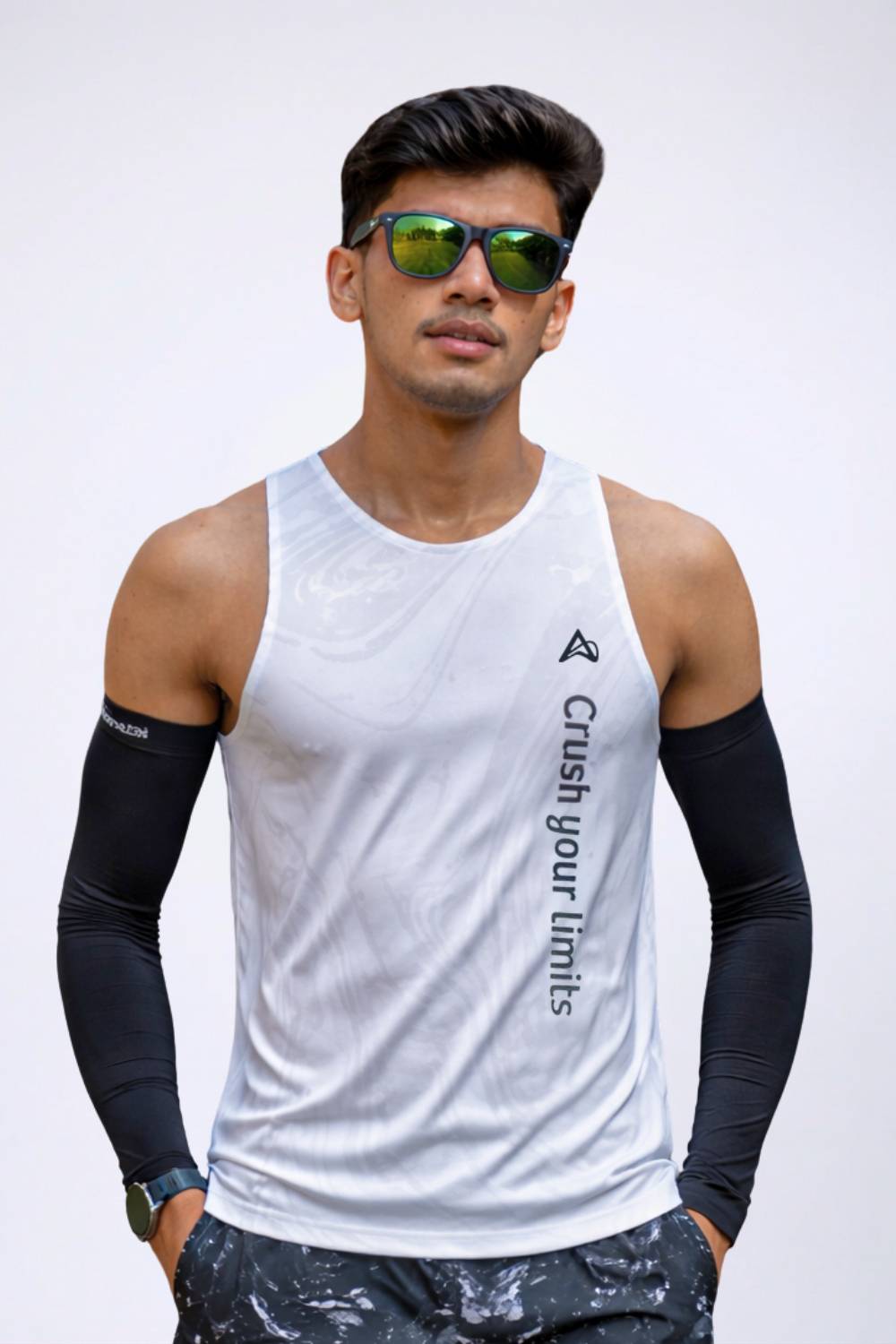

When engaging in prolonged physical activity, the body generates heat and sweat at an accelerated pace. Fabrics that fail to facilitate moisture management can lead to discomfort, skin irritation, and reduced performance. Modern performance activewear materials are designed to transport sweat away from the skin and promote rapid evaporation, a feature often referred to as moisture-wicking. Research in India highlights that runners increasingly prefer apparel engineered with sweat management in mind, as it enhances both comfort and endurance.
Moisture-wicking running clothes often utilize synthetic fibers such as polyester or nylon, sometimes blended with elastane for stretch. These fabrics maintain structural integrity even after repeated wash cycles, ensuring consistent performance. Compared to traditional cotton, which absorbs and retains sweat, synthetic blends keep runners dry, reduce friction, and prevent chafing during long sessions in urban areas like Hyderabad and Pune. The correct fabric can also facilitate ventilation, allowing the body to dissipate heat efficiently, which is particularly important in India's humid climates.
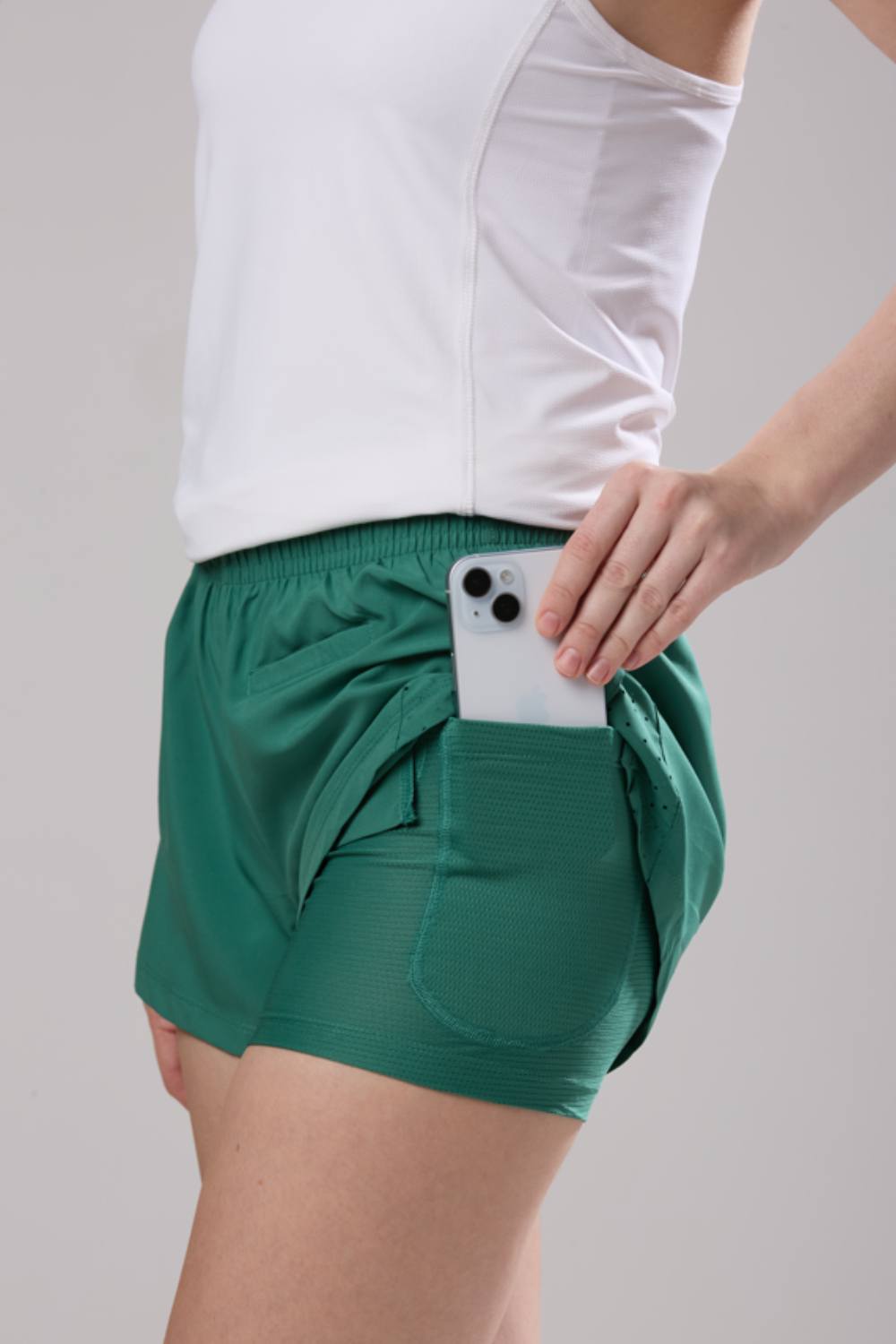
Tired of gear that slows you down? Chafing, soggy fabrics, and missing pockets kill your run's momentum. At Aguante, we're runners who get it. Our high-performance activewear features moisture-wicking fabrics, ergonomic designs, and smart storage to keep you focused. Shop Now!
Benefits of Breathable Running Fabrics
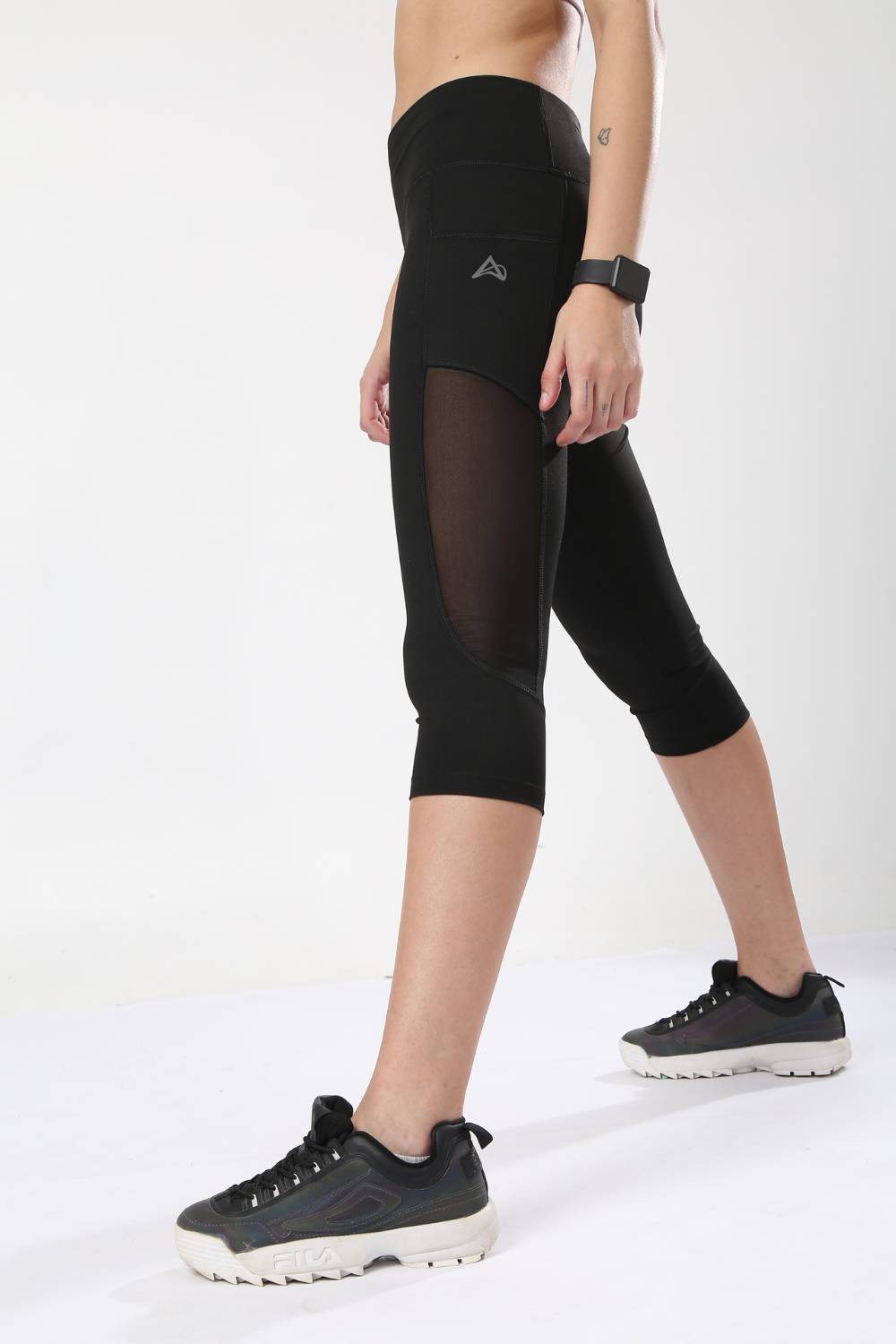
Breathable running fabrics play a vital role in sustaining comfort over long distances. Textiles engineered with mesh panels or micro-perforations allow air circulation, helping to regulate body temperature. Runners in Mumbai, where heat and humidity levels can peak during summer months, often prioritize breathable clothing to avoid overheating and fatigue. Breathable materials combined with moisture-wicking properties provide a dual function: they keep sweat away from the skin while allowing airflow, which significantly enhances comfort.
Additionally, breathable fabrics contribute to skin health. Prolonged exposure to wet clothing can increase the risk of rashes or bacterial growth. Performance apparel in cities like Delhi and Gurugram increasingly incorporates antimicrobial finishes in fabric technology, reducing odor and skin irritation. Understanding these features helps athletes select running gear that supports long-term training consistency and personal hygiene, crucial for serious endurance training.
Comparing Fabric Types for Comfort and Performance
Not all fabrics are created equal. Runners must evaluate options based on texture, elasticity, and thermal regulation. Polyester blends are widely used for their moisture-wicking efficiency and lightweight feel, ideal for both hot urban routes and early morning runs in Navi Mumbai. Nylon, often combined with spandex, offers durability and a snug fit that reduces movement-related friction, while still permitting airflow. For winter training in cooler climates, fabrics may include merino wool or insulated synthetics, which provide warmth without excessive weight.
The Indian sports apparel market demonstrates a growing demand for diverse material options that cater to both performance and style. Athletes increasingly invest in clothing that balances comfort with aesthetic appeal, reflecting the convergence of fitness and lifestyle trends. Selecting the right fabric allows runners to maintain peak performance while minimizing distractions caused by discomfort or irritation during extended workouts.
Practical Tips for Selecting Running Apparel Fabrics
Choosing the right fabric involves more than checking the label. Consider factors such as the intensity and duration of training, climate conditions, and personal sensitivity to friction. Lightweight, moisture-wicking tops paired with breathable bottoms are often recommended for long-distance training in Indian metros like Ahmedabad and Surat. Layering strategies, using different fabric combinations, can also provide adaptive comfort for varying temperatures throughout a run.
Runners should also pay attention to seam placement and garment fit. Flatlock seams reduce skin irritation, and garments with ergonomic designs align with the body's movement patterns. Fabrics with slight stretch enhance mobility while maintaining structural support. Investing in clothing with verified sports fabric technology ensures that each layer contributes to overall comfort, reducing the likelihood of heat retention or sweat-induced chafing.
Impact of Fabric on Recovery and Long-Term Training
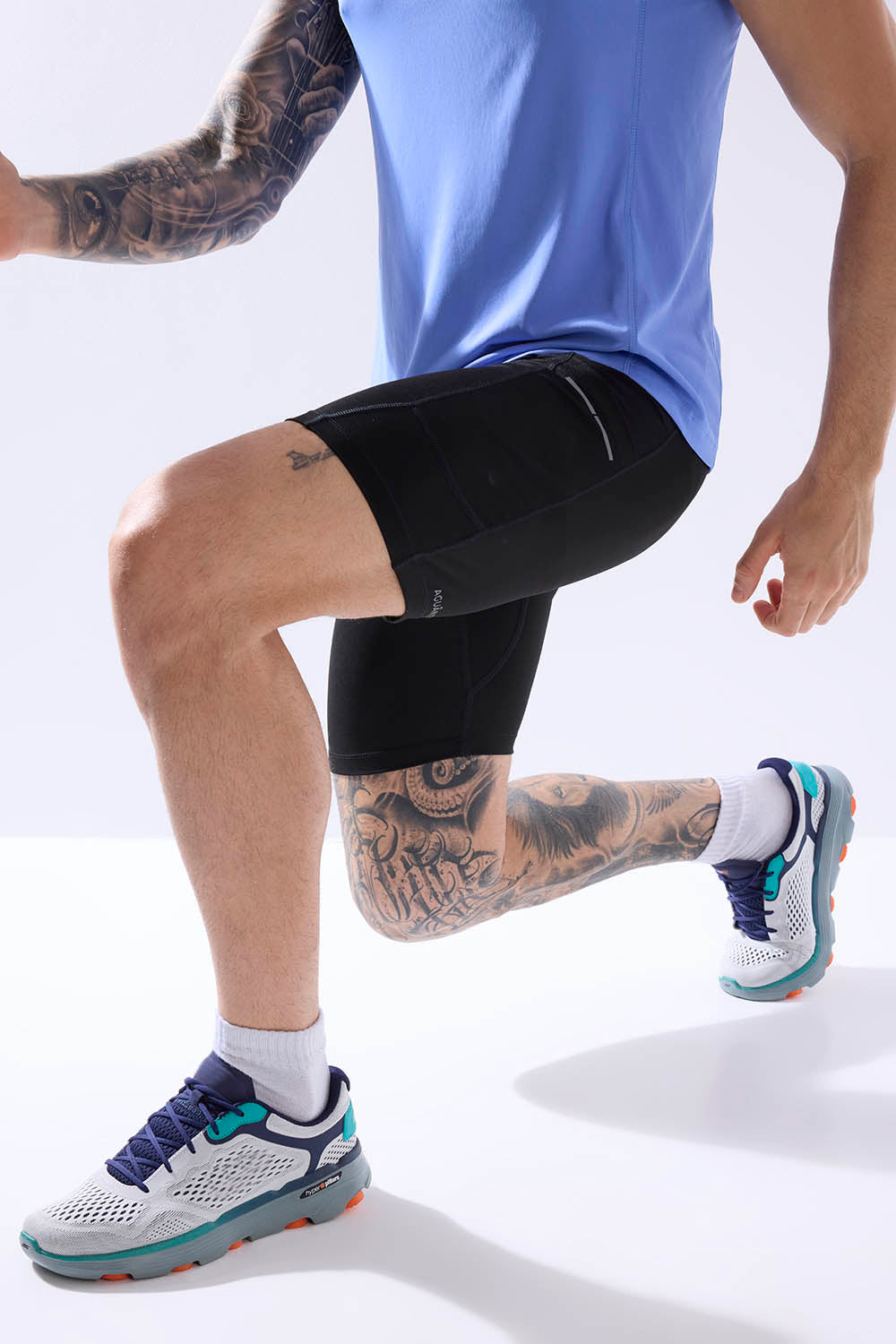
Comfortable running apparel not only improves performance during training but also affects recovery. Fabrics that manage moisture and promote airflow reduce prolonged exposure to sweat-soaked clothing, which can irritate skin and delay post-run recovery. Compression garments made from high-performance fabrics support muscle recovery and help regulate blood flow, which is particularly useful for triathletes in cities like Gurugram and Pune where back-to-back endurance sessions are common.
Proper fabric selection also encourages consistency in training routines. Athletes are more likely to maintain regular schedules when discomfort is minimized, translating into better performance outcomes over time. Performance activewear materials, designed with comfort as a priority, serve as an essential investment for runners seeking to maximize both daily training efficiency and long-term endurance progress.
Integrating Fabric Choices with Running Gear
Endurance running is not just about clothing; it encompasses the integration of complete running gear, including shoes, accessories, and hydration systems. Fabrics that work harmoniously with supportive footwear prevent friction-related injuries and enhance gait efficiency. Runners in Mumbai or Bangalore who pair moisture-wicking clothing with properly ventilated shoes experience fewer instances of overheating and blistering. Complementary gear choices, such as breathable socks and lightweight caps, further optimize comfort during long sessions.
Considering the local climate, fabric choices can also influence safety and performance in varying weather conditions. Reflective materials and quick-dry textiles are practical additions for urban runners in Hyderabad and Delhi, ensuring visibility and comfort during early morning or evening runs. By selecting fabrics and gear thoughtfully, athletes achieve a holistic training setup that prioritizes performance, comfort, and endurance.
Prioritizing Fabric for Endurance Success
Selecting the right fabric for endurance training is an often-overlooked but critical factor in running performance and comfort. Moisture-wicking running clothes, breathable fabrics, and ergonomically designed apparel help runners navigate long-distance sessions with reduced friction, effective sweat management, and optimal body temperature regulation. Local insights from Indian cities like Pune, Mumbai, and Delhi reveal that athletes increasingly value the synergy between fabric technology and practical training needs, driving demand for high-quality performance activewear. By understanding and prioritizing fabric choices, endurance athletes can achieve a more enjoyable, effective, and sustainable training experience.
Frequently Asked Questions
What is the best fabric for moisture-wicking running clothes during endurance training?
Synthetic fibers like polyester and nylon often blended with elastane are the top choices for moisture-wicking running clothes. Unlike cotton, which absorbs and holds sweat, these fabrics pull moisture away from the skin and promote rapid evaporation, keeping runners dry and reducing friction. They also hold up well through repeated wash cycles, ensuring consistent performance over time.
How do breathable running fabrics help prevent chafing and skin irritation?
Breathable running fabrics, especially those with mesh panels or micro-perforations, allow continuous airflow that helps regulate body temperature and reduce sweat buildup. Staying in wet clothing for extended periods raises the risk of rashes and bacterial growth, so fabrics with antimicrobial finishes add an extra layer of protection. Pairing breathable materials with flatlock seams and ergonomic garment design further minimizes skin irritation during long training sessions.
Can the right activewear fabric actually improve running performance and recovery?
Yes performance activewear materials directly impact both training efficiency and post-run recovery. Moisture-wicking, breathable fabrics reduce heat retention and prolonged skin exposure to sweat, which can otherwise cause irritation and slow recovery. Compression garments made from high-performance fabrics go a step further by supporting muscle recovery and promoting healthy blood flow, making them especially valuable for runners tackling back-to-back endurance sessions.
Disclaimer: The above helpful resources content contains personal opinions and experiences. The information provided is for general knowledge and does not constitute professional advice.
You may also be interested in: Marathon Growth in India Influences Gear Choices for Endurance
Tired of gear that slows you down? Chafing, soggy fabrics, and missing pockets kill your run's momentum. At Aguante, we're runners who get it. Our high-performance activewear features moisture-wicking fabrics, ergonomic designs, and smart storage to keep you focused. Shop Now!
Powered by flareAI.co