



Quick Listen:
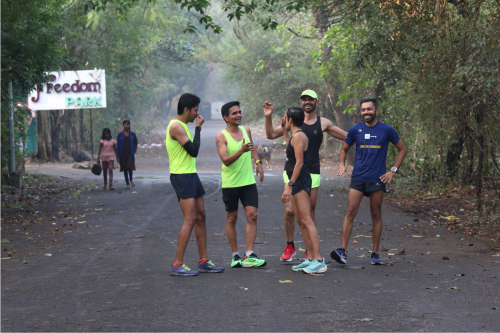
In the humid pre-dawn twilight along Mumbai's iconic Marine Drive, where the Arabian Sea's breeze carries more moisture than relief, dedicated runners begin their daily grind. Even as temperatures hover above 30°C, sweat beads instantly on their skin. Yet many no longer suffer the heavy cling of drenched cotton tees. Instead, they don advanced synthetic apparel that actively transports perspiration outward, allowing rapid evaporation and sustaining their rhythm over long distances.
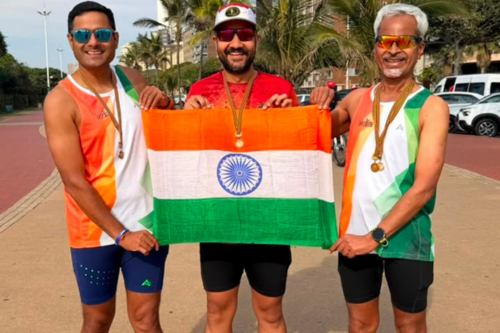
India is witnessing an unprecedented surge in running culture. Major events like the Tata Mumbai Marathon draw tens of thousands, while grassroots groups thrive in cities from Bengaluru to Hyderabad and Delhi. Participants push through extreme conditions scorching summers routinely topping 35°C, coupled with humidity that can exceed 80%. In such an environment, endurance depends not solely on training and willpower, but critically on intelligent clothing choices.
These specialized textiles, often crafted from synthetic fibers like polyester or nylon sometimes blended with natural materials for added comfort function by capillary action. They pull sweat from the skin to the outer surface, where it spreads and evaporates efficiently. This process maintains drier skin, supports natural thermoregulation, and keeps athletes comfortable during prolonged exertion.
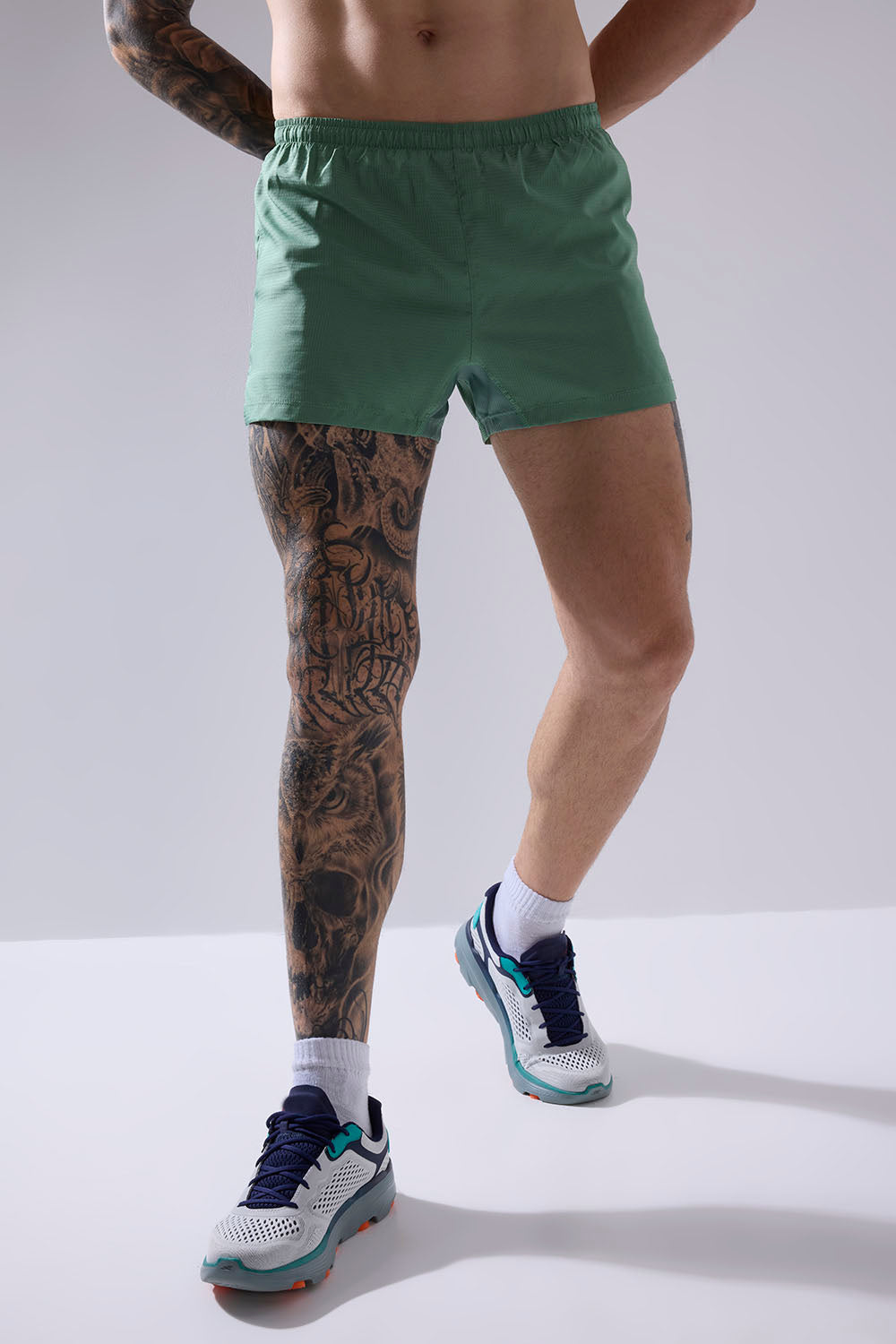
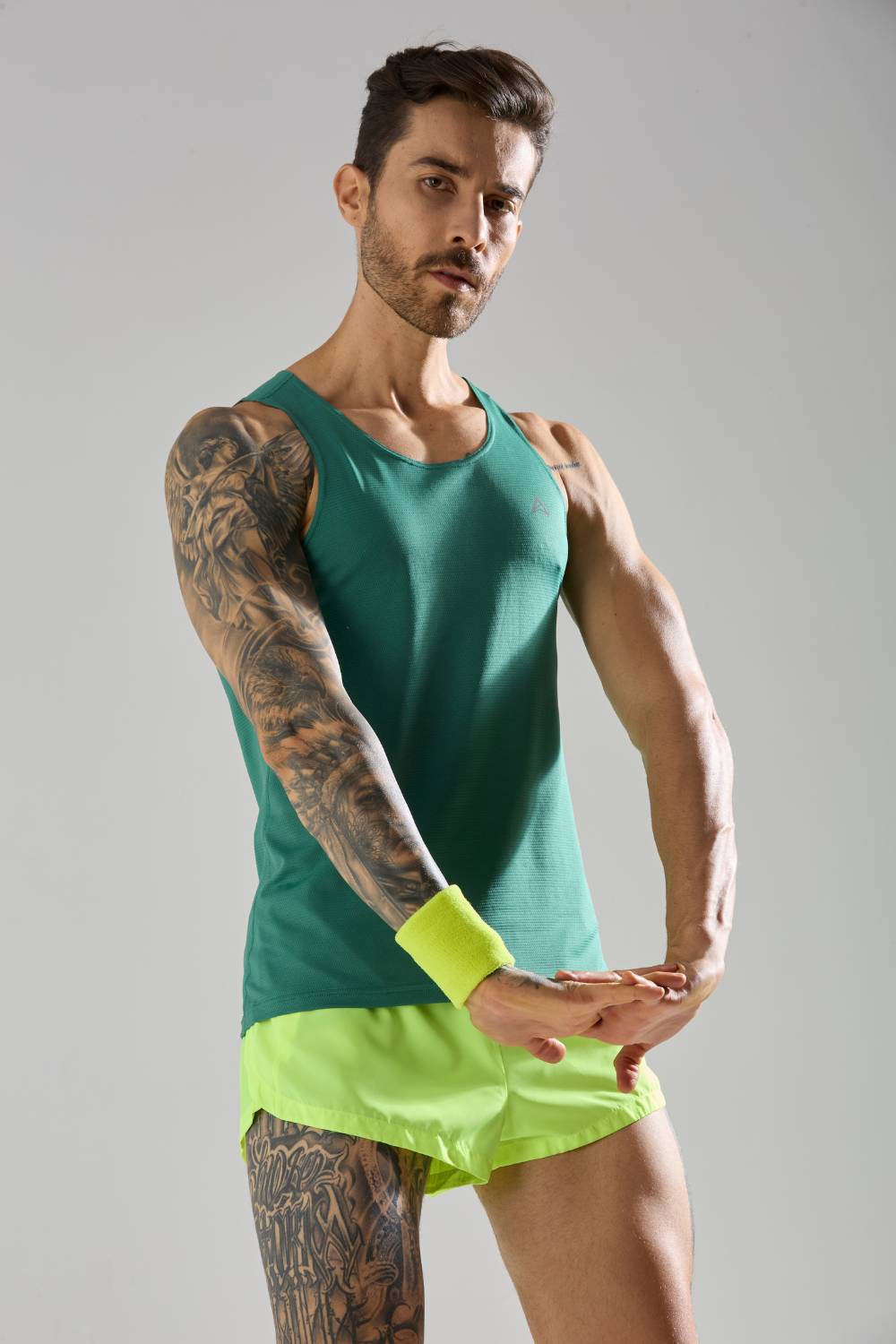
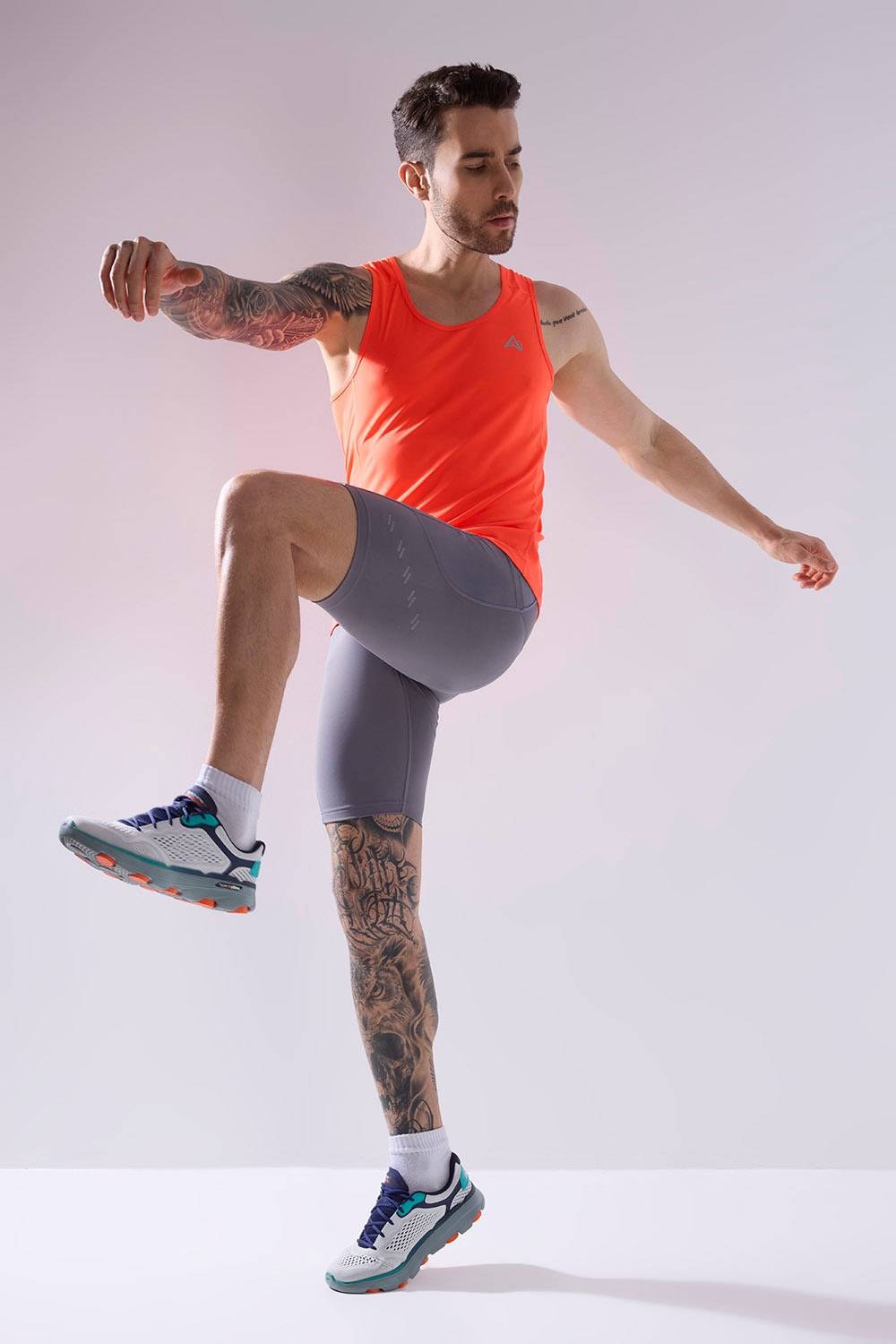
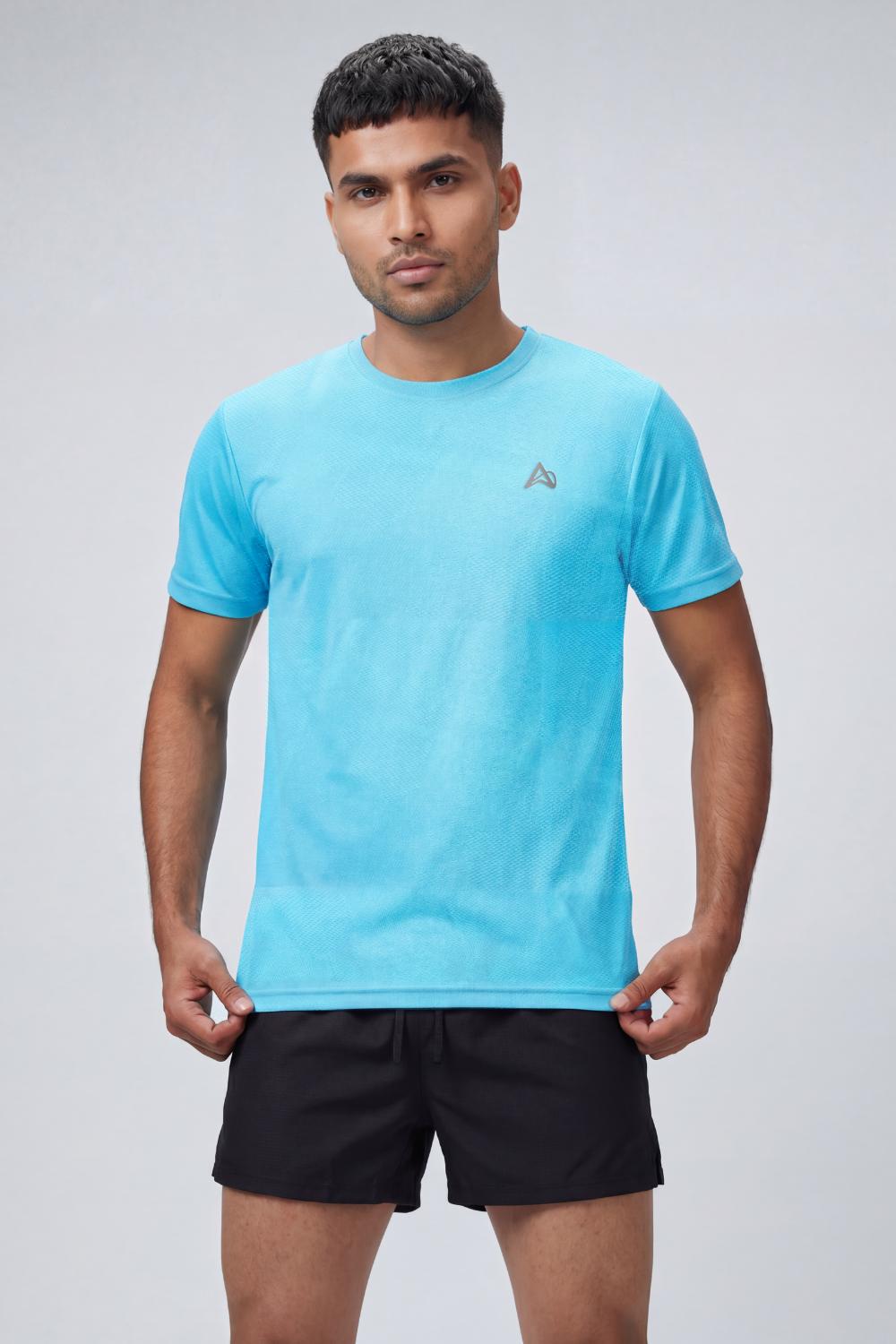
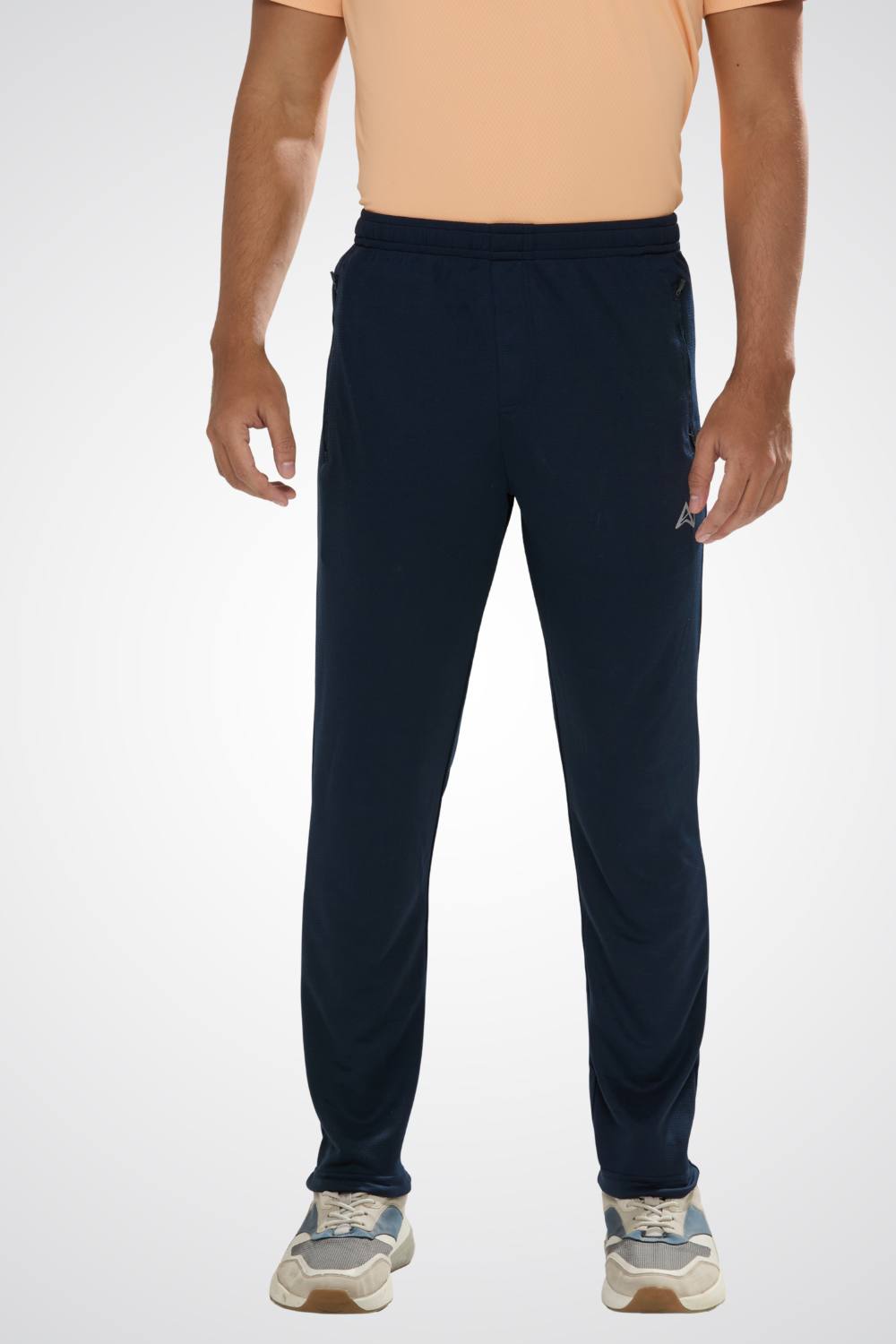
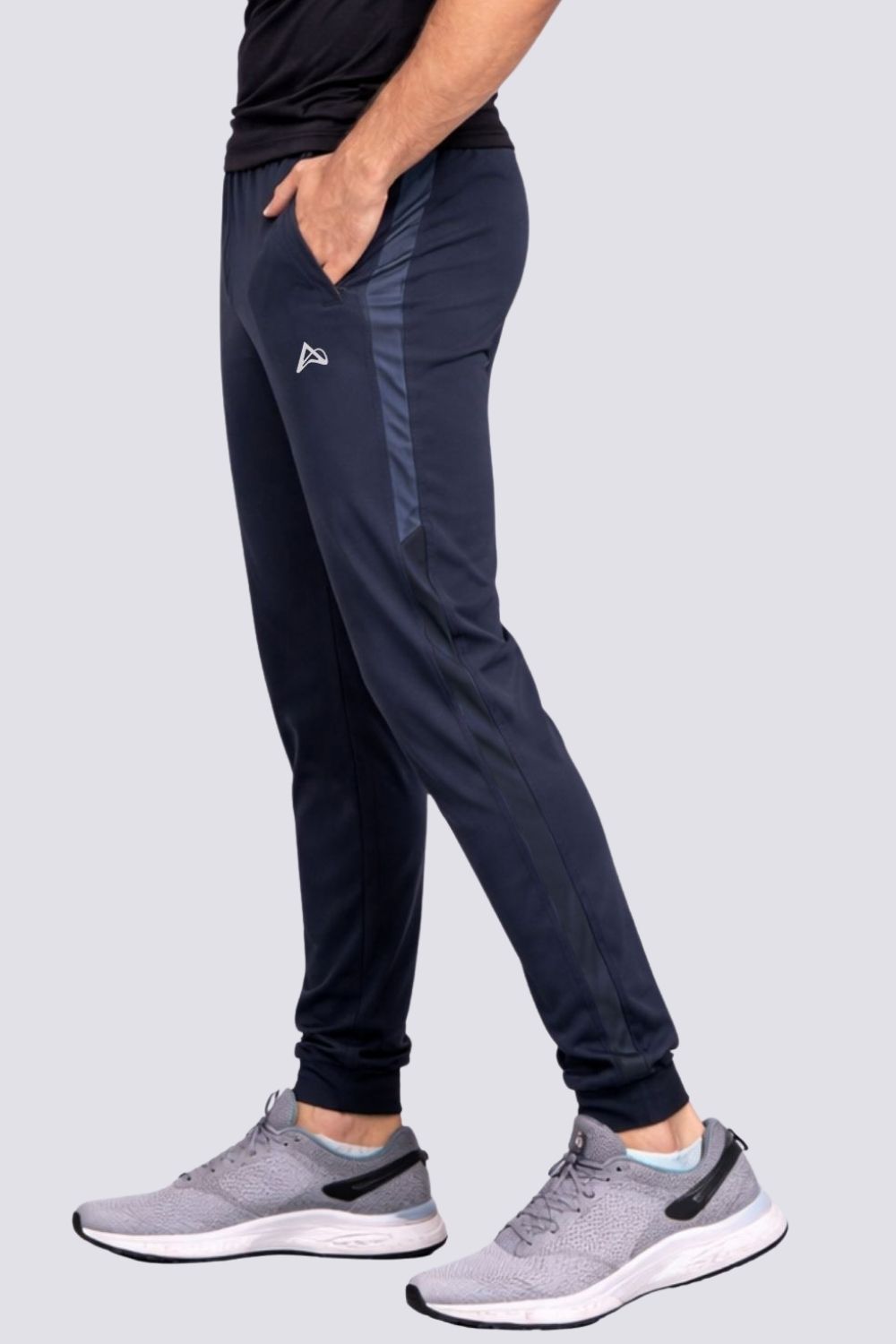
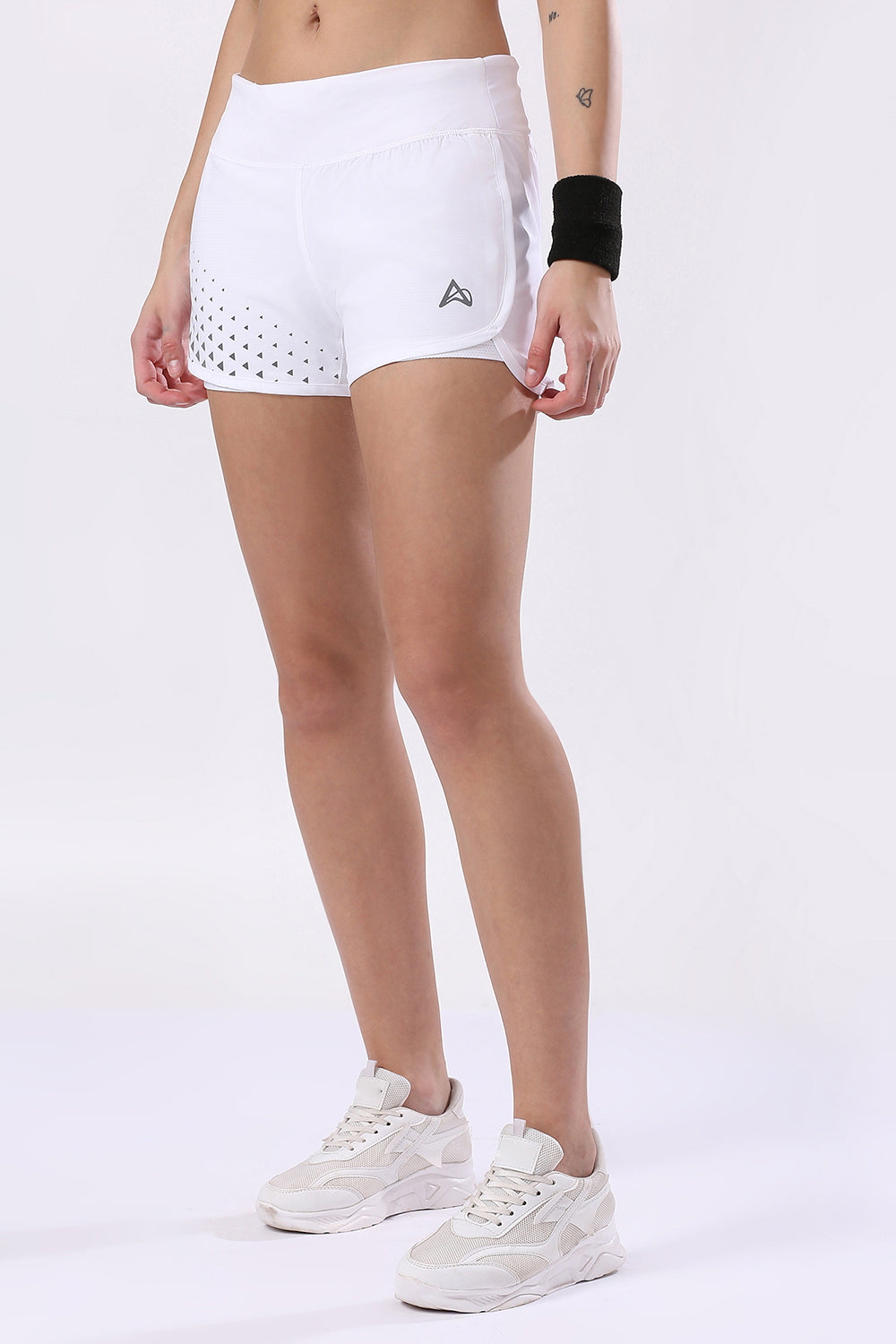
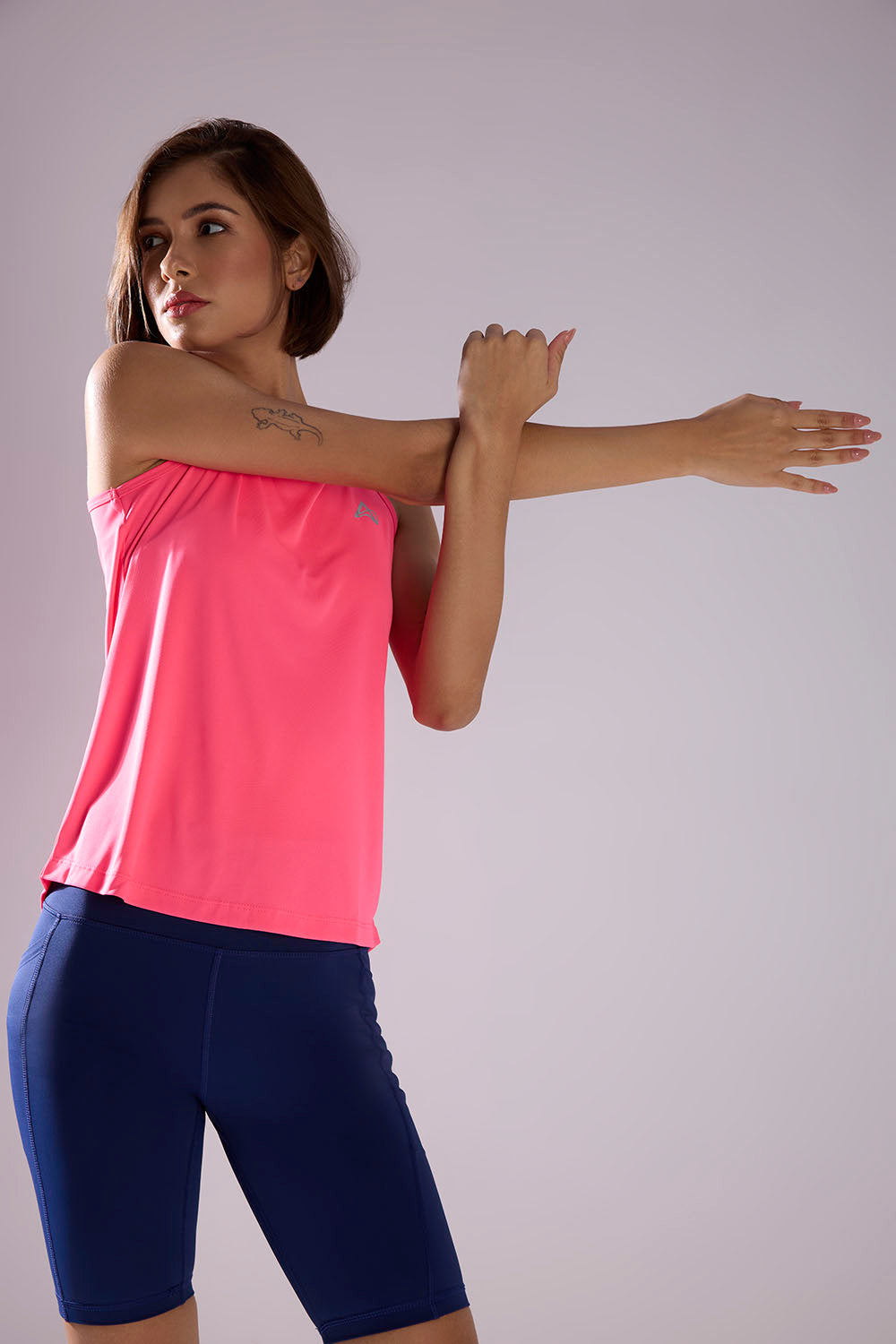
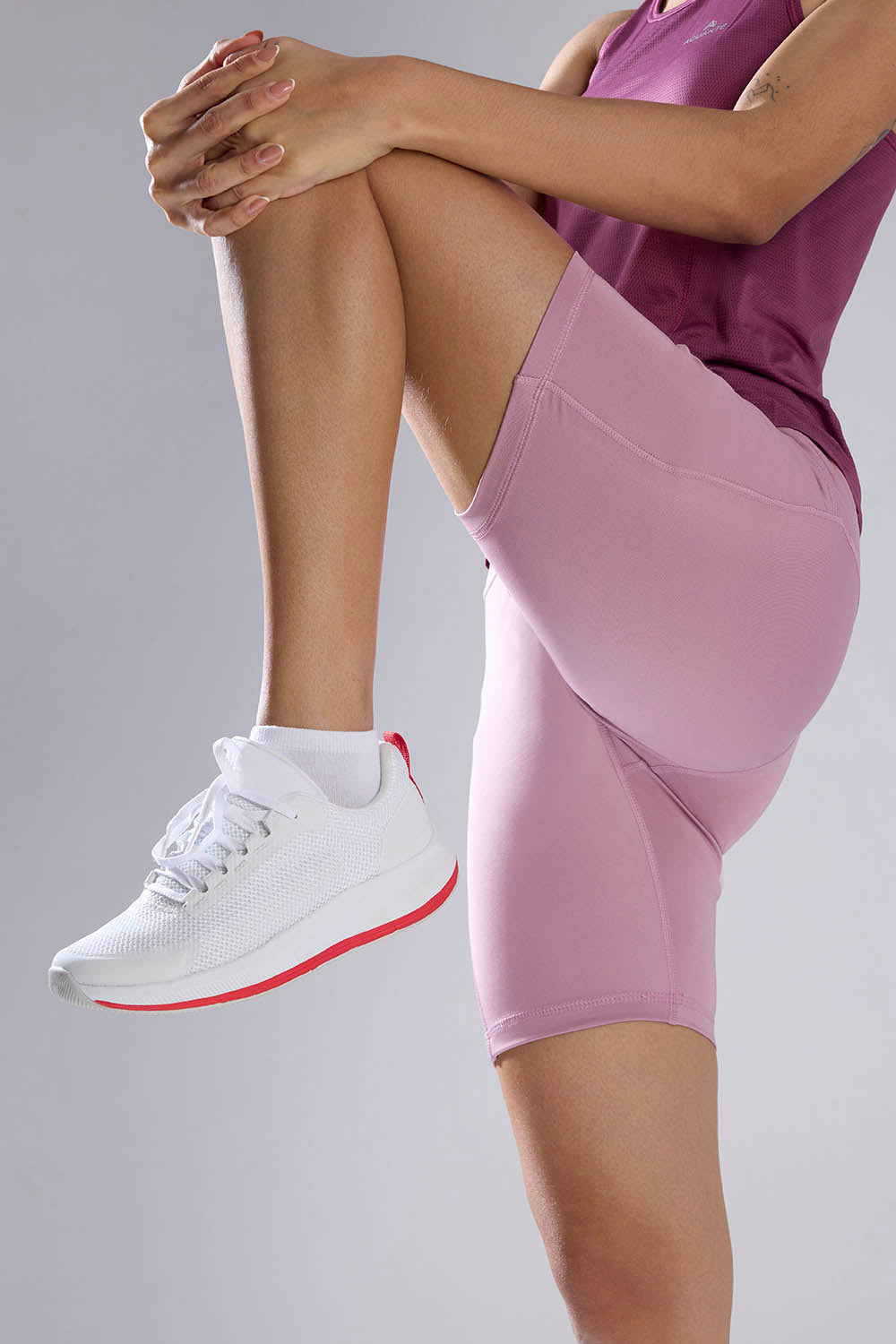
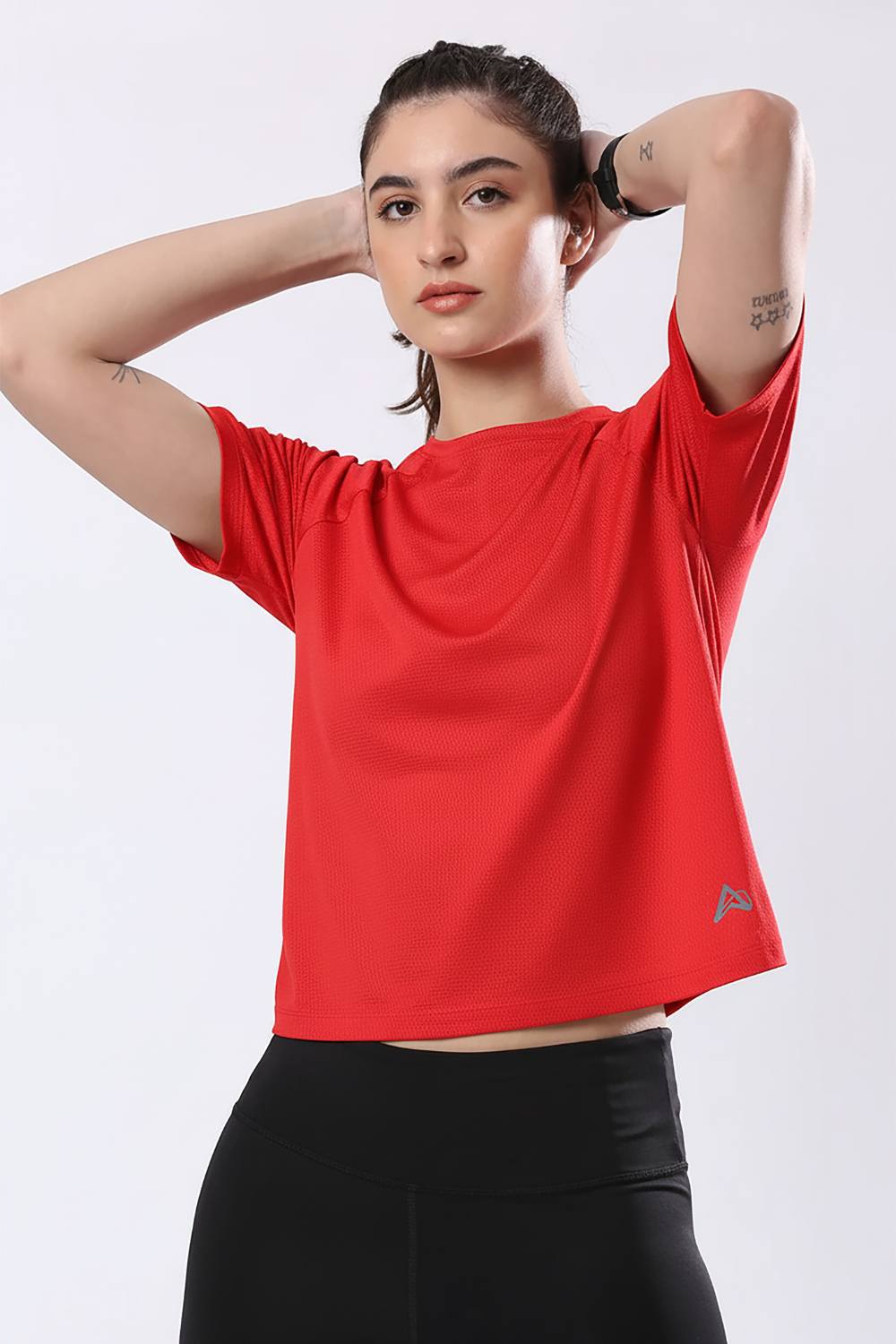
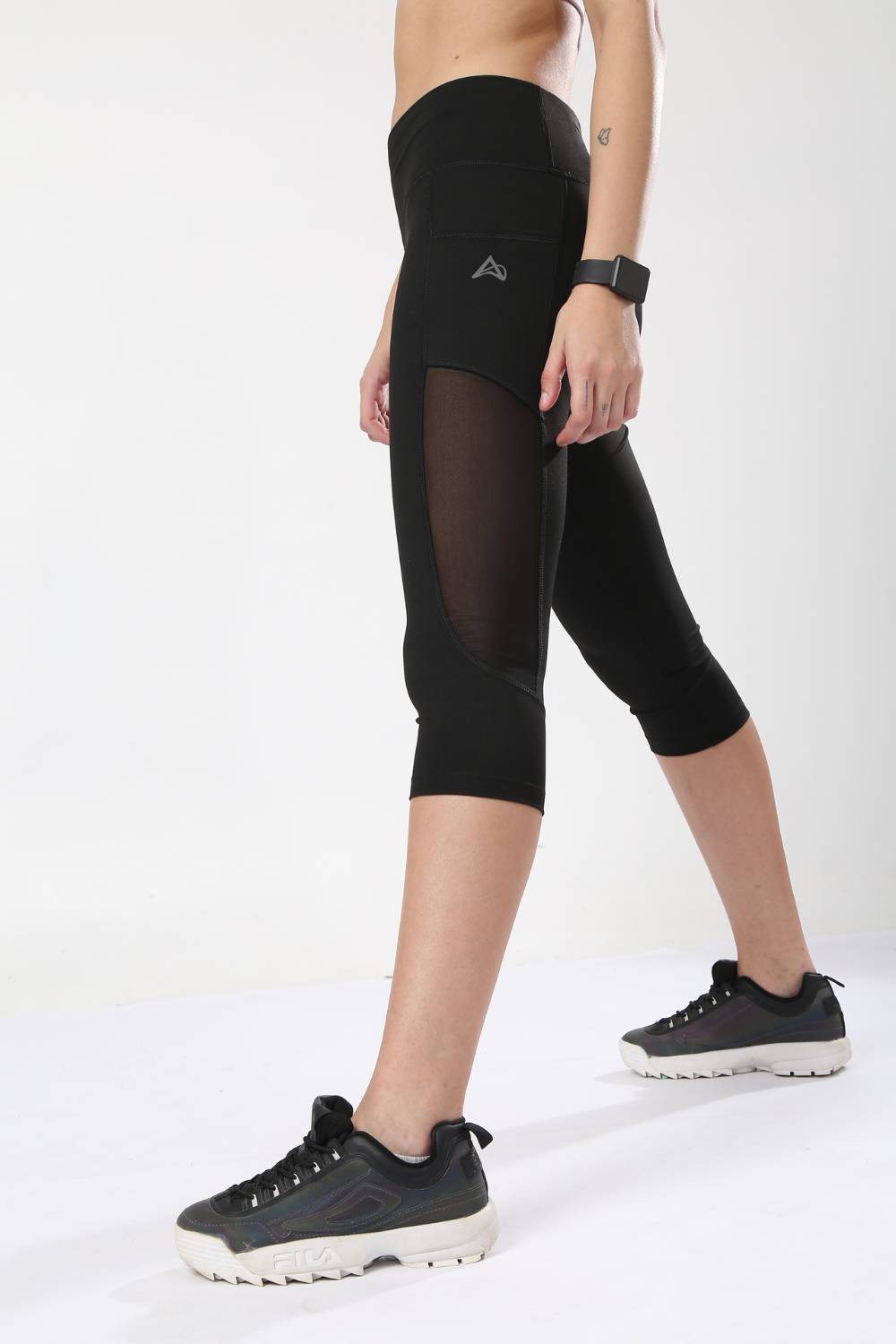
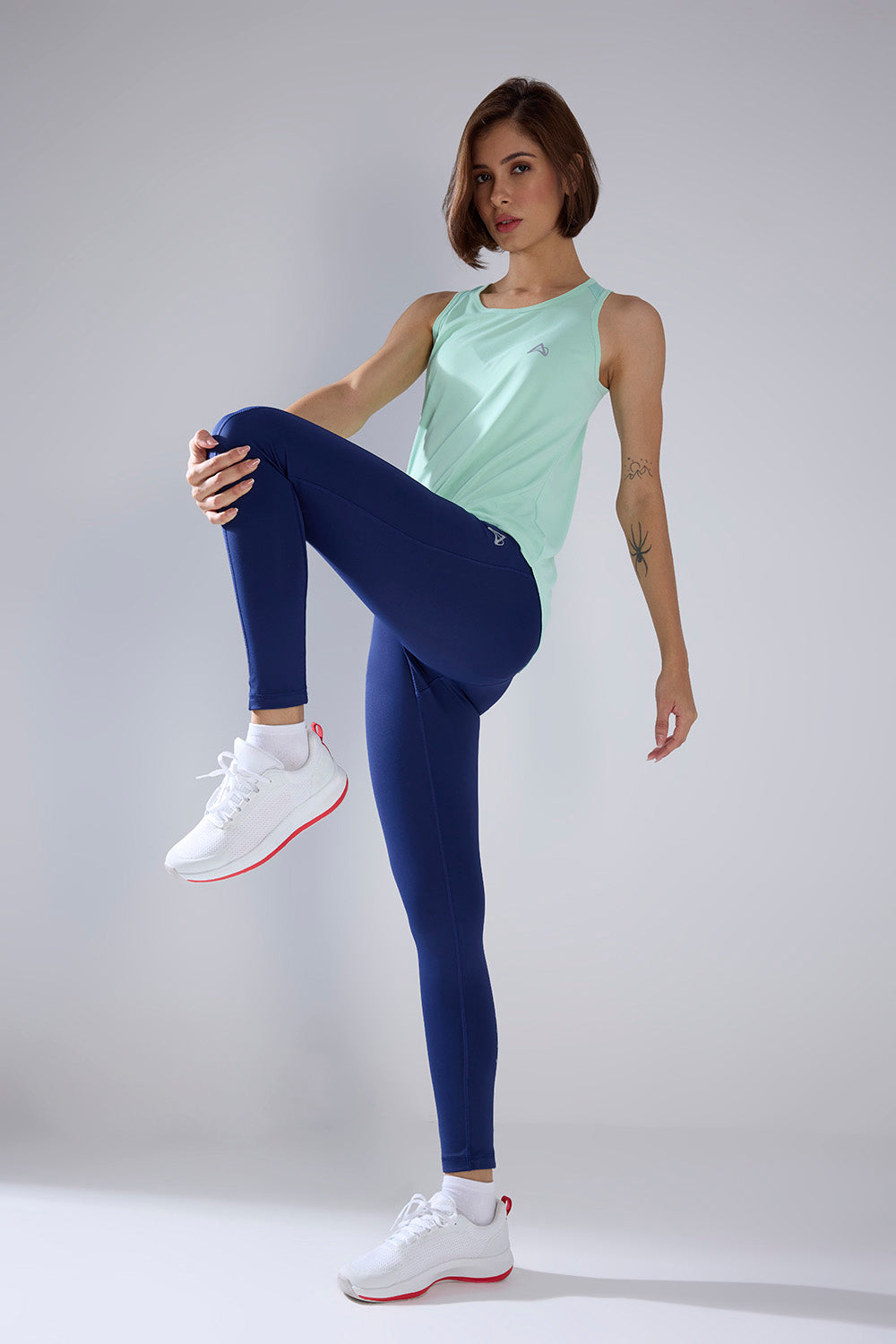
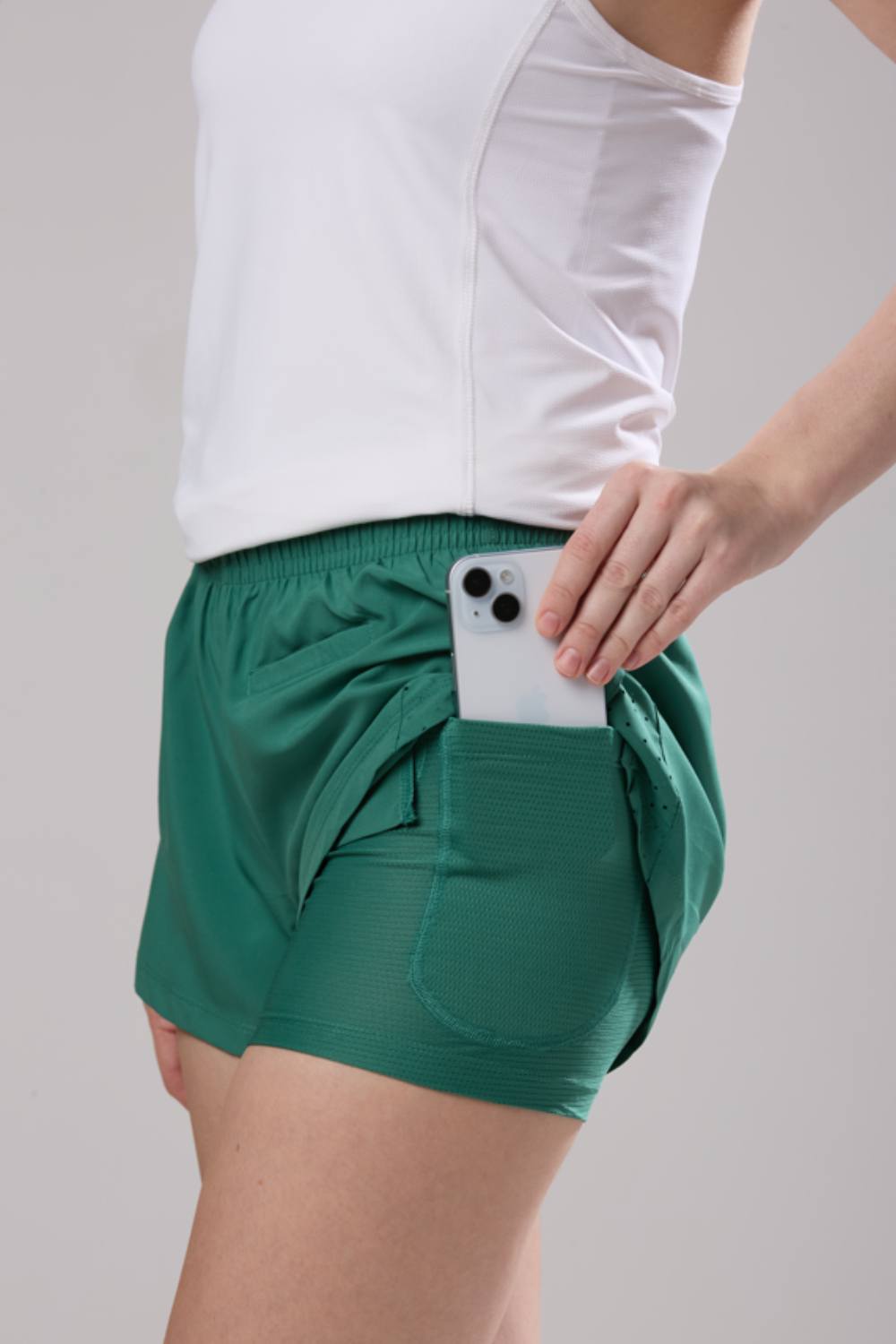
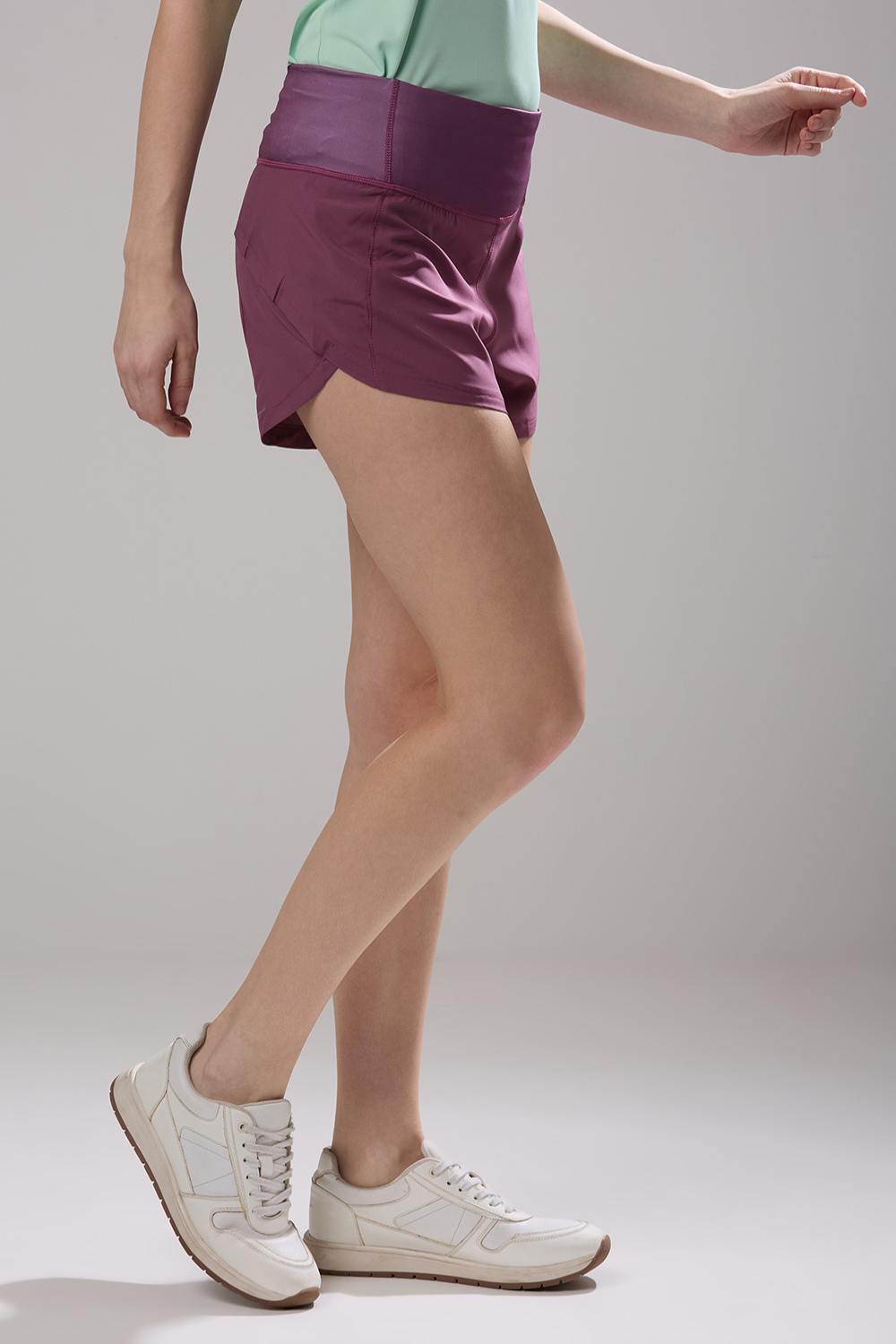
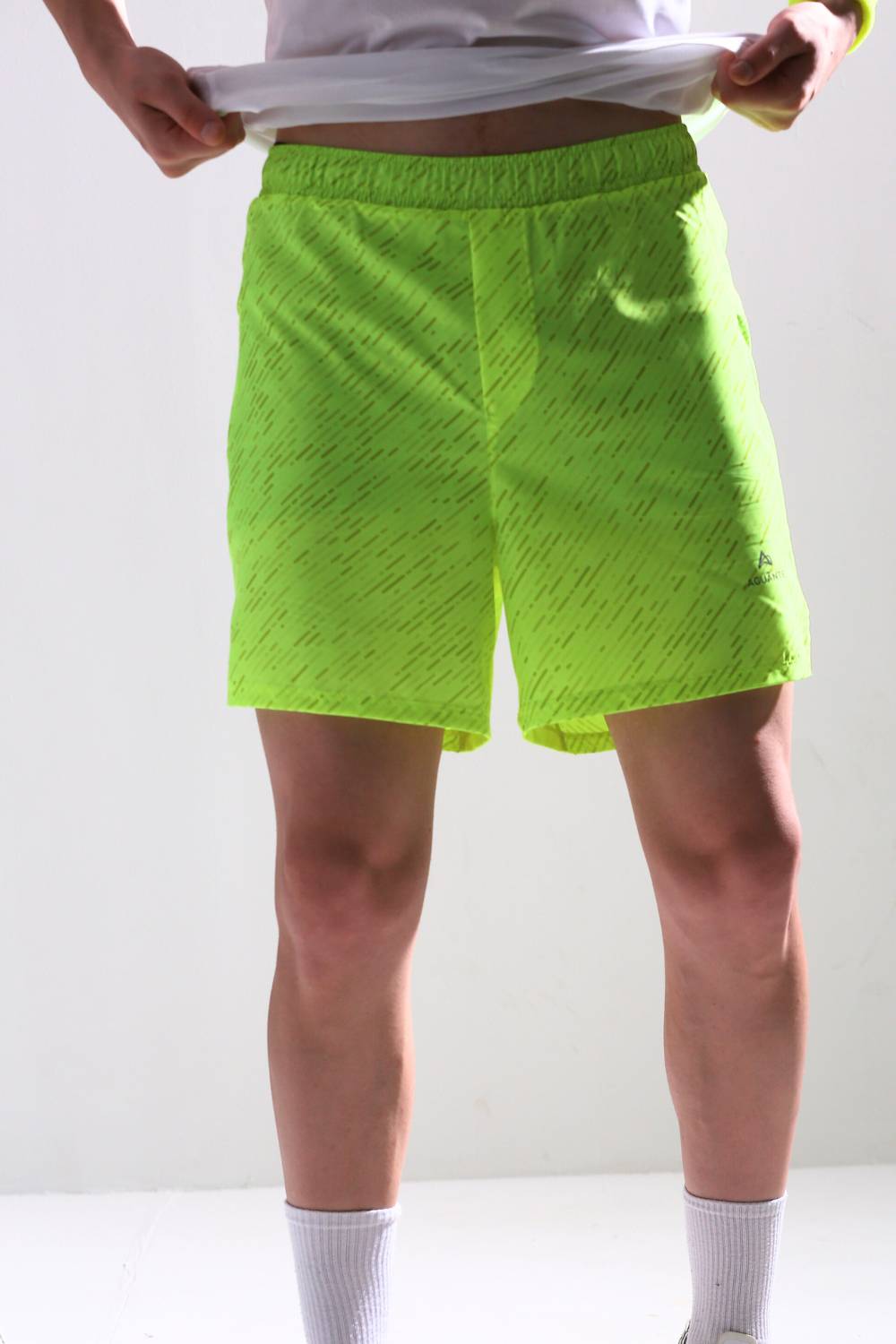
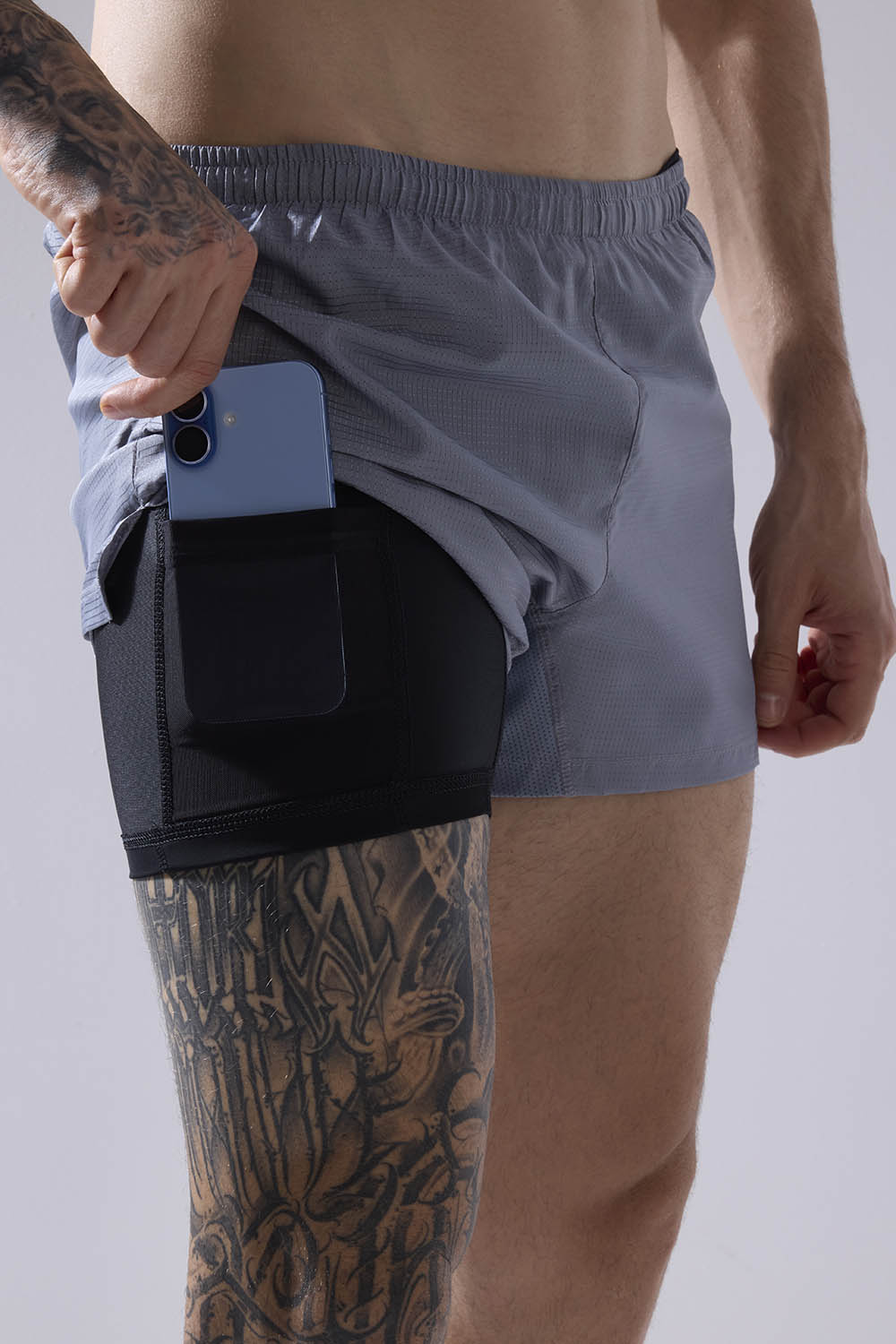
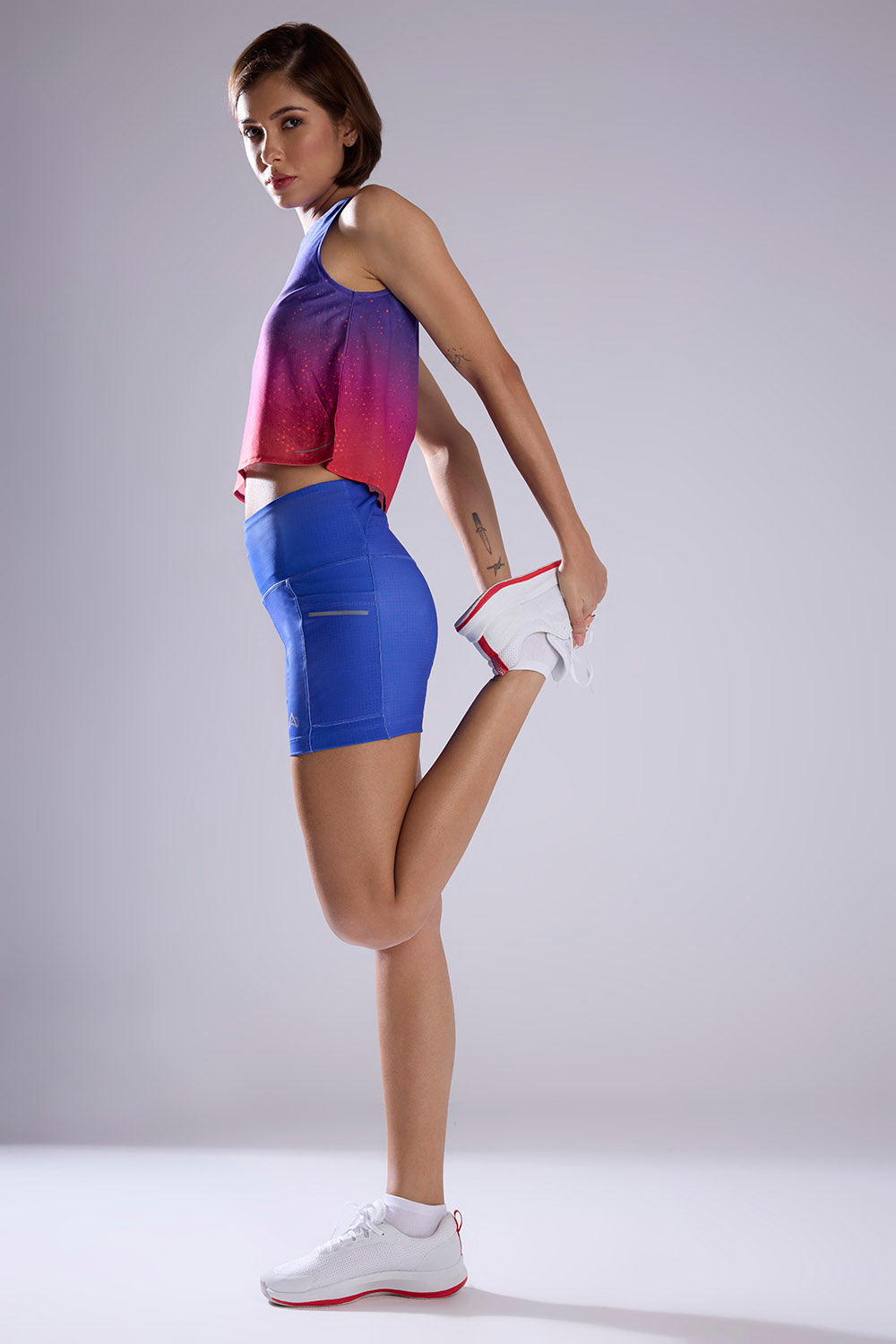
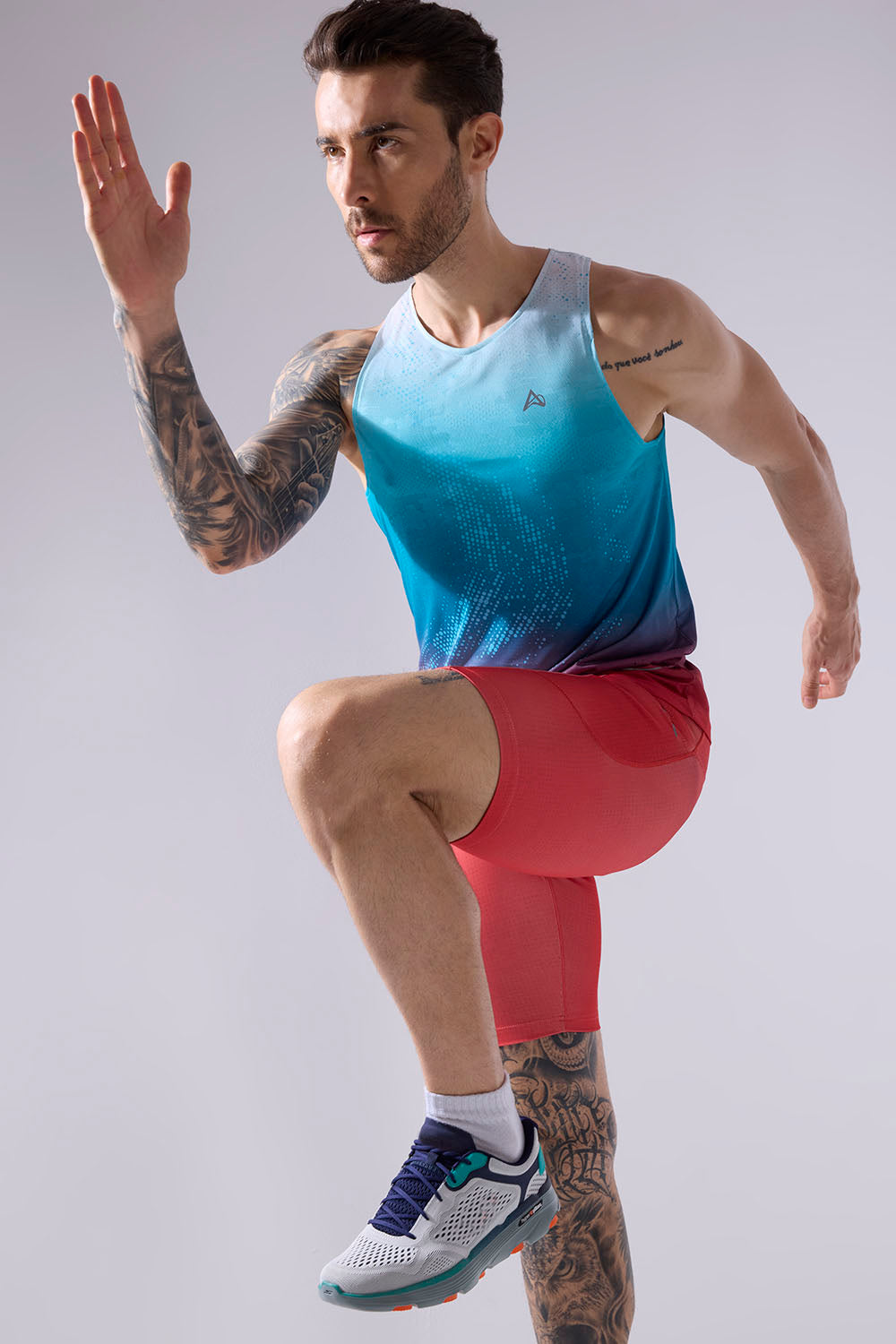
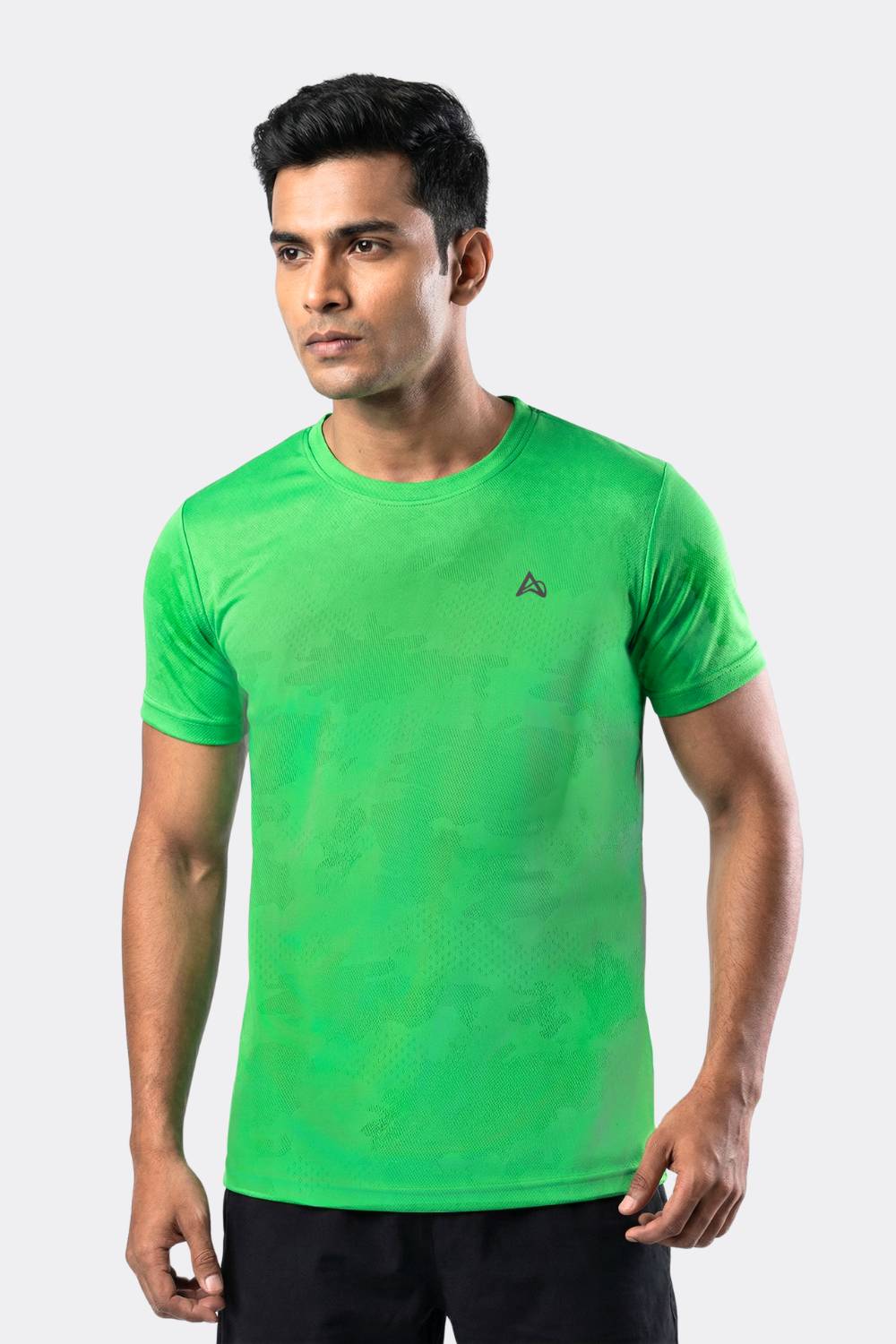
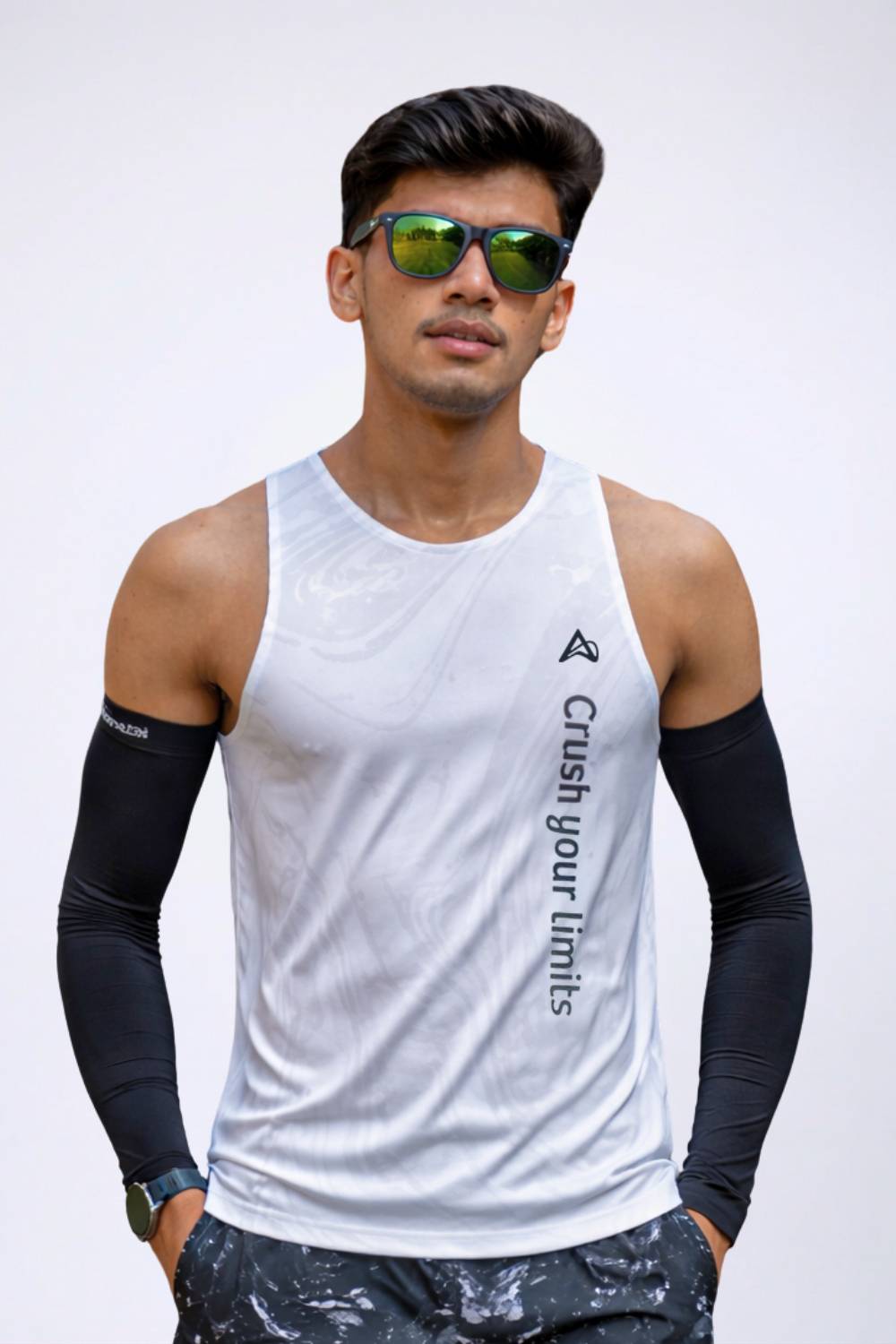
Tired of gear that slows you down? Chafing, soggy fabrics, and missing pockets kill your run's momentum. At Aguante, we're runners who get it. Our high-performance activewear features moisture-wicking fabrics, ergonomic designs, and smart storage to keep you focused. Shop Now!
The Science Behind the Performance Edge
Scientific evidence underscores the real-world advantages runners experience. A controlled study published in Applied Ergonomics examined male participants exercising for 45 minutes at moderate intensity in a heated chamber (33°C with 60% relative humidity). Those wearing a form-fitted synthetic shirt composed of 81% polyester and 19% elastane exhibited significantly lower core body temperatures during the final 15 minutes compared to counterparts in standard 100% cotton shirts. The synthetic garment also absorbed and retained markedly less sweat, enabling superior evaporation and better preservation of thermoregulation as effort continued.
In India's varied climates from the oppressive coastal humidity of Chennai and Kolkata to the intense dry heat of Rajasthan these findings hold particular relevance. Saturated cotton garments grow heavier, promote chafing, and impede heat dissipation, compelling the body to divert energy toward cooling. Moisture-wicking synthetics mitigate these issues, lowering overheating risks and empowering runners to hold steady paces over extended periods. This translates to more effective training sessions and reduced incidence of heat-related fatigue or illness.
Market Growth Reflects Rising Demand
The expanding adoption of such performance fabrics is mirrored in robust global market trends. According to a comprehensive report from The Business Research Company, the moisture-wicking fabrics sector has demonstrated strong growth in recent years, increasing from $2.82 billion in 2024 to a projected $3.01 billion in 2025. This trajectory is expected to continue, reaching $3.86 billion by 2029, fueled by heightened participation in fitness activities, greater awareness of health benefits, and the booming athleisure trend.
These materials extend beyond athletics into diverse sectors, including outerwear, professional workwear, medical garments, and everyday fashion. They serve men's, women's, and children's apparel alike, addressing universal needs for comfort and functionality. In endurance contexts, however, their role in temperature management and sweat control proves especially vital.
Transforming Training in India's Challenging Conditions
From high-altitude trails in the Himalayas to urban loops in Pune and Ahmedabad, Indian runners contend with environmental extremes that test human limits. High humidity severely hampers evaporative cooling, rendering even temperate runs exhausting. Here, advanced wicking technology excels: fibers rapidly transport moisture outward, dispersing it across a broader area for accelerated drying.
Both professional athletes preparing for international competitions and amateur enthusiasts building weekend long runs report tangible gains diminished skin irritation, fewer blisters from friction, and sustained mental clarity despite rising core heat. During peak summer training blocks, when outdoor sessions are unavoidable, this apparel enables consistency that might otherwise prove elusive. Domestic and international brands increasingly tailor lines to South Asian body types and climate demands, prioritizing lightweight construction, strategic ventilation panels, and quick-dry treatments.
The broader fitness ecosystem benefits too. Running clubs proliferating in tier-2 cities like Jaipur and Coimbatore foster community, while national marathons inspire newcomers. As participation swells, so does recognition that proper gear isn't optional it's foundational for safe, enjoyable progress in a subtropical nation.
The Future of Endurance Apparel in India
Looking ahead, the integration of moisture-wicking innovations promises to further democratize running across India. Emerging developments in smart textiles and sustainable synthetics may enhance these benefits, but the core principle remains timeless: effective sweat management equates to extended performance capacity.
In a country where heat and humidity define much of the calendar, these fabrics represent more than convenience they're an essential tool for turning ambition into achievement. Whether chasing a sub-four-hour marathon or simply completing a first 10K, runners equipped with this technology gain a decisive advantage. The roads are filling, the distances lengthening, and the apparel evolving right alongside.
Next dawn on Marine Drive or your local park, observe the seamless stride of those staying remarkably dry amid the deluge of effort. It's a quiet testament to how material science is empowering a nation's enduring spirit, one evaporating droplet at a time.
Frequently Asked Questions
How do moisture-wicking fabrics help runners perform better in India's hot and humid climate?
Moisture-wicking fabrics use capillary action to pull sweat away from the skin to the outer surface of the garment, where it spreads and evaporates quickly. Research shows that synthetic materials like polyester can significantly lower core body temperature during exercise compared to cotton, which becomes saturated and heavy. In India's extreme conditions where temperatures often exceed 35°C with humidity above 80% these fabrics help maintain thermoregulation, reduce overheating risks, and enable runners to sustain steady paces over longer distances.
What is the science behind moisture-wicking technology for endurance athletes?
A controlled study published in Applied Ergonomics found that runners wearing synthetic polyester-elastane blends maintained lower core body temperatures during the final 15 minutes of a 45-minute workout in heated conditions (33°C, 60% humidity) compared to those in cotton shirts. The synthetic garments absorbed less sweat and enabled superior evaporation, supporting the body's natural cooling mechanisms. This technology reduces the energy the body must divert toward temperature regulation, allowing athletes to focus on performance and reducing heat-related fatigue.
Why are moisture-wicking fabrics becoming more popular among Indian runners?
The global moisture-wicking fabrics market has grown from $2.82 billion in 2024 to a projected $3.01 billion in 2025, driven by increased fitness participation and awareness of performance benefits. In India specifically, the booming running culture from major marathons in Mumbai and Delhi to grassroots clubs in tier-2 cities has created demand for apparel that addresses the country's challenging climate. Runners report tangible benefits including reduced chafing, fewer blisters, and improved comfort during training, making these fabrics essential rather than optional for safe and enjoyable running progress.
Disclaimer: The above helpful resources content contains personal opinions and experiences. The information provided is for general knowledge and does not constitute professional advice.
You may also be interested in: How Indian Runners Benefit From Moisture-Wicking Tops
Tired of gear that slows you down? Chafing, soggy fabrics, and missing pockets kill your run's momentum. At Aguante, we're runners who get it. Our high-performance activewear features moisture-wicking fabrics, ergonomic designs, and smart storage to keep you focused. Shop Now!
Powered by flareAI.co