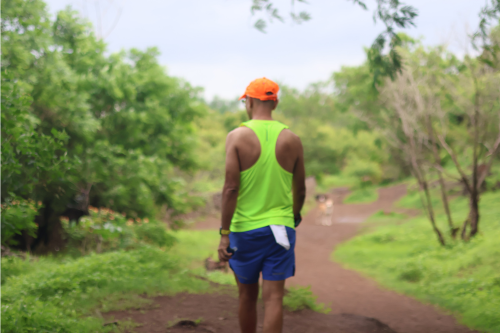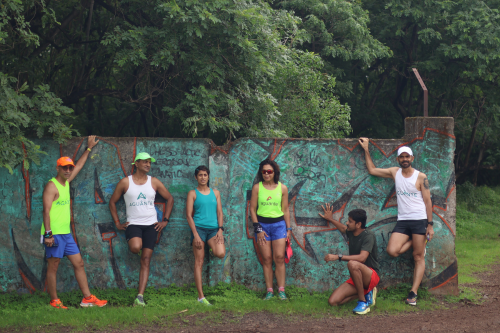
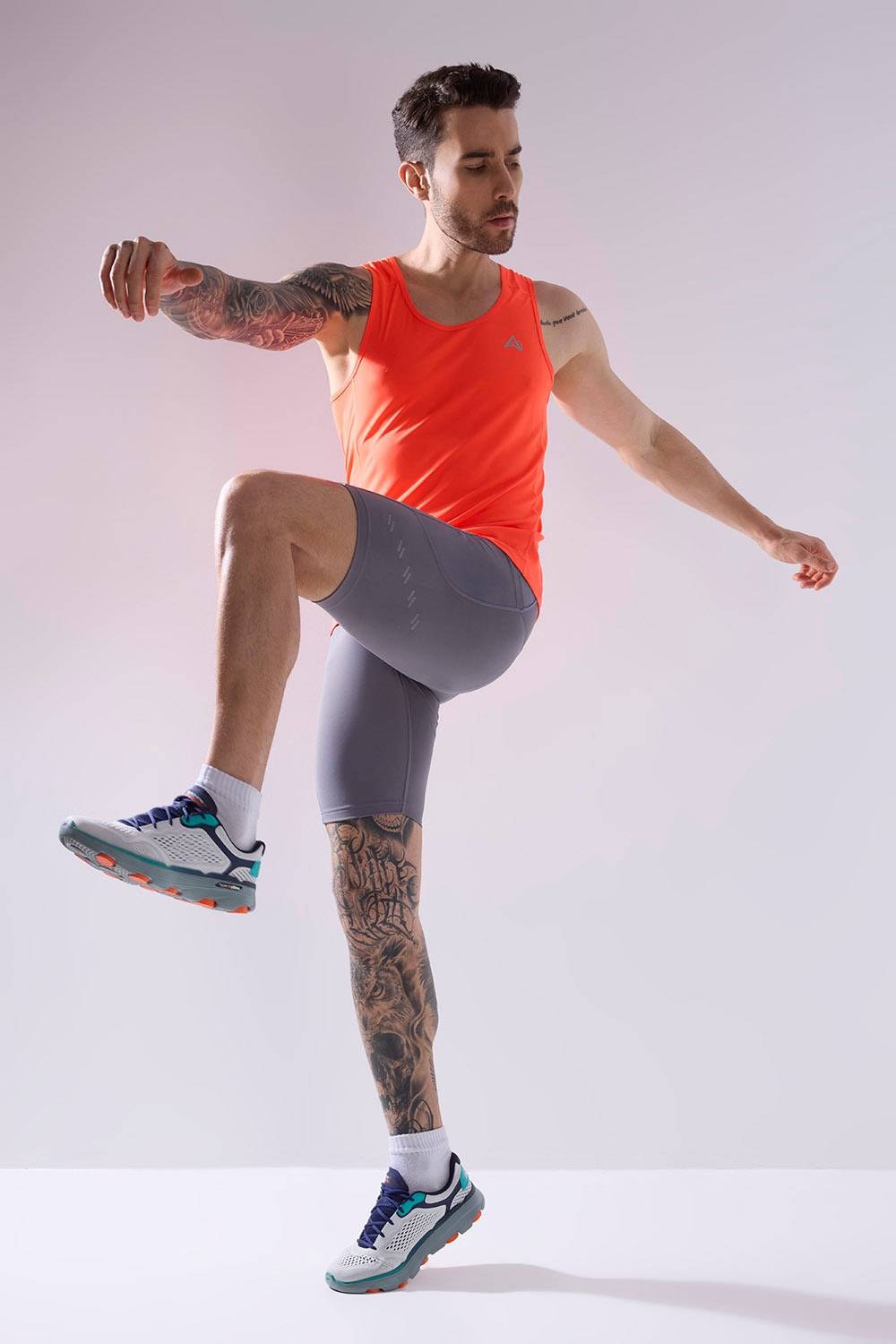
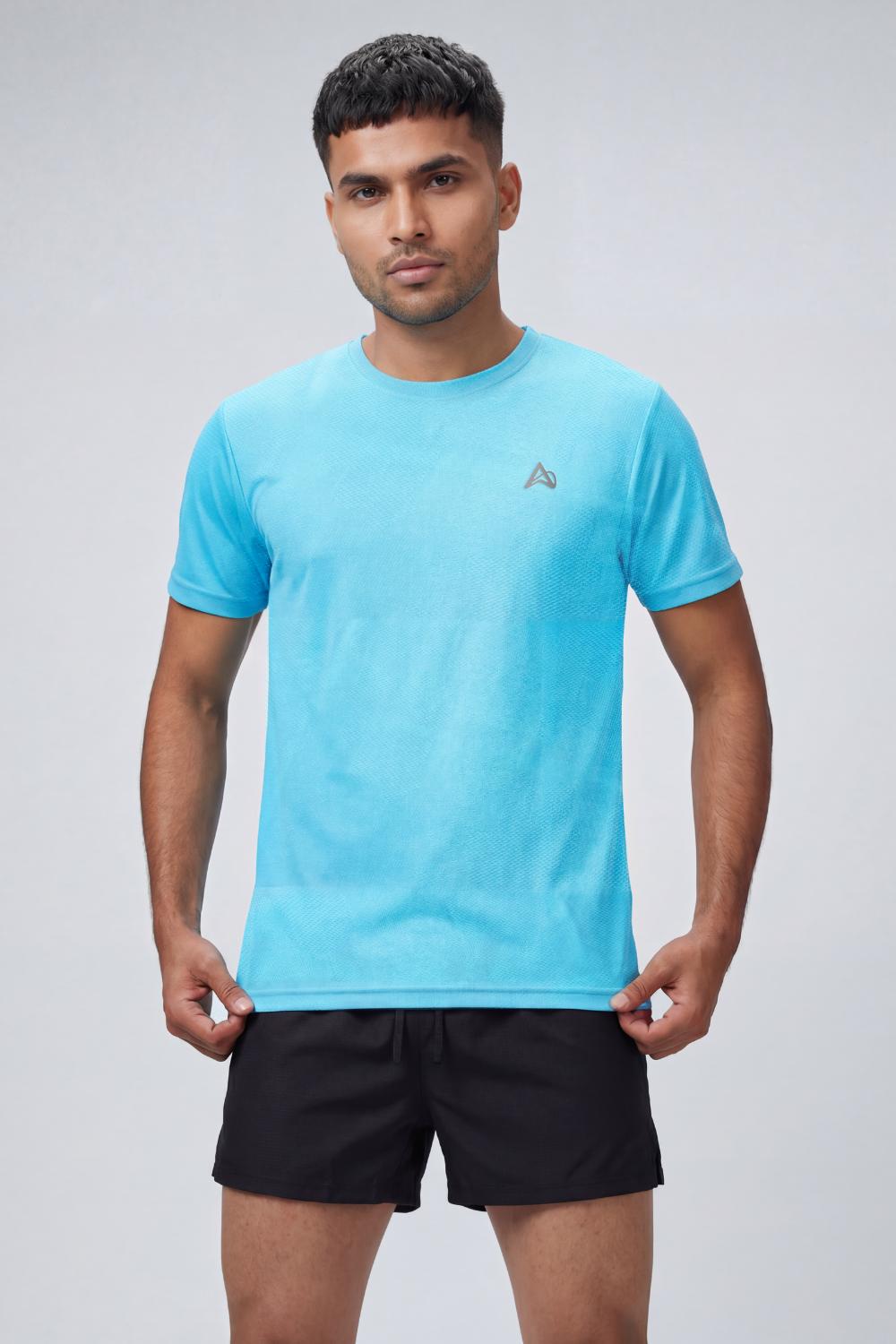
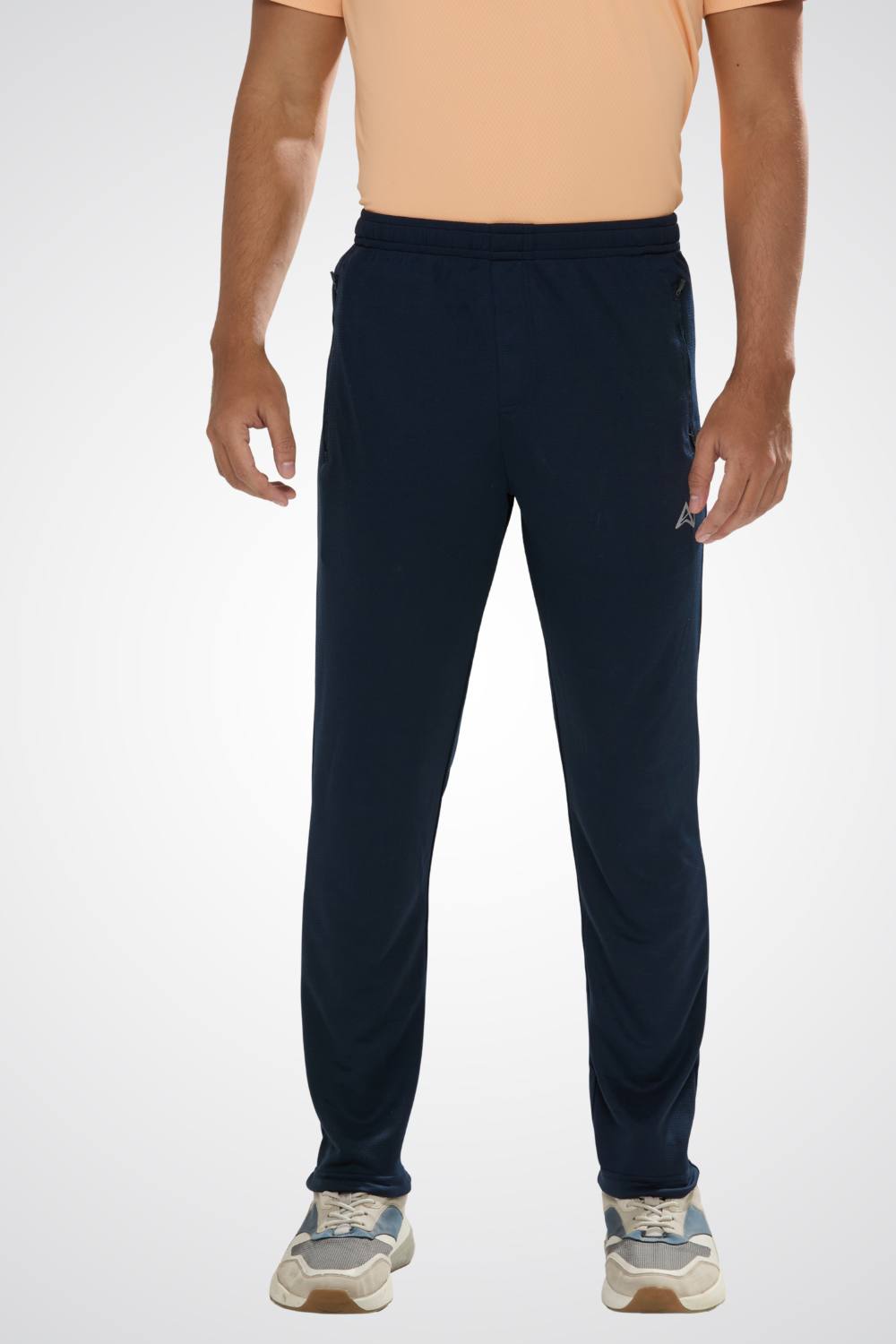
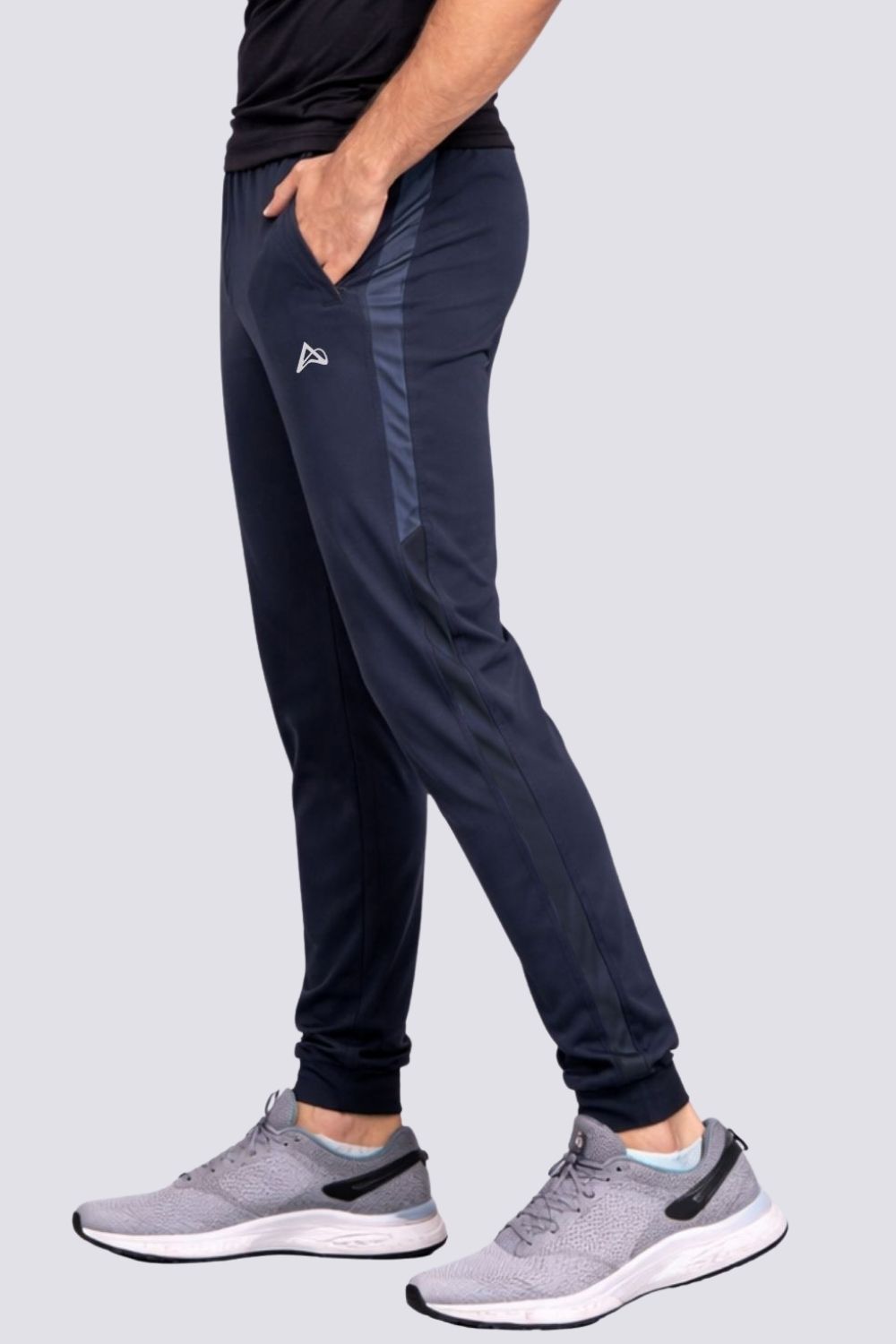
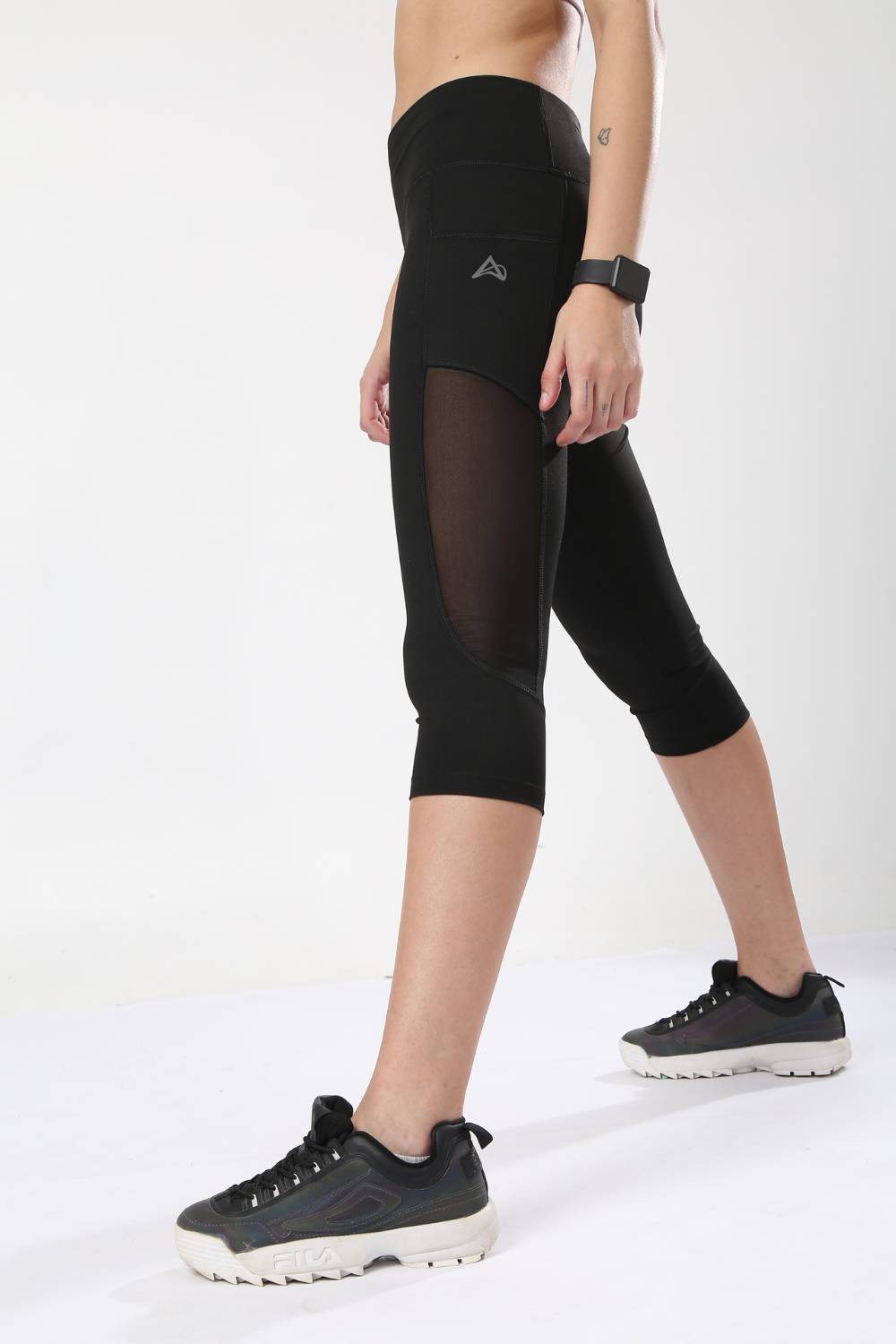



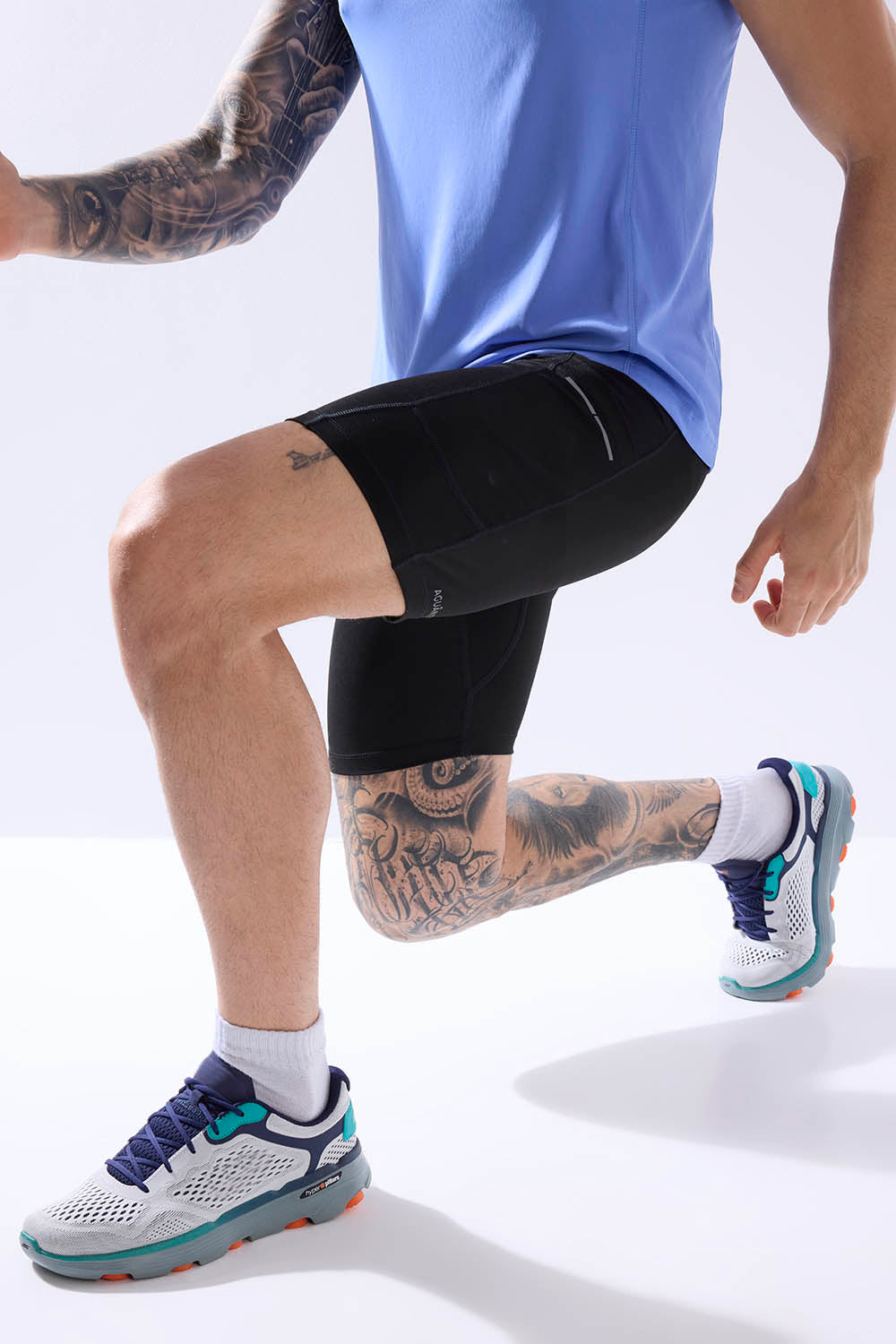
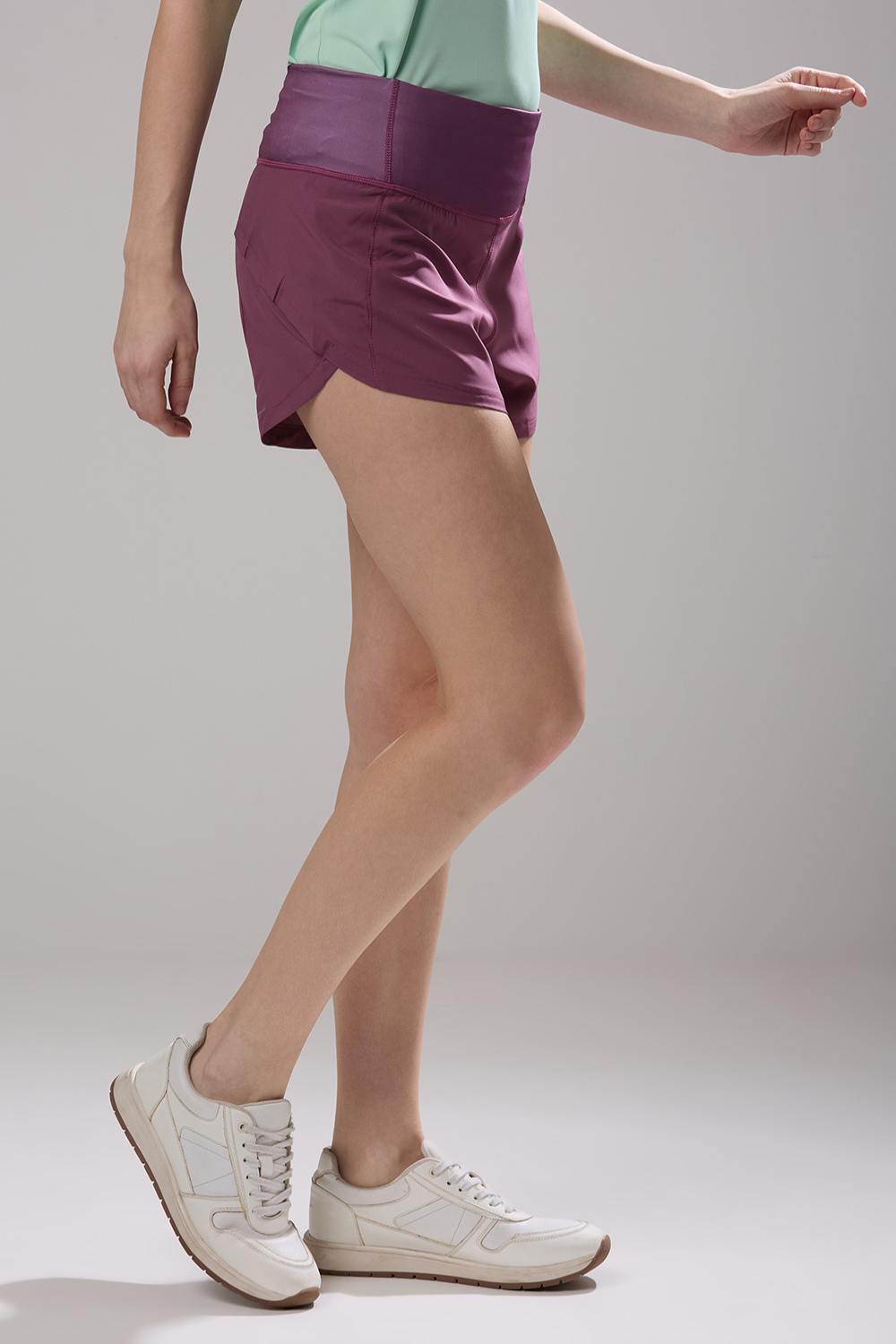
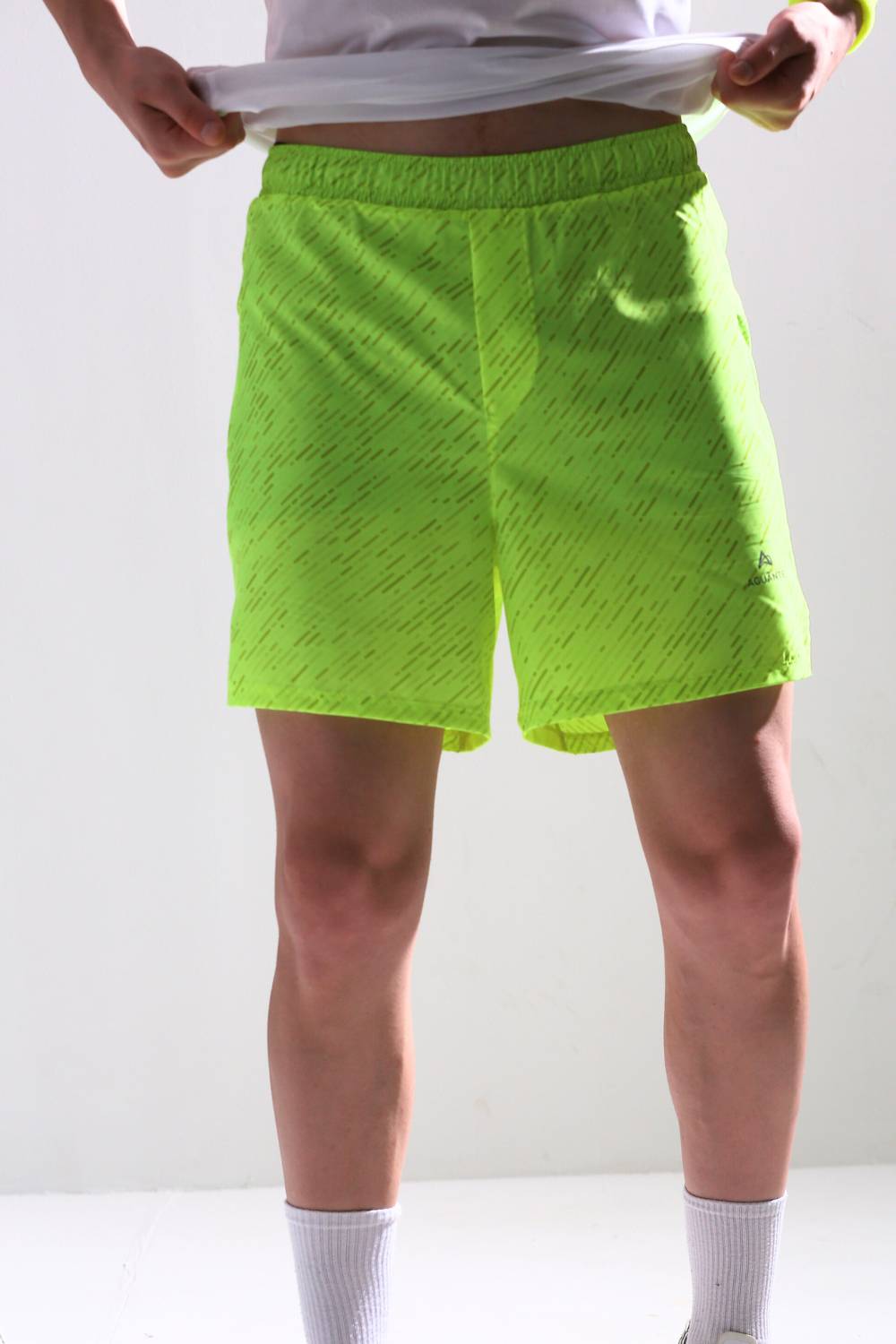




In the vibrant lanes of Delhi or the misty paths of Pune, something transformative is happening in the world of running. Indian athletes, long accustomed to gear imported from cooler climates that often underperformed in sweltering heat or sudden rains, are embracing designs crafted right at home. This evolution is more than a trend it's revolutionizing running apparel in hubs like Bangalore, Mumbai, and Hyderabad, where fitness enthusiasts are demanding products that match their environment and lifestyles. As health consciousness rises across urban India, brands are innovating to tackle issues like humidity and uneven terrain, making running more inclusive and effective.
These advancements matter deeply in a country where the sports apparel sector is expanding rapidly. The India sports apparel market stood at USD 705.85 million in 2024, reflecting a surge in demand for practical, high-performance wear. This mirrors broader global patterns, where the running gear industry, encompassing footwear, clothing, and accessories, is valued at USD 10.6 billion in 2024. Driven by heightened health awareness and material breakthroughs, this sector supports athletes and casual joggers alike worldwide. In areas like Gurugram and Ahmedabad, where running groups flourish, such localized gear is enhancing participation and enjoyment.
Tired of gear that slows you down? Chafing, soggy fabrics, and missing pockets kill your run's momentum. At Aguante, we're runners who get it. Our high-performance activewear features moisture-wicking fabrics, ergonomic designs, and smart storage to keep you focused. Shop Now!
Emerging Trends in Running Apparel for Indian Conditions
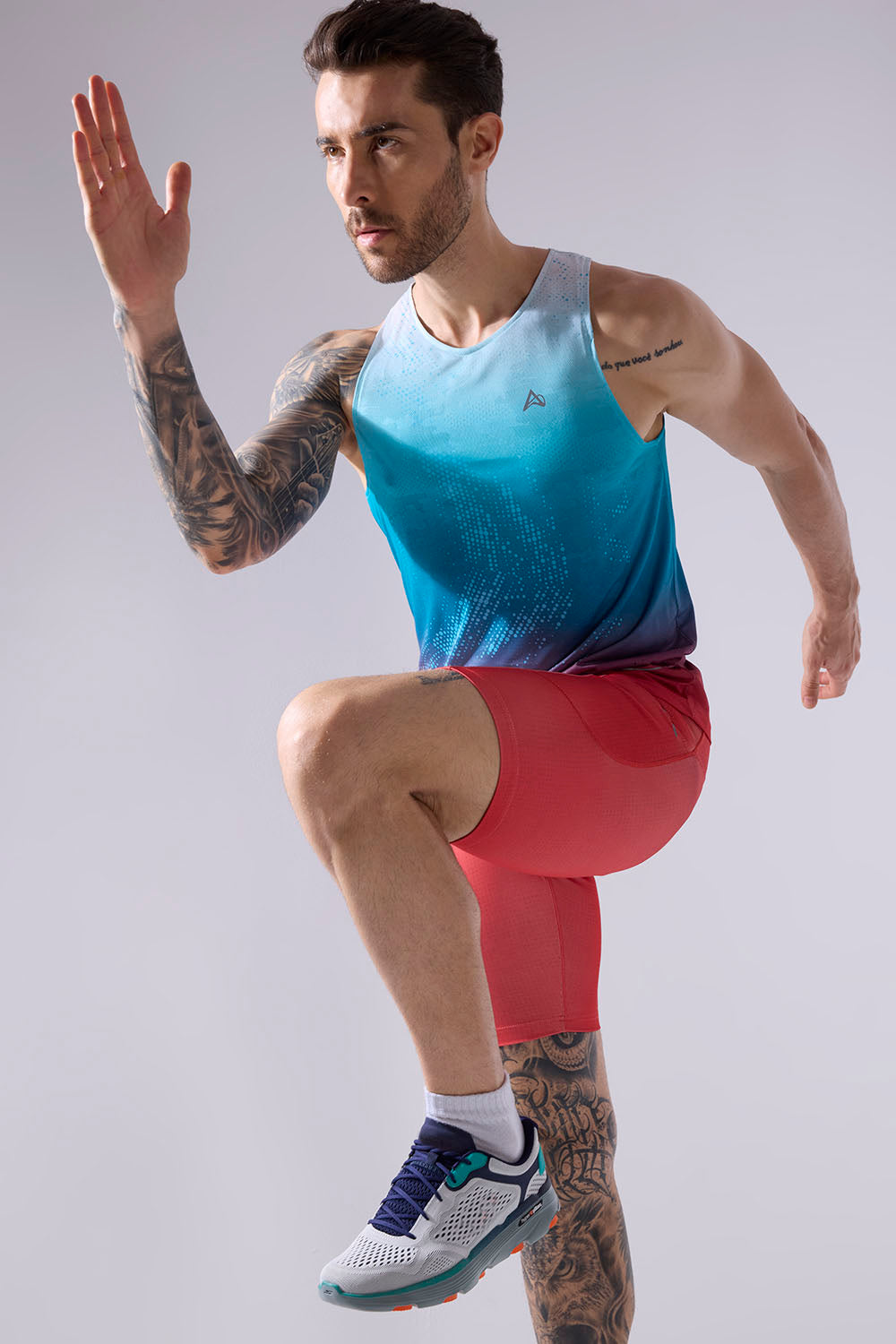
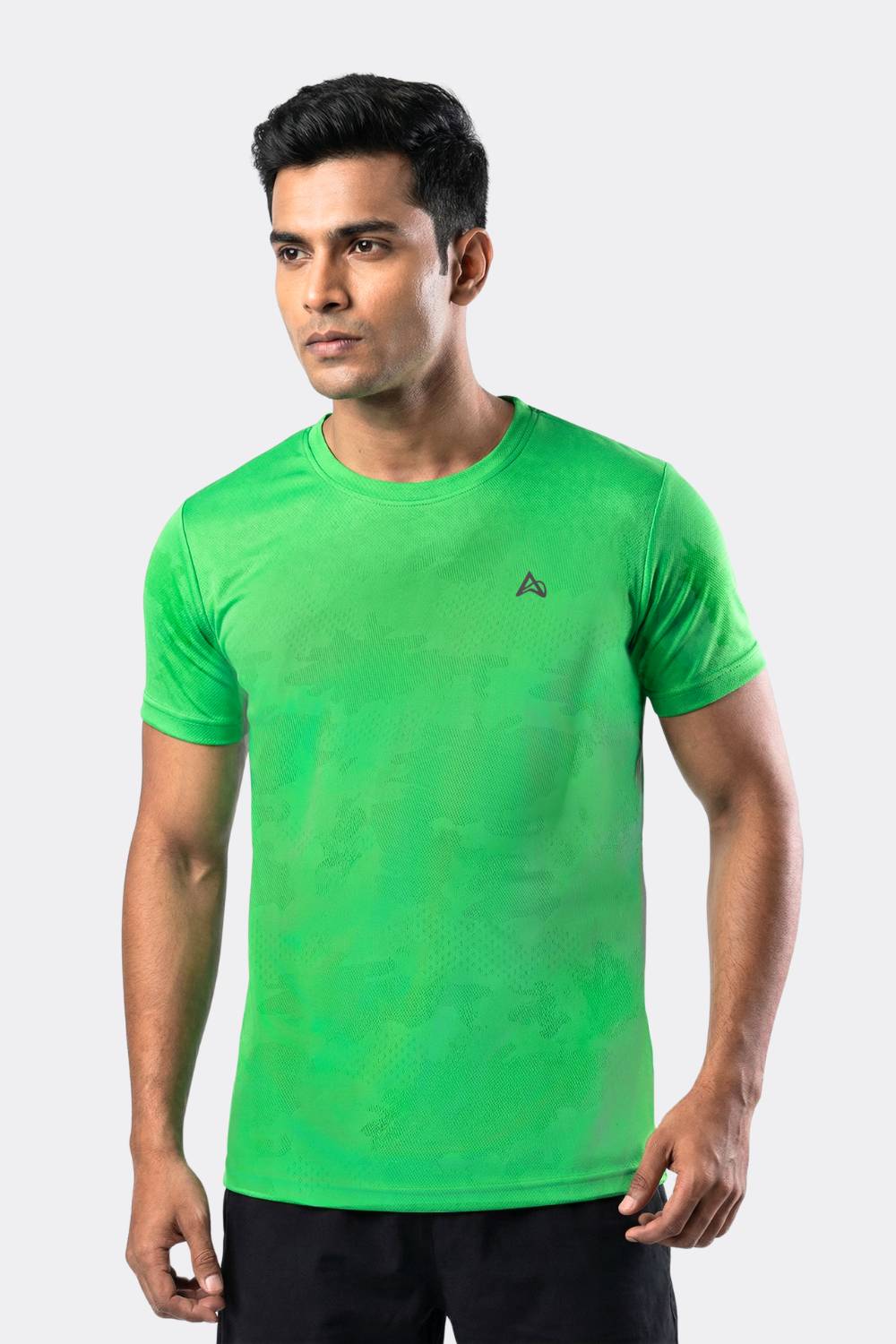
Innovations in running apparel are merging cutting-edge tech with everyday utility, perfectly suited to India's diverse weather. In Bangalore, institutions like the Central Silk Technological Research Institute are advancing silk-based fabrics through research in yarn production and wet processing, creating breathable options that help combat intense heat during runs. Emphasis on moisture management and seam-free designs tackles the stickiness of humid runs in Mumbai and Navi Mumbai.
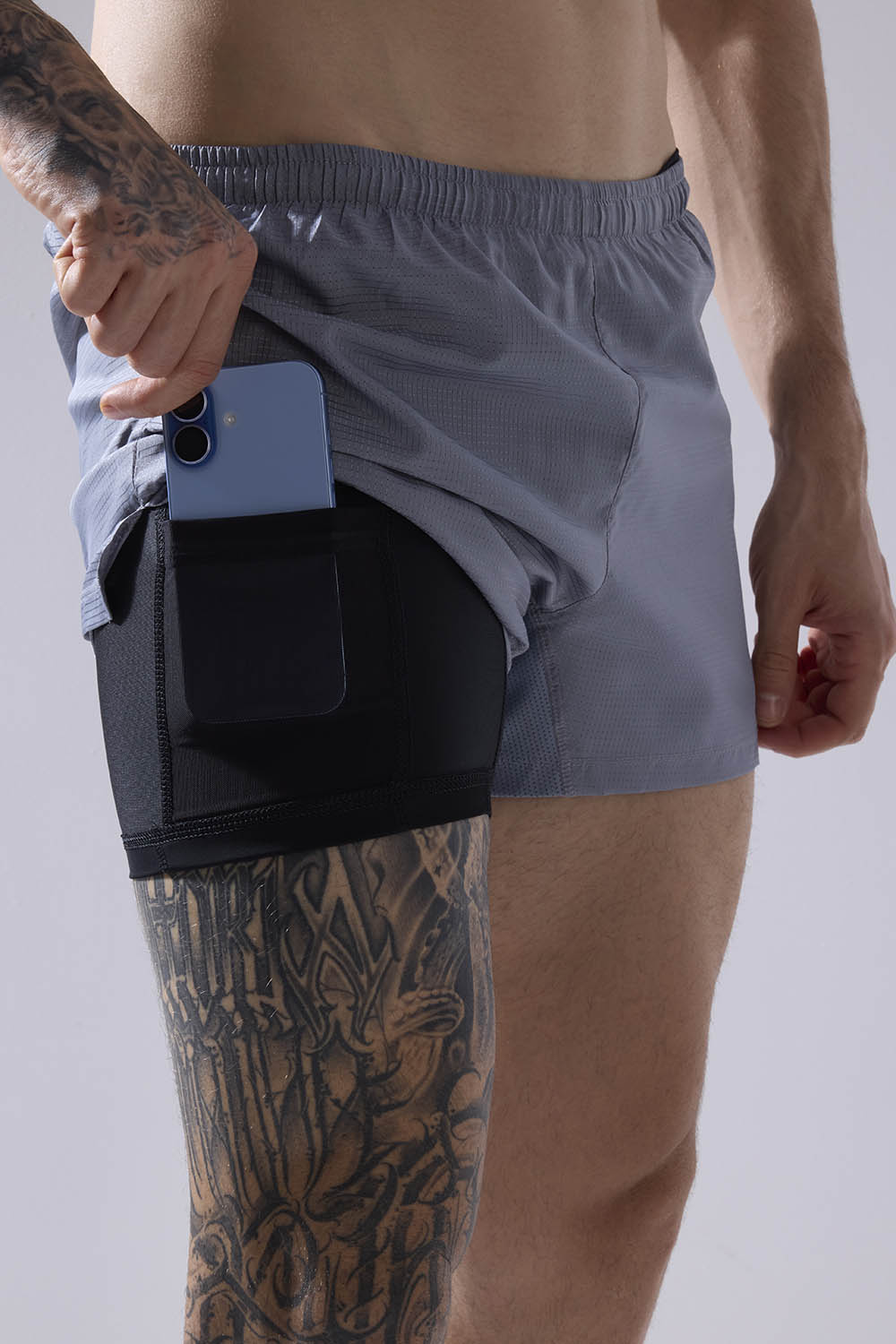
Safety features like enhanced visibility strips are vital for dawn jogs in foggy Delhi and Gurugram, where busy roads add hazards. Apparel now includes practical elements like stable compartments for gadgets, acknowledging that runners in Pune and Surat often multitask without extra carriers. In Hyderabad and Ahmedabad, where landscapes shift from city streets to rugged outskirts, adaptable, runner-tested silhouettes are becoming standard.
The global sports equipment and apparel market was valued at $374.2 billion in 2023, and is projected to reach $991.8 billion by 2034, growing at a CAGR of 9.5% from 2024 to 2034. Sports equipment and apparel refer to the tools, gear, and clothing specifically designed and used for various sports and physical activities.
Sustainability and Technological Advances
Eco-conscious materials are gaining ground. Research in Hyderabad explores natural dyes and upcycled fibers, syncing with worldwide eco-trends but customized for local production. Government initiatives, such as the Production Linked Incentive scheme for textiles, bolster man-made fiber apparel and technical textiles, drawing investments worth thousands of crores in these regions. Emerging smart features, like integrated trackers in Delhi prototypes, hint at future integrations, though they're nascent.pli.texmin.gov.in
Real-World Examples from Indian Running Scenes
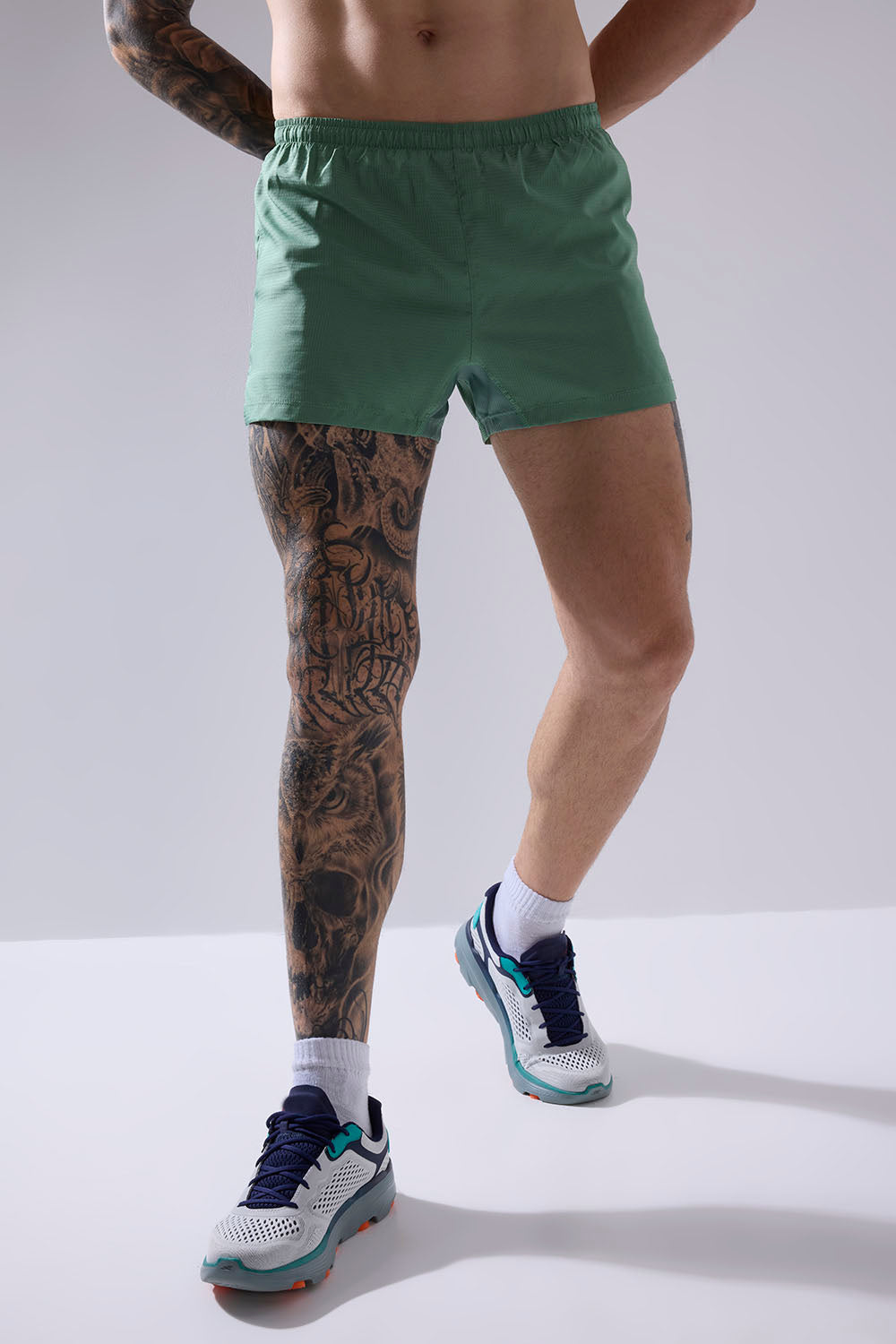
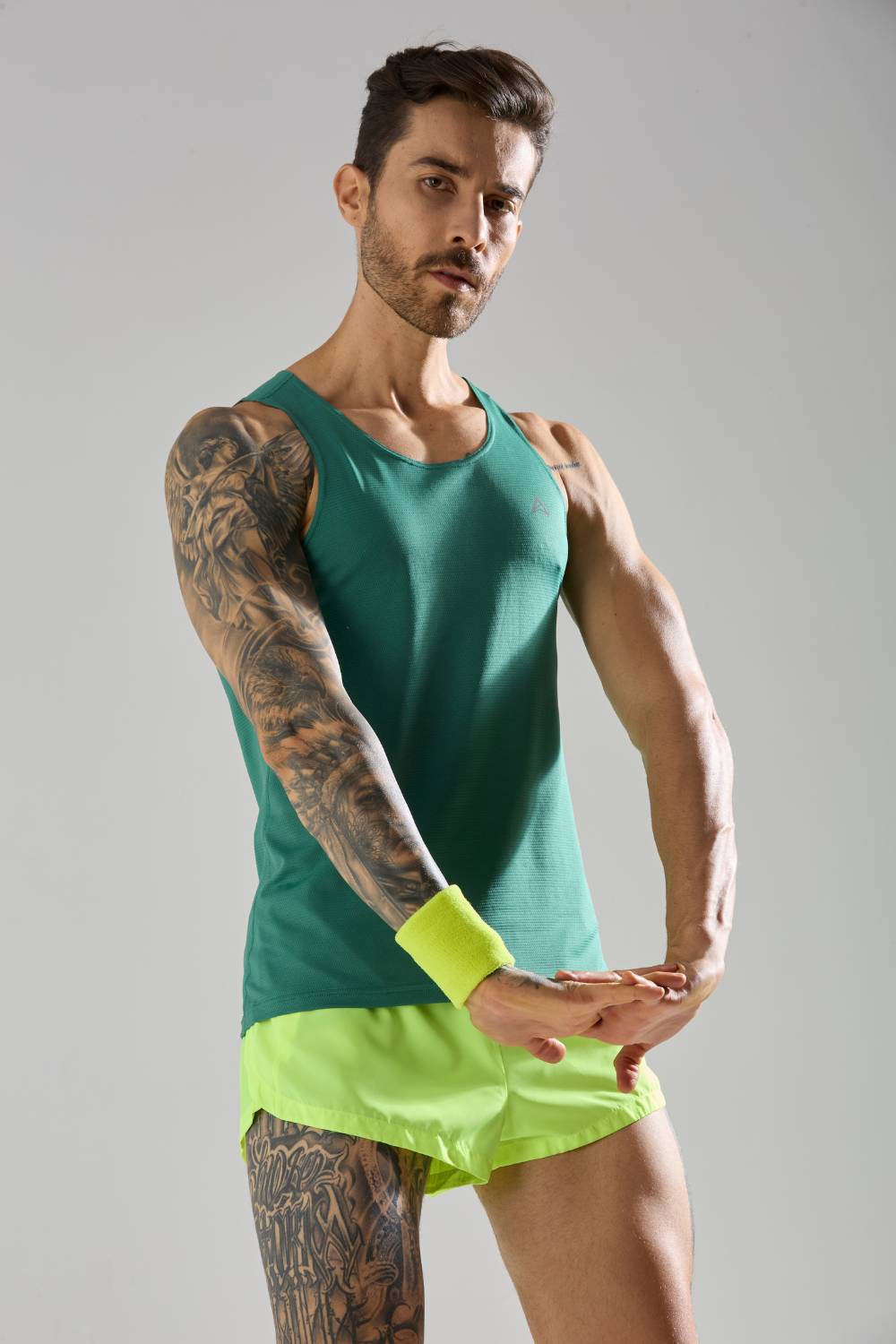
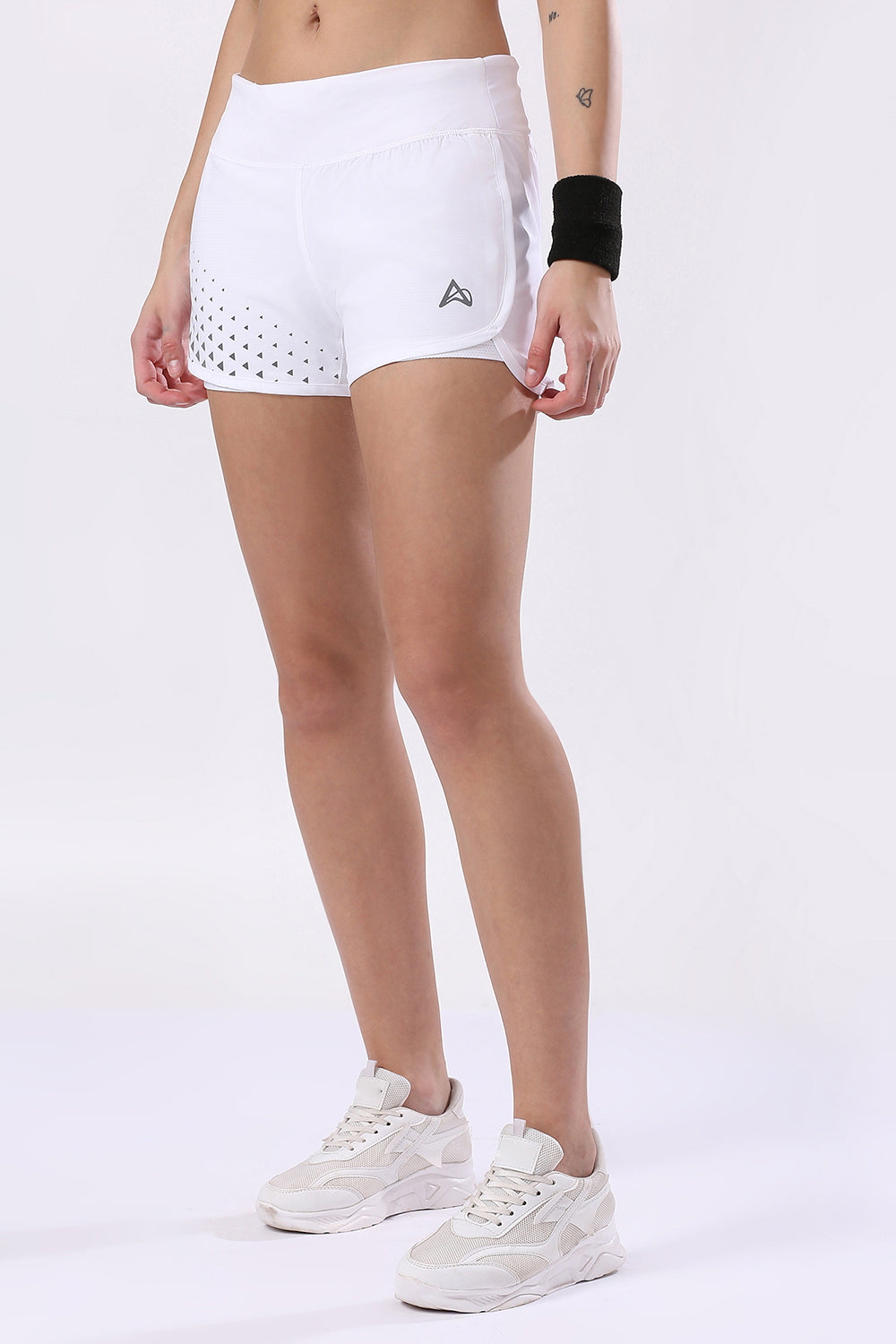
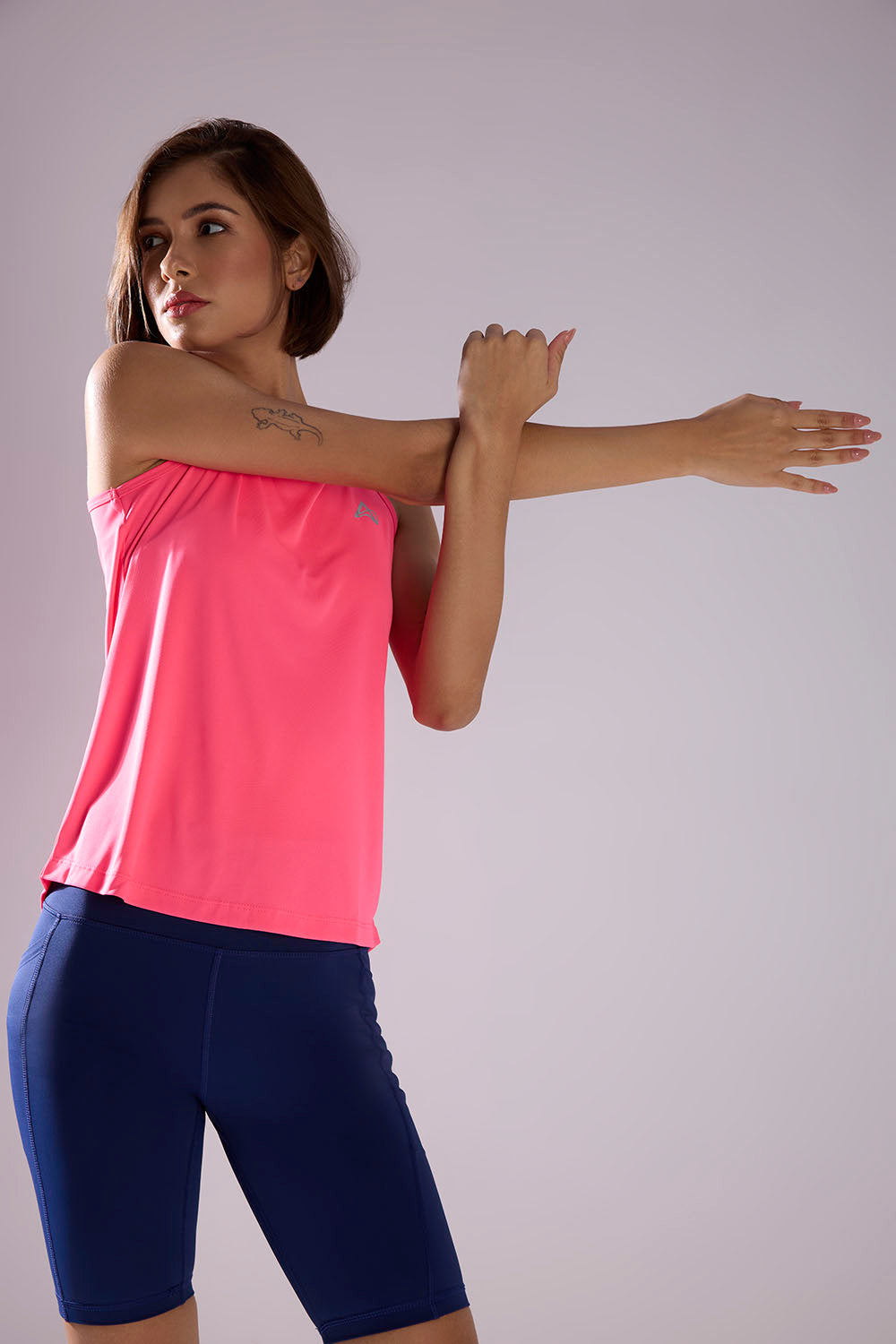
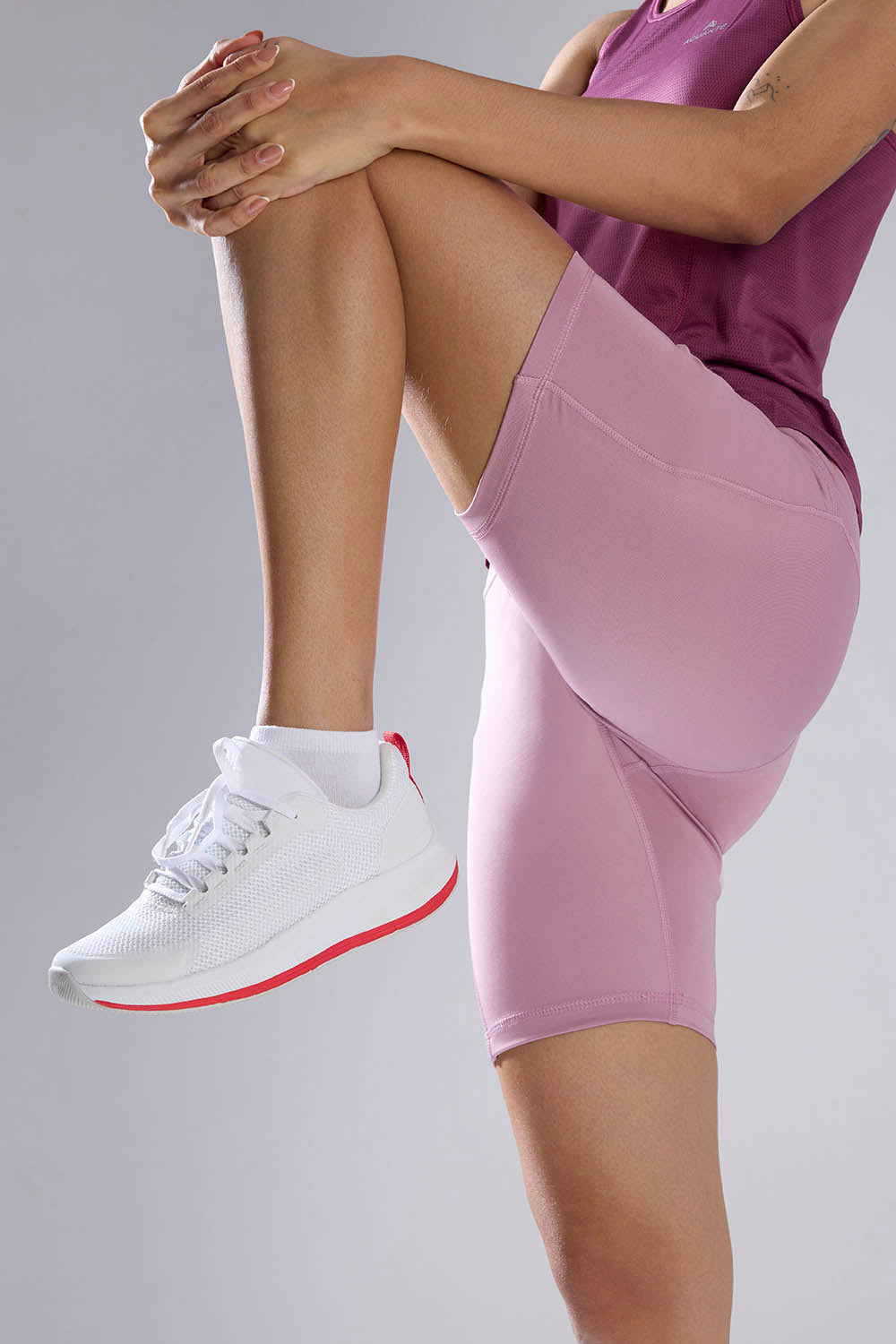
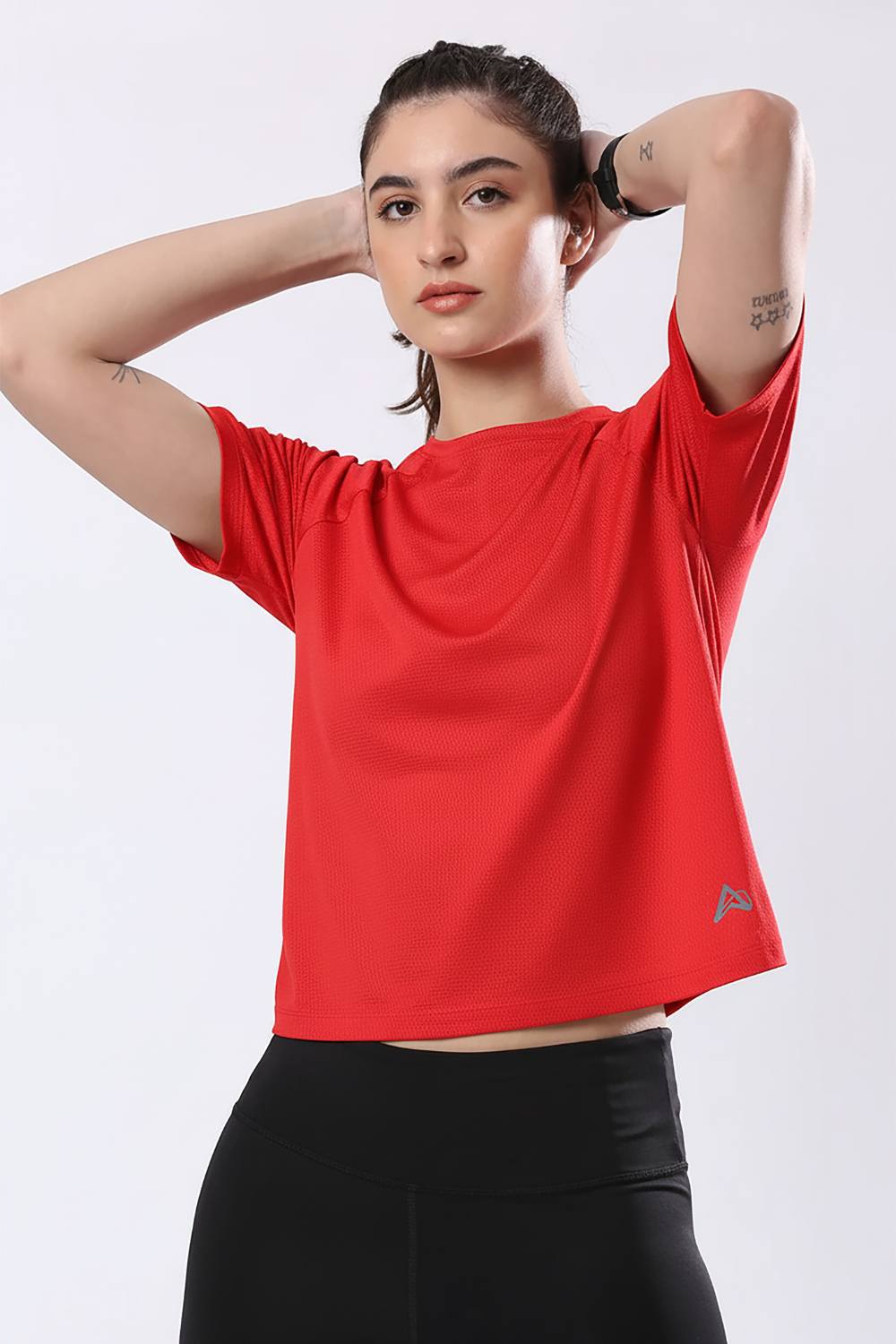
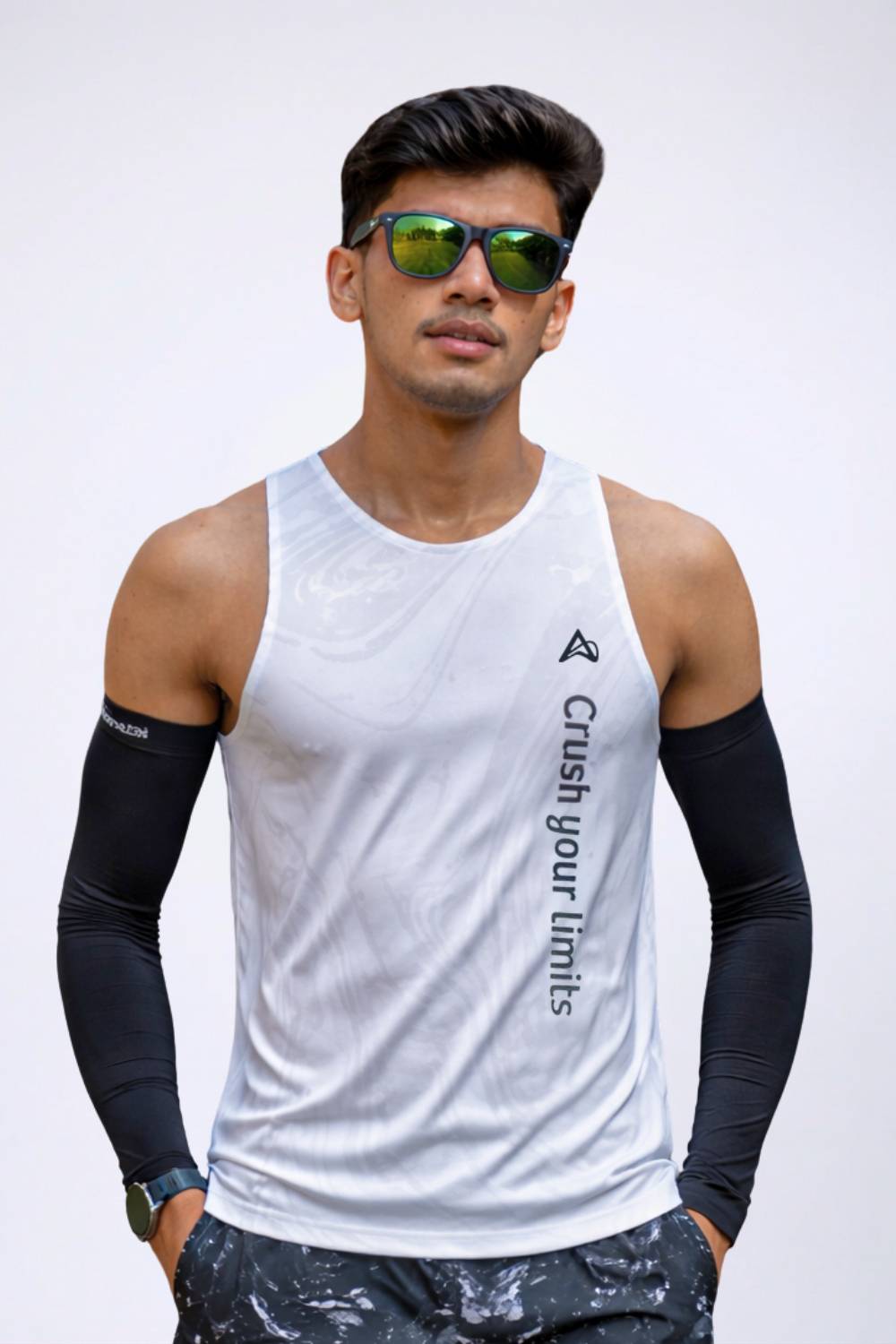
Consider Aguante, a brand emerging from the real struggles of Indian runners. Tailored for climates in Bangalore, Hyderabad, Mumbai, Pune, Navi Mumbai, Delhi, Gurugram, Surat, and Ahmedabad, their lineup includes chafe-resistant linings, quick-dry materials, and safety reflectors validated by local users. Unlike off-the-shelf options, Aguante prioritizes nuances like non-bouncing storage, enabling seamless movement on India's varied paths.
In Mumbai, coaches like Amit Kumar (@coach_amitkumar) integrate such gear into marathon prep, noting how it aids endurance without irritation during events like the Tata Mumbai Marathon. His sessions with Happy Feet Champions emphasize apparel that supports ultras and recovery. In Bangalore, barefoot coaching approaches, as seen in profiles like Shanth Koushik, align with lightweight designs that promote natural strides in damp conditions.
- Bangalore's Material Testing: Labs here refine fabrics to cut down perspiration, with users experiencing notable comfort gains in warm weather.
- Hyderabad's Runner Input: Communities like those led by Dev provide design feedback, resulting in durable wear for collective outings.
- Delhi's Safety Focus: Innovations in Gurugram prioritize reflectivity, aiding safe navigation in crowded urban settings.
A Pune-based study illustrates how affordable, body-specific gear from brands like Aguante has spiked marathon entries. Participants report better concentration, free from gear-related distractions.
Key Challenges in the Indian Running Apparel Sector
Progress aside, hurdles remain. Manufacturing expenses in textile centers like Surat and Ahmedabad can inflate costs, making local products compete with cheaper imports. In Mumbai and Delhi, dominant international brand's marketing overshadows emerging ones.
Weather disruptions in Pune and Navi Mumbai complicate supply chains. Over-specialization risks narrowing appeal, while in Gurugram, trend shifts demand agility. Limited research funding from regional academia slows expansion, as highlighted in government reports. Fabric ecosystems lag, with high-performance materials often imported, posing scalability issues.
Regulatory and Market Pressures
While supportive, regulations require strict quality adherence, burdening smaller innovators in Hyderabad and Bangalore. Striking a balance between cost and superior features is ongoing.
Opportunities and Impacts on Business
Prospects abound as India's apparel scene outpaces global norms. Digital shifts, via e-commerce, open doors in Bangalore and Mumbai, streamlining access and cutting costs. This fosters innovation in sustainable and smart wear.
Employment surges in Surat and Ahmedabad's clusters, with the PLI scheme attracting commitments for technical textiles and apparel. For runners in Delhi and Pune, this translates to varied, reasonably priced options, building stronger communities.pli.texmin.gov.in
| Region | Prime Opportunity | Business Effect |
|---|---|---|
| Bangalore | Tech fusions | Boosted research roles |
| Hyderabad | Green fabrics | Export growth |
| Mumbai | Safety integrations | Greater engagement |
Paving the Way Forward
As How Local Innovations Are Changing Running Apparel for Indian Runners progresses, experts foresee promising horizons. "Brands like Aguante are aligning international standards with local needs," observes a Mumbai coach. Future advice includes ramping up area-specific research and partnering with local influencers in Gurugram and Surat.
In essence, these shifts transcend clothing they're fueling a dynamic, running nation, step by innovative step.
Frequently Asked Questions
What makes Indian-made running apparel better suited for Indian runners than imported brands?
Indian-made running apparel is specifically designed to handle the country's unique climate challenges such as high humidity in Mumbai, intense heat in Bangalore, and foggy, high-traffic mornings in Delhi that imported gear from cooler climates often fails to address. Local innovations include moisture-wicking quick-dry fabrics, chafe-resistant linings, seam-free designs, and enhanced visibility reflectors tailored to Indian urban running conditions. Brands like Aguante, developed from the real-world feedback of Indian runners, also incorporate practical features like non-bouncing storage compartments suited to India's varied terrain.
How is sustainable and eco-friendly technology shaping the future of running apparel in India?
Sustainability is becoming a key driver of innovation in India's running apparel sector, with research in Hyderabad exploring natural dyes and upcycled fibers adapted for local manufacturing. Government schemes like the Production Linked Incentive (PLI) for textiles are accelerating investment in technical and eco-conscious fabrics across cities like Surat and Ahmedabad. Additionally, Bangalore-based institutions are advancing breathable silk-based fabrics through cutting-edge research in yarn production, offering runners performance wear with a lower environmental footprint.
Why is the Indian sports apparel market growing so fast, and what does it mean for runners?
India's sports apparel market reached USD 705.85 million in 2024, fueled by rising health consciousness, expanding urban running communities, and increased demand for performance-specific gear. For runners in cities like Pune, Delhi, and Hyderabad, this growth translates into greater access to affordable, locally designed options that cater to their specific needs without the premium price tag of international brands. The boom is also driving job creation in textile hubs and encouraging more area-specific research, making high-quality running gear more accessible and inclusive across the country.
Disclaimer: The above helpful resources content contains personal opinions and experiences. The information provided is for general knowledge and does not constitute professional advice.
You may also be interested in: Breathable Running Gear Tailored for Indian Humidity - Aguante
Tired of gear that slows you down? Chafing, soggy fabrics, and missing pockets kill your run's momentum. At Aguante, we're runners who get it. Our high-performance activewear features moisture-wicking fabrics, ergonomic designs, and smart storage to keep you focused. Shop Now!
Powered by flareAI.co