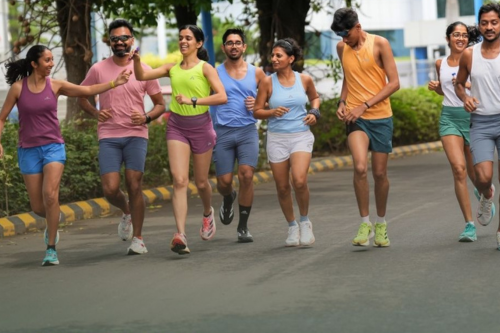

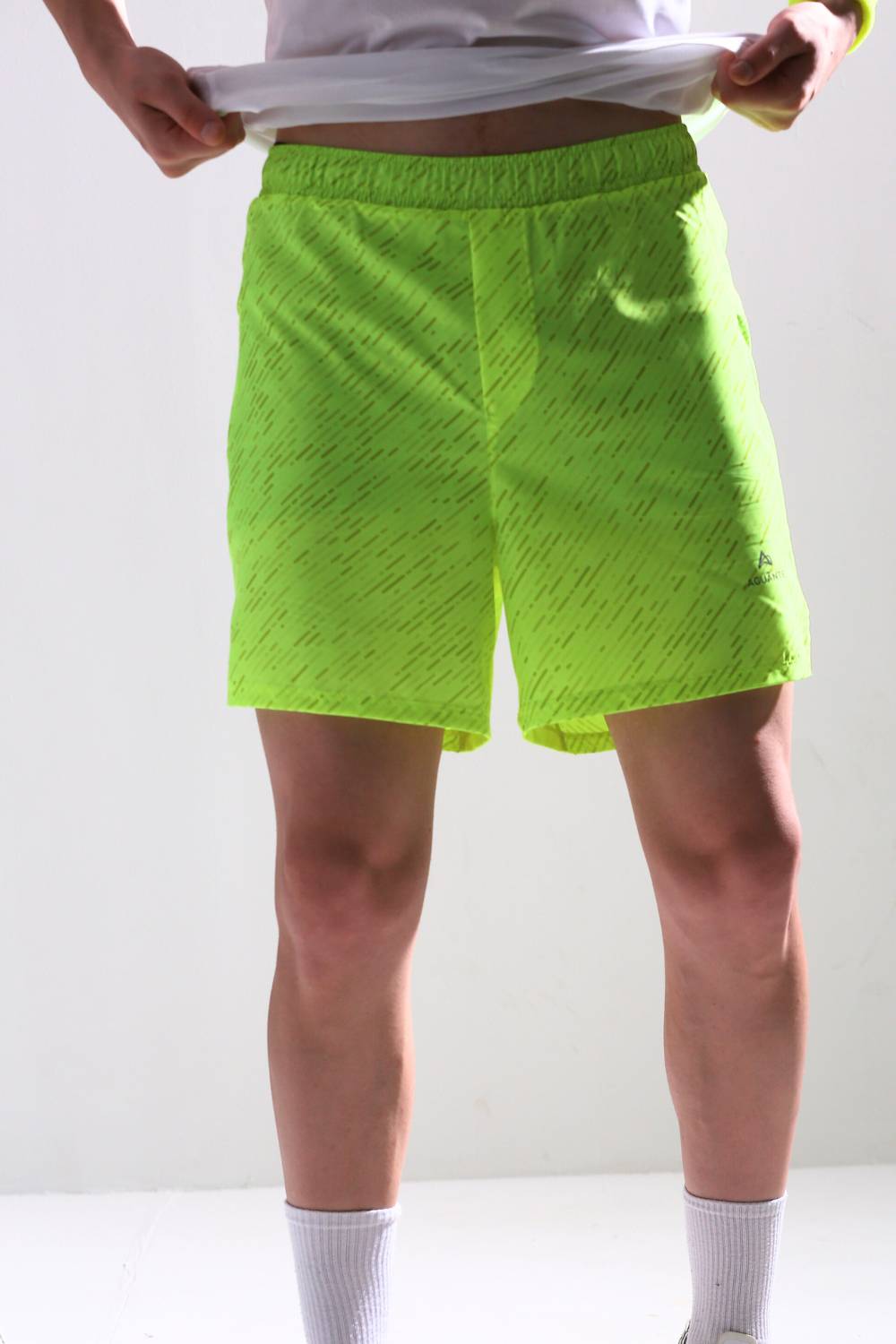
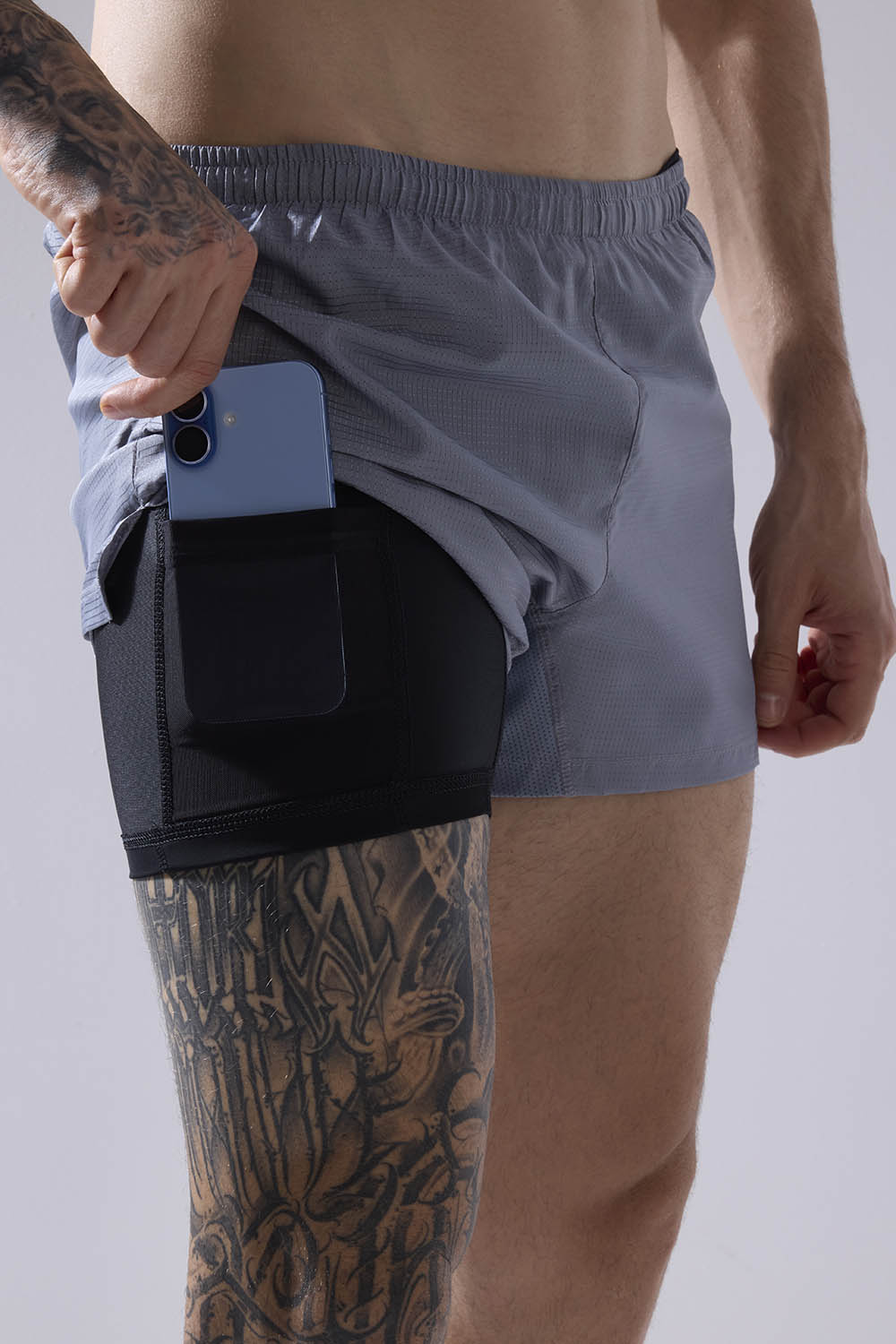

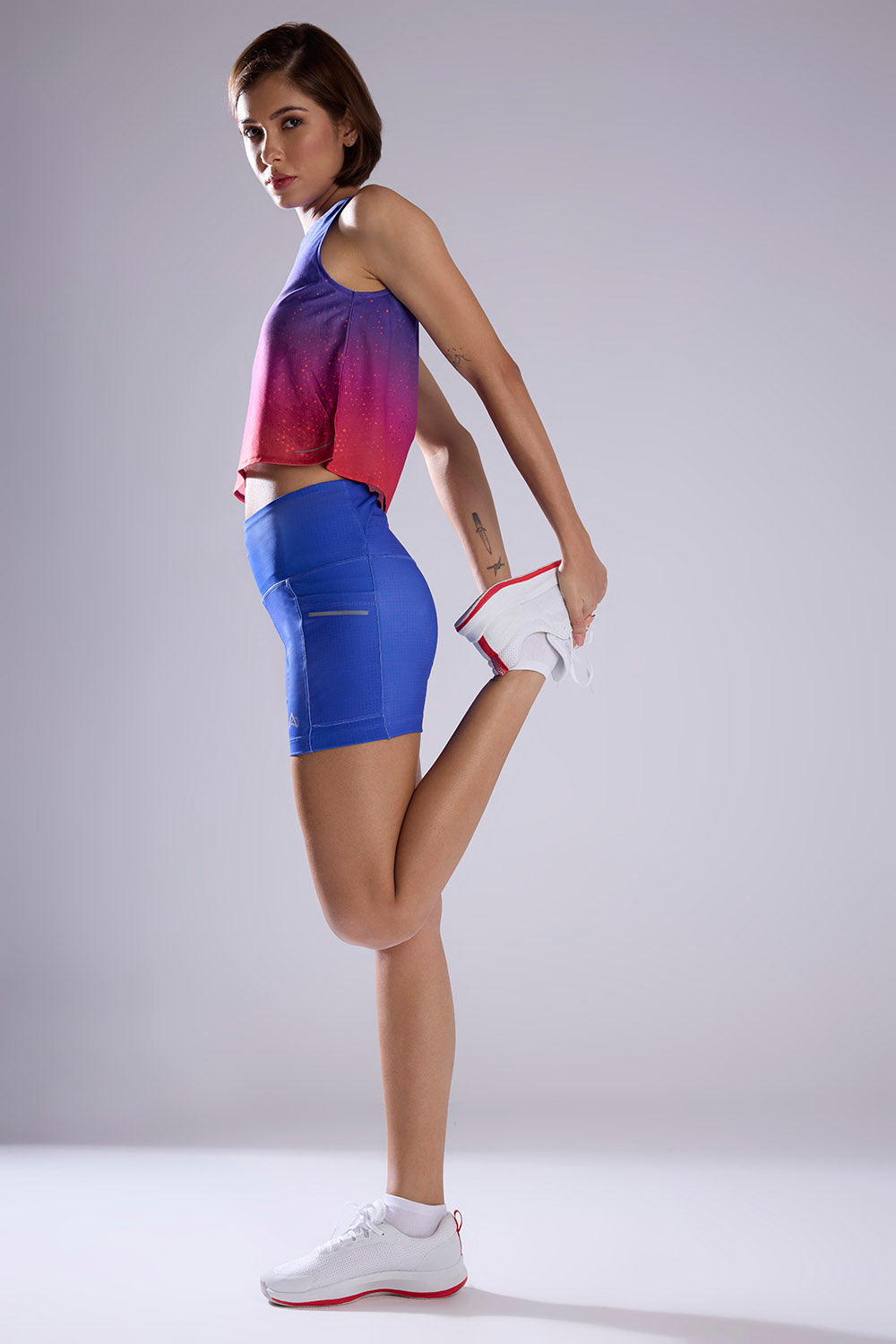
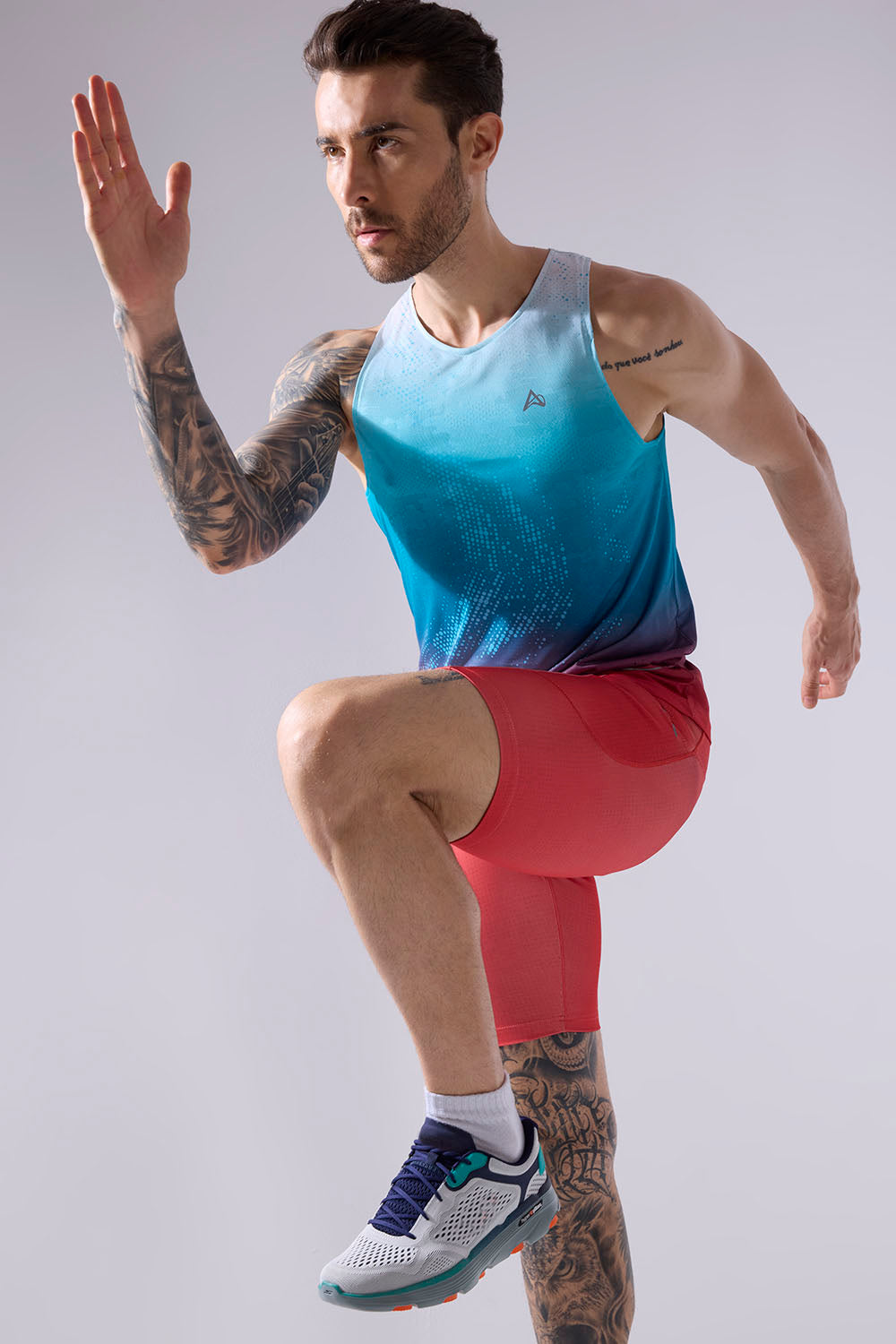

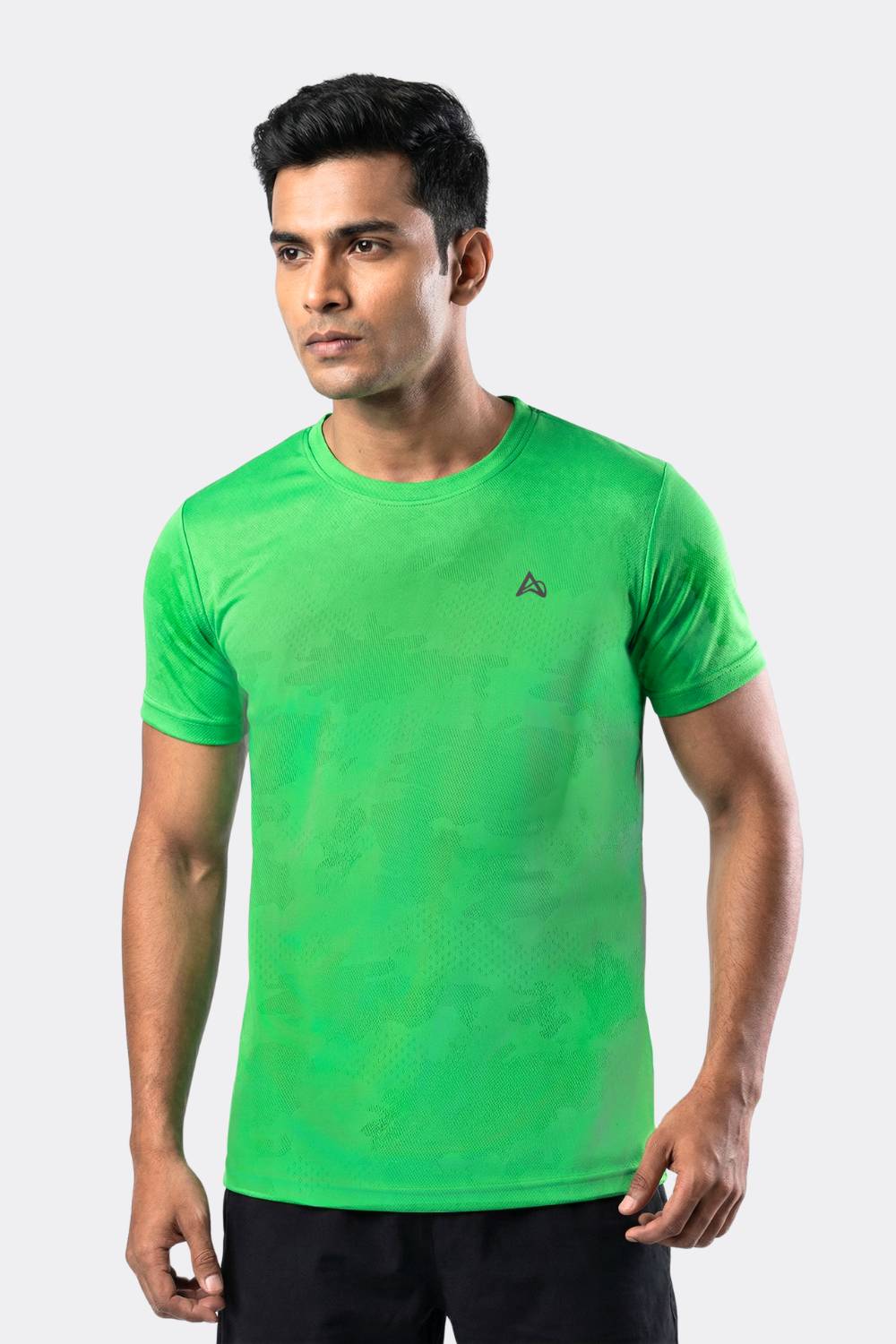
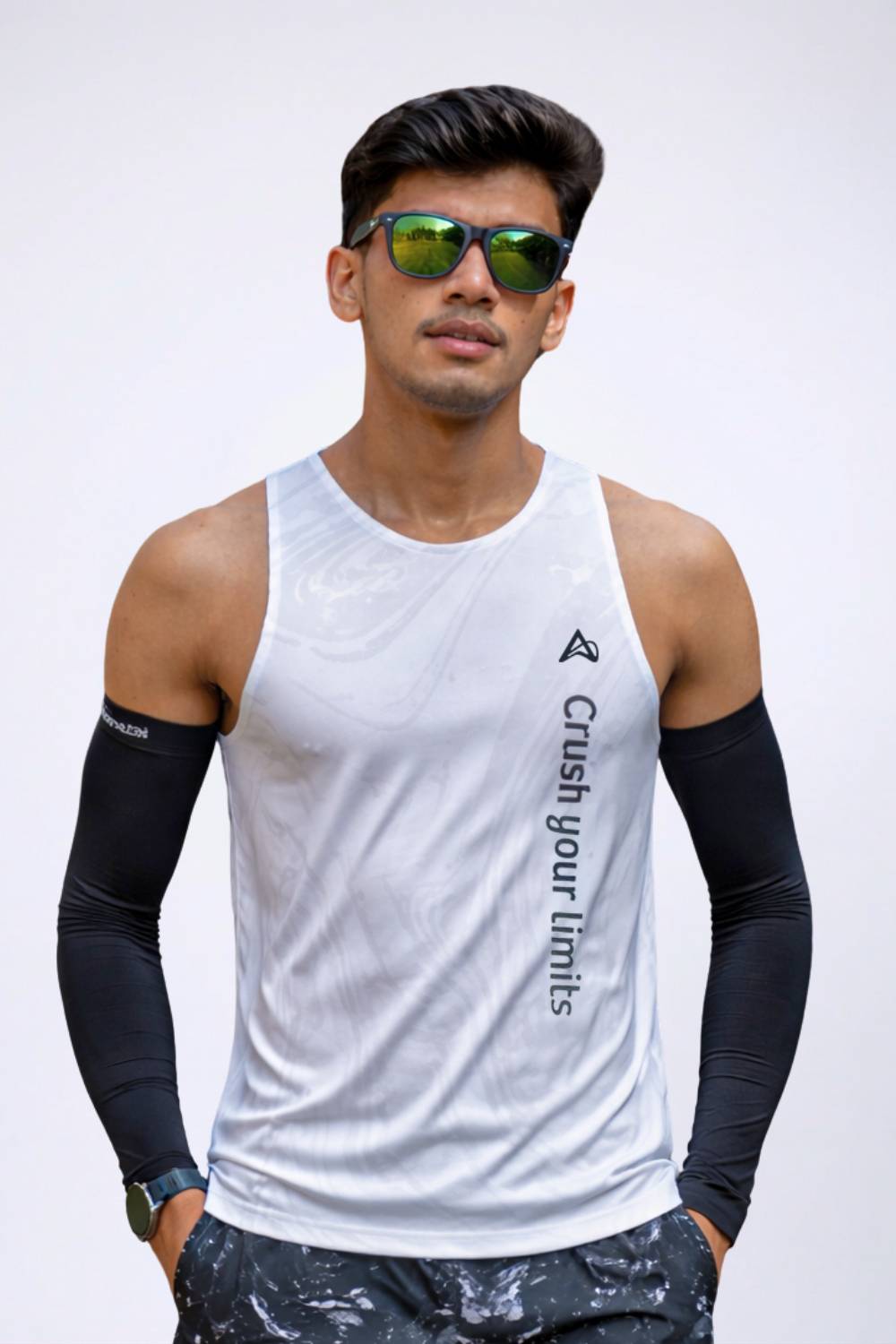

Picture the relentless humidity of Mumbai's Marine Drive or the dusty trails winding through Bangalore's Cubbon Park environments where a simple run can quickly turn into a test of endurance against the elements. For runners across India's bustling metros, selecting the ideal t-shirt means navigating a balance between staying cool and managing sweat effectively. This choice isn't trivial; it directly impacts performance, comfort, and motivation on roads that throw heat, moisture, and uneven terrain at you without warning.
With years of insights from runners in Hyderabad, Pune, Navi Mumbai, Delhi, Gurugram, Surat, and Ahmedabad, experts emphasize that the right fabric can transform your training. The debate centers on lightweight designs versus those excelling in moisture management, each tailored to combat the unique challenges of Indian climates.
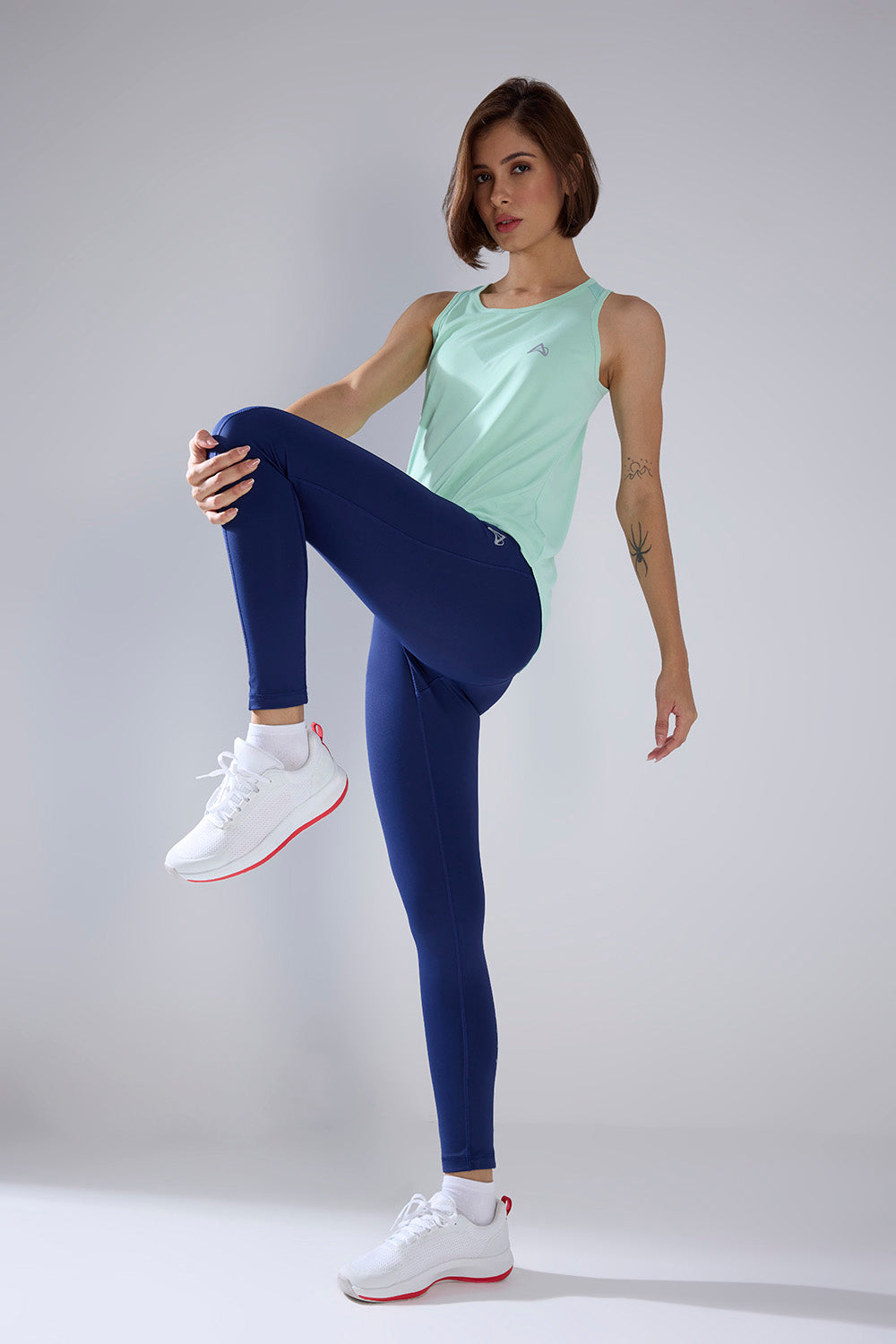
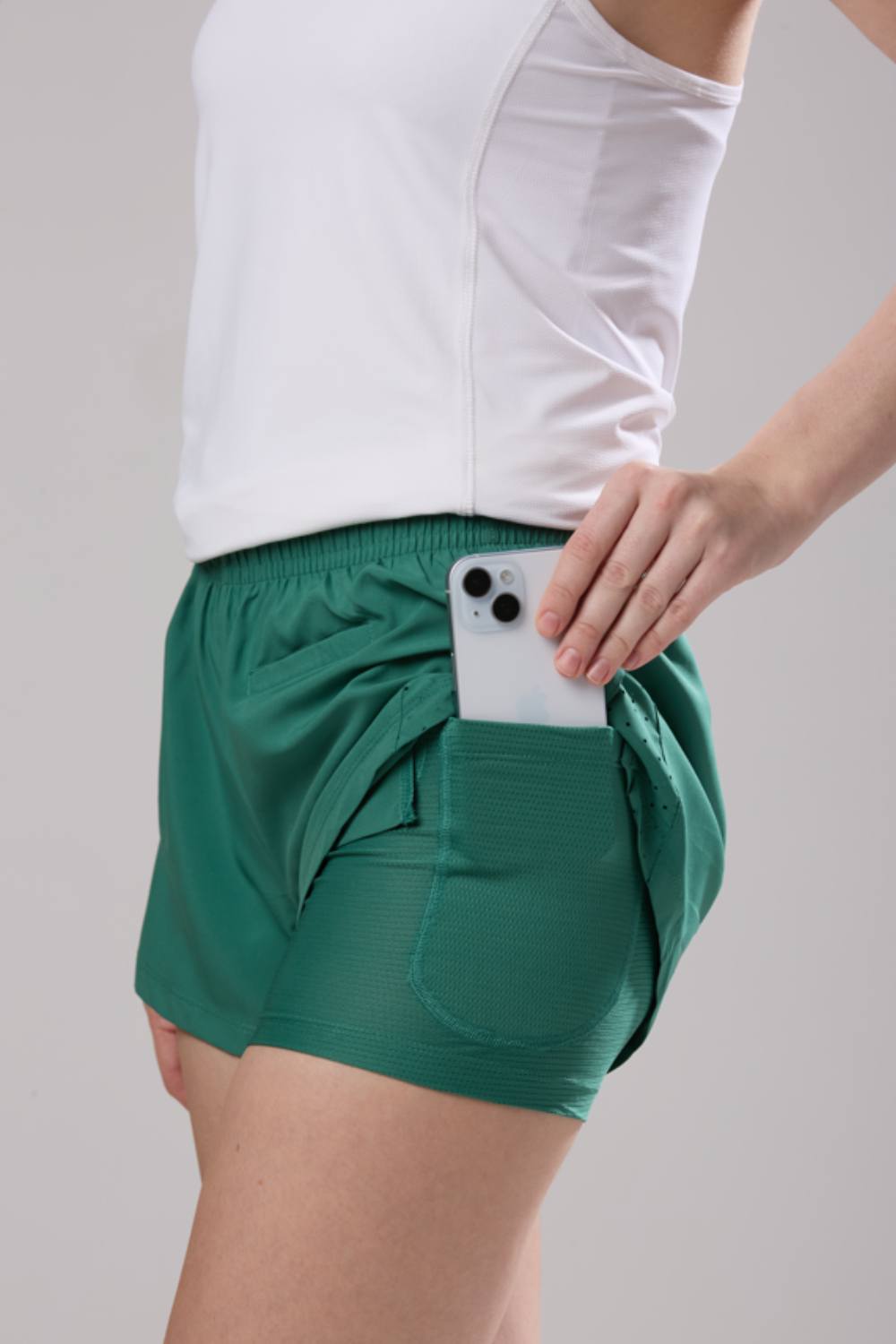
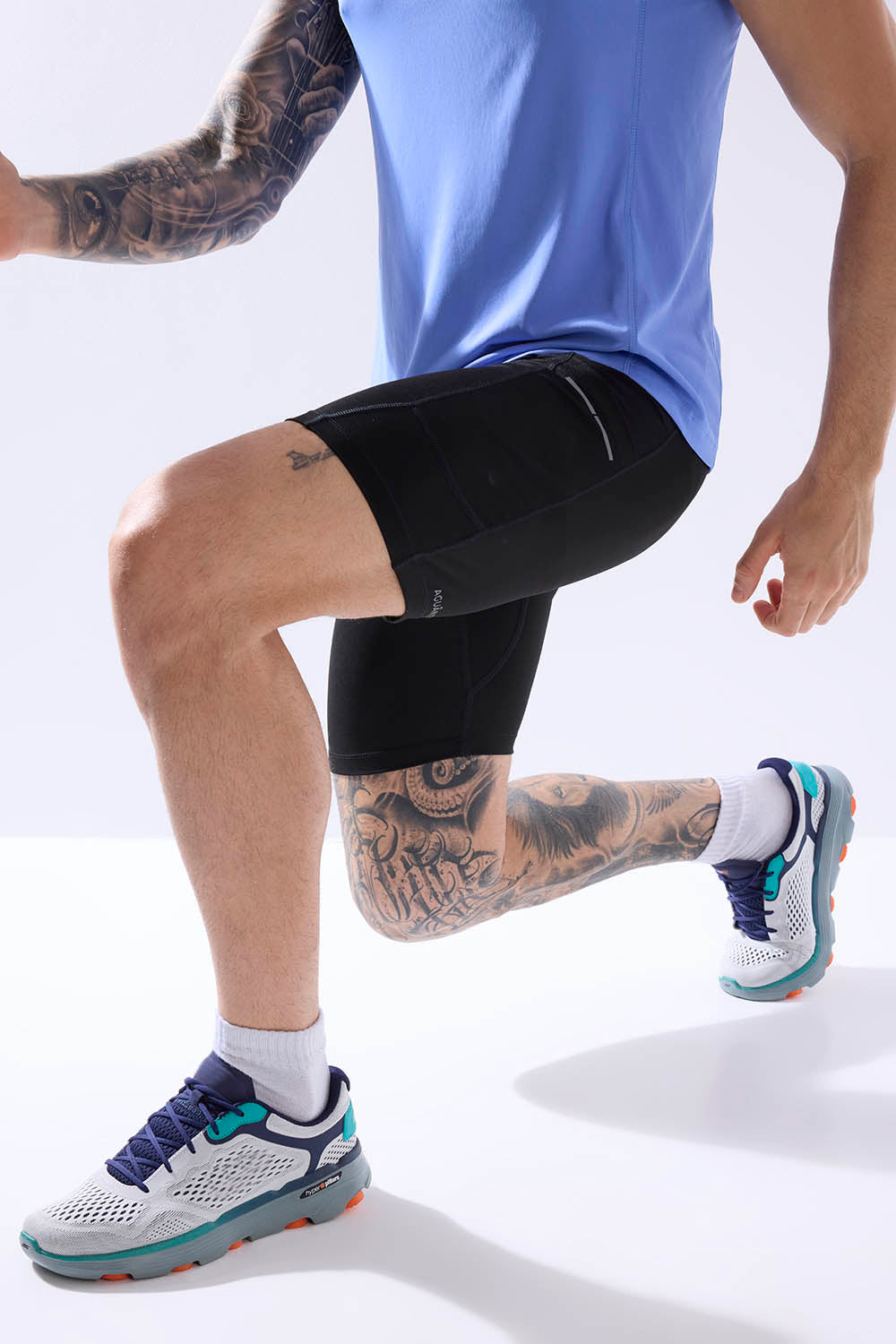
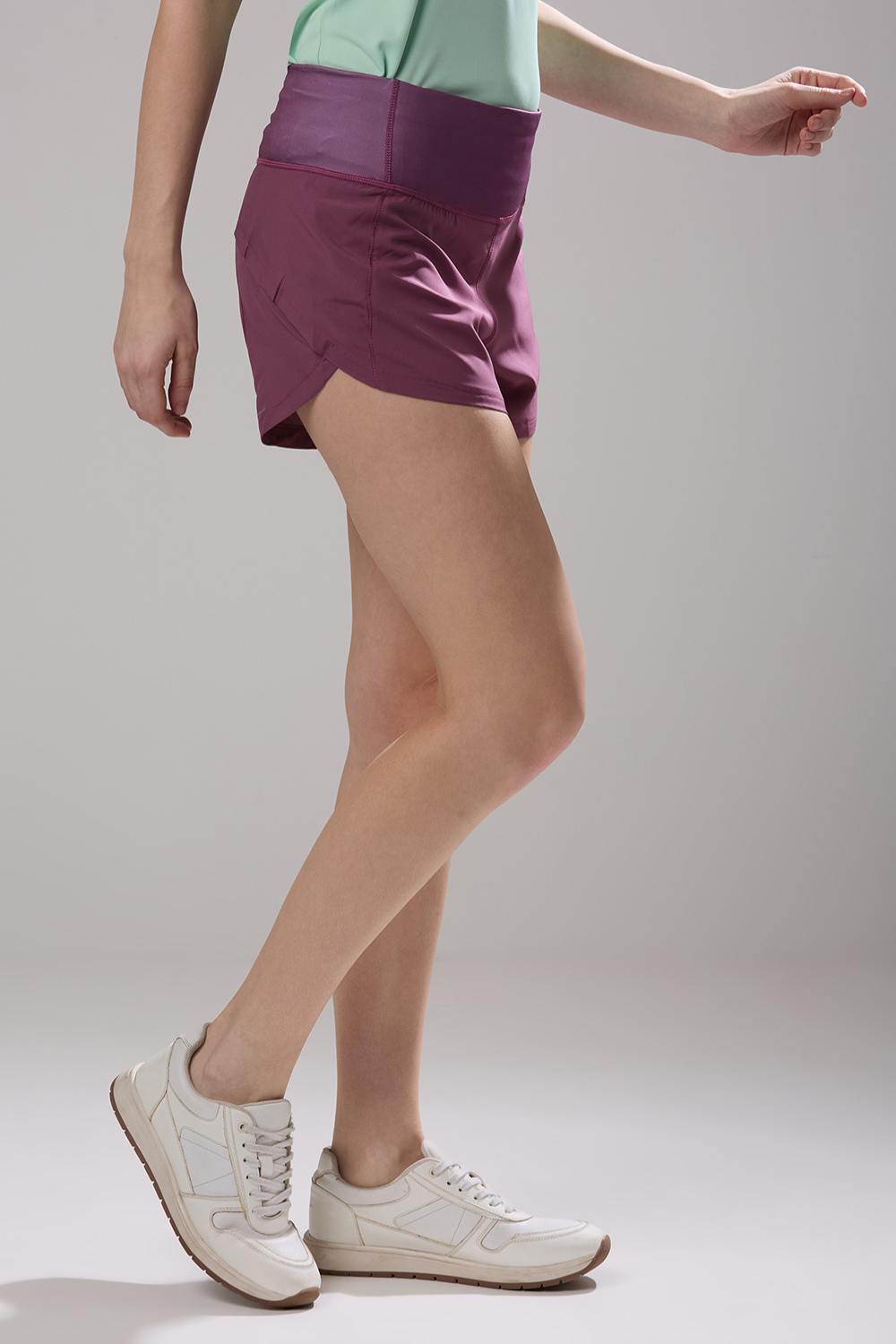
Tired of gear that slows you down? Chafing, soggy fabrics, and missing pockets kill your run's momentum. At Aguante, we're runners who get it. Our high-performance activewear features moisture-wicking fabrics, ergonomic designs, and smart storage to keep you focused. Shop Now!
Defining Lightweight in the Context of Running Apparel
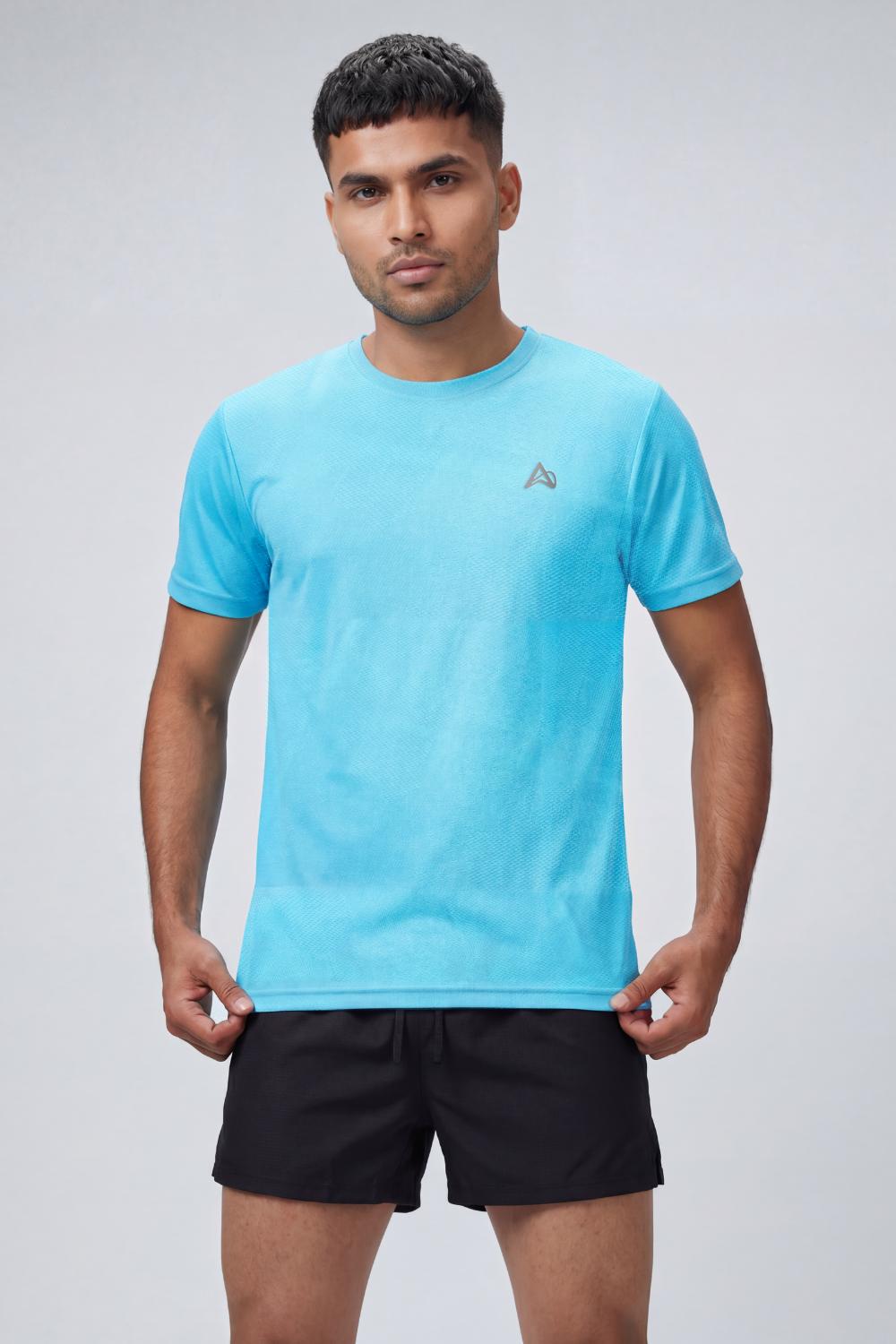
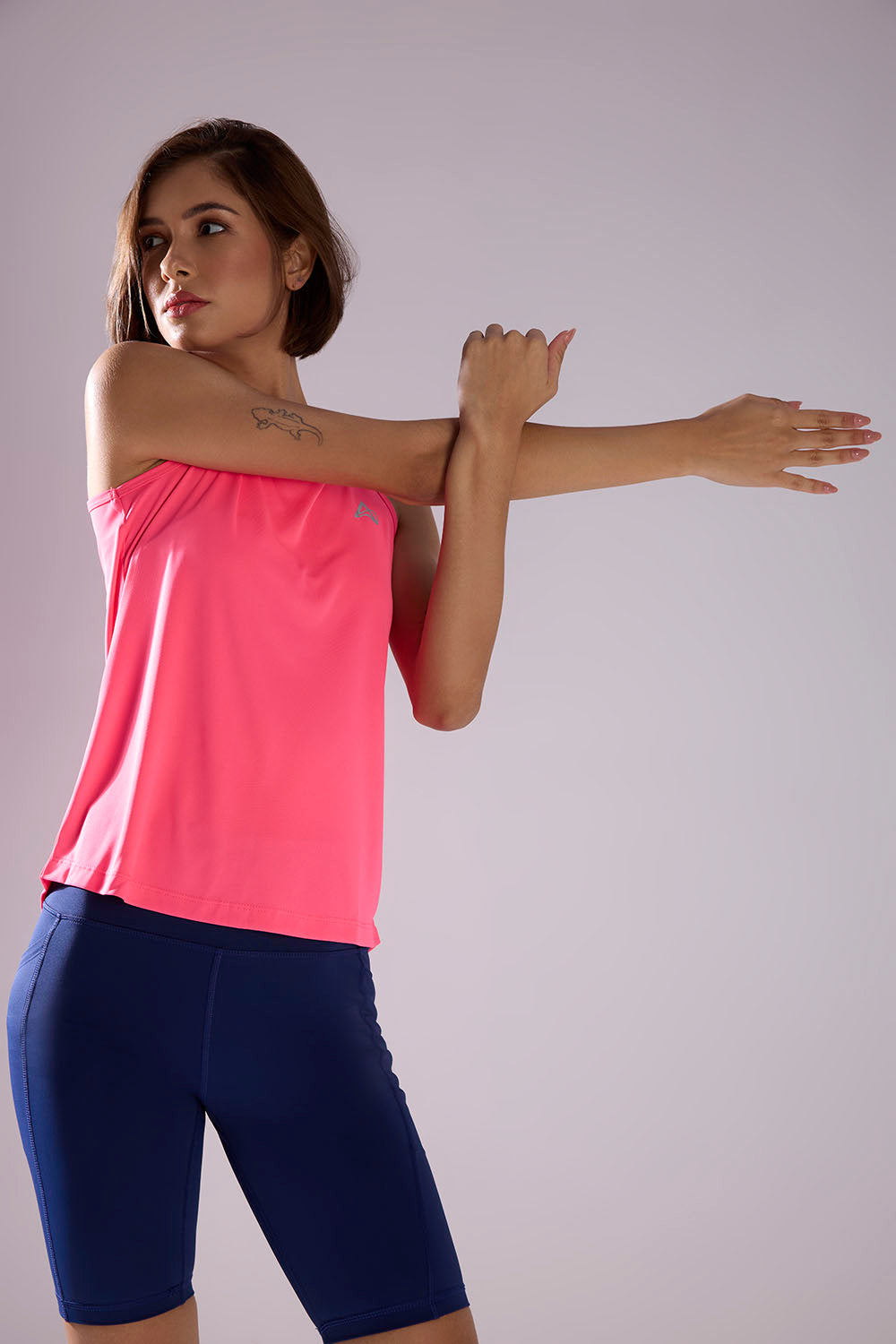
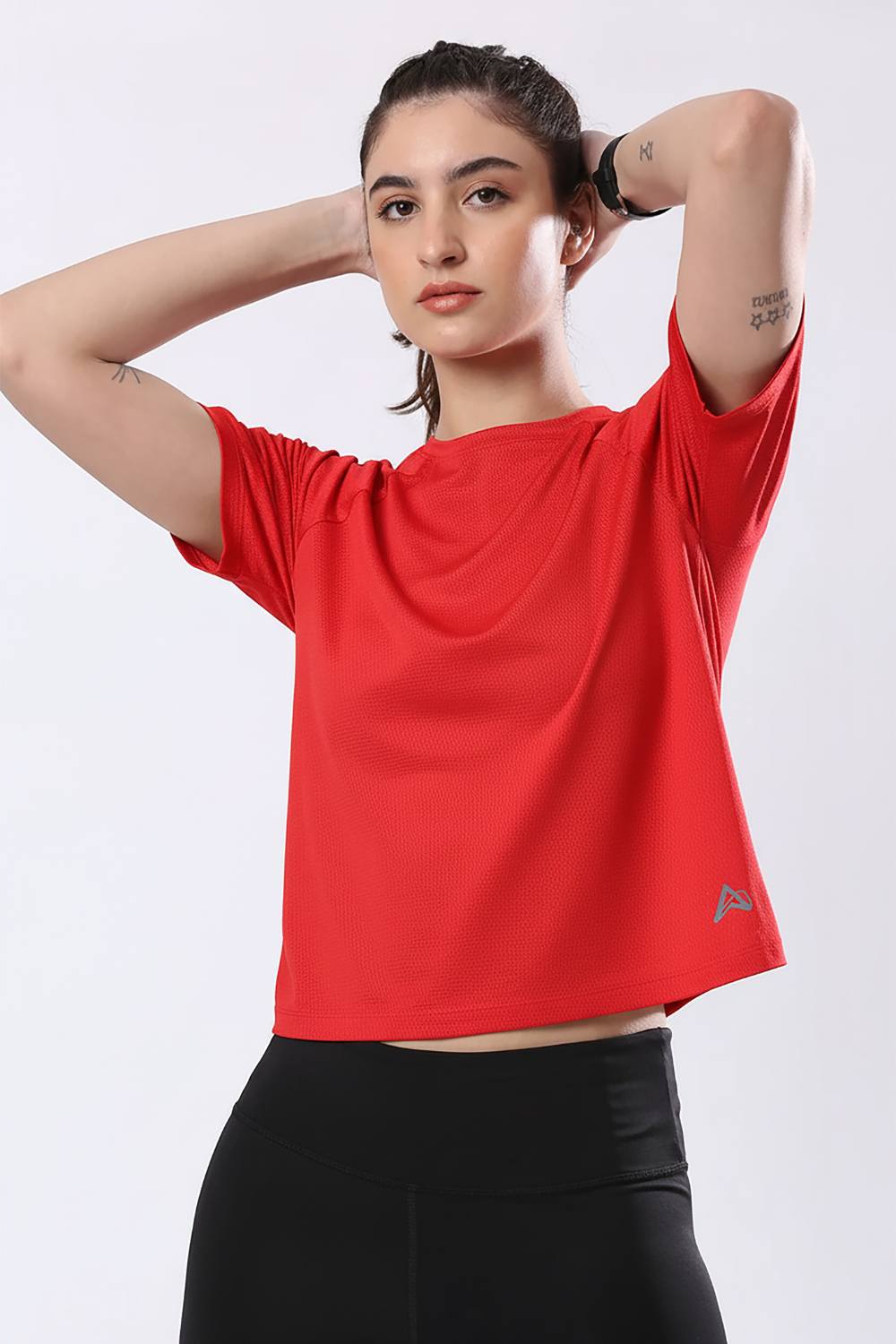
Lightweight running t-shirts are engineered to minimize fabric mass, often incorporating fine meshes or breathable synthetics that prioritize unrestricted movement. These garments aim to reduce any sense of encumbrance, allowing air to circulate freely and keeping the wearer focused on the run rather than the attire.
In drier spells or shorter sessions along Ahmedabad's riverfronts or Gurugram's urban paths, this approach proves invaluable. The reduced weight prevents overheating, enabling quicker heat dissipation and maintaining energy levels when conditions are less saturated with humidity.
The Compression Garments Market is estimated to be valued at USD 2.2 billion in 2025 and is projected to reach USD 3.7 billion by 2035, registering a compound annual growth rate (CAGR) of 5.2% over the forecast period. Compression Garments Market Industry Value (2025), USD 2.2 billion Compression Garments Market Forecast Value (2035), USD 3.7 billion Compression Garments Market Forecast CAGR.
Materials That Make the Difference
Typically crafted from advanced polyesters with perforated elements, these shirts facilitate evaporation in moderate sweat scenarios. Runners report enhanced agility, particularly in speed-focused workouts where every gram counts.
The Science Behind Moisture-Wicking Fabrics
Moisture-wicking technology operates on a principle of rapid sweat transport, using treated fibers to draw perspiration away from the skin and disperse it for faster drying. This isn't about eliminating sweat entirely but managing it to prevent discomfort and maintain body temperature stability.
For those pounding pavements in Surat's steamy afternoons or Mumbai's coastal humidity, this feature stands out. It mitigates the clammy feel that can lead to chafing or distraction, ensuring sustained comfort during extended efforts.
Benefits Backed by Fabric Innovation
Blends of nylon and spandex often form the base, enhanced with coatings that promote wicking. Studies and athlete feedback underline their role in reducing recovery time by keeping muscles warmer and circulation improved post-run.
Comparing the Two in India's Diverse Running Landscapes
Indian running scenes vary dramatically from Delhi's foggy winters to Pune's hilly inclines demanding gear that adapts. Lightweight options thrive in low-humidity windows, offering superior ventilation, but may saturate quickly in monsoons. Moisture-wicking shirts, conversely, handle persistent dampness better, though they might feel slightly heavier when dry.
Feedback from running communities on platforms like Instagram and YouTube reveals a preference for wicking in longer, sweatier sessions, while lightweight wins for quick, dry runs. The key is aligning the choice with your local weather patterns and training intensity.
Scenarios Where Lightweight Prevails
Opt for lightweight when your routine involves brief, high-speed intervals in cooler dawn hours. In cities like Bangalore or Hyderabad, where mornings can be crisp, these shirts prevent the bulk that could hinder form. They're ideal for races under 10K or gym transitions, where minimalism enhances focus.
- Short-duration activities: Keeps you agile without excess material.
- Dry climates: Maximizes airflow for natural cooling.
- Beginner-friendly: Less intimidating for new runners building habits.
When Moisture-Wicking Becomes Essential
In humid marathons or endurance builds along Navi Mumbai's waterfronts, moisture-wicking is non-negotiable. It excels in preventing the buildup that leads to discomfort, allowing you to push limits without mid-run adjustments.
- Long-distance training: Sustains dryness over hours.
- High-humidity zones: Counters environmental moisture effectively.
- Recovery-oriented: Aids in post-exercise muscle support.
Embracing Hybrid Solutions for Optimal Performance
Many top performers choose hybrids that merge lightweight builds with superior wicking. These incorporate zoned meshes for breathability and channeled fabrics for sweat control, addressing India's multifaceted conditions comprehensively.
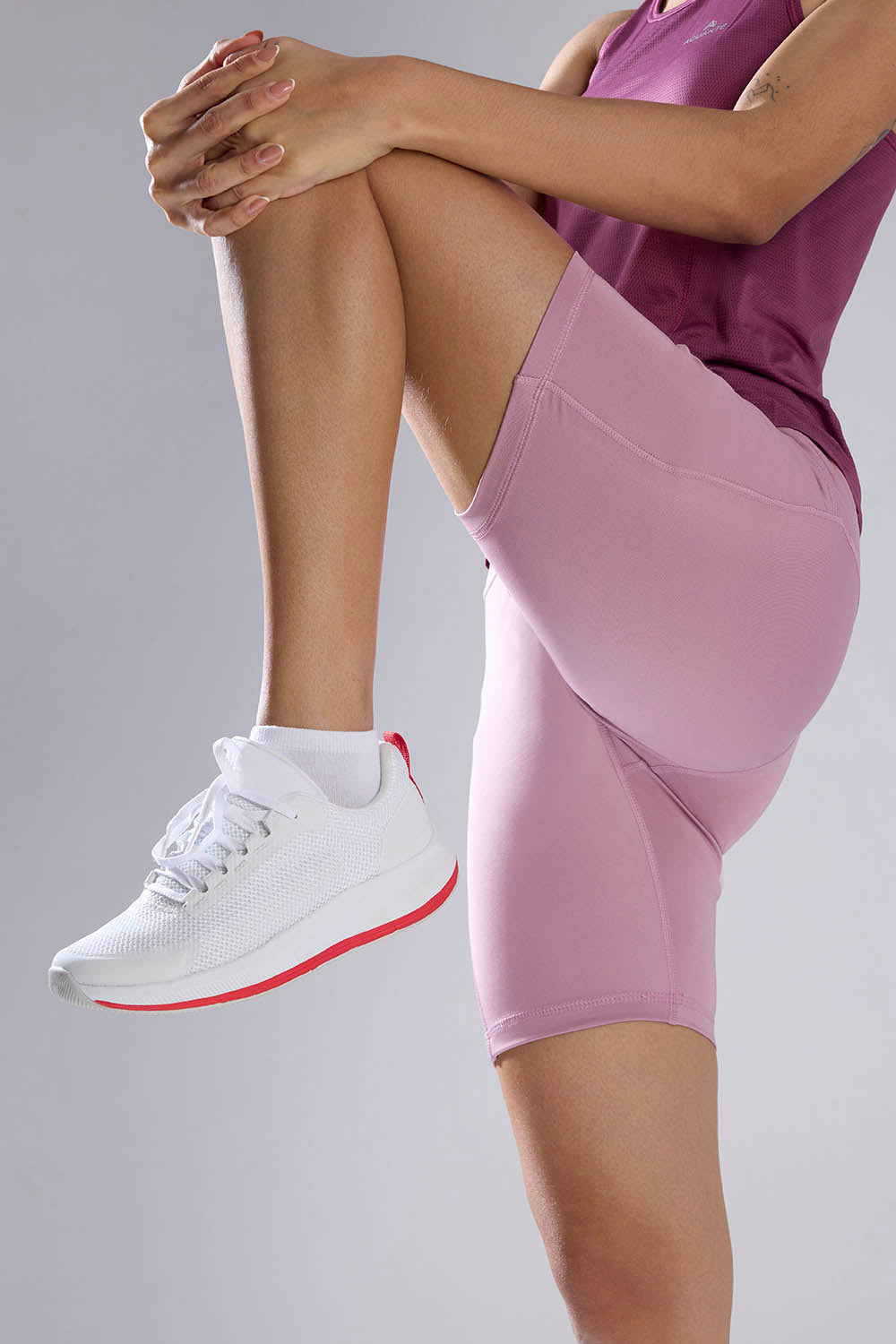
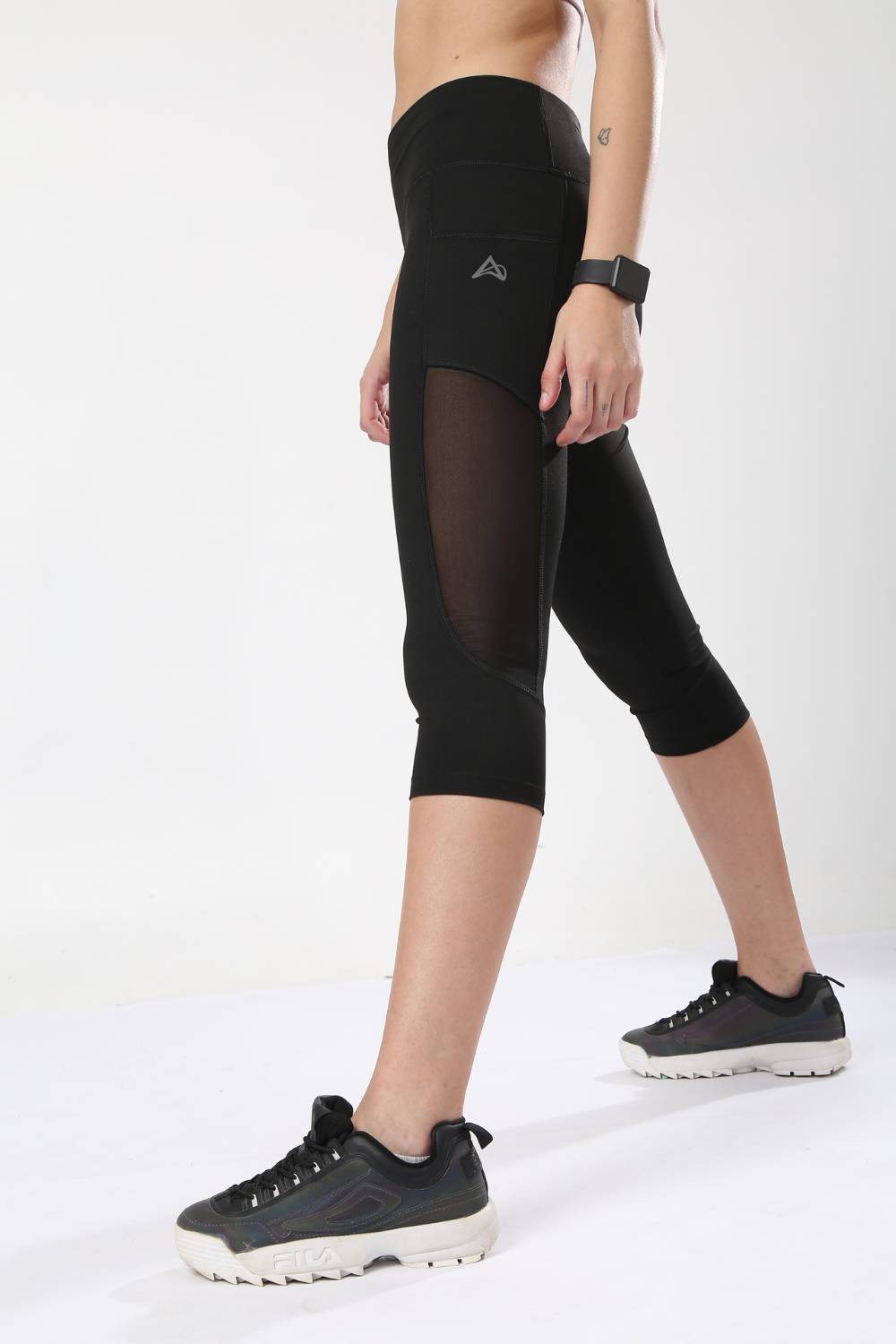
Such designs tackle common grievances with big-brand offerings, like inflated costs or mismatched fits. Locally engineered alternatives provide premium features secure pockets, anti-chafing linings, reflective accents crafted for Indian physiques and terrains, delivering value without compromise.
Real-World Advantages of Integration
Hybrids ensure versatility, from Surat's heat to Delhi's variable weather, fostering consistent training. Runners appreciate the distraction-free experience, with fits refined through actual testing on local routes.
Insights from the Evolving Activewear Landscape
The surge in fitness enthusiasm is evident, with the global activewear market reaching an estimated USD 406.83 billion in 2024. This growth underscores a shift toward gear that blends function with daily wear, driven by increasing sports participation worldwide.
Beyond numbers, it highlights how runners now demand apparel that tackles real challenges like India's intense climates pushing innovations that enhance recovery and performance. Similarly, the sports compression wear sector, valued at USD 1.54 billion in 2025, reflects heightened awareness of benefits like improved circulation during activities.
These trends translate to practical gains: better-equipped athletes who train longer and recover faster, turning casual jogs into committed pursuits.
Guiding Your Selection for Lasting Satisfaction
Assess your running profile duration, intensity, and locale to decide. For humid, prolonged sessions, lean toward wicking; for lighter, drier outings, embrace minimal weight. Hybrids often bridge the gap, offering reliability across scenarios.
In essence, the superior t-shirt fades into the background, letting you savor the stride and scenery. For runners in these dynamic Indian cities, investing in purpose-built gear means fewer barriers and more milestones. Choose wisely, and let your runs reflect your potential.
Frequently Asked Questions
What is the difference between lightweight and moisture-wicking running t-shirts?
Lightweight running t-shirts are designed to minimize fabric mass using fine meshes and breathable synthetics, prioritizing airflow and unrestricted movement ideal for shorter, faster runs in drier conditions. Moisture-wicking t-shirts, on the other hand, use specially treated fibers (often nylon-spandex blends) to actively draw sweat away from the skin and disperse it for faster drying, making them better suited for longer, sweatier sessions in humid environments like Mumbai or Surat.
Which type of running t-shirt is best for India's hot and humid climate?
For India's high-humidity cities like Mumbai, Navi Mumbai, and Surat, moisture-wicking t-shirts are generally the better choice, as they combat the clammy feeling caused by persistent sweat and help prevent chafing during extended runs. However, in drier or cooler conditions such as early mornings in Bangalore or Hyderabad a lightweight t-shirt offers superior ventilation. Many Indian runners opt for hybrid designs that combine both features for year-round versatility across the country's diverse climates.
Can a running t-shirt improve performance and recovery?
Yes the right running t-shirt can meaningfully impact both performance and recovery. Moisture-wicking fabrics help maintain stable body temperature and reduce mid-run distractions like chafing, while also keeping muscles warmer post-run to support circulation and faster recovery. As the global activewear market reflects (valued at USD 406.83 billion in 2024), there is growing recognition that purpose-built running apparel especially with features like anti-chafing linings and zoned breathability can help athletes train longer and recover more effectively.
Disclaimer: The above helpful resources content contains personal opinions and experiences. The information provided is for general knowledge and does not constitute professional advice.
You may also be interested in: Running Gear for Beginners: Key Features to Consider - Aguante
Tired of gear that slows you down? Chafing, soggy fabrics, and missing pockets kill your run's momentum. At Aguante, we're runners who get it. Our high-performance activewear features moisture-wicking fabrics, ergonomic designs, and smart storage to keep you focused. Shop Now!
Powered by flareAI.co