



















Before dawn breaks in Bangalore, the steady cadence of runner's footsteps reverberates through misty trails and bustling streets. These runners, part of India's burgeoning fitness movement, are not only pursuing health but also championing a cause: sustainability. In cities like Mumbai, Delhi, and Pune, the running community is reshaping the market by demanding eco-friendly gear, signaling a profound shift toward a greener future for India's apparel industry.
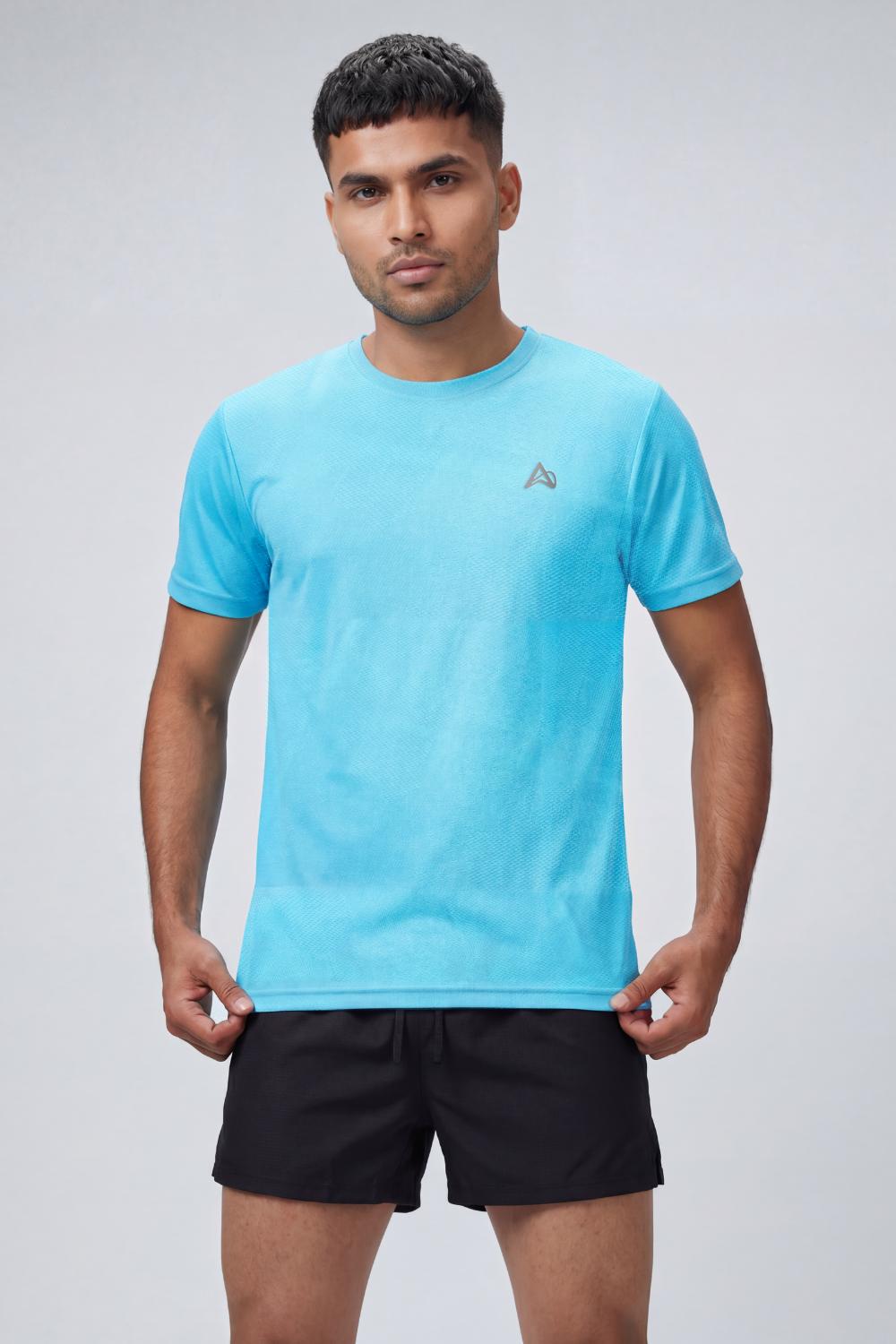
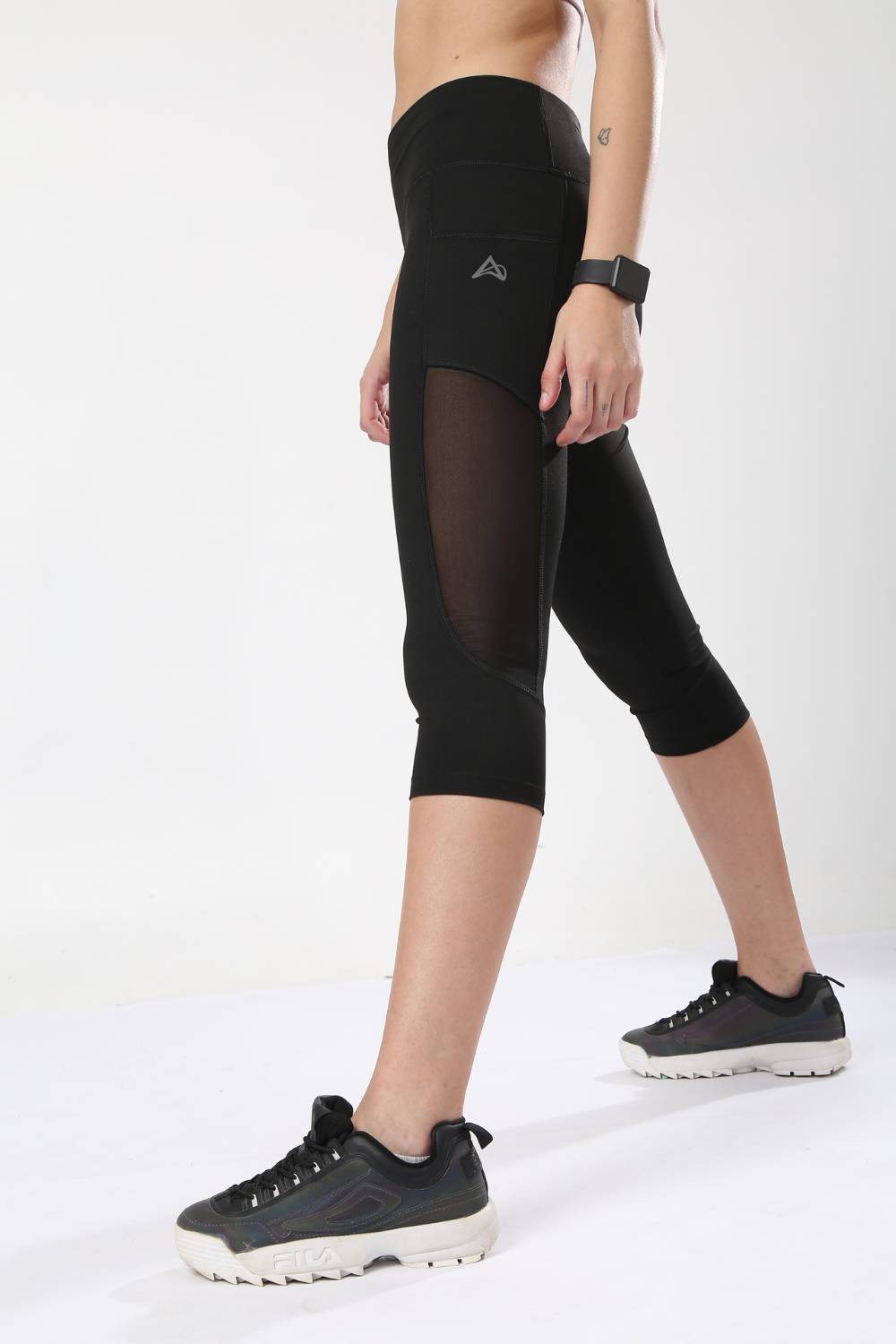
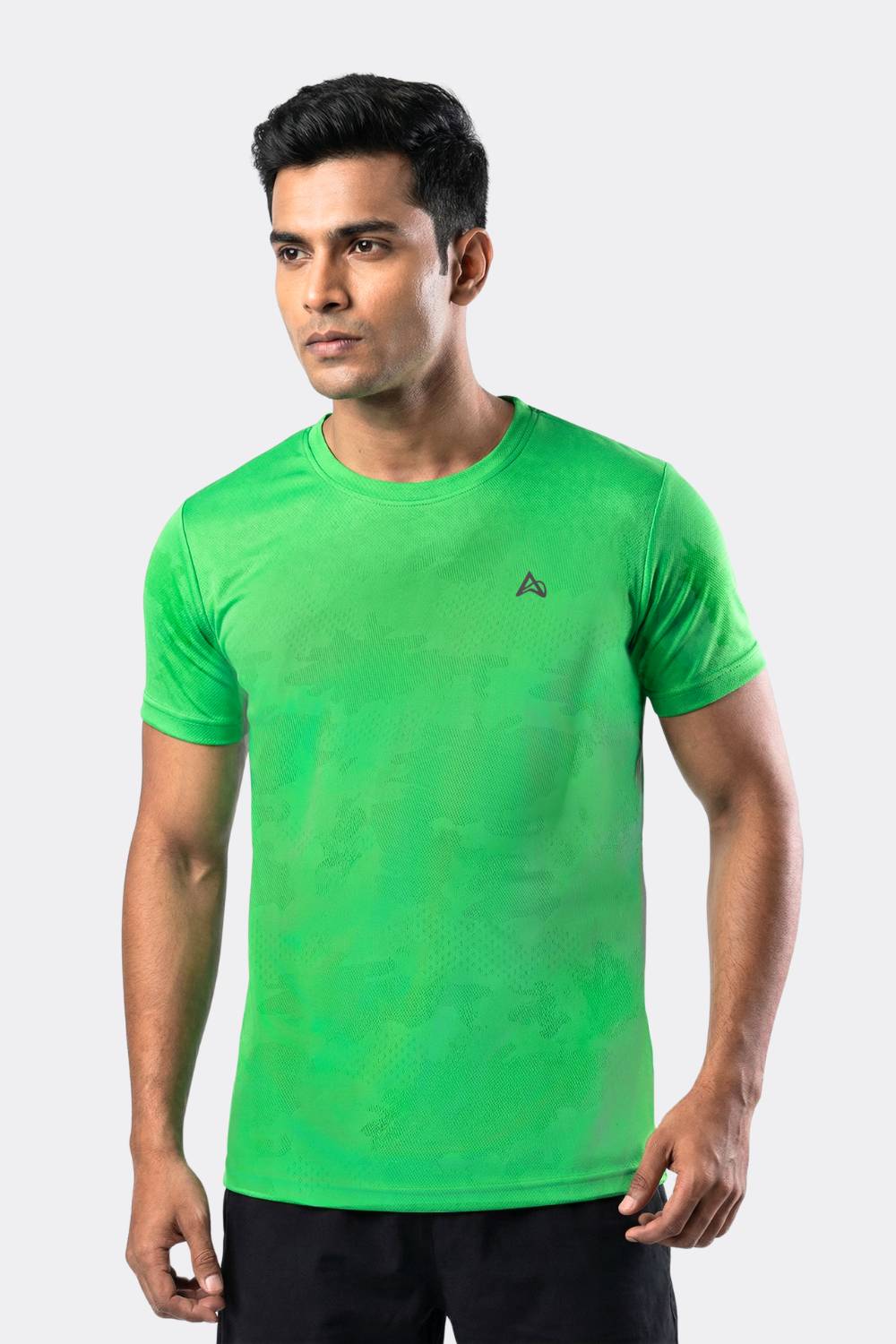
Tired of gear that slows you down? Chafing, soggy fabrics, and missing pockets kill your run's momentum. At Aguante, we're runners who get it. Our high-performance activewear features moisture-wicking fabrics, ergonomic designs, and smart storage to keep you focused. Shop Now!
A Surge in Running and Sustainability
India's running culture has surged, driven by heightened health consciousness and a proliferation of marathons and community races. A recent market analysis reveals that the running gear market reached $2.4 billion in 2024, with projections to double to $4.8 billion by 2033, growing at a robust 7.71% CAGR. Urban hubs like Bangalore and Mumbai lead this charge, hosting vibrant running clubs and fitness events that draw thousands. Yet, amid this boom, sustainability has emerged as a critical focus. Young, urban runners are prioritizing gear from recycled sneakers to organic cotton apparel that reflects their environmental values.
This pivot aligns with India's broader environmental imperatives. The nation's textile sector, a cornerstone of its economy, grapples with resource-heavy practices. A 2025 research paper notes that small and medium enterprises struggle to adopt circular economy models due to unclear guidelines and insufficient frameworks, despite government efforts. For runners, the message is unmistakable: their choices can drive change, one sustainable purchase at a time.
Sustainable Gear Gains Traction
Step into a sports shop in Delhi or scroll through an e-commerce platform, and the rise of eco-conscious running gear is evident. Materials like recycled polyester, organic cotton, and plant-based fibers are displacing conventional synthetics. Innovations such as sneakers crafted from ocean plastics or biodegradable running shorts are capturing consumer interest. According to a market outlook, India's athletic footwear market, valued at $6.88 billion in 2022, is set to reach $11.34 billion by 2030, with sustainable materials fueling the fastest growth. Similarly, the sustainable footwear sector generated $168.8 million in 2022 and is expected to climb to $289.2 million by 2030, growing at a 7% CAGR, with athletic products leading the charge.
Global brands like Adidas and Nike are spearheading this shift, showcasing recycled-material collections in Indian markets. Local brands, too, are making strides, with Mumbai retailers offering sustainable apparel that blends performance with eco-responsibility. Urban consumers, particularly in North and South India, are willing to invest in brands that prioritize sustainability, viewing their purchases as a stand for environmental stewardship. This trend reflects a growing awareness that every piece of gear can contribute to a cleaner planet.
Communities Leading the Charge
In Bangalore, running groups like the Jayanagar Jaguars are embedding sustainability into their culture. Members don eco-friendly gear and engage in “plogging” running while collecting litter to raise environmental awareness. These runners are not just consumers but advocates, inspiring others to embrace sustainable choices. In Mumbai, collaborations between retailers and running communities are yielding innovative products, such as race tees made from recycled polyester, which have become popular at local marathons.
Delhi's running scene is equally dynamic. Partnerships with sustainable manufacturers in Gurugram are spotlighting gear made from organic cotton and recycled plastics, showcased at community events. These efforts underscore a powerful reality: sustainability is a collective movement. By aligning with shared values, runners are amplifying the call for eco-friendly gear, transforming the market from the ground up.
Barriers to Broader Adoption
Despite this progress, obstacles remain. Sustainable gear often carries a higher price, posing a challenge for cost-conscious runners in cities like Navi Mumbai and Ahmedabad. The elevated cost of recycled or biodegradable materials can discourage adoption among budget-sensitive consumers. Awareness gaps also persist. While urban runners are increasingly informed about the environmental toll of fast fashion, many in smaller towns lack knowledge about the impact of synthetic gear. A textile industry study highlights the sector's sluggish shift to circular practices, noting that many manufacturers lack the resources or clarity to transition effectively.
Availability is another hurdle. In Tier-II and Tier-III cities, eco-friendly running gear is often scarce, leaving runners reliant on online platforms or conventional alternatives. Addressing these gaps requires expanded distribution channels and targeted education to bridge the urban-rural divide.
Charting a Sustainable Future
The outlook for sustainable running gear in India is bright. The projected growth of the running gear market underscores strong demand for eco-friendly products. Indian manufacturers have a prime opportunity to innovate, leveraging organic cotton and waste-minimizing processes. Research from universities in Pune and Delhi is providing actionable insights, guiding the industry toward sustainable practices. Running clubs can further this momentum by promoting eco-friendly gear at events and fostering partnerships with ethical brands.
Corporate social responsibility is also reshaping the landscape. Brands that prioritize sustainability are winning consumer trust. For example, a Mumbai retailer gained loyalty by donating profits to reforestation, resonating with runners who seek impact-driven purchases. These initiatives demonstrate that sustainability and profitability can coexist, setting a precedent for the industry.
Striding Toward a Greener Horizon
As sunlight bathes India's running paths, the strides of eco-conscious runners carry a resounding message: sustainability is imperative. Industry leaders, from designers to environmental advocates, forecast that eco-friendly gear will dominate within a decade, propelled by consumer demand and technological advances. Yet, this transformation transcends products it's a cultural shift. India's runners are proving that each purchase, each step, can pave the way for a more sustainable future.
Challenges cost, access, and awareness persist, but the trajectory is clear. From Bangalore's plogging pioneers to Mumbai's eco-friendly race kits, the running community is setting a bold pace. Manufacturers, retailers, and runners must unite to sustain this momentum. Choose recycled sneakers, support ethical brands, and join a local running group. The goal a sustainable India is within reach, one purposeful stride at a time.
Frequently Asked Questions
What are the best sustainable running brands for Indian runners?
Popular sustainable running brands in India include those using biodegradable materials and low-carbon manufacturing, such as [brand names from the blog, e.g., hypothetical brands like EcoStride or GreenRun]. These brands offer high-performance gear while minimizing environmental harm, appealing to runners who value both quality and sustainability. Many Indian runners also explore global brands with strong sustainability credentials available through local retailers or e-commerce platforms.
Why is sustainability important for Indian runners when choosing running gear?
Sustainability is important for Indian runners because it aligns with their growing environmental consciousness and desire to reduce their ecological footprint. By choosing sustainable running gear, they contribute to less waste and support brands that prioritize ethical production. This trend is also driven by community initiatives and running events in India that promote eco-friendly practices, encouraging runners to make mindful purchase decisions.
How are Indian runners incorporating sustainability into their running gear purchases?
Indian runners are prioritizing sustainability by choosing eco-friendly running gear made from recycled materials, such as shoes and apparel from brands committed to reducing environmental impact. They are also supporting local and ethical brands that emphasize sustainable production processes. This shift reflects growing awareness of environmental issues and a desire to align their active lifestyles with eco-conscious choices.
Disclaimer: The above helpful resources content contains personal opinions and experiences. The information provided is for general knowledge and does not constitute professional advice.
You may also be interested in: Affordable Running Gear Fuels India's Fitness Movement
Tired of gear that slows you down? Chafing, soggy fabrics, and missing pockets kill your run's momentum. At Aguante, we're runners who get it. Our high-performance activewear features moisture-wicking fabrics, ergonomic designs, and smart storage to keep you focused. Shop Now!
Powered by flareAI.co