








In the early morning haze of Bangalore, where the steady cadence of running shoes echoes through Cubbon Park, a quiet transformation is taking shape. Community-based running clubs, once modest gatherings of fitness buffs, have evolved into dynamic ecosystems fostering health, connection, and local entrepreneurship. From Mumbai's Marine Drive to Delhi's Lodhi Gardens, these groups are not just clocking kilometers they're propelling India's homegrown apparel brands into the spotlight, leveraging grassroots enthusiasm to challenge global sportswear titans.
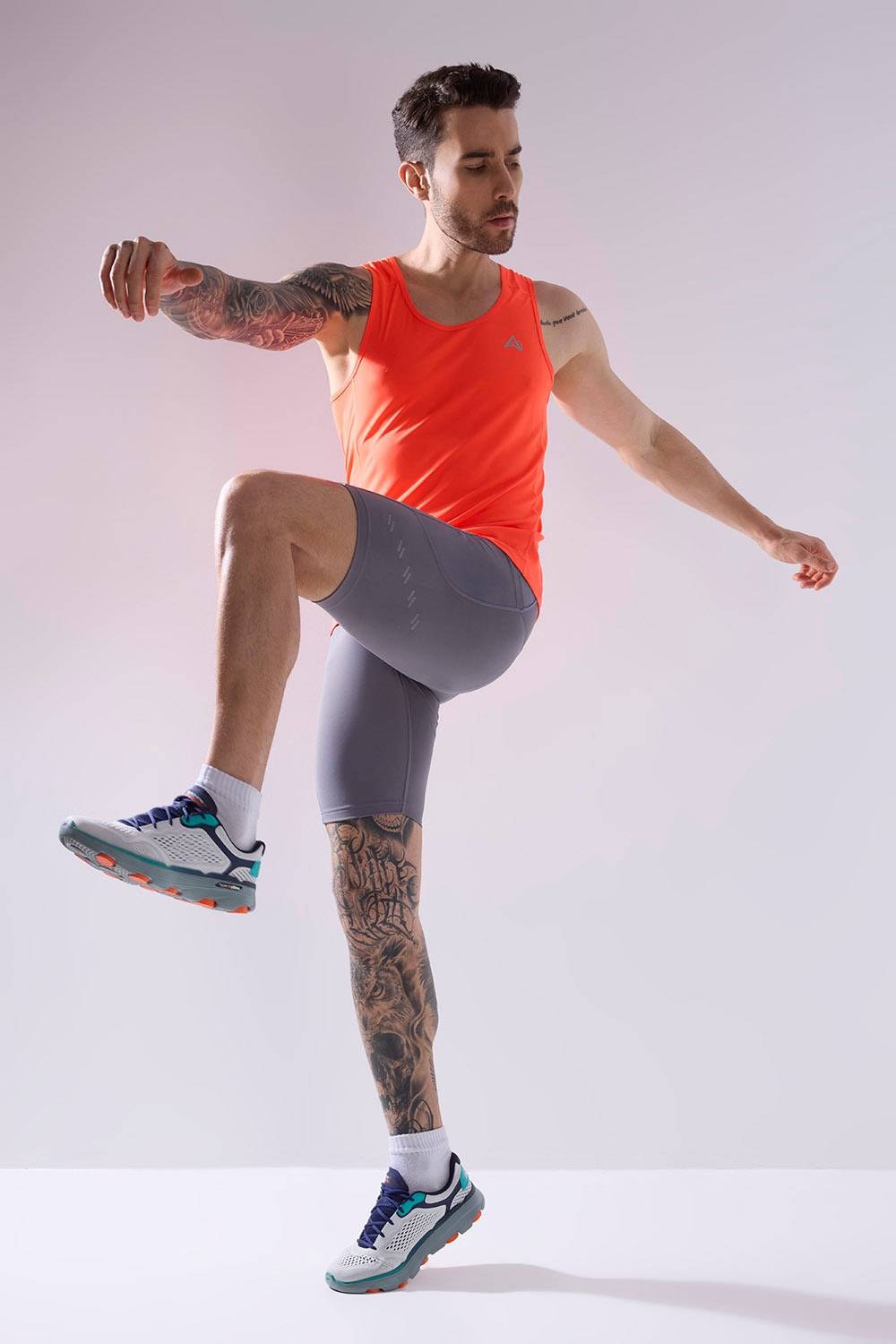
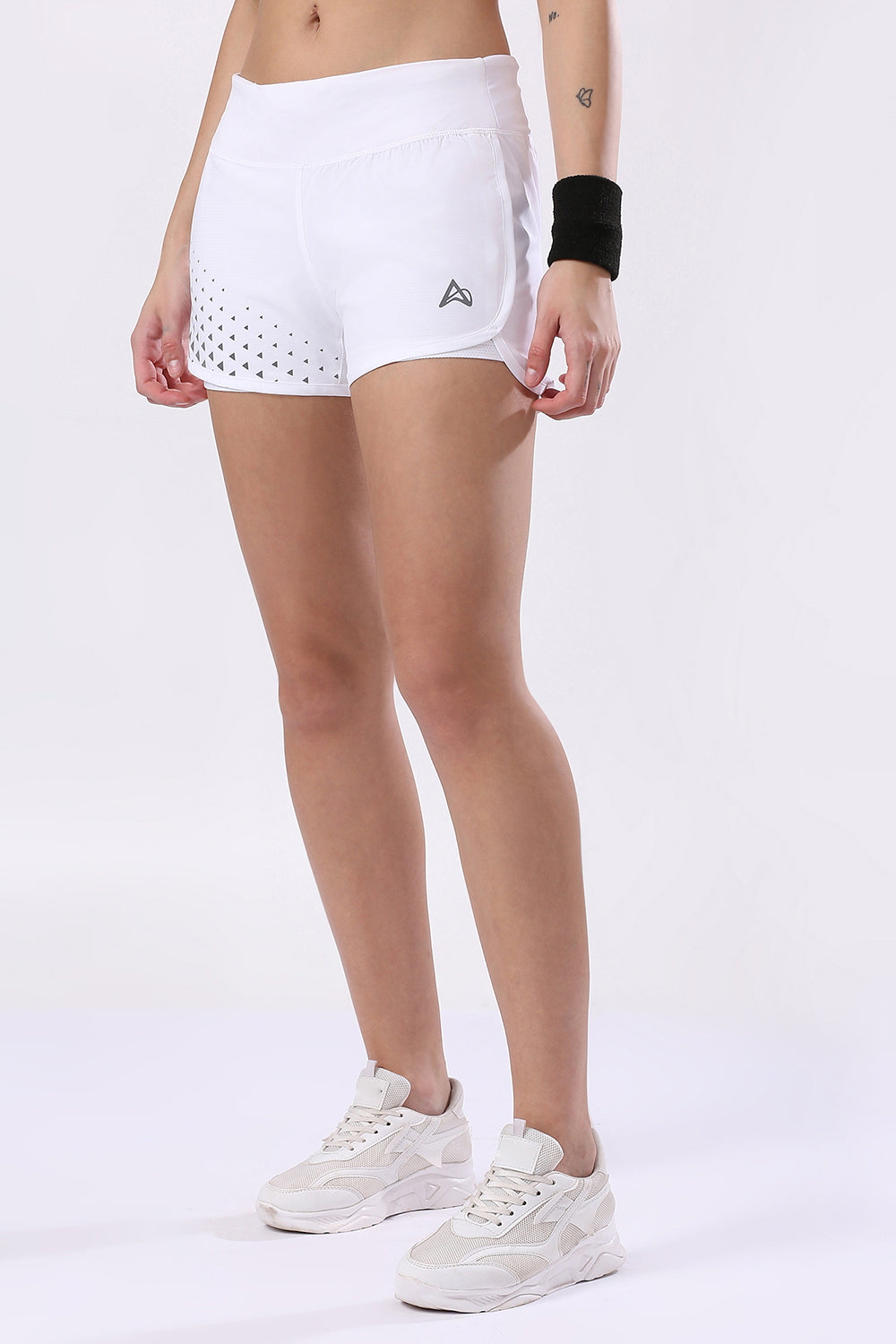
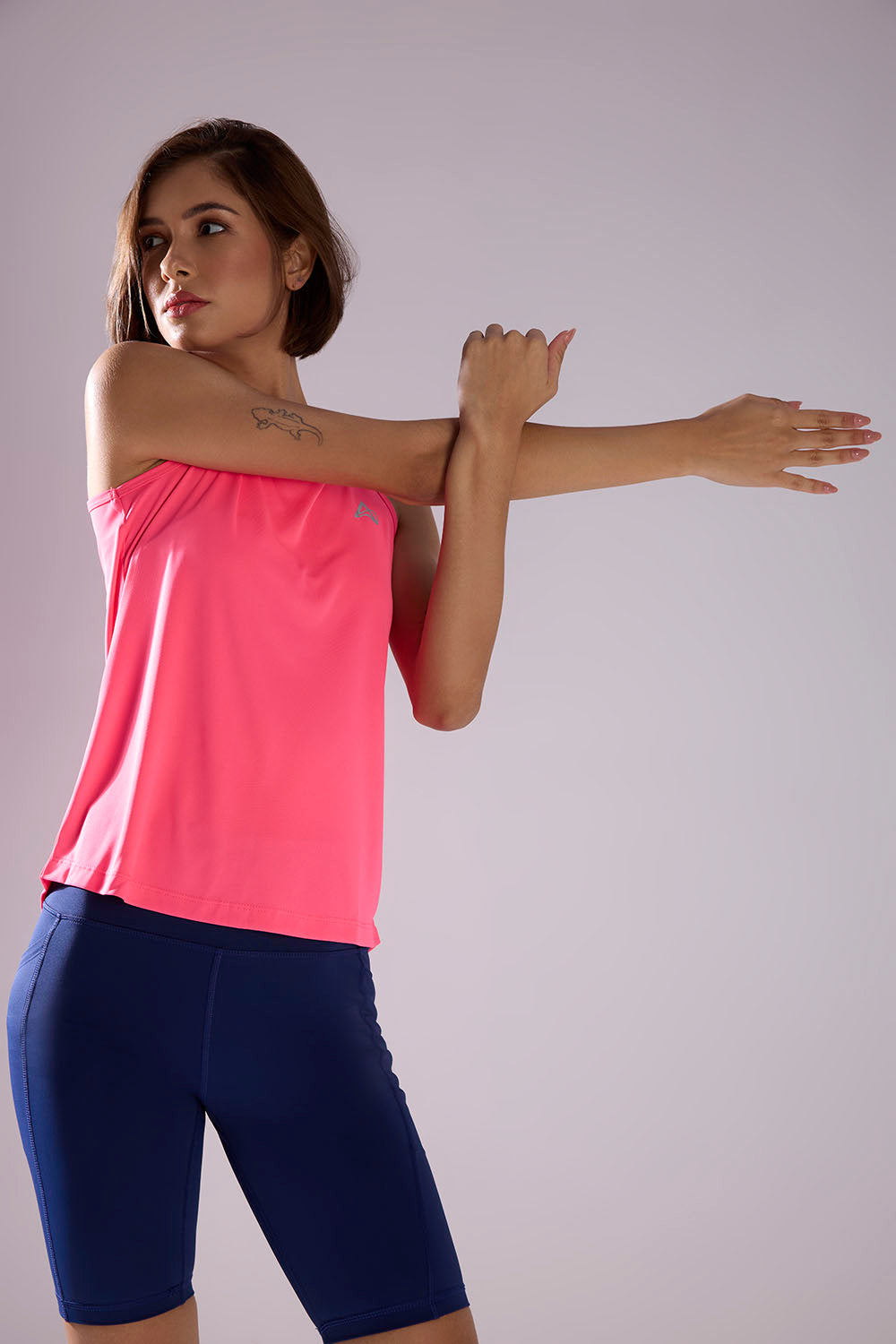
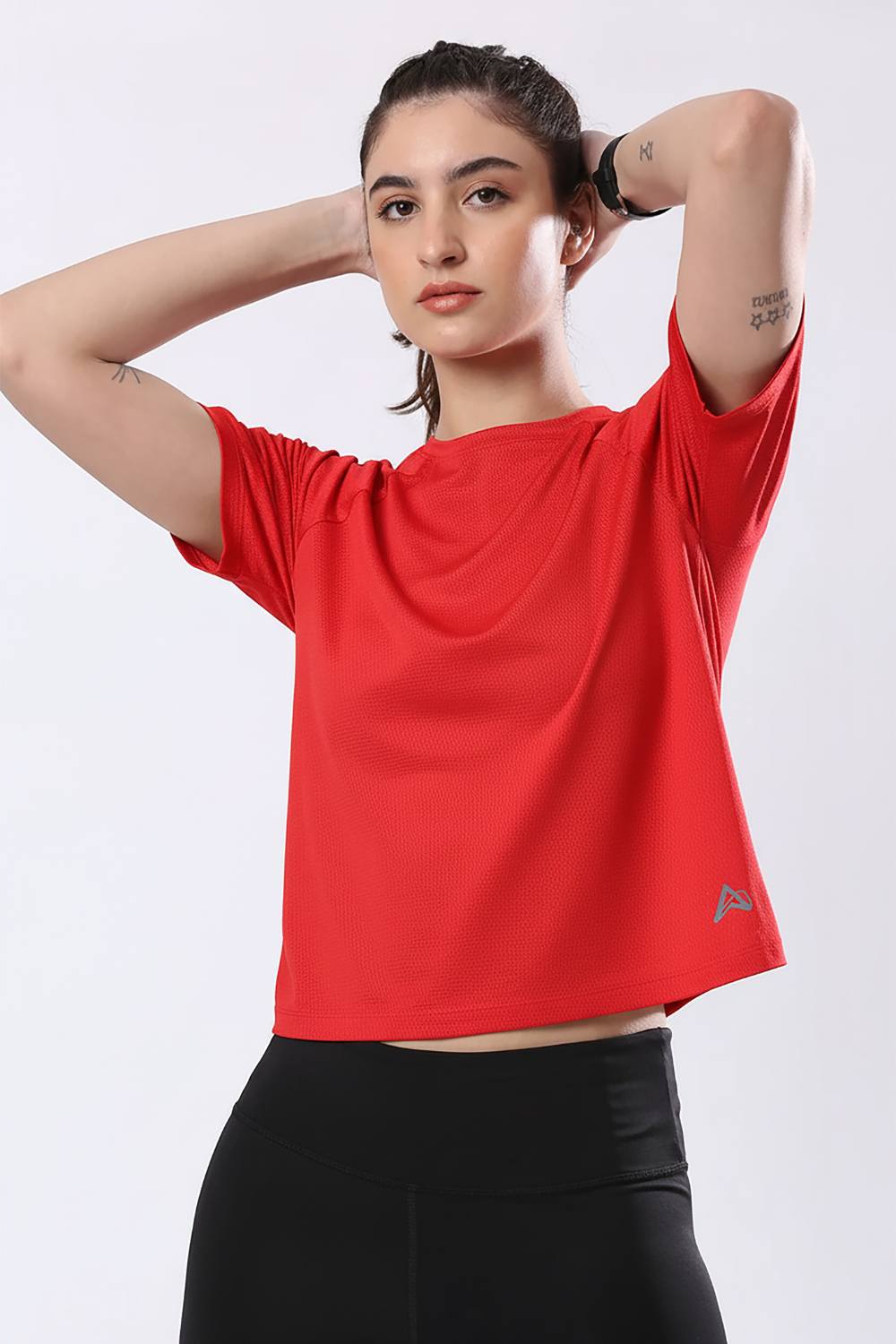
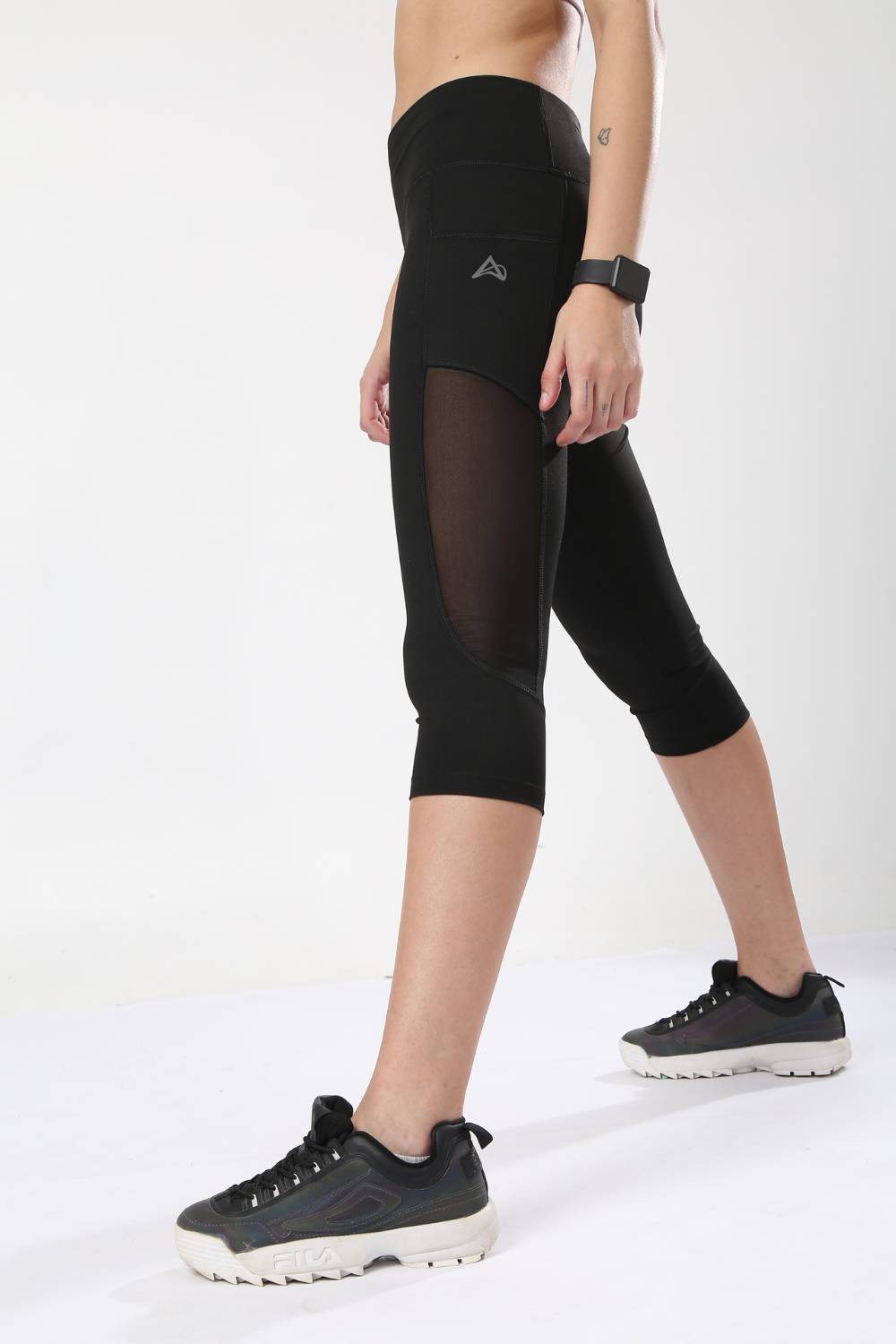
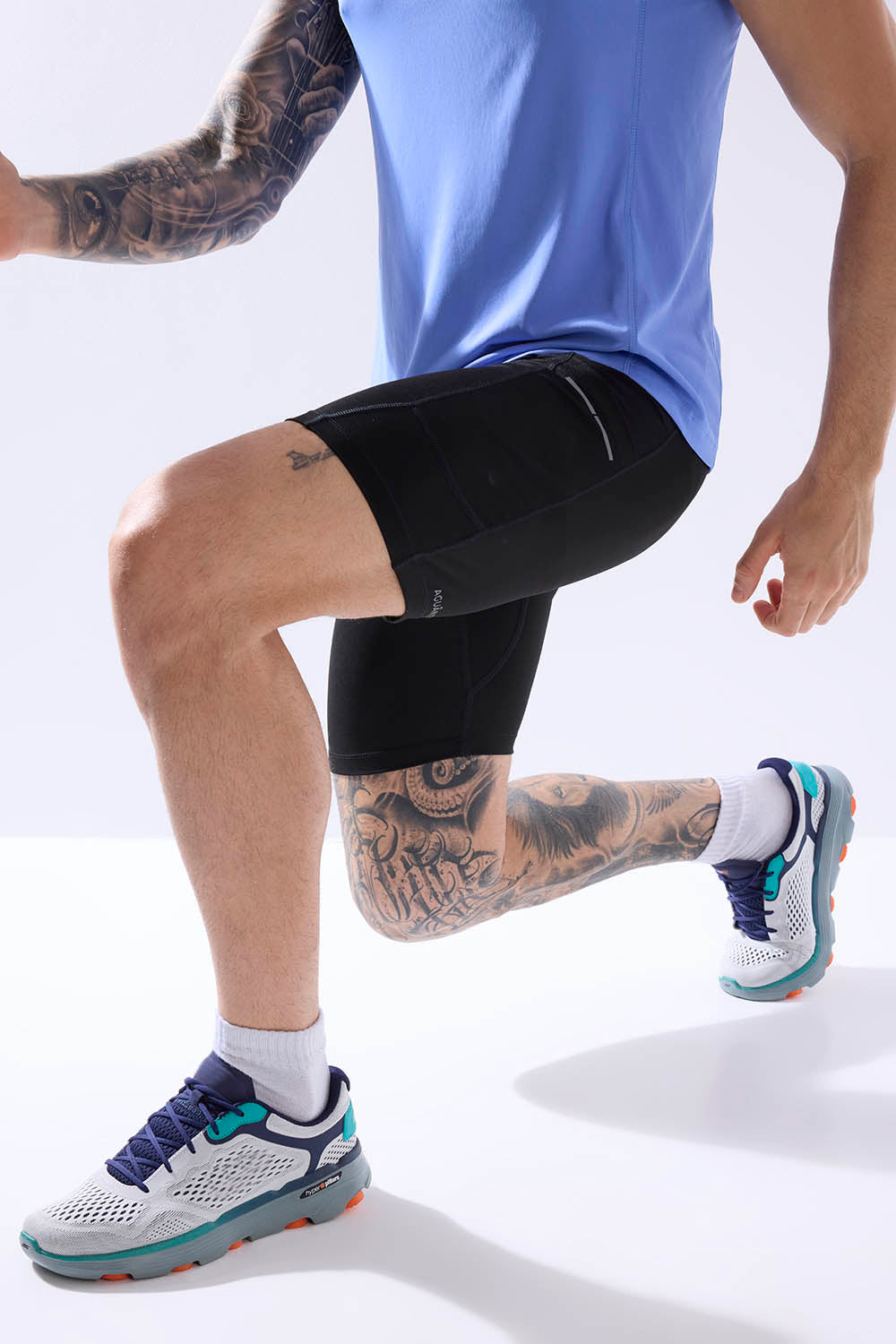
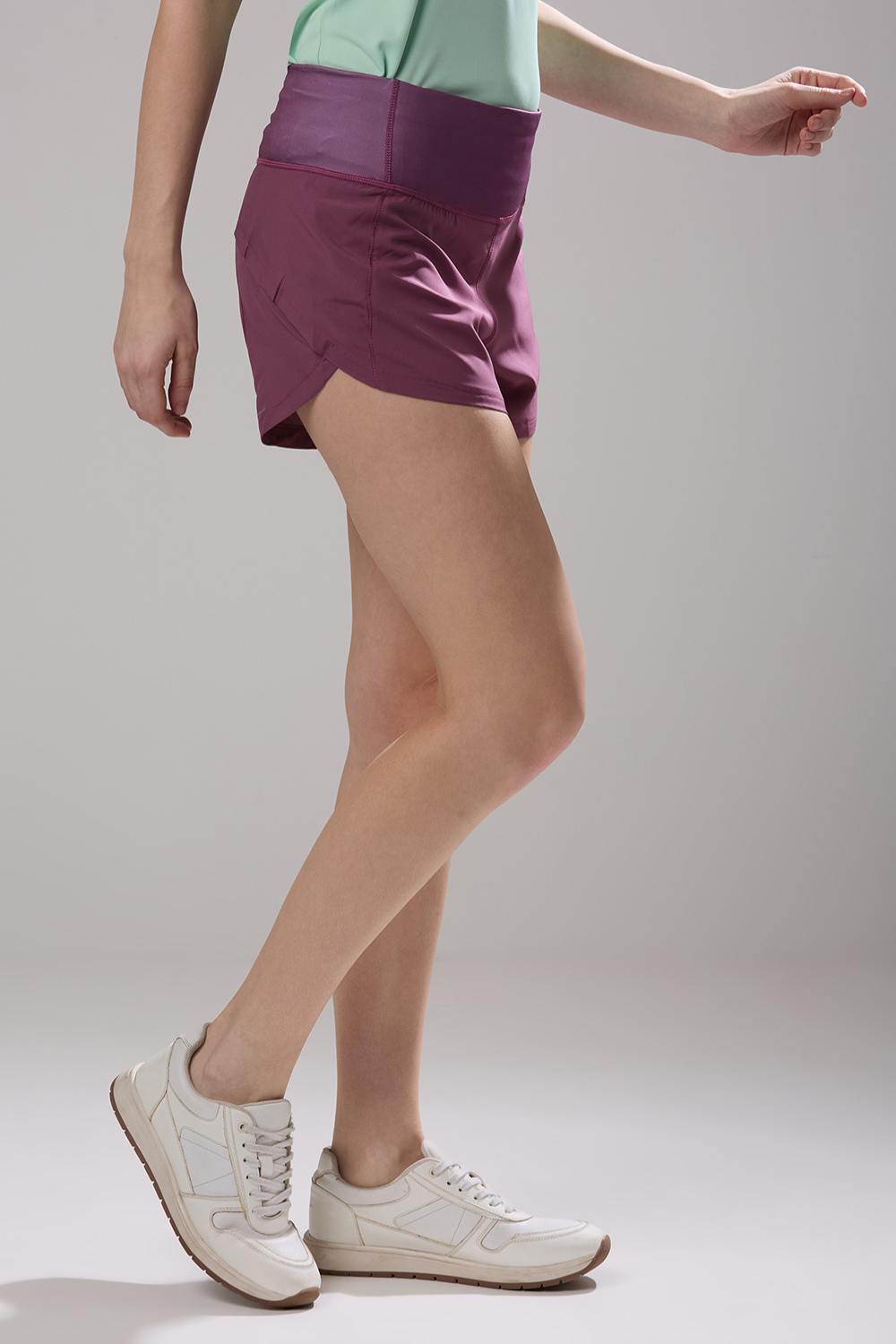
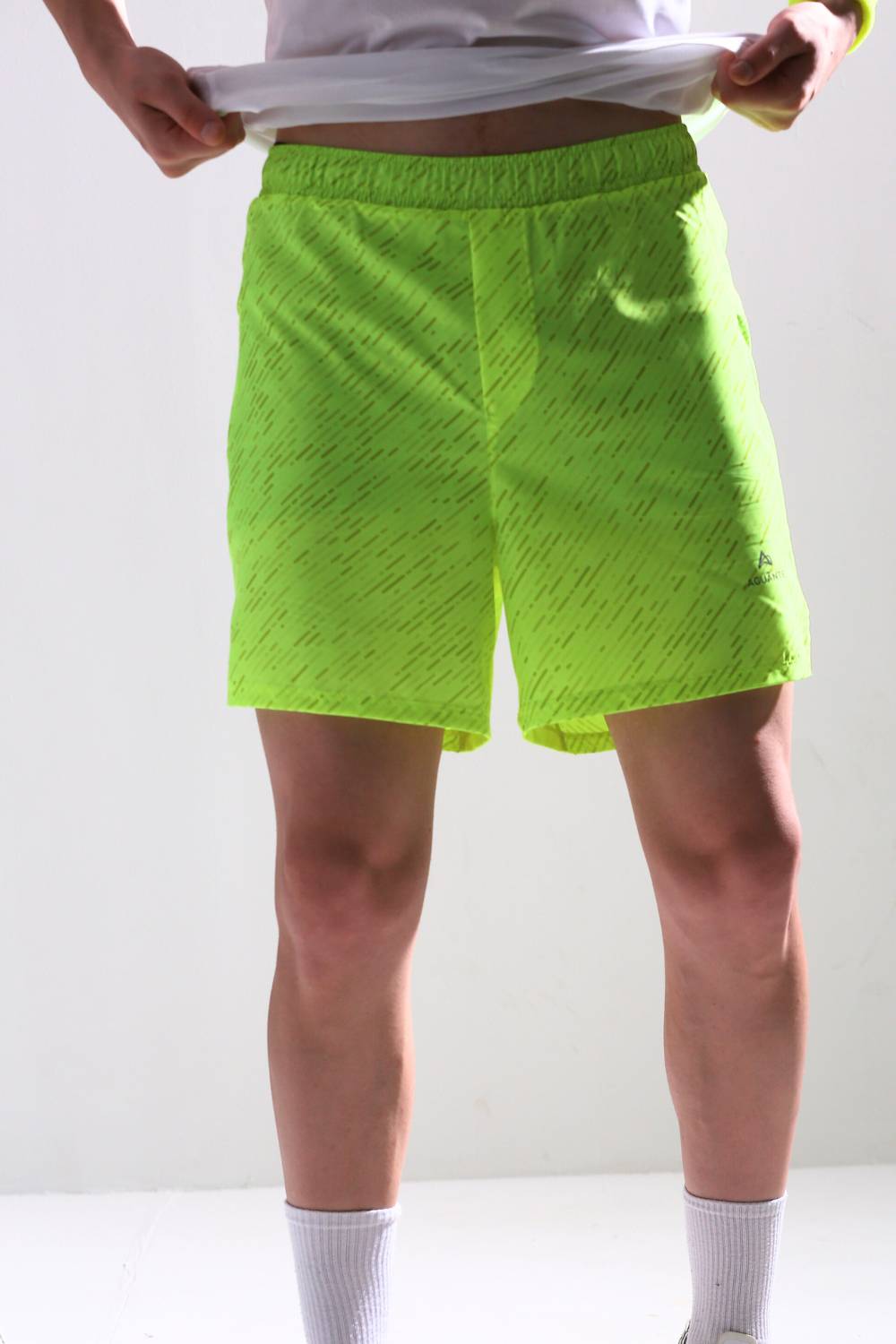
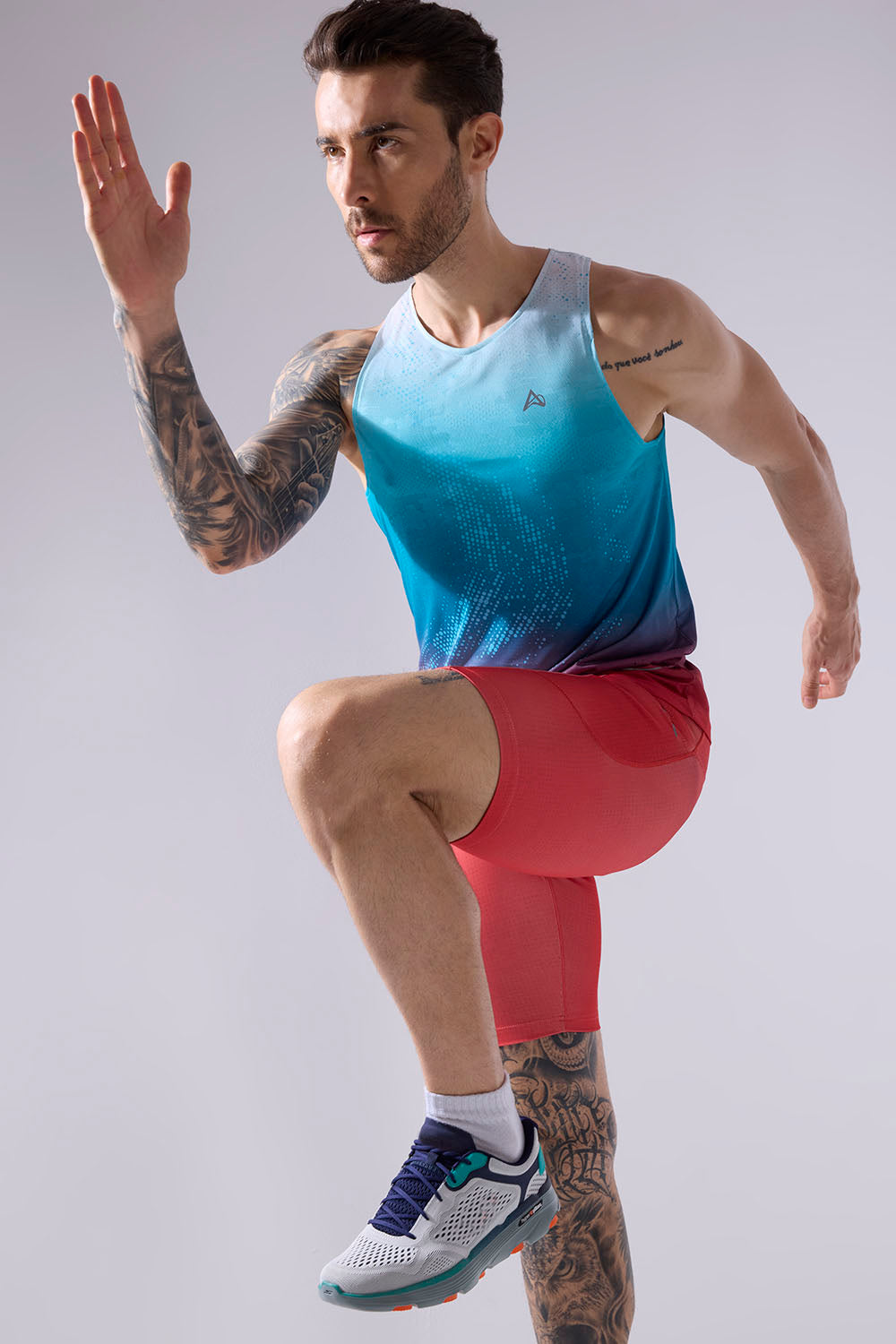
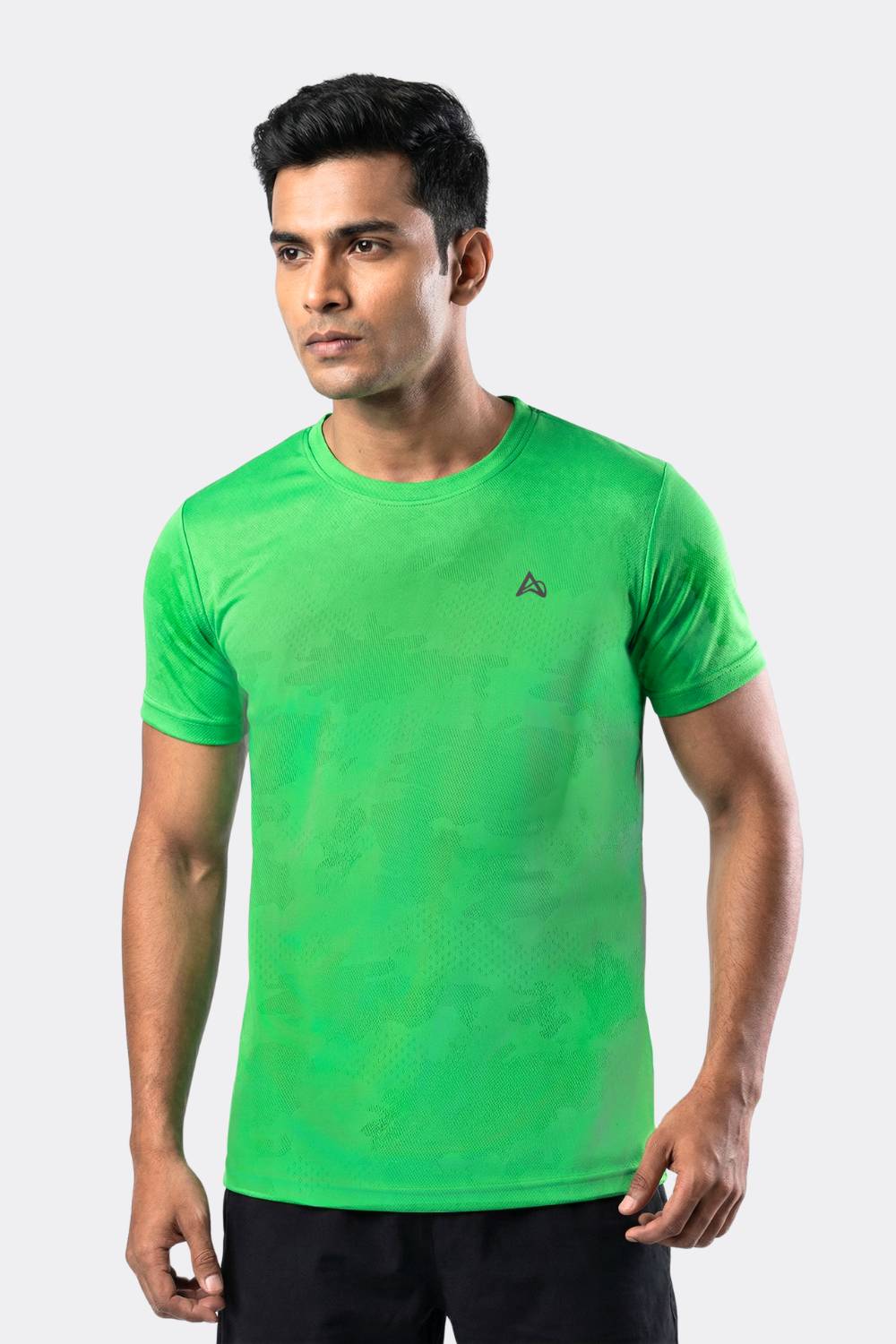
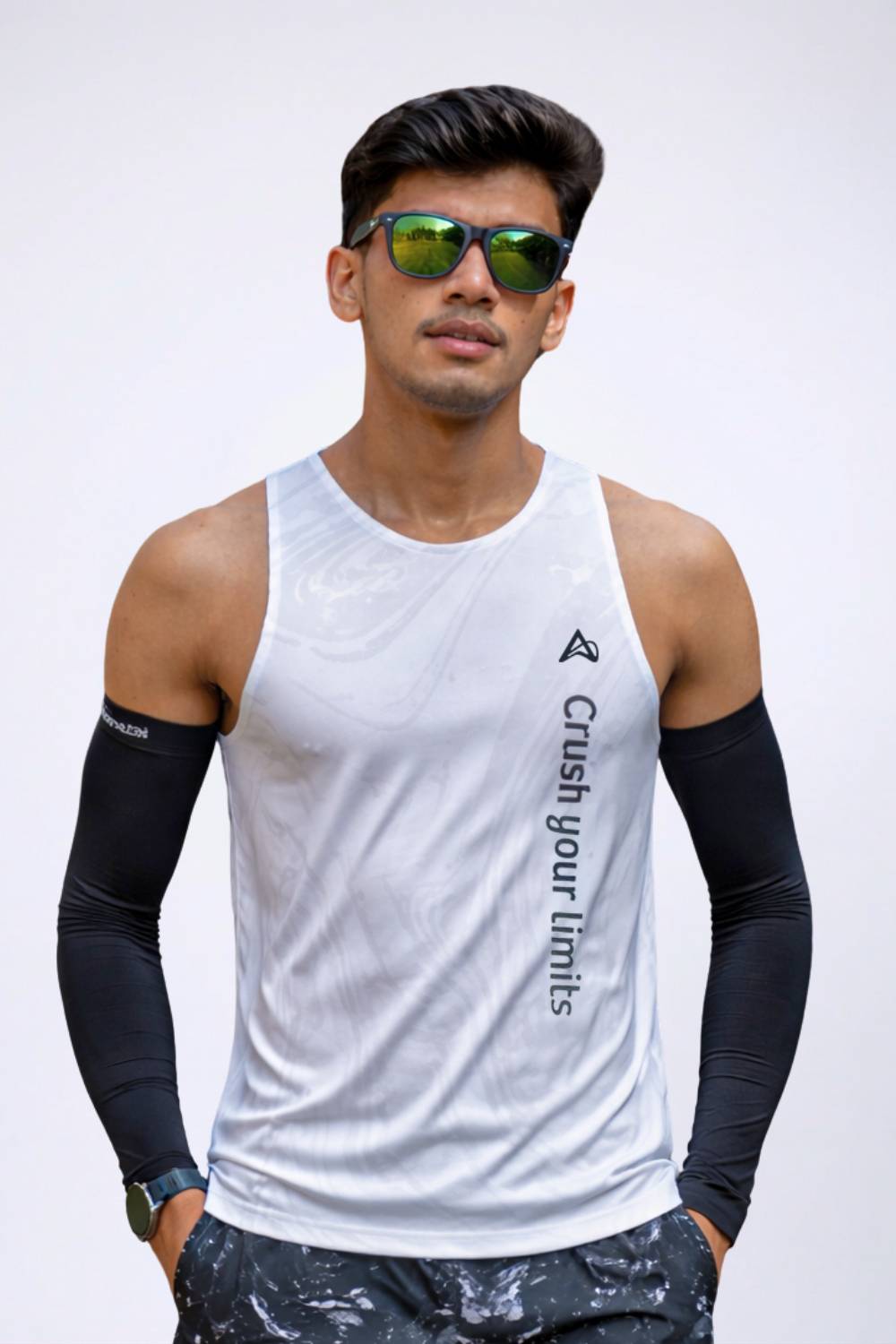
Tired of gear that slows you down? Chafing, soggy fabrics, and missing pockets kill your run's momentum. At Aguante, we're runners who get it. Our high-performance activewear features moisture-wicking fabrics, ergonomic designs, and smart storage to keep you focused. Shop Now!
How Community-Based Running Clubs Are Elevating Local Apparel Brands in India's Urban Centers
India's urban centers think Hyderabad, Pune, Surat, and Ahmedabad are witnessing an explosion of running clubs and fitness events. Marathons and fun runs now draw tens of thousands annually, reflecting a broader cultural shift toward health and community. The global sports apparel market, pegged at USD 211.57 billion in 2024, is on track to reach USD 298.06 billion by 2032, growing at a 4.41% CAGR, with Asia-Pacific, including India, emerging as a key player. In this vibrant landscape, running clubs are more than fitness collectives; they're platforms where local brands gain traction, often outpacing international giants like Nike and Puma through authenticity and community ties.
What makes these clubs so potent? It's their ability to forge deep, personal connections. Runners aren't just chasing faster times; they're sharing experiences, celebrating milestones, and rallying around brands that mirror their values. For local apparel makers, this is a rare chance to engage a dedicated audience that prizes relatability over corporate sheen, turning small-scale operations into household names within tight-knit urban circles.
Emerging Trends Driving Local Brand Growth
A defining trend is the surge in demand for eco-friendly activewear. As Indian consumers grow wary of fast fashion's environmental footprint, runners are embracing sustainable, locally produced gear. In Mumbai, a leading running club recently collaborated with a homegrown label to equip members with apparel crafted from recycled materials. This dovetails with market insights projecting the global sports apparel market to climb from USD 266.74 billion in 2025 to USD 375.77 billion by 2030, driven by eco-conscious innovation. In India's urban hubs, where green sensibilities are gaining ground, such partnerships strike a chord.
Personalization is another catalyst. In Pune, a running club teamed up with a local brand to design custom marathon gear t-shirts and shorts adorned with motifs celebrating the city's heritage. These aren't mere uniforms; they're symbols of identity, strengthening loyalty to brands that prioritize their customer's stories. This trend aligns with the rise of sports-inspired clothing, a market expected to expand from USD 315.03 billion in 2023 to USD 452.2 billion by 2030, fueled by demand for stylish, everyday athletic wear.
These trends aren't just fads they're reshaping how local brands position themselves. By focusing on sustainability and customization, they're tapping into the emotional pulse of running communities, creating products that feel personal and purposeful.
Success Stories from India's Running Scene
Bangalore's Runner's Tribe is a prime example of community-driven success. Last year, this vibrant group partnered with a local activewear startup to launch a limited-edition running collection. Featuring lightweight fabrics and designs inspired by Karnataka's cultural motifs, the line sold out in days. Social media lit up with runners showcasing their gear, boosting the brand's visibility across platforms like Instagram and X. While exact sales figures remain private, industry insiders estimate the brand's revenue doubled that quarter, underscoring the impact of community collaboration.
In Mumbai, the Marathoners Hub has taken a similar approach. This prominent running group struck a deal with a local sportswear brand to offer members exclusive discounts and tailored gear, from sweat-wicking tees to ergonomic shorts. The outcome? A surge in brand loyalty, with runners proudly donning the apparel at races and casual meetups. X posts from members reveal a growing pride in supporting “desi brands” that deliver quality at accessible price points, challenging the dominance of pricier international labels.
These stories highlight a broader truth: running clubs are more than fitness groups they're marketing powerhouses for local brands, amplifying reach through word-of-mouth and shared passion.
Navigating Challenges in a Competitive Market
Despite their momentum, local brands face significant obstacles. Brand awareness is a persistent hurdle, as global players like Adidas and Under Armour maintain a stranglehold on consumer mindsets. Market studies indicate that international brands enjoy disproportionate loyalty in urban India, leaving local labels scrambling to gain footing. Price sensitivity further complicates the equation. As the global sports apparel market grapples with rising raw material costs, smaller brands struggle to match the economies of scale that allow global giants to offer competitive pricing.
Yet, these challenges are spurring innovation. Local brands are doubling down on their strengths authenticity, agility, and community roots rather than competing head-on with multinational budgets. By targeting niche audiences and leveraging hyper-local strategies, they're steadily carving out market share.
Capitalizing on Niche Opportunities
Running clubs provide a gateway to underserved markets. In Delhi, a women-centric running group partnered with a local brand to create activewear tailored for female runners, addressing gaps overlooked by mainstream labels. The collection, designed with runner feedback, features anti-slip waistbands and breathable fabrics suited for India's climate. This initiative not only drove sales but also encouraged more women to join marathons, aligning with broader inclusivity trends. Such efforts show how local brands can thrive by focusing on specific demographics, from plus-size runners to youth groups.
Digital platforms are supercharging these opportunities. In Hyderabad, a running club used Instagram to promote a local brand's product launch during a major marathon. Live videos, runner testimonials, and user-generated content generated thousands of website visits, proving the power of digital engagement. As brands integrate social media with community events, they're transforming local initiatives into national conversations, amplifying their reach far beyond city limits.
The Future of Local Apparel: A Community-Driven Vision
As dawn breaks over India's urban skylines, the rhythmic thump of running shoes signals more than a fitness craze it's the pulse of a burgeoning movement. Community-based running clubs are proving to be vital catalysts, propelling local apparel brands into prominence amid a booming global market. With projections from Fortune Business Insights and Mordor Intelligence forecasting robust growth, India's homegrown labels are well-positioned to capitalize on this wave, provided they stay true to their roots.
The playbook is clear: prioritize sustainability, embrace personalization, and harness digital tools to deepen community ties. As runners hit the streets of Bangalore, Mumbai, and Delhi, they're not just pursuing fitness they're championing the dreams of local entrepreneurs. In a market dominated by global behemoths, it's this groundswell of community spirit that will keep India's homegrown brands not just in the race, but leading the pack.
Frequently Asked Questions
Why should local apparel brands partner with running clubs?
Partnering with running clubs allows local apparel brands to tap into engaged, fitness-focused communities that value authenticity. Clubs often showcase branded apparel at races, meetups, and online, providing cost-effective exposure. These partnerships also build trust, as runners prefer gear endorsed by their peers, driving sales and brand growth.
How do community-based running clubs help promote local apparel brands?
Community-based running clubs promote local apparel brands by featuring branded merchandise, such as custom running gear, during group runs and events. These clubs create visibility through social media posts and word-of-mouth marketing within tight-knit communities. By wearing and endorsing local brand apparel, club members act as authentic ambassadors, boosting brand recognition and loyalty.
What impact do running clubs have on local economies through apparel brand partnerships?
Running clubs support local economies by promoting apparel brands that manufacture and sell within the community. Their events and merchandise collaborations drive demand for local products, creating jobs and revenue. Additionally, these partnerships attract visitors to local races, further boosting nearby businesses and strengthening community ties.
Disclaimer: The above helpful resources content contains personal opinions and experiences. The information provided is for general knowledge and does not constitute professional advice.
You may also be interested in: How Indian Runners Benefit From Moisture-Wicking Tops
Tired of gear that slows you down? Chafing, soggy fabrics, and missing pockets kill your run's momentum. At Aguante, we're runners who get it. Our high-performance activewear features moisture-wicking fabrics, ergonomic designs, and smart storage to keep you focused. Shop Now!
Powered by flareAI.co