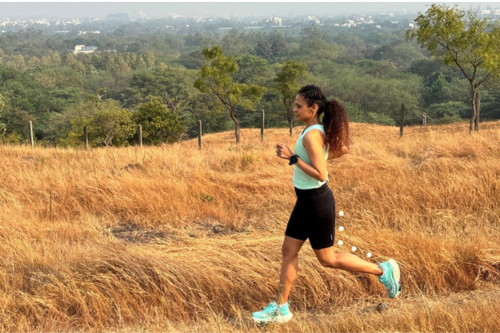
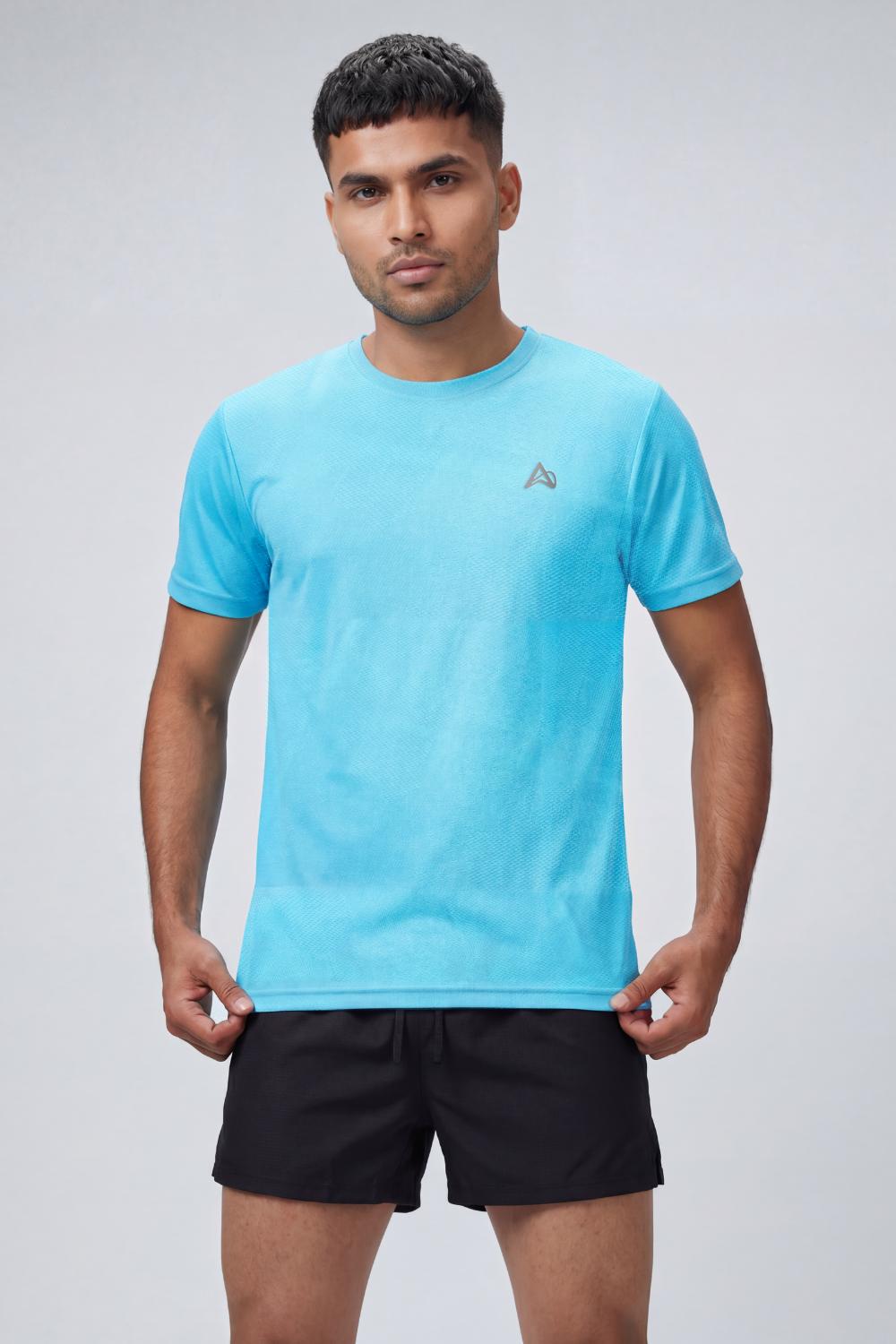
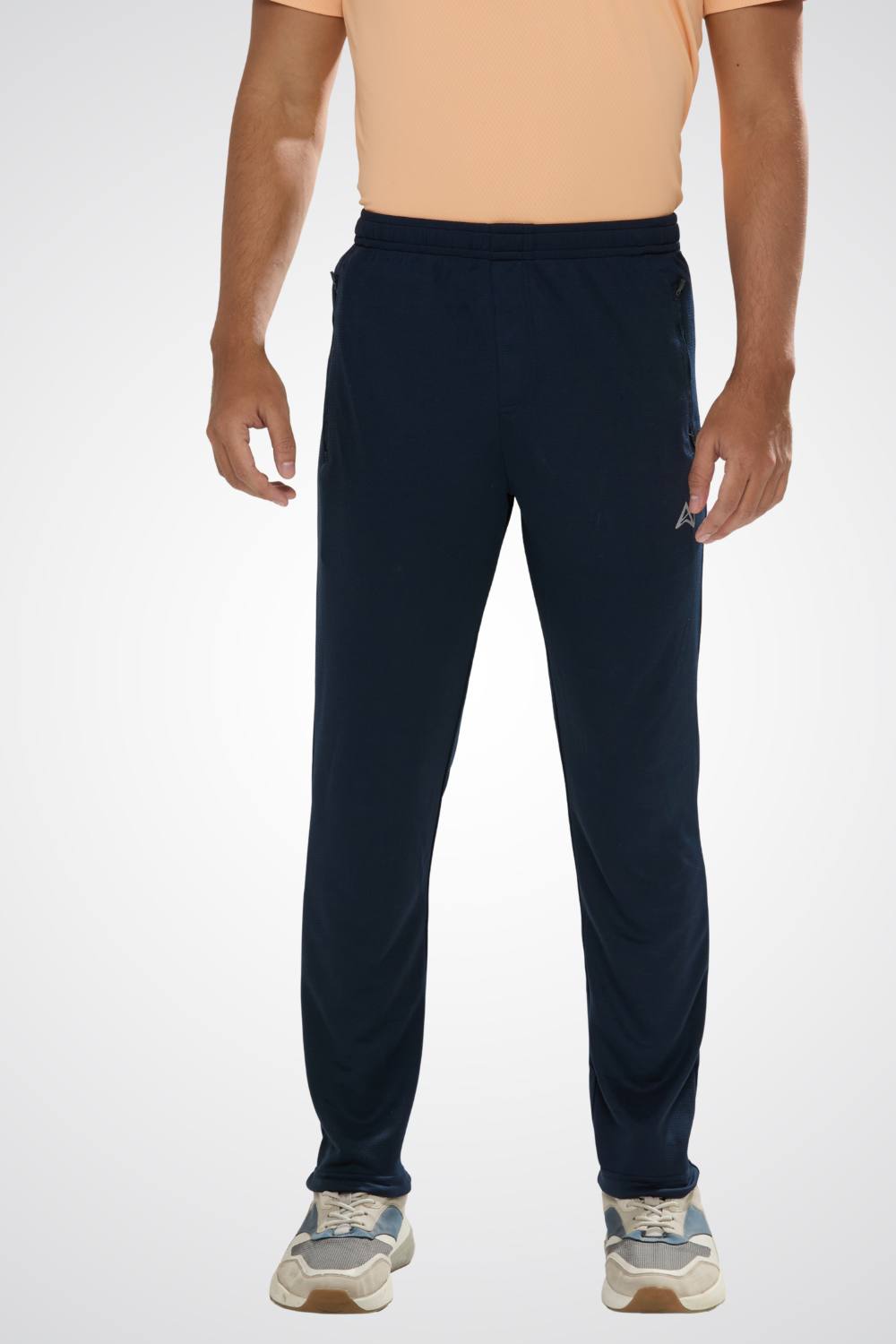
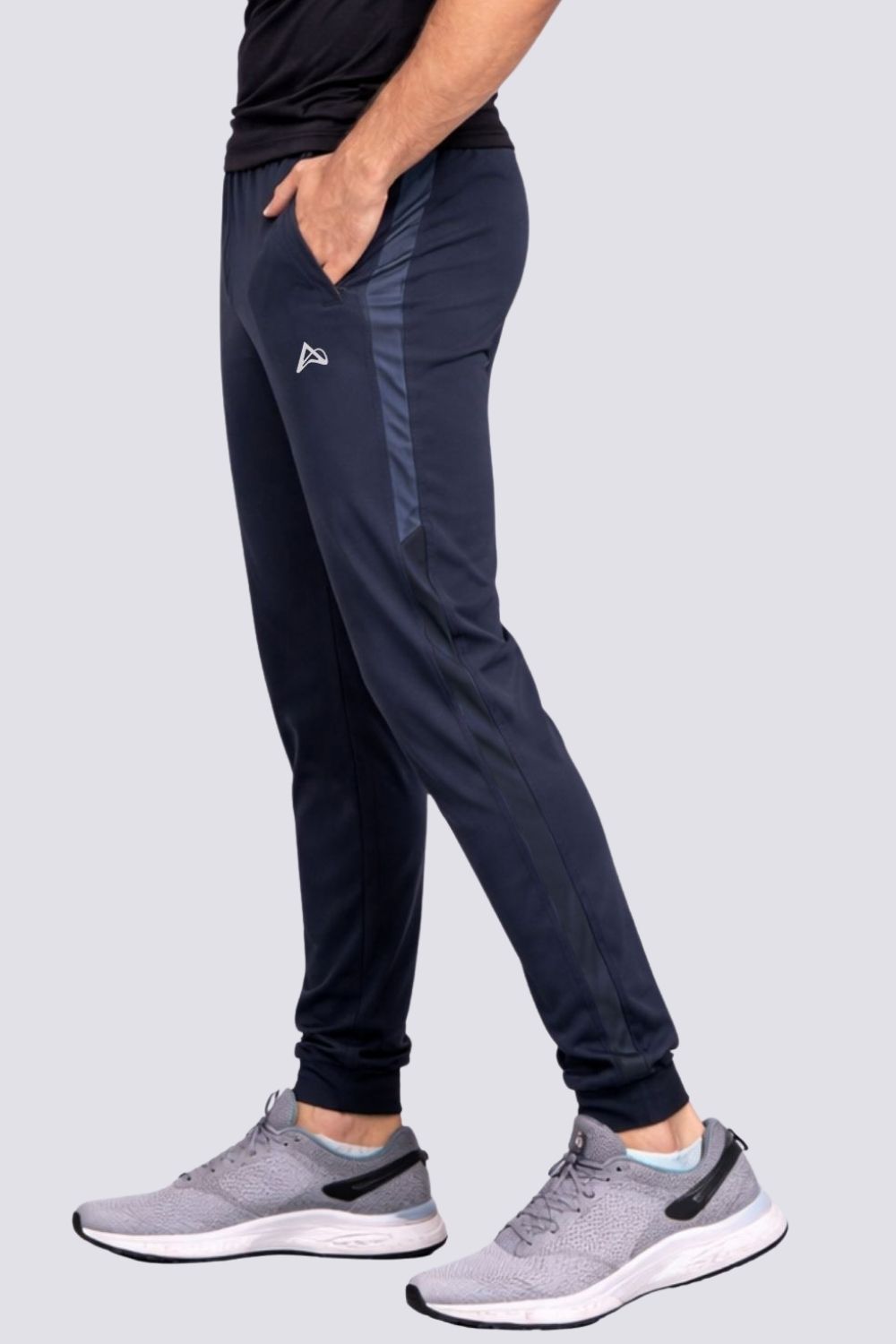
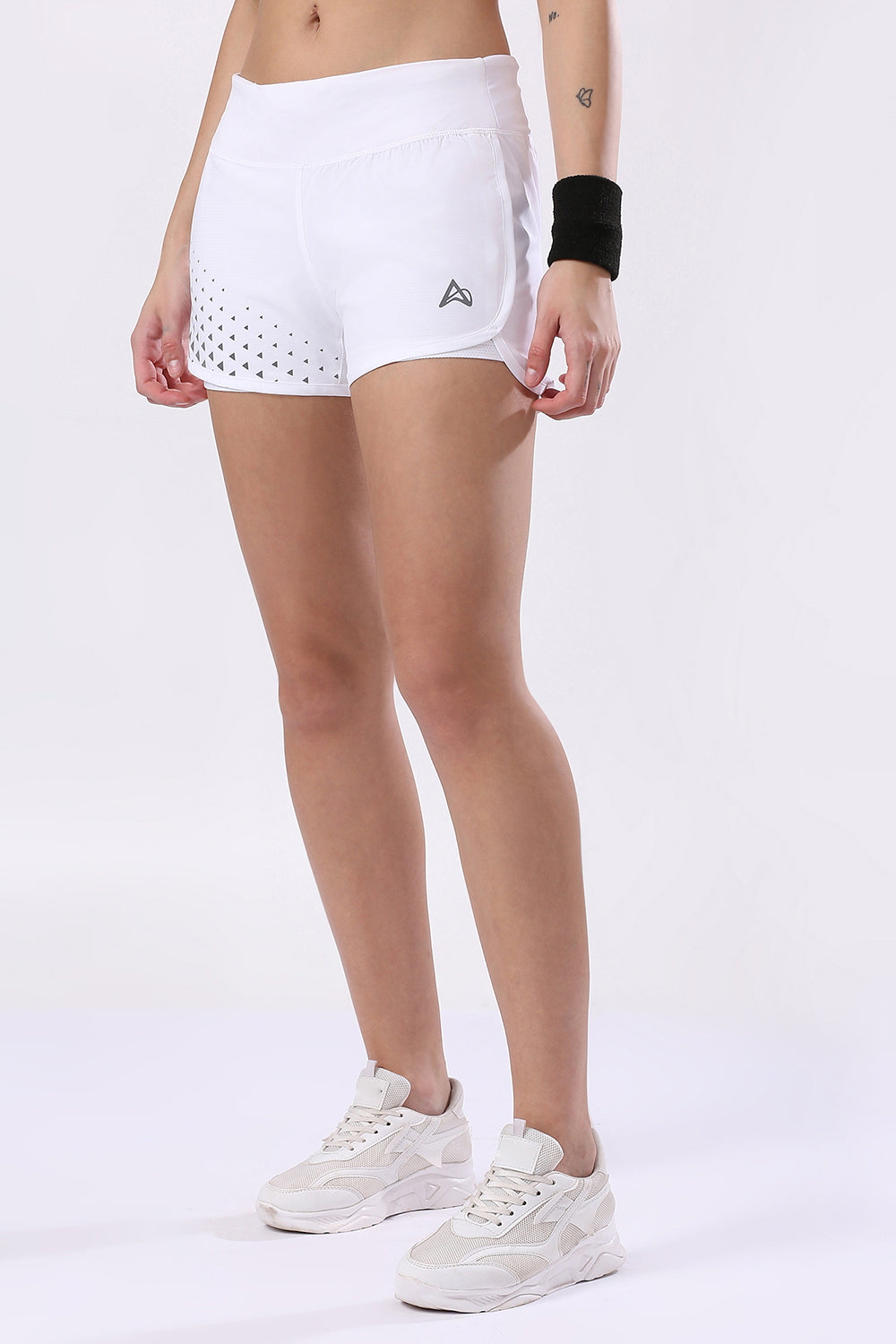
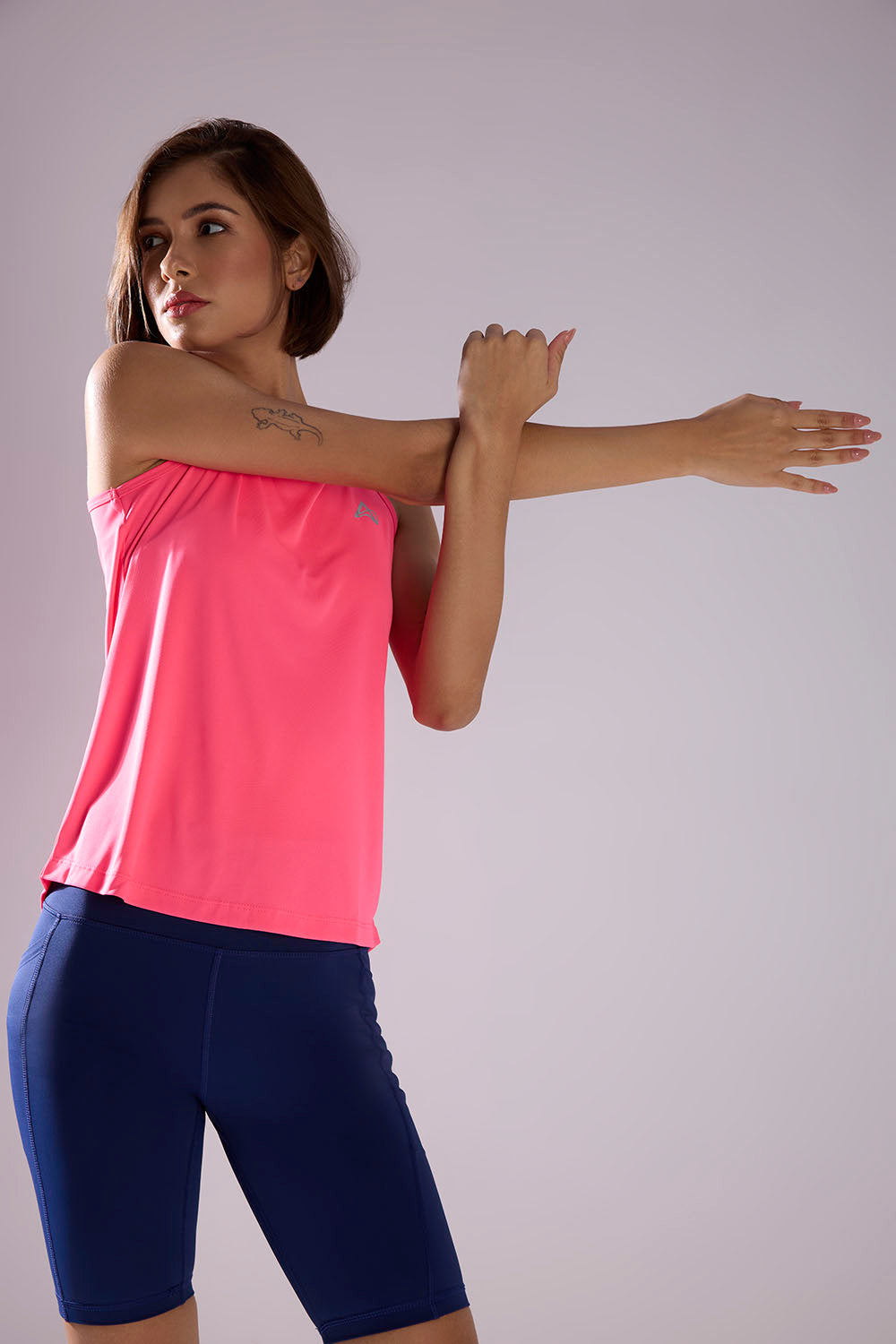
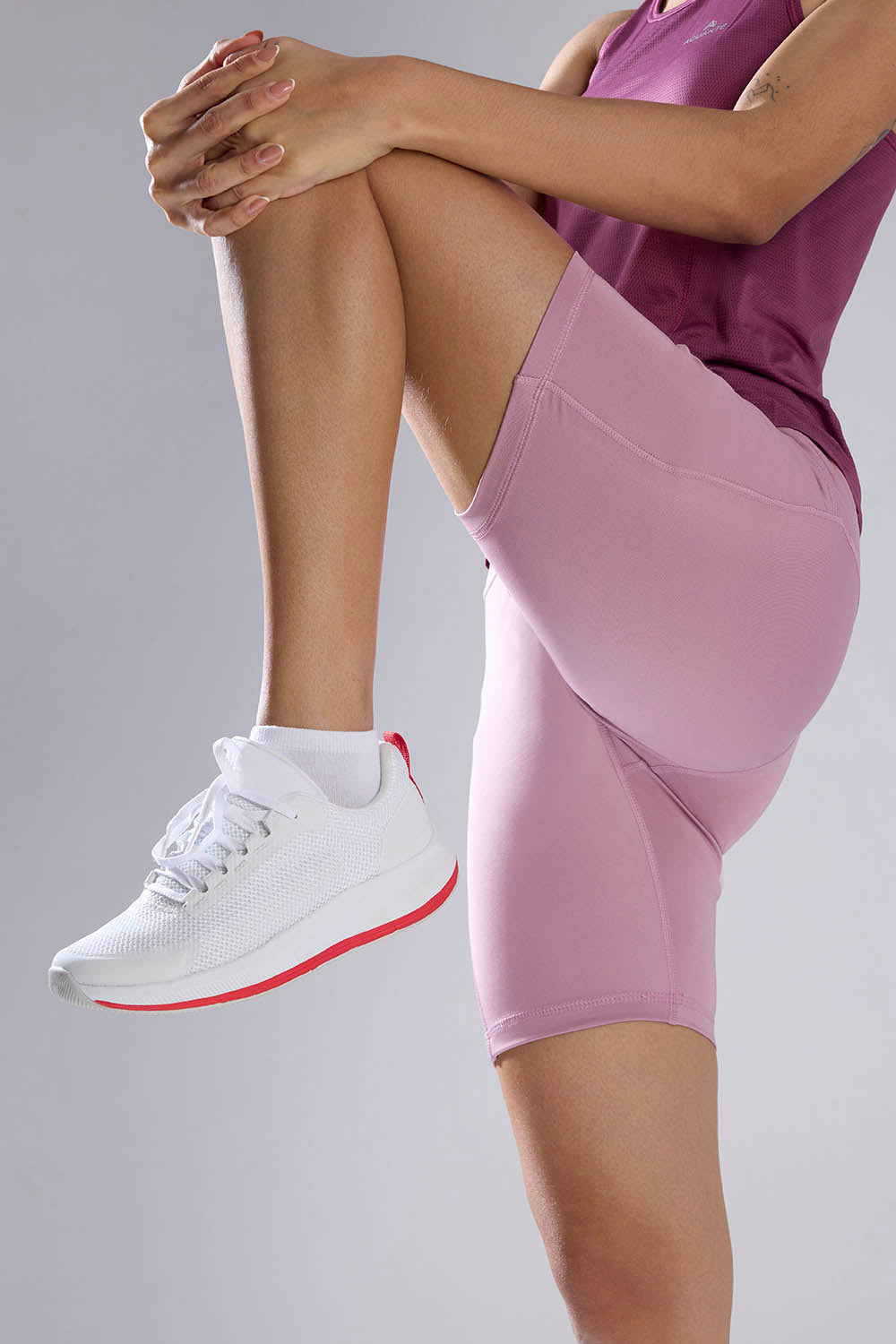
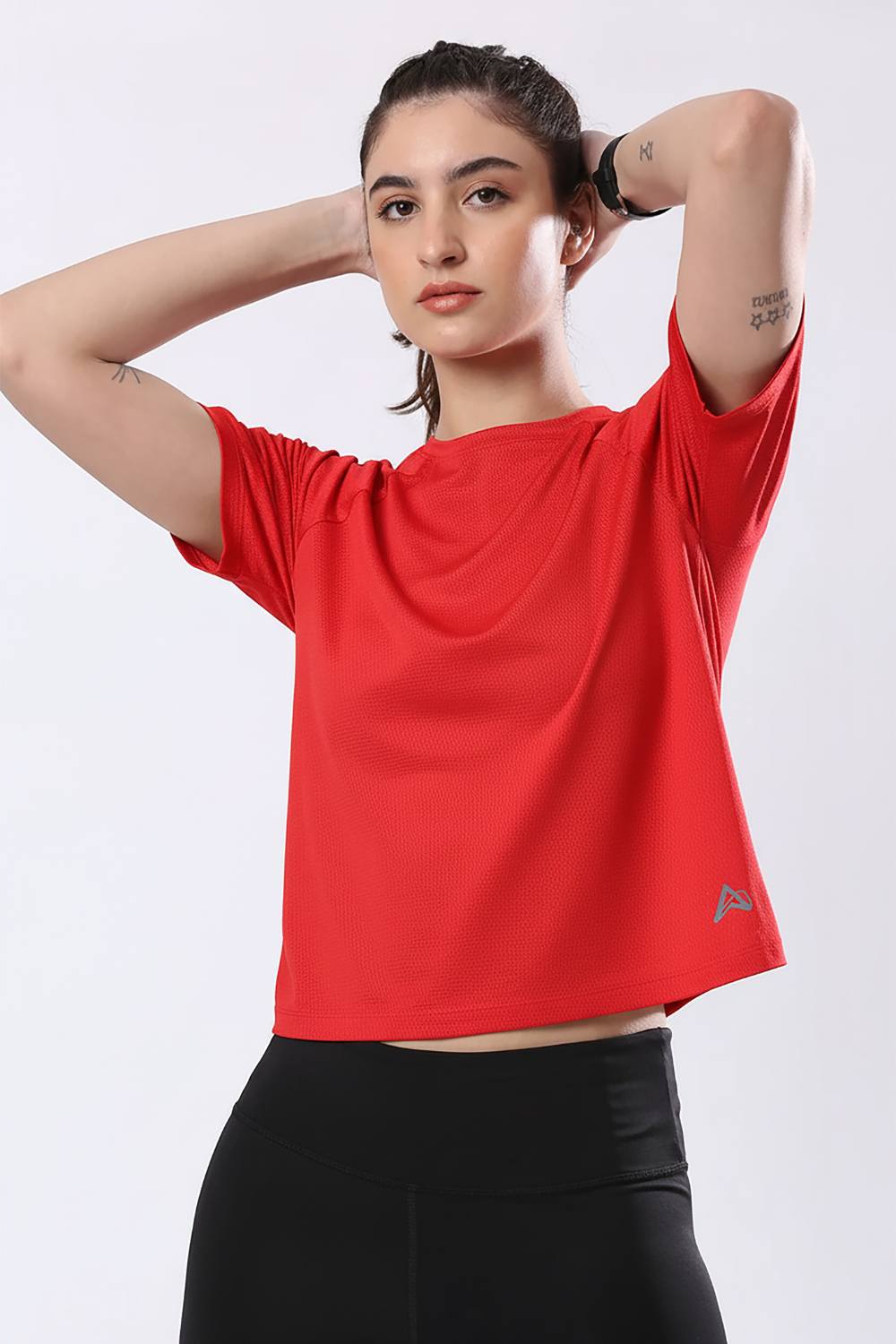
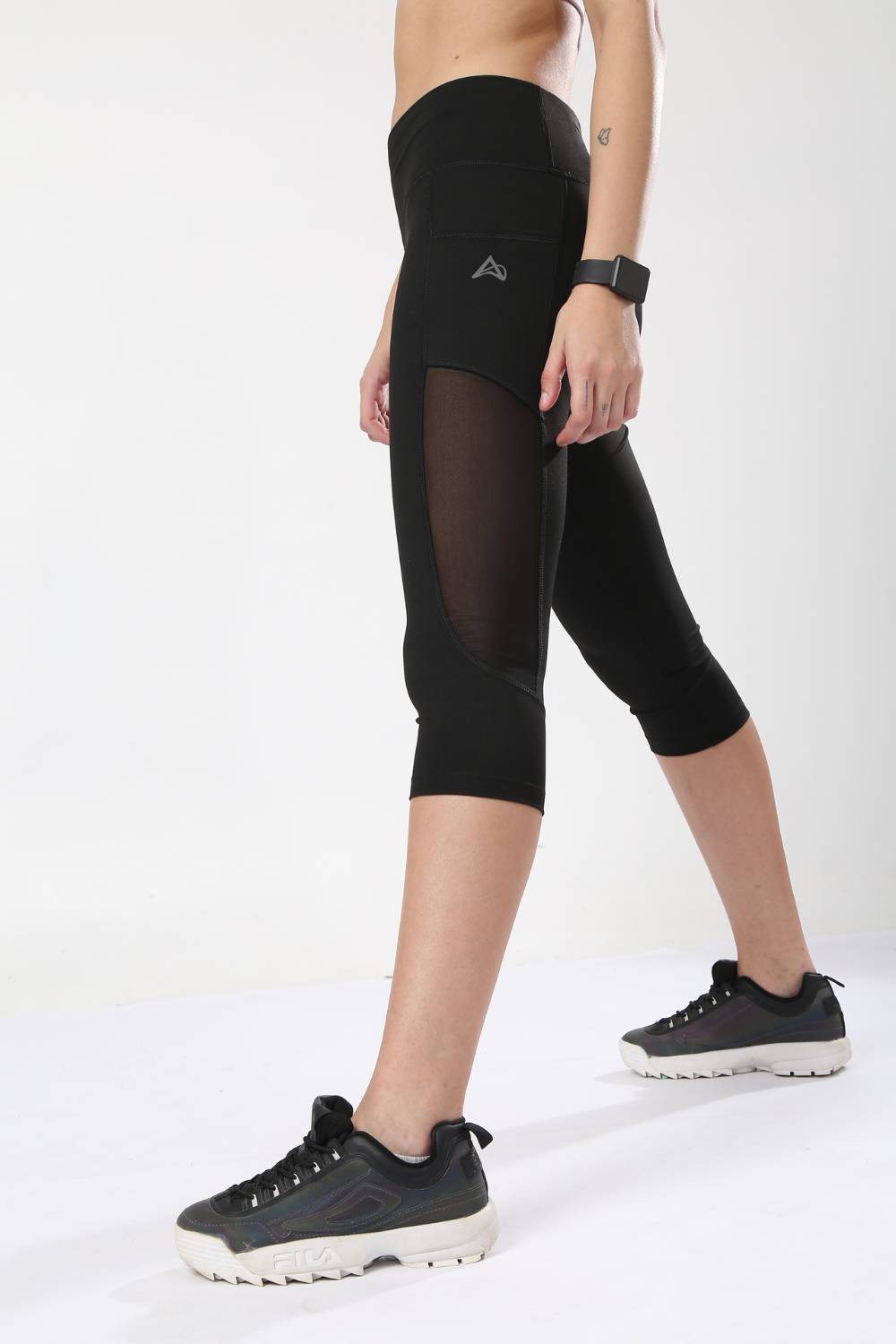
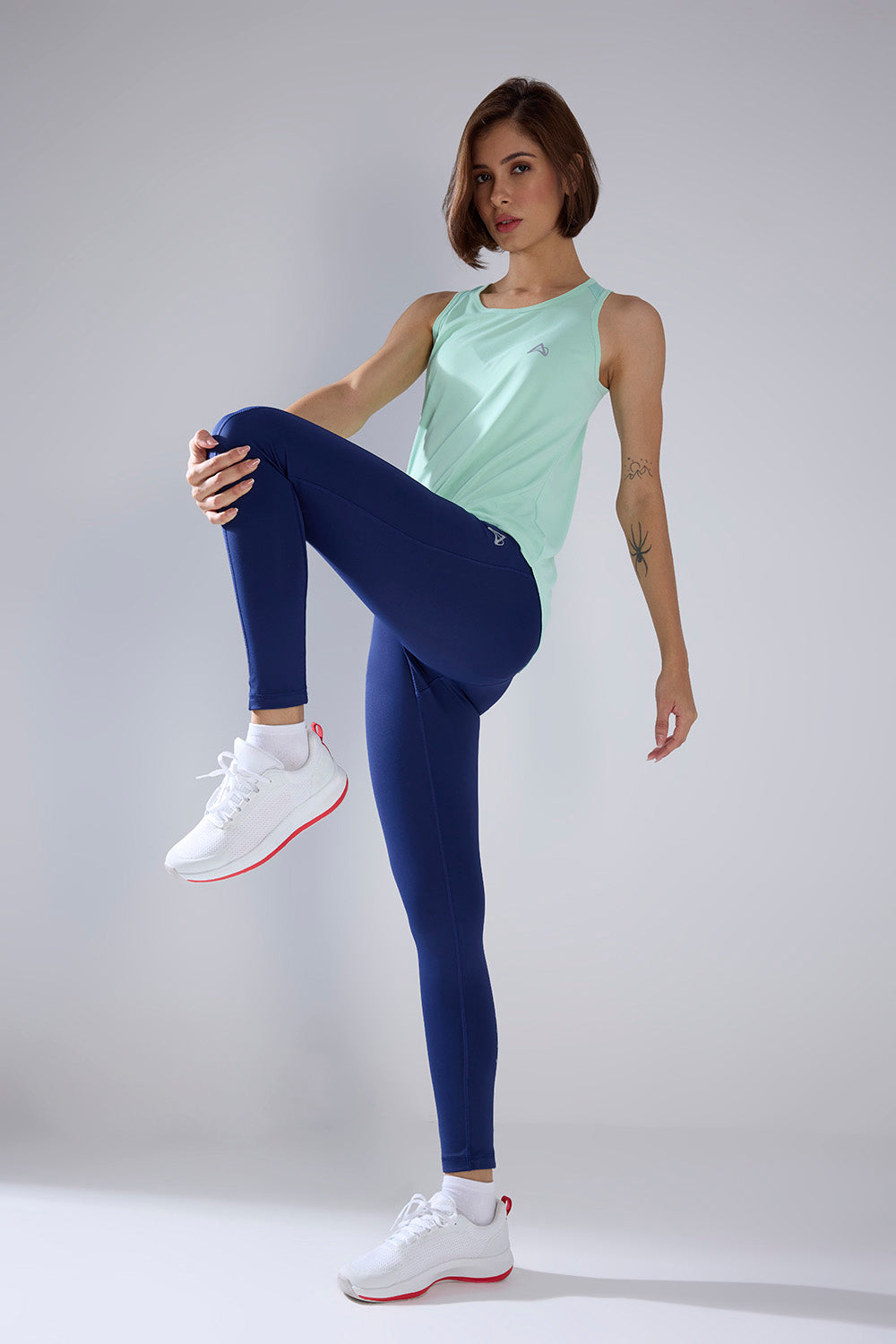


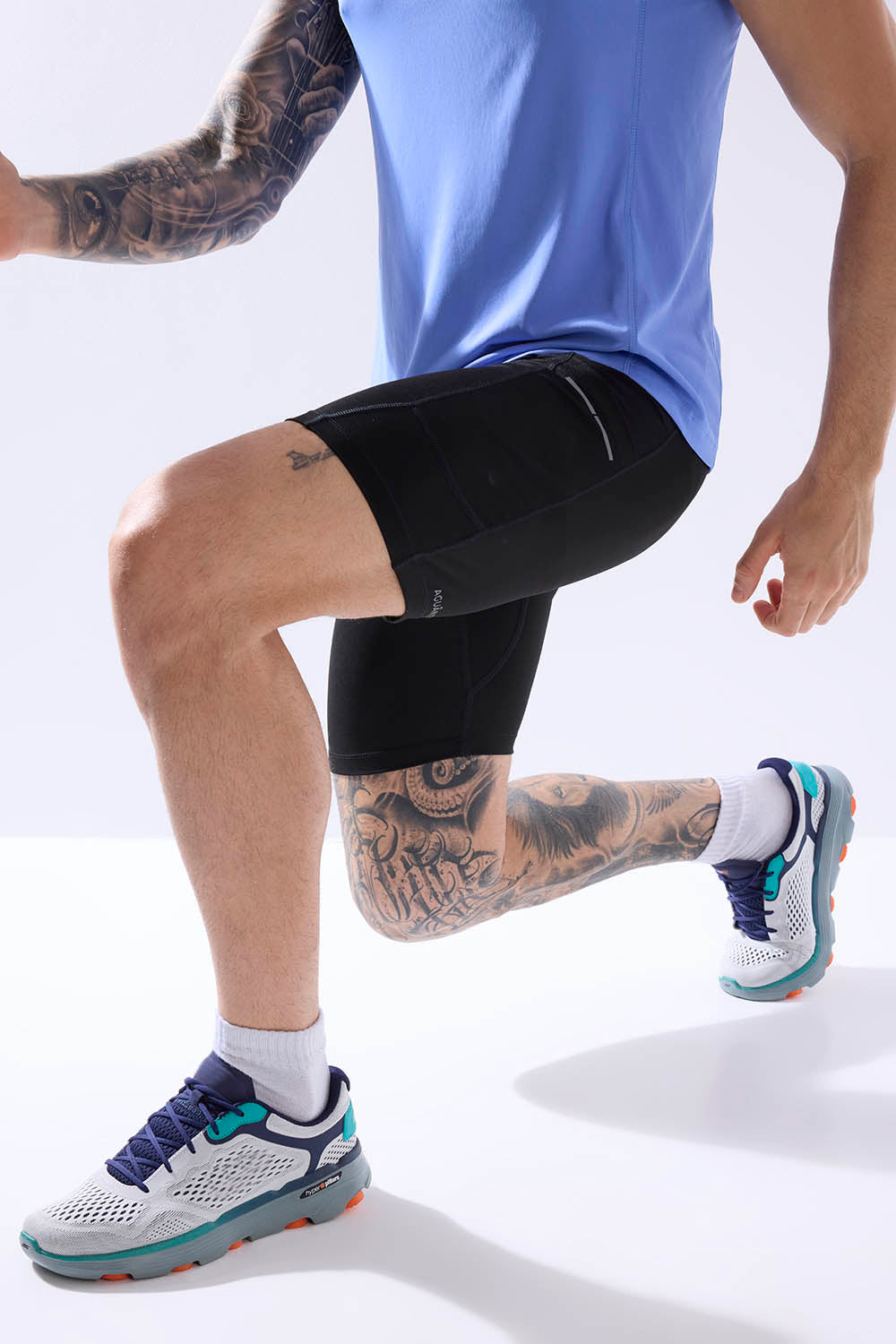
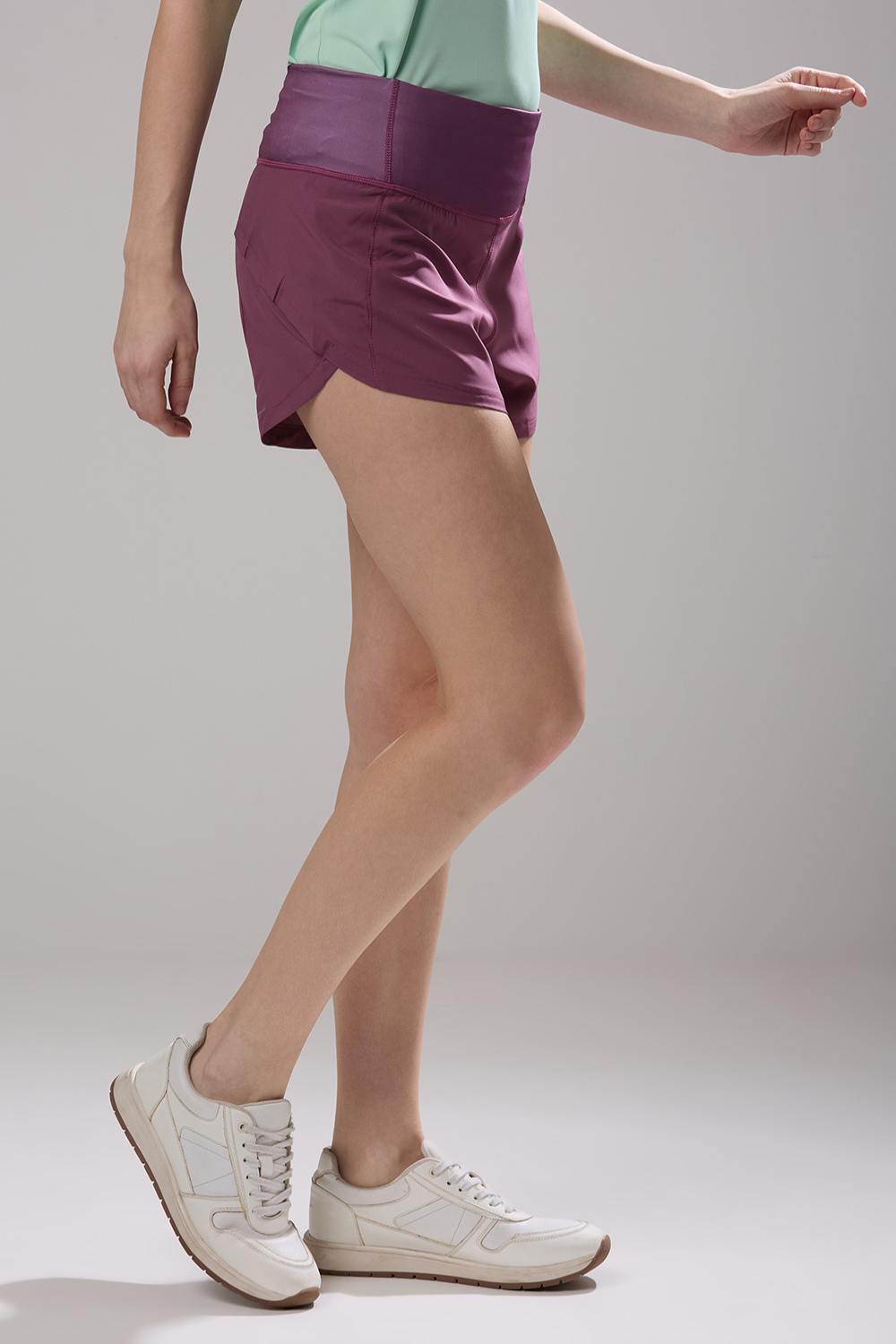
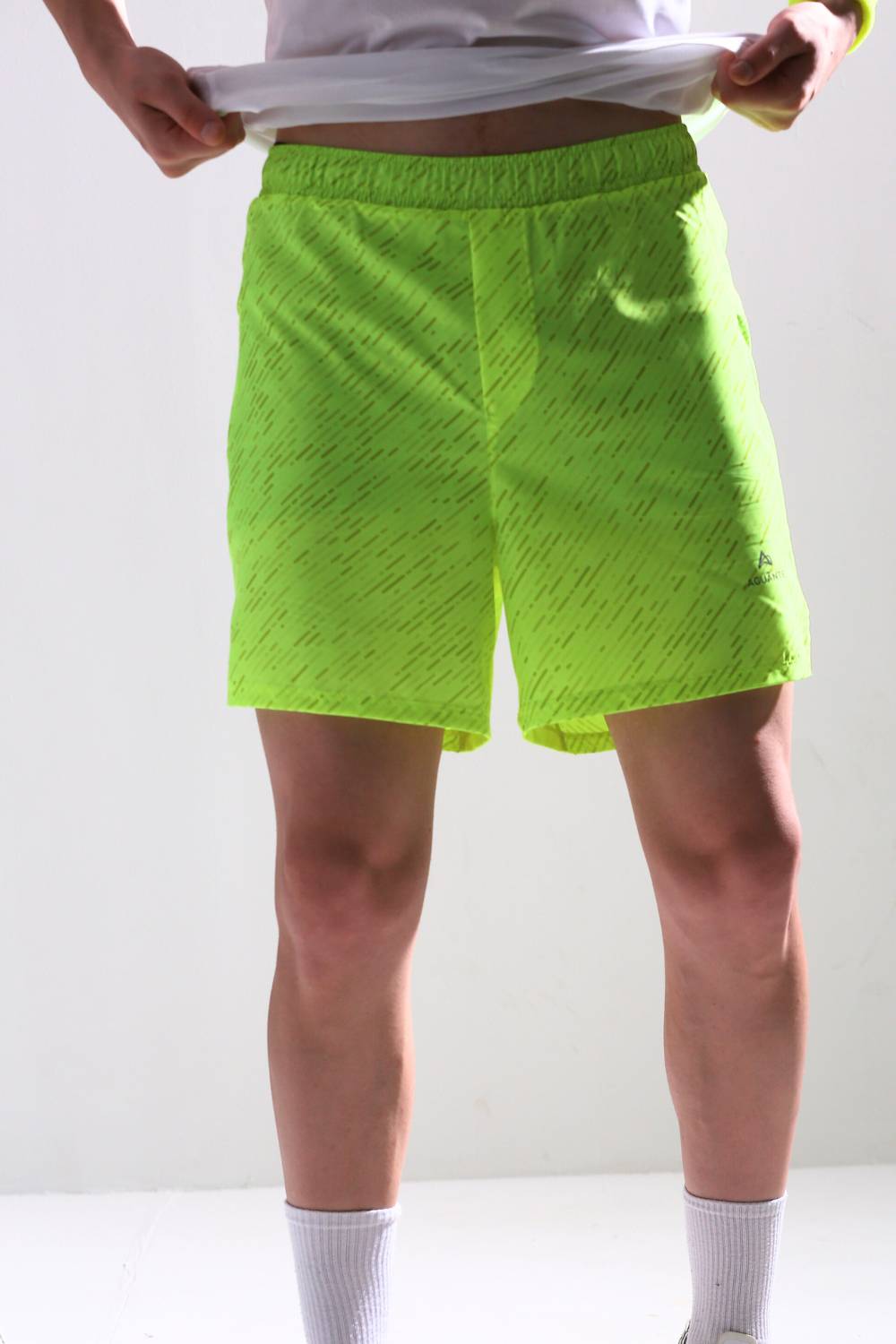
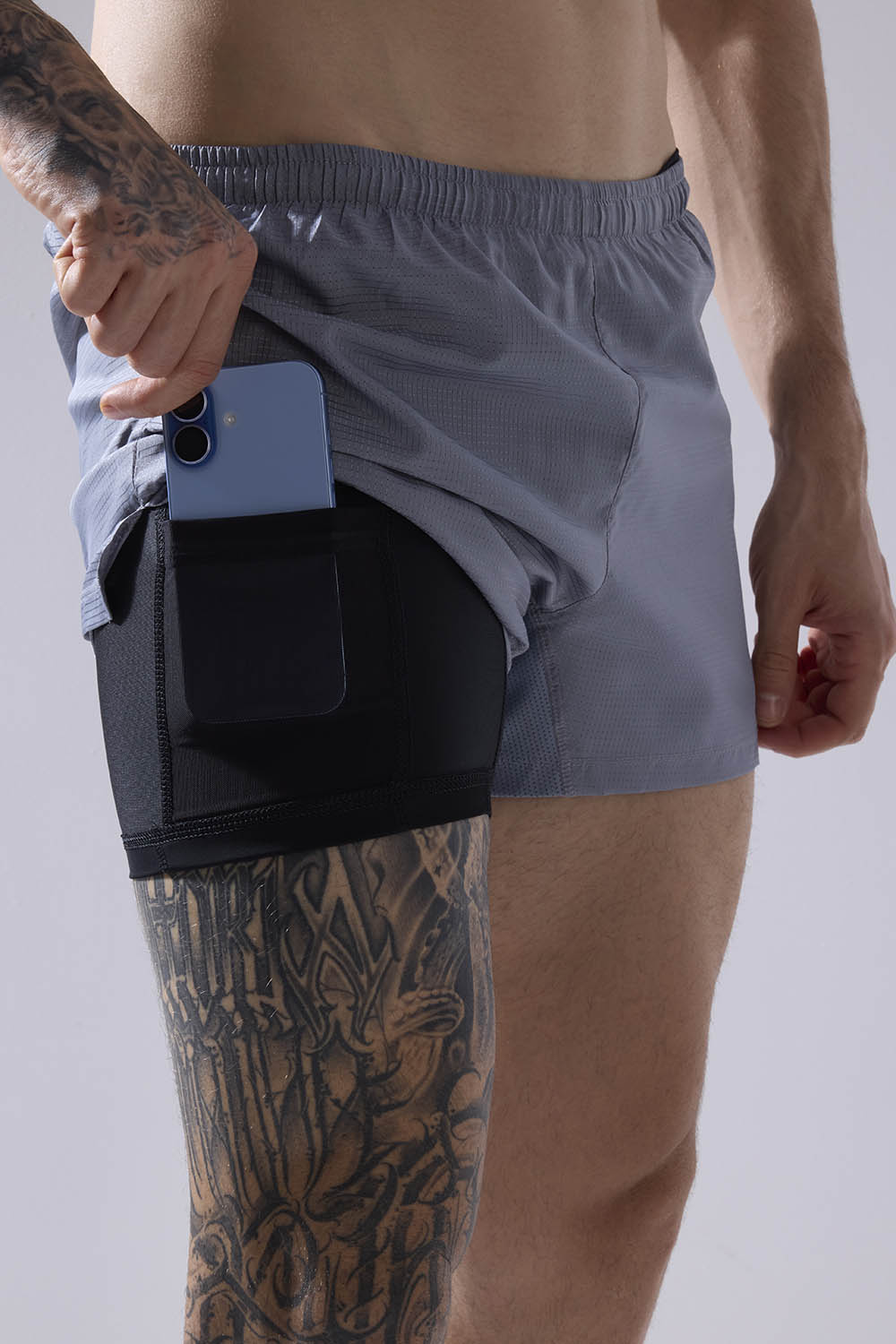

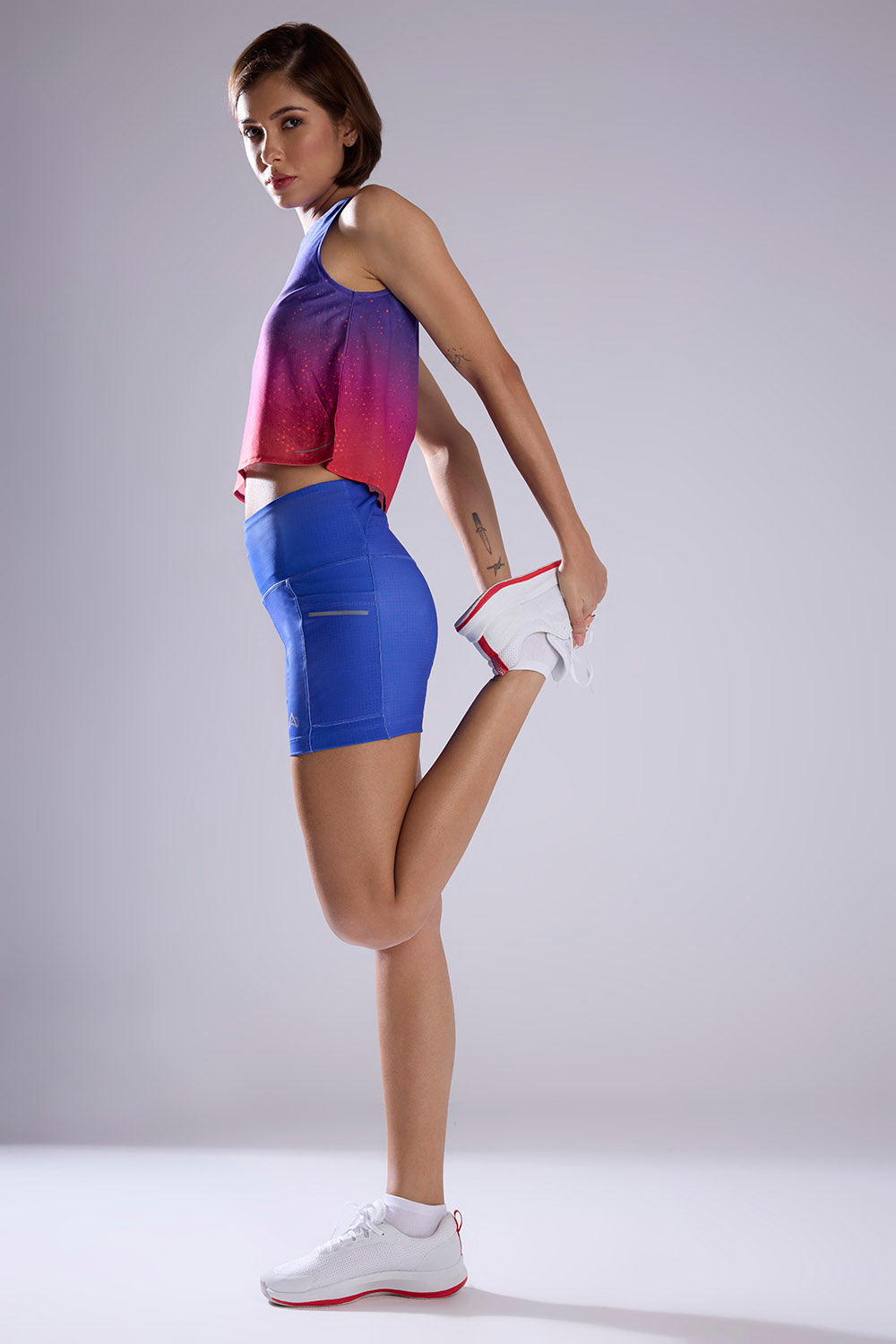
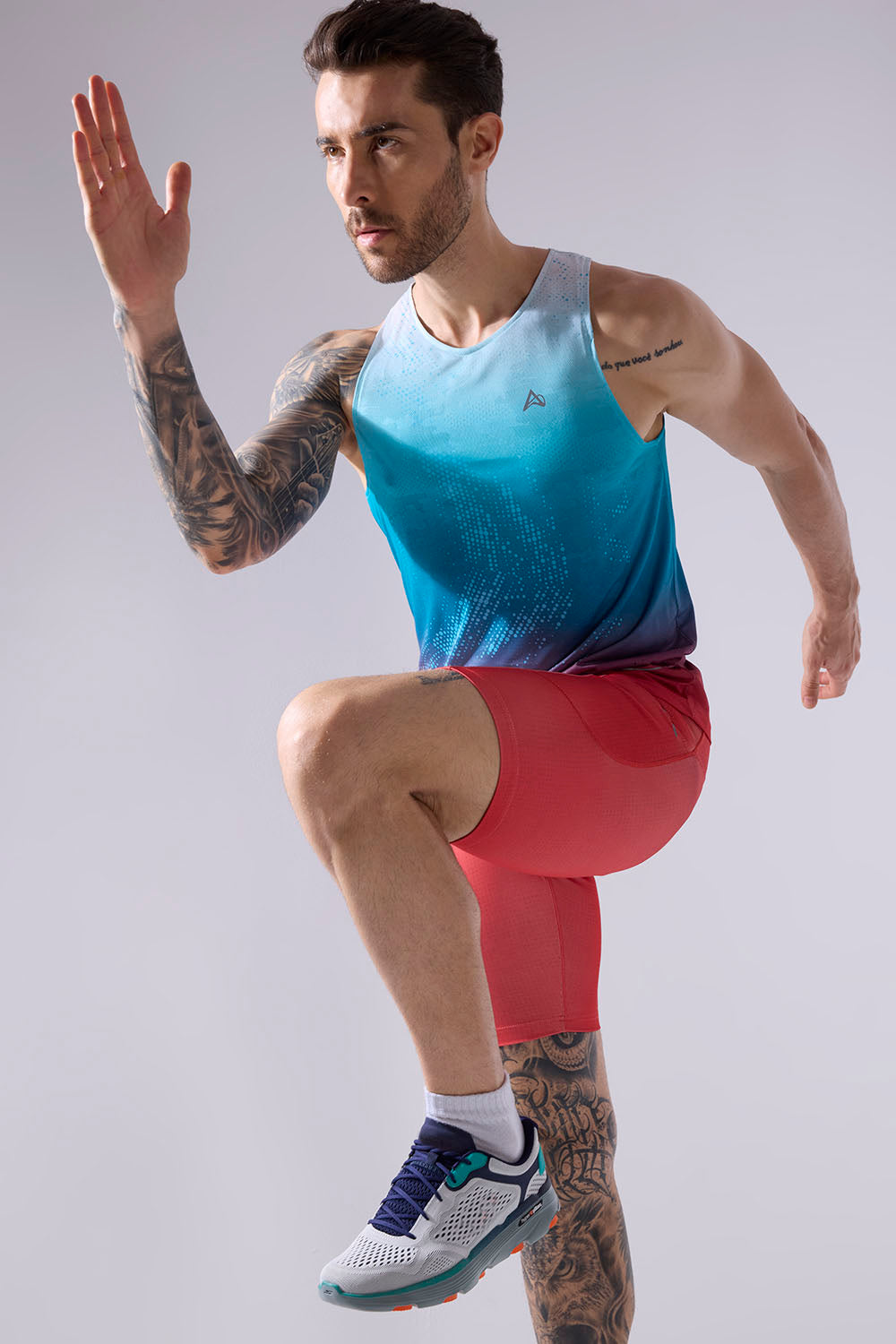

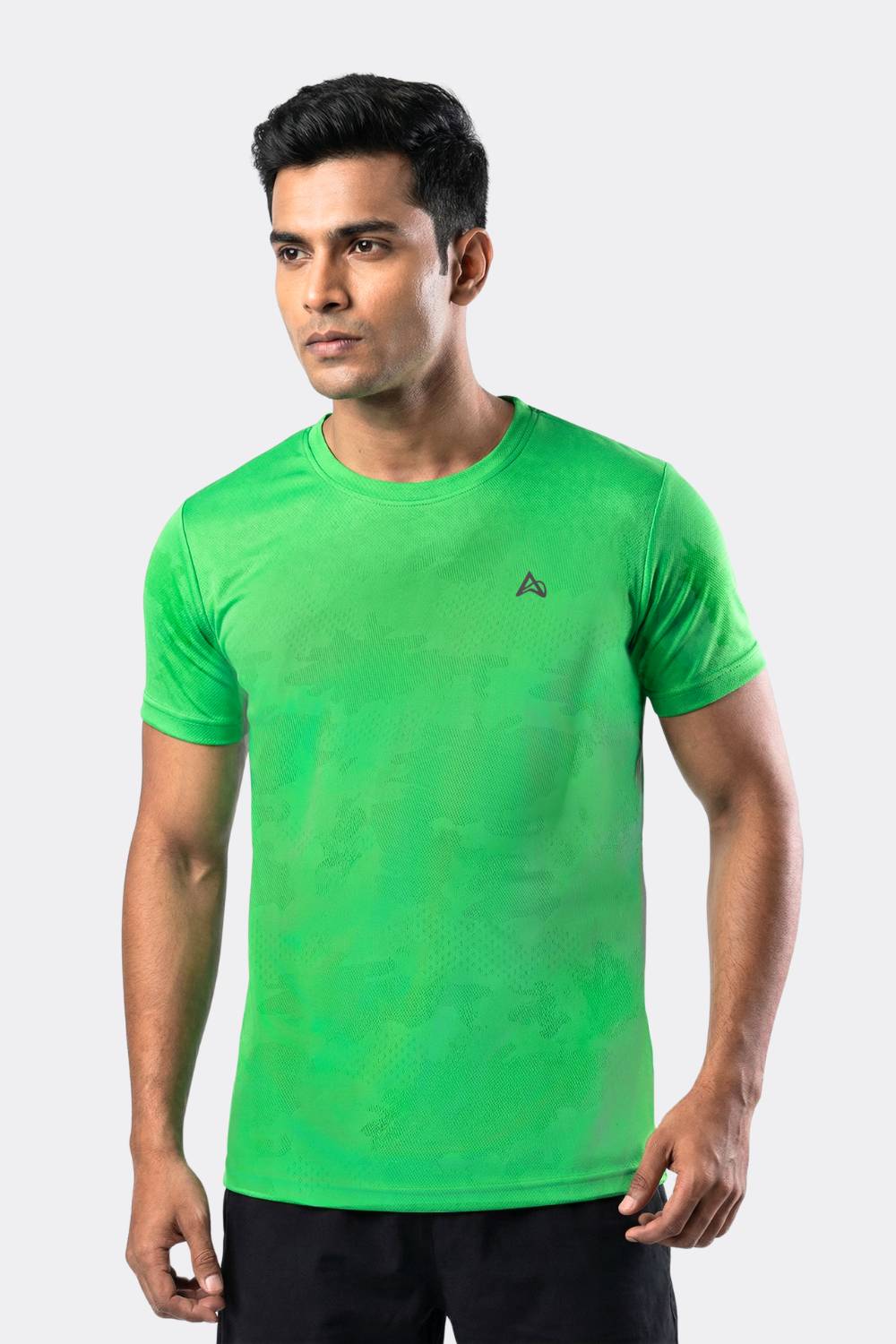
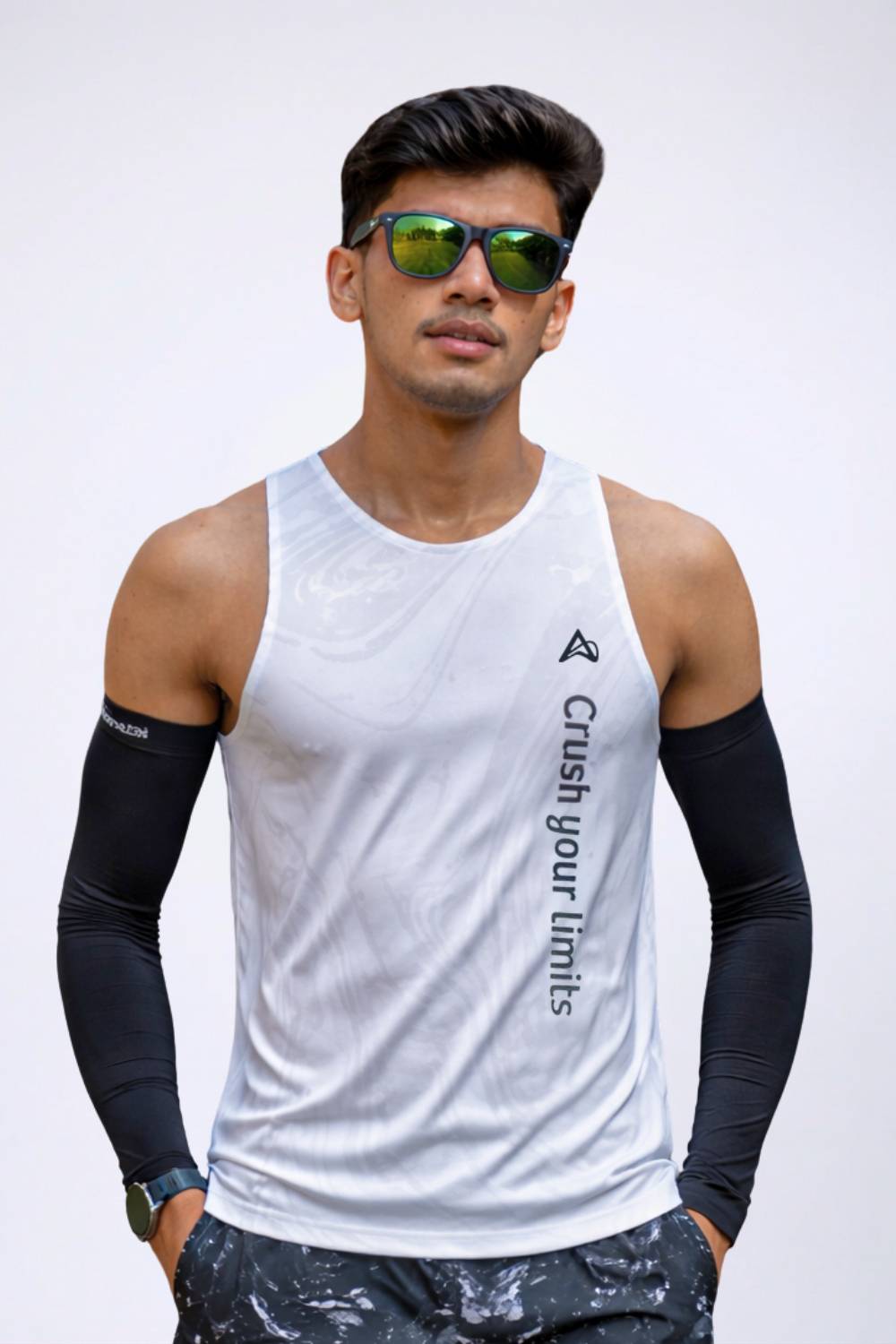

Training in India's major metropolitan regions has always carried a unique challenge: heat that lingers for most of the year, humidity that rises sharply during monsoon cycles, and rapidly changing urban microclimates shaped by infrastructure density. From Mumbai's coastal moisture to Delhi's dry-but-intense summer heat, athletes often find that performance is not limited by motivation or discipline, but by how effectively their clothing supports thermoregulation. In this context, breathable fabrics are no longer a niche innovation they are becoming a foundational element of how runners, gym-goers, and endurance athletes approach training across cities like Bangalore, Hyderabad, Pune, Navi Mumbai, Surat, Ahmedabad, and Gurugram. What is emerging across these urban centers is a shift in mindset. Training apparel is now expected to do more than just cover or compress; it must actively manage sweat, reduce heat retention, and support sustained performance under pressure. This evolution is especially visible among running communities in Bangalore and Pune, where long-distance training groups increasingly prioritize fabric technology as much as footwear. The same trend is now spreading into high-intensity gym training cultures in Delhi and Mumbai, where humidity often becomes the deciding factor between consistent training and early fatigue.
Tired of gear that slows you down? Chafing, soggy fabrics, and missing pockets kill your run's momentum. At Aguante, we're runners who get it. Our high-performance activewear features moisture-wicking fabrics, ergonomic designs, and smart storage to keep you focused. Shop Now!
The Climate Challenge Reshaping Training in Indian Cities
India's major training hubs each present a distinct environmental profile, but they share a common challenge: sustained humidity and heat exposure that directly impacts physical output. In Mumbai and Navi Mumbai, coastal humidity creates a constant moisture layer that makes traditional cotton-based training wear feel heavy within minutes. In contrast, Delhi and Gurugram experience extreme dry heat that still leads to rapid dehydration and overheating during outdoor sessions. Hyderabad and Surat sit somewhere in between, with fluctuating humidity levels that make adaptive clothing essential. In Bangalore and Pune, often considered running-friendly cities, athletes still face unpredictable humidity spikes, especially during monsoon months. These conditions are not just uncomfortable they actively affect heart rate stability, endurance thresholds, and recovery time. As a result, athletes across Ahmedabad, Hyderabad, and Mumbai are increasingly seeking apparel solutions that can regulate temperature without restricting movement. The shift is not driven by aesthetics or trend, but by performance necessity. This climate-driven demand has also influenced how sportswear categories are evolving globally. The broader sports apparel market, valued at $374.2 billion in 2023, reflects how deeply performance wear has become integrated into everyday athletic routines. However, in India's context, the focus is less on global scale and more on localized adaptability how fabrics respond to sweat saturation, airflow restriction, and prolonged outdoor exposure in specific cities.
How Breathable Fabrics Actually Change Performance
Breathable fabrics are designed to address one core physiological problem: heat accumulation during exertion. In cities like Mumbai and Chennai-adjacent training zones, humidity prevents sweat from evaporating efficiently, which means the body struggles to cool itself naturally. Modern performance fabrics counter this by using engineered fibers that enhance airflow and accelerate moisture transfer away from the skin. In practical terms, runners in Bangalore or Pune experience less friction-related discomfort during long runs, while gym athletes in Delhi and Gurugram report improved session endurance because body temperature remains more stable. These fabrics are not just about comfort they influence pacing strategy, hydration timing, and even mental focus. When the body is not fighting overheating, cognitive fatigue also reduces, allowing athletes to sustain structured training plans more effectively. Across Hyderabad, Surat, and Ahmedabad, this shift is particularly visible among early morning training groups. Athletes report that breathable apparel allows them to extend training duration without the usual mid-session drop in energy. This is especially relevant in humid conditions where traditional fabrics tend to trap heat, creating a compounding effect of fatigue and discomfort.
Urban Training Realities Across India's Fitness Hubs
Each city's training culture is now shaped as much by infrastructure as by climate. In Mumbai, runners navigating coastal roads and sea-facing promenades often deal with high humidity even during early hours. In contrast, Delhi athletes training in parks or arterial roads face sudden heat intensity that can escalate within minutes. These differences are driving more personalized choices in performance apparel across regions. In Bangalore and Pune, the rise of organized running communities has made apparel discussions more technical. Athletes increasingly compare fabric breathability, sweat dispersion rates, and layering systems before long runs. Meanwhile, in Hyderabad and Gurugram, gym-based training communities are prioritizing quick-dry materials that support back-to-back workouts without discomfort. Surat and Ahmedabad are also seeing similar behavior shifts among recreational athletes who train during early mornings or late evenings to avoid peak heat. These behavioral changes are aligned with broader industry movement toward performance-focused apparel. The global running category alone is evolving rapidly, with the running gear market expected to grow from $10.6 billion in 2024 to $17.2 billion by 2030. While this reflects global demand, in India the real driver is not expansion but adaptation how gear responds to environmental stress in real training conditions across cities like Mumbai, Delhi, and Bangalore.
Material Innovation and the Shift Toward Performance-First Apparel
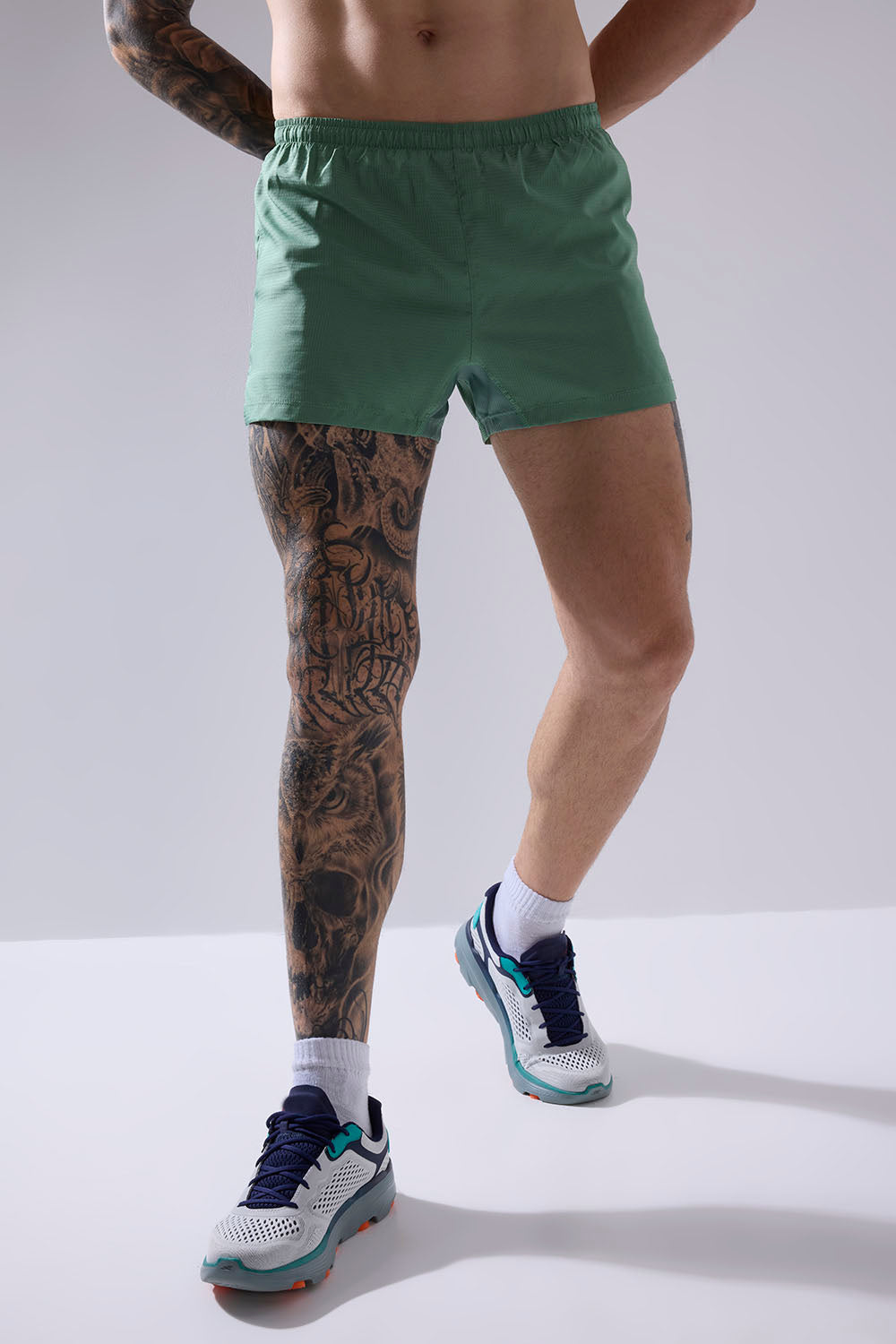
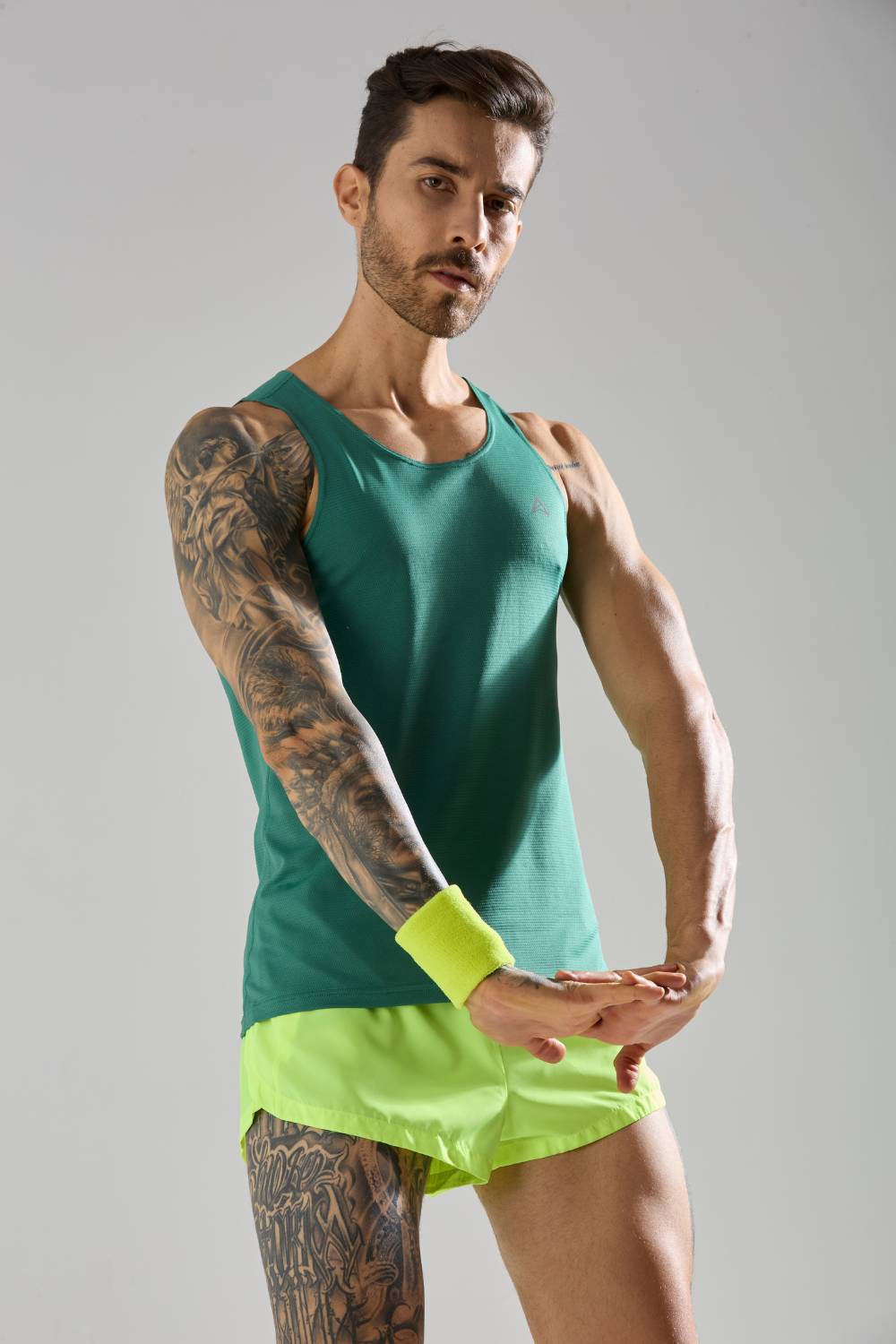
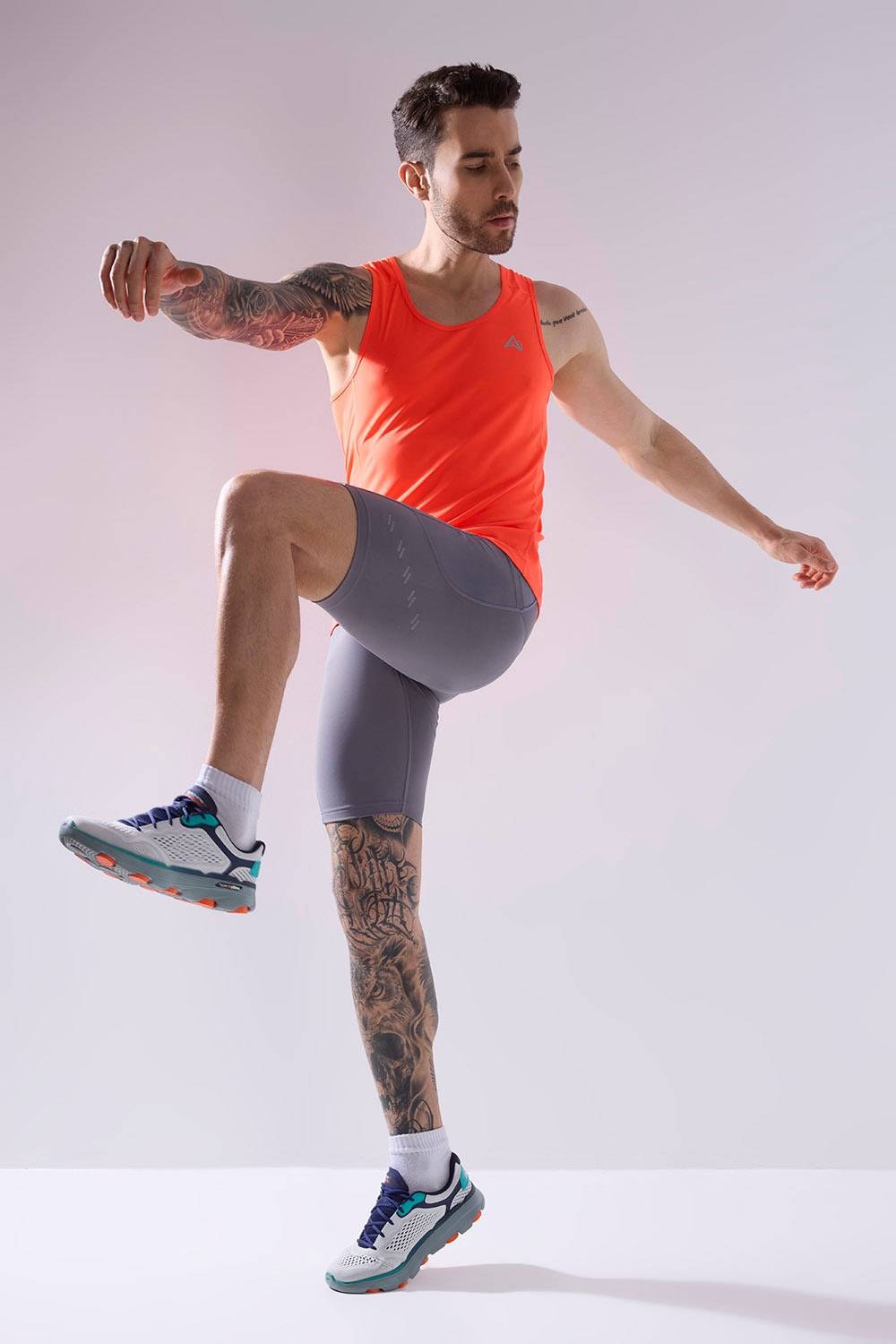
Behind the rise of breathable training wear is a wave of material innovation focused on micro-ventilation, moisture-wicking fiber structures, and lightweight weaving techniques. These advancements are redefining how athletes in Hyderabad, Pune, and Navi Mumbai approach daily training. Instead of treating apparel as a passive layer, it is now considered an active component of performance strategy. In cities like Mumbai and Surat, where humidity often remains high even outside peak summer months, fabric responsiveness plays a crucial role in reducing post-training fatigue. Similarly, in Delhi and Gurugram, where temperature spikes are more extreme, breathable materials help prevent overheating during interval-based training sessions. The result is a more consistent training rhythm across diverse climates. For brands operating in this space, including performance-focused activewear companies like Aguante, the opportunity lies in designing apparel that adapts to these regional differences. Rather than a one-size-fits-all approach, athletes in Ahmedabad may require different fabric density and ventilation patterns compared to runners in Bangalore or Pune.
What Athletes Should Look for in Breathable Training Wear
Choosing breathable apparel is no longer about brand preference alone it is about understanding how fabric interacts with environment and activity type. Athletes training in Mumbai or Navi Mumbai should prioritize high airflow construction that supports continuous sweat evaporation. In contrast, runners in Delhi or Gurugram may benefit more from UV-resistant, quick-dry fabrics that reduce heat retention during sudden temperature spikes. In Bangalore and Pune, where endurance running culture is strong, lightweight layering systems are increasingly preferred. These allow athletes to adjust based on humidity shifts during long-distance routes. Meanwhile, in Hyderabad, Surat, and Ahmedabad, multi-purpose apparel that transitions between gym and outdoor environments is becoming more relevant as training routines diversify. Ultimately, breathable fabrics are not just a comfort upgrade they are a training enabler. They reduce physical strain, improve consistency, and allow athletes across India's major cities to maintain structured performance routines despite challenging environmental conditions.
The Future of Training in Humid Urban Environments
As India's urban fitness culture continues to evolve, breathable fabrics will likely become the default expectation rather than an added feature. The intersection of climate, urban density, and rising fitness participation in cities like Mumbai, Bangalore, Delhi, and Pune is creating a sustained demand for performance-first apparel solutions. This is not a short-term trend but a structural shift in how training is approached. In the coming years, athletes in Hyderabad, Gurugram, Surat, and Ahmedabad will likely see further integration of adaptive textiles that respond dynamically to sweat levels and temperature fluctuations. This will reshape not only how people train but also how they plan their workouts, recover, and track performance consistency over time. Breathable fabrics are no longer just about staying cool they are about enabling discipline in environments that naturally resist endurance. Across India's diverse climates, from coastal Mumbai to inland Delhi, they are quietly redefining what sustainable training looks like for the modern athlete.
Frequently Asked Questions
Why are breathable fabrics important for training in Indian cities like Mumbai, Bangalore, and Delhi?
India's major cities present extreme climate challenges from Mumbai's coastal humidity to Delhi's intense dry heat that make traditional cotton training wear impractical. Breathable fabrics use engineered fibers that enhance airflow and accelerate moisture transfer away from the skin, helping the body regulate temperature more efficiently. This directly impacts heart rate stability, endurance thresholds, and recovery time, making breathable apparel a performance necessity rather than just a comfort upgrade.
How do breathable, moisture-wicking fabrics actually improve athletic performance?
Breathable fabrics address heat accumulation during exertion by preventing sweat from saturating clothing, which reduces friction, overheating, and mid-session energy drops. When body temperature stays more stable, cognitive fatigue also decreases allowing athletes to maintain better pacing strategy, hydration timing, and mental focus throughout a session. Runners and gym-goers across cities like Hyderabad, Pune, and Gurugram report being able to extend training duration significantly when wearing performance-grade breathable apparel.
What should athletes look for when choosing breathable training wear for India's humid climate?
The right choice depends on your city and activity type athletes in coastal cities like Mumbai and Navi Mumbai should prioritize high-airflow construction for continuous sweat evaporation, while those in Delhi or Gurugram benefit more from UV-resistant, quick-dry fabrics that handle sudden temperature spikes. Endurance runners in Bangalore and Pune often prefer lightweight layering systems that adapt to humidity shifts during long-distance routes. For multi-environment training common in Hyderabad, Surat, and Ahmedabad, versatile quick-dry fabrics that work across both gym and outdoor settings are increasingly the go-to choice.
Disclaimer: The above helpful resources content contains personal opinions and experiences. The information provided is for general knowledge and does not constitute professional advice.
You may also be interested in: Top Picks for Running Shorts with Liners: Comfort and Support
Tired of gear that slows you down? Chafing, soggy fabrics, and missing pockets kill your run's momentum. At Aguante, we're runners who get it. Our high-performance activewear features moisture-wicking fabrics, ergonomic designs, and smart storage to keep you focused. Shop Now!
Powered by flareAI.co