


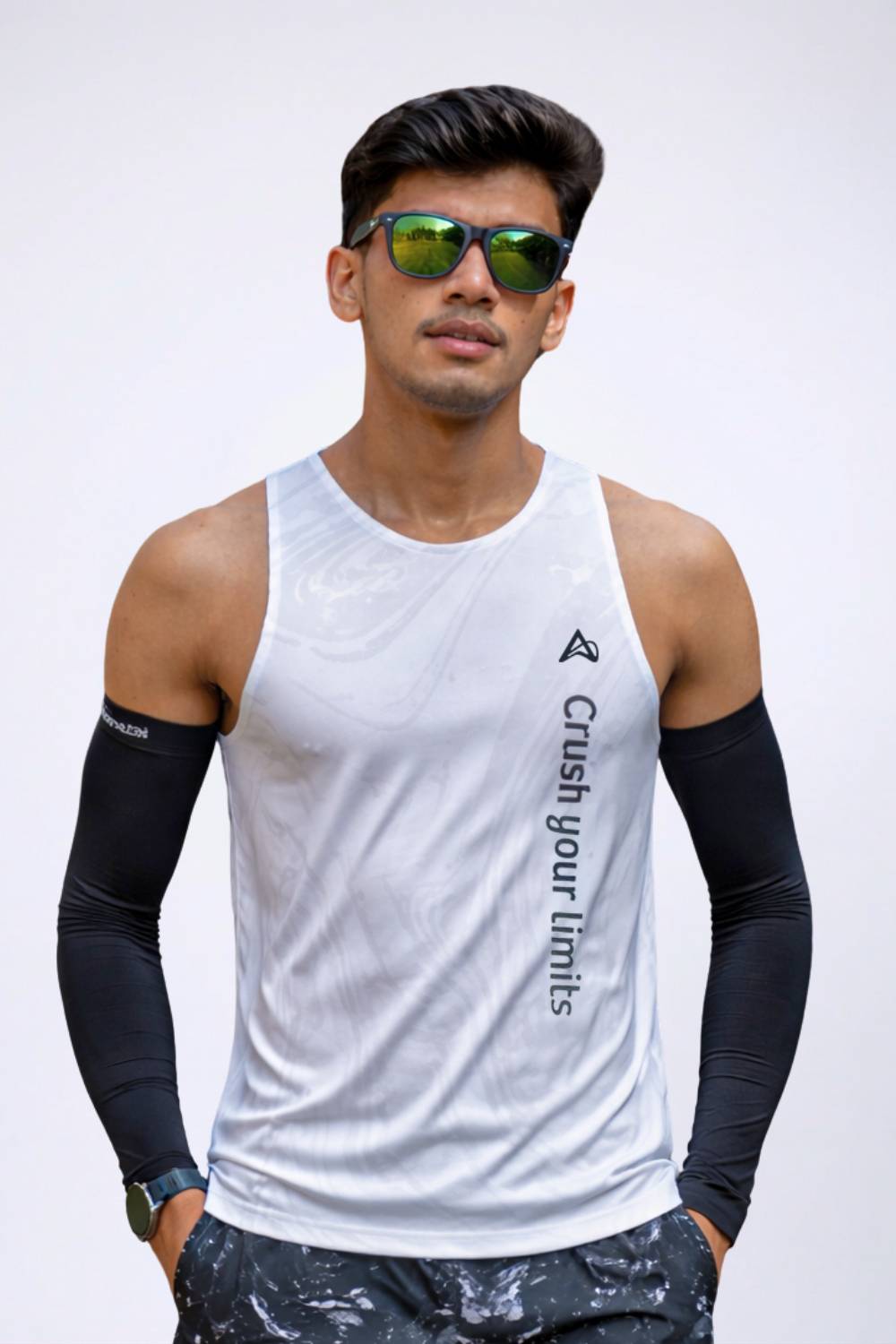

Choosing the right apparel for running is not just about style it directly influences comfort, endurance, and performance across different distances. Whether someone is preparing for a quick 3K jog or building toward marathon training, the demands placed on the body and the clothing that supports it change significantly. In today's running culture across the United States, Canada, and Europe, runners are becoming increasingly intentional about fabric selection, fit, and functionality to reduce fatigue and improve efficiency.
Industry analysis on the running gear market analysis highlights sustained growth driven by rising fitness participation and structured training programs. This reflects a broader shift where apparel is no longer an afterthought but a performance tool. In fact, recent participation insights show that hundreds of millions of people in the United States alone engage in regular physical activity, reinforcing the growing demand for specialized running apparel that supports varying distances and intensities.
Tired of gear that slows you down? Chafing, soggy fabrics, and missing pockets kill your run's momentum. At Aguante, we're runners who get it. Our high-performance activewear features moisture-wicking fabrics, ergonomic designs, and smart storage to keep you focused. Shop Now!
Understanding Running Apparel for Different Distances
Running distances place different physiological demands on the body, and apparel must respond accordingly. Short runs typically require lightweight comfort and breathability, while longer distances demand advanced moisture management, reduced friction, and sustained support. The evolution of performance apparel has made it possible for runners to fine-tune clothing choices based on training goals rather than relying on a single “all-purpose” outfit.
Brands like :contentReference[oaicite:0]{index=0} have focused on designing apparel systems that align with these distance-based needs, offering fabrics and fits engineered for both sprint recovery runs and endurance-heavy sessions. This approach reflects a growing understanding among runners in cities such as New York, London, Toronto, and Berlin that apparel can meaningfully influence running efficiency and injury prevention over time.
What to Wear for Short Runs: Speed, Comfort, and Simplicity
Short runs, typically between 3–5 kilometers, are often used for warm-ups, recovery, or quick fitness sessions. In these cases, runners in cities like Mumbai, Delhi, and Bangalore often prefer minimal, breathable clothing due to warmer climates and high humidity levels. The key priority is reducing heat buildup and allowing unrestricted movement.
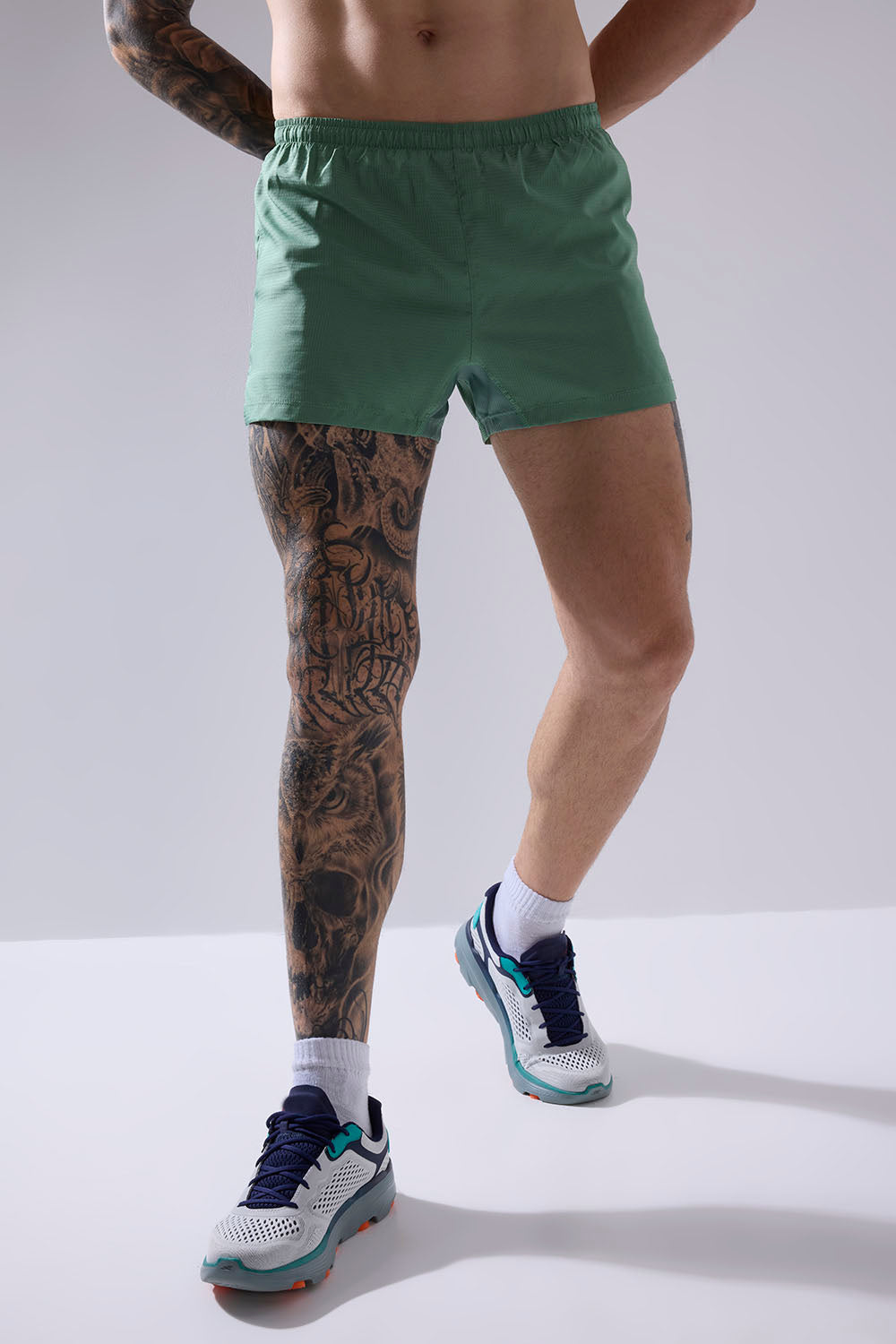
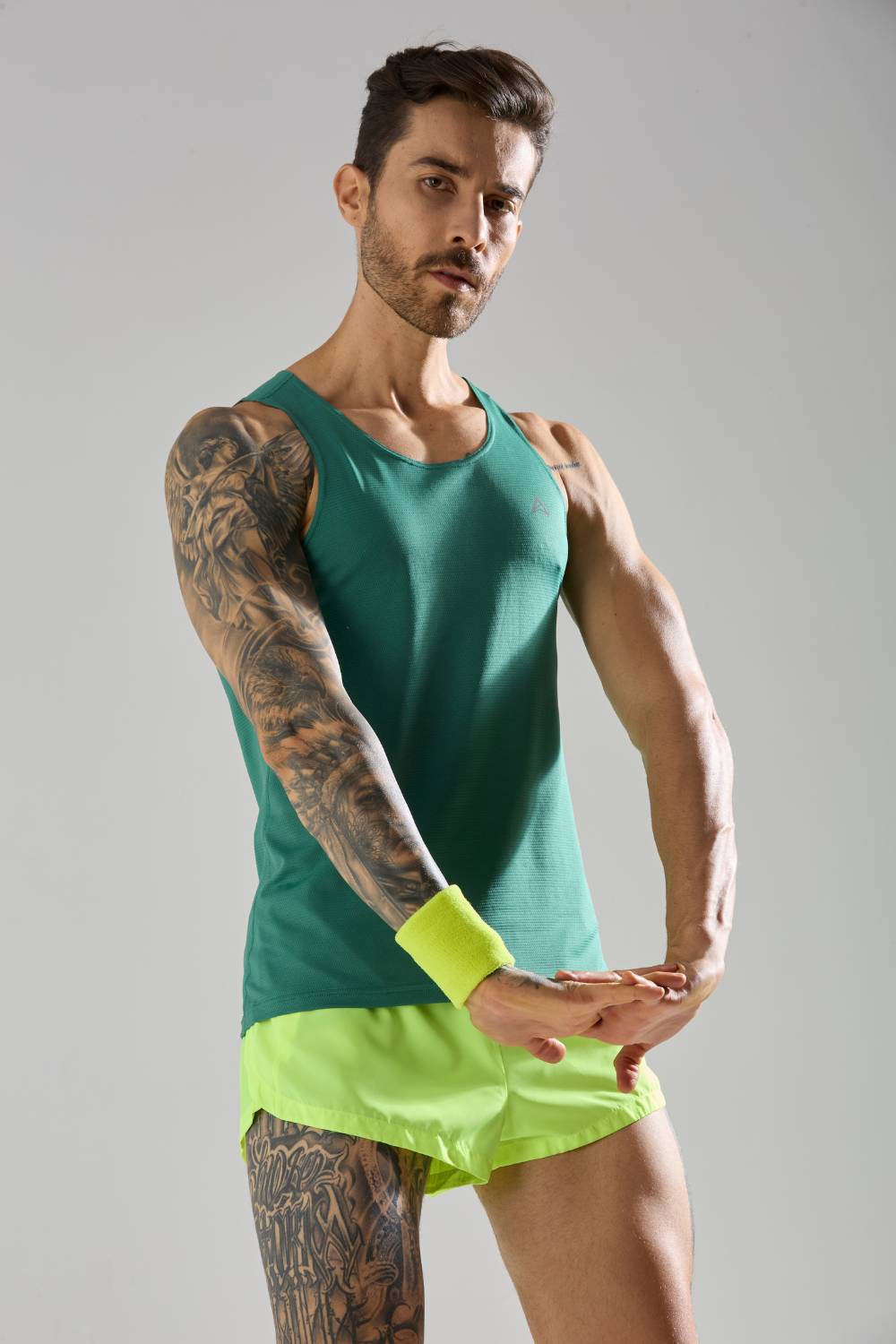
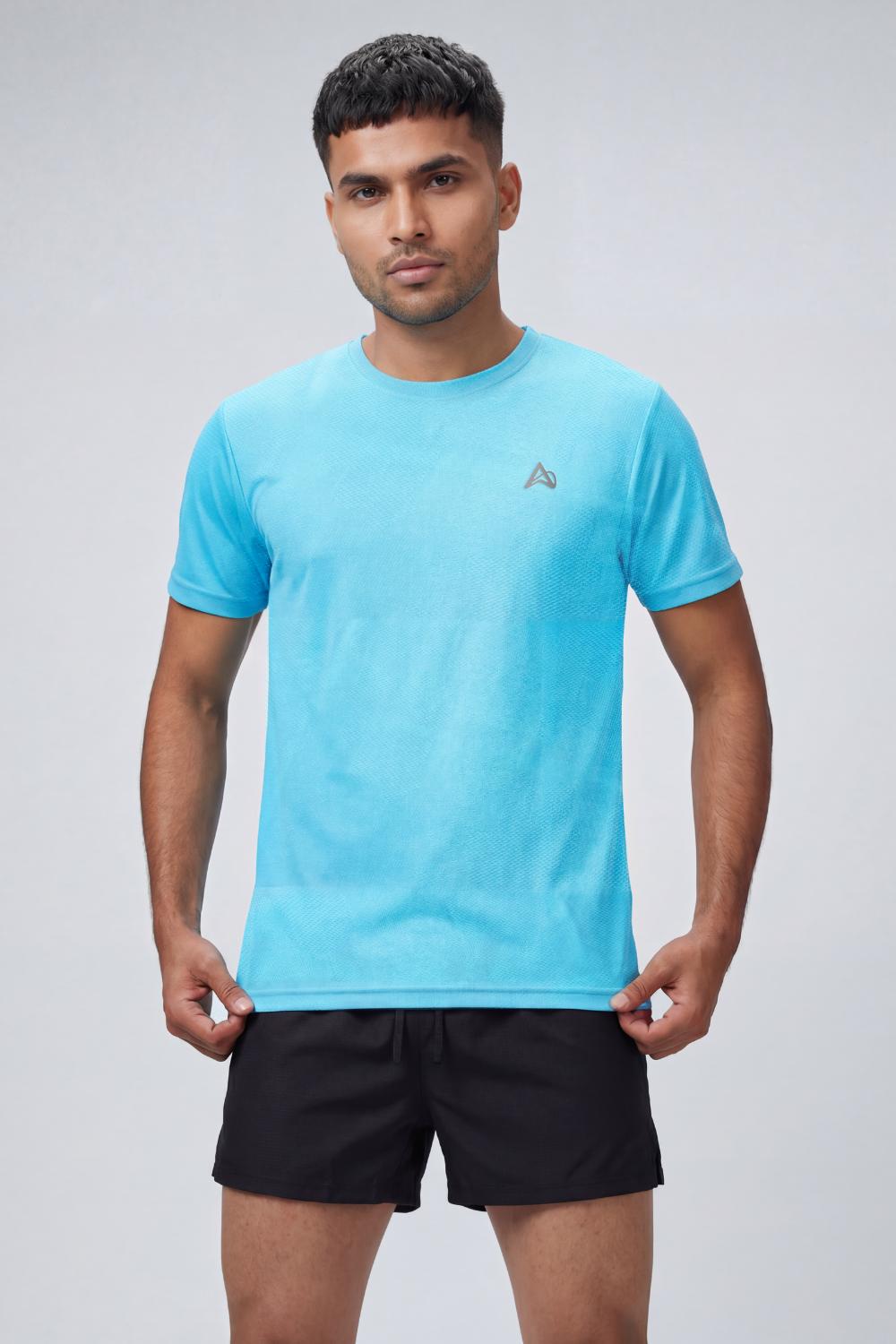
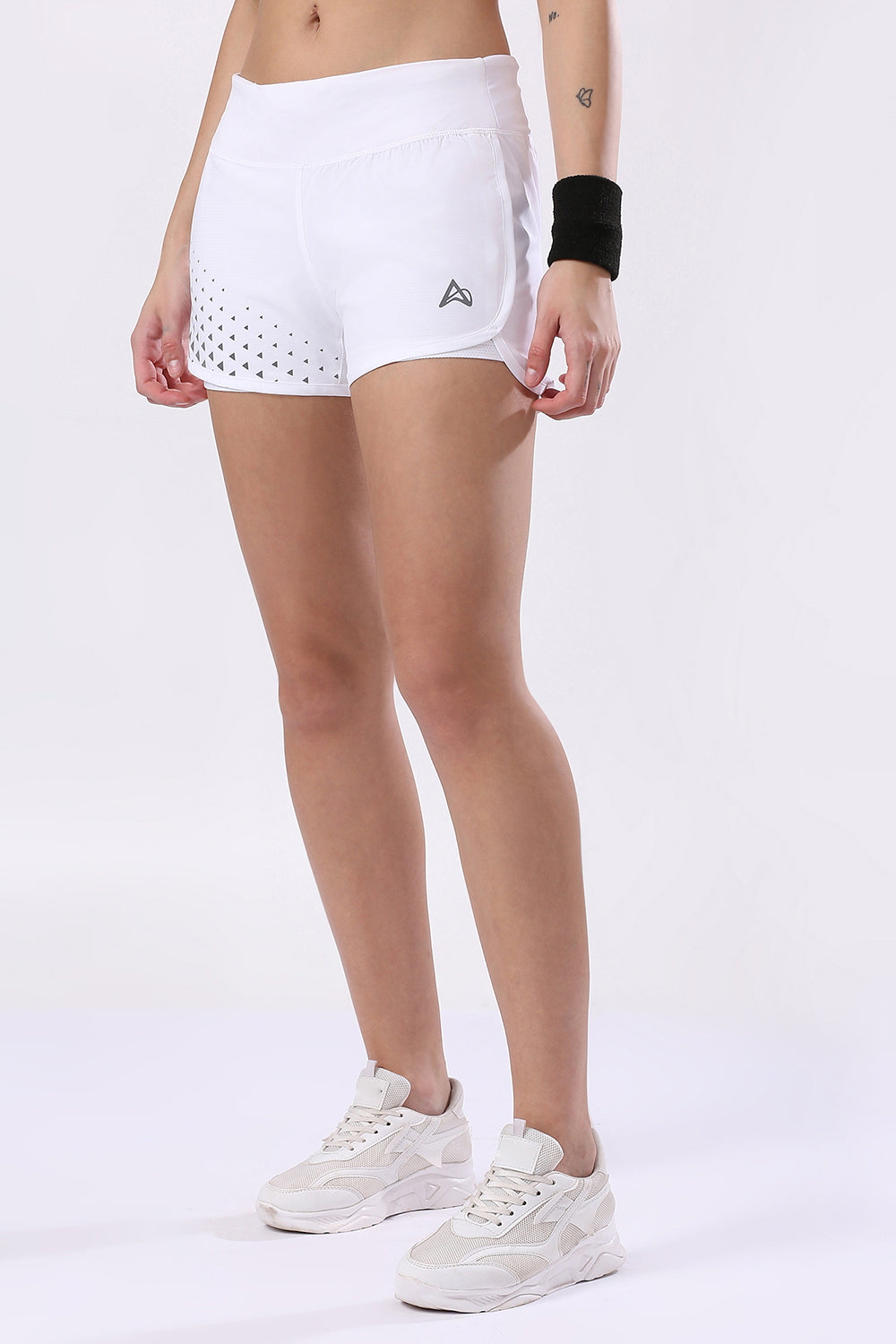
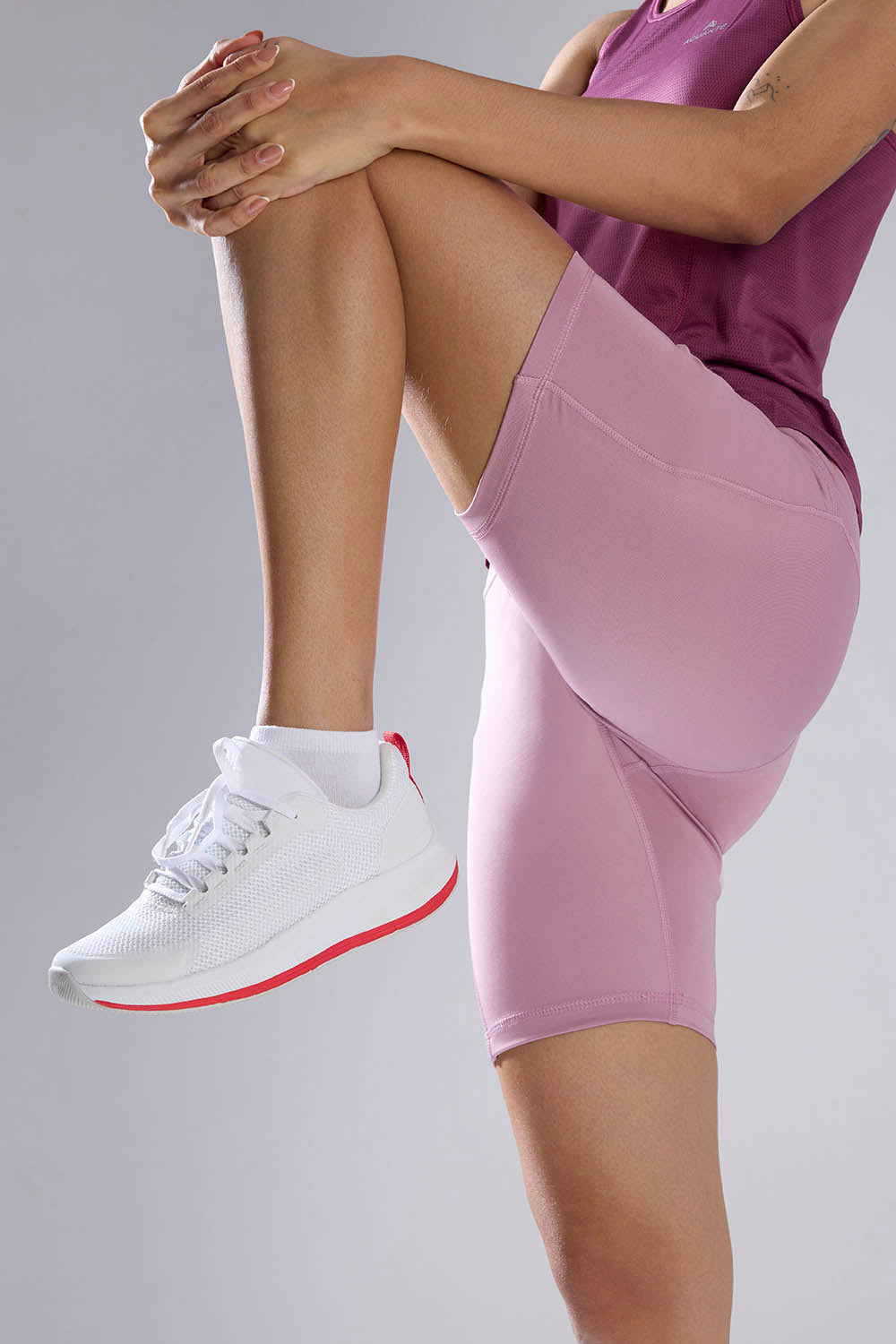
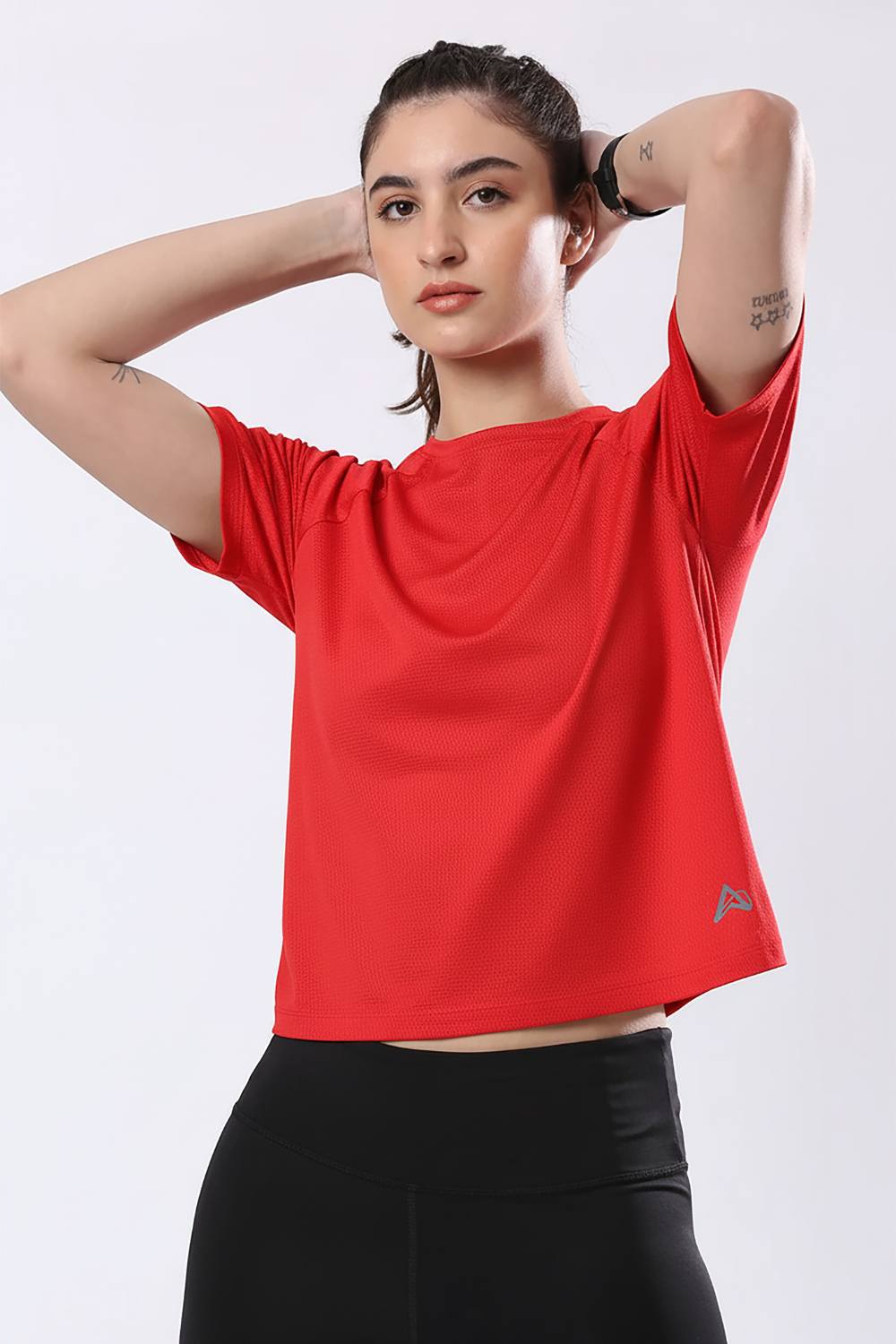
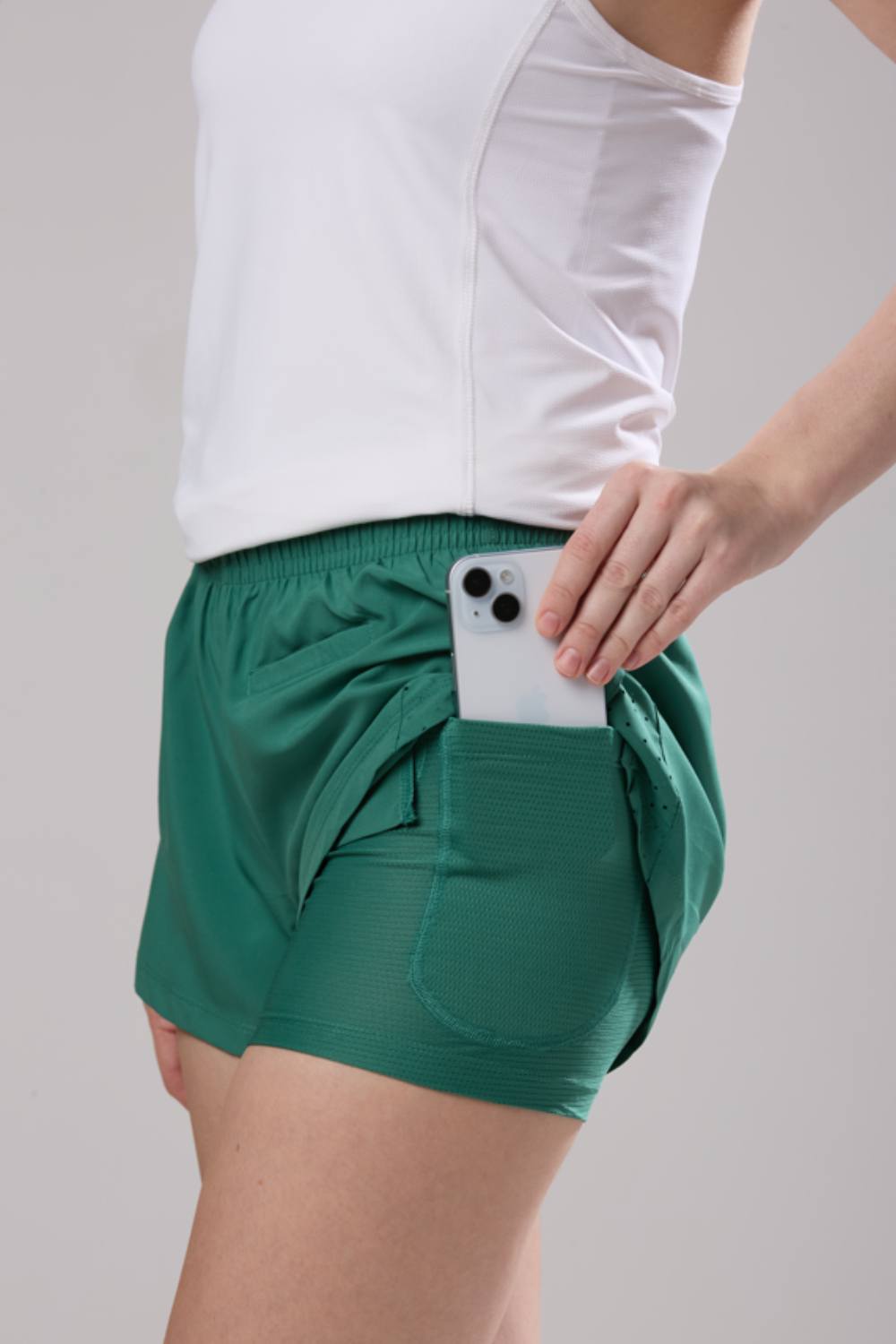
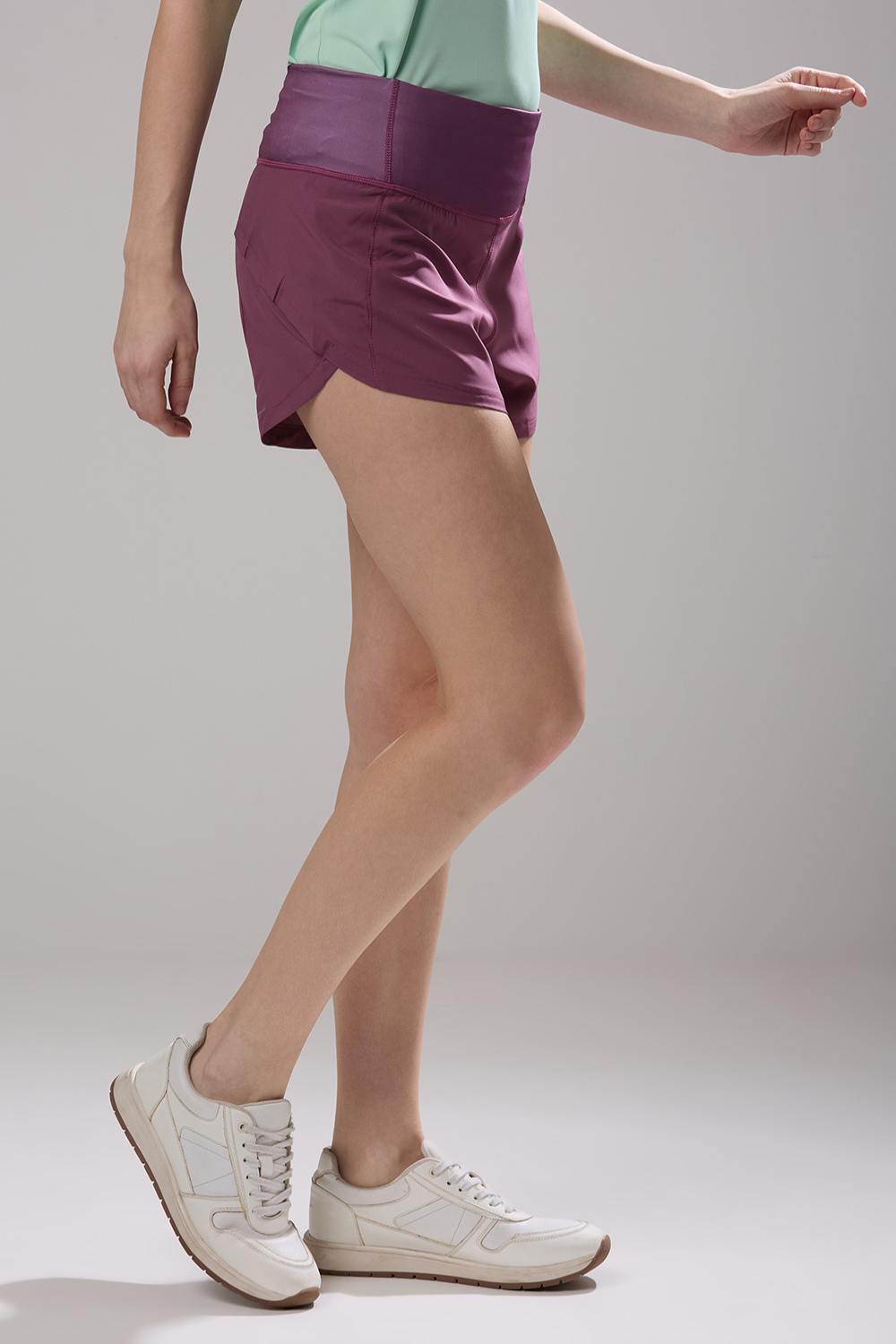
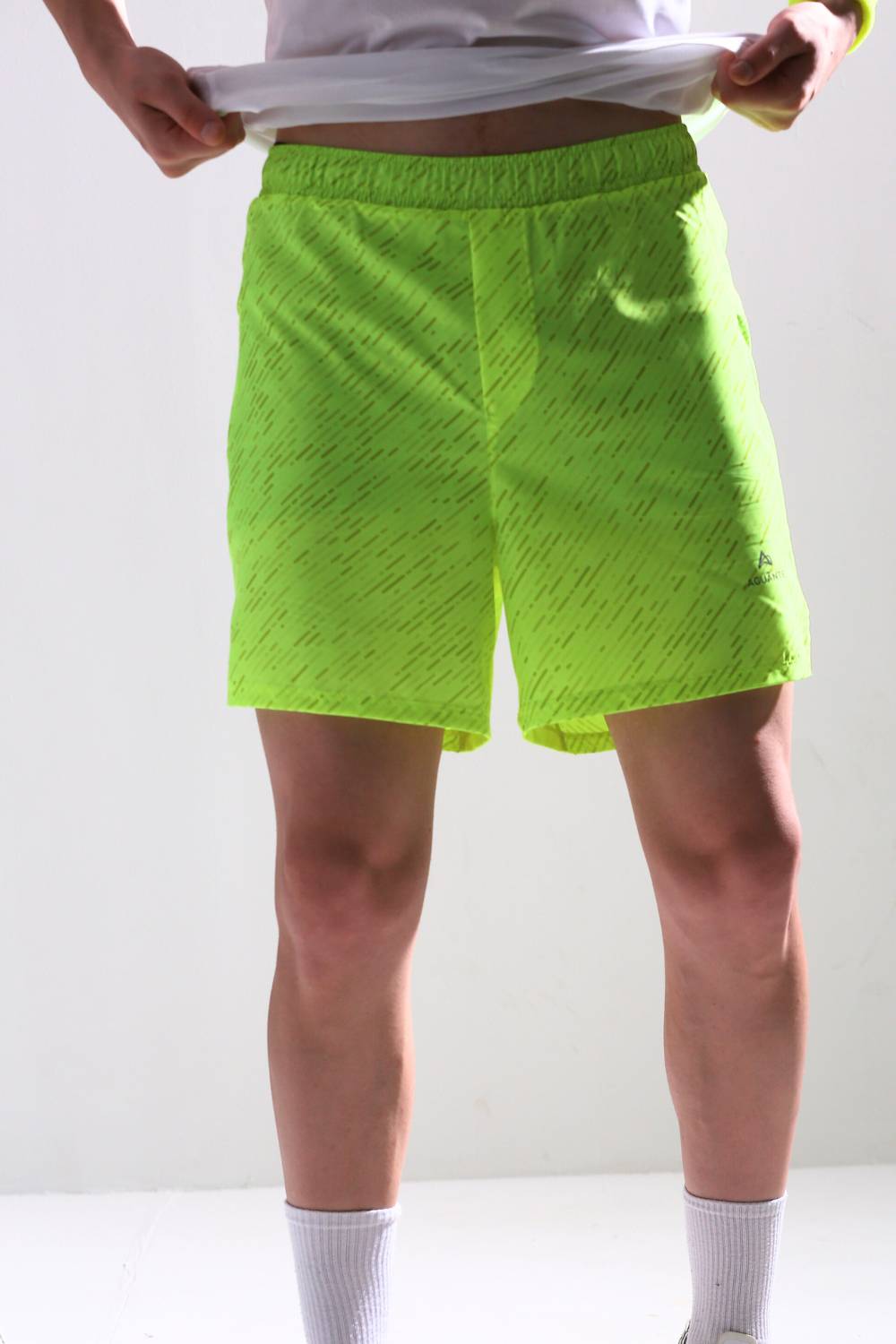
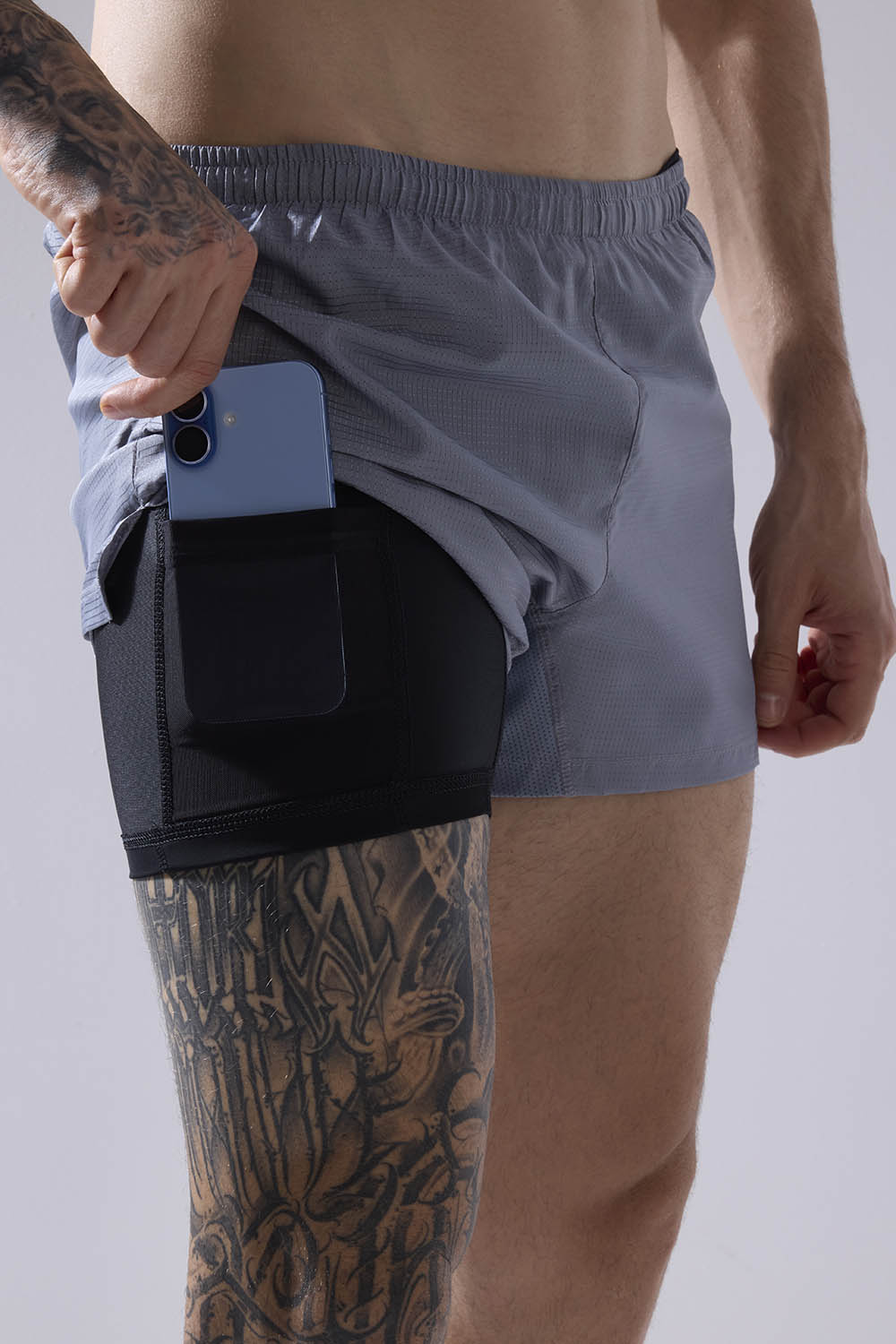
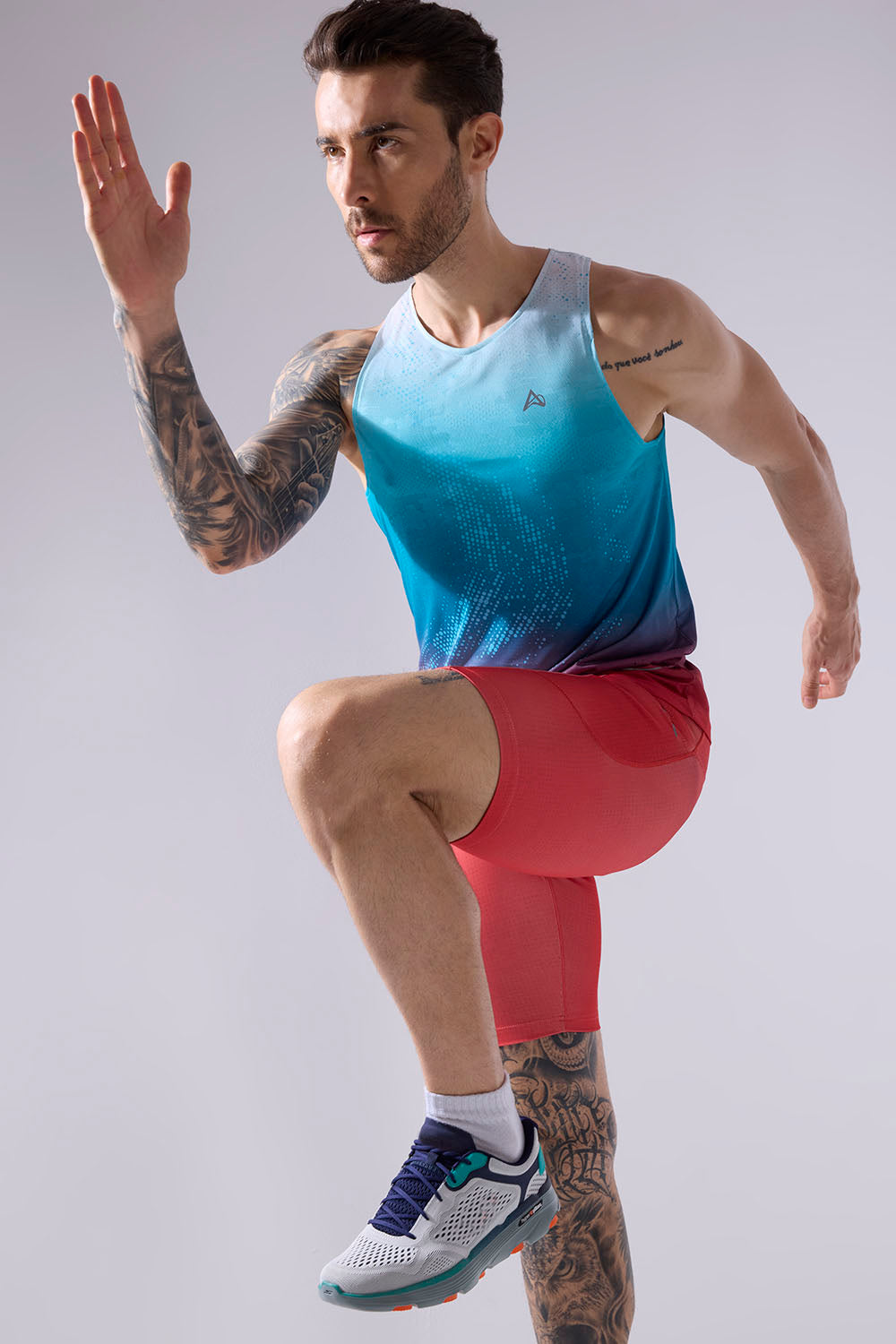
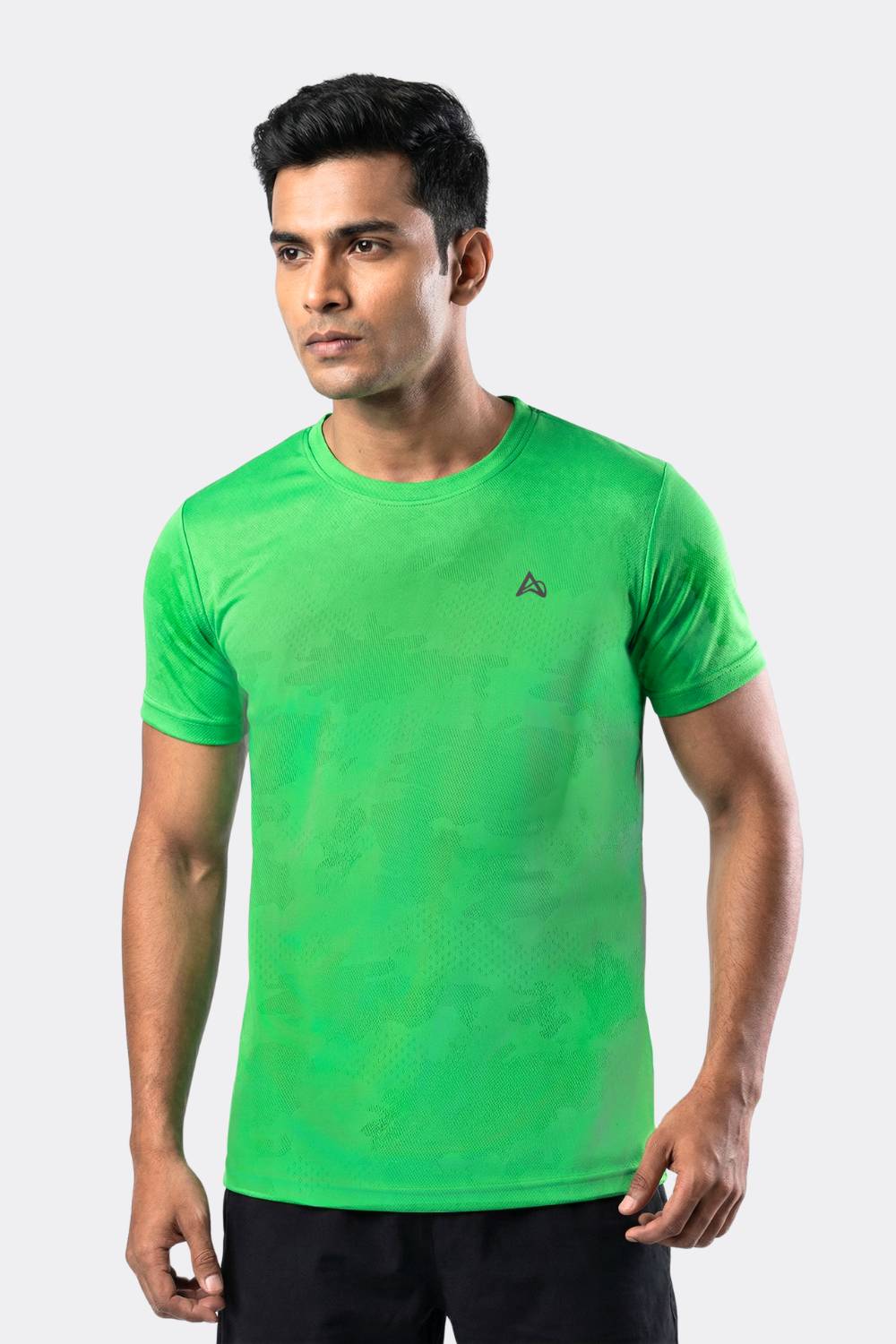
Lightweight moisture-wicking tops paired with breathable shorts are generally ideal. This is where the keyword what to wear for short runs becomes especially relevant, as beginners often over-layer or choose cotton-based fabrics that retain sweat. Modern synthetic fabrics, by contrast, draw moisture away from the skin, keeping runners cooler and reducing irritation. Even small design features like mesh panels or split hems can significantly improve airflow during short, high-intensity runs.
Medium Distance Runs: Balancing Endurance and Flexibility
Medium-distance runs typically 5K to 10K or half marathon training sessions require a more strategic approach to clothing. At this stage, runners begin to experience sustained sweat accumulation and muscle fatigue, meaning apparel must balance breathability with support. In European running communities, particularly in cities like Amsterdam and Paris, runners often prioritize layering systems that adapt to shifting weather conditions during longer training blocks.
The keyword running clothes for half marathon is closely associated with this stage of training. Lightweight compression tops and ergonomic seams help reduce chafing over extended periods, while mid-weight fabrics provide enough durability for repeated weekly sessions. Many runners also begin experimenting with moisture-wicking running gear at this stage to maintain thermal balance and avoid overheating during prolonged effort.
Footwear becomes important, but apparel plays a surprisingly large role in sustaining rhythm and consistency. Poor fabric choice during mid-distance runs often leads to early fatigue, not due to muscular exhaustion but due to discomfort caused by friction or heat retention.
Long Distance Running: Endurance, Protection, and Energy Efficiency
Long-distance running, including marathon training, places the highest demands on apparel systems. In this category, clothing is not just about comfort it becomes a protective layer that must perform consistently over hours of movement. Runners preparing for marathons in cities like Boston, London, or Berlin often train across varied weather conditions, making adaptability a key consideration.
When considering best clothes for long distance running, runners prioritize ultra-light fabrics, flatlock seams, and advanced sweat management systems. Over long distances, even minor irritation can escalate into performance-limiting discomfort. This is why design elements such as anti-chafe stitching and strategically placed ventilation zones are essential.
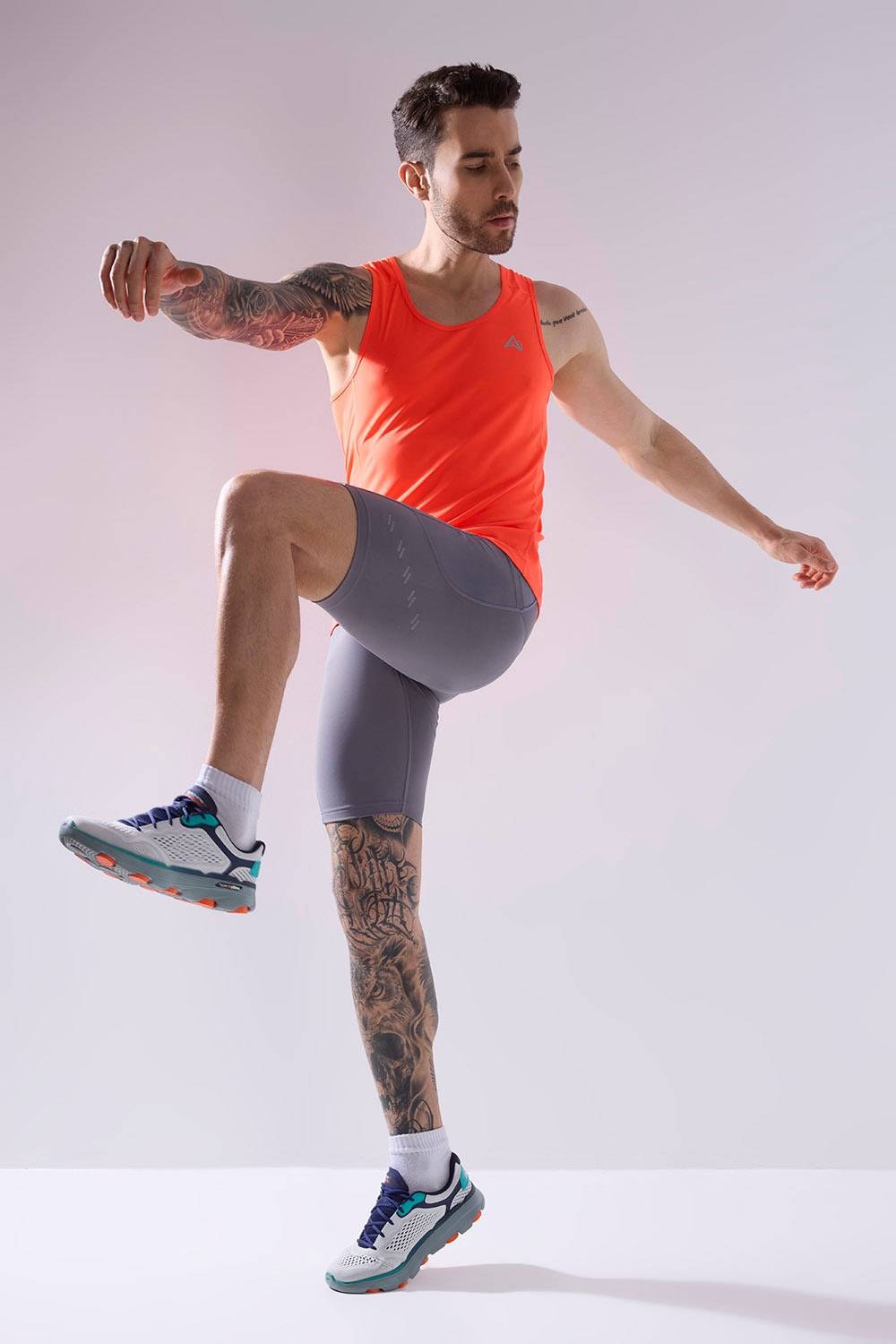
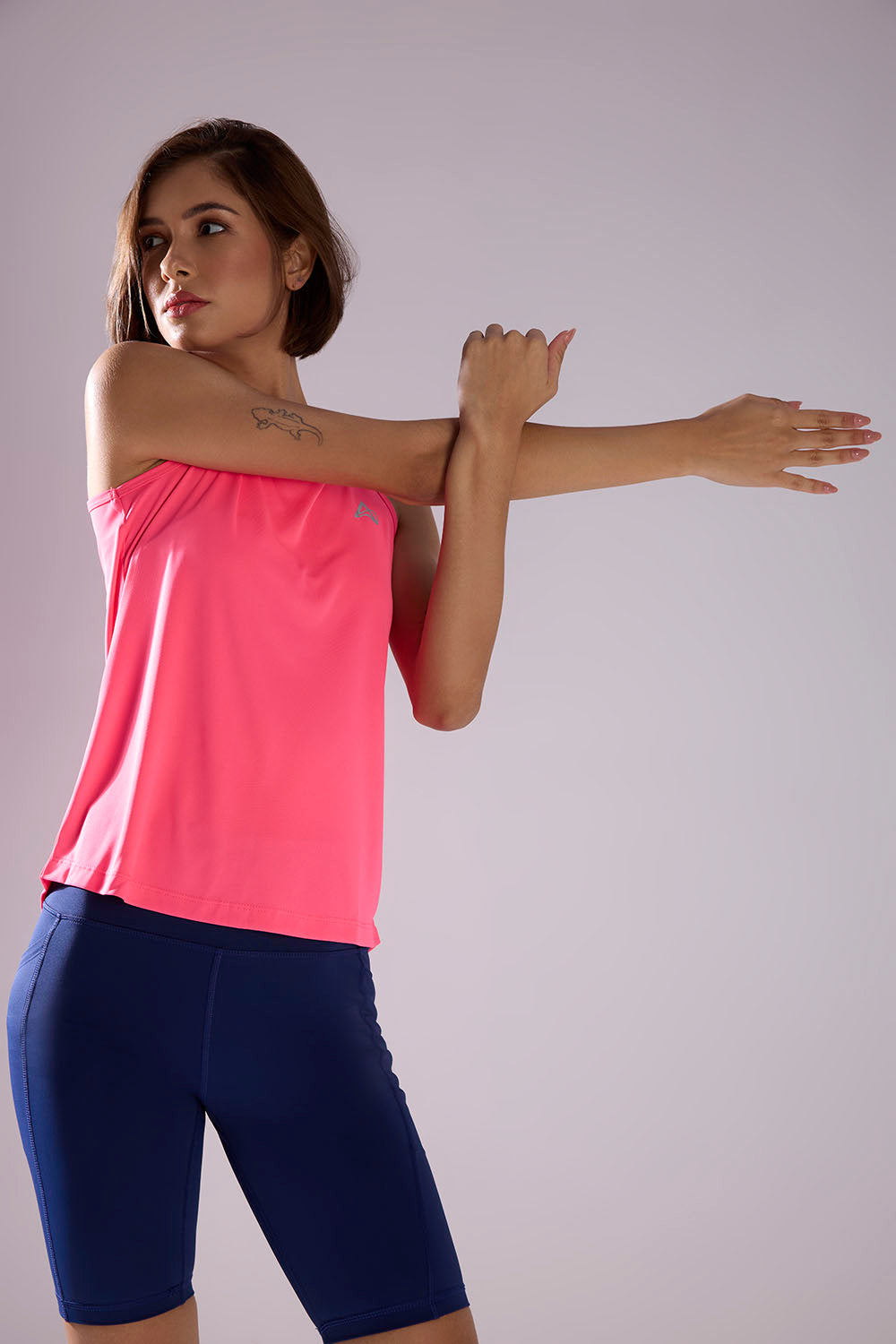
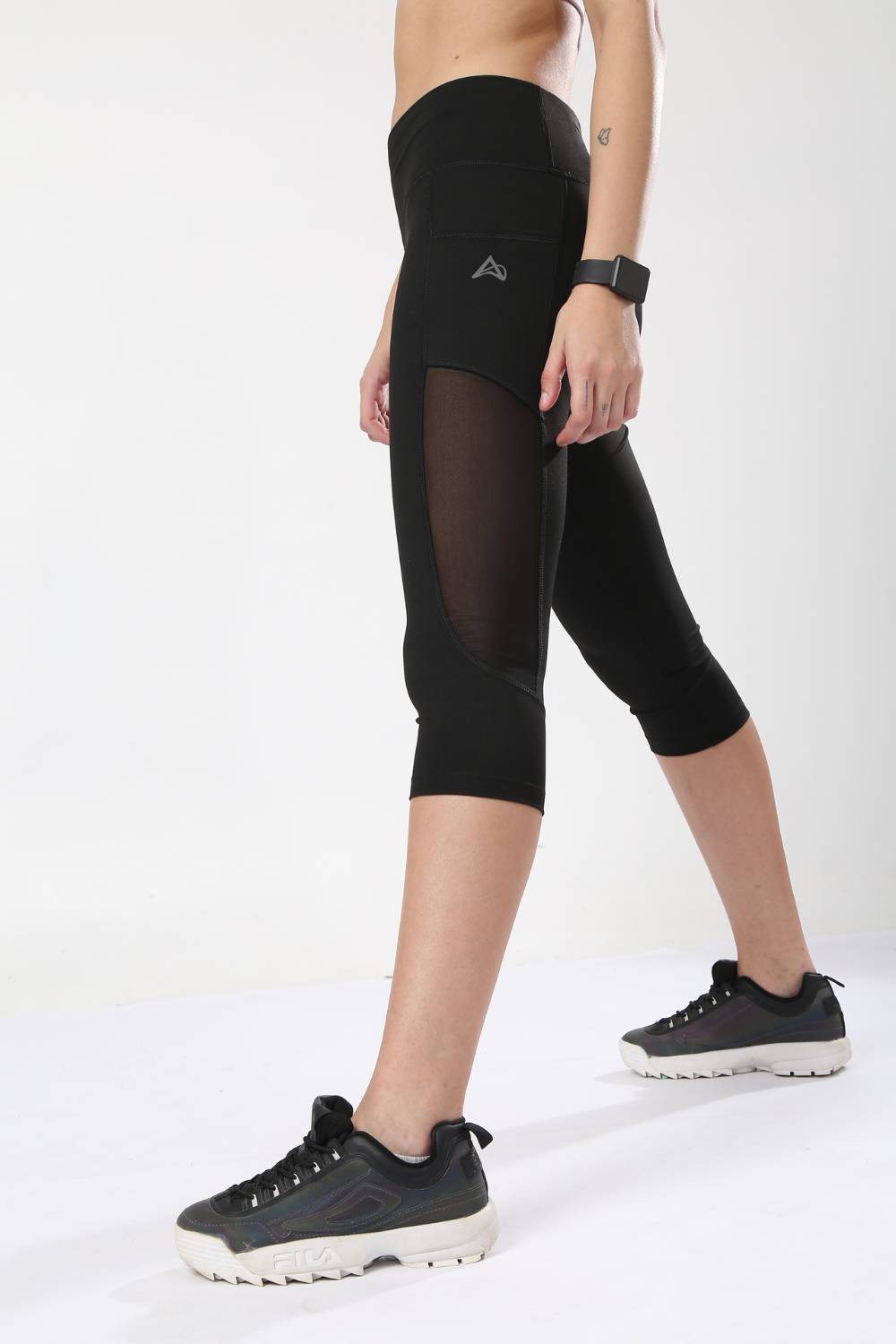
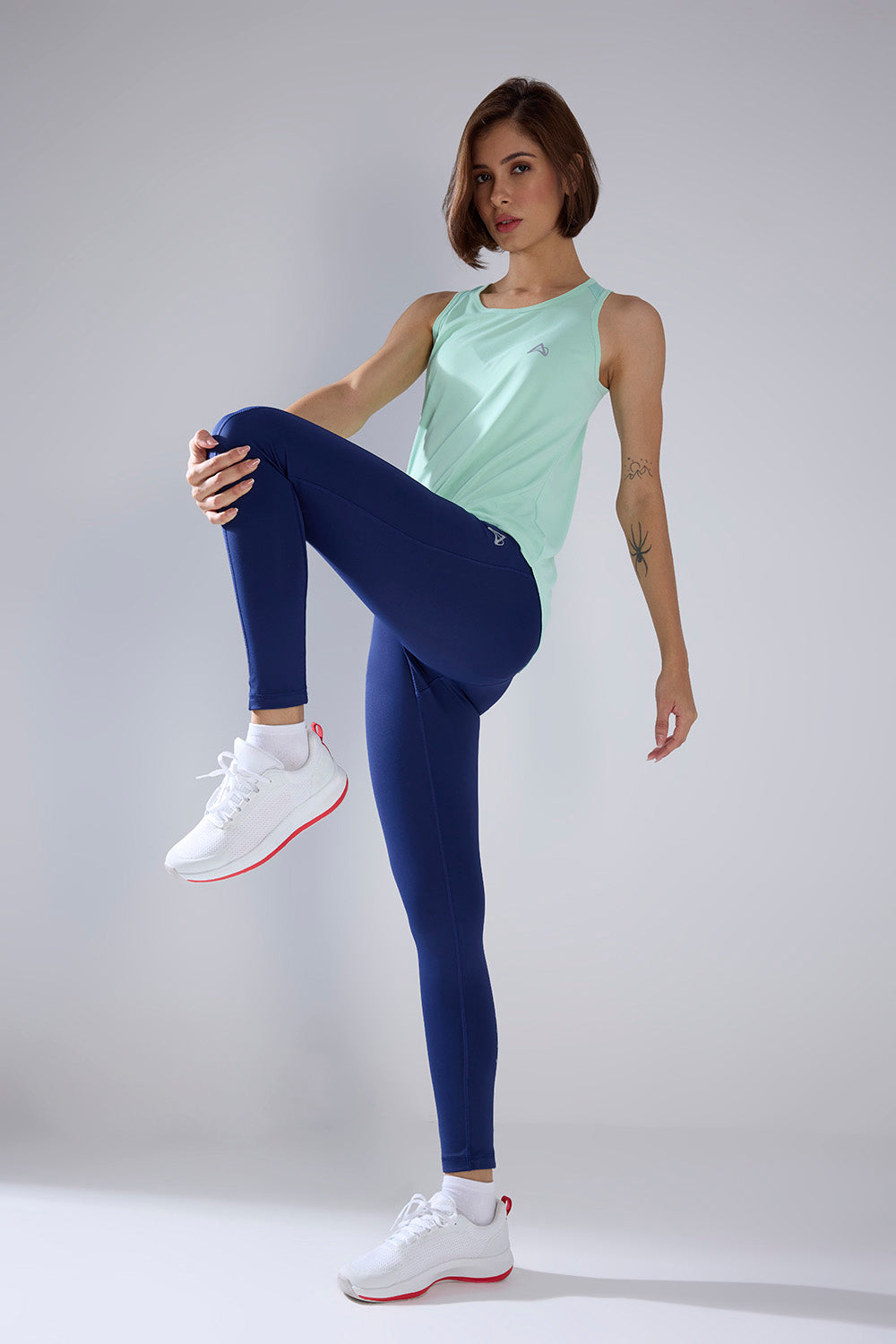
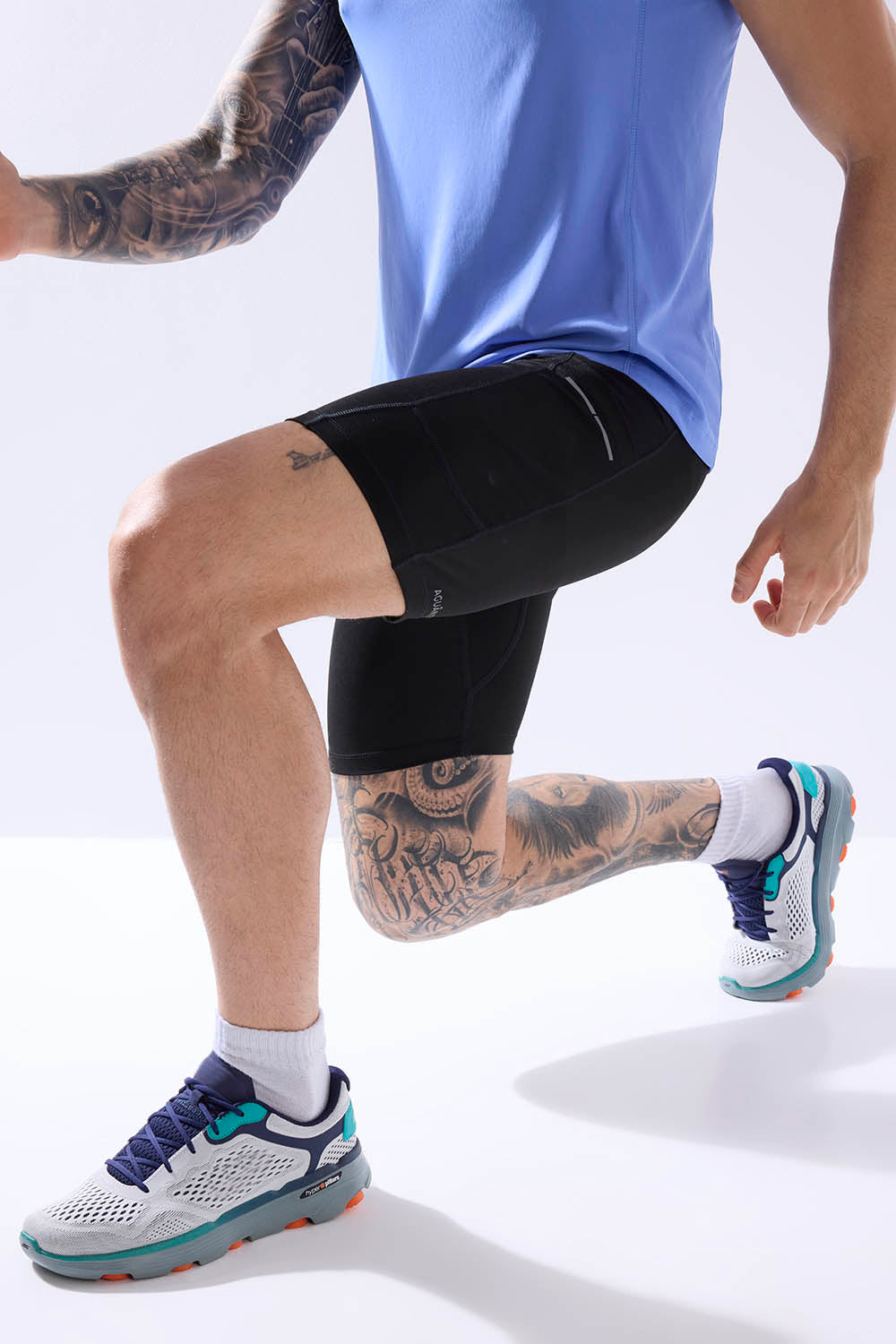
Additionally, long-distance runners often evaluate running shorts vs tights based on weather conditions and muscle support needs. Tights provide compression benefits that may help reduce muscle vibration, while shorts offer greater airflow in warmer environments. The decision is less about preference and more about environmental adaptation and race-day strategy.
Fabric Science: Why Moisture Management Matters
Modern running apparel is heavily influenced by fabric engineering. Moisture-wicking technology, lightweight polyester blends, and elastane-infused materials have transformed how runners experience long sessions. These materials are designed to move sweat away from the skin, reducing cling and preventing overheating.
In humid climates such as Mumbai or Hyderabad, this becomes especially important, as sweat evaporation is slower and discomfort can build rapidly. Conversely, in cooler European climates like Munich or Stockholm, layering systems that retain warmth while allowing breathability are more effective. This adaptability is central to distance running outfit tips, where fabric selection is as important as training strategy.
Industry shifts in performance apparel show that consumers are increasingly prioritizing technical fabrics over aesthetic design alone. This aligns with broader trends in running communities where comfort, injury prevention, and consistency are valued more than visual appeal during training runs.
Running Shorts vs Tights: Choosing the Right Lower Body Gear
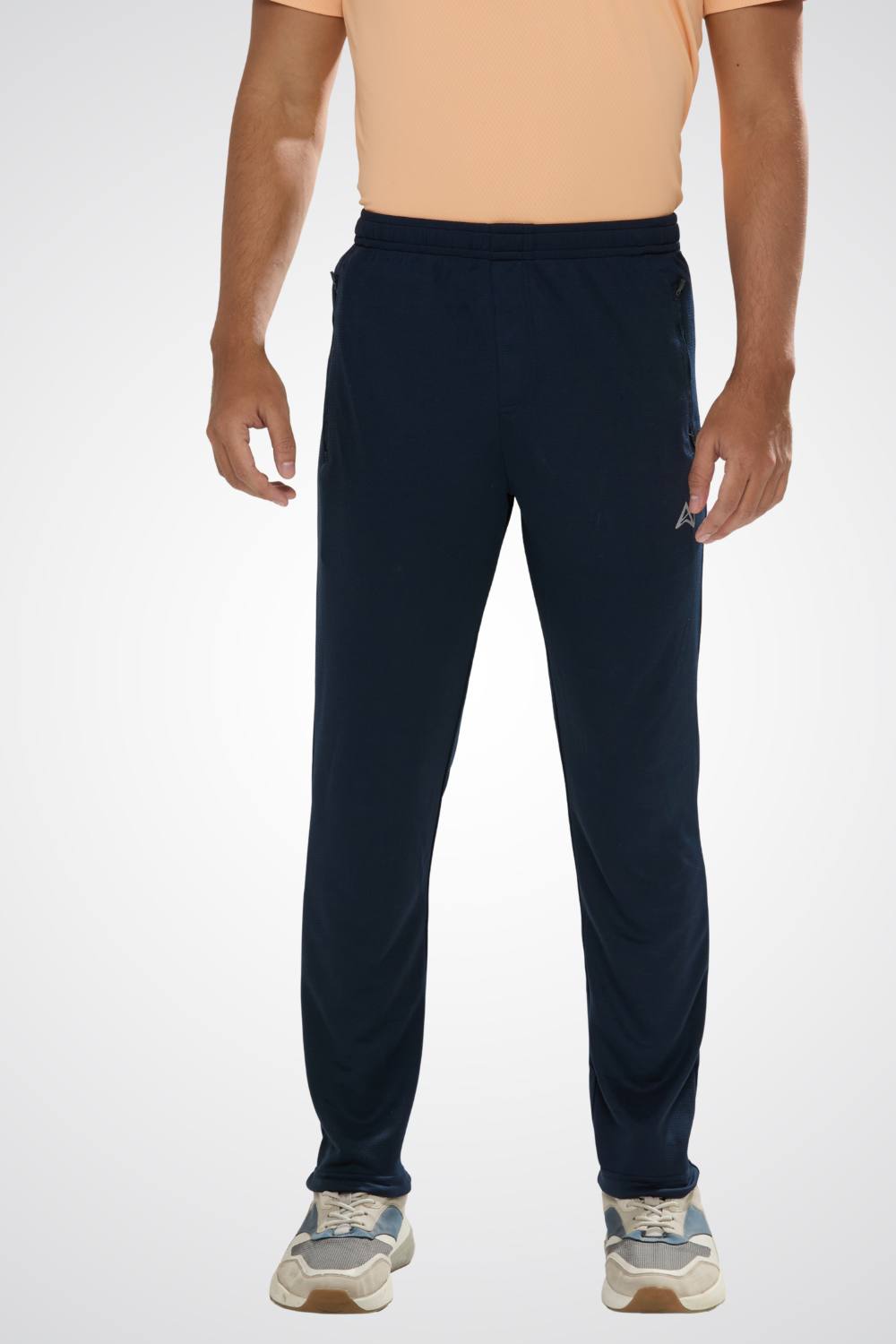
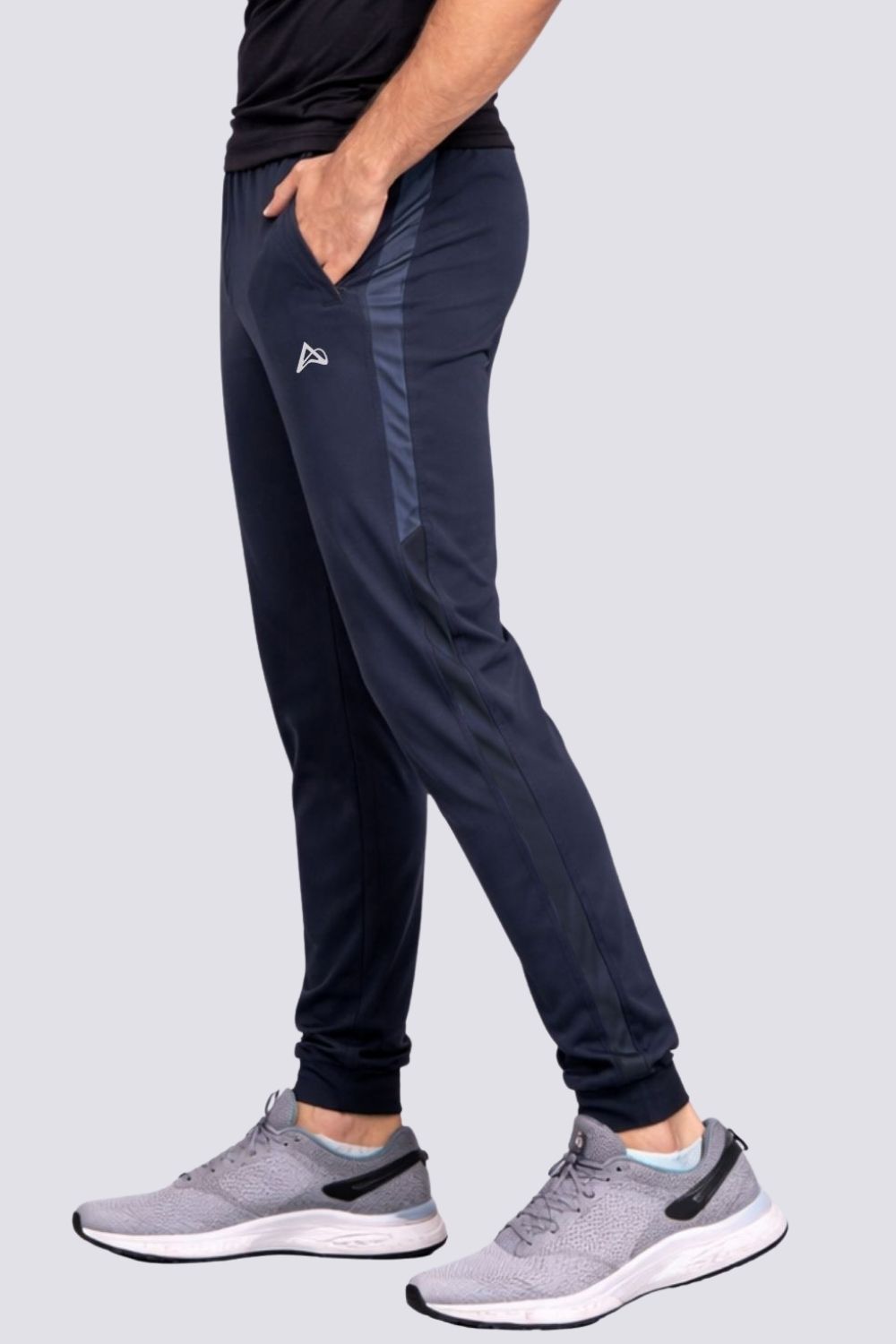
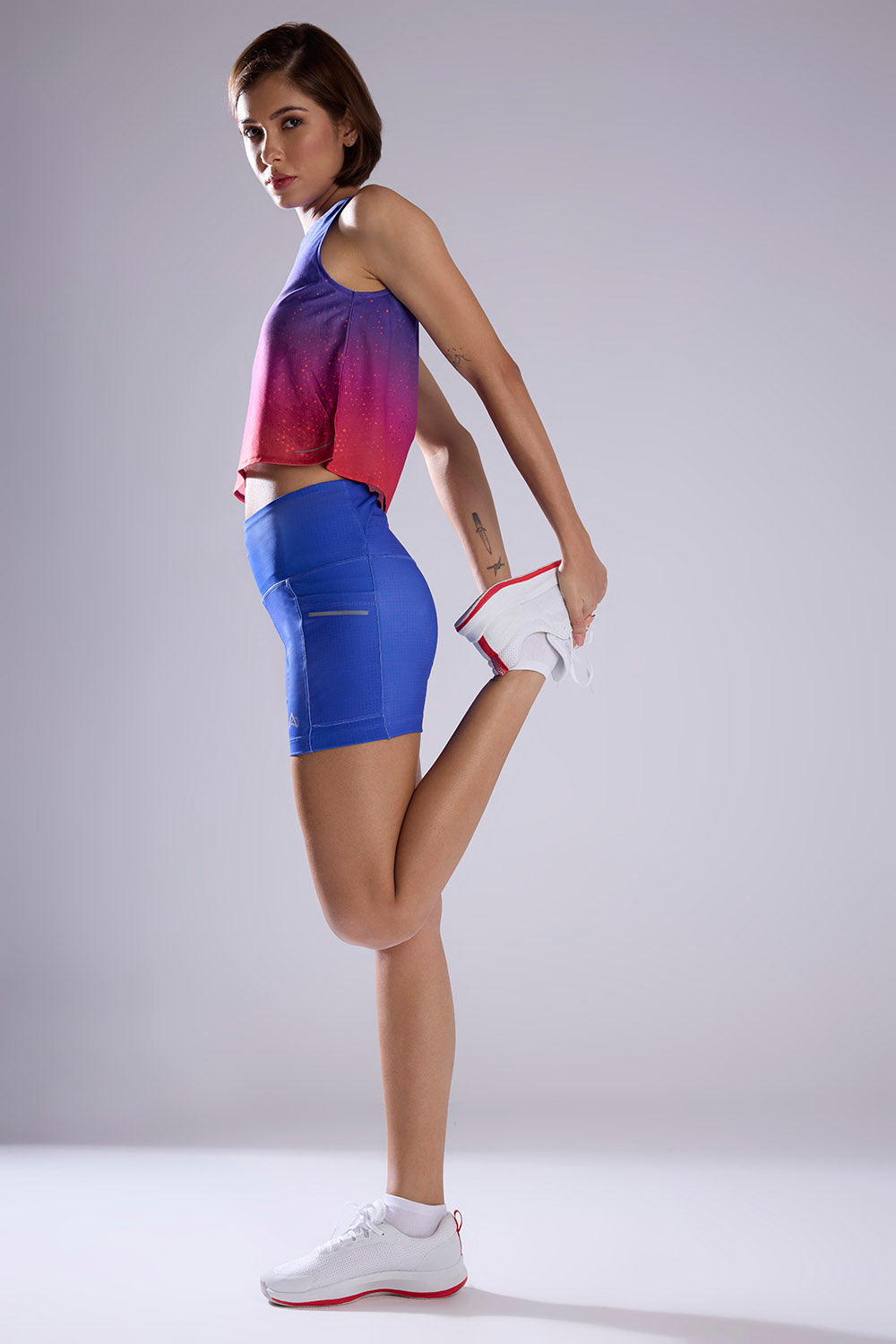
The debate between shorts and tights is one of the most common among runners preparing for different distances. Shorts remain the preferred choice for short runs due to ventilation and ease of movement, while tights are often used in colder climates or during recovery-focused sessions.
For medium and long-distance training, tights can provide added muscle support and reduce post-run soreness in some athletes. However, they may feel restrictive in warm climates or during high-intensity sessions. Runners in cities like Pune or Ahmedabad often prefer lightweight shorts due to heat conditions, while those in Toronto or London may opt for tights during winter training cycles.
The key takeaway is that there is no universal solution. Instead, apparel selection should align with distance, climate, and training intensity to ensure optimal performance outcomes.
Climate, Geography, and Real-World Running Conditions
Running apparel choices are deeply influenced by geography and climate. In Indian metros like Bangalore and Delhi, high heat and humidity demand breathable fabrics and sweat-efficient designs. Meanwhile, in North American cities such as Chicago or Vancouver, seasonal variation requires layered systems that adapt to both cold winters and mild summers.
European runners often face similar variability, particularly in cities like Berlin or Amsterdam, where transitional weather conditions are common. These regional differences reinforce the importance of adaptable apparel systems that can perform across environments rather than relying on a single outfit type for all conditions.
Understanding these environmental factors allows runners to make smarter decisions about clothing selection, ensuring that apparel enhances rather than hinders performance across different training phases and distances.
Building a Distance-Smart Running Wardrobe
Selecting running apparel based on distance is one of the most effective ways to improve comfort, reduce injury risk, and enhance overall performance. Short runs benefit from simplicity and breathability, medium distances require balance and adaptability, while long-distance training demands precision-engineered fabrics and advanced moisture control.
As running continues to grow across the United States, Canada, and Europe, more athletes are recognizing that apparel is not just supporting gear it is an active part of performance strategy. With brands like :contentReference[oaicite:1]{index=1} focusing on technical innovation, runners now have access to apparel designed specifically for the demands of varied distances and climates. Ultimately, the right outfit is the one that allows consistency, confidence, and comfort across every kilometer.
Frequently Asked Questions
What should I wear for short runs vs. long distance running?
For short runs (3–5 km), lightweight moisture-wicking tops and breathable shorts are ideal avoid cotton fabrics that trap sweat and cause irritation. For long-distance running, the bar rises significantly: look for ultra-light fabrics, flatlock/anti-chafe seams, and advanced sweat management systems. The longer the distance, the more even minor discomforts (friction, heat retention) can compound into performance-limiting problems.
What is the best moisture-wicking running gear for hot and humid climates?
In hot, humid climates, sweat evaporation slows down, making fabric choice critical. Modern synthetic fabrics lightweight polyester blends and elastane-infused materials draw moisture away from the skin to reduce cling and prevent overheating. Look for design features like mesh panels, split hems, and ventilation zones that maximize airflow, especially for runners in warm-weather cities.
Should I run in shorts or tights for half marathon and marathon training?
The choice between running shorts and tights depends on your climate, distance, and muscle support needs. Tights offer compression benefits that may reduce muscle vibration and post-run soreness making them popular for longer training blocks in cooler climates. In warmer conditions, lightweight shorts provide better airflow. For half marathon and marathon training specifically, many runners keep both in rotation and choose based on weather and session intensity.
Disclaimer: The above helpful resources content contains personal opinions and experiences. The information provided is for general knowledge and does not constitute professional advice.
You may also be interested in: Running Gear for Beginners: Key Features to Consider - Aguante
Tired of gear that slows you down? Chafing, soggy fabrics, and missing pockets kill your run's momentum. At Aguante, we're runners who get it. Our high-performance activewear features moisture-wicking fabrics, ergonomic designs, and smart storage to keep you focused. Shop Now!
Powered by flareAI.co