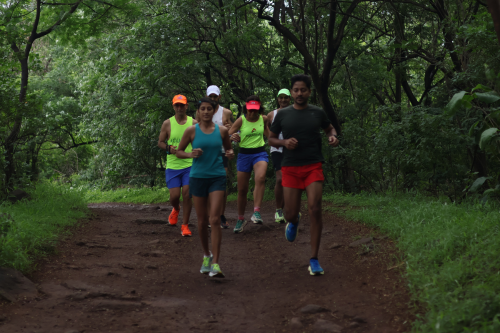
























Altitude training has long been associated with elite endurance sports, but it is no longer a niche practice reserved for international athletes training in remote mountain camps. Across India, endurance runners, marathon participants, triathletes, and competitive cyclists are exploring altitude-based methods to improve stamina, oxygen utilization, and race-day performance. As interest in structured endurance development grows in cities such as Bangalore, Hyderabad, Mumbai, Pune, Navi Mumbai, Delhi, Gurugram, Surat, and Ahmedabad, altitude training for runners has become a frequent topic of discussion within coaching circles and running communities.
For Indian endurance athletes, the appeal lies in its potential to create physiological adaptations that may support better performance during long-distance events. While access to natural high-altitude environments varies, athletes are increasingly finding ways to integrate altitude-focused strategies into their training plans. Understanding how altitude training works and why it is influencing Indian marathon training strategies can help athletes make informed decisions about their development.
Tired of gear that slows you down? Chafing, soggy fabrics, and missing pockets kill your run's momentum. At Aguante, we're runners who get it. Our high-performance activewear features moisture-wicking fabrics, ergonomic designs, and smart storage to keep you focused. Shop Now!
Why Altitude Training Has Captured the Attention of Indian Endurance Athletes
Endurance sports in India have evolved significantly over the past decade. Cities such as Bangalore, Mumbai, Pune, and Hyderabad have witnessed a growing culture of distance running, with community events, training groups, and competitive races becoming part of the urban fitness landscape. As athletes become more performance-focused, they are seeking training methods that go beyond simply increasing mileage.
The appeal of altitude training stems from its reputation for enhancing the body's ability to utilize oxygen more efficiently. For endurance athletes India-wide, the concept is particularly attractive because endurance performance is closely linked to aerobic capacity. Rather than relying solely on higher training volumes, athletes are increasingly interested in strategies that encourage physiological adaptation and improved resilience during prolonged efforts.
This shift reflects a broader trend in elite endurance athlete training, where performance gains often come from smarter preparation rather than harder training alone. Coaches and athletes are placing greater emphasis on recovery, environmental adaptation, and evidence-informed methods that can support sustainable progression.
Understanding the Science Behind High-Altitude Training
At higher elevations, the air contains less available oxygen than at sea level. When athletes train in these conditions, the body responds by making adjustments designed to improve oxygen delivery and utilization. These adaptations can include increased efficiency in oxygen transport and greater physiological readiness for endurance efforts.
The benefits of high-altitude training are not necessarily immediate. Athletes typically require time to adapt to the environment, and training intensity often needs adjustment during the adaptation period. This process can challenge both physical and mental resilience, making structured planning essential.
For runners from cities such as Delhi, Gurugram, or Ahmedabad, where training usually occurs at lower elevations, exposure to altitude introduces a different stimulus than they experience during daily workouts. This change in training conditions is one reason altitude training effects on performance continue to attract attention among competitive athletes seeking incremental improvements.
How Indian Athletes Are Adapting Altitude Training Approaches
Not every athlete can spend extended periods training in mountainous regions. As a result, Indian runners are adopting a variety of altitude-inspired approaches. Some travel to higher-altitude locations for dedicated training blocks before important competitions, while others experiment with hypoxic training India programs that attempt to simulate reduced oxygen environments.
Athletes from Bangalore and Pune, where organized endurance communities are particularly active, often incorporate altitude-focused camps into annual training plans. These camps are typically designed around endurance development, recovery management, and gradual adaptation rather than high-intensity performance sessions every day.
Another emerging trend involves combining altitude exposure with carefully structured training cycles. Coaches increasingly view altitude work as one component of a broader performance strategy that includes strength training, mobility work, nutrition planning, and recovery optimization. This integrated approach helps athletes maximize potential benefits while minimizing unnecessary fatigue.
The Performance Benefits Athletes Hope to Achieve
Much of the interest in altitude training revolves around its perceived ability to support endurance performance. Athletes often pursue altitude exposure in hopes of improving aerobic efficiency, sustaining pace for longer periods, and maintaining consistency during demanding races.
For marathon runners in Mumbai or Navi Mumbai, where humidity can create additional performance challenges, improved oxygen utilization may contribute to better overall race management. Similarly, runners in Hyderabad and Surat may use altitude-focused preparation as part of a strategy to enhance endurance during long training cycles.
The high-altitude running benefits frequently discussed by coaches include improved cardiovascular efficiency, stronger mental adaptability, and greater confidence when returning to lower elevations. While individual responses vary, many athletes view altitude training as a way to expose themselves to controlled stress that can encourage long-term adaptation.
Challenges and Limitations of Altitude Training
Despite its popularity, altitude training is not a guaranteed shortcut to better results. One of the most important considerations is that athletes respond differently to environmental stress. What works well for one runner may not produce the same outcome for another.
Adaptation periods can be physically demanding, particularly for athletes balancing work, family commitments, and intensive training schedules. Runners who travel from urban centers such as Delhi, Mumbai, or Bangalore to higher-altitude locations often need additional recovery time as the body adjusts. Without careful planning, excessive fatigue can reduce training quality rather than enhance it.
There is also the practical challenge of accessibility. Not every athlete has the resources or schedule flexibility required for extended altitude camps. As a result, coaches increasingly emphasize that altitude training should complement, rather than replace, fundamental endurance principles such as consistency, progressive overload, recovery, and proper nutrition.
The Growing Influence of Endurance Culture in Indian Cities
The rise of endurance sports across India's major metropolitan regions has created an environment where athletes are more willing to experiment with advanced training methods. Running groups in Bangalore, Pune, Hyderabad, Mumbai, and Gurugram frequently exchange insights about race preparation, recovery strategies, and performance optimization techniques.
This culture of knowledge-sharing has accelerated interest in altitude training for runners. Athletes are increasingly evaluating training approaches through the lens of long-term performance development rather than short-term results. As coaching standards continue to evolve, endurance athletes are becoming more educated consumers of sports science and training methodology.
The broader sports apparel industry has also responded to this shift. According to an India sports apparel market analysis, growing participation in fitness activities, marathon events, and organized sports has contributed to rising demand for performance-focused athletic gear. This reflects a wider commitment among Indian athletes to invest in training, preparation, and overall performance improvement.
Industry observers have noted similar momentum in endurance and fitness participation trends. A separate sports apparel market report highlights increasing engagement in fitness activities and growing interest in functional athletic wear, reinforcing the idea that endurance sports are becoming a more established part of India's active lifestyle culture.
What the Future Holds for Altitude Training in India
As coaching expertise expands and athletes gain greater access to performance education, altitude training is likely to remain an important topic within India's endurance community. However, its role may evolve from being viewed as a specialized advantage to becoming part of a broader conversation about individualized training strategies.
The future of hypoxic training India programs and altitude-focused preparation will likely depend on how effectively athletes integrate these methods into comprehensive performance plans. Success in endurance sports rarely comes from a single intervention. Instead, it is often the result of multiple factors working together, including training consistency, recovery habits, nutrition, mental preparation, and environmental adaptation.
For endurance athletes India-wide, the growing interest in altitude training represents something larger than a specific technique. It reflects a maturing endurance culture that values evidence-informed preparation and continuous improvement. Whether training in Bangalore, Hyderabad, Mumbai, Pune, Navi Mumbai, Delhi, Gurugram, Surat, or Ahmedabad, athletes are increasingly seeking ways to train smarter and perform better.
Altitude training may not be essential for every runner, but its influence on Indian marathon training strategies is undeniable. As more athletes explore the altitude training effects on performance and learn how to apply them responsibly, this approach is likely to remain a valuable tool in the evolving landscape of endurance sport. For runners committed to long-term development, understanding the principles behind altitude adaptation can provide useful insights into what it takes to reach the next level of performance.
Frequently Asked Questions
What are the main benefits of altitude training for Indian endurance runners?
Altitude training exposes the body to reduced oxygen levels, prompting physiological adaptations that improve oxygen delivery and aerobic efficiency. For Indian endurance athletes particularly marathon runners dealing with challenging conditions like humidity in cities such as Mumbai these adaptations can support better race-day pacing and sustained performance. Coaches also note benefits like stronger mental adaptability and greater confidence when athletes return to competing at lower elevations.
How are Indian athletes incorporating altitude training without access to mountain locations?
Many Indian runners, especially those based in Bangalore and Pune, integrate dedicated altitude training camps into their annual plans ahead of key competitions. Others explore hypoxic training programs that simulate low-oxygen environments closer to home. Coaches typically treat altitude exposure as one element within a broader strategy that also includes strength work, nutrition planning, and recovery optimization rather than a standalone solution.
Is altitude training suitable for all Indian endurance athletes, including beginners?
Altitude training is not a one-size-fits-all approach, as individual responses to environmental stress vary significantly. The adaptation period can be physically demanding, which makes it particularly challenging for athletes balancing busy urban lifestyles in cities like Delhi or Ahmedabad. Coaches emphasize that it should complement not replace core endurance principles like training consistency, progressive overload, and proper recovery, making it better suited to more experienced athletes with structured plans in place.
Disclaimer: The above helpful resources content contains personal opinions and experiences. The information provided is for general knowledge and does not constitute professional advice.
You may also be interested in: How Moisture-Wicking Fabrics Improve Endurance for Indian Runners
Tired of gear that slows you down? Chafing, soggy fabrics, and missing pockets kill your run's momentum. At Aguante, we're runners who get it. Our high-performance activewear features moisture-wicking fabrics, ergonomic designs, and smart storage to keep you focused. Shop Now!
Powered by flareAI.co