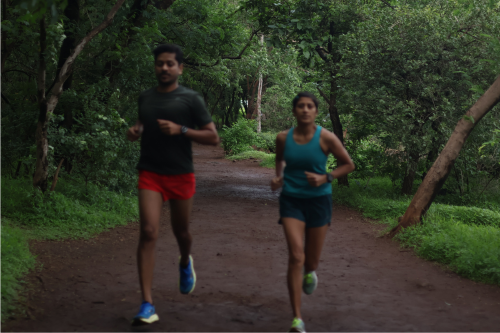
























Building mental resilience is often described as a psychological goal, but for runners and endurance athletes, it is something that is practiced, tested, and refined through every training session. Whether someone is preparing for their first 5K or training for long-distance endurance events, the ability to stay consistent when motivation fades is what ultimately defines progress. In cities like Bangalore, Hyderabad, Mumbai, Pune, Delhi, and Ahmedabad where urban routines are fast-paced and unpredictable runners are increasingly discovering that mental toughness is not built during race day, but during ordinary training days when showing up feels difficult.
This is where structured routines and intentional effort matter more than intensity alone. Mental resilience training is not about pushing to exhaustion every session; it is about building the discipline to return repeatedly, even when external conditions work stress, weather, or fatigue make it inconvenient. Over time, this consistency transforms running from a physical activity into a mental framework that strengthens focus, emotional regulation, and long-term persistence.
Tired of gear that slows you down? Chafing, soggy fabrics, and missing pockets kill your run's momentum. At Aguante, we're runners who get it. Our high-performance activewear features moisture-wicking fabrics, ergonomic designs, and smart storage to keep you focused. Shop Now!
The Psychology of Mental Resilience in Running
Mental resilience in running is closely tied to how athletes interpret discomfort and uncertainty. Instead of viewing fatigue or slow progress as failure, resilient runners learn to interpret these experiences as part of adaptation. This shift in perception is what separates casual participation from long-term athletic development. In endurance sports, the mind often gives up before the body reaches its actual limit, making psychological conditioning just as important as physical training.
In urban running communities across Gurugram, Mumbai, and Pune, runners often describe a common pattern: initial enthusiasm followed by a plateau where motivation dips. This stage is critical because it tests identity more than capability. Athletes who continue during this phase gradually develop stronger emotional control, learning to detach performance from daily mood. This is a foundational aspect of the psychology of endurance athletes, where consistency becomes a form of mental conditioning rather than just a habit.
Why Consistent Training Builds Mental Toughness
Consistency is the most reliable mechanism for developing mental toughness. Each training session acts as a small decision point where athletes either reinforce discipline or allow avoidance to take over. Over time, these micro-decisions accumulate into a psychological pattern that influences confidence, stress response, and resilience under pressure. Running, in particular, reinforces this pattern because it offers immediate feedback if you skip training, you feel it in your rhythm, energy, and emotional balance.
In cities like Delhi and Navi Mumbai, where work schedules and environmental conditions often disrupt routines, runners who maintain consistency tend to develop stronger adaptability. They learn to adjust timing, pace, and distance without abandoning the habit entirely. This flexibility is central to building mental toughness through running, as it teaches athletes that progress is not dependent on perfect conditions but on sustained effort under imperfect ones.
Training Consistency Tips for Real-Life Urban Schedules
One of the most common challenges athletes face is integrating training into unpredictable urban lifestyles. In places like Bangalore and Hyderabad, long commutes, variable work hours, and traffic congestion often interfere with planned workouts. The solution is not rigid scheduling but adaptive consistency. This means creating flexible training windows rather than fixed time slots, allowing runners to adjust their sessions without breaking the habit loop.
A practical approach is to anchor running sessions to existing daily routines. For example, early morning runs in Pune or evening sessions in Ahmedabad can be tied to commute patterns or post-work recovery rituals. Even shorter, lower-intensity runs maintain the psychological continuity of training. This approach reinforces training consistency tips that prioritize habit preservation over perfection, ensuring that mental resilience continues to build even during busy periods.
Overcoming Training Challenges and Motivation Slumps
Motivation is naturally inconsistent, and relying on it alone often leads to broken routines. Instead, experienced runners learn to anticipate motivation slumps and prepare systems to overcome them. In cities like Surat and Mumbai, where seasonal heat and humidity can impact outdoor training, athletes often shift focus from emotional readiness to structured accountability such as training partners, running groups, or predefined weekly goals.
Another effective strategy is reframing discomfort as feedback rather than resistance. When a run feels difficult, it is not necessarily a sign to stop but a signal that the body and mind are adapting. This reframing helps athletes avoid the psychological trap of all-or-nothing thinking. Over time, overcoming training challenges becomes less about willpower and more about maintaining a stable relationship with discomfort and progress.
Mindset Strategies Used by Endurance Athletes
Elite and recreational endurance athletes often share similar psychological strategies, even if their performance levels differ. One of the most common approaches is breaking long-term goals into micro-objectives. Instead of focusing on an entire training cycle, runners concentrate on completing the next session with intention. This reduces cognitive pressure and improves adherence, especially during mentally demanding phases of training.
Visualization is another widely used strategy. Many runners in Delhi and Gurugram mentally rehearse their routes, pacing, and recovery moments before stepping out. This creates a sense of familiarity that reduces mental friction during the actual run. Combined with controlled breathing techniques and reflective journaling, these mindset practices strengthen emotional regulation and reinforce a stable mindset for runners across varying conditions.
Connecting Gear, Confidence, and Mental Performance
While mental resilience is primarily psychological, physical comfort plays a supporting role in maintaining consistency. Clothing that restricts movement or causes discomfort can subtly increase mental resistance to training. This is why performance-focused apparel has become an integral part of modern running culture. Athletes increasingly prefer lightweight, breathable, and adaptive fabrics that reduce distractions during long sessions.
Brands like Aguante operate within this evolving mindset, where gear is not just about aesthetics but about enabling focus and reducing friction during movement. When runners feel physically supported, they are more likely to maintain consistent training patterns, which indirectly strengthens mental resilience training outcomes. The connection between comfort and confidence is subtle but significant, especially for athletes building long-term habits.
Turning Consistency into Mental Strength
Mental resilience is not developed through isolated moments of intensity but through repeated, intentional effort over time. Every run whether short, slow, or challenging contributes to shaping how an athlete responds to discomfort, uncertainty, and fatigue. In fast-paced urban environments like Mumbai, Bangalore, and Delhi, where consistency is constantly tested, runners who prioritize routine over motivation develop a stronger internal framework for endurance.
Ultimately, consistent training becomes more than a fitness plan; it becomes a mindset. The discipline built through running extends into work, personal challenges, and daily decision-making. By focusing on steady progress, adaptable routines, and psychological awareness, athletes can strengthen both physical capacity and mental toughness, creating a sustainable foundation for long-term performance and well-being.
Frequently Asked Questions
How does consistent running training build mental resilience?
Consistent running builds mental resilience by turning each training session into a small decision point that reinforces discipline over avoidance. Over time, these micro-decisions accumulate into a psychological pattern that strengthens confidence, emotional regulation, and stress response. Rather than relying on motivation which is naturally inconsistent regular training teaches athletes to stay committed even under imperfect conditions, making resilience a practiced skill rather than a personality trait.
What are practical tips for maintaining training consistency with a busy urban schedule?
Instead of following a rigid schedule, urban runners benefit from creating flexible training windows anchored to existing daily routines, such as early morning runs or post-work sessions. The key is prioritizing habit preservation over perfection even shorter, lower-intensity runs help maintain the psychological continuity of training. This adaptive consistency approach is especially effective in cities with long commutes and unpredictable work hours, where all-or-nothing thinking often leads to broken routines.
How do endurance athletes overcome motivation slumps and stay mentally tough?
Experienced endurance athletes overcome motivation slumps by building accountability systems such as training partners or weekly goals rather than depending on emotional readiness alone. Common mindset strategies include breaking long-term goals into smaller micro-objectives, using visualization before runs, and reframing discomfort as a signal of adaptation rather than a reason to stop. Reflective journaling and controlled breathing further support emotional regulation, helping athletes maintain a stable mindset across varying training conditions.
Disclaimer: The above helpful resources content contains personal opinions and experiences. The information provided is for general knowledge and does not constitute professional advice.
You may also be interested in: How Indian Runners Benefit From Moisture-Wicking Tops - Aguante
Tired of gear that slows you down? Chafing, soggy fabrics, and missing pockets kill your run's momentum. At Aguante, we're runners who get it. Our high-performance activewear features moisture-wicking fabrics, ergonomic designs, and smart storage to keep you focused. Shop Now!
Powered by flareAI.co