



Quick Listen:
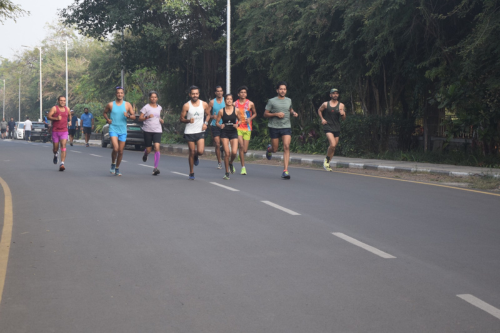
Before dawn breaks over Mumbai, the city pulses with the rhythm of thousands of runners preparing for the Standard Chartered Mumbai Marathon. Amid the sea of sneakers and determination, a new staple is gaining ground: half-tights. These high-performance garments, once the domain of professional athletes, are now a hallmark of India's rapidly expanding marathon culture. From the bustling streets of Delhi to the tech hubs of Bangalore, half-tights are redefining running apparel, offering a blend of cutting-edge technology, comfort, and style tailored to India's diverse climates and growing fitness ethos.
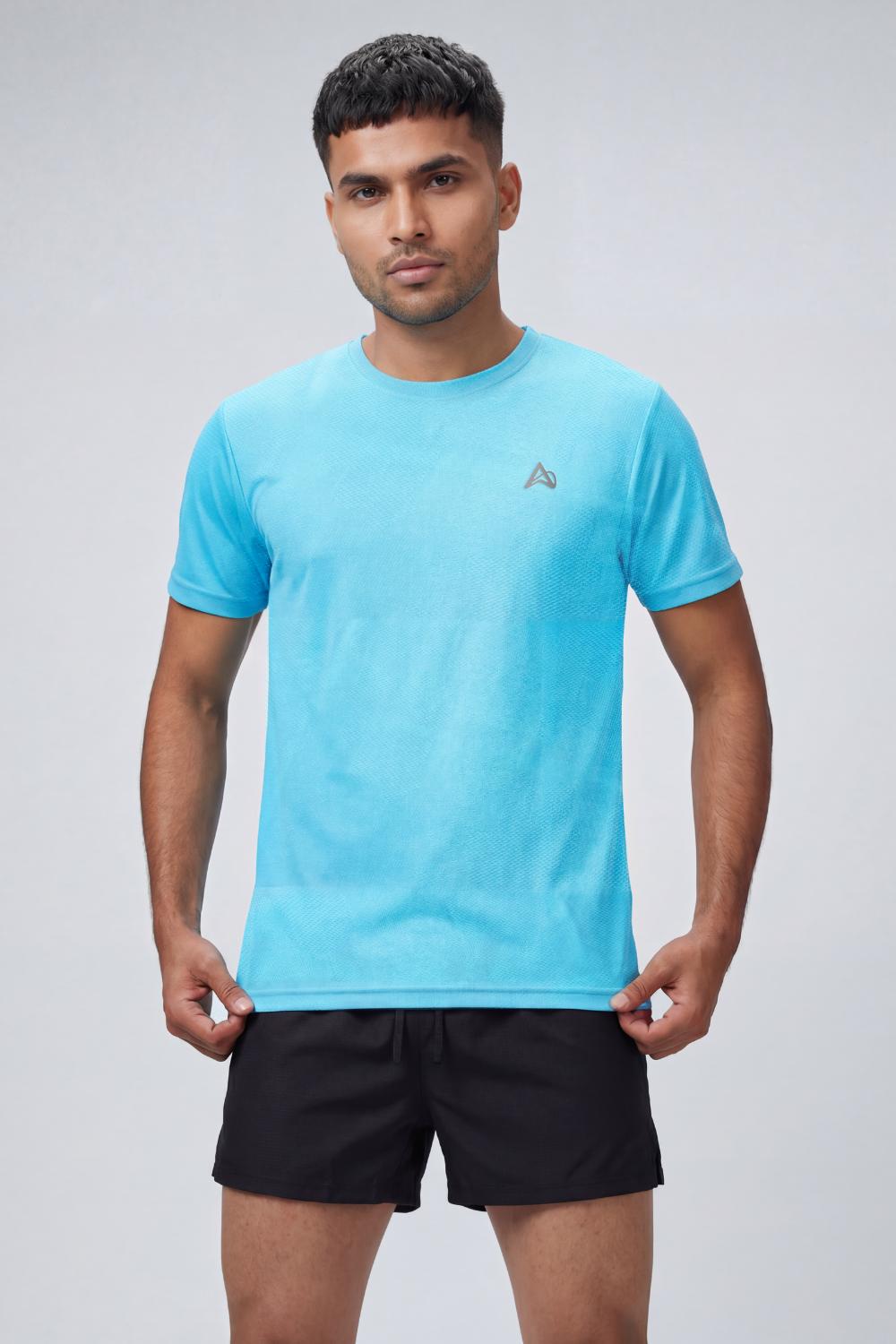
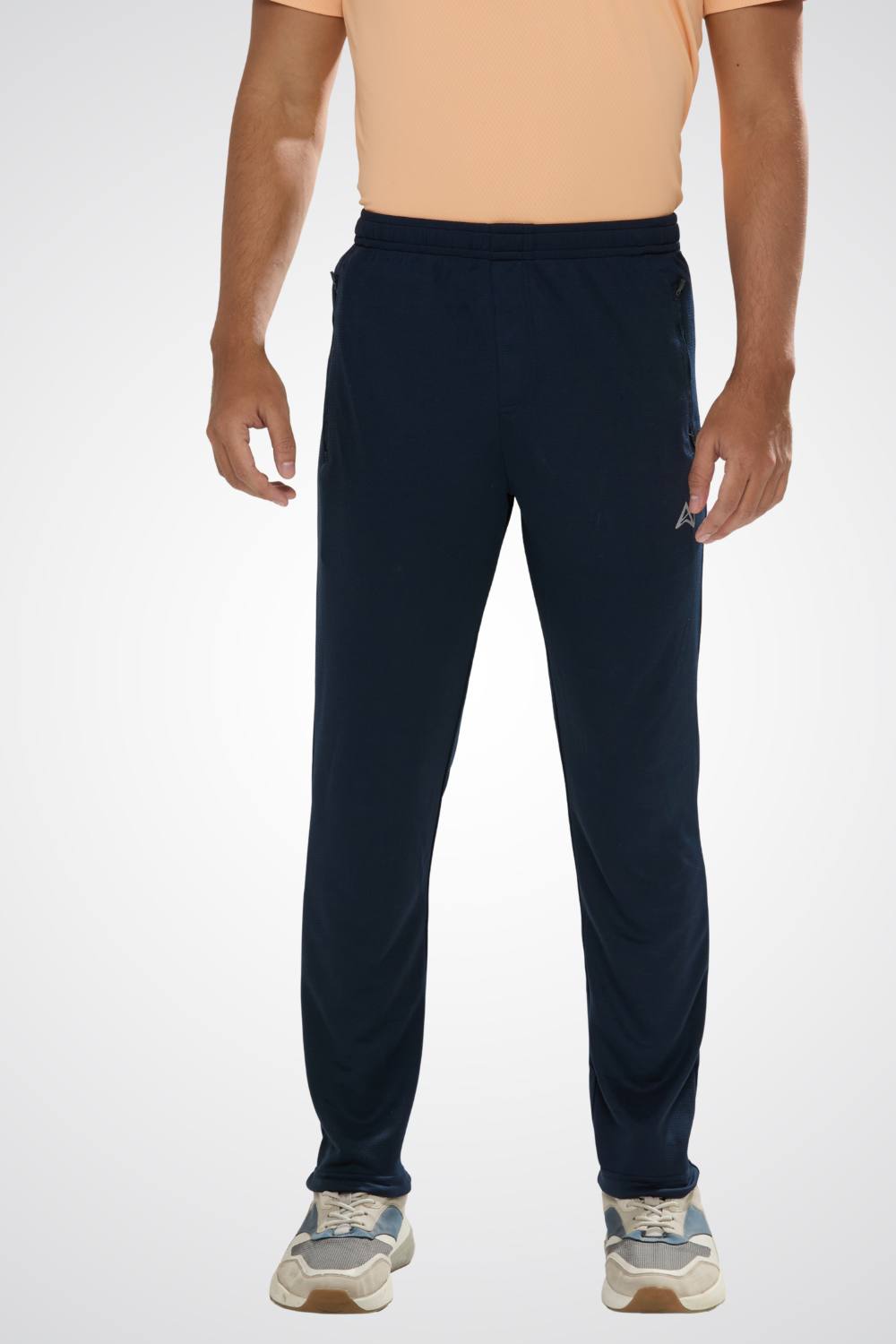
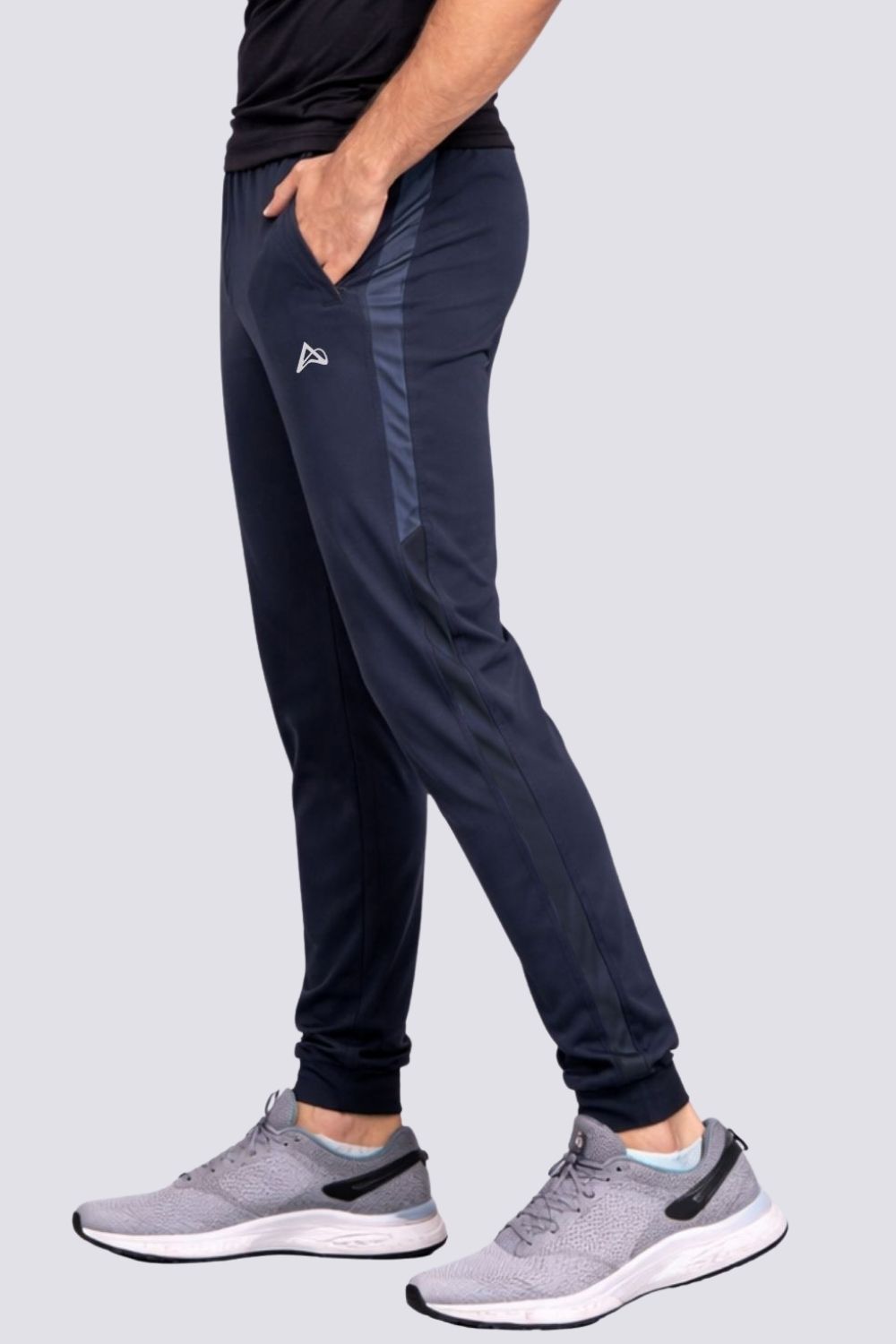
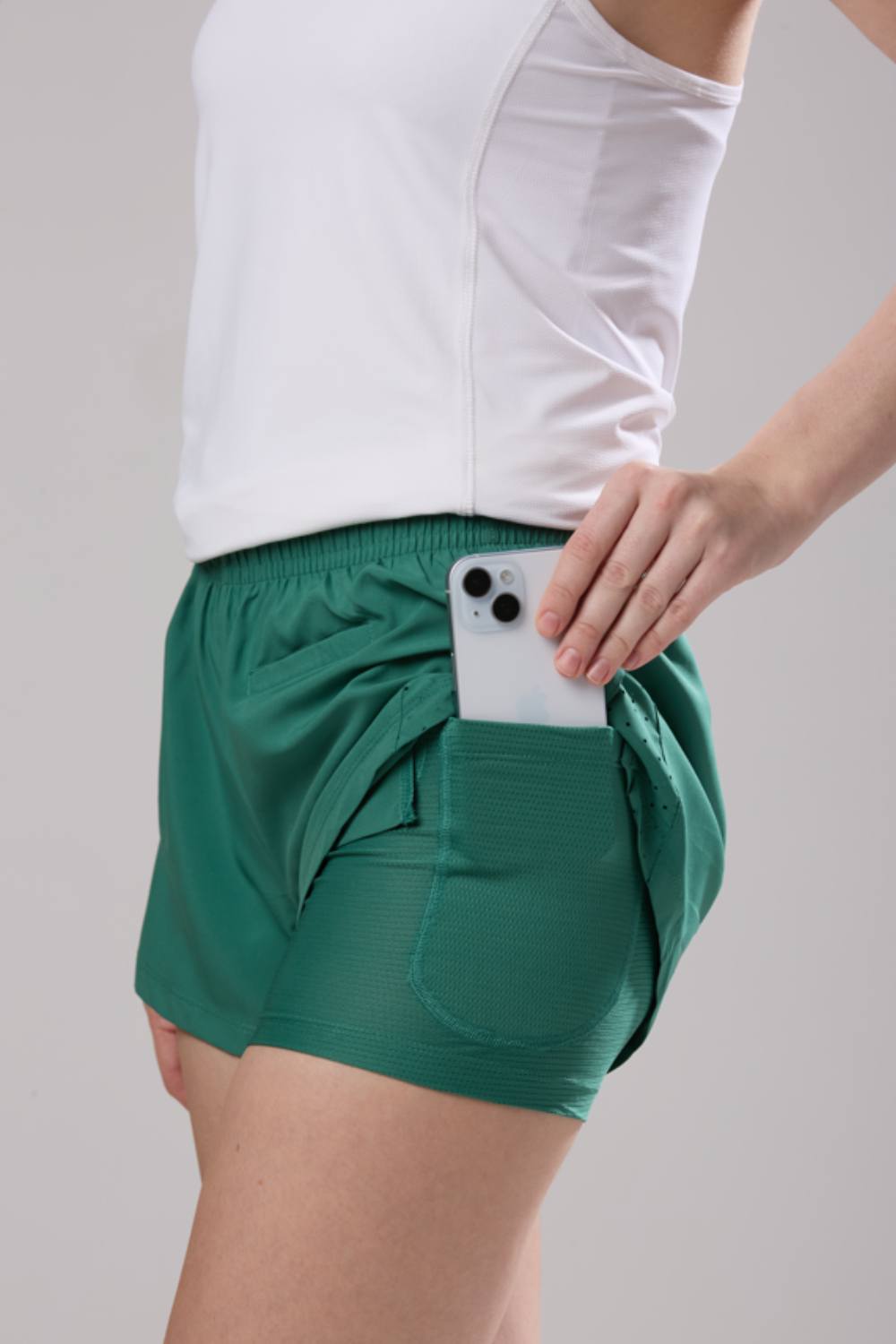
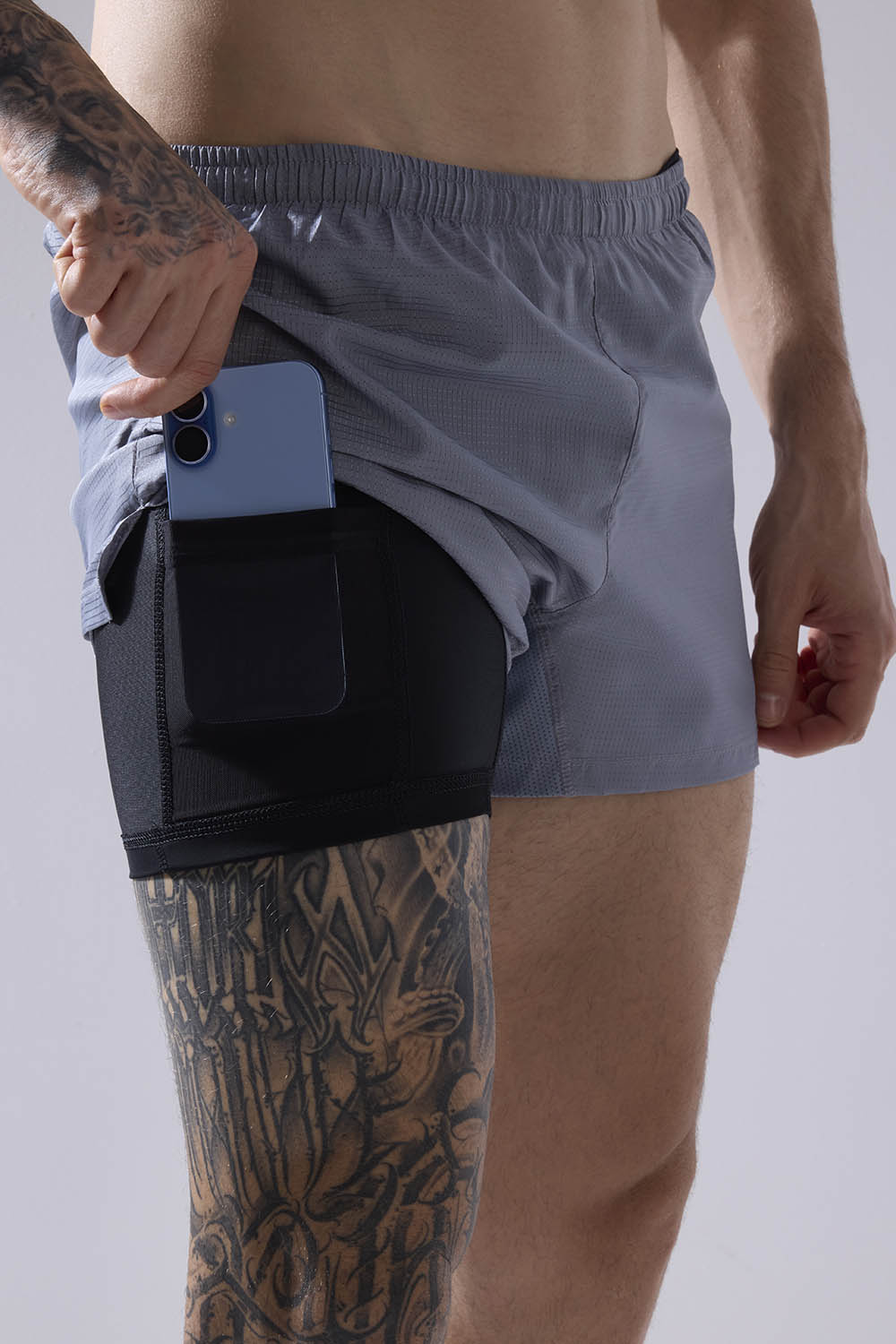
Tired of gear that slows you down? Chafing, soggy fabrics, and missing pockets kill your run's momentum. At Aguante, we're runners who get it. Our high-performance activewear features moisture-wicking fabrics, ergonomic designs, and smart storage to keep you focused. Shop Now!
Half-Tights: Fueling India's Marathon Boom
India's marathon landscape has transformed from a niche activity into a national phenomenon. Events like the TCS World 10K in Bangalore and the Delhi NCR Marathons are drawing record crowds, with participation growing by over 20% annually since 2018, according to local research. This surge is part of a broader fitness revolution, driven by heightened health awareness and rapid urbanization. A TechSci Research report values the India sports apparel market at USD 705.85 million in 2024, forecasting a climb to USD 1.59 billion by 2030 at a robust CAGR of 14.52%. Rising gym memberships, youth involvement in sports, and a spike in marathon events have elevated performance wear from optional to essential.
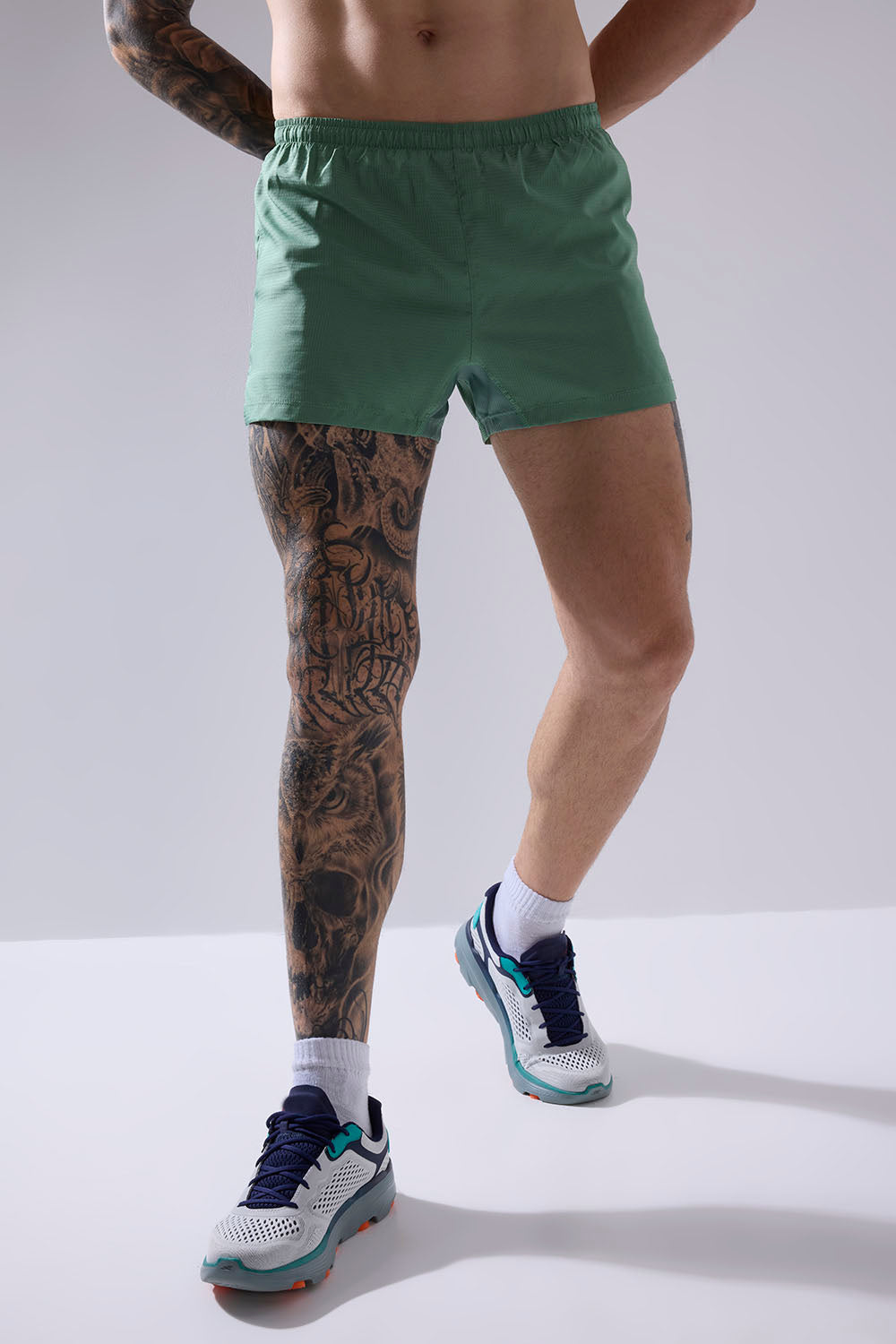
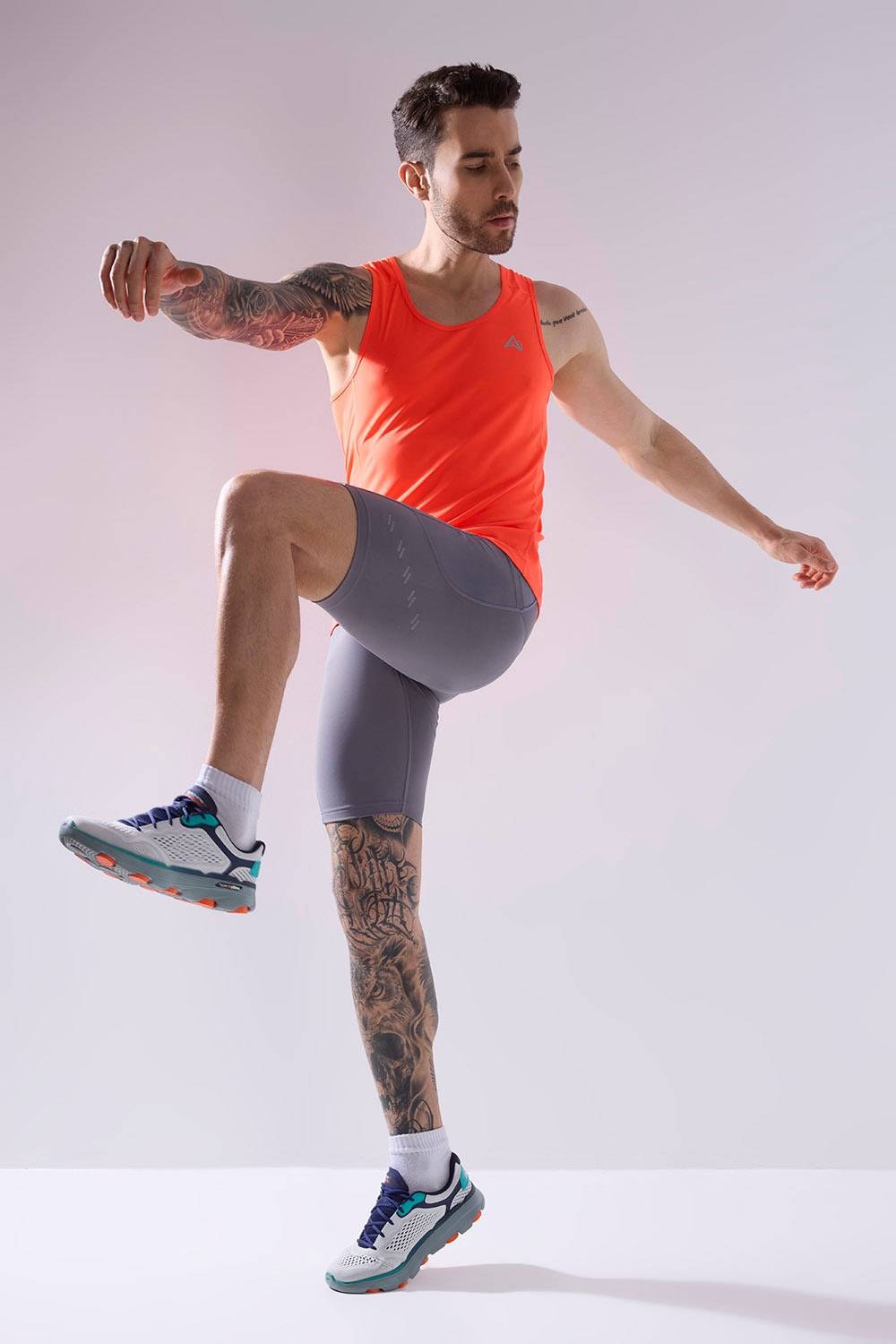
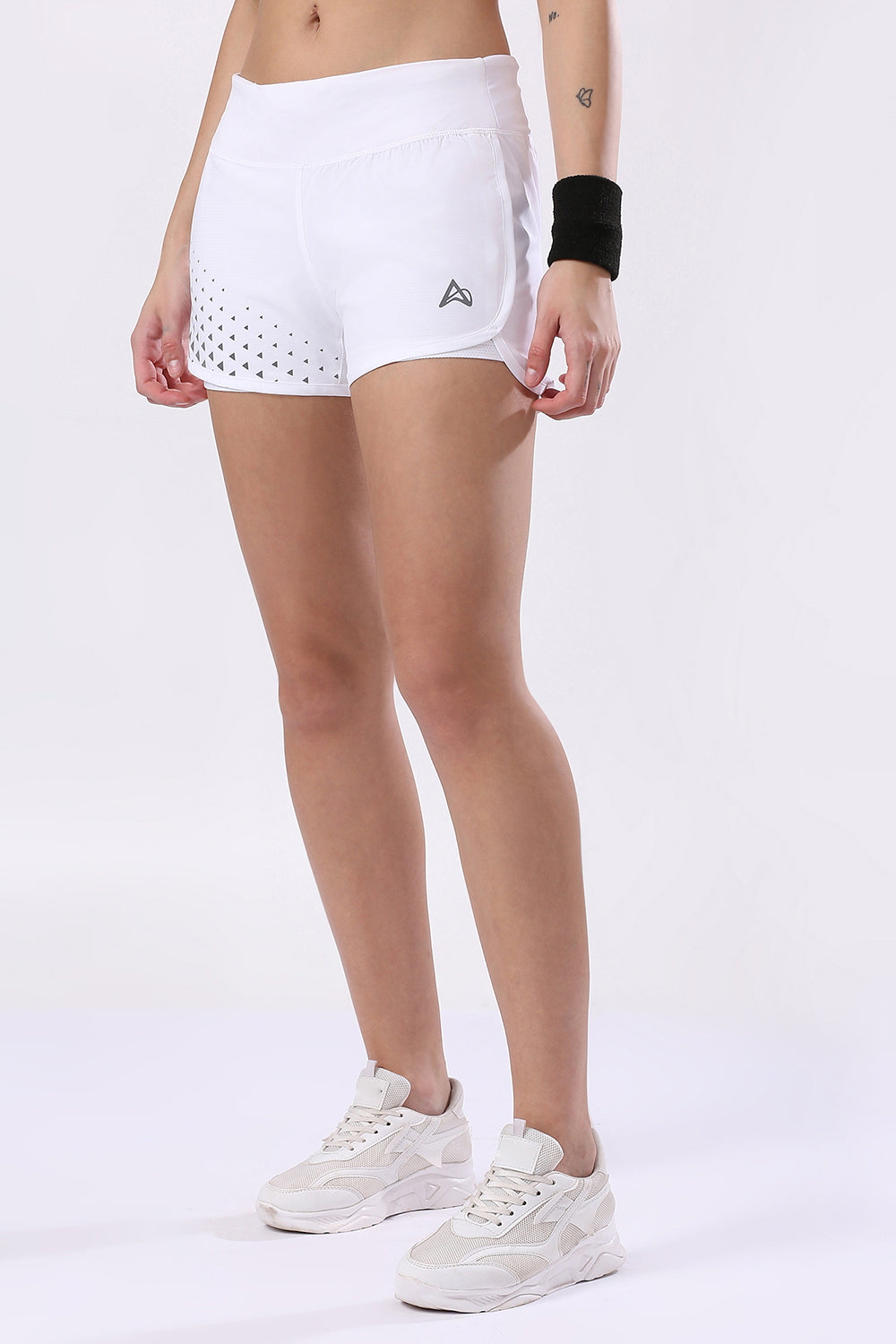
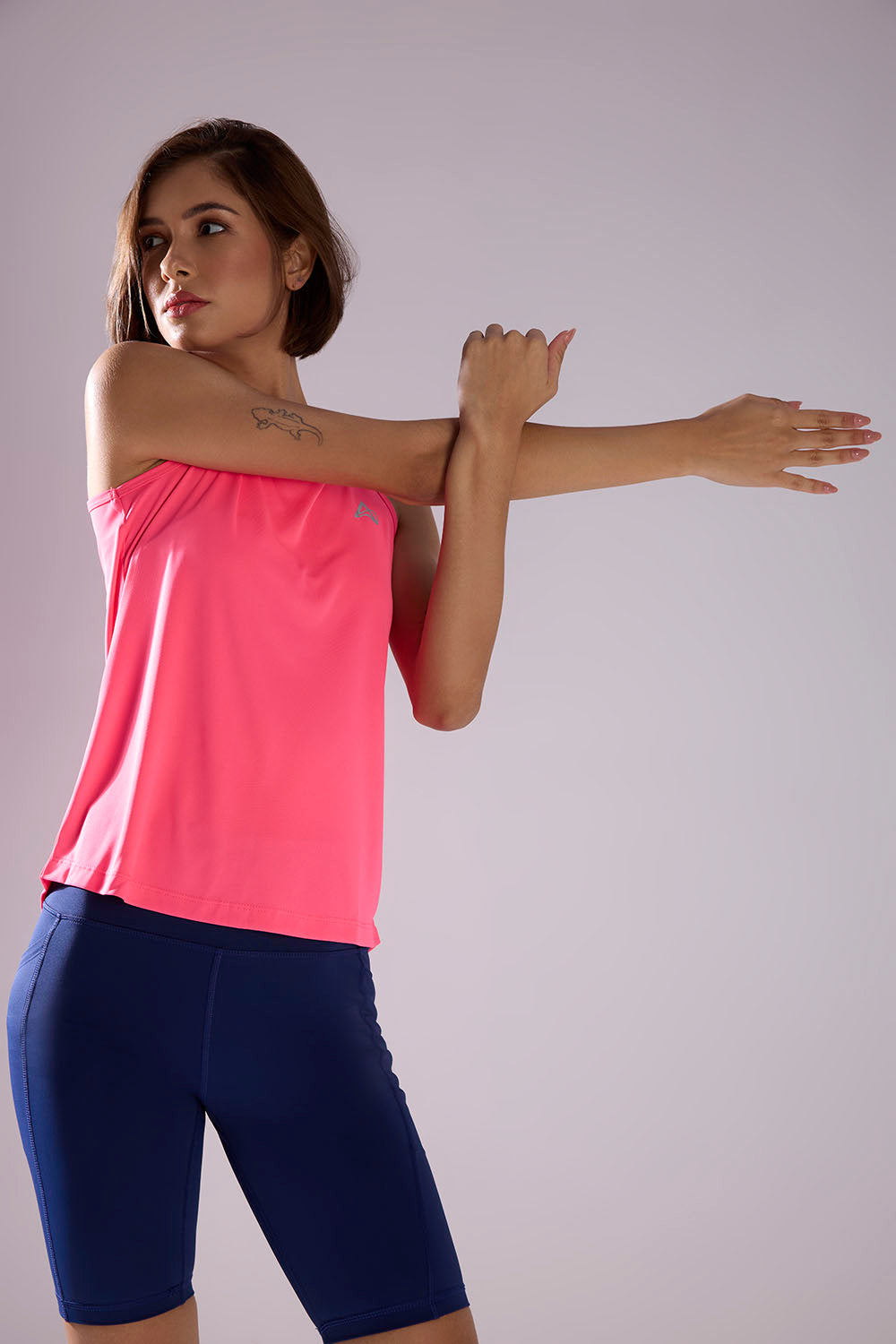
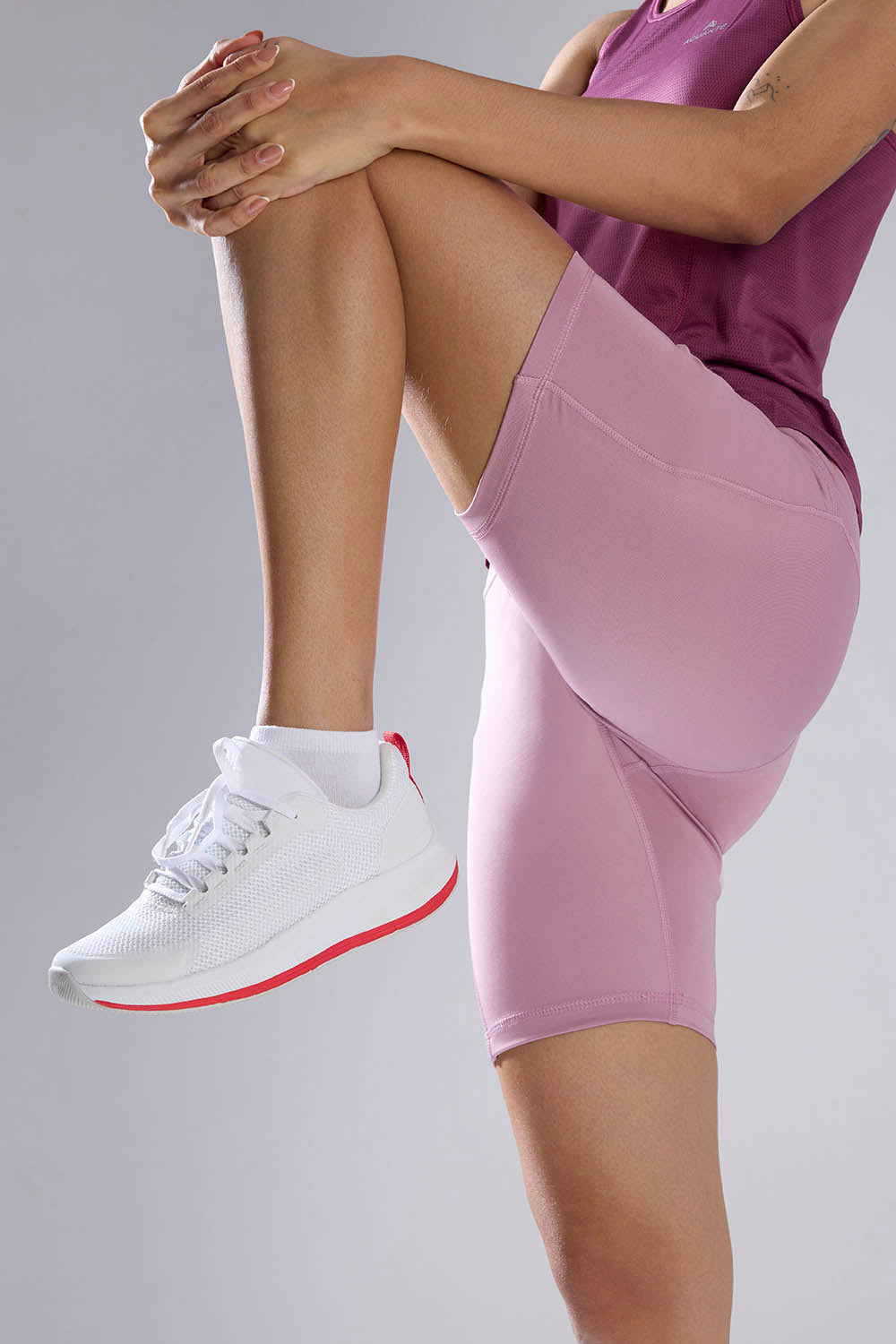
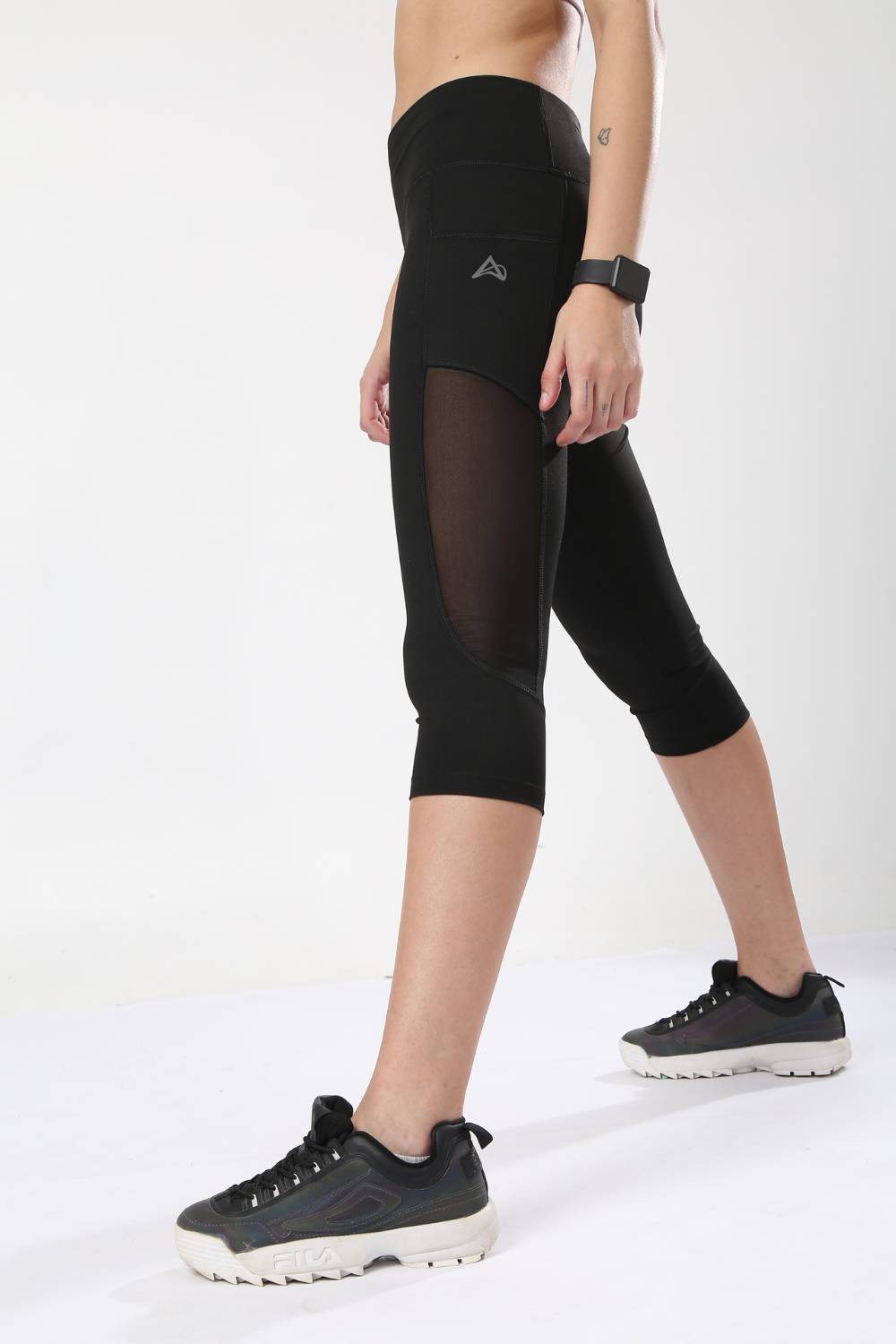
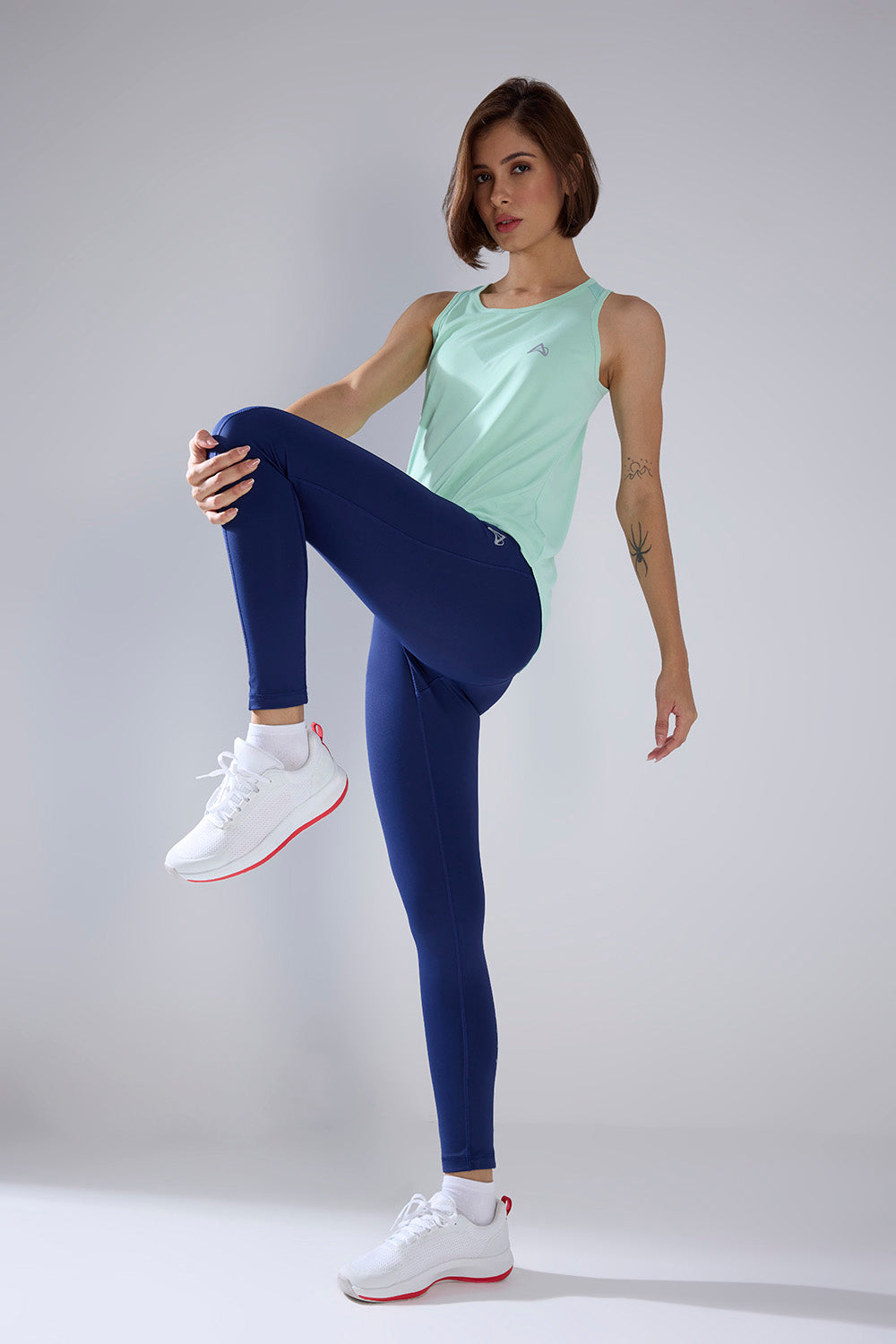
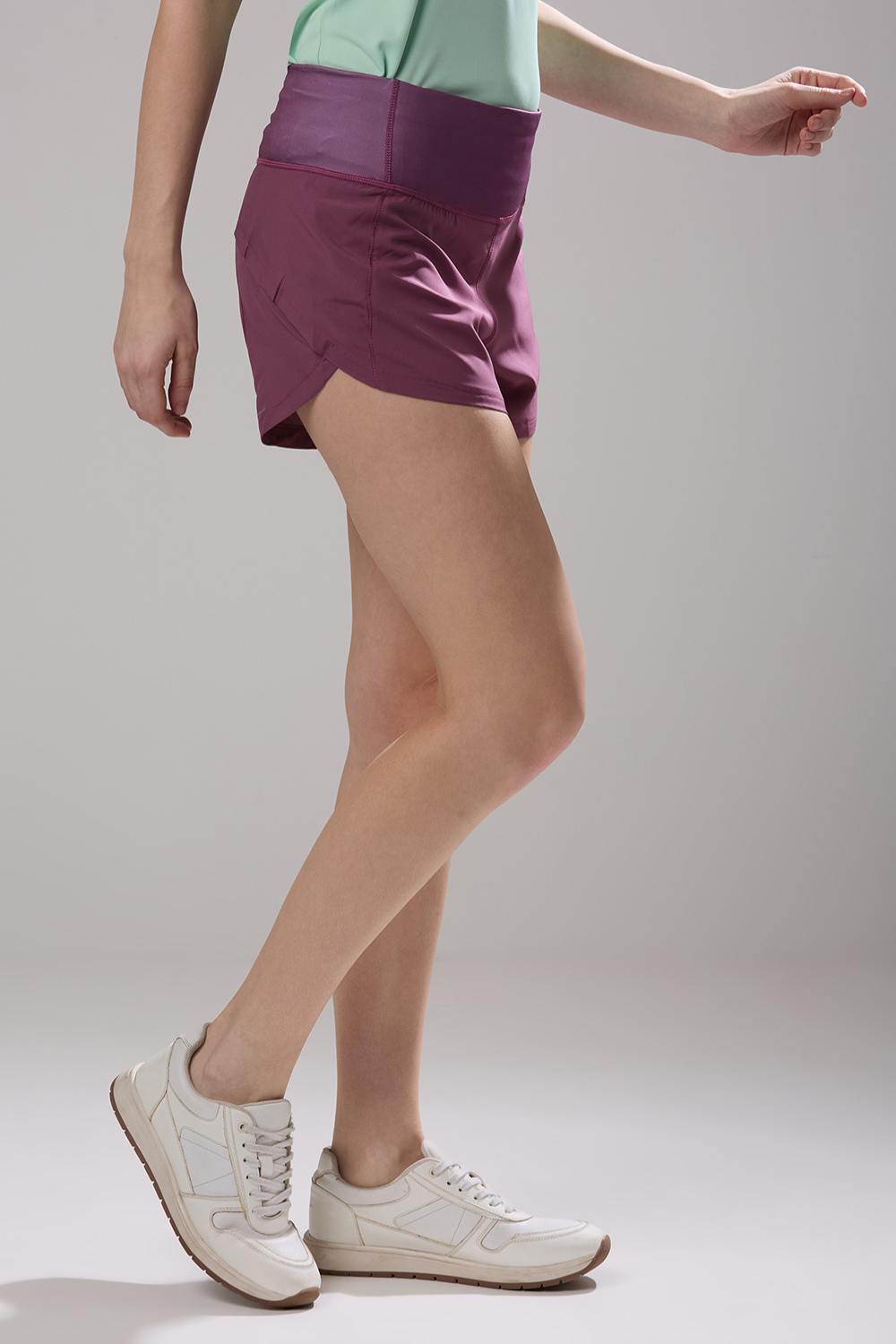
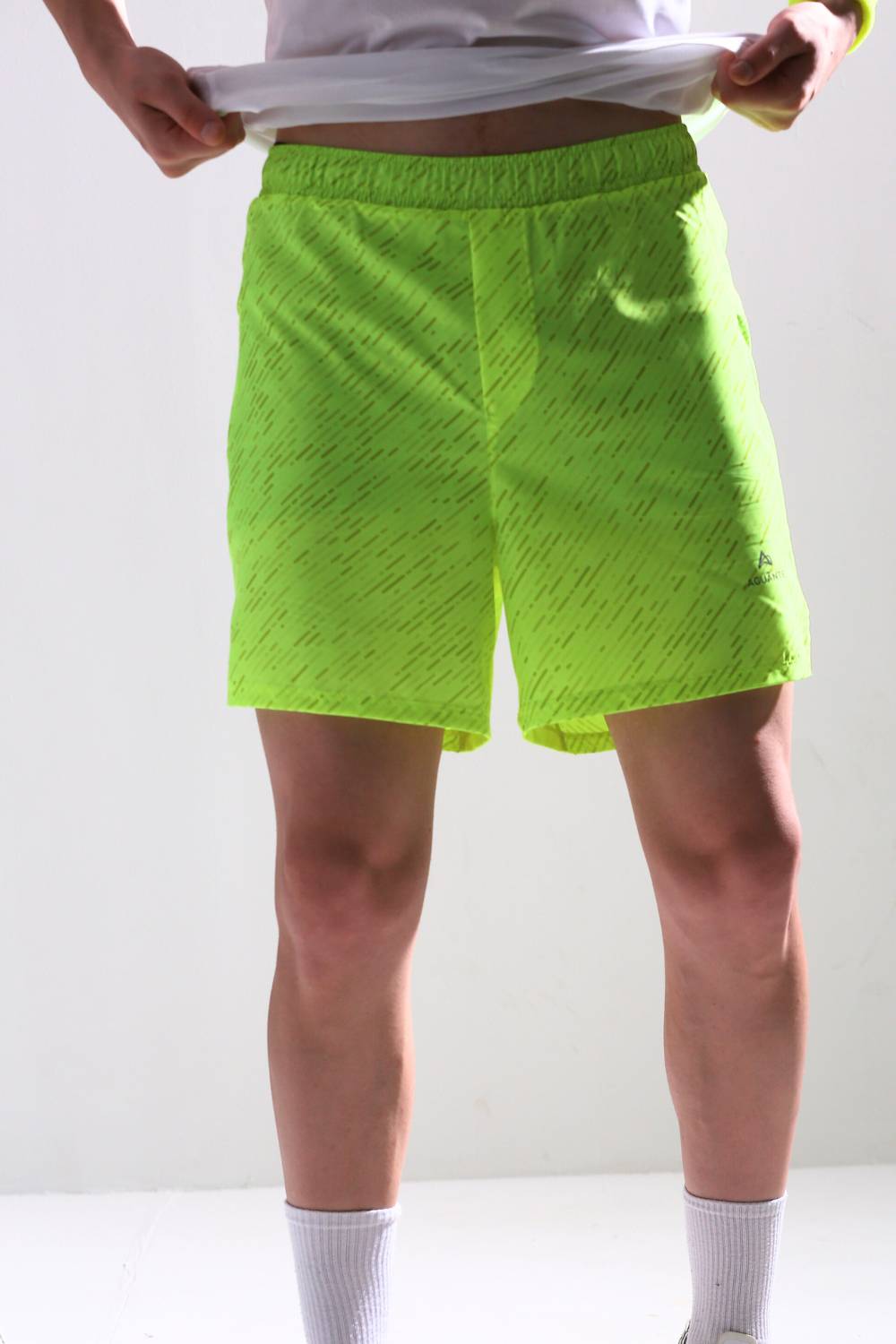
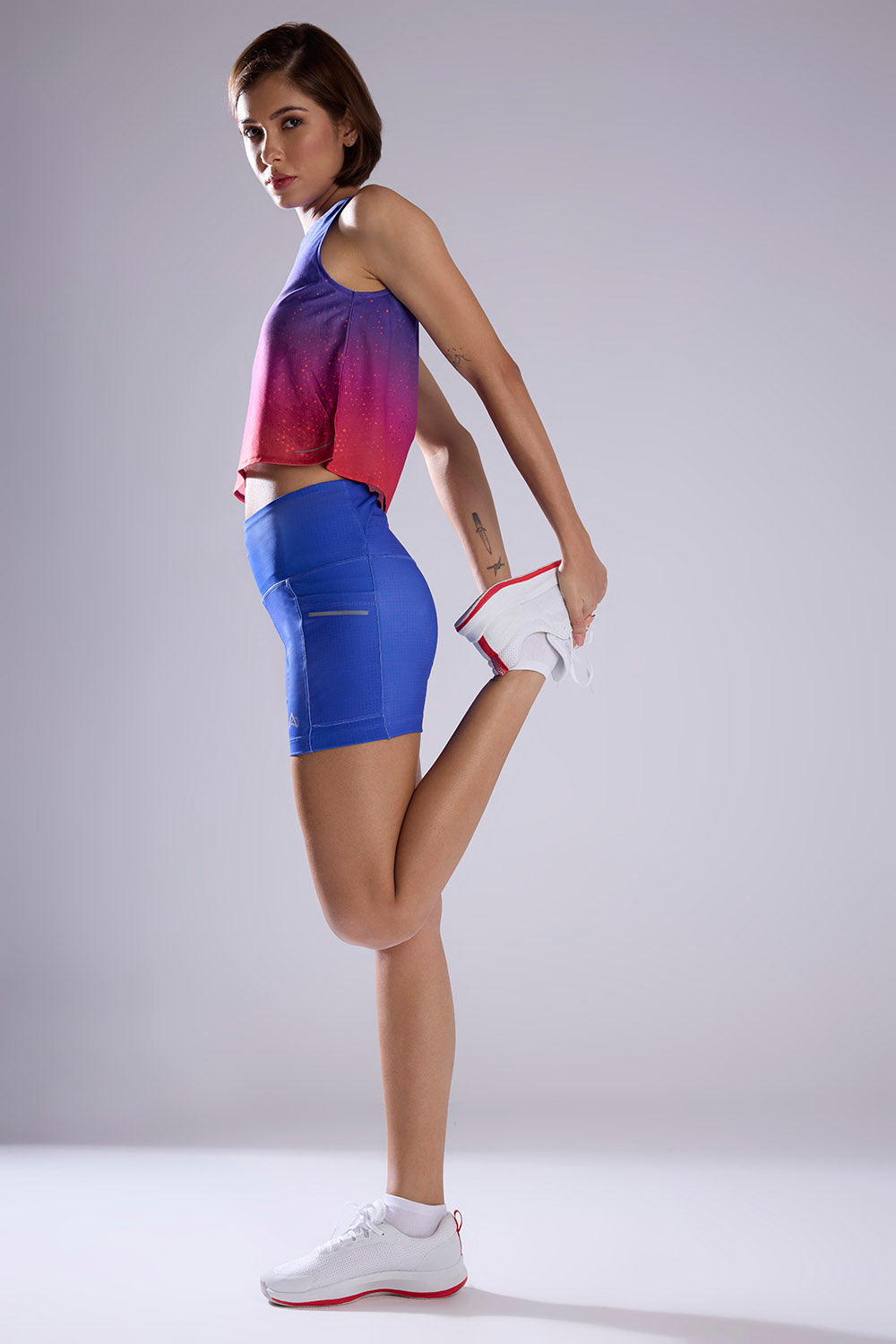
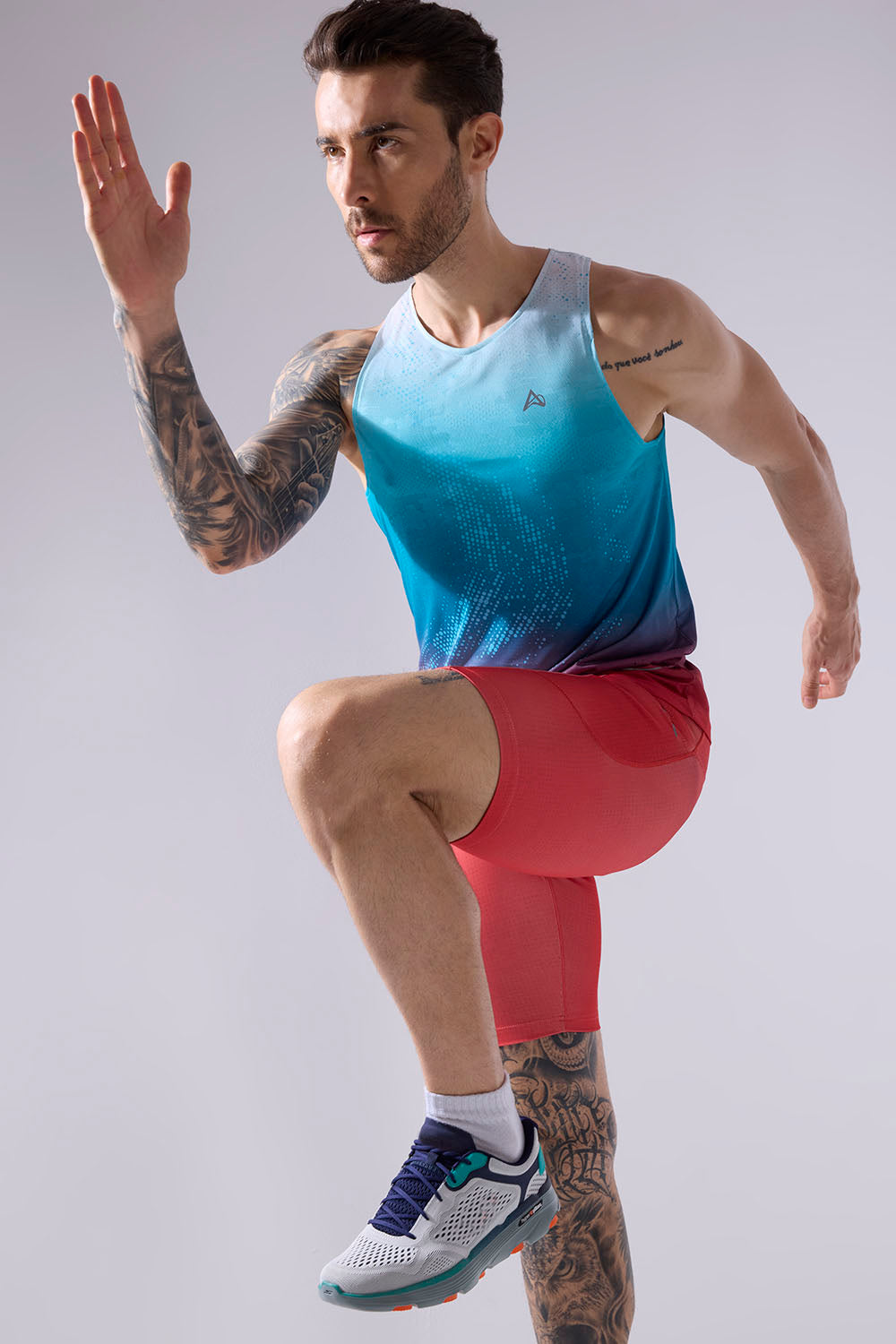
Half-tights lead this charge, offering runners in cities like Hyderabad and Ahmedabad superior mobility and reduced muscle fatigue through features like moisture-wicking fabrics and compression technology. In Gurugram's sweltering training grounds, runners laud their breathability, a vital asset in India's challenging weather. A Delhi marathoner summed it up: “Half-tights move with me, letting me focus on my stride, not my clothes.”
Revolutionizing Running Apparel
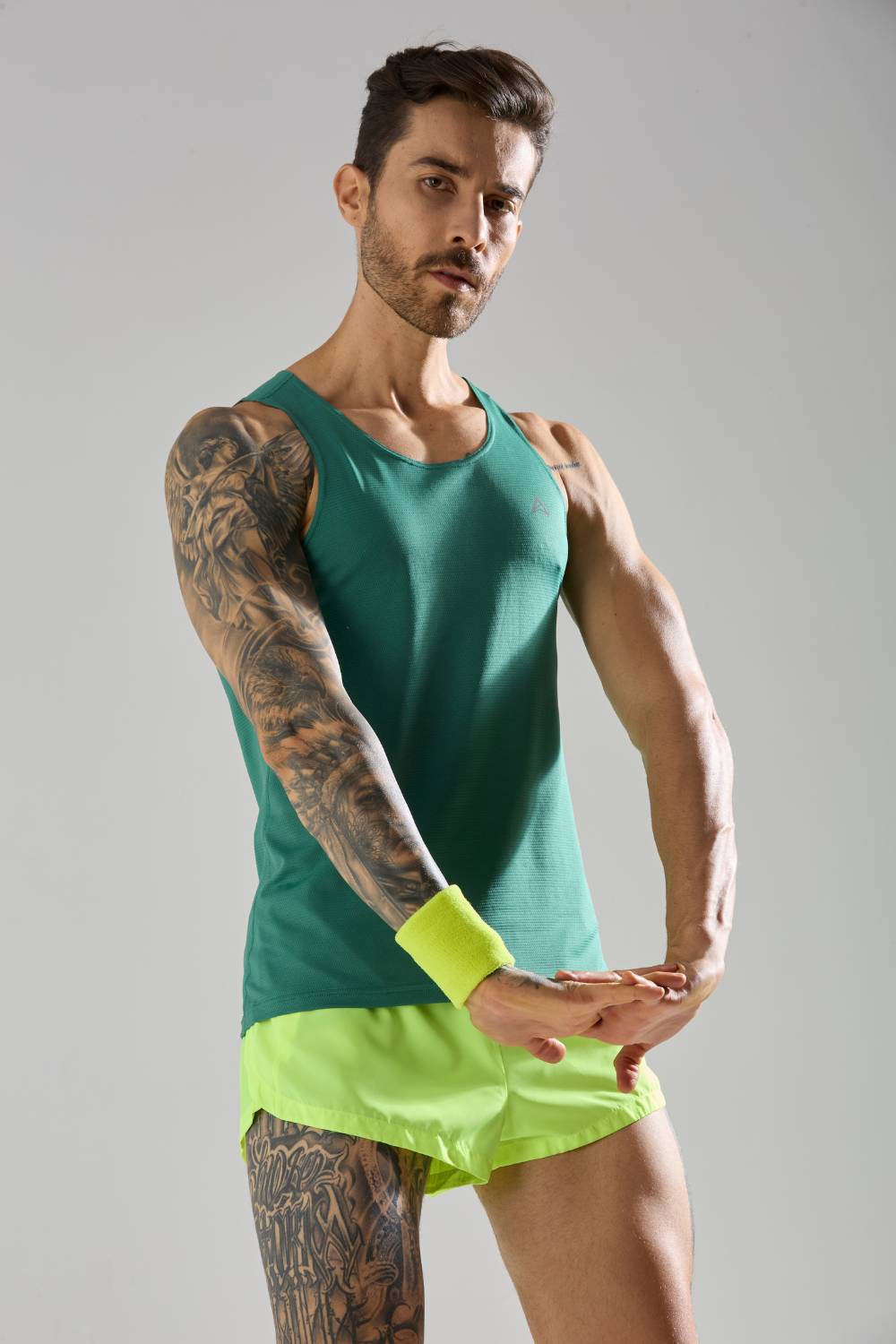
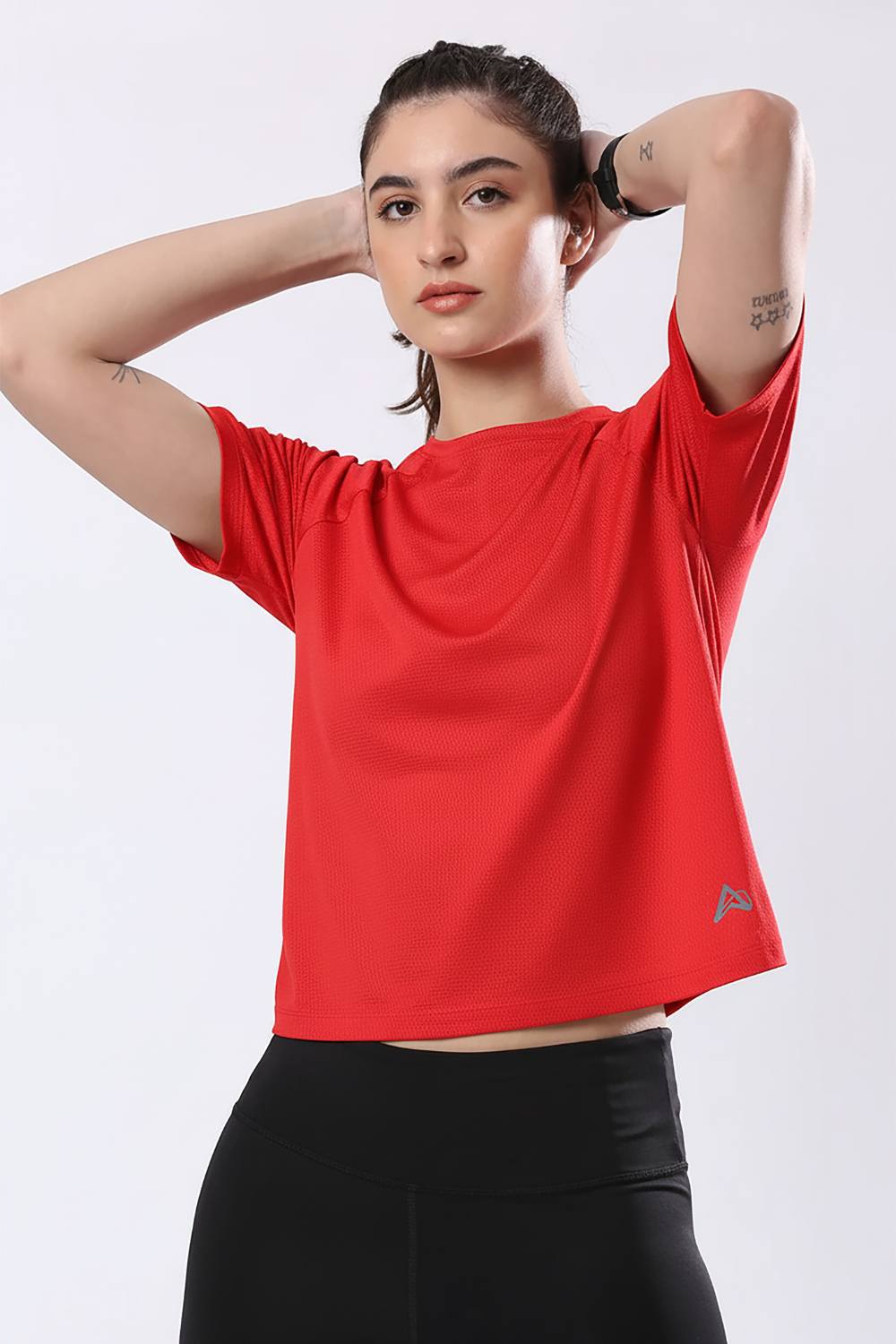
India's running apparel market has evolved dramatically, mirroring the nation's fitness awakening. A decade ago, cotton tees and loose shorts were standard. Today, urban runners are turning to brands like Aguante, which prioritize marathon-specific needs. The global running gear market, valued at USD 44.18 billion in 2024 and projected to reach USD 69.86 billion by 2033 with a CAGR of 5.18%, reflects a worldwide demand for innovation. In India, this means apparel that addresses local realities: intense heat, high humidity, and diverse body types.
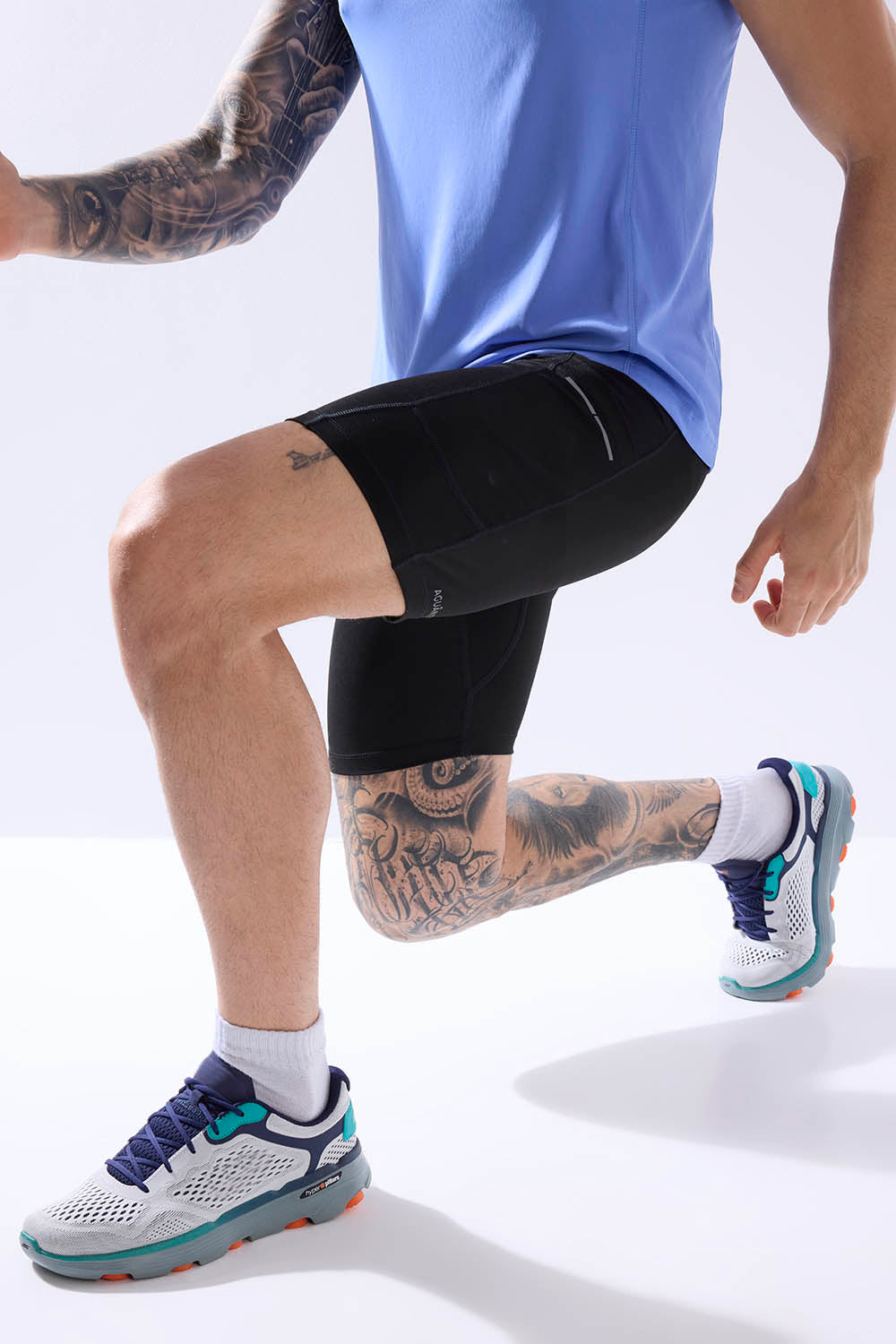
Half-tights excel in this context. Their compression zones stabilize muscles during grueling runs, while breathable materials keep runners cool in Mumbai's humid coastal climate or Bangalore's erratic showers. Brands are also tailoring designs to India's cultural preferences, blending global aesthetics with local appeal. In Pune, where marathon culture is taking root, half-tights are not just functional but a fashion statement, seamlessly transitioning from track to casual wear.
Marathons as Cultural Catalysts
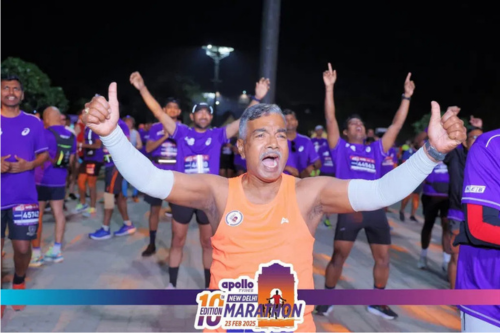
India's marathon calendar is a vibrant tapestry of events uniting diverse runners. The Standard Chartered Mumbai Marathon, among Asia's largest, attracts participants nationwide, while Bangalore's TCS World 10K serves as a stage for both amateurs and elites. These races are more than competitions; they're communal celebrations, fostering networks of runners who exchange gear insights and personal milestones.
Half-tights are increasingly visible at these events, their adoption driven by tangible benefits. In Ahmedabad, runners value their ventilation in Gujarat's arid heat. In Hyderabad, where marathons are gaining momentum, athletes appreciate their lightweight construction. These local experiences align with a global trend: as marathon participation grows, so does the need for apparel that balances performance with comfort.
Navigating Market Challenges
Despite their rise, half-tights face obstacles in India's diverse market. Cultural hesitancy persists in smaller cities like Surat, where form-fitting apparel may raise concerns about modesty or unfamiliarity. Brands must craft designs that respect local norms while preserving performance features. Fit is another hurdle: India's varied body types demand customized sizing, particularly in South India, where humidity necessitates advanced moisture-wicking technology.
Affordability remains the most significant challenge. Premium half-tights can be prohibitively expensive for recreational runners accustomed to budget-friendly cotton gear. While the TechSci Research report notes that rising disposable incomes are driving market growth, cost concerns linger in tier-2 cities like Ahmedabad. Educating consumers about the durability, comfort, and injury-prevention benefits of performance wear is essential to broadening adoption.
Seizing Opportunities for Growth
India's marathon culture, still in its infancy, offers vast potential for brands. With marathons becoming staples in cities like Gurugram and Pune, the demand for specialized apparel is poised to soar. Local production presents another opportunity: by sourcing sustainable materials and engaging artisans, brands can build eco-friendly, economically viable supply chains.
Innovation is the cornerstone of this growth. Advances in fabric technology moisture-wicking properties, UV protection, and recycled fibers address India's climatic challenges while appealing to environmentally conscious runners. In Mumbai's oppressive humidity, these features are indispensable. The rising popularity of vegan leather and sustainable fabrics, especially among younger runners in Bangalore and Delhi, signals a shift toward ethical consumption that brands must embrace.
Striding into Tomorrow
As sunlight bathes Delhi's Rajpath during its annual marathon, the flash of half-tights among the runners heralds a new chapter. India's marathon culture is not merely a fitness trend but a movement, uniting urban communities in pursuit of health, connection, and personal achievement. Half-tights, with their fusion of performance and style, are central to this evolution, empowering runners to push boundaries while feeling confident.
For brands, the roadmap is clear: adapt, educate, and innovate. By designing for India's diverse needs, raising awareness of performance wear's benefits, and offering sustainable, affordable options, companies like Aguante can win the loyalty of runners from Mumbai to Surat. With the India sports apparel market projected to reach USD 1.59 billion by 2030, half-tights are not just keeping up they're leading the charge. In a nation where every step forward matters, they prove that the right apparel can transform the journey.
Frequently Asked Questions
Why are half-tights becoming popular among marathon runners in India?
Half-tights are gaining popularity among Indian marathon runners because they offer superior mobility, reduced muscle fatigue, and enhanced comfort through features like compression technology and moisture-wicking fabrics. These performance benefits are particularly valuable in India's challenging weather conditions, from Mumbai's humid coastal climate to Gujarat's arid heat. As India's marathon culture grows with events like the Standard Chartered Mumbai Marathon and TCS World 10K Bangalore attracting record participation runners are increasingly choosing specialized apparel that helps them perform better and recover faster.
What are the main benefits of wearing half-tights for running in India's climate?
Half-tights provide several key advantages for India's diverse climates, including breathability in hot and humid conditions, compression zones that stabilize muscles during long runs, and lightweight construction that enhances comfort. The moisture-wicking technology keeps runners cool in cities like Mumbai and Bangalore, while advanced fabrics offer UV protection for outdoor training. These features address the specific challenges Indian runners face, from intense heat and high humidity to varying weather patterns, making half-tights essential performance wear rather than just optional gear.
How much is India's sports apparel market expected to grow, and what's driving the demand?
India's sports apparel market is projected to grow from USD 705.85 million in 2024 to USD 1.59 billion by 2030, representing a CAGR of 14.52%. This growth is driven by heightened health awareness, rapid urbanization, rising gym memberships, increased youth participation in sports, and a surge in marathon events across major cities. The marathon boom itself has seen participation growing by over 20% annually since 2018, creating strong demand for performance wear like half-tights that offer both functionality and style for India's expanding fitness-conscious community.
Disclaimer: The above helpful resources content contains personal opinions and experiences. The information provided is for general knowledge and does not constitute professional advice.
You may also be interested in: Urban Running Culture Shapes Activewear Trends in India
Tired of gear that slows you down? Chafing, soggy fabrics, and missing pockets kill your run's momentum. At Aguante, we're runners who get it. Our high-performance activewear features moisture-wicking fabrics, ergonomic designs, and smart storage to keep you focused. Shop Now!
Powered by flareAI.co