









Quick Listen:
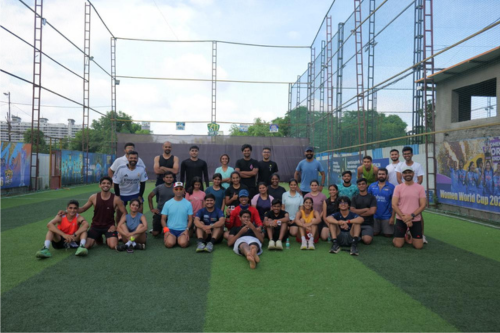
The Indian running community is surging forward with unstoppable momentum. From the steamy coastal routes of Mumbai to the rugged trails ringing Pune, countless enthusiasts hit the pavement each dawn, pushing limits amid chaotic traffic, relentless humidity, and sudden monsoon bursts. As fitness culture gains unstoppable traction nationwide, the appetite for activewear that genuinely delivers under India's punishing conditions scorching heat, drenching sweat, uneven surfaces has reached unprecedented levels. Far too often, though, runners compromise with imported pieces engineered for temperate zones, resulting in irritating chafing, clinging fabrics, and bouncing pockets that shatter focus mid-stride.
Brands like Aguante are changing that narrative dramatically. By integrating global quality standards directly into local manufacturing, they craft high-performance running apparel precisely tuned for Indian physiques, local roads, and realistic budgets.
Tired of gear that slows you down? Chafing, soggy fabrics, and missing pockets kill your run's momentum. At Aguante, we're runners who get it. Our high-performance activewear features moisture-wicking fabrics, ergonomic designs, and smart storage to keep you focused. Shop Now!
Emerging Trends in Activewear Manufacturing in India
India's activewear sector burns brightly. Recent analyses, including from Grand View Research, indicate the India activewear market generated approximately USD 15.1 billion in revenue in 2024, with expectations of reaching nearly USD 30 billion by 2030 at a robust CAGR of 12.2% from 2025 onward. Urban centers such as Bangalore, Hyderabad, Mumbai, Pune, Navi Mumbai, Delhi, Gurugram, Surat, and Ahmedabad form the beating heart of this expansion, where city runners, marathon participants, and fitness devotees fuel demand for equipment built to endure authentic Indian challenges.
Manufacturers across these hubs increasingly embrace sophisticated fabric technologies advanced moisture-wicking textiles and highly breathable constructions engineered to conquer persistent humidity. Customization takes center stage: ergonomic fits validated on diverse Indian body shapes, non-shifting secure pockets for essentials during extended efforts, anti-chafing interiors, and reflective accents for visibility during predawn or dusk runs through bustling avenues.
Sustainability also surges in priority. As environmentally aware athletes multiply, numerous labels weave in recycled materials or eco-innovative textiles, mirroring worldwide movements toward responsible manufacturing.
This evolution transcends mere adaptation; it represents proactive leadership, merging deep local understanding with rigorous international benchmarks.
Real-World Examples: Aguante's Local Approach with Global Quality
Aguante exemplifies this powerful fusion. Far from off-the-shelf generic sportswear, every garment emerges deliberately crafted for India's extreme running realities blazing temperatures, oppressive moisture, and terrain ranging from smooth city asphalt to bumpy rural paths.
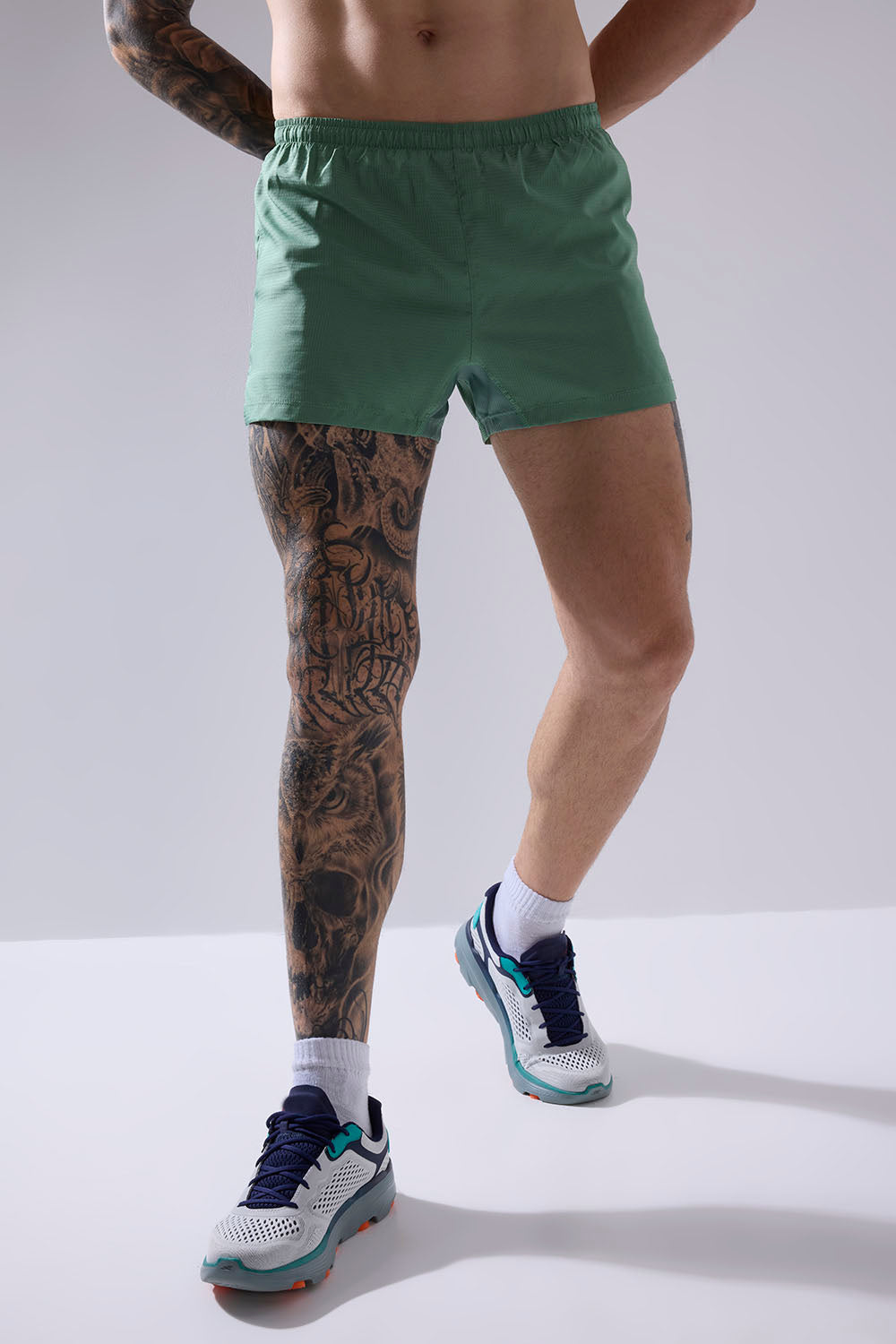
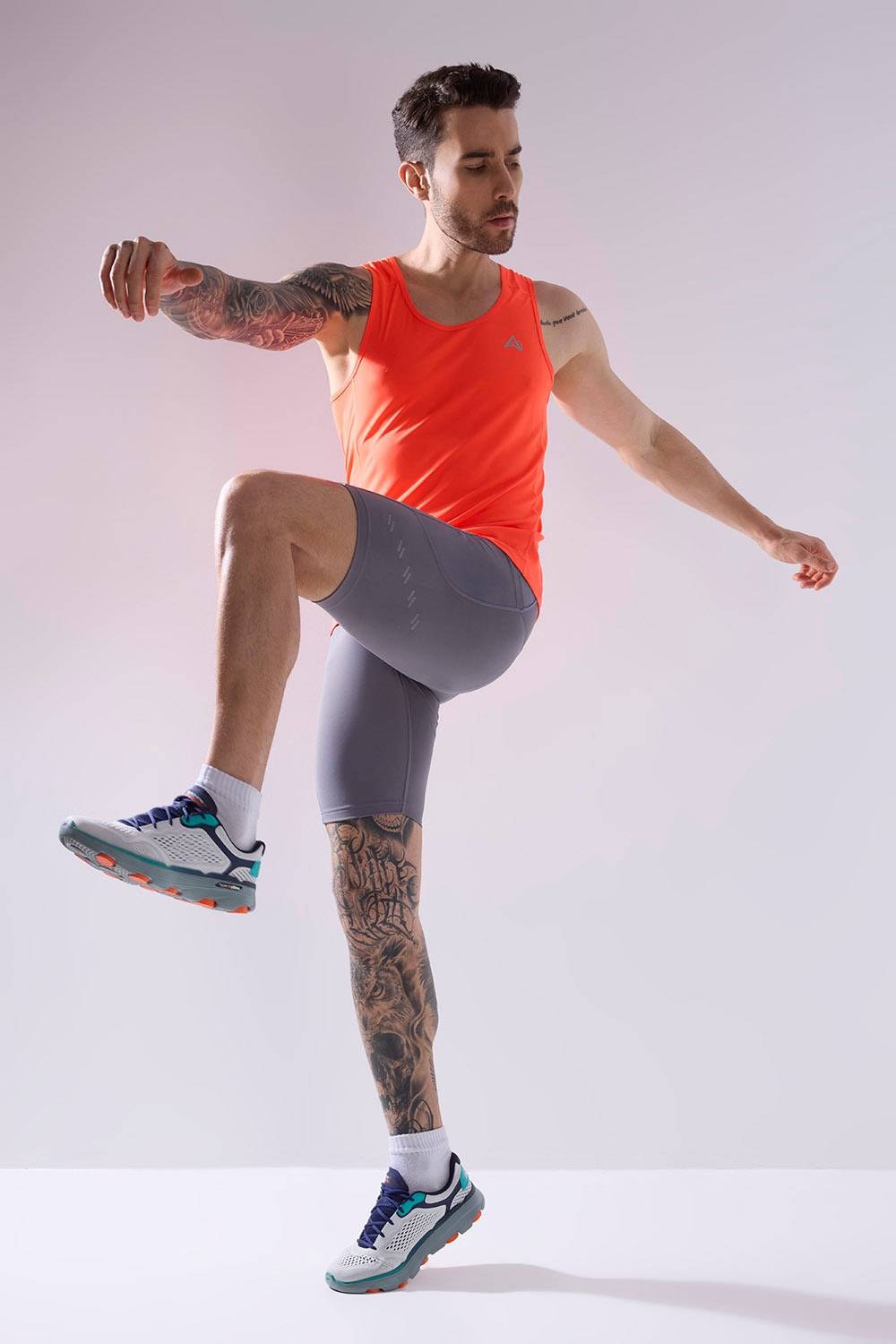
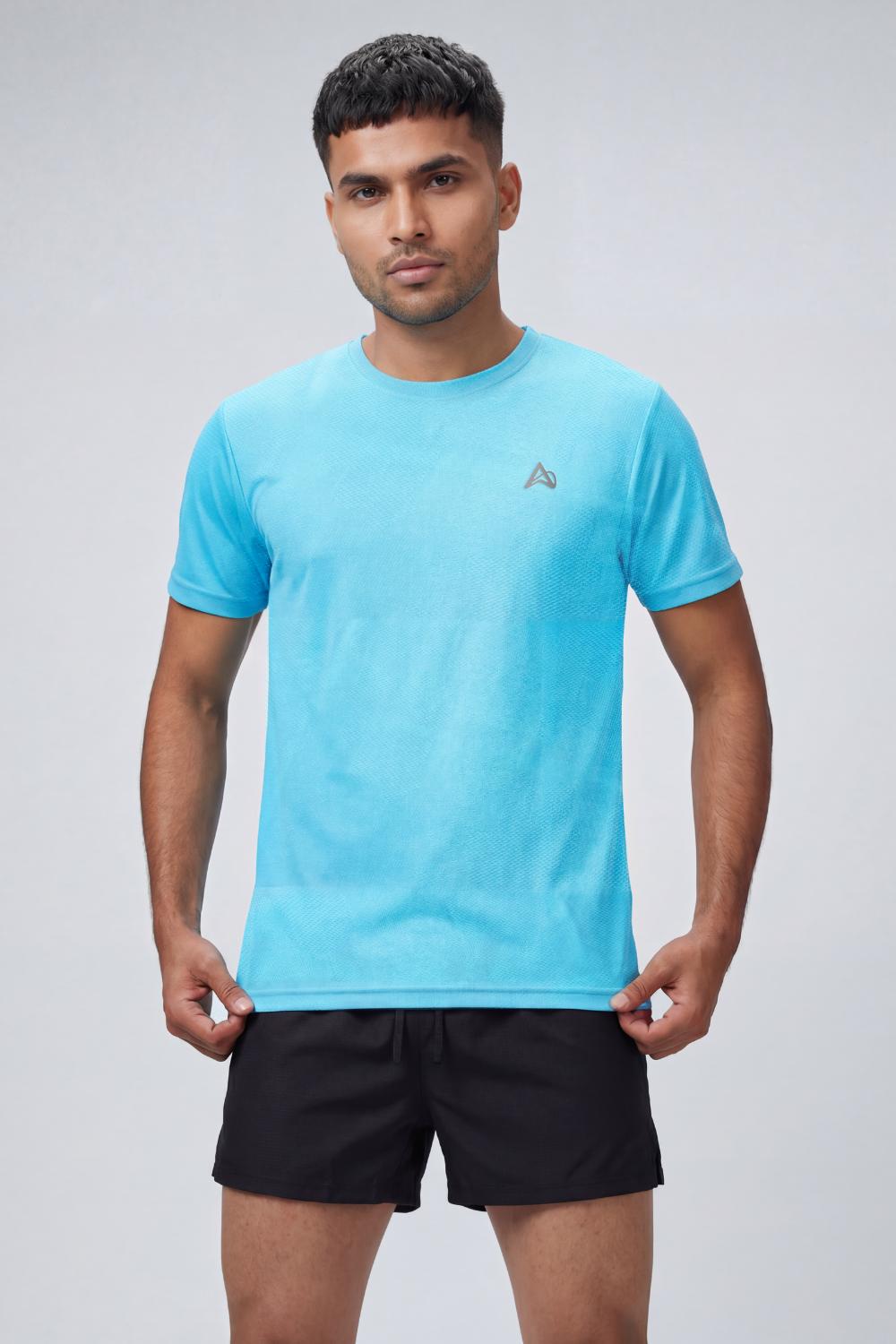
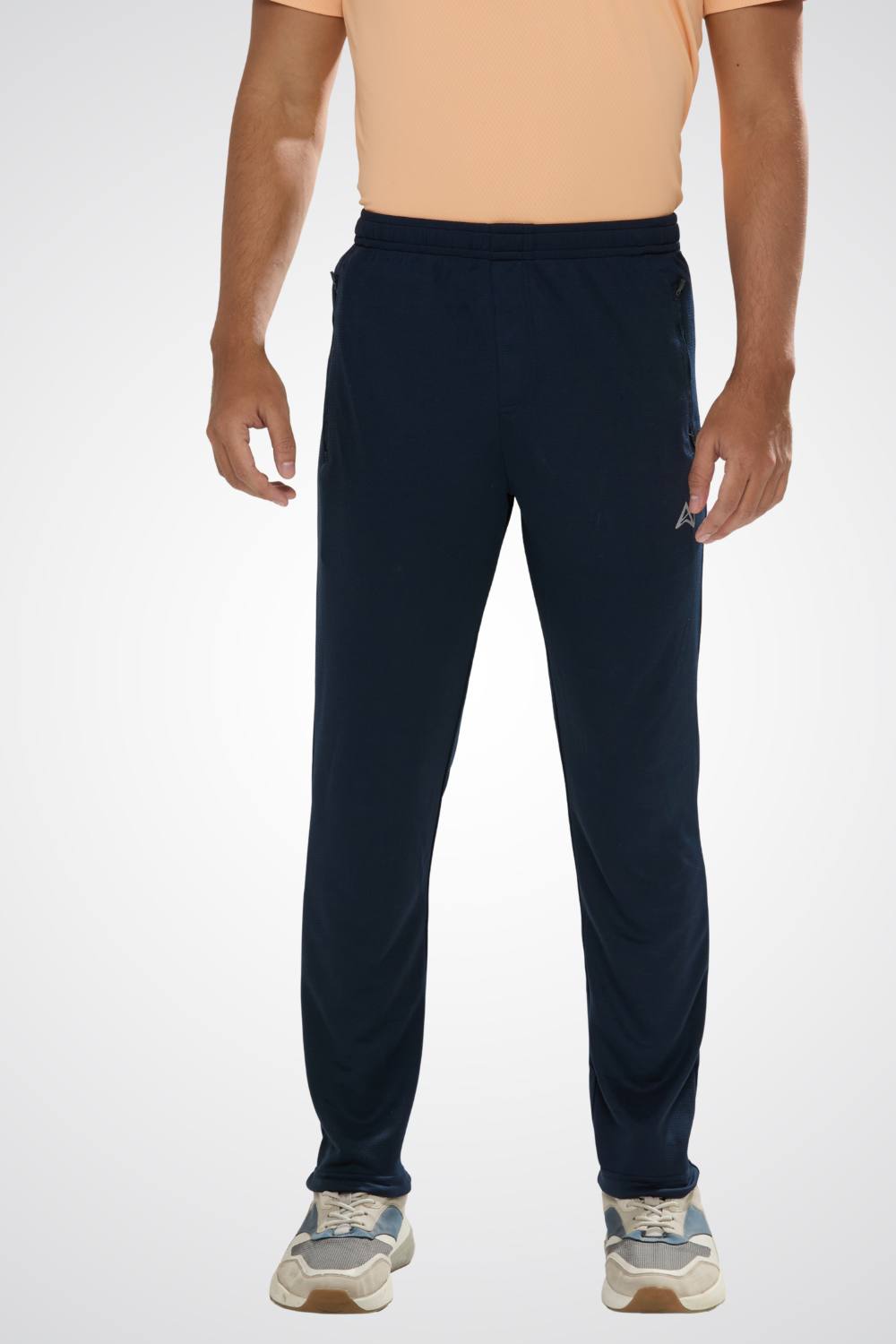
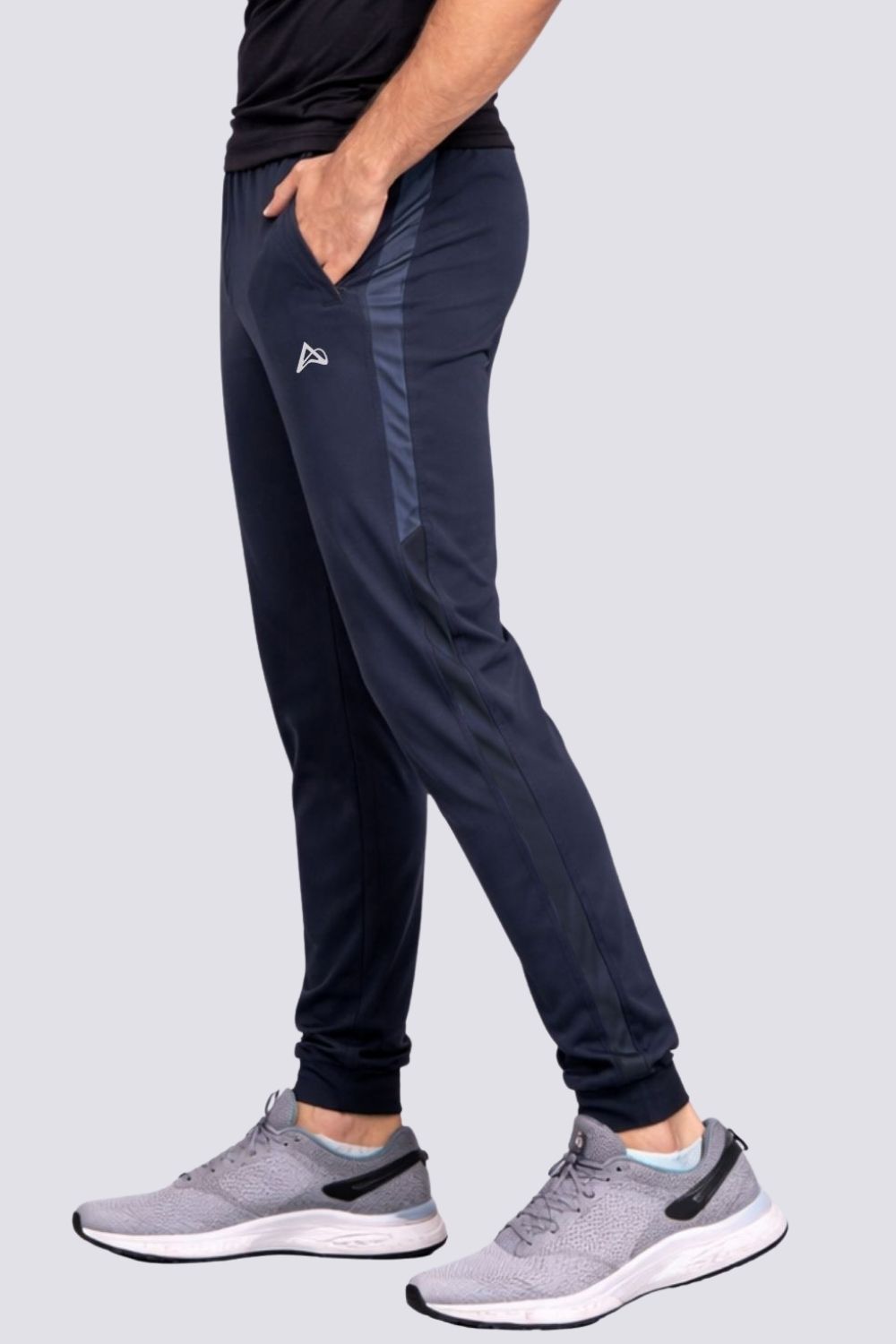
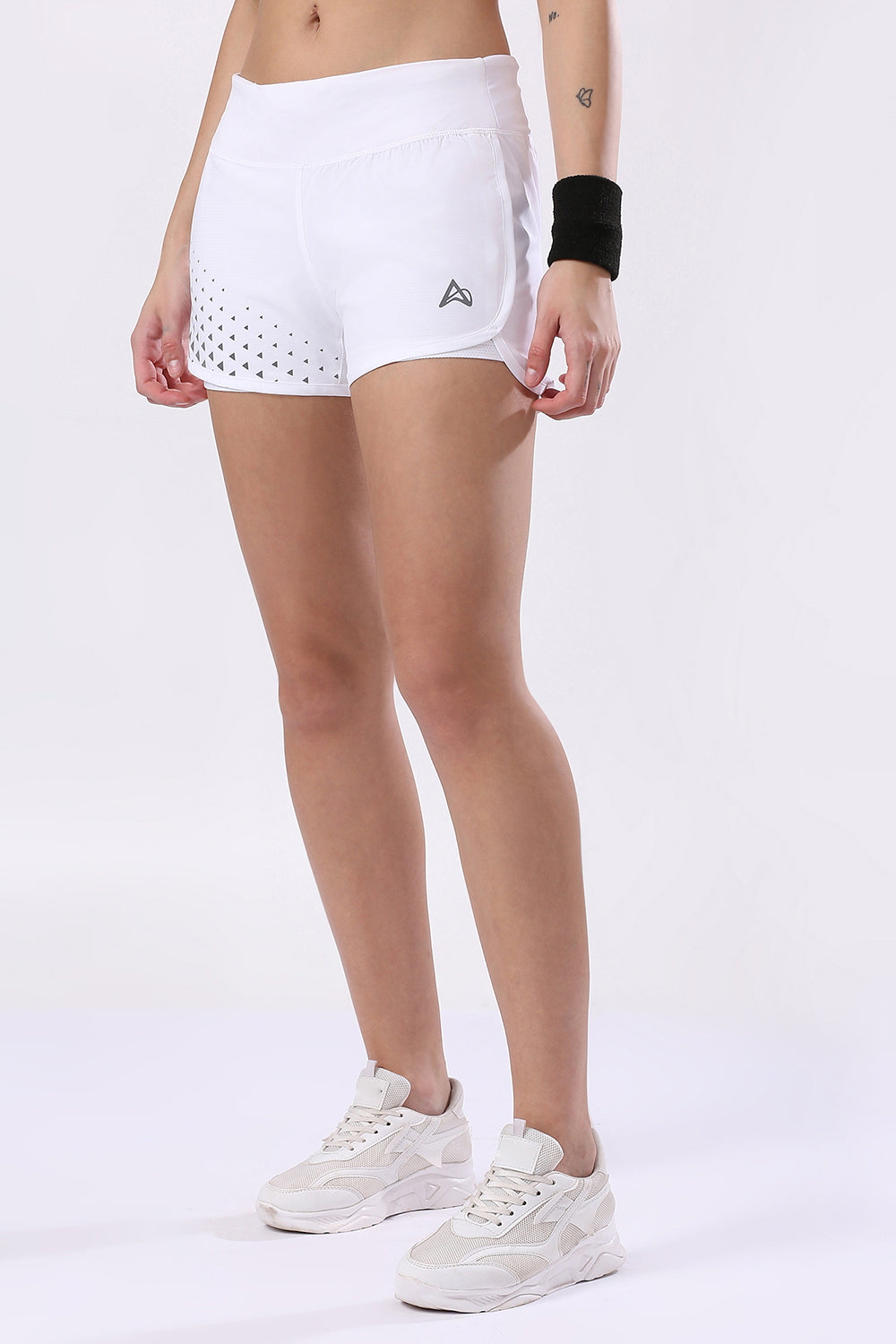
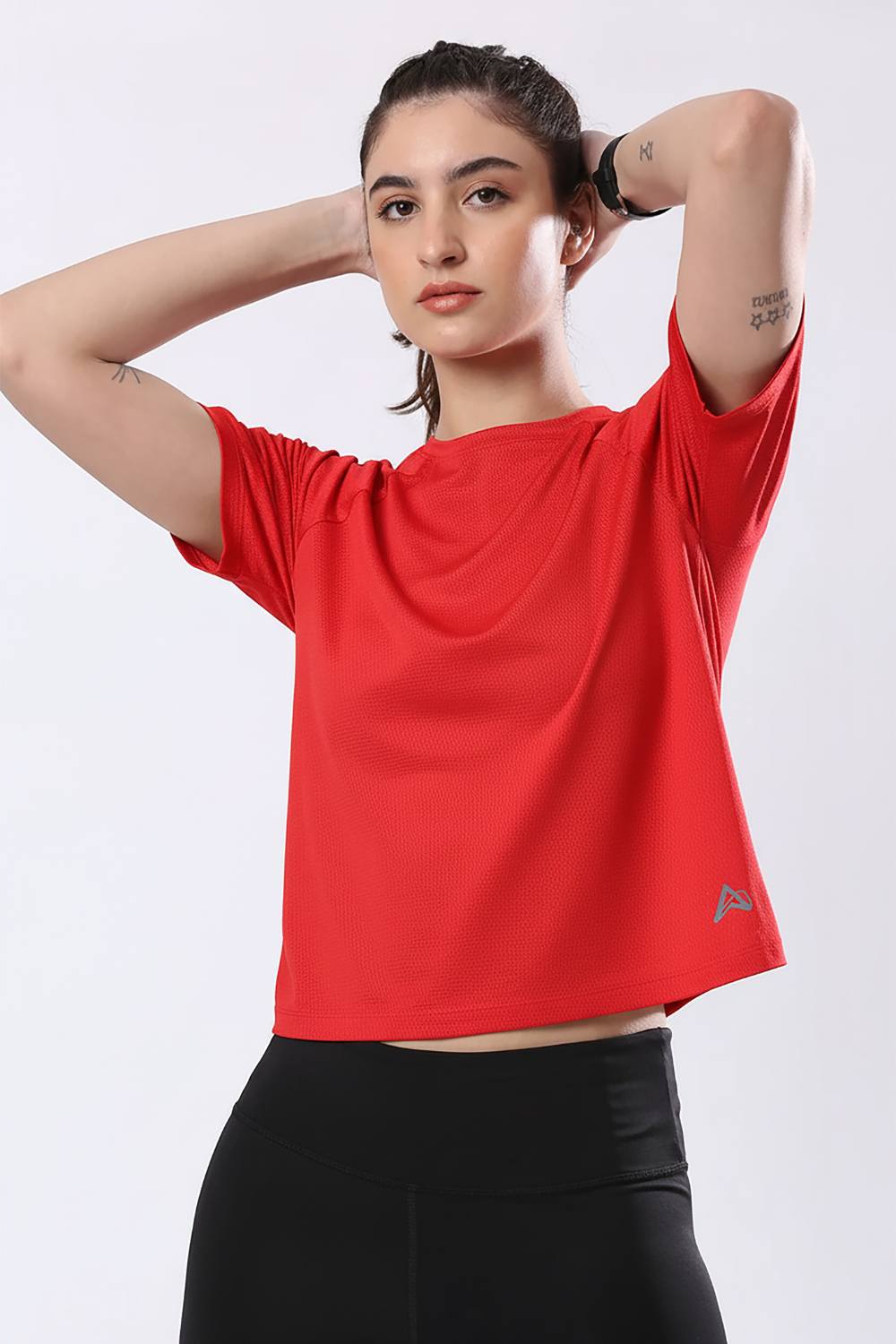
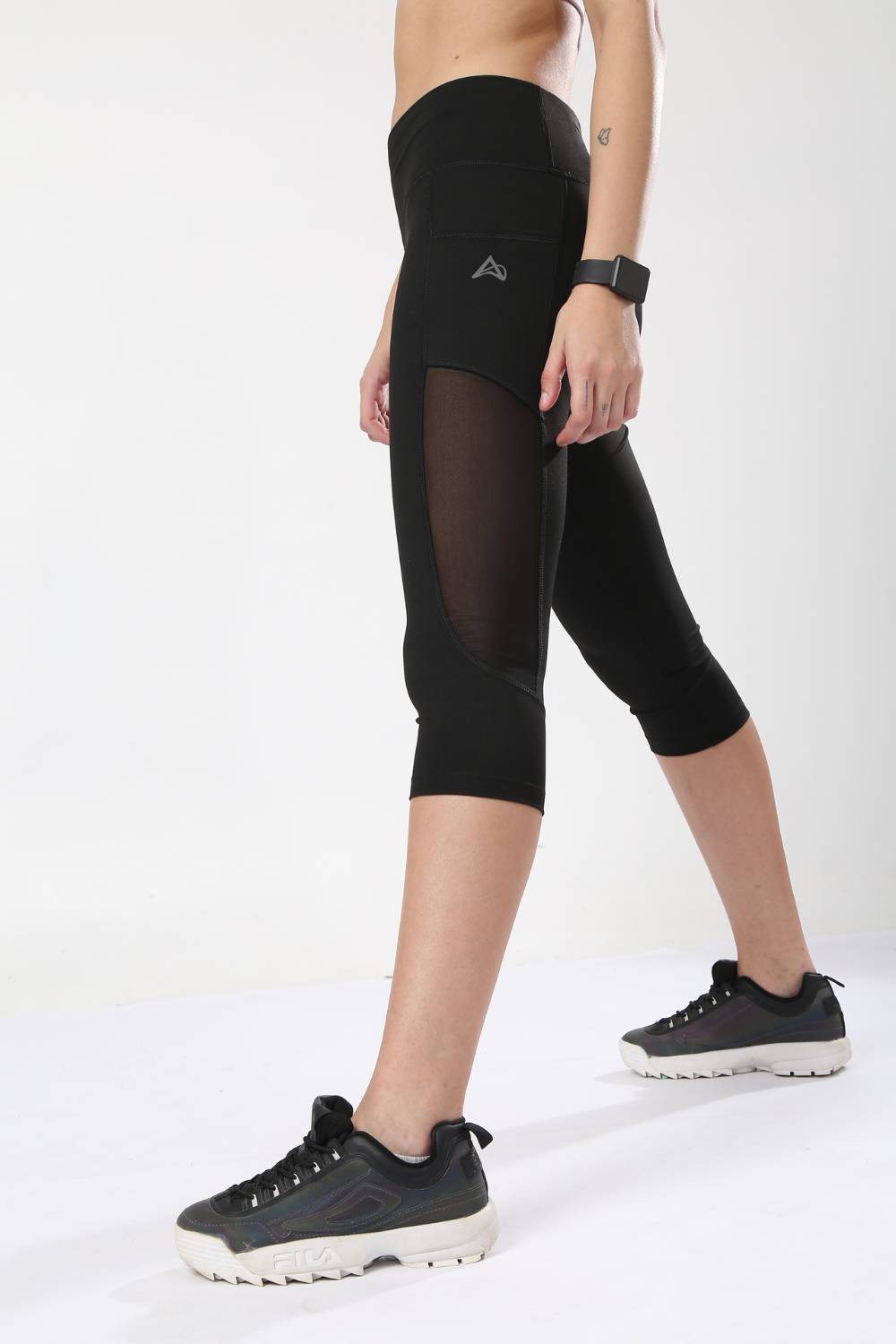
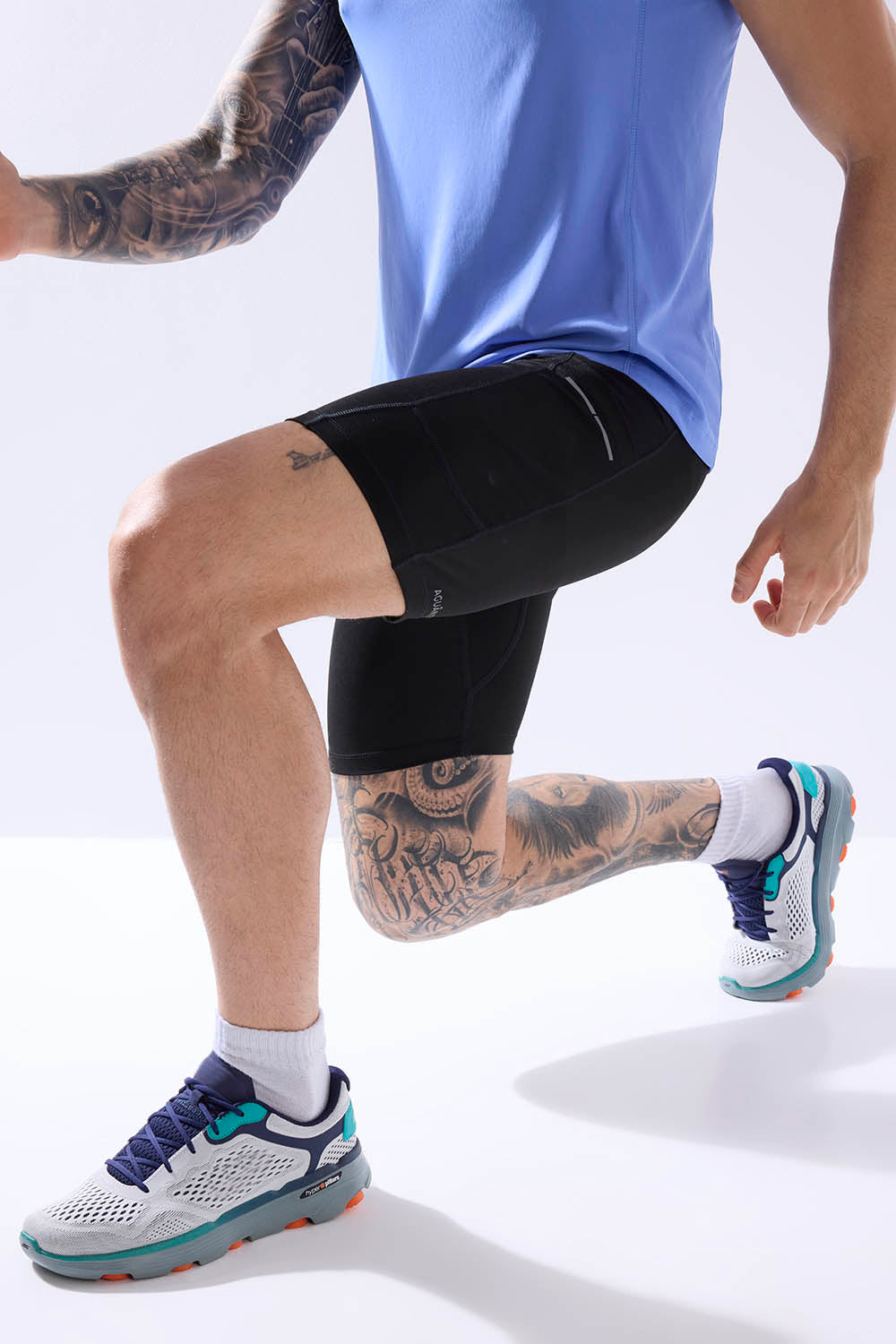
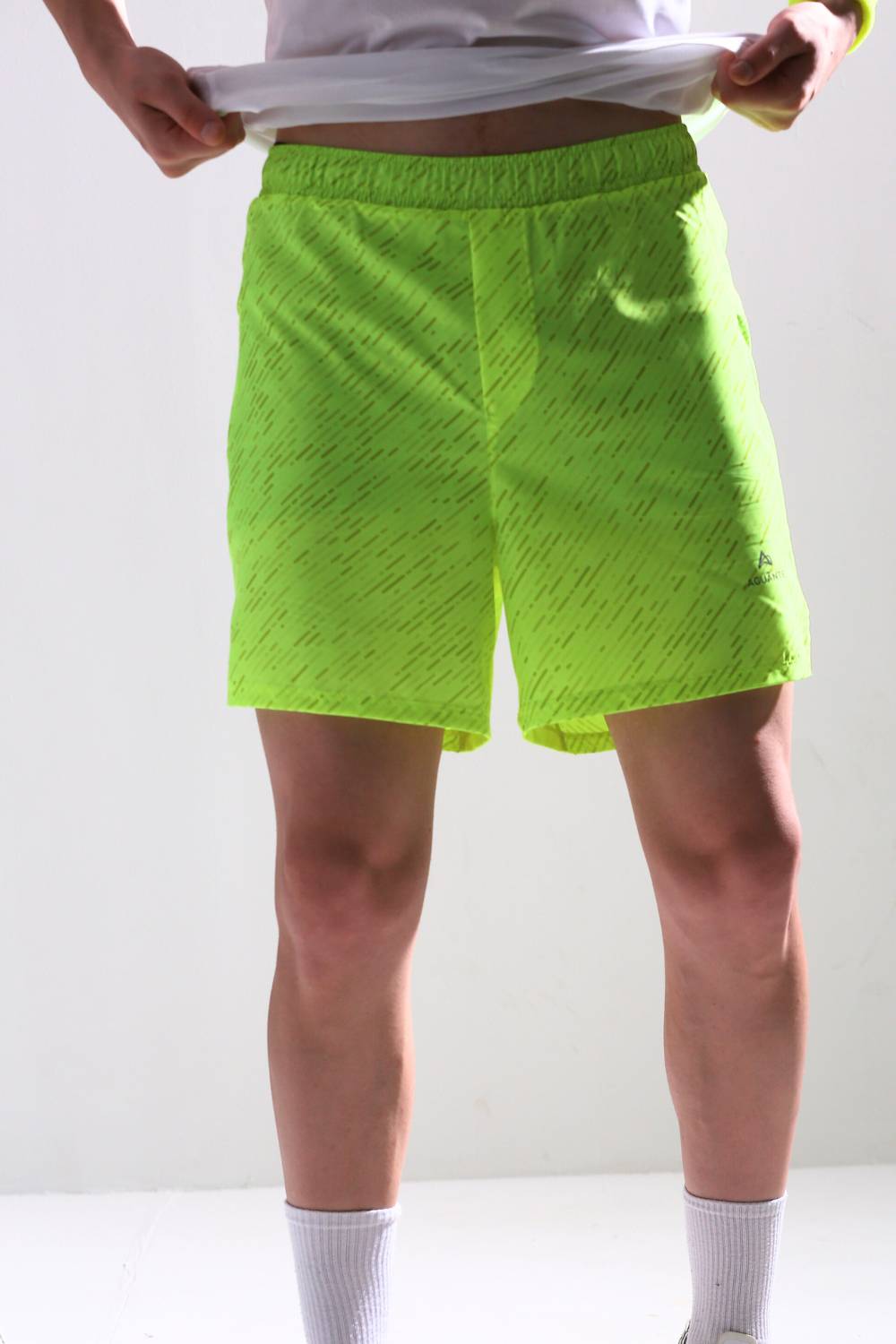
The brand fixates on runner-critical features: bounce-proof pockets that securely hold gels, phones, and keys; soothing anti-chafing linings; superior moisture-wicking fabrics that rapidly draw sweat away; reflective elements for enhanced safety; and thoughtfully contoured fits proven through extensive testing by actual Indian runners.
Merging these India-specific advancements with global quality standards, Aguante produces premium-feeling performance gear at straightforward, accessible prices. Unlike many major international names that design overseas and impose hefty markups, Aguante maintains production domestically. This proximity accelerates design refinements, sharpens alignment with regional requirements, and supports fair pricing that democratizes access to elite running apparel.
Key Challenges and Risks in Maintaining Global Quality in Local Manufacturing
The path remains demanding. Securing consistent supplies of premium raw materials that reliably satisfy international criteria presents ongoing obstacles, with supply-chain volatility and price swings capable of disrupting uniformity.
Equally critical is workforce training to sustain exacting production protocols. Achieving unwavering consistency across facilities in places like Surat or Ahmedabad demands relentless oversight, regular audits, and continuous capability enhancement.
Cost management adds further complexity: investing in superior materials and validation processes while preserving affordability for the domestic audience requires precise calibration. Slips in compliance carry heavy consequences operational interruptions, brand damage, or product recalls.
Nevertheless, established global frameworks deliver immense value. As outlined by the International Organization for Standardization (ISO), standards represent the distilled wisdom of experts manufacturers, buyers, regulators, and more providing proven formulas for optimal practices across product creation, process management, and service delivery.
This commitment yields substantial rewards: minimized defects, heightened efficiency, and deepened confidence. The global management system certification market, valued at USD 38.92 billion in 2024, is projected to grow to USD 56.86 billion by 2032 at a CAGR of 5.0%, propelled by intensifying regulations, digital advancements including AI, and rising emphasis on sustainability and ESG factors . Parallel growth appears in quality management software, estimated at USD 11.14 billion in 2024 and forecasted to reach USD 20.66 billion by 2030 at a CAGR of 10.6%, supporting streamlined compliance and monitoring .
Opportunities and Business Impacts of Local Manufacturing with Global Standards
Companies mastering this balance secure decisive advantages. Aguante, for example, cultivates deep loyalty among runners in priority regions by supplying truly dependable gear at non-punitive prices sparking repeat purchases and organic advocacy within vibrant communities active on Instagram, Facebook, and YouTube.
Broader effects ripple outward. This approach stimulates regional economic vitality through expanded employment, skill upgrading, and capital inflow into manufacturing clusters spanning Delhi, Gurugram, Ahmedabad, and beyond. It fortifies domestic supply networks, diminishes reliance on imports, and yields culturally attuned products.
Above all, adherence to international benchmarks forges lasting trust. When athletes trust that their shorts will hold strong through a grueling marathon in Hyderabad's sweltering conditions, the brand transcends apparel to become a steadfast ally.
The Future of Activewear in India
The outlook shines clearly. Indian activewear continues its rapid maturation, propelled by escalating demands for superior performance, environmental responsibility, and practical utility. Manufacturers that steadfastly adopt global standards while remaining anchored in India's distinct realities are positioned to command substantial portions of an accelerating marketplace.
For trailblazers like Aguante, future horizons may encompass careful international outreach sharing India-refined excellence with global runners while preserving the authentic local essence that defines their success.
In a nation where running transforms into an everyday passion, true victors recognize that exceptional gear transcends origin. Its true measure lies in how effectively it carries you forward. Today, that forward momentum feels more powerful and enduring than ever before.
Frequently Asked Questions
What makes Indian activewear brands like Aguante different from international running gear brands?
Indian activewear brands like Aguante design and manufacture locally, creating performance gear specifically engineered for India's extreme conditions scorching heat, high humidity, and diverse terrain. By maintaining production domestically while adhering to global quality standards, these brands offer premium-quality running apparel at accessible prices, typically lower than international brands that design overseas and impose heavy import markups. They also incorporate India-specific features like anti-chafing linings, superior moisture-wicking fabrics, and fits tested on Indian body types.
How fast is the Indian activewear market growing and what's driving this expansion?
The Indian activewear market generated approximately USD 15.1 billion in revenue in 2024 and is expected to reach nearly USD 30 billion by 2030, growing at a robust CAGR of 12.2%. This explosive growth is driven by surging fitness culture in urban centers like Mumbai, Bangalore, Delhi, and Pune, increasing demand for performance gear that handles India's challenging climate, and rising awareness among athletes seeking sustainable, high-quality alternatives to imported sportswear.
What are the main challenges of maintaining global quality standards in local Indian manufacturing?
Key challenges include securing consistent supplies of premium raw materials that meet international criteria amid supply-chain volatility, training the workforce to sustain exacting production protocols across facilities, and balancing investment in superior materials with affordable pricing for the domestic market. However, manufacturers that successfully implement global frameworks like ISO standards benefit from minimized defects, heightened efficiency, and deepened customer trust, positioning themselves for long-term success in India's rapidly growing activewear sector.
Disclaimer: The above helpful resources content contains personal opinions and experiences. The information provided is for general knowledge and does not constitute professional advice.
You may also be interested in: Local Manufacturing Strengthens India's Sportswear Ecosystem
Tired of gear that slows you down? Chafing, soggy fabrics, and missing pockets kill your run's momentum. At Aguante, we're runners who get it. Our high-performance activewear features moisture-wicking fabrics, ergonomic designs, and smart storage to keep you focused. Shop Now!
Powered by flareAI.co