



Quick Listen:
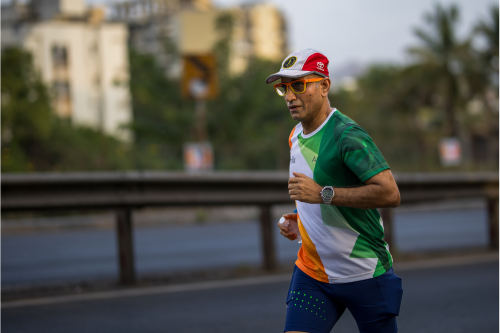
India's urban runners know the drill all too well. On Mumbai's Marine Drive, pre-dawn humidity can make every breath feel heavy, turning a simple jog into an endurance test. Head north to Delhi, and the same athlete might battle dense winter fog one day and searing summer heat the next. Bangalore's trails deliver slick dew and sudden shifts, while Pune's uneven paths mix dust storms with unexpected showers. In cities like Hyderabad, Navi Mumbai, Gurugram, Surat, and Ahmedabad, weather doesn't follow forecasts it challenges them. This relentless variability has forced activewear manufacturers to rethink fabrics entirely. No longer just cloth, these materials now serve as engineered defenses, designed to withstand monsoons, heatwaves, and the daily grind of India's diverse climates.
Runners and fitness enthusiasts across these major hubs refuse to compromise. They want gear that breathes during humidity spikes, wicks moisture in scorching heat, repels rain without trapping sweat, and holds up run after run. Brands are responding by merging cutting-edge global technologies with deep understanding of local conditions, creating activewear that truly performs where it matters most.
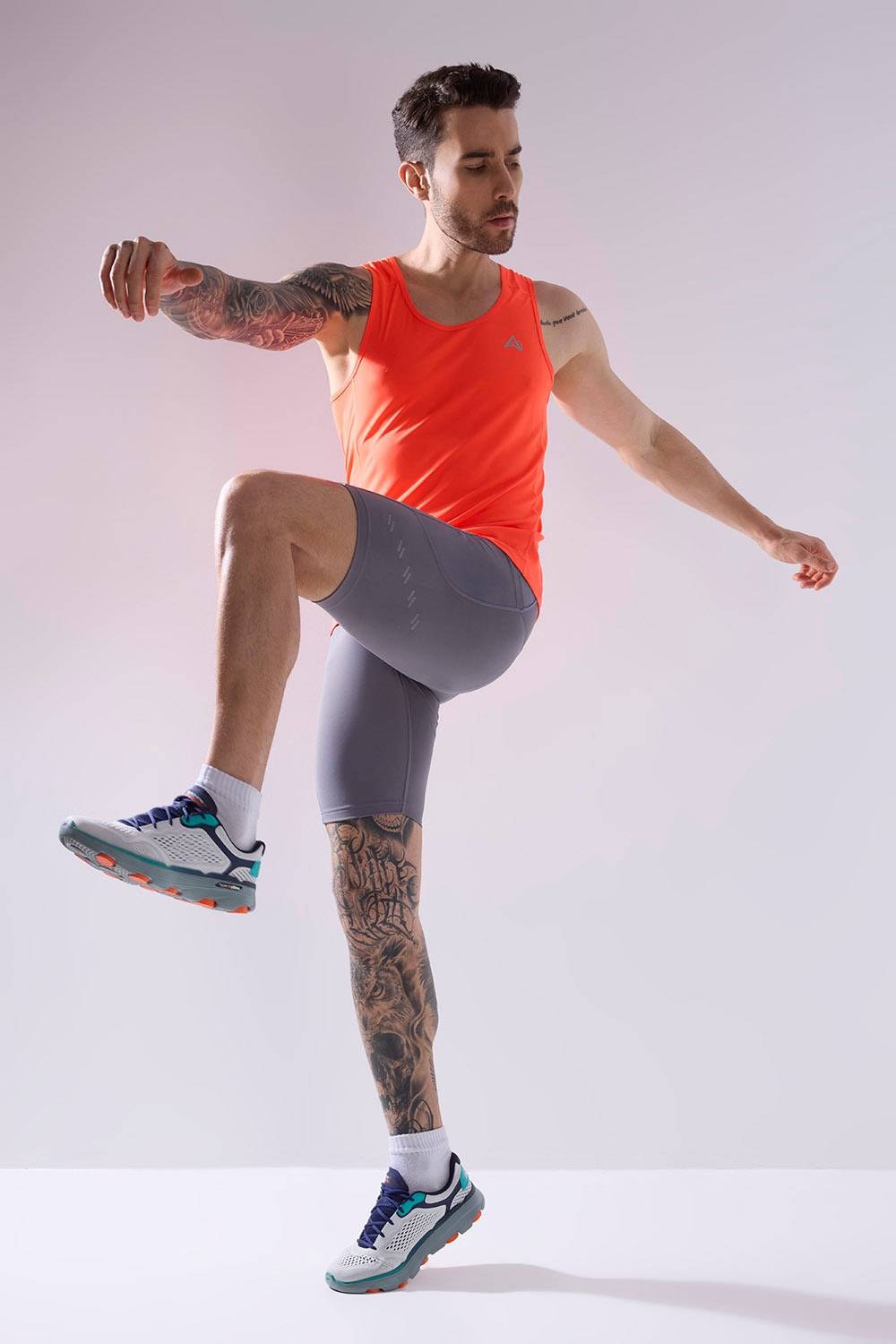
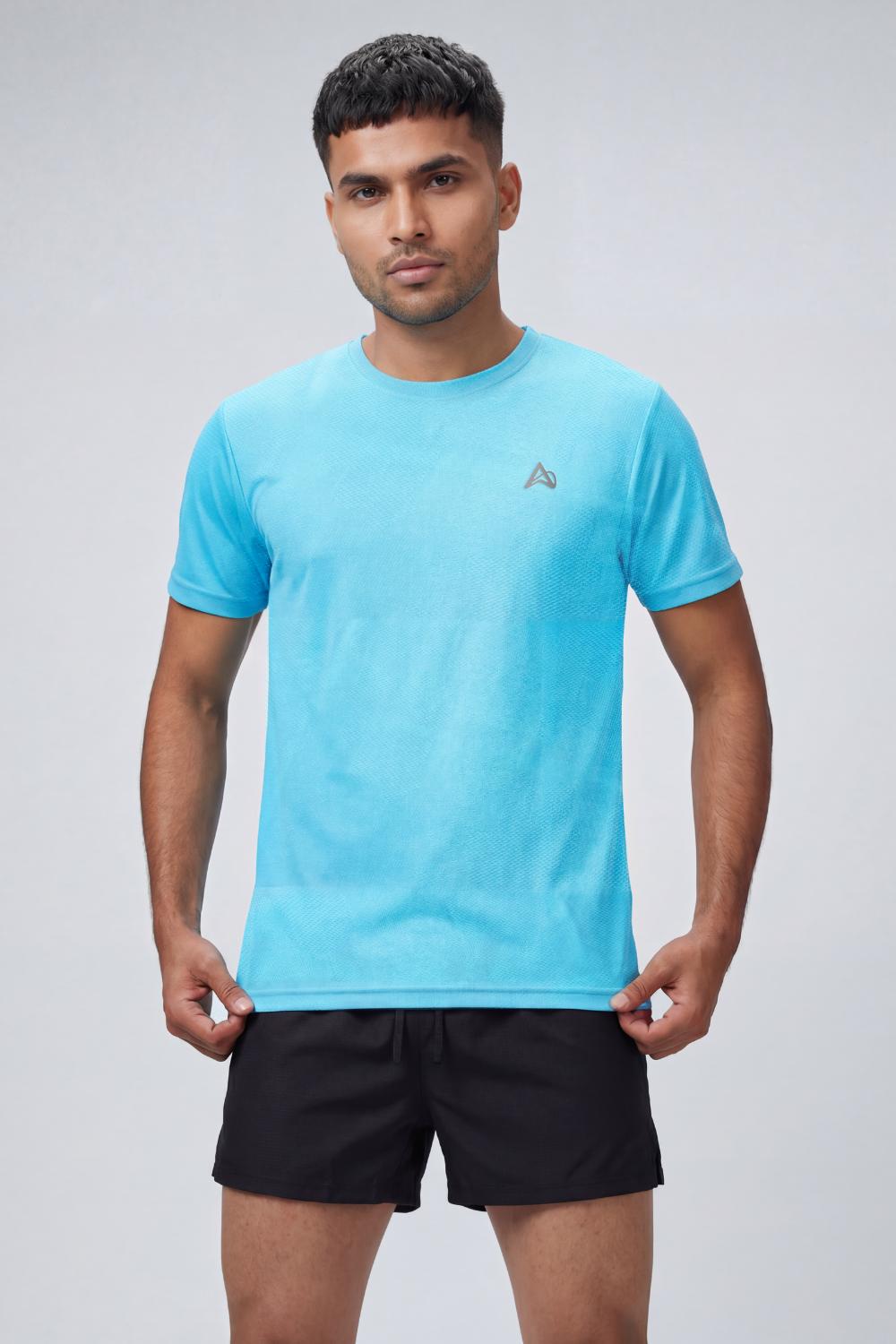
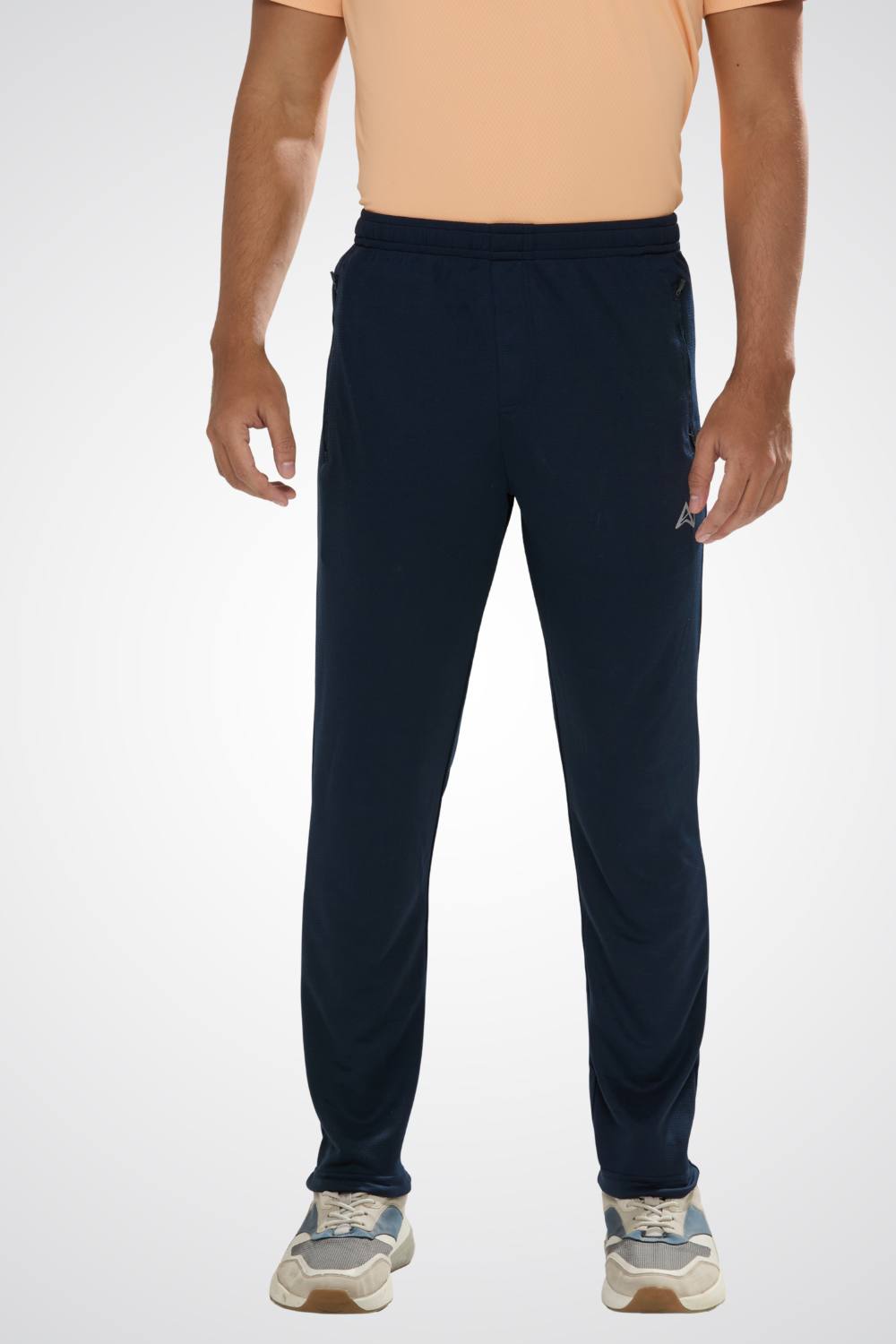
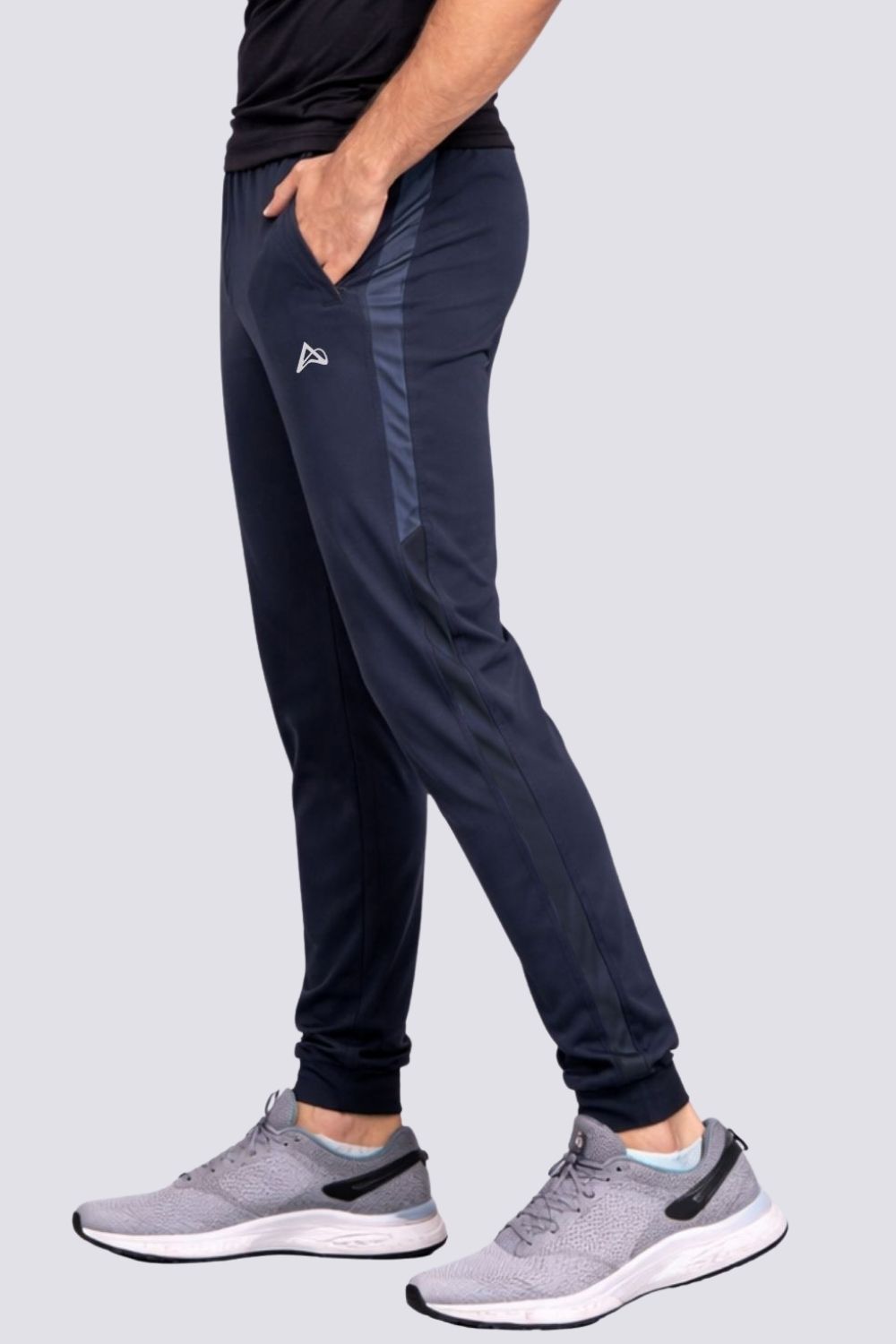
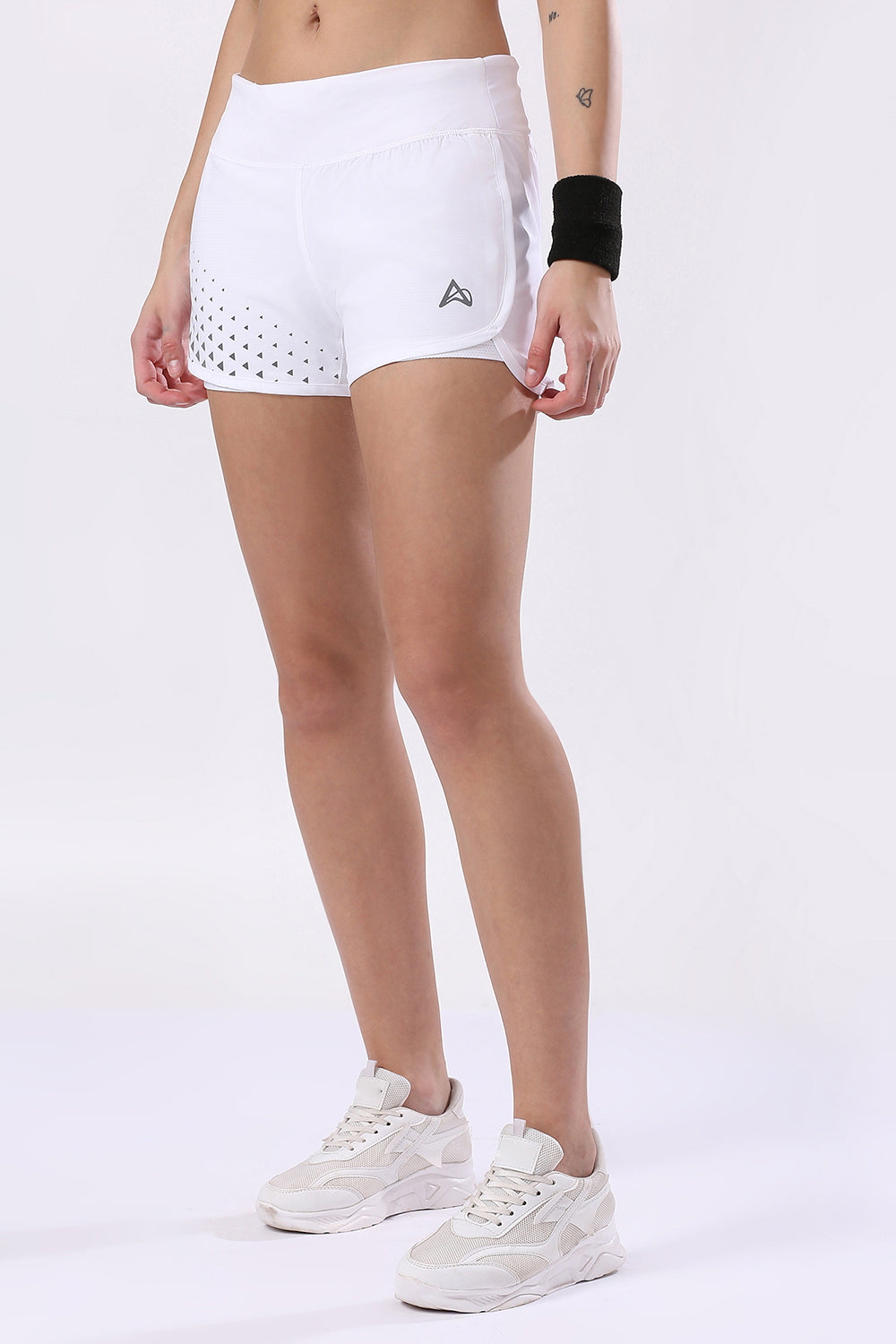
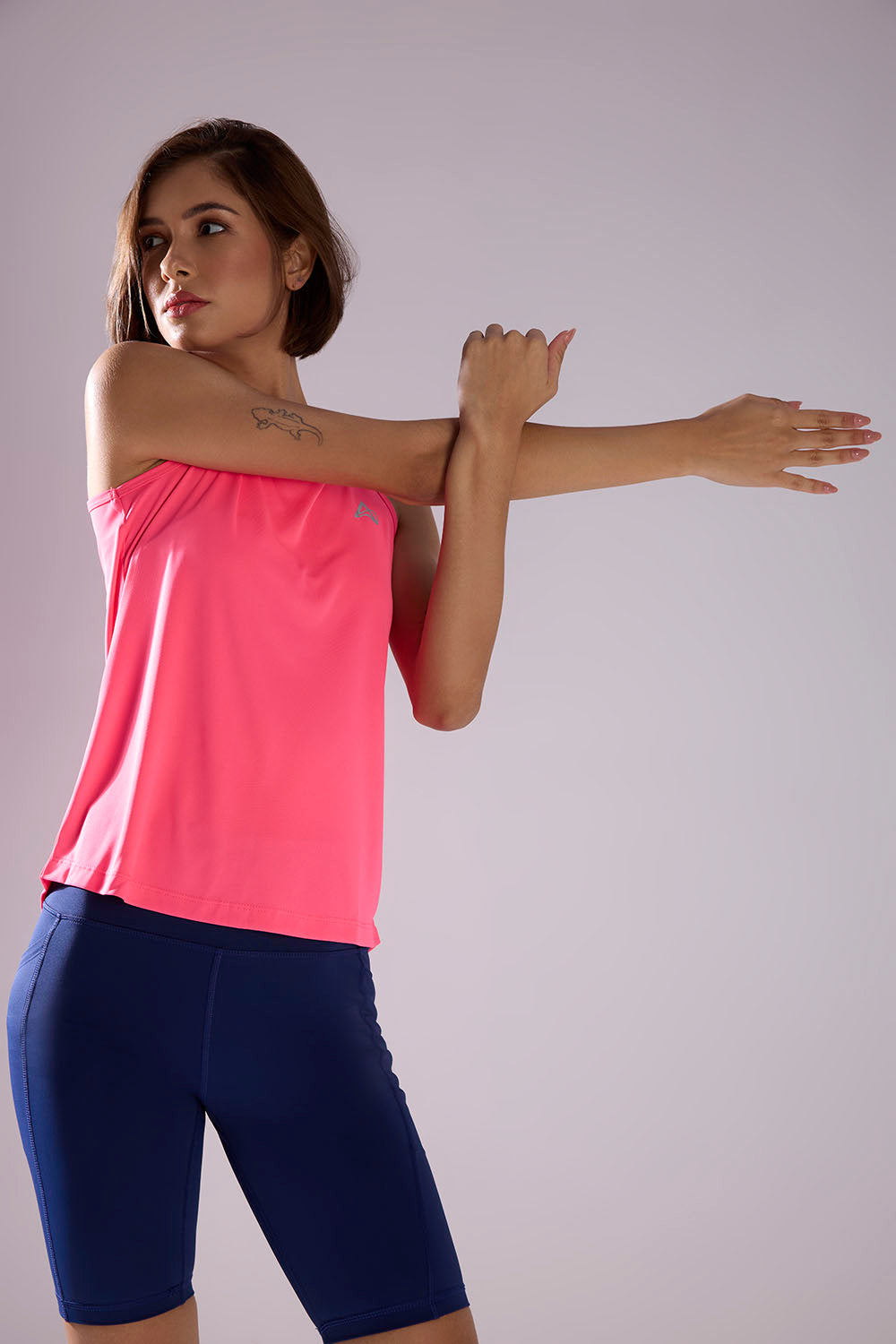
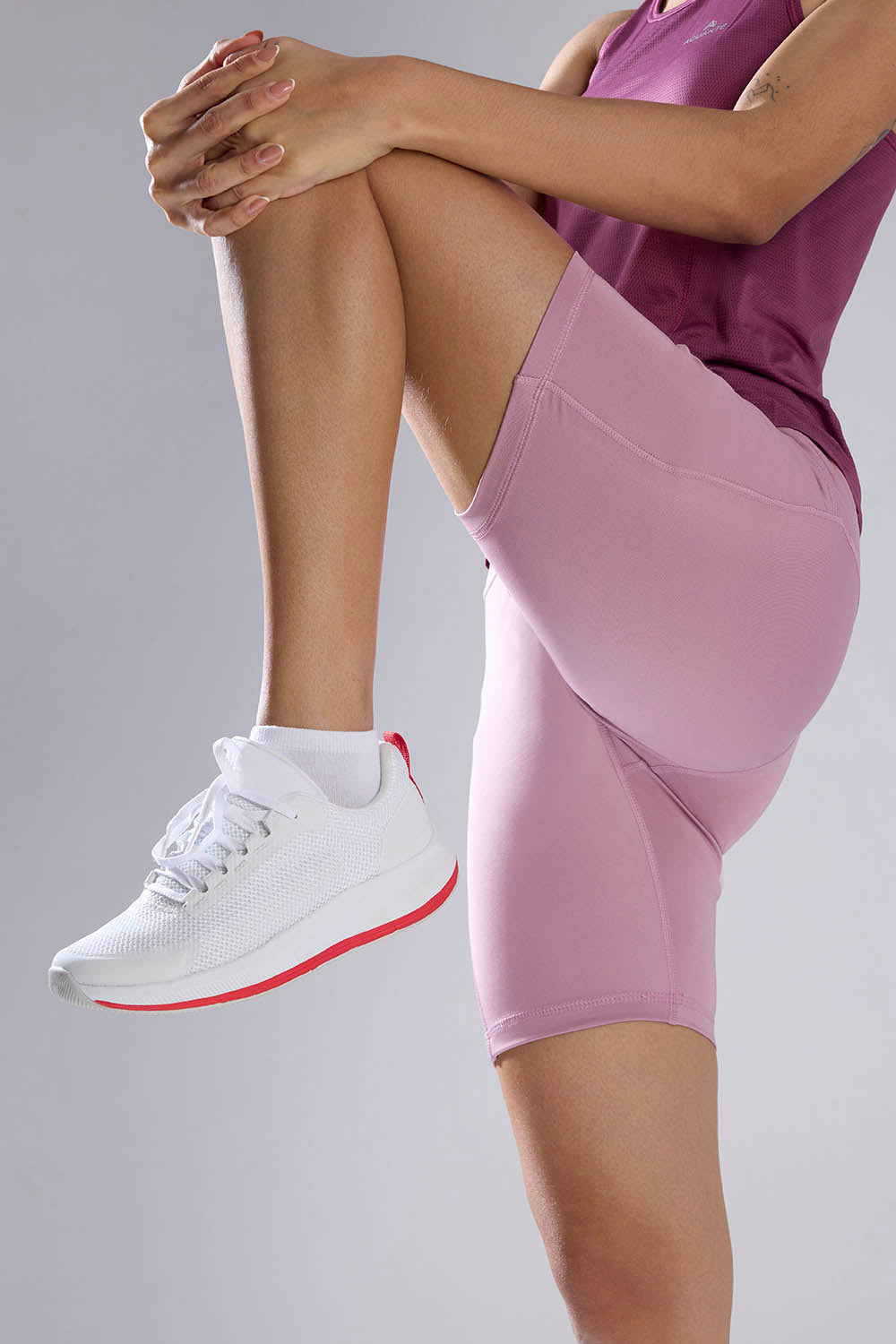
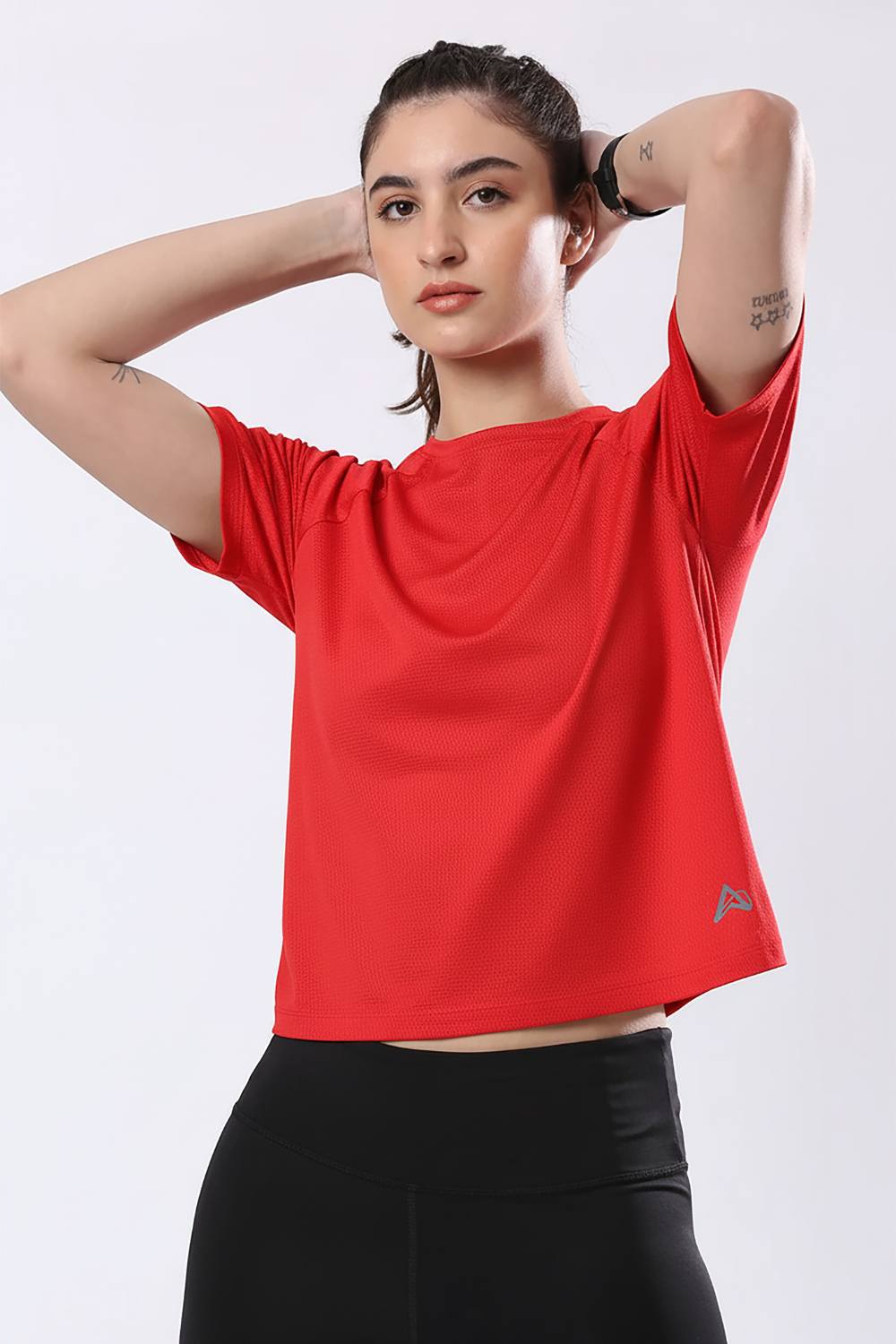
Tired of gear that slows you down? Chafing, soggy fabrics, and missing pockets kill your run's momentum. At Aguante, we're runners who get it. Our high-performance activewear features moisture-wicking fabrics, ergonomic designs, and smart storage to keep you focused. Shop Now!
Weather-Responsive Fabrics: The New Normal
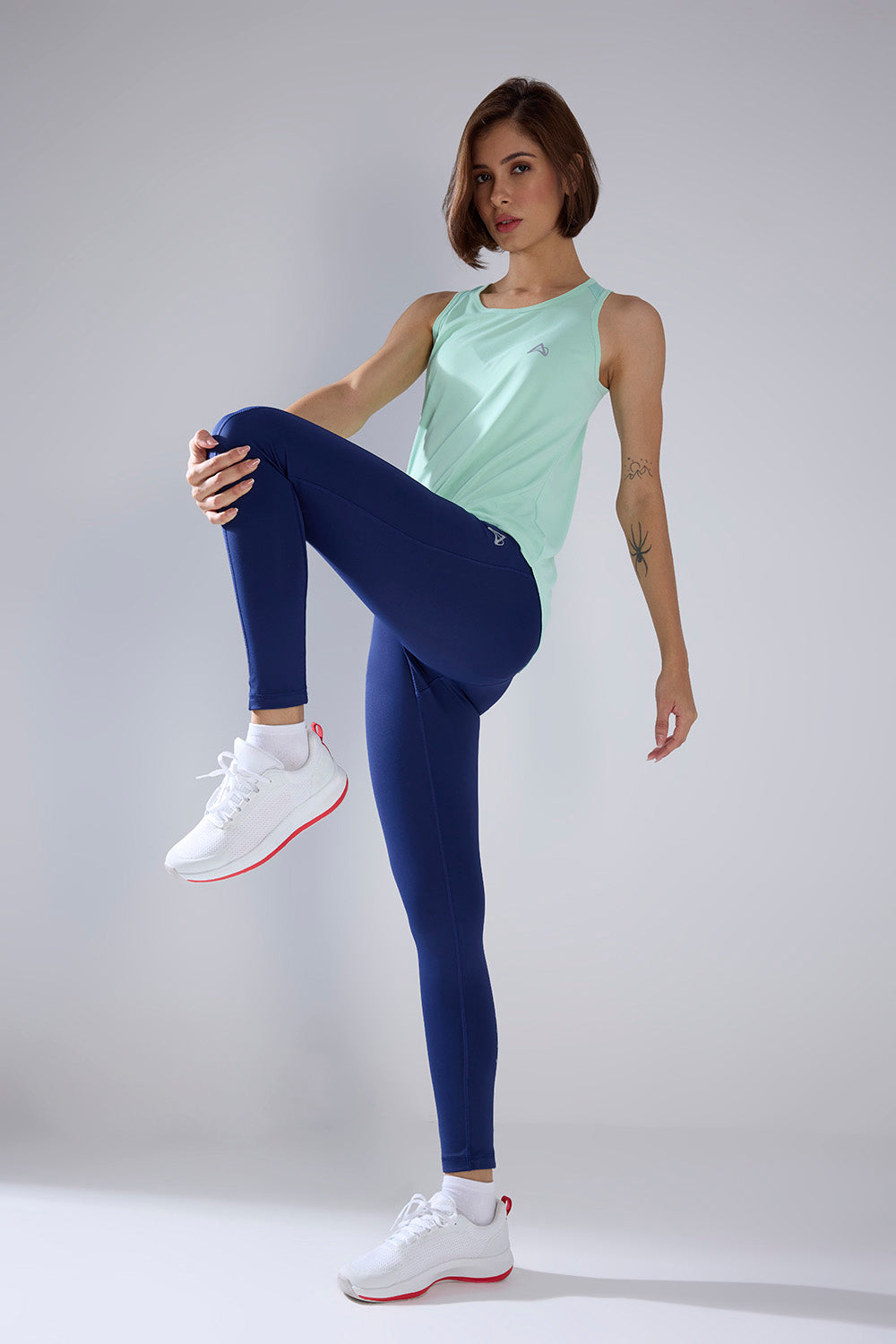
Today's activewear fabrics don't merely survive unpredictable weather they actively adapt to it. In humid coastal cities such as Mumbai and Bangalore, where sudden downpours collide with oppressive moisture, breathable mesh paired with advanced moisture-wicking technology has become indispensable. These fabrics actively draw sweat away from the skin and promote rapid evaporation, eliminating that sodden, momentum-killing cling.
Northern centers like Delhi and Gurugram experience dramatic seasonal swings, making thermal-regulating fabrics increasingly popular. They cool during blistering afternoons and retain warmth on chilly mornings. In Pune and Ahmedabad, where intense sun combines with erratic rain, UV-protective and quick-drying materials provide essential shielding.
This evolution mirrors powerful industry momentum. According to Grand View Research, the global waterproof breathable textiles market stood at USD 2.03 billion in 2024, projected to reach USD 2.86 billion by 2030, expanding at a CAGR of 5.9% from 2025 onward. Asia Pacific dominated with USD 870.9 million in 2024 revenue and is forecast to grow at the highest regional CAGR of 6.6%. Leading materials include ePTFE and polyurethane, which deliver reliable waterproofing alongside superior breathability ideal for India's constant mix of rain and perspiration.
The broader performance fabrics sector shows similar strength. Grand View Research estimates the global market at USD 80.70 billion in 2024, set to climb to USD 114.66 billion by 2033 at a 4.1% CAGR. Asia Pacific claimed the largest share (39.2% in 2024), driven by surging demand for moisture management, breathability, UV protection, and stretch in sportswear and activewear. In India, these worldwide trends converge with hyper-local demands: fabrics that resist turning soggy in humidity or dry swiftly after a downpour.
How Activewear Brands Are Meeting the Weather Challenge
Local innovators lead by creating gear explicitly for Indian realities. Mumbai-based lines often incorporate breathable mesh enhanced with anti-microbial treatments to fight humidity-driven discomfort and odors on extended runs. In Delhi and Gurugram, cutting-edge moisture-wicking solutions keep athletes dry through extreme heat, minimizing chafing and distraction.
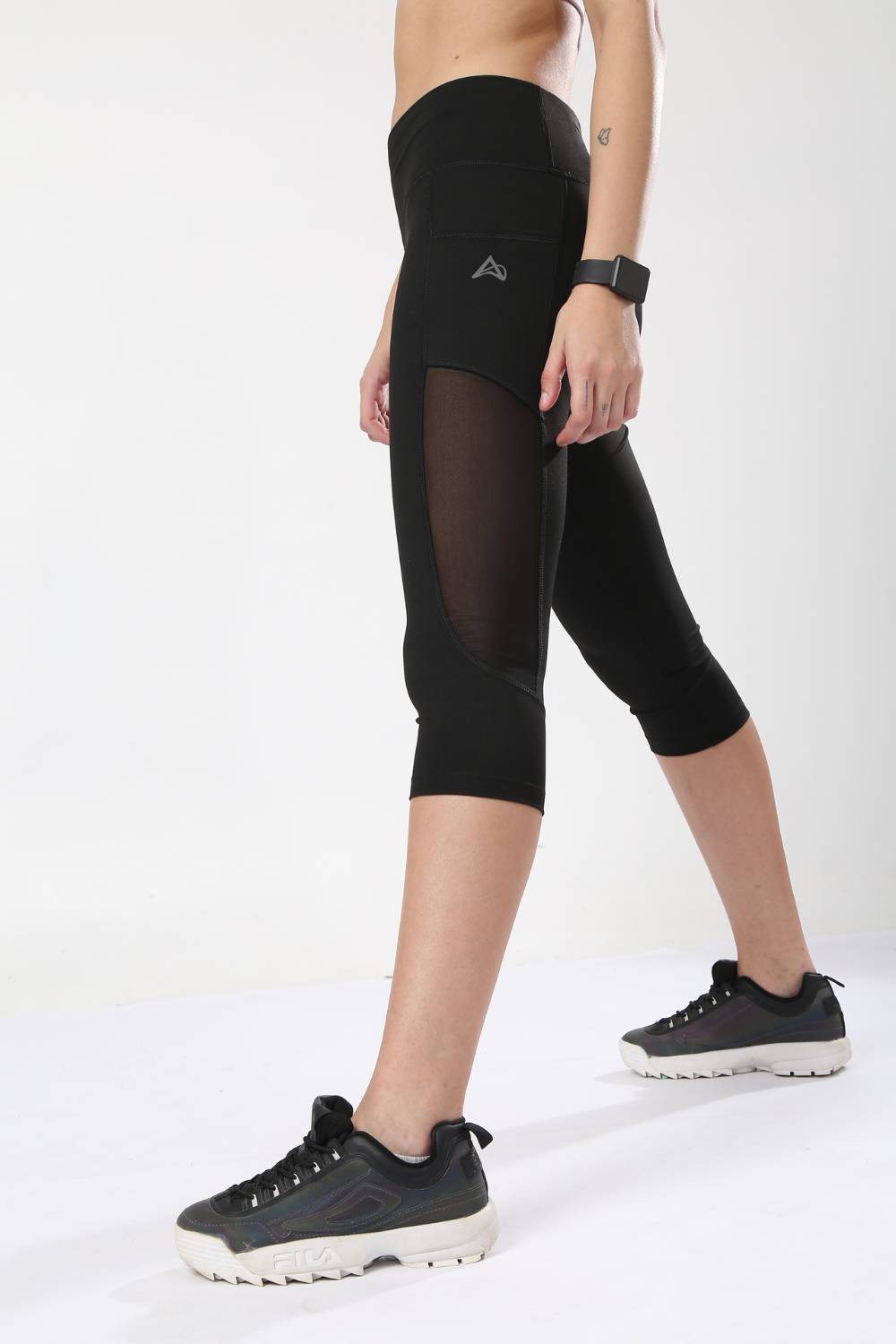
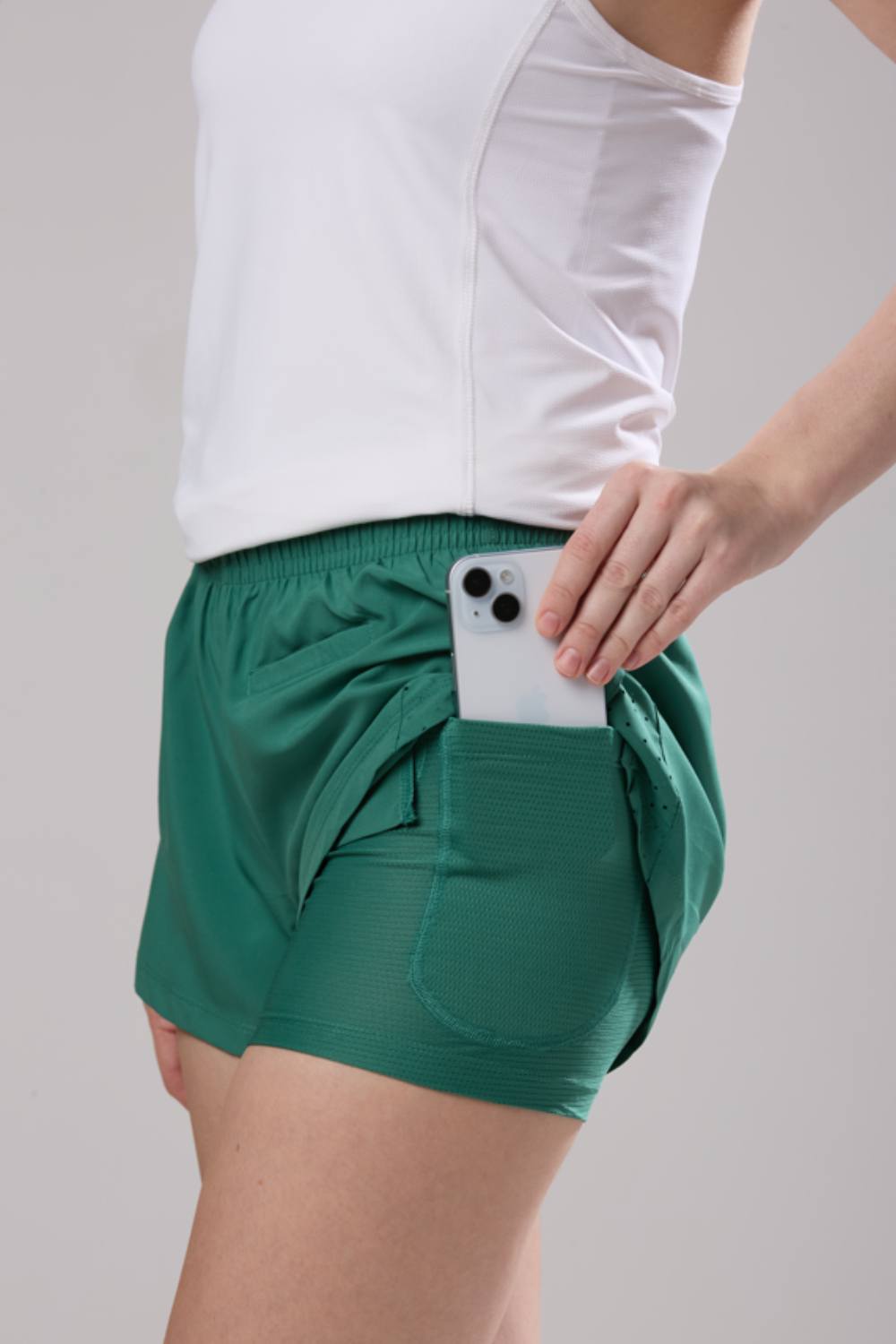
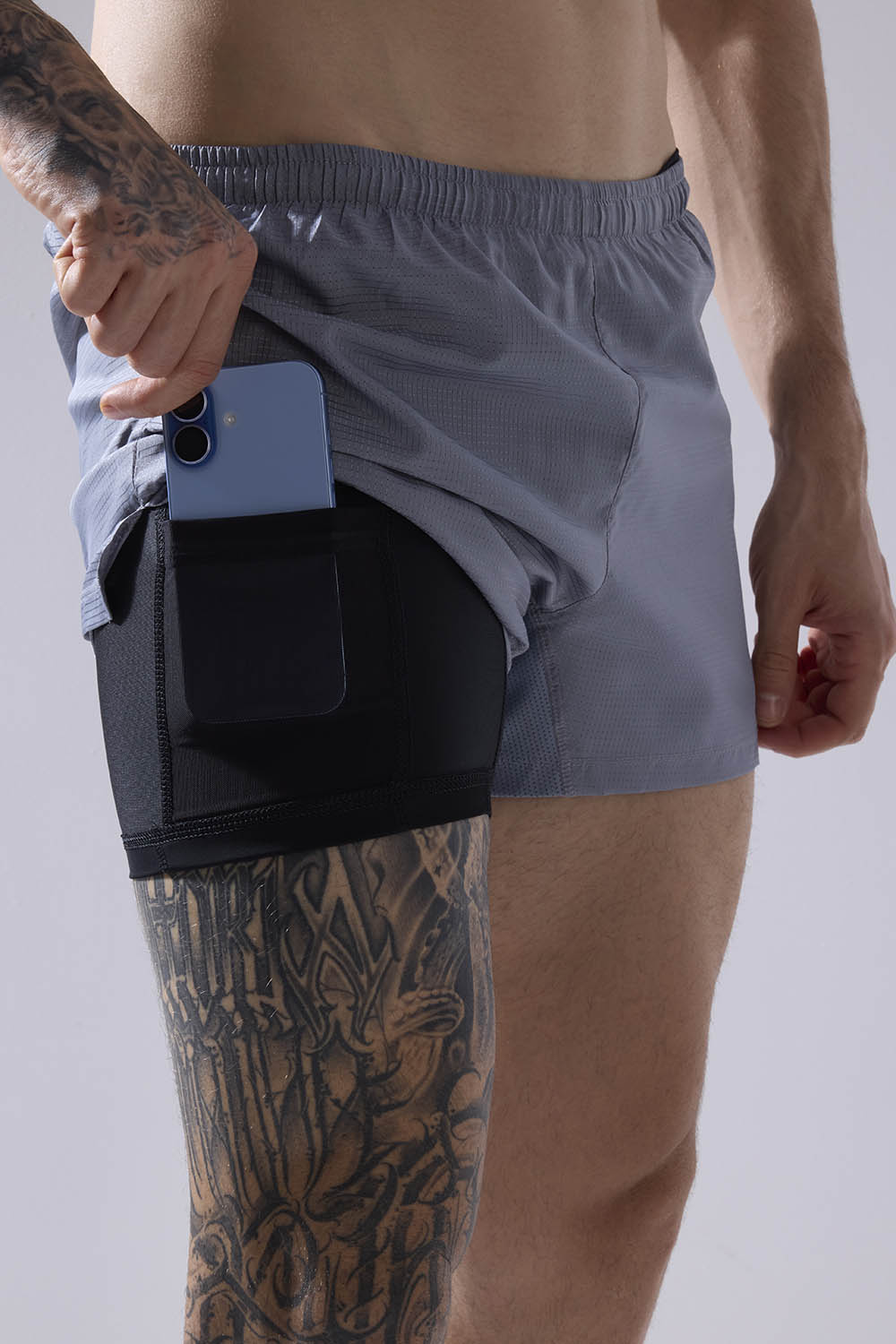
Real-world proving grounds abound: Navi Mumbai's torrential rains, Bangalore's unrelenting humid haze. Gear that survives here features thoughtful details secure, bounce-free pockets for essentials, anti-chafing linings, reflective elements for urban low-light conditions, and precision fits refined by runners on actual Indian roads.
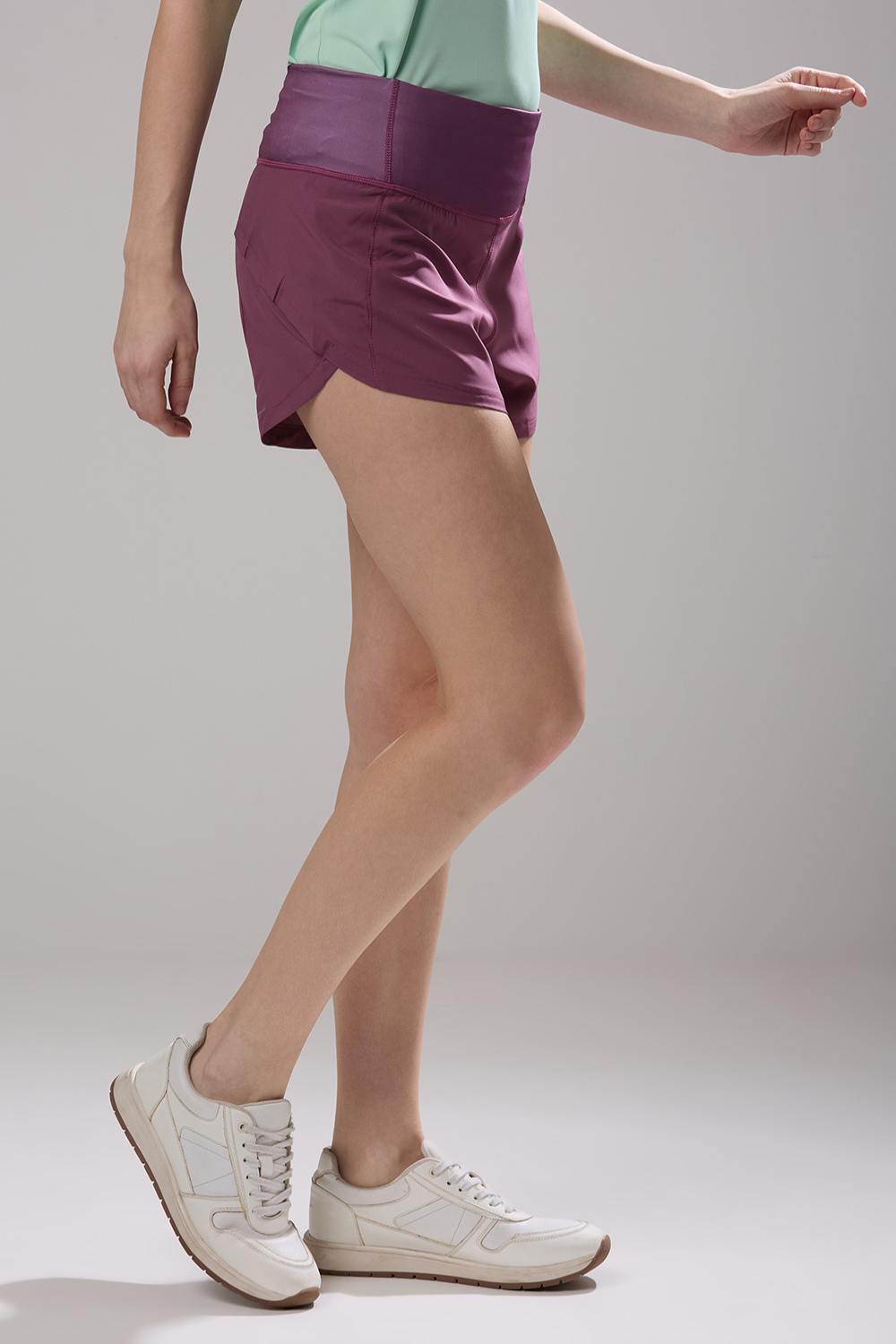
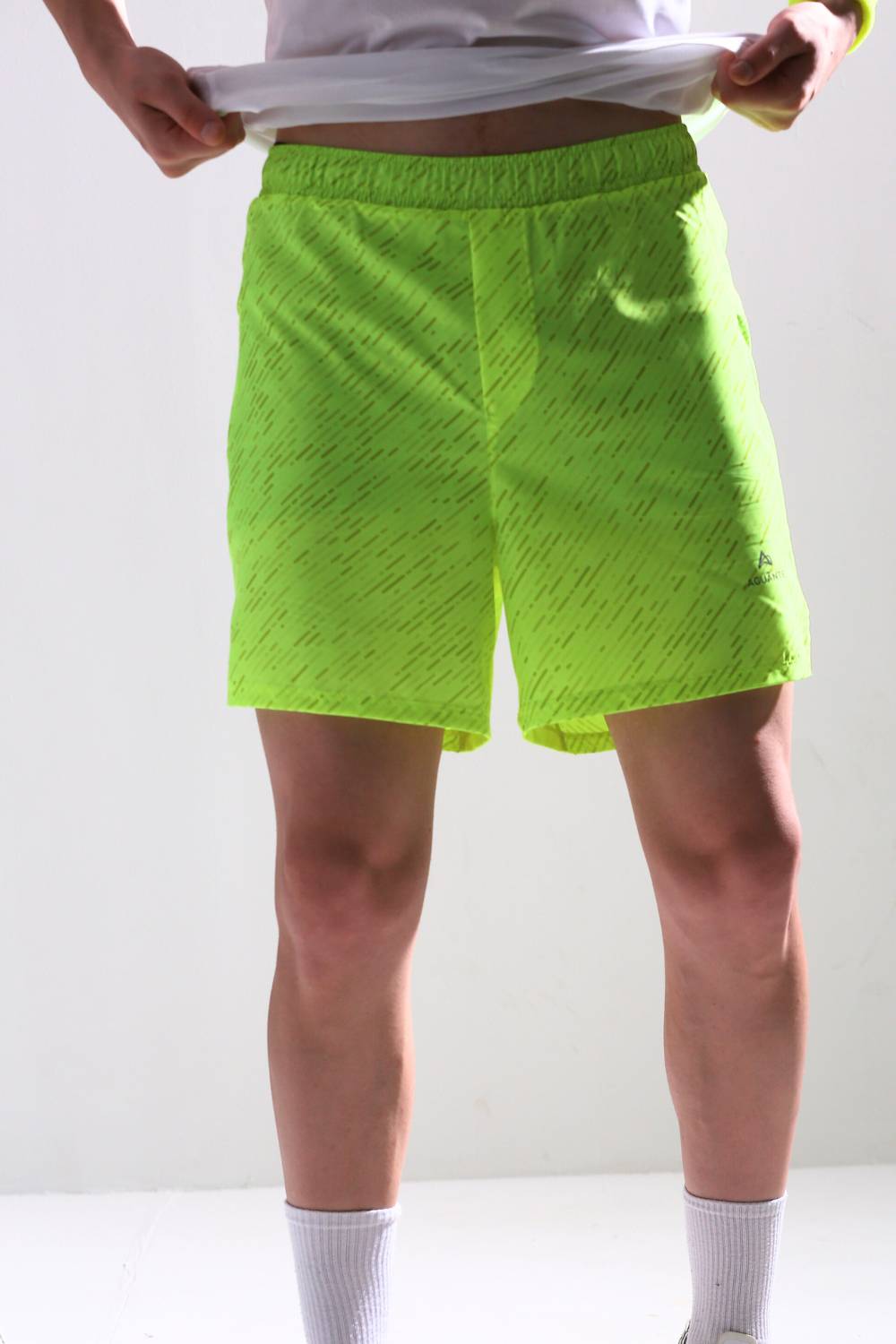
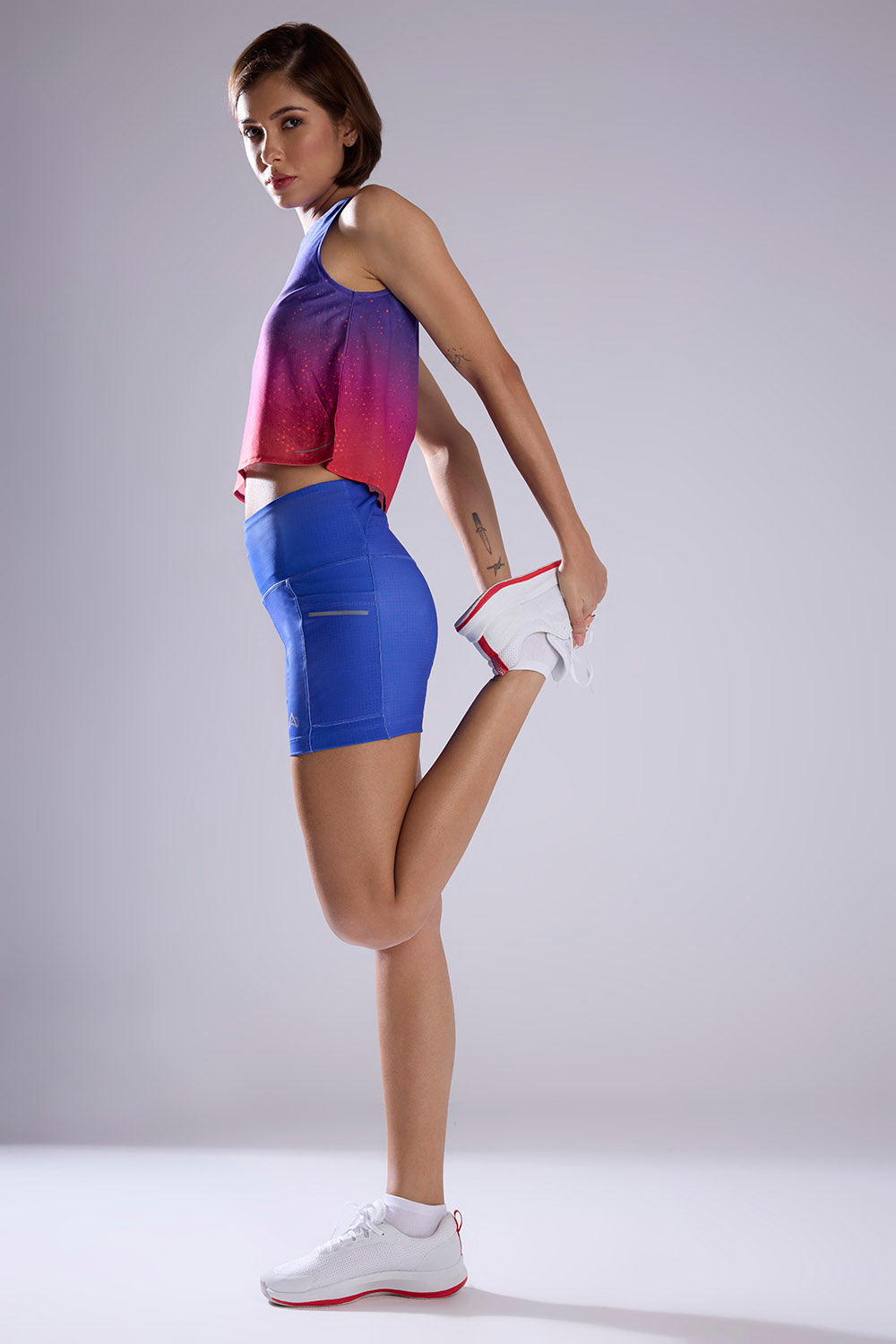
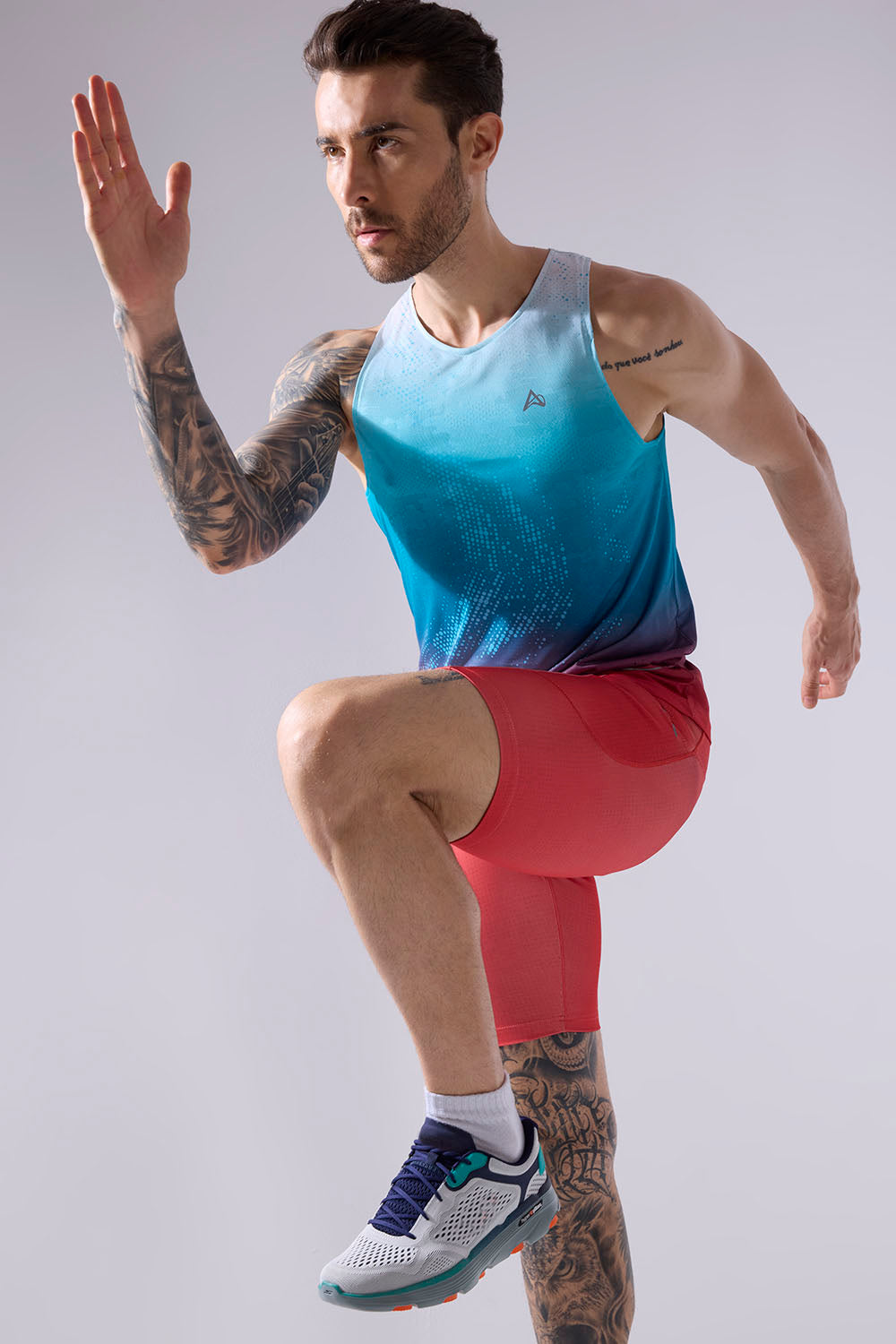
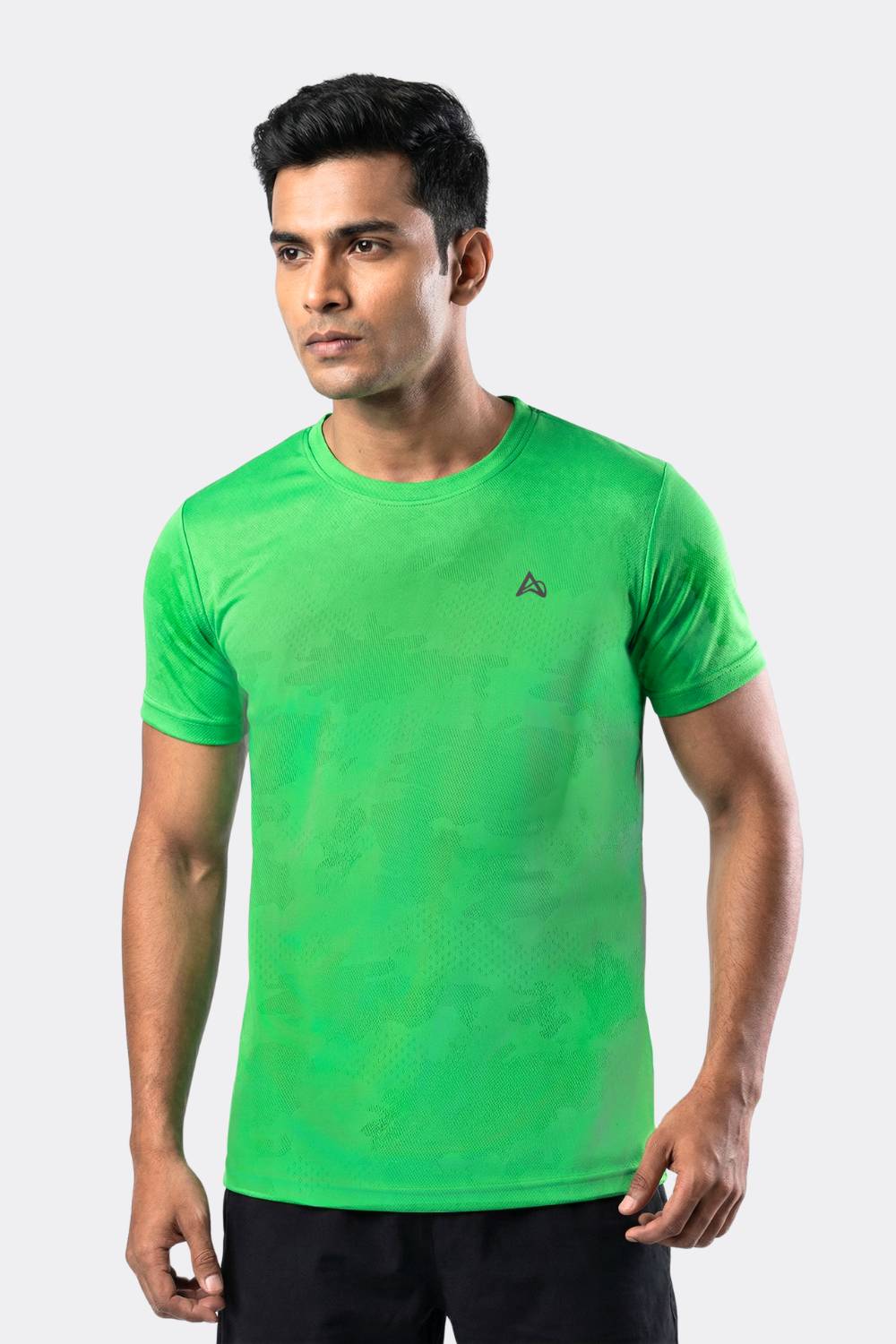
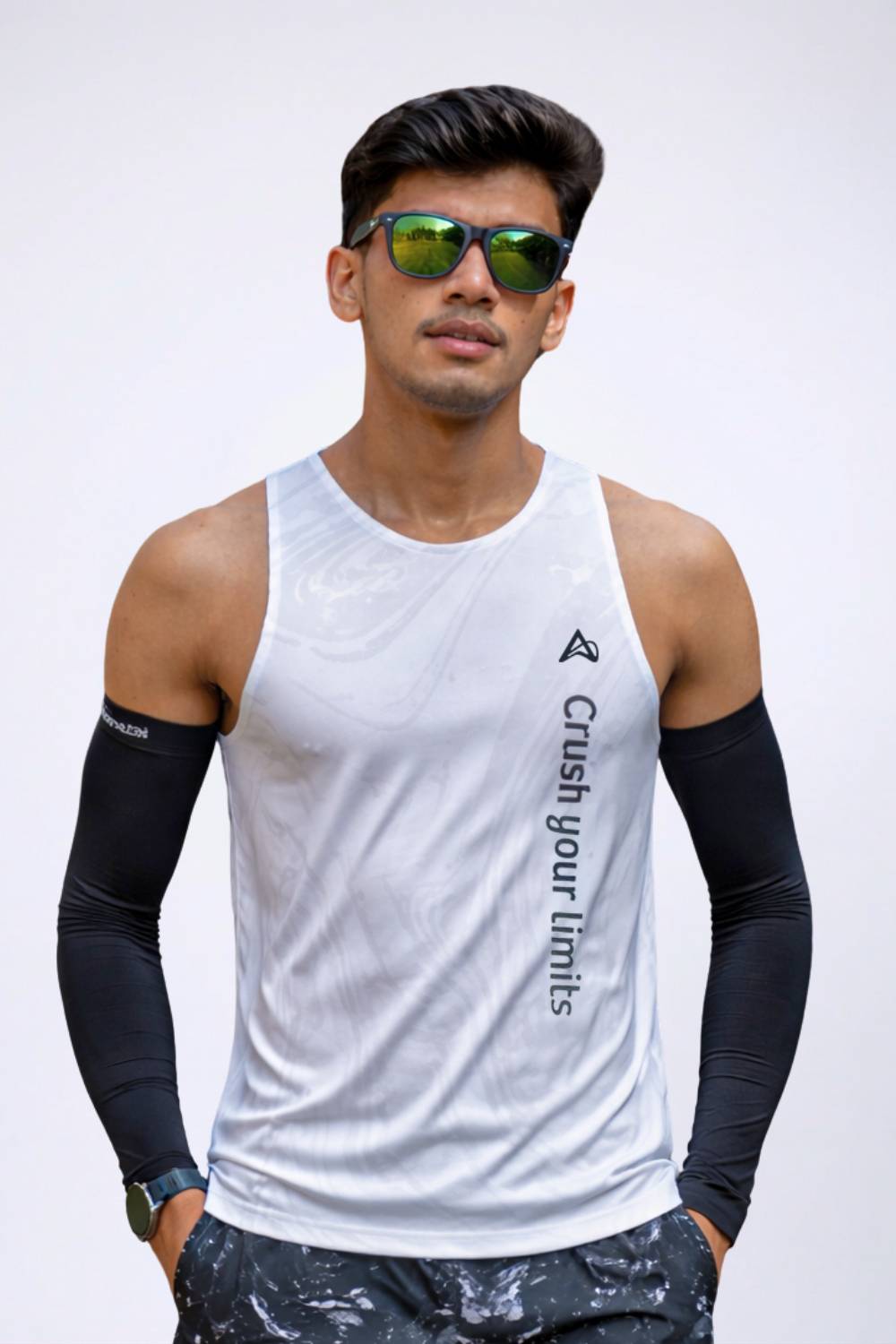
Aguante exemplifies this approach, engineering every product for India's signature heat, humidity, and uneven terrain. Departing from generic international designs, their collections emphasize runner-centric features: superior moisture-wicking fabrics, stable pockets, irritation-free construction, and unrestricted movement. This delivers high-performance quality tailored to Indian bodies and conditions at transparent, fair prices.
Such regional insight builds lasting loyalty. Global giants provide impressive tech, yet frequently miss nuances of Indian climates and proportions. Adaptive brands those leveraging locally sourced, sustainable, heat-responsive materials earn trust among runners in Hyderabad, Bangalore, and similar hubs.
The Hurdles in Activewear Fabric Development
Progress carries costs. High-end weather-resistant fabrics demand significant investment, posing barriers for smaller manufacturers in textile centers like Surat and Ahmedabad. Striking the right balance proves complex: waterproof layers can compromise breathability, while prioritizing lightness risks reduced durability.
India's harsh elements accelerate degradation fading under relentless sun, fiber breakdown from sweat, seam stress from frequent laundering. Manufacturers address these through intensive testing and innovative coatings, yet such efforts require substantial R&D commitment that not all can sustain.
Innovations in Fabric Technology and Market Demand
The outlook remains optimistic. Heightened awareness of performance advantages fuels demand for durable, weather-resilient gear, particularly among fitness communities in Hyderabad and Bangalore. Shoppers increasingly prioritize eco-friendly alternatives sustainable, biodegradable options that maintain functionality.
This shift appears in market data. The global outdoor fabric market, valued at USD 14.18 billion in 2025, is expected to reach USD 21.2 billion by 2034 at a 4.57% CAGR, according to Fortune Business Insights. Windproof fabrics show parallel growth, valued at USD 1,050.0 million in 2025 and projected to hit USD 1,640.0 million by 2035 at a 4.6% CAGR, per Fact.MR, supported by outdoor recreation and technical textile progress.
Collaborations between fabric producers and activewear brands unlock affordable innovations, merging advanced performance with accessibility. The surge in sustainable choices recycled polyester, bamboo blends, and beyond addresses environmental priorities while meeting India's demanding climate needs.
The Future of Resilient Activewear
Resilient fabrics will shape activewear's next chapter. Forward-thinking brands in Delhi, Mumbai, Pune, and beyond will gain advantage by adopting smart textiles, real-time adaptive materials responsive to temperature and humidity fluctuations, and emerging IoT features.
The strategy is straightforward: prioritize research, partner with textile innovators, and design with everyday Indian runners in mind. In such unpredictable weather, superior fabric transcends luxury it's the difference between stopping short and pushing through every season.
Frequently Asked Questions
What are weather-responsive fabrics in activewear and why are they important for Indian climates?
Weather-responsive fabrics are engineered materials that actively adapt to environmental conditions like humidity, heat, and rain. In India's diverse climates from Mumbai's coastal humidity to Delhi's extreme temperature swings these fabrics incorporate moisture-wicking technology, thermal regulation, UV protection, and quick-drying properties. They're essential because they prevent the discomfort of sweat-soaked clothing during monsoons and heat waves, while maintaining breathability and durability across unpredictable weather patterns that Indian runners face daily.
Which fabric technologies are best for running in humid and rainy Indian cities?
For humid coastal cities like Mumbai, Bangalore, and Navi Mumbai, breathable mesh combined with advanced moisture-wicking fabrics works best, actively drawing sweat away for rapid evaporation. Waterproof breathable textiles using ePTFE and polyurethane provide reliable rain protection without trapping perspiration. Anti-microbial treatments help combat odor during extended humid runs, while quick-drying materials ensure gear doesn't stay soggy after sudden downpours a common challenge in India's monsoon-prone regions.
Are sustainable activewear fabrics as durable as traditional performance fabrics for extreme weather?
Yes, modern sustainable alternatives like recycled polyester and bamboo blends now match traditional performance fabrics in durability while meeting India's demanding climate needs. The outdoor fabric market's growth reflects increasing demand for eco-friendly options that maintain functionality offering moisture management, UV protection, and weather resistance. Brands are successfully addressing environmental priorities without compromising on the breathability, quick-drying properties, and resilience needed to withstand India's harsh sun, heavy rain, and frequent laundering cycles.
Disclaimer: The above helpful resources content contains personal opinions and experiences. The information provided is for general knowledge and does not constitute professional advice.
You may also be interested in: Why marathon runners demand apparel designed with climate
Tired of gear that slows you down? Chafing, soggy fabrics, and missing pockets kill your run's momentum. At Aguante, we're runners who get it. Our high-performance activewear features moisture-wicking fabrics, ergonomic designs, and smart storage to keep you focused. Shop Now!
Powered by flareAI.co