



Quick Listen:
Picture the early morning mist clinging to the pavements of Bangalore, where dedicated runners dodge potholes and humidity alike, seeking apparel that endures the relentless Indian climate. In metropolises such as Mumbai, Delhi, and Hyderabad, the pursuit of ideal running gear moisture-wicking shorts, ergonomic singlets, or anti-chafing half-tights has often meant settling for imports ill-suited to local demands. Yet, a transformative shift is emerging, propelled not by massive investors but by the grassroots enthusiasm of individuals pledging support through crowdfunding sites.
Tired of gear that slows you down? Chafing, soggy fabrics, and missing pockets kill your run's momentum. At Aguante, we're runners who get it. Our high-performance activewear features moisture-wicking fabrics, ergonomic designs, and smart storage to keep you focused. Shop Now!
Crowdfunding Meets Performance Apparel
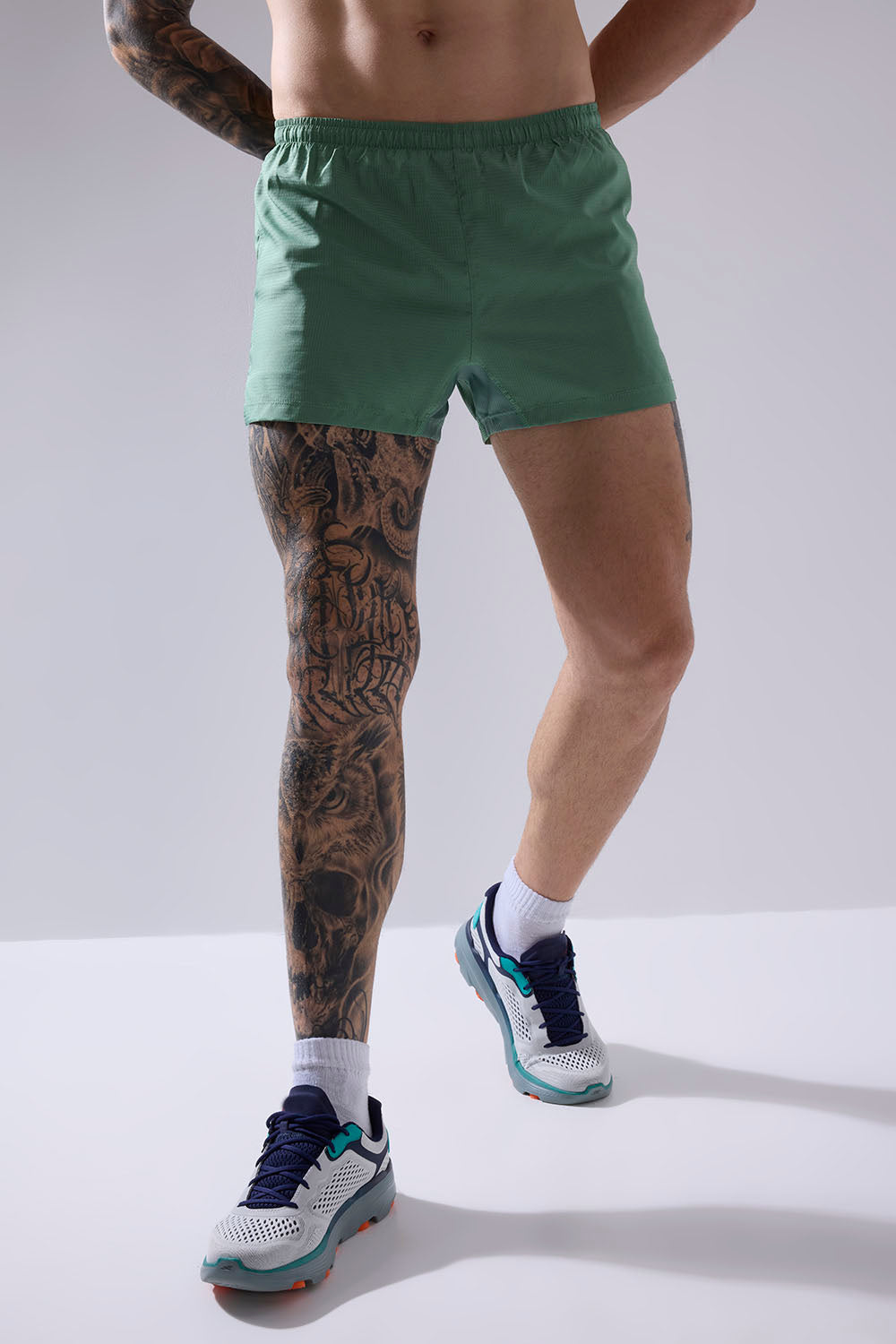
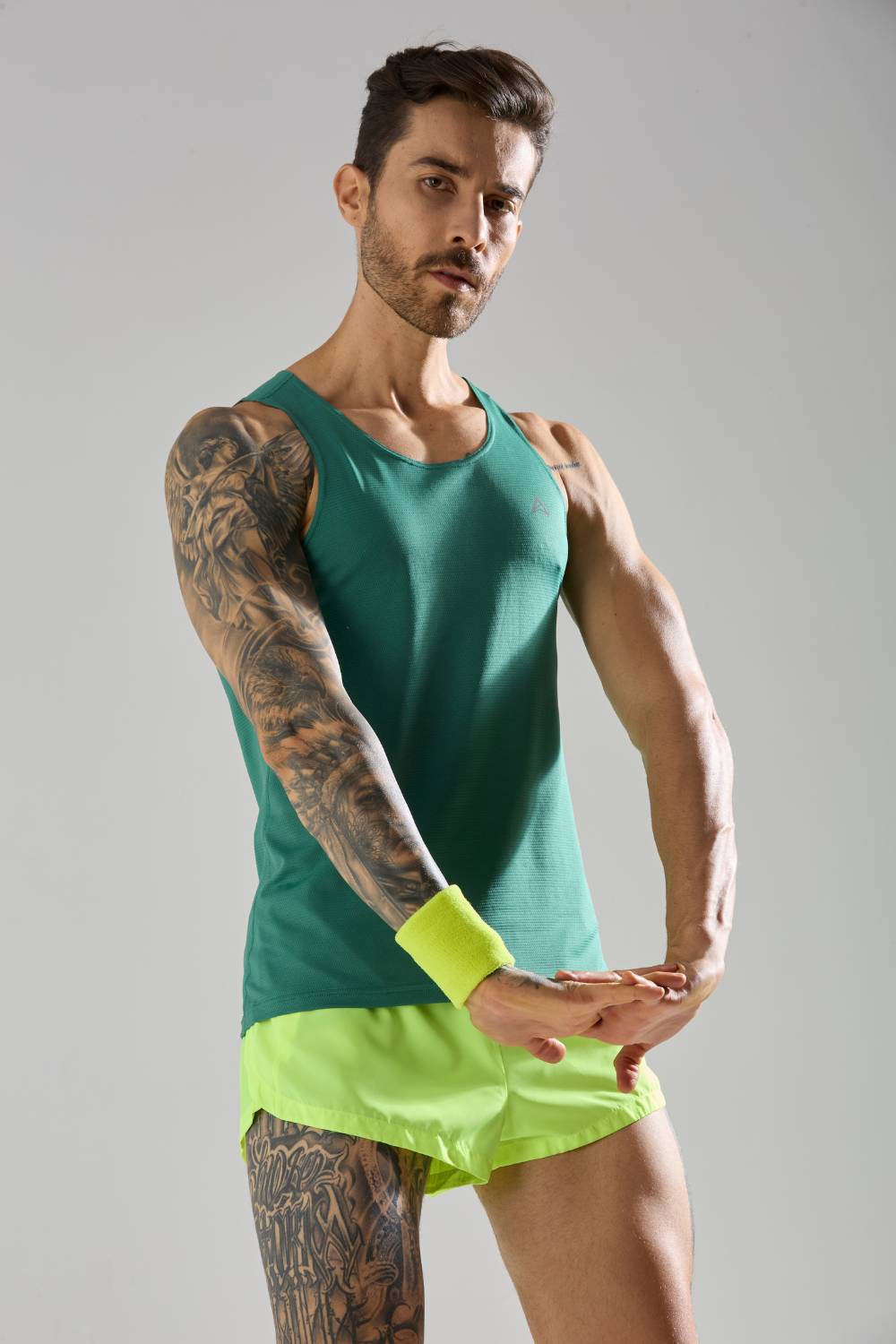
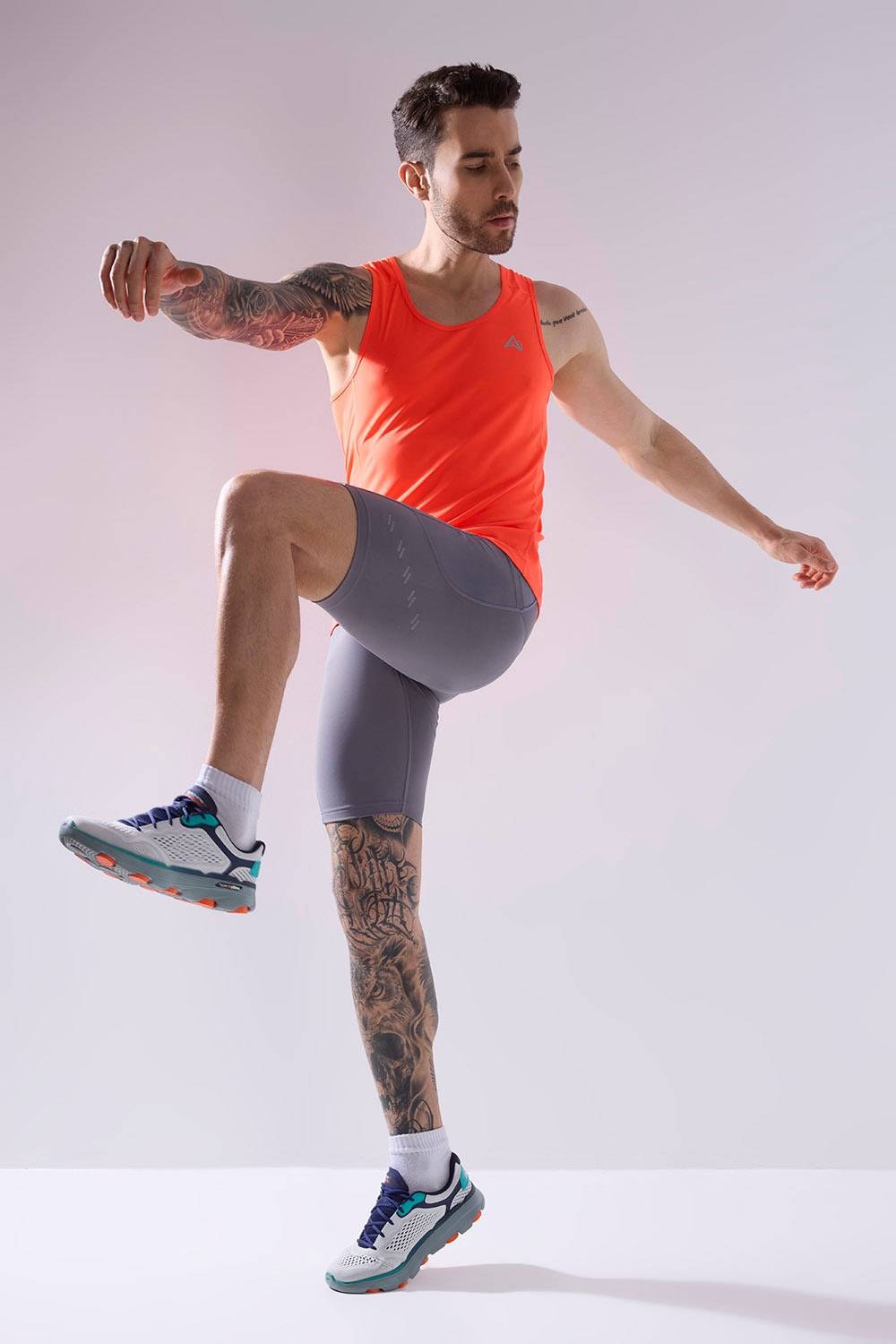
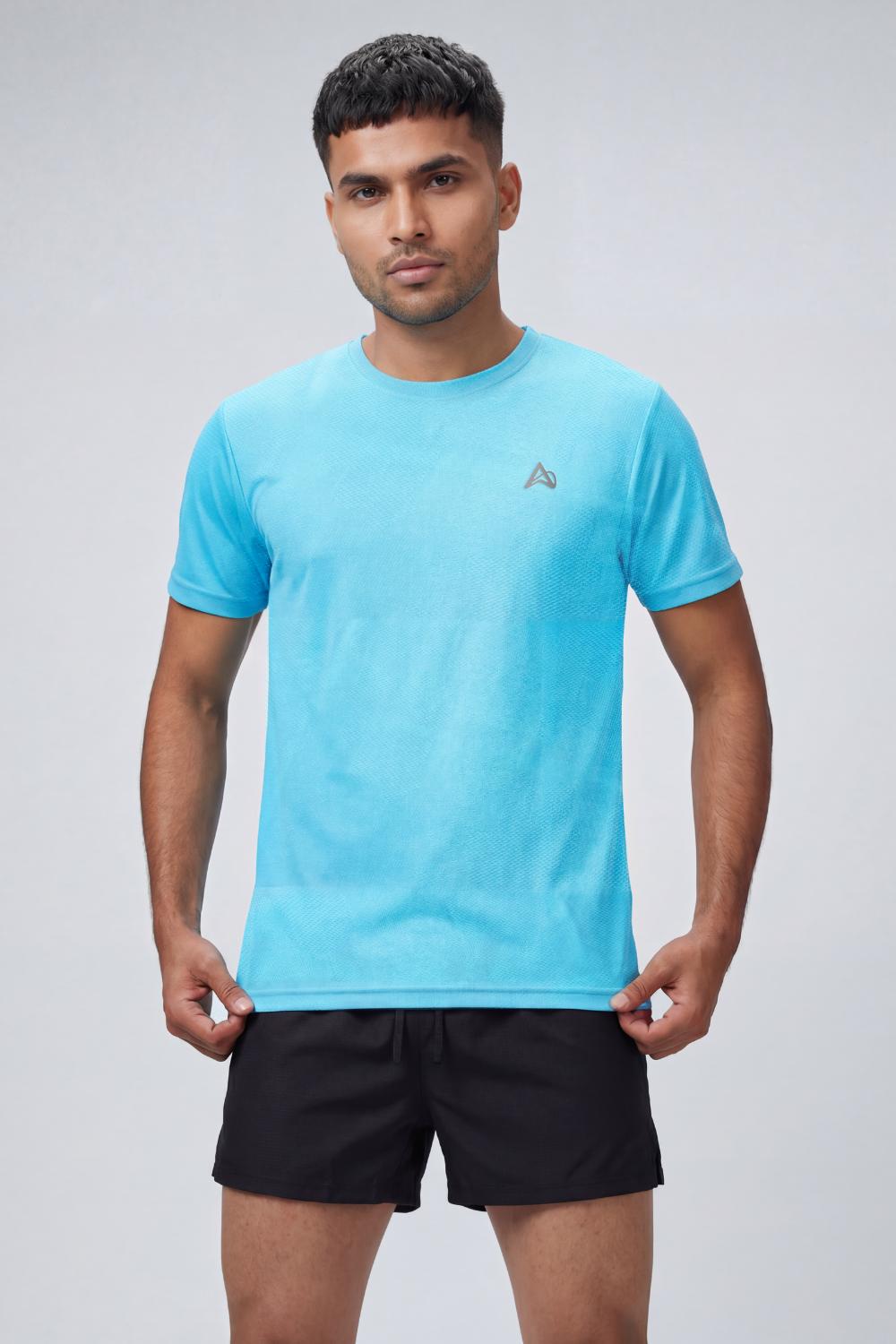
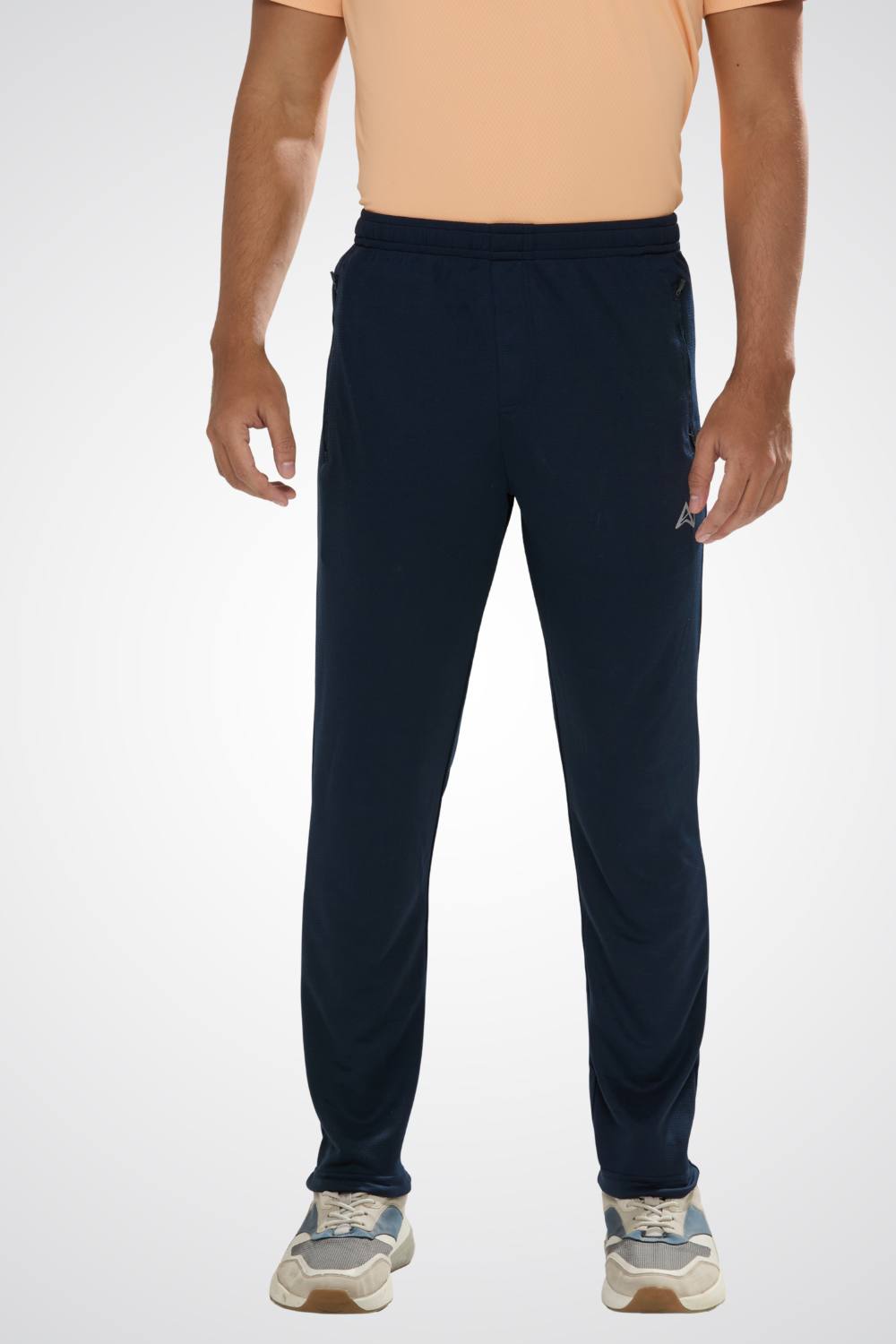
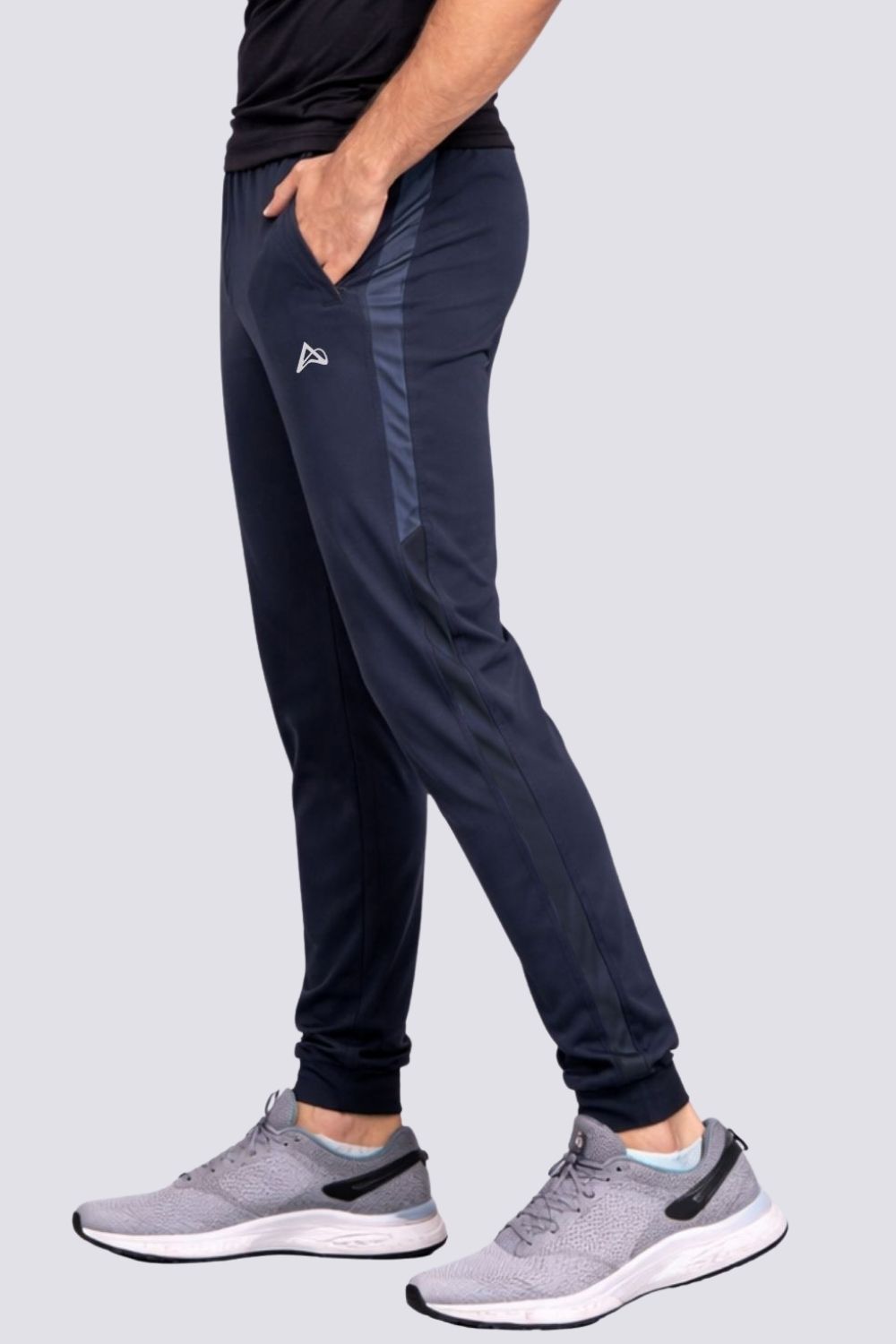
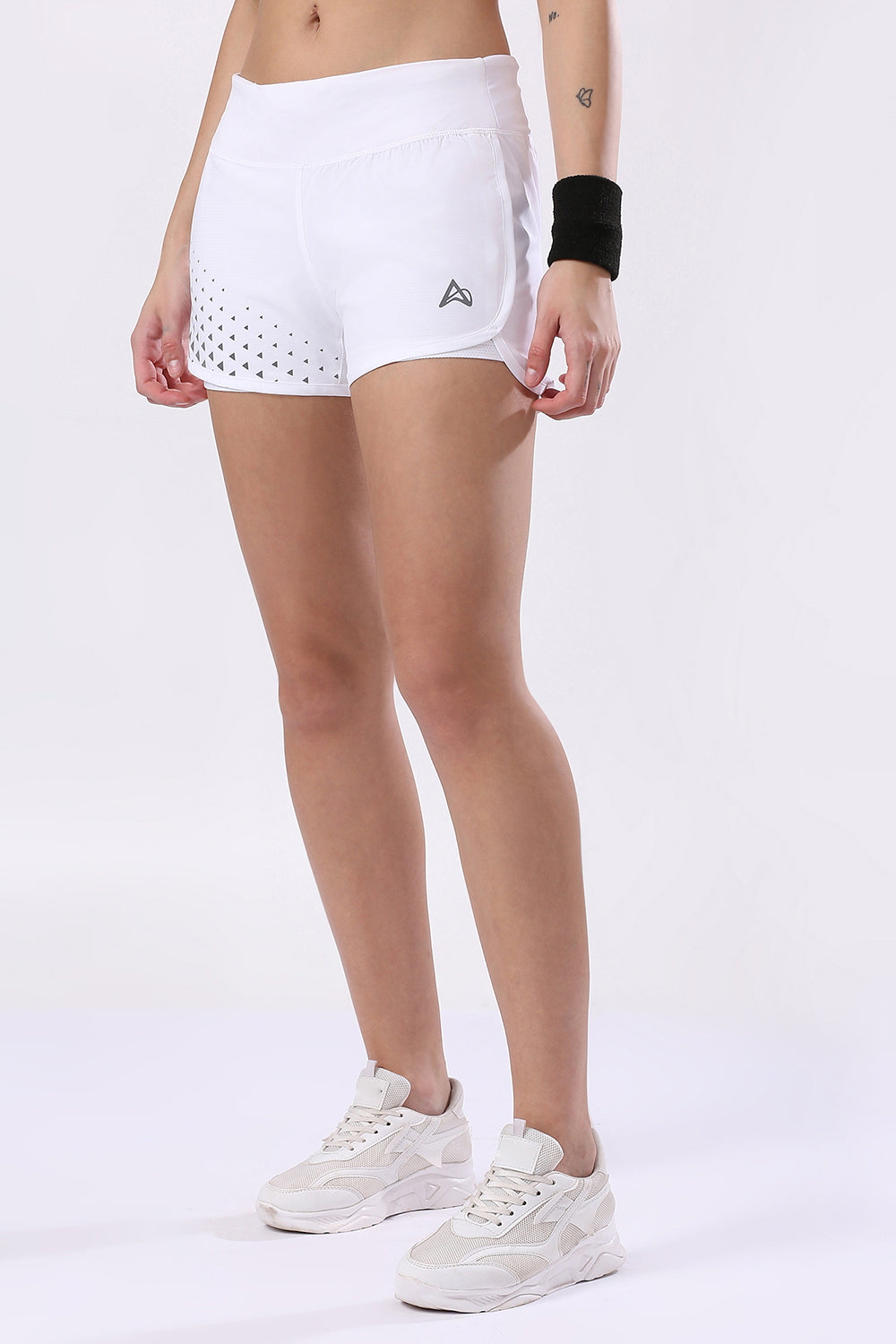
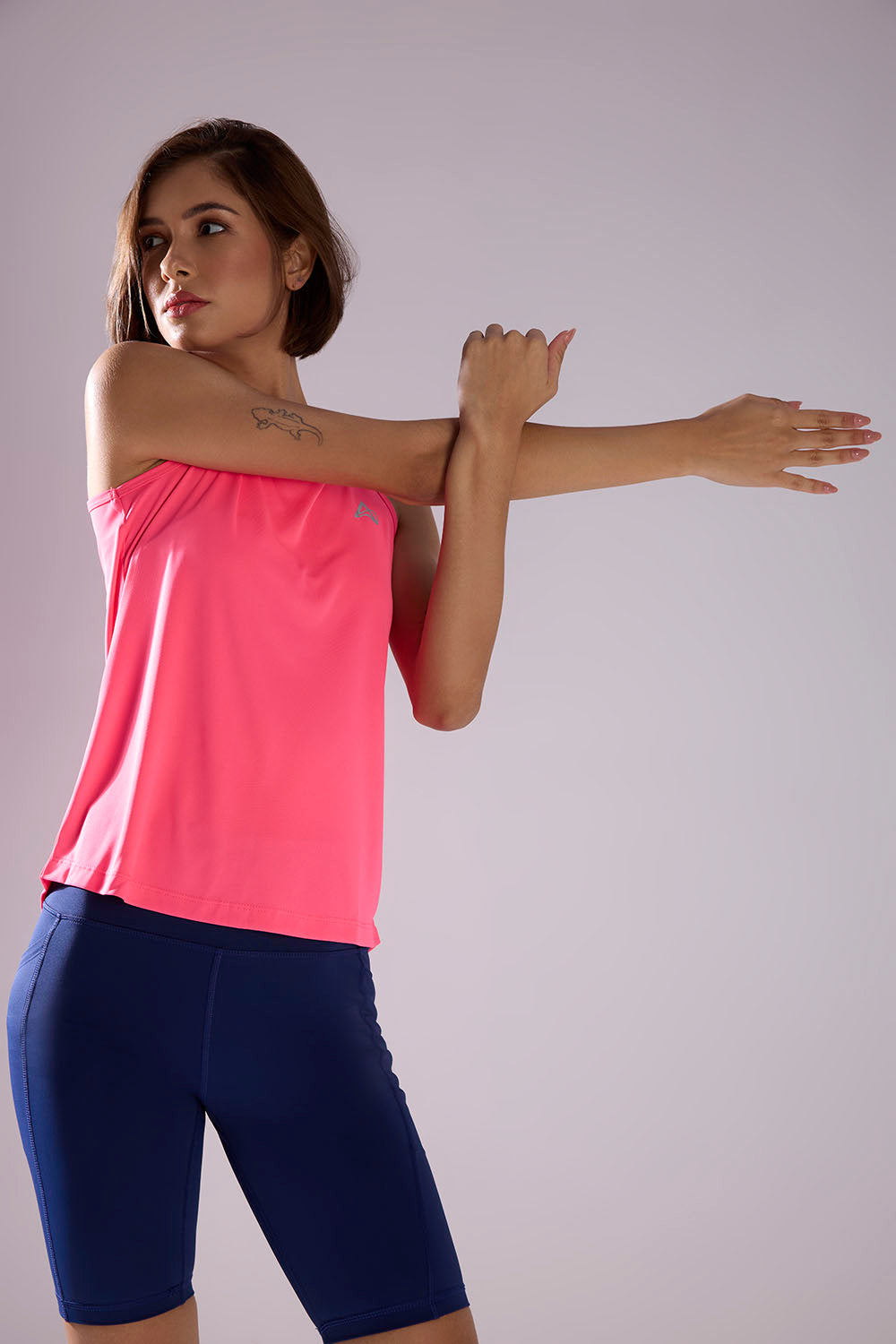
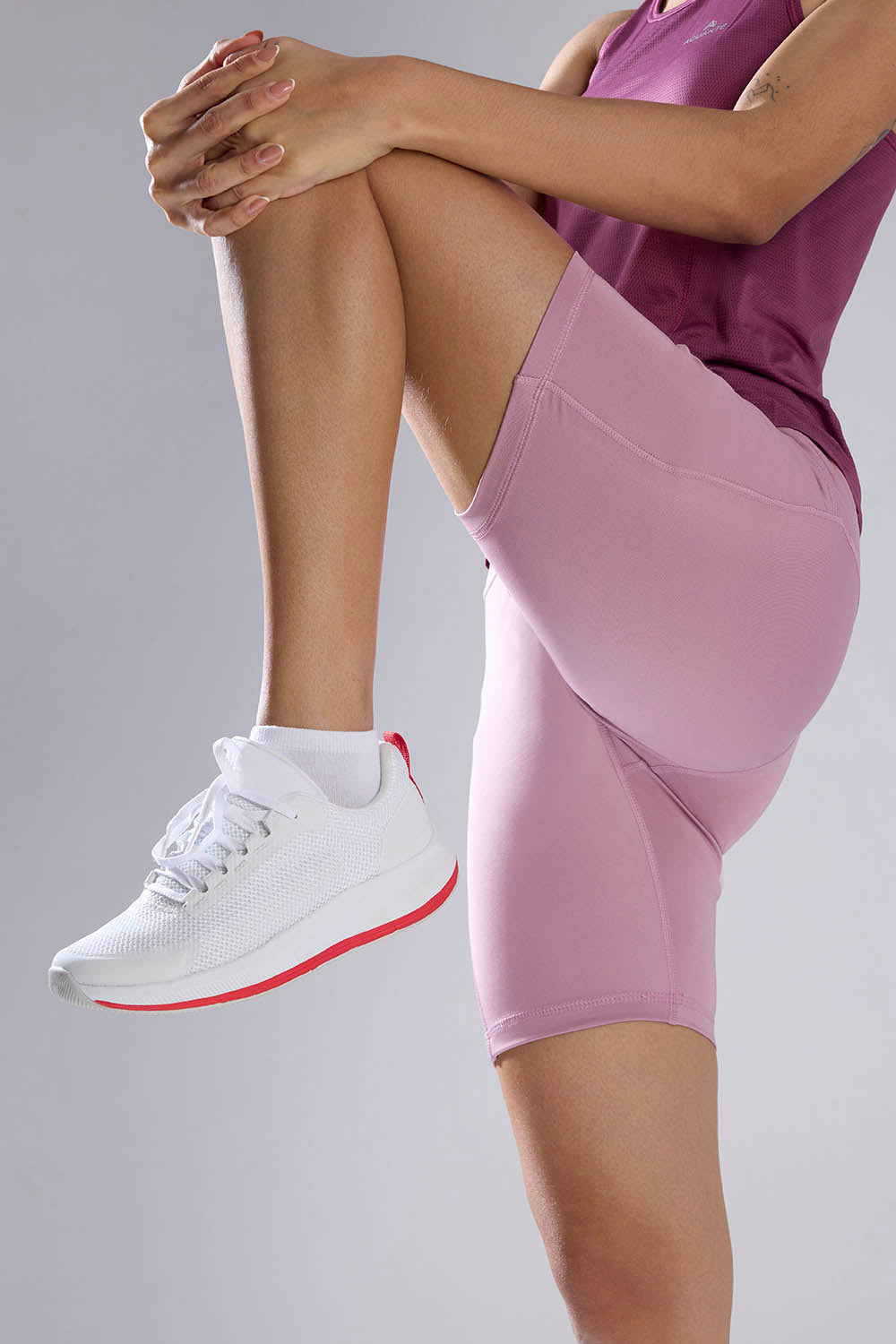
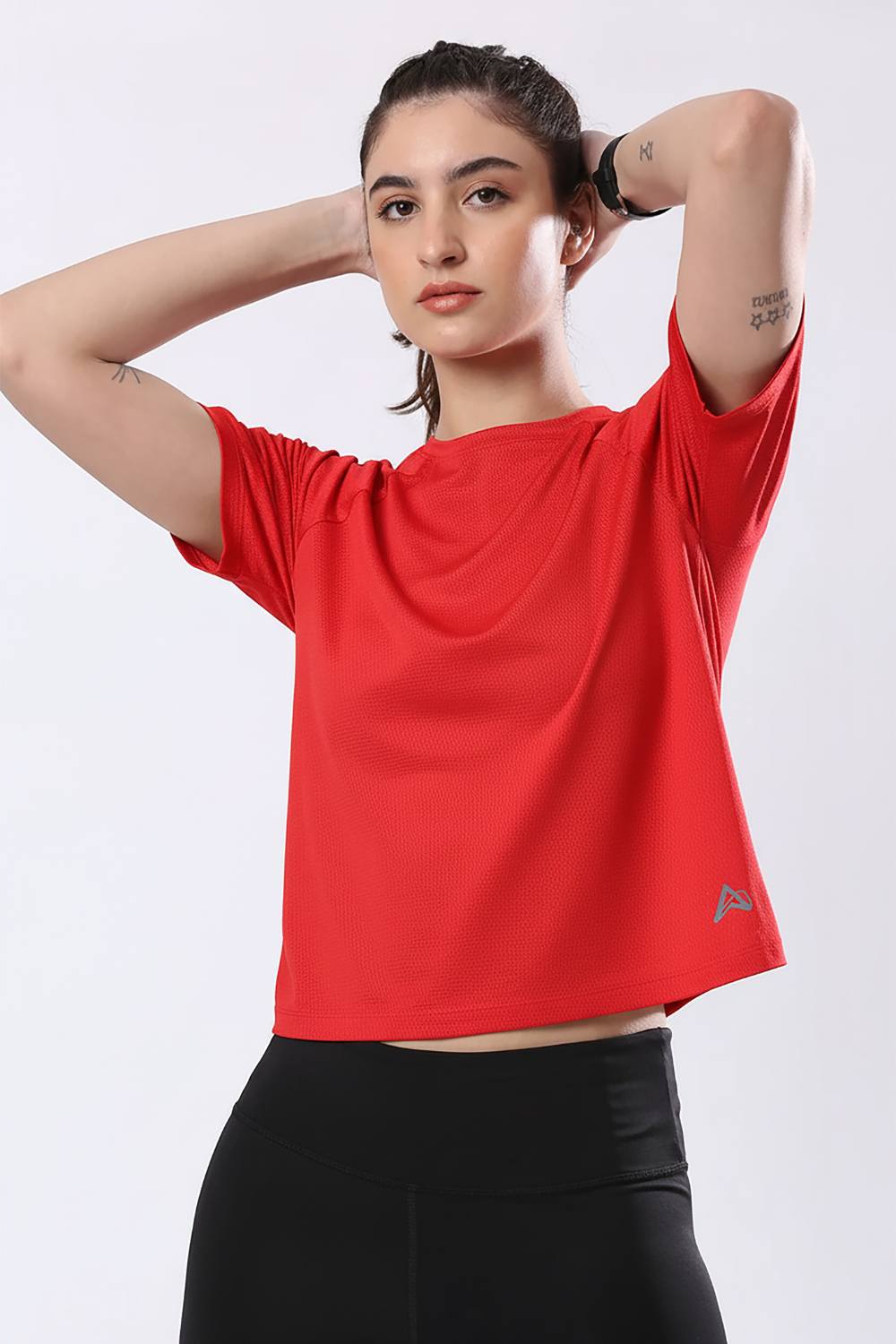
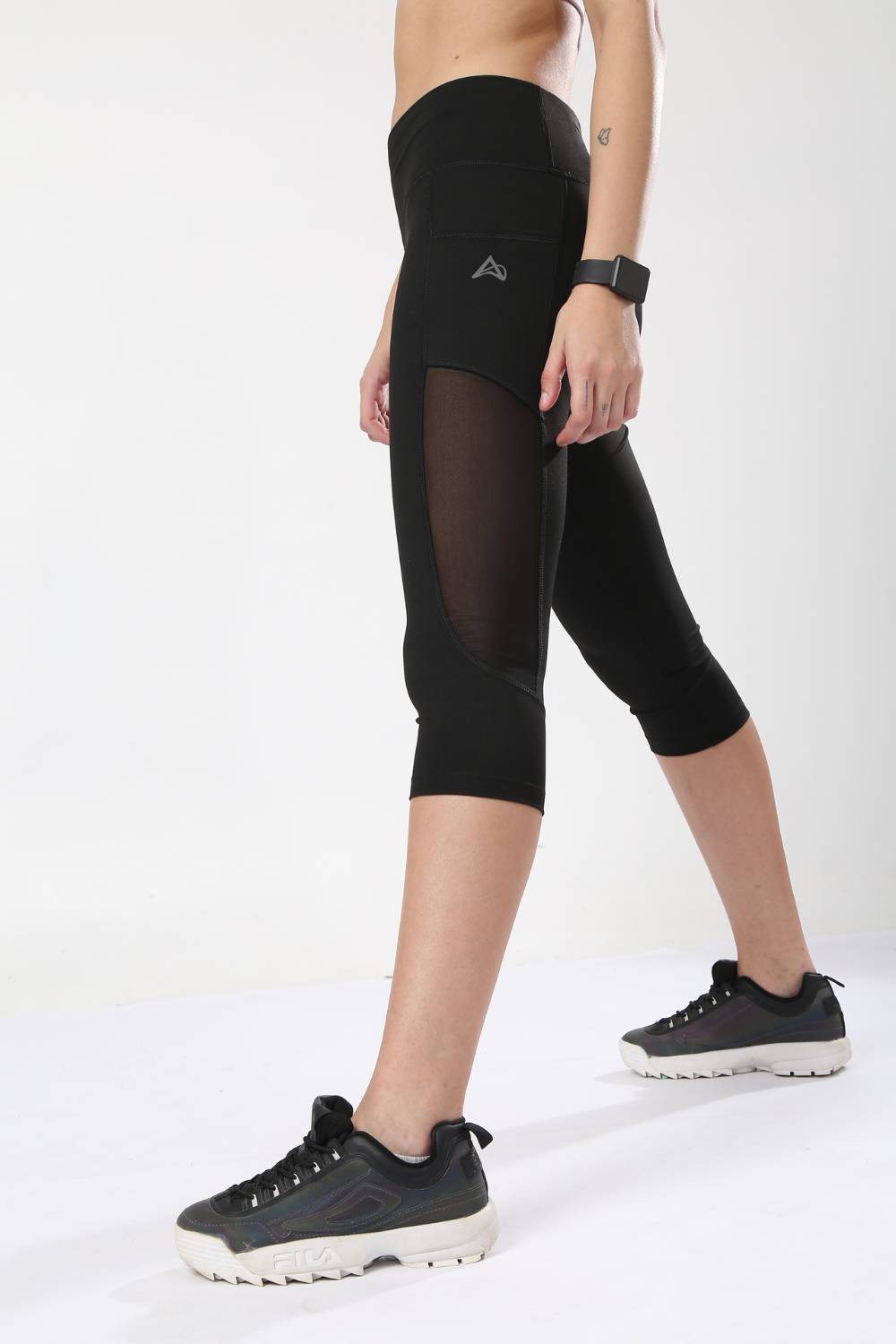
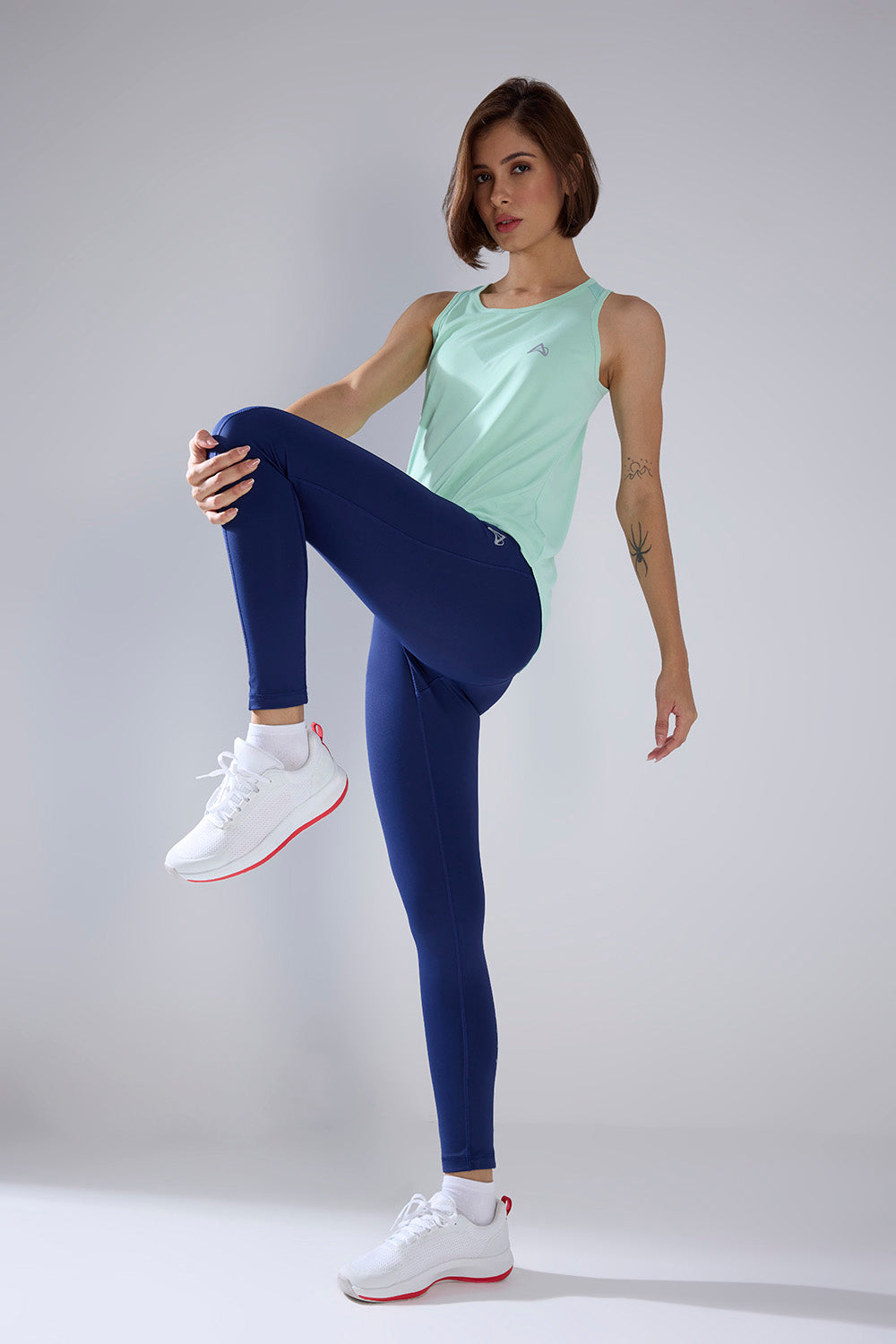
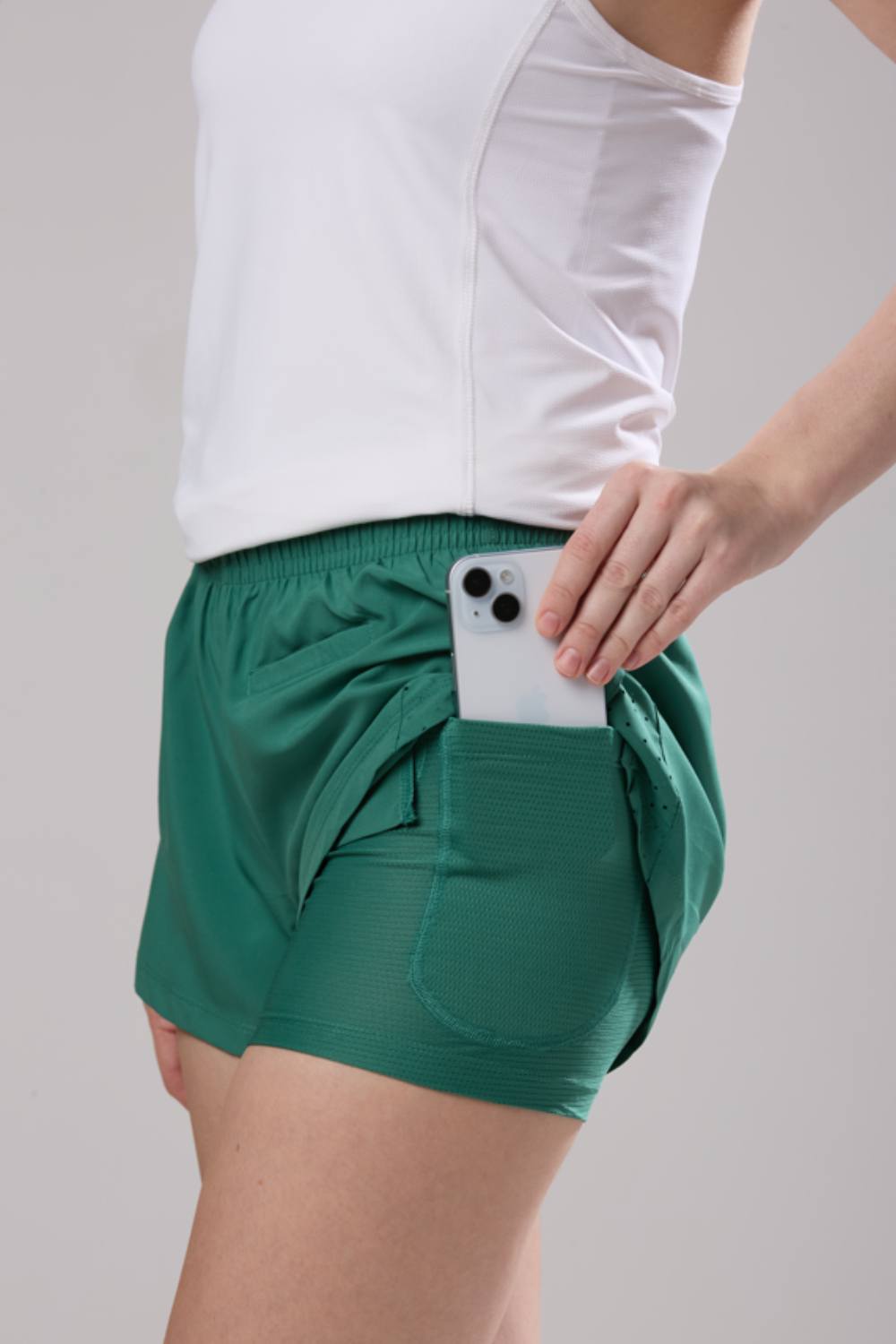
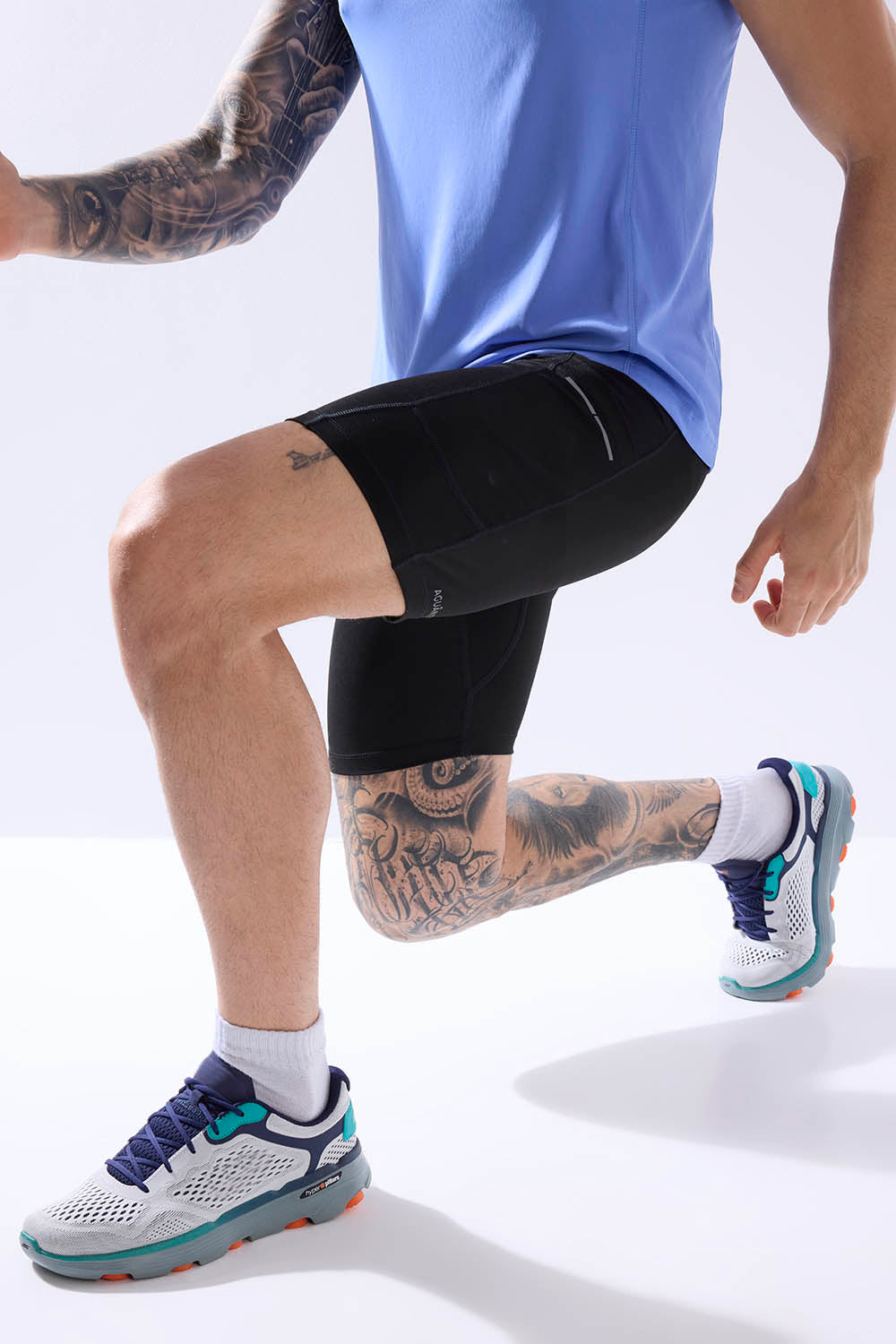
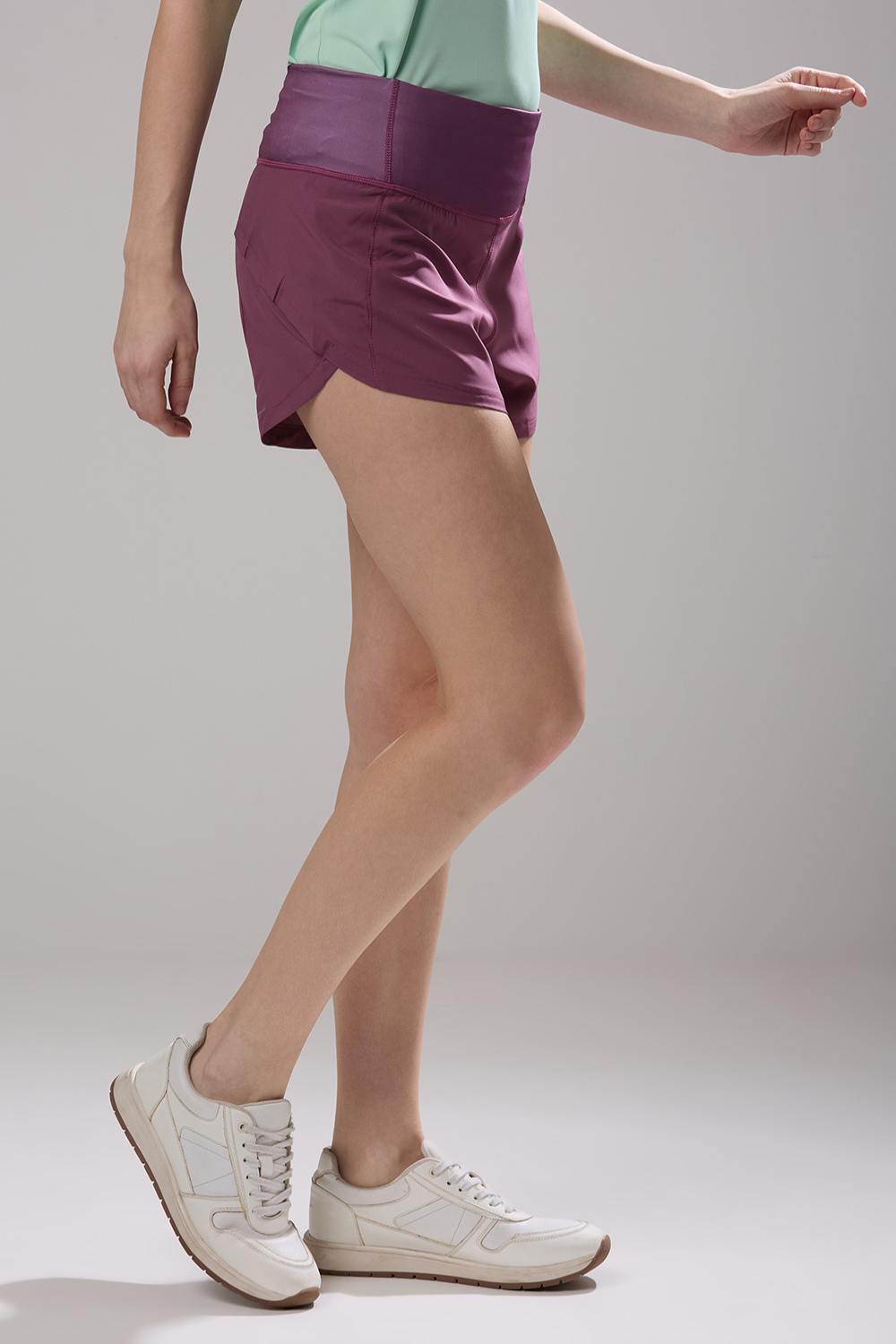
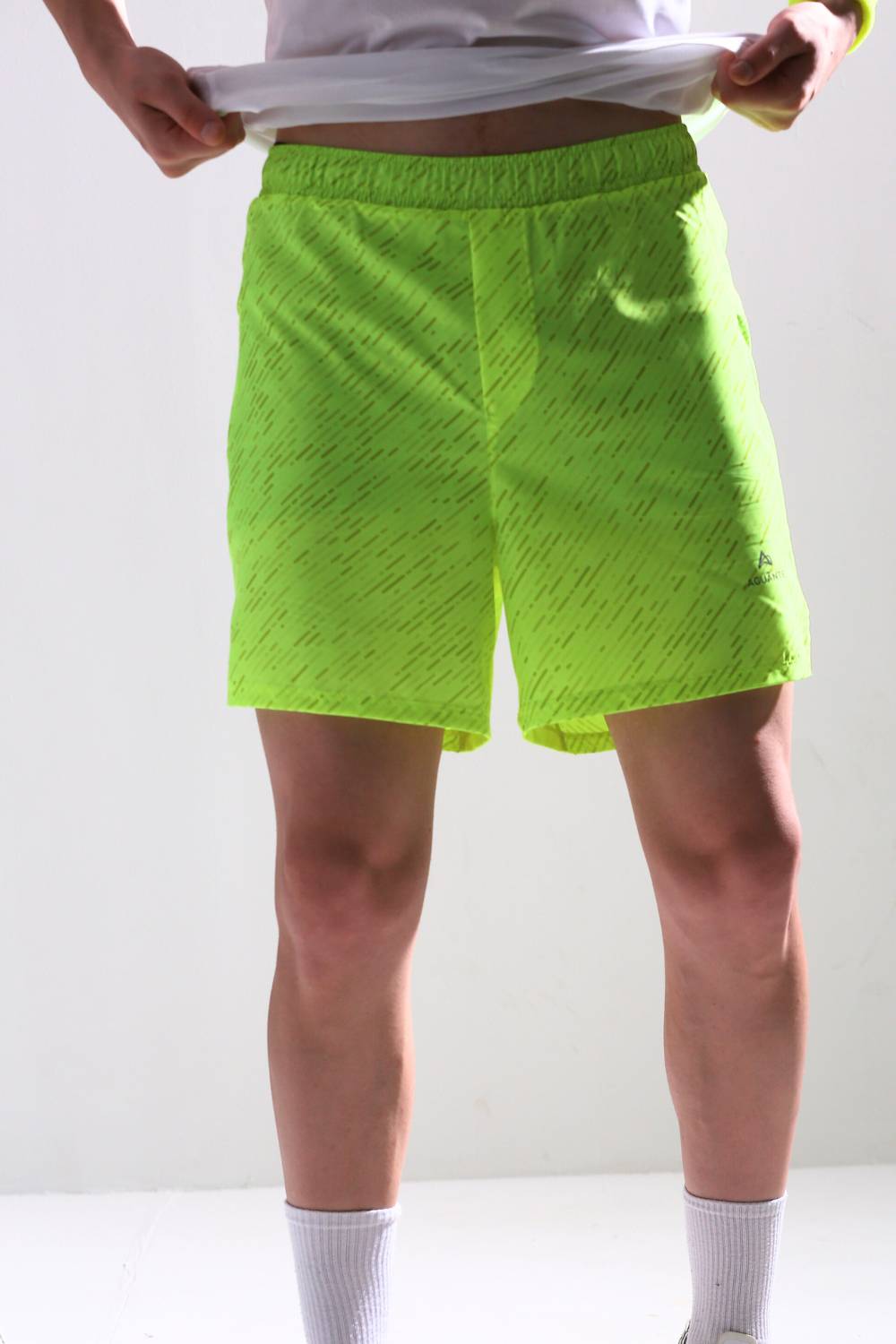
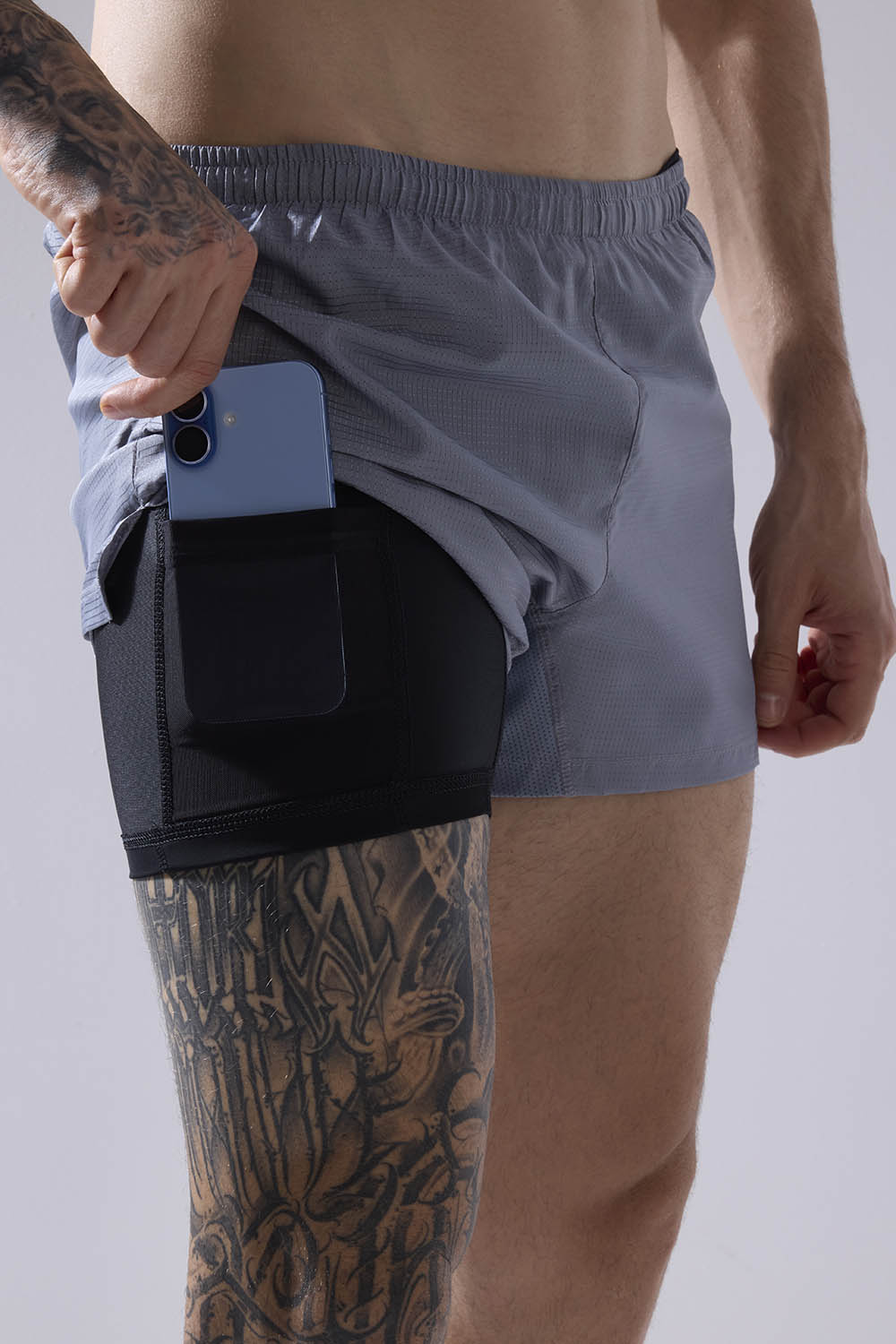
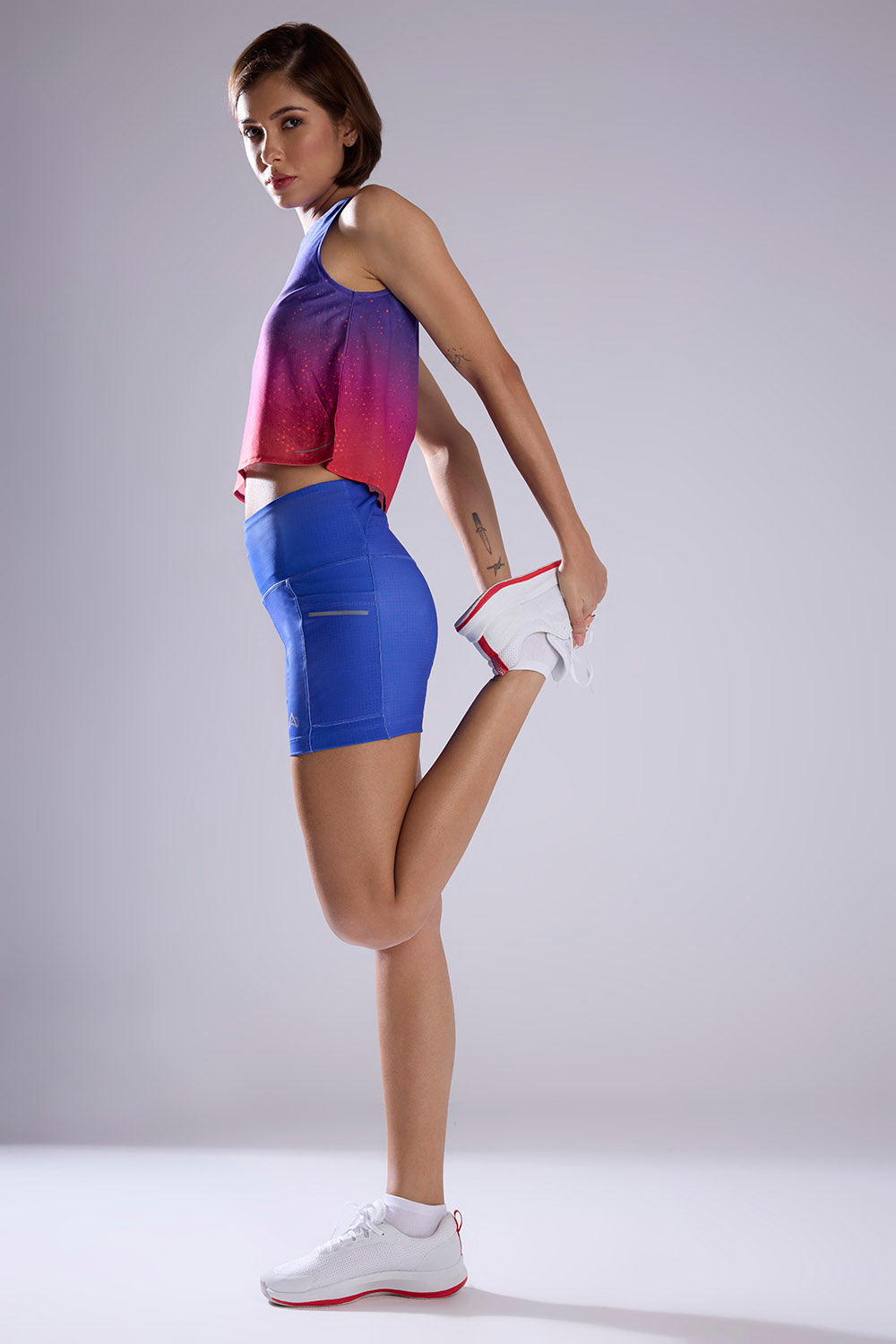
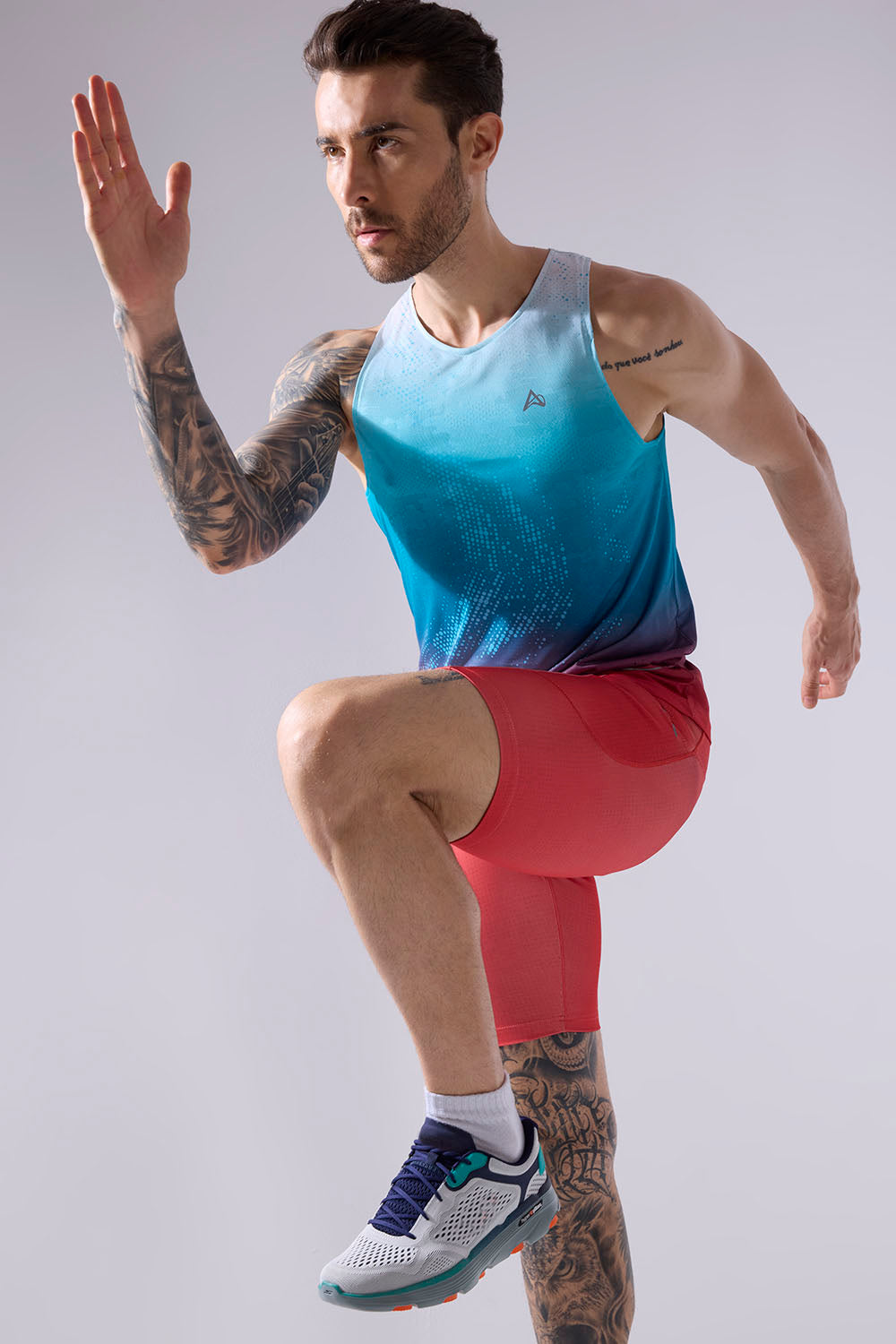
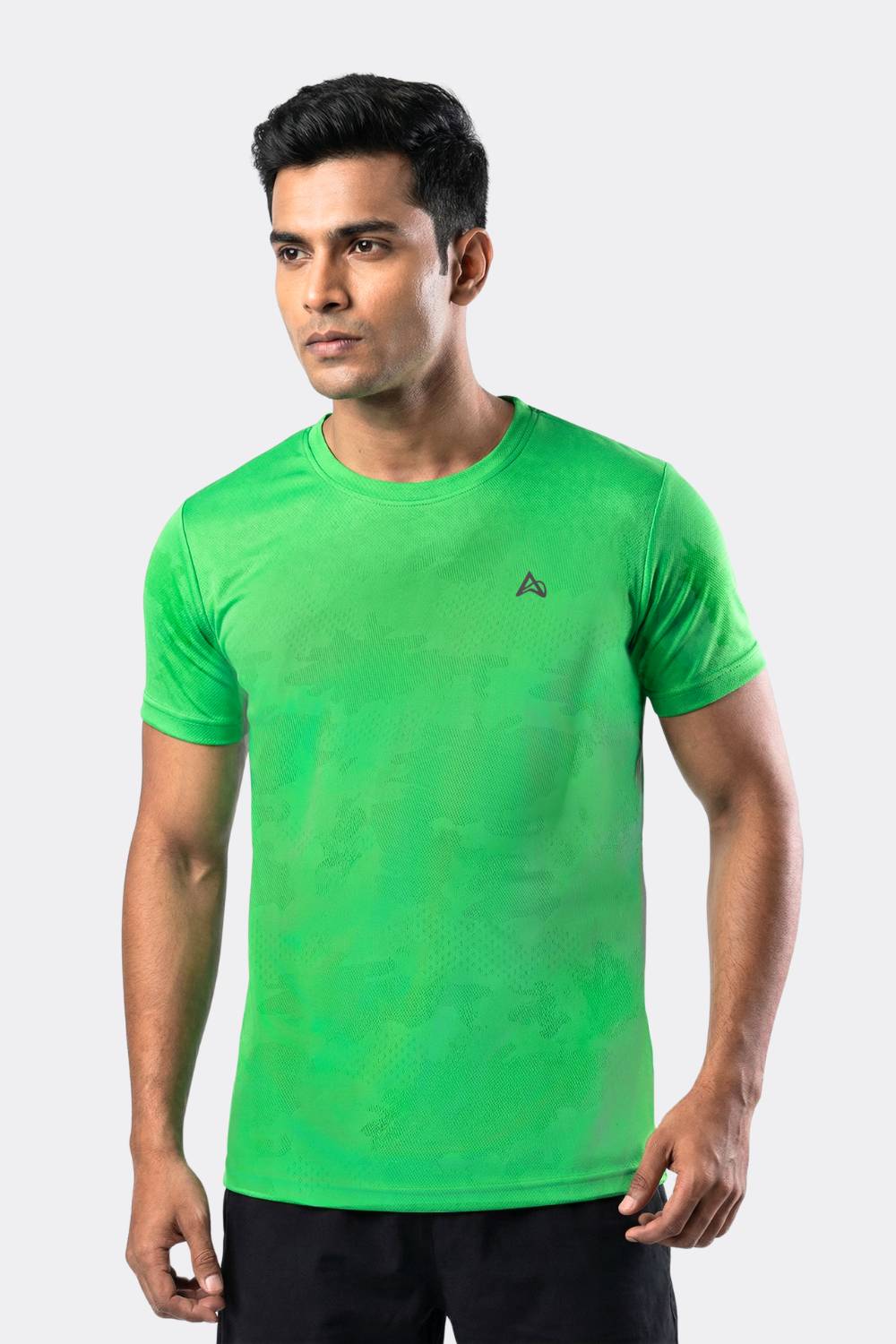
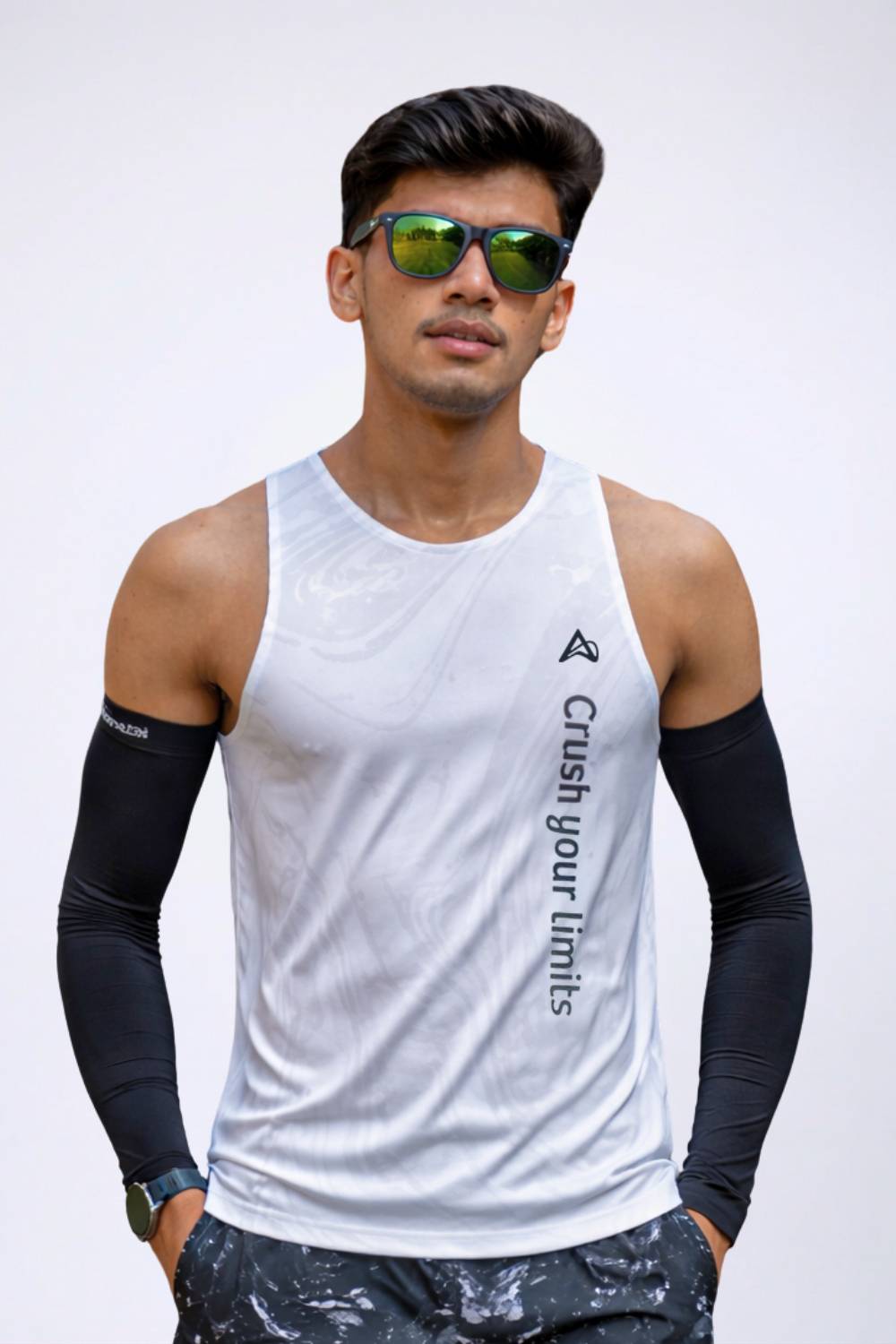
Crowdfunding has transcended its origins in niche inventions and creative arts, evolving into a vital mechanism for introducing consumer goods tailored to dedicated audiences. Particularly in specialized activewear and performance equipment, this approach excels by enabling innovators to validate concepts with actual enthusiasts prior to mass production. Consider Aguante, an Indian activewear enterprise founded in 2018, developed by runners to serve runners. Their lineup includes premium offerings like running shorts for men and women, singlets, half-tights, tank tops, and t-shirts, incorporating essentials such as moisture-wicking materials, ample storage pockets, tailored ergonomics, and visibility-enhancing reflective accents. Rooted in principles of innovation, integrity, and societal accountability, Aguante delivers cost-effective, meticulously crafted items via online platforms and limited physical stores, bolstered by nationwide free shipping, secure transactions, and a two-week return window. Their core objective: to enhance the experience of endurance sports participants, ensuring superior comfort on every outing.
This strategy strikes a chord in India, amid burgeoning running groups in key urban centers. Whether navigating the lively green spaces of Pune, the rain-soaked routes in Navi Mumbai, or the vibrant fitness hubs in Gurugram, Surat, and Ahmedabad, increasing numbers are embracing the sport. Crowdfunding harnesses this momentum, fostering early connections with regional communities and cultivating devotion that conventional financing often misses.
The international crowdfunding sector was assessed at roughly USD 2.14 billion in 2024, poised for expansion to USD 5.53 billion by 2030, at a 17.6% compound annual growth rate from 2025 forward. This progression stems significantly from amplified efforts on social networks to elevate project visibility and appeal. North America commanded a 30.92% portion in 2024, with the U.S. anticipated to exhibit notable growth through 2030. Among categories, debt-oriented crowdfunding captured a 60.19% revenue dominance in 2024, whereas food and beverage led applications that year.
Emerging Trends in Crowdfunding and Activewear
The surge in direct-to-consumer fitness enterprises is accelerating, with venues like Kickstarter and Indiegogo converting visions into tangible products. Buyers increasingly seek region-specific advancements, particularly clothing optimized for India's intense warmth, moisture levels, and varied landscapes. Social platforms Instagram, Facebook, and YouTube emerge as central hubs for rallying running aficionados, disseminating narratives that foster confidence well before shipments commence.
Micro-influencers hold pivotal influence in this arena. Envision perspectives from Instagram accounts like barefoot_coach_shanth_koushik, rajesh84parida, runholic_dev, fit_kaur23, or coach_amitkumar they extend beyond mere exercise routines, championing equipment attuned to authentic lifestyles. Such validations can propel crowdfunding initiatives to widespread recognition, attracting supporters who identify with the shared ethos.
Concurrently, the worldwide sports apparel industry is valued at $220.35 billion in 2025, forecasted to climb to $298.06 billion by 2032, maintaining a 4.41% CAGR throughout the period. Propelled by enhanced wellness focus, adaptive living patterns, and inventive developments, this expansion encompasses diverse groups beyond traditional sports participants. Today, exceeding 65% of city dwellers hold at least one functional activewear ensemble, syncing with athleisure's ascent and directly fueling sector advancement.
Within India, this manifests as a demand for labels that comprehend regional challenges attire that efficiently manages perspiration amid Mumbai's torrents or safeguards against irritation on Delhi's arid paths. Crowdfunding facilitates prototyping and refinement via contributor input, guaranteeing the end result aligns precisely with user needs. This iterative process not only refines products but also strengthens community bonds, turning early adopters into loyal proponents.
Real-World Applications and Case Studies
On a global scale, crowdfunding has spawned remarkable triumphs in activewear. Victor Athletics, an American label, amassed over $100,000 via Kickstarter for organic cotton sportswear, emphasizing direct sales to maintain affordability while upholding domestic manufacturing standards. Similarly, Tripulse secured approximately $34,000 with 198 backers, introducing plant-based, eco-friendly activewear for diverse exercises, prioritizing performance sans detrimental plastics.
Tiller garnered $15,268 from 174 supporters, utilizing recycled resources and moral methodologies to produce versatile activewear adaptable to various movements. In the women's domain, Alana Athletica achieved 180% funding, rapidly collecting $21,000 to offer yoga-centric garments crafted by and for women, fostering empowerment for abuse survivors through ethical production.
Running enthusiasts have seen innovations like the Glider 001, which attained 240% funding on Kickstarter, pioneering 4D personalized running shoes via 3D printing to match individual biomechanics, weight, and fit, mitigating injury hazards. Youer raised $104,000 from 535 contributors to establish a manufacturing hub, concentrating on women's activewear with transparent development shared digitally.
In India, although specialized running apparel crowdfunding remains nascent, platforms such as Fueladream facilitate fashion and concept initiatives, paving paths for activewear pioneers. Homegrown entities like Athlos embody this ethos, crafting high-performance pieces from sustainable fabrics like bamboo and recycled synthetics, tailored for runners and athletes. Aguante aligns seamlessly: its athlete-oriented range women's tank tops, men's t-shirts, half-tights prospers on e-commerce giants like Amazon and Myntra, where crowdfunded entries frequently secure initial momentum.
These instances illustrate crowdfunding's role in authenticating specialized requirements. For Aguante, spotlighting attributes like non-bouncing secure pockets, anti-chafing interiors, or reflective components in a campaign could underscore designs optimized for Indian physiques, terrains, and climates merging indigenous creativity with international benchmarks. Such narratives not only attract funds but also cultivate a dedicated following, proving viability in competitive landscapes.
Key Challenges and Risks
Transitioning from crowdfunded prototypes to widespread manufacturing resembles an endurance test riddled with obstacles. Initial limited productions may captivate pioneers, yet fulfilling broader online orders on sites like Amazon necessitates resilient logistics networks to prevent bottlenecks.
Buyer reservations persist prominently: concerns regarding longevity, cost justification, or comparisons between domestic and foreign quality. In price-conscious markets, persuading athletes that economical equates to superior value demands compelling evidence. Merely a subset of drives attain objectives, typically reliant on captivating tales and robust group involvement to surmount visibility barriers.
Operational complexities compound matters managing exchanges, precise measurements, and punctual dispatches. For Indian operations spanning from Surat to Navi Mumbai, fortified delivery frameworks are essential to sustain contributor satisfaction and positive feedback, averting reputational setbacks that could derail nascent ventures.
Moreover, regulatory navigation, intellectual property safeguards, and post-campaign fulfillment pose additional layers of complexity, requiring meticulous planning to transform initial excitement into sustained success.
Opportunities and Business Impacts
Nevertheless, the advantages spark enthusiasm. Crowdfunding functions as a potent validation instrument, permitting entities like Aguante to assess enthusiasm for running shorts, singlets, or t-shirts sans substantial preliminary stock commitments, minimizing financial exposures.
It presents a narrative treasure trove, accentuating unique selling points: Aguante's meticulous attention to athlete priorities breathable textiles validated through actual trials, ergonomic contours for unrestricted motion distinguishes it from commonplace fitness wear. This emphasis on India-centric adaptations, from humidity-resistant builds to terrain-adaptive features, resonates profoundly.
Supporters evolve into evangelists, disseminating endorsements within athletic networks through digital channels. This authentic promotion elevates presence on Amazon and Myntra, where campaign prestige can catapult revenues by instilling trust and differentiation.
Anchored in creativity, ethical standards, and communal duty, labels can integrate tales of athlete empowerment, elevating routine jogs into transformative journeys. In India's expanding wellness arena, this participatory tactic equips regional players to rival conglomerates with transparent pricing, fostering inclusive growth and innovation ecosystems.
Beyond funding, it democratizes access to capital, enabling diverse voices particularly from underrepresented regions to enter markets traditionally gatekept by established powers.
Future Outlook
Crowdfunding has matured beyond simple capital collection into a comprehensive brand-forging tactic, equalizing opportunities in activewear innovation. As India's running ethos flourishes driven by metropolitan wellness movements and collectives in Bangalore, Delhi NCR, and further afield these avenues empower indigenous developers to furnish authentically vetted equipment.
Forward-looking, the sports apparel sphere shows no signs of slowing, with abundant opportunities emerging. Innovative funding approaches, such as crowdfunding, are opening fresh avenues for growth and inspiring narratives akin to Aguante's. Capitalize on online communities, influencer alliances, and focal areas for initiatives that echo profoundly. Ultimately, it transcends merchandise it's about igniting a collective drive where each pledge propels Indian runs toward greater invincibility, one stride at a time.
Frequently Asked Questions
How is crowdfunding helping Indian activewear brands like Aguante launch running gear?
Crowdfunding platforms enable Indian activewear brands to validate market demand and raise capital without massive upfront investments. Brands like Aguante use crowdfunding to test products like moisture-wicking running shorts and anti-chafing half-tights specifically designed for India's humid climate and local running conditions. This approach allows them to build a community of early adopters who become brand advocates, helping establish presence on major e-commerce platforms like Amazon and Myntra.
What are the key advantages of crowdfunded activewear over traditional sports apparel brands?
Crowdfunded activewear offers region-specific innovations tailored to local conditions, such as humidity-resistant fabrics for Indian climates and ergonomic designs for local body types. These brands often provide better value through direct-to-consumer pricing, eliminating middleman costs. Additionally, the crowdfunding process creates authentic community engagement, with micro-influencers and early supporters providing genuine product validation that builds stronger brand loyalty than traditional marketing approaches.
What challenges do crowdfunded activewear startups face when scaling from prototype to mass production?
The main challenges include transitioning from limited prototype runs to large-scale manufacturing while maintaining quality standards and managing logistics across India's diverse geography. Crowdfunded brands must build robust delivery networks to handle exchanges, sizing issues, and timely shipments from cities like Surat to Navi Mumbai. They also face consumer skepticism about product durability and value compared to established international brands, requiring compelling evidence to justify their pricing in India's price-conscious market.
Disclaimer: The above helpful resources content contains personal opinions and experiences. The information provided is for general knowledge and does not constitute professional advice.
You may also be interested in: Aguante - Activewear Clothing
Tired of gear that slows you down? Chafing, soggy fabrics, and missing pockets kill your run's momentum. At Aguante, we're runners who get it. Our high-performance activewear features moisture-wicking fabrics, ergonomic designs, and smart storage to keep you focused. Shop Now!
Powered by flareAI.co