



Quick Listen:
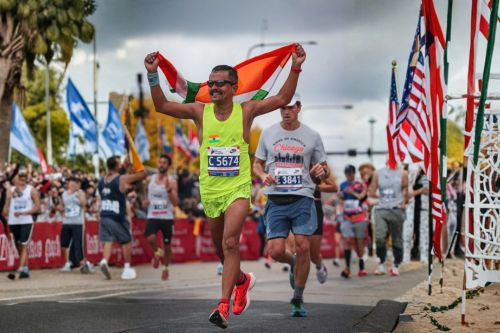
On a humid dawn in Bangalore's Cubbon Park, runners push through the thick air, their legs encased in compression gear that delivers real support amid the sweat and strain. Once exclusive to professional athletes chasing world records, this technology now fuels the steps of ordinary enthusiasts in India's major cities. It's more than a trend it's a fundamental change in how recreational runners equip themselves for the challenges of daily training on uneven streets and sweltering paths.
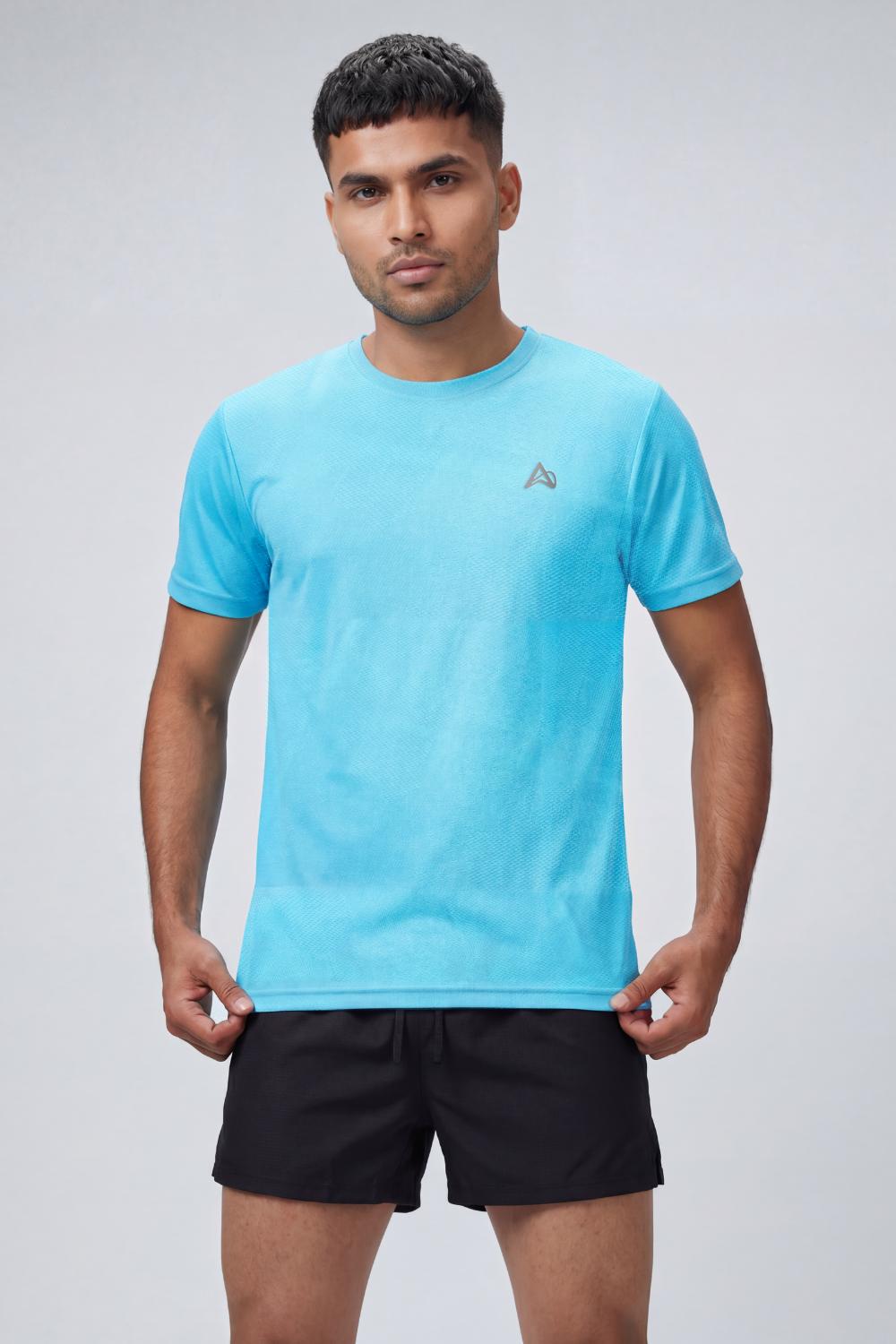
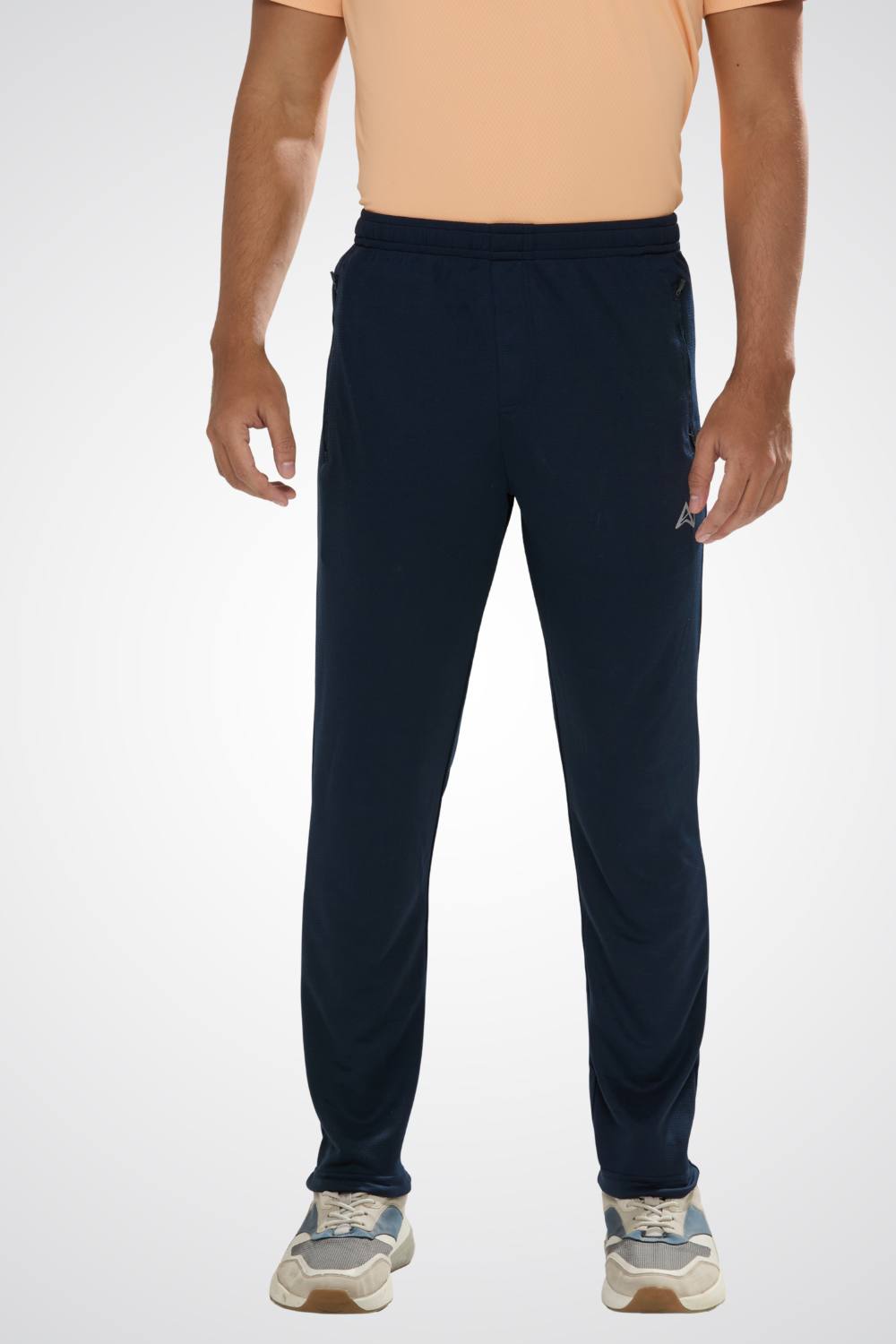
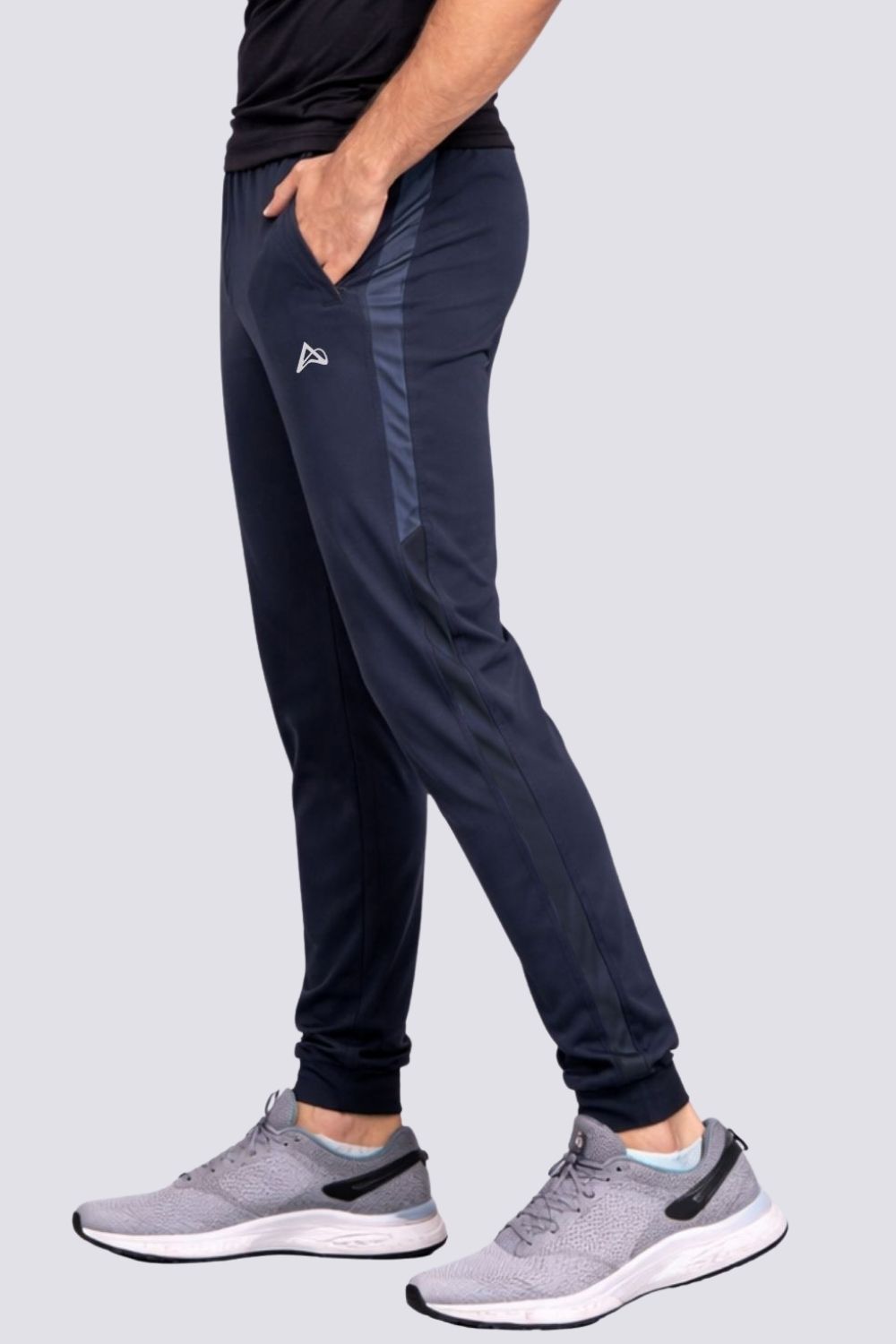
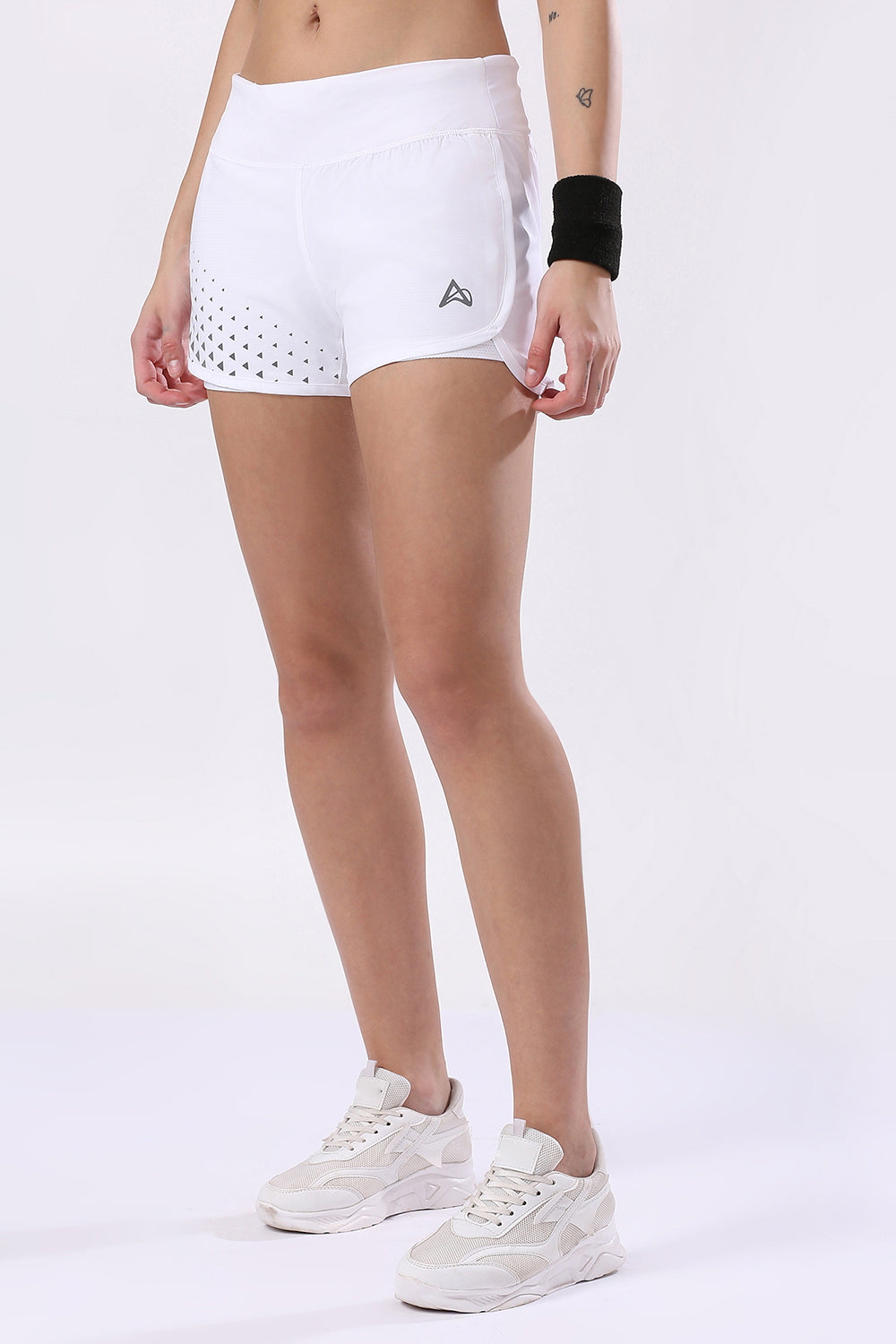
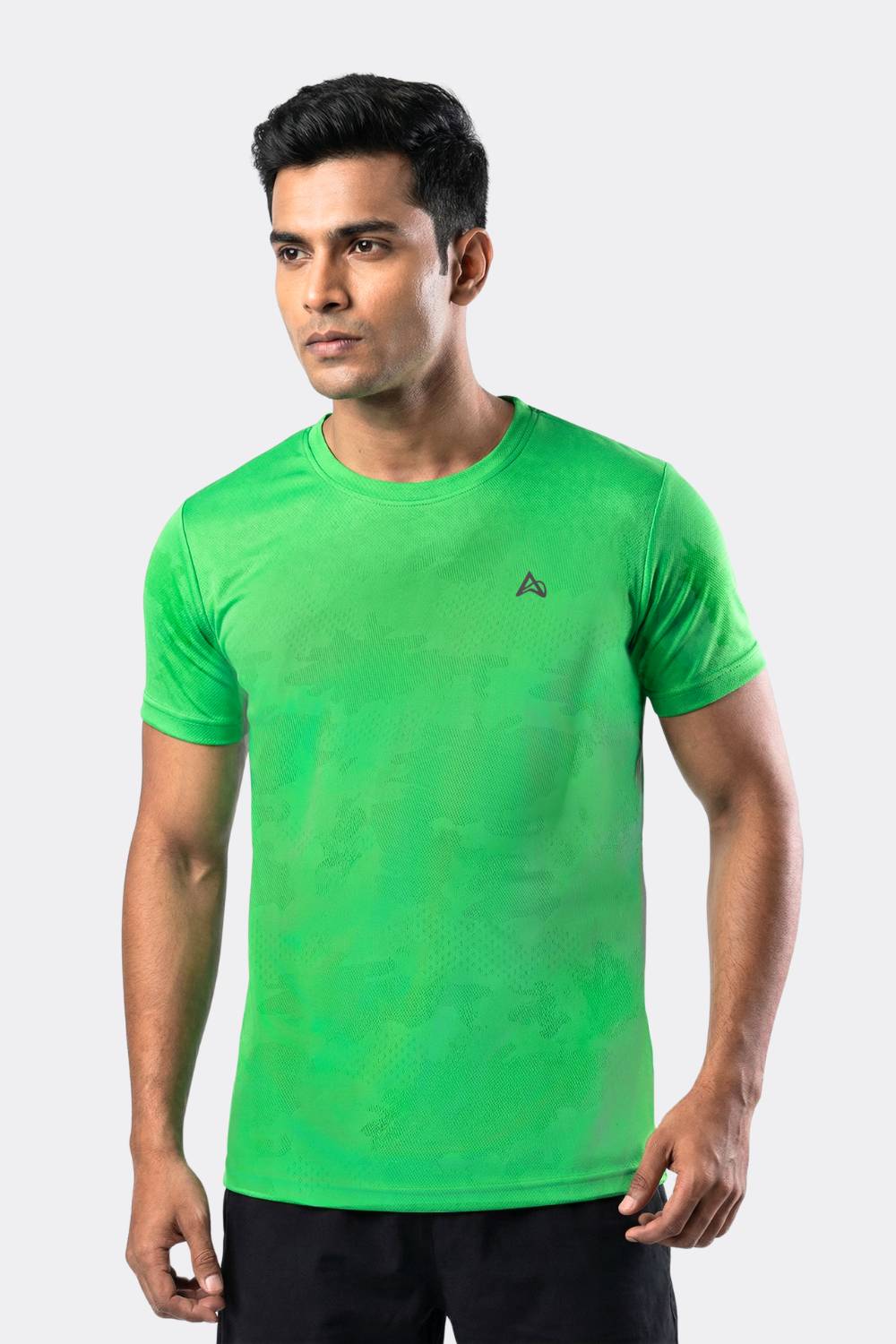
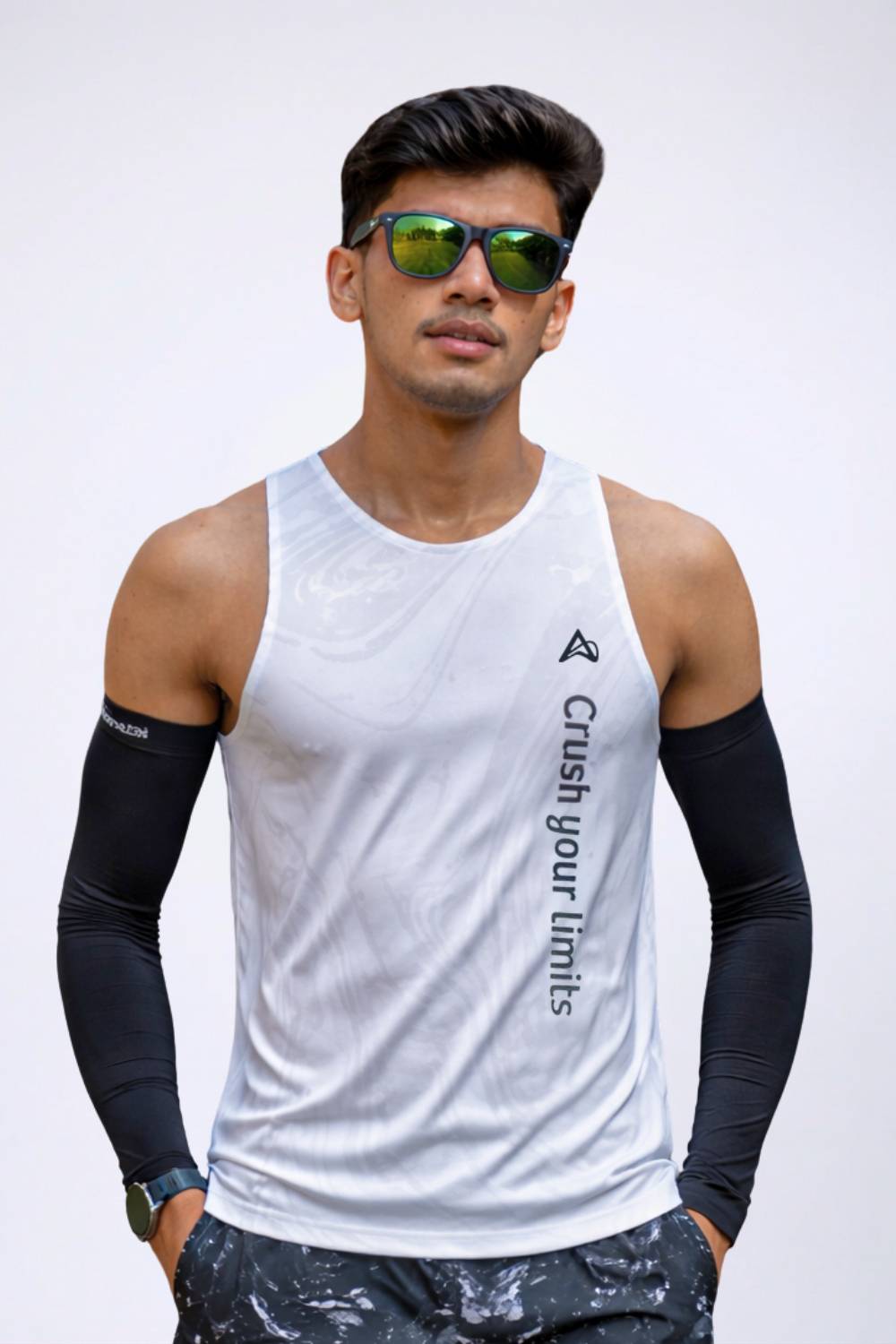
Tired of gear that slows you down? Chafing, soggy fabrics, and missing pockets kill your run's momentum. At Aguante, we're runners who get it. Our high-performance activewear features moisture-wicking fabrics, ergonomic designs, and smart storage to keep you focused. Shop Now!
Compression Wear Goes Mainstream: Everyday Runners in India's Urban Hubs Embrace Performance Gear
From Bangalore's marathon corridors to Gurugram's corporate running clubs, advanced compression wear is becoming a daily essential for India's growing community of recreational runners.
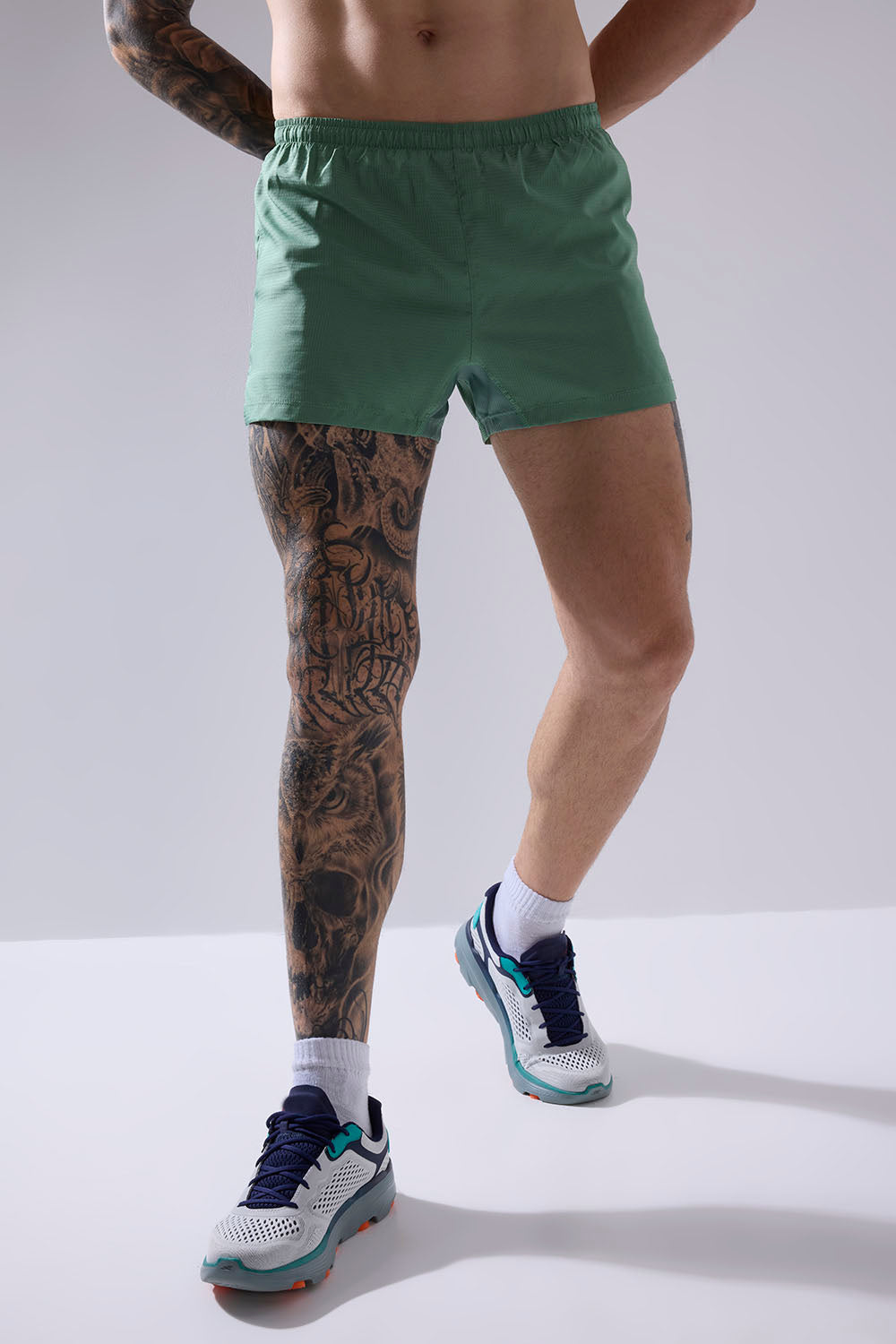
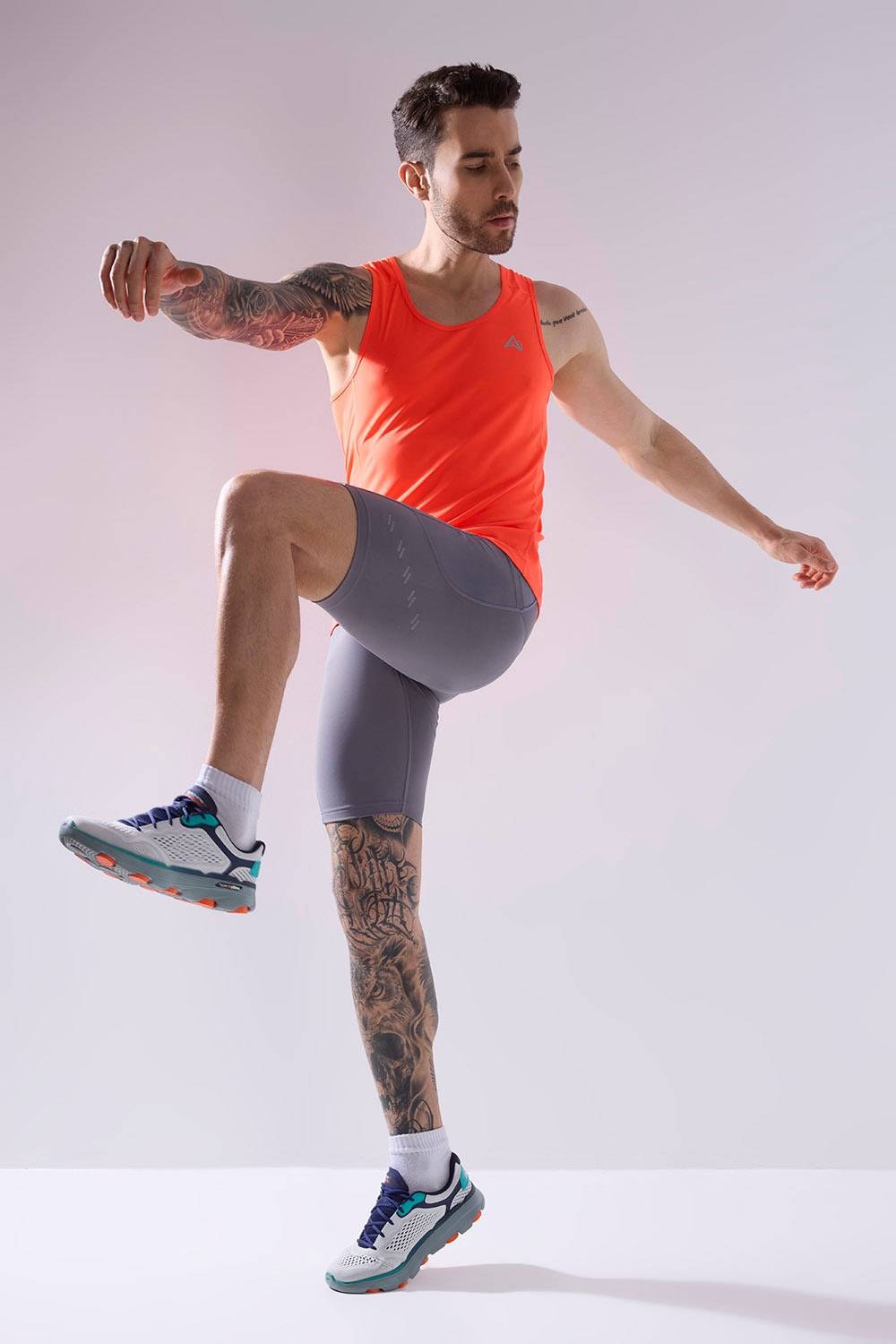
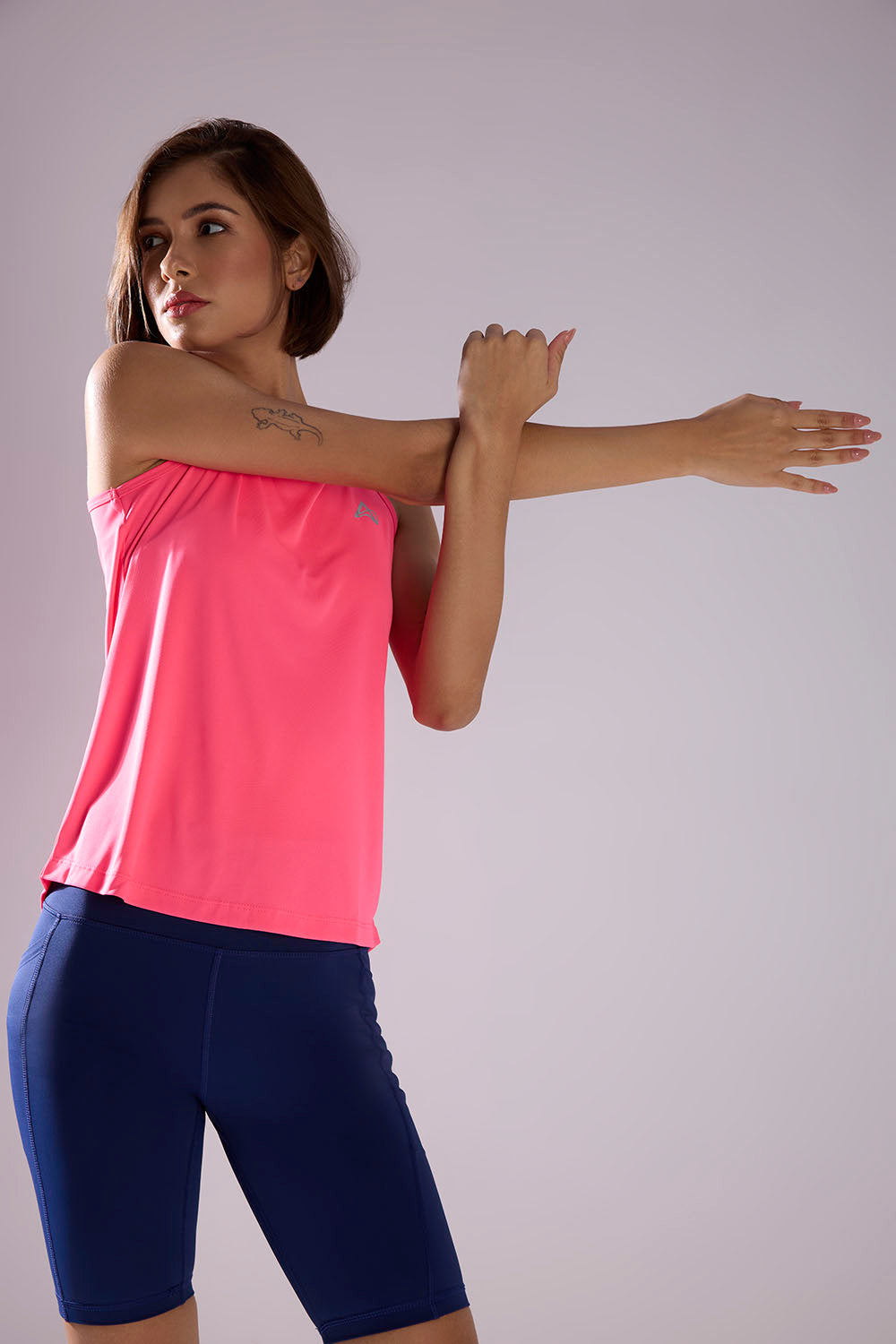
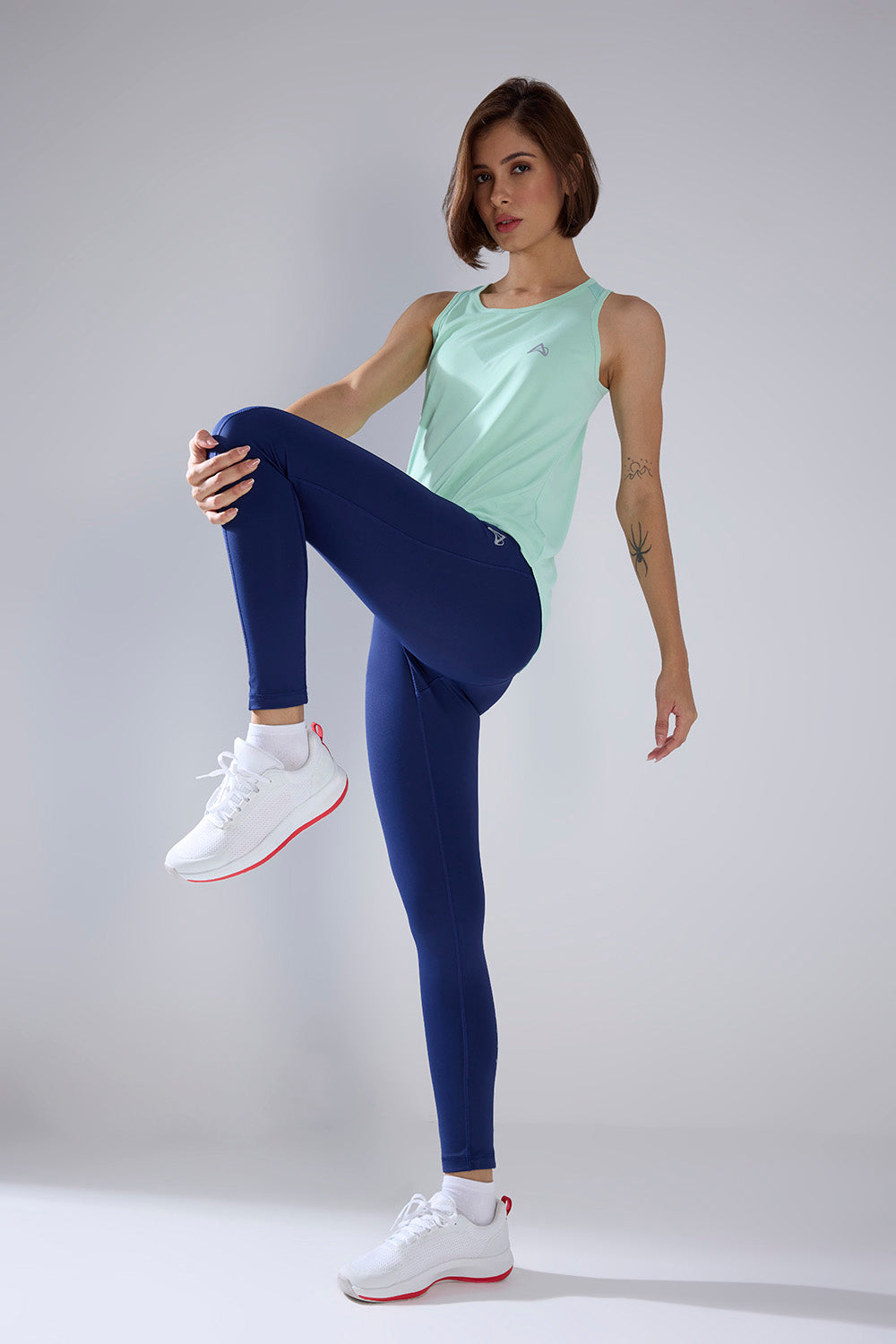
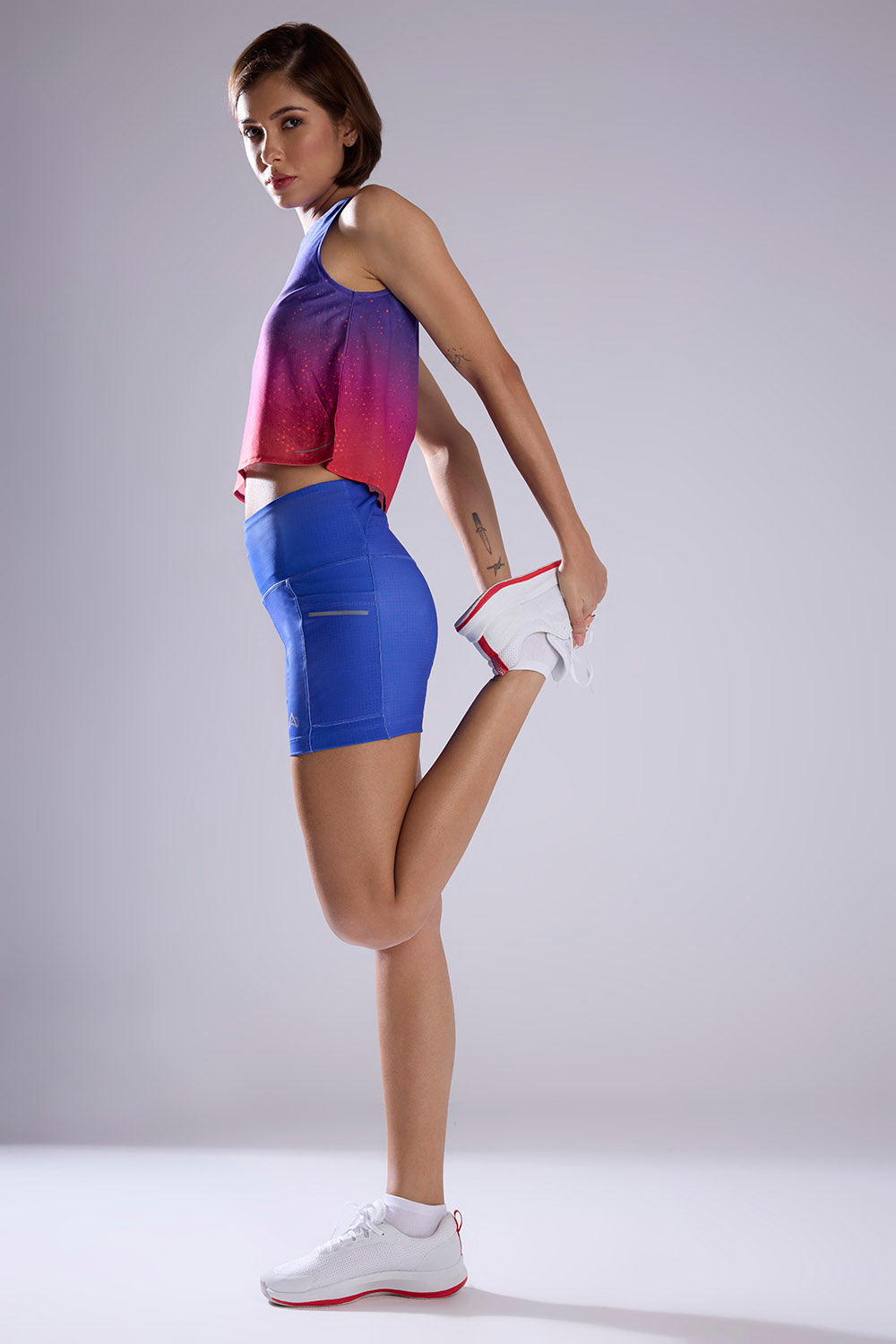
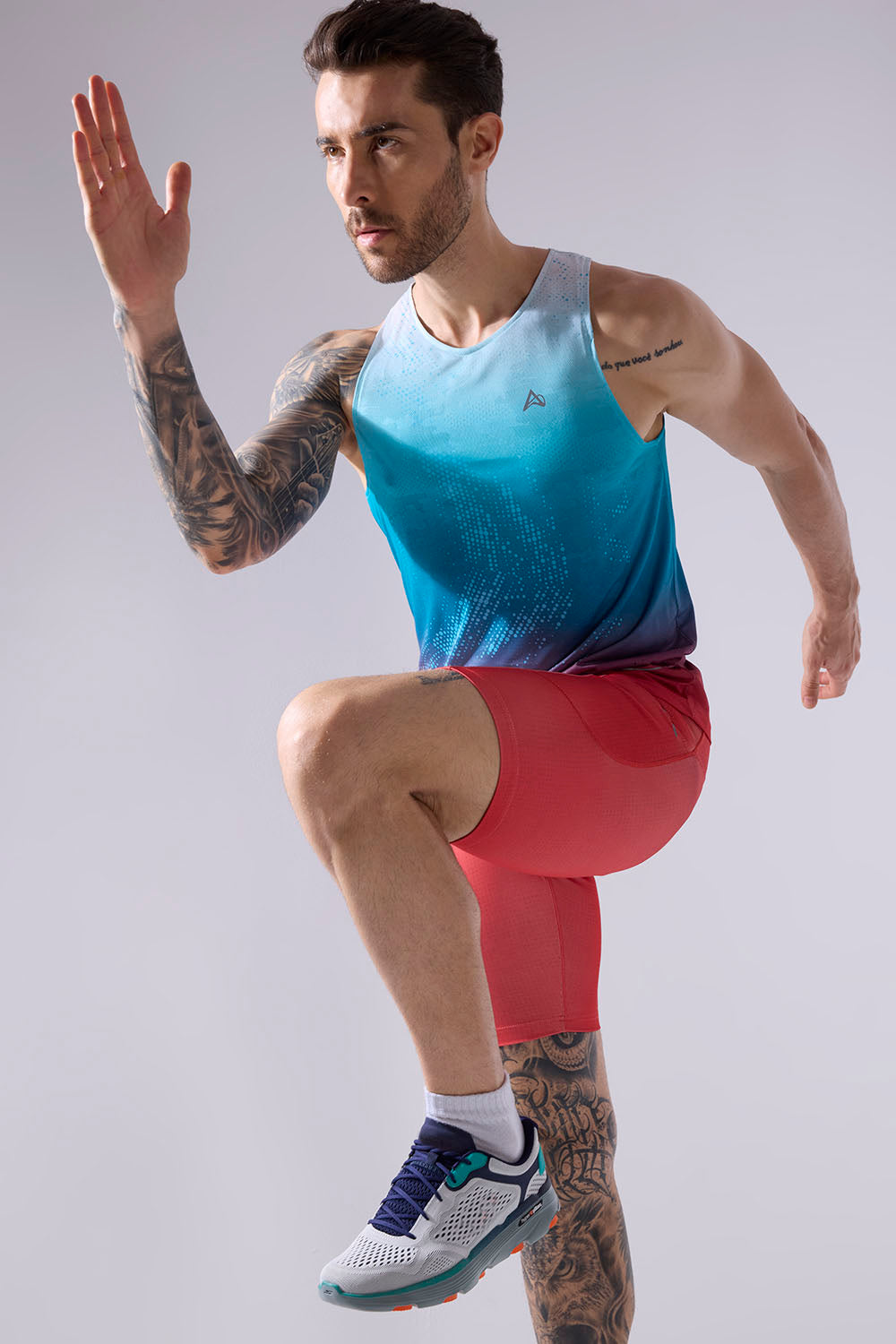
Consider a typical scene in Mumbai during the monsoons: A tech professional gears up for a run along Marine Drive, donning tights engineered to manage moisture and bolster fatigued muscles. Compression clothing those snug, supportive layers originated in elite sports environments, where top competitors relied on them for edge. Today, they're everyday staples in gym bags across Hyderabad's innovation districts and Surat's industrial zones. The catalyst? Explosive growth in urban marathons and a nationwide fitness movement drawing in diverse participants, from young students to high-level executives.
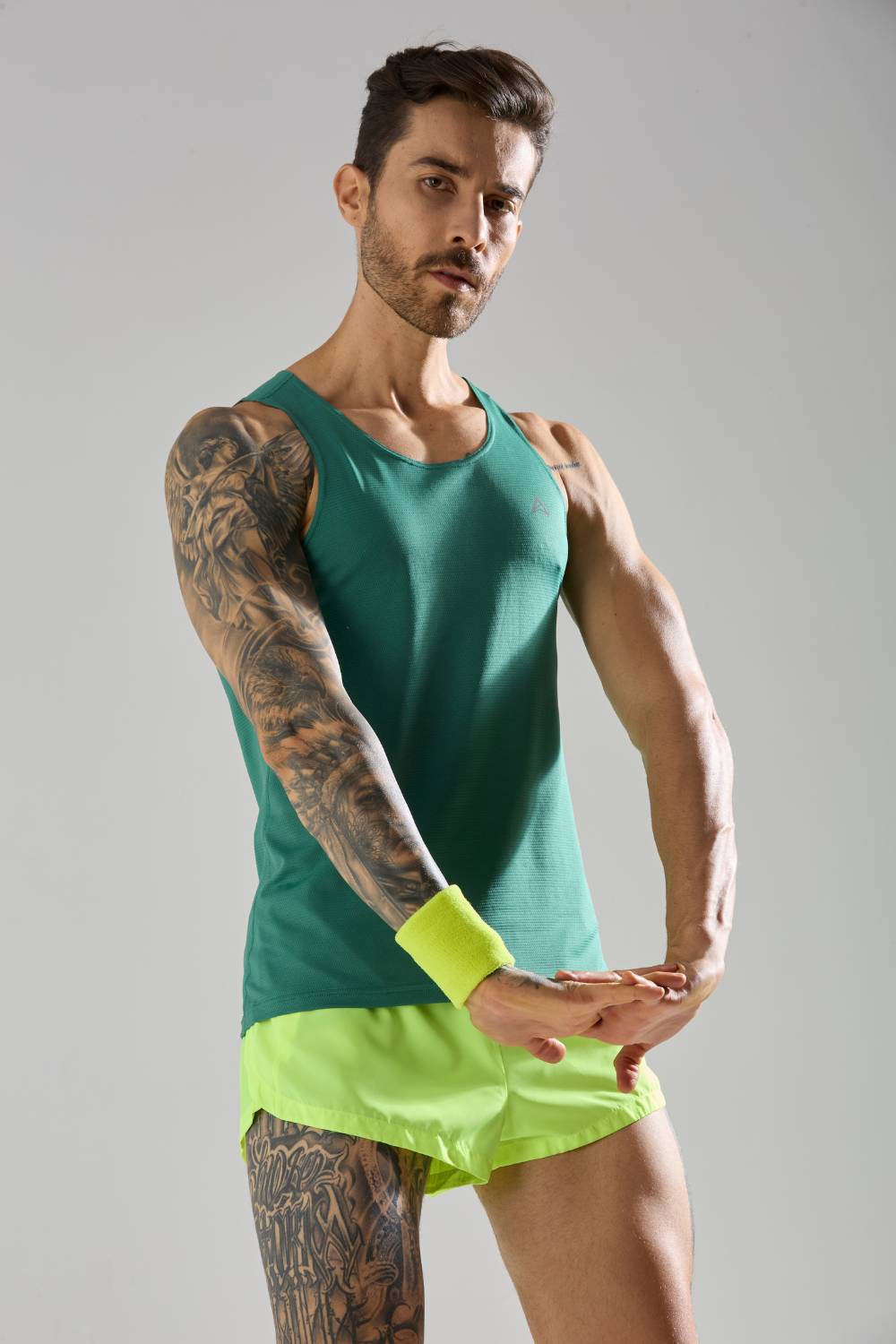
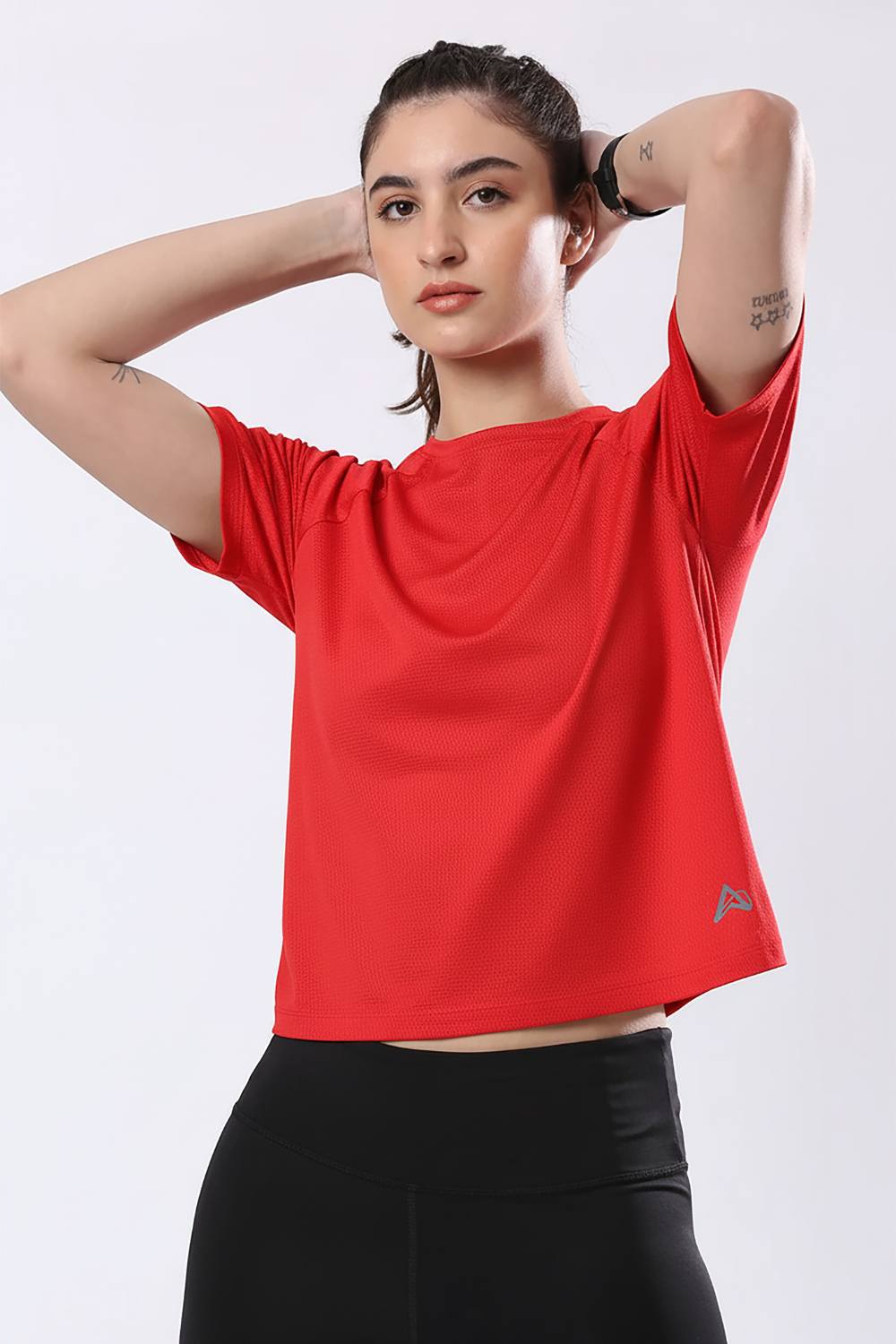
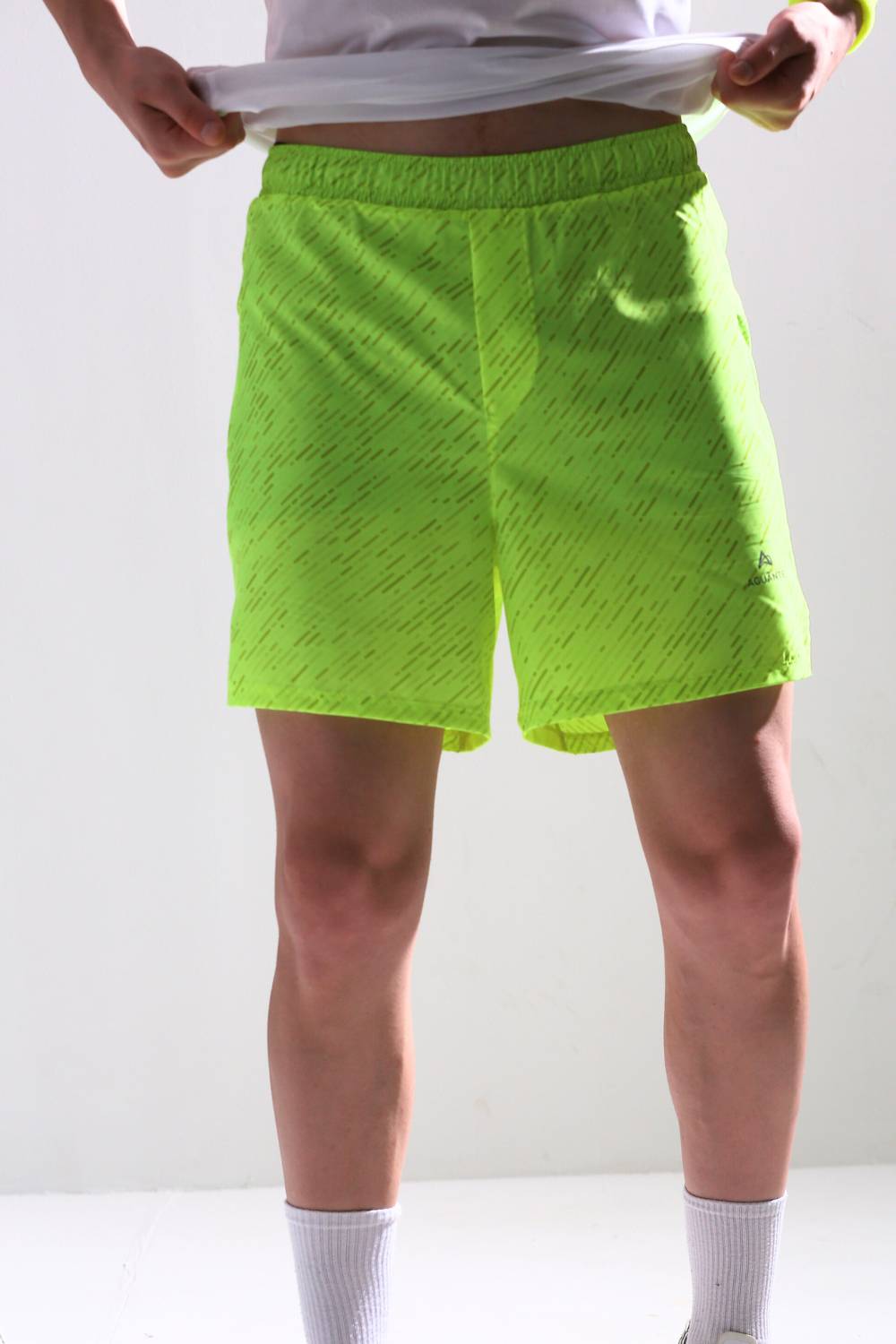
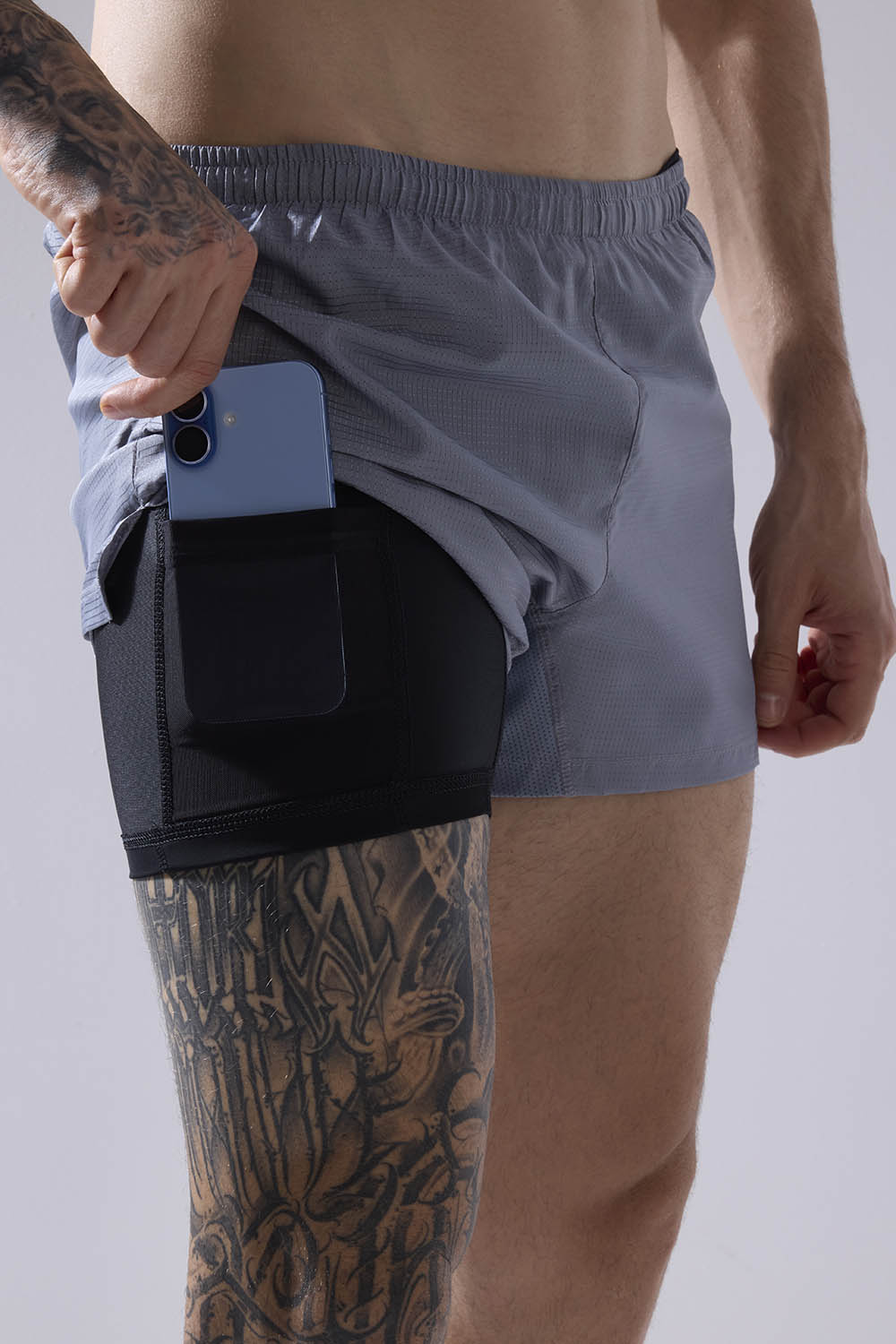
Iconic events such as the TCS 10K in Bangalore and the Airtel Delhi Half Marathon serve as powerful igniters. Each year, tens of thousands register, transforming novice joggers into informed consumers of advanced apparel. Brands like Aguante enter the fray, designing products attuned to India's unique demands rather than generic imports. Scorching temperatures often exceeding 40 degrees Celsius, persistent humidity, and unpredictable road surfaces dictate every stitch and fabric choice. Aguante stands out by focusing on Indian running conditions: unmatched breathability, anti-chafing elements, and performance optimized for local heat and terrain. Unlike big international labels with premium tags and foreign designs, Aguante offers gear built for Indian physiques and climates at accessible prices, emphasizing secure pockets, moisture-wicking materials, and runner-tested fits.
This localization matters. In a country where runs often battle pollution and potholes, generic activewear falls short. Aguante's approach local innovation paired with global standards ensures runners stay comfortable and focused, carrying essentials without distraction.
The City Pulse: Where Trends Take Root
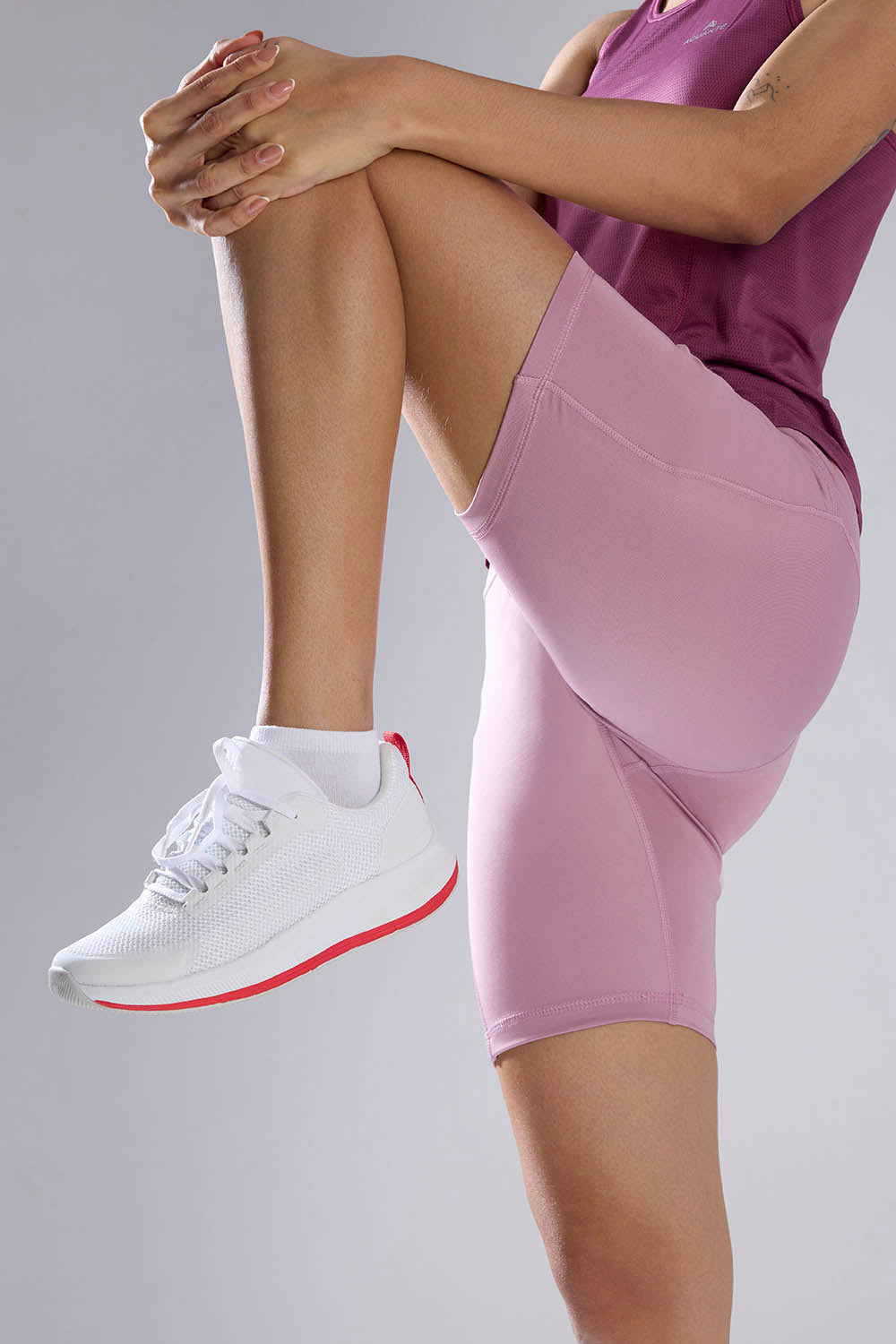
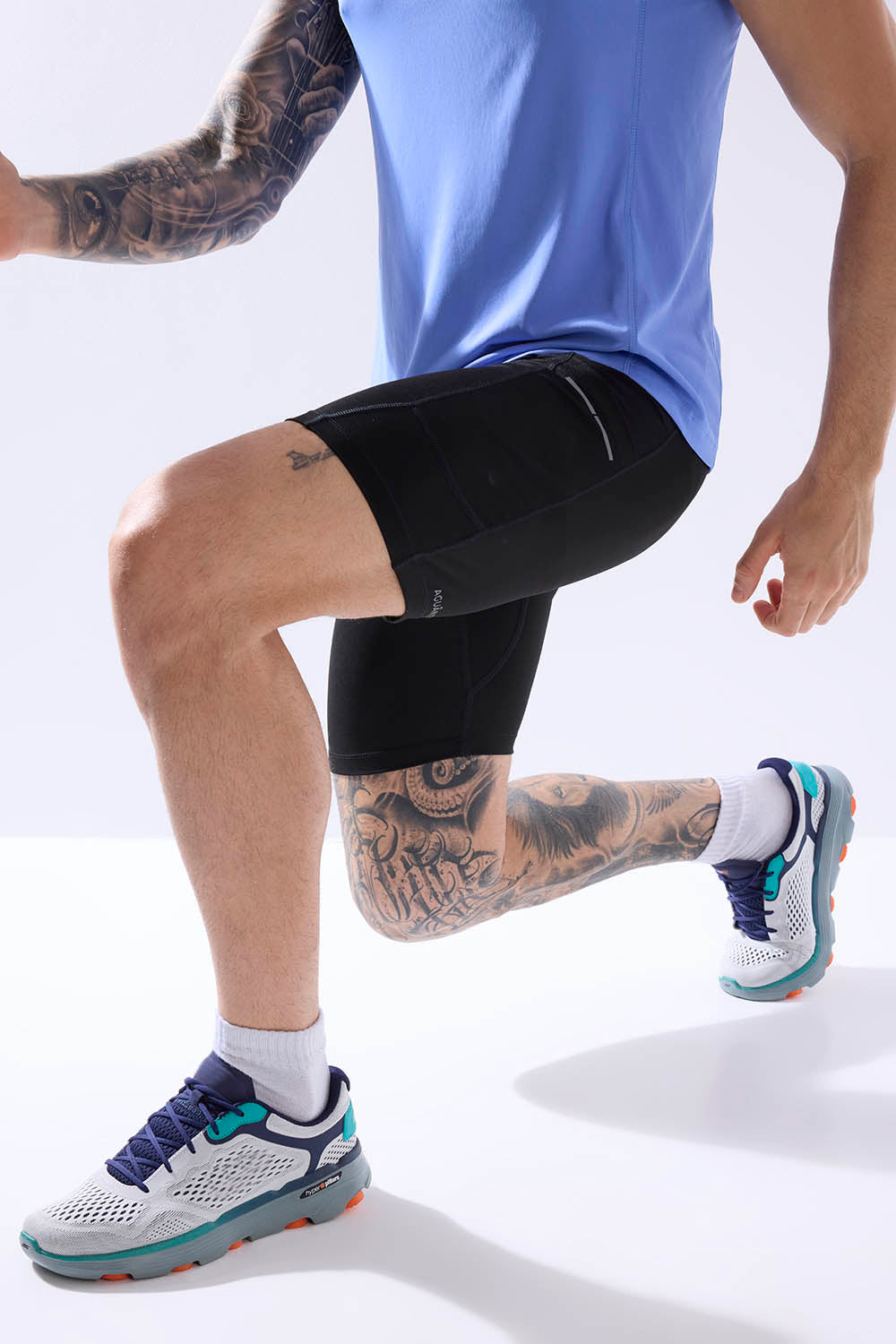
Bangalore and Hyderabad spearhead this evolution, blending technology with athletic pursuit. Professionals here integrate compression pieces with wearables, using data to refine routines. Retail outlets like Decathlon in Whitefield note rapid sell-outs of calf sleeves and recovery shorts, as runners seek advantages on steep inclines or congested roads. Evidence supports the enthusiasm: A systematic review published in 2016 examined original studies on compression items like socks, sleeves, shorts, and tights, assessing their impact on running across distances from 800 meters to marathons for better performance and faster recovery. Drawing from databases including PubMed, MEDLINE, SPORTDiscus, and Web of Science, researchers evaluated articles via the Physiotherapy Evidence Database (PEDro) Scale, highlighting potential in easing muscle fatigue ideal for India's interruptive city jogging.
In Mumbai, Navi Mumbai, and Pune, the marathon culture drives economic ripples. Daily commuters swap public transport for training sessions, boosting demand for budget-friendly compression options. Shopping hubs such as Phoenix Marketcity in Kurla and Amanora Mall in Pune see surges in sales during race preparations. These products adapt locally, maintaining ventilation in coastal moisture.
Delhi and Gurugram throb with corporate vitality. Businesses in Cyber City launch fitness initiatives, subsidizing equipment that promotes employee health. Imagine groups clocking kilometers pre-meetings, with compression tights as routine as briefings. This wellness push aligns with broader shifts, where companies recognize active staff as productive assets.
Tier-II cities like Surat and Ahmedabad join momentum. Arid climates require rapid sweat evaporation, prompting area manufacturers to innovate with adaptive fabrics. From traditional textile bases, new blends emerge, fusing international tech with regional expertise.
Voices from the Ground: Runners Tell the Tale
Communities provide the most compelling proof. In Bangalore, followers of Barefoot Coach Shanth Koushik active on Instagram experiment with mid-level compression sleeves during green-space circuits. Members report reduced leg pain post-run, enabling family time without discomfort. Hyderabad's Runholic Dev circle, via Instagram, advocates starting slow with sleeves to build endurance and minimize soreness over extended distances.
Delhi-based Coach Amit Kumar, sharing on Instagram, equips trainees with domestic gear for rehabilitation, prioritizing practicality on local paths over costly foreign brands. He emphasizes real-world utility: Clients recover quicker, ready for more sessions. Such narratives spread via Instagram, Facebook, and YouTube, the key channels for India's running networks to exchange tips and endorsements.
Market data underscores the groundswell. The worldwide sports compression clothing industry anticipates robust expansion, climbing to USD 12,470 million by 2035 from USD 5,279 million in 2024, advancing at a compound annual growth rate (CAGR) of 8.2% between 2025 and 2035. Key forces include heightened health awareness, greater sports engagement, advancements in fabrics like those that wick moisture, resist bacteria, and regulate temperature, plus influencer-driven marketing and eCommerce growth. According to a Fact.MR analysis, rising gym memberships, student athletics, and professional leagues amplify needs for enhancing apparel, with social media influencers amplifying adoption through fitness promotions.
Regionally, APAC surges ahead. A Lucintel report predicts the global market's promising outlook, with sleeves leading type-segment growth and triathlon topping applications, fueled by fitness priorities, performance wear demand, and recovery consciousness all at a 7.5% CAGR from 2025 to 2031.
Hurdles on the Track
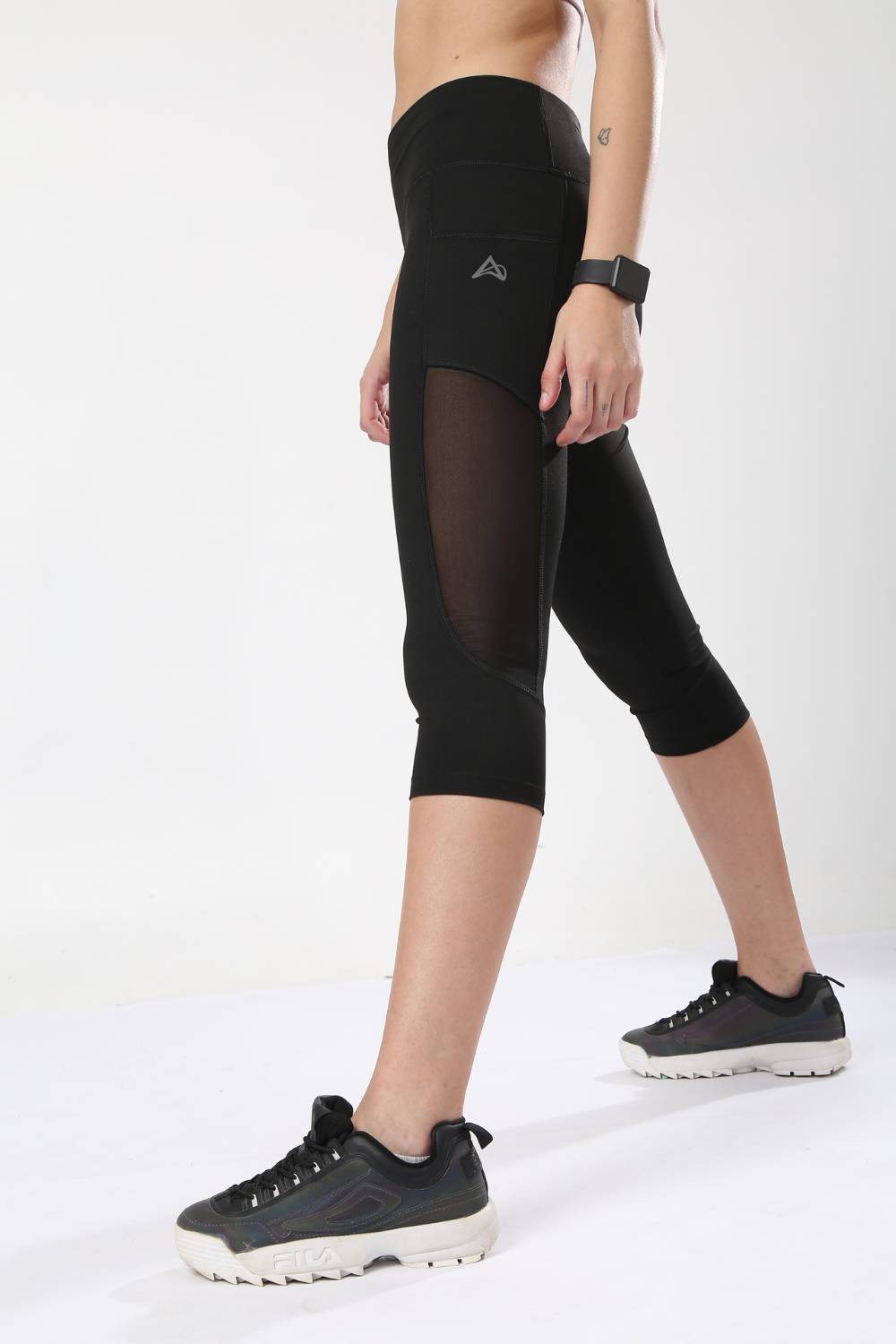
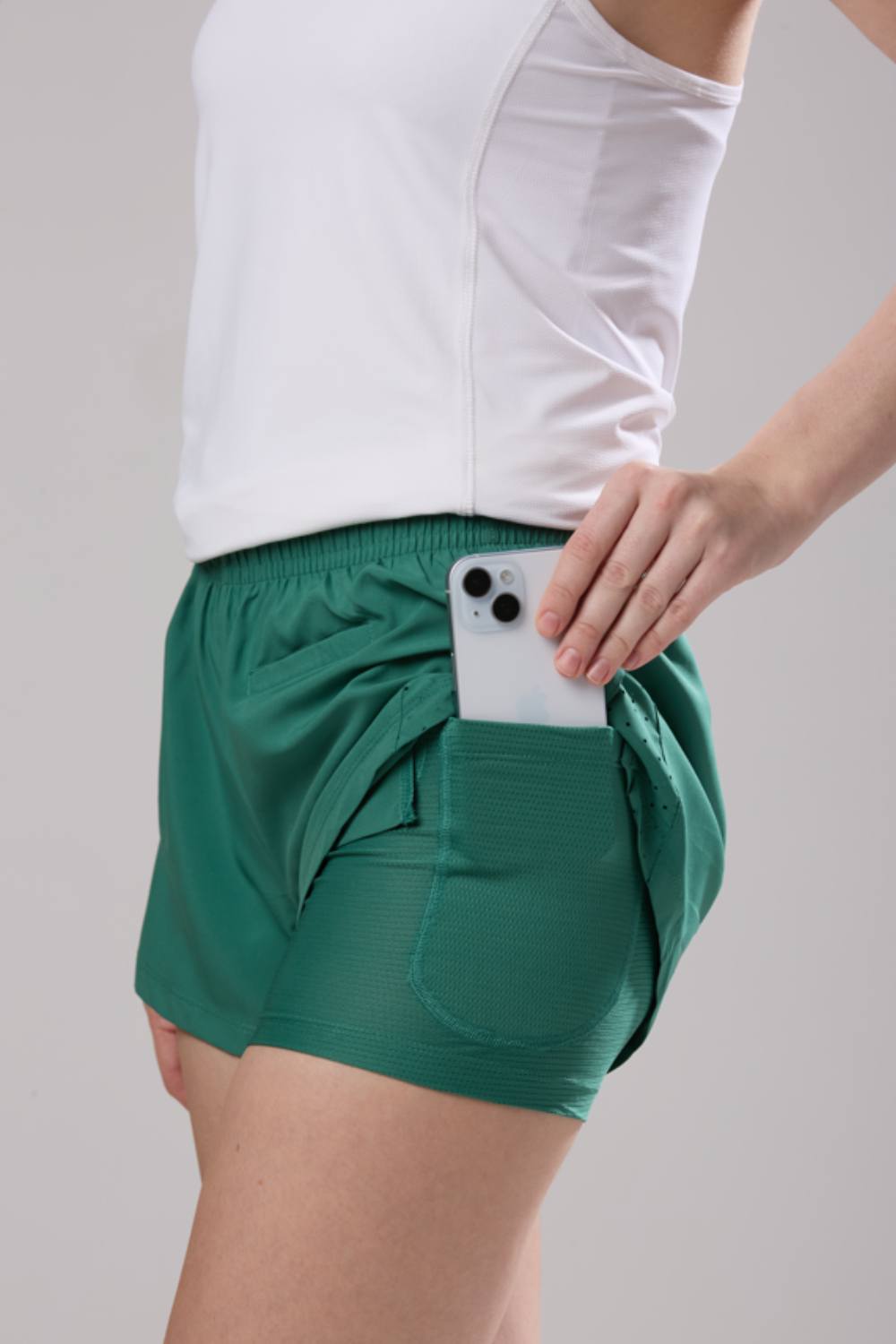
Challenges persist amid progress. Mumbai's dampness can overwhelm ill-suited materials, creating discomfort in heat traps. Delhi's extreme heat requires priority on airflow. Doubts linger: Consumers often view compression as expensive or athlete-only, overlooking Aguante's value. By incorporating runner priorities like non-bounce pockets, chafing prevention, reflective safety features, and precise fits Aguante delivers distraction-free movement at fair costs, engineered for India's diverse bodies and environments.
In Surat and Ahmedabad, retail education gaps hinder uptake. Buyers benefit from hands-on explanations showing muscle support and wicking without import markups. Overcoming these means targeted demos and info sessions.
The Road Ahead: Innovation Accelerates
Prospects shine bright. R&D centers in Pune and Bangalore refine compositions for optimal sweat management and stability. Influencers on platforms like Instagram offer authentic trials, fostering credibility. India's activewear market, valued at ₹95 billion in 2024, projects to ₹150 billion by 2030 with a 7.8% CAGR, compression gaining ground in urban centers.
Future developments include weather-tailored collections, inclusive sizing for genders, and stronger integrations with Hyderabad's tech firms and Gurugram's corporates. Youth programs in schools and colleges will don sponsored kits, expanding reach. ECommerce and social proof via Facebook and YouTube will accelerate penetration, turning occasional buyers into loyal users.
Science continues evolving. While early reviews noted mixed results on compression effects, ongoing research refines applications, emphasizing recovery in humid, high-heat settings like India's.
Everyday Elite: The New Normal
Compression wear's transition from specialty to staple reflects India's broader athletic rise. Customized for tropical humidity, intense sun, and demanding urban routes, offerings from Aguante make high-level performance attainable. No longer reserved for pros, this gear empowers any runner in Delhi's smog or Pune's hills. As homegrown creativity aligns with world-class benchmarks, the path ahead promises inclusivity where every stride feels supported, sustainable, and distinctly Indian.
Frequently Asked Questions
Does compression wear really help with running performance and recovery?
Research shows compression gear can help reduce muscle fatigue and soreness, particularly beneficial for India's challenging urban running conditions involving heat, humidity, and uneven surfaces. A 2016 systematic review found potential benefits in easing muscle fatigue across various running distances. While effects on performance vary, many runners report reduced leg pain post-run and quicker recovery times, enabling them to train more consistently.
Why is Indian-made compression wear like Aguante better than international brands for local runners?
Indian brands like Aguante design compression gear specifically for India's extreme conditions temperatures exceeding 40°C, high humidity, pollution, and uneven roads rather than generic foreign designs. They incorporate features crucial for Indian runners: superior breathability, anti-chafing elements, secure pockets for essentials, and fits optimized for Indian physiques, all at more accessible price points than premium international labels. This localization ensures runners stay comfortable and focused on challenging urban routes from Mumbai's monsoons to Delhi's heat.
Is compression wear only for professional athletes or can everyday runners in India benefit from it?
Compression wear has transitioned from elite sports to everyday essentials for recreational runners across India's major cities. From tech professionals running Marine Drive to corporate groups in Gurugram's Cyber City, ordinary enthusiasts use compression gear for daily training sessions. With India's activewear market projected to grow from ₹95 billion (2024) to ₹150 billion by 2030, compression clothing is becoming a mainstream staple in gym bags across Bangalore, Hyderabad, Pune, and beyond no longer reserved exclusively for pros.
Disclaimer: The above helpful resources content contains personal opinions and experiences. The information provided is for general knowledge and does not constitute professional advice.
You may also be interested in: Progressive Goals Guide Runners From 5K to Marathon
Tired of gear that slows you down? Chafing, soggy fabrics, and missing pockets kill your run's momentum. At Aguante, we're runners who get it. Our high-performance activewear features moisture-wicking fabrics, ergonomic designs, and smart storage to keep you focused. Shop Now!
Powered by flareAI.co