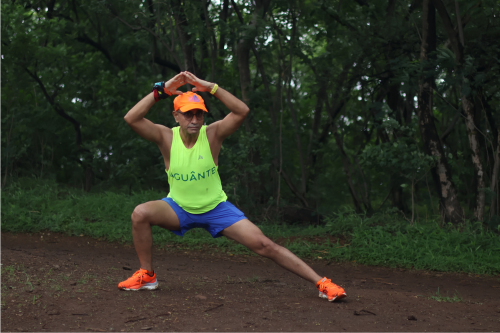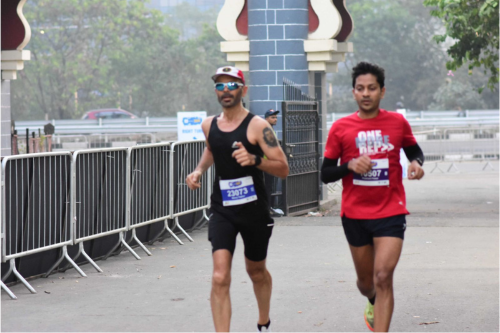
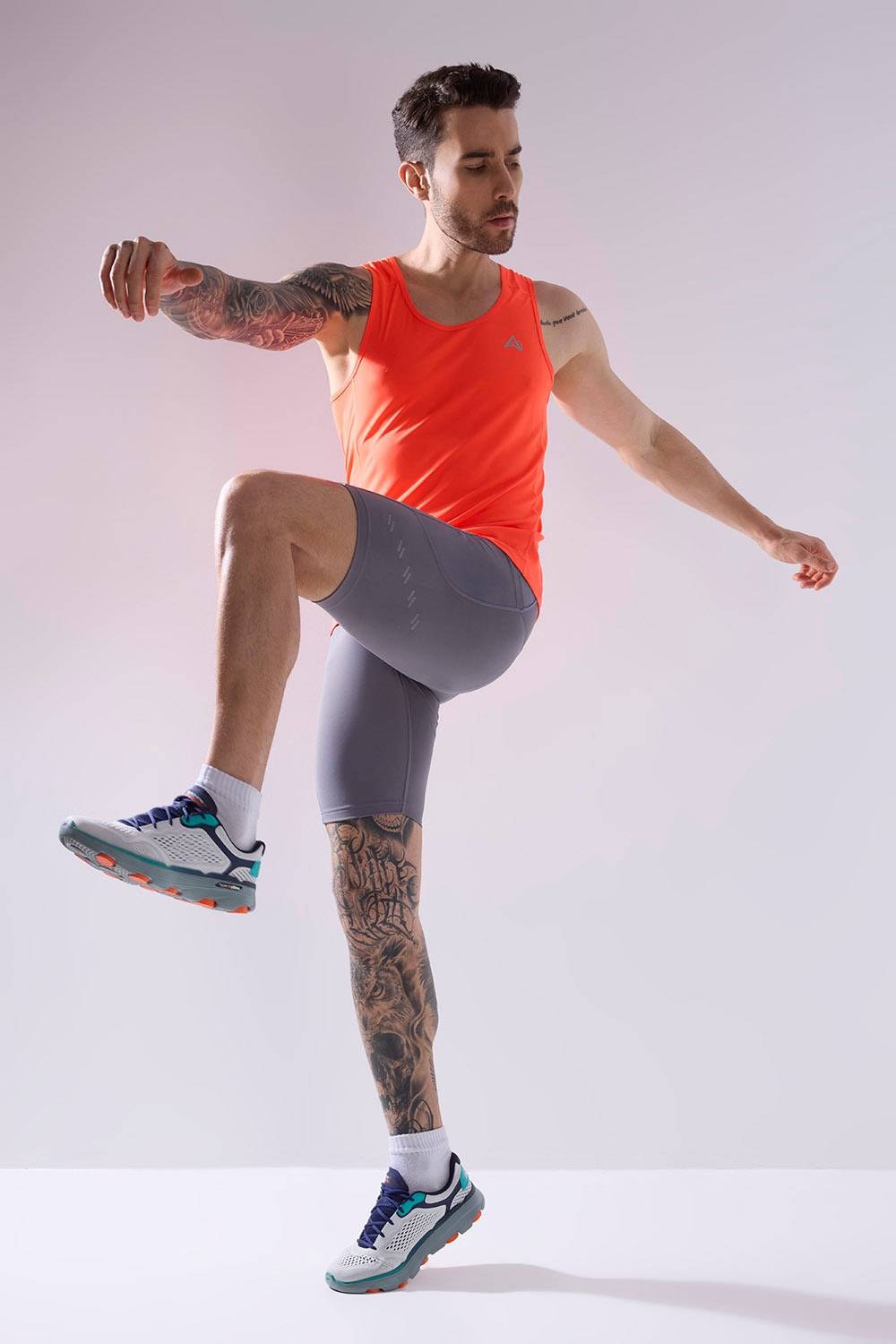
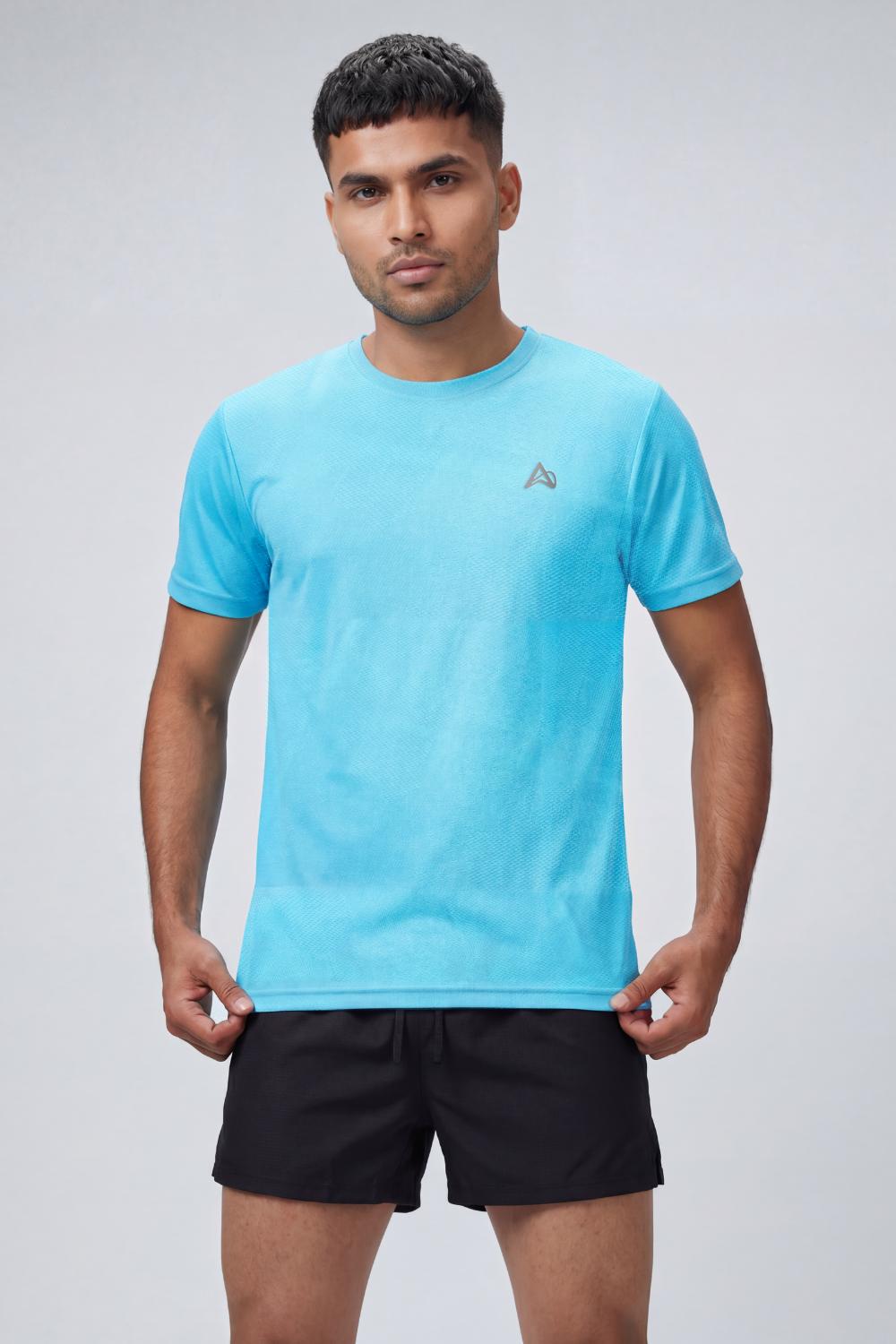
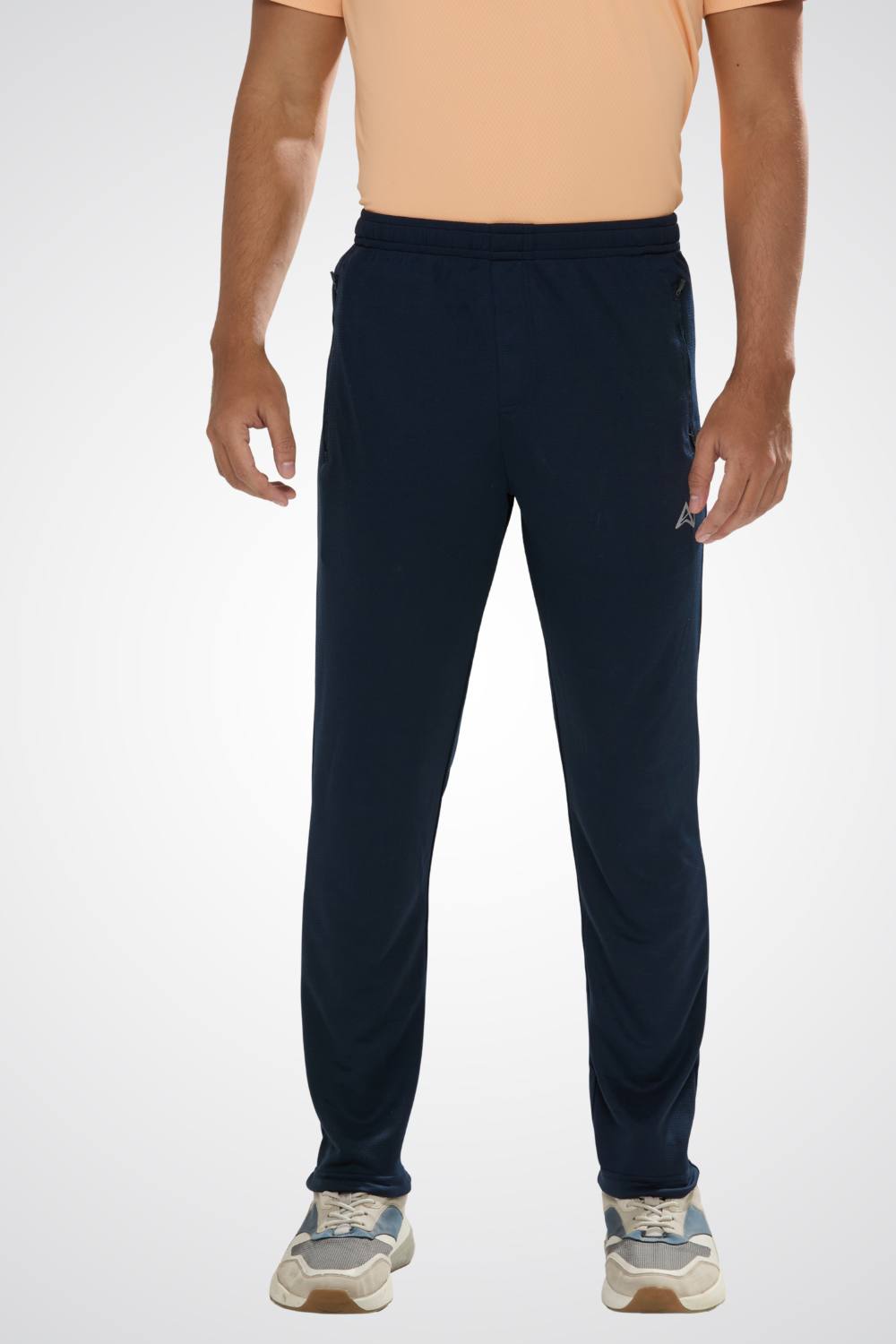
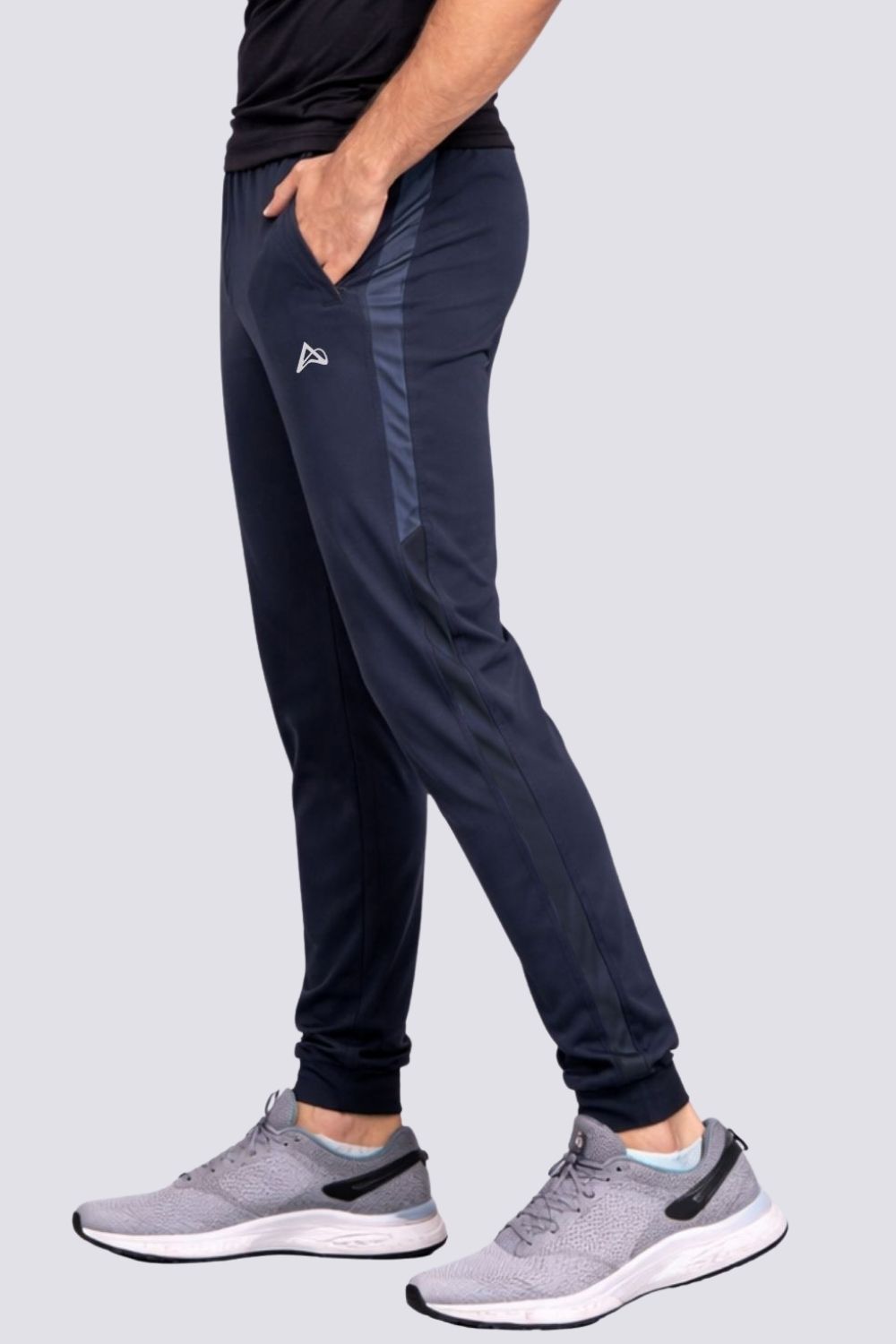

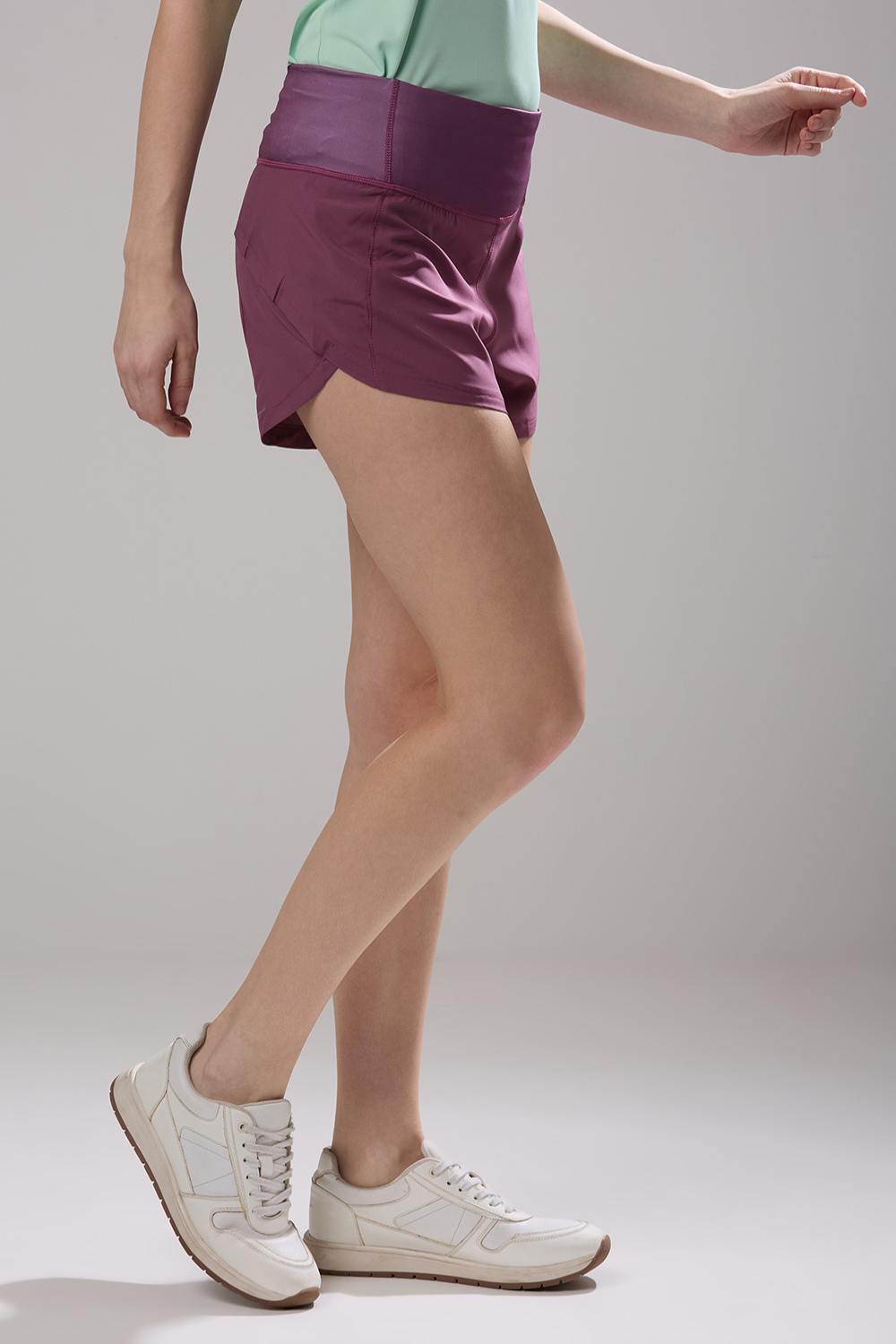
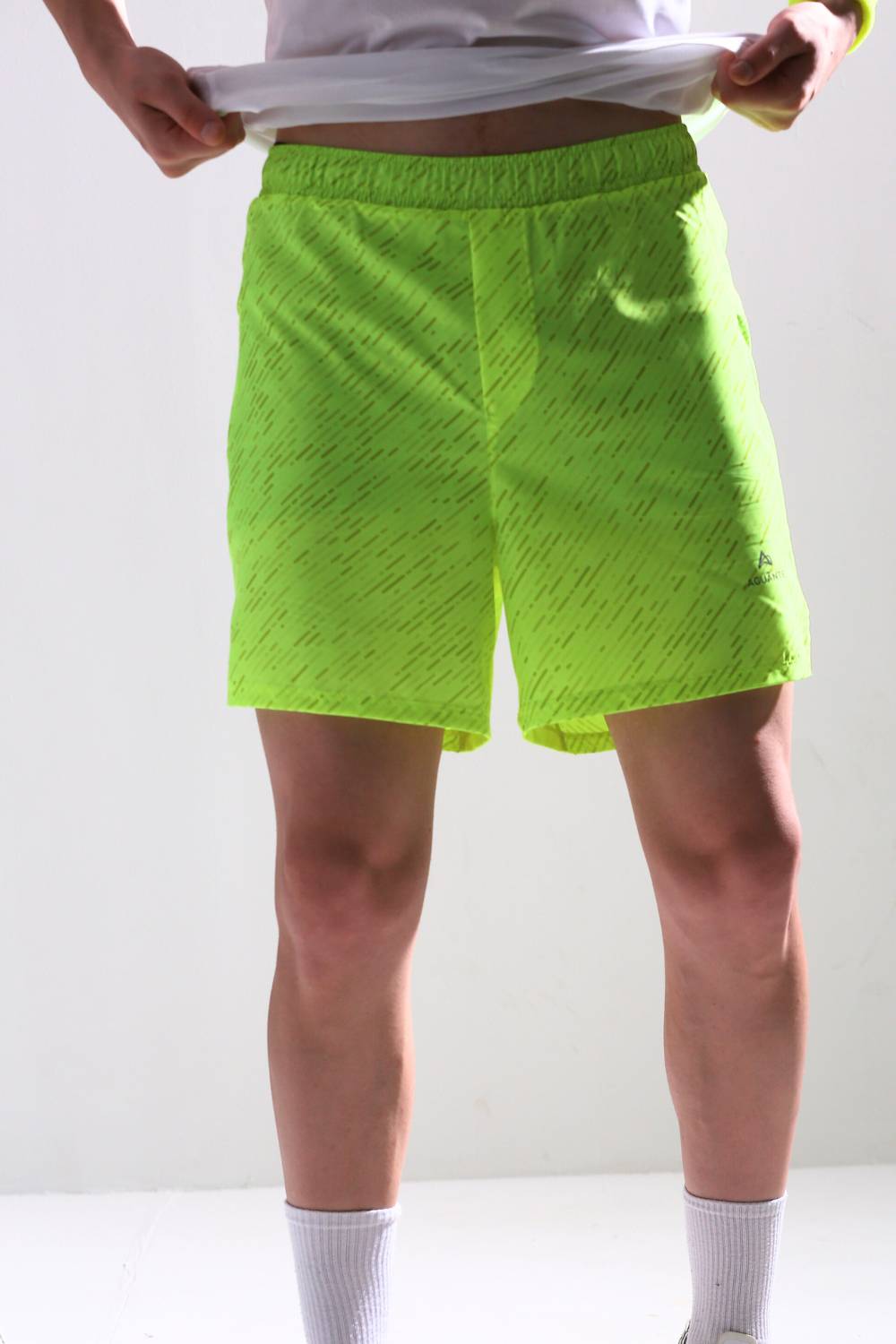
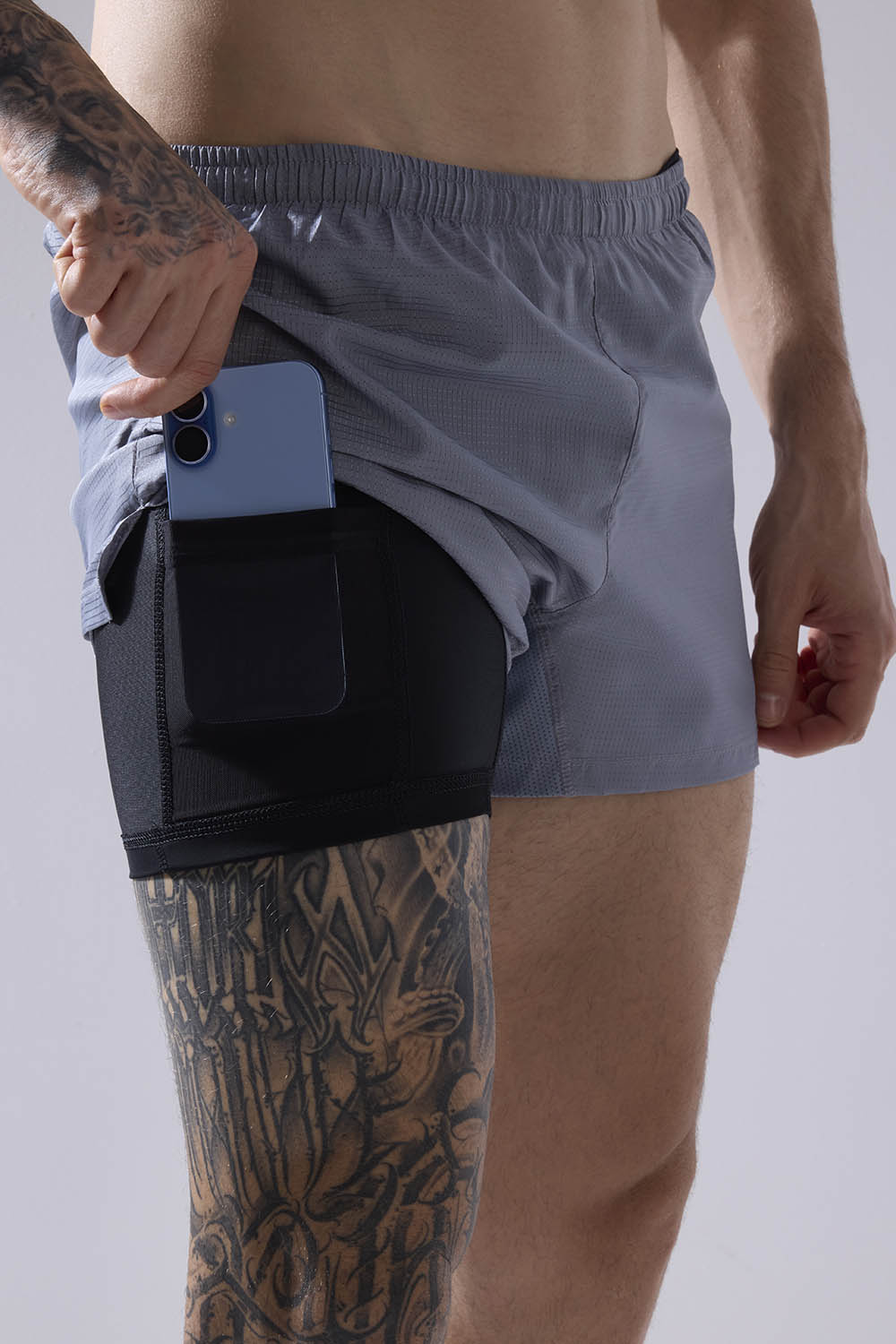

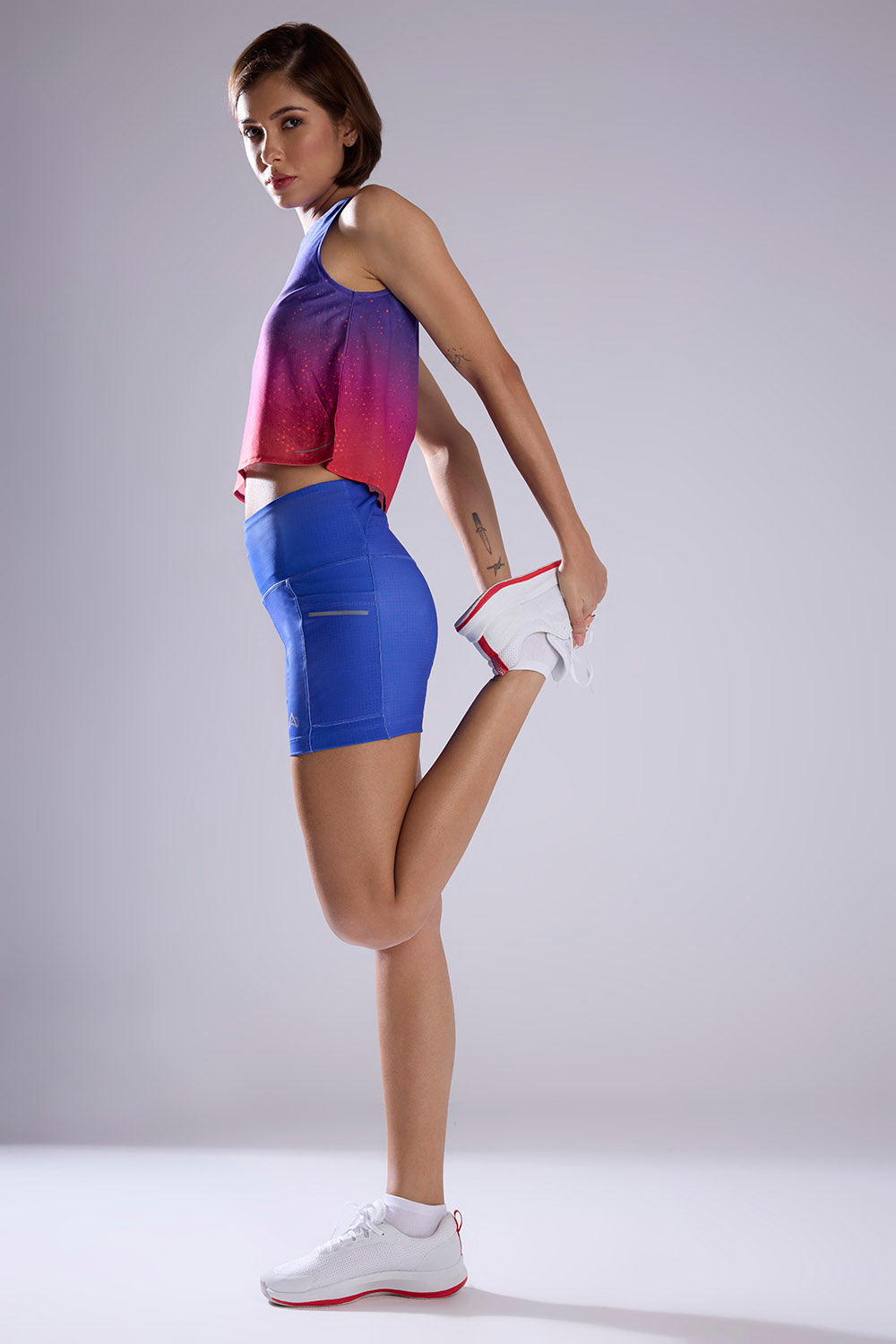
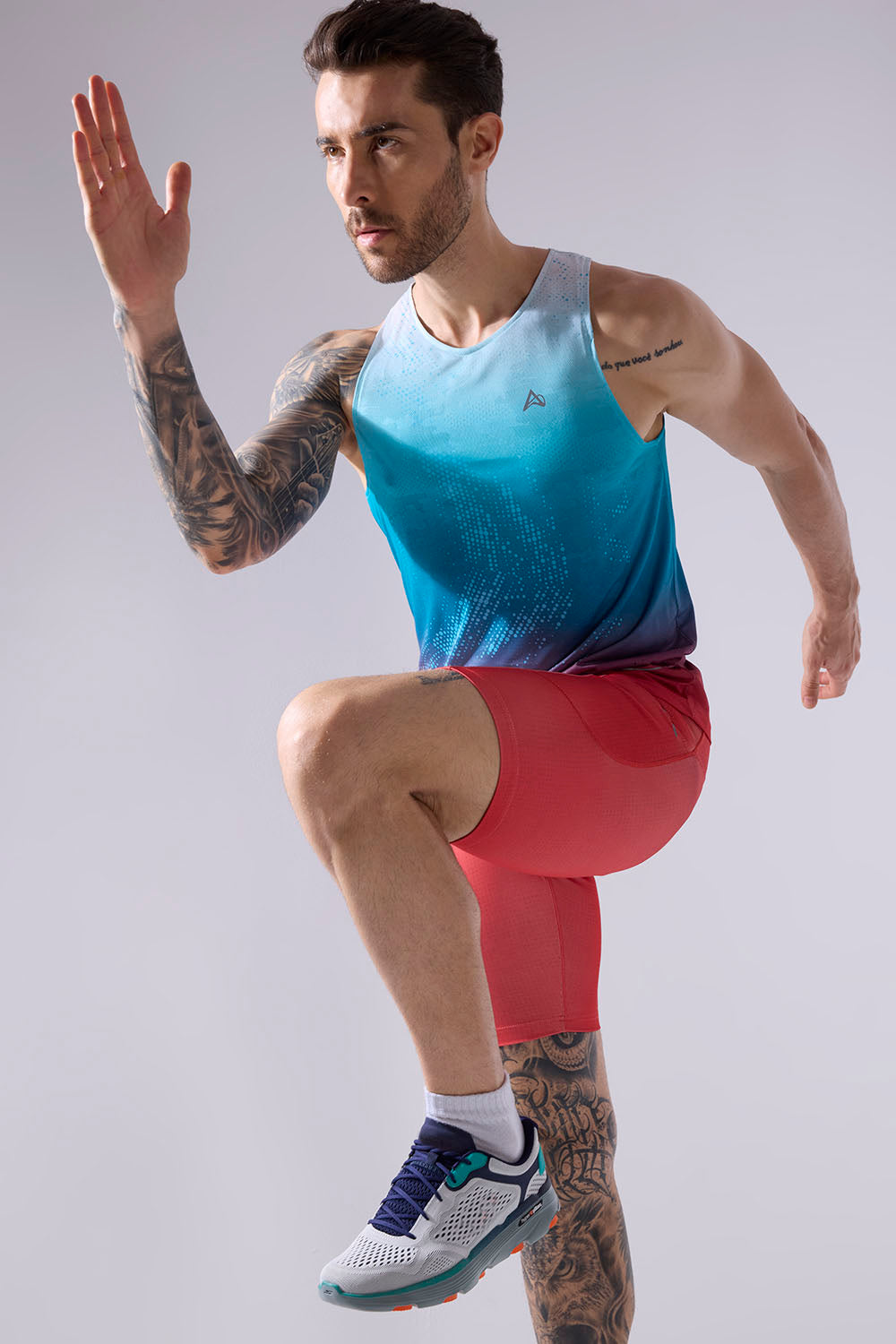

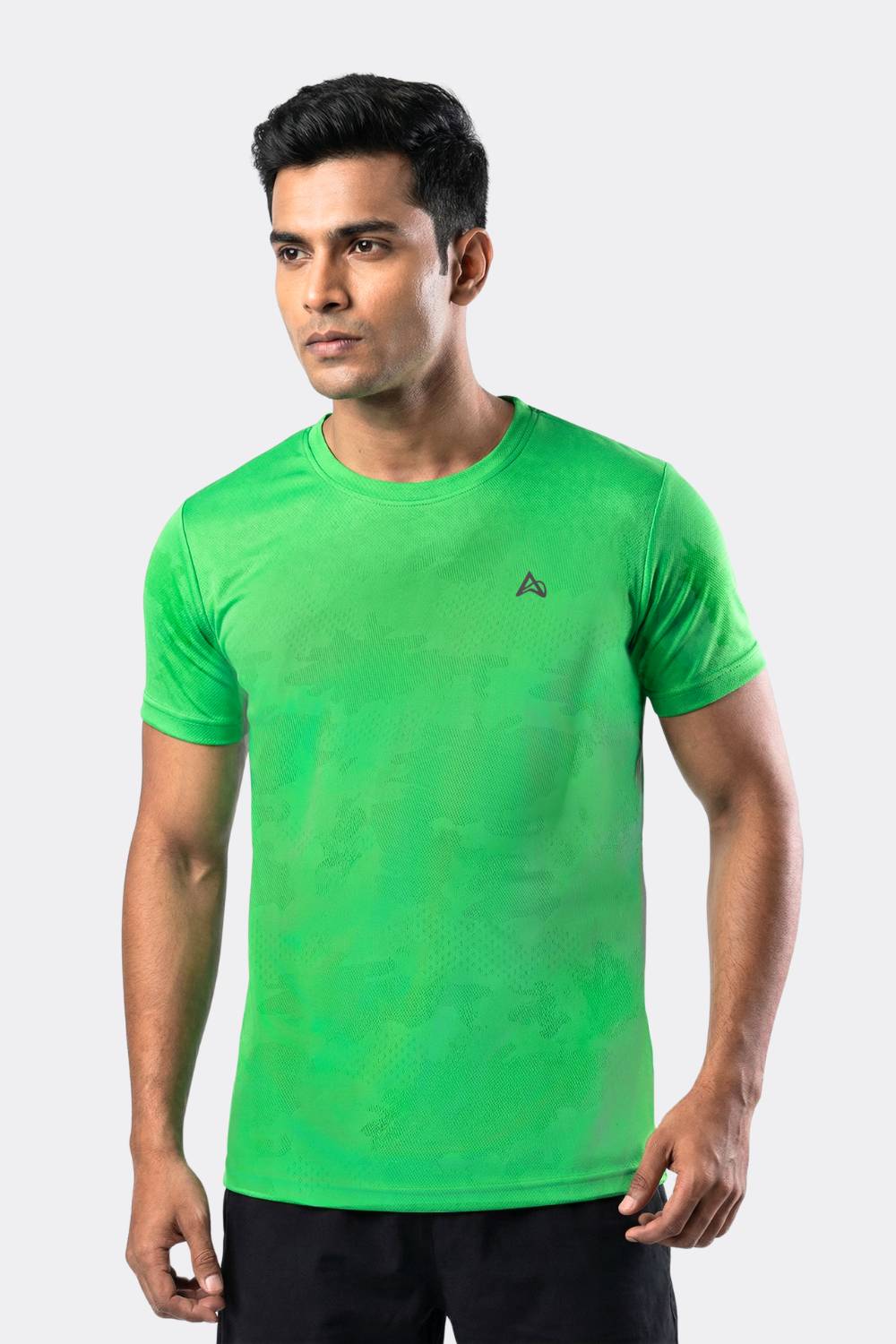
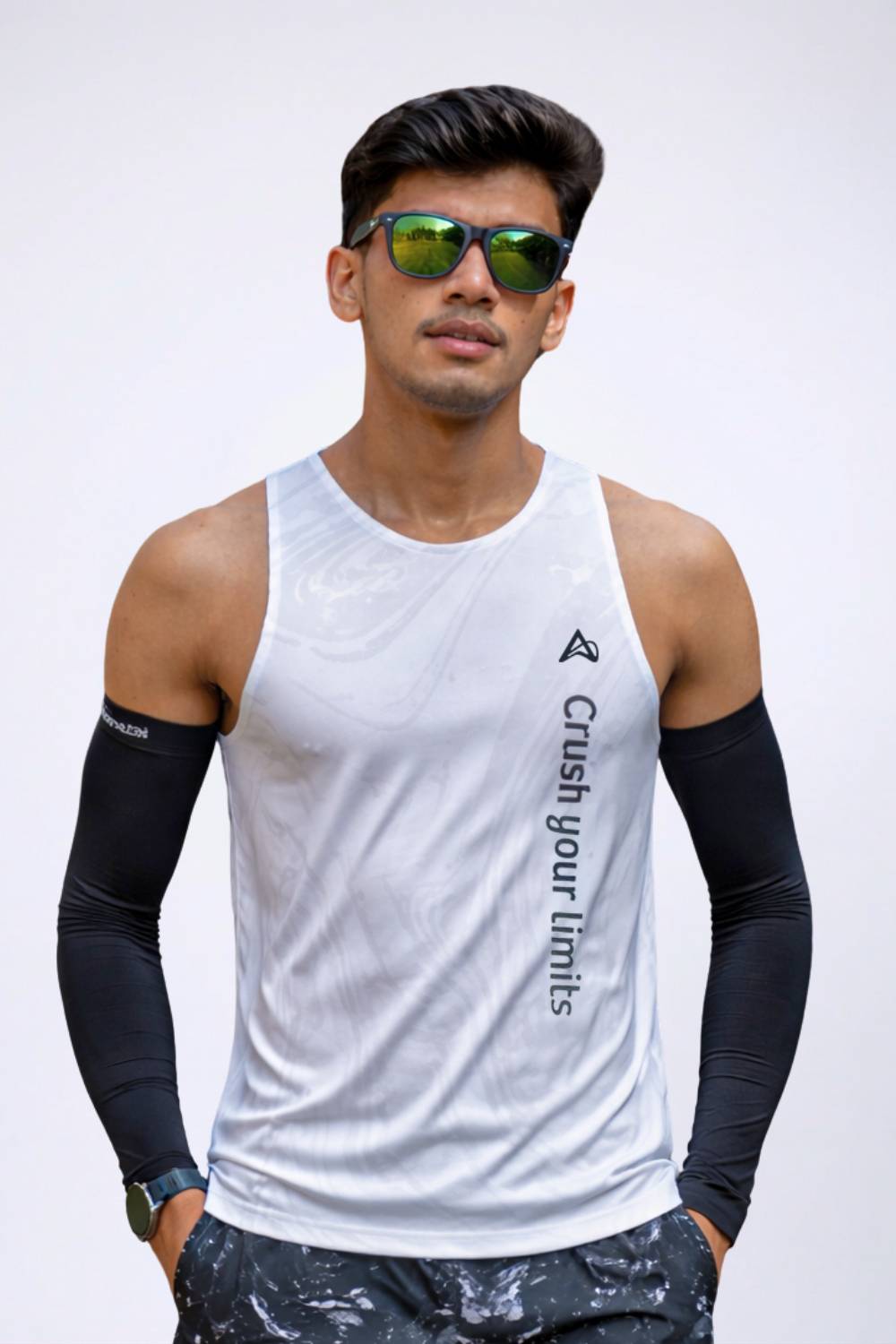

In Mumbai's sultry predawn, where humidity clings like a second skin, urban runners carve paths through crowded streets, their strides defiant against the oppressive heat. Across India's bustling cities Bangalore, Delhi, Hyderabad running has surged as a vital pursuit, blending fitness with resilience in a fast-paced world. Yet, in a climate where temperatures routinely exceed 90°F, comfort is a constant battle. The solution lies in innovative breathable fabrics, a technological leap redefining running apparel and empowering athletes to conquer India's relentless heat.
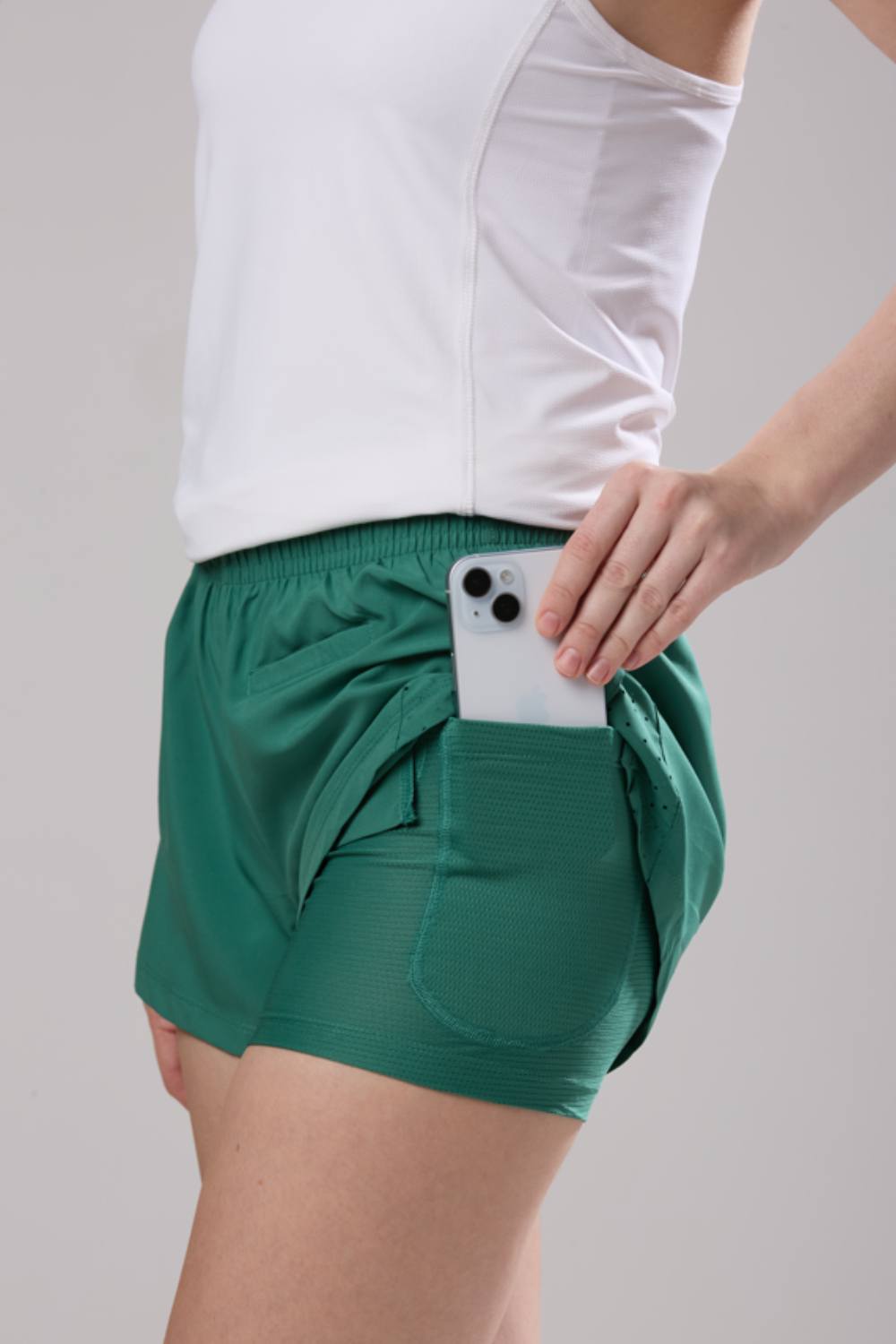
Tired of gear that slows you down? Chafing, soggy fabrics, and missing pockets kill your run's momentum. At Aguante, we're runners who get it. Our high-performance activewear features moisture-wicking fabrics, ergonomic designs, and smart storage to keep you focused. Shop Now!
Urban Running's Meteoric Rise
From Bangalore's tech corridors to Mumbai's coastal promenades, urban running has transformed into a cultural force. Running clubs in Hyderabad and Gurugram thrive, while marathons in Delhi and Pune attract thousands annually. A 2025 IMARC Group report projects the global running gear market, valued at $46.5 billion, to reach $71.6 billion by 2034, growing at a 4.92% CAGR from 2026 to 2034. North America holds a 31.1% market share, but Asia Pacific, led by India, is the fastest-growing region, driven by rising incomes and a robust fitness movement.
The catalyst? A surge in health awareness. With lifestyle diseases like diabetes and obesity on the rise, Indians are embracing running to bolster physical well-being. However, India's tropical climate hot, humid, unyielding demands more than willpower. Cotton shirts, once standard, become sodden burdens, hindering performance. Advanced fabrics, designed to wick moisture and regulate temperature, are now essential, ensuring runners stay cool and agile in cities like Surat and Ahmedabad.
The Technology Behind Comfort
Breathable fabrics represent a pinnacle of textile innovation. A 2023 study in Nature Scientific Reports examined five t-shirts made from varied yarns, such as Tencel single jersey and polyester mesh. Equipped with sensors at the chest, back, abdomen, and waist, the study revealed that fabrics with high air permeability and low thermal resistance namely Tencel and polyester mesh significantly reduced microclimate temperature and humidity. Simply put, these materials enhance airflow and evaporate sweat, keeping runners comfortable in grueling conditions.
This science fuels a booming industry. According to a 2024 Grand View Research report, the global performance fabric market, valued at $80.7 billion, is expected to reach $114.66 billion by 2033, with a 4.1% CAGR from 2025 to 2033. Asia Pacific commands a 39.2% revenue share, propelled by demand for sportswear offering moisture management, breathability, and stretch. For runners in India's humid cities, from Mumbai's monsoons to Delhi's dry heat, these performance fabrics are indispensable.
Brands Pioneering Change
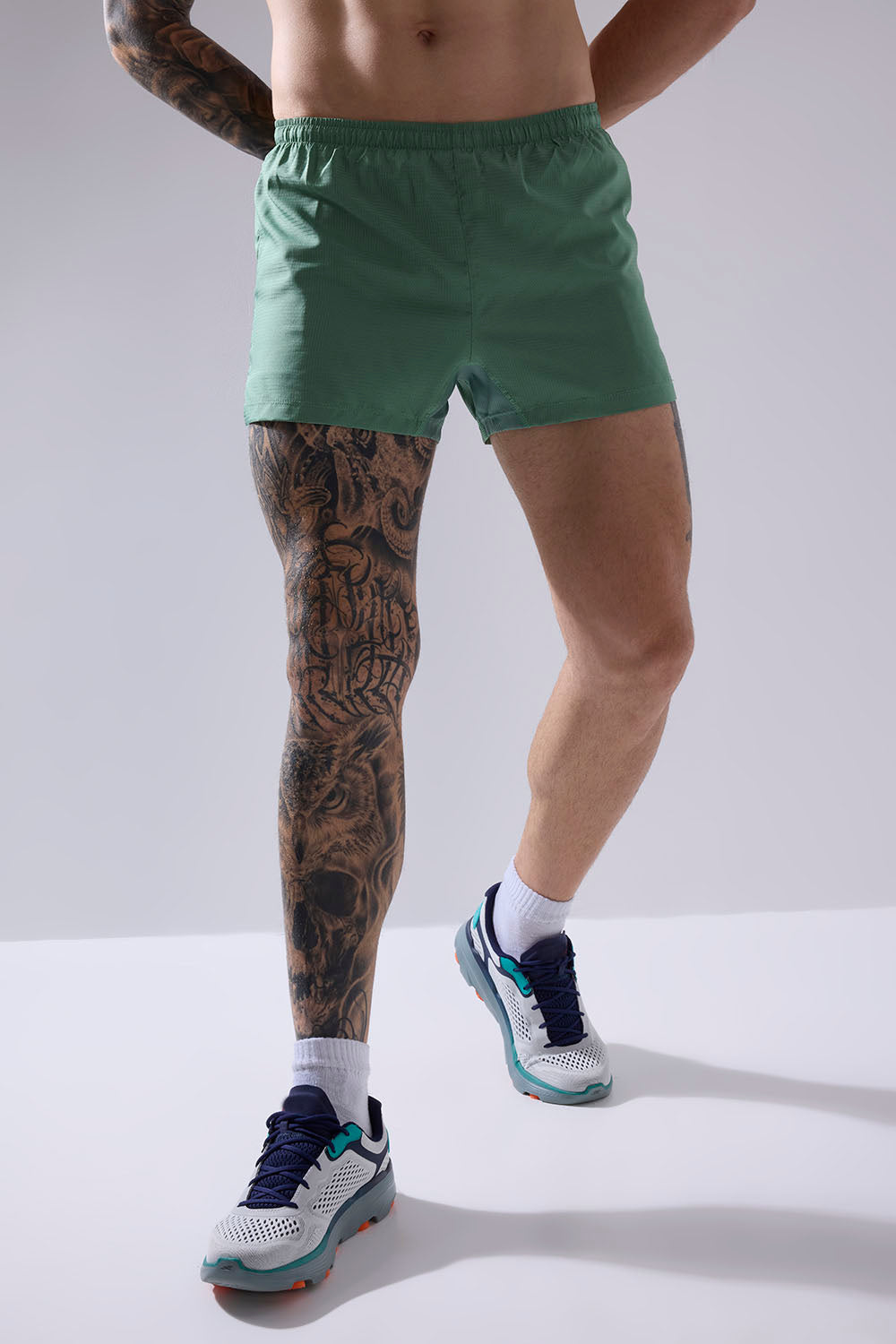
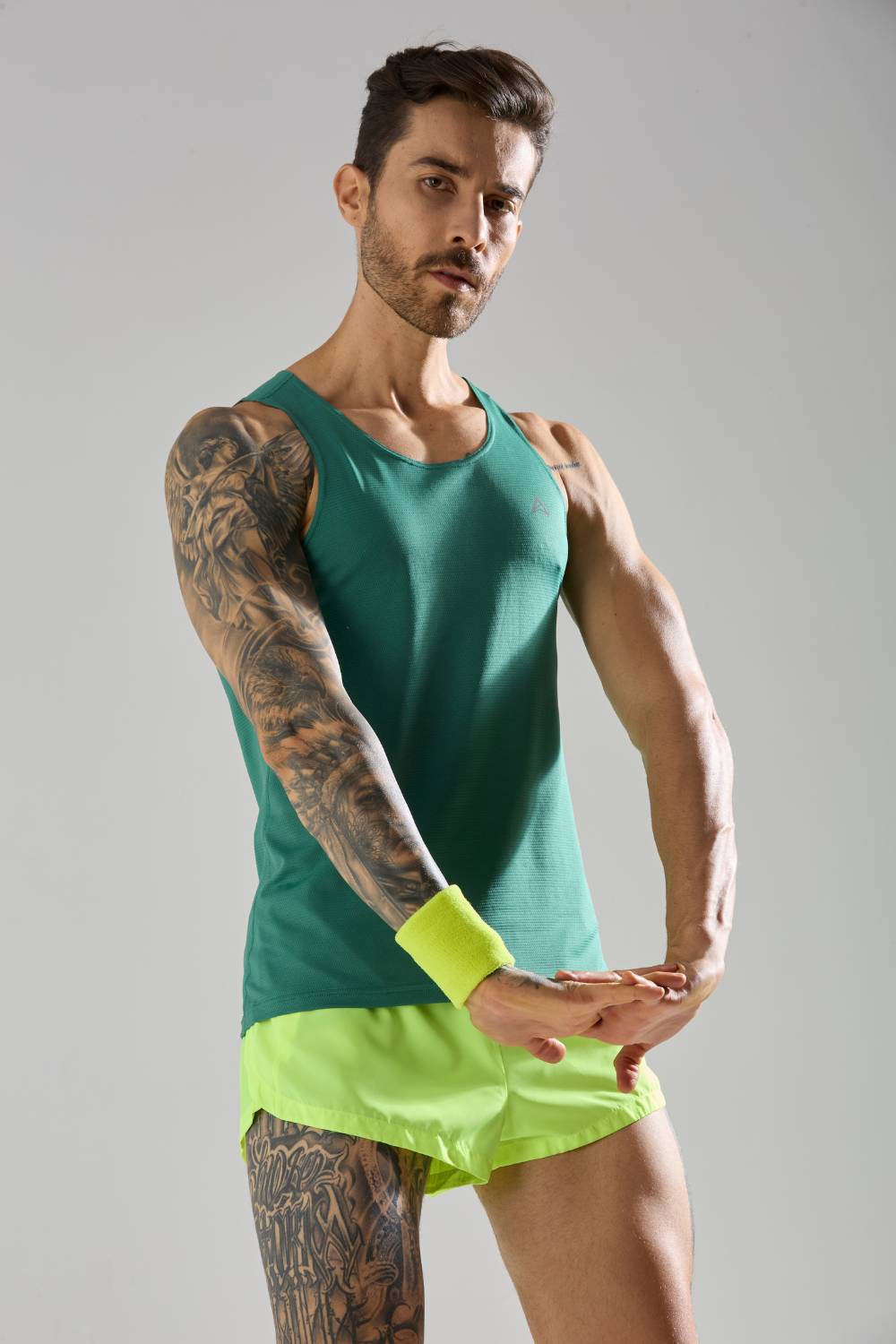
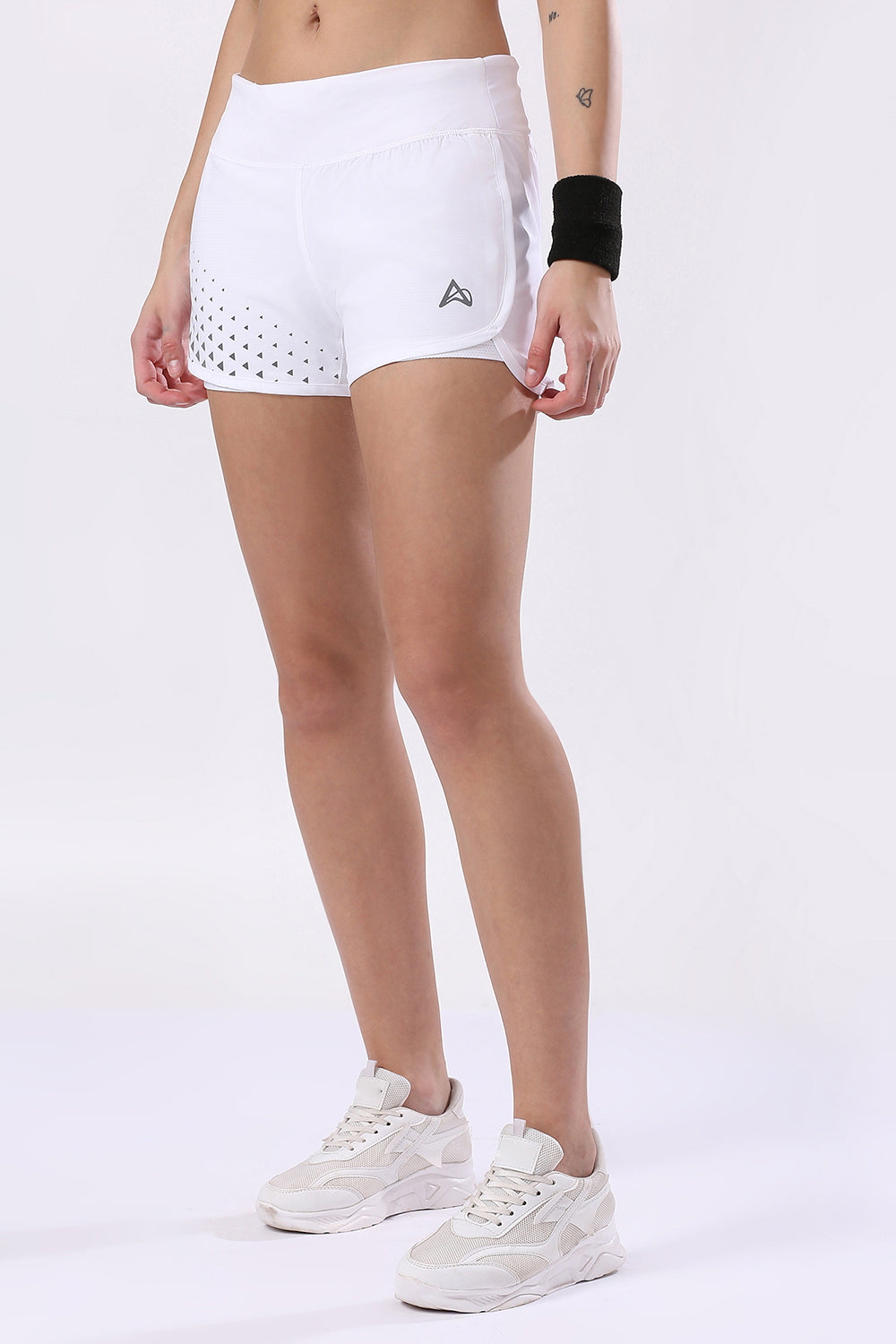
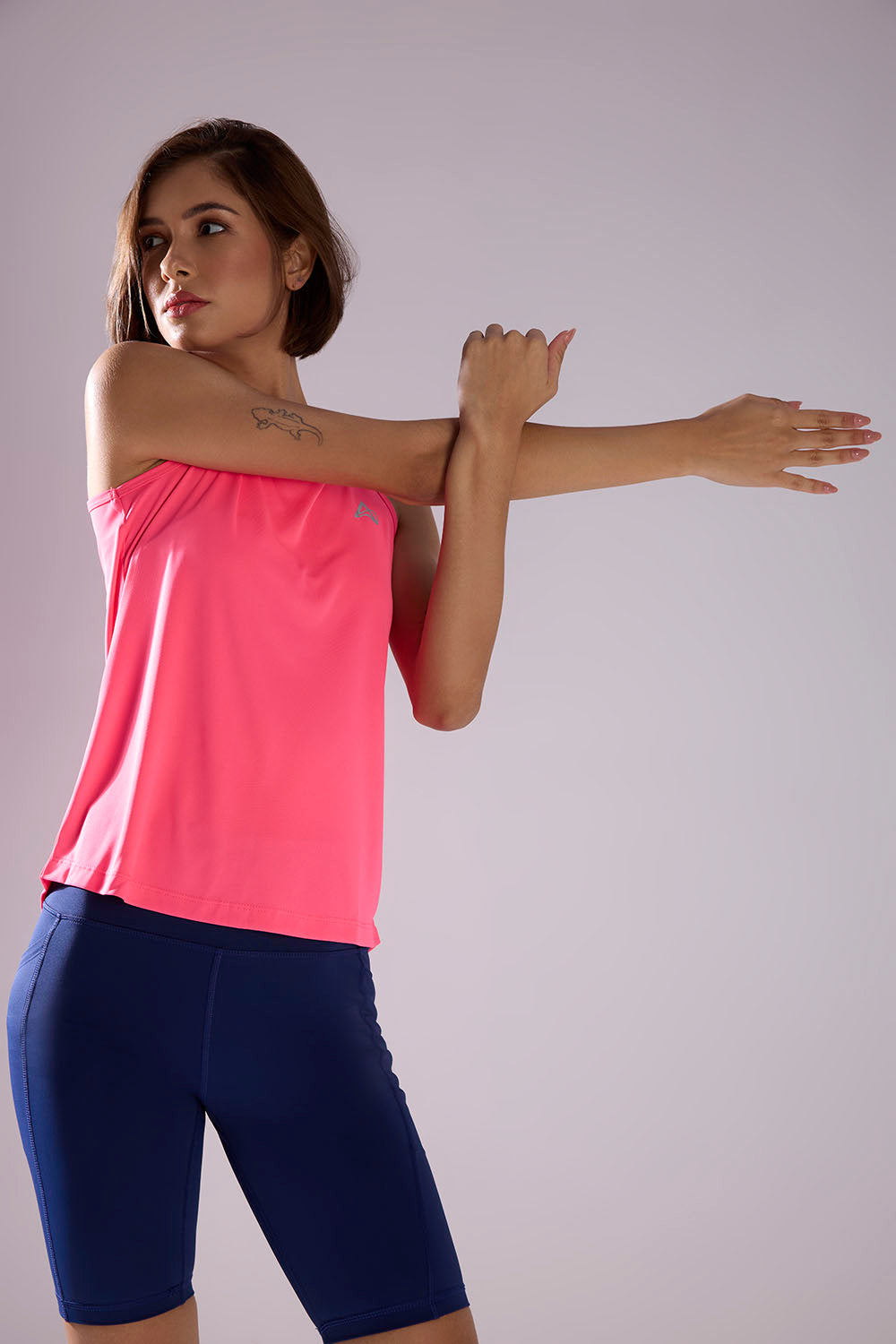
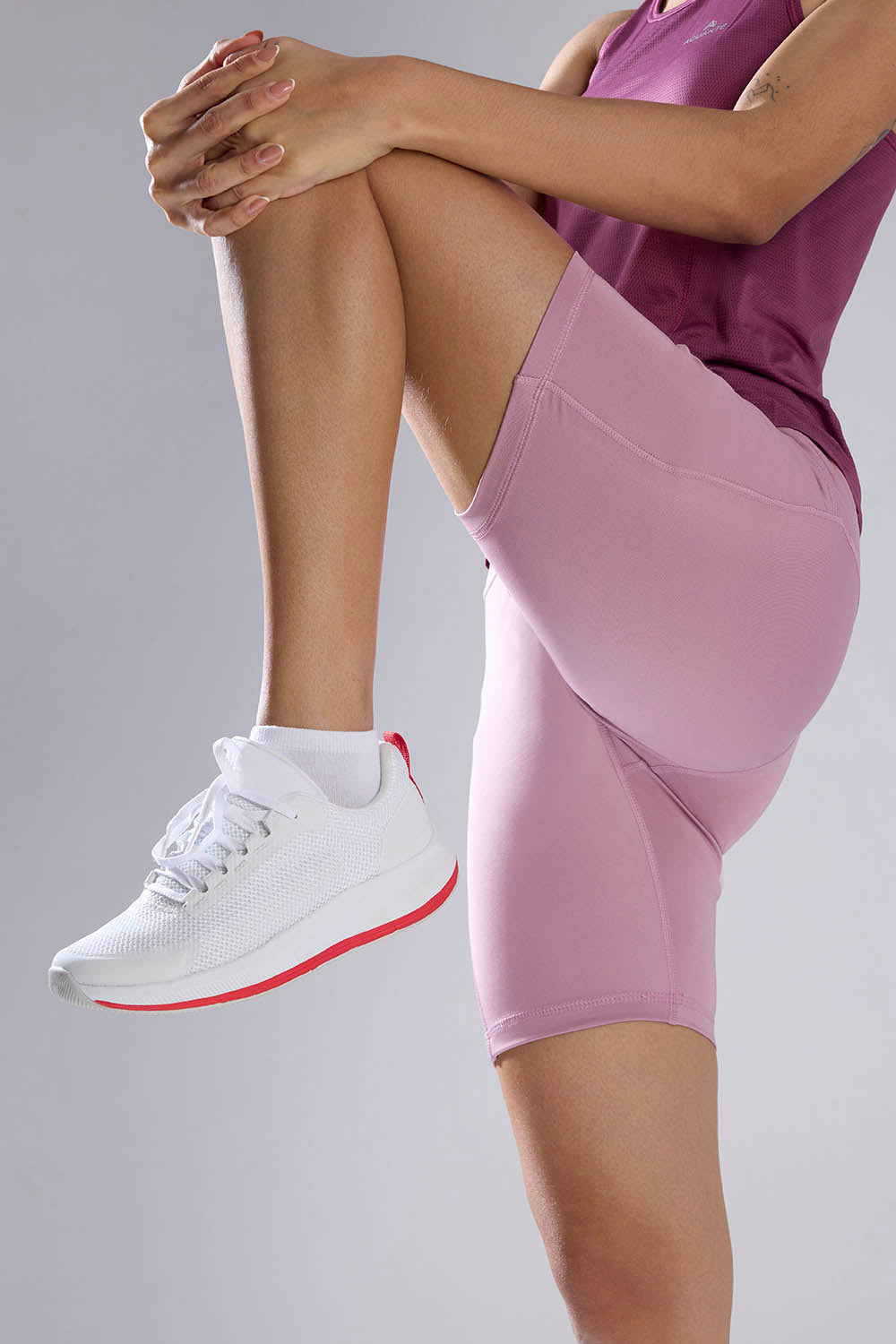
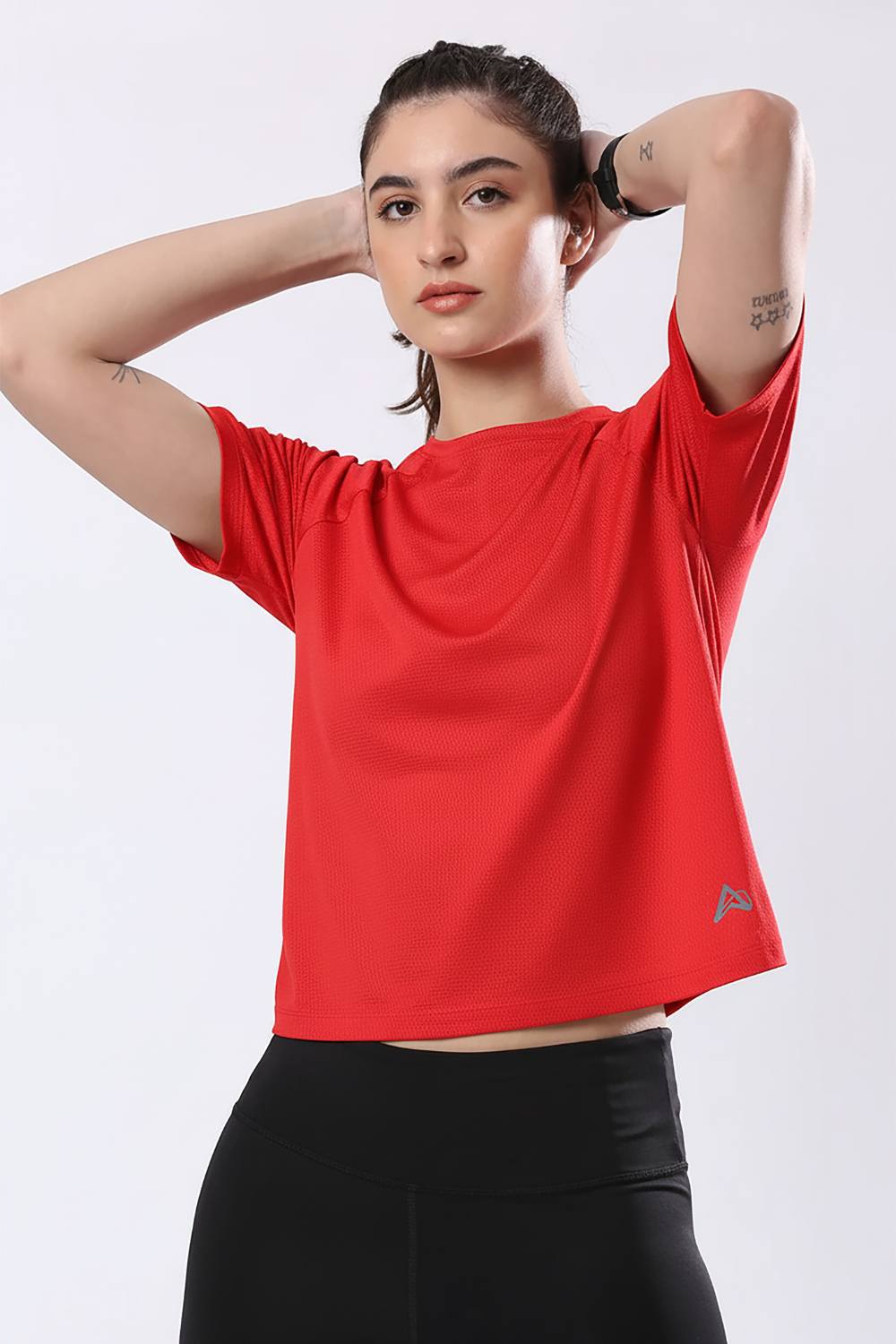
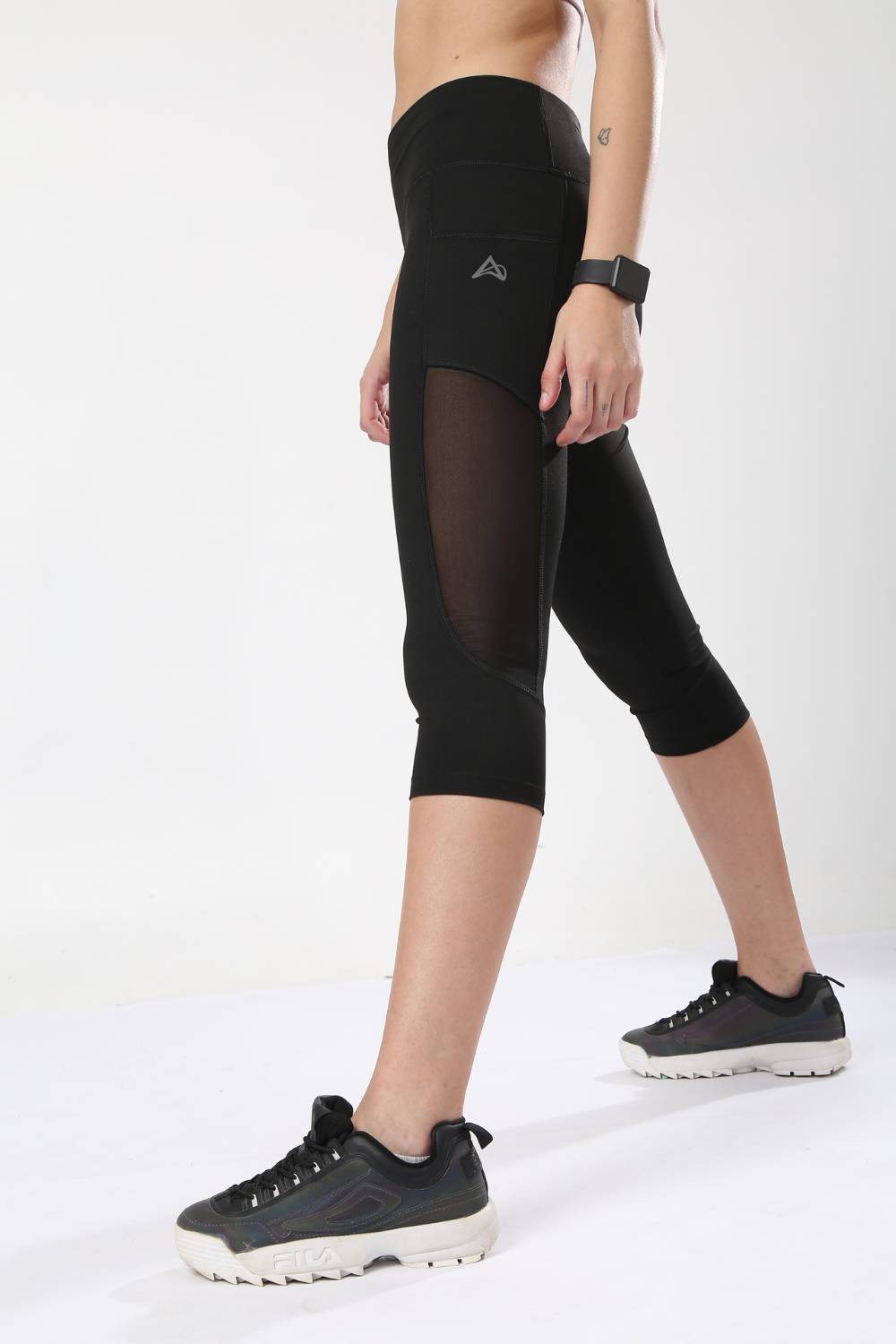
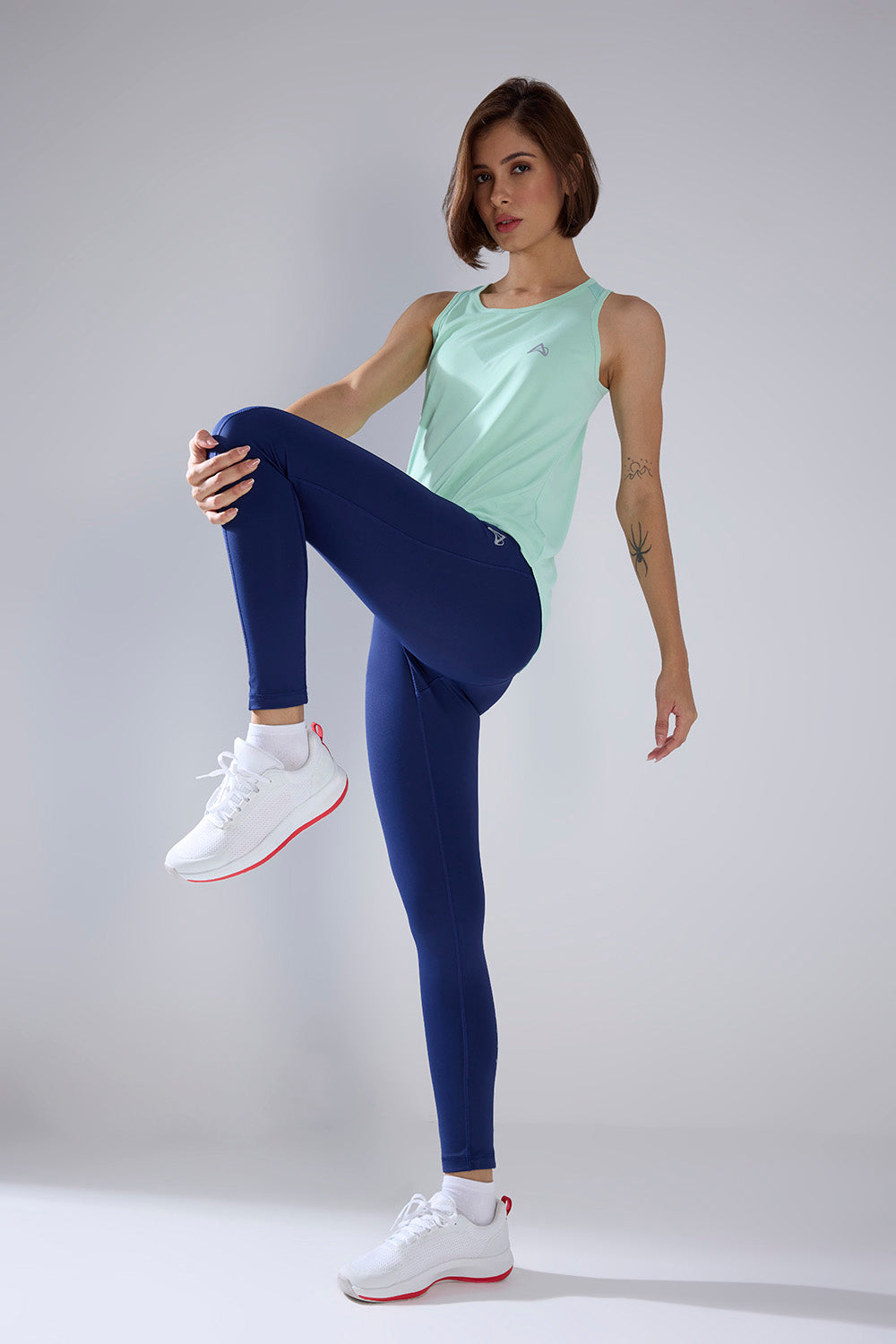
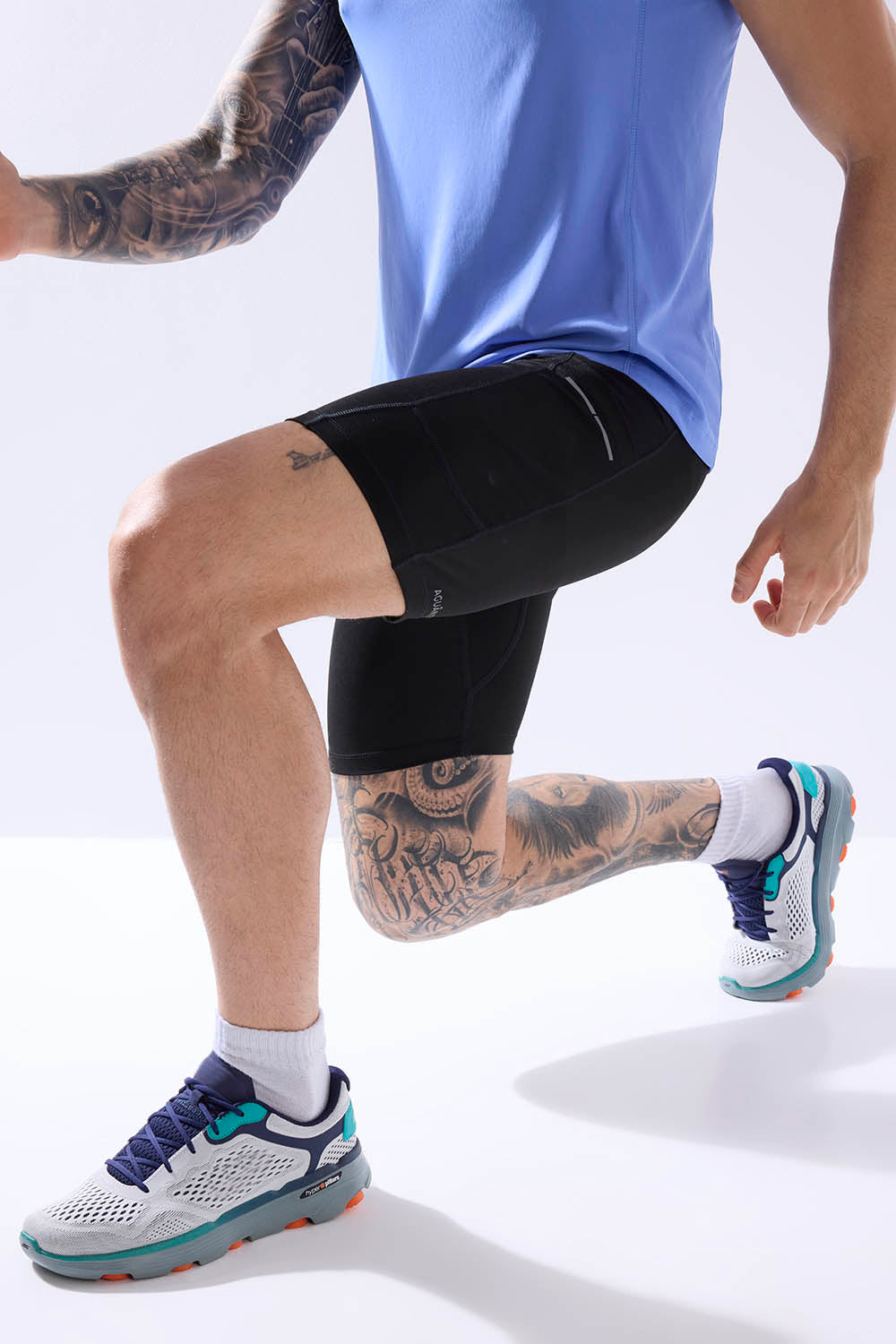
Indian activewear brands like Aguante lead the charge, designing gear tailored for urban runners facing India's climatic extremes. Their collections, crafted for Mumbai's muggy dawns or Bangalore's warm evenings, feature lightweight, breathable materials with mesh panels for ventilation and moisture-wicking fibers for dryness. Aguante's focus on functionality and style ensures runners in Hyderabad or Pune can train without distraction, even during humid 10K runs. These advancements make running not just feasible but exhilarating.
Runners across India attest to the impact. In Bangalore, running club members praise breathable gear for revolutionizing their workouts. A Pune marathoner noted that a polyester mesh shirt shaved minutes off her time, unencumbered by heavy, wet cotton. In Surat, a fitness enthusiast described Aguante's apparel as “effortlessly liberating,” allowing her to focus on pace rather than discomfort. These accounts underscore a fundamental truth: when gear enhances performance, running transcends endurance to become a source of empowerment.
Navigating Industry Challenges
Despite their promise, breathable fabrics face significant hurdles. High-performance materials often carry premium costs, challenging brands to keep products affordable for India's middle-class runners in cities like Delhi and Pune. Durability is another concern; lightweight, airy fabrics may wear faster than denser alternatives, prompting questions about long-term value. Brands are responding with reinforced weaves and hybrid textiles that balance breathability with resilience, ensuring gear withstands rigorous use.
Competition adds further complexity. A 2025 Persistence Market Research report estimates the global sportswear fabric market at $28.8 billion, projected to reach $40.5 billion by 2032 with a 5.0% CAGR. While North America holds a 38% share, Asia Pacific's rapid growth, driven by India and China, intensifies the race for innovation. Brands like Aguante differentiate through sustainable sportswear fabrics, incorporating recycled polyester and biodegradable fibers to appeal to eco-conscious runners in Bangalore and Mumbai. Staying competitive demands both ingenuity and adaptability.
Seizing Market Opportunities
India's urban running boom offers vast potential. Health-conscious residents in Ahmedabad, Gurugram, and beyond are fueling demand for high-performance apparel. Brands delivering breathable, reliable gear can cultivate loyal followings, transforming casual buyers into advocates. Picture a Hyderabad runner, delighted by a shirt that stays dry during a rainy sprint, sharing it with their running group. Such word-of-mouth loyalty is invaluable in a growing market.
The future holds even greater promise. Smart fabrics infused with UV protection, anti-odor technology, or temperature-regulating fibers are emerging. Partnerships between brands and Indian research institutions could yield innovations like humidity-adaptive textiles or performance-tracking fabrics. Sustainability, already a priority, will shape the industry, with eco-friendly materials resonating with younger runners in Surat and Delhi. As the sportswear fabric market expands, brands that blend performance with purpose will lead the way.
A Future of Cool Confidence
As dawn breaks over Mumbai's Marine Drive, runners in breathable apparel glide effortlessly, the heat no longer a foe. These fabrics, rooted in rigorous science and a deep understanding of athletic needs, are more than clothing they're catalysts for performance and perseverance. Industry experts foresee breathable fabrics evolving further, integrating smarter, greener technologies. For India's urban runners, from Bangalore's coders to Delhi's marathoners, this signals a future where every run, no matter how hot, is a triumph of innovation and determination.
Frequently Asked Questions
What are the best breathable fabrics for urban running?
Breathable fabrics like moisture-wicking polyester blends, merino wool, and mesh-enhanced synthetics are ideal for urban running. These materials excel at pulling sweat away from the skin and promoting airflow, keeping you cool in hot city environments. The blog highlights that polyester blends are particularly durable and lightweight, while merino wool offers natural odor resistance, making them great choices for runners tackling humid urban conditions.
How do breathable fabrics help runners stay comfortable in hot weather?
Breathable fabrics help urban runners stay comfortable by regulating body temperature and reducing sweat buildup during hot weather runs. Their moisture-wicking and ventilation properties draw perspiration away from the skin, preventing discomfort and chafing in humid city settings. According to the blog, these fabrics also dry quickly, ensuring runners remain cool and focused even on long runs through urban heat.
How should I care for breathable running clothes to maintain their performance?
To maintain the performance of breathable running clothes, wash them in cold water with mild detergent and avoid fabric softeners, which can clog moisture-wicking fibers. Air-drying is recommended to preserve the fabric’s ventilation and elasticity, as high heat from dryers can damage technical materials. The blog emphasizes these care tips to ensure your urban running gear stays effective and durable for consistent performance in hot conditions.
Disclaimer: The above helpful resources content contains personal opinions and experiences. The information provided is for general knowledge and does not constitute professional advice.
You may also be interested in: Choosing Running Gear for Indias Urban Environments
Tired of gear that slows you down? Chafing, soggy fabrics, and missing pockets kill your run's momentum. At Aguante, we're runners who get it. Our high-performance activewear features moisture-wicking fabrics, ergonomic designs, and smart storage to keep you focused. Shop Now!
Powered by flareAI.co