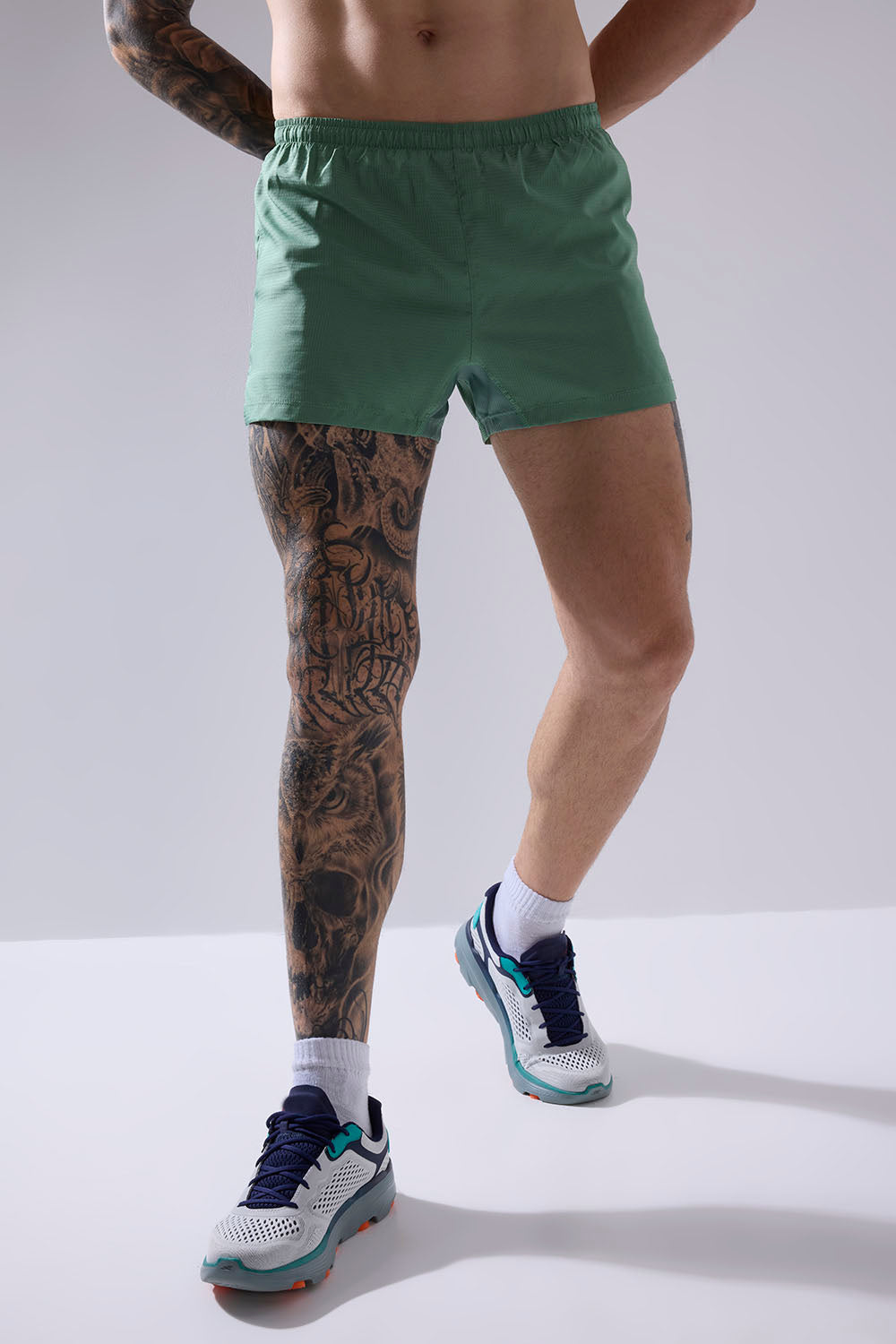

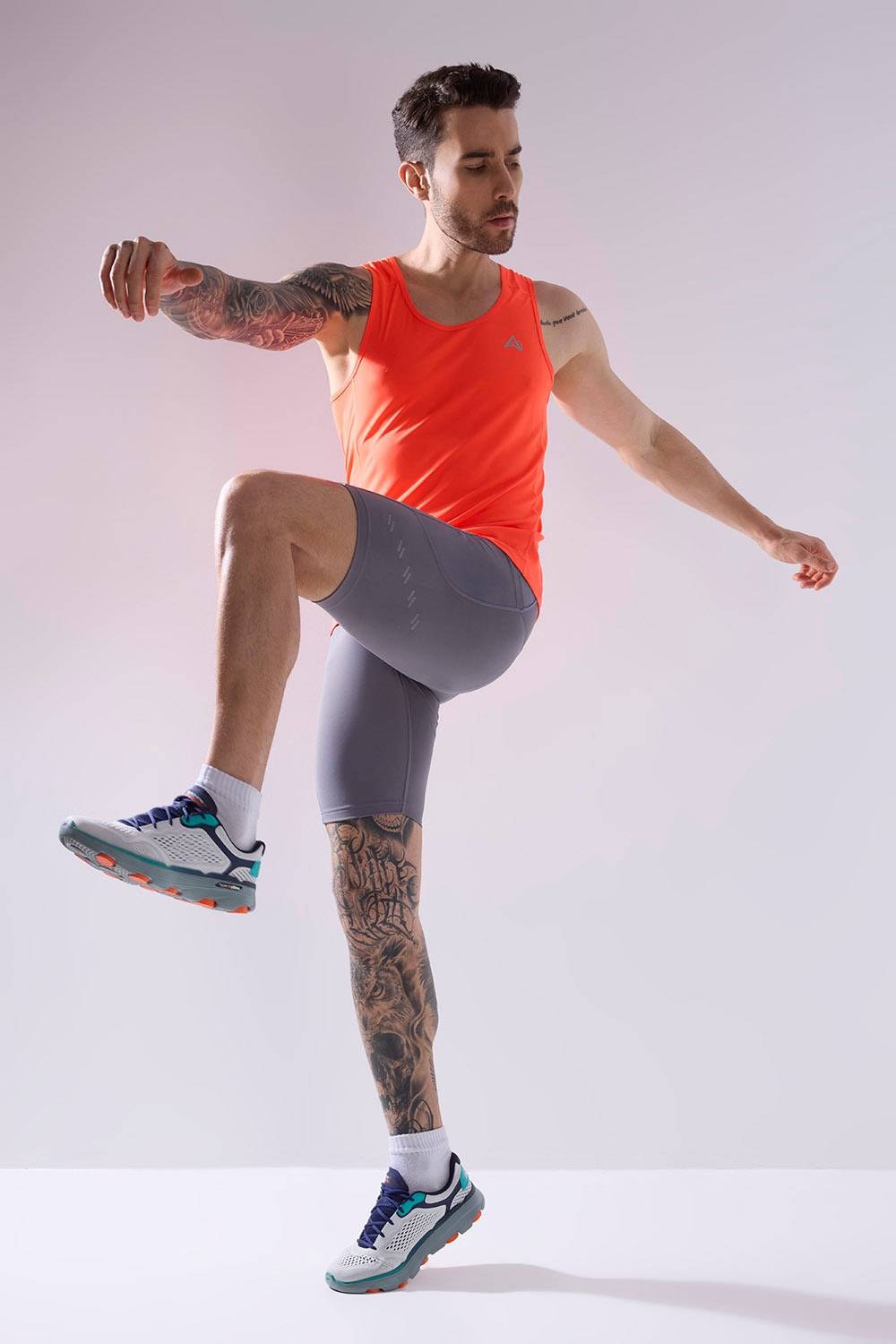
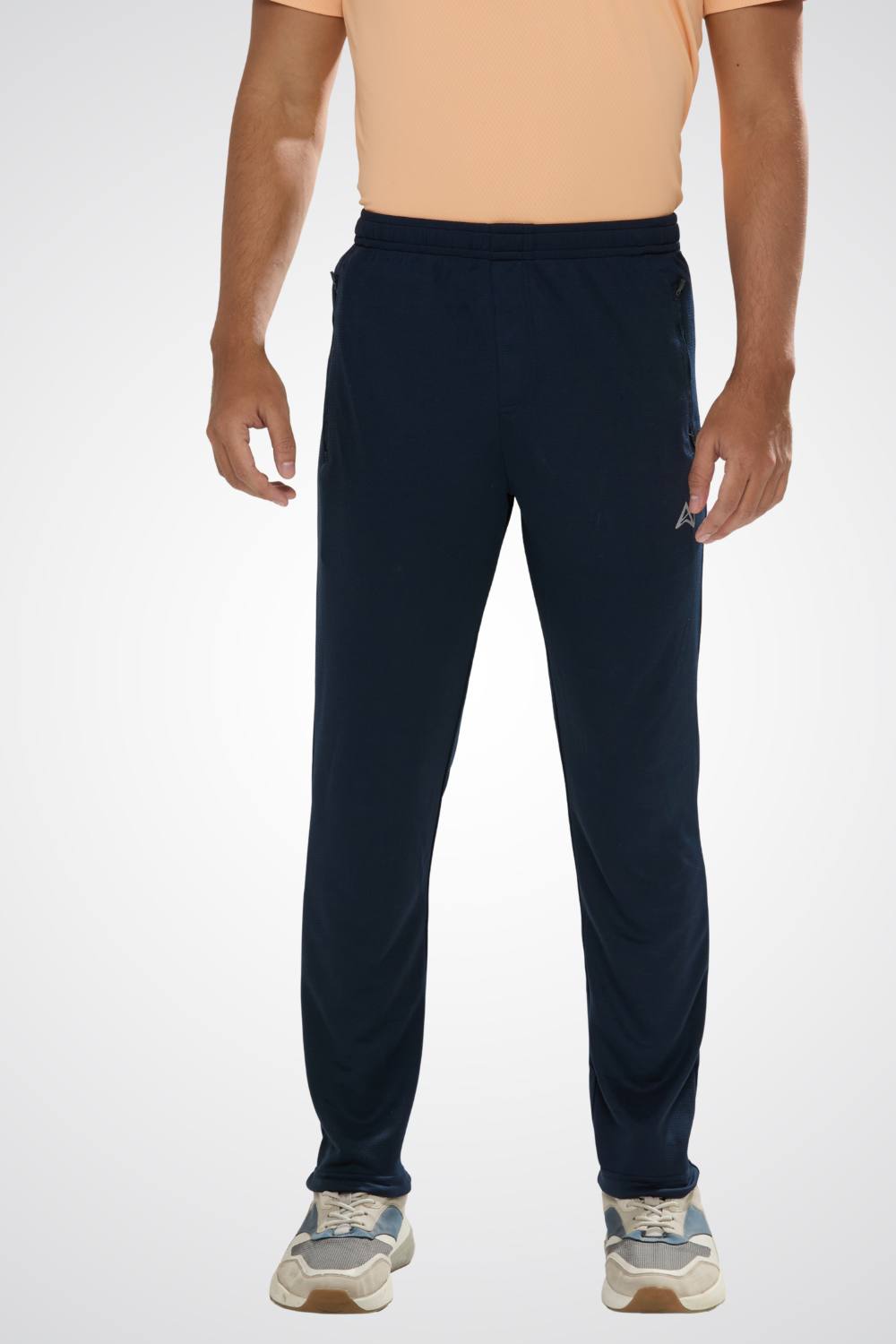
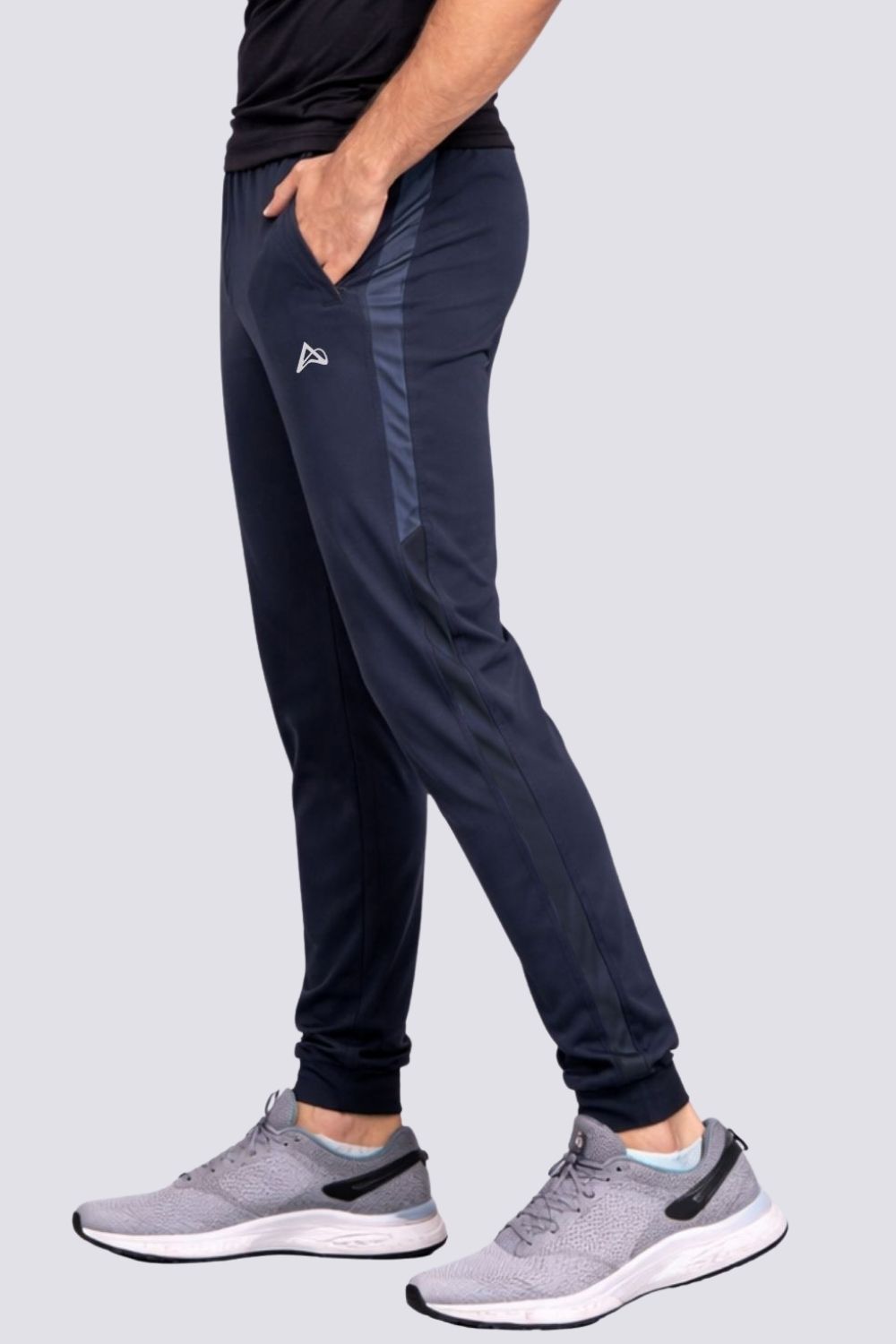



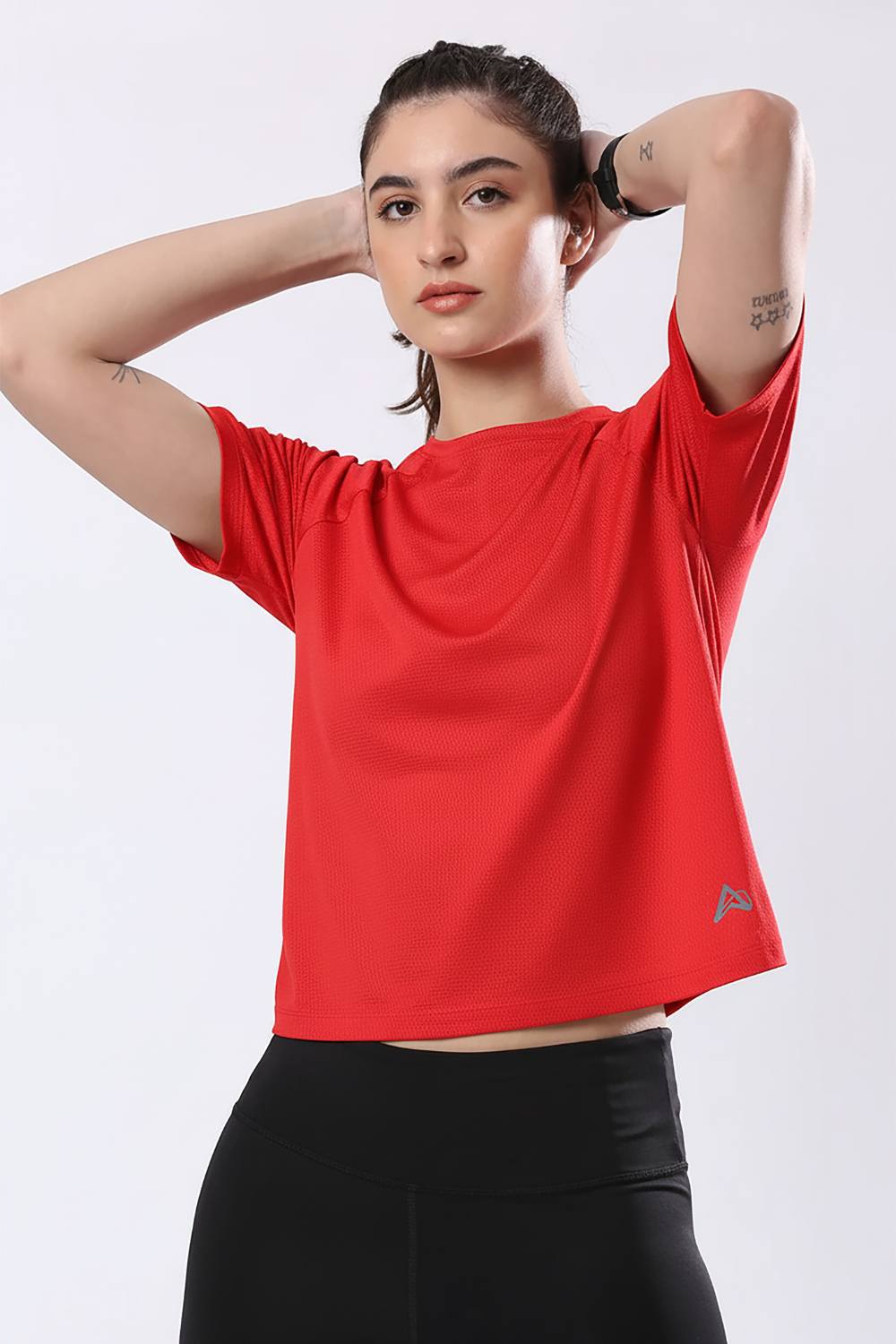
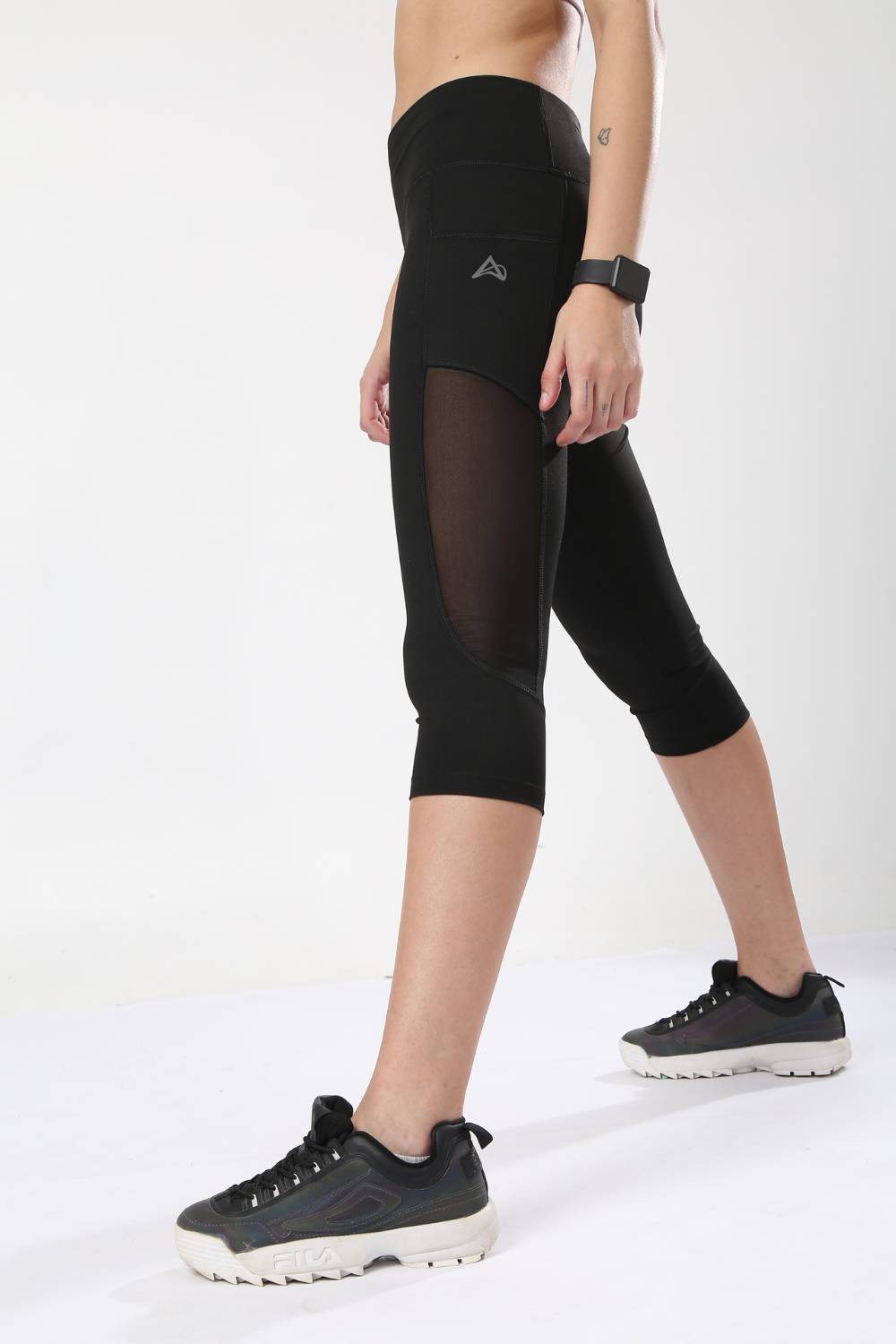



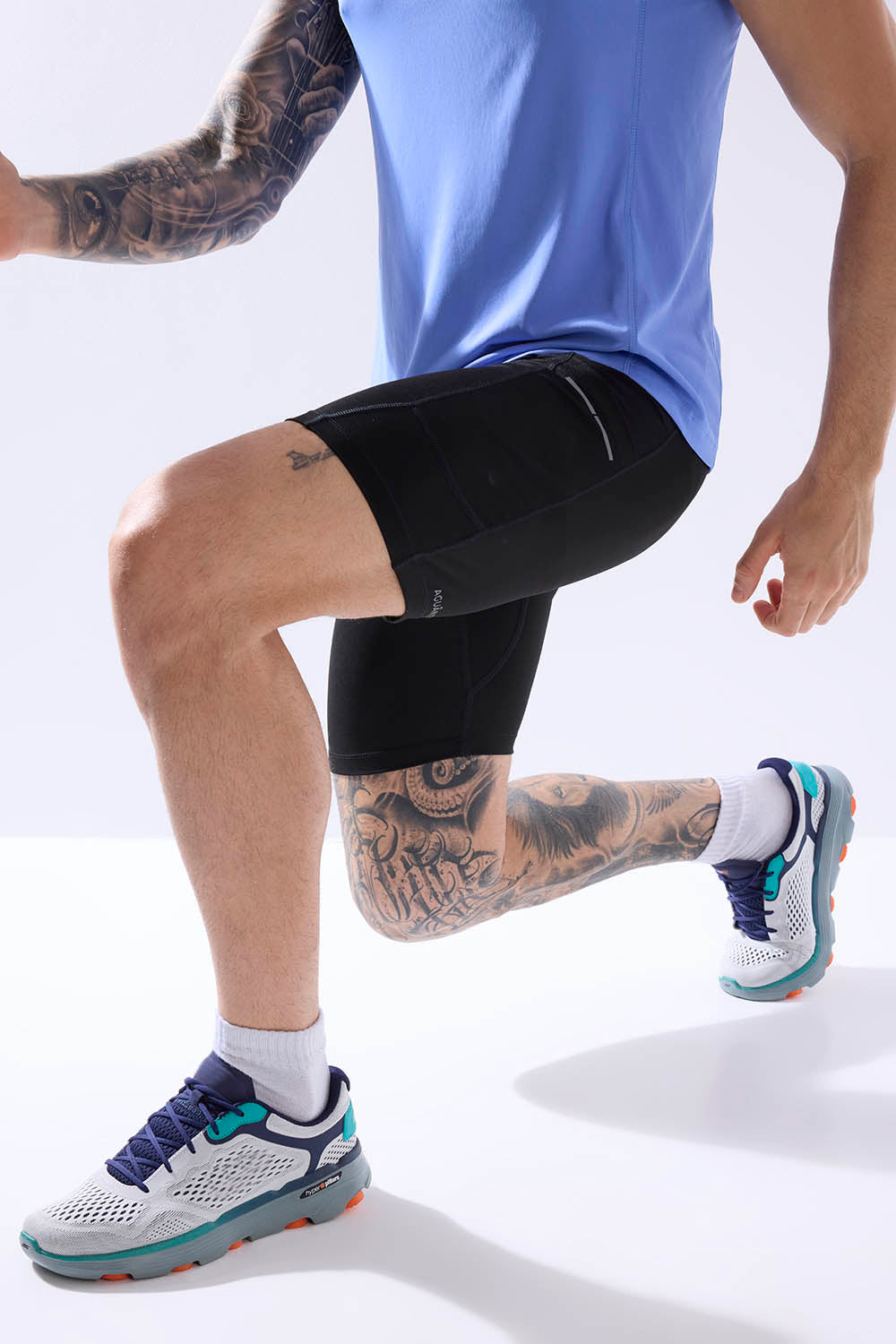
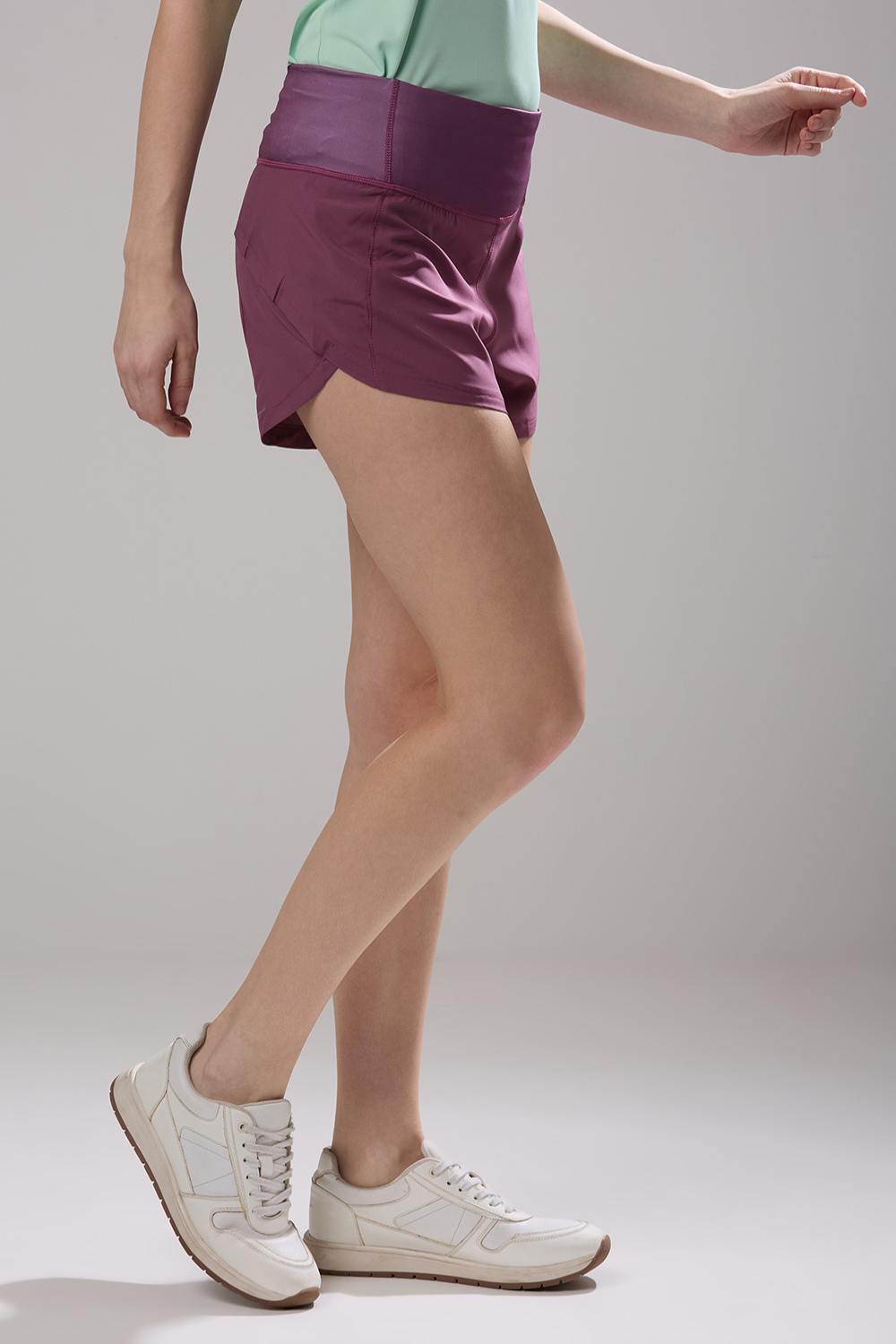

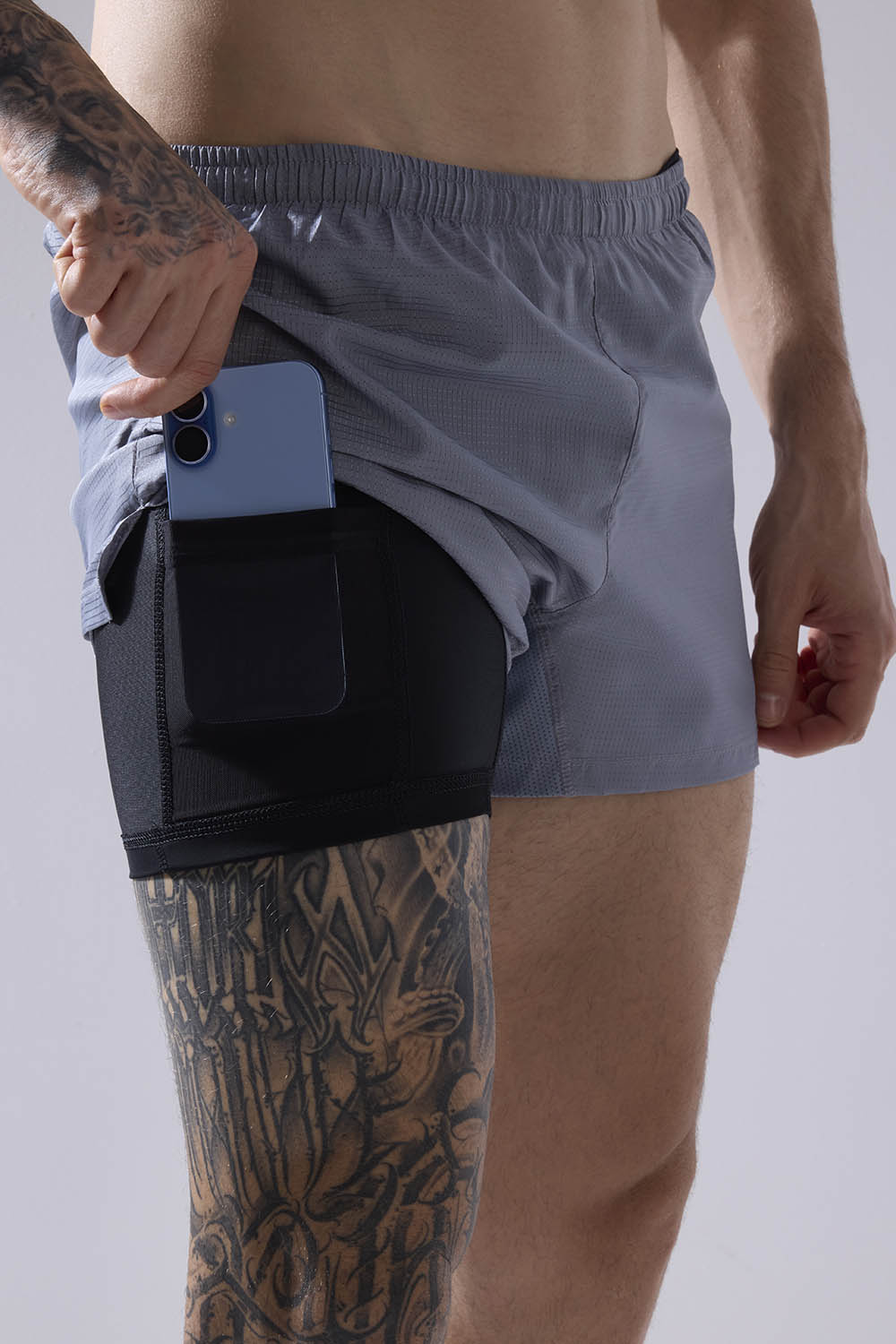


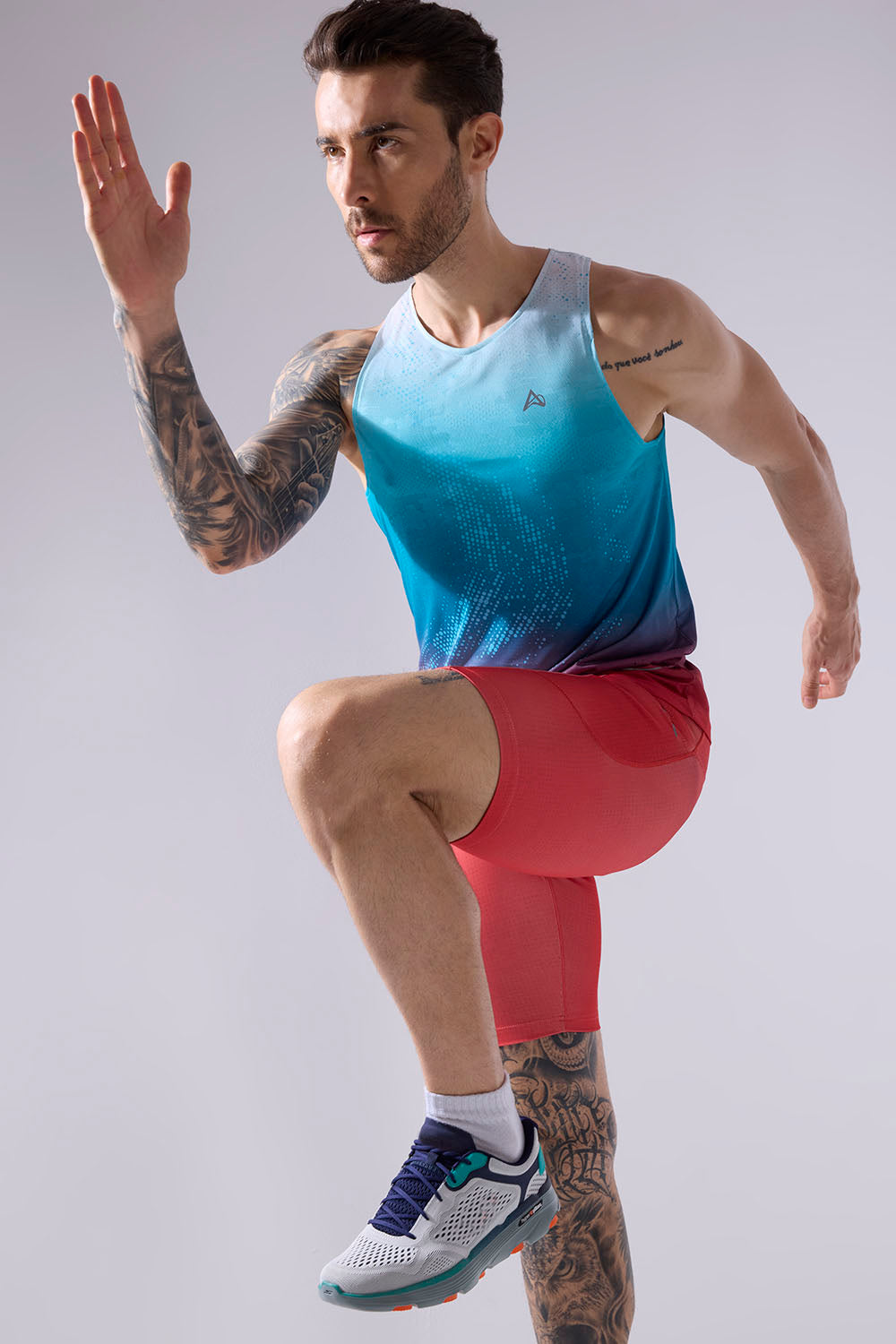

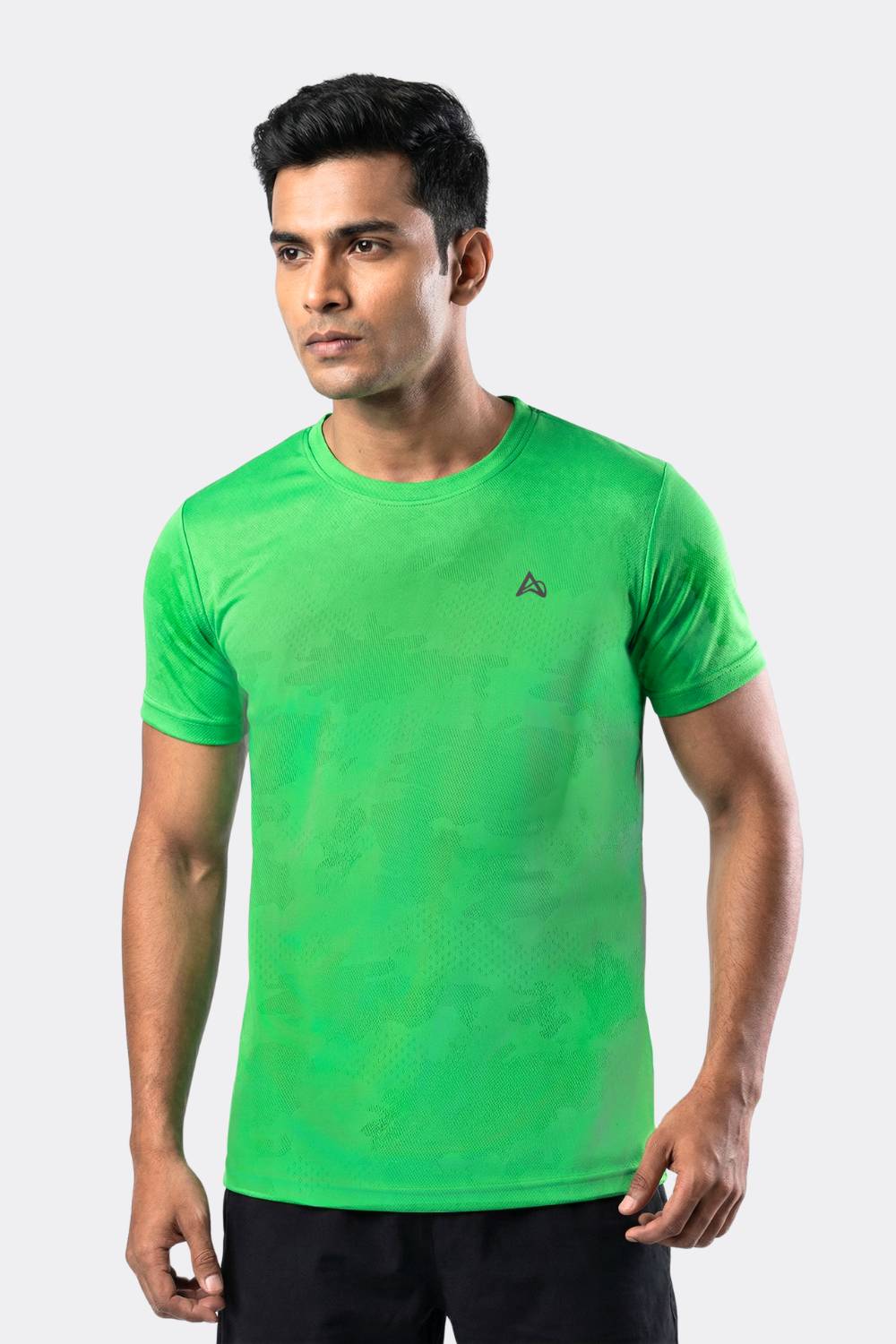
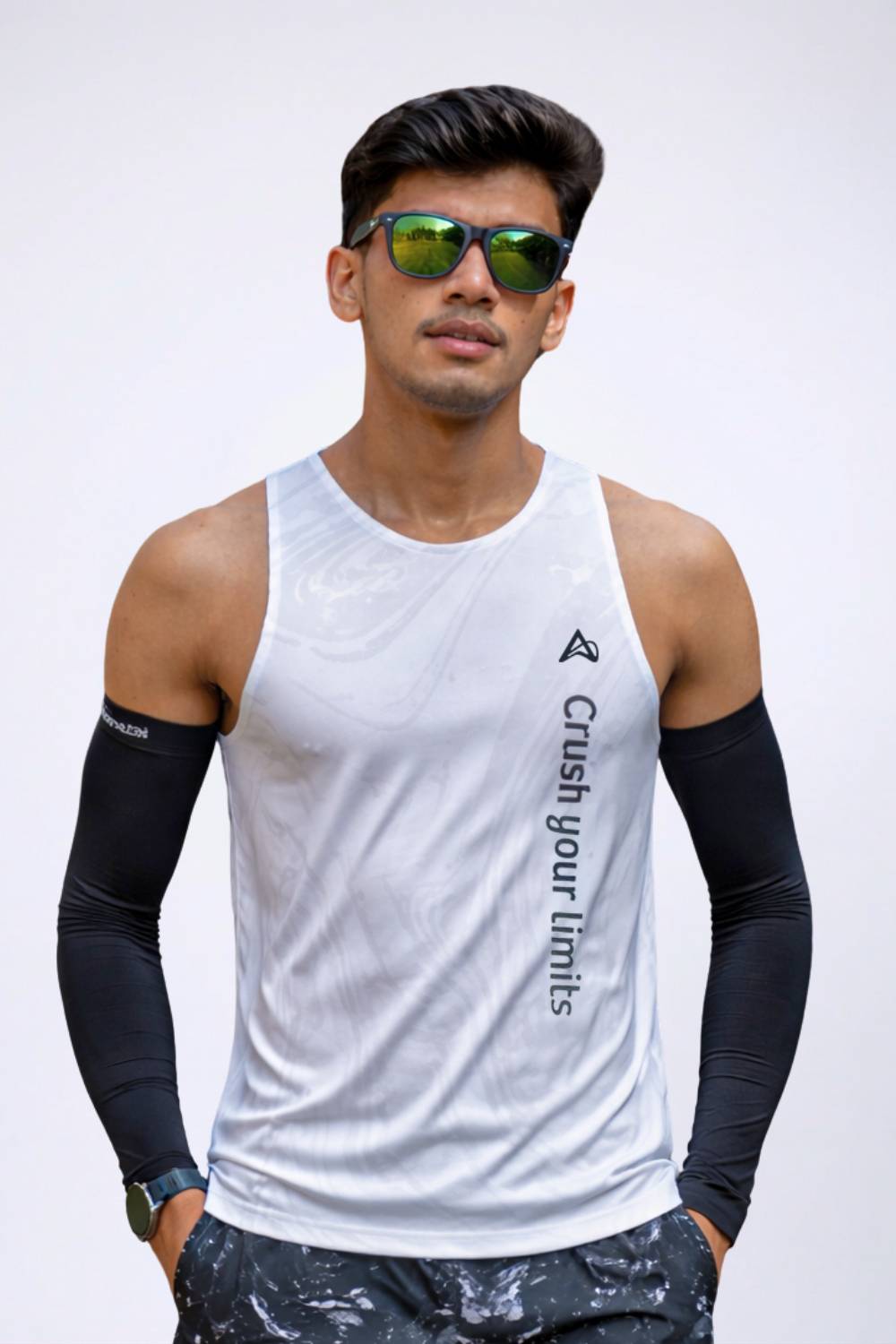

Imagine a dedicated runner in the bustling streets of Mumbai, gearing up for a dawn sprint along the iconic Marine Drive. They slide into a pair of advanced half-tights engineered to repel sweat and maintain stability through every stride. This perfect fit isn't mere chance it's backed by a brand's commitment to a simple yet powerful 14-day return policy, erasing the doubts that plague online shoppers eyeing specialized performance wear.
Tired of gear that slows you down? Chafing, soggy fabrics, and missing pockets kill your run's momentum. At Aguante, we're runners who get it. Our high-performance activewear features moisture-wicking fabrics, ergonomic designs, and smart storage to keep you focused. Shop Now!
How Aguante's 14-Day Return Policy Builds Consumer Trust in India's Activewear Market
Delving into how a lenient return framework boosts loyalty and confidence among buyers, spotlighting Aguante's runner-centric apparel in the Indian landscape.
The Importance of Trust in the Activewear Sector
In vibrant urban centers such as Bangalore, Mumbai, Delhi, and Pune where marathon events flourish and fitness centers multiply trust forms the bedrock of enduring brand-customer bonds. Endurance athletes crave equipment that endures India's intense heat, pervasive humidity, and diverse landscapes. However, online acquisitions bring inherent risks: Does the material truly ventilate? Do the compartments remain secure amid extended sessions?
Aguante, established in 2018 as an Indian activewear label conceived by runners for their peers, confronts these issues directly via its 14-day return policy. Complemented by nationwide free shipping and reliable payment methods, this initiative underscores assurance in items like singlets, shorts, half-tights, and track pants. For sports enthusiasts in Hyderabad, Gurugram, Surat, and Ahmedabad, it translates to hazard-free trials of premium gear, nurturing trust that converts novices into steadfast supporters.
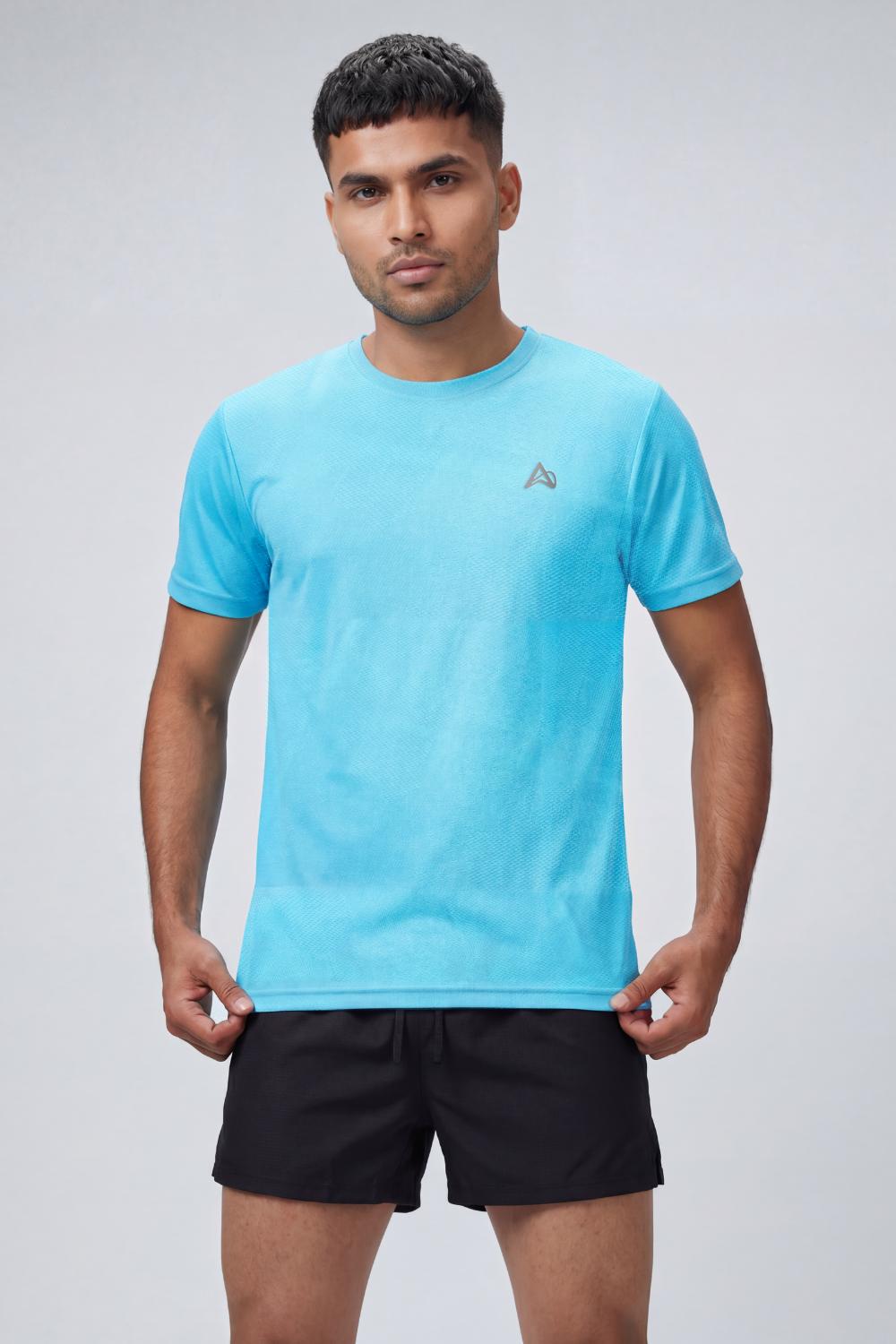
Building this trust extends beyond policies; it involves understanding local needs. Aguante's designs incorporate moisture-wicking textiles, ergonomic contours, reflective accents, and anti-chafing features all refined through real-runner feedback. This focus resonates in cities like Navi Mumbai, where active lifestyles demand reliable, affordable options tailored to Indian physiques and environments.
Emerging Trends in the Indian Activewear Market
India's e-commerce sector surges forward, boasting a market size of USD 136.43 billion in 2025, set to escalate at a 19.13% CAGR to USD 327.38 billion by 2030. Fashion and apparel, encompassing activewear, command a substantial portion 32.23% revenue share in 2024 with digital platforms enhancing reach in key metros like Navi Mumbai and Delhi.
By comparison, the US e-commerce market stands at USD 1.25 trillion in 2025, growing at 10.71% CAGR to USD 2.08 trillion by 2030, highlighting India's faster-paced expansion driven by mobile adoption and digital payments.
Lenient return policies are central to this growth. In India's fashion e-commerce, return rates hover between 20-30%, elevated due to sizing discrepancies and unmet expectations. A transparent, buyer-oriented approach like Aguante's 14 days mitigates risks, spurring buys from wary consumers in Pune and Bangalore. Innovations such as AR-enabled virtual try-ons have slashed fashion return rates by up to 40%, offering a glimpse into future efficiencies.
The activewear segment itself thrives, with India's market anticipated to grow at a 12.2% CAGR from 2025 to 2030. Valued at around USD 8 billion annually, it outpaces general fashion, fueled by rising health awareness and wellness trends. Sustainability emerges as a key driver; runners increasingly favor eco-friendly choices, prompting brands to adopt processes that reduce waste in returns and production.
Quick-commerce and social commerce amplify these trends, with platforms like Myntra specializing in fashion and influencing metropolitan shoppers. In top cities like Mumbai and Chennai, per-capita digital spending leads, yet 60% of new buyers hail from tier-2 and tier-3 areas, broadening the market's scope.
Real-World Examples: How Return Policies Build Trust
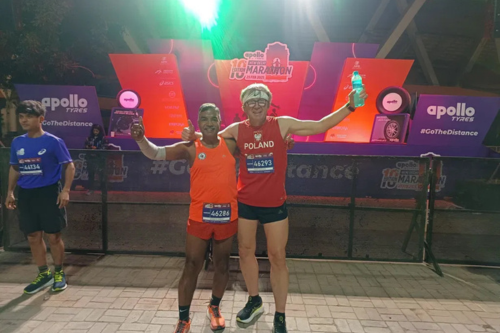
Aguante leads by example through vibrant Instagram interactions, linking with influencers and coaches such as @barefoot_coach_shanth_koushik, @rajesh84parida, and @runholic_dev. By showcasing its 14-day return policy in posts and stories, Aguante assures followers that features like secure pockets and breathable fabrics can be vetted under authentic Indian conditions worry-free.
This tactic strikes a chord in hubs like Mumbai and Hyderabad, where transparency reigns supreme for online buyers. Research underscores that favorable return experiences markedly boost customer trust and loyalty, with satisfied users showing heightened allegiance. Comparable tactics by giants like Flipkart and Myntra offering easy returns demonstrate how such policies not only facilitate first buys but also elevate repeat engagements among athletes craving customized gear at fair rates.
Aguante differentiates through meticulous attention to details: fabrics suited for humidity, fits validated on trails, and quality rivaling globals without the premium tag. Empirical studies confirm that lenient return policies enhance satisfaction in India's e-commerce, particularly influencing confidence and impulse decisions. For instance, 81% of Indian shoppers have returned online items in the past year, far exceeding rates in the US (48%) or Germany (54%), emphasizing the policy's criticality.
Globally, insights from the National Retail Federation reveal returns growing in significance, with 82% of consumers deeming free returns vital for online shopping, mirroring Indian sentiments.
Challenges, Limitations, and Risks
Handling returns poses substantial obstacles, particularly in bustling metros like Delhi and Surat. Reverse logistics strains resources, with escalating costs tied to e-commerce's boom India's return rate averages 17.6% overall, spiking to 30-35% in fashion.
Key hurdles include inadequate infrastructure, prolonged transit, inconsistent policies, and lofty operational expenses. For brands, managing high return volumes erodes profits and complicates inventory, while environmental impacts from waste loom large. In 2025, these issues intensify with festive surges reshaping e-commerce dynamics.
Policy misuse remains a threat, with a fraction exploiting flexibility. Brands must equilibrium benevolence with protections to preserve reputation sans exploitation. Emerging players like Aguante, venturing into markets like Ahmedabad and Navi Mumbai, require astute logistics and lucid dialogues to surmount these.
Comparatively, US retailers face analogous pressures, with projected returns totaling $849.9 billion in 2025, at a 15.8% rate, slightly down from prior years, underscoring global return management challenges.
Opportunities and Business Impacts
A robust return policy unlocks loyalty avenues. In fitness hotspots like Gurugram and Pune, no-risk evaluations spur trials of niche running attire, fostering retention. Studies affirm that well-crafted policies heighten trust, satisfaction, and minimize undue returns, aiding both parties.
It also sets brands apart. Unlike internationals designing overseas with steep prices, Aguante's indigenous ingenuity apparel for local climates, paths, and forms coupled with trust-building policies, forges a unique space. As activewear swells in tier-2 locales, this buyer-centric ethos propels lasting expansion, enabling runners to excel.
Sustainability trends bolster opportunities; India's activewear shifts to eco-materials like recycled fabrics and bio-based options, aligning with consumer preferences 65% favor green products. Brands streamlining returns for less waste tap into this, enhancing appeal in eco-aware metros.
In the US context, high fashion returns (30-35%) pose logistical woes, yet drive innovations like DTC models exceeding $80 billion in social commerce by 2025. India can draw lessons, leveraging D2C booms funded by USD 5 billion in VC since 2021.
The Future of Return Policies in India's Activewear Market
As India's activewear arena matures amid e-commerce proliferation, adaptable return policies will prove essential for rivalry. They link digital ease with apparel's hands-on demands, forging lasting trust in a burgeoning market.
Expert views suggest policies blending flexibility and sustainability will keep brands ahead. For Aguante, upholding integrity-rooted strategies informed by runners will propel sales and nurture athlete communities in Bangalore, Mumbai, Delhi, and further. Ultimately, elevating runs begins with secure buys.NRF forecasts similar evolutions globally, with e-commerce returns at 19.3%.
Frequently Asked Questions
Why is a 14-day return policy important for buying activewear online in India?
A 14-day return policy eliminates the risk of purchasing specialized performance gear online by allowing customers to test products like moisture-wicking fabrics and secure pockets under real conditions. This is particularly crucial in India's activewear market, where return rates for fashion e-commerce hover between 20-30% due to sizing discrepancies and unmet expectations. Aguante's flexible return policy builds consumer confidence, especially for endurance athletes who need to verify that gear can withstand India's intense heat, humidity, and diverse running terrains.
How do return policies impact customer loyalty in India's growing activewear market?
Lenient return policies significantly boost customer trust and loyalty, with studies showing that satisfied return experiences lead to heightened brand allegiance and repeat purchases. In India's fast-expanding activewear sector growing at 12.2% CAGR and valued at around USD 8 billion annually no-risk trials encourage hesitant buyers to try niche running apparel. This is especially important since 81% of Indian shoppers have returned online items in the past year, far exceeding global rates, making transparent return policies a critical differentiator for brands like Aguante.
What challenges do Indian activewear brands face with return policies?
Managing returns poses substantial challenges including reverse logistics costs, inadequate infrastructure, and prolonged transit times, particularly in India where fashion return rates spike to 30-35%. The average overall return rate of 17.6% strains resources and complicates inventory management, while environmental impacts from waste and potential policy misuse threaten profitability. Brands must balance customer-friendly policies with operational protections, especially as e-commerce growth and festive surges intensify these pressures across metro cities like Delhi, Mumbai, and emerging tier-2 markets.
Disclaimer: The above helpful resources content contains personal opinions and experiences. The information provided is for general knowledge and does not constitute professional advice.
You may also be interested in: Anti-Chafing Running Shorts Gain Favor Among Athletes
Tired of gear that slows you down? Chafing, soggy fabrics, and missing pockets kill your run's momentum. At Aguante, we're runners who get it. Our high-performance activewear features moisture-wicking fabrics, ergonomic designs, and smart storage to keep you focused. Shop Now!
Powered by flareAI.co