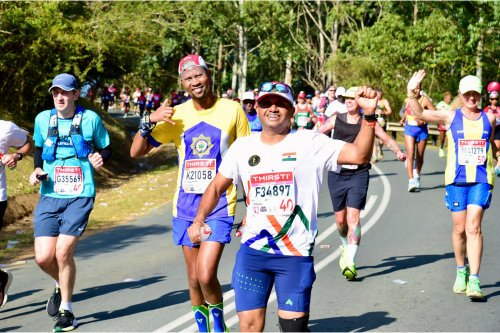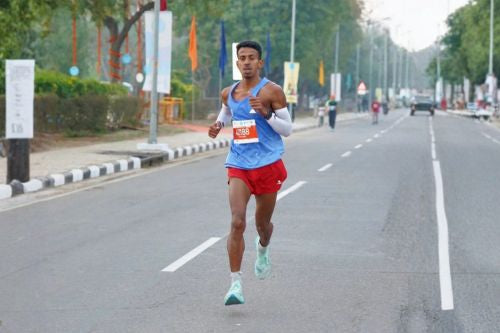

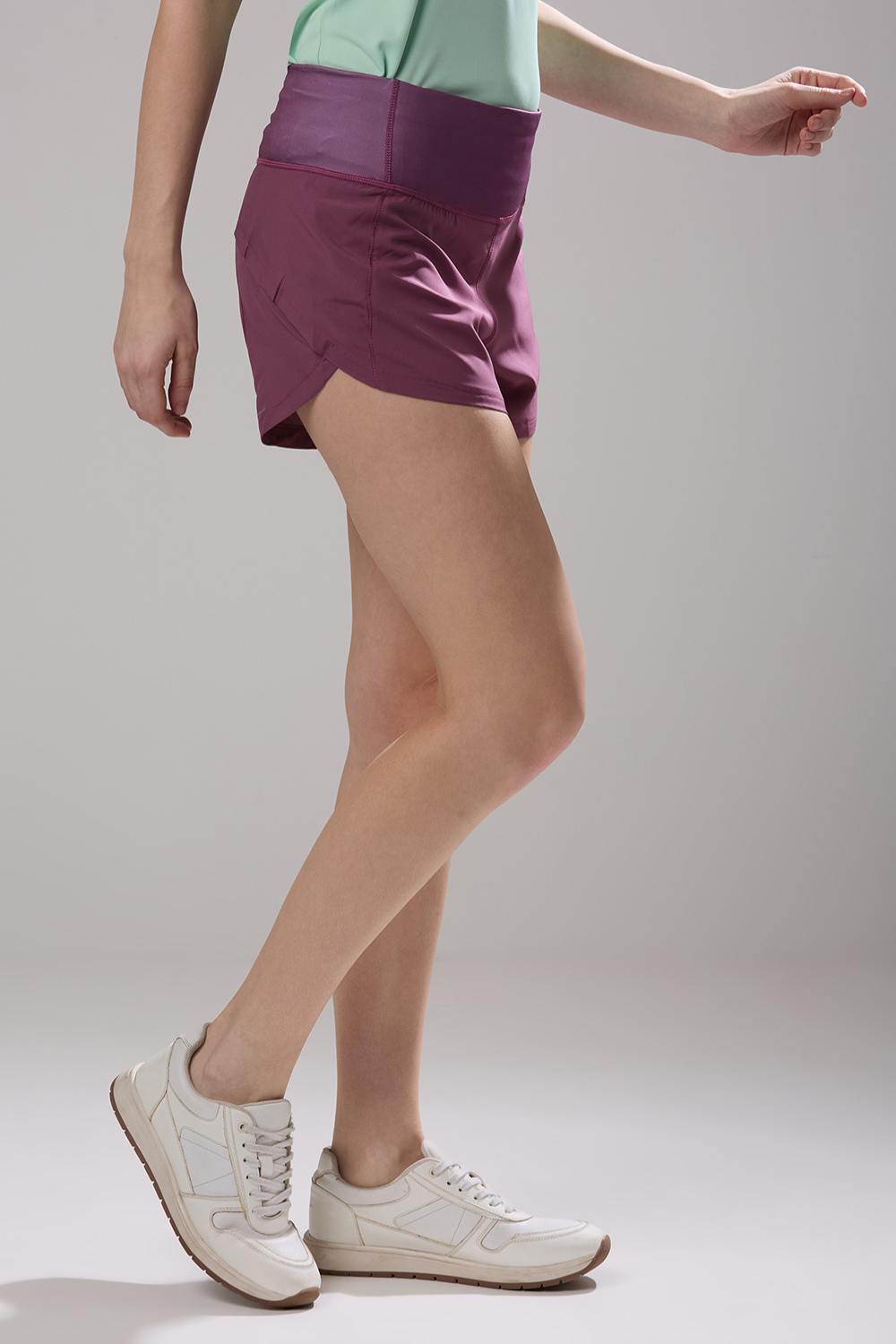
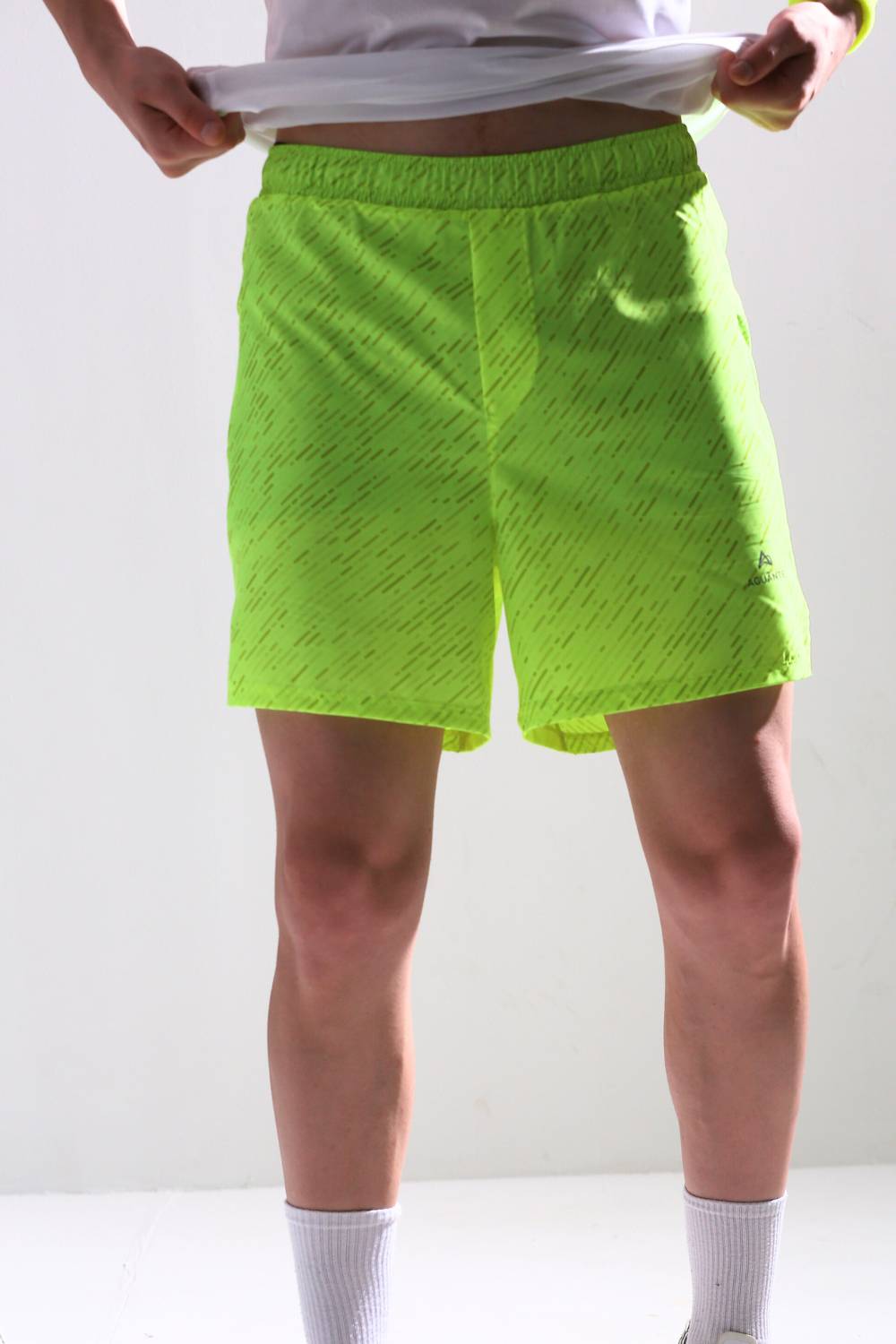

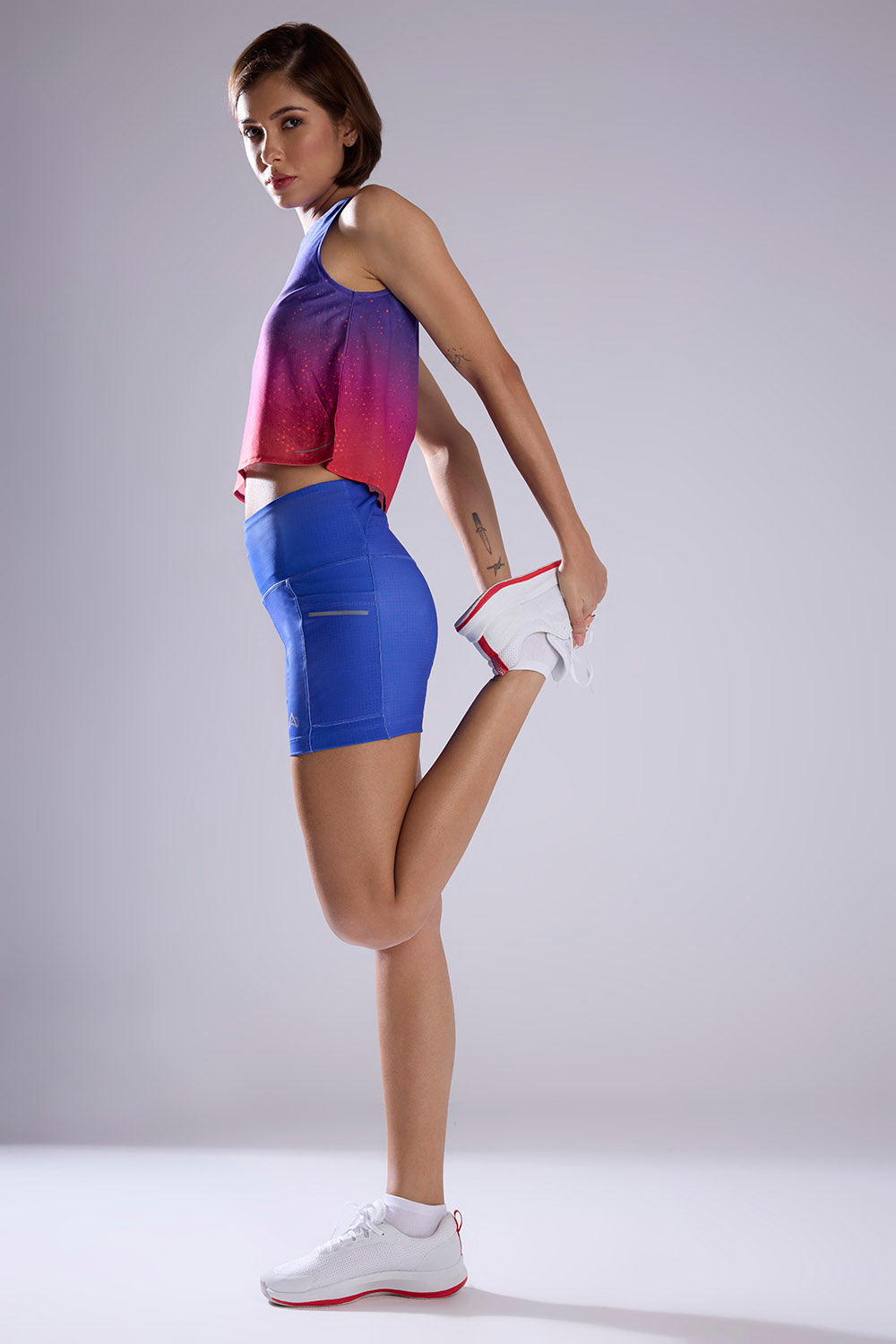


For monsoon running in India, wear lightweight, quick-drying synthetic gear never cotton. The right kit is a moisture-wicking singlet or tee, fitted running shorts or half tights with an inner liner to prevent chafing, reflective details for low-light visibility, and shoes with good grip and drainage. The goal is to wear less, not more: soaked, heavy layers cause chafing and slow you down, while breathable synthetic fabric keeps moving water away from your skin.
That's the short answer. Below is the detailed version how each piece of your monsoon kit should work, and the mistakes that ruin most runners' rainy-season runs.
Start with quick-dry fabric and skip cotton entirely
The single biggest decision you make is fabric. Cotton feels soft in the store, but in the rain it soaks up water, gets heavy, clings to your skin, and turns every stride into a chafing hazard. It also stays wet for hours.
Synthetic performance fabrics polyester and nylon blends do the opposite. They repel most water, dry fast, and keep pulling sweat and rain away from your body so you stay lighter and more comfortable. This is exactly why Aguante gear is built from quick-drying, moisture-wicking polyester with a mesh inner liner: it's designed for the heat and humidity Indian runners actually train in, not the cool, dry conditions Western brands design around. During the monsoon, that quick-dry property is the difference between a good run and a miserable, waterlogged one.
Wear less, not more
It's tempting to bundle up when it's raining. Don't. The Indian monsoon is warm and humid, not cold so a heavy rain jacket will trap heat and leave you sweatier than the rain ever would. Unless it's genuinely cold (rare during most of the Indian monsoon), skip the jacket.
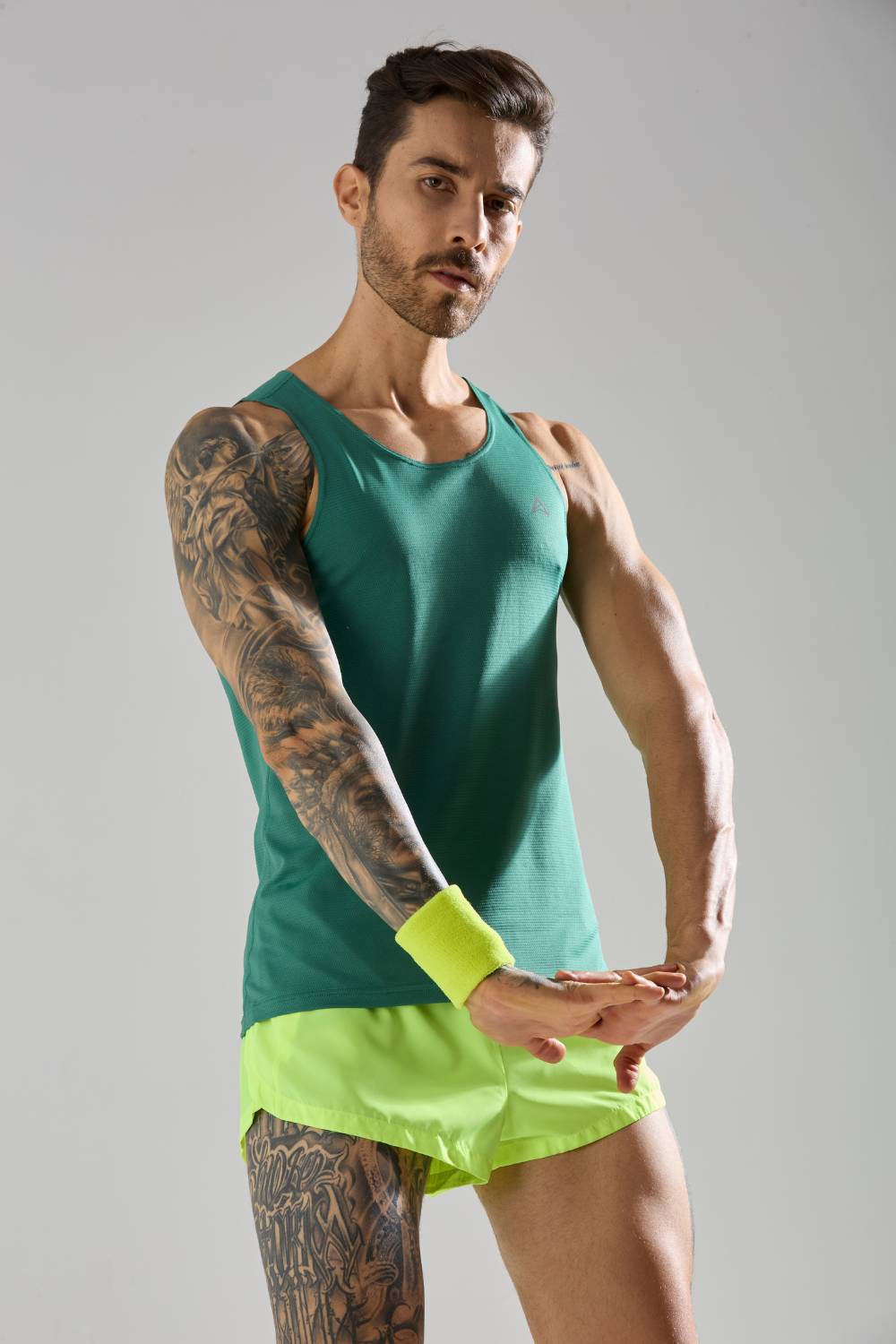
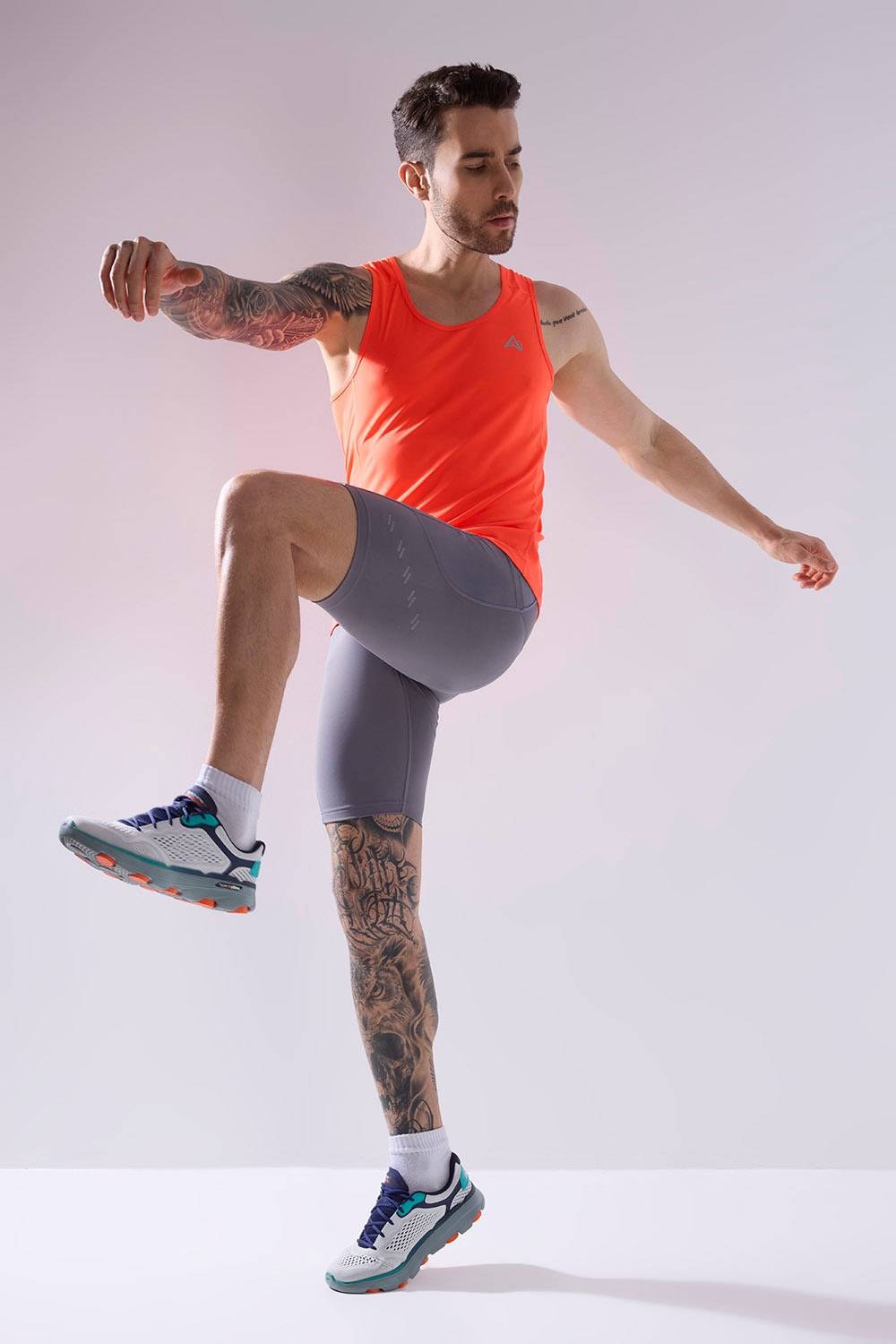
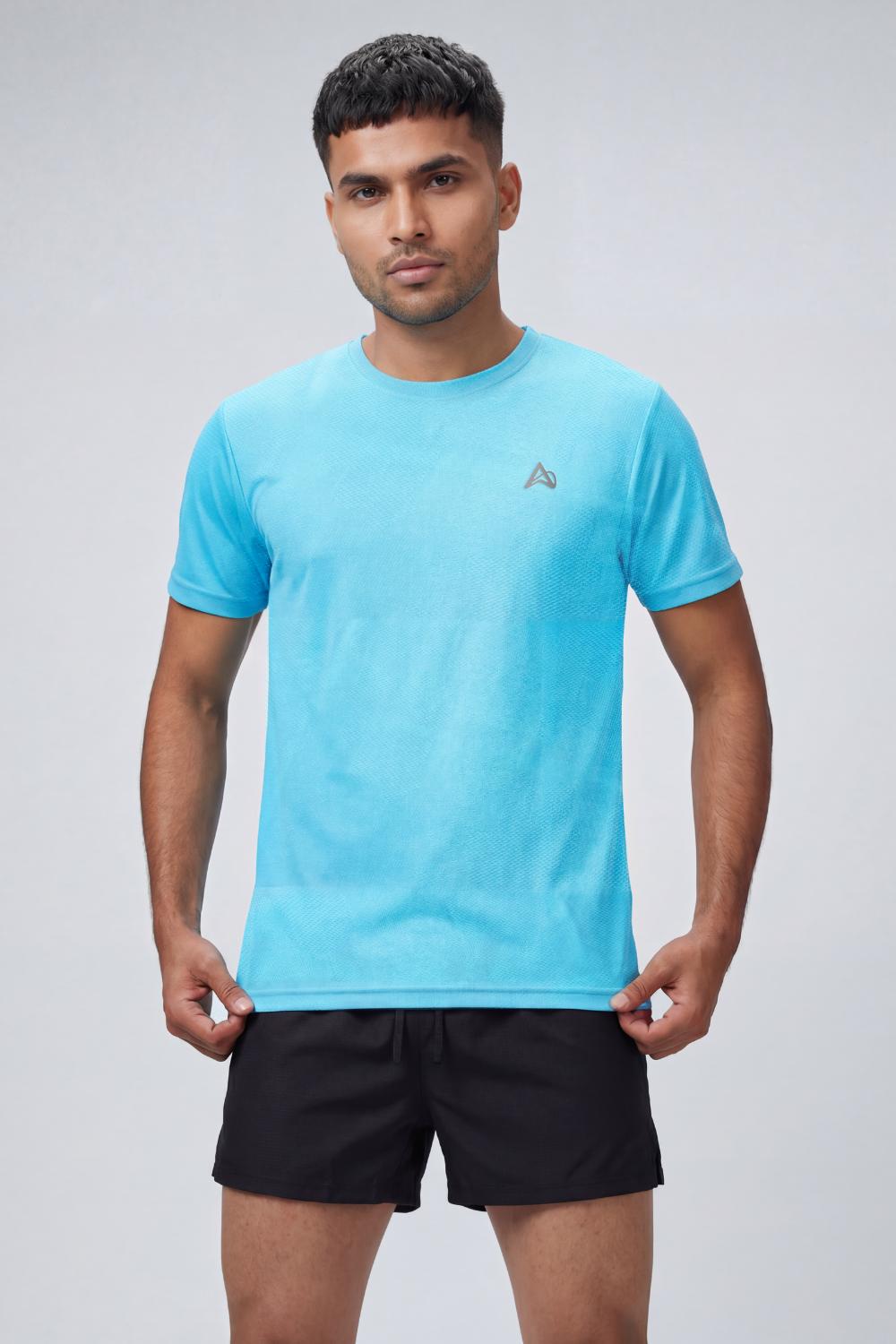
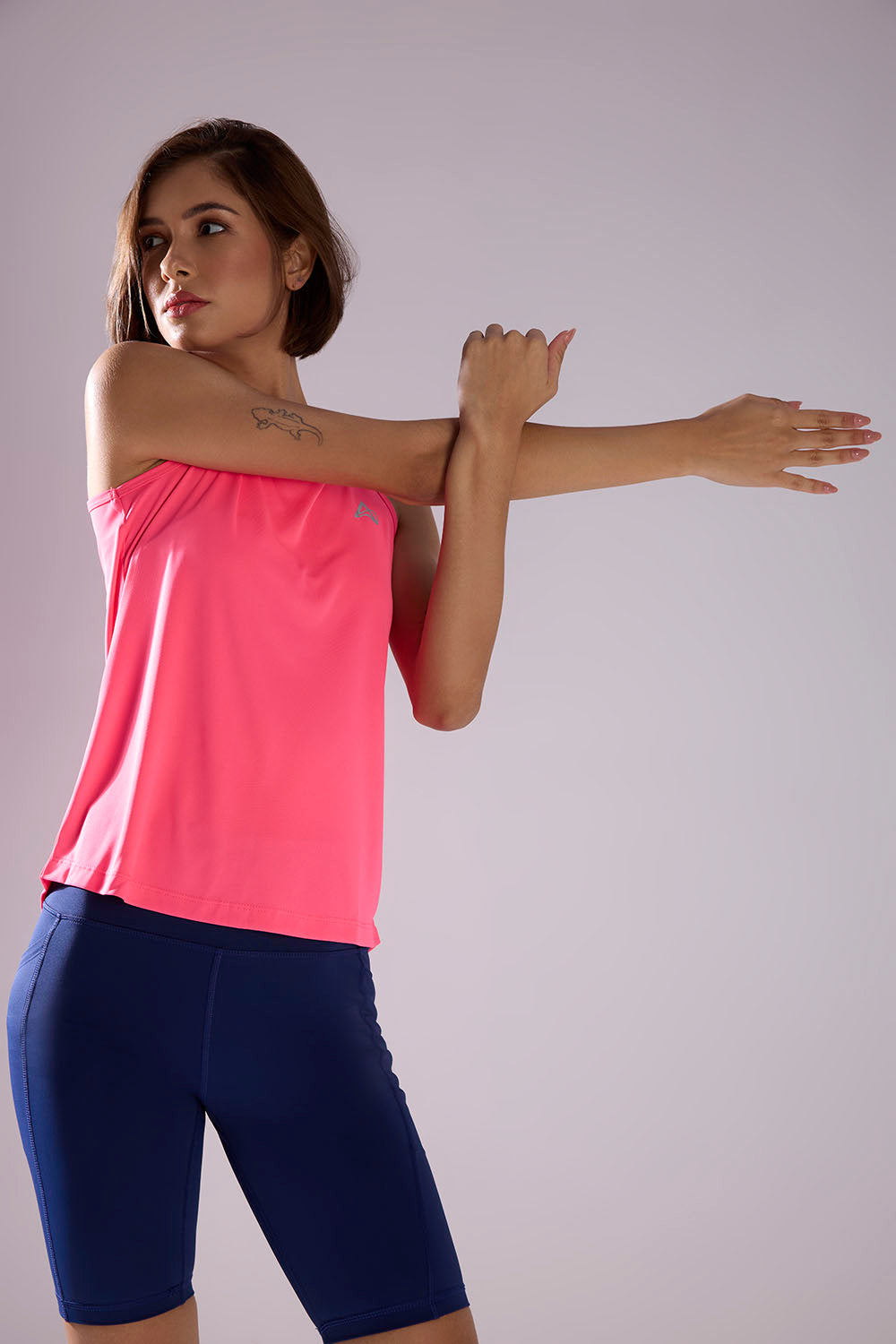
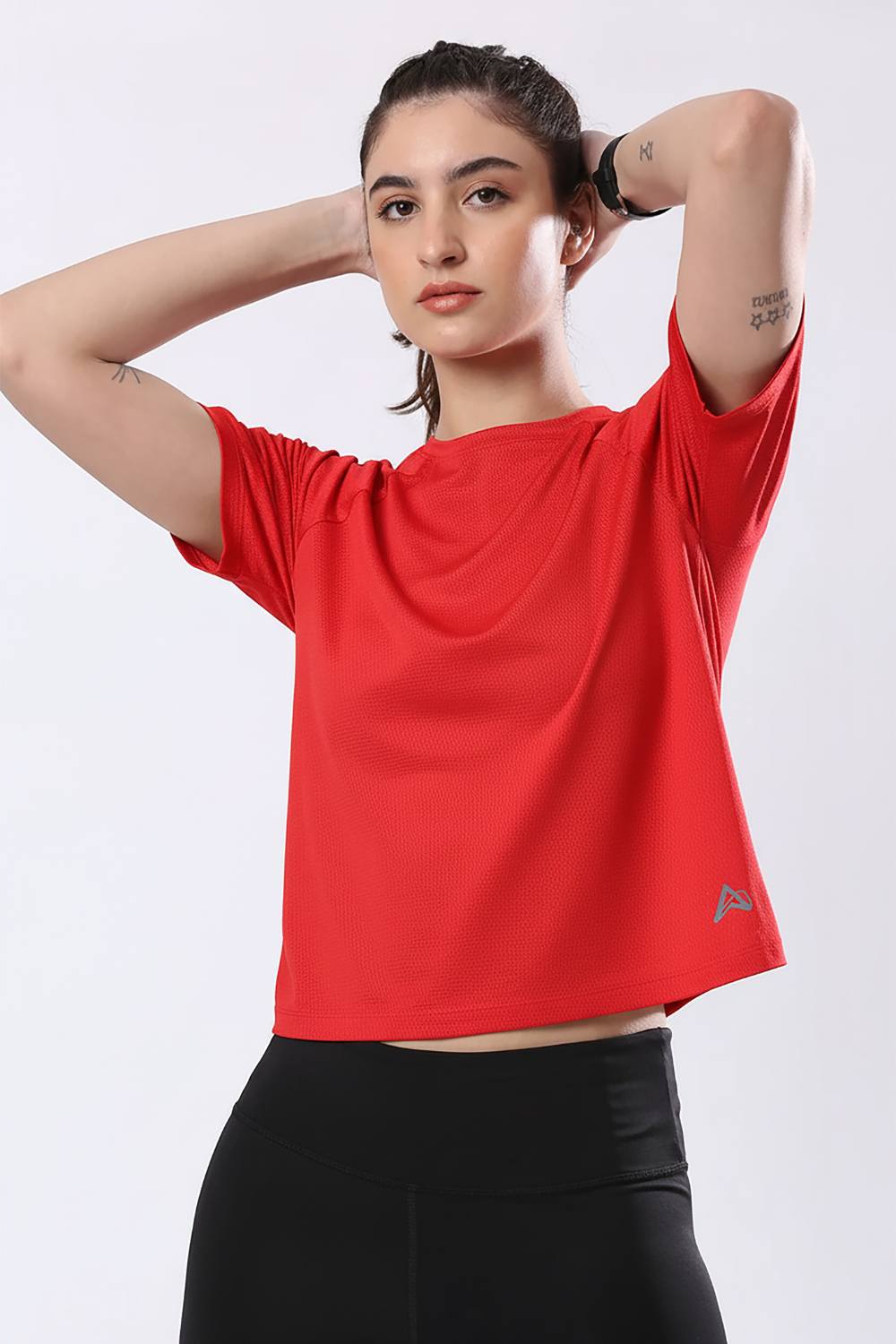
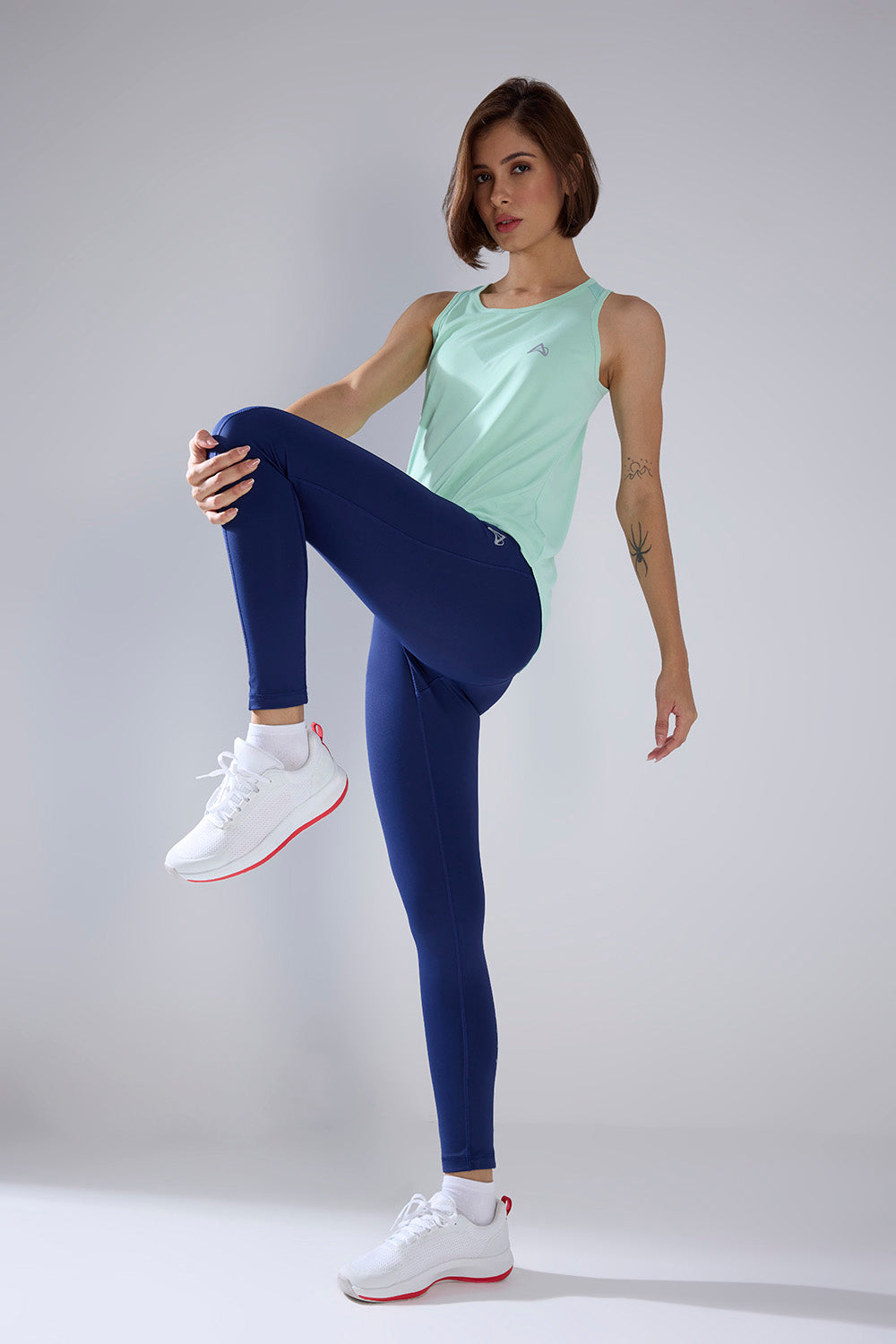
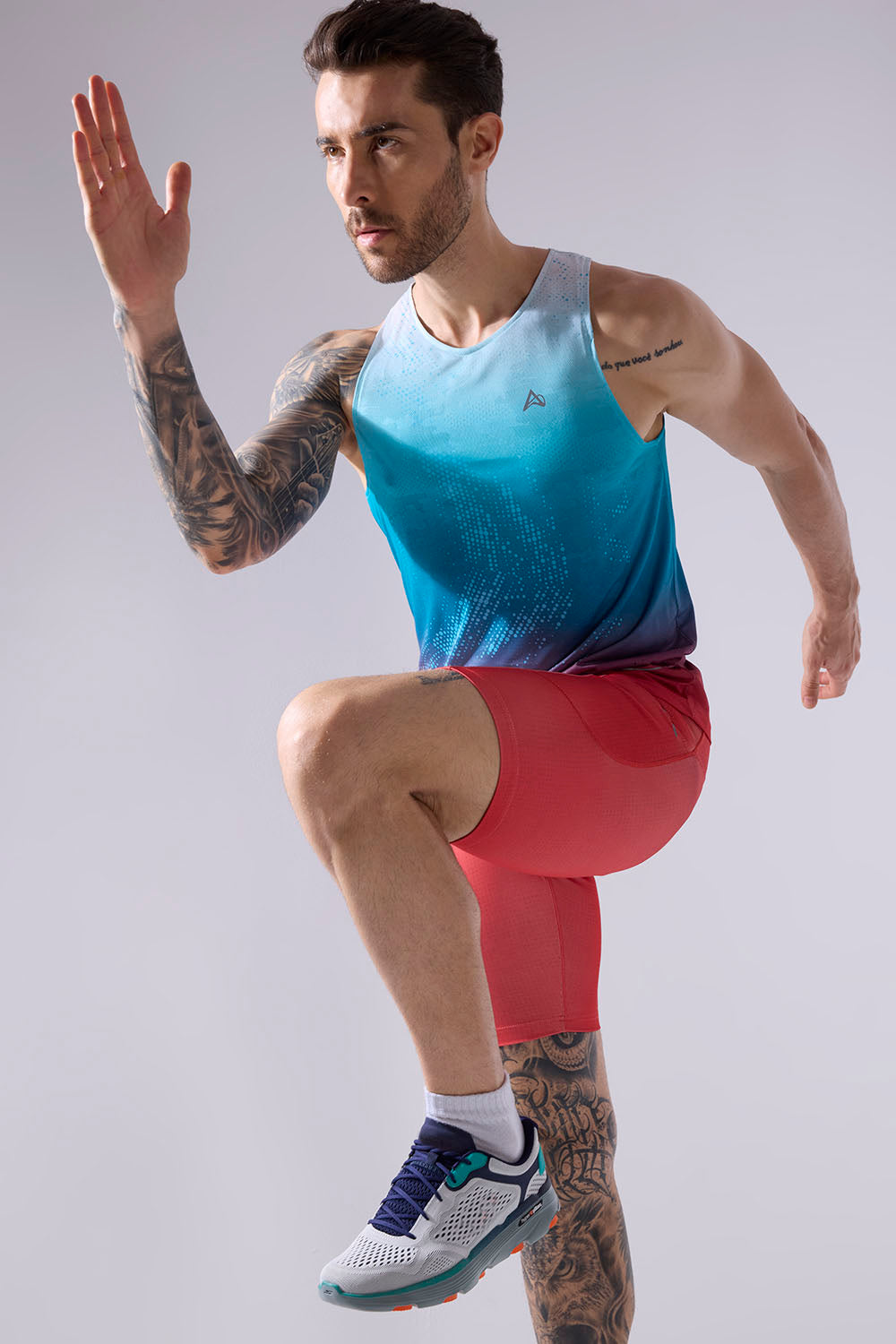
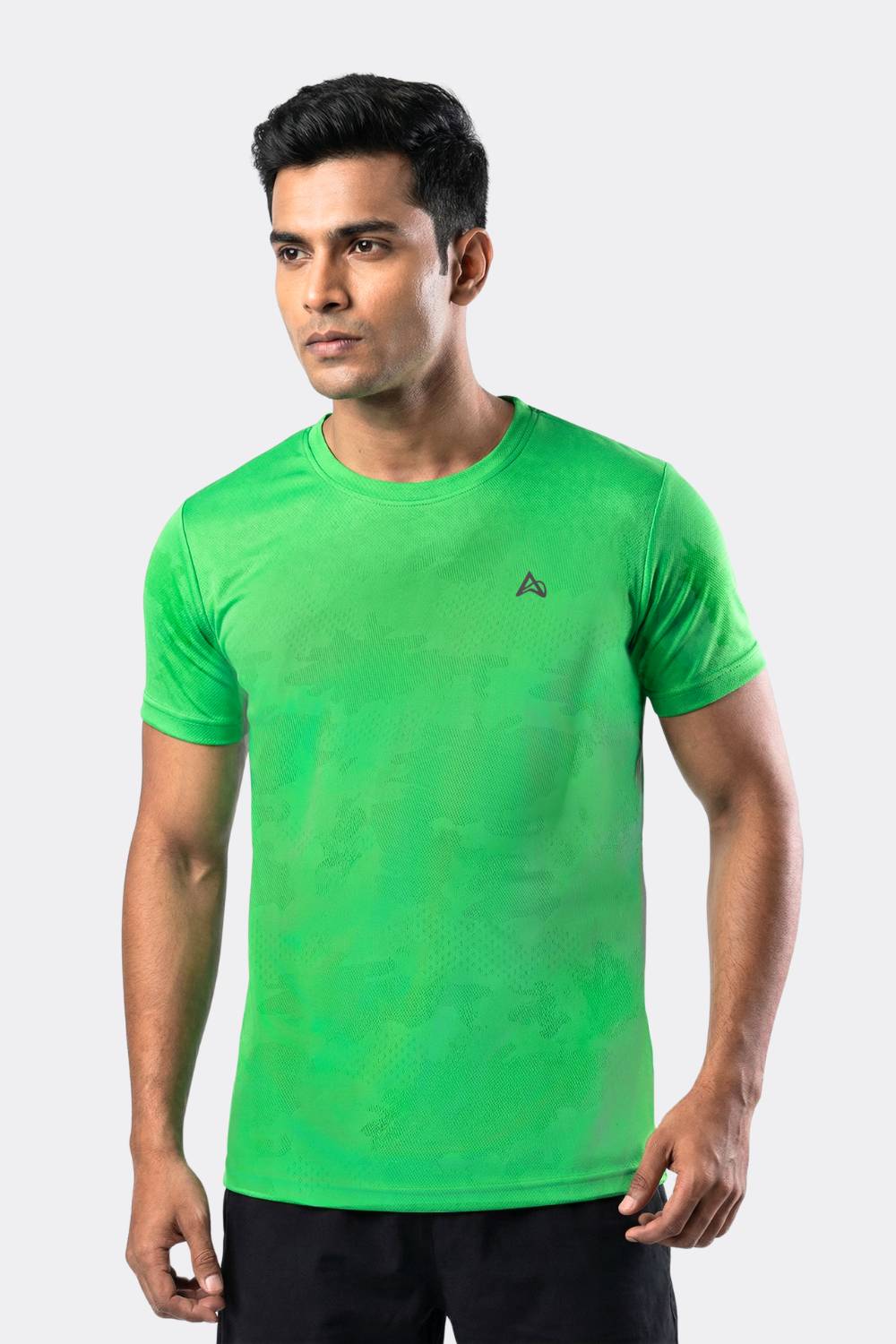
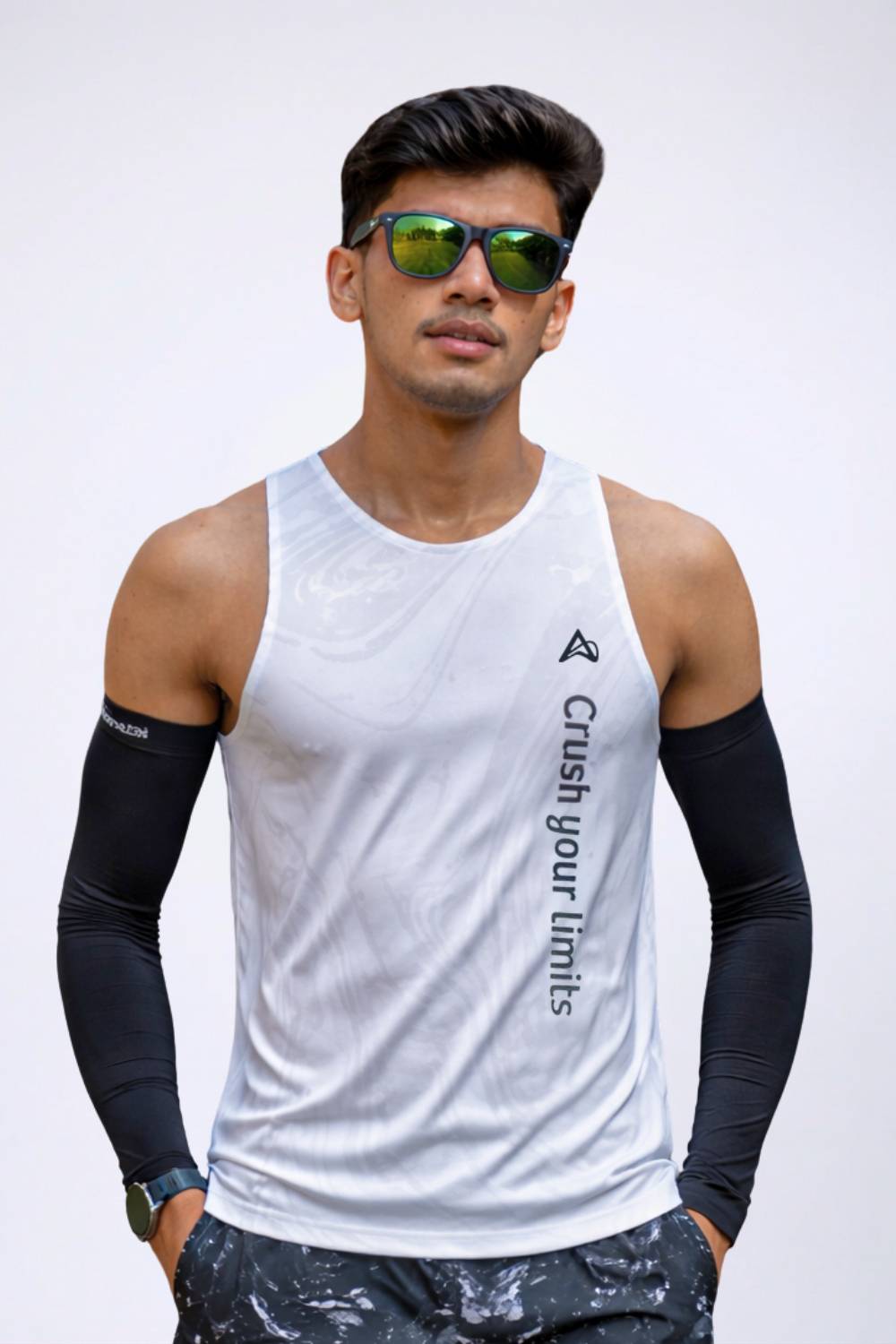
Instead, go lightweight and fitted. A moisture-wicking singlet like the Aguante Nova Tank or a light running tee is usually all you need up top. Fitted beats baggy in the rain loose clothing holds water and flaps around, while a closer fit moves with you and drains faster.
Prevent chafing the monsoon's biggest enemy
Wet skin plus friction equals chafing, and the monsoon is peak chafing season. This is where your bottoms matter most.
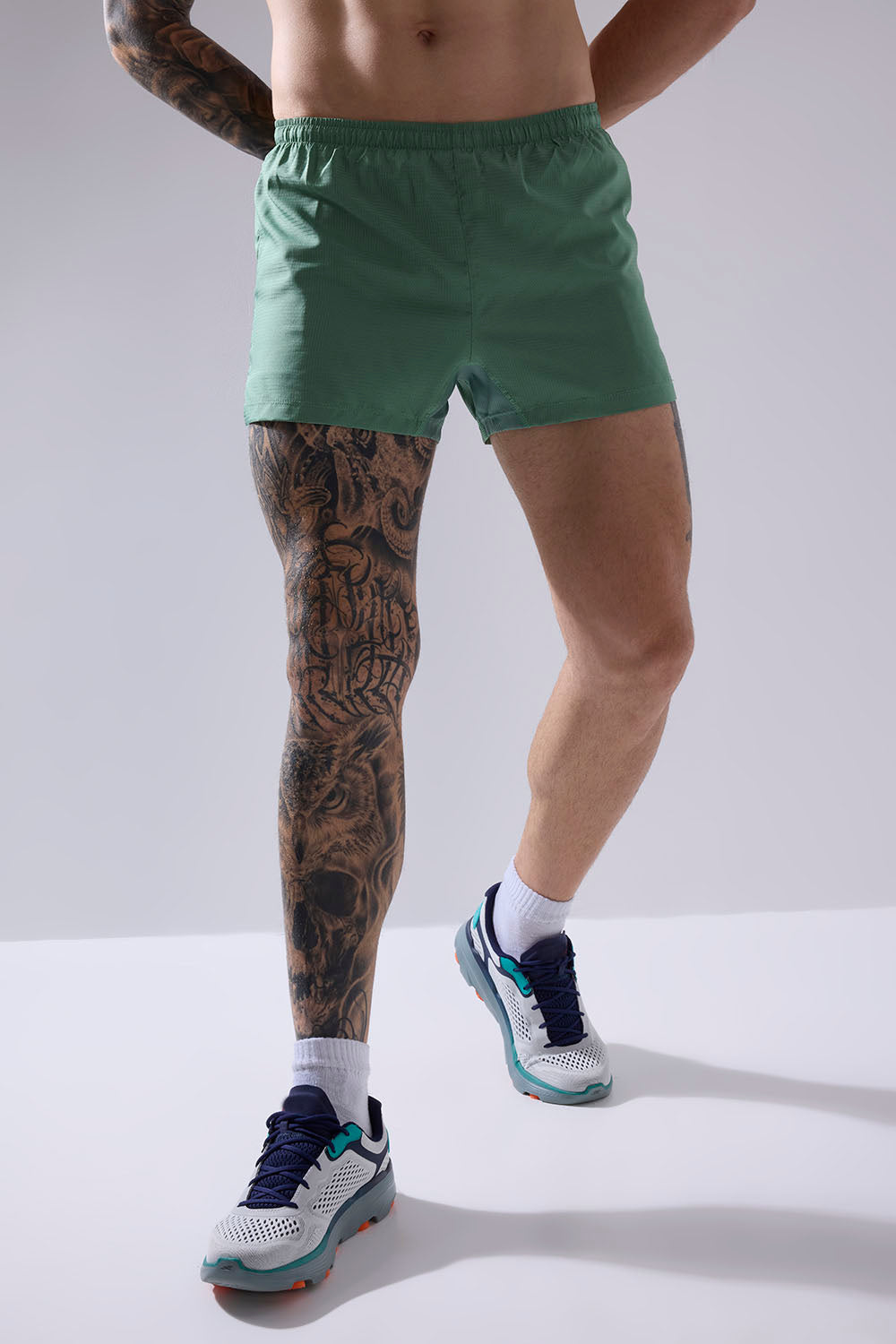
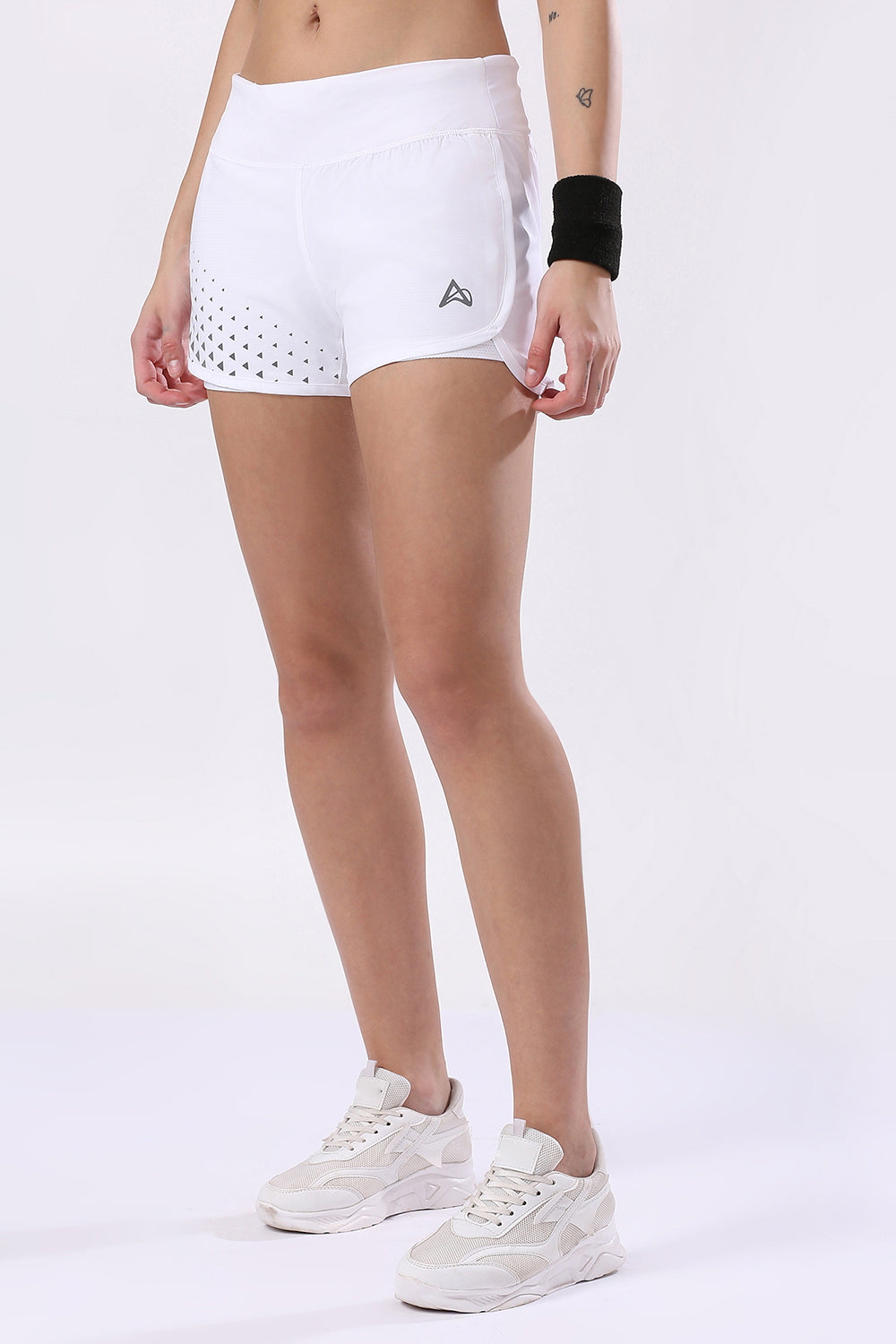
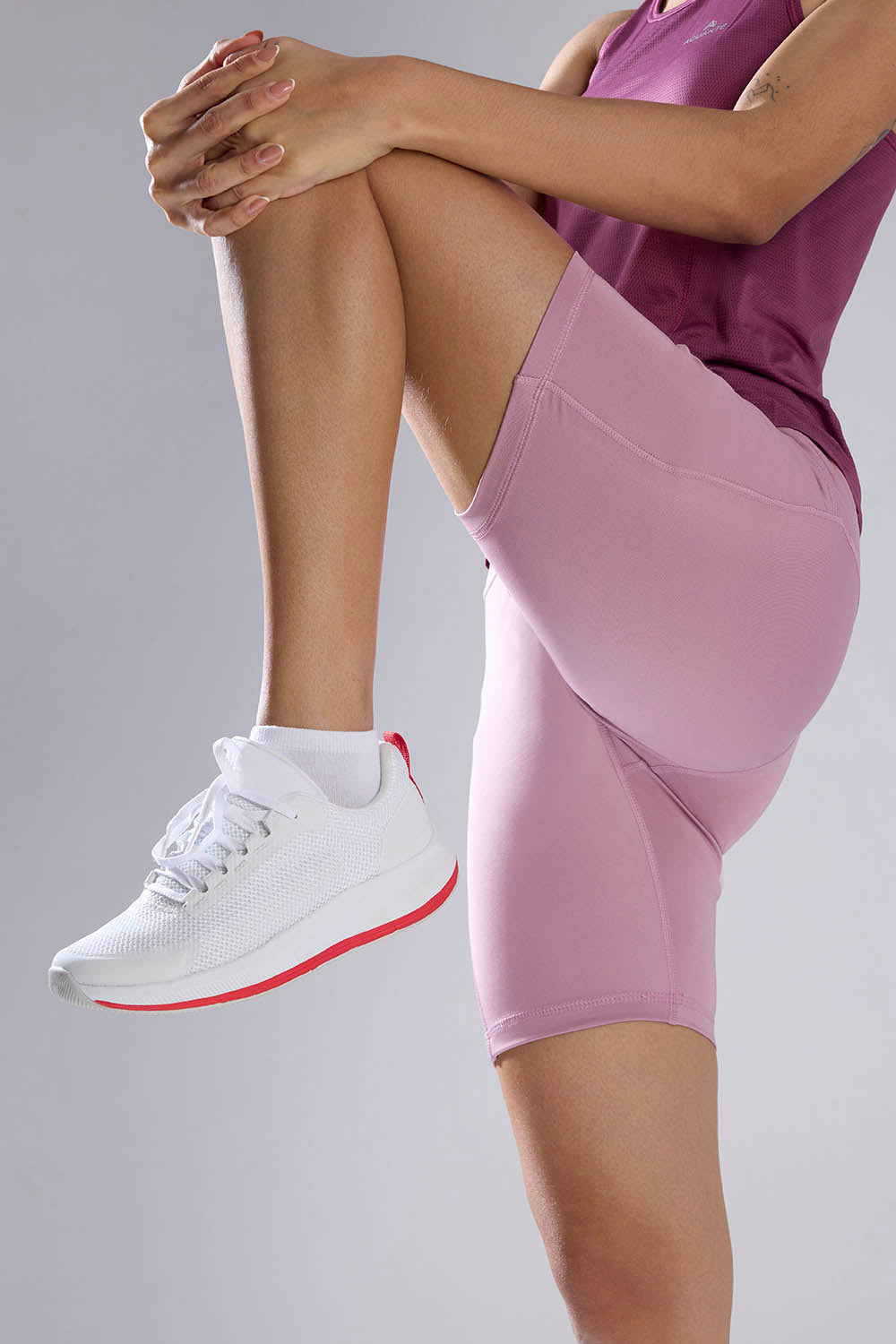
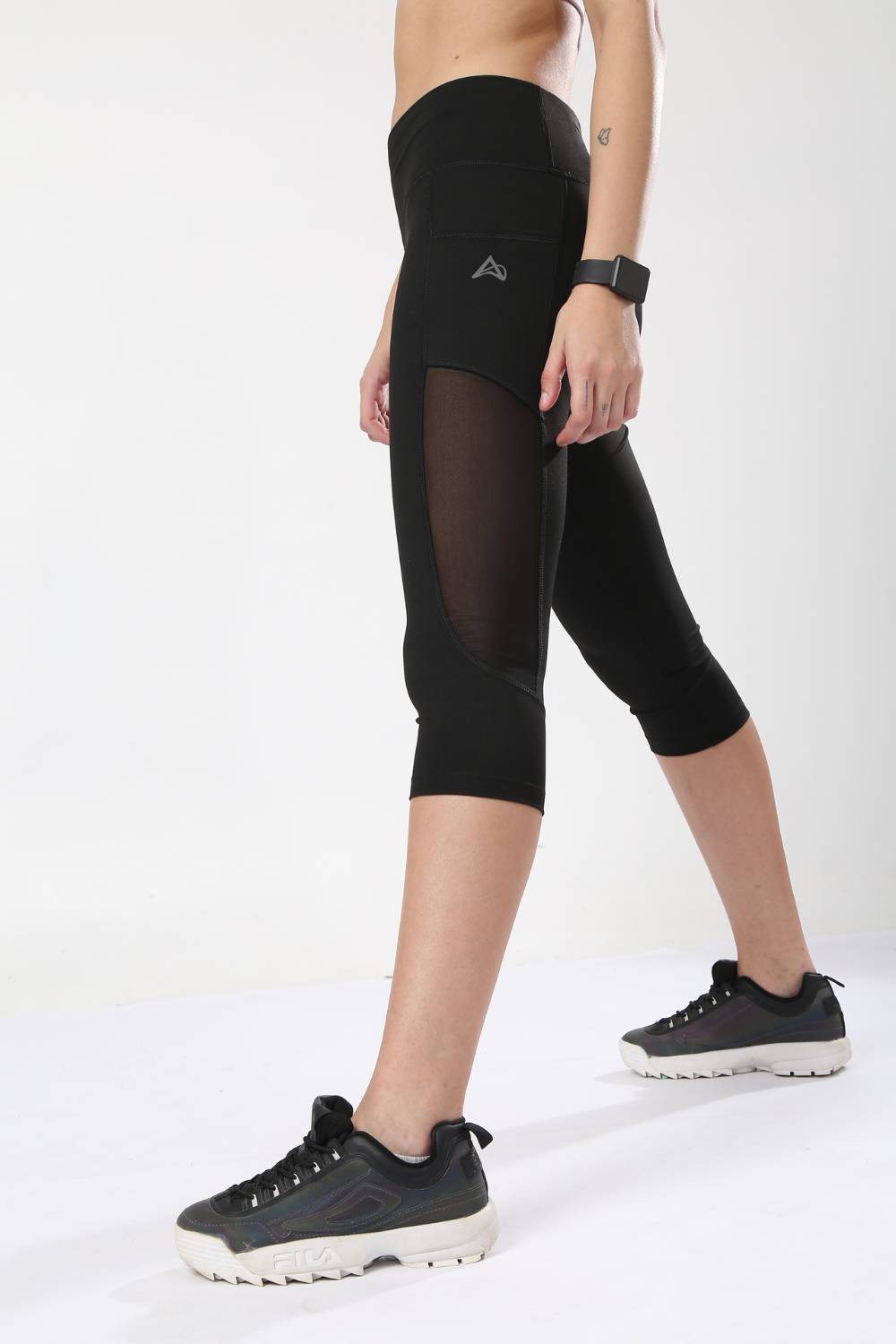
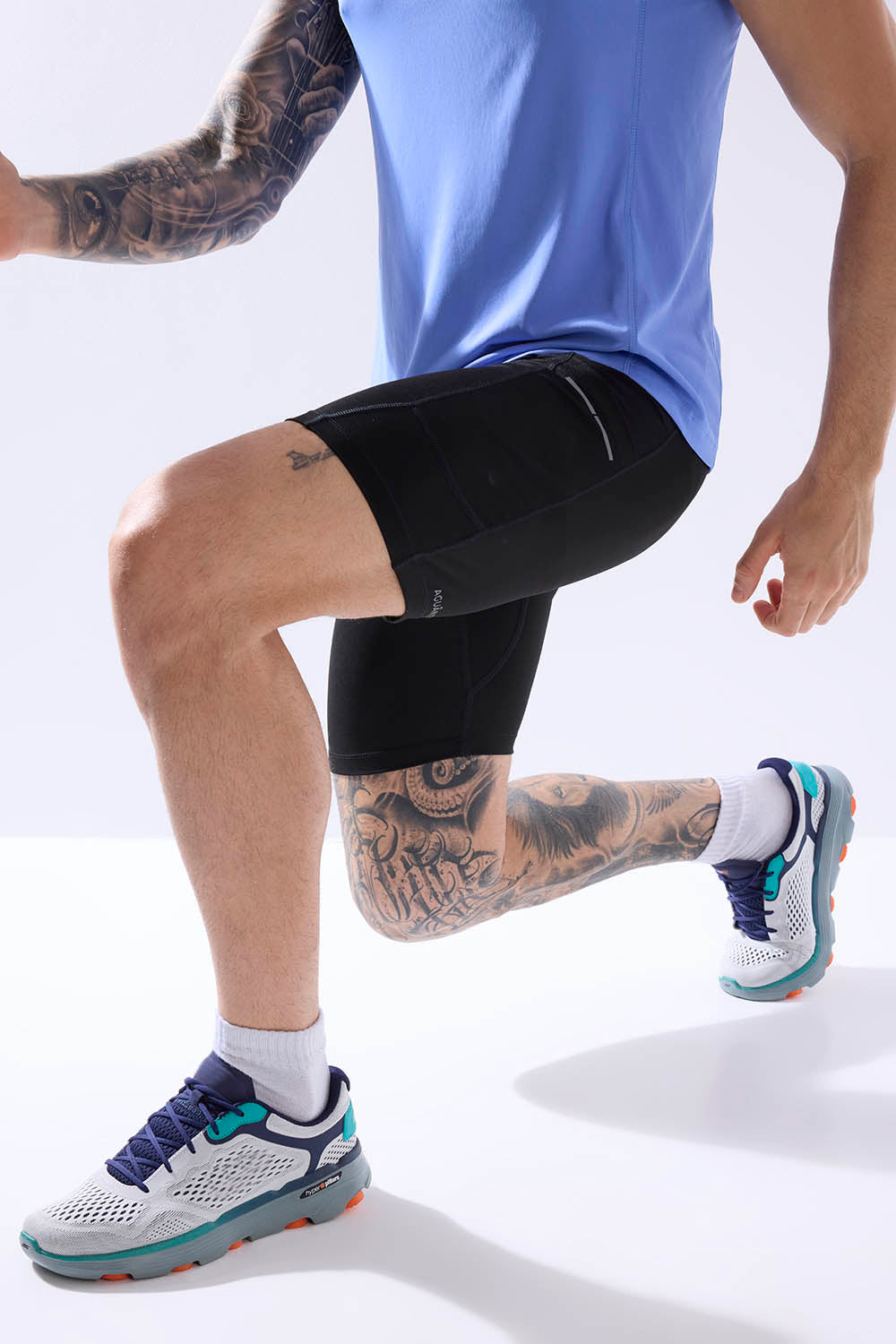
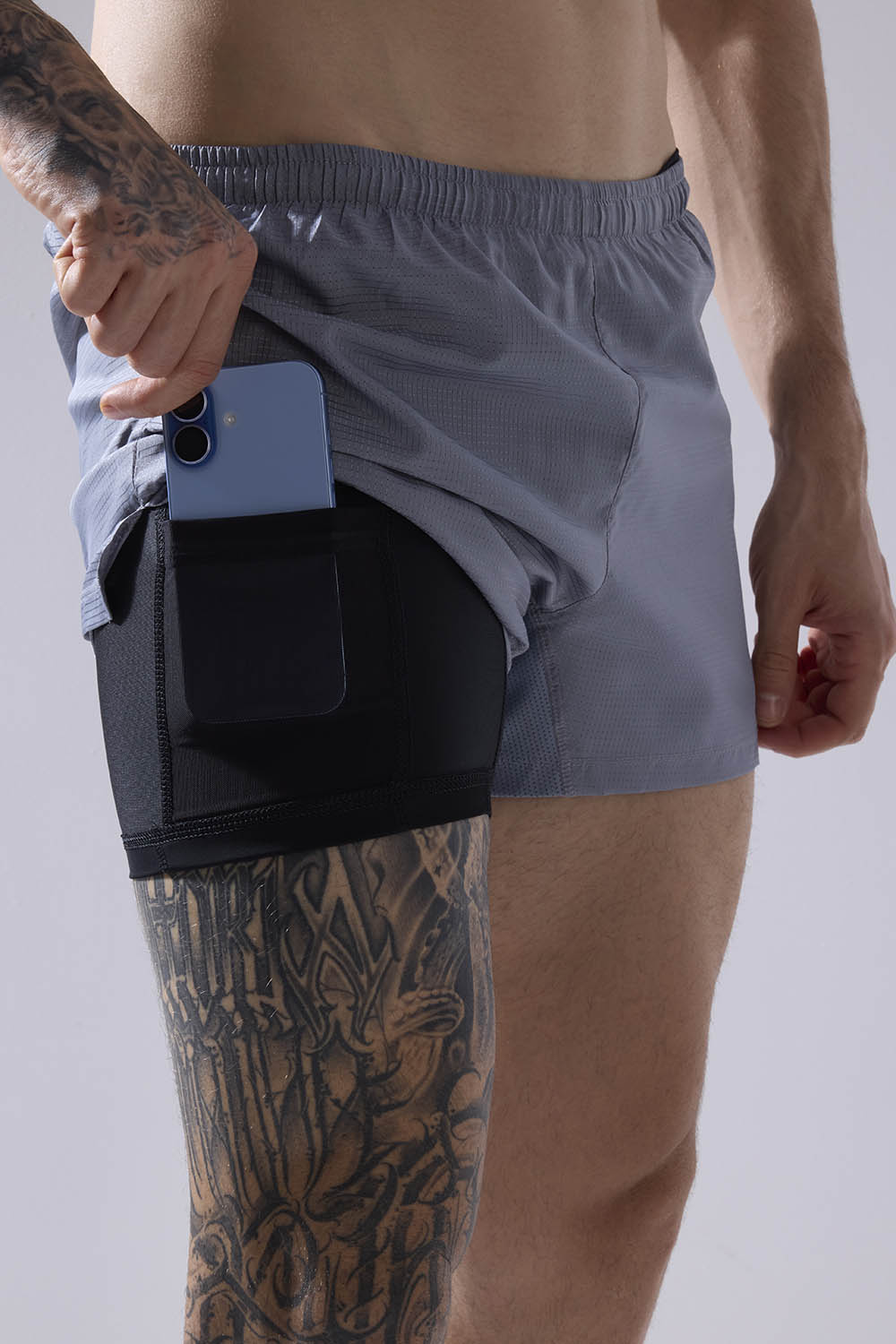
Choose running shorts with a built-in inner liner, or go for half tights (compression tights) that eliminate thigh-on-thigh rub entirely. Aguante's shorts like the EnduroFlex and Surge come with a breathable mesh inner liner exactly for this reason, and the half-tights range (CoreRun, Volt, Distance) gives you a chafe-free, supportive option for longer efforts. For extra insurance on long runs, apply an anti-chafe balm to the usual friction points before you head out.
Stay visible in grey, low-light conditions
Monsoon skies are dark, and many runners head out early morning or after work when light is already poor. Visibility becomes a genuine safety issue. Wear bright colours rather than black, and choose gear with reflective details Aguante shorts include reflective elements to help you stay seen by traffic in low light. A cap with a brim is a small addition that makes a big difference: it keeps rain off your face and out of your eyes (and your glasses), so you can actually see the road.
Protect your phone, keys, and gels
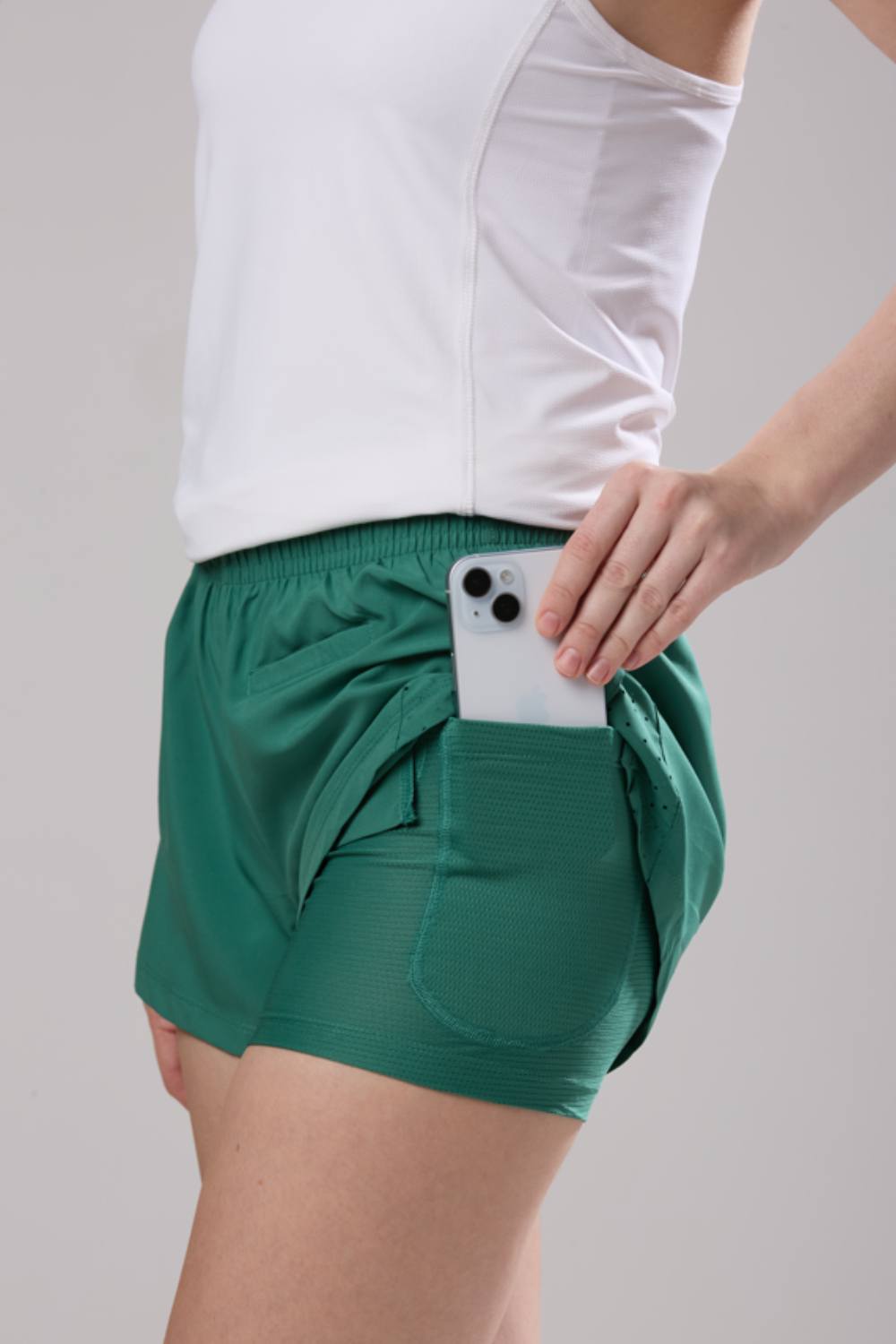
Nothing kills a monsoon run faster than a soaked phone. Look for shorts or tights with secure, well-placed pockets so your essentials stay put and shielded from the worst of the rain — Aguante's EnduroFlex shorts, for example, are built with multiple pockets specifically for phone, keys, gels, and cards. For extra protection, slip your phone into a small zip-lock or water-resistant pouch inside the pocket. Zippered pockets are your friend here.
Footwear and socks: grip and drainage over waterproofing
Fully "waterproof" shoes are usually a mistake for monsoon running — once water gets in (and it will), waterproof shoes trap it inside. You're better off with breathable running shoes that drain well and dry quickly. Prioritise grip: wet Indian roads, painted markings, and tiles get dangerously slippery, so tread that bites matters more than anything.
Pair them with synthetic, moisture-wicking socks — again, never cotton, which stays soggy and causes blisters. Thin synthetic socks drain and dry far better.
Your simple monsoon running kit
Putting it together, here's a no-fuss monsoon setup for an Indian runner:
- Top: lightweight moisture-wicking singlet or tee (e.g. Aguante Nova Tank)
- Bottom: fitted quick-dry shorts with inner liner, or half tights (e.g. Aguante EnduroFlex Shorts or Volt Half Tights)
- Visibility: bright colours + reflective details + a brimmed cap
- Feet: grippy, quick-draining shoes + synthetic socks
- Extras: anti-chafe balm, a zip pouch for your phone
Get the fabric and fit right, and the monsoon stops being an excuse and becomes some of the best running weather of the year cooler air, empty roads, and that unbeatable post-rain feeling. Aguante builds its entire range for exactly these Indian conditions, so your gear works with the weather instead of against it.
Frequently Asked Questions
Can I wear cotton for running in the rain? No. Cotton absorbs water, becomes heavy, clings to your skin, and dries very slowly, which leads to chafing and discomfort. Always choose quick-drying synthetic fabrics like polyester or nylon for monsoon running.
Should I wear a rain jacket for monsoon running in India? Usually not. The Indian monsoon is warm and humid, so a rain jacket traps heat and makes you sweatier than the rain would. Lightweight, quick-dry gear is more comfortable. Only consider a light water-resistant layer if it's genuinely cold.
How do I stop chafing when running in the monsoon? Wear fitted shorts with a built-in inner liner, or half tights that prevent thigh rub, and choose quick-dry synthetic fabric over cotton. Applying an anti-chafe balm to friction points before long runs adds extra protection. Aguante shorts include a mesh inner liner designed to reduce chafing.
Are shorts or half tights better for running in the rain? Both work if they're made from quick-dry fabric. Shorts with an inner liner are cooler and freer; half tights (compression tights) give more support and completely eliminate thigh chafing, which many runners prefer for longer wet-weather runs.
How do I keep my phone dry while running in the rain? Use shorts or tights with secure, ideally zippered pockets, and slip your phone into a small zip-lock bag or water-resistant pouch for extra protection. Aguante's EnduroFlex shorts have multiple pockets built to carry a phone, keys, and gels securely.
What shoes are best for monsoon running? Breathable running shoes that drain and dry quickly, with good grip for slippery wet roads. Avoid fully waterproof shoes, which trap water inside once it gets in. Pair them with synthetic moisture-wicking socks rather than cotton.