



What gear do you need for your first half marathon in India? You don't need a huge collection of running equipment to complete your first 21.1 km race. The essentials are a comfortable pair of running shoes, suitable running apparel, technical socks, a practical hydration and fueling plan, and a few accessories that you have already tested during training.
For Indian runners, weather also plays an important role. A race may start early in the morning when temperatures are relatively comfortable and become warmer and more humid as the morning progresses. Your clothing should therefore be lightweight, breathable and suitable for the expected conditions.
Most importantly, don't try new gear on race day. Your shoes, socks, shorts, top, nutrition and accessories should be tested during training first. Runner's World similarly recommends practicing your race-day clothing, shoes and nutrition before the first half marathon.
First Half Marathon Gear Checklist
Here's a simple starting checklist:
- Running shoes
- Moisture-wicking running top
- Running shorts or half tights
- Sports bra, if required
- Technical running socks
- Energy gels or race nutrition, if part of your plan
- Hydration solution if needed
- GPS running watch or phone
- Anti-chafing product
- Race bib and safety pins
- Cap or visor
- Sunglasses
- Lightweight warm-up layer if required
- Post-race clothes
- Phone, ID and keys if necessary
You don't necessarily need every item on this list. Your race's facilities, weather and personal preferences should determine what you actually carry.
1. Running Shoes: Your Most Important Gear
Your running shoes are arguably the most important piece of equipment for a half marathon.
You will spend 21.1 km repeatedly loading your feet, so comfort and fit should take priority over appearance.
Look for shoes that:
- Fit comfortably
- Have adequate cushioning for your running style
- Don't create pressure points
- Feel stable
- Work with your usual socks
- Have already been tested over longer runs
There is no single shoe that works for every runner. REI notes that race-day shoe choice depends on individual goals and, most importantly, how the shoes feel on your feet.
Don't Race in Brand-New Shoes
This is one of the most important rules for first-time half marathoners.
Use your race shoes during training before the event. This gives you an opportunity to identify:
- Heel slipping
- Toe pressure
- Hotspots
- Blisters
- Discomfort over longer distances
Your race shoes should feel familiar by race day.
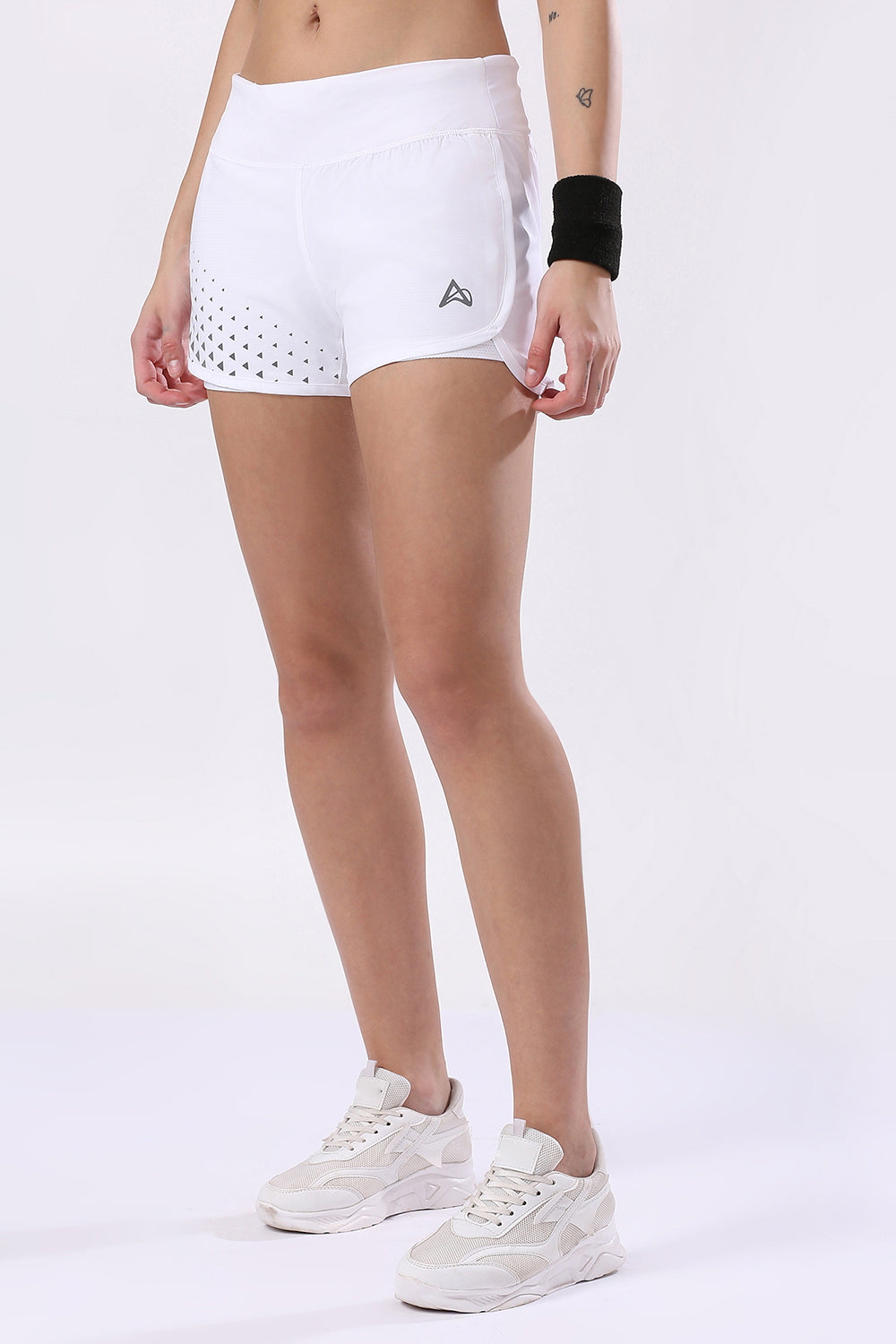
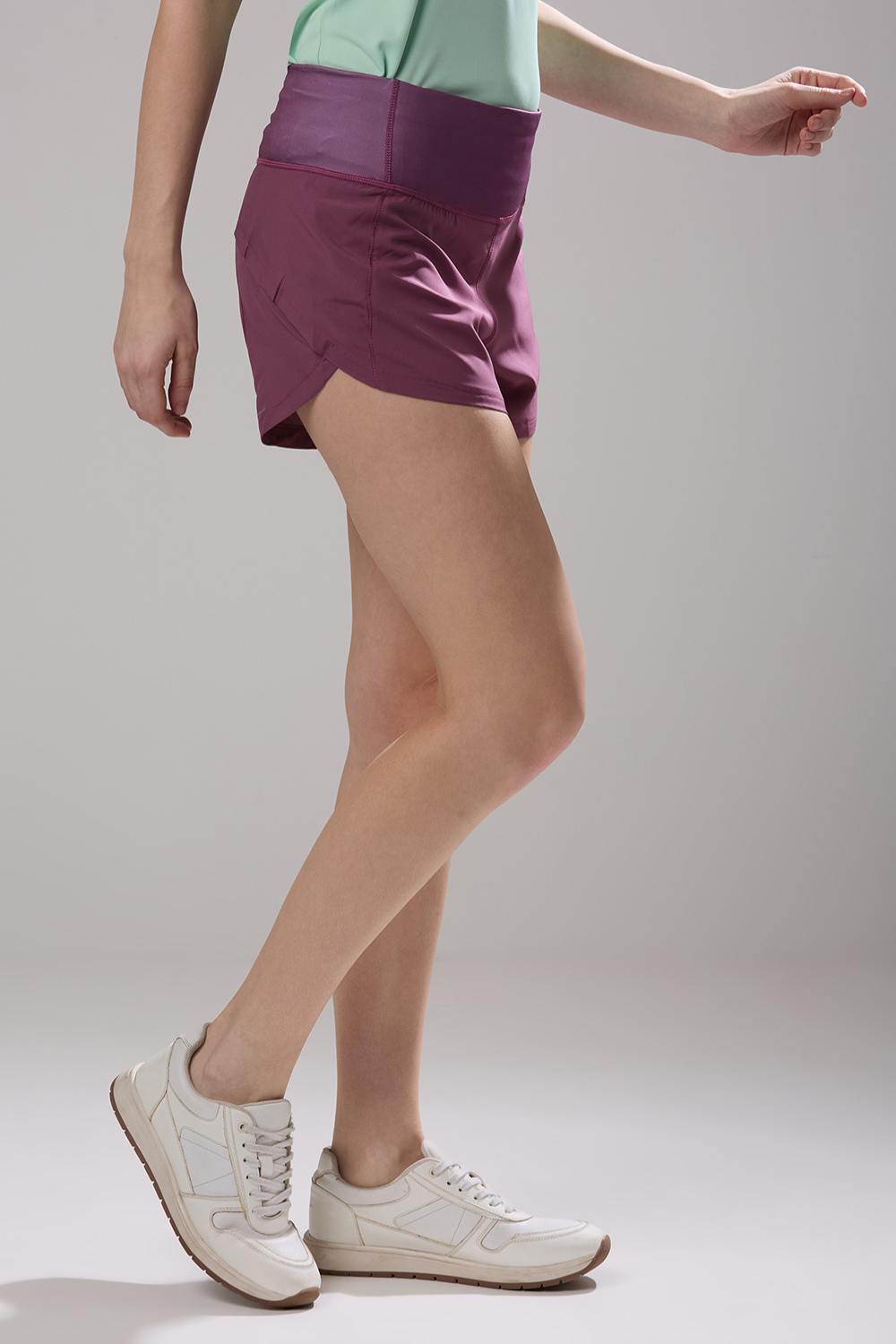
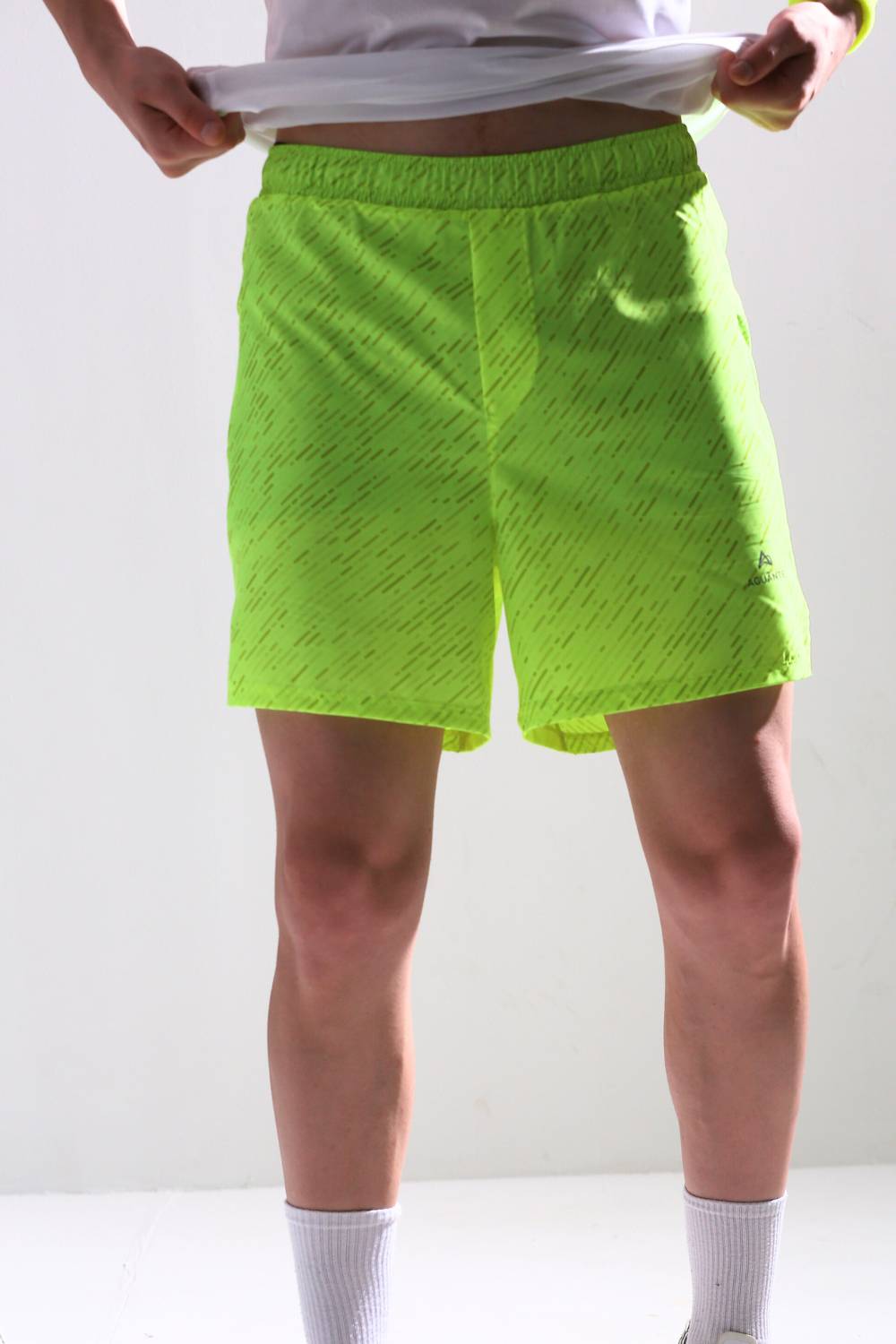
2. Running Shorts or Half Tights
Your lower-body apparel needs to remain comfortable for potentially several hours.
Two common choices are running shorts and half tights.
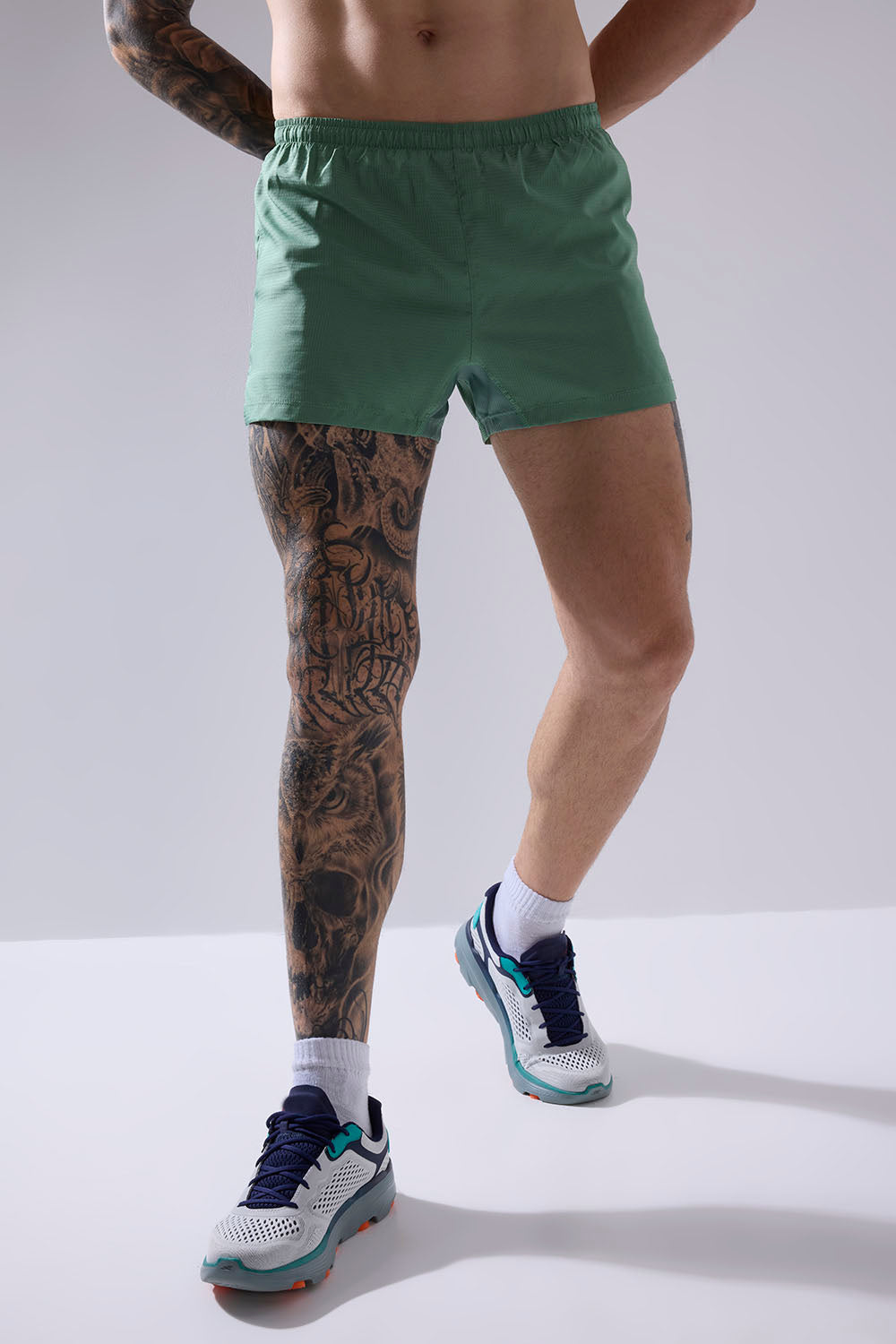
Running Shorts
Running shorts can provide:
- Excellent airflow
- Lightweight construction
- Freedom of movement
- Good ventilation in warm weather
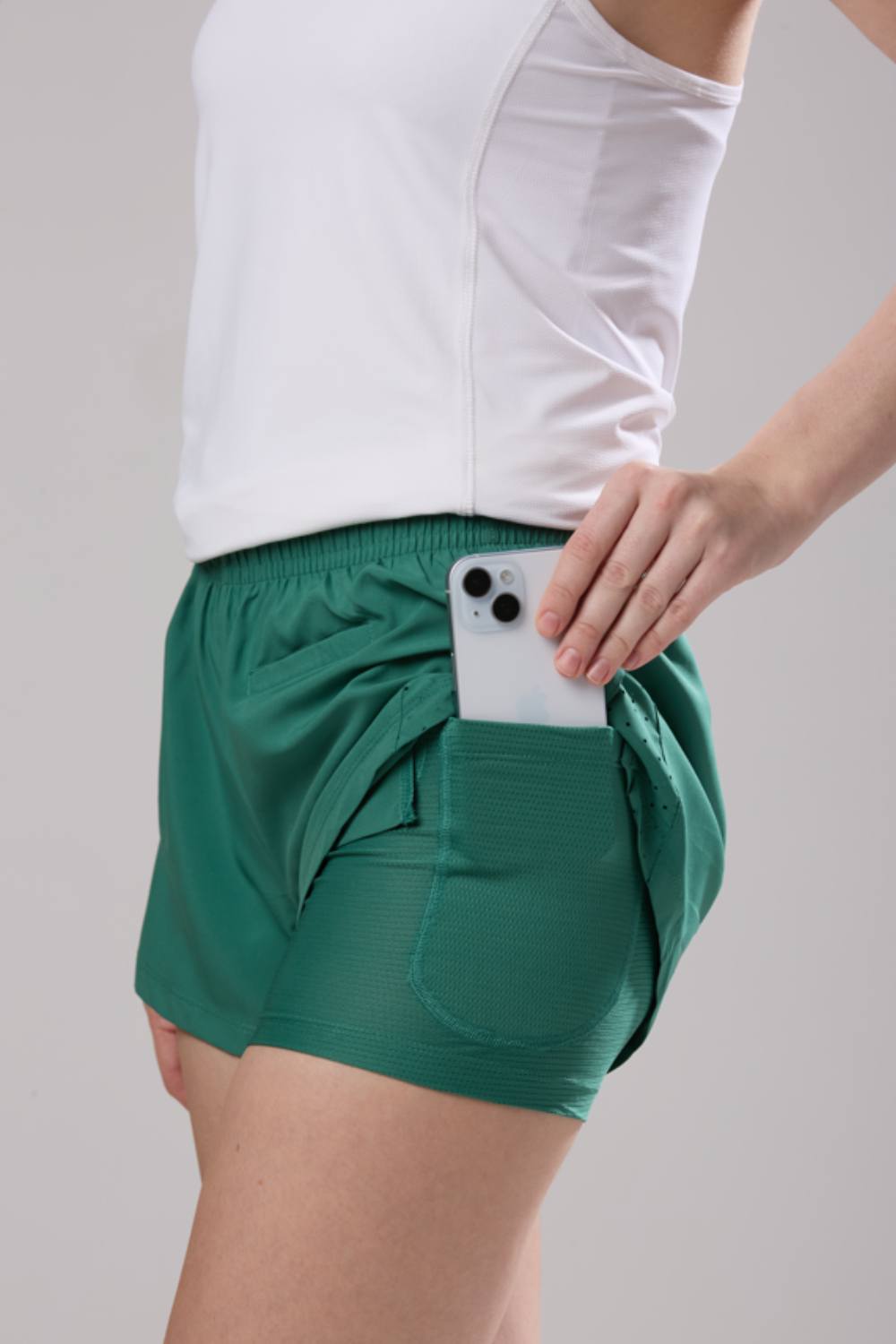
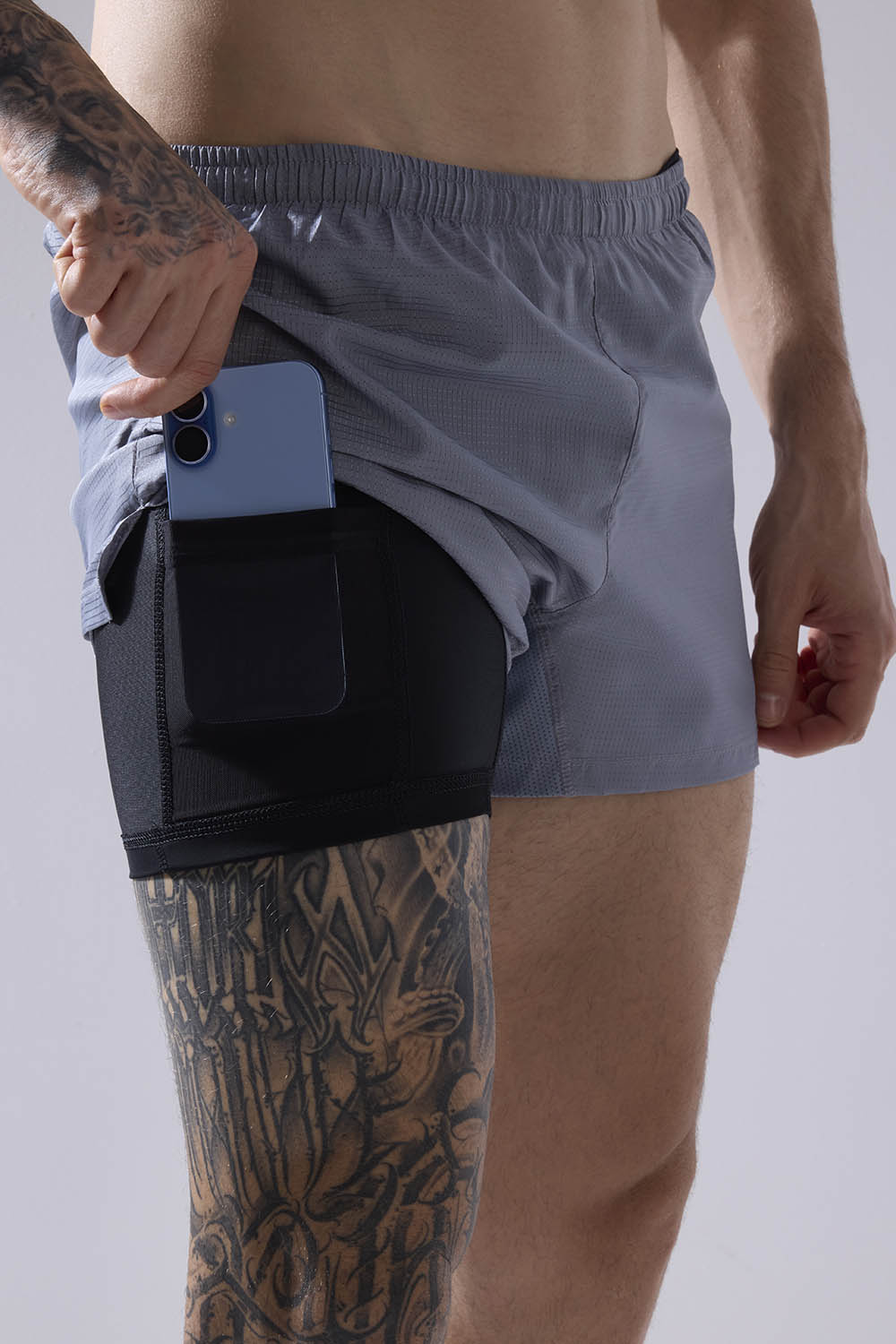
If you prefer shorts, look for a secure waistband and pockets that don't bounce excessively.
Explore Aguante Running Shorts
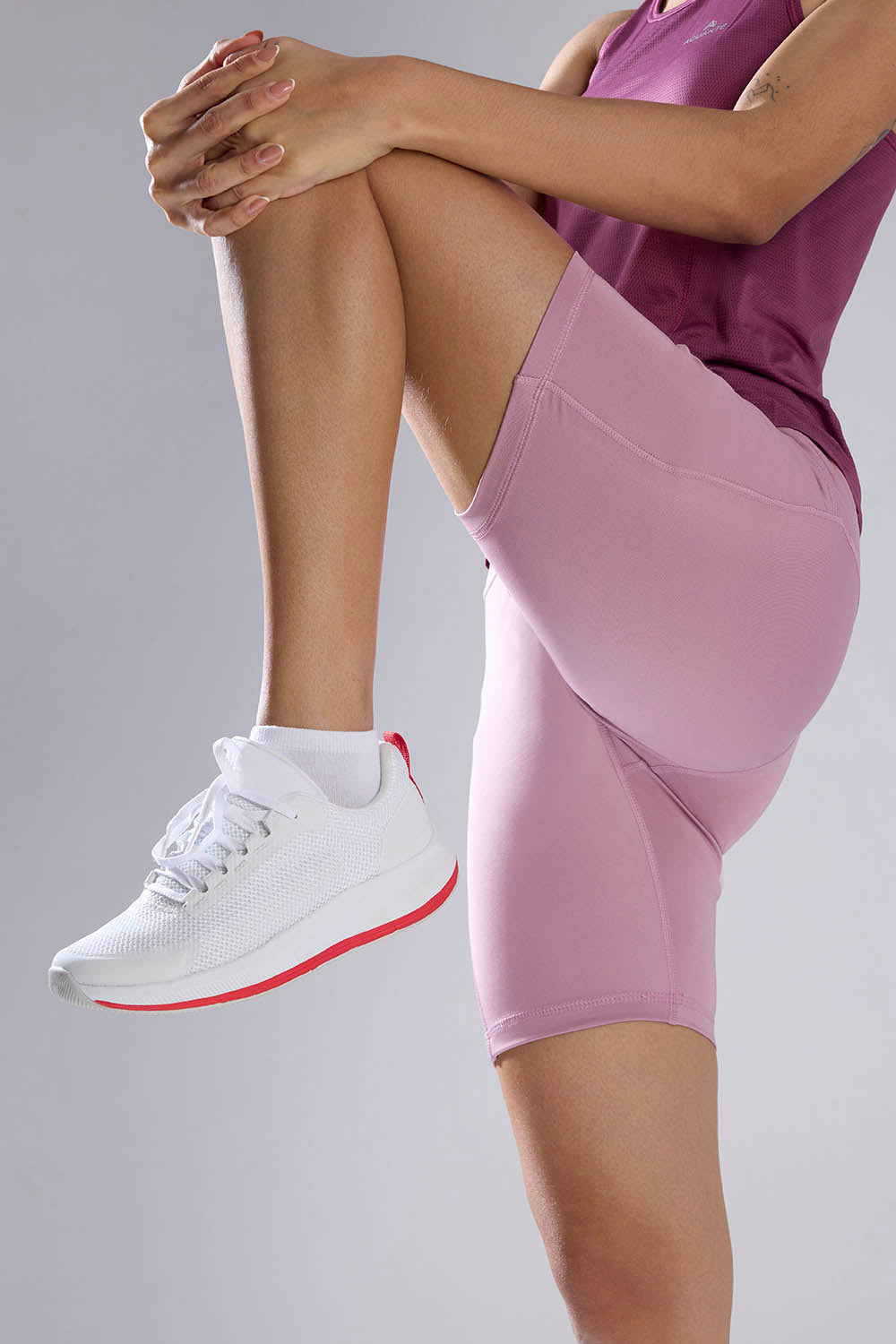
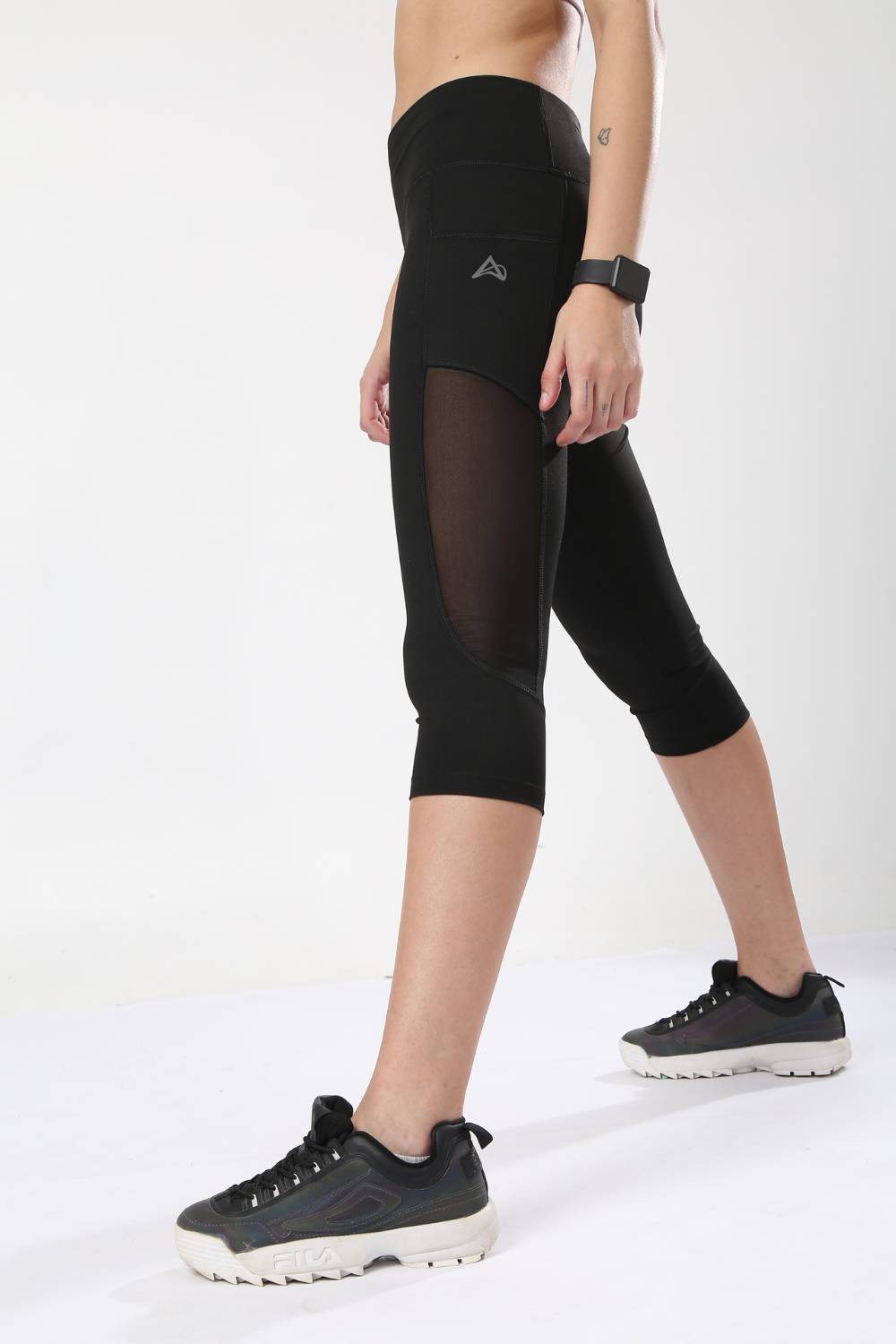
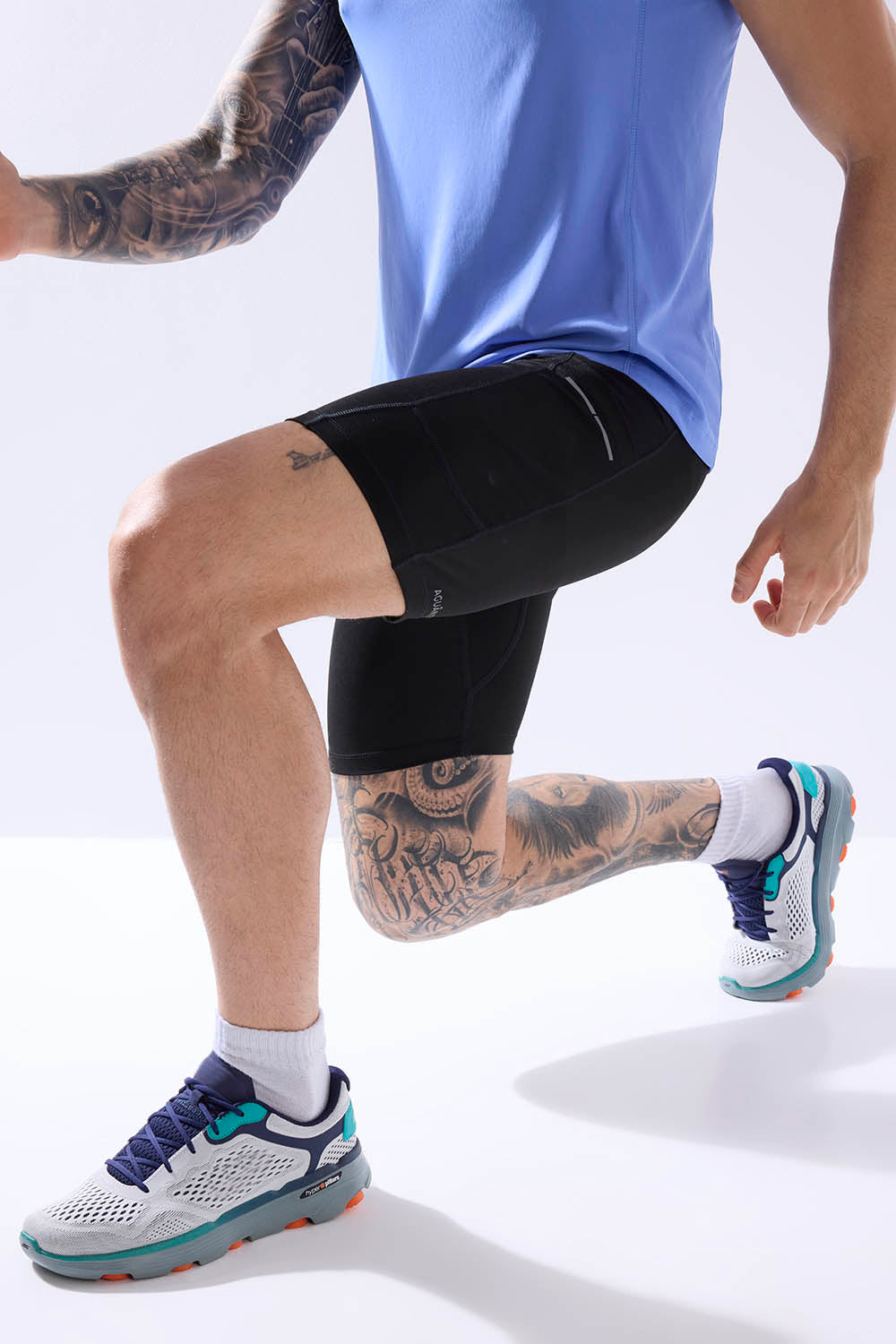
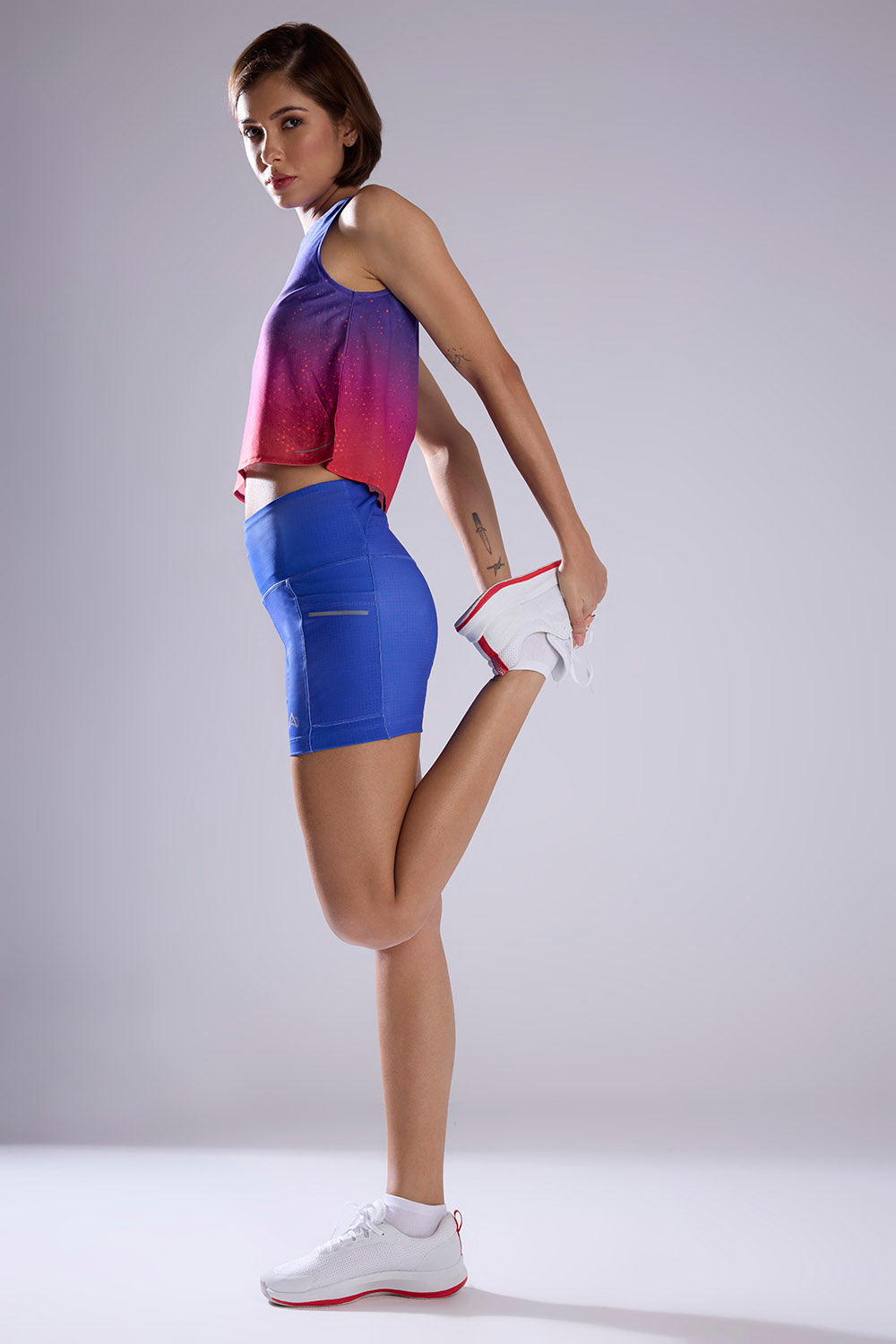
Half Tights
Half tights provide close-fitting coverage around the thighs and can be useful if you experience friction or prefer a more secure fit.
They can also provide useful storage for phones, gels and keys.
Explore Aguante Men's Half Tights
Explore Aguante Women's Half Tights
For your first half marathon, the important thing is not choosing one particular style. Choose the option you've already tested during your longest training runs.
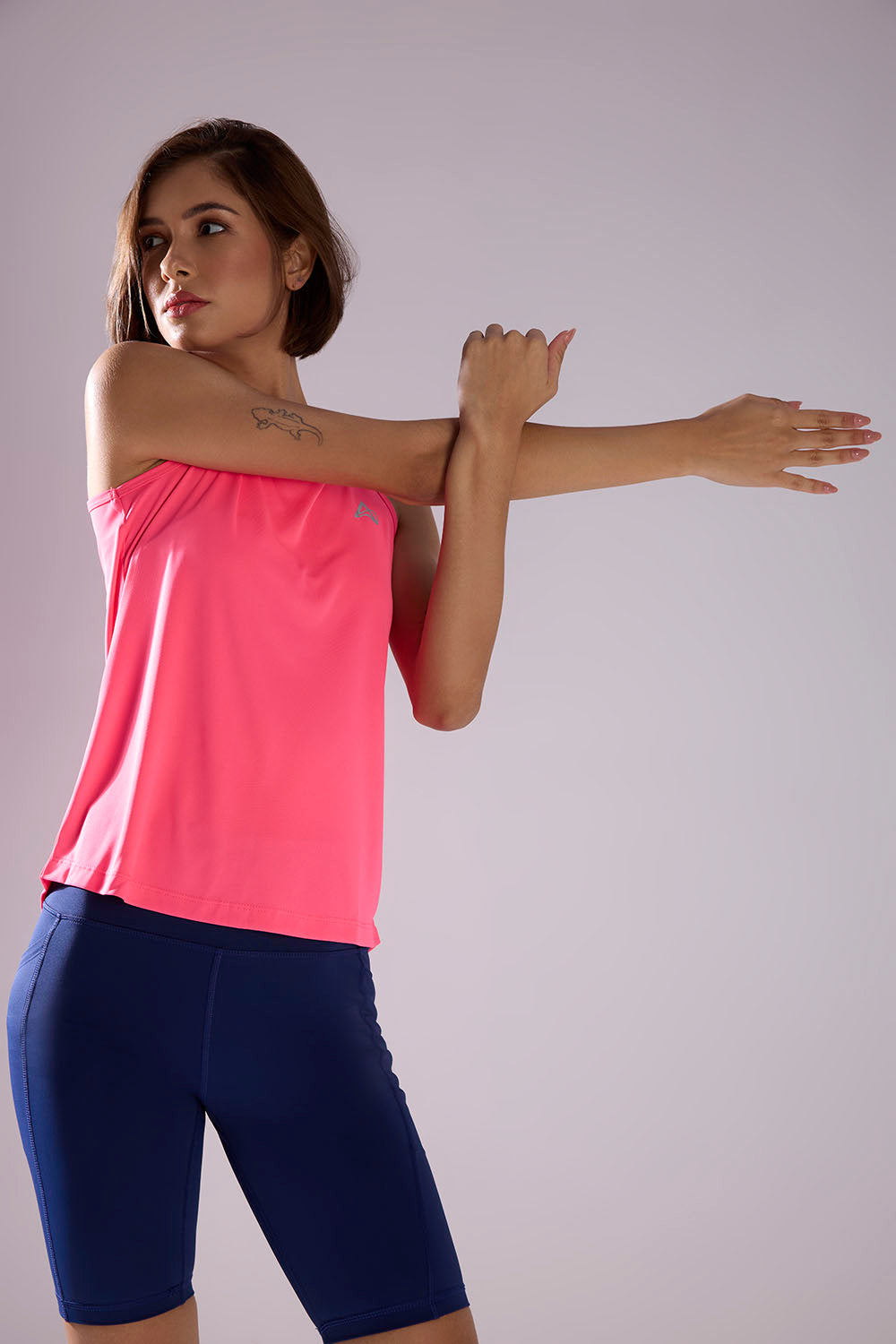
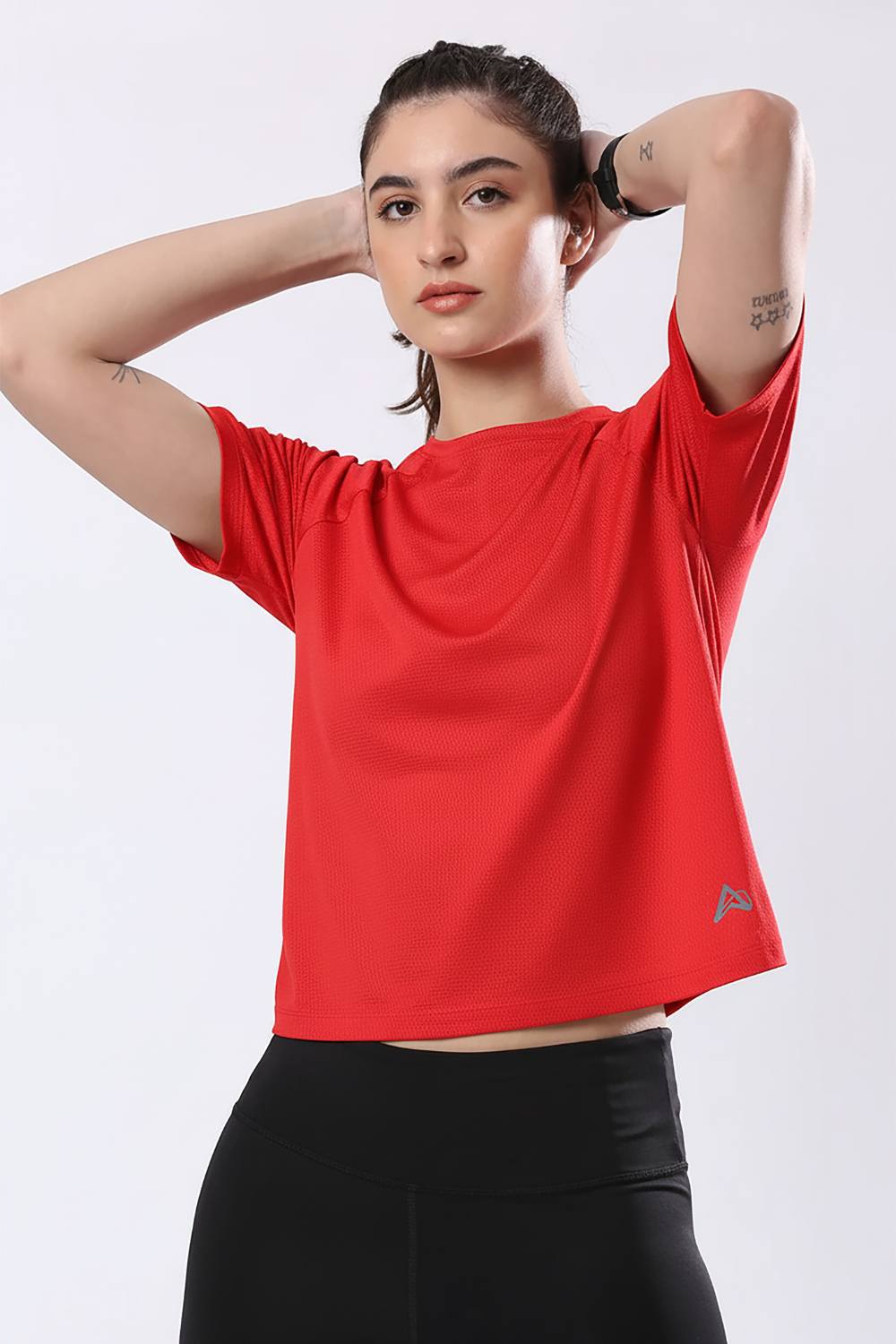
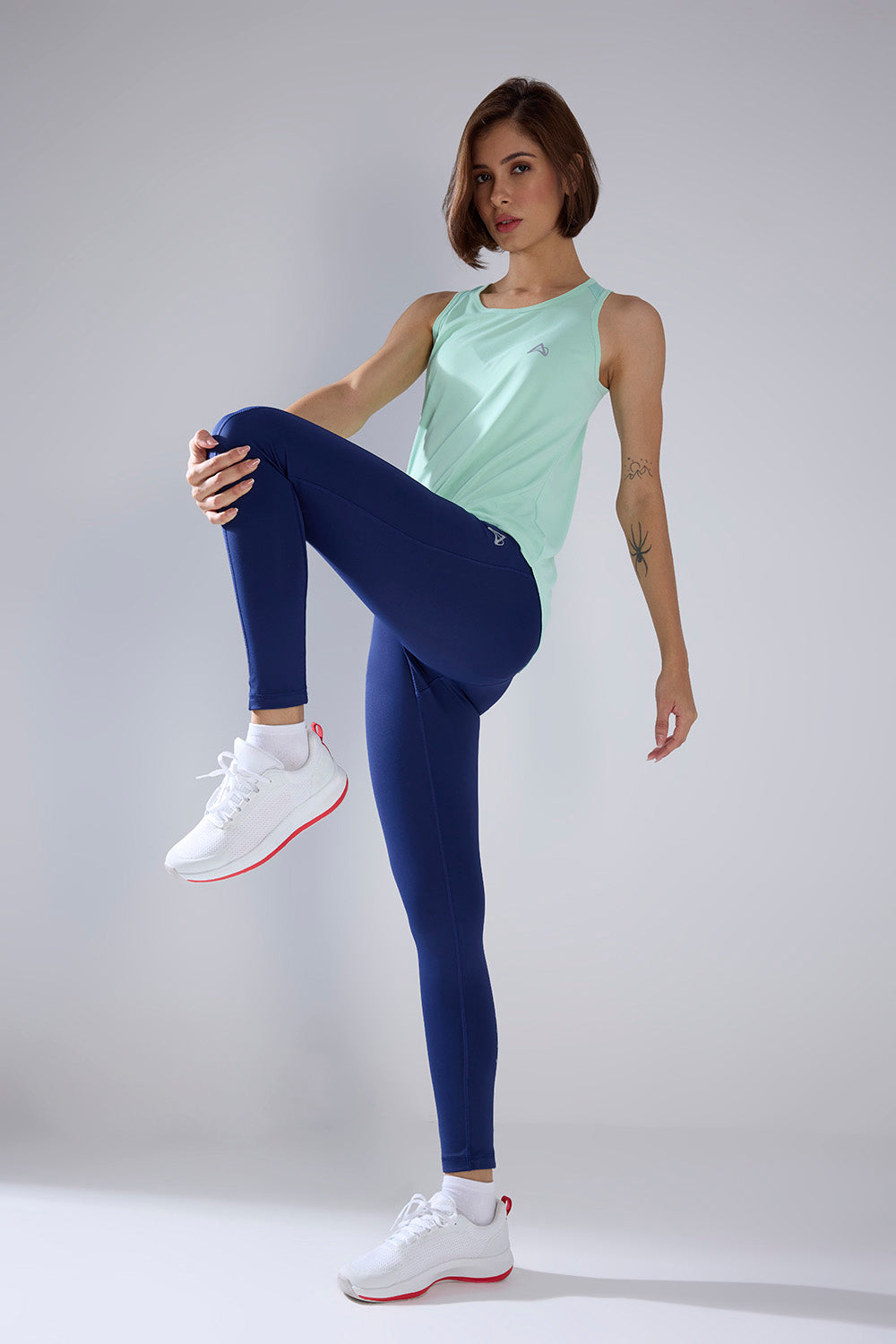
3. Choose a Moisture-Wicking Running Top
A half marathon can generate a lot of heat and sweat, particularly in India's warmer regions.
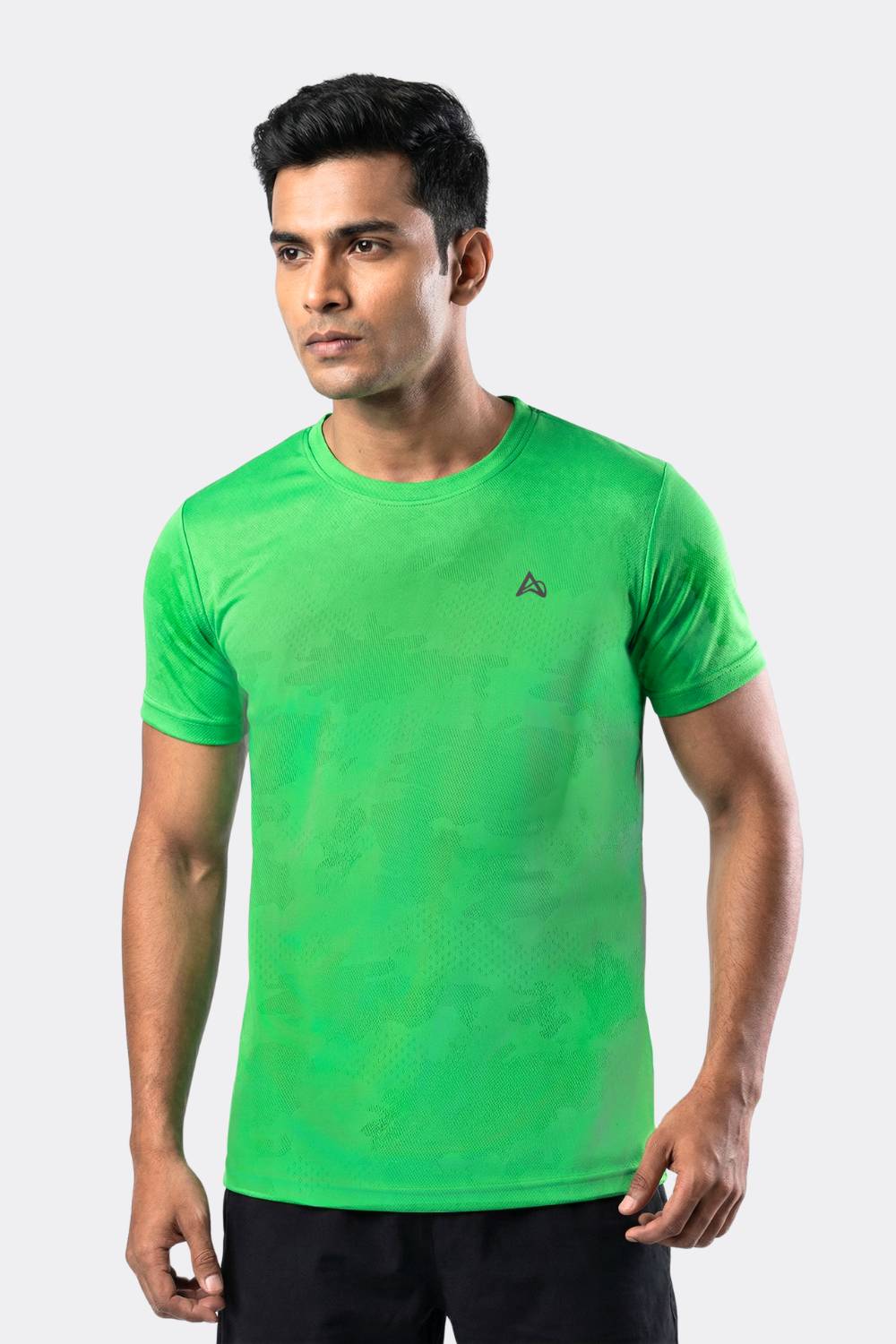
Instead of a heavy cotton T-shirt, consider a lightweight technical running top designed to manage moisture.
Look for:
- Moisture-wicking fabric
- Breathability
- Lightweight construction
- Quick-drying material
- Comfortable seams
- Freedom of movement
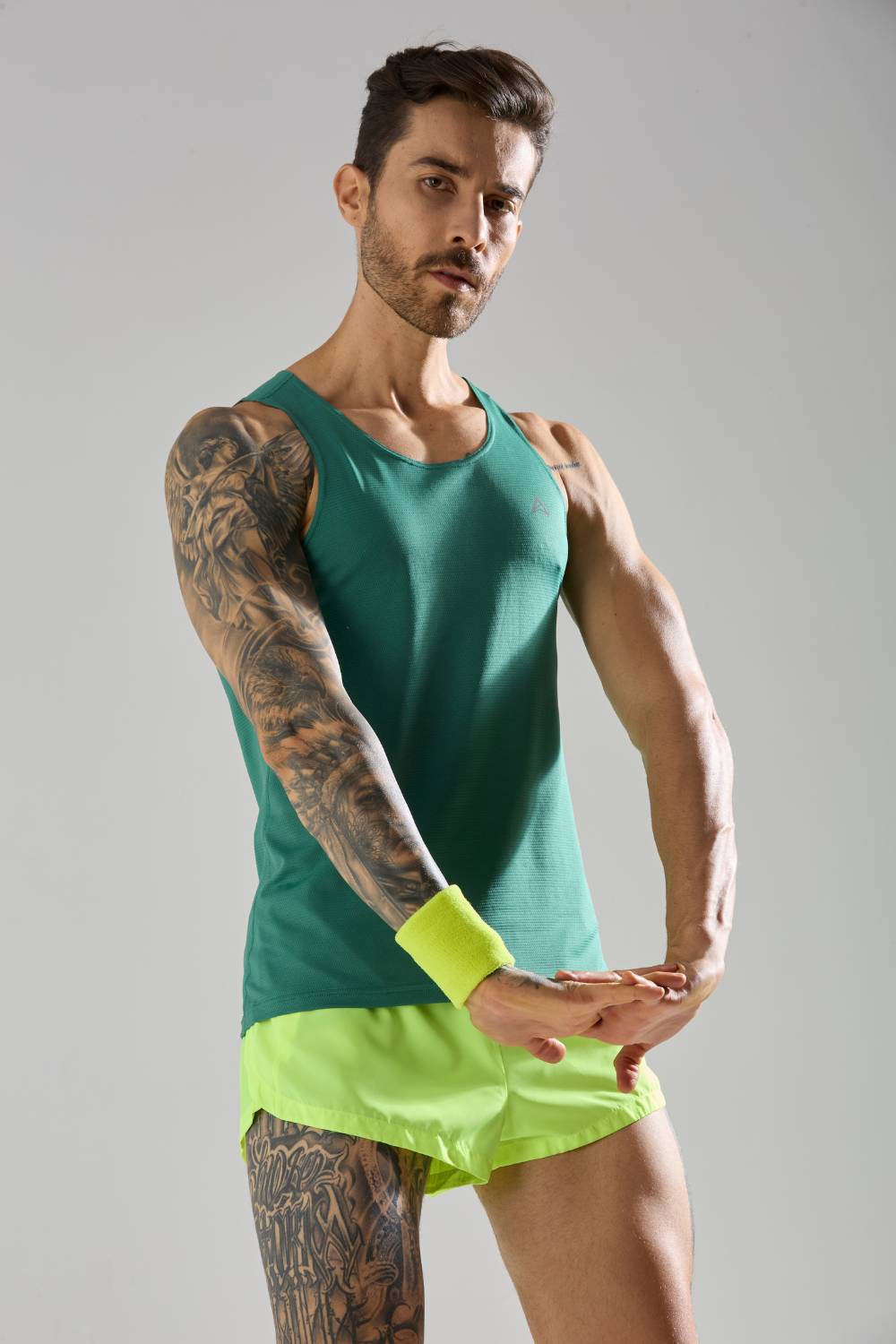
For hot or humid races, a lightweight running singlet can be particularly comfortable.
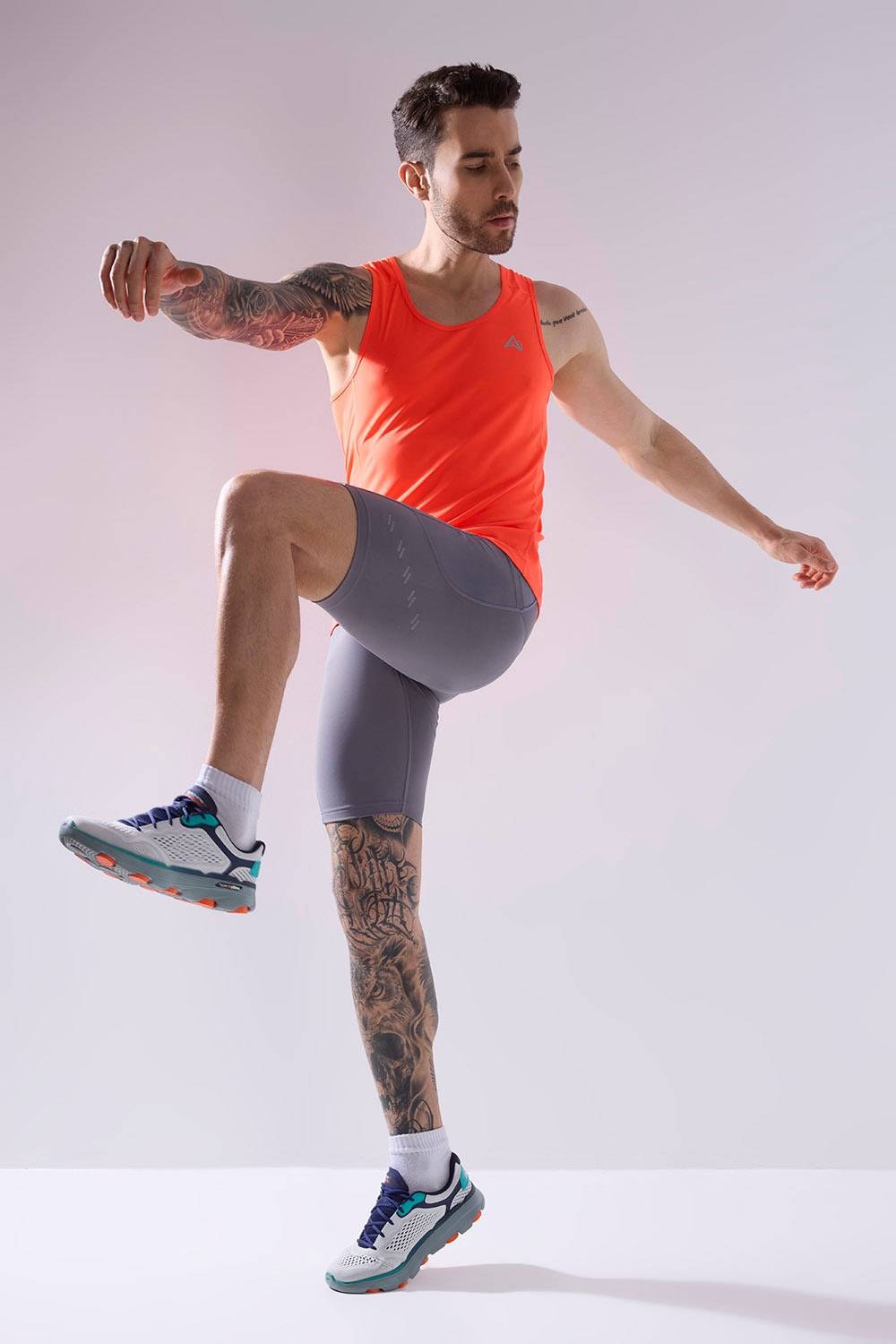
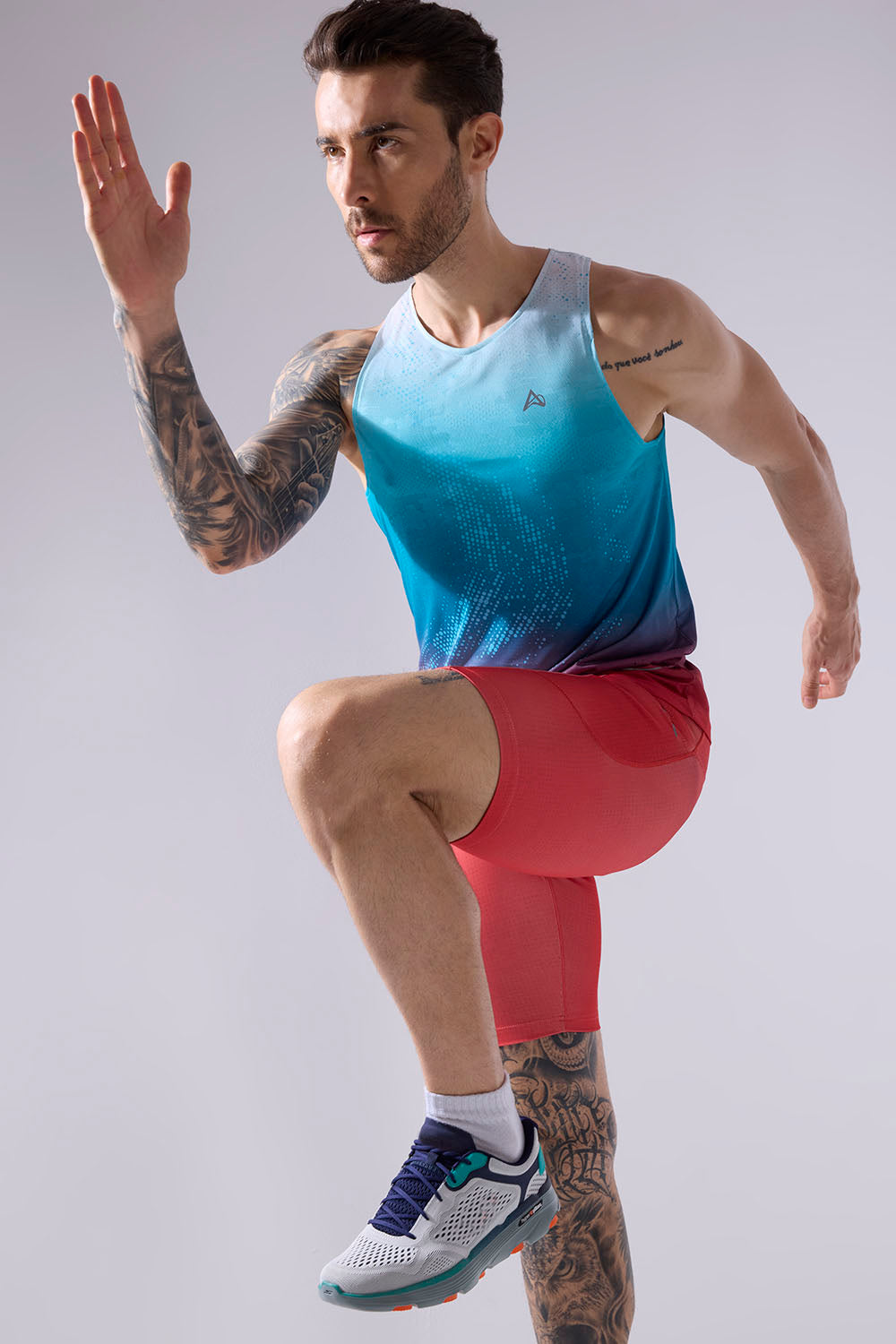
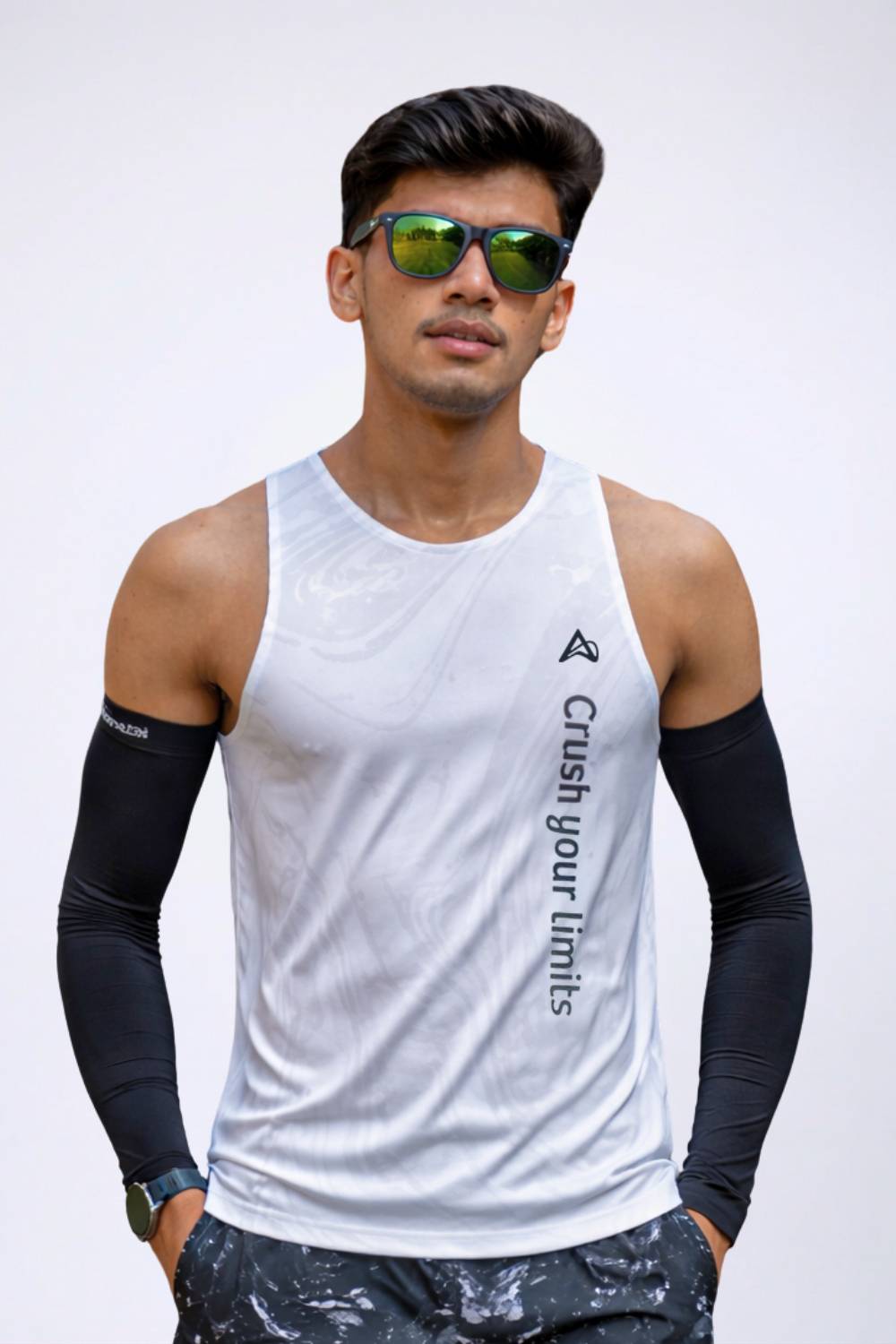
Aguante's men's Race Singlet is designed for race day and long runs and features a lightweight construction, moisture-wicking and quick-drying fabric, a perforated back and reflective details.
Explore Aguante Men's Race Singlet
For women, Aguante's Race Singlet is another lightweight running option.
Explore Aguante Women's Race Singlet
4. Sports Bra for Women
If you're a woman runner, your sports bra is an important part of your race-day gear.
Choose one that provides appropriate support while remaining comfortable for several hours.
Test it during:
- Long runs
- Tempo sessions
- Warm-weather training
- Your longest training run
Pay attention to areas where straps, seams or bands could cause irritation.
A new sports bra should not make its debut during your first half marathon.
5. Technical Running Socks
Socks can have a surprisingly large impact on race-day comfort.
Running socks should ideally:
- Manage moisture
- Fit securely
- Stay in position
- Avoid bunching
- Work comfortably with your running shoes
Blisters can develop from a combination of heat, moisture and friction, so moisture management and fit matter over long distances. Runner's World recommends technical moisture-managing materials rather than cotton for running socks.
Avoid wearing brand-new socks for your first half marathon.
6. Running Shorts With Pockets
Your first half marathon may require you to carry a few essentials.
Depending on your race and fueling strategy, these could include:
- Phone
- Energy gels
- Keys
- ID
- Card
- Small personal items
Look for secure pockets rather than simply choosing shorts with the highest pocket count.
A pocket should hold your belongings without excessive bouncing.
Aguante offers running shorts with different storage configurations, including options designed for longer runs and races.
Explore Aguante Long Run & Race Day Collection
7. Energy Gels and Race Nutrition
Whether you need gels for a half marathon depends on your individual fueling strategy and expected race duration.
If you plan to use gels, practice with the exact product during training.
Don't try a new gel flavor or brand for the first time during your race.
Runner's World recommends establishing a fueling strategy before race day and practicing it during training.
Your race organiser may also provide water or sports drinks. Check what is available before the event and, if you intend to use the on-course nutrition, try it during training when possible.
8. Hydration Gear
You may not need to carry a large amount of water during a supported half marathon.
Many races have aid stations, so check the official race information before deciding whether you need:
- Nothing beyond aid stations
- A handheld bottle
- A running belt
- A hydration vest
For a race with frequent water stations, carrying a large hydration vest may add unnecessary weight.
For training runs without reliable water access, however, a handheld bottle or hydration vest can be useful.
The important point is to train with whatever hydration setup you plan to use on race day.
9. GPS Running Watch
A GPS running watch isn't essential for finishing a half marathon, but it can be useful for:
- Tracking distance
- Monitoring pace
- Checking elapsed time
- Monitoring heart rate, if you use it
- Following a planned pacing strategy
If you already have a running watch, use it during training so you're familiar with the display and controls.
Don't spend race morning trying to figure out a new device.
10. Anti-Chafing Protection
Chafing can become more noticeable as the distance increases.
Common problem areas include:
- Inner thighs
- Underarms
- Groin
- Waistband
- Sports-bra edges
If you regularly use an anti-chafing balm or lubricant, include it in your race-day kit.
More importantly, test your shorts and top during long training runs.
A well-fitting running short or half tight can also help reduce friction.
11. Cap or Visor
A cap or visor can be useful for an Indian race, particularly if the sun becomes stronger as the race progresses.
It can help with:
- Sun exposure
- Glare
- Sweat
- Comfort
But again, don't wear a new cap for the first time during your race if you haven't tested it.
A tight or poorly fitting cap can become surprisingly distracting over 21.1 km.
12. Sunglasses
Sunglasses can be useful for daytime races, particularly in bright conditions.
Choose lightweight running sunglasses that:
- Stay secure
- Don't bounce
- Don't interfere with your cap
- Provide comfortable visibility
If your race starts before sunrise, you may not need them immediately, but they can become useful later in the race.
13. Lightweight Layer for an Early Start
Many Indian half marathons begin early in the morning.
This creates a common problem:
It's cool before the race but warmer once you're running.
You can use a lightweight warm-up layer while waiting for the start if conditions require it.
Avoid overdressing for the actual race.
If the race offers a bag-drop facility, you can leave an additional layer according to the organiser's instructions. Race-day checklists commonly recommend bringing warmer or dry clothing for before and after the race when conditions are cool.
14. Race Bib and Safety Pins
Your race bib is essential.
Pack or prepare:
- Race bib
- Safety pins, if provided/required
- Timing chip if separate
- Race confirmation
- Identification if required
Keep your bib ready the night before.
Don't leave race-morning preparation until the last minute.
15. Phone, Keys and Personal Items
If you want to carry your phone during the race, use a secure pocket or running belt.
For keys, carry only what you need.
A practical setup could be:
Phone → secure rear or waistband pocket
Gels → accessible shorts/half-tights pockets
Key → small zipped pocket
You don't want to spend the race worrying about whether your phone or keys are going to fall out.
16. What Gear Do You Need for a First Half Marathon in Hot Indian Weather?
If your race is in a hot or humid city, simplify your outfit.
A practical setup could be:
Top: Lightweight moisture-wicking singlet
Bottom: Lightweight running shorts or half tights
Socks: Technical running socks
Shoes: Comfortable, tested running shoes
Accessories: GPS watch, cap and sunglasses if needed
Fuel: Tested gels if part of your plan
Hydration: Based on the race's aid stations and your training plan
Avoid unnecessary layers.
The goal is to stay comfortable while managing sweat and heat.
17. What About a Monsoon Half Marathon?
Indian race calendars can overlap with rainy weather in some locations.
If rain is possible, consider:
- Quick-drying running clothes
- Technical socks
- Tested shoes with appropriate traction
- Anti-chafing protection
- A lightweight pre-race layer if needed
Avoid wearing clothing that becomes excessively heavy when wet.
Most importantly, check the event's official weather and race-day guidance before deciding what additional gear to carry.
18. Do You Need Compression Gear?
Compression shorts, half tights or sleeves are optional.
Some runners like the close-fitting feel, while others prefer conventional running shorts.
Don't buy compression gear simply because you're running your first half marathon.
If you want to use it, test it during training first.
Your race-day gear should be based on what you know works for you.
19. Do You Need Headphones?
Headphones are optional and depend on your preferences and the event's rules.
If you use headphones, check the race organiser's regulations beforehand.
Open-ear options can allow you to remain more aware of your surroundings, but the most important consideration is whether the race permits the device you plan to use.
Don't rely on your phone battery for critical race information without checking your setup beforehand.
20. What Should You Pack for After the Race?
Don't think only about the start.
After 21.1 km, you'll probably appreciate having:
- Fresh T-shirt
- Fresh shorts or pants
- Dry socks
- Comfortable shoes
- Towel
- Water
- Post-race food
- Phone
- Wallet/ID
- A light jacket or extra layer if the weather is cool
A post-race change of clothes can make the journey home much more comfortable.
First Half Marathon Gear: What Is Essential vs Optional?
| Gear | Essential? | Why |
|---|---|---|
| Running shoes | Yes | Comfort and stability over 21.1 km |
| Running top | Yes | Sweat and temperature management |
| Shorts/half tights | Yes | Comfortable movement |
| Running socks | Yes | Moisture and friction management |
| Sports bra | If required | Support and comfort |
| Race nutrition | Depends | Based on your fueling strategy |
| Hydration | Depends | Race aid stations and personal needs |
| GPS watch | Optional | Pace and distance tracking |
| Running belt | Optional | Storage |
| Hydration vest | Usually optional | More useful when carrying substantial fluids/gear |
| Cap/visor | Optional | Sun protection |
| Sunglasses | Optional | Glare and sun |
| Anti-chafing product | Useful if needed | Friction management |
| Compression gear | Optional | Personal preference |
| Headphones | Optional | Check race rules |
What Should You NOT Buy for Your First Half Marathon?
You don't need to purchase every piece of running equipment you see online.
Avoid buying gear simply because it looks professional.
You probably don't need:
- Multiple pairs of race shoes
- A large hydration vest for a supported road race
- Expensive recovery gadgets
- New clothing just for race day
- Unfamiliar supplements
- Complicated technology you haven't learned to use
Start with the essentials and add equipment when your training demonstrates that you need it.
The "Nothing New on Race Day" Rule
This is one of the most useful principles for a first half marathon.
Your race-day setup should already be familiar.
Test:
- Shoes
- Socks
- Shorts
- Top
- Sports bra
- Gels
- Hydration
- Watch
- Anti-chafing routine
- Phone storage
Runner's World specifically recommends dress rehearsals during training and avoiding new shoes, clothing and nutrition on race day.
Your long runs aren't only about building endurance. They're also opportunities to discover which gear works for you.
First Half Marathon Race-Day Checklist
The Night Before
☐ Lay out your complete race outfit
☐ Check your shoes
☐ Prepare socks
☐ Prepare gels/nutrition
☐ Charge your GPS watch
☐ Charge your phone
☐ Attach your race bib if appropriate
☐ Check race start time
☐ Check transport/parking
☐ Check weather
☐ Prepare post-race clothes
Race Morning
☐ Eat your familiar pre-run breakfast
☐ Hydrate according to your normal plan
☐ Apply anti-chafing product if needed
☐ Put on tested shoes and socks
☐ Carry your planned nutrition
☐ Carry your phone/keys securely
☐ Wear your race bib
☐ Arrive with enough time for toilets and the start
During the Race
☐ Follow your planned pace
☐ Follow your tested fueling strategy
☐ Use aid stations according to your plan
☐ Adjust clothing if conditions change
☐ Don't experiment with unfamiliar products
A Simple First Half Marathon Outfit
If you want to keep your first race setup simple, start here:
For Men
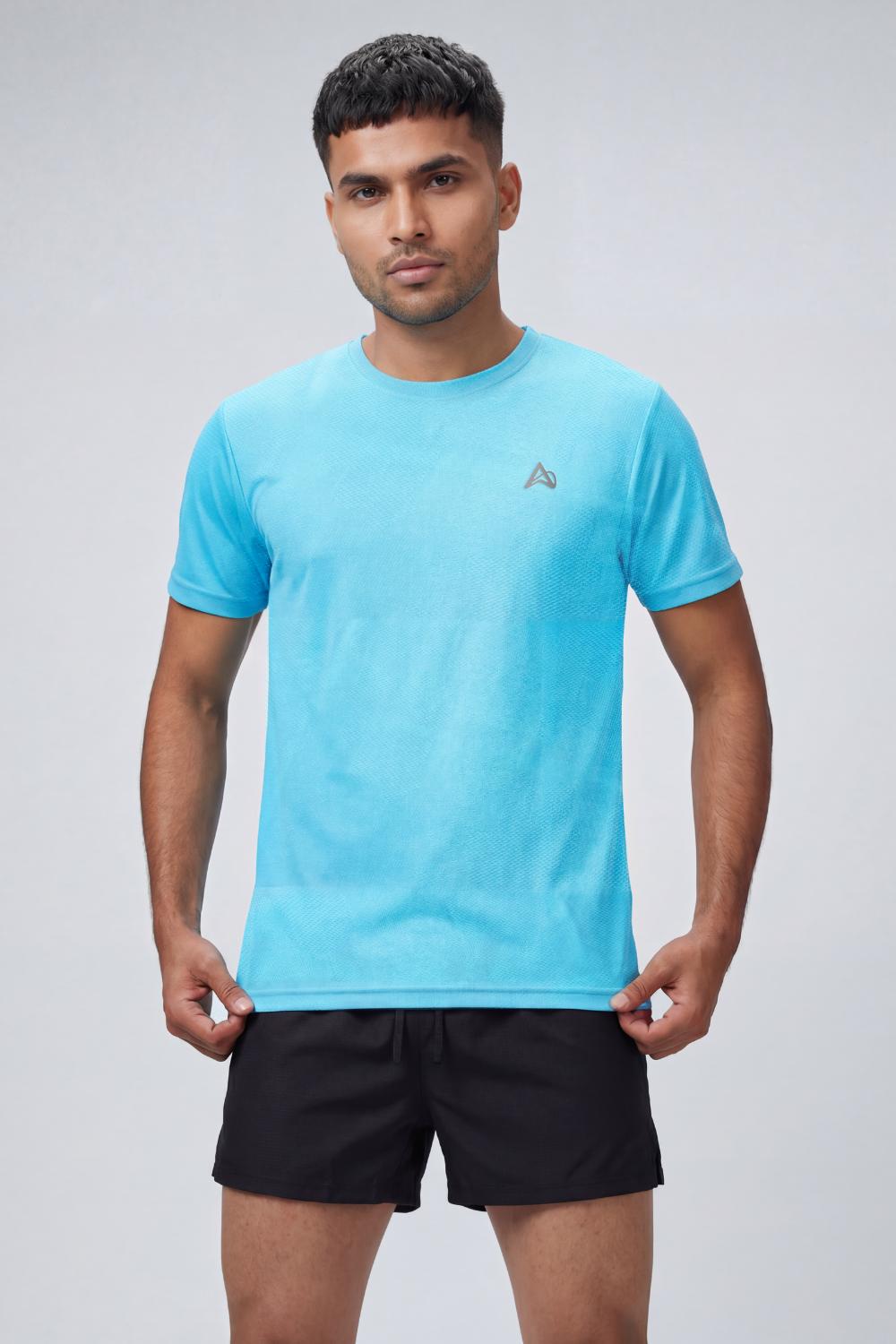
Lightweight running singlet or T-shirt + running shorts or half tights + technical socks + tested running shoes
Add gels, a watch and secure storage if your race plan requires them.
For Women
Sports bra + lightweight running singlet or T-shirt + running shorts or half tights + technical socks + tested running shoes
Add gels, a watch and secure storage according to your race plan.
For both, add a lightweight warm-up layer if the early morning is cool.
Final Thoughts
So, what gear do you need for your first half marathon in India?
You don't need a complicated collection of equipment.
Start with the essentials:
Comfortable running shoes + moisture-wicking top + running shorts or half tights + technical socks + tested nutrition and hydration + a few practical accessories.
For Indian conditions, pay particular attention to heat, humidity, sweat management and chafing. Your clothing should be lightweight and breathable, while your shoes and socks should already be proven during training.
The biggest piece of equipment advice for a first-time half marathoner is simple: don't use race day as a testing day. Practice your entire setup during long training runs, including your shoes, clothing, nutrition, storage and hydration.
Aguante's running range includes race-day singlets, running shorts, half tights and other apparel options for runners preparing for long-distance events.
Explore Aguante Long Run & Race Day Collection
Explore Aguante Running Collection
Explore Aguante Women's Running Collection
FAQs
What is the most important gear for a first half marathon?
Comfortable, well-tested running shoes are a priority, followed by suitable running apparel and socks. Your nutrition and hydration setup should also be tested during training.
Do I need special clothes for a half marathon?
You don't need special clothing, but running-specific apparel can improve comfort over 21.1 km. Look for breathable, moisture-wicking tops and comfortable shorts or half tights.
Should I wear running shorts or half tights?
Either can work. Choose the option that you've already tested on long runs and that gives you the right balance of comfort, coverage and storage.
Do I need energy gels for my first half marathon?
Not every runner will use the same fueling strategy. If you plan to use gels, practice with them during training rather than introducing them for the first time on race day.
Do I need a hydration vest for a half marathon?
Usually not for a supported road race with regular aid stations, but it can be useful for training runs or races where you need to carry substantial fluids. Check the race's rules and aid-station information first.
Should I wear new running shoes for my first half marathon?
It's better to use shoes that you've already tested during training. Familiarity helps you identify fit or comfort issues before race day.
What should I wear for an early morning half marathon in India?
Choose lightweight, moisture-wicking clothing appropriate for the expected temperature. If the start is cool, use a light layer while waiting and avoid overdressing for the actual race.