
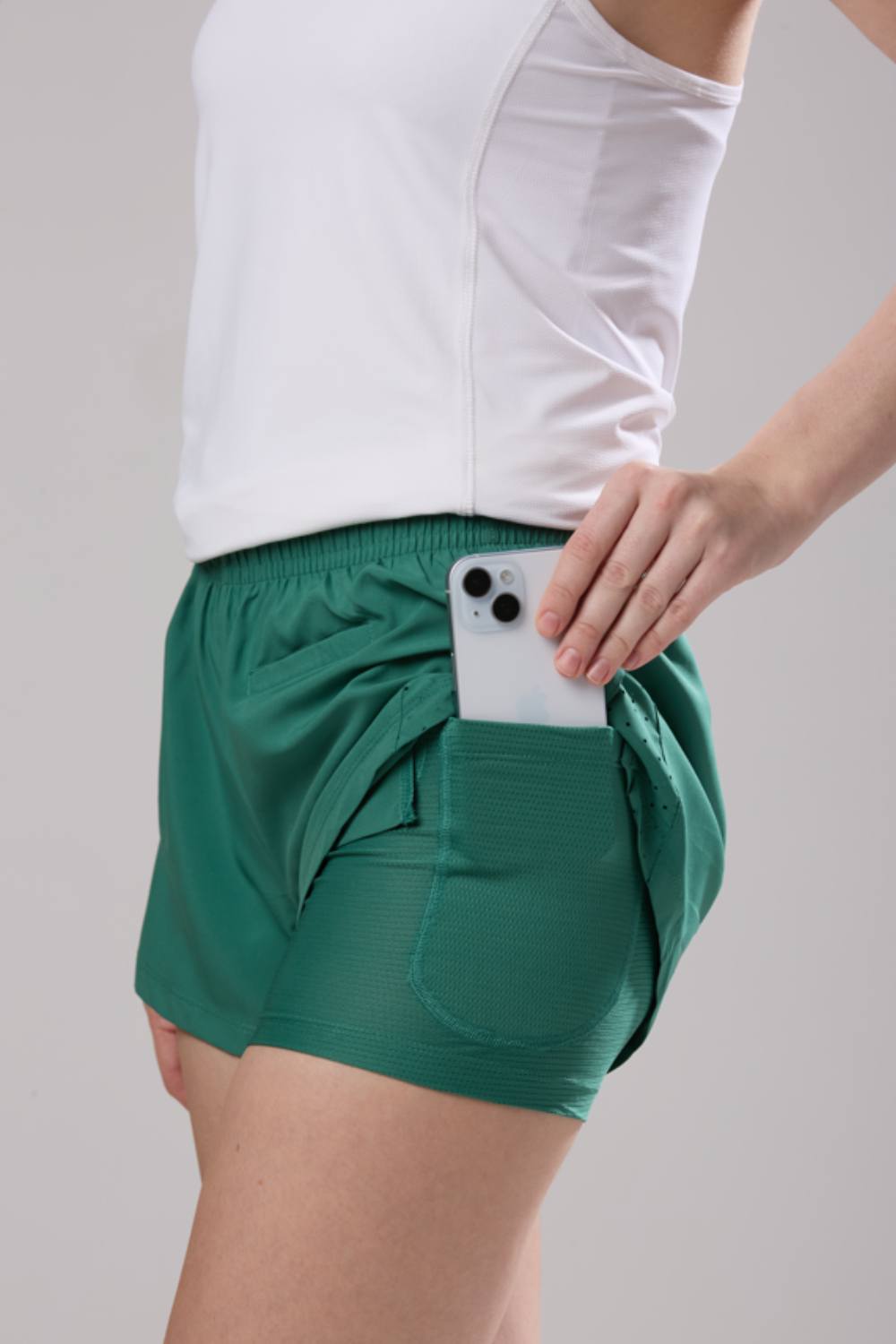
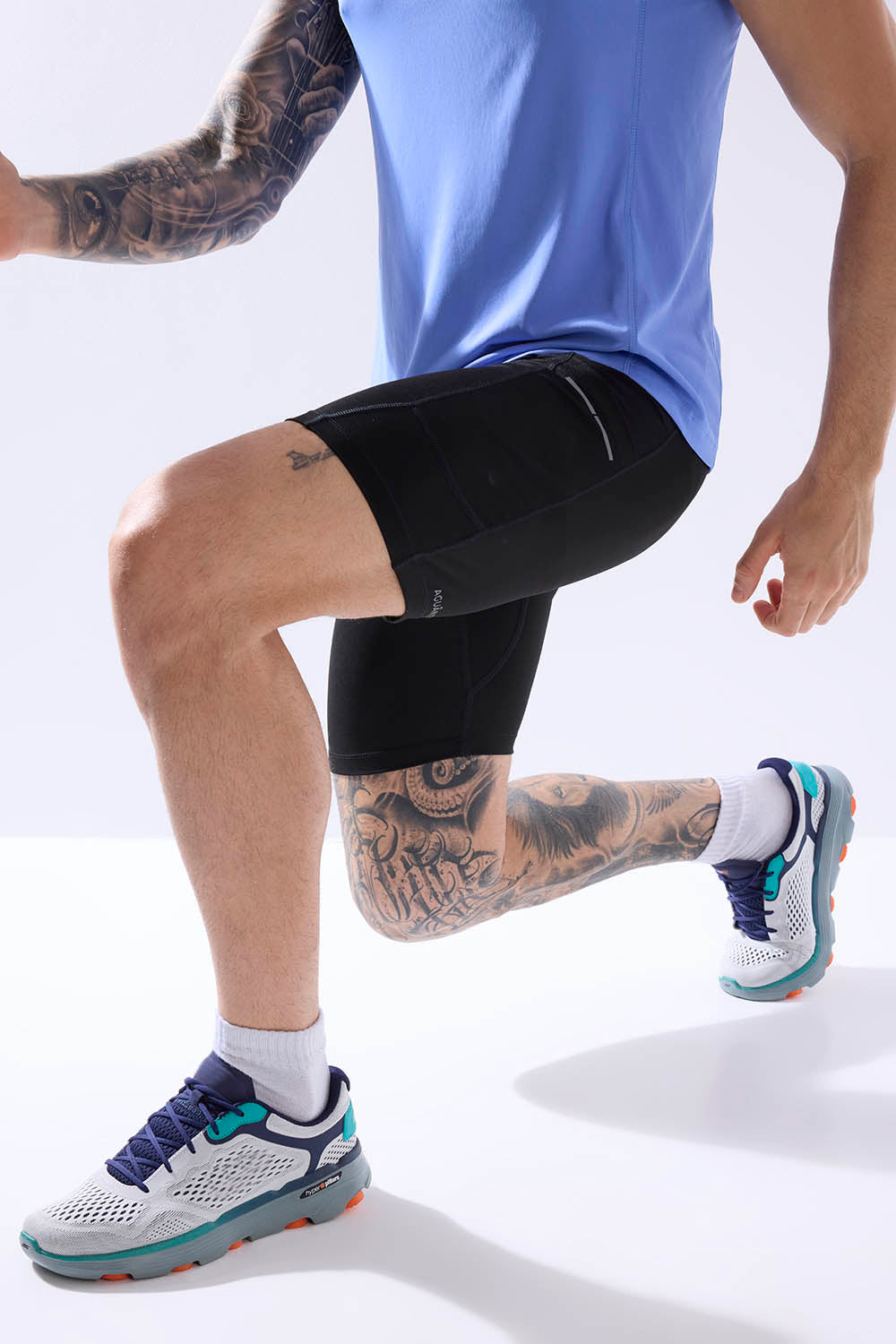
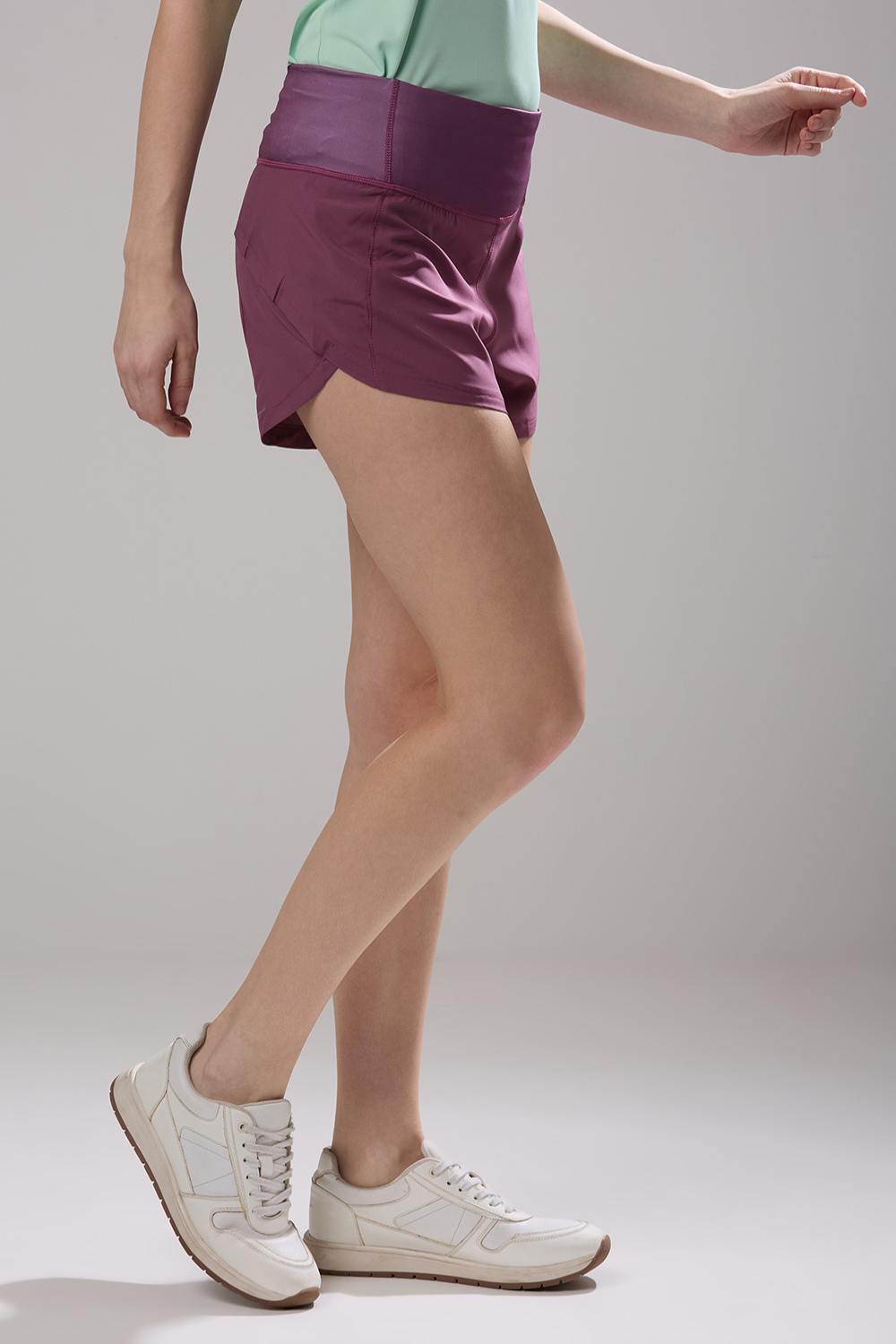
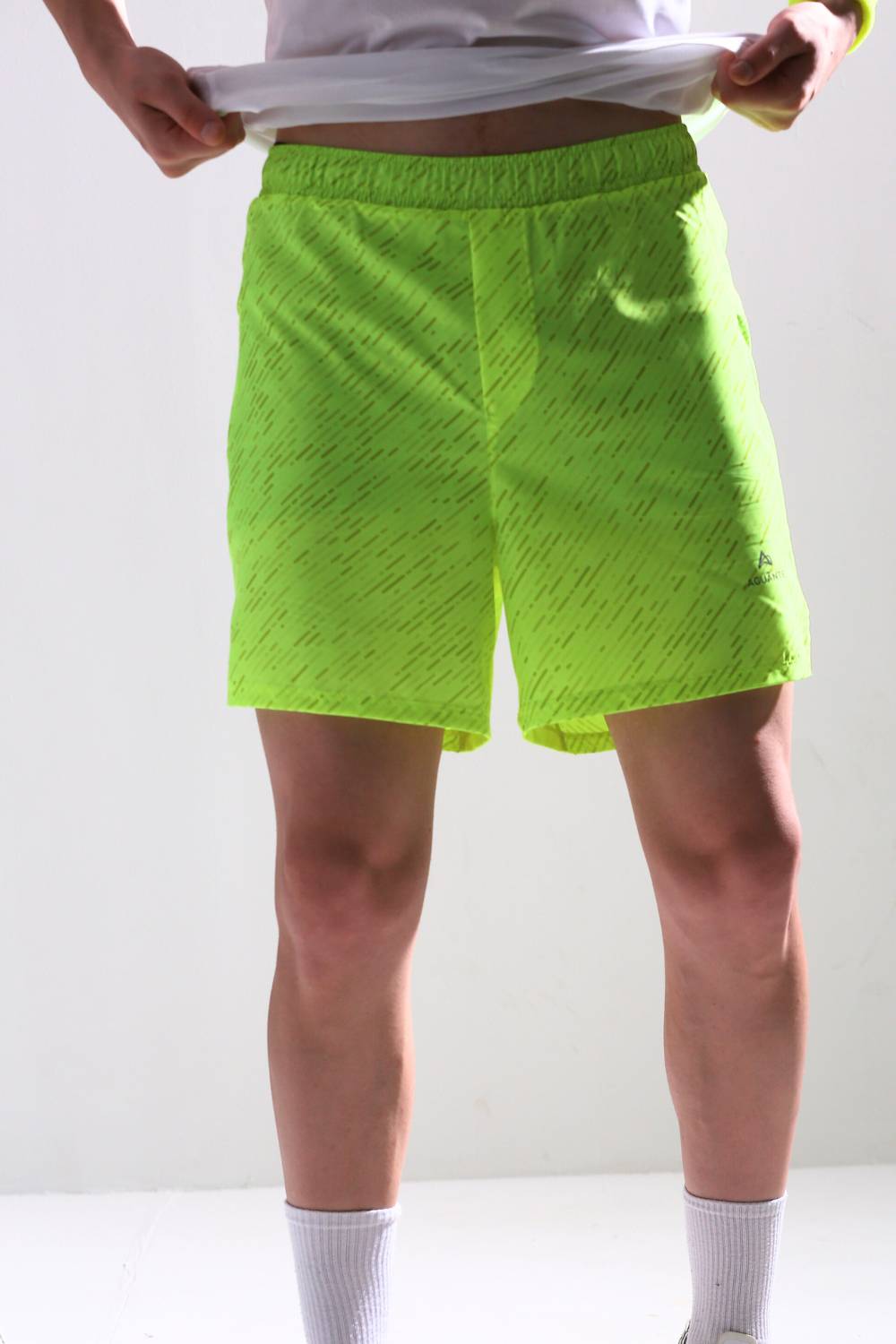


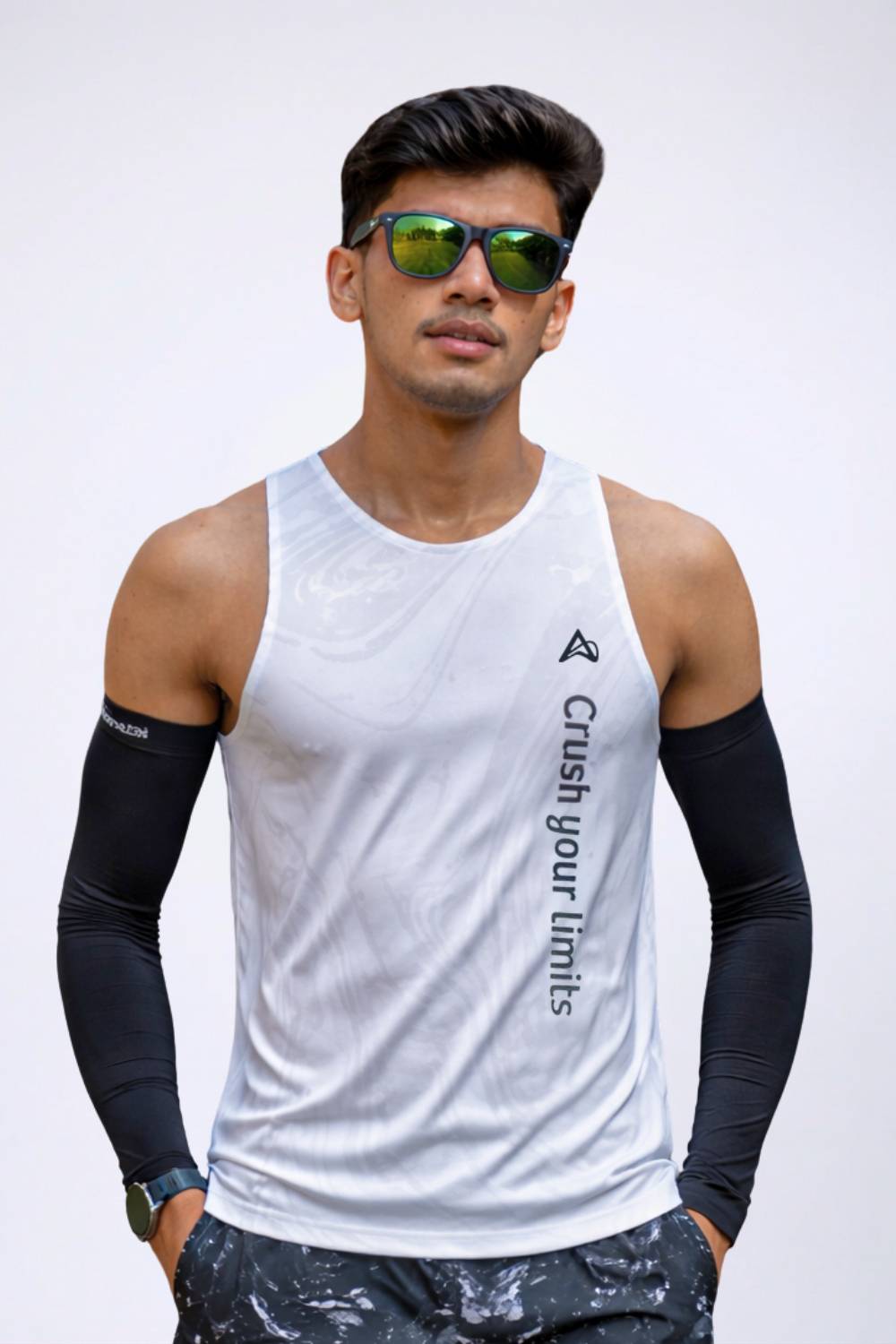

What fabric is best for running in humid weather? It's one of the most important questions every runner should ask before heading out for a workout, especially in India's hot and humid climate. High humidity slows the evaporation of sweat, making your clothes feel damp, heavy, and uncomfortable. The right fabric can keep you cool, dry, and comfortable by managing moisture effectively and reducing the risk of chafing. Whether you're training for a marathon, running a daily 5K, or enjoying a weekend jog, choosing the right fabric can significantly improve your performance and overall running experience.
Let's explore which fabrics work best and why they matter.
Why Fabric Choice Matters in Humid Weather
When you run, your body cools itself by producing sweat. In humid conditions, sweat evaporates more slowly because the air is already saturated with moisture. If your clothing absorbs sweat instead of moving it away from your skin, it can quickly become heavy, sticky, and uncomfortable.
The best running fabrics are designed to:
-
Wick sweat away from the body
-
Dry quickly
-
Improve airflow
-
Reduce chafing
-
Stay lightweight even when wet
-
Maintain comfort during long runs
These features help you focus on your run instead of your clothing.
1. Polyester – The Most Popular Running Fabric
Polyester is one of the best fabrics for running in humid weather.
It is widely used in performance apparel because it:
-
Wicks moisture efficiently
-
Dries quickly
-
Remains lightweight
-
Resists shrinking
-
Retains its shape after repeated washing
Modern polyester fabrics are engineered to move sweat away from the skin, allowing it to evaporate quickly and keep you comfortable throughout your run.
2. Polyester-Spandex Blends
Many premium running T-shirts and shorts combine polyester with a small percentage of spandex (also known as elastane).
This blend offers:
-
Better stretch
-
Improved flexibility
-
Greater freedom of movement
-
Enhanced comfort during long runs
It's an excellent choice for runners who want a close, athletic fit without feeling restricted.
3. Nylon Performance Fabrics
Nylon is another excellent option for humid weather.
Advantages include:
-
Soft feel
-
High durability
-
Good moisture management
-
Lightweight construction
-
Excellent abrasion resistance
Nylon is commonly used in premium running tights, half tights, and compression apparel.
4. Technical Mesh Fabrics
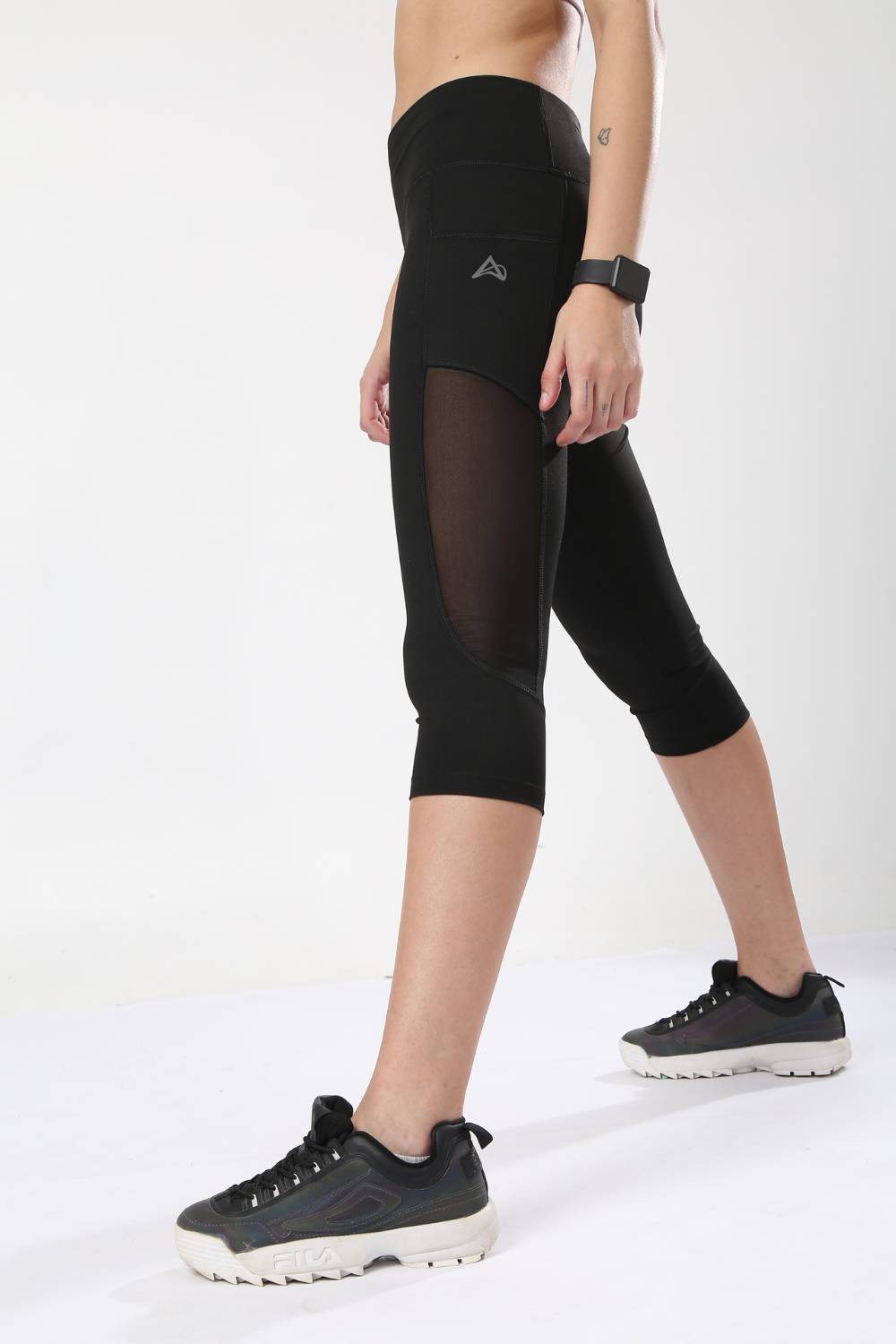
Many high-performance running T-shirts include mesh panels in areas that generate more heat, such as the back and underarms.
Mesh fabrics improve:
-
Air circulation
-
Breathability
-
Heat dissipation
-
Cooling during intense workouts
These ventilation zones are especially useful for runners training in India's summer and monsoon seasons.
Why Cotton Isn't Suitable for Running
Cotton may feel soft and comfortable before you start running, but it's one of the least suitable fabrics for humid weather.
Cotton:
-
Absorbs sweat instead of wicking it away
-
Dries very slowly
-
Becomes heavy when wet
-
Traps heat
-
Increases the risk of chafing
For short walks it may be acceptable, but for running, technical performance fabrics are a much better choice.
Features to Look for in Running Fabrics
Moisture-Wicking Technology
This is the most important feature for humid conditions.
Moisture-wicking fabrics:
-
Pull sweat away from your skin
-
Spread moisture across the fabric surface
-
Speed up evaporation
-
Help regulate body temperature
Quick-Drying Performance
Quick-drying fabrics prevent clothing from becoming heavy and uncomfortable during long runs or unexpected rain.
Breathability
Look for fabrics with excellent airflow.
Breathable materials help release body heat and keep you cooler during intense workouts.
Lightweight Construction
The lighter the fabric, the less weight you'll carry once sweating begins.
Lightweight apparel also improves running efficiency.
Anti-Chafing Comfort
Smooth fabrics combined with flatlock seams reduce friction and help prevent skin irritation over longer distances.
Why Aguante Performance Fabrics Are Built for Indian Weather
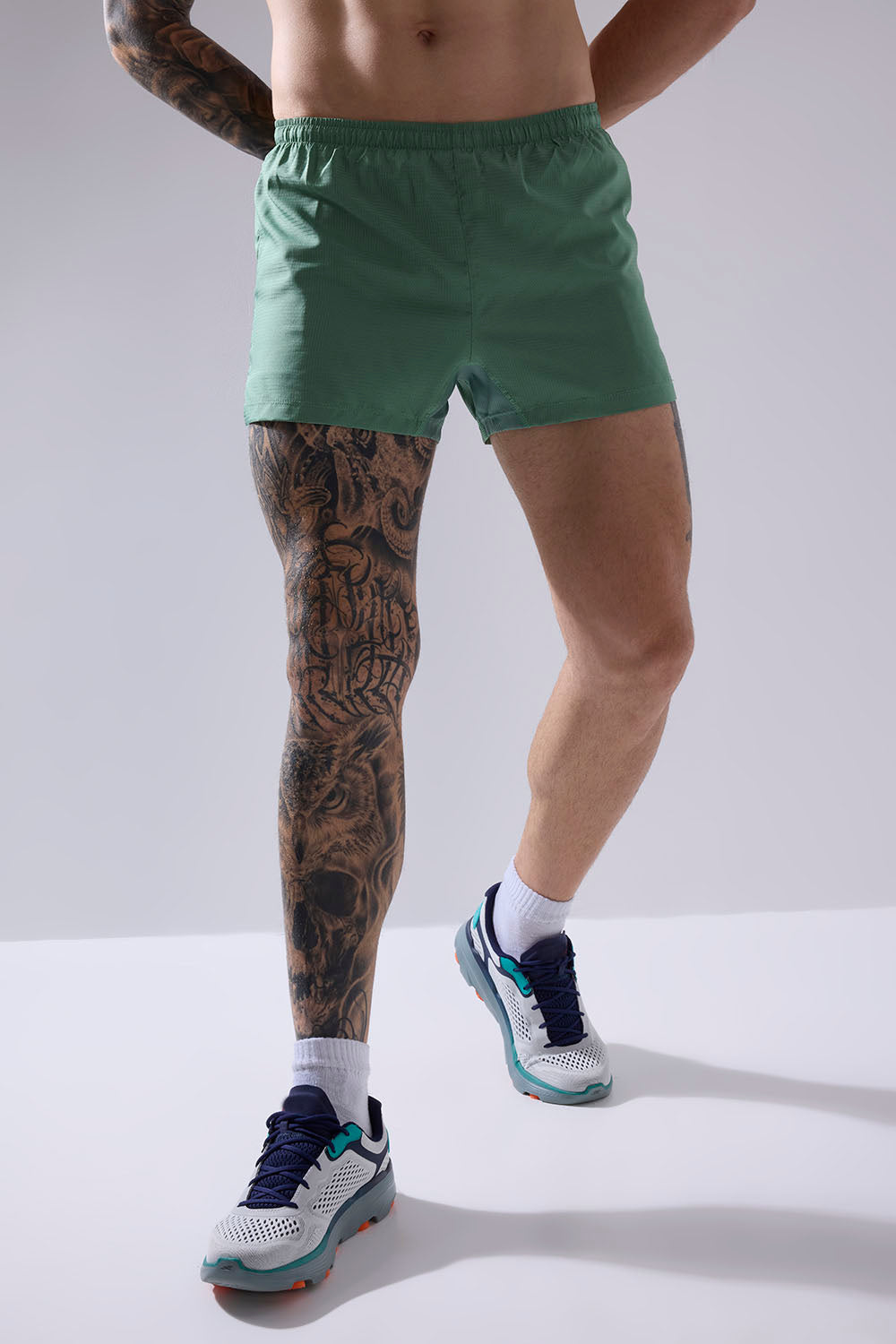
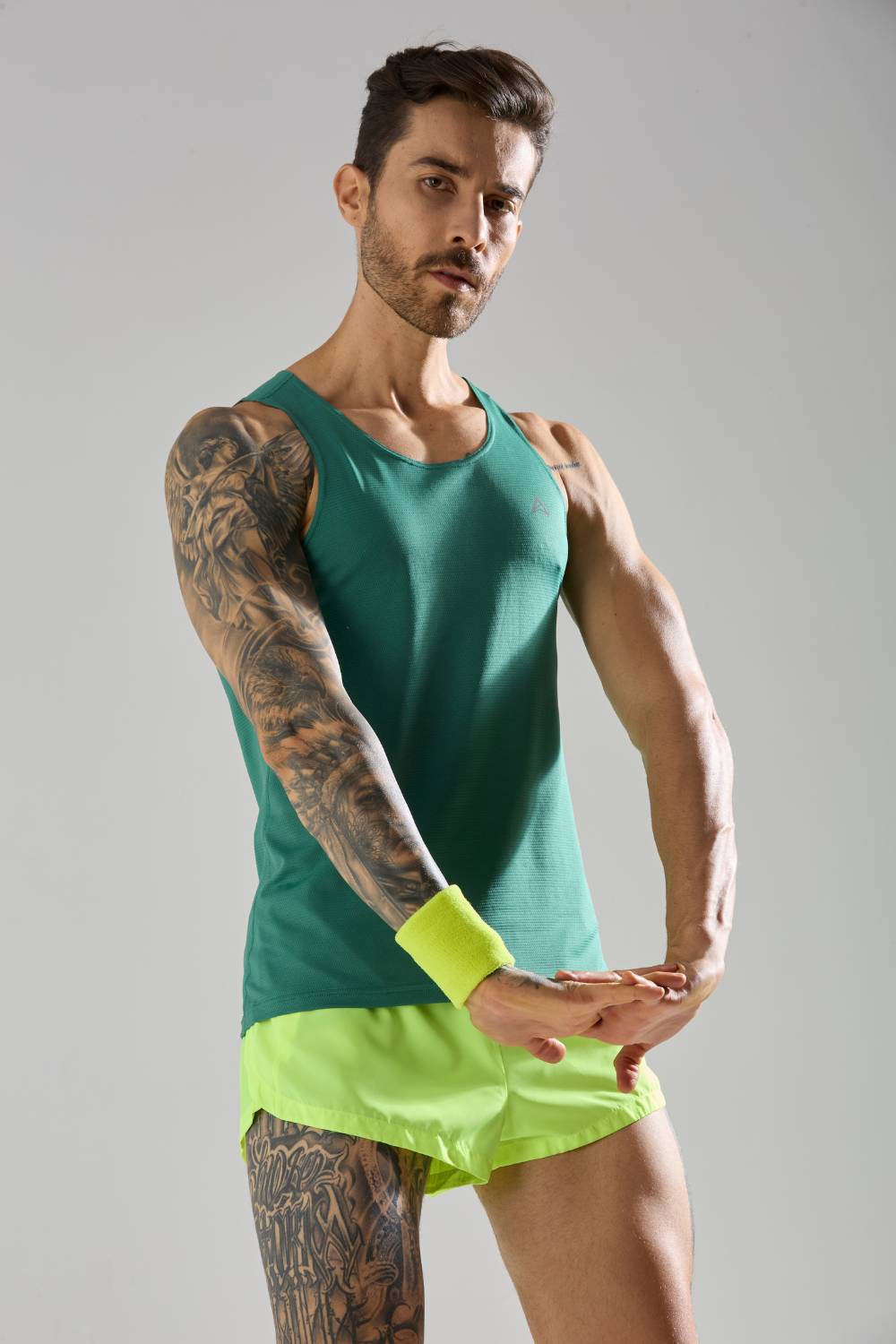
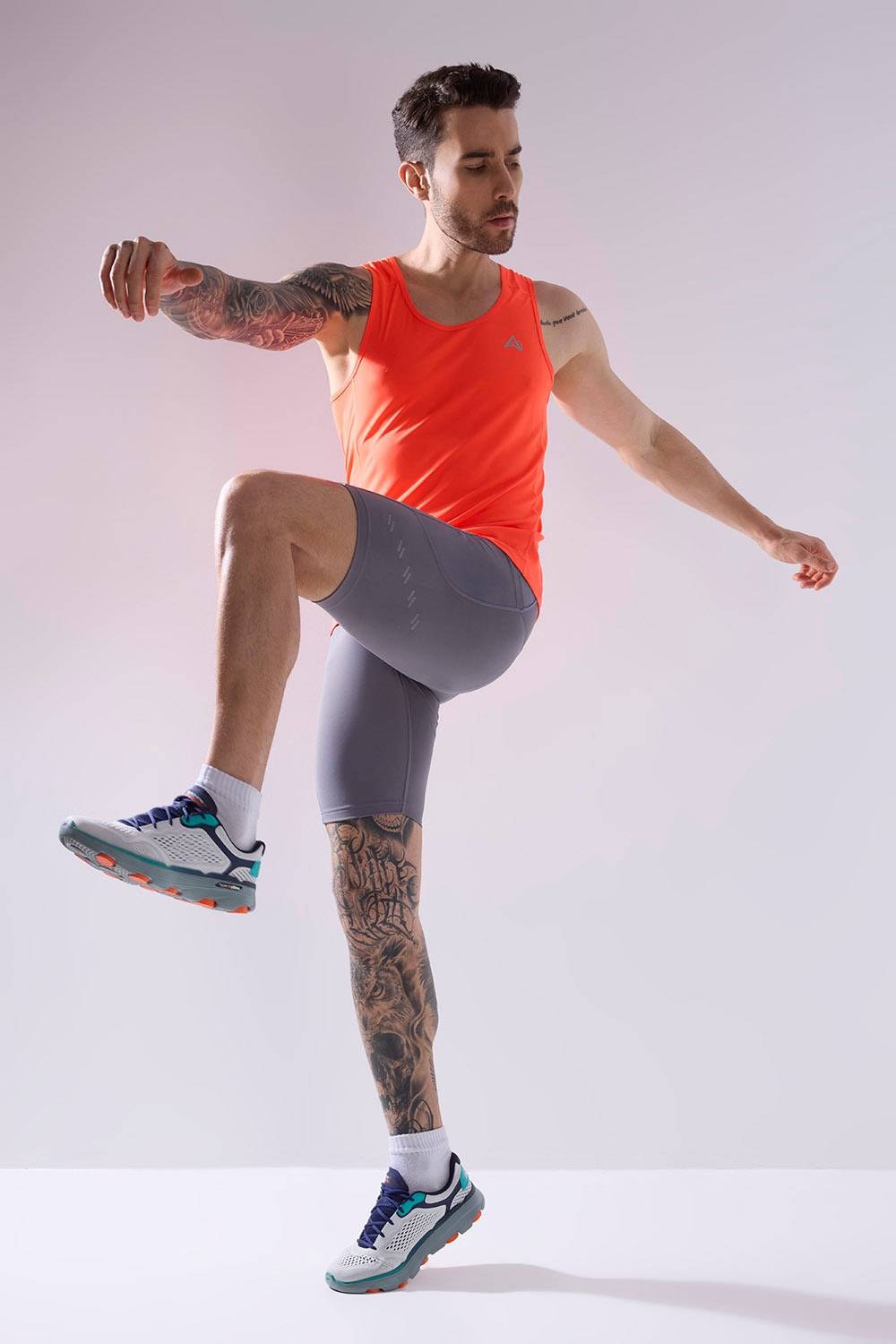
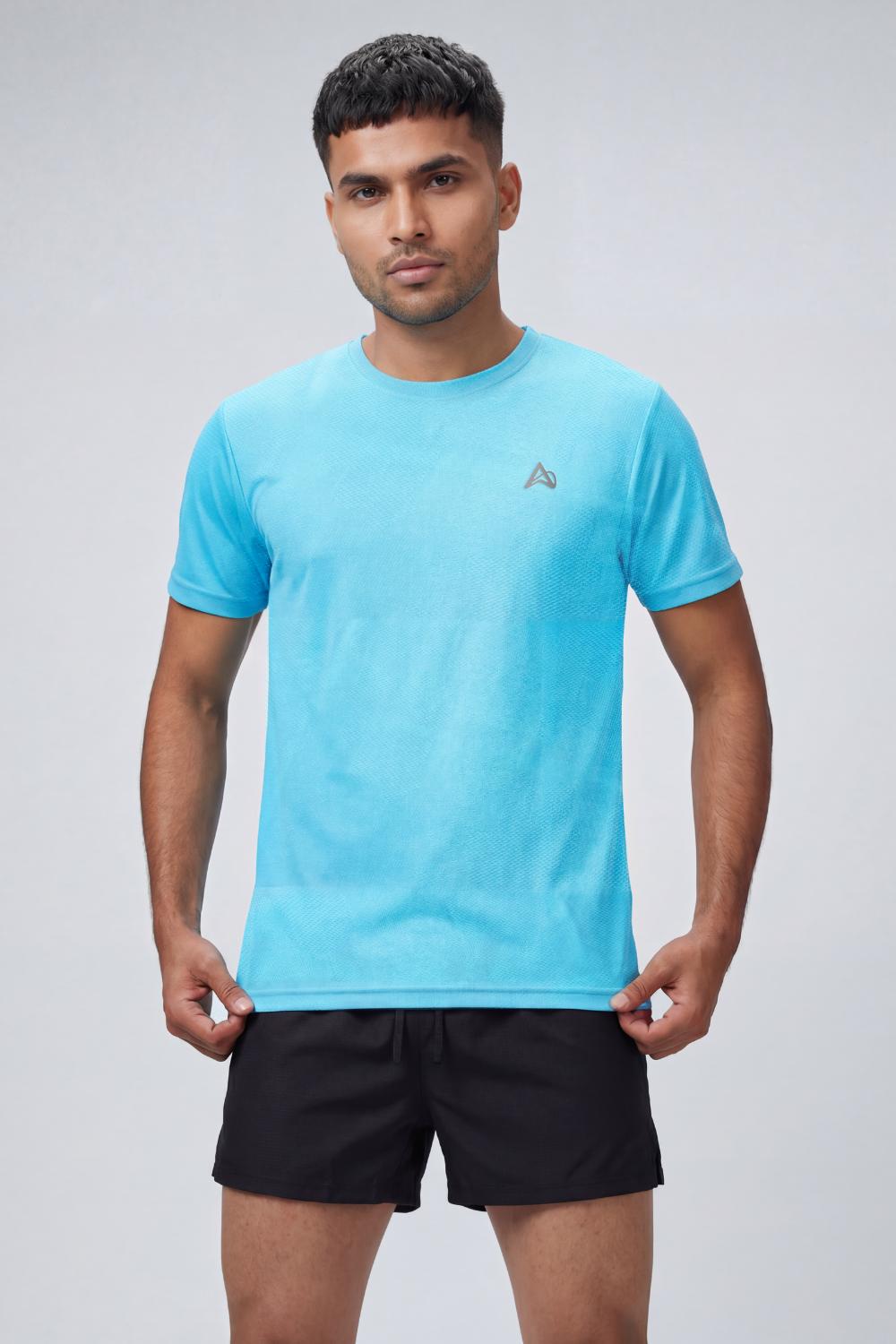
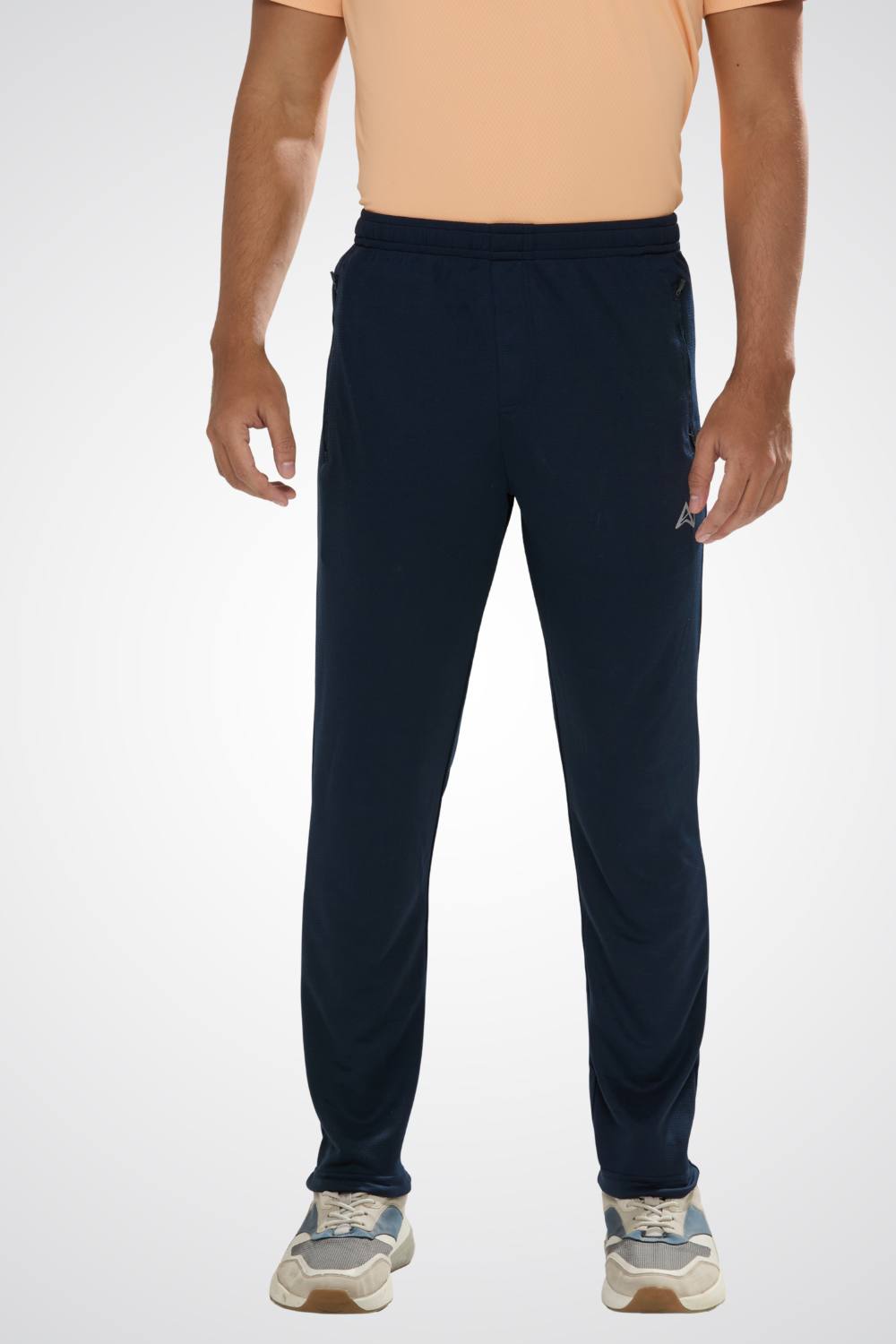
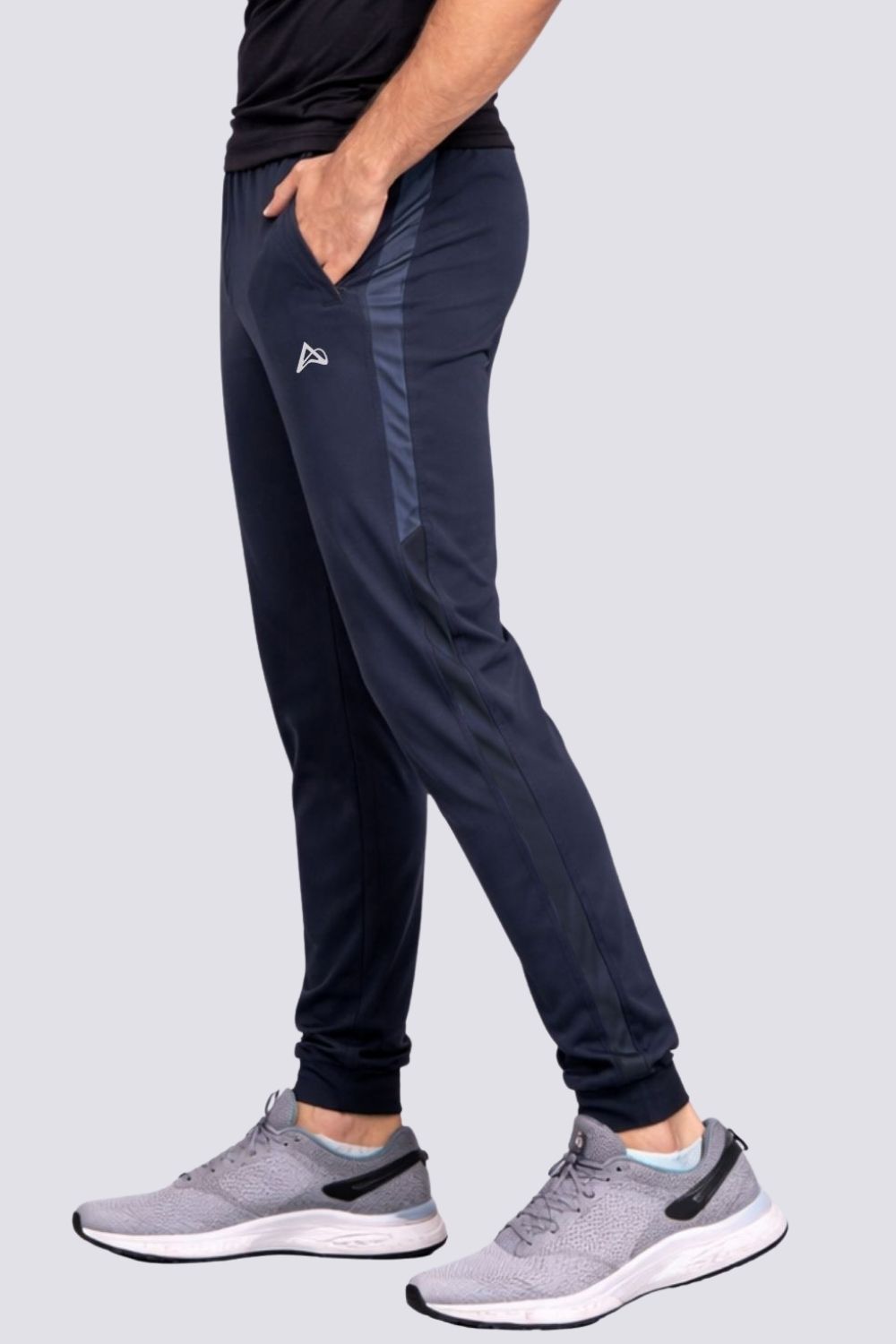
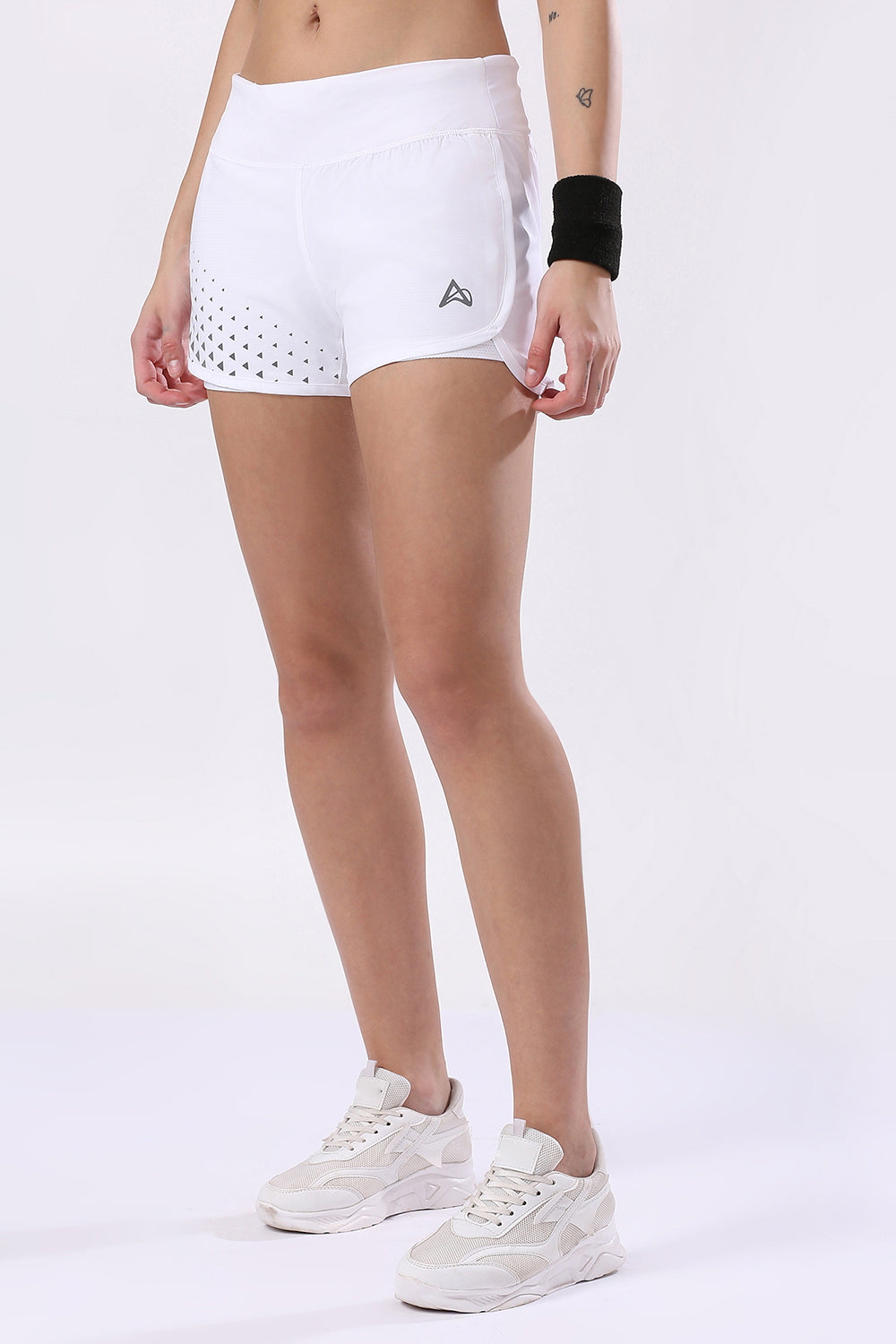
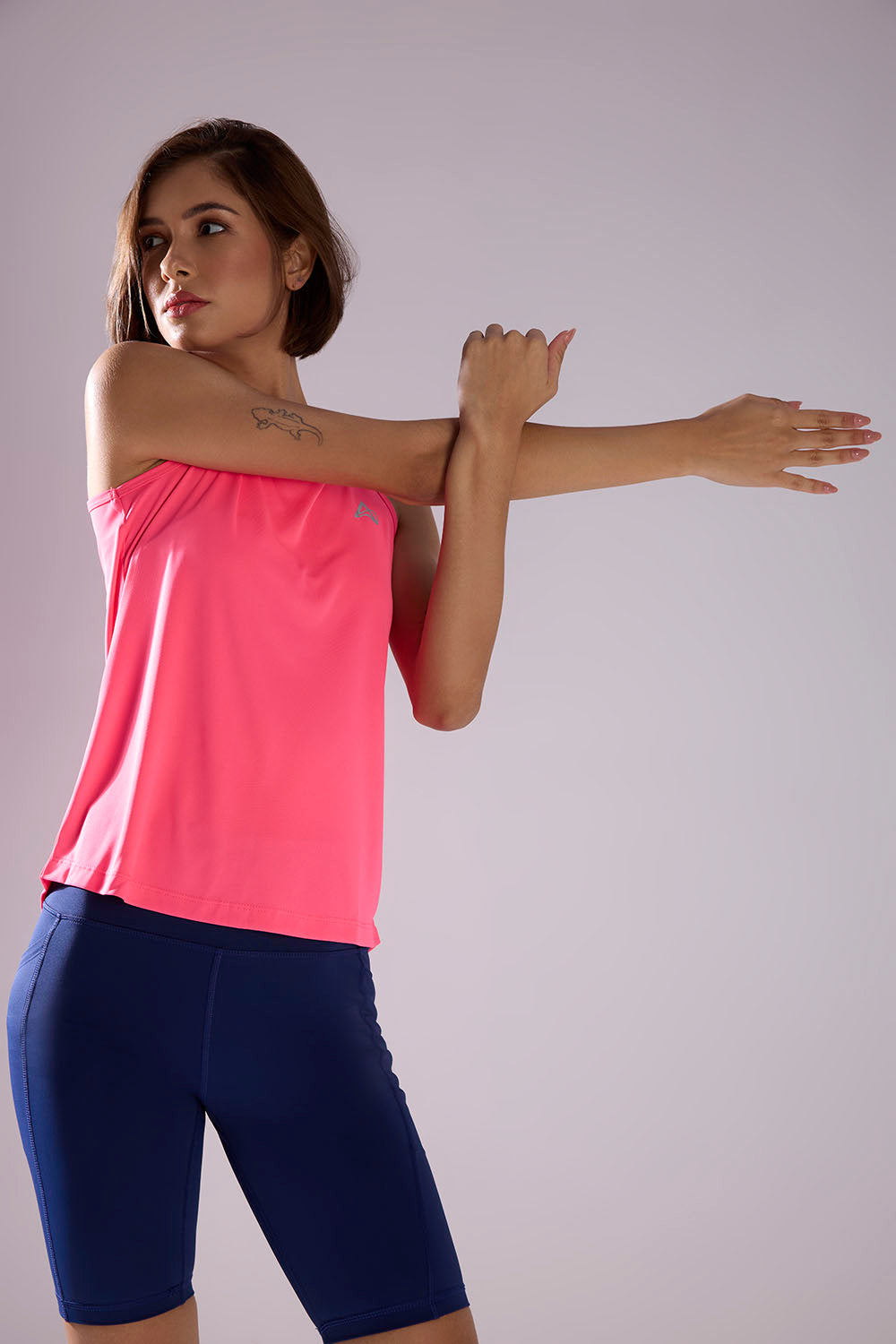
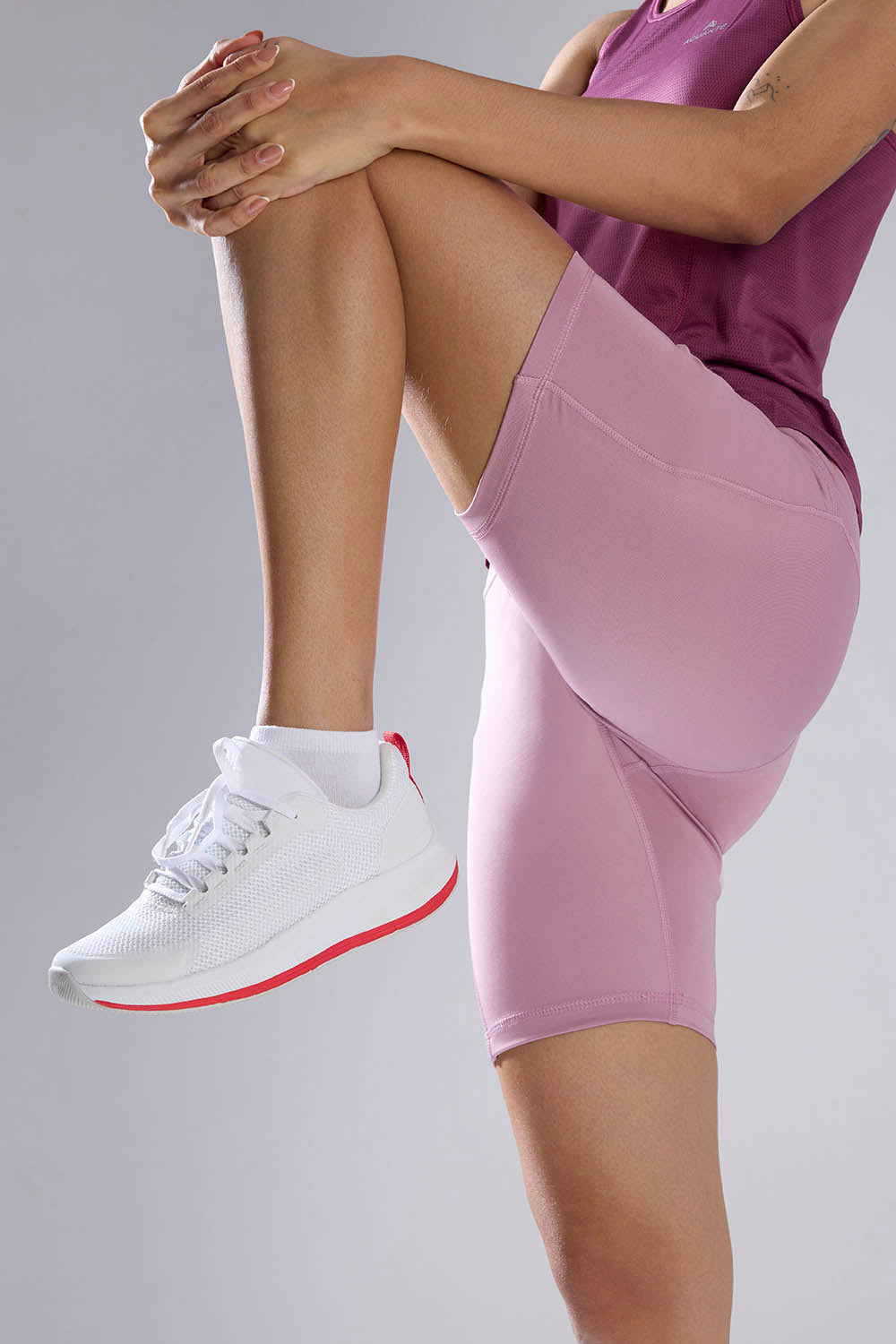
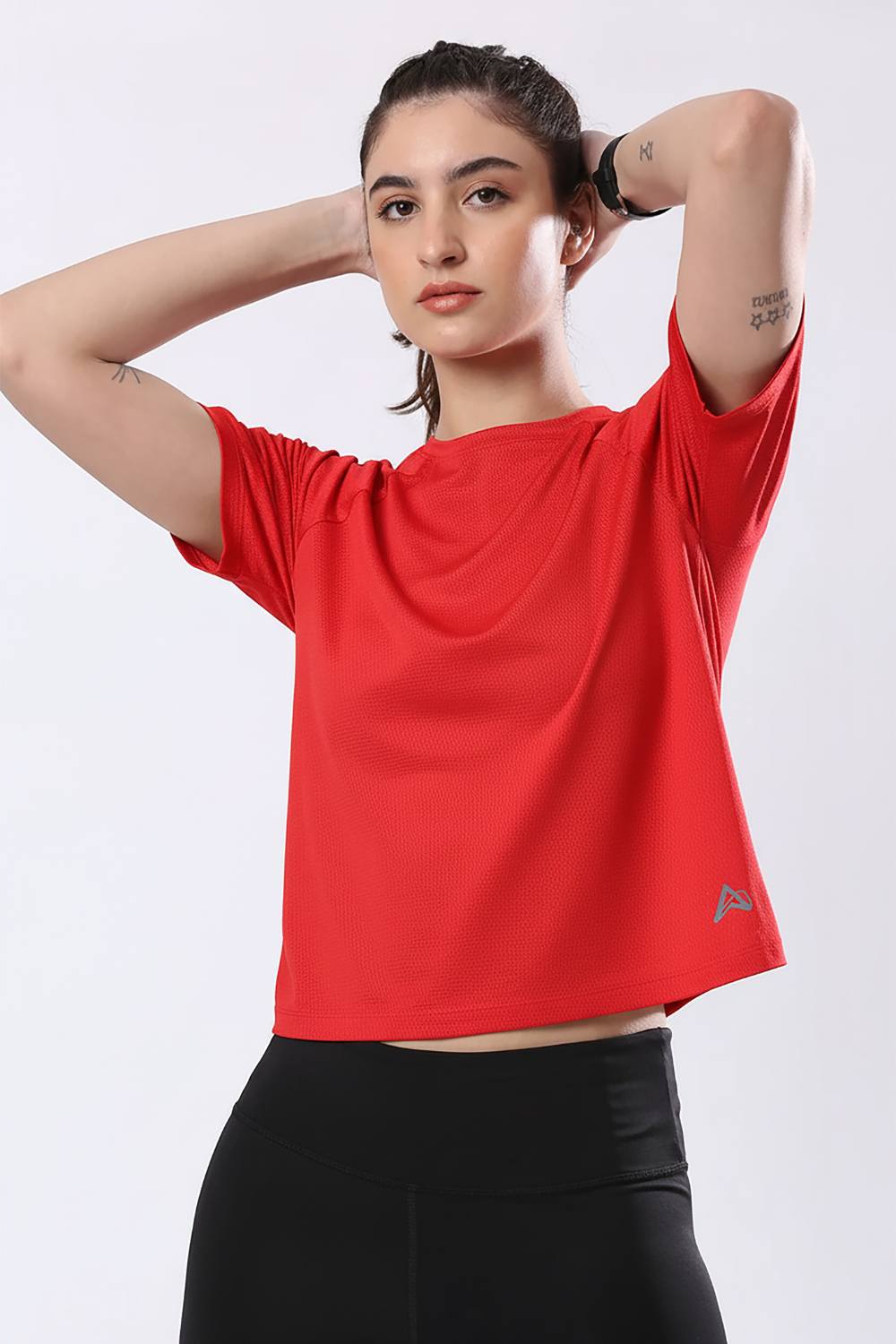
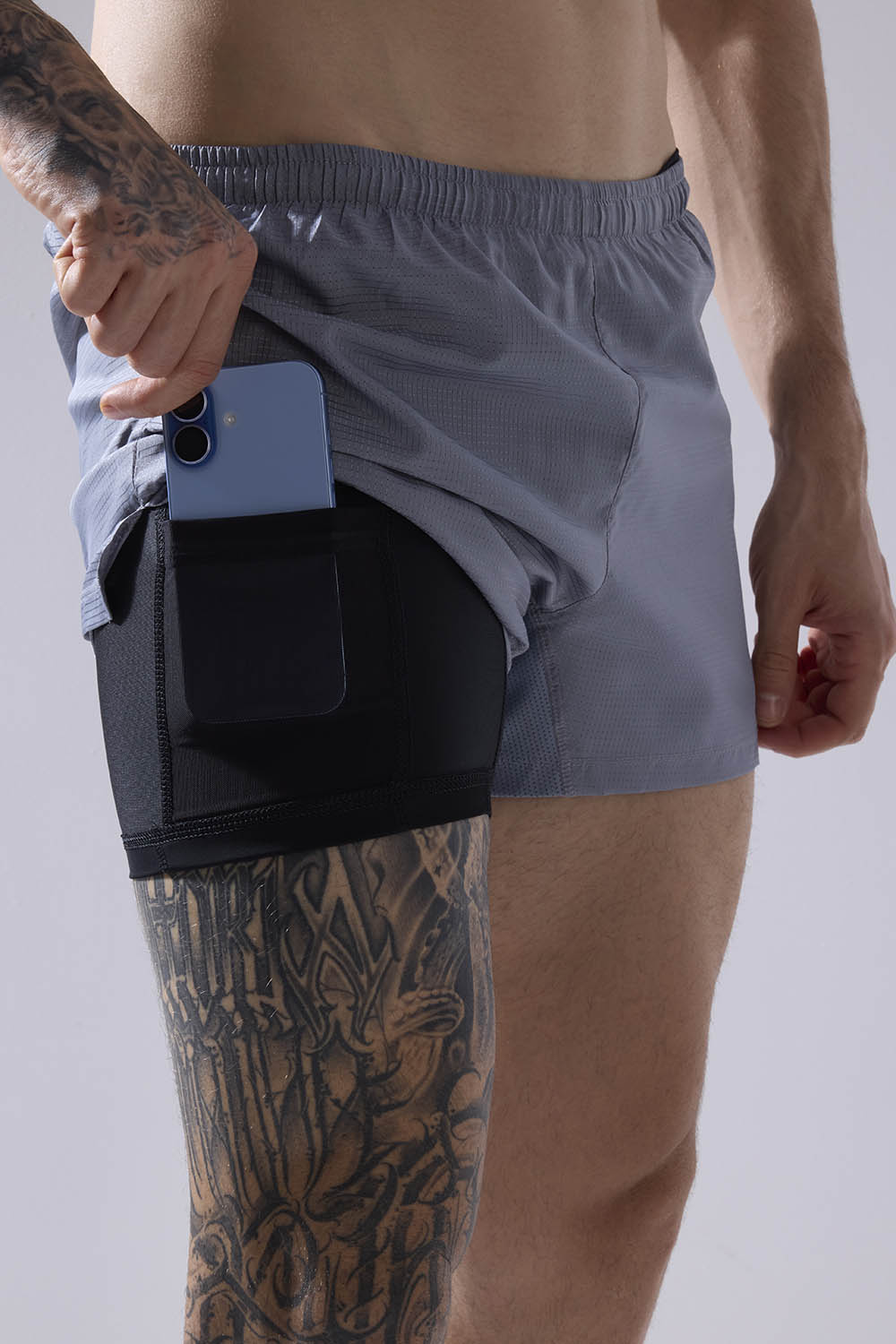
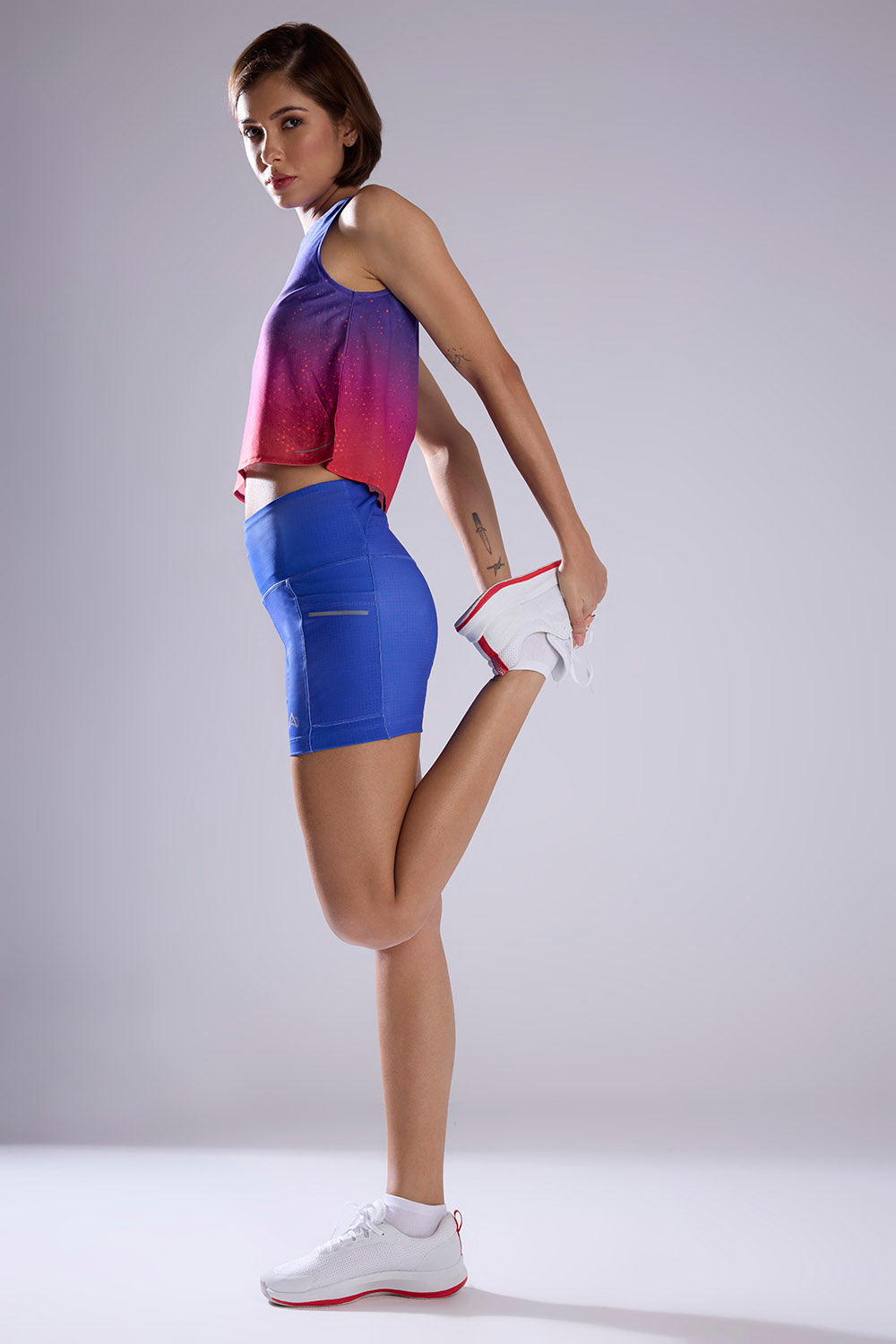
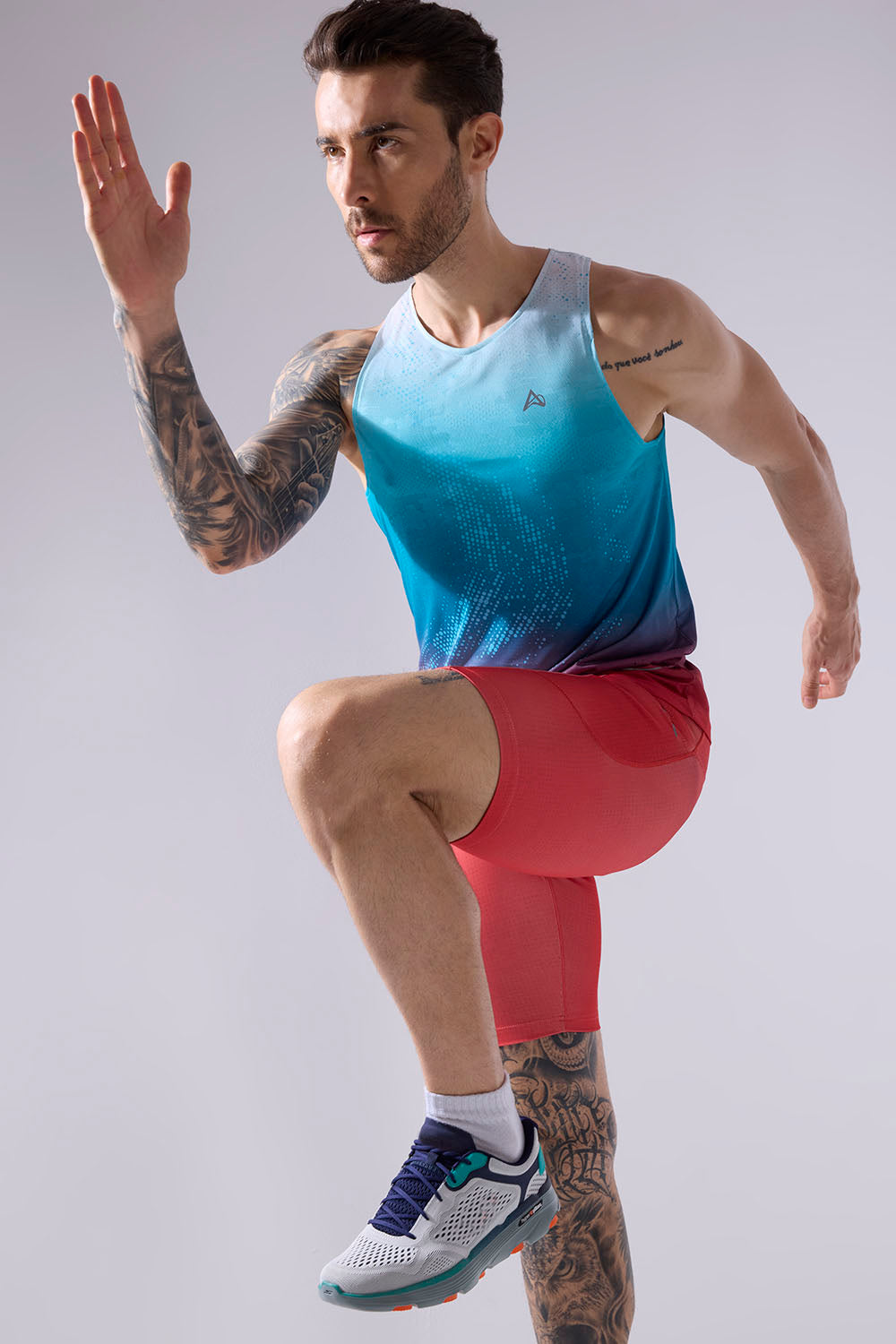
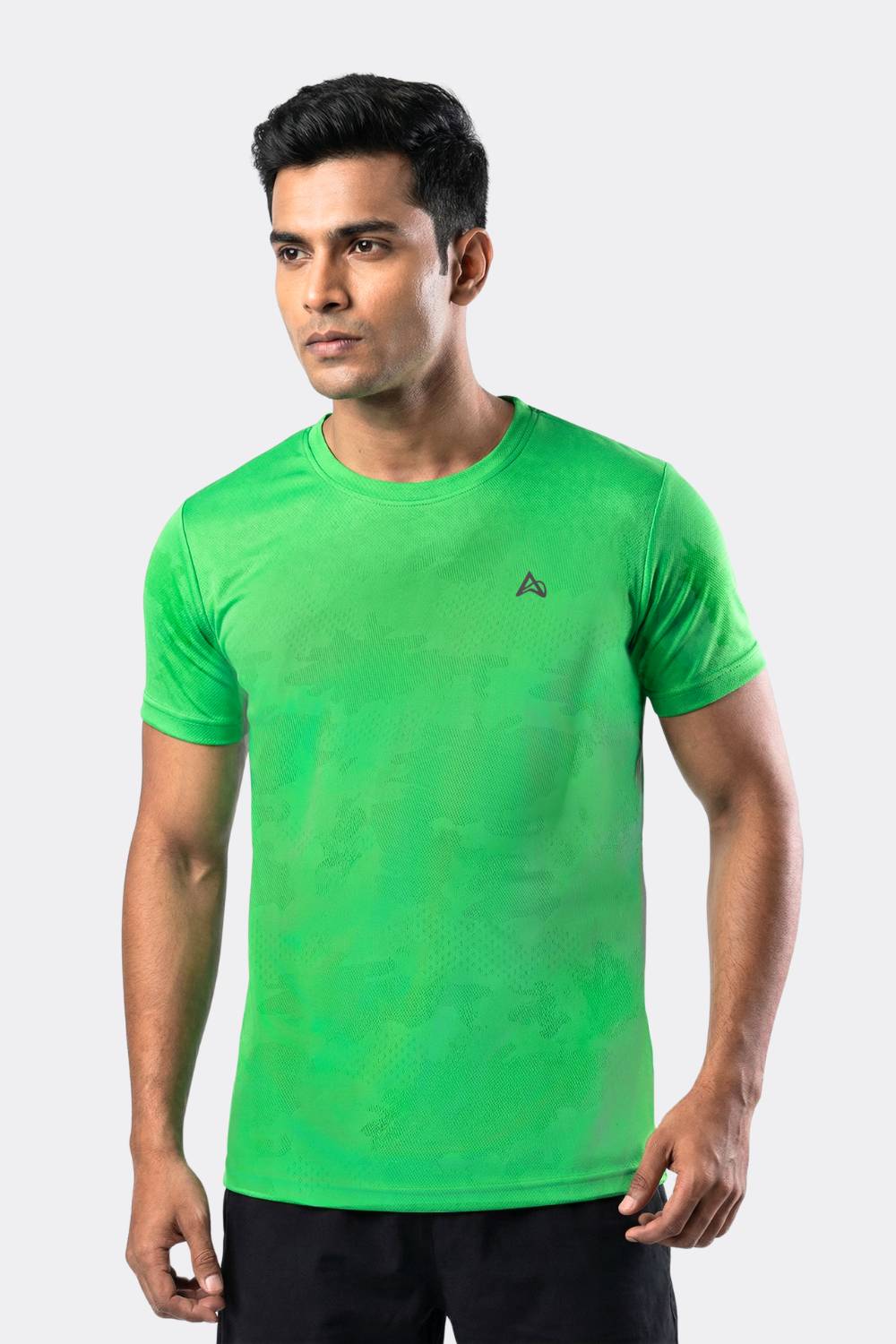
For runners training in India's heat and humidity, Aguante uses lightweight technical fabrics designed to perform in demanding conditions. Their running T-shirts and apparel feature moisture-wicking technology that pulls sweat away from the skin, allowing it to dry quickly while maintaining breathability. Combined with flatlock seams and an athletic fit, Aguante's apparel helps reduce chafing and keeps runners comfortable during everything from short training sessions to marathon race days.
Choosing the Right Fabric for Different Types of Runs
Daily Training
Choose:
-
Lightweight polyester
-
Breathable mesh construction
-
Quick-drying materials
Long Runs
Prioritize:
-
Moisture-wicking fabrics
-
Anti-chafing seams
-
Stretch construction
-
Lightweight performance materials
Marathon Training
For extended comfort, look for:
-
Polyester-spandex blends
-
Technical mesh panels
-
High breathability
-
Flatlock stitching
Monsoon Running
During rainy weather, choose fabrics that:
-
Dry rapidly
-
Resist water absorption
-
Remain lightweight when wet
-
Prevent skin irritation
Caring for Technical Running Fabrics
Proper care helps maintain fabric performance.
Follow these simple tips:
-
Wash in cold water.
-
Use a mild detergent.
-
Avoid fabric softeners, as they can reduce moisture-wicking performance.
-
Air dry whenever possible.
-
Wash soon after sweaty workouts.
These habits help your apparel stay effective for longer.
Common Mistakes to Avoid
Many runners unknowingly choose the wrong fabrics.
Avoid:
-
Cotton T-shirts for long runs
-
Heavy fabrics that trap heat
-
Thick sweatshirts during humid weather
-
Clothes that don't fit properly
-
Apparel without ventilation panels
Selecting performance fabrics makes a noticeable difference in both comfort and performance.
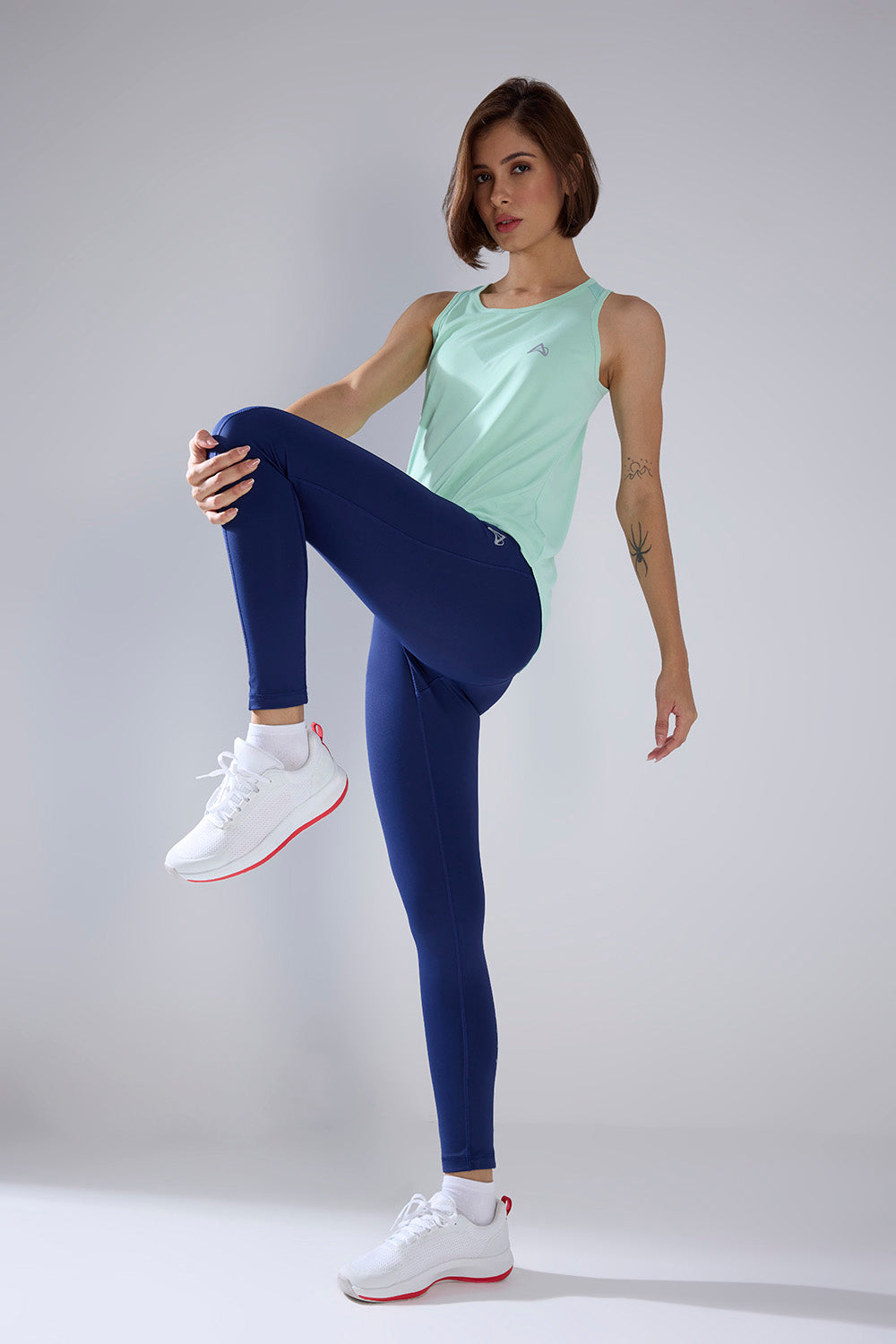
How to Build a Humid-Weather Running Outfit
For maximum comfort, combine:
-
Moisture-wicking polyester running T-shirt
-
Lightweight running shorts or half tights
-
Technical running socks
-
Breathable running shoes
-
Lightweight running cap
This combination helps you stay cooler and more comfortable even in high humidity.
Conclusion
Choosing the right fabric is one of the easiest ways to improve your running experience in hot and humid conditions. Moisture-wicking polyester, polyester-spandex blends, nylon, and technical mesh fabrics all help manage sweat, improve airflow, and reduce chafing far better than traditional cotton. Brands like Aguante design performance apparel with these technical fabrics to meet the demands of Indian runners, making them a practical choice for training year-round. If you're wondering what fabric is best for running in humid weather, the answer is clear: lightweight, breathable, quick-drying technical fabrics that keep you cool, dry, and comfortable from the first kilometre to the last.