



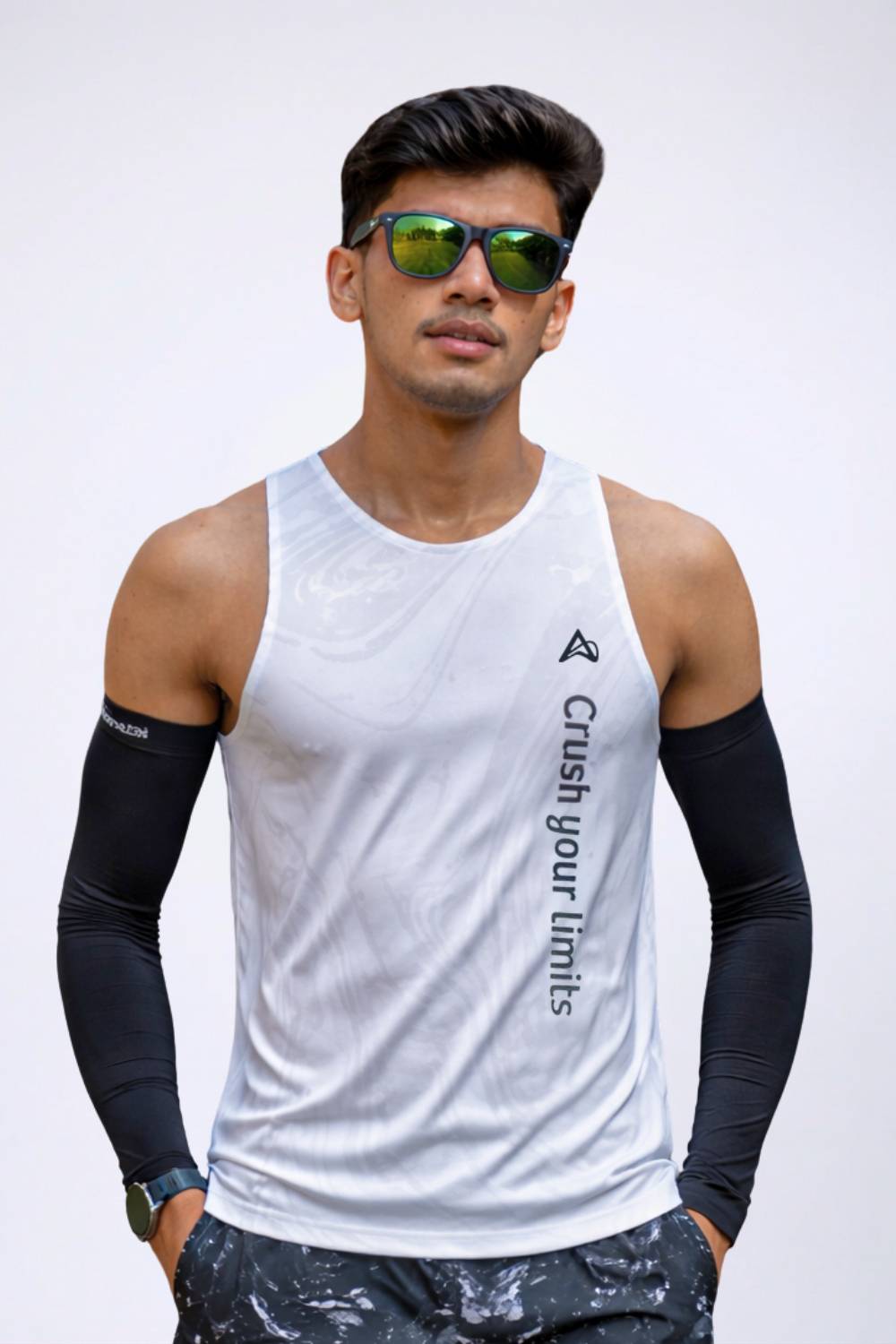
Running Singlets vs Running T-Shirts: Which One Should You Choose?
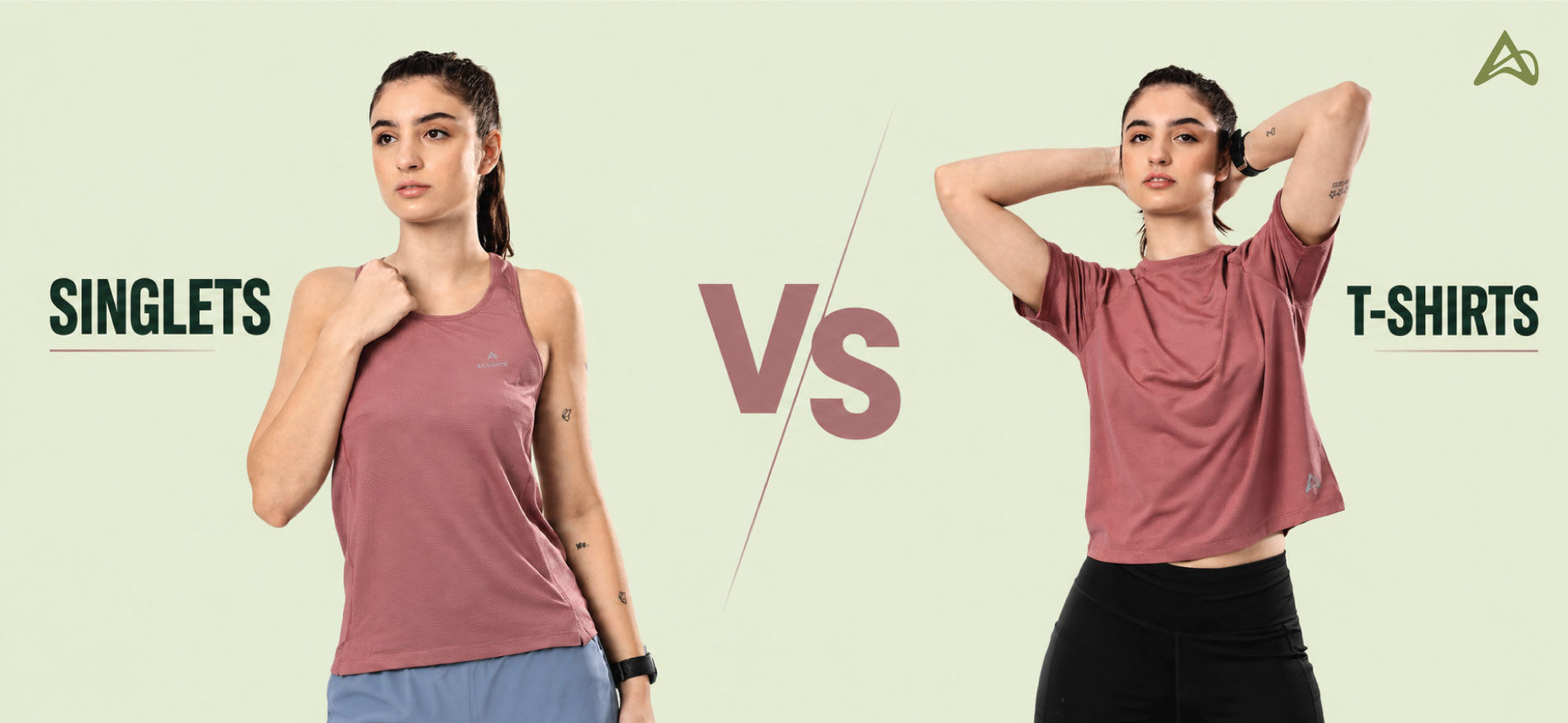
Whether you're training for a marathon, preparing for your next 10K, or simply heading out for your daily run, choosing the right upper-body apparel can significantly impact your comfort and performance. One of the most common questions among runners is:
Should I wear a running singlet or a running T-shirt?
Both are designed for athletic performance, but they offer different benefits depending on the weather, running intensity, personal comfort, and training goals.
In this guide, we'll compare Running Singlets vs Running T-Shirts, discuss their pros and cons, explain which option works best for different situations, and help Indian runners make the right choice.
Why Your Running Top Matters
Many runners spend hours researching running shoes but overlook the importance of performance apparel.
The wrong top can lead to:
- Excessive sweating
- Chafing
- Restricted movement
- Overheating
- Discomfort during long runs
The right running top should:
- Keep you cool
- Manage sweat effectively
- Reduce friction
- Allow unrestricted movement
- Stay comfortable throughout your workout
Whether you choose a singlet or a T-shirt, the goal remains the same: helping you perform at your best.
What Is a Running Singlet?
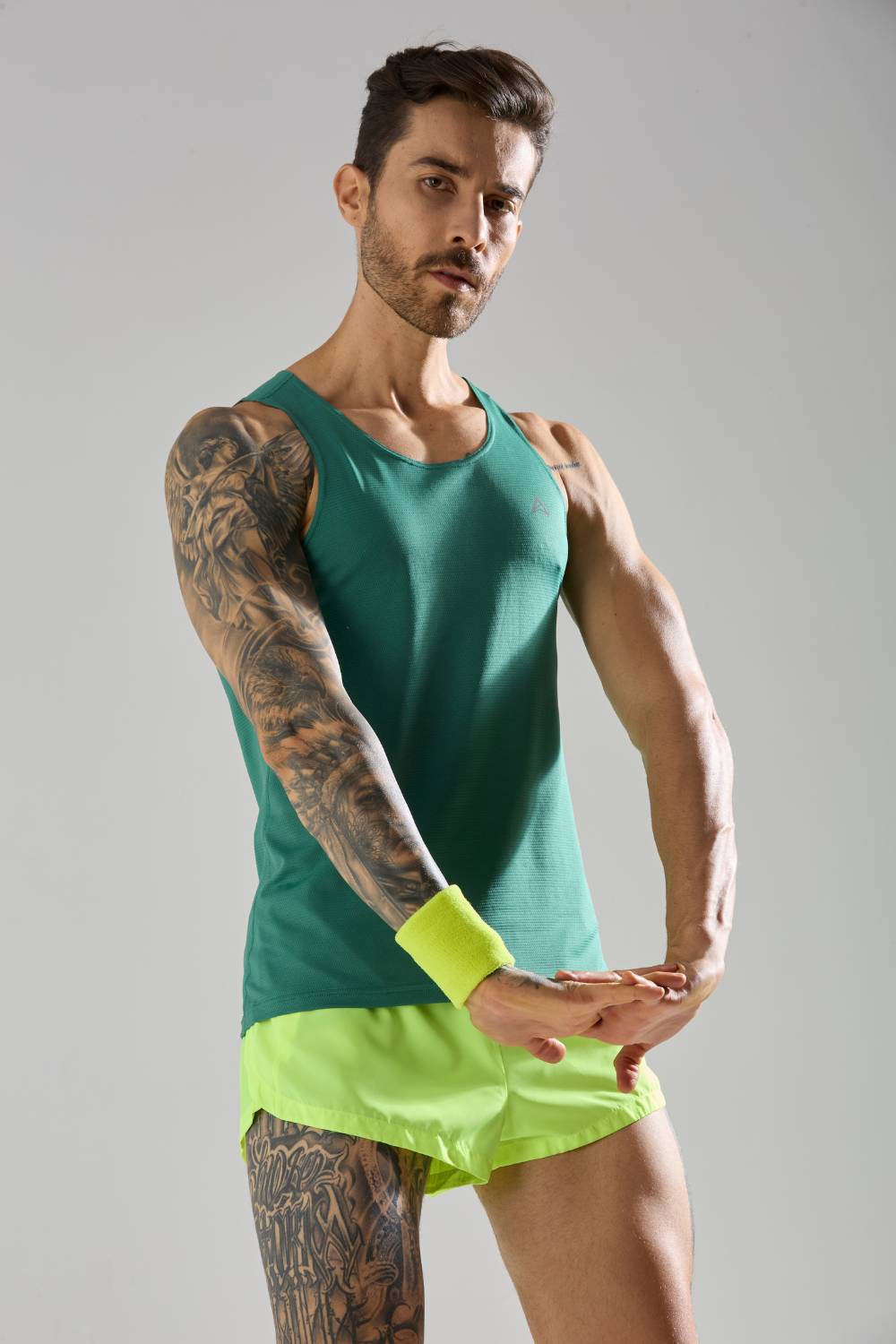
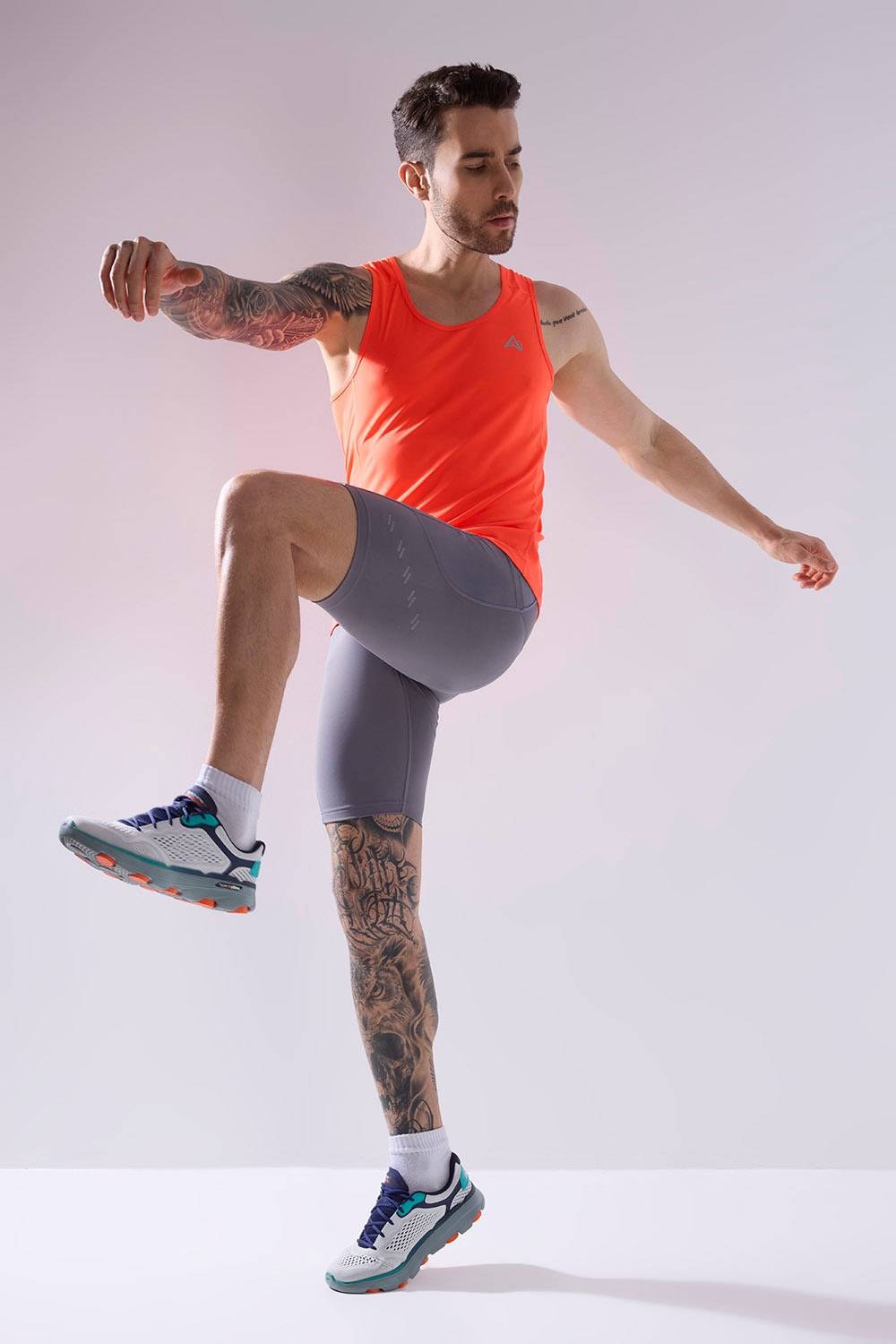
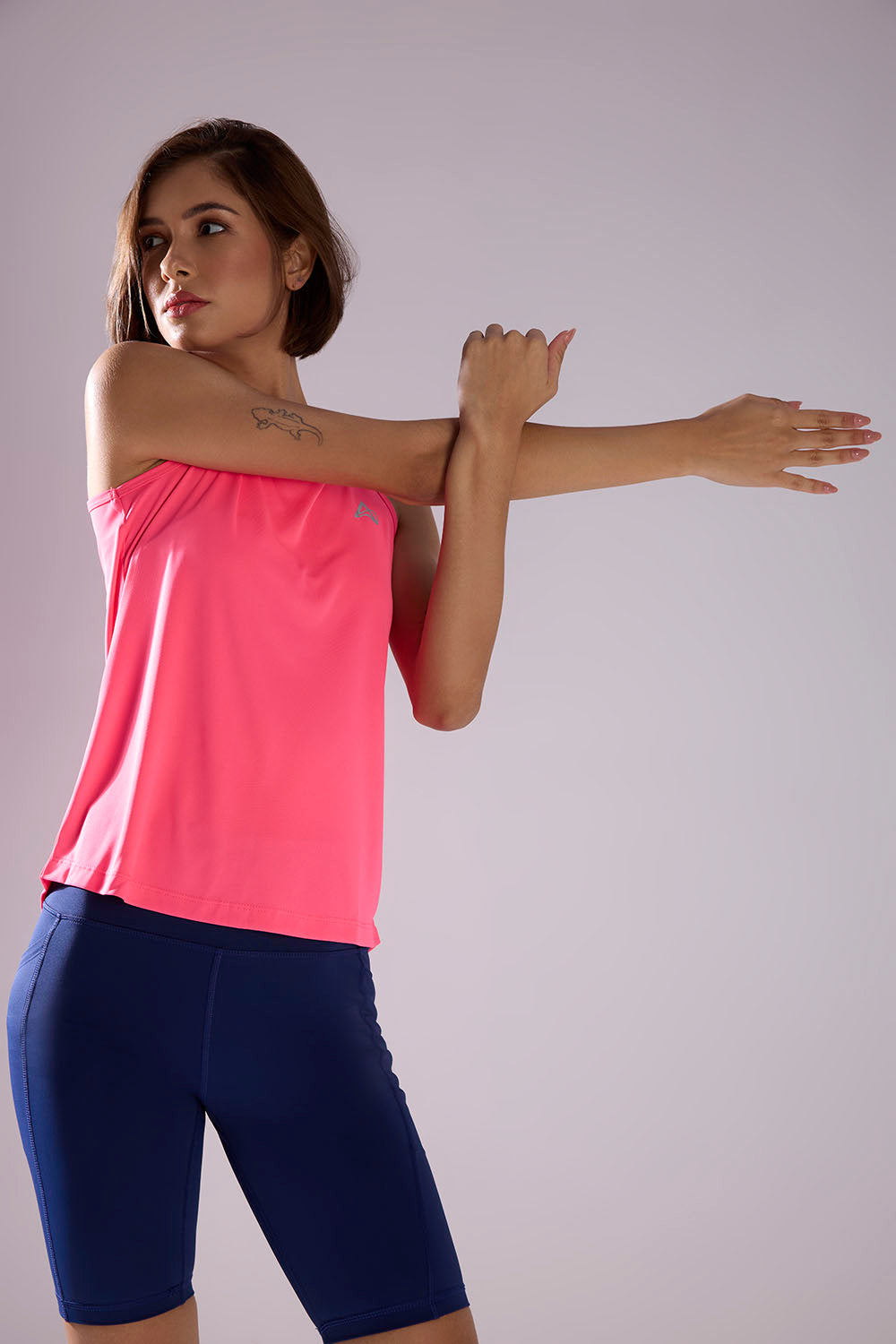
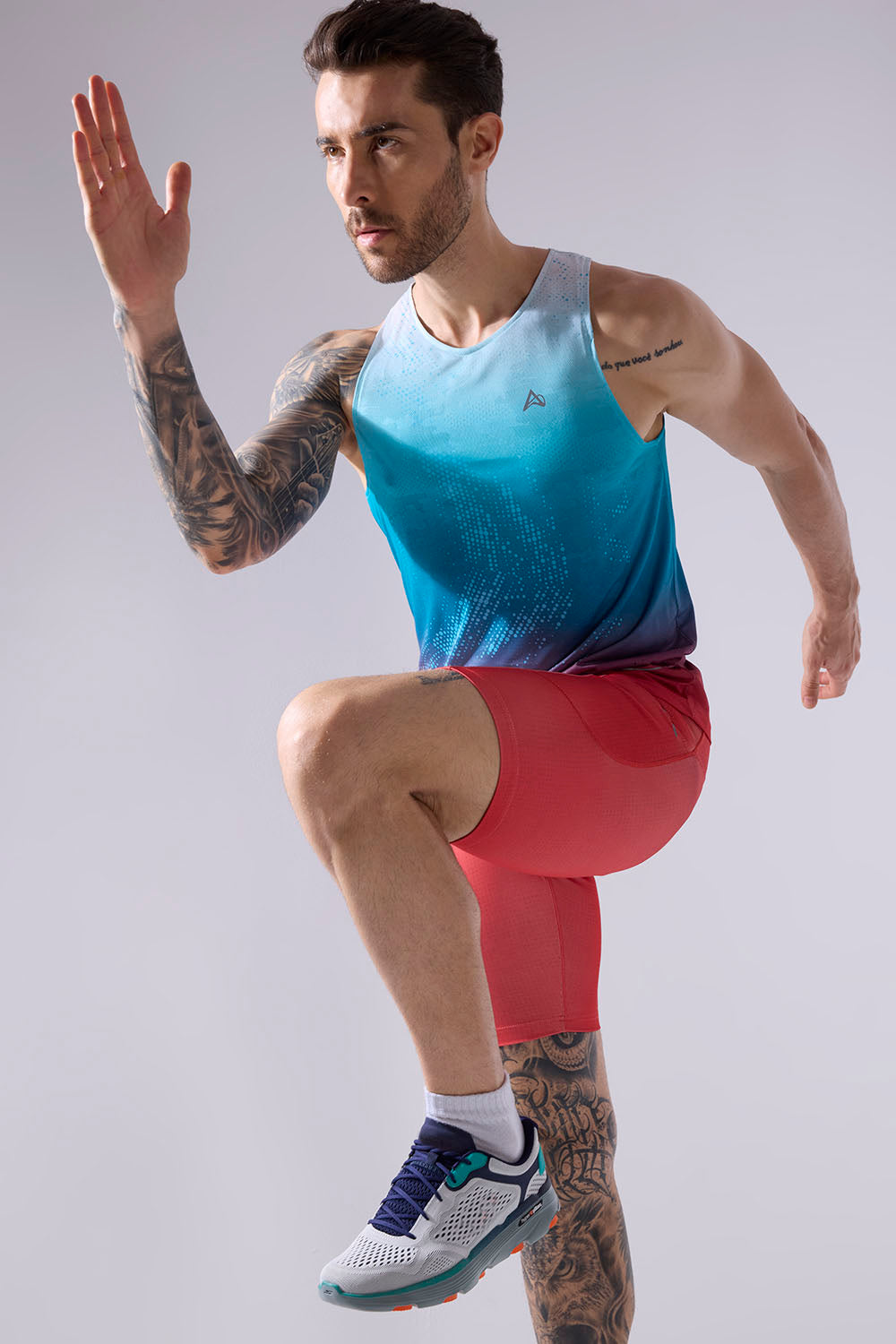
A running singlet is a sleeveless performance top specifically designed for running and high-intensity activities.
Unlike casual tank tops, running singlets use technical fabrics that focus on:
- Moisture management
- Ventilation
- Weight reduction
- Freedom of movement
Because they eliminate sleeves entirely, singlets provide maximum airflow and minimal fabric contact with the body.
Pros of Running Singlets
1. Maximum Breathability
One of the biggest advantages of a singlet is airflow.
With no sleeves restricting ventilation, heat escapes more easily, helping runners stay cooler during workouts.
This is particularly beneficial during Indian summers when temperatures can become extremely challenging.
2. Lightweight Feel
Less fabric means less weight.
Many runners describe wearing a singlet as feeling almost weightless, making it popular among competitive runners and racers.
3. Unrestricted Arm Movement
The sleeveless design allows complete freedom around the shoulders and arms.
This becomes especially noticeable during:
- Sprint sessions
- Interval training
- Hill workouts
- Race-day efforts
4. Faster Sweat Evaporation
Because more skin is exposed, sweat evaporates quickly, helping runners feel drier throughout their run.
5. Preferred for Racing
Many elite and experienced runners choose singlets for:
- 5K races
- 10K races
- Half marathons
- Marathons
because they offer the lightest possible running experience.
Cons of Running Singlets
1. Higher Chance of Chafing
While singlets reduce fabric weight, they can sometimes increase chafing around the armhole area due to direct skin to skin friction around the underarm area, especially during longer runs.
This is one reason some runners prefer T-shirts for marathon training.
2. Less Sun Protection
Since the shoulders and upper arms remain exposed, runners may experience greater sun exposure during daytime runs.
3. Not Everyone Prefers the Fit
Some runners simply feel more comfortable with additional coverage provided by a T-shirt.
Personal preference plays a major role.
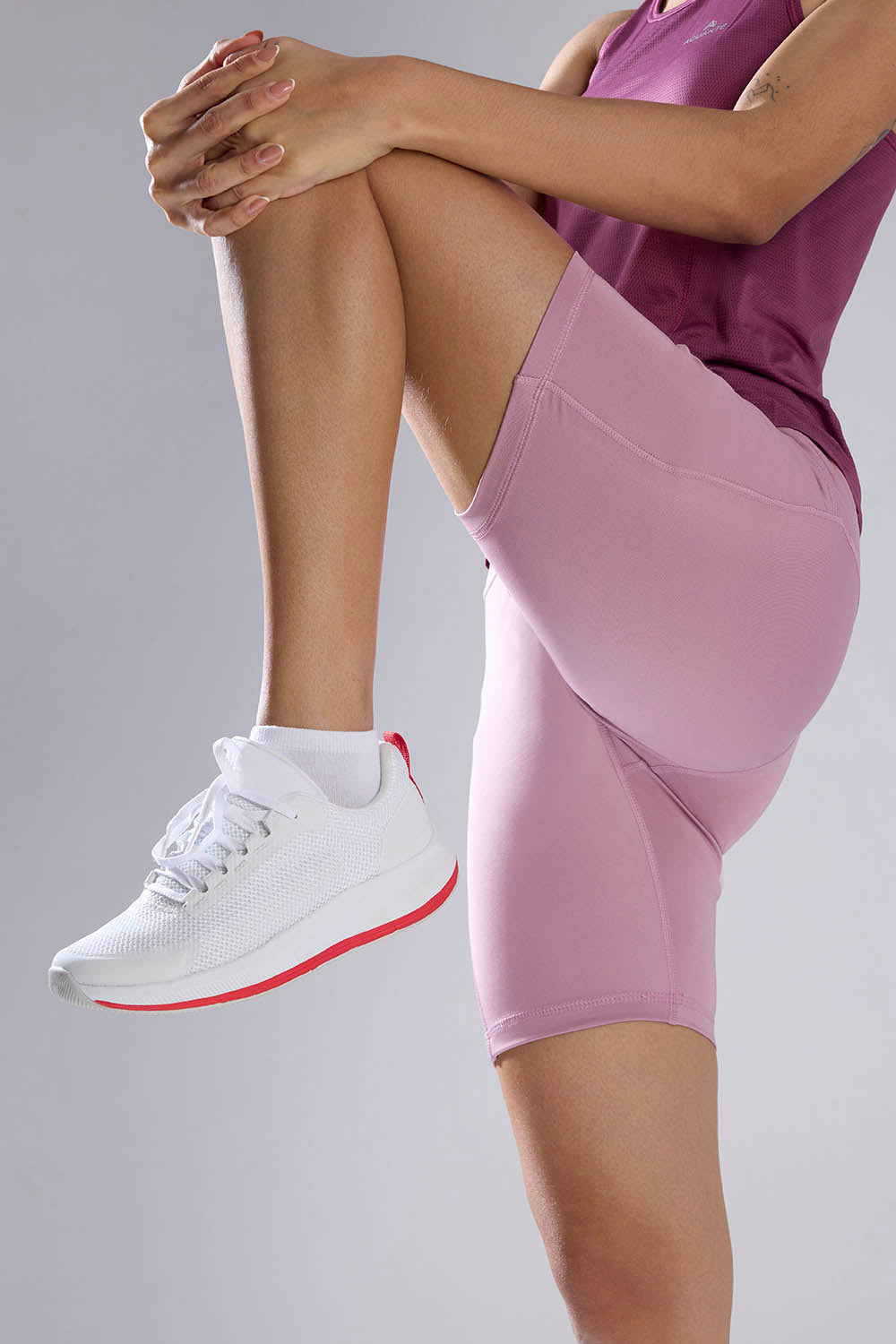
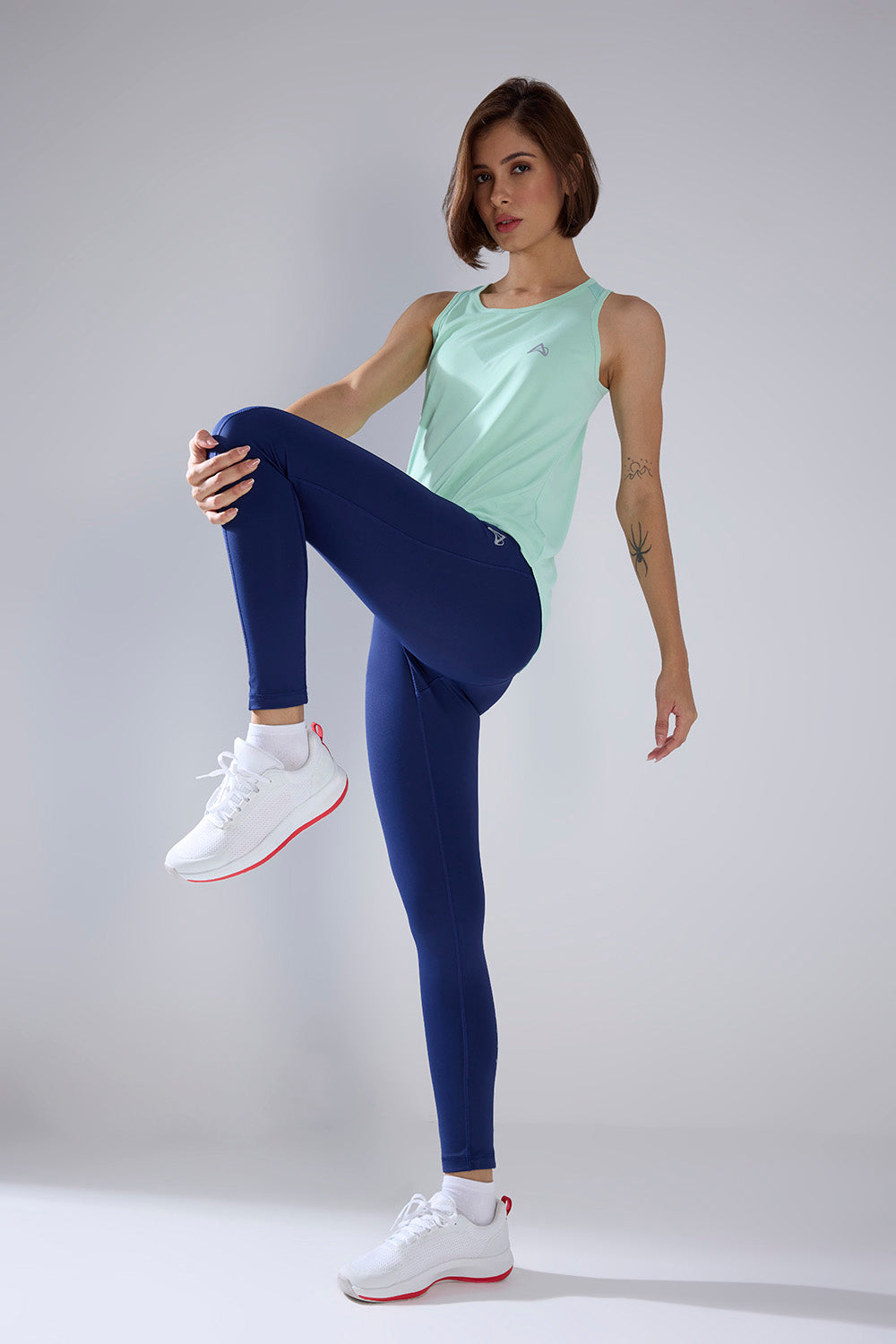
Why Aguante Running Singlets Are Built for Performance
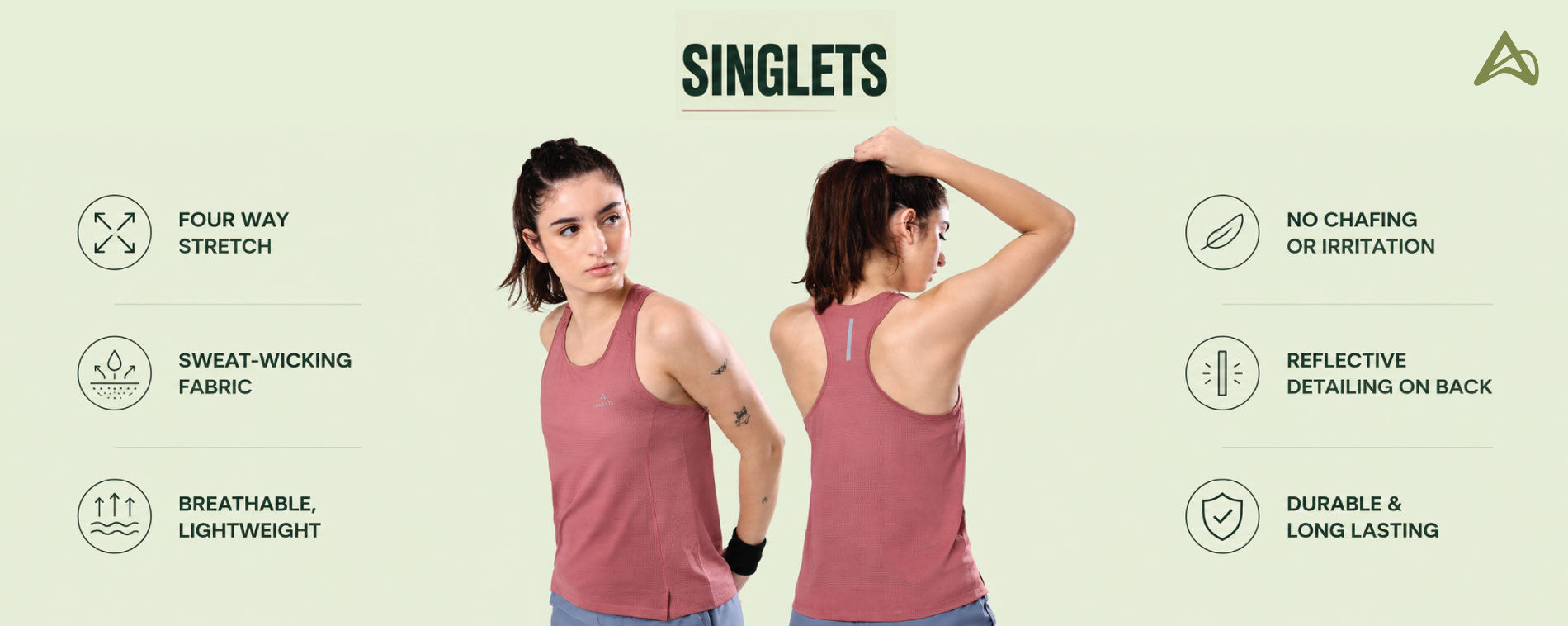
Not all singlets are created equal.
Aguante running singlets are specifically engineered for Indian weather conditions and high-performance training.
Lightweight Micro-Mesh Fabric
Helps reduce weight while enhancing breathability.
Breathable Perforated Design
Promotes airflow and cooling during intense sessions.
Moisture-Wicking & Quick-Dry Performance
Sweat is efficiently pulled away from the skin for lasting comfort.
Athletic Fit for Unrestricted Movement
Designed to move naturally with your body.
Soft, Durable & Shape-Retaining Construction
Maintains performance and fit even after repeated use and washing.
Ultra-Lightweight Fabric
Provides a barely-there feel during training and racing.
Mesh Fabric with Perforations
Maximizes ventilation and airflow.
Minimal Seams
Reduces irritation and helps minimize chafing during longer runs.
Reflective Details
Improves visibility during early morning and evening runs.
Ideal For
- Running
- HIIT Workouts
- Track Sessions
- Gym Training
- Active Lifestyles
What Is a Running T-Shirt?
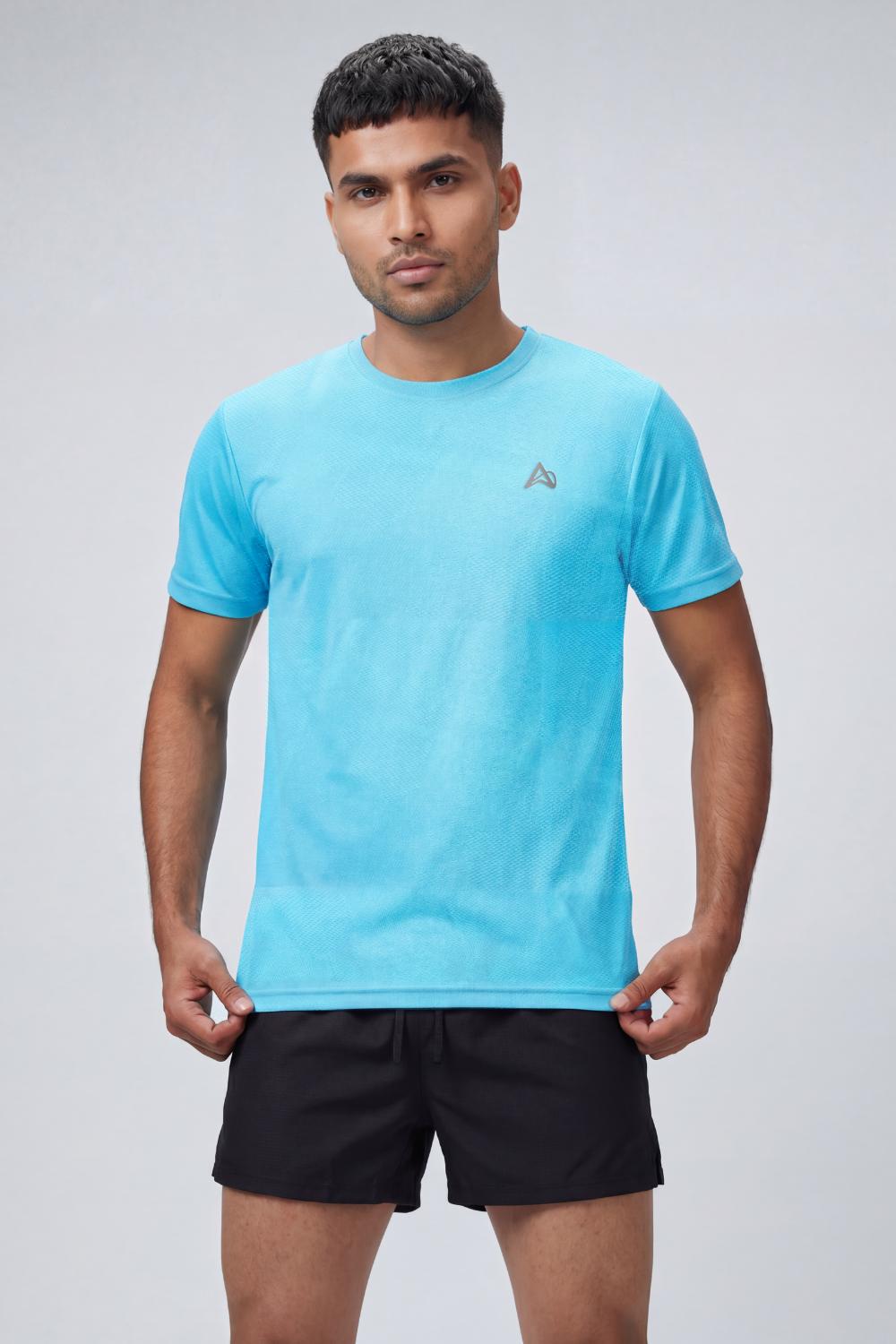
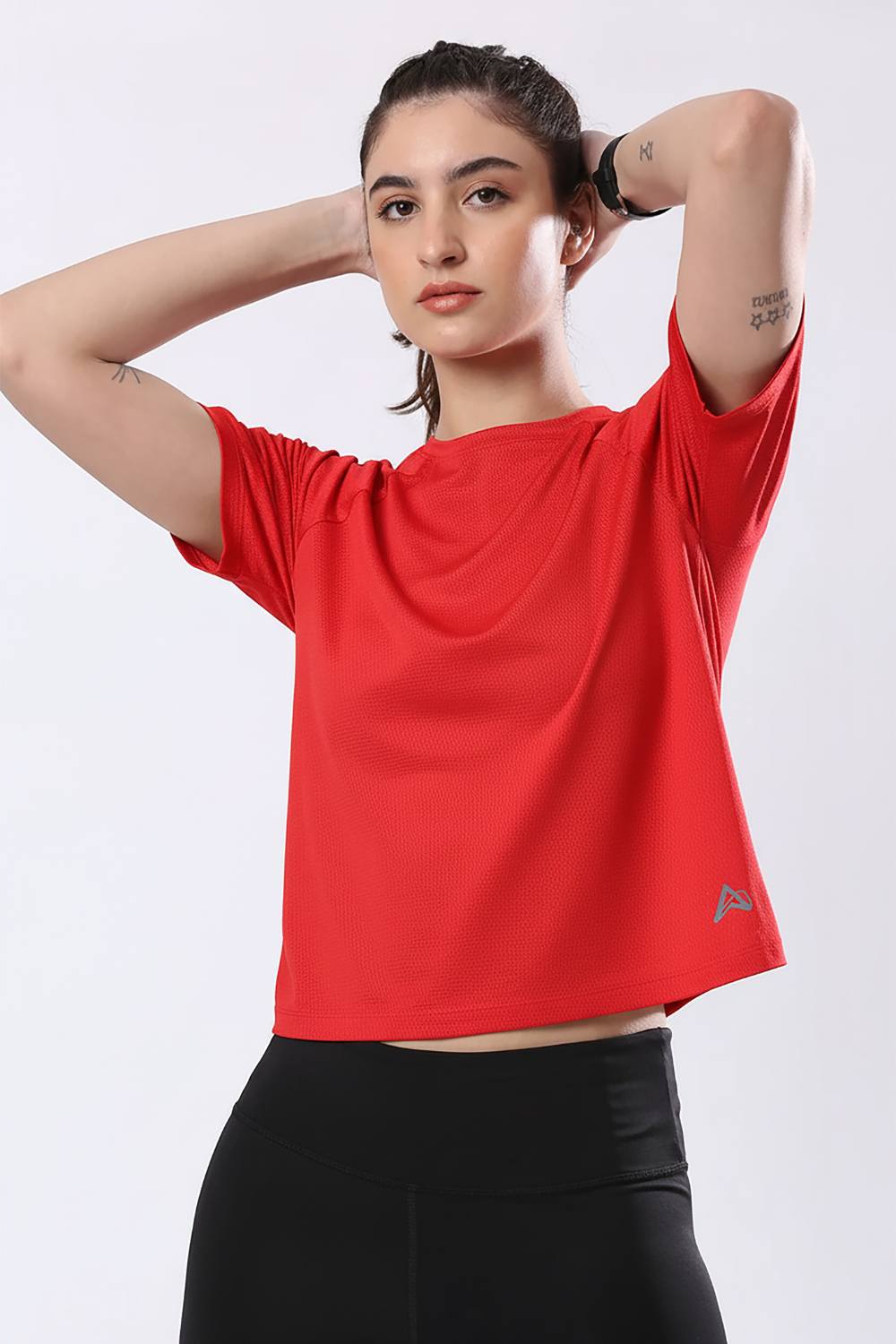
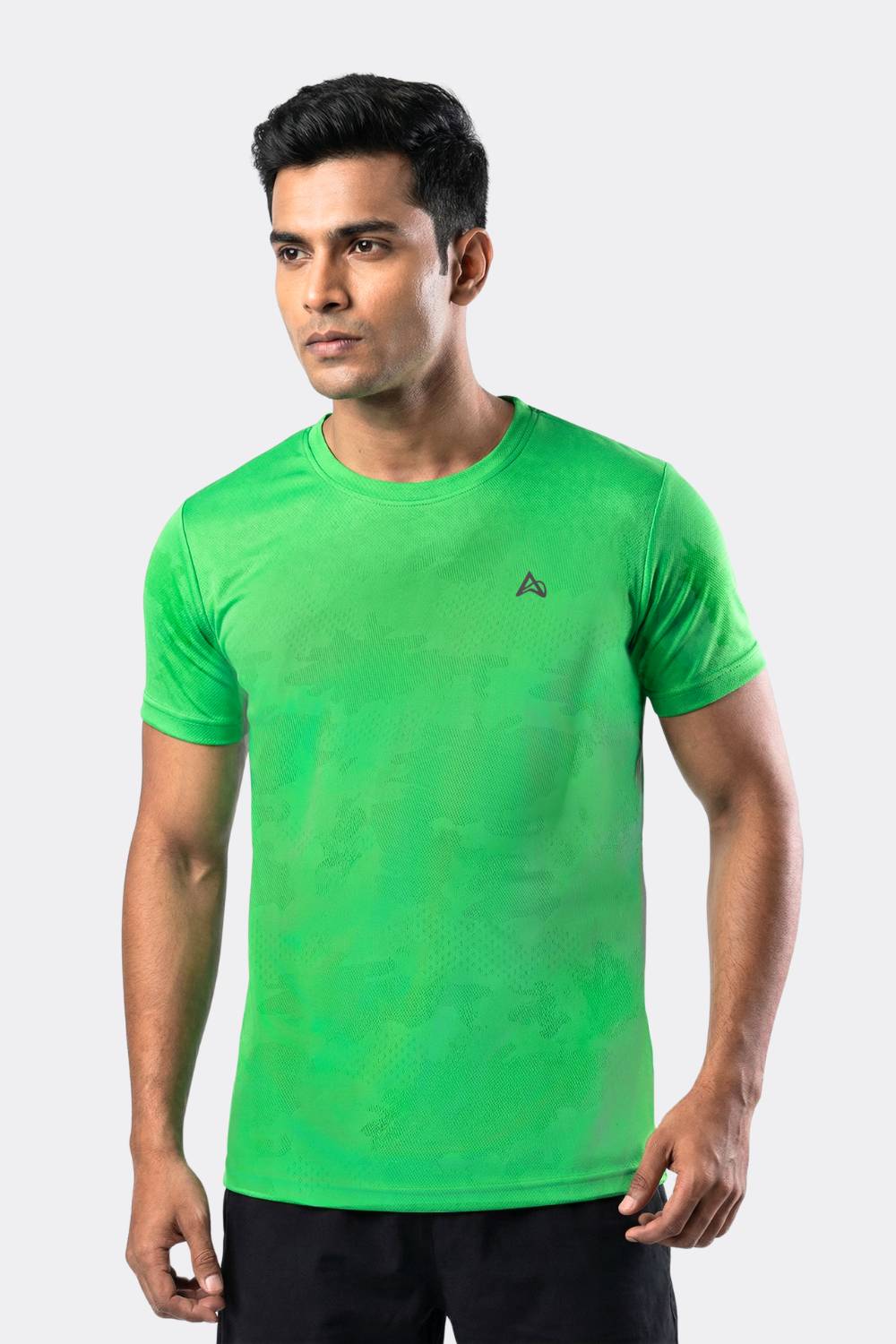
A running T-shirt is a performance-focused top that includes sleeves while using technical fabrics designed for athletic activity.
Unlike regular cotton T-shirts, running T-shirts are engineered to:
- Manage sweat
- Improve ventilation
- Enhance comfort
- Support long-duration performance
For many runners, a running T-shirt offers the perfect balance between comfort and performance.
Pros of Running T-Shirts
1. Reduced Chafing Risk
One of the biggest advantages of running T-shirts is that sleeves help reduce direct skin friction around the underarm area.
For long-distance runners, this can be a major comfort benefit.
2. Better Coverage
T-shirts provide additional coverage for:
- Shoulders
- Upper arms
- Upper torso
This can be helpful during sunny outdoor runs.
3. Comfortable for All Fitness Levels
Whether you're a beginner or an experienced runner, a running T-shirt often feels familiar and comfortable from the first wear.
4. Excellent Versatility
Running T-shirts work well for:
- Running
- Gym Workouts
- Walking
- Strength Training
- Sports Activities
- Everyday Athleisure
5. Preferred for Daily Training
Many runners reserve singlets for race day and use T-shirts for their regular training sessions.
Cons of Running T-Shirts
1. Slightly Less Airflow
Since sleeves cover more skin, T-shirts naturally provide less ventilation compared to singlets.
2. Slightly Heavier
Additional fabric means slightly more weight.
Although modern performance fabrics minimize this difference, competitive runners may still notice it.
3. Slower Heat Dissipation
T-shirts generally retain slightly more heat compared to sleeveless alternatives.
Why Aguante Running T-Shirts Stand Out
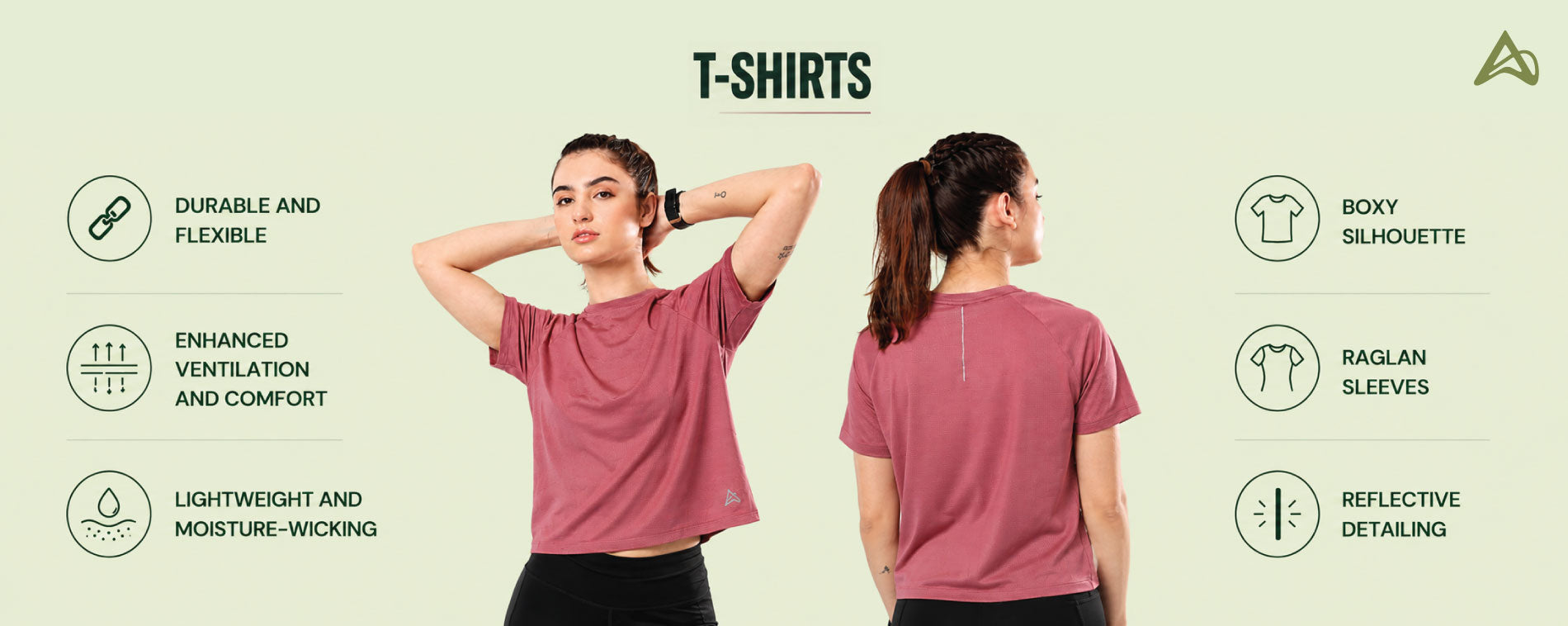
Aguante running T-shirts are designed to offer comfort, breathability, and performance without sacrificing durability.
Lightweight Mesh Material
Promotes airflow while maintaining structure.
Perforated Back Design
Enhances ventilation where runners sweat most.
Comfortable and Flattering Fit
Provides a balanced fit suitable for various body types.
Moisture-Wicking Fabric
Keeps sweat away from the skin.
Reflective Details
Improves visibility during low-light conditions.
Aero-Dry Technology
Advanced moisture management that helps runners stay cool and dry.
Superior Durability, Flexibility & Comfort
Built to withstand repeated training sessions.
Anti-Static Construction
Reduces cling and discomfort.
Breathable Design
Enhances comfort during Indian weather conditions.
Supersoft Fabric
Feels smooth and comfortable against the skin.
Tailored Fit
Moves naturally without restricting motion.
Which Is Better for Indian Weather?
India's climate presents unique challenges:
- High temperatures
- Humidity
- Long outdoor training sessions
- Strong sunlight
For extremely hot and humid conditions, singlets often provide superior ventilation and cooling.
However, many runners still prefer performance T-shirts because they offer additional protection from the sun while maintaining excellent breathability.
The best choice depends on your comfort preferences.
Who Should Choose a Running Singlet?
A running singlet may be ideal if you:
- Prioritize maximum airflow
- Train in very hot conditions
- Enjoy a lightweight feel
- Participate in races regularly
- Prefer unrestricted shoulder movement
Who Should Choose a Running T-Shirt?
A running T-shirt may be ideal if you:
- Want greater coverage
- Prefer lower chafing risk
- Train outdoors frequently
- Need an all-purpose workout top
- Value versatility across multiple activities
Final Verdict: Running Singlets vs Running T-Shirts
When comparing Running Singlets vs Running T-Shirts, there is no universal winner. Both are excellent performance options when designed specifically for runners.
If your priority is maximum airflow, minimal weight, and race-day performance, a running singlet can be a fantastic choice. If you prefer additional coverage, lower chafing risk, and all-around versatility, a running T-shirt may be the better option.
For Indian runners, the ideal solution is often having both in your wardrobe—using singlets for intense workouts and races, while relying on performance T-shirts for daily training and longer sessions. With Aguante's advanced moisture-wicking fabrics, Aero-Dry Technology, micro-mesh ventilation, perforated designs, reflective detailing, and athlete-focused fits, both options are engineered to help you train harder, stay comfortable, and perform your best every day.