



Introduction
The Indian monsoon brings relief from scorching summer temperatures, but it also introduces a completely different challenge for runners. Heavy humidity, sudden downpours, waterlogged roads, slippery surfaces, and constantly damp clothing can turn an enjoyable run into an uncomfortable experience if you're wearing the wrong gear.
Whether you're training for your first 10K, preparing for a marathon, or simply running to stay fit, your clothing plays a much bigger role during the rainy season than it does in winter or summer. The wrong fabric absorbs water, becomes heavy, causes painful chafing, and keeps you wet long after your run ends. The right gear, however, keeps you light, dry, comfortable, and focused on your performance.
For runners in cities like Mumbai, Pune, Bengaluru, Hyderabad, Delhi, and Chennai, humidity often reaches 80–95% between July and September. During these conditions, choosing moisture-wicking fabrics and anti-chafe apparel isn't just about comfort—it directly affects your running experience.
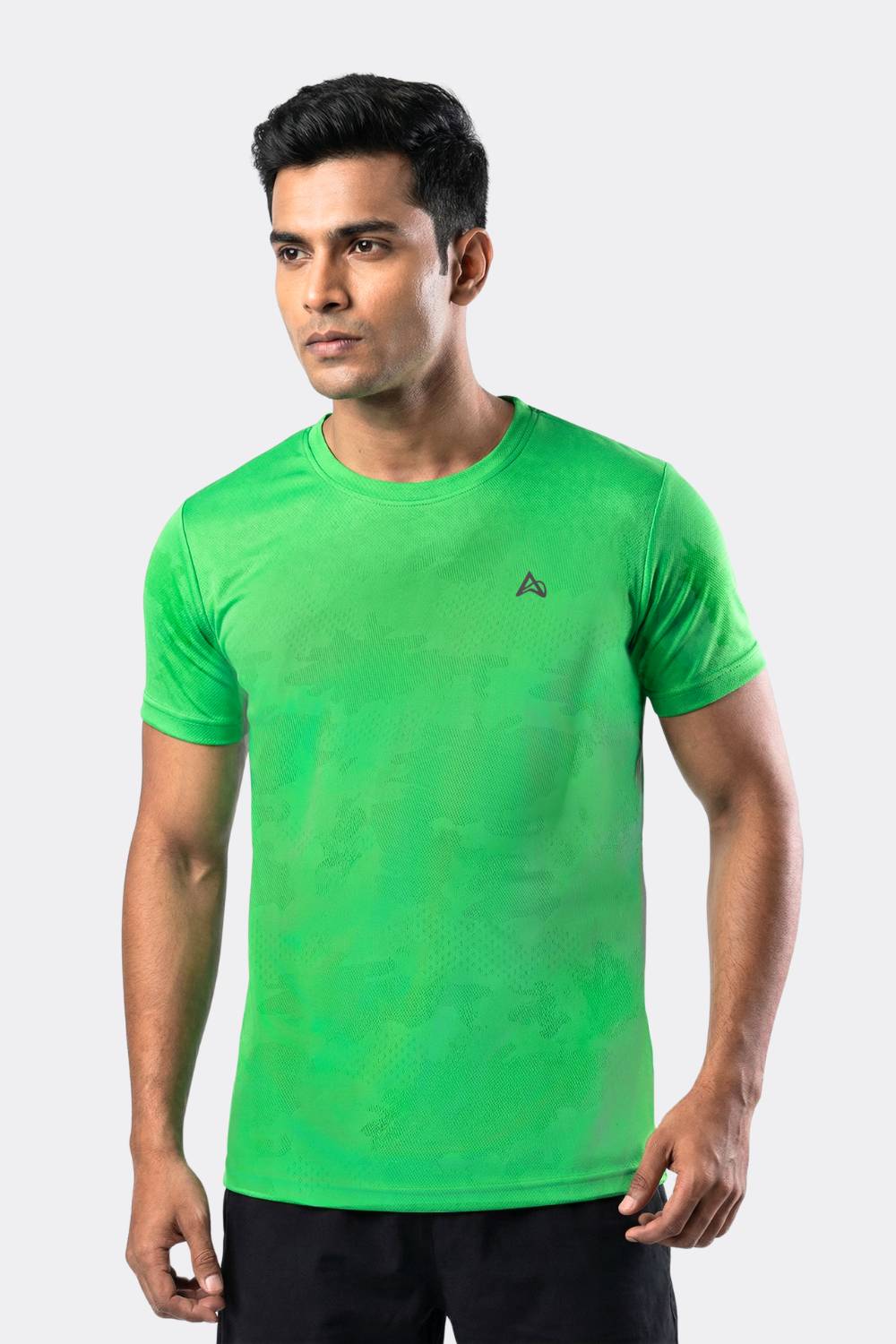
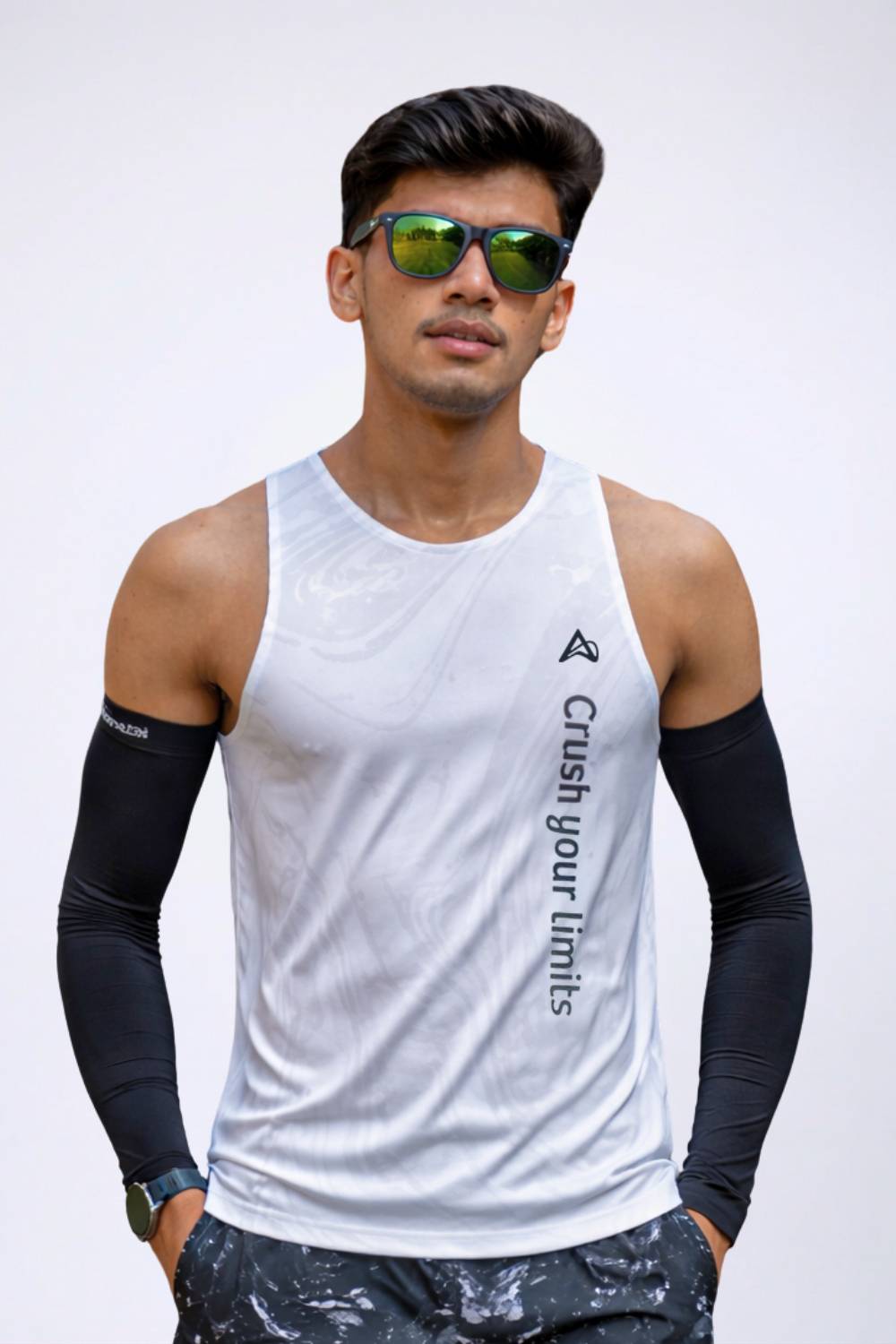
This guide covers exactly what works for monsoon running in India, the fabrics to choose, the mistakes to avoid, and the clothing features that genuinely make a difference. You'll also discover why many Indian runners prefer Aguante running apparel, designed specifically for Indian weather and running conditions.
What Should You Wear for Running in Monsoon in India?
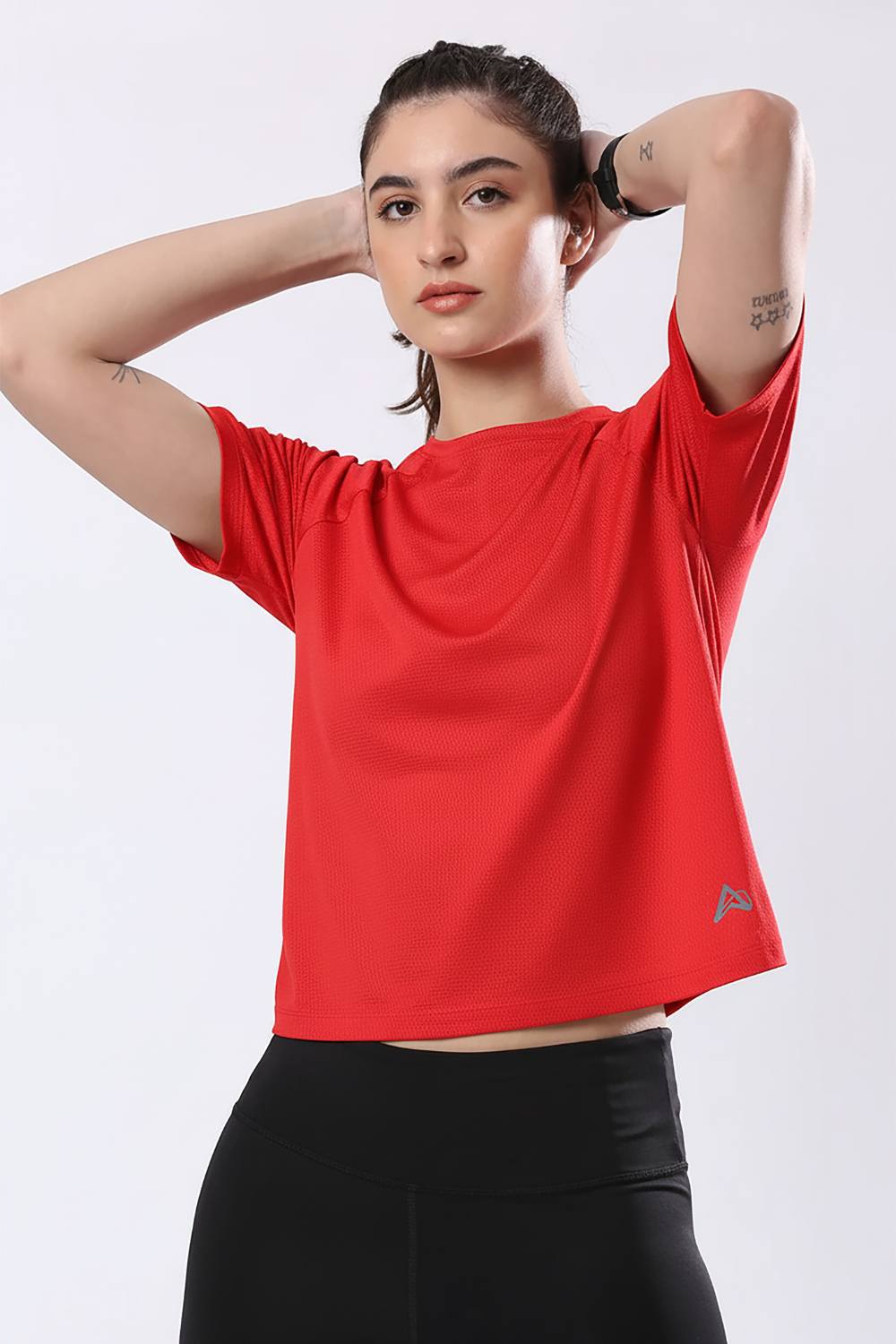
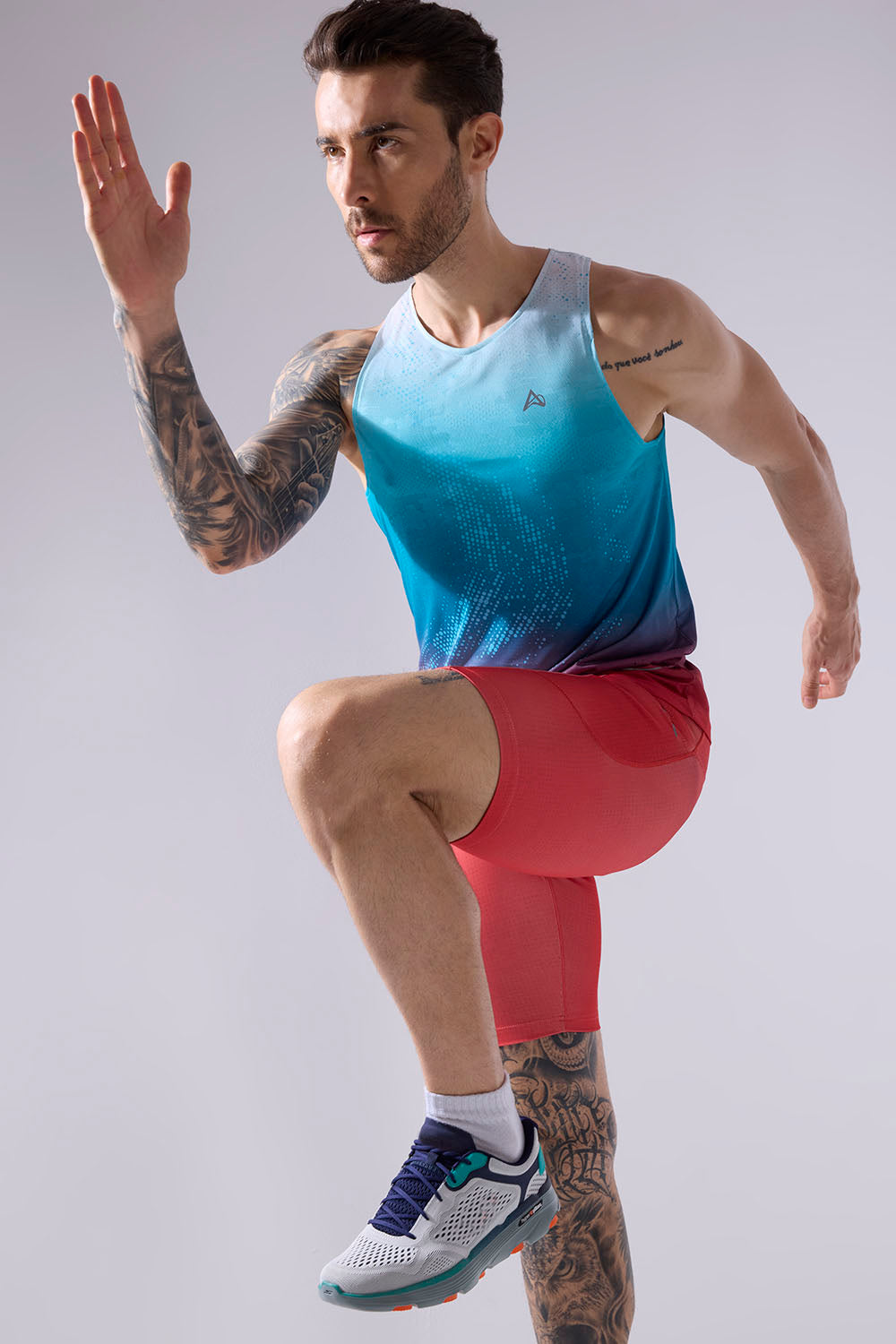
Short answer: The best running outfit for the Indian monsoon consists of a lightweight polyester or nylon-blend running T-shirt, quick-drying anti-chafe half tights or lightweight running shorts, moisture-wicking socks, and running shoes with good drainage. Avoid cotton completely, as it absorbs sweat and rainwater, becomes heavy, and can cause painful chafing within a few kilometres.
Humidity makes sweat evaporate much more slowly than in dry weather. Instead of drying, sweat remains trapped against your skin, and rain adds another layer of moisture. The result is clothing that becomes heavy, uncomfortable, and prone to causing skin irritation.
The ideal monsoon running outfit should:
-
Dry quickly after getting wet
-
Stay lightweight even in heavy rain
-
Prevent skin friction
-
Allow unrestricted movement
-
Maintain breathability despite high humidity
-
Fit snugly without sticking to the body
These features become especially important during long runs of 10 km, half marathons, and marathon training sessions.
What Fabric Is Best for Running in Monsoon in India?
Direct answer: Polyester and nylon blends are the best fabrics for monsoon running because they wick moisture away from the skin, dry significantly faster than cotton, and remain lightweight when wet.
The fabric you choose has a greater impact on comfort than almost any other part of your running gear.
Polyester
Polyester remains the most widely used fabric in performance running apparel because it absorbs very little water. Instead of soaking moisture into the fabric, it spreads sweat across the surface where it evaporates faster.
Benefits include:
-
Lightweight construction
-
Excellent moisture management
-
Fast drying
-
Breathable weave
-
Maintains shape after repeated washing
Nylon Blends
Premium running gear often combines nylon with elastane.
This combination provides:
-
Better stretch
-
Greater durability
-
Smooth feel against the skin
-
Reduced friction
-
Improved comfort during long-distance runs
This is why many high-performance running half tights use nylon-based fabrics instead of cotton.
Elastane (Spandex)
Elastane adds flexibility and compression.
Advantages include:
-
Better muscle support
-
Improved fit
-
Less fabric movement
-
Reduced chafing
-
Freedom of movement
Most premium running apparel contains 10–20% elastane.
Moisture-Wicking Technology
Modern running fabrics don't simply dry quickly—they actively move sweat away from the skin.
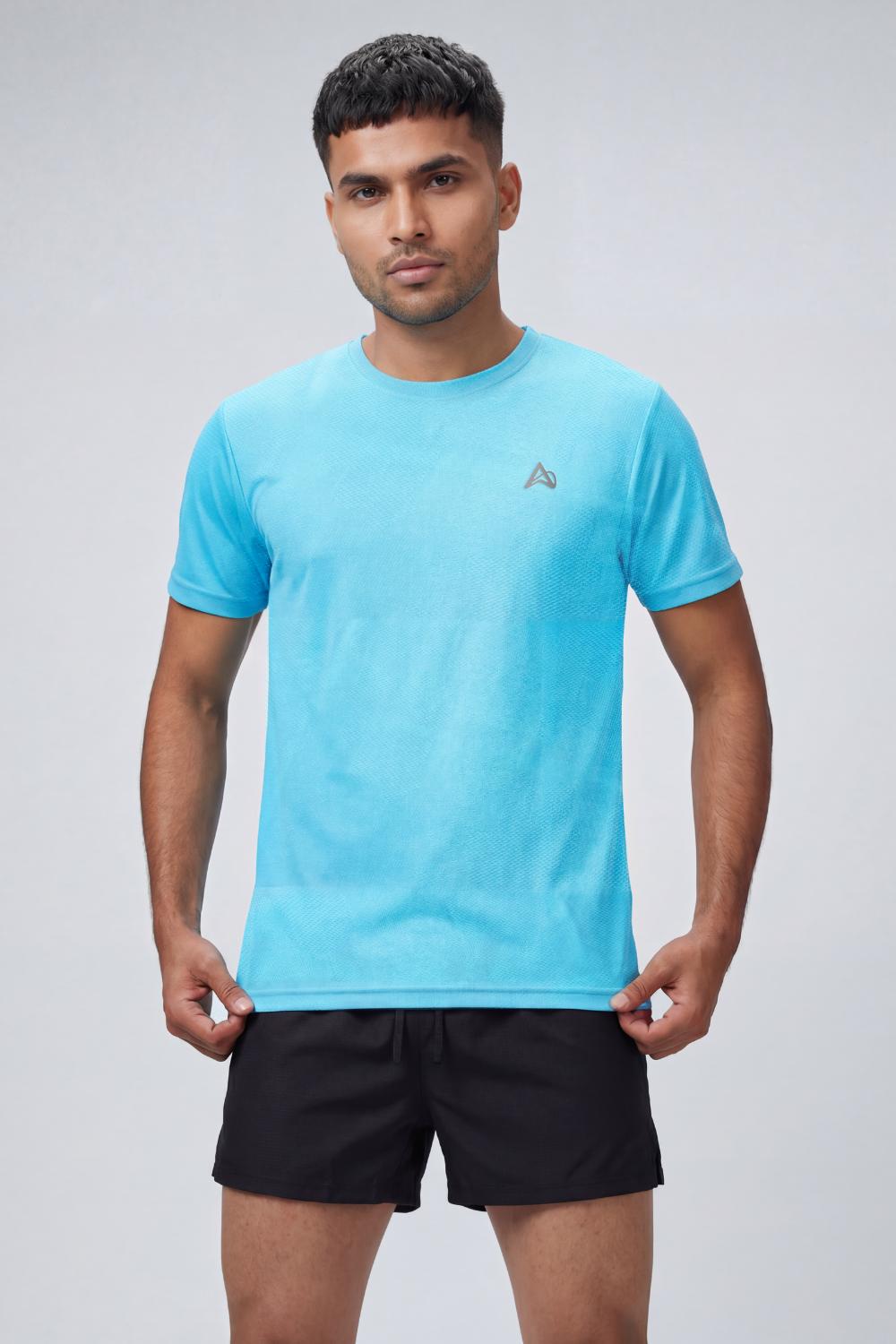
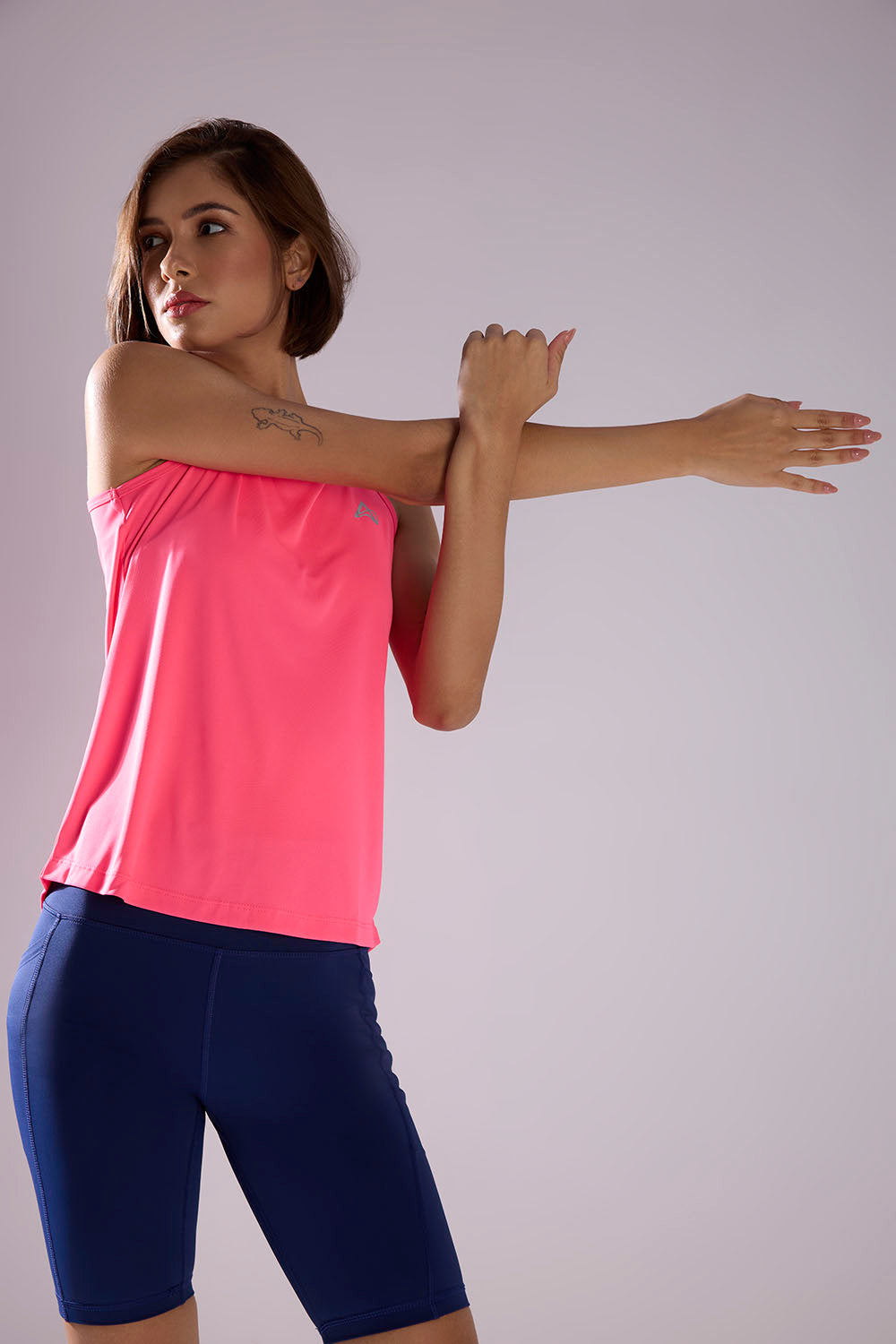
Brands like Aguante use advanced moisture-management technologies in their running apparel to help runners stay comfortable in India's humid climate. Features such as lightweight breathable fabrics, quick-drying construction, and strategically placed ventilation panels are designed specifically for long runs in challenging weather.
Why Does Cotton Fail in Humid Weather?
Direct answer: Cotton absorbs large amounts of sweat and rainwater, dries slowly, becomes heavy, increases skin friction, and significantly raises the risk of chafing during humid runs.
Cotton may feel soft before your run, but once it gets wet, everything changes.
Here's why.
Cotton Absorbs Water
Unlike polyester, cotton absorbs moisture into its fibres.
This causes:
-
Heavy clothing
-
Longer drying times
-
Cold feeling after rain
-
Increased rubbing against skin
During a long run, a cotton T-shirt can become noticeably heavier than when you started.
Increased Chafing
When wet cotton rubs repeatedly against your skin, it creates friction.
Common hotspots include:
-
Inner thighs
-
Underarms
-
Nipples
-
Waistband
-
Sports bra lines
This irritation becomes worse as humidity increases.
Poor Temperature Regulation
Wet cotton traps moisture rather than allowing evaporation.
Instead of cooling your body efficiently, it leaves you feeling sticky and uncomfortable.
For runners training several times each week during monsoon, switching from cotton to technical fabrics often makes one of the biggest improvements in comfort.
Half Tights vs Running Shorts for Monsoon Running — Which Is Better?
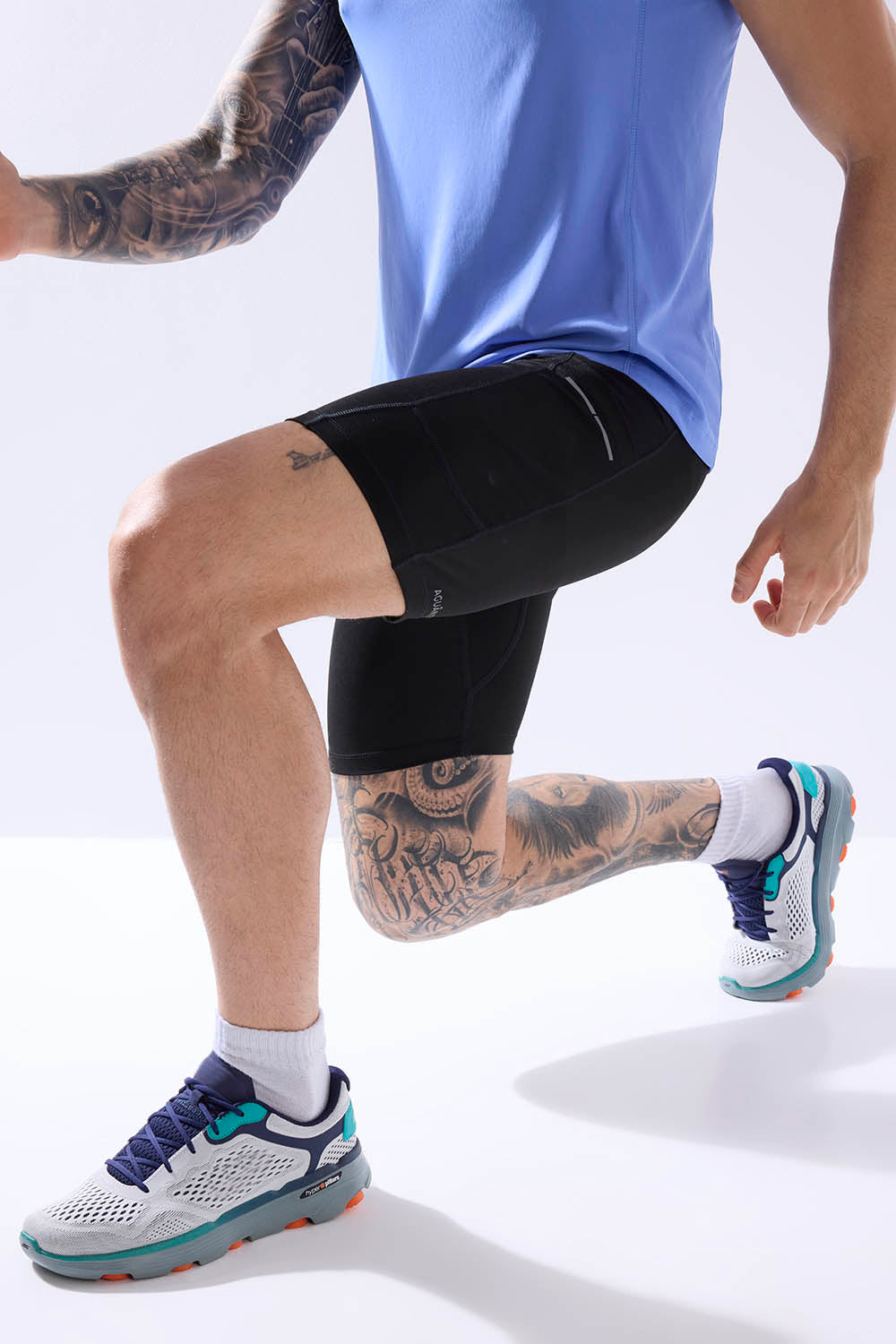
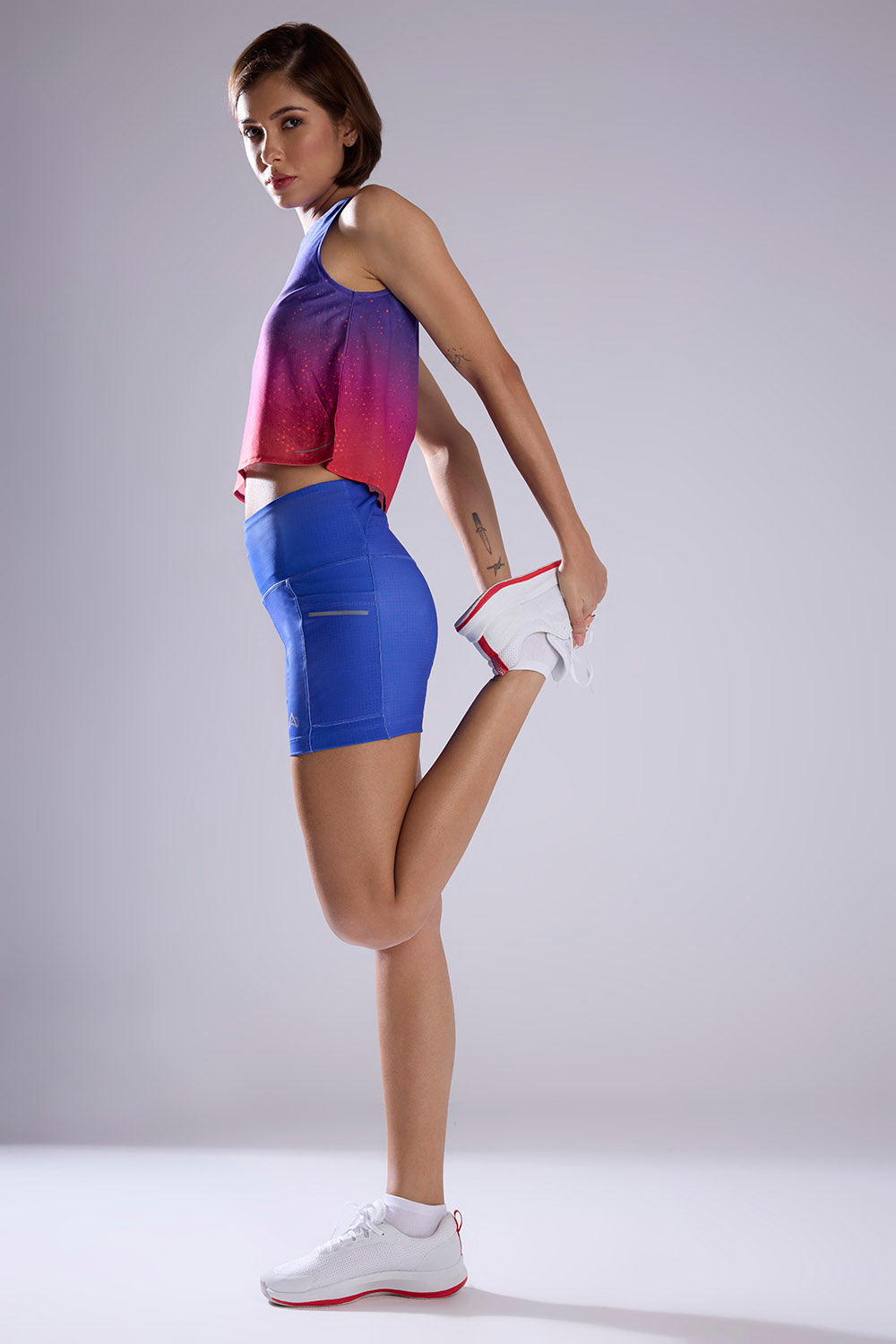
Direct answer: Both work well, but anti-chafe half tights generally perform better for long-distance monsoon running because they reduce skin friction, stay securely in place, and prevent thigh chafing. Lightweight running shorts are ideal for shorter runs and runners who prefer maximum airflow.
Choosing between shorts and half tights depends on your running distance, body type, and personal preference.
Running Half Tights
Half tights are increasingly popular among marathon runners because they solve several common monsoon problems.
Advantages include:
-
Reduced thigh friction
-
Secure compression fit
-
Less fabric movement
-
Better pocket stability
-
Comfortable for long runs
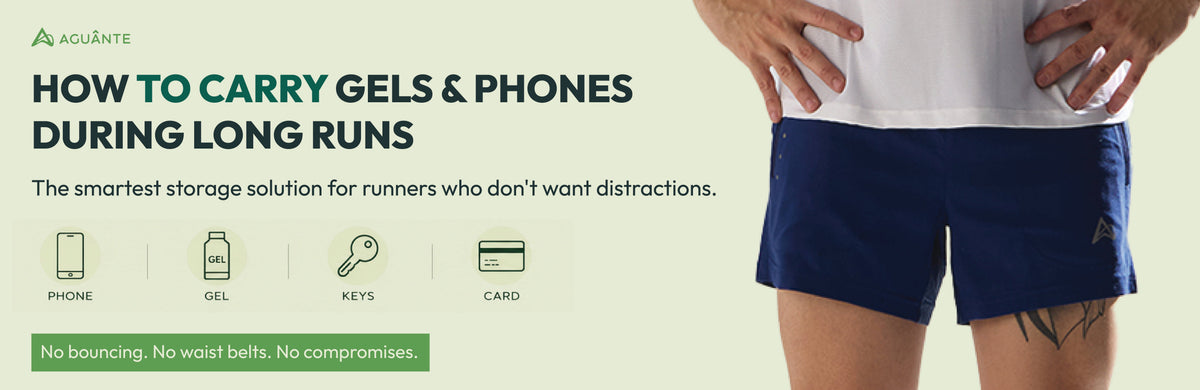
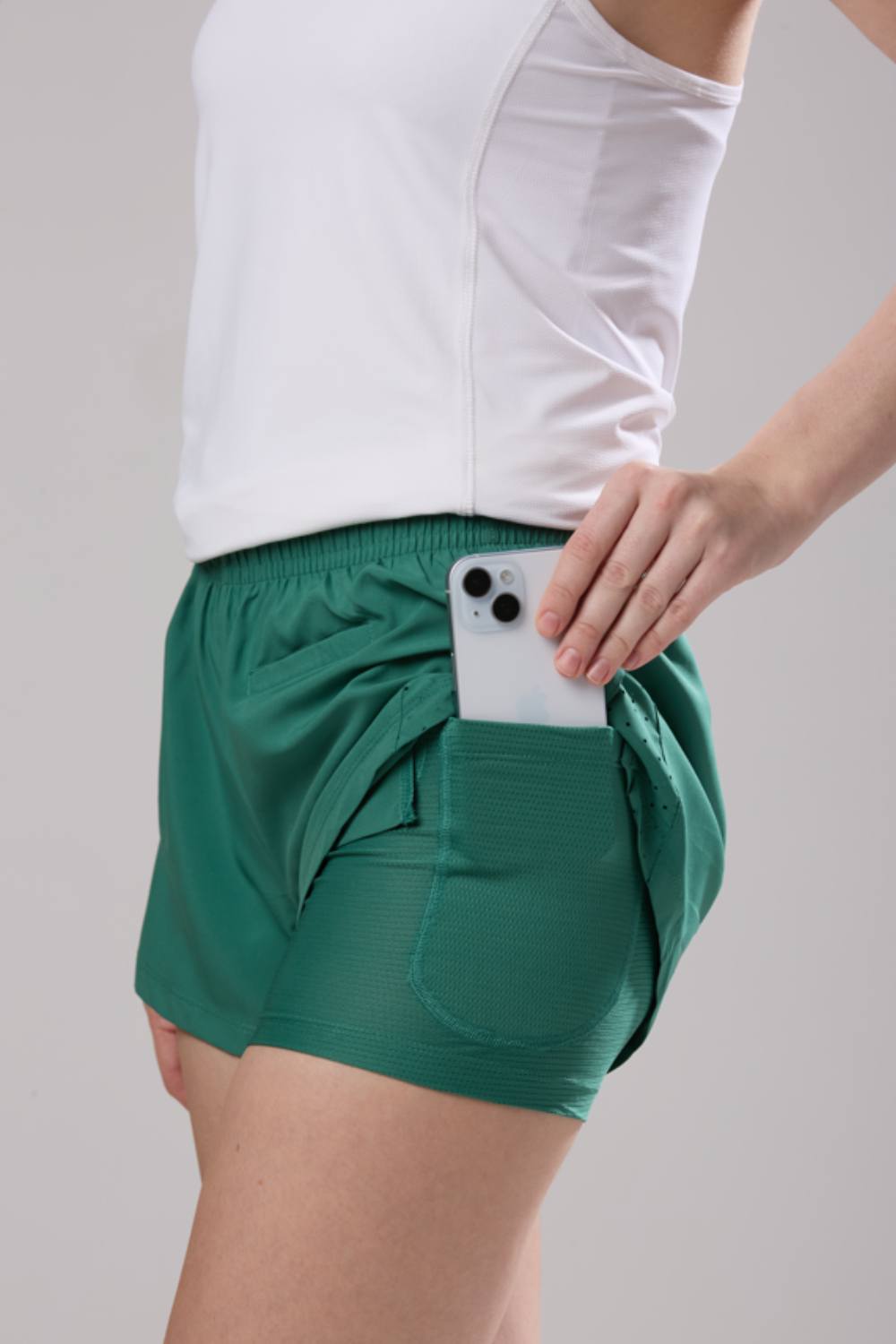
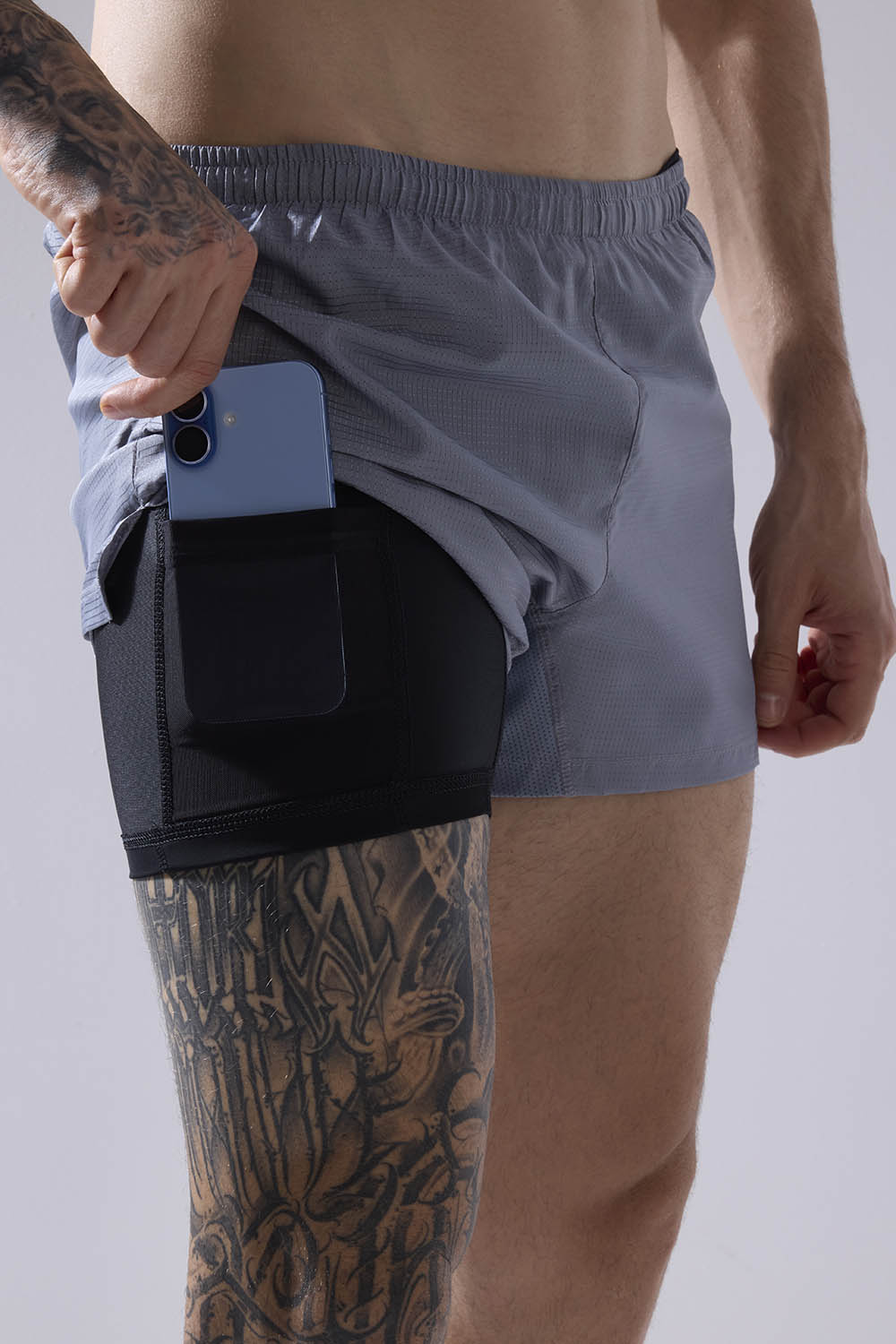
Many runners also prefer them because gels, phones, and keys remain stable inside integrated pockets instead of bouncing around.
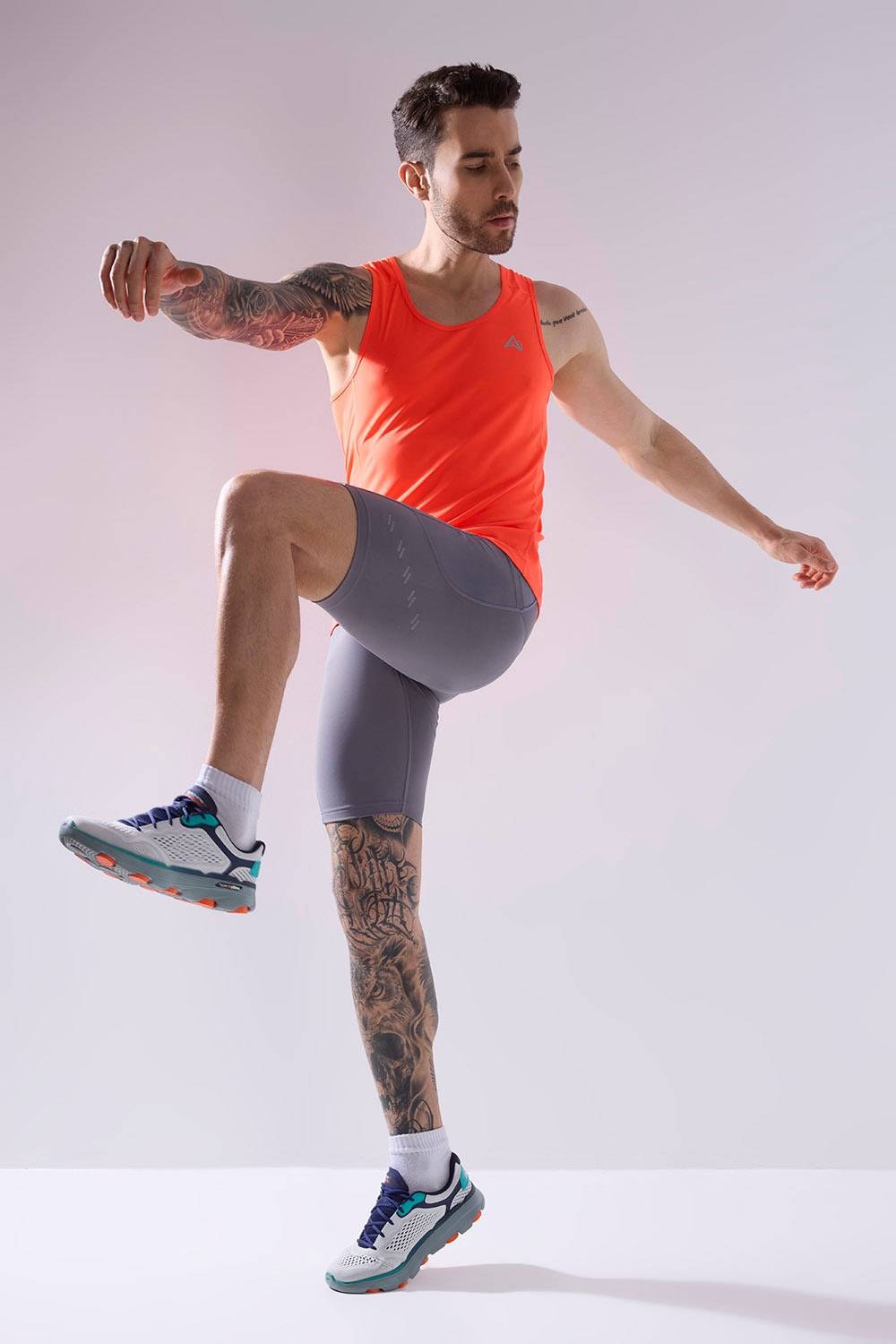
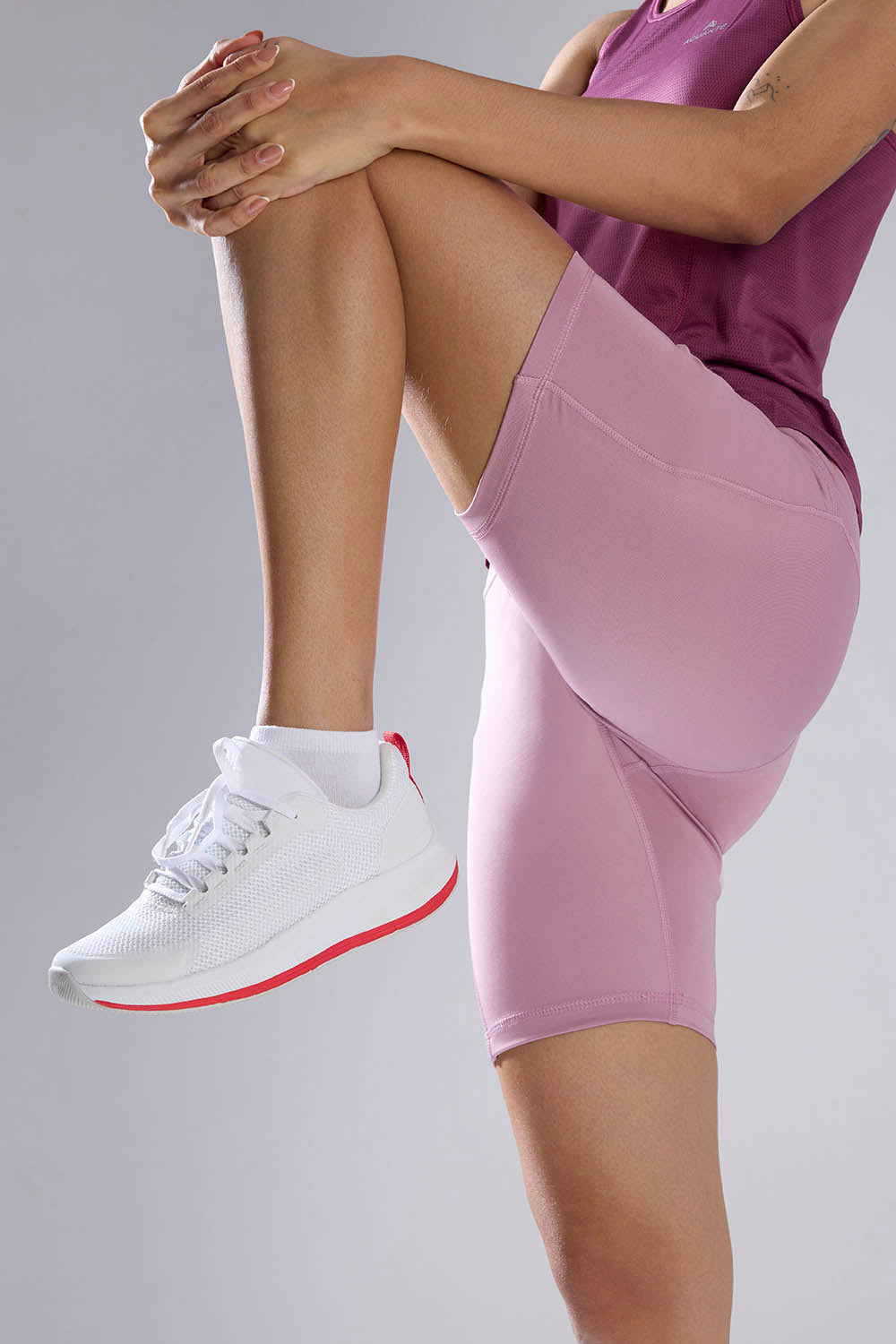
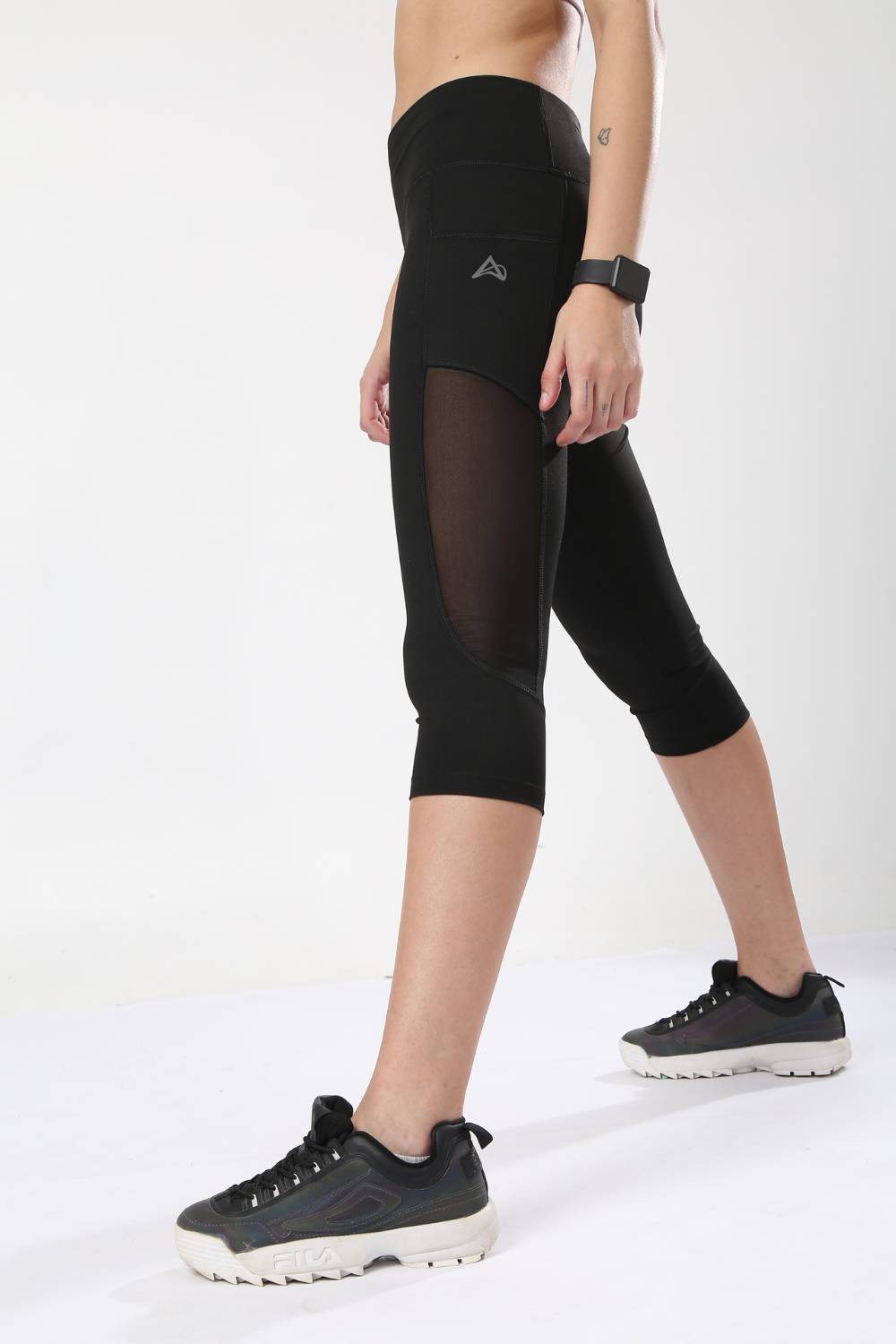
For Indian runners, products such as Aguante's 7-inch Distance Half Tights combine multiple secure pockets with lightweight, breathable fabrics, making them suitable for long runs during humid weather.
Running Shorts
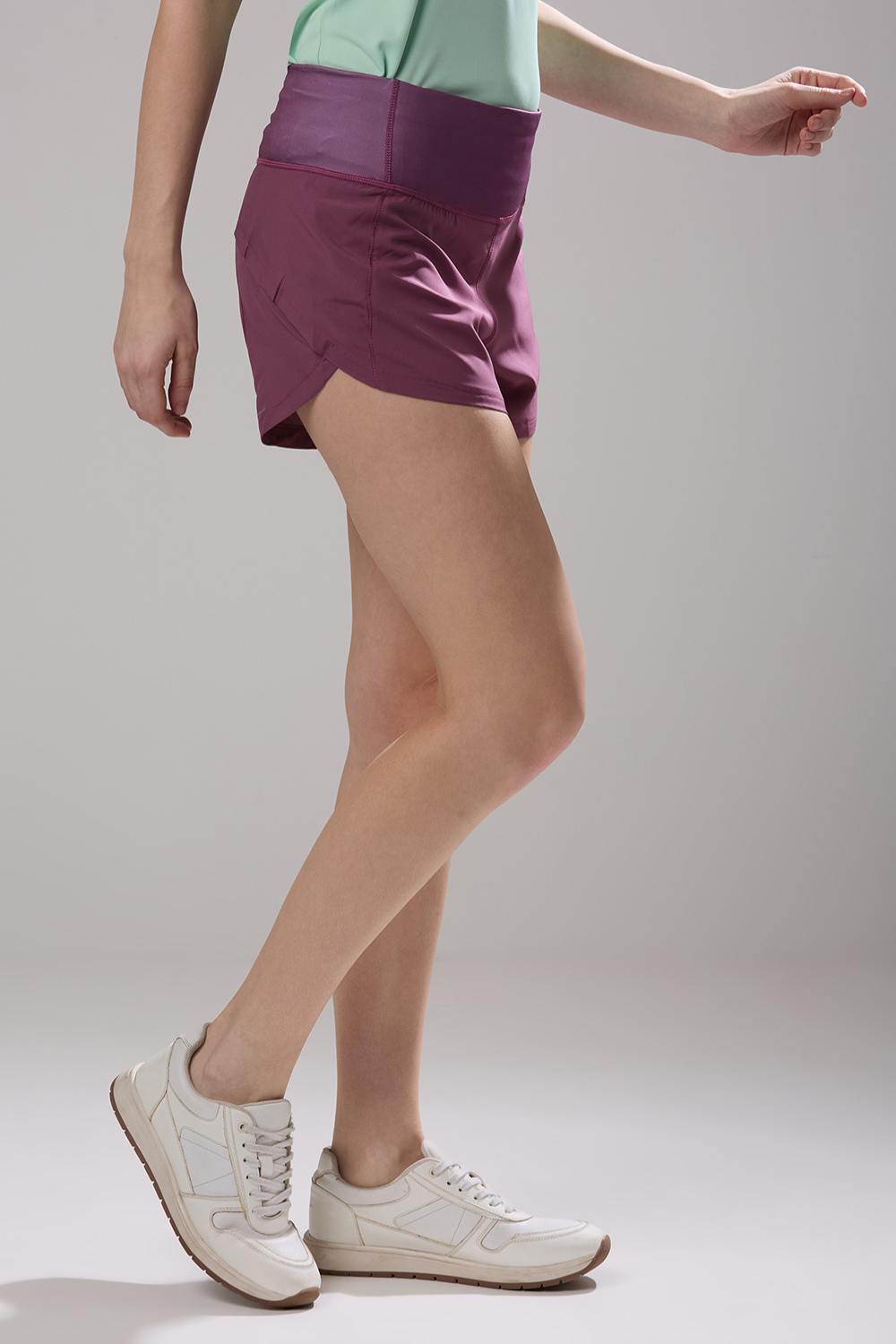
Running shorts remain an excellent option, especially for shorter distances.
Benefits include:
-
Better airflow
-
Lightweight feel
-
Faster evaporation
-
Greater freedom for easy runs
-
Cooler during light drizzle
The key is choosing shorts designed specifically for running rather than generic gym shorts.
Look for features such as:
-
Moisture-wicking fabric
-
Lightweight construction
-
Stretch panels
-
Secure zip pockets
-
Comfortable waistband
-
Reflective details
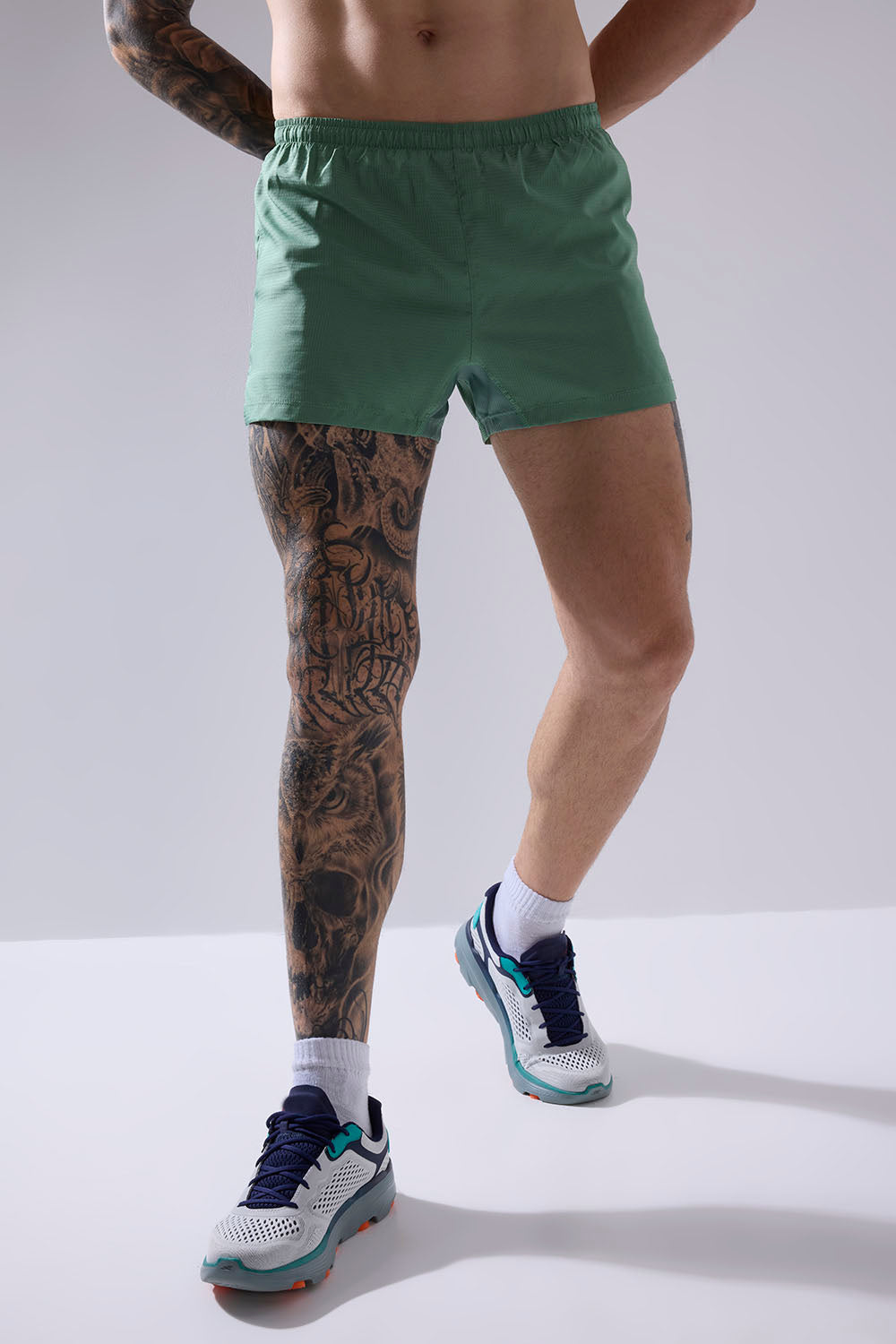
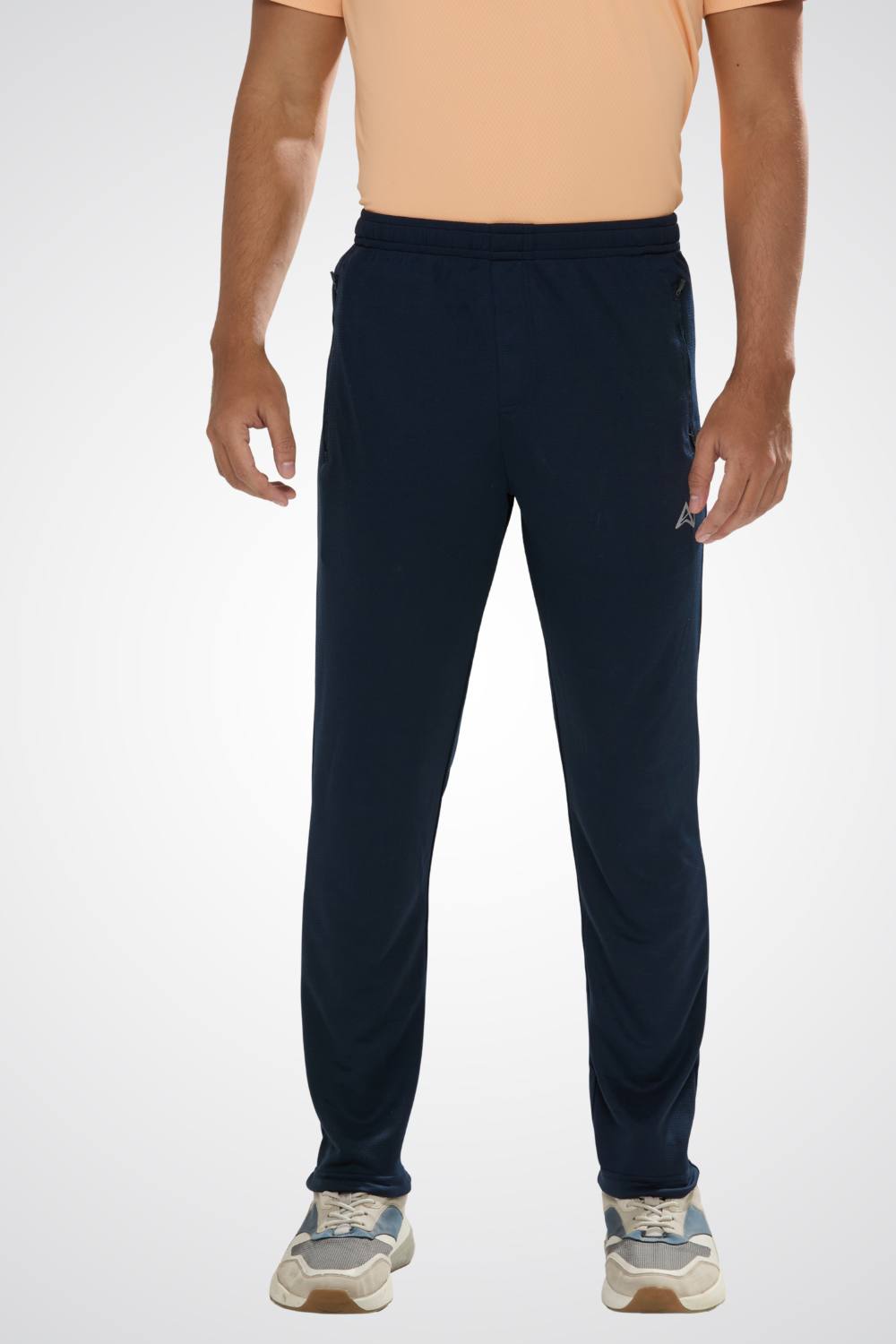
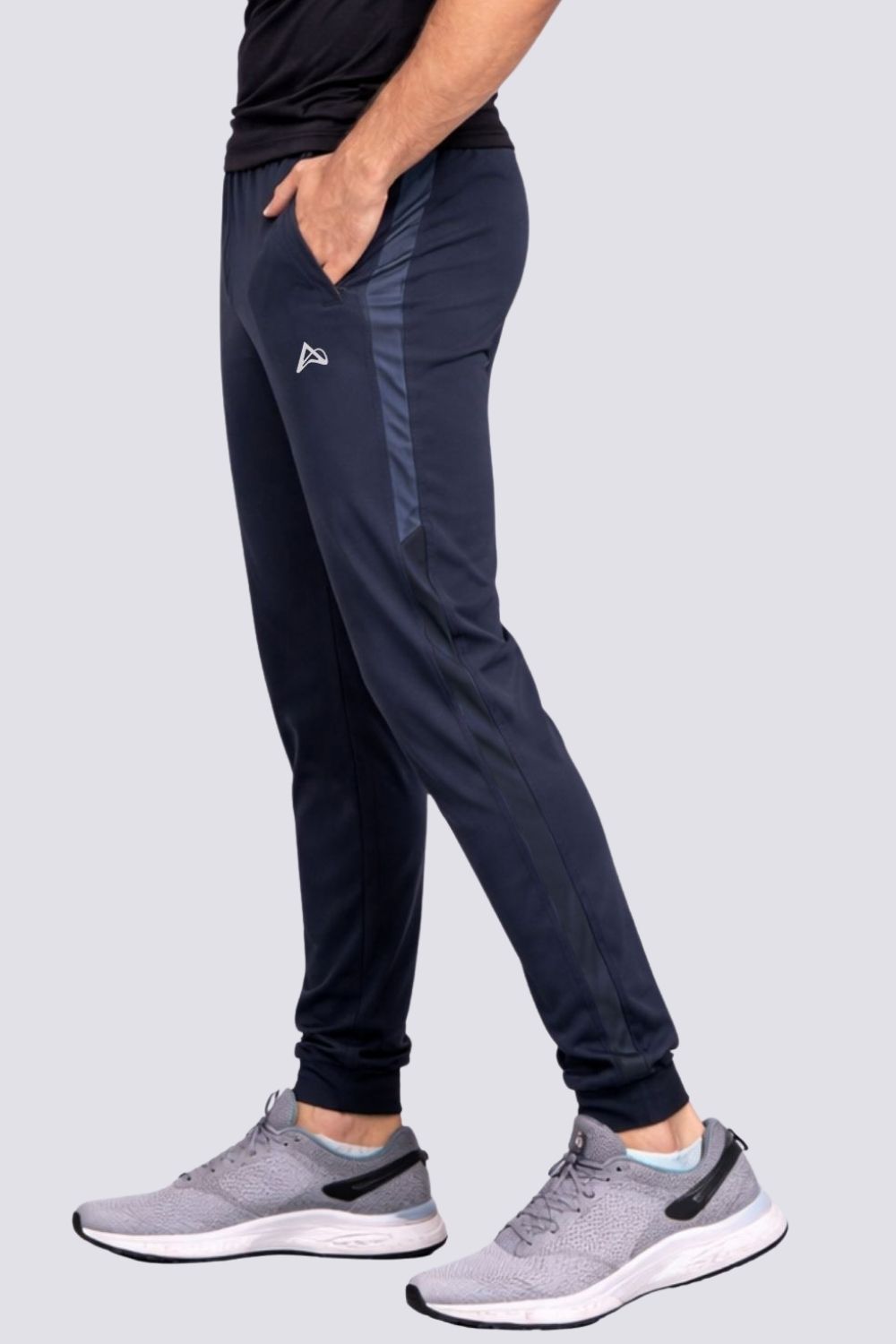
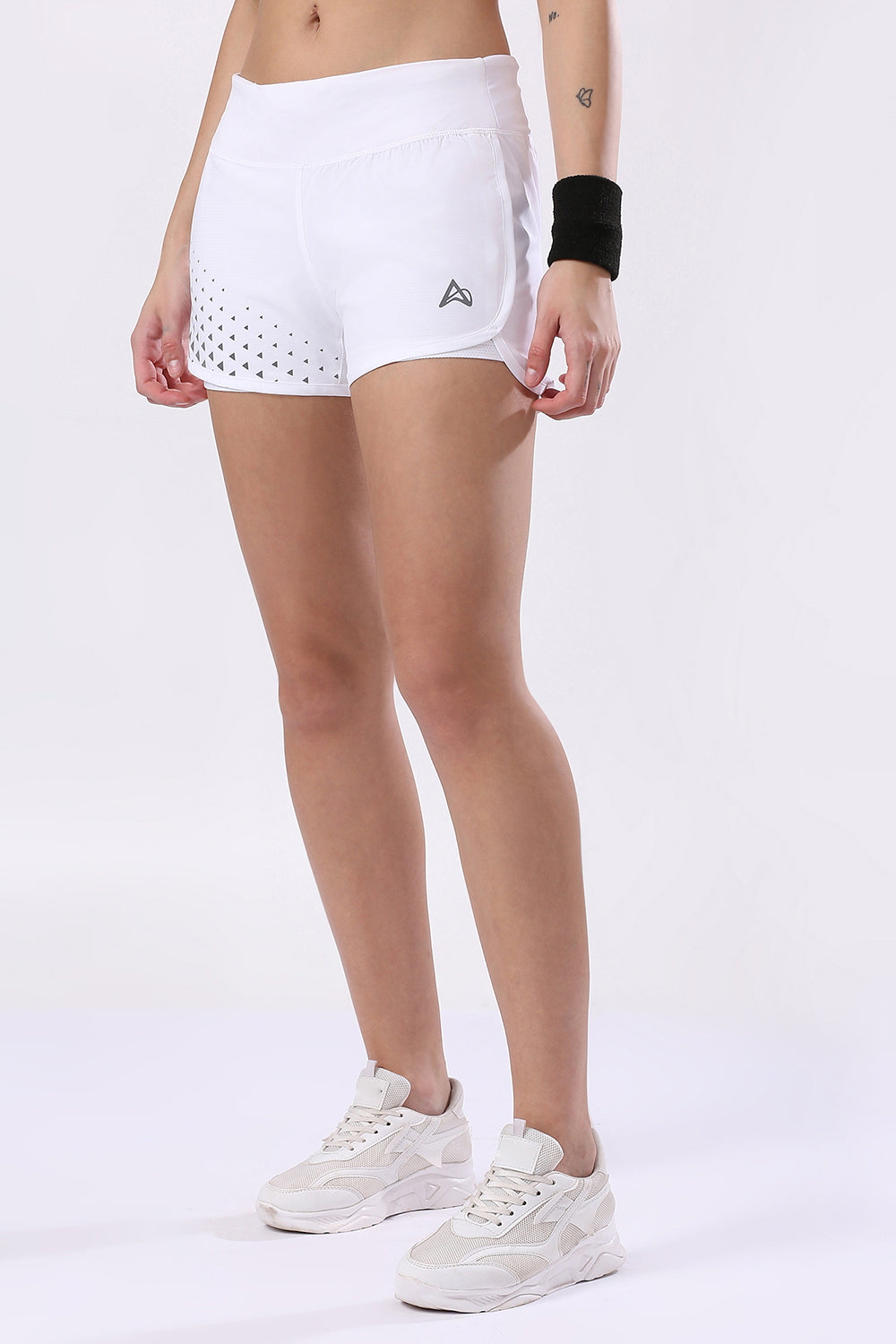
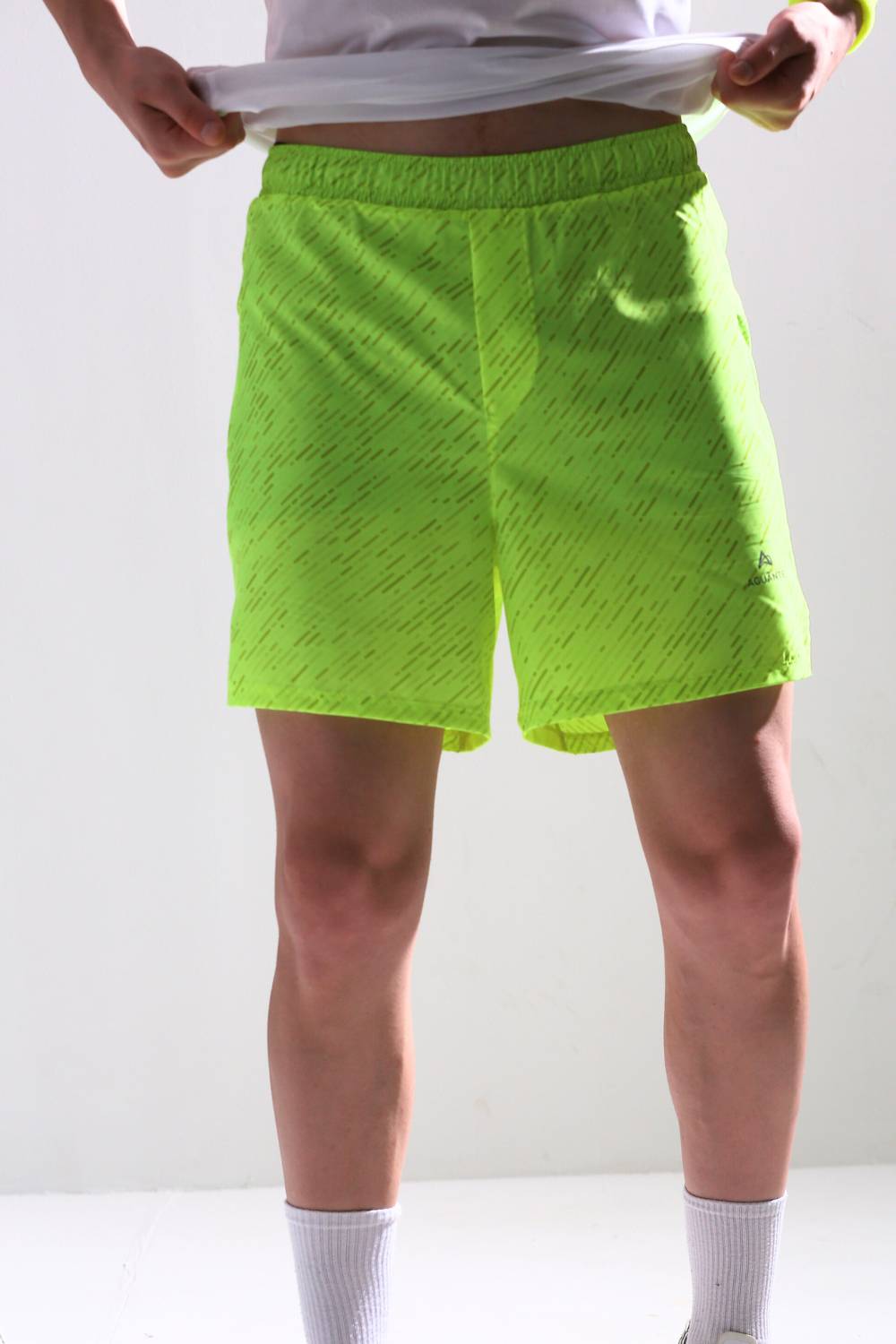
Aguante's running shorts are designed with Indian weather in mind, offering breathable fabrics, bounce-free storage pockets, and quick-drying performance that helps runners stay comfortable through changing monsoon conditions.
Fabric Comparison Table
|
Feature |
Cotton |
Polyester |
Nylon Blend |
|
Drying Speed |
Slow (often 24+ hours in humid conditions) |
Fast (typically within a few hours) |
Very Fast |
|
Water Absorption |
Very High |
Very Low |
Very Low |
|
Weight When Wet |
Heavy |
Light |
Light |
|
Chafing Risk |
High |
Low |
Very Low |
|
Breathability |
Moderate |
Excellent |
Excellent |
|
Stretch |
Poor |
Moderate |
Excellent |
|
Odour Resistance |
Moderate |
Good |
Good |
|
Best for Monsoon Running |
❌ No |
✅ Yes |
✅ Best |
Why the Right Fit Matters During the Monsoon
Direct answer: A proper running fit prevents fabric movement, reduces friction, and improves moisture management. Clothing that is too loose traps water and causes rubbing, while clothing that is too tight can restrict movement.
Fit is often overlooked, but during India's rainy season, it becomes just as important as fabric choice.
Loose cotton T-shirts cling awkwardly when wet, oversized shorts tend to flap and retain water, and poorly fitted clothing creates constant friction against the skin.
Instead, look for running apparel with:
-
Flatlock seams to reduce irritation
-
Ergonomic cuts that move naturally with your body
-
Stretch fabrics that maintain their shape even when soaked
-
Elastic waistbands that stay secure without digging into your skin
Aguante designs its running apparel specifically for Indian runners, with performance-focused fits that work well across different body types and weather conditions. Features like flatlock stitching, lightweight stretch fabrics, and secure storage pockets help runners stay focused on their training instead of adjusting uncomfortable clothing.