



Quick Listen:
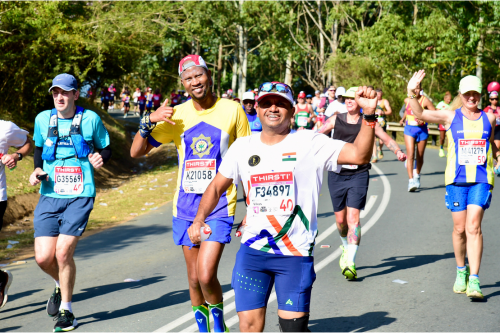
In the early mornings and late evenings across India's fastest-growing cities, a powerful transformation is taking shape. Women in Bangalore , Hyderabad , Mumbai , Pune , Navi Mumbai , Delhi , Gurugram , Surat , and Ahmedabad are not merely participating in fitness they are redefining it. They run in groups for safety and solidarity, train under female coaches who understand their bodies, and increasingly demand activewear that actually works in India's heat, humidity, pollution, and uneven streets. This groundswell is quietly forcing the activewear industry to move beyond Western templates and deliver gear designed for real Indian running conditions.
What began as scattered running groups has evolved into vibrant, women-led ecosystems. Digital communities on Instagram, Facebook, and YouTube now connect thousands of runners, amplifying voices that were previously unheard in product design conversations. The message is consistent and clear: performance apparel must serve the runner's daily reality not an idealized one imported from abroad.
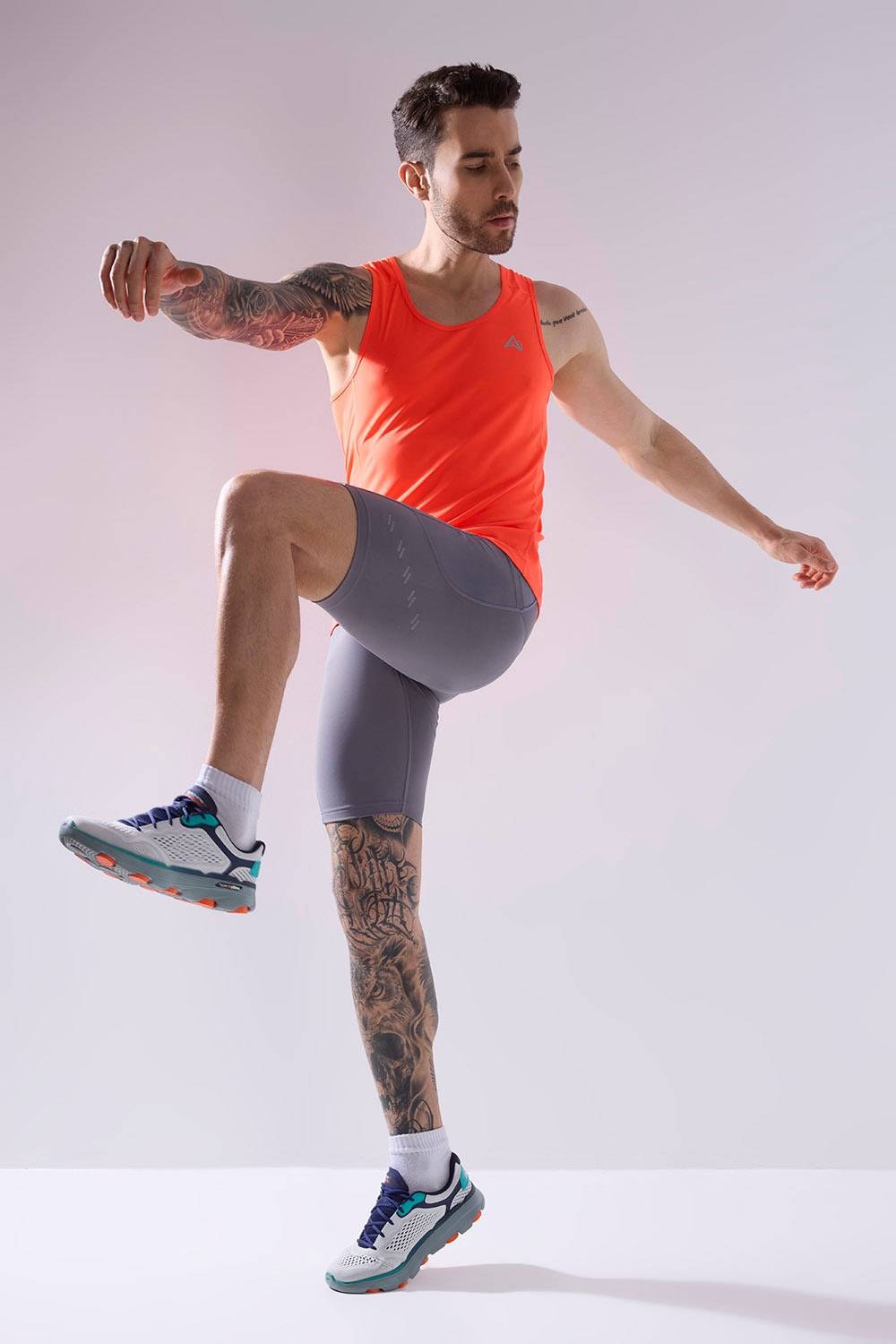
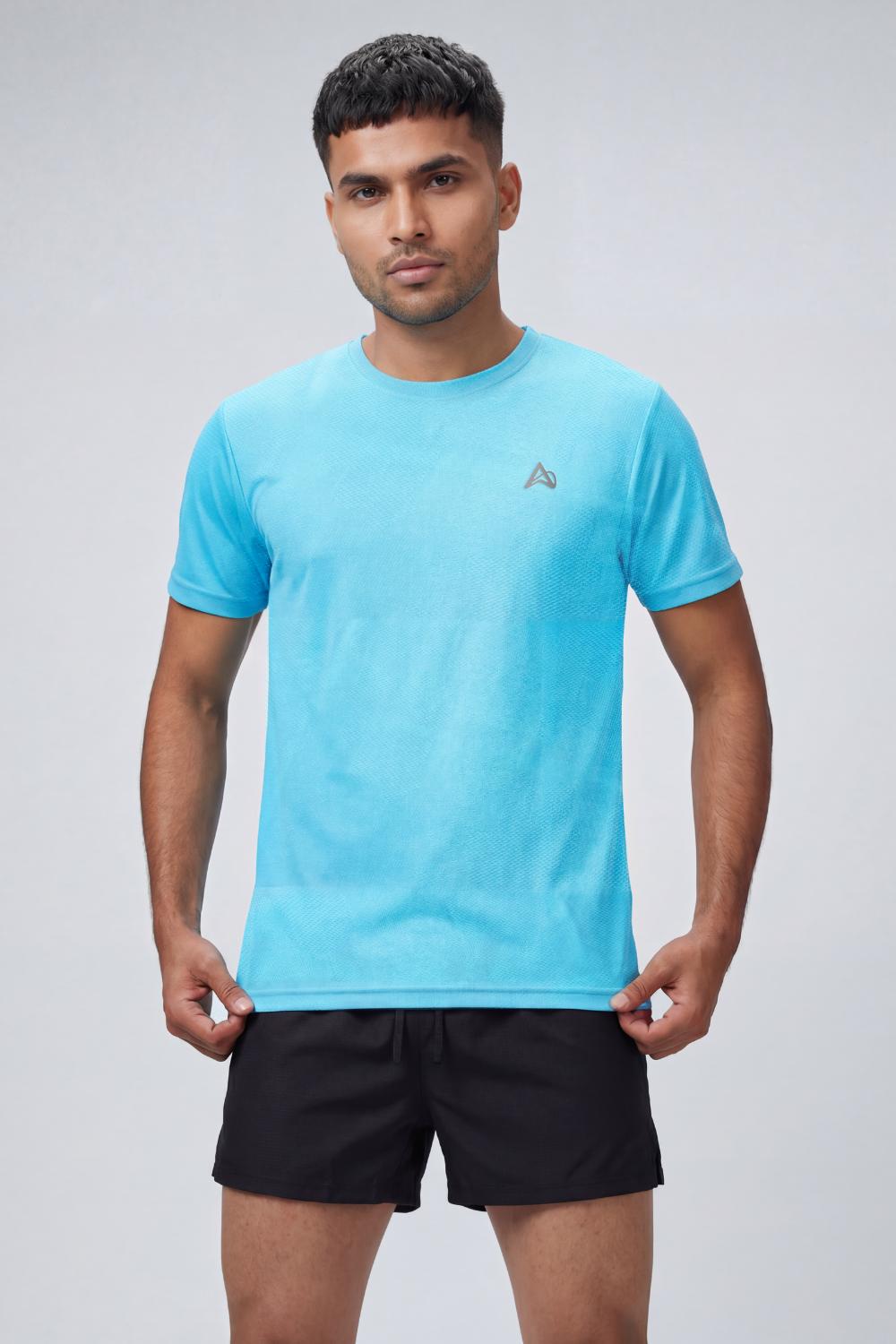
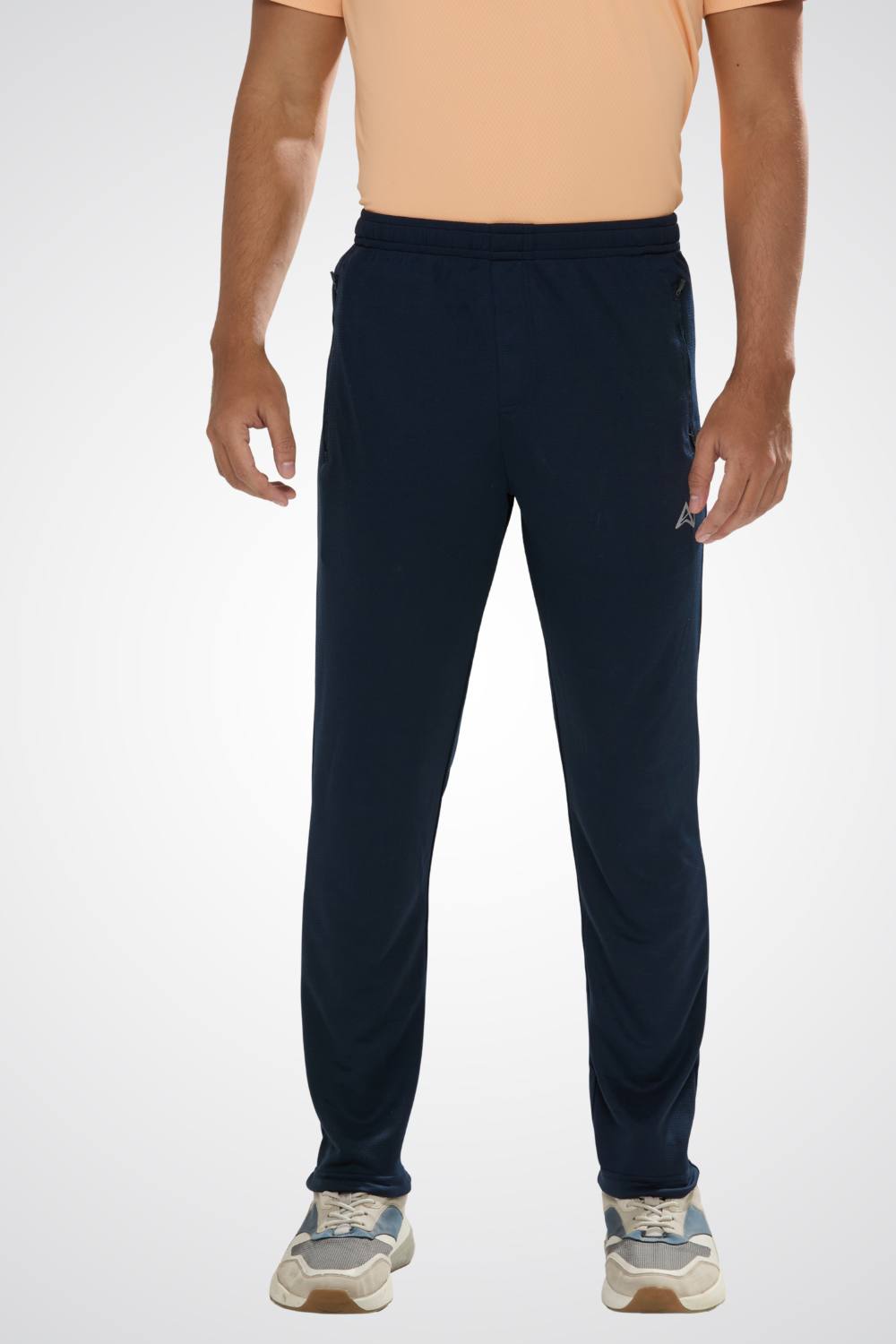
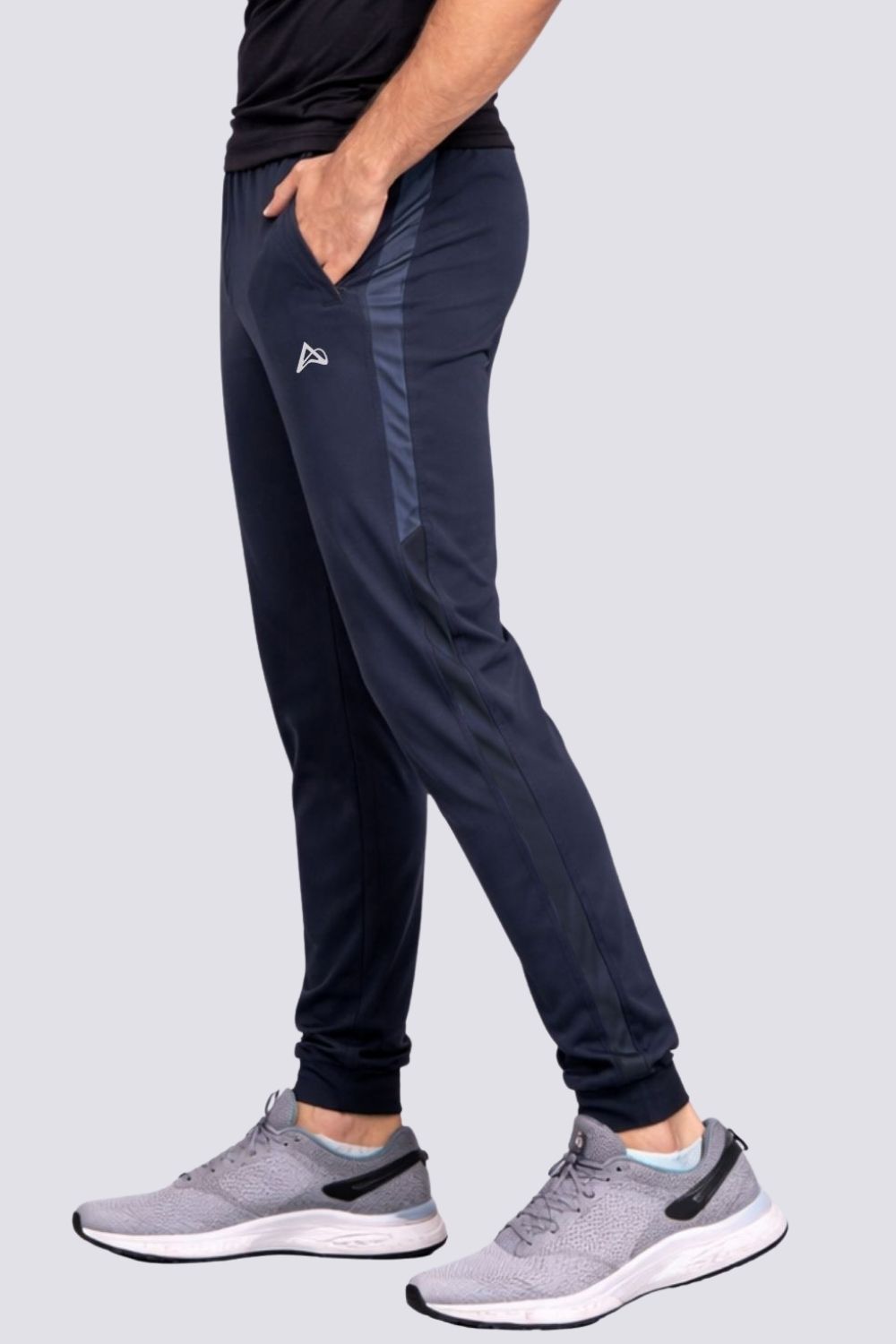
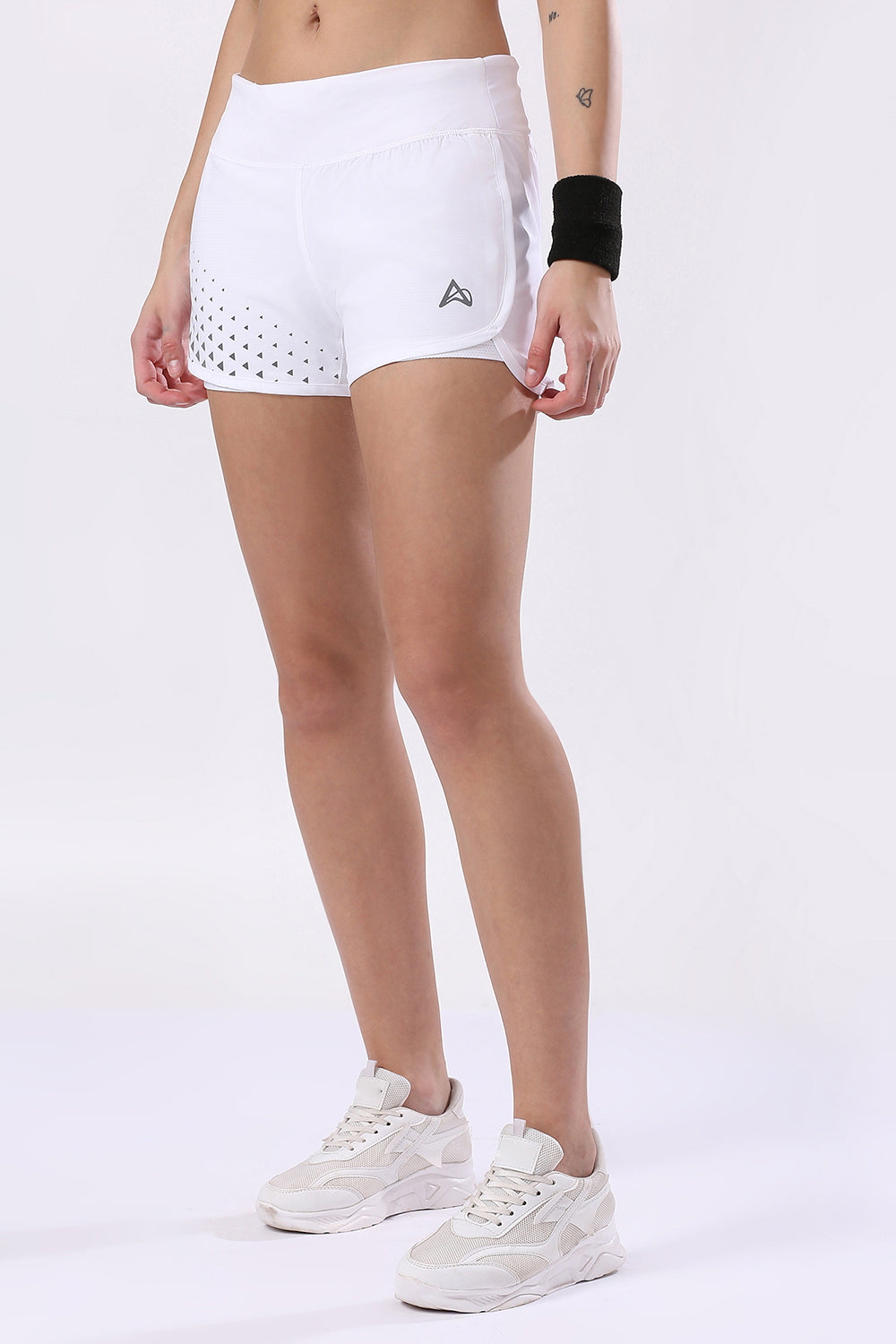
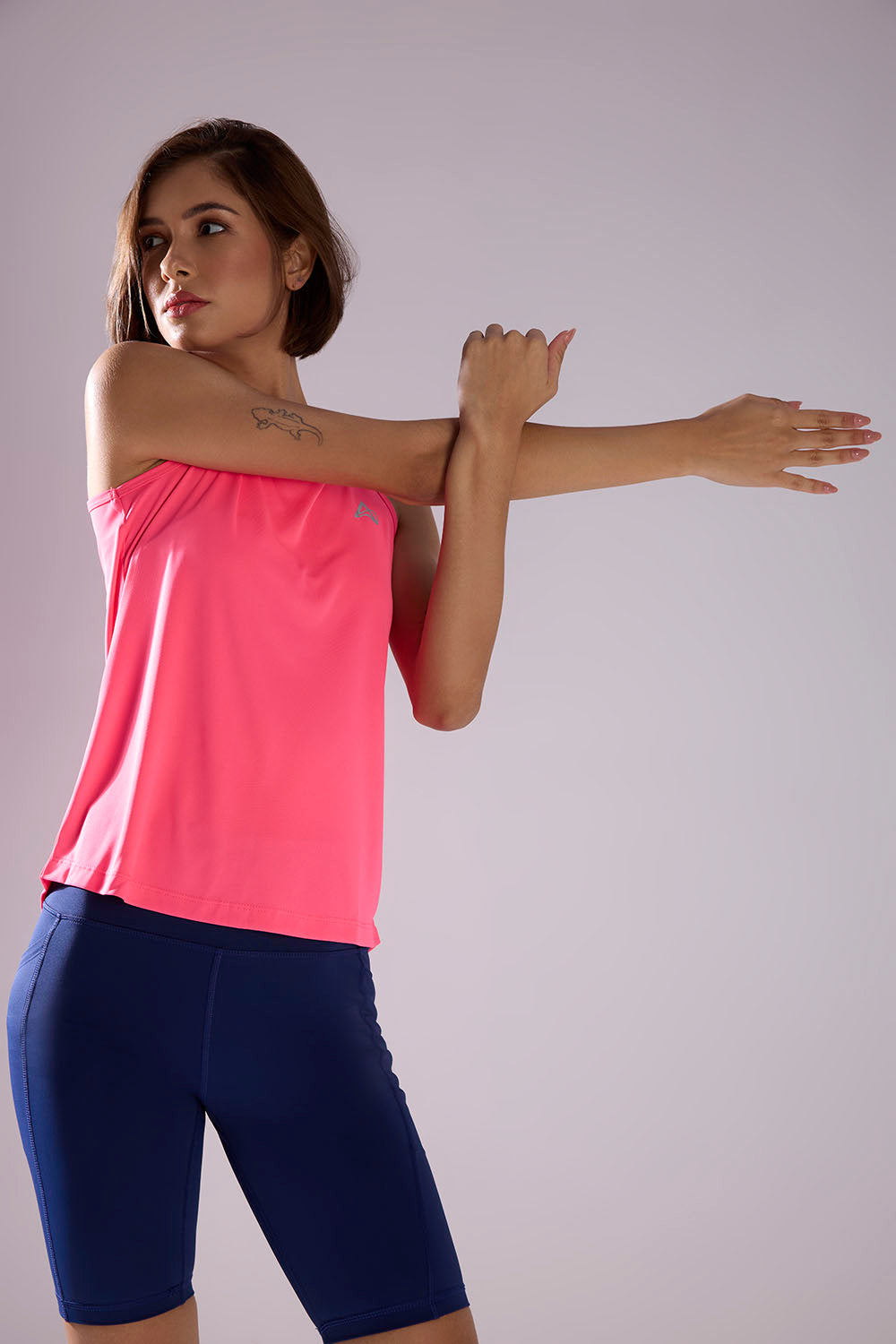
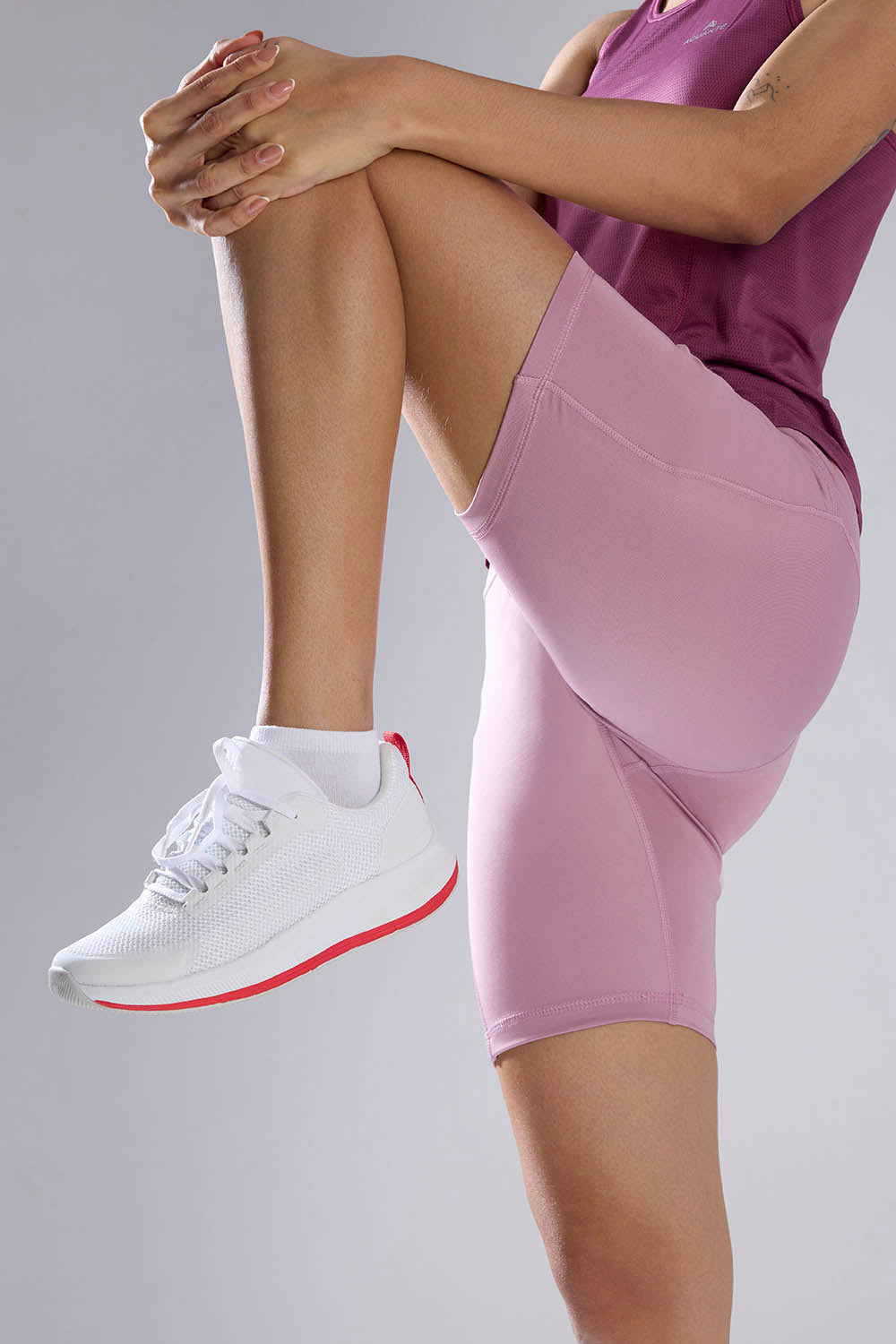
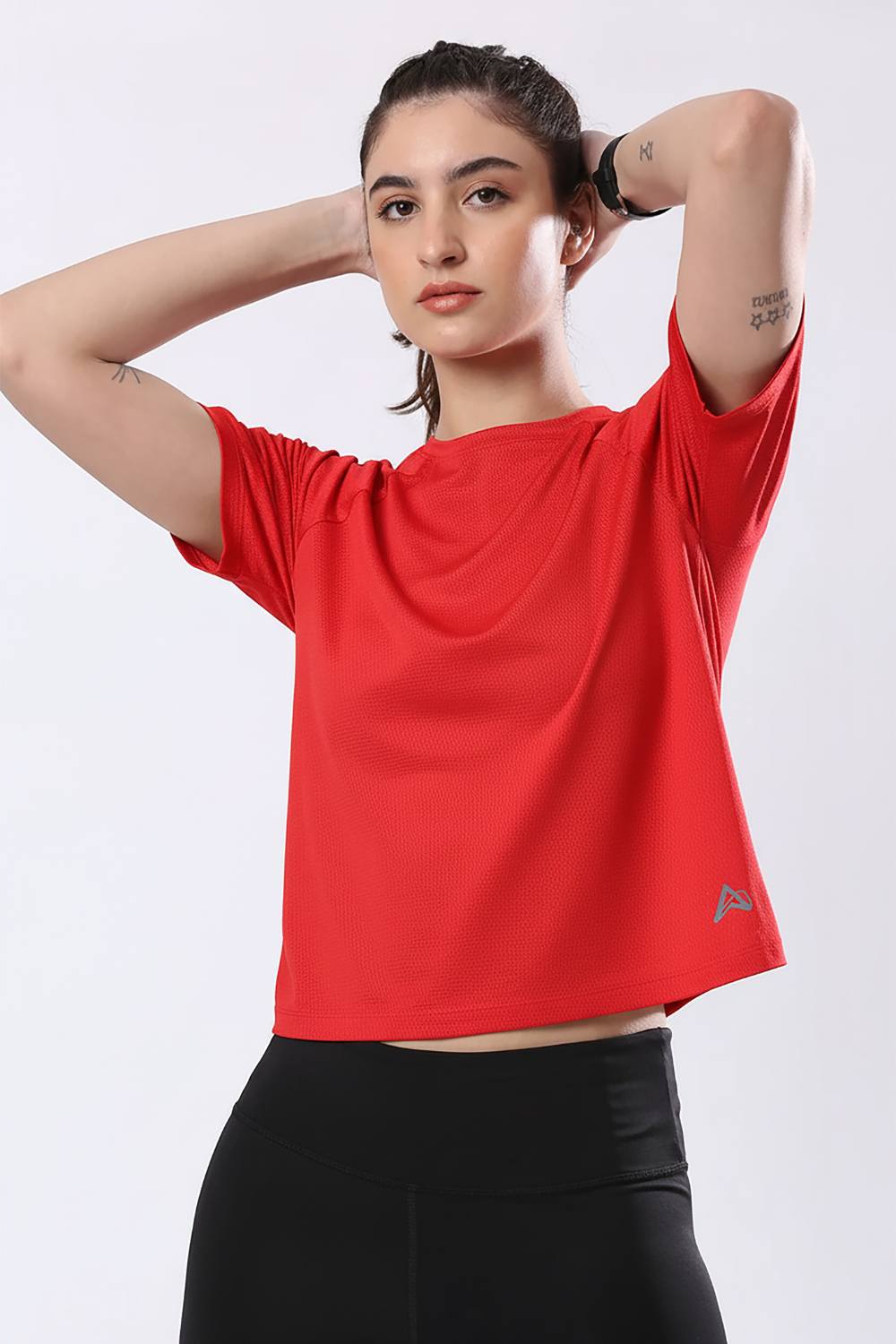
Tired of gear that slows you down? Chafing, soggy fabrics, and missing pockets kill your run's momentum. At Aguante, we're runners who get it. Our high-performance activewear features moisture-wicking fabrics, ergonomic designs, and smart storage to keep you focused. Shop Now!
Women Building Strong, Supportive Running Communities
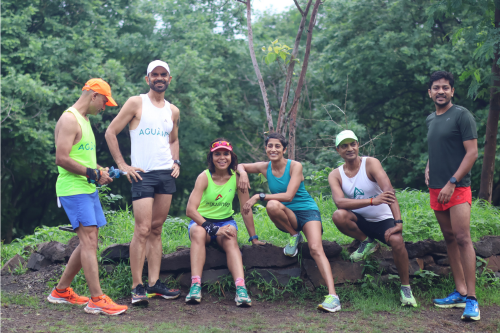
In Bangalore and Mumbai, women-only running collectives have become weekly rituals. These groups go far beyond mileage they focus on form correction, mutual encouragement, injury prevention, and post-run bonding. Coaches create training plans attuned to women's physiology, menstrual cycles, and recovery needs, fostering environments where participants feel genuinely understood rather than marginally included.
Across Delhi NCR, early-morning and after-dark runs place safety at the center. Reflective elements and high-visibility colors are non-negotiable when navigating dimly lit roads or breathing through seasonal smog. In Pune and Hyderabad, weekend long-run communities build endurance together, while Ahmedabad and Surat see rising numbers of women choosing pre-dawn hours to escape peak heat. These localized movements are interconnected, sharing playlists, hydration advice, and route recommendations across city lines.
Social media acts as both megaphone and meeting place. Female coaches and experienced runners post detailed training breakdowns, honest gear reviews, and motivational stories. Their Instagram feeds have become trusted sources, helping newcomers discover what truly performs on Indian roads and tracks.
Local Climate Forcing Fundamental Changes in Fabric & Design
India's urban running conditions vary dramatically and generic activewear frequently fails to keep up. Coastal humidity in Mumbai and Navi Mumbai turns ordinary shirts and shorts into heavy, clinging layers after just a few kilometers. Runners in Ahmedabad and Surat face dry, punishing heat that demands exceptional breathability and rapid sweat evaporation.
In Delhi and Gurugram, poor air quality during winter months forces many to limit outdoor sessions or seek gear that at least mitigates discomfort. Across every city on the list, women now prioritize fabrics engineered for high heat, high humidity, mixed road surfaces, and long-duration comfort over purely aesthetic appeal.
This pragmatic shift mirrors global patterns seen elsewhere. While Europe's running-gear market valued at USD 13.03 billion in 2024 and projected to reach USD 24.82 billion by 2033 with a 7.05% CAGR (2025–2033) grows on the back of wellness awareness, marathon participation, and lightweight-material innovation, India's parallel surge is distinctly local. Here, climate adaptation and practical utility lead the conversation.
Non-Negotiable Features Modern Indian Women Runners Demand
Today's urban female runners share remarkably consistent expectations:
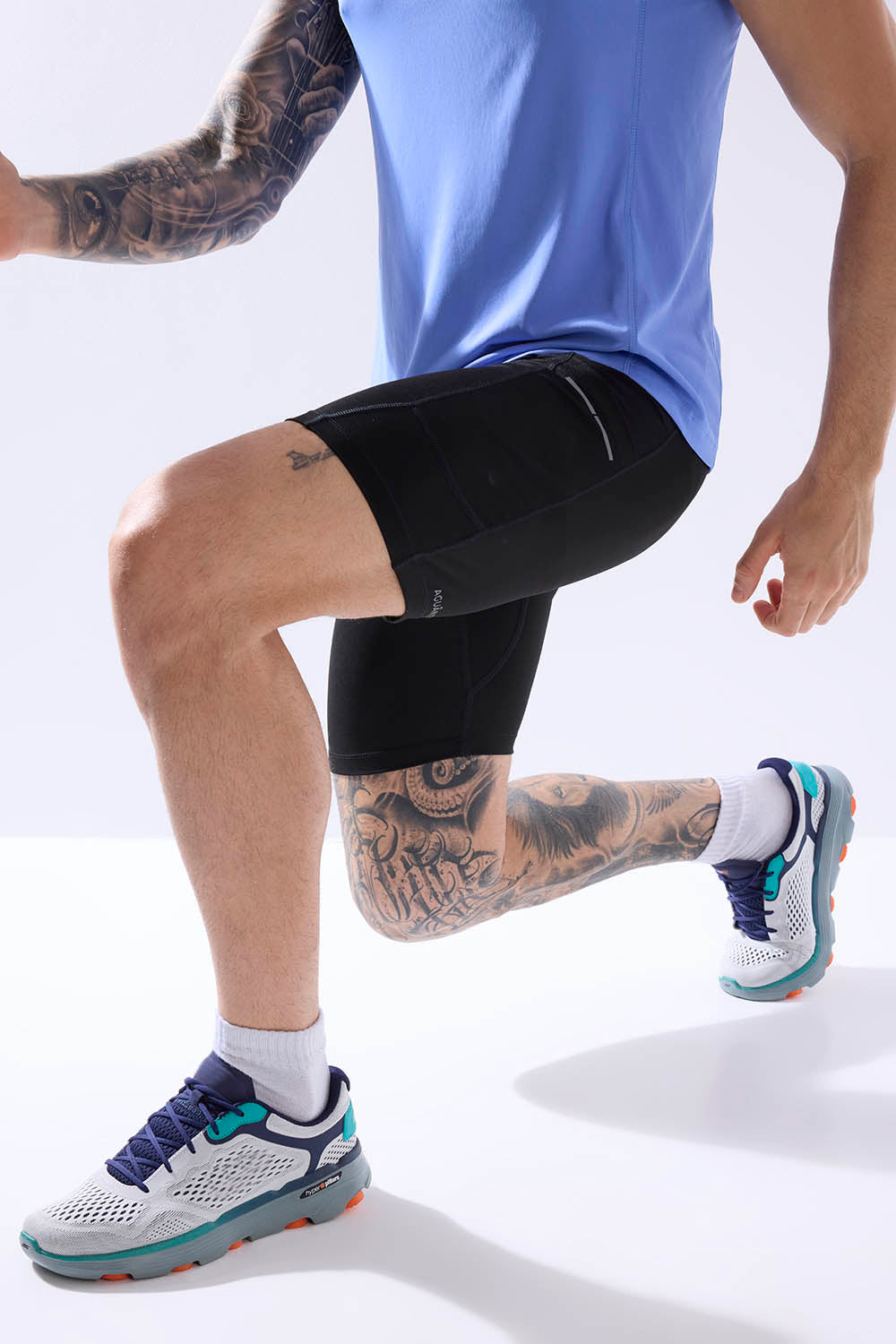
- Anti-chafing inner linings that hold up through 90-minute-plus efforts
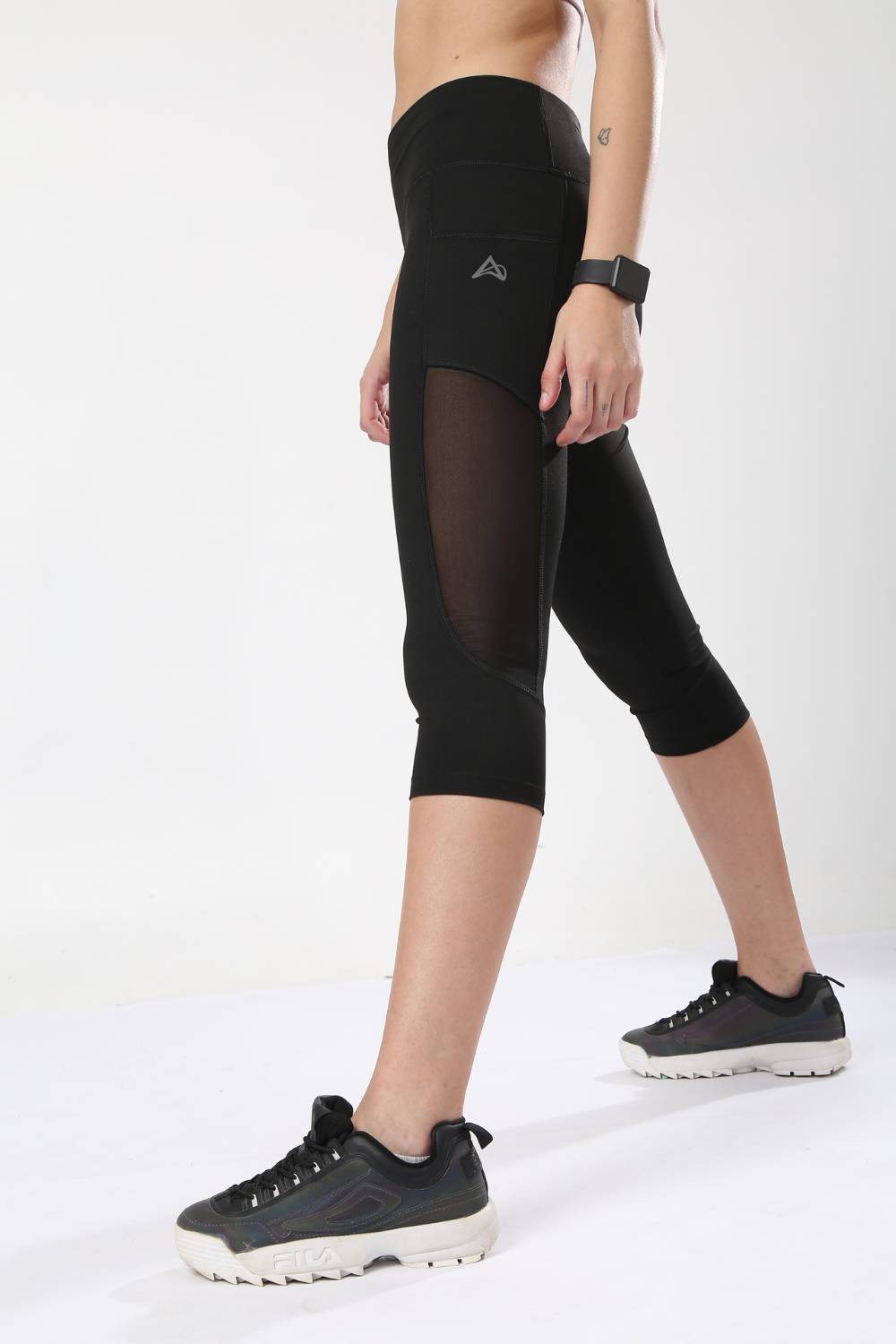
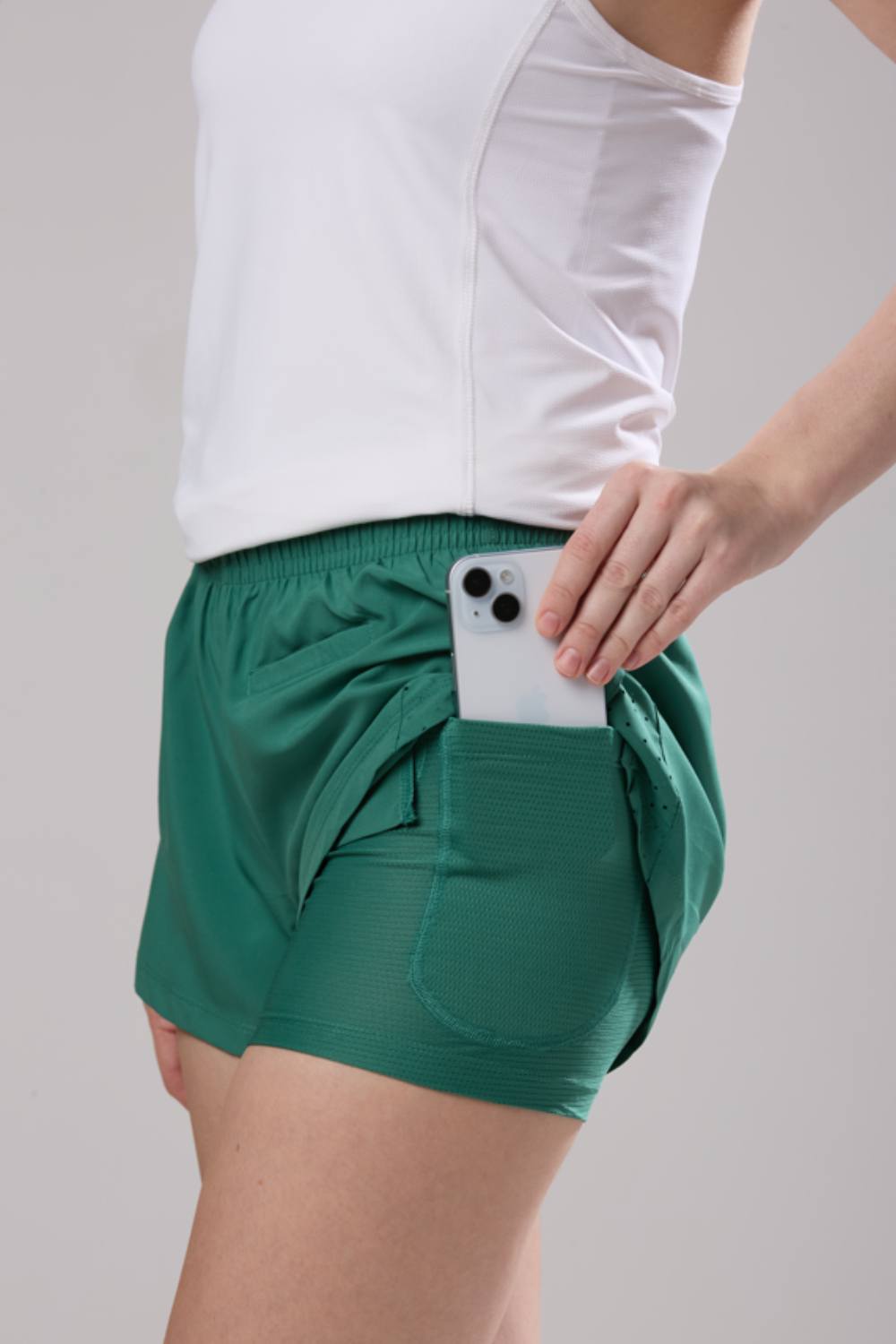
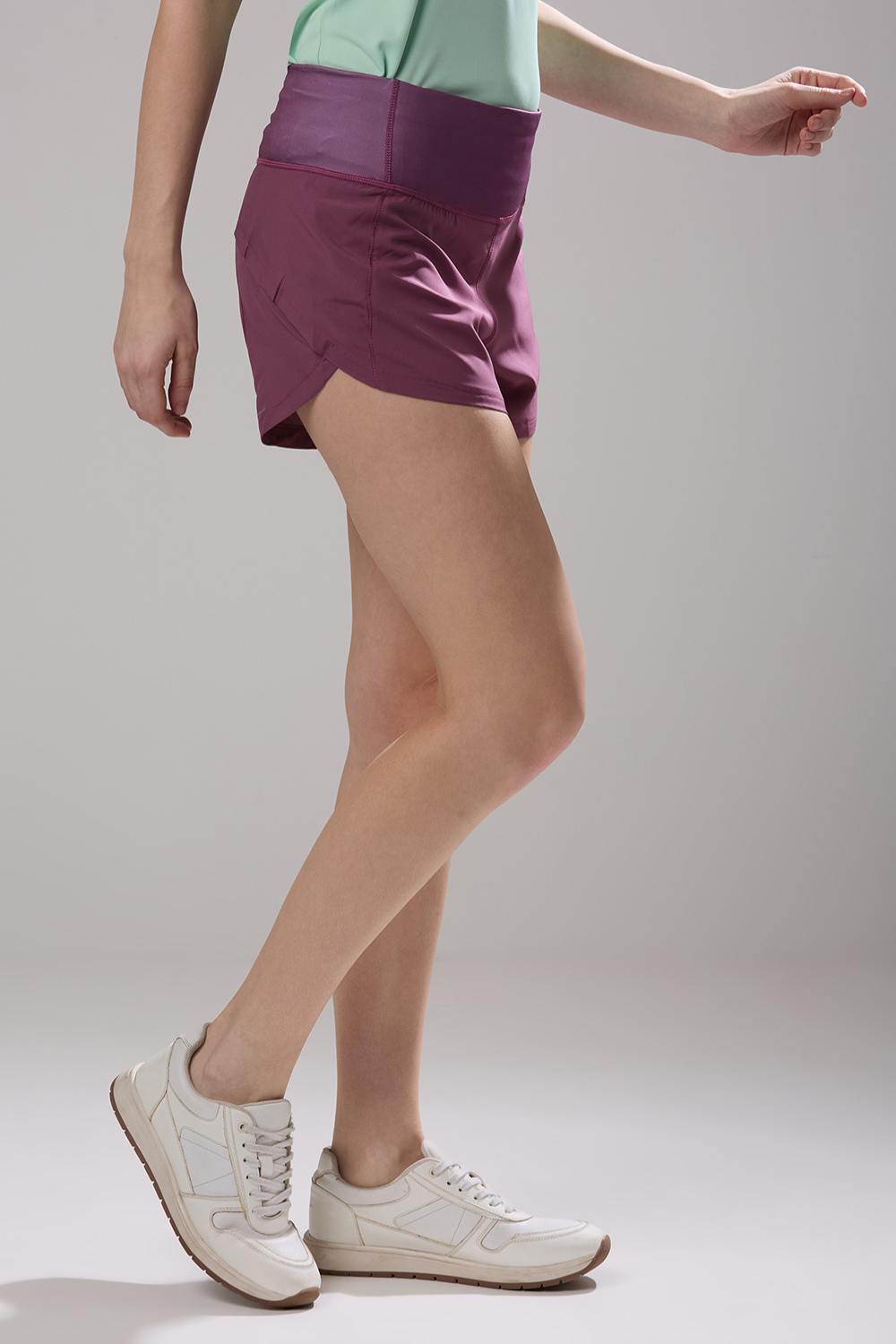
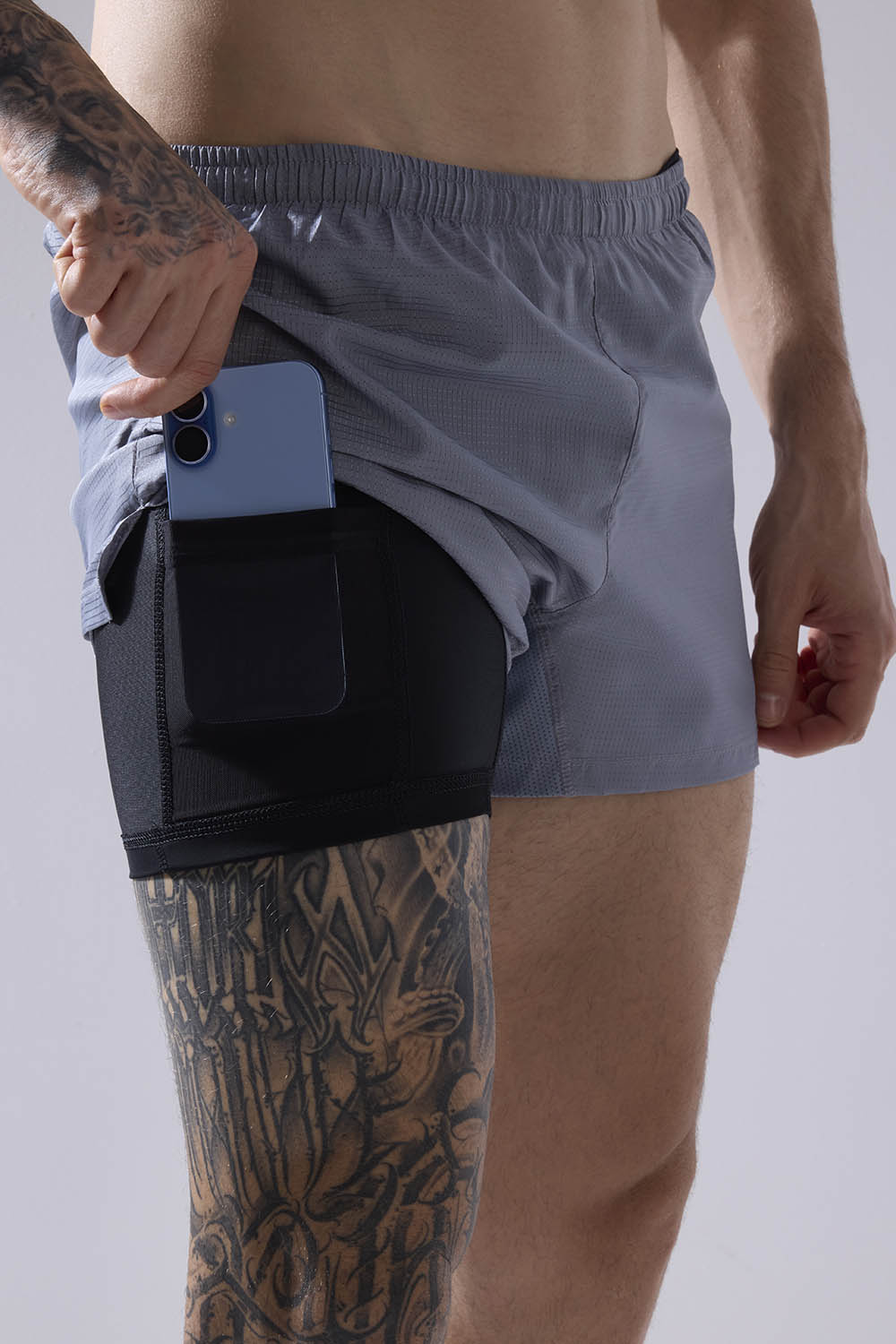
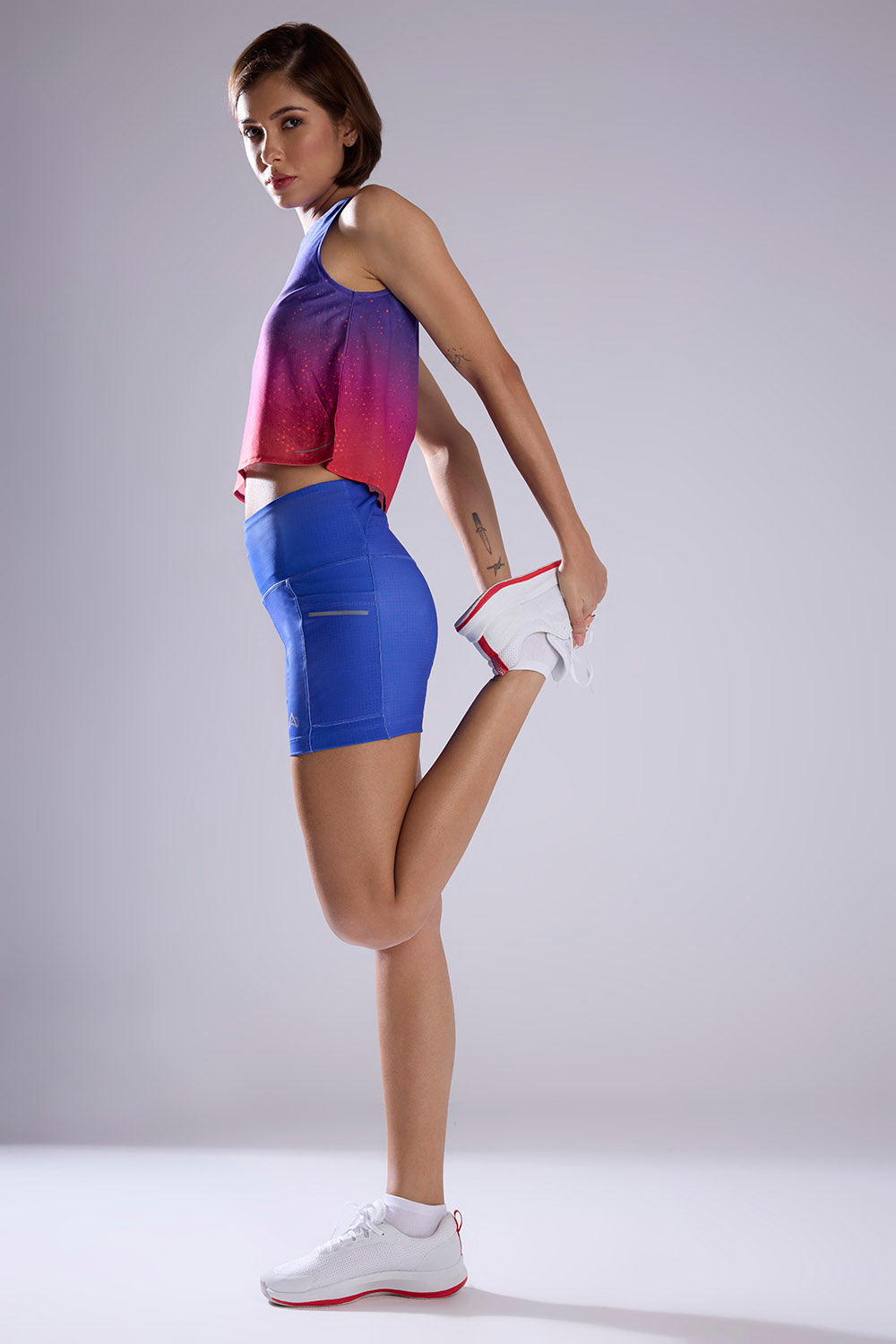
- Secure, bounce-free pockets that safely carry phones, keys, gels, or cards
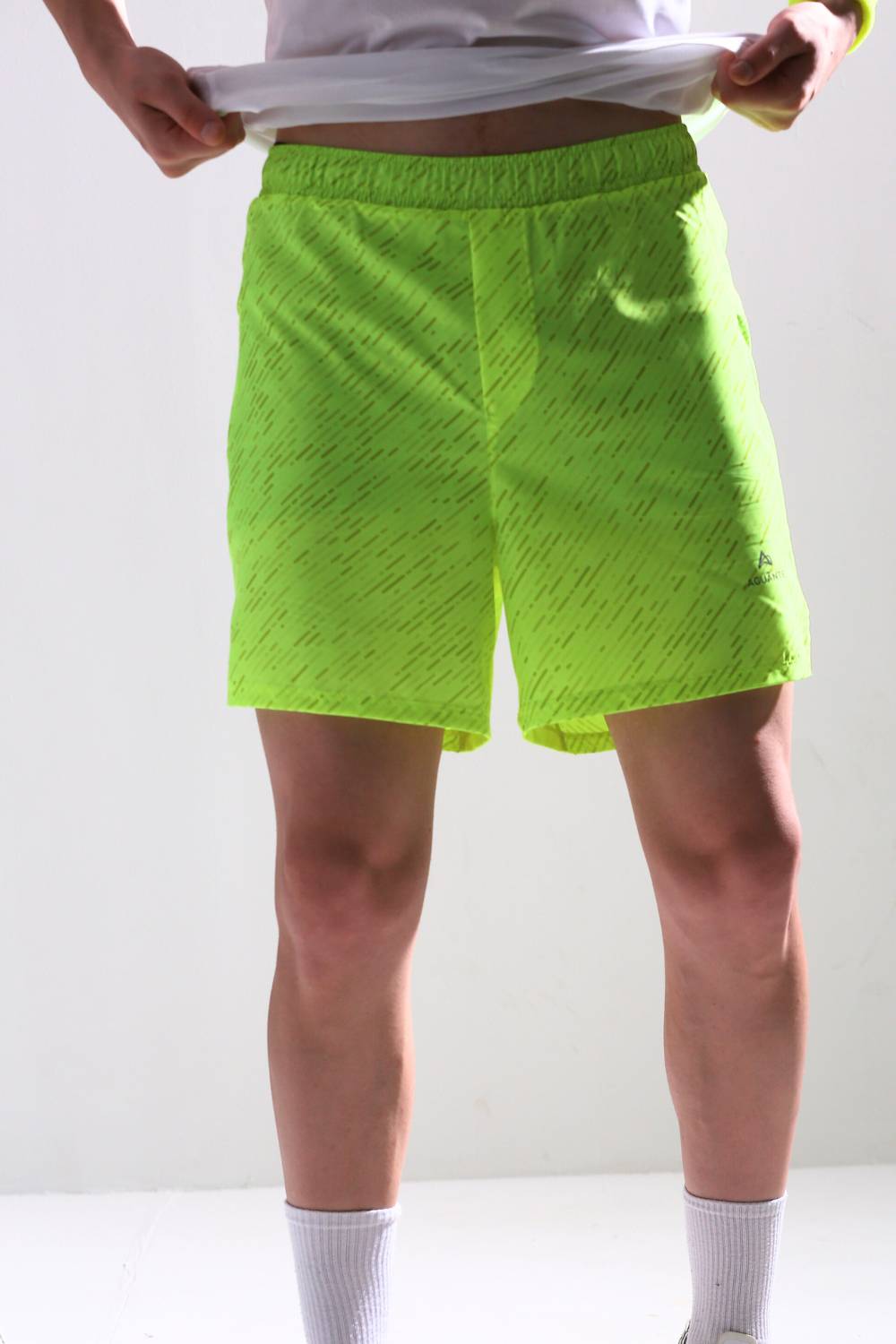
- Strategic reflective detailing for visibility during dawn and dusk runs
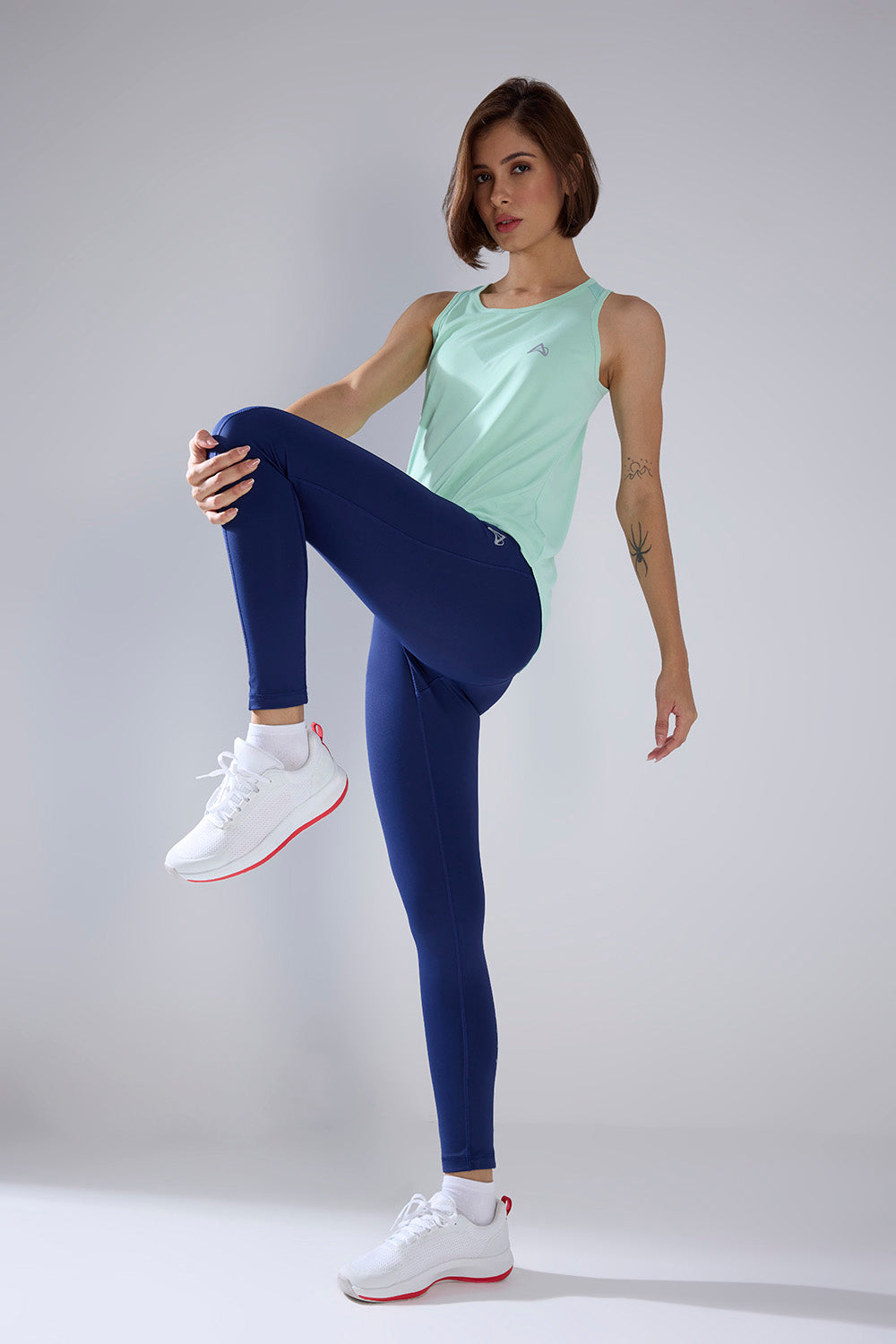
- Highly breathable, fast-drying fabrics engineered for tropical heat and monsoon humidity
- Thoughtful sizing and fit that respect Indian body proportions and natural movement patterns
These are not luxury add-ons; they are essentials that directly influence whether a woman continues running regularly or quietly drops out. When apparel removes friction literal and figurative participation deepens and communities strengthen.
Brands that truly listen deliver precisely these features without inflated pricing. Aguante has built its entire line around Indian running realities: obsessive focus on chafe prevention, stable storage, superior moisture control, reflective safety touches, and runner-validated fits all offered at honest price points that respect the budgets of emerging and dedicated athletes alike.
Why Legacy Brands Continue to Lose Ground
Many international and legacy sportswear names still design primarily for cooler, drier climates and different anthropometric profiles. The result is predictable: seams that rub during humid long runs, waistbands that slip, pockets that bounce annoyingly, and price tags that feel disconnected from actual performance delivered in Indian conditions.
Women entering these fitness spaces often balancing careers, families, and training are especially sensitive to value. They want high function without premium positioning that does not match real-world benefit. Safety gaps persist too: too few options combine visibility, secure storage, and unrestricted mobility in one garment.
Localized Innovation Creating Sustainable Competitive Advantage
Brands born from or deeply attentive to Indian runner feedback enjoy clear structural advantages. They experience far lower return rates from fit and comfort issues, earn higher repeat-purchase loyalty, and cultivate authentic advocacy within tight-knit digital and physical communities.
Distribution patterns are shifting in parallel. Instagram micro-communities and respected female coaches have become powerful validation channels. Direct-to-consumer models flourish when the product narrative aligns closely with lived experience rather than distant brand heritage.
Aguante exemplifies this emerging model: rigorous local design intelligence paired with global-quality materials and construction, delivered at accessible prices and purpose-built for the exact runs happening in these nine high-growth cities.
The Future Belongs to Apparel Engineered for Indian Women
Women in India's leading metros are no longer passive buyers of activewear they have become co-authors of its evolution. Through participation numbers, candid social-media feedback, community organizing, and deliberate purchasing, they are setting new standards for what performance gear must deliver.
Looking forward, expect even closer collaboration between grassroots fitness leaders and forward-thinking brands, accelerated innovation in climate-specific fabrics and constructions, and continued market-share gains for companies that treat Indian conditions as the primary design brief rather than an adaptation afterthought.
The most enduring activewear success stories of the next decade will not be built on trends borrowed from overseas. They will be forged on the humid footpaths of Mumbai, the scorching asphalt of Ahmedabad, the smog-filtered dawn routes of Delhi NCR, and the vibrant group energy coursing through Bangalore, Pune, Hyderabad, Surat, Gurugram, and Navi Mumbai. In these places and through the women who run them India's activewear future is already being written, stride by determined stride.
Frequently Asked Questions
What features should women look for in running activewear for India's climate?
Women runners in urban India should prioritize highly breathable, fast-drying fabrics that handle tropical heat and monsoon humidity. Other non-negotiable features include anti-chafing inner linings for long runs, secure bounce-free pockets for carrying essentials, and strategic reflective detailing for visibility during early morning or evening runs. Thoughtful sizing that respects Indian body proportions is equally important for comfort and performance.
Why are women-led running communities growing so rapidly in Indian cities like Bangalore, Mumbai, and Delhi?
Women-only running groups in cities like Bangalore, Mumbai, and Delhi have grown into vibrant weekly rituals that prioritize safety, community, and holistic fitness not just mileage. These collectives offer coaching tailored to women's physiology, injury prevention, and mutual support, making running accessible and sustainable. Social media platforms like Instagram and YouTube have further amplified these communities, connecting thousands of runners across cities and helping newcomers find trusted gear and training advice.
Why are international activewear brands losing ground to local Indian sportswear brands among women runners?
Many legacy international brands design activewear for cooler, drier climates and different body proportions, resulting in poor performance on India's humid, high-heat running routes. Common complaints include slipping waistbands, bouncing pockets, chafe-prone seams, and pricing that doesn't reflect real-world value for Indian conditions. Local and locally-attuned brands that co-design with Indian runner feedback focusing on climate-specific fabrics, functional fit, and honest pricing are earning stronger loyalty and repeat purchases.
Disclaimer: The above helpful resources content contains personal opinions and experiences. The information provided is for general knowledge and does not constitute professional advice.
You may also be interested in: Urban Running Culture Shapes Activewear Trends in India - Aguante
Tired of gear that slows you down? Chafing, soggy fabrics, and missing pockets kill your run's momentum. At Aguante, we're runners who get it. Our high-performance activewear features moisture-wicking fabrics, ergonomic designs, and smart storage to keep you focused. Shop Now!
Powered by flareAI.co