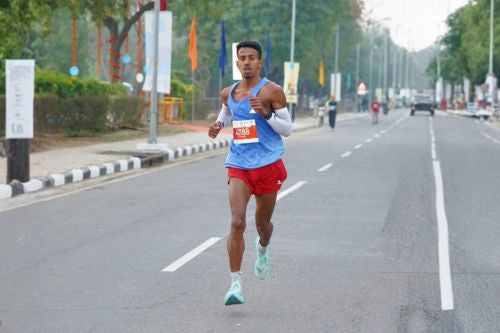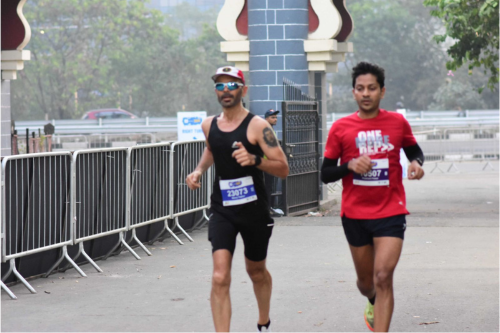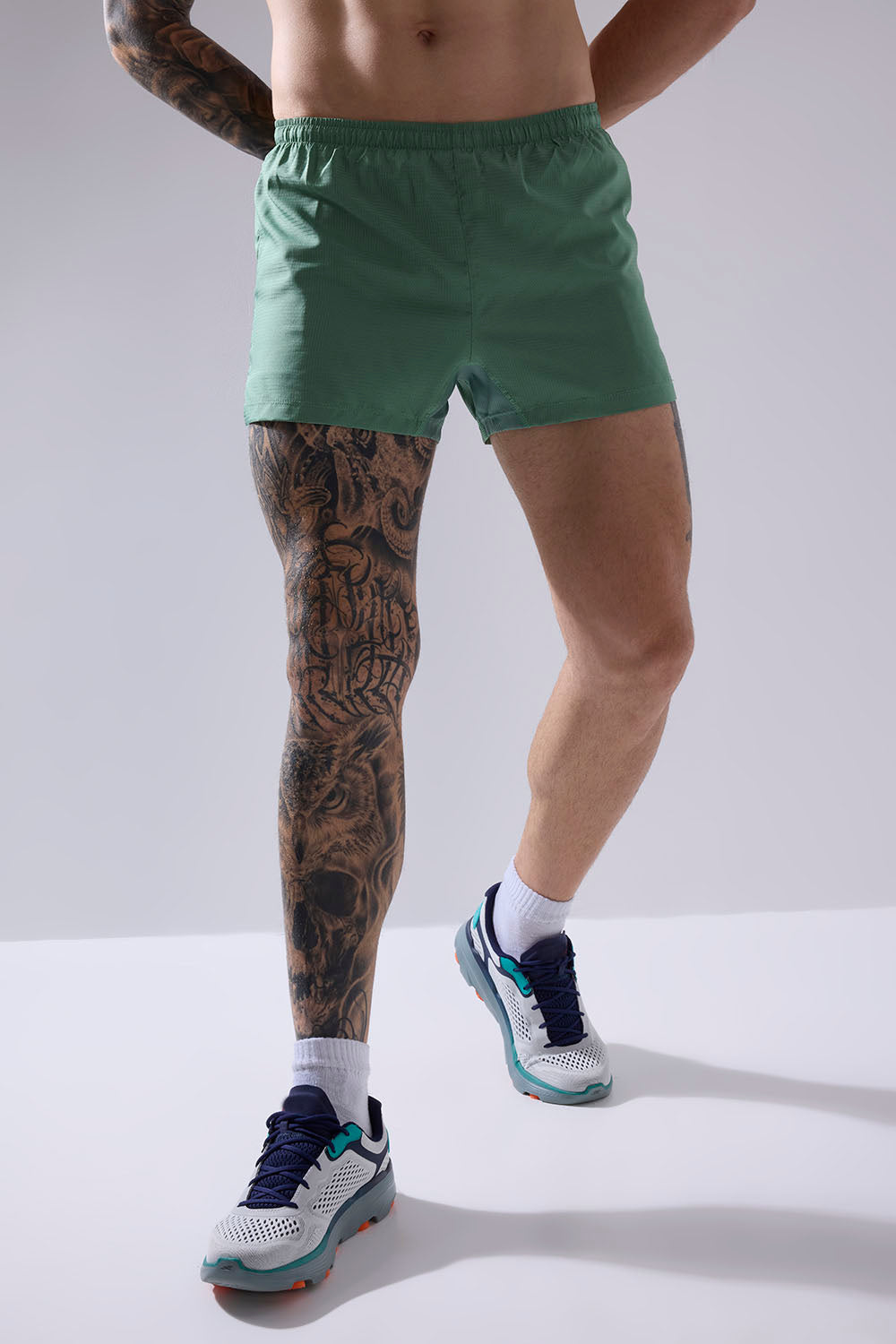
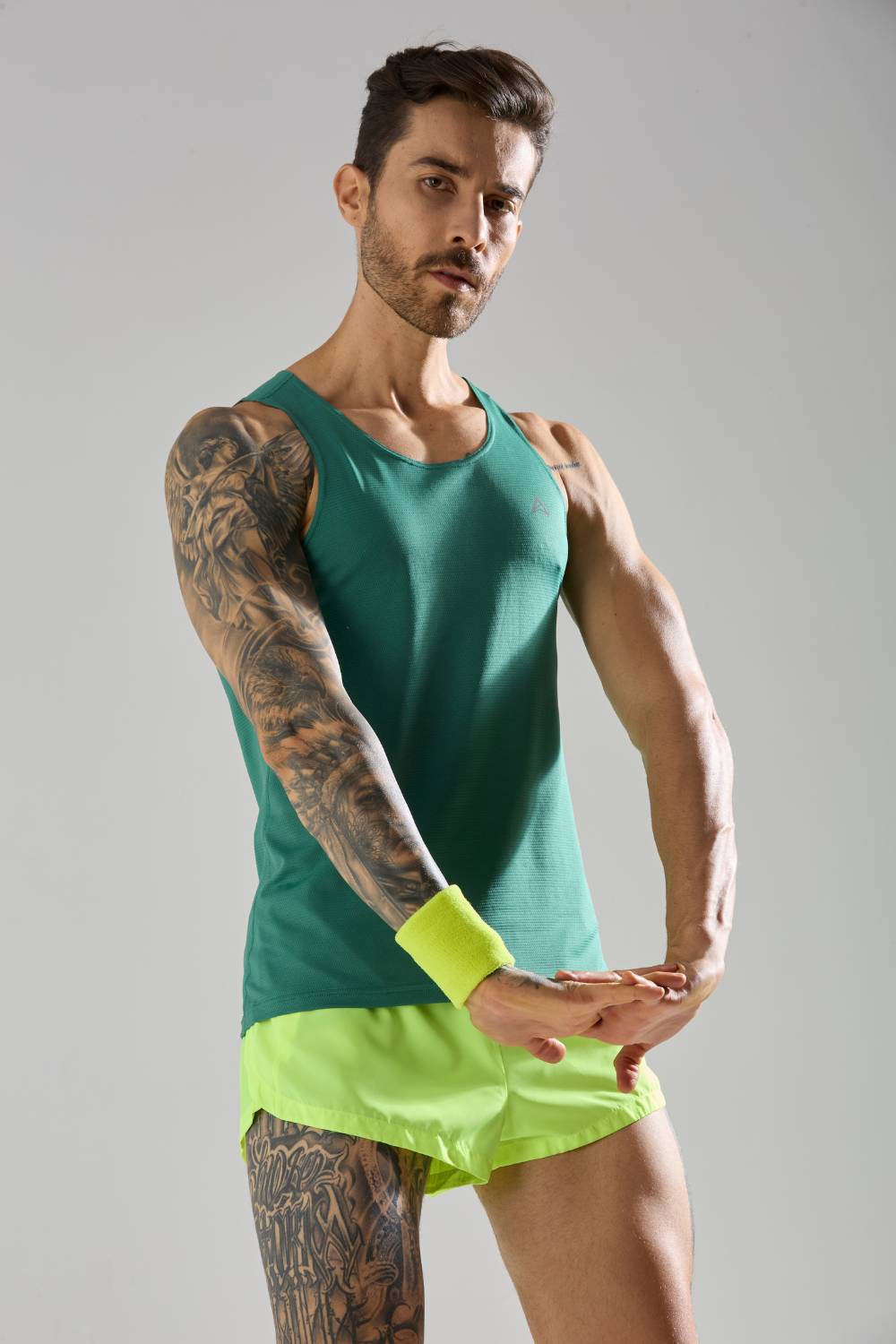

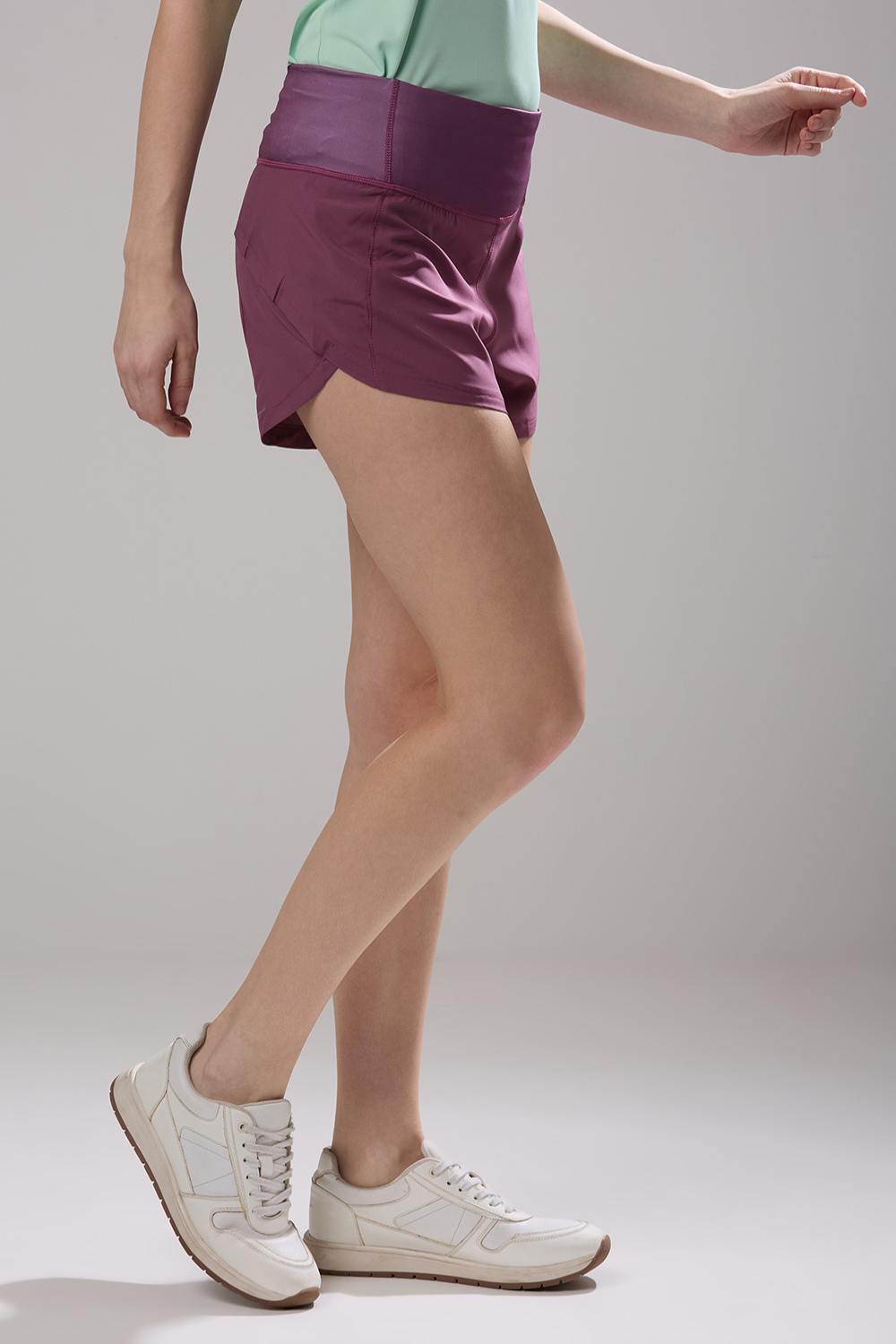
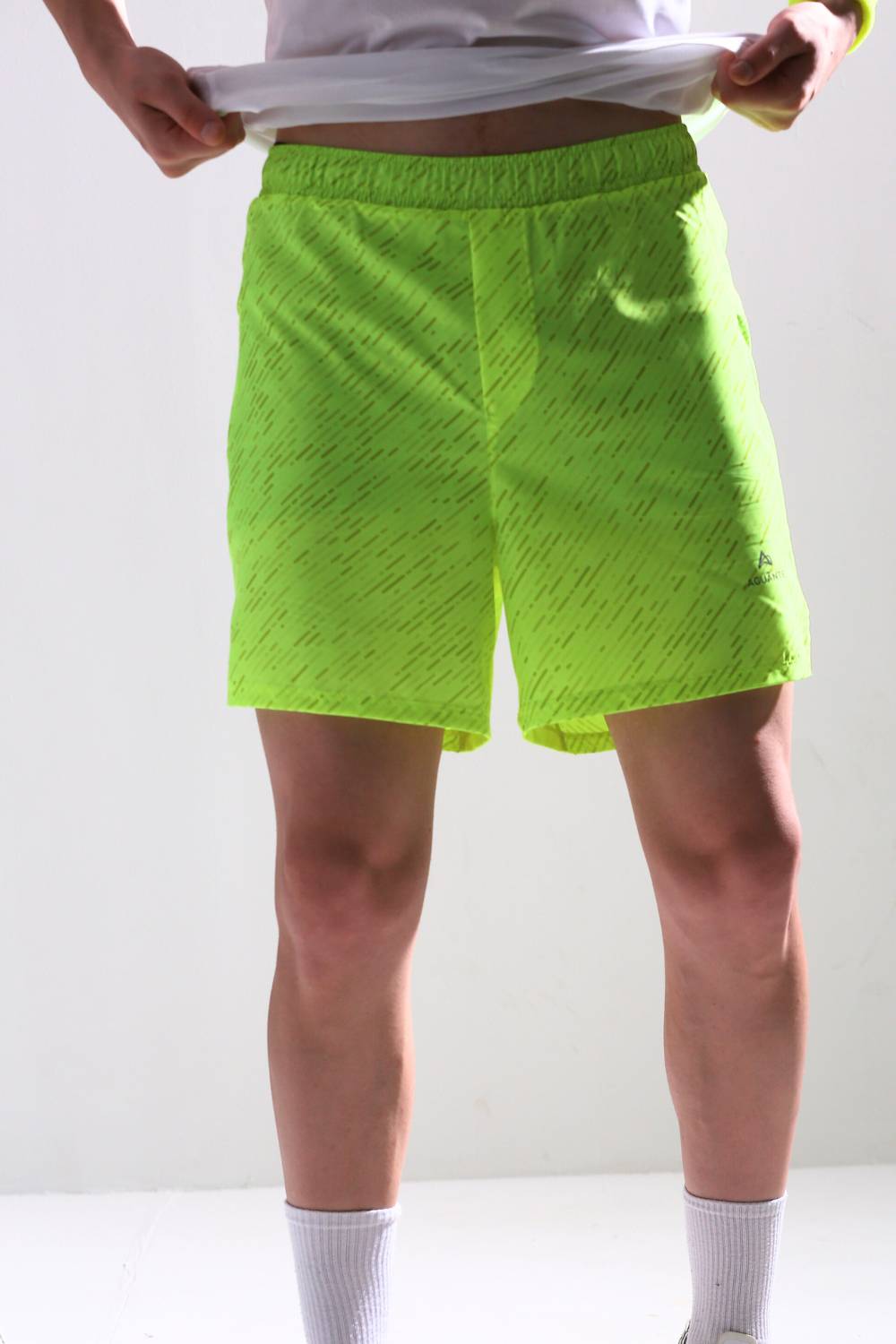
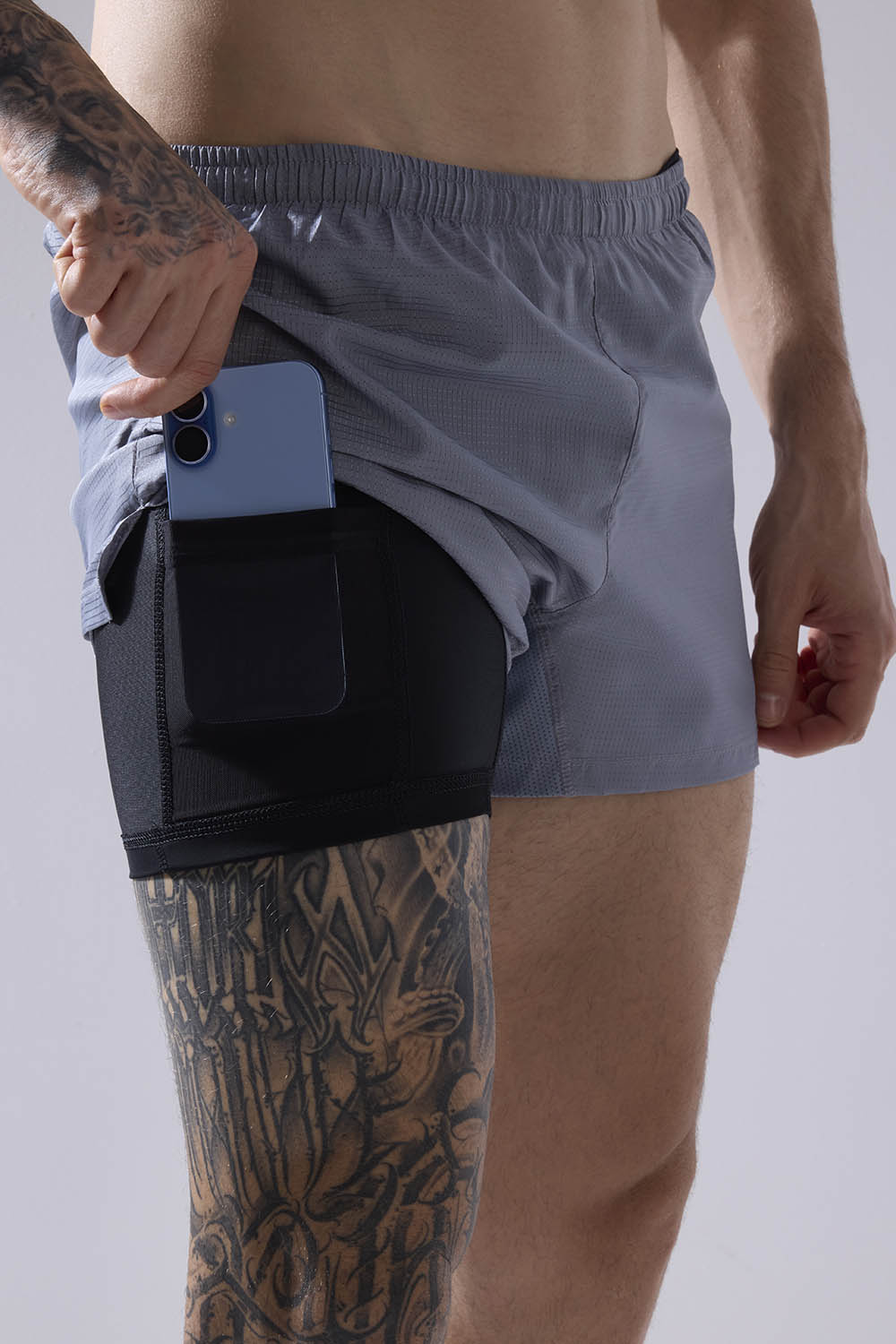

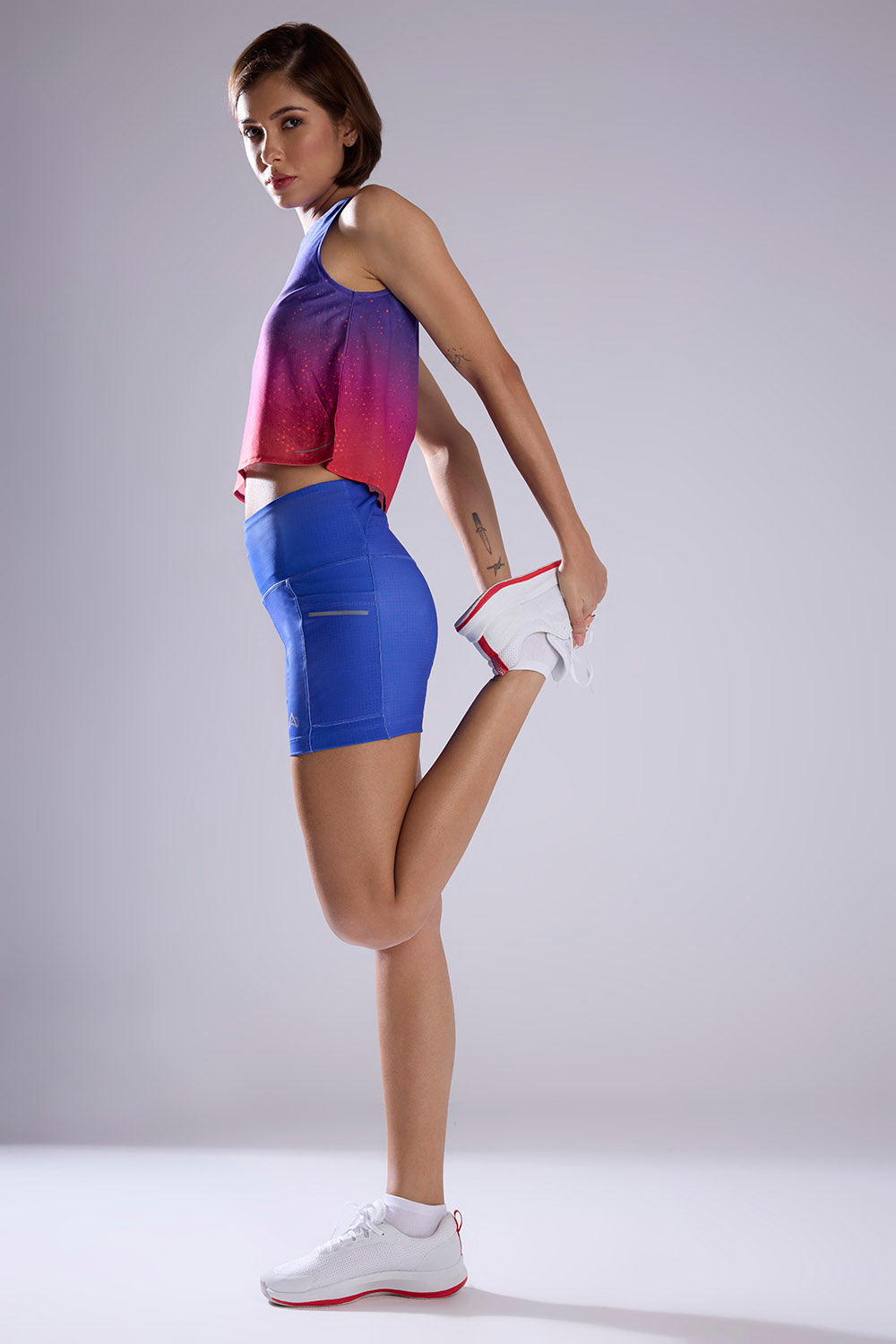
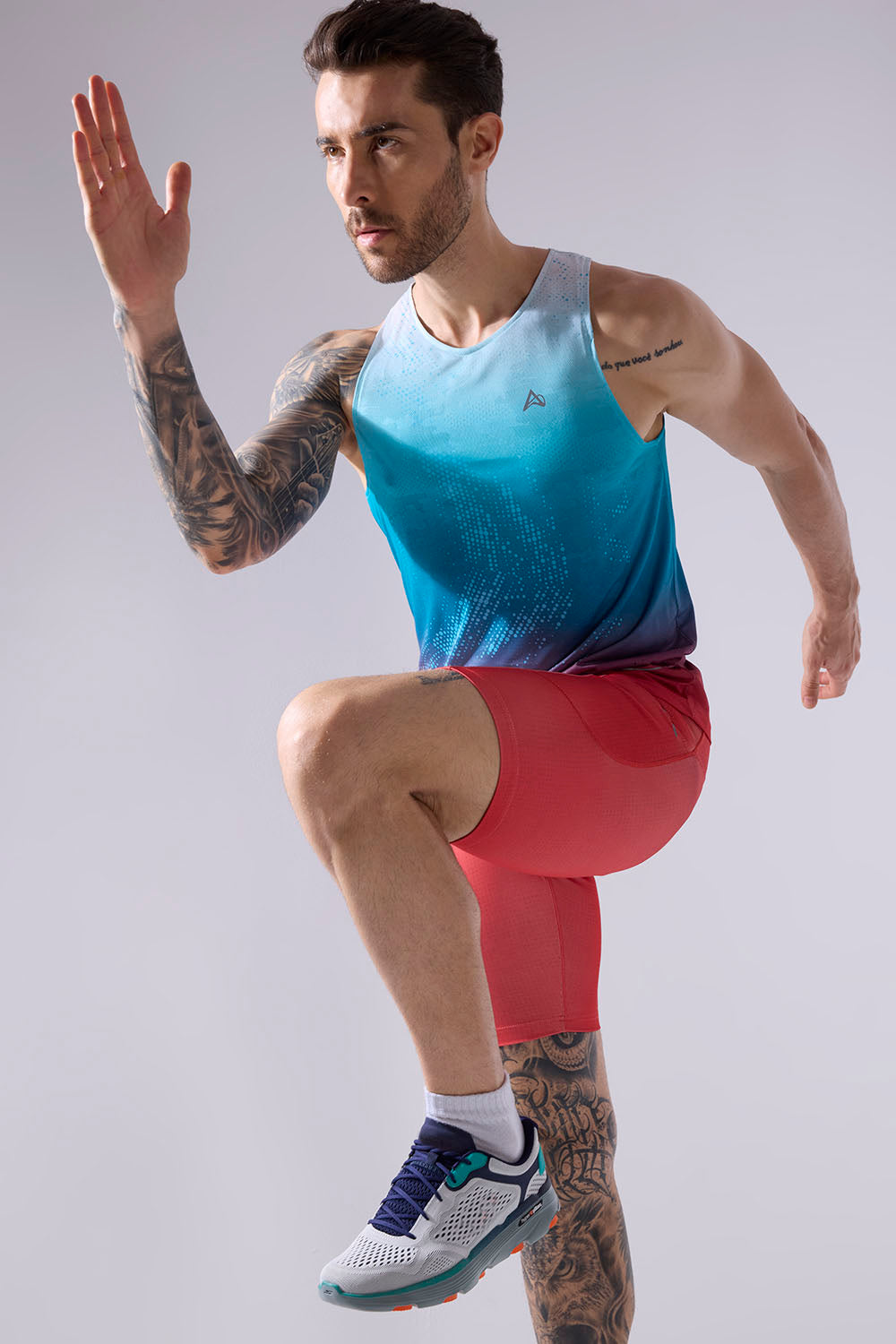

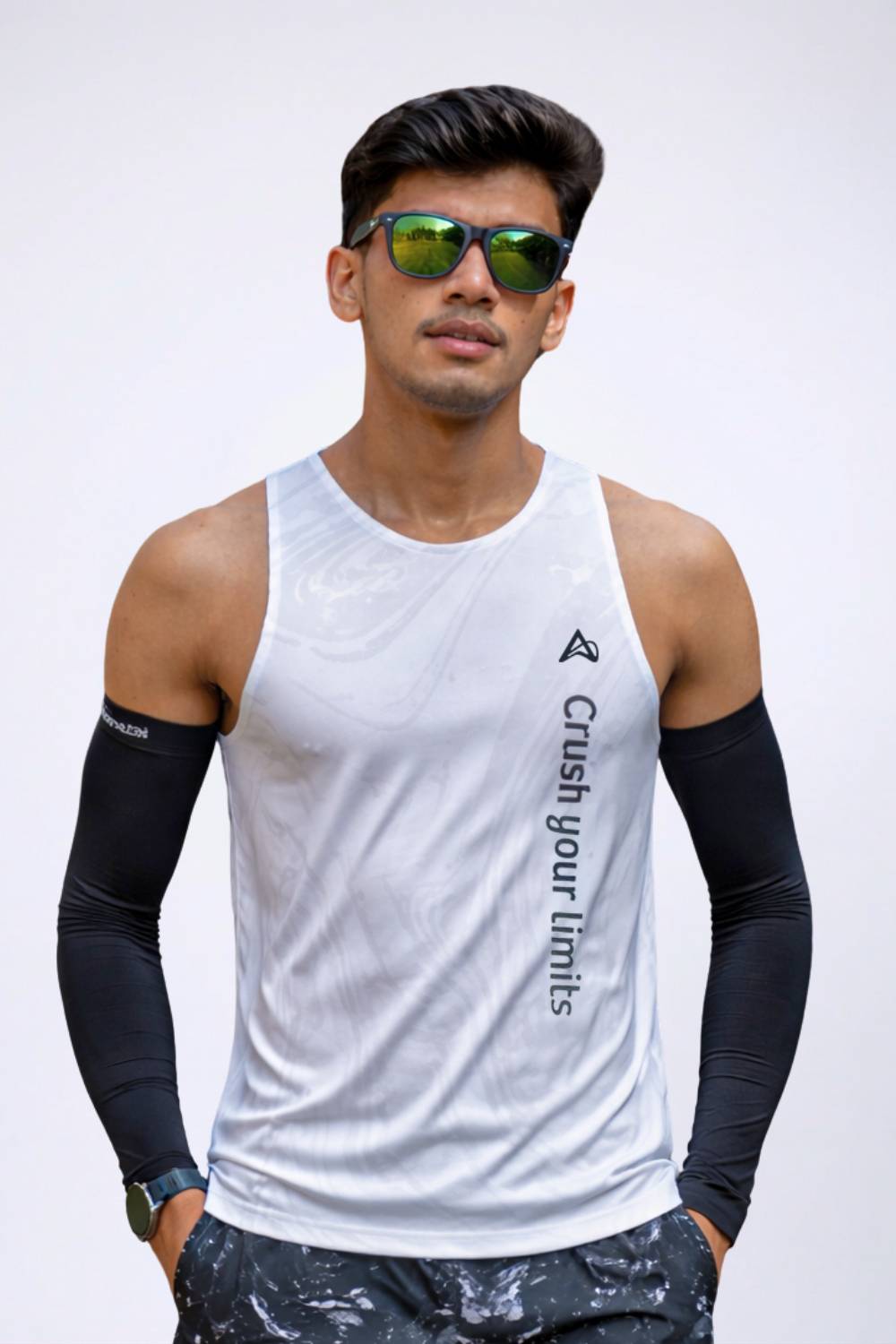

For many runners, the most convenient time to train is before the workday begins or after responsibilities are finished. These quieter hours can offer a focused running experience, but they also create a visibility challenge. When daylight fades, runners share roads and pathways with changing conditions, including reduced contrast, uneven lighting, and approaching vehicles. Reflective details on running apparel are designed to address this challenge by helping runners become easier to notice in low-light environments. Understanding how these features work can help athletes make more informed choices about their running gear and build safer habits around every training session.
Tired of gear that slows you down? Chafing, soggy fabrics, and missing pockets kill your run's momentum. At Aguante, we're runners who get it. Our high-performance activewear features moisture-wicking fabrics, ergonomic designs, and smart storage to keep you focused. Shop Now!
Why Visibility Becomes a Challenge During Low-light Runs
Early morning and night runs create a different environment from daytime training. Colours appear less distinct, backgrounds become harder to read, and a runner's outline may blend into surroundings. Even familiar routes can feel different when natural light is limited.
Visibility is not only about wearing bright colours. A runner's ability to be recognised depends on how quickly others can identify movement and distance. Research into nighttime visibility shows that movement patterns are important because the human eye responds strongly to cues that reveal how a person is moving. Nighttime visibility research highlights why reflective elements positioned on moving parts of the body can help create clearer recognition signals.
For runners, this means clothing design matters beyond appearance. Reflective features placed on areas that move during running, such as arms and legs, can help communicate that a person is in motion. This is especially useful on roads where drivers need to identify pedestrians and runners quickly.
How Reflective Details Improve Running Safety
Reflective materials work differently from ordinary colours. Instead of simply appearing brighter, they interact with available light sources, such as vehicle headlights, by reflecting light back toward its source. This can make a runner more noticeable when visibility is reduced.
Transportation safety guidance explains that people often underestimate how difficult they are to see in low-light conditions, particularly when wearing darker clothing. Reflective materials can provide an additional visibility layer by helping approaching drivers recognise a person earlier. Nighttime visibility safety guidance supports the value of reflective features for people travelling near roads.
For runners, this does not replace other safety practices. Route selection, awareness of traffic, and responsible running habits remain important. However, adding reflective details to running apparel is a practical step that can support better visibility during training sessions outside normal daylight hours.
Why Reflective Placement Matters in Running Apparel
Not all reflective designs provide the same experience. The effectiveness of reflective running clothes depends not only on whether reflective material is present but also on where it is placed and how it interacts with movement.
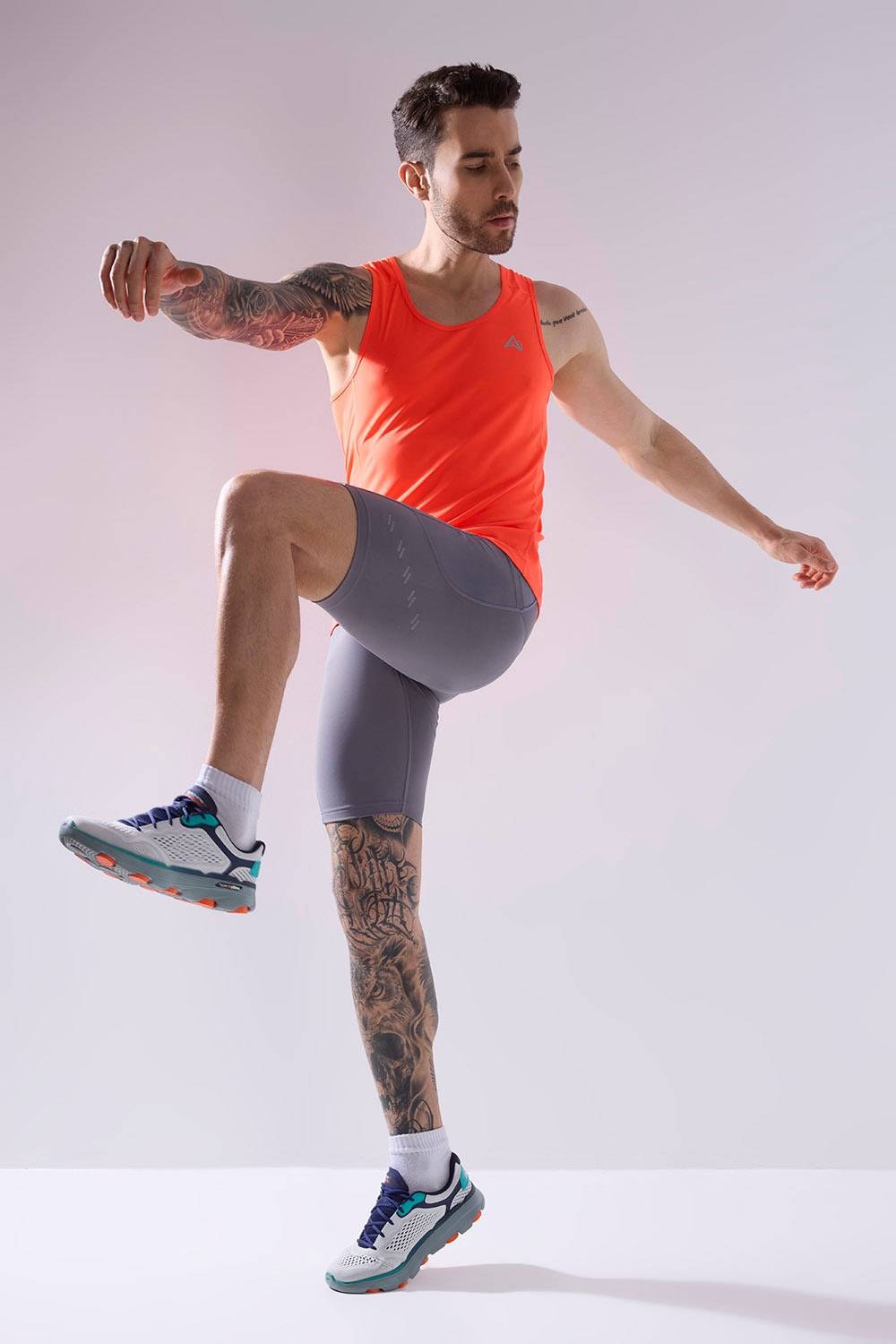
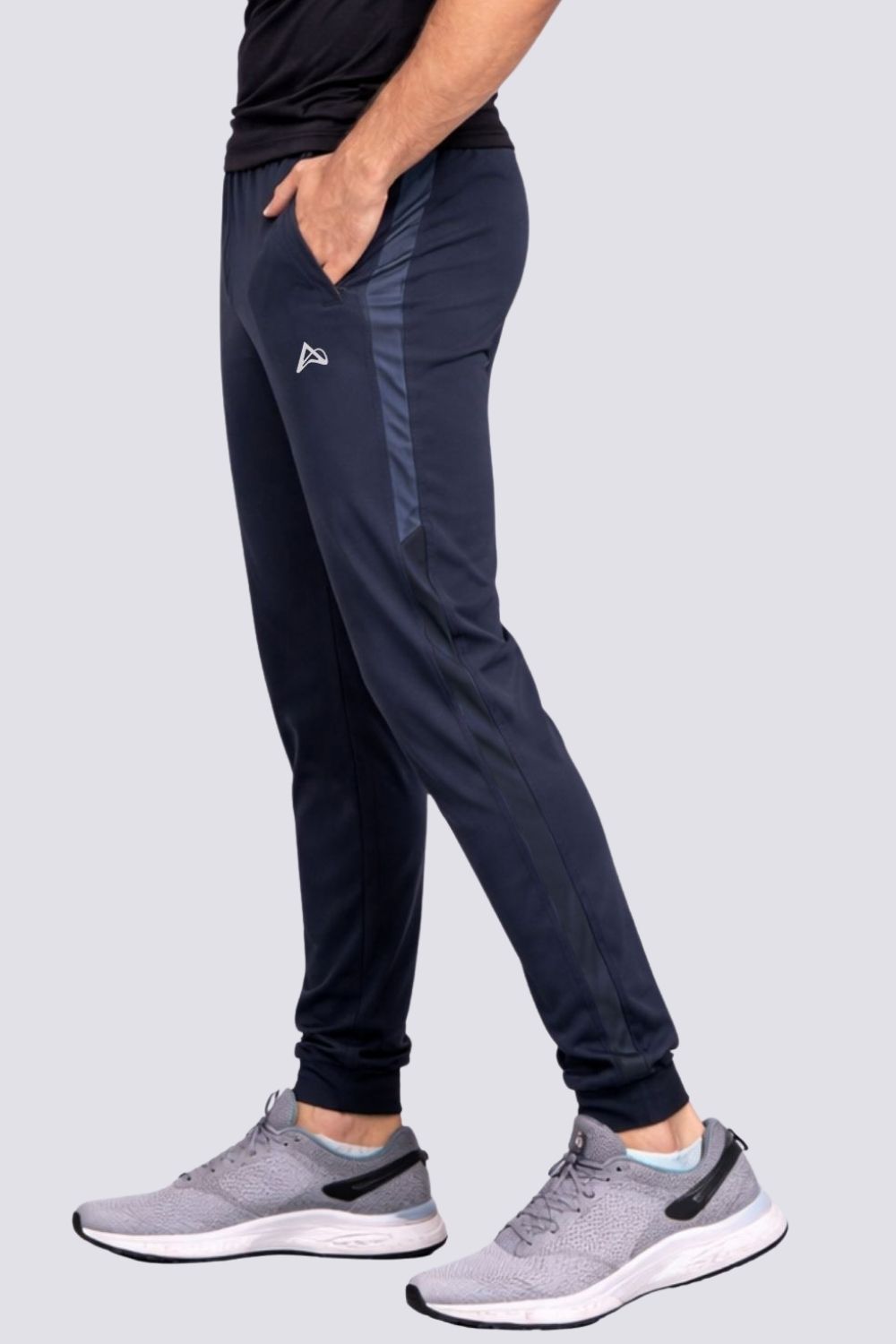
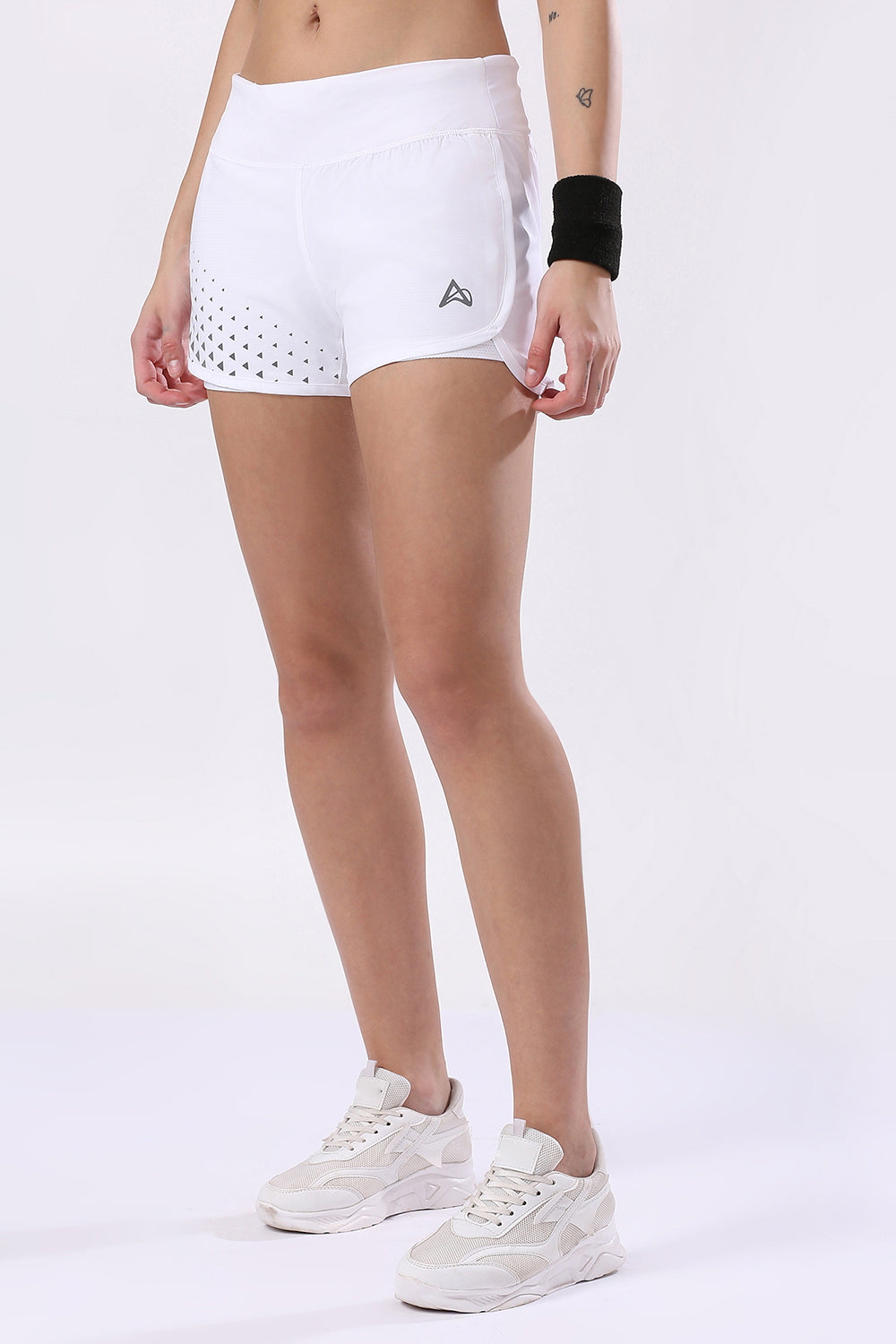
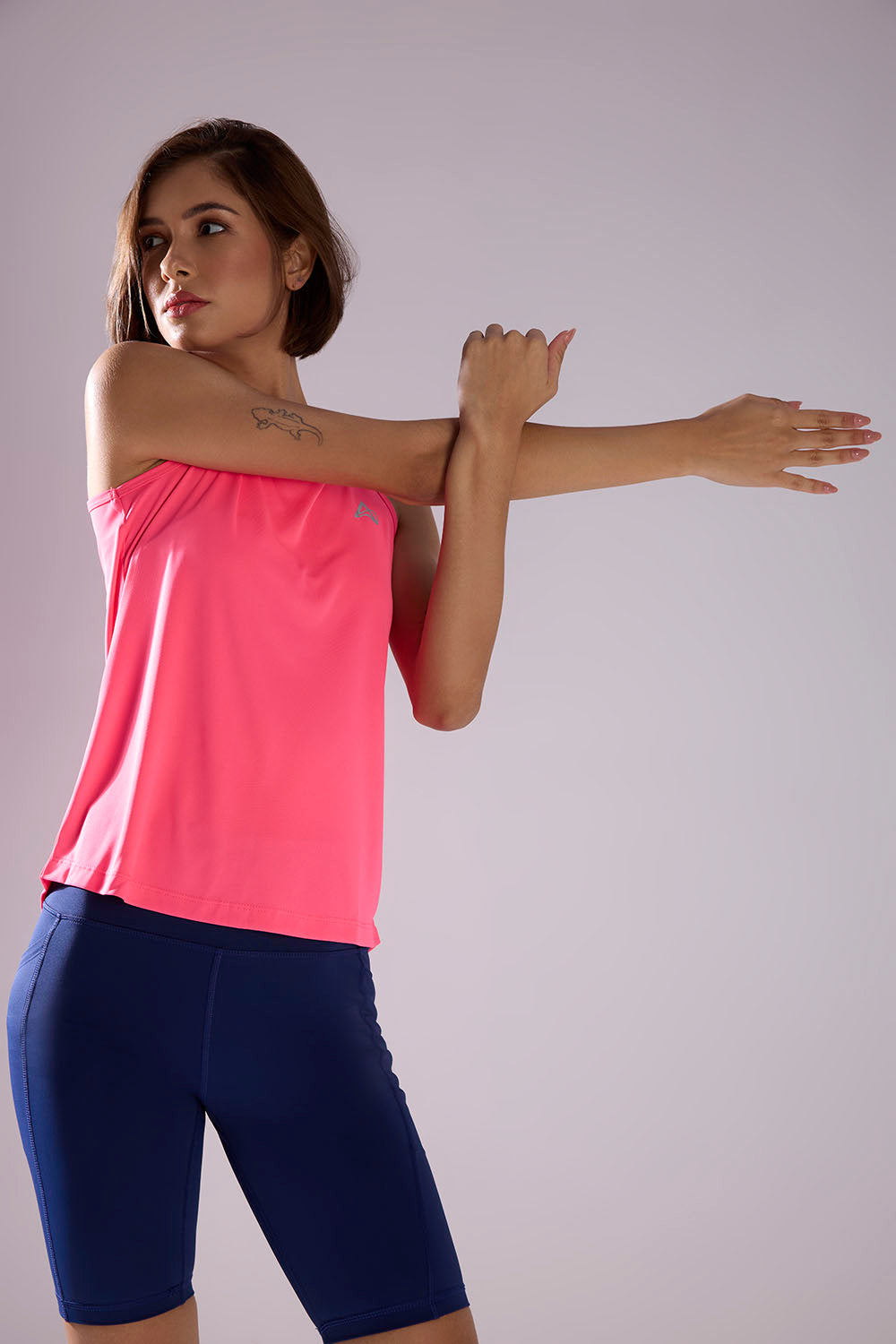
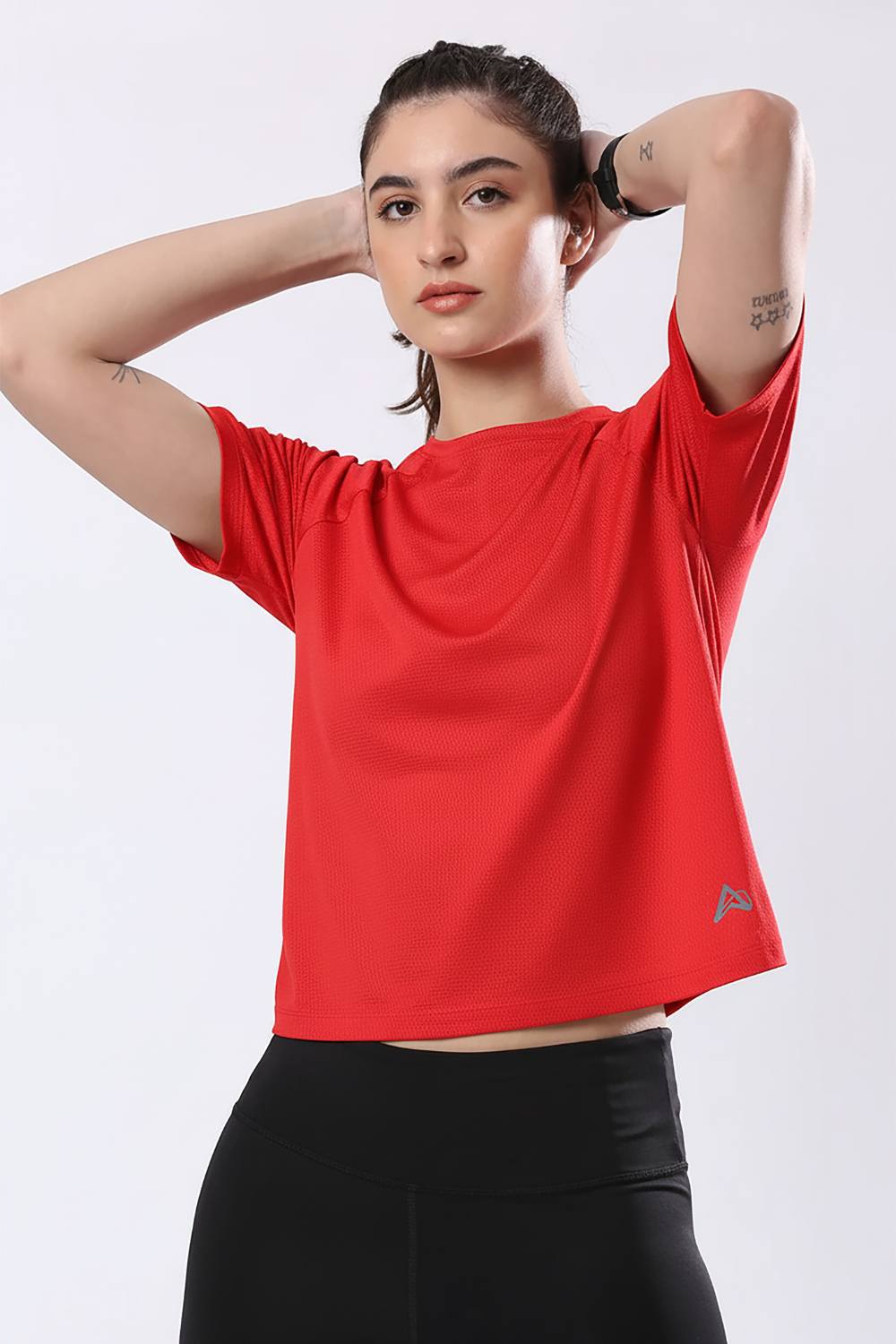
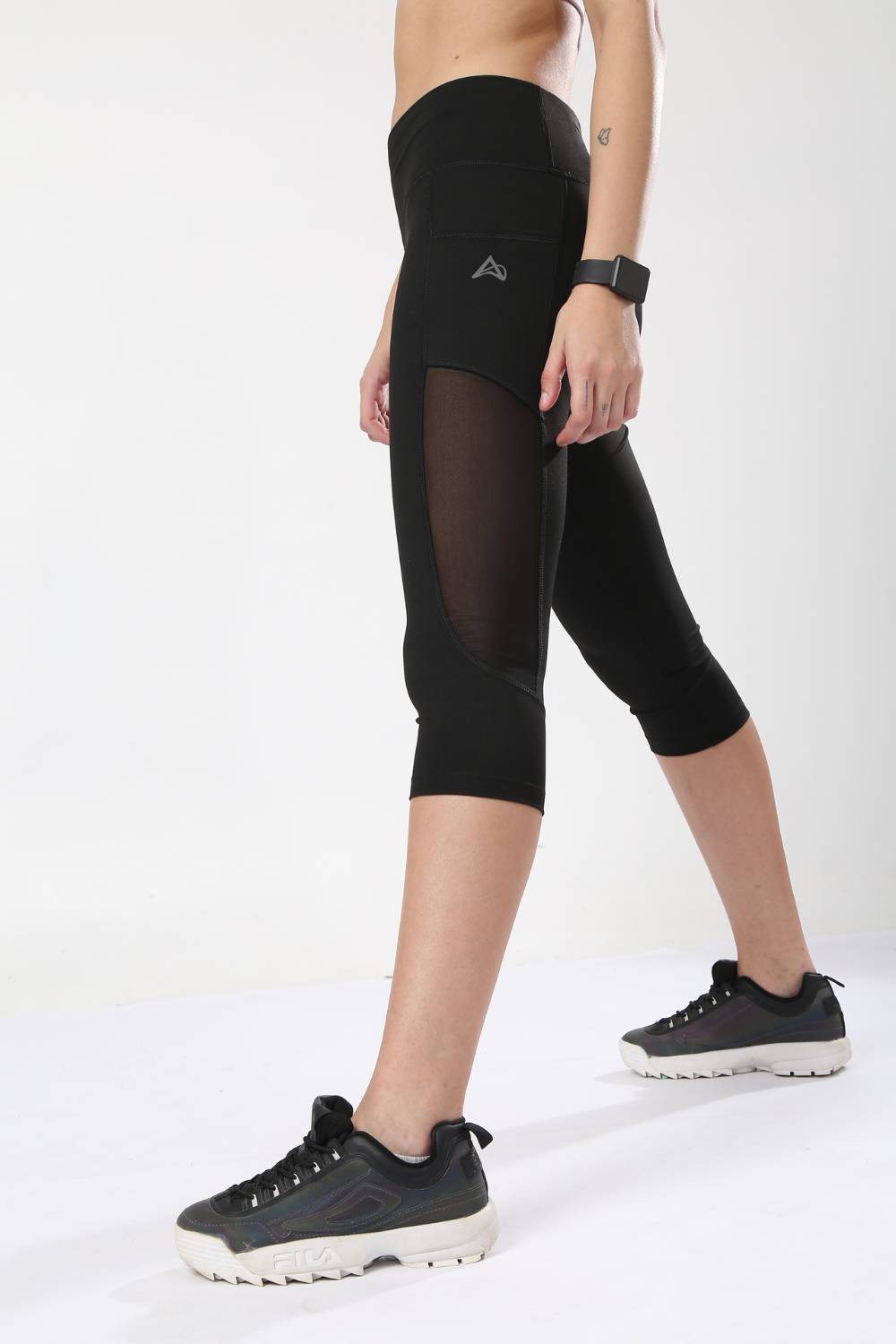
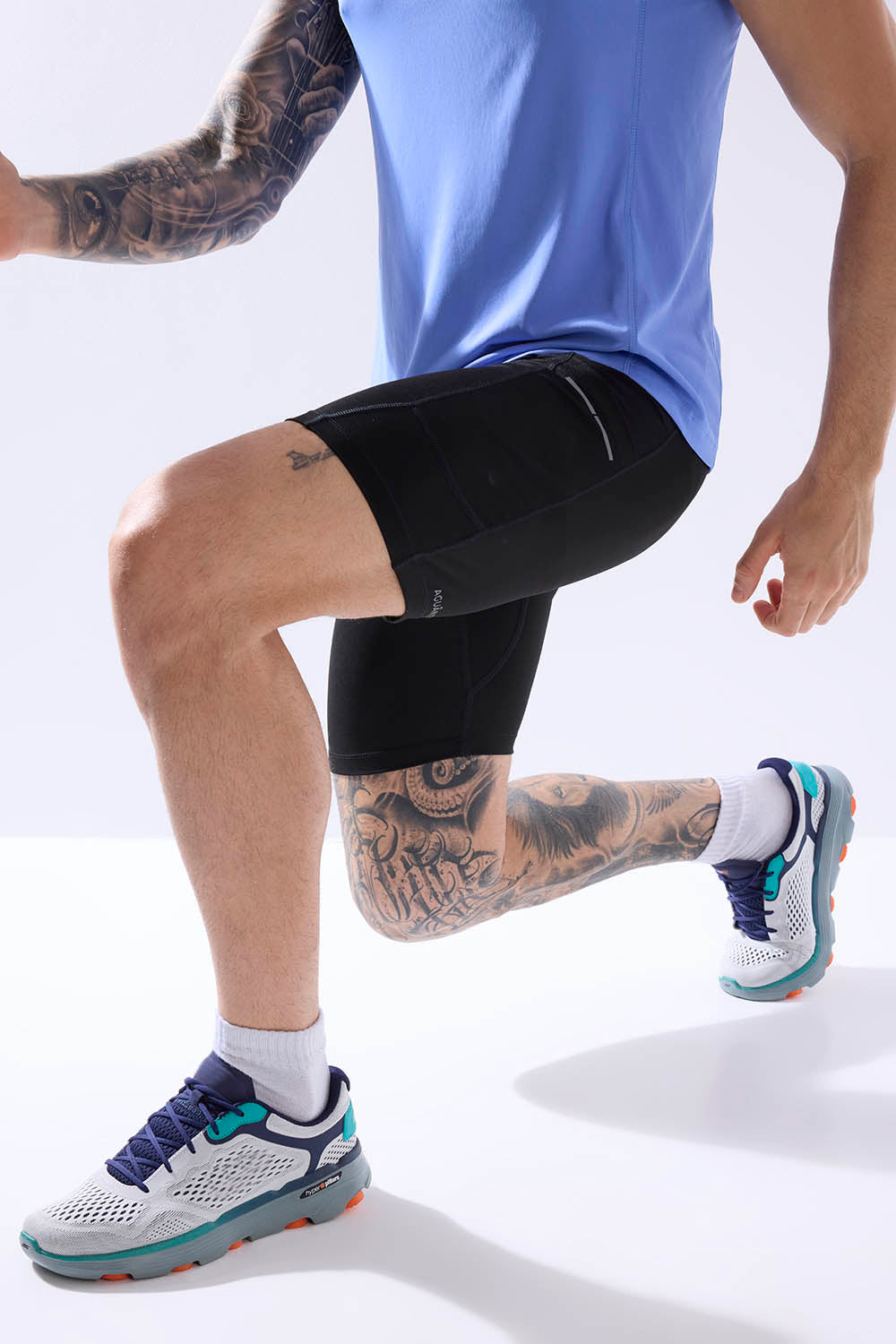
A small reflective mark on a stationary area may be less noticeable than reflective sections positioned on parts of the body that naturally move while running. When a runner's arms and legs move, reflective details can create patterns that help observers understand the presence and motion of the runner.
This design approach reflects a broader shift in performance apparel. Modern running gear increasingly focuses on solving practical problems through thoughtful details. Features such as comfort, storage, breathability, fit, and visibility all contribute to a runner's overall experience.
For athletes choosing apparel for early morning or evening sessions, visibility should be considered alongside other functional requirements. The right clothing should support movement while also helping runners feel more prepared for different environments.
Choosing the Right Gear for Early Morning and Night Runs
Selecting the best running gear for low light conditions requires looking at how and where you run. A runner training on busy roads may have different needs from someone using dedicated trails or quieter neighbourhood paths.
Consider Reflective Coverage and Movement
Look for apparel with reflective details positioned where movement naturally occurs. Elements on areas such as the arms, legs, or other visible sections can help create stronger recognition cues compared with designs placed only on fixed areas.
Balance Visibility with Comfort
Visibility features should work alongside the qualities runners already expect from performance clothing. Comfortable fabrics, practical construction, and a fit that supports unrestricted movement help ensure that safety-focused features do not become a distraction during training.
Match Clothing Choices to Running Conditions
Weather, route conditions, traffic exposure, and available lighting all influence what a runner may need. Reflective details can be one part of a wider approach to running safety that includes preparation and awareness.
The Growing Importance of Practical Features in Performance Apparel
Runners increasingly look for clothing that addresses real training challenges rather than simply following appearance trends. A piece of running apparel has a stronger purpose when each feature supports how athletes actually move and train.
Visibility-focused design reflects this practical approach. A reflective element may appear simple, but it represents a deeper understanding of how runners interact with roads, vehicles, and changing environments. Small design decisions can influence confidence, especially for people who build their routines around early starts or evening workouts.
This focus on useful details also connects with the broader role of performance apparel. Runners want products that fit into their routines, support consistency, and help them manage everyday challenges. Functional features become valuable when they solve specific problems without adding unnecessary complexity.
Building Safer Running Habits Beyond Reflective Clothing
Reflective running clothes are an important tool, but safer running also depends on behaviour and awareness. Visibility works best when combined with thoughtful decisions before and during a run.
- Choose routes carefully: Select paths where lighting, road conditions, and traffic patterns are suitable for your training.
- Stay aware of surroundings: Paying attention to vehicles, cyclists, and changing conditions helps runners respond effectively.
- Use appropriate visibility gear: Reflective apparel and other visibility-focused accessories can provide additional support in darker conditions.
- Plan around conditions: Weather, time of day, and route familiarity can affect how visible and comfortable a run feels.
The goal is not to make running complicated. Instead, it is about recognising that small preparation choices can make a meaningful difference. Clothing design, route planning, and personal awareness work together to create a more confident running experience.
How Reflective Details Connect with Better Running Experiences
Performance apparel is most effective when it understands the situations runners actually face. A runner preparing for a morning session before sunrise or an evening run after work needs clothing that supports both performance and practical challenges.
Reflective details represent one example of how thoughtful apparel design can respond to real athlete needs. They show that performance is not only about speed, distance, or training intensity. It is also about creating equipment choices that help runners feel prepared across different environments.
For brands focused on runner-oriented apparel, features such as reflective elements provide an opportunity to educate athletes about smarter clothing choices. The connection is not simply about adding a feature; it is about understanding how design decisions can improve the relationship between runners, their gear, and their surroundings.
Reflective details matter because visibility is a key part of running confidently when daylight is limited. While they are only one element of responsible running preparation, well-designed reflective features can help runners become more noticeable and better prepared for low-light conditions. As more athletes adapt their training schedules around busy routines, practical design choices in performance apparel will continue to play an important role in supporting safer and more comfortable runs.
Frequently Asked Questions
Why are reflective details important for early morning and night runs?
Reflective details help runners become more noticeable in low-light conditions by reflecting available light from sources such as vehicle headlights. They can improve visibility during early morning and night runs, helping runners feel more prepared when training outside daylight hours.
How do reflective running clothes improve night running safety?
Reflective running clothes are designed to create clearer visibility cues by making a runner easier to recognise in darker environments. They work best when combined with safe route choices, awareness of surroundings, and responsible running habits.
What should runners look for in the best running gear for low light conditions?
Runners should consider reflective placement, comfort, fit, and functionality when choosing gear for low-light conditions. Reflective elements positioned on moving areas such as arms and legs can help create stronger recognition signals while supporting an effective running experience.
Disclaimer: The above helpful resources content contains personal opinions and experiences. The information provided is for general knowledge and does not constitute professional advice.
You may also be interested in: Community-Focused Brands Resonate With Indian Runners
Tired of gear that slows you down? Chafing, soggy fabrics, and missing pockets kill your run's momentum. At Aguante, we're runners who get it. Our high-performance activewear features moisture-wicking fabrics, ergonomic designs, and smart storage to keep you focused. Shop Now!
Powered by flareAI.co