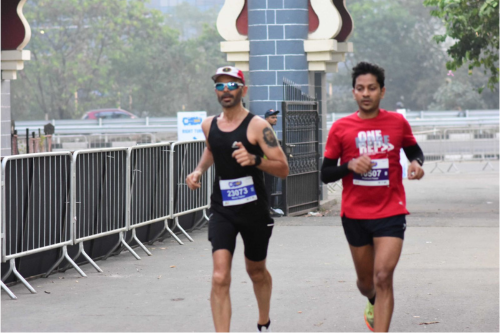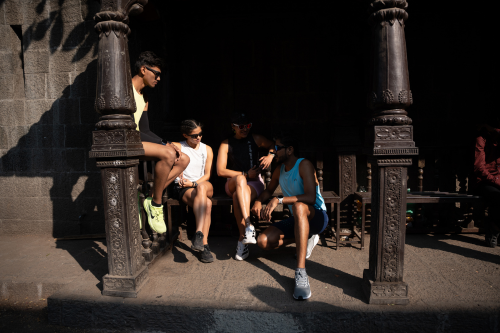
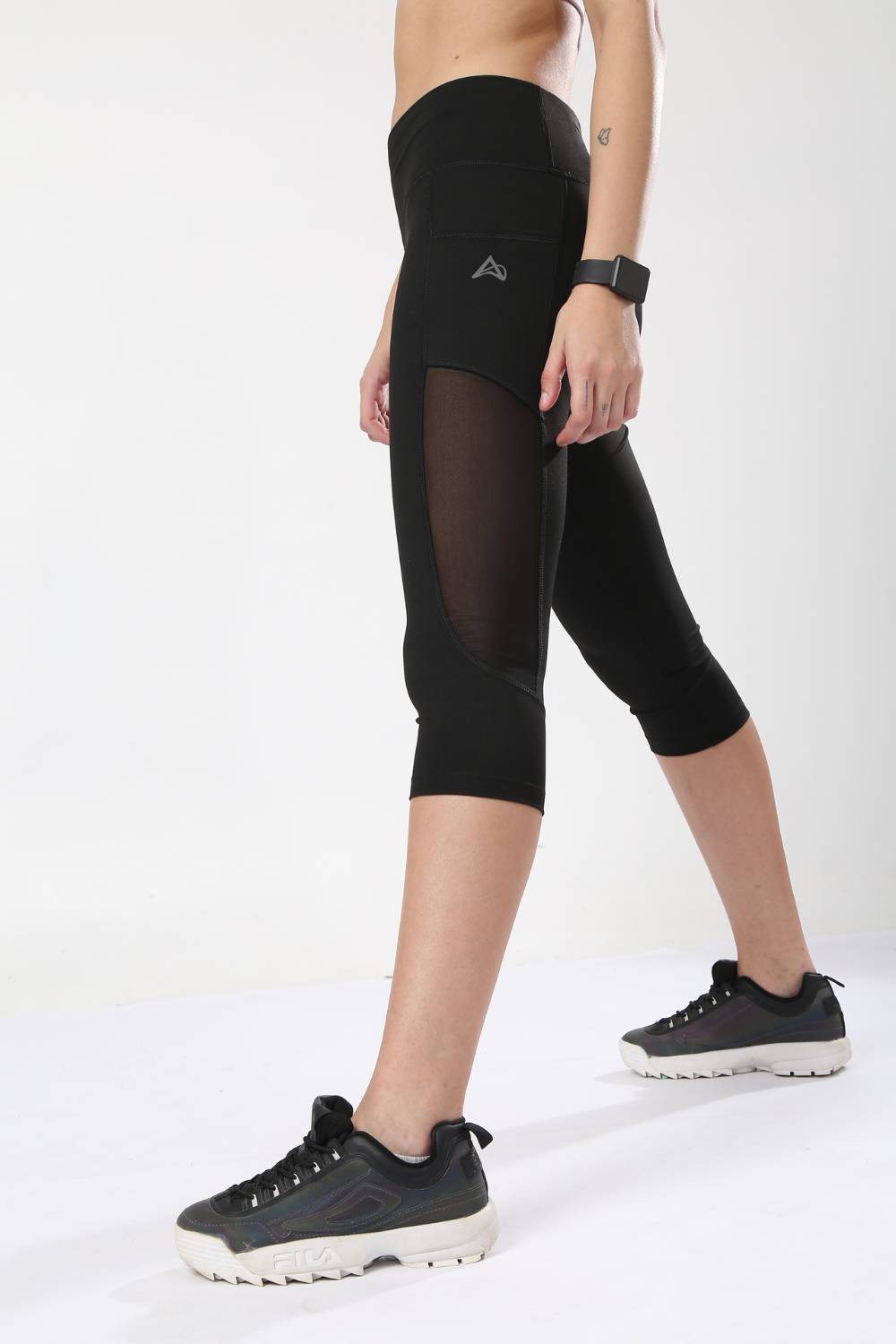
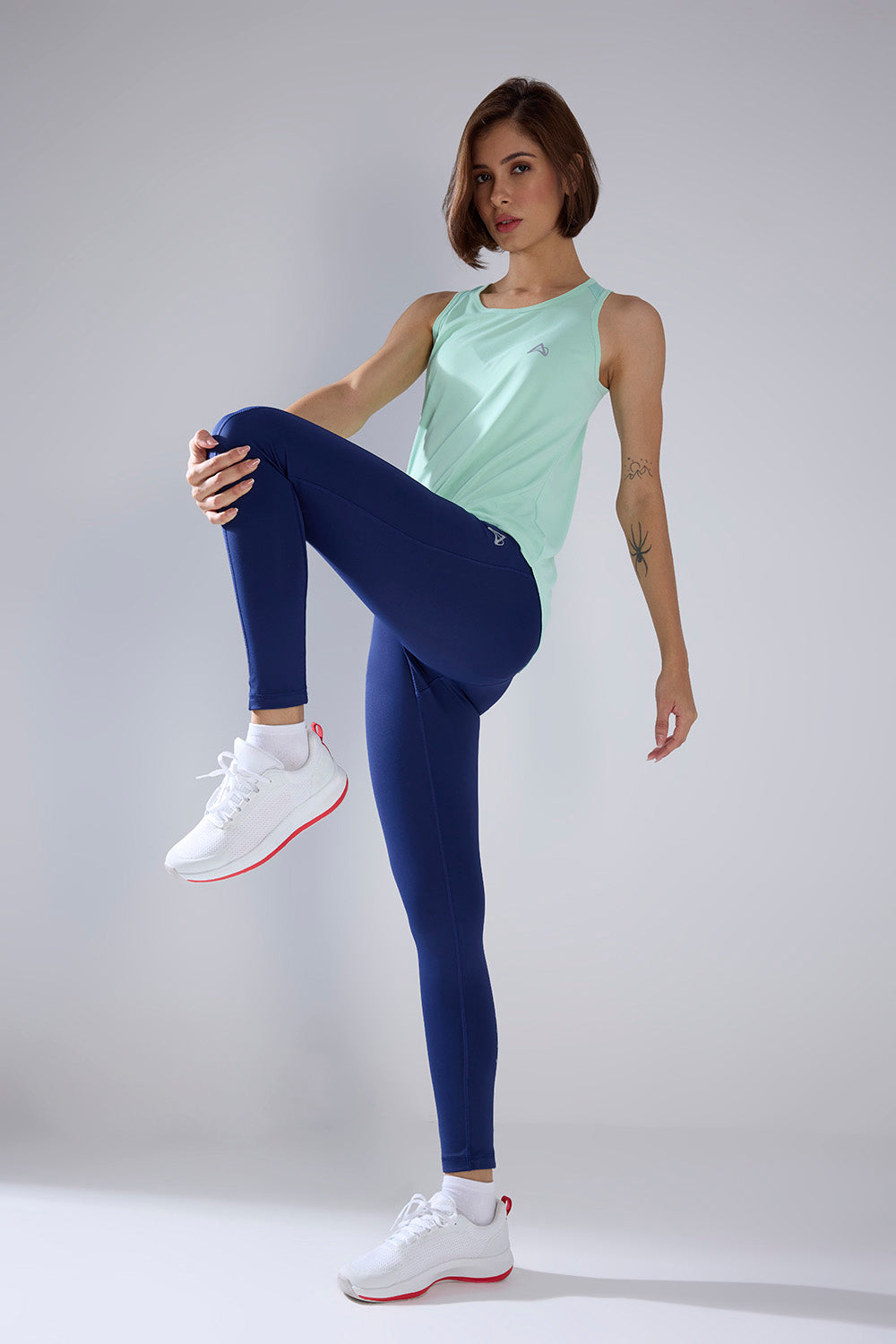

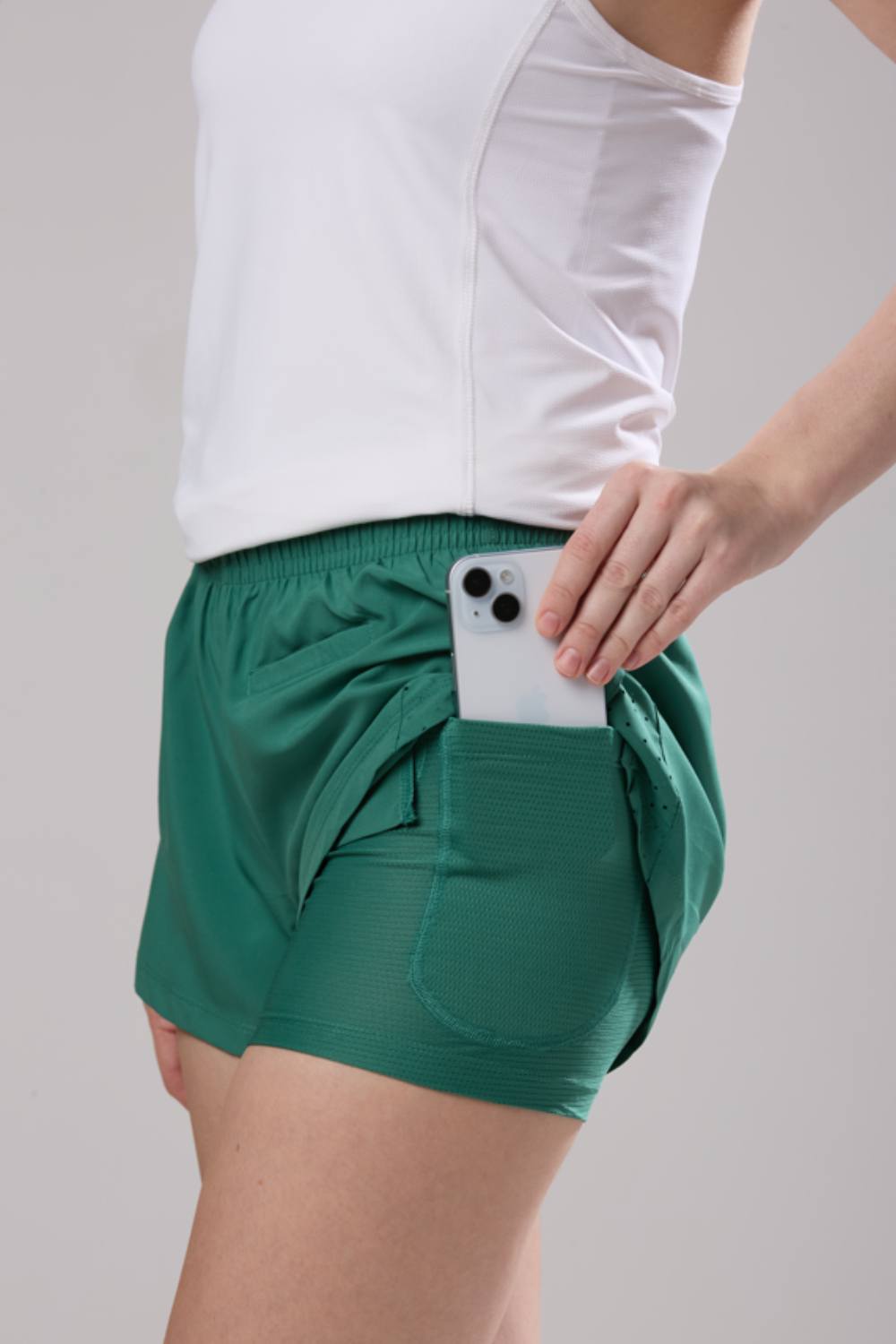
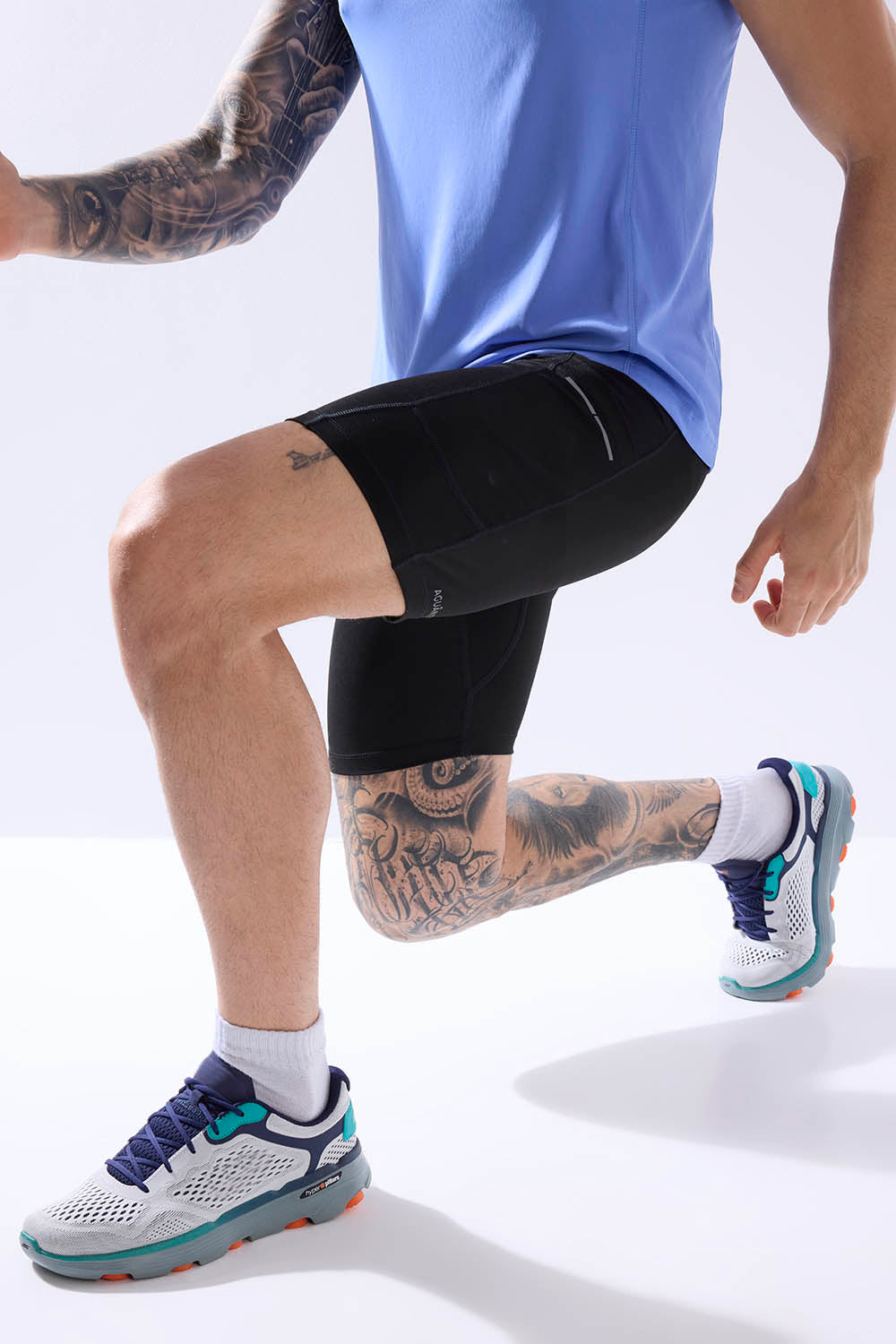
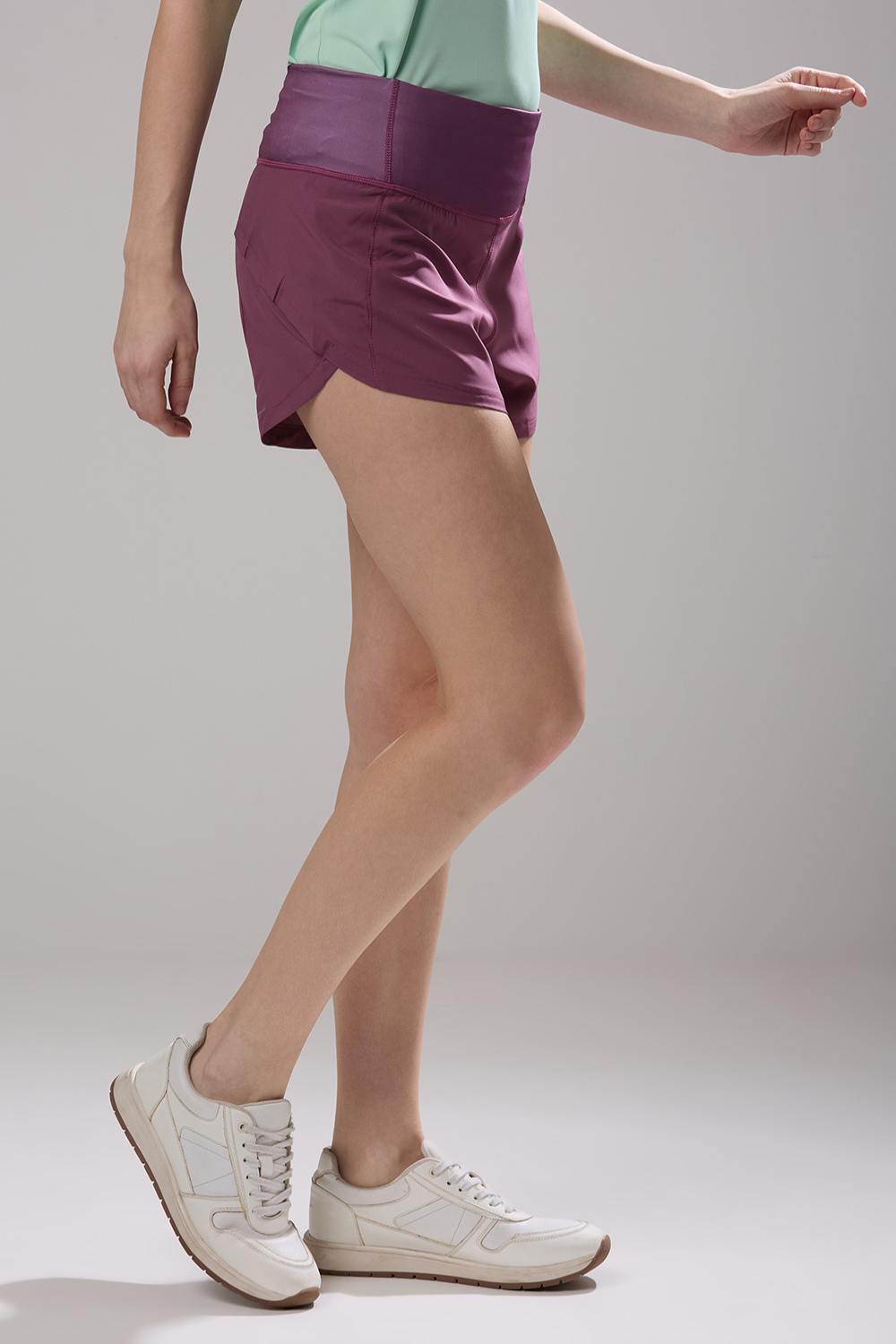
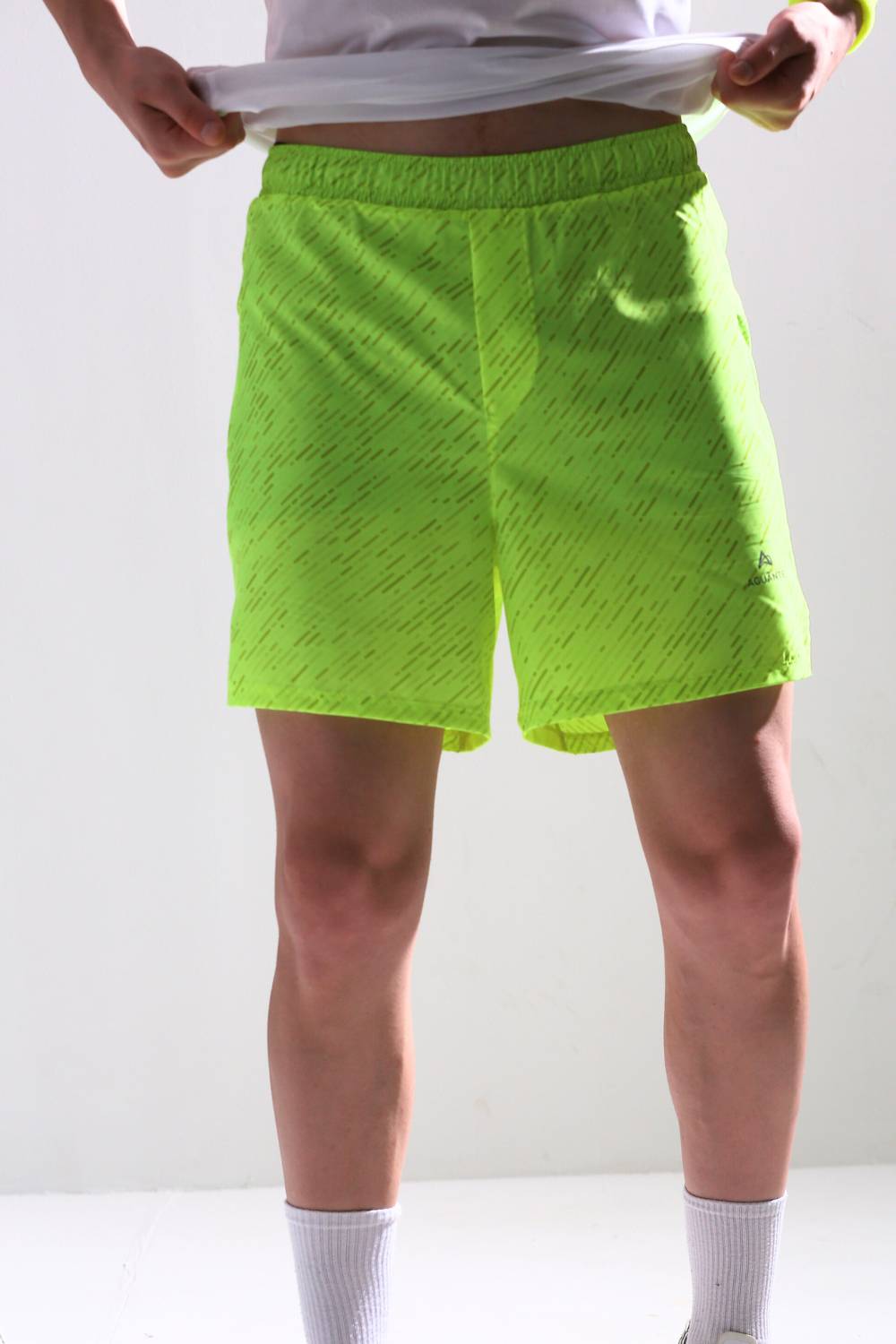
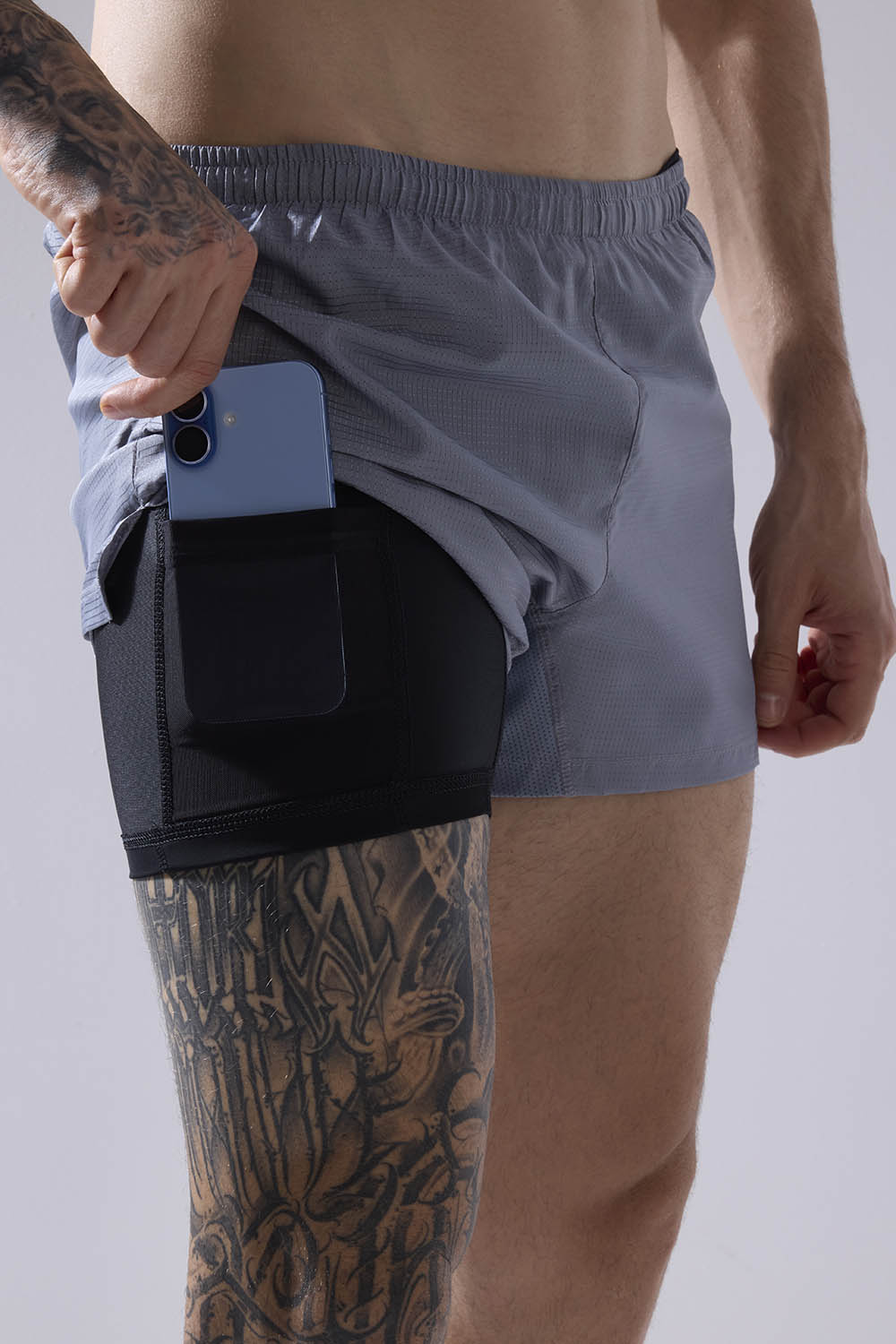

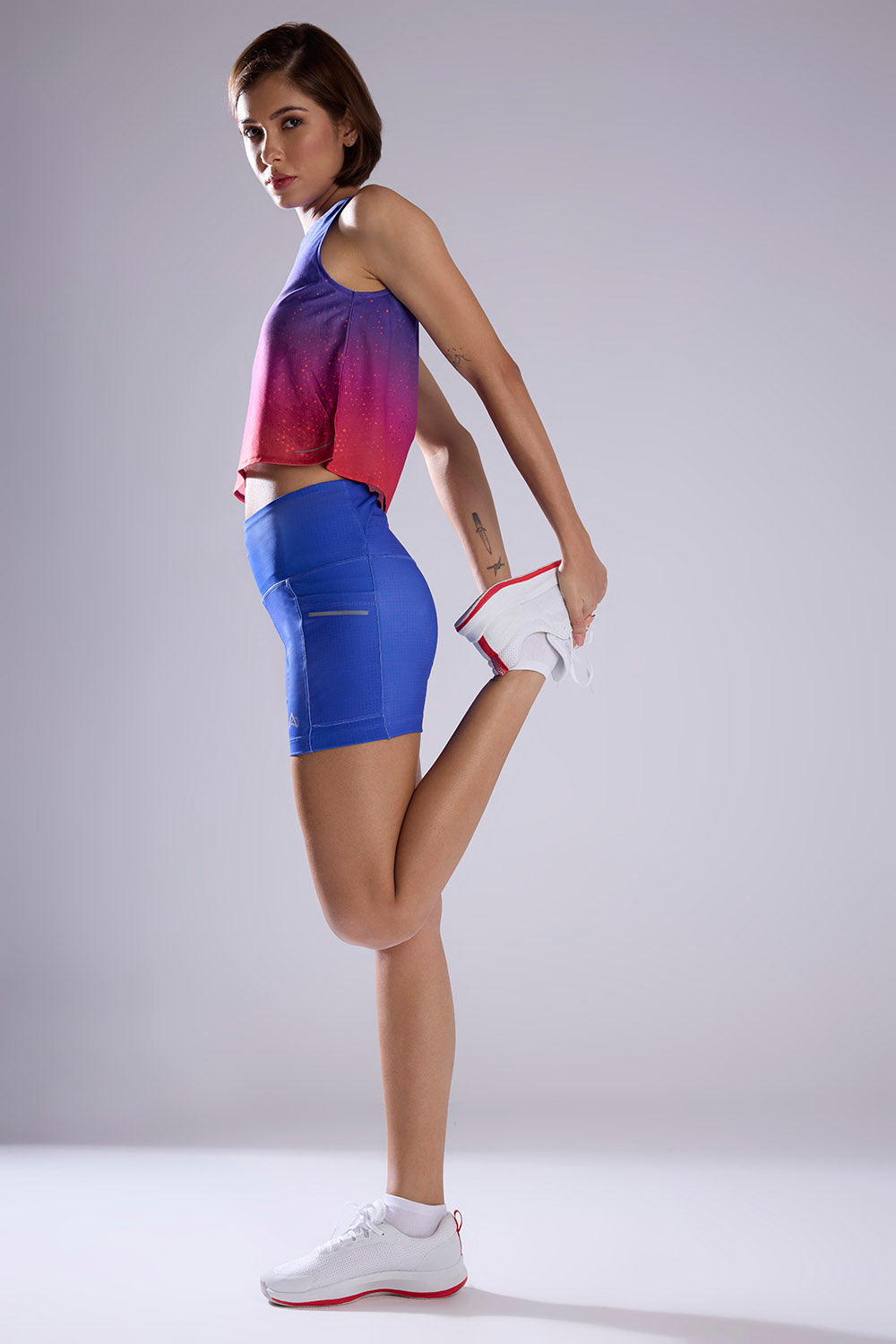


In the misty early mornings of Bangalore's Cubbon Park or along Mumbai's iconic Marine Drive as dawn breaks, a transformative movement is taking shape. Women across India's bustling metropolises are donning their running shoes in unprecedented numbers, pursuing not just fitness goals but also camaraderie and the exhilarating freedom of the open road. However, this surge in enthusiasm often clashes with the limitations of their gear. So-called "unisex" activewear, typically men's designs merely scaled down, purports to offer inclusivity but frequently results in discomfort, irritation, and suboptimal performance. As the running culture flourishes in urban centers from Hyderabad to Ahmedabad, insights from local marathons, scientific studies, and athlete feedback underscore a pressing need: tailored solutions that truly address the unique requirements of Indian women runners.
Tired of gear that slows you down? Chafing, soggy fabrics, and missing pockets kill your run's momentum. At Aguante, we're runners who get it. Our high-performance activewear features moisture-wicking fabrics, ergonomic designs, and smart storage to keep you focused. Shop Now!
Why Indian Women Runners in Bangalore, Mumbai, and Delhi Need More Than “Unisex” Activewear
Insights into biomechanics from Bangalore, coupled with escalating participation rates in Mumbai and Delhi, highlight how data from India's premier running locales reveals the shortcomings of generic apparel for female athletes.
The momentum is palpable. Prestigious events such as the Tata Mumbai Marathon have witnessed a remarkable doubling of women's involvement in the pre-pandemic era, culminating in a peak of 11,805 female participants across various categories in 2020. Comparable upward trajectories are evident in the Airtel Delhi Half Marathon, Pune International Marathon, Hyderabad Marathon, and Bangalore Midnight Marathon. In innovation hubs like Bangalore and Hyderabad, corporate health initiatives are catalyzing the formation of women-centric running groups. Meanwhile, in Gurugram and Navi Mumbai, professionals are swapping office hours for invigorating morning circuits. Even in industrial strongholds like Surat and Ahmedabad, women's running communities are burgeoning, fueled by aspirations for wellness and social engagement.
This expansion aligns with broader market dynamics. The India activewear market achieved a valuation of USD 10.20 million in 2024, with projections indicating growth to USD 16.60 million by 2033 at a compound annual growth rate of 5.10%. This progression is driven by heightened health awareness, the booming e-commerce landscape, and the rising allure of athleisure. Furthermore, the demand for versatile, comfortable, and fashionable activewear that seamlessly transitions from workouts to daily life is propelling the sector forward. Regionally, the market segments into North India, South India, East India, and West India, while product categories encompass top activewear, bottom activewear, innerwear, swimwear, and outerwear.
Complementing this, another analysis reveals that the India activewear market generated revenue of USD 15,107.3 million in 2024, anticipated to expand to USD 29,972.9 million by 2030, registering a CAGR of 12.2% over the period from 2025 to 2030. Within this, the women's segment emerged as the dominant revenue contributor in 2024, underscoring its status as the most profitable and rapidly expanding category during the forecast horizon.
Despite this thriving landscape, the apparel many women rely on fails to keep pace. Unisex configurations, derived from male-oriented prototypes, overlook inherent disparities in physique, locomotion, and the exigencies of running in India's diverse urban environments.
Participation and Physiology: The Indian Context
Women's engagement is not merely increasing; it is redefining the athletic domain. Records from municipal sports authorities and event coordinators in Delhi, Mumbai, Bangalore, and Pune indicate consistent escalations in female registrations, frequently surpassing general participation increments in select divisions. These participants form integral parts of dynamic networks that challenge conventional boundaries within technological enclaves and professional spheres.
Scholarly investigations from esteemed Indian establishments reinforce the criticality of proper fit. Research at the Indian Institute of Science in Bangalore on gait dynamics and lower extremity configurations elucidates divergences in movement patterns among Indian women relative to standardized benchmarks. Investigations from the National Institute of Nutrition in Hyderabad delve into variations in bodily compositions, including prevalent hip-to-waist proportions in urban Indian females. At IIT Delhi, explorations into ergonomics and garment suitability emphasize anthropometric specifics tailored to Indian demographics that conventional sizing neglects.
Consequently, unisex leggings and tops may induce irregular compression, fostering chafing in sensitive areas like inner thighs or underarms over extended distances. Weight distribution becomes imbalanced, elevating susceptibility to unease or harm across prolonged sessions. Designs validated in controlled settings or on Western archetypes do not invariably adapt seamlessly to the rigors of Indian thoroughfares.
To elaborate, biomechanical variances stem from factors such as pelvic structure and muscle distribution, which influence stride efficiency and joint stress. For Indian women, whose average body metrics may differ from global norms due to genetic and nutritional influences, these discrepancies can manifest in heightened fatigue or repetitive strain injuries. Studies suggest that ill-fitting apparel exacerbates issues like patellofemoral pain syndrome, a common affliction among runners, by failing to provide adequate support or alignment.
Climate and Urban Realities: Gear Must Adapt
India's metropolitan landscapes present distinctive adversities for runners. Mumbai and Navi Mumbai impose oppressive humidity, transforming each stride into a rigorous perspiration trial. Ahmedabad and Surat contend with scorching arid temperatures, whereas Delhi and Gurugram grapple with fluctuating air quality and thermal extremes. Data from the India Meteorological Department across these locales consistently documents elevated moisture levels, thermal strain, and pollution surges, necessitating astute material selections in athletic wear.
Unisex garments frequently deficient in strategic aeration or humidity regulation precisely where females require it most. Athletes in Bangalore's innovation districts and Delhi NCR's green spaces recount experiences with shirts that retain warmth around the chest or pants that shift uncomfortably sans appropriate segmentation. Insufficient reinforcement precipitates instability on irregular surfaces, while misplaced storage compartments impede fluid motion in city settings. Ultimately, such equipment disregards the nuanced ways Indian women navigate their surroundings moist, contaminated, and exacting.
Consider the physiological toll: High humidity impedes sweat evaporation, leading to overheating and dehydration risks. In polluted zones like Delhi, where particulate matter can irritate respiratory systems, apparel with integrated filtration or quick-dry features could mitigate exposure. Yet, unisex options rarely incorporate these adaptations, leaving women to improvise with suboptimal layers that compromise both comfort and safety.
Voices from the Ground: Real Feedback in Real Cities
In Bangalore and Pune, female-dominated running associations exchange forthright critiques with trainers and regional kinesiology experts. The consensus is unwavering: enhanced chest stabilization, friction-resistant stitching, and permeable sections render endurance activities viable. Retailers in Mumbai and Delhi observe recurring trends elevated exchange rates for unisex products employed in marathon training, with grievances focused on suitability amid sustained exertions.
In nascent arenas such as Surat and Ahmedabad, adjacency to fabric advancements has yet to yield bespoke high-performance attire for women. Local runners embody latent prospects, eager for creations that honor indigenous anatomies and climatic contexts.
This feedback loop is crucial. Community forums and social media amplify these voices, revealing patterns like recurrent blisters from poor seam placement or distractions from inadequate moisture wicking. Such insights not only inform product refinement but also highlight the cultural shift toward empowering women in sports, where gear plays a pivotal role in sustaining motivation and preventing dropout.
Challenges for Brands and the Risks of Standing Still
Numerous activewear enterprises depend on unisex dimensions to optimize stock management and reduce expenditures. Nevertheless, forgoing localized evaluations in Bangalore, Hyderabad, or Delhi NCR equates to overlooking vital intelligence. The repercussions include amplified injury notifications, disgruntled clientele, and diminished fidelity within a cohort spearheading expansion. Analyses from retail consultancies in Mumbai and Delhi NCR corroborate this: females discern subpar equipment swiftly and pivot to competitors without hesitation.
Moreover, regulatory and consumer expectations are evolving. With increasing emphasis on sustainability and ethical manufacturing, brands ignoring gender-specific needs risk reputational damage. In a market where word-of-mouth and online reviews hold sway, persistent dissatisfaction can erode market share, particularly as women constitute a burgeoning and influential consumer base.
Opportunities Ahead: Designing for India's Women Runners
The prospects are invigorating. Enterprises could engineer thermally responsive collections for Ahmedabad and Surat, moisture-centric ensembles for Mumbai and Navi Mumbai, or contamination-resilient variants for Delhi and Gurugram. Bangalore and Hyderabad's digitally adept runners are ideally suited for direct-to-consumer paradigms, whereas specialized outlets in Pune and Mumbai furnish optimal proving arenas.
Collaborations with academies such as IISc Bangalore or IIT Delhi might anchor innovations in empirical evidence. The benefits extend beyond equity encompassing superior efficacy, reduced ailments, and fortified allegiance in one of Asia's most dynamic wellness sectors. As evidenced by market trajectories, the women's division stands as the preeminent and swiftest-advancing segment, presenting lucrative avenues for differentiation.
Forward-thinking brands could leverage advanced materials like bio-based fabrics or smart textiles that adapt to body temperature. By integrating user data from apps and wearables prevalent in tech-savvy cities, personalized offerings could emerge, further boosting engagement and sales.
A Shift Worth Making
Spanning Bangalore, Hyderabad, Mumbai, Pune, Navi Mumbai, Delhi, Gurugram, Surat, and Ahmedabad, the confluence of data affirms: India's urban female runners constitute a vibrant, yet inadequately catered-to constituency. Scholarly contributions from domestic universities and establishments, interwoven with practical terrains, mandate that athletic garments mirror Indian women's physiological traits, environmental interactions, and metropolitan existences. While unisex approaches may appear streamlined, they undermine a substantial portion of participants. The horizon favors enterprises audacious enough to transcend uniform methodologies advancing toward empirically substantiated, gender-tailored architectures that empower every athlete to advance unhindered, robustly, and unreservedly. In these vibrant locales, where asphalt intersects aspiration, this evolution transcends advancement; it is imperative.
Frequently Asked Questions
How is the women's activewear market growing in India?
The India activewear market is experiencing robust growth, with the women's segment emerging as the dominant and fastest-expanding category. Market valuations show growth from USD 15,107.3 million in 2024 to a projected USD 29,972.9 million by 2030, representing a CAGR of 12.2%. This expansion is driven by increased health awareness, the rise of women-centric running groups in cities like Bangalore and Hyderabad, and doubling female participation in major marathons like the Tata Mumbai Marathon, which saw 11,805 female participants across categories in 2020.
Why don't unisex running clothes work well for Indian women runners?
Unisex activewear is typically designed based on male body prototypes and simply scaled down, which overlooks key physiological differences in Indian women's body composition, pelvic structure, and muscle distribution. Research from institutions like IISc Bangalore and IIT Delhi shows that these generic designs can cause irregular compression, chafing in sensitive areas like inner thighs and underarms, and imbalanced weight distribution during runs. This mismatch becomes especially problematic during long-distance running in India's diverse climate conditions, leading to discomfort and increased injury risk.
What specific challenges do women runners face in Indian cities like Mumbai, Delhi, and Bangalore?
Women runners in Indian metropolitan areas contend with unique environmental challenges that demand specialized activewear solutions. Mumbai and Navi Mumbai experience oppressive humidity that impedes sweat evaporation, while Delhi and Gurugram face air pollution and extreme temperature fluctuations. Bangalore's varied terrain requires better stabilization, and cities like Ahmedabad and Surat deal with scorching arid heat. Unisex gear typically lacks strategic ventilation, moisture-wicking features, and proper support systems needed to handle these demanding conditions effectively.
Disclaimer: The above helpful resources content contains personal opinions and experiences. The information provided is for general knowledge and does not constitute professional advice.
You may also be interested in: How Runners Are Preparing for India's Expanding Marathon Calendar
Tired of gear that slows you down? Chafing, soggy fabrics, and missing pockets kill your run's momentum. At Aguante, we're runners who get it. Our high-performance activewear features moisture-wicking fabrics, ergonomic designs, and smart storage to keep you focused. Shop Now!
Powered by flareAI.co