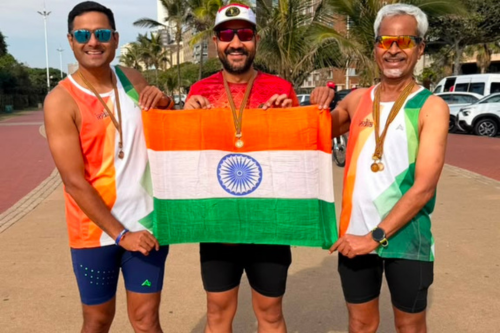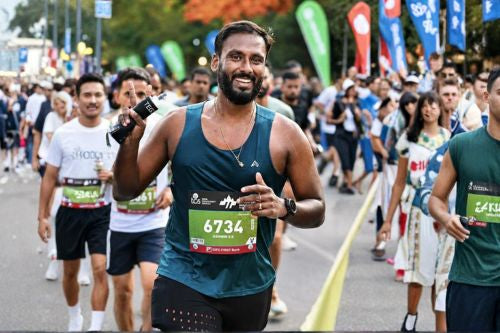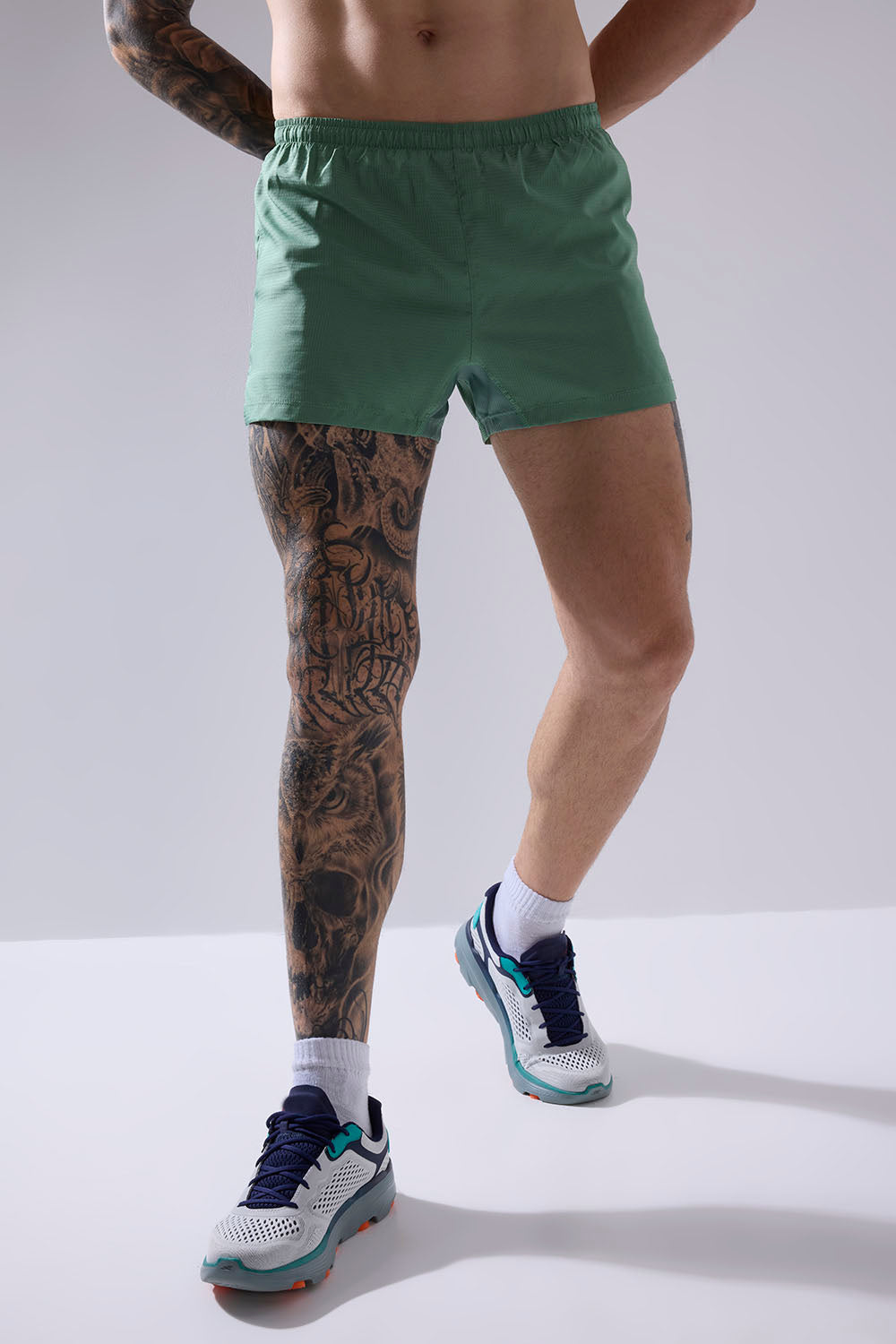
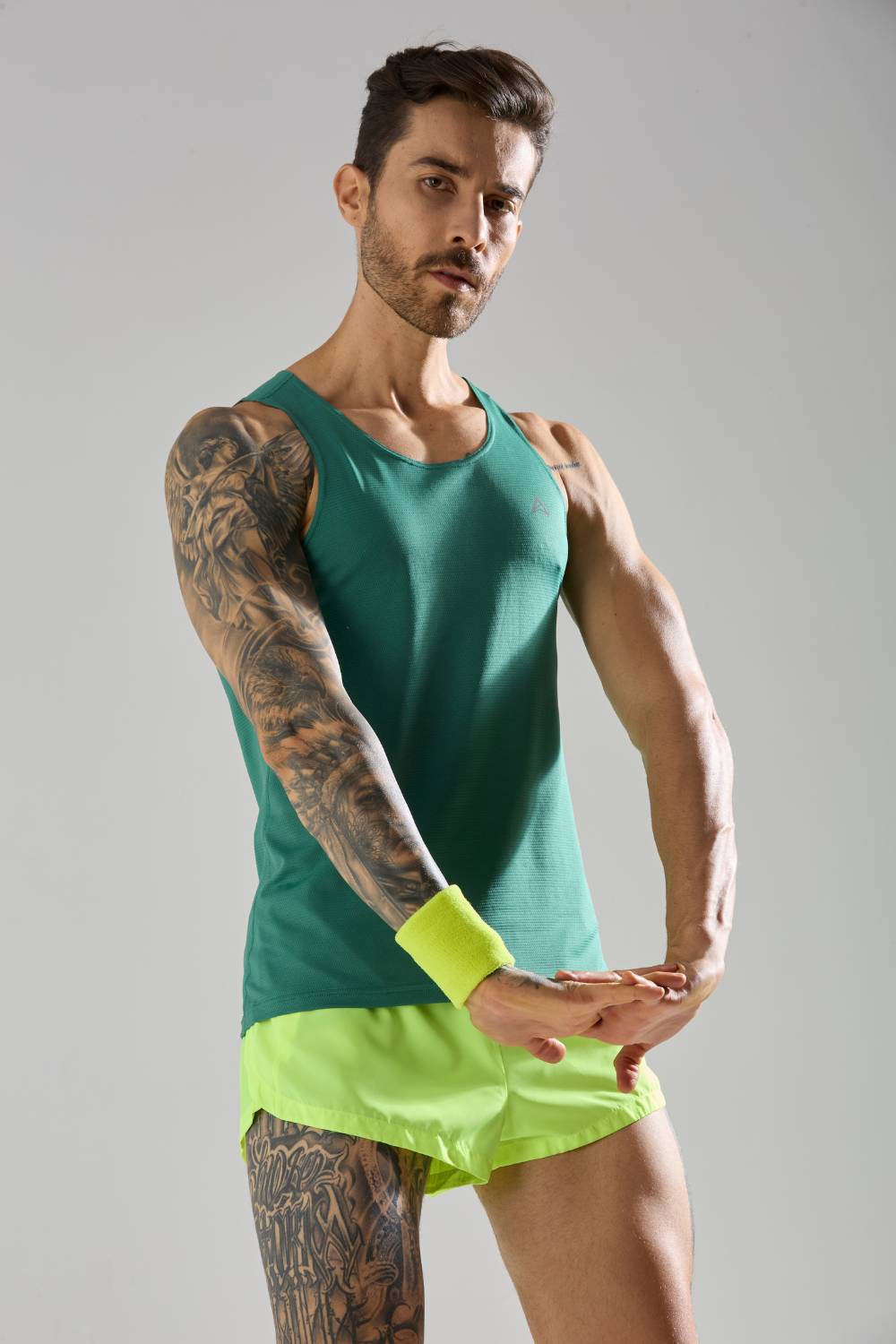
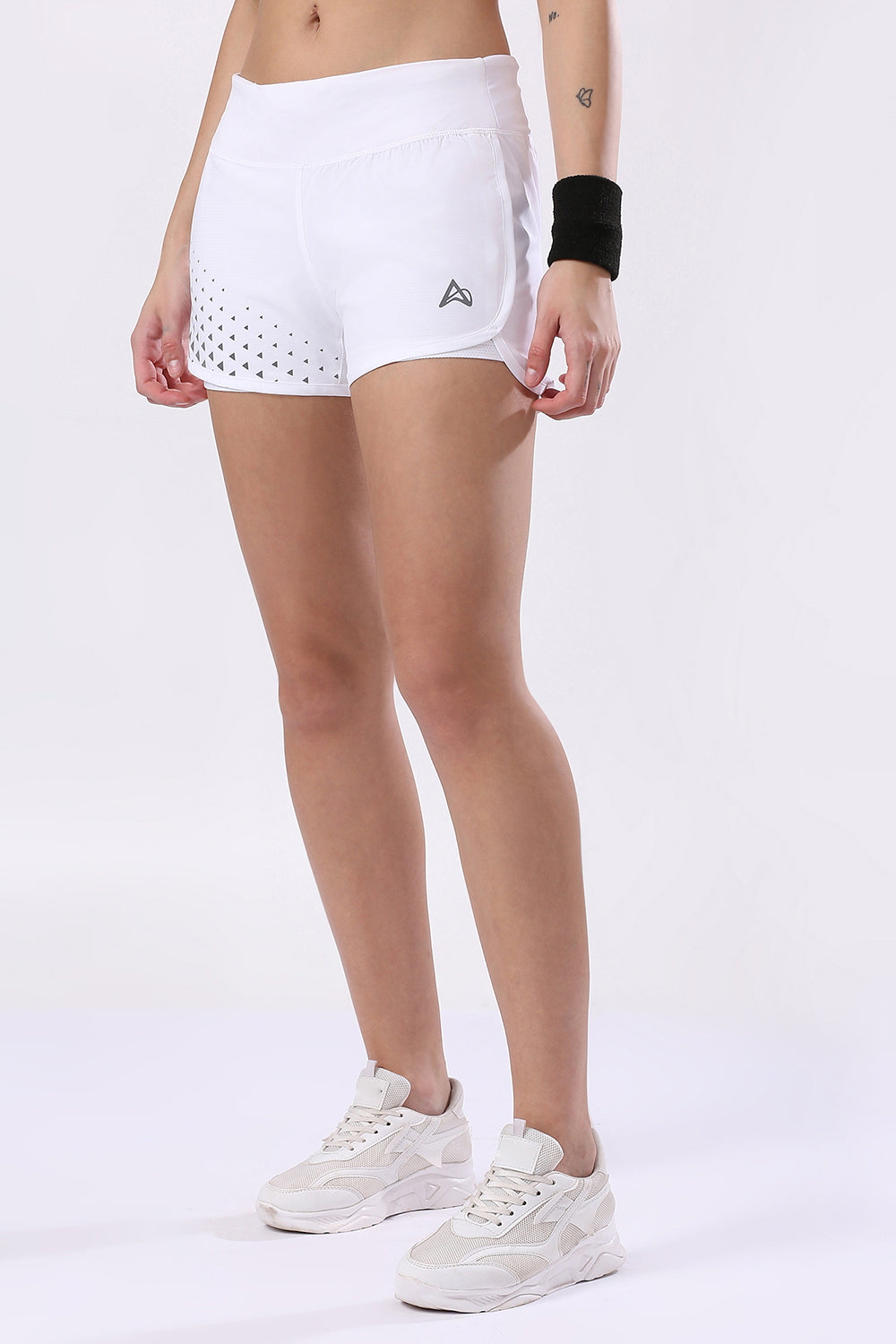
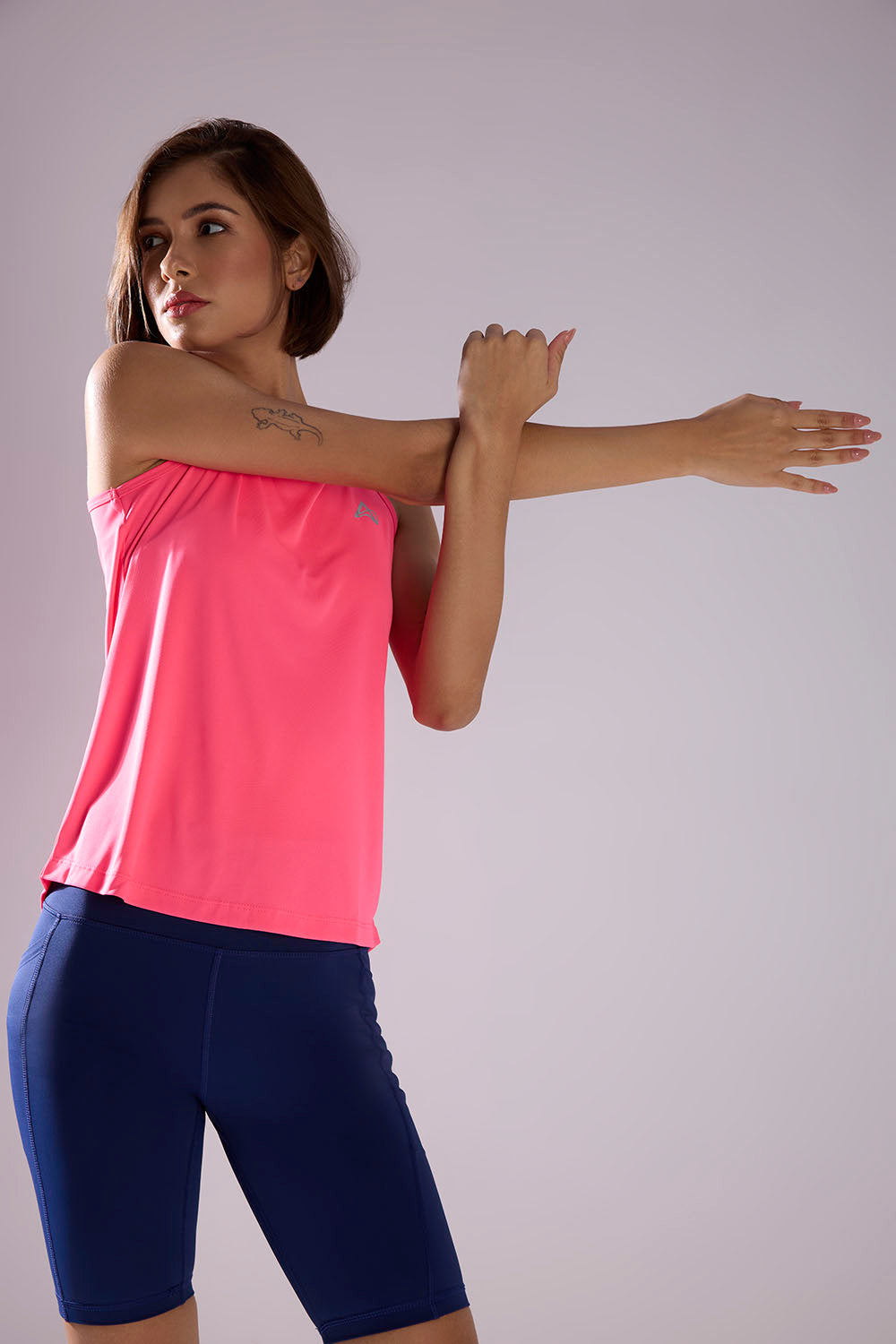
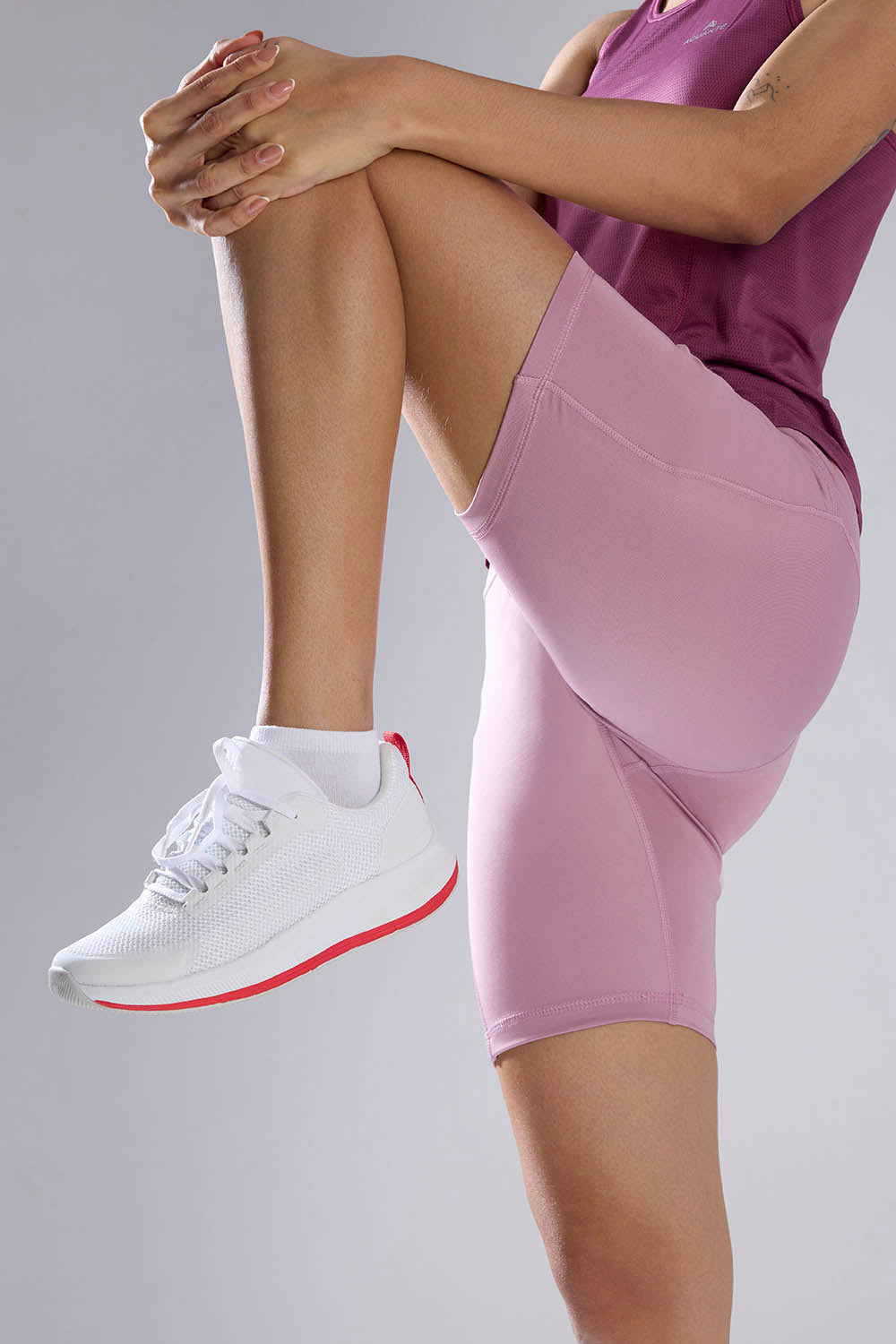
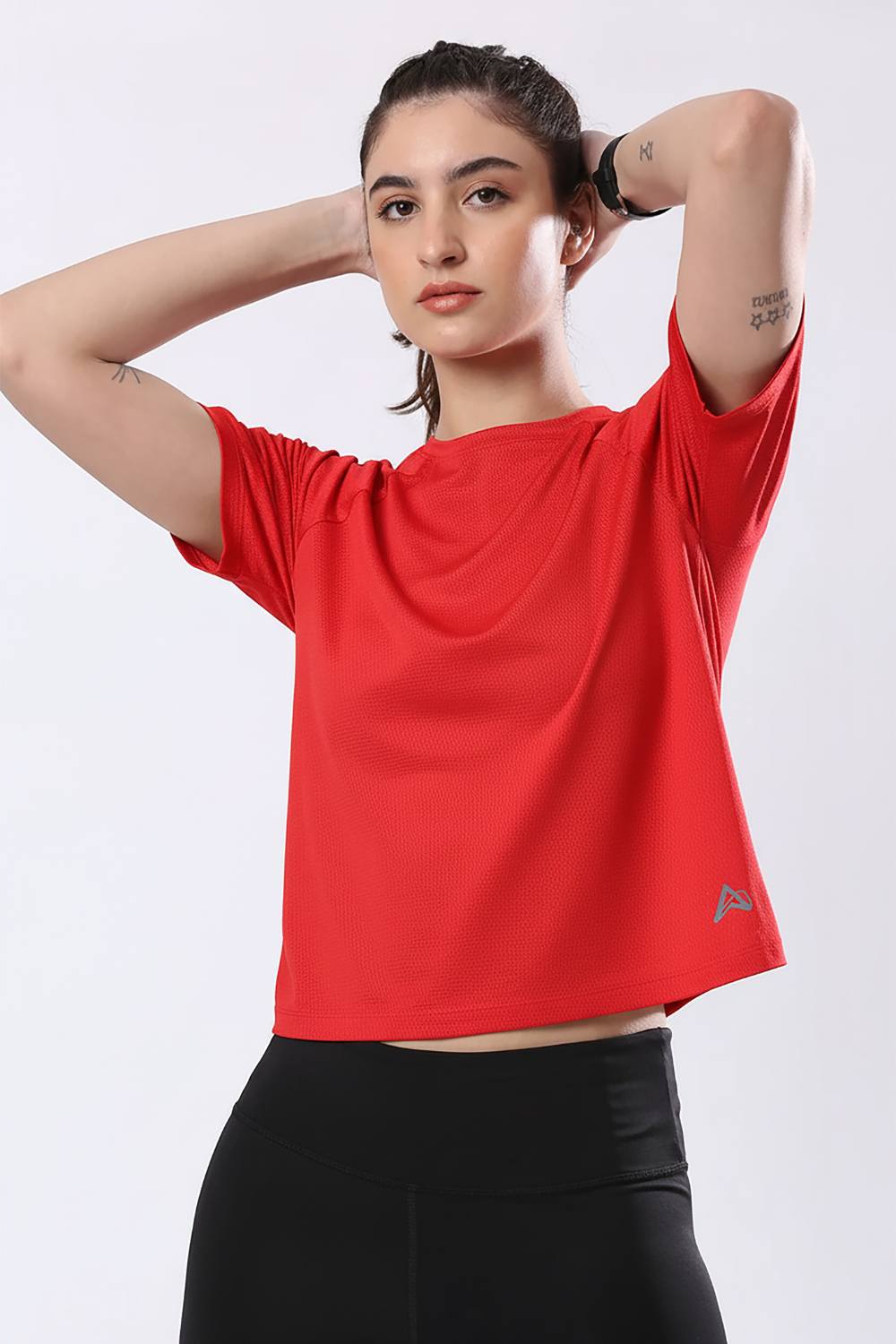

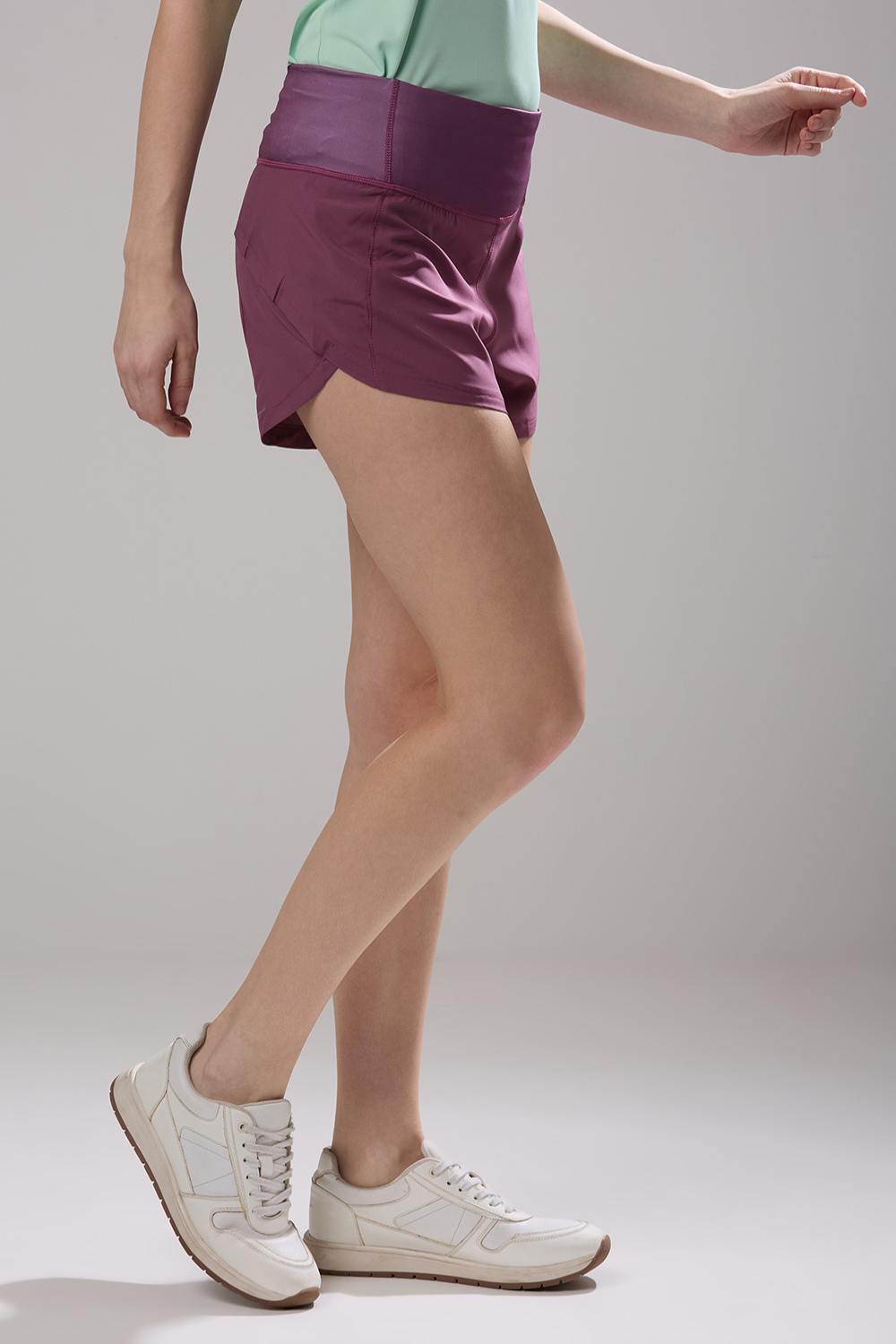
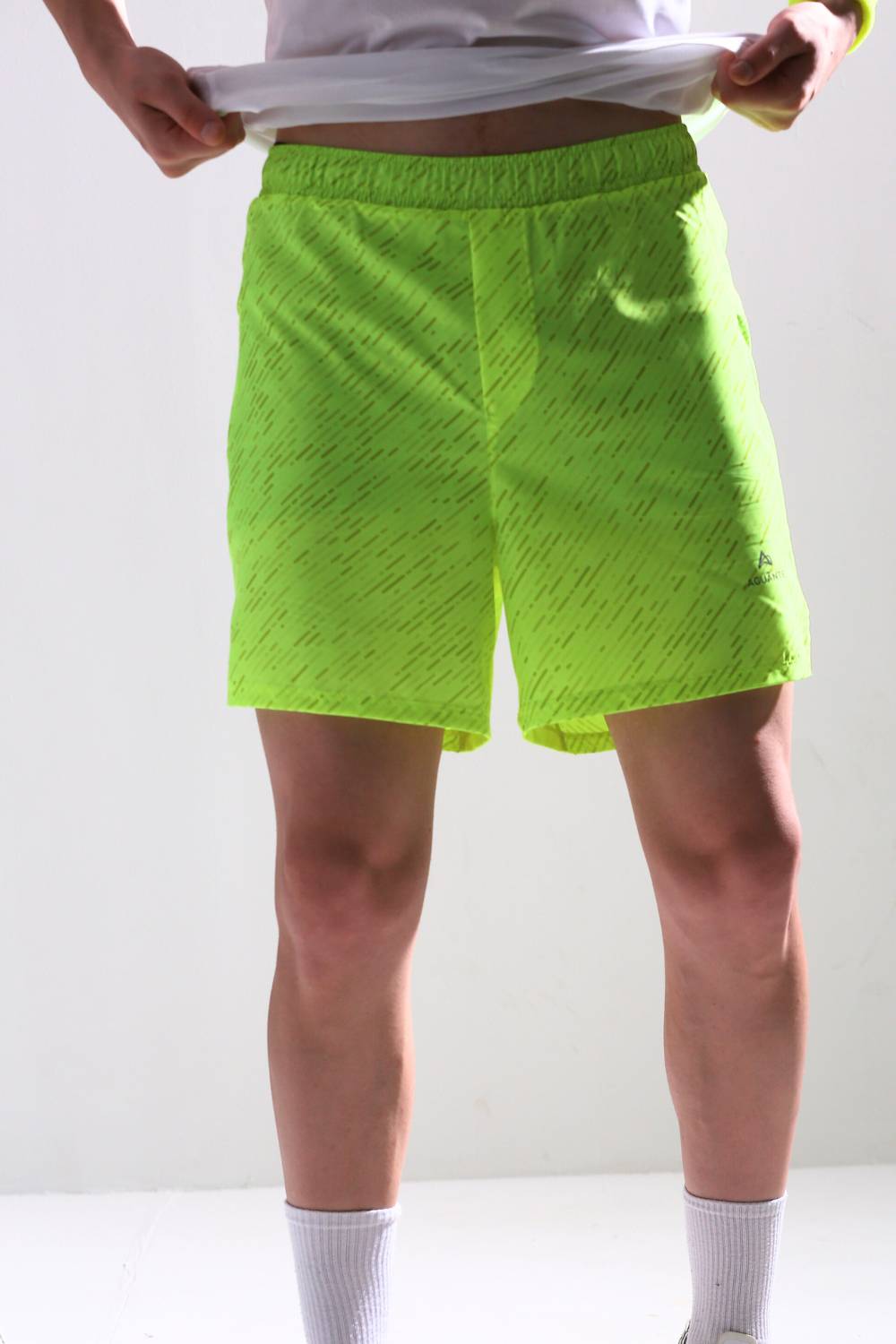

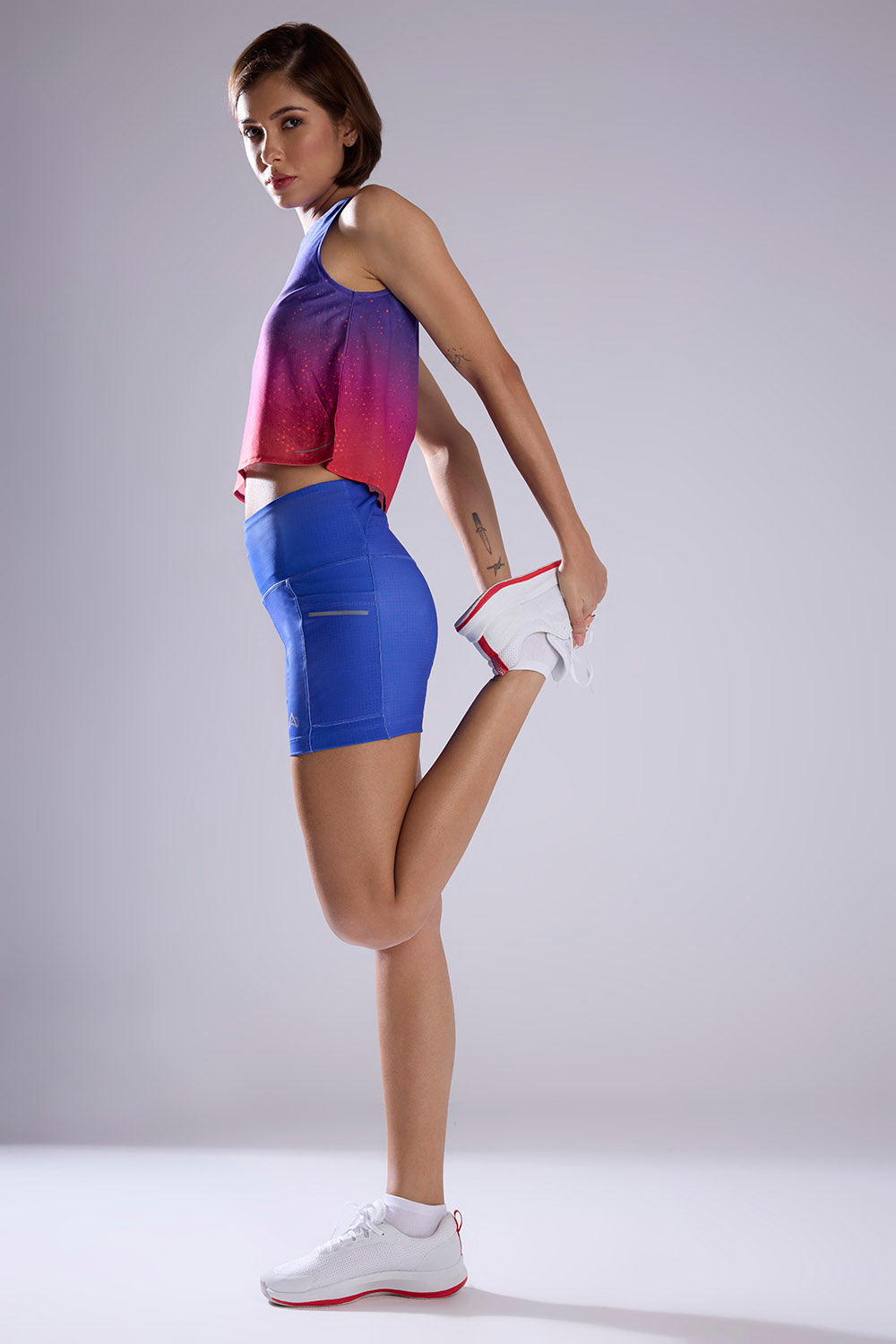
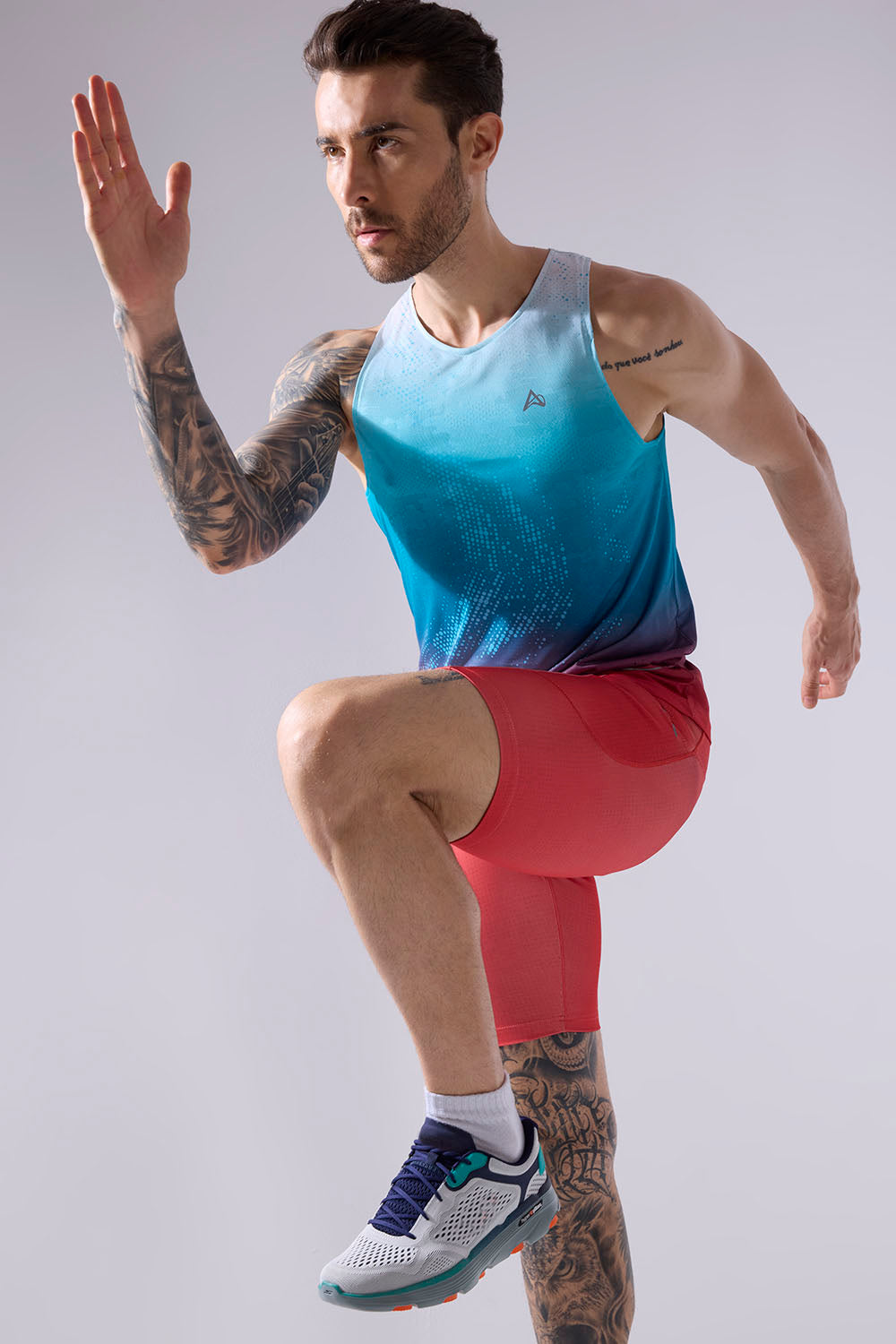

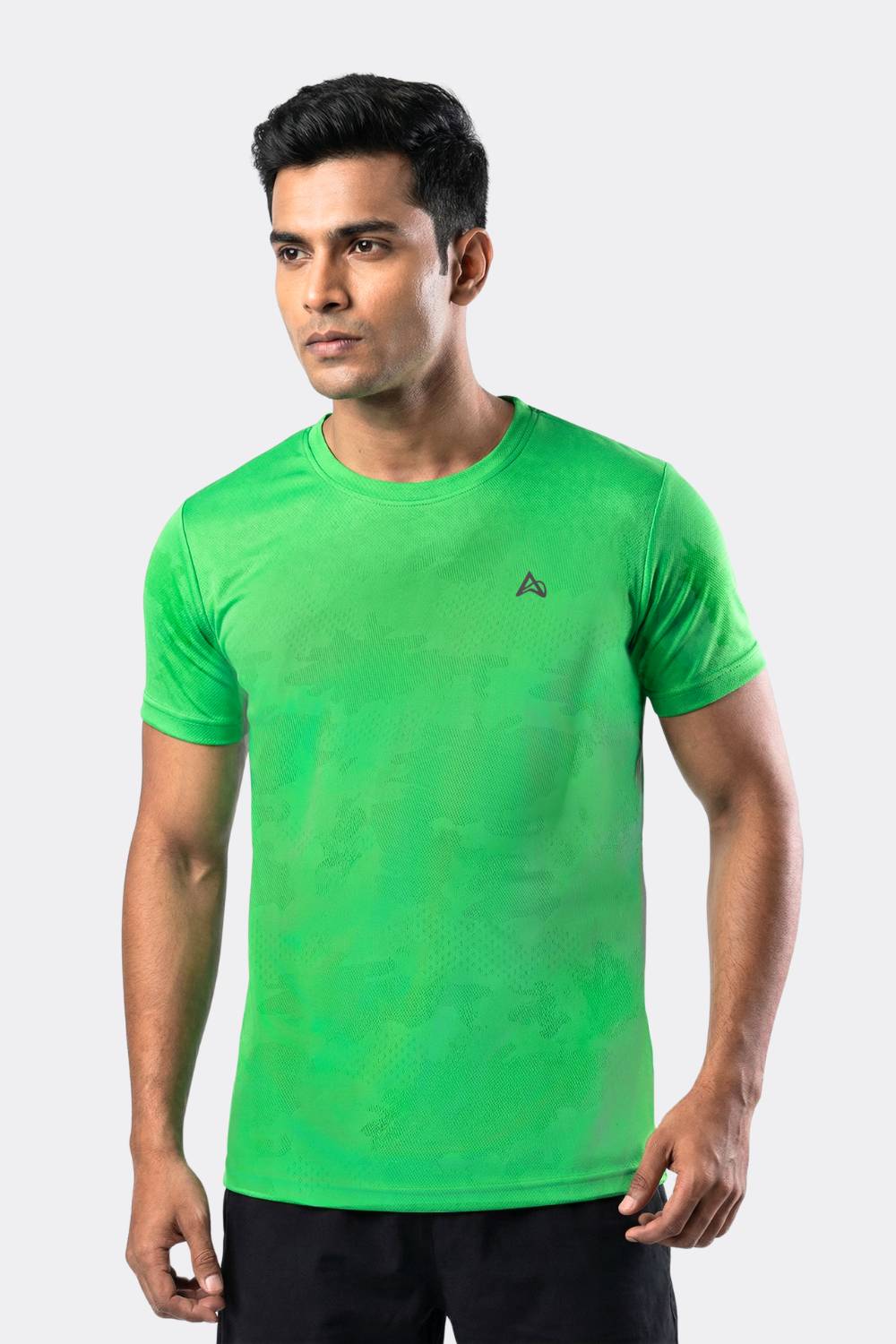
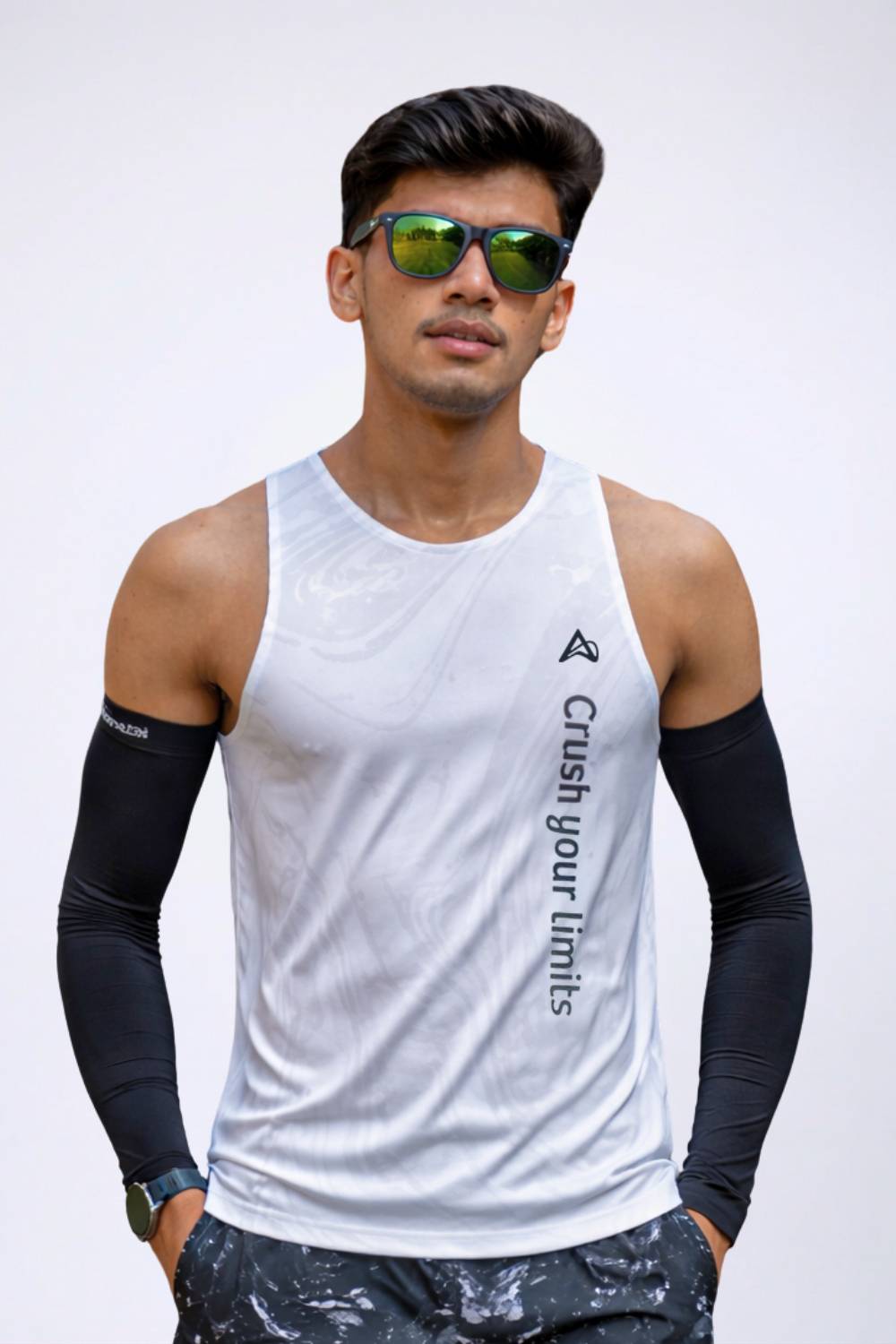

Running apparel is often designed around performance principles, but performance itself depends heavily on context. The same pair of shorts, singlet, or training layer can feel very different depending on the weather, running route, training habits, and daily routines of the athlete wearing it. This is where homegrown running brands in India have a unique perspective. By working closer to local runners and understanding their environments, these brands can design apparel that responds to real challenges rather than adapting products created for entirely different conditions.
India's running culture is becoming more diverse, with participation extending beyond a small group of experienced athletes. As more people take up running for fitness, endurance, and community, their expectations from running gear are changing. Runners are looking for clothing that supports their actual experience: managing heat, handling humidity, carrying essentials, and staying comfortable during longer sessions. For brands focused on Indian runners, understanding these everyday realities can shape better product decisions and stronger connections with athletes.
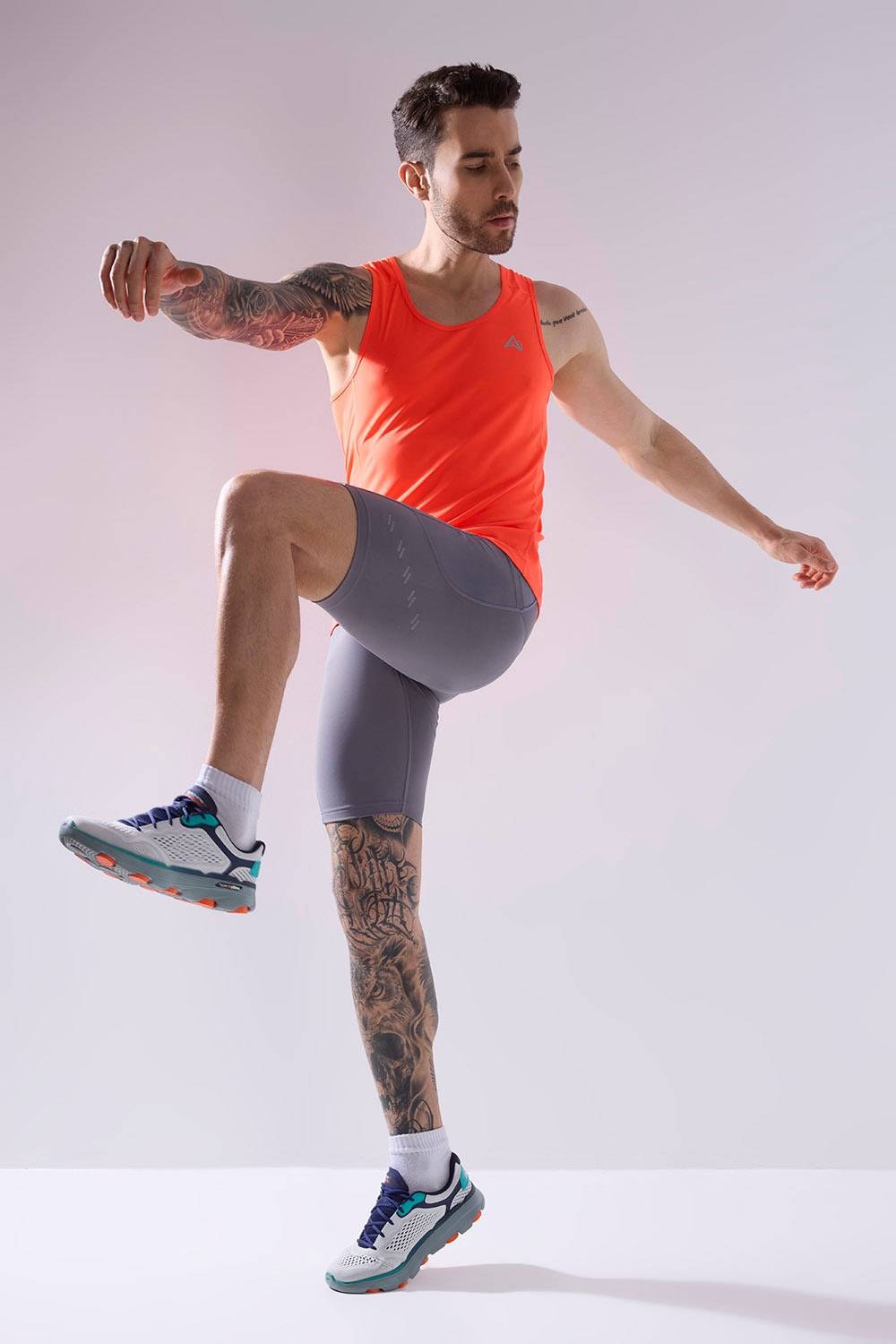
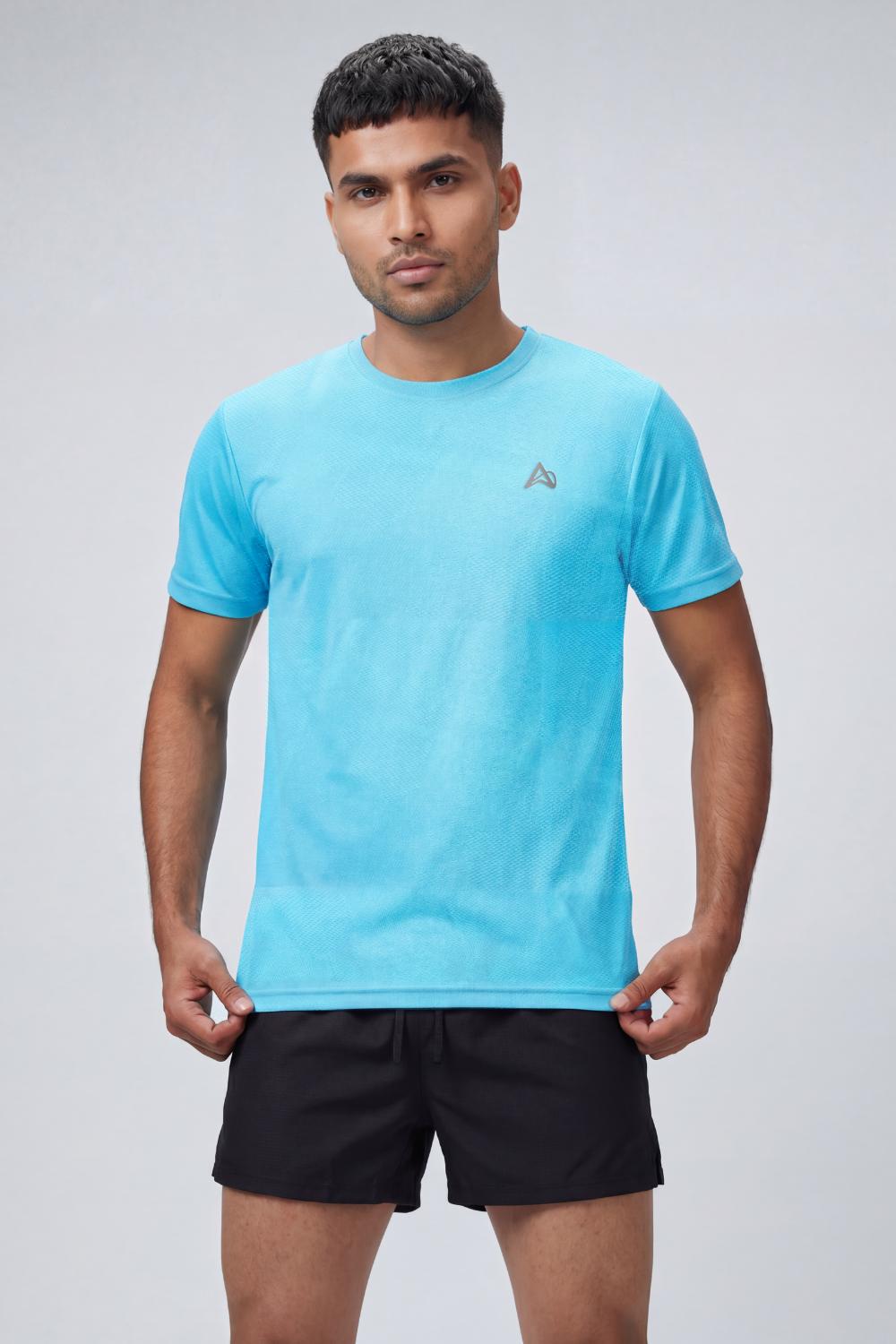
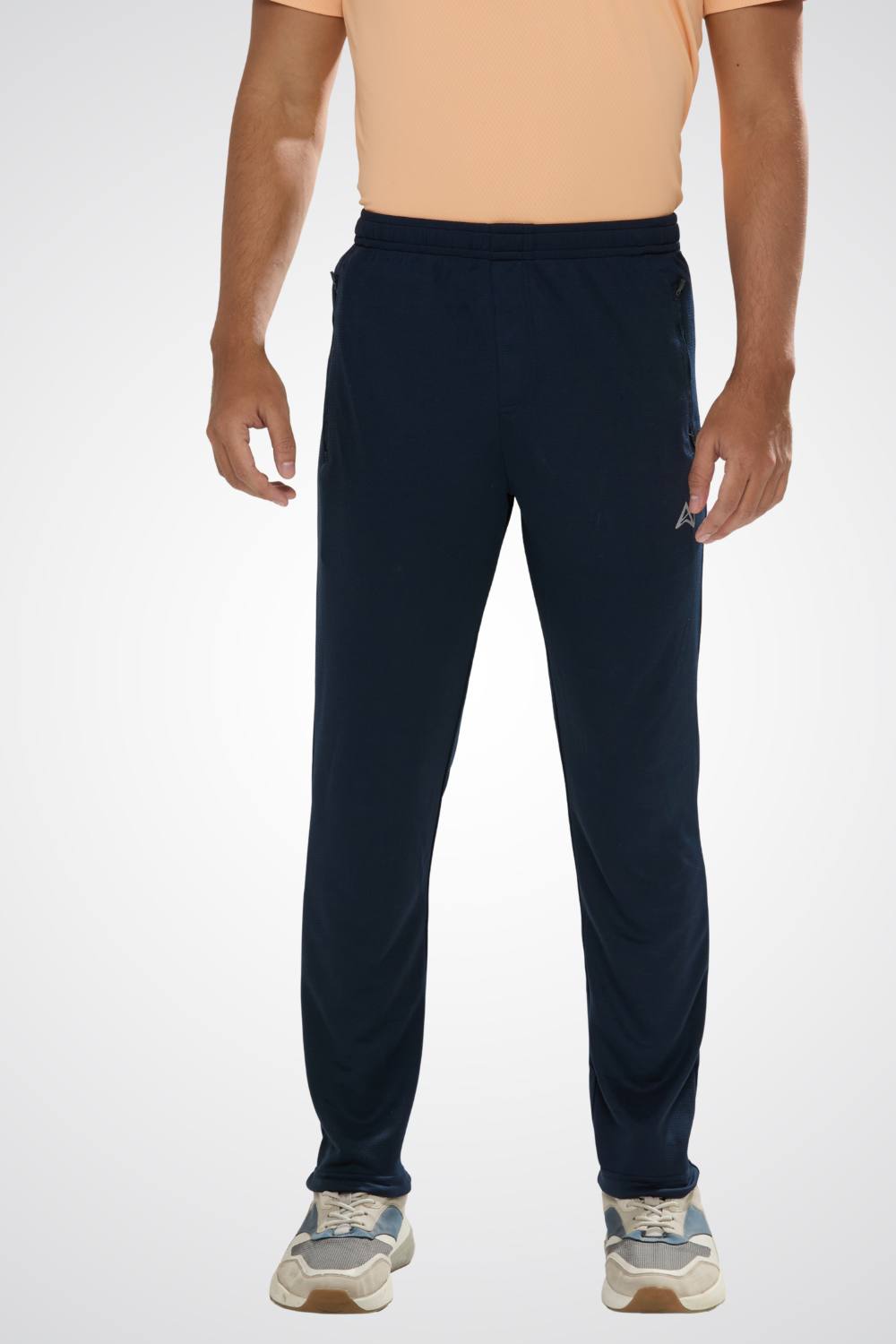
Tired of gear that slows you down? Chafing, soggy fabrics, and missing pockets kill your run's momentum. At Aguante, we're runners who get it. Our high-performance activewear features moisture-wicking fabrics, ergonomic designs, and smart storage to keep you focused. Shop Now!
Why Local Understanding Matters in Running Apparel Design
Performance apparel is not only about technical materials. It is about solving problems that runners encounter repeatedly. A runner training in a warm urban environment may prioritise lightweight fabrics and sweat management, while someone preparing for longer distances may care more about comfort, storage, and freedom of movement.
Homegrown running brands often have a closer view of these challenges because their teams operate within the same environments as their customers. They can observe how runners train, what features they value, and which small frustrations influence their experience. This proximity creates opportunities to design clothing around practical needs rather than relying only on general assumptions about athletic performance.
For runners, this difference can be meaningful. Apparel designed with local conditions in mind can feel more intuitive because it reflects the situations athletes actually face during training sessions, community runs, and race preparation.
Indian Runners Face Diverse Training Environments
One of the biggest advantages of local product development is the ability to recognise that there is no single “Indian running condition.” Climate, city infrastructure, and training patterns vary significantly. A runner's experience can change depending on whether they train along busy urban roads, open tracks, parks, or mixed terrain.
These differences influence what runners expect from their clothing. In warmer and more humid conditions, breathable materials and effective moisture management become important considerations. During longer training sessions, features such as secure pockets and comfortable fits can affect how practical an outfit feels.
India's expanding running culture reflects how the running community is becoming broader, involving athletes from different cities, age groups, and fitness backgrounds. This shift means brands must consider a wider range of runner experiences instead of designing for one narrow athlete profile.
How Homegrown Brands Turn Local Insights Into Better Products
Local knowledge can influence many stages of apparel development, from fabric selection to product features. Brands that understand their audience can identify recurring challenges and create solutions that feel more relevant.
Designing Around Climate Realities
Weather plays a major role in running comfort. Apparel that works well in one environment may not provide the same experience elsewhere. Understanding local climate patterns allows brands to focus on features that support comfort during everyday training.
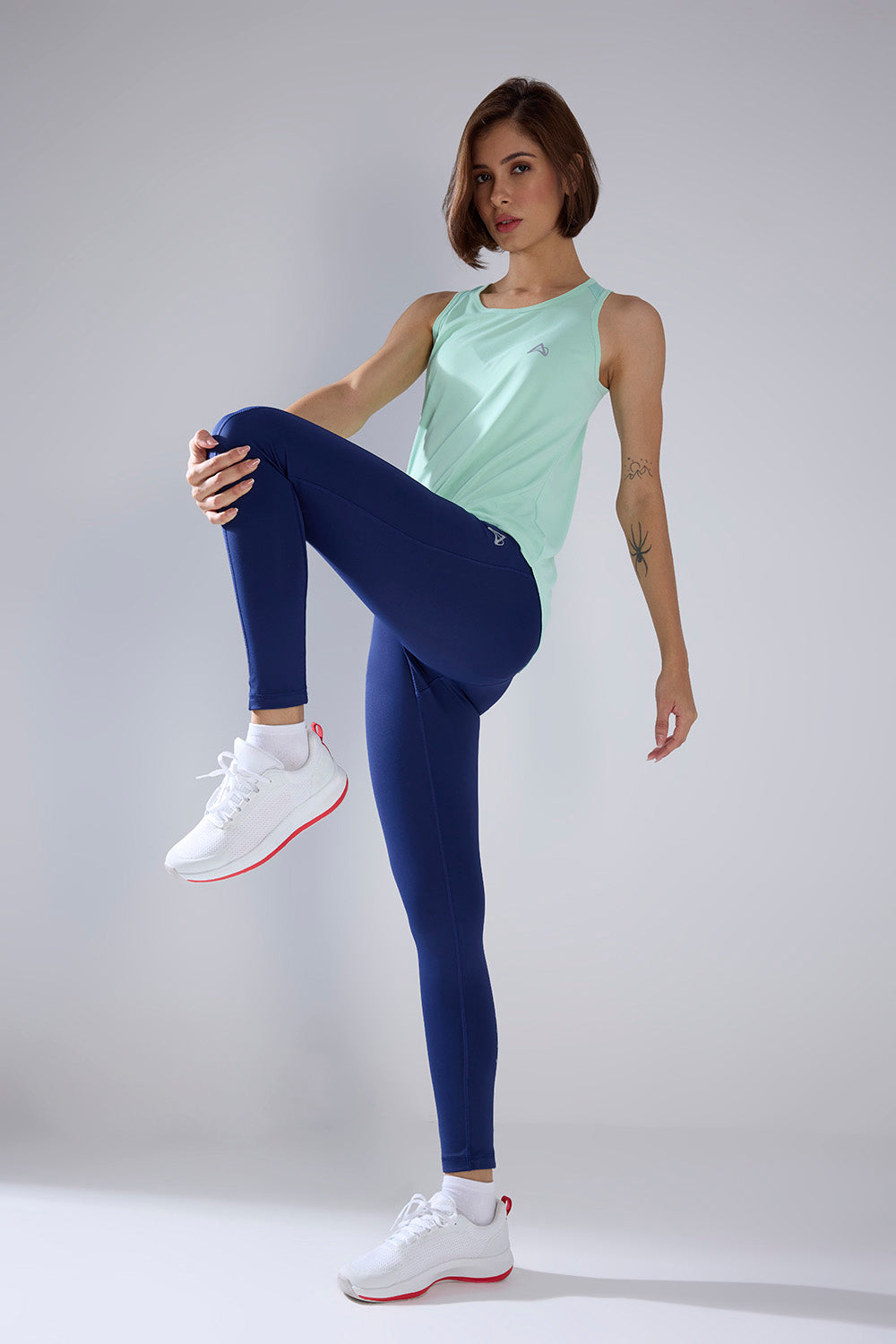
This can include lightweight construction, breathable materials, sweat control, and designs that allow runners to maintain movement without unnecessary distractions. The goal is not simply to create technical clothing, but to create clothing that matches how athletes actually train.
Building Features Around Runner Behaviour
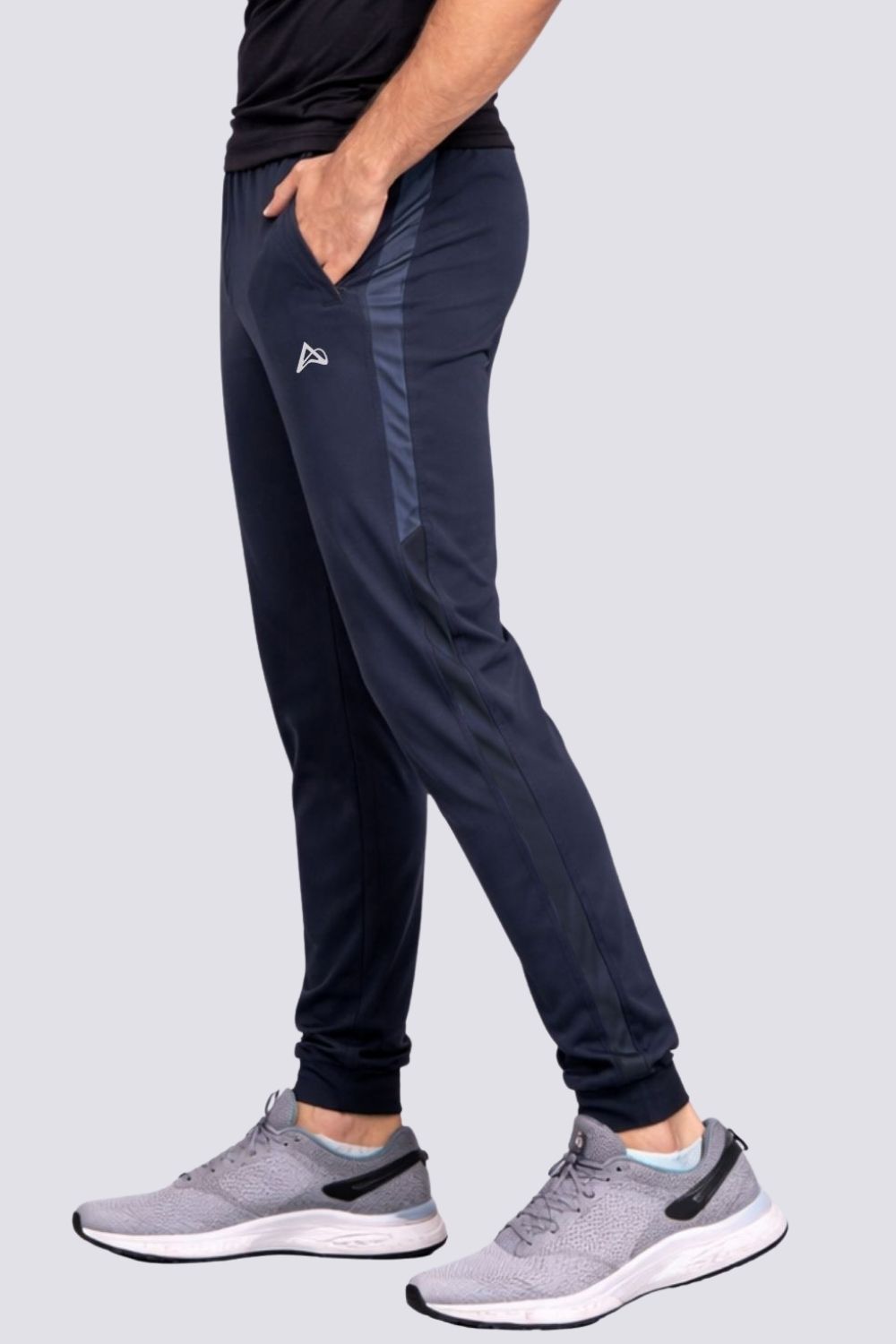
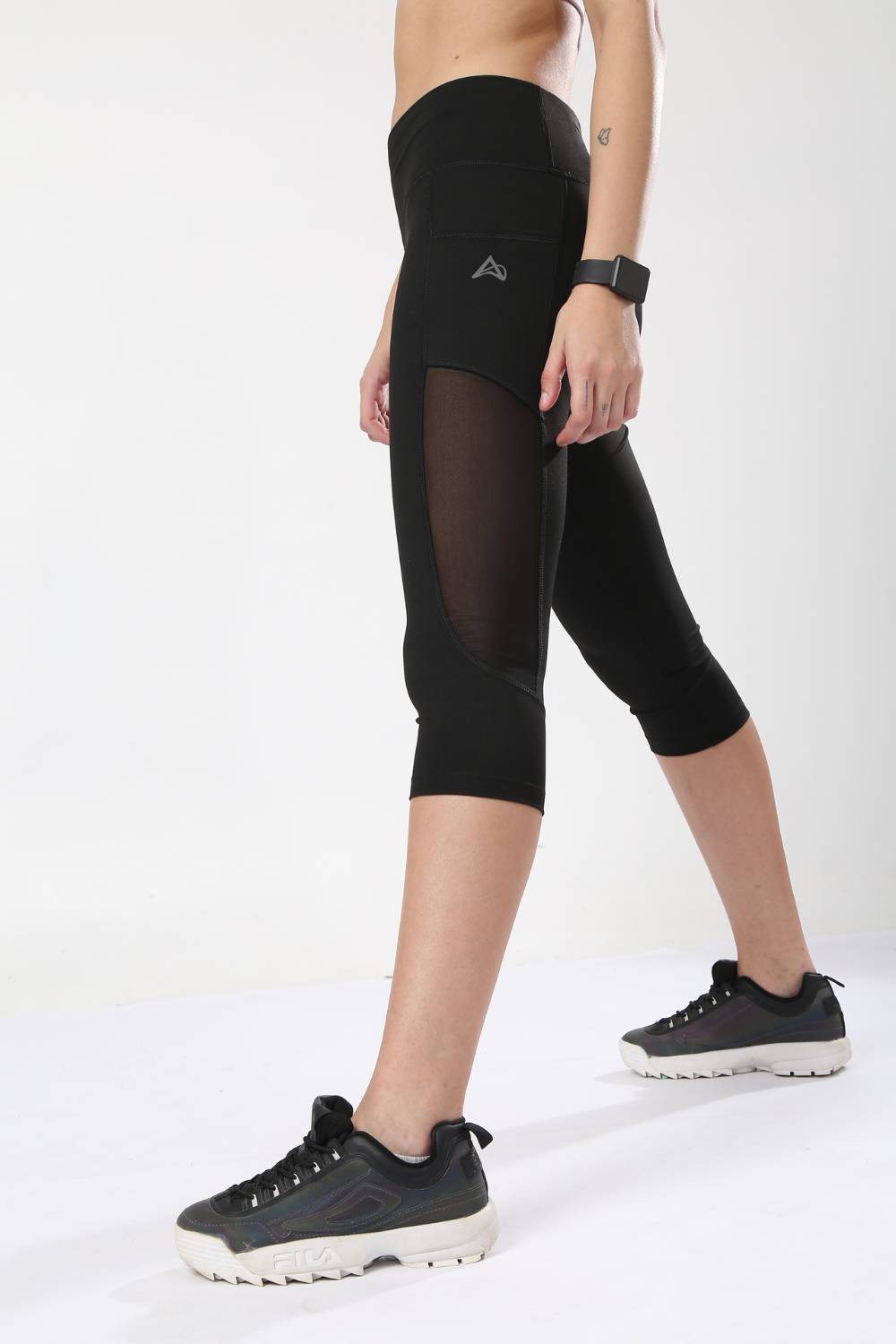
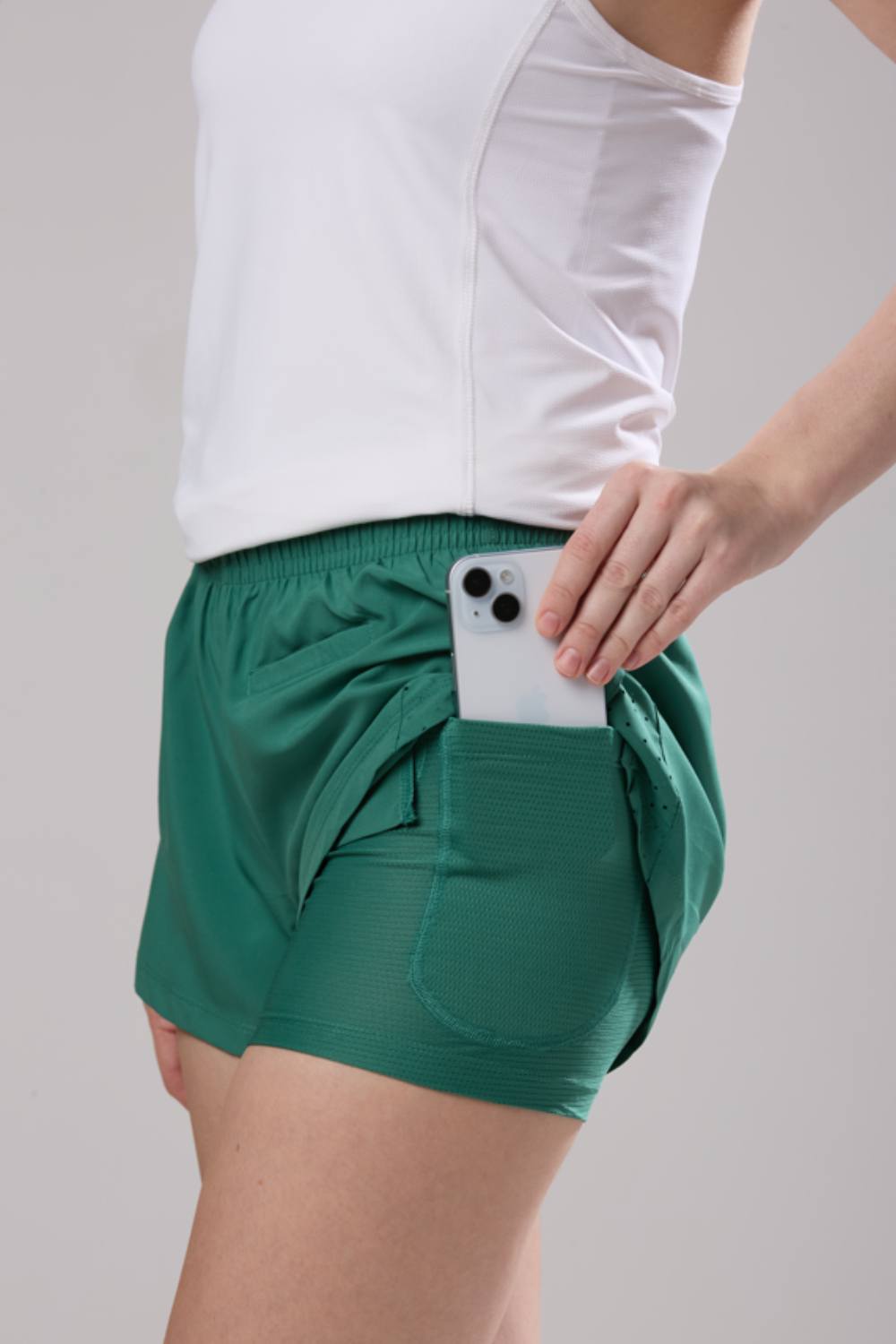
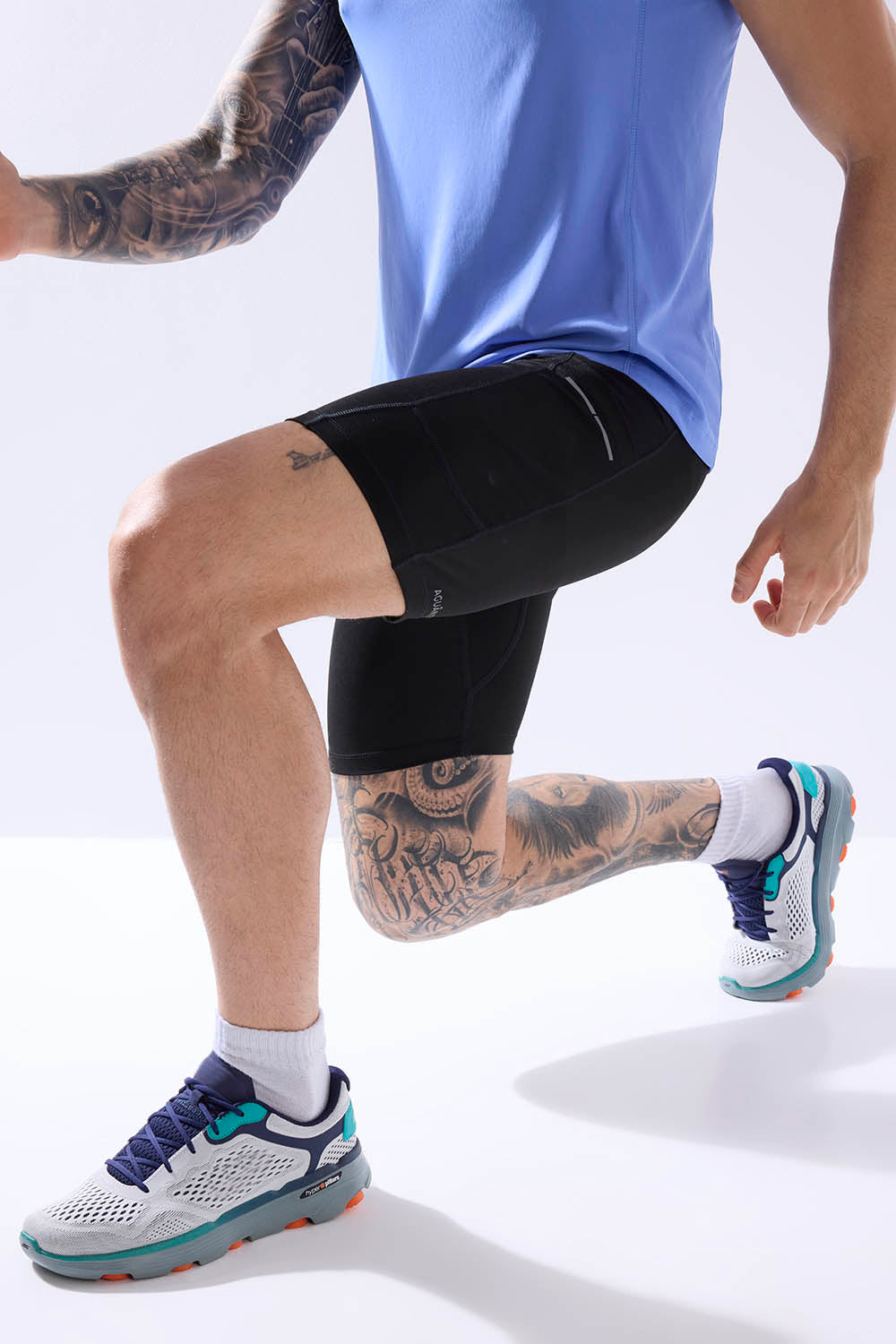
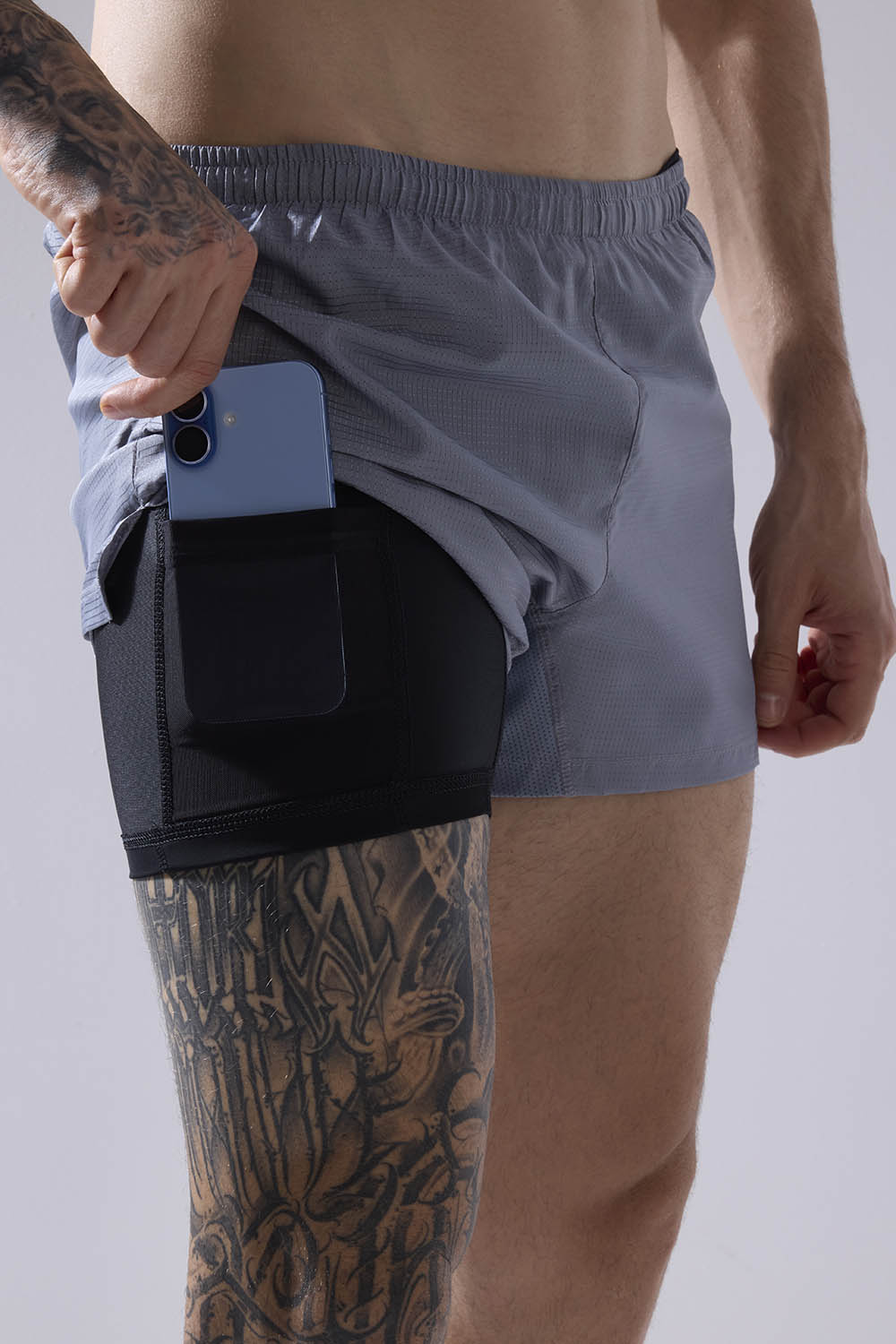
Small design decisions often make a significant difference for runners. A secure pocket for essentials, reflective details for low-light sessions, or an ergonomic fit can improve the overall experience.
These features come from understanding how people use their apparel rather than simply adding specifications. Local brands can gather feedback from nearby running communities and use those insights to refine future designs.
The Rise of Runner-focused Product Thinking
Consumers are becoming more thoughtful about the products they choose. In performance categories, brand recognition alone is not always enough. Athletes increasingly look for products that solve specific problems and fit their routines.
The growth of homegrown footwear and apparel companies shows how relevance can become a competitive advantage. Homegrown footwear innovation highlights how customers are becoming more interested in products that reflect their own needs, including comfort, design relevance, and everyday usability.
For running apparel, this means brands have an opportunity to compete through understanding. A product does not need to imitate international trends if it can demonstrate a clear connection to the athlete's environment and challenges.
Why Local Feedback Loops Create Stronger Running Gear
One of the strongest advantages for homegrown running brands is the ability to maintain closer relationships with the communities they serve. Running clubs, amateur athletes, and everyday fitness enthusiasts provide valuable insights into what works and what needs improvement.
This feedback loop can help brands make practical adjustments. Runners may highlight issues related to comfort during long runs, preferred storage options, fabric performance, or fit preferences. Over time, these observations help create apparel that evolves alongside the needs of its users.
This approach also supports a more athlete-focused design process. Instead of treating runners as a broad category, brands can recognise the different motivations behind running, from first-time fitness goals to endurance training.
What Runners Should Consider When Choosing Performance Apparel
Understanding how apparel is designed can help runners make better decisions. Instead of focusing only on appearance or brand familiarity, athletes can evaluate whether clothing matches their actual requirements.
- Climate suitability: Consider whether the fabric and construction are appropriate for the conditions where you usually train.
- Functional features: Look for details that support your routine, such as storage, visibility features, and comfortable movement.
- Fit and mobility: Running apparel should allow natural movement without creating distractions during activity.
- Purpose-driven design: Consider whether the product was created specifically for runners and their needs.
These factors help shift the conversation from simply buying sportswear to choosing equipment that supports personal performance goals.
The Future of Running Apparel Will Be Shaped by Local Relevance
Running is a global activity, but every runner experiences it differently. Local conditions, personal routines, and community influences all shape what athletes need from their gear.
Homegrown running brands are positioned to contribute valuable perspectives because they understand the environments where their customers train. Their ability to combine technical apparel knowledge with local insights creates opportunities for products that feel purpose-built for everyday runners.
For brands like Aguante, this connection between runners and their surroundings reflects an important part of performance apparel development. Understanding local conditions is not only about adapting to weather or geography; it is about listening to athletes and creating solutions that support how they actually run.
Frequently Asked Questions
Why do homegrown running brands in India understand local conditions better?
Homegrown running brands in India often have closer access to local runners and understand the climates, training environments, and everyday challenges athletes experience. This helps them create running apparel that addresses practical needs such as comfort, breathability, storage, and mobility.
What makes running clothes designed for Indian weather different from other performance apparel?
Running clothes designed for Indian weather are developed with factors such as heat, humidity, and varied training conditions in mind. Features like lightweight fabrics, moisture management, and comfortable fits can help runners perform more comfortably during regular training sessions.
How do local sportswear brands in India support Indian runner's performance needs?
Local sportswear brands in India support Indian runners by using feedback from athletes and communities to improve product design. Their understanding of runner behaviour helps create performance apparel with features that match real training requirements and local environments.
Disclaimer: The above helpful resources content contains personal opinions and experiences. The information provided is for general knowledge and does not constitute professional advice.
You may also be interested in: The Impact of Consistent Running on Mental Health in Fast-paced Indian Cities
Tired of gear that slows you down? Chafing, soggy fabrics, and missing pockets kill your run's momentum. At Aguante, we're runners who get it. Our high-performance activewear features moisture-wicking fabrics, ergonomic designs, and smart storage to keep you focused. Shop Now!
Powered by flareAI.co