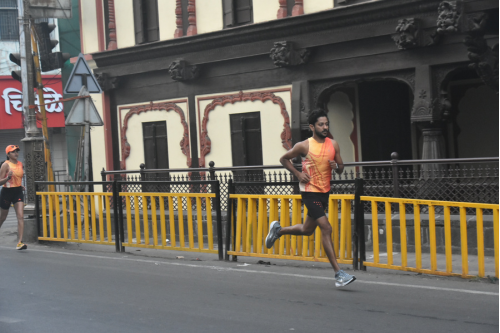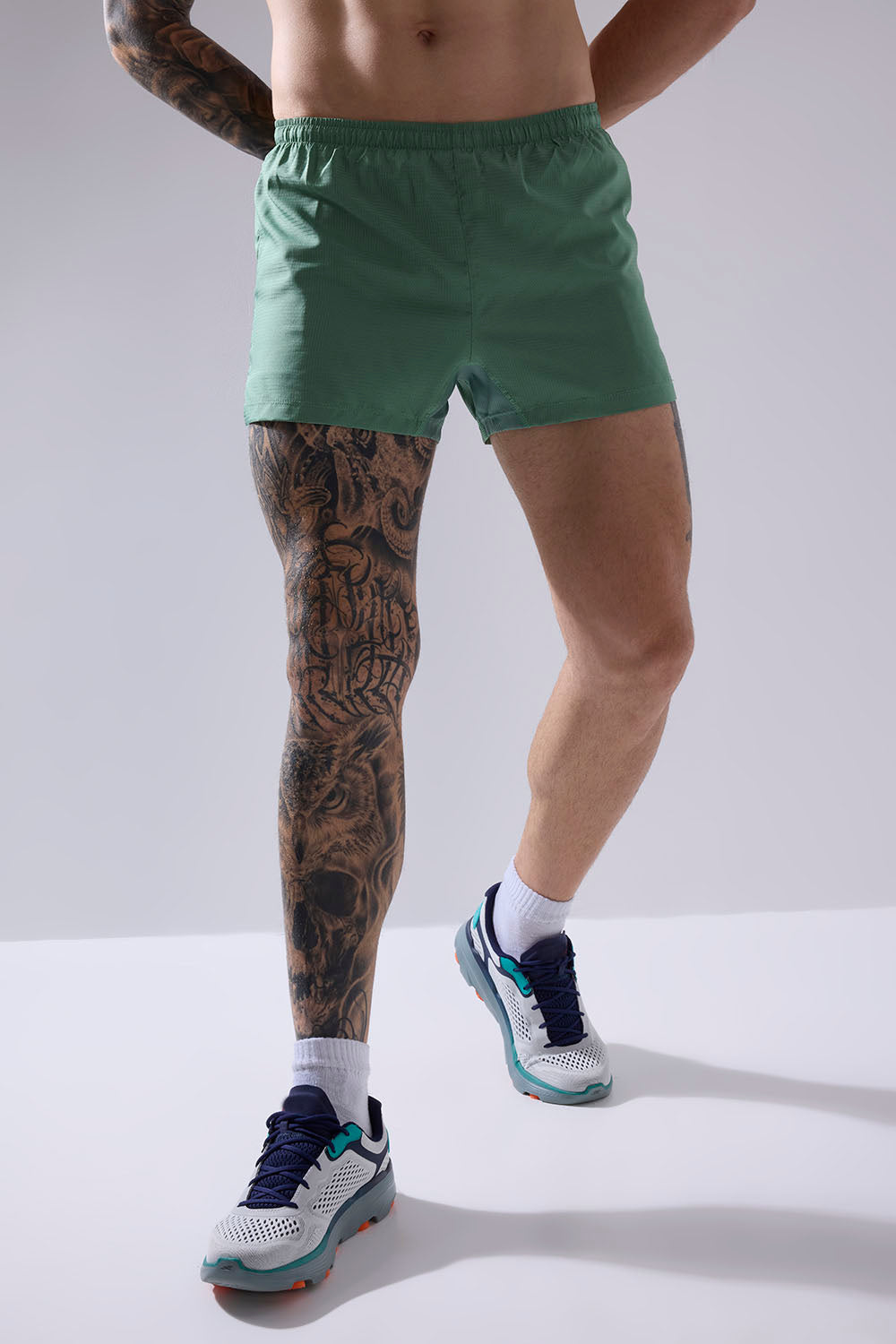
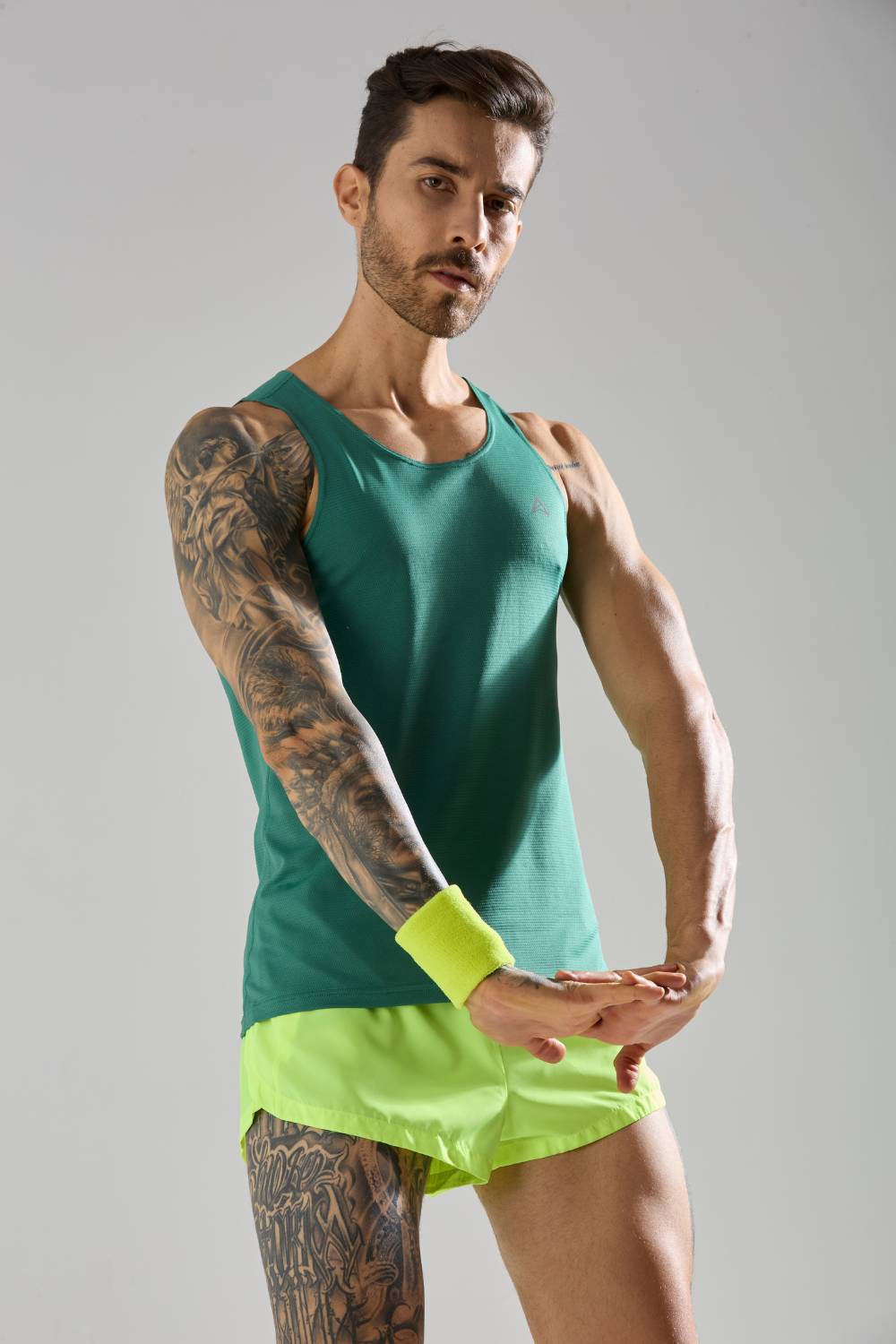
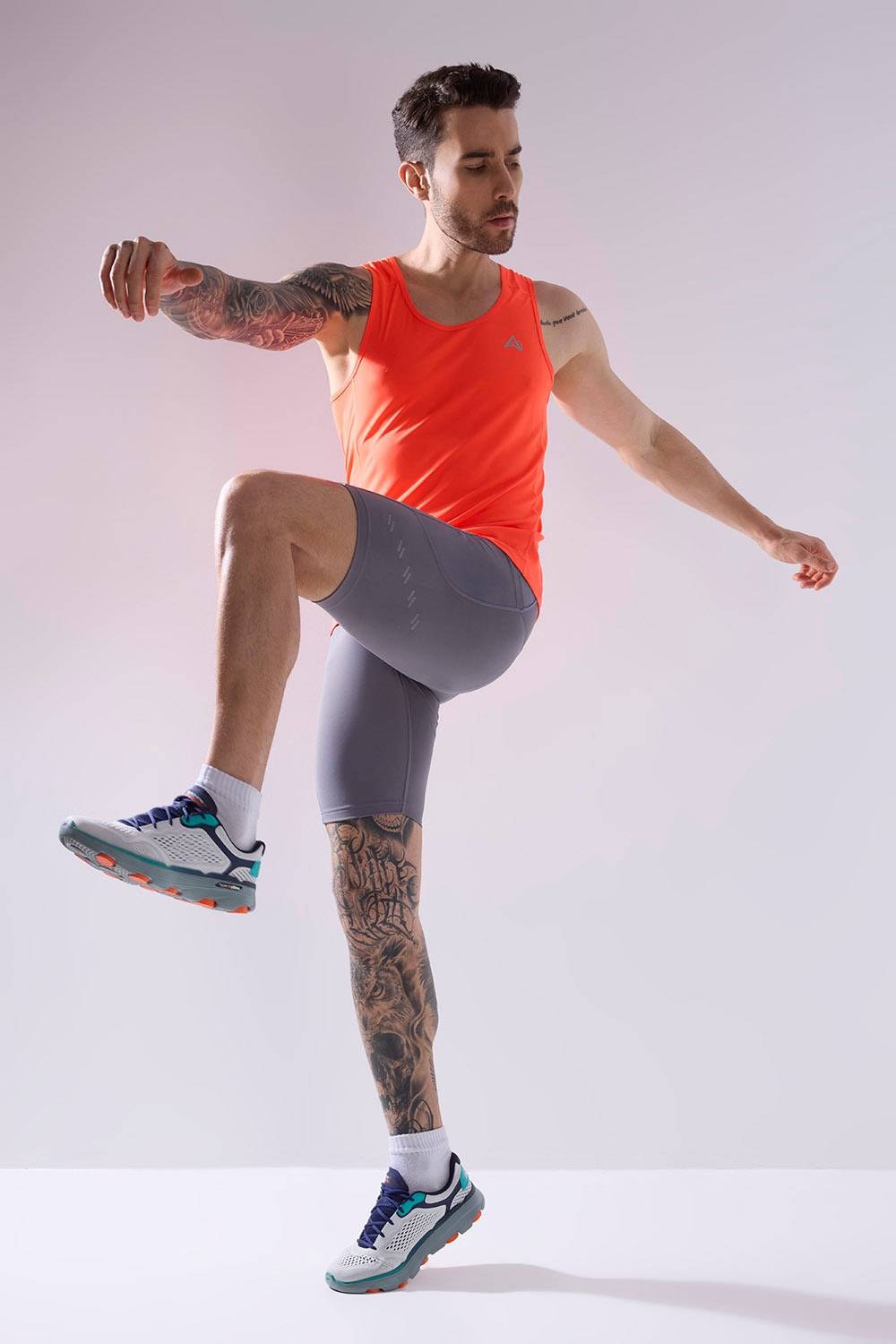
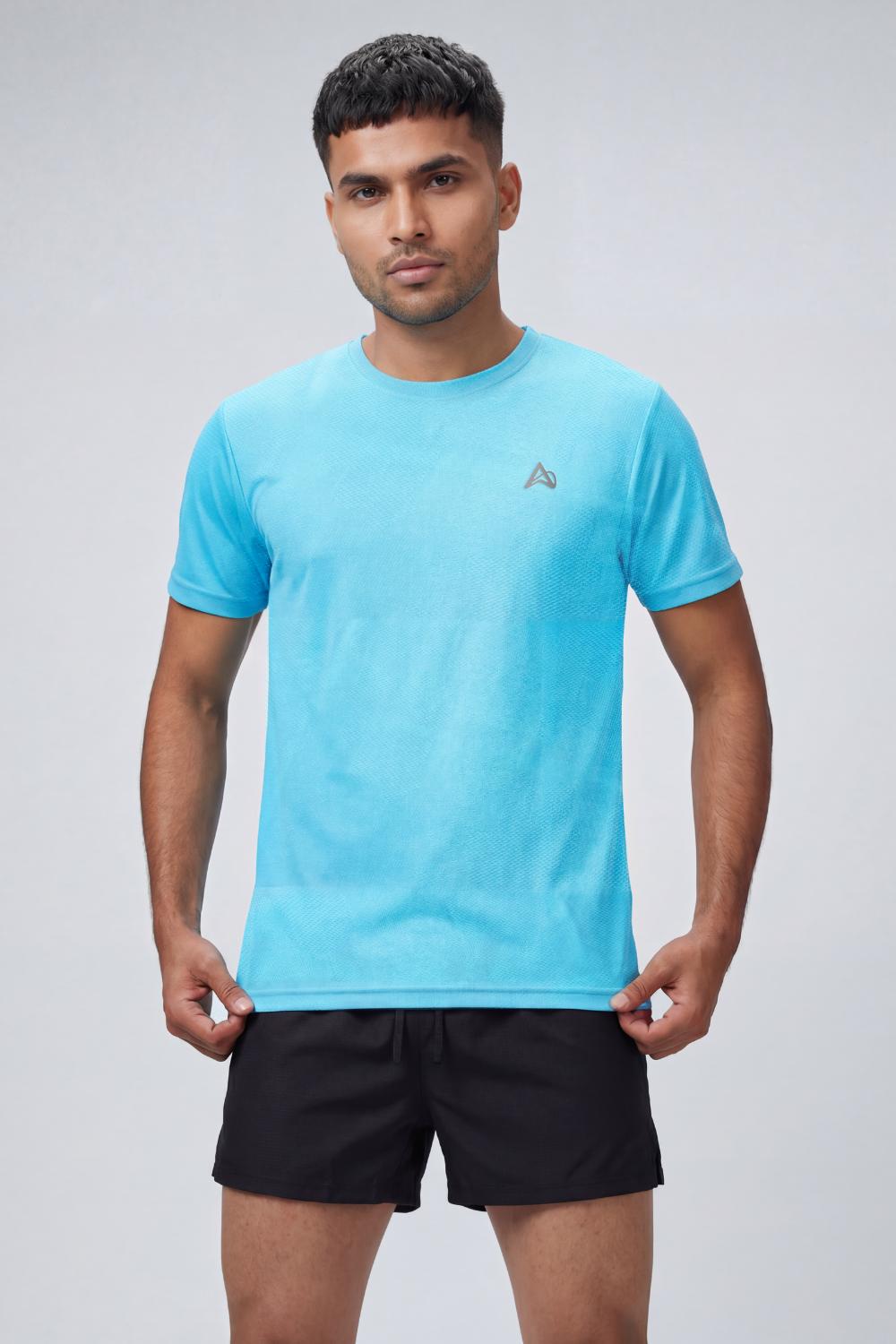
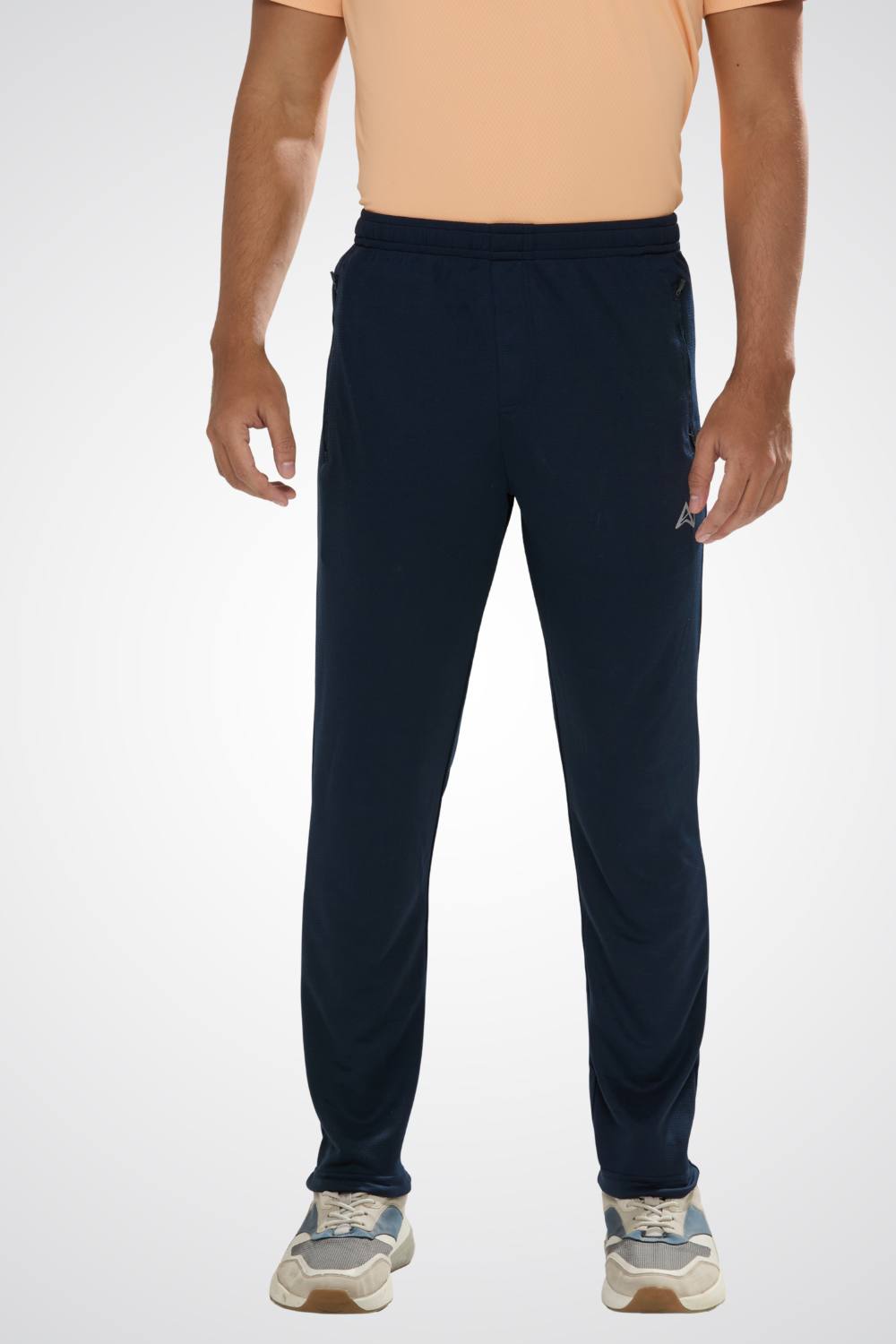
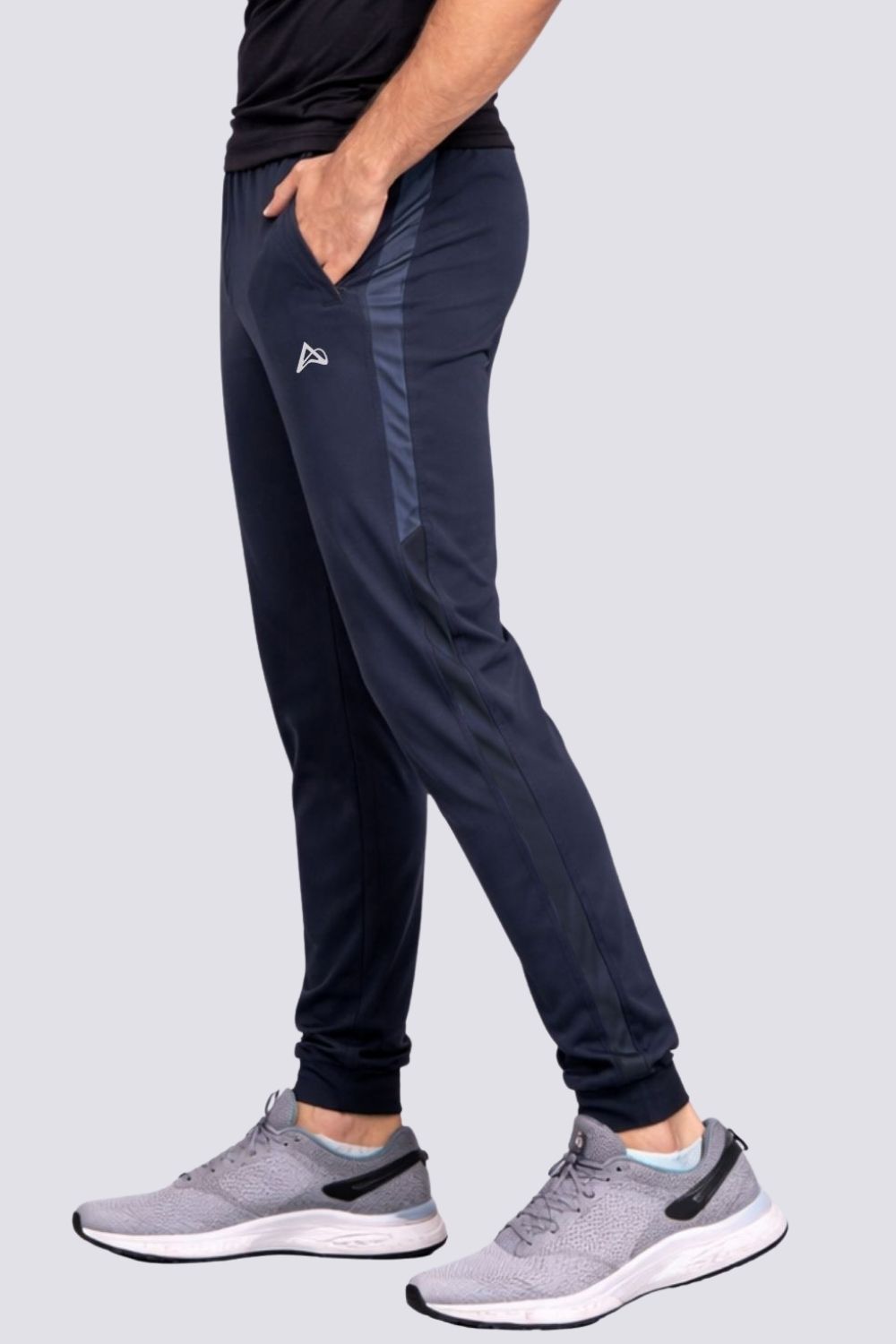
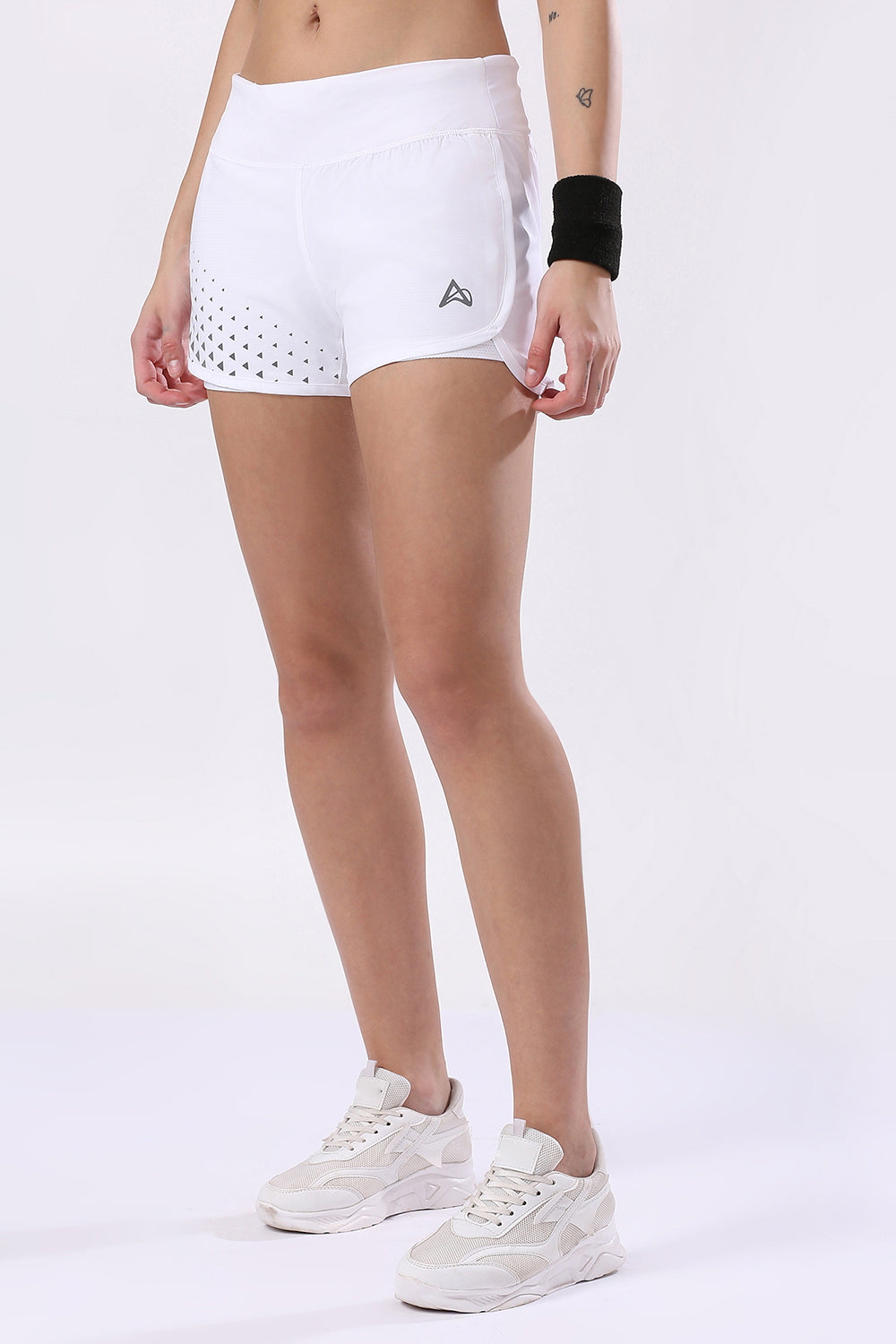
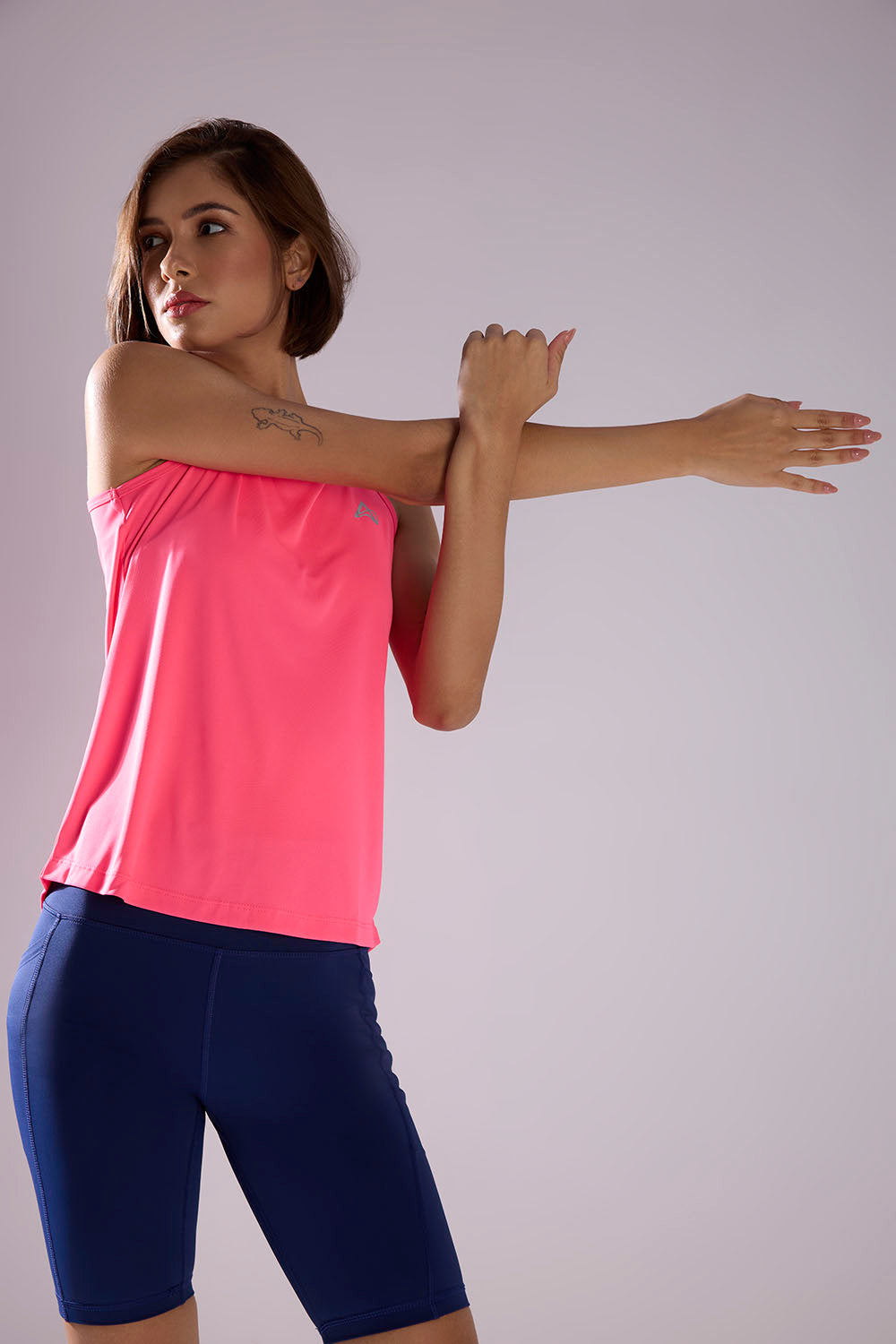
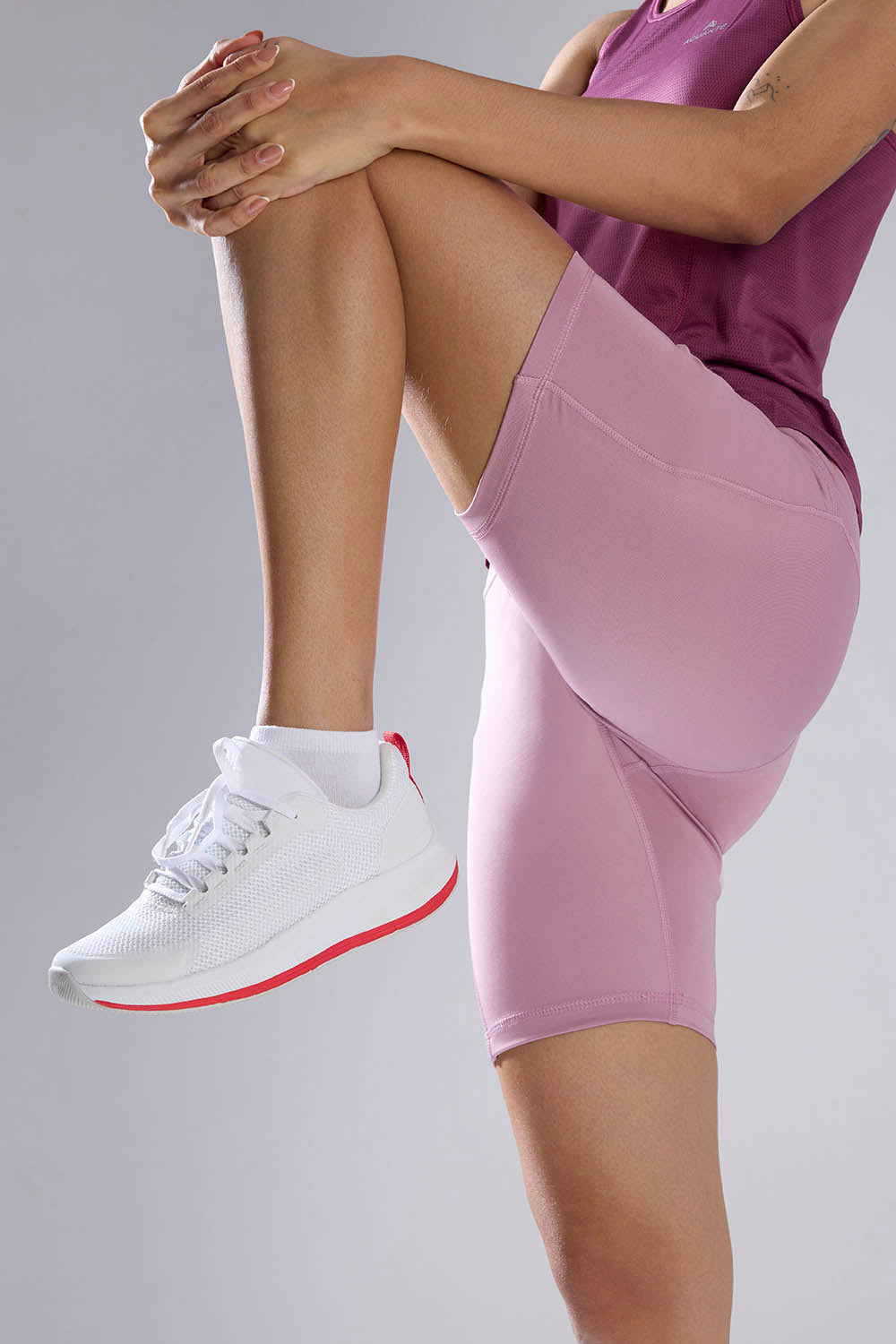
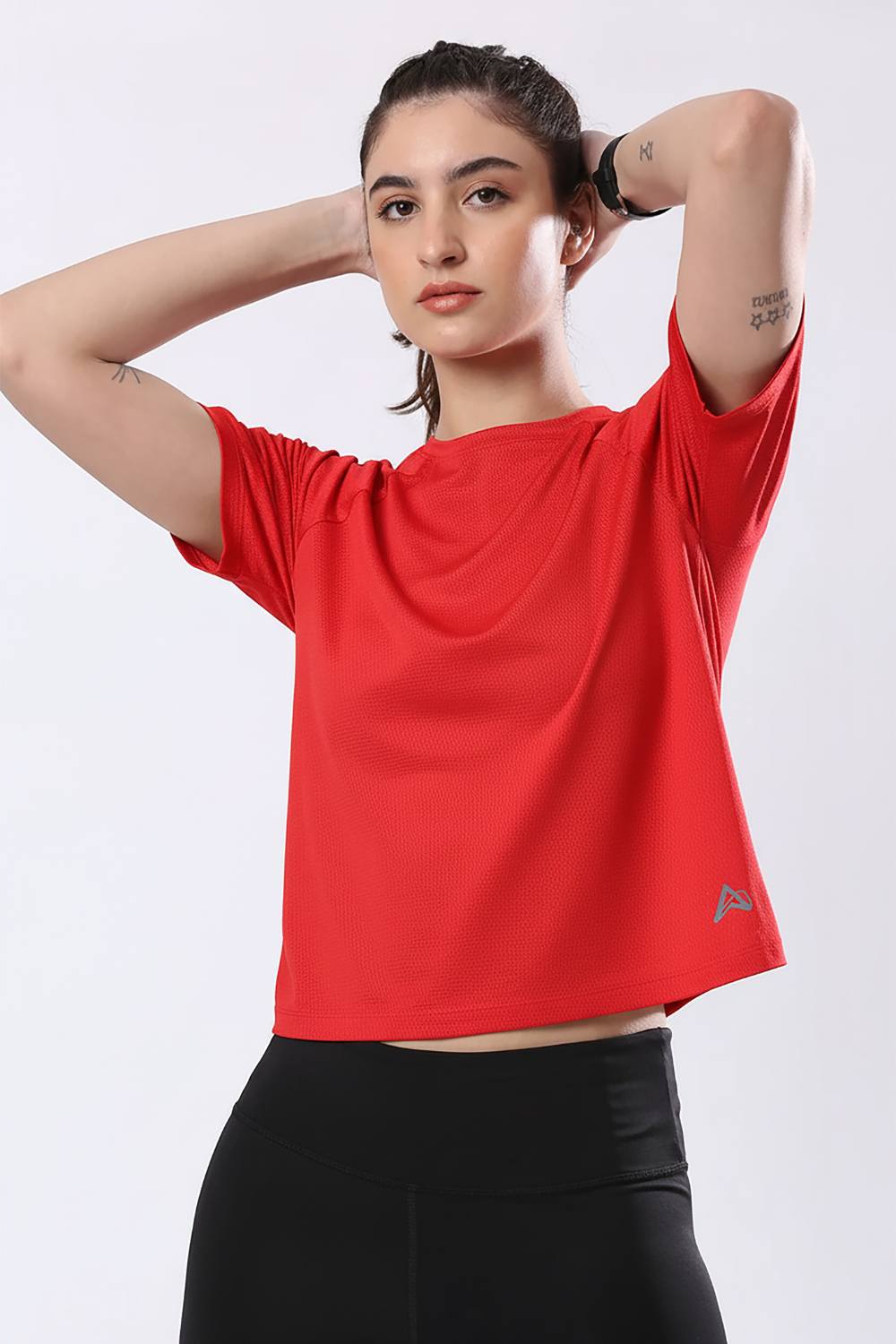
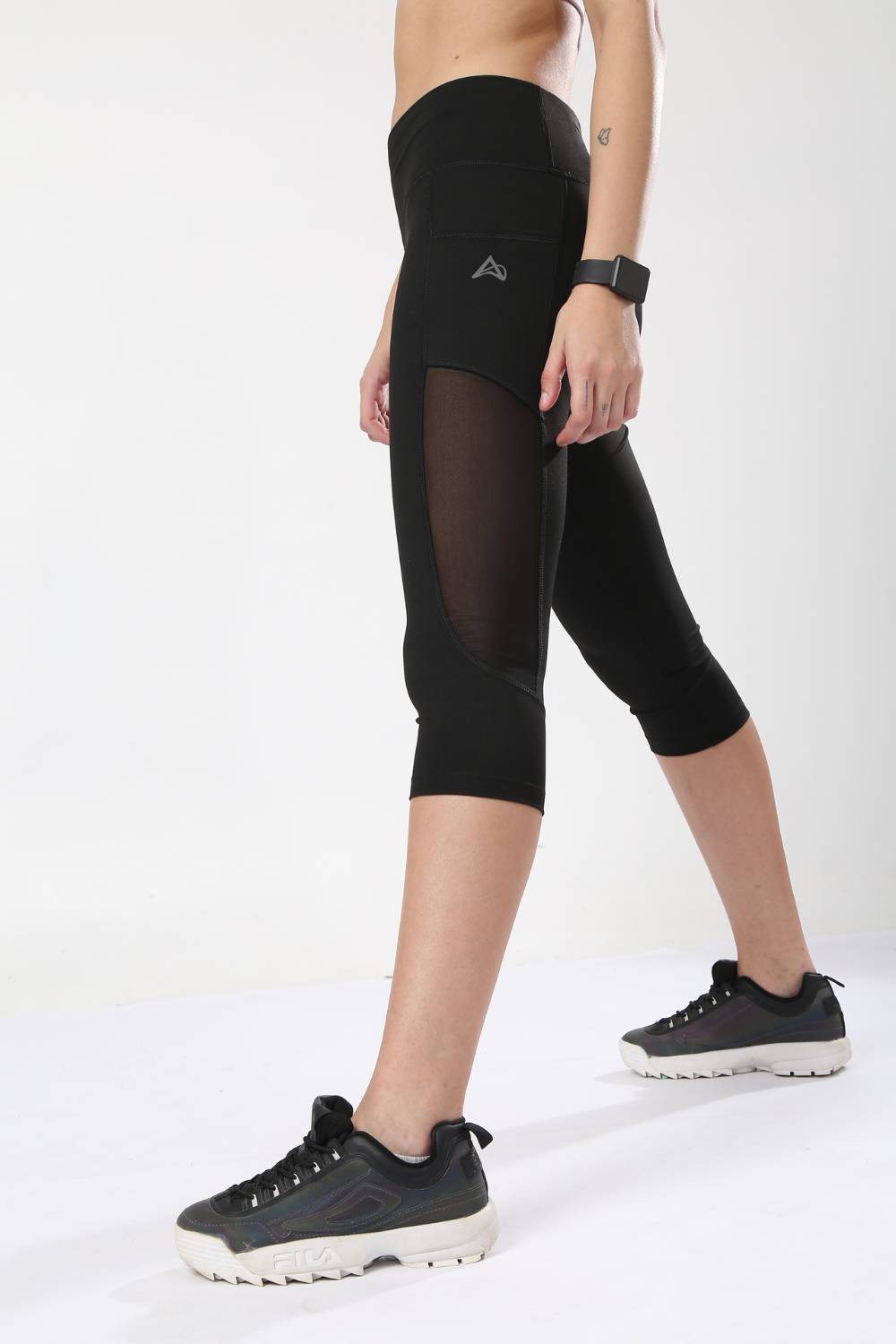
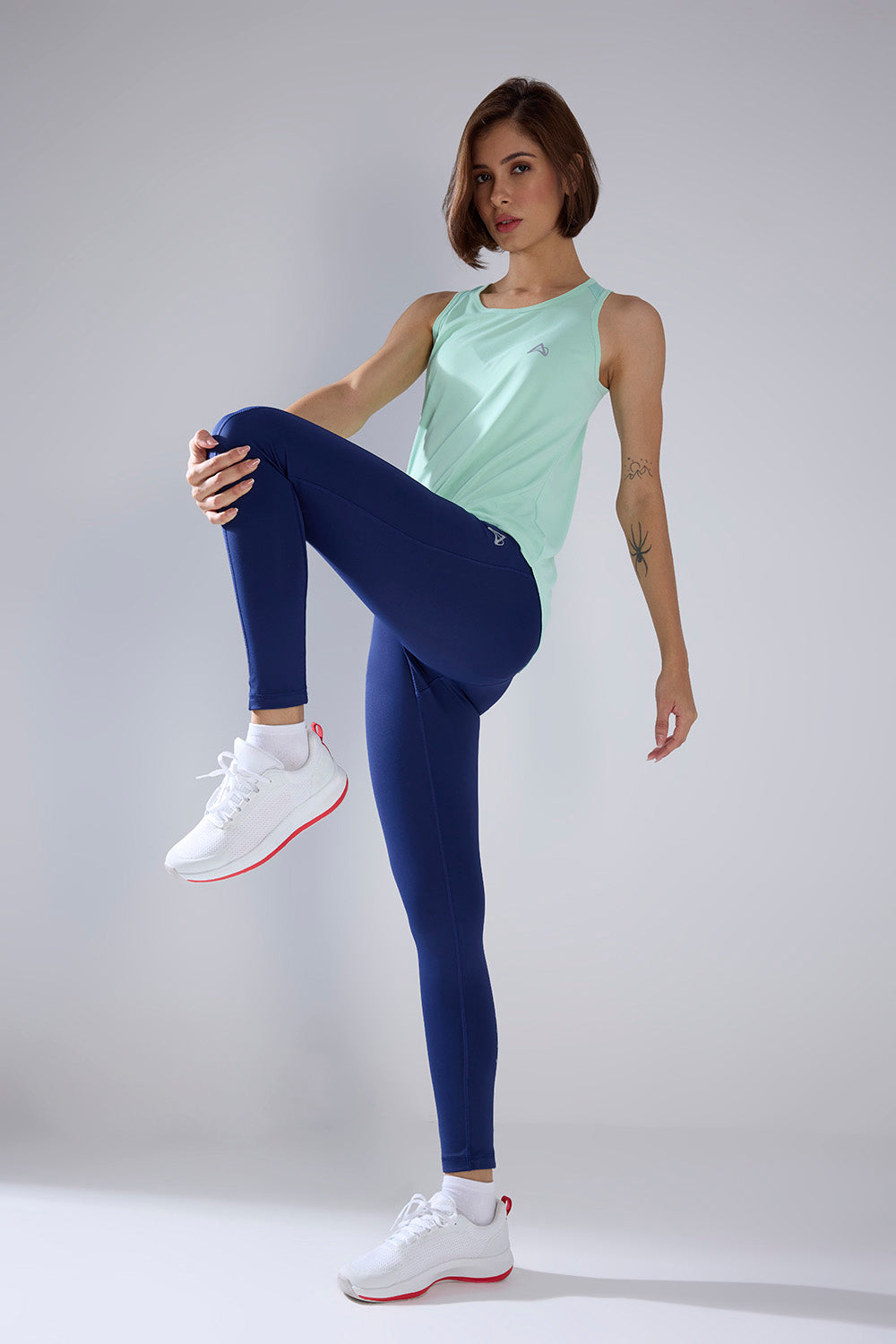

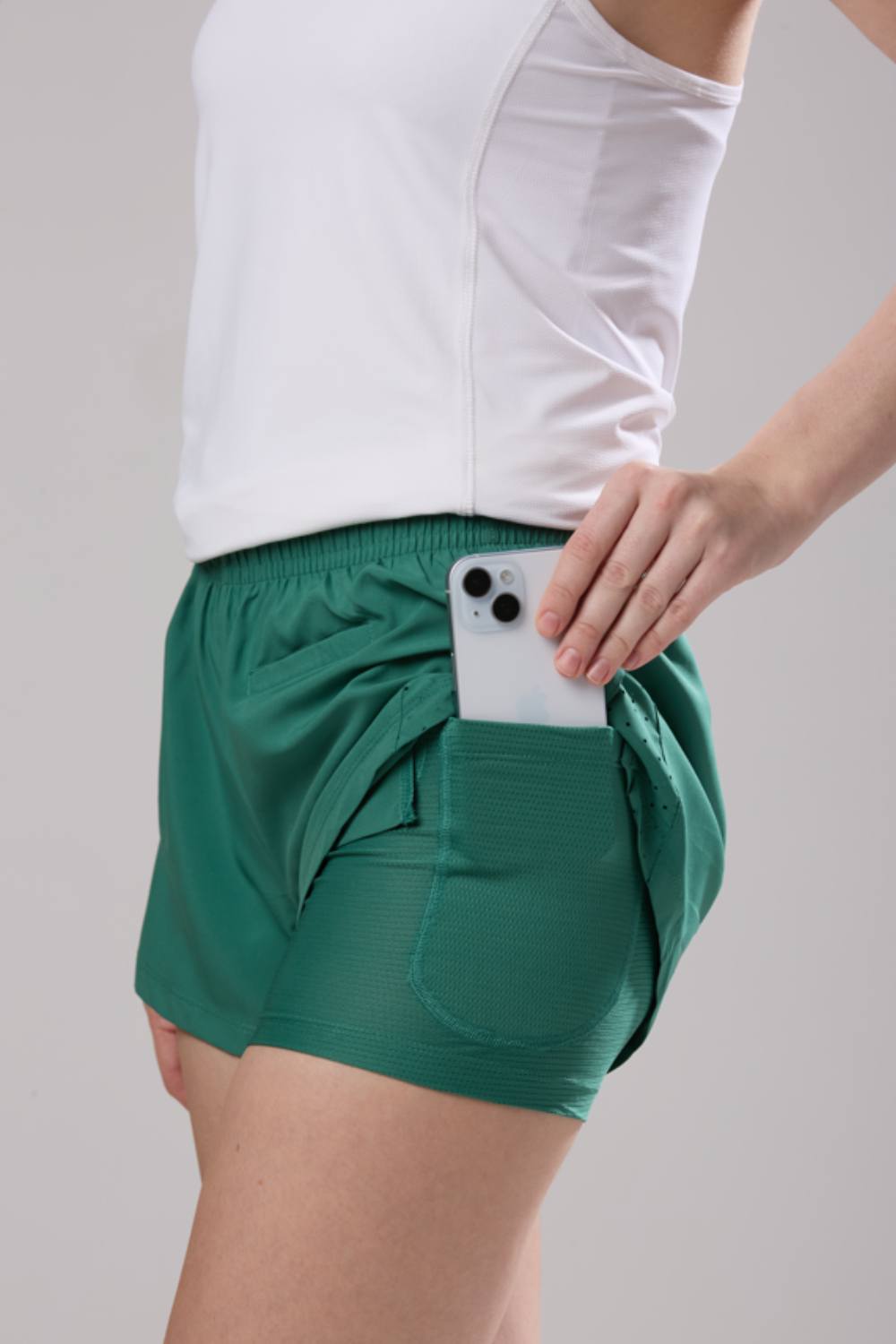
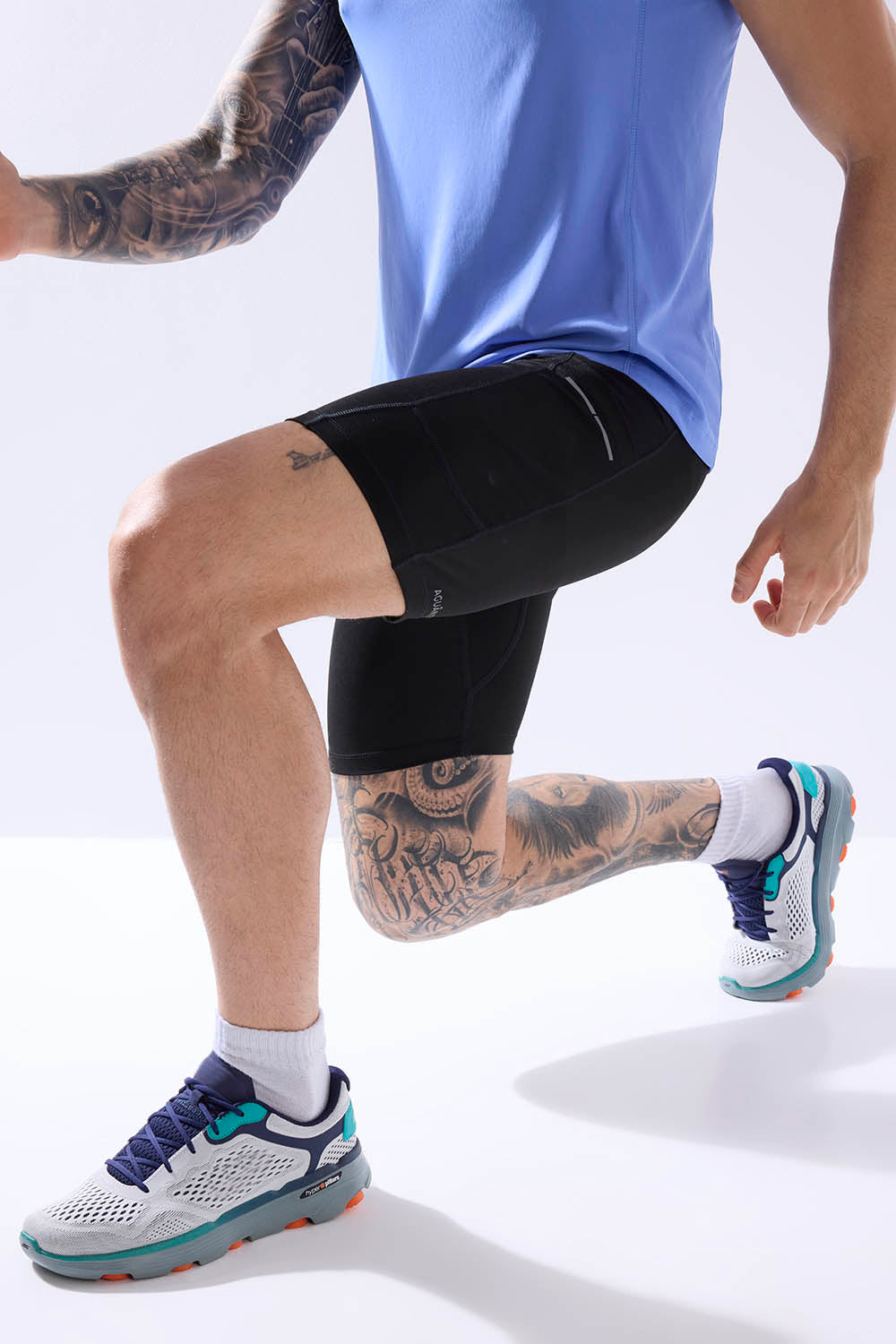
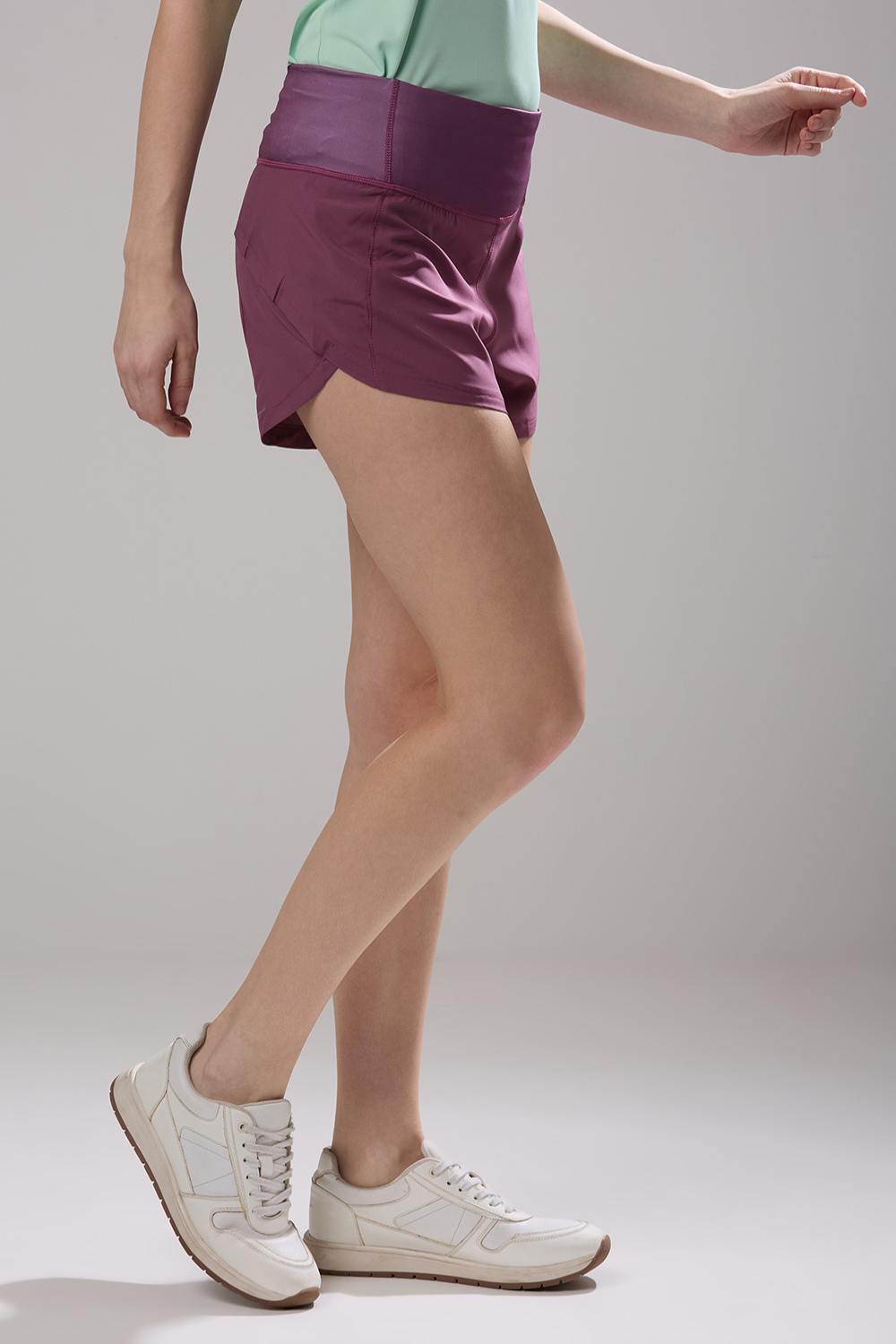
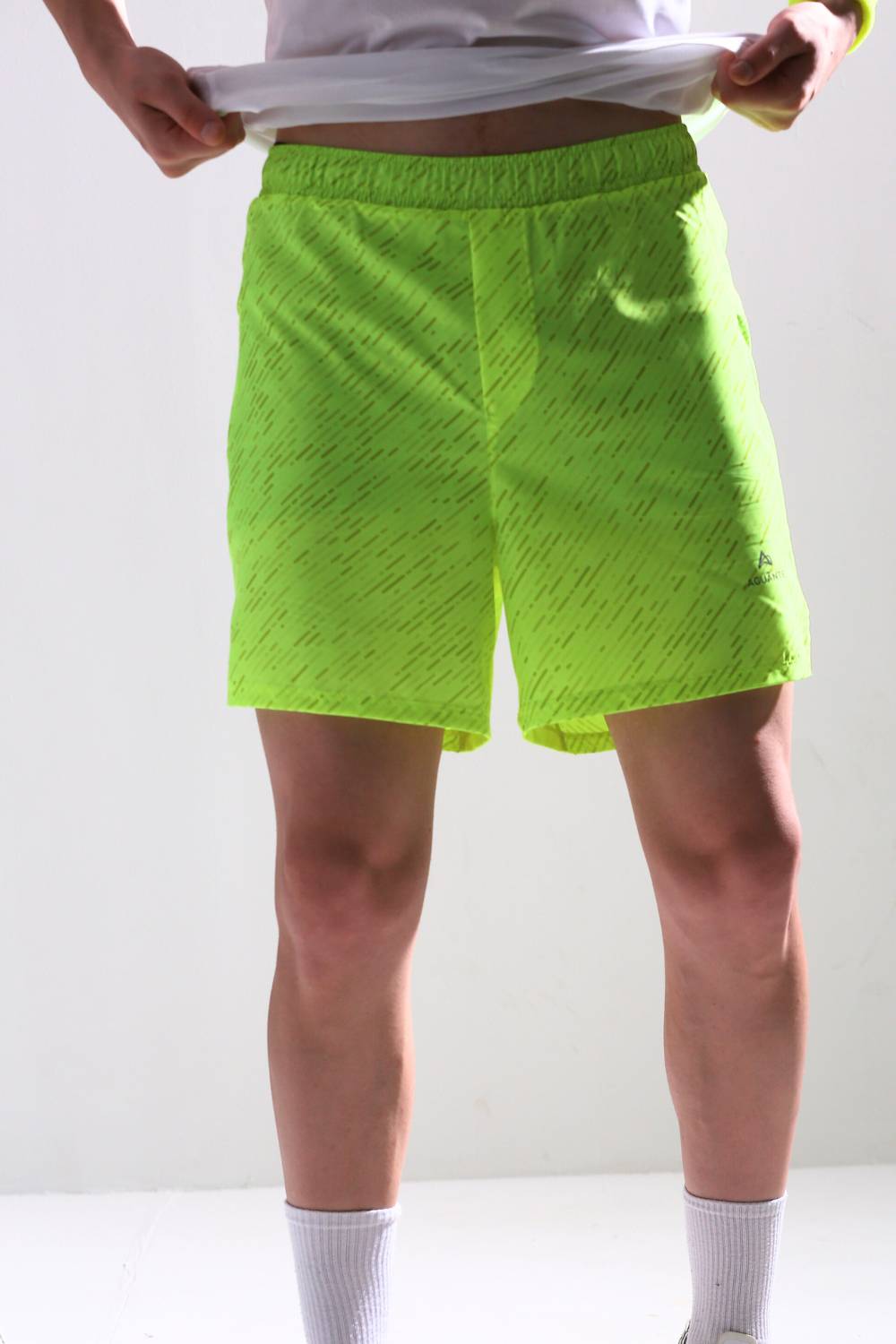
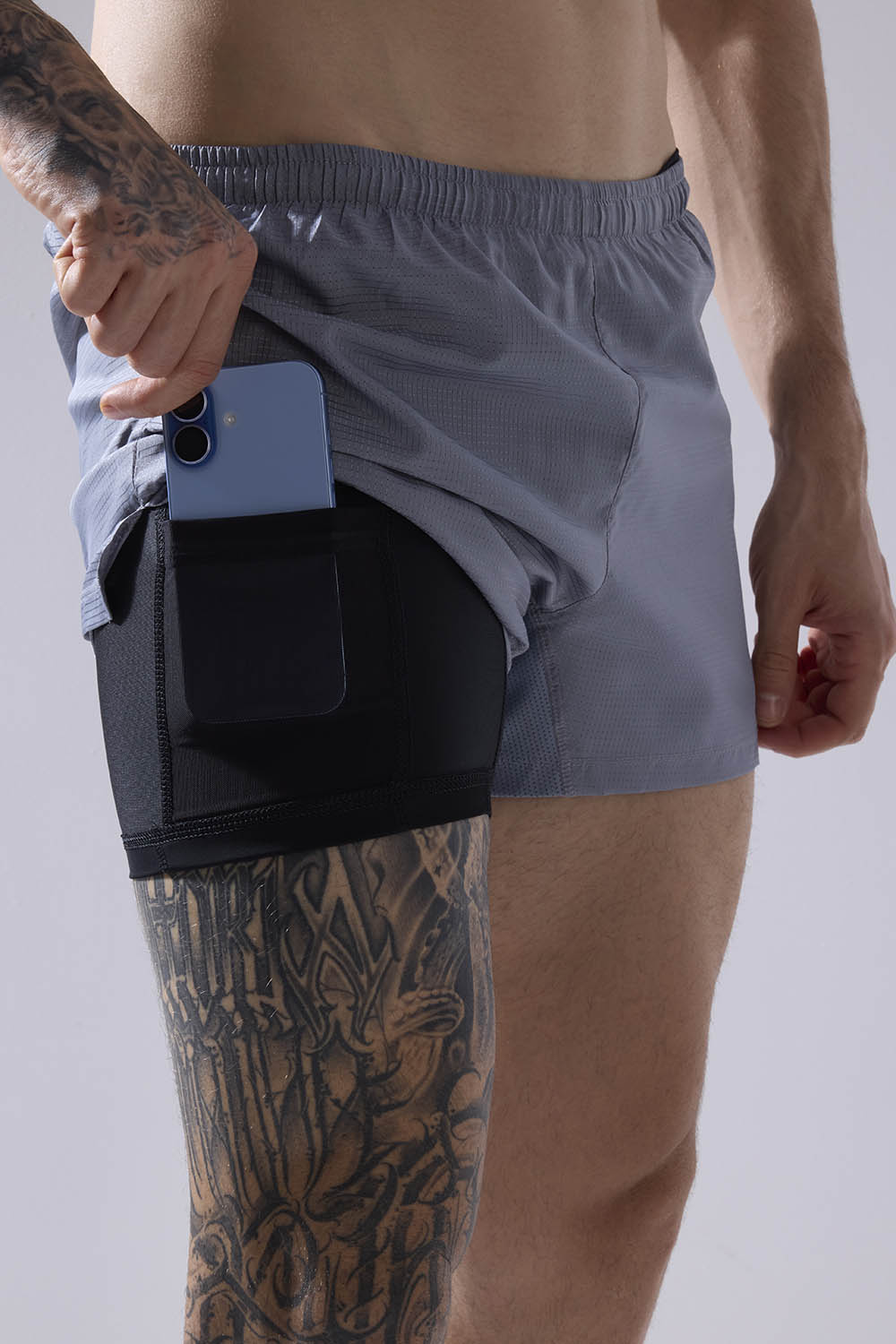

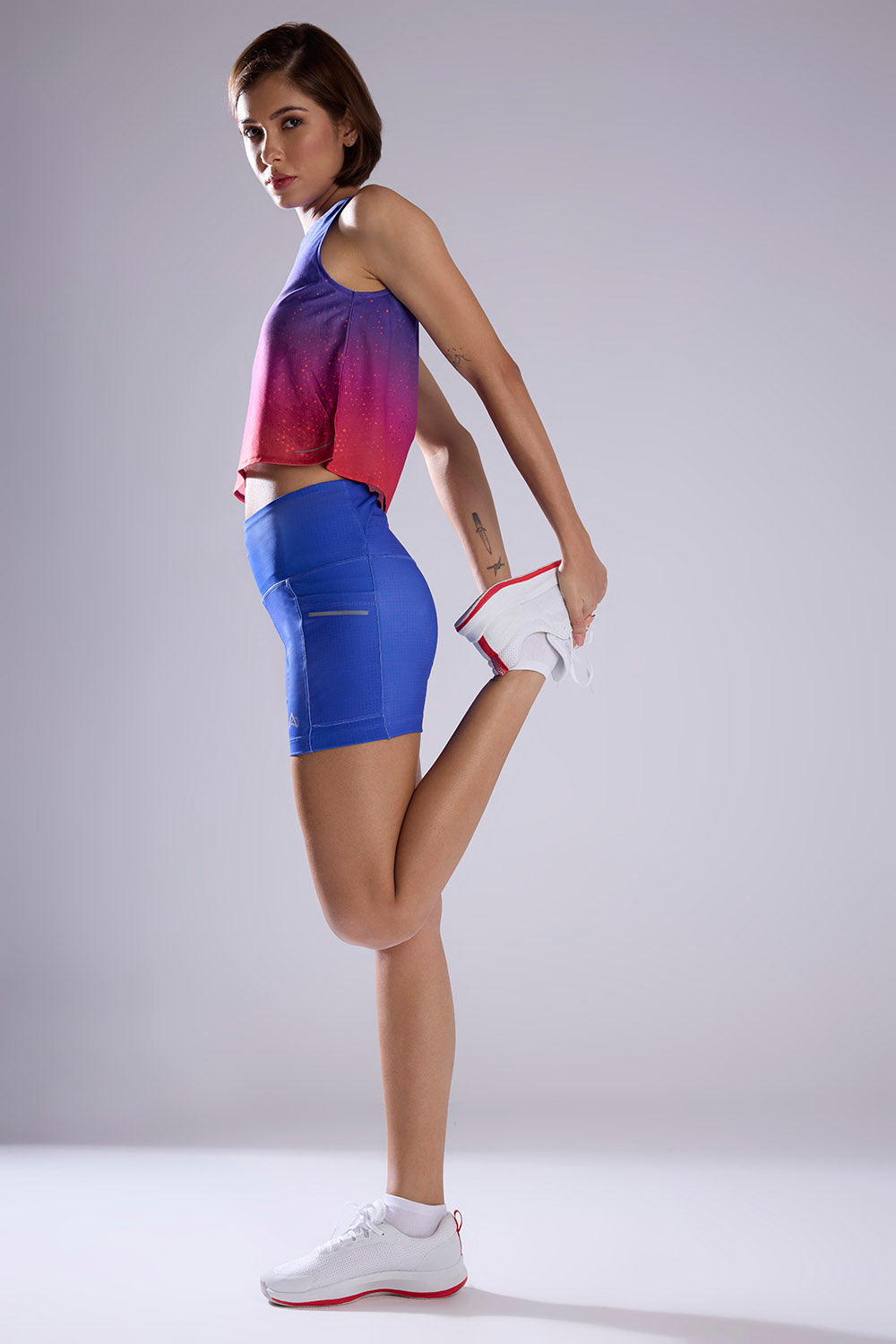
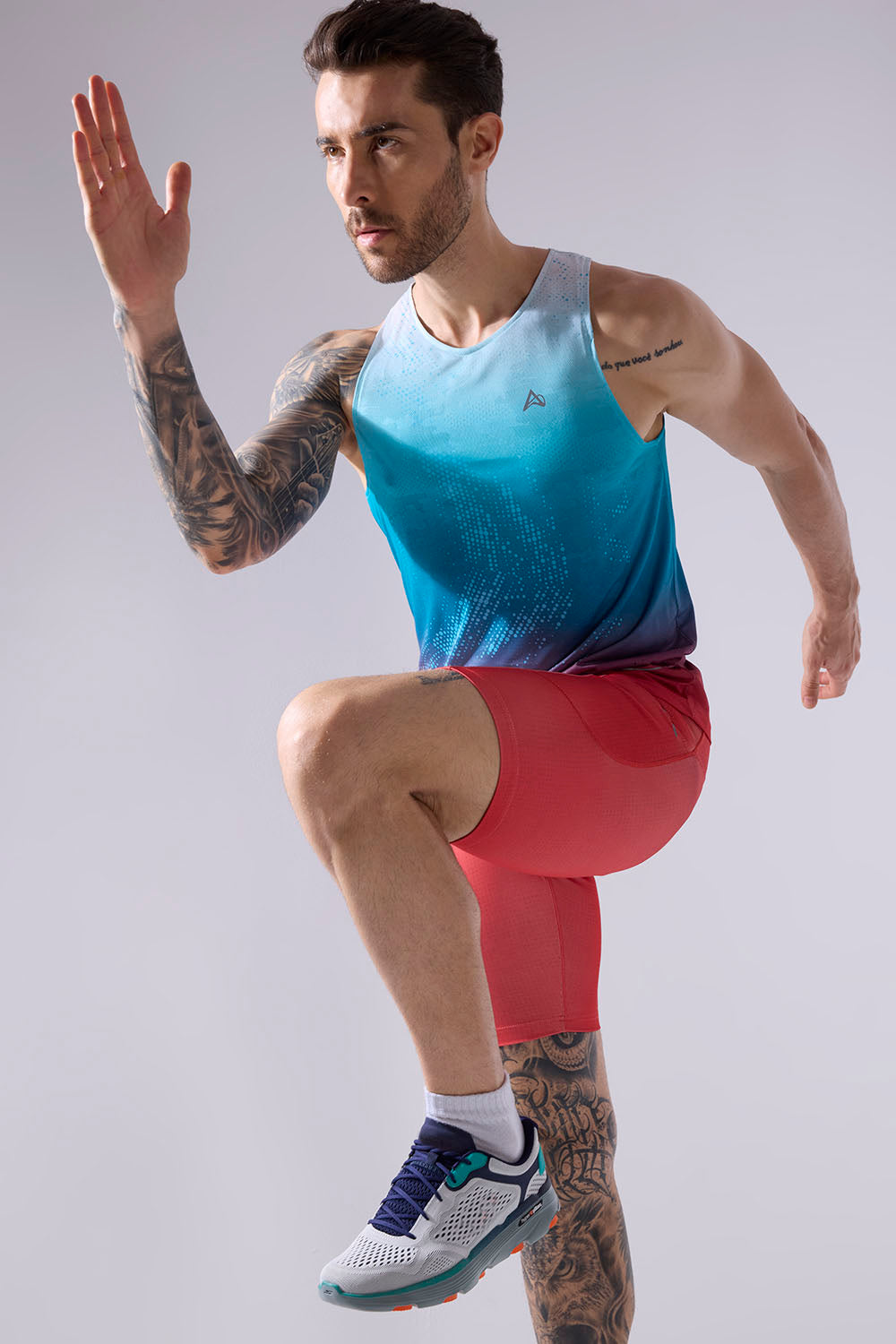

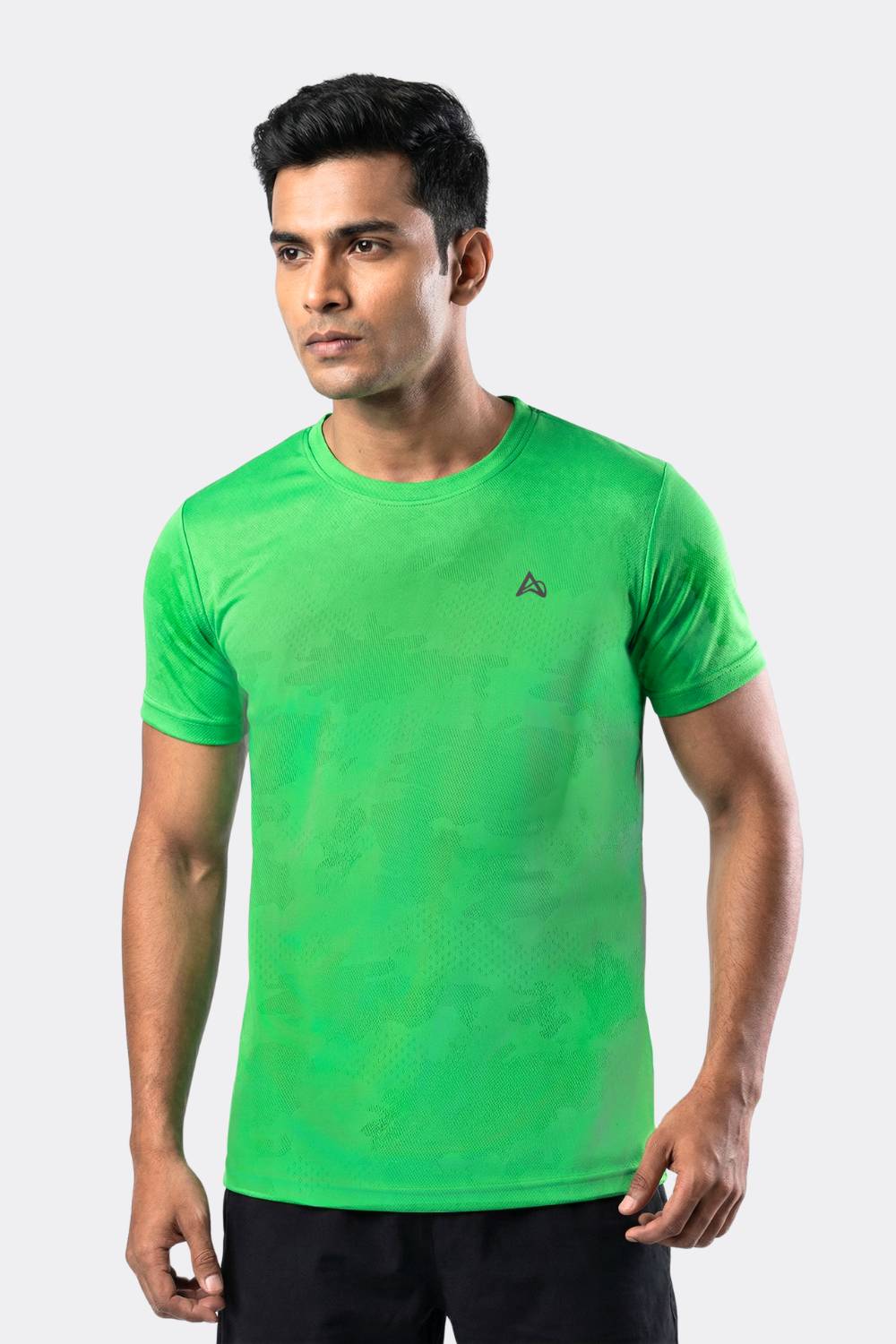
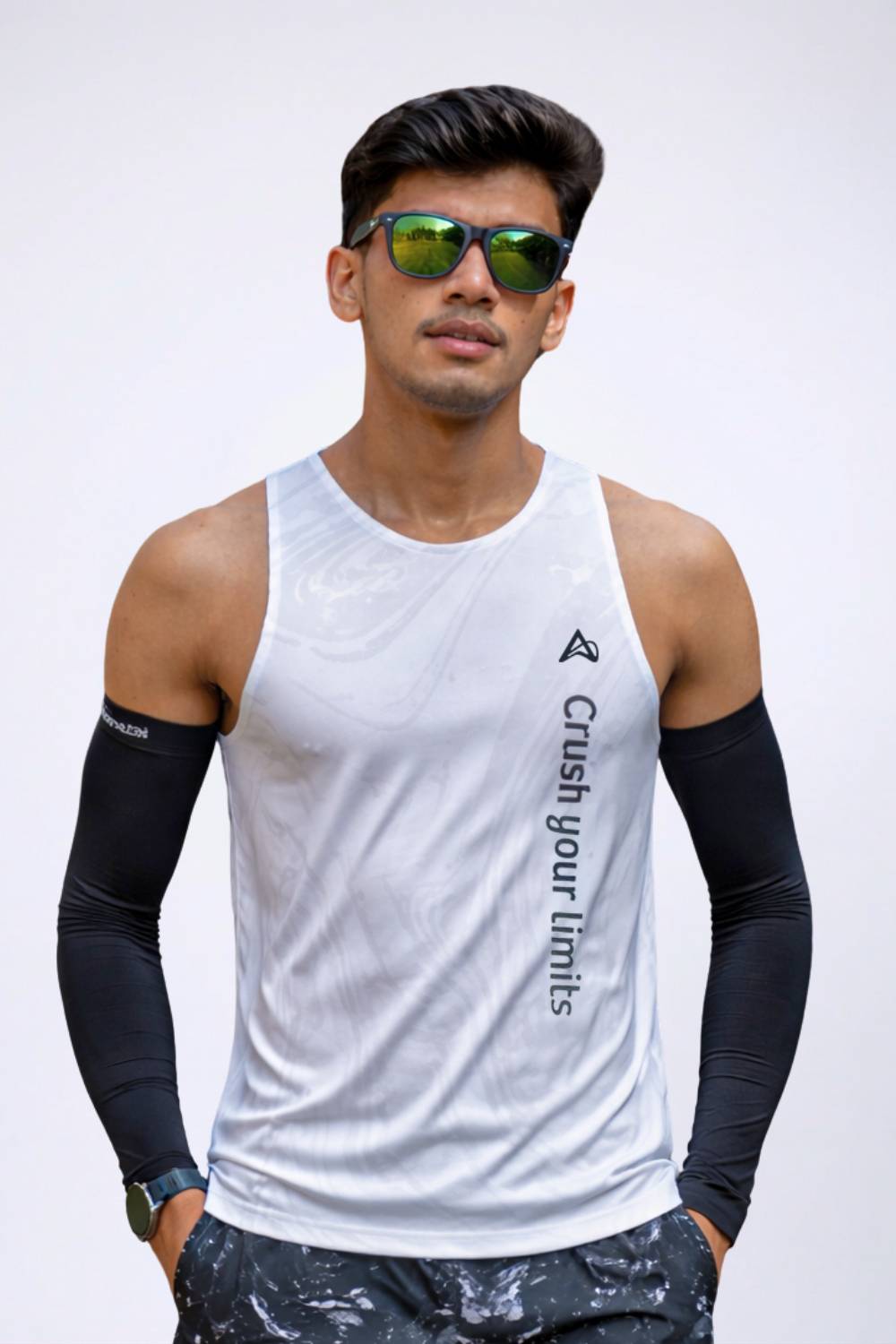

For runners and fitness enthusiasts, performance is often associated with training plans, pacing strategies, or endurance goals. Yet one of the most influential factors shaping comfort and output during exercise is often overlooked: the fabric technology in performance apparel. From how efficiently sweat is managed to how effectively body heat is regulated, the materials used in running clothes directly impact how the body performs under stress. As sportswear evolves, fabric innovation has become a defining element of modern athletic design, especially for individuals seeking better breathability, reduced friction, and improved thermal balance during workouts.
Tired of gear that slows you down? Chafing, soggy fabrics, and missing pockets kill your run's momentum. At Aguante, we're runners who get it. Our high-performance activewear features moisture-wicking fabrics, ergonomic designs, and smart storage to keep you focused. Shop Now!
Understanding Fabric Technology in Performance Apparel
At its core, performance apparel fabric technology refers to engineered textile systems designed to support the body during physical activity. Unlike traditional fabrics that simply cover the body, modern performance textiles interact with heat, moisture, and movement. This shift has led to garments that are not only lighter and more flexible but also capable of actively responding to environmental conditions.
For active individuals in urban fitness communities, especially those training in variable climates, the difference between conventional clothing and performance-oriented gear becomes noticeable during longer runs or high-intensity workouts. Heat buildup, sweat retention, and fabric cling can all affect comfort and endurance. Fabric engineering addresses these challenges by improving airflow, reducing moisture retention, and enhancing overall wearability.
The Rise of Moisture-wicking Fabric in Running Clothes
One of the most widely adopted advancements in sportswear is moisture management. Moisture-wicking fabric running clothes are designed to draw sweat away from the skin and disperse it across the surface of the garment, allowing it to evaporate more efficiently. This process helps maintain a more stable body temperature and reduces discomfort caused by damp clothing during exercise.
Modern apparel designers increasingly combine natural fibers with engineered synthetics to improve breathability and drying speed. This hybrid approach reflects a broader shift in the industry toward balancing comfort, durability, and performance functionality. As running becomes a more mainstream fitness activity across major urban centers, demand for quick-dry activewear continues to rise, particularly among individuals who train in high humidity or warm conditions.
Smart Adaptive Textiles and the Future of Thermal Regulation
Beyond moisture control, fabric innovation is now moving toward dynamic responsiveness. Emerging research highlights the development of adaptive fabrics that respond to external conditions such as heat and humidity. These materials integrate thermosensitive and moisture-sensitive structures that actively regulate airflow and heat transfer based on environmental and physiological changes.
Emerging research in textile engineering is advancing the concept of adaptive fabrics that respond dynamically to environmental conditions such as temperature and humidity. These smart textiles integrate materials with thermosensitive and moisture-sensitive properties to regulate heat transfer and airflow in real time. By combining engineered polymer structures with natural fibers, researchers are developing fabrics that can actively adjust their behavior based on external stimuli and the wearer's physiological state. Experimental results show that such textiles can significantly reduce perceived temperature, with some systems achieving substantial cooling effects under combined thermal and moisture stress conditions. Unlike conventional performance fabrics that rely on passive moisture wicking, these next-generation materials operate as active thermoregulation systems, potentially reducing or eliminating the need for external energy inputs.
This represents a major shift in fabric technology, moving toward garments that function as responsive systems rather than static materials. The implications for performance apparel are substantial, particularly in sports, outdoor activities, and occupational wear where environmental conditions vary widely. These innovations also open pathways toward more sustainable clothing systems by reducing reliance on energy-intensive cooling solutions, reinforcing the growing convergence of material science, human physiology, and wearable technology design.
For athletes and runners, this evolution is particularly relevant. Training conditions are rarely constant, and garments that adapt dynamically can help maintain comfort across changing environments. The implications extend beyond elite sports, influencing everyday workout wear and long-distance running gear designed for endurance and adaptability.
Cooling, Breathability, and the Fashion-performance Crossover
As climate conditions become more unpredictable, performance-inspired fabrics are increasingly influencing mainstream fashion. Lightweight constructions, breathable running fabric designs, and UV-conscious materials are no longer limited to specialized athletic gear. Instead, they are becoming part of everyday wardrobes, especially for individuals who prioritize comfort and mobility.
Insights into modern apparel trends show that designers are actively integrating moisture control and airflow-focused materials into broader fashion categories. As highlighted in a heat-adaptive clothing guide, fabrics such as linen and Tencel are often blended with engineered synthetics to achieve a balance between structure, breathability, and cooling efficiency.
Extreme climate conditions are accelerating demand for performance-oriented fabrics in mainstream fashion, pushing technologies once reserved for elite sportswear into everyday clothing. Designers and apparel manufacturers are increasingly adopting moisture-wicking materials, UV-protective weaves, and phase-change textiles that respond dynamically to heat and humidity. Natural fibers such as linen and Tencel are being combined with engineered synthetics to create hybrid fabrics that balance breathability, durability, and thermoregulation. This shift is not only aesthetic but functional, as rising global temperatures and more frequent heatwaves are forcing consumers to prioritize comfort and physiological cooling in daily wear. Brands across luxury and mass-market segments are experimenting with lightweight constructions and advanced textile treatments that enhance airflow while maintaining structure and style.
The integration of cooling technologies reflects a broader convergence between fashion and performance engineering, where fabric selection becomes a key determinant of wearability in extreme environments. In addition, sustainability concerns are influencing material innovation, with companies exploring lower-impact fibers and production methods to reduce environmental harm while maintaining technical performance. This evolution reinforces the importance of fabric technology in performance apparel by showing how environmental stressors are reshaping consumer expectations and driving widespread adoption of advanced textile solutions beyond athletic use cases.
This crossover between fashion and performance engineering reflects a growing expectation among consumers: clothing should not only look good but also function effectively under physical stress and environmental heat. The result is a new generation of apparel where aesthetic design and physiological performance are increasingly interconnected.
Compression, Ergonomics, and Movement Efficiency
Another important dimension of performance apparel fabric technology lies in structural design. Compression fabrics, ergonomic stitching, and strategically placed stretch zones all contribute to improved movement efficiency during physical activity. These elements help reduce muscle vibration, support joint stability, and allow for a more natural range of motion.
While moisture management and cooling properties focus on thermal comfort, ergonomic sportswear design addresses biomechanics. Together, they create a more integrated system of support that enhances both comfort and physical output. Reflective design elements are also often incorporated into running apparel to improve visibility during early morning or evening training sessions, further supporting safety alongside performance.
How Fabric Technology Impacts Running Performance
The relationship between fabric choice and running performance is more direct than many athletes realize. Breathable materials reduce overheating, moisture-wicking systems prevent discomfort from sweat accumulation, and adaptive textiles help stabilize temperature fluctuations. Each of these factors contributes to maintaining consistent energy levels during exercise.
For runners, even minor improvements in comfort can translate into better endurance and focus. Fabric that minimizes friction reduces distractions, while quick-drying materials help prevent chafing during long-distance runs. Over time, these benefits support more consistent training habits and improved overall performance outcomes.
In urban fitness environments where temperature, humidity, and air quality can vary significantly, the role of apparel becomes even more critical. Clothing that responds effectively to these conditions allows athletes to maintain rhythm and reduce physical strain during workouts.
Choosing the Right Performance Apparel for Your Training Needs
Selecting the right performance apparel involves more than choosing a preferred style or fit. It requires understanding how different fabric technologies align with individual training conditions and goals. Runners who train in warmer climates may prioritize moisture-wicking fabric running clothes, while those engaging in varied outdoor workouts may benefit from adaptive and breathable materials that adjust to changing environments.
Quick-dry activewear is particularly valuable for individuals who engage in frequent or high-intensity sessions, as it reduces downtime between workouts and improves overall comfort. Similarly, garments designed with ergonomic sportswear principles help ensure that movement remains unrestricted and efficient, even during extended training periods.
As fabric innovation continues to evolve, athletes are increasingly able to select apparel that aligns closely with their physiological needs rather than relying solely on generic sizing or aesthetics. This shift represents a more informed approach to fitness wear, where material science plays a central role in performance optimization.
The Future of Fabric Technology in Activewear
The future of performance apparel lies in further integration between material science, environmental responsiveness, and human physiology. Research into adaptive textiles suggests a growing potential for garments that not only respond to external conditions but also actively support the body's natural thermoregulation systems.
As innovation continues, the line between sportswear and wearable technology will likely become increasingly blurred. For runners and fitness enthusiasts, this evolution promises clothing that adapts seamlessly to changing environments, enhances comfort under stress, and supports sustained performance across diverse conditions.
Ultimately, fabric technology is no longer a background feature of sportswear it is becoming one of its most defining performance factors. For those who take training seriously, understanding these innovations is essential to making informed choices that enhance both comfort and capability.
Frequently Asked Questions
How do moisture-wicking and quick-dry fabrics improve running performance?
Moisture-wicking fabric running clothes are designed to pull sweat away from the skin and spread it across the surface of the garment for faster evaporation. This helps keep the body cooler and prevents discomfort caused by wet clothing during workouts. Quick-dry activewear further enhances comfort by reducing chafing and maintaining a stable body temperature during high-intensity or long-distance runs.
What are adaptive or smart textiles in performance apparel and how do they work?
Adaptive or smart textiles are advanced performance fabrics that respond dynamically to changes in temperature, humidity, and physical activity. These materials use thermosensitive and moisture-sensitive properties to adjust airflow and heat transfer in real time. As a result, they help stabilize body temperature and represent the future of fabric technology in performance apparel.
What is fabric technology in performance apparel and why does it matter for runners?
Fabric technology in performance apparel refers to engineered textiles designed to enhance comfort, breathability, and movement during physical activity. For runners, these materials help regulate body temperature, manage sweat, and reduce friction during exercise. By improving moisture control and airflow, performance fabrics support better endurance and overall running efficiency.
Disclaimer: The above helpful resources content contains personal opinions and experiences. The information provided is for general knowledge and does not constitute professional advice.
You may also be interested in: The Importance of Moisture-wicking Fabric for Runners: Why It Matters
Tired of gear that slows you down? Chafing, soggy fabrics, and missing pockets kill your run's momentum. At Aguante, we're runners who get it. Our high-performance activewear features moisture-wicking fabrics, ergonomic designs, and smart storage to keep you focused. Shop Now!
Powered by flareAI.co