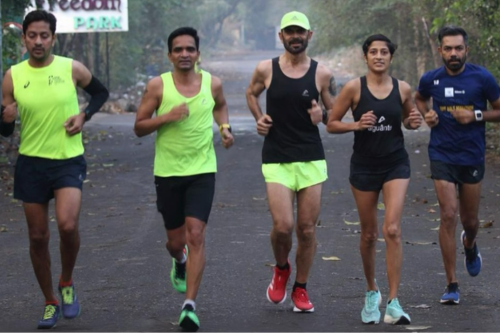
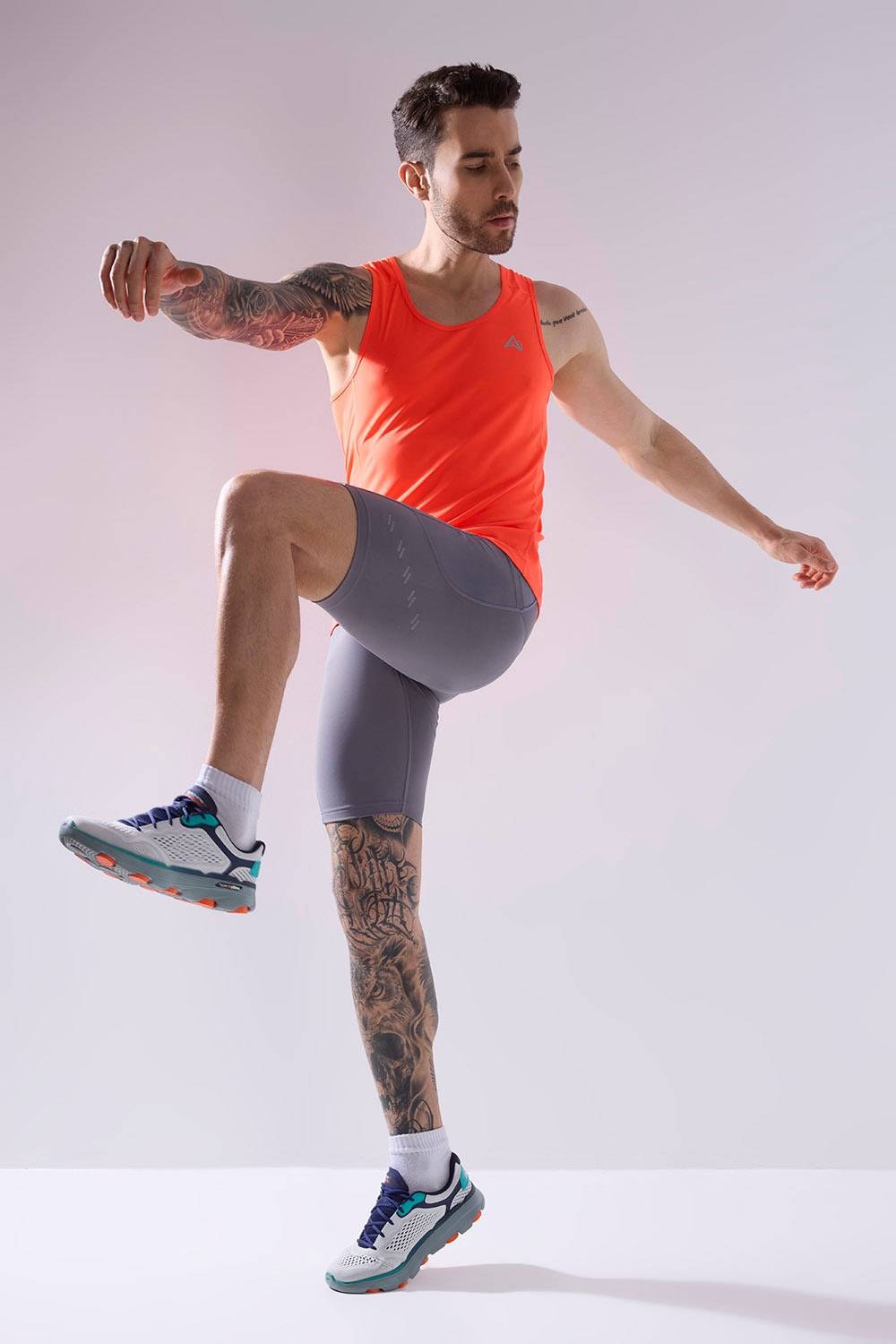
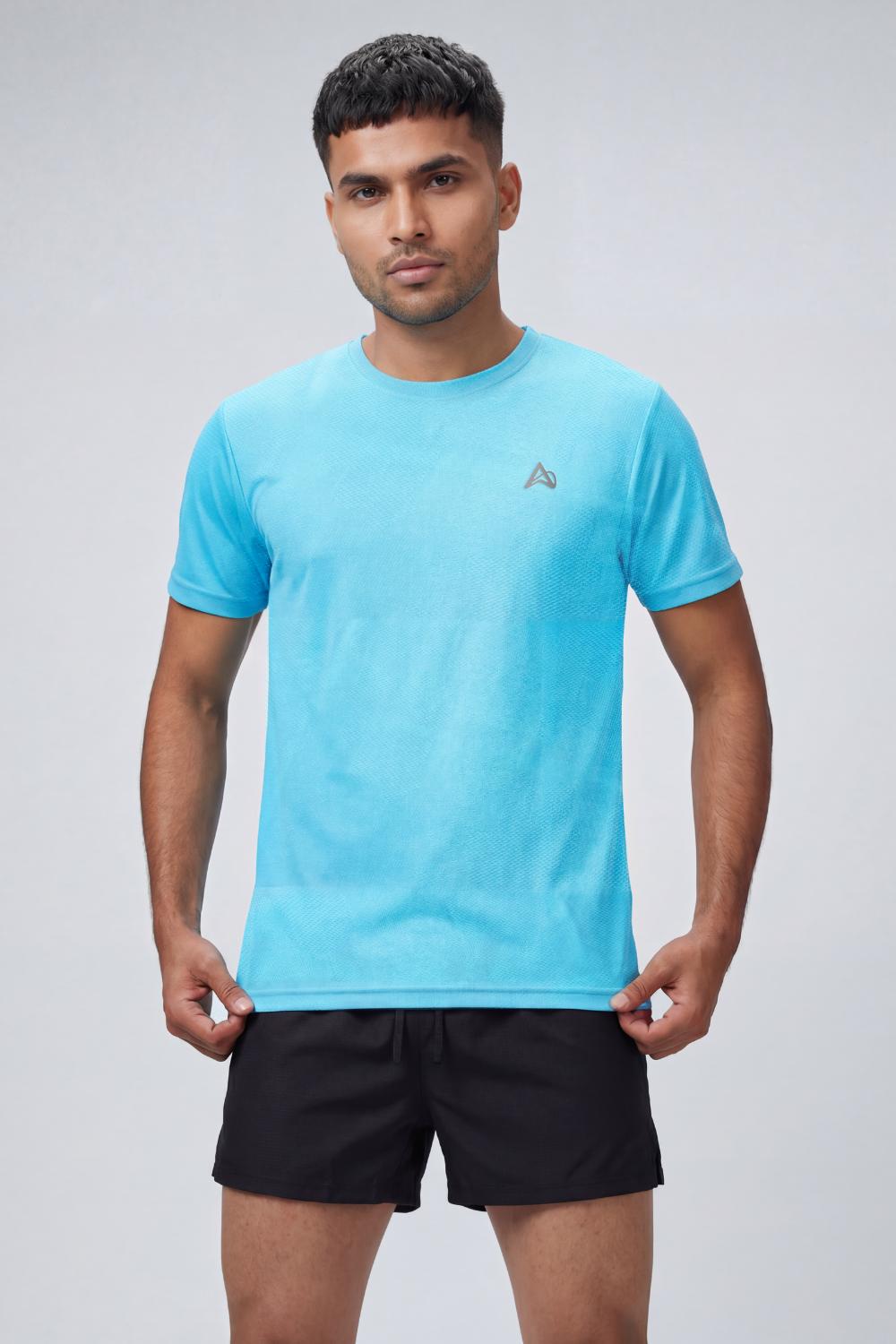
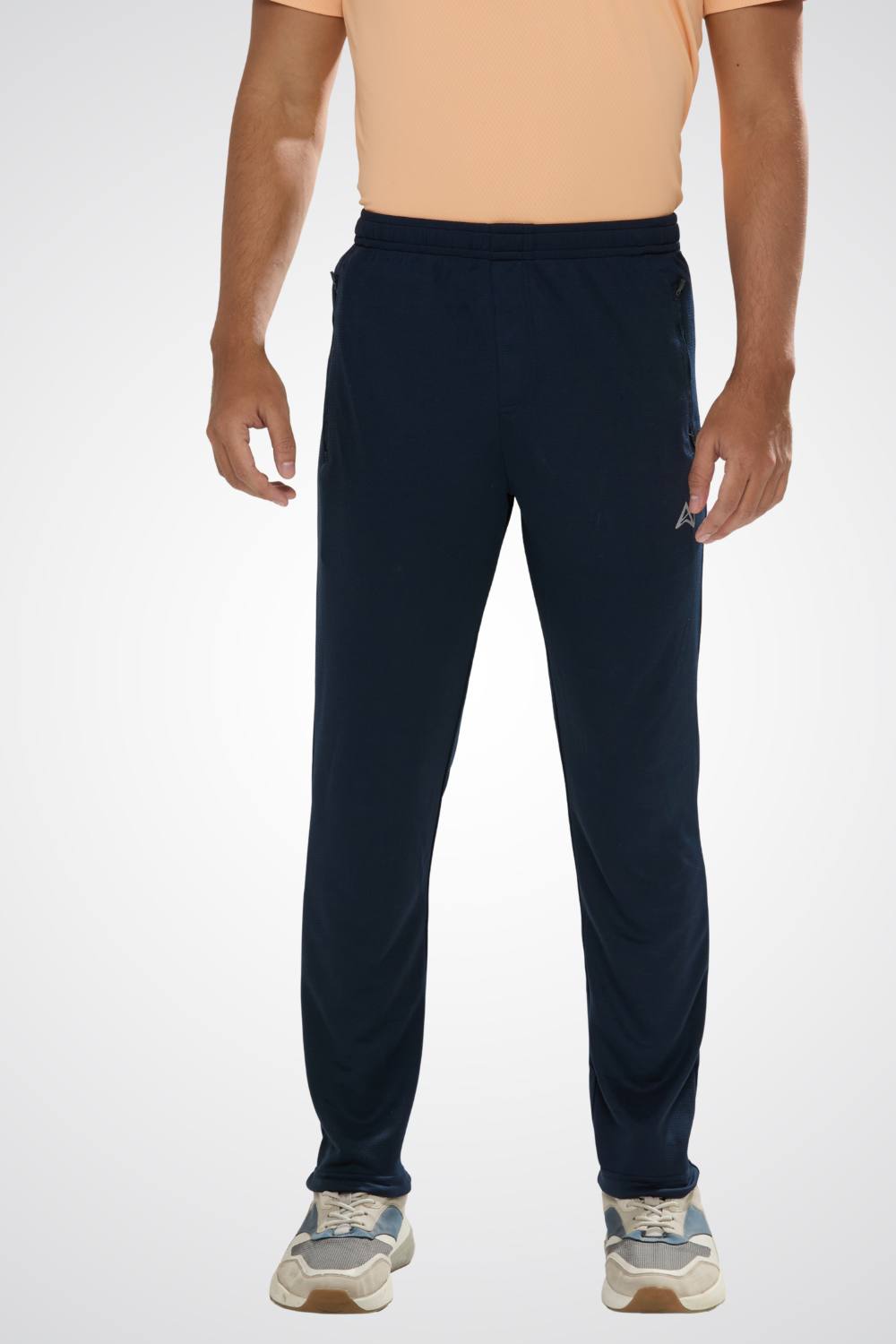
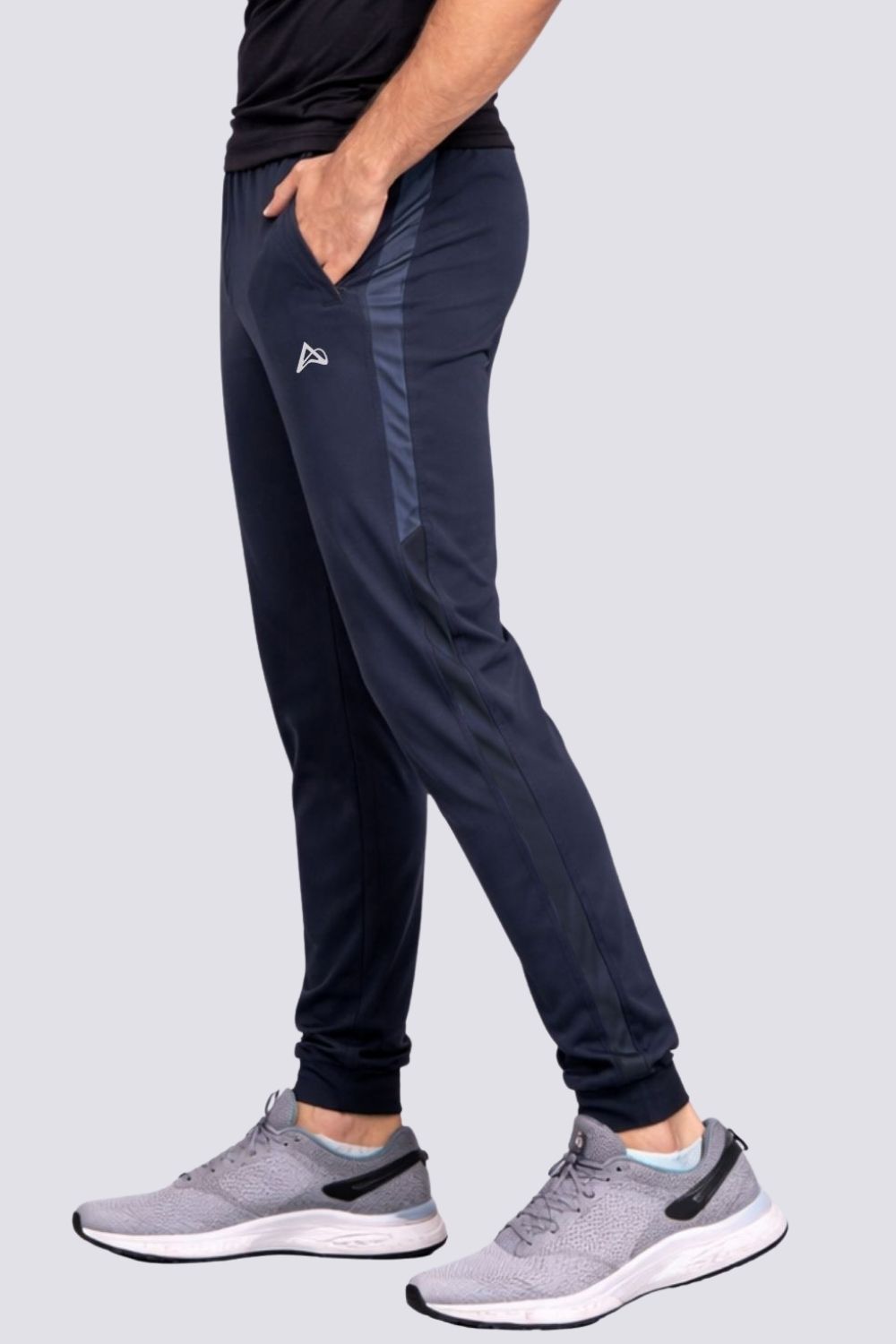


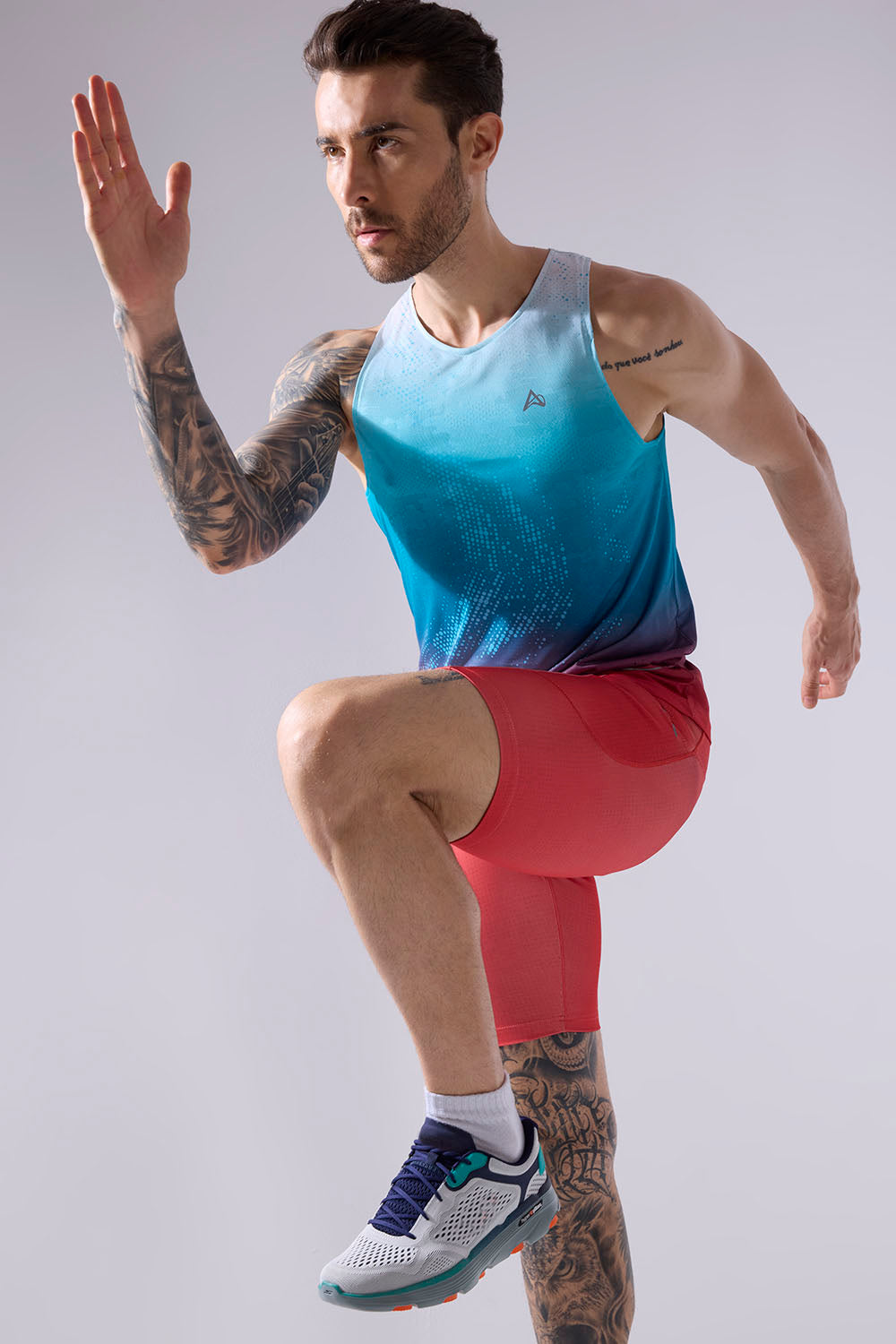

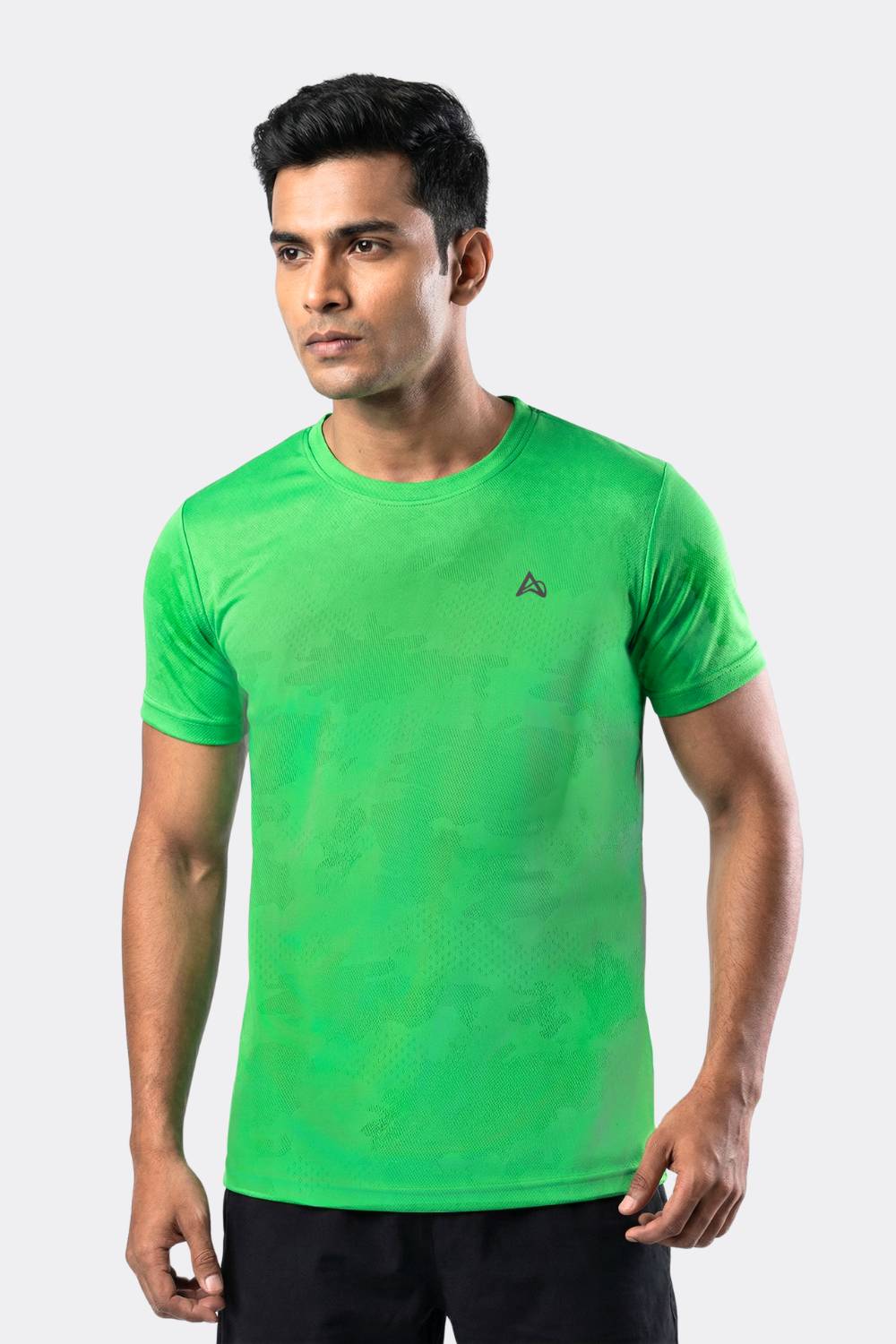
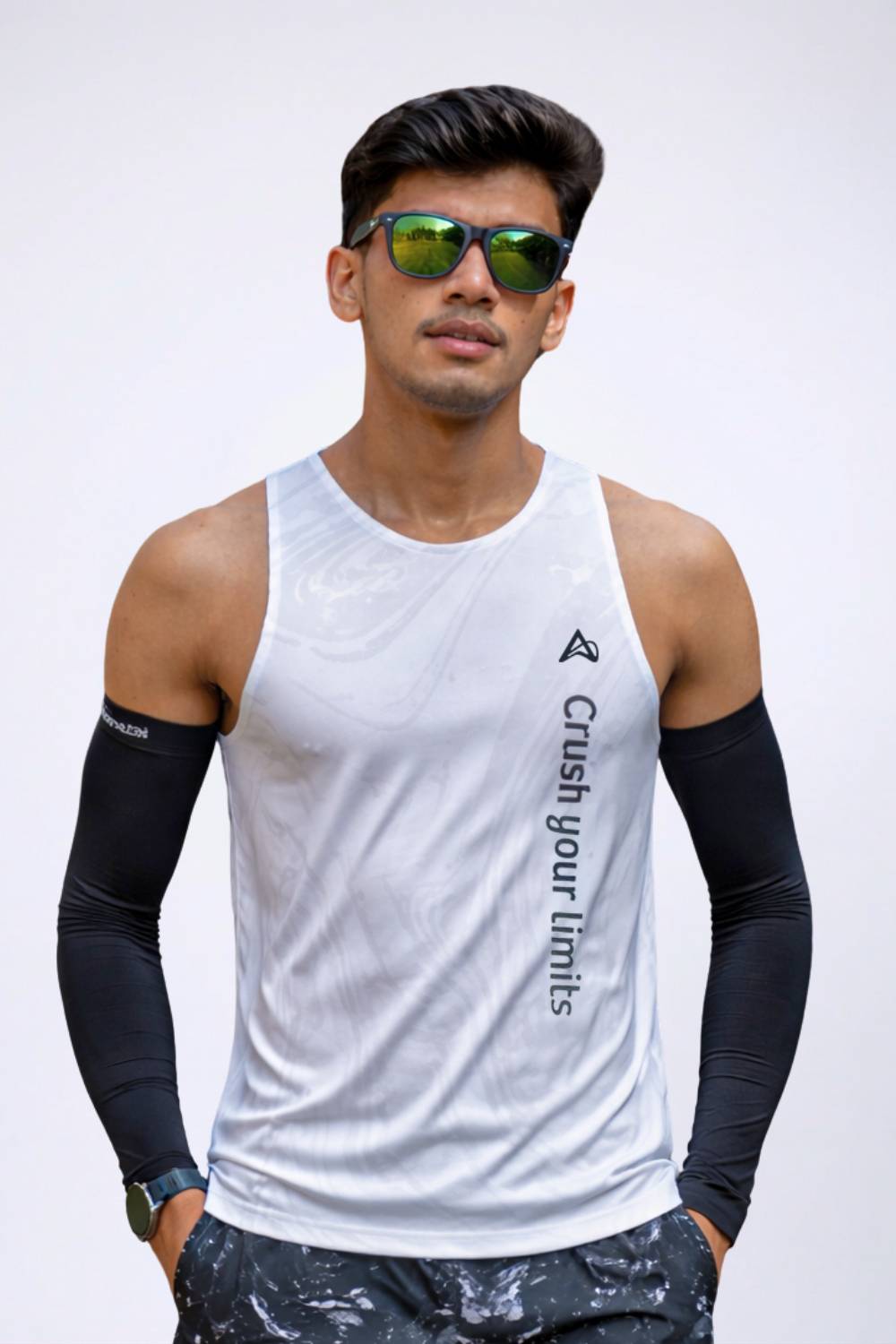

Imagine crossing the finish line at a half-marathon in Hyderabad, only to feel your race-day outfit dragging you down or chafing after mile 18. Or picture yourself powering through a Mumbai marathon in the humid air, with layers that trap sweat instead of letting your body breathe. For thousands of runners across Bangalore, Pune, Delhi, and beyond, the difference between a great race and a disappointing one often comes down to one simple choice: a comfortable race-day outfit.
Comfort on race day isn't about looking stylish it's about giving your body the freedom to perform at its best mile after mile. When the right pieces keep you cool, dry, and focused, you can concentrate fully on your pace, your form, and the joy of the run itself.
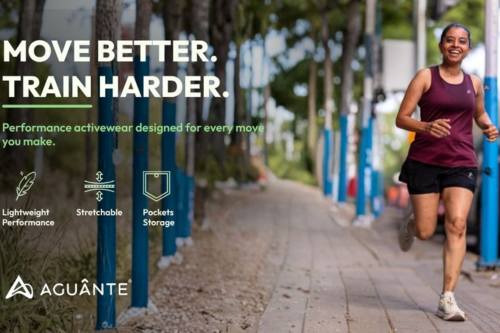
Tired of gear that slows you down? Chafing, soggy fabrics, and missing pockets kill your run's momentum. At Aguante, we're runners who get it. Our high-performance activewear features moisture-wicking fabrics, ergonomic designs, and smart storage to keep you focused. Shop Now!
The Power of a Comfortable Race-day Outfit
A well-chosen race-day outfit sets the stage for success before the gun even goes off. It removes distractions that could derail your focus. Think about it: no chafing under your shorts, no sweaty back clinging to your shirt, no cold fingers from thin gloves. Instead, you feel supported, confident, and ready to push hard from the start.
Research on sports clothing highlights the critical role of design in supporting thermoregulation, comfort, and sustained performance during exercise in heat. Lightweight, breathable fabrics and treatments promote sweat evaporation, helping the body maintain core temperature and reduce strain in warm conditions common to races. Studies examine natural and synthetic materials, knit structures, and fits to understand how they affect heat dissipation and wearer sensation. Sports clothing often outperforms traditional options by minimizing insulation while maximizing moisture transport, leading to cooler skin and less perceptual discomfort during prolonged activity. This directly benefits runners by enabling longer efforts without early fatigue or heat-related slowdowns, as efficient cooling keeps energy available for pacing and form.
Guidelines from organizations like Sports Medicine Australia emphasize removing excess layers and choosing low-coverage, airy designs to optimize heat loss. Comfort metrics extend beyond temperature to include psychological and sensorial factors, where well-engineered pieces minimize irritation and allow focus on the race. The narrative review notes methodological gaps but confirms that appropriate fabric choices improve outcomes for endurance athletes facing variable weather. Investing in race-day outfits aligned with these principles supports safer, more enjoyable events and better overall results, as comfortable apparel reduces physical and mental barriers to reaching goals. This evidence-based approach shows how thoughtful clothing selection contributes to performance edges, making it essential for any runner aiming to optimize their race experience.
Why Comfort Matters More Than You Think on Race Day
Every mile of a race demands precision. When your outfit is comfortable, your mind stays on the present moment rather than on adjusting straps or feeling sticky skin. Runners who prioritize comfort report fewer distractions and better adherence to their training plans.
Expert testing of running gear emphasizes layering breathable, well-fitting pieces for race-day outfits to match weather changes and maintain comfort throughout events. Clothing recommendations stress pieces made from moisture-wicking fabrics that adapt to conditions, preventing overheating or chilling during the race. The guide highlights how proper layering supports the full distance by keeping the body balanced, with options that feel secure yet flexible for movement. This functional focus on race-day apparel ensures runners stay dry and cool as efforts intensify, avoiding the distraction of ill-suited layers that could lead to frustration or reduced performance.
For competitive and recreational runners, the advice translates to outfits that perform reliably mile after mile, whether starting cool or warming up later in the event. Breathable choices reduce weight and bulk compared to heavier options, preserving energy for the race itself. The evaluation process, involving extensive miles and expert input, confirms that comfort in race-day clothing correlates with better adherence to training plans and successful event completion. Runners benefit when outfits integrate seamlessly with other gear, allowing emphasis on speed and endurance rather than fabric adjustments. This practical guidance reinforces why every runner needs comfortable race-day outfits, as they enable safer, more efficient racing across different climates and distances.
Layering Strategies for Varying Weather Conditions
Weather can be unpredictable even on race day. A crisp morning in Pune might turn into a warm afternoon, while a Delhi race could bring sudden humidity or light rain. The key is thoughtful layering that you can peel away as needed.
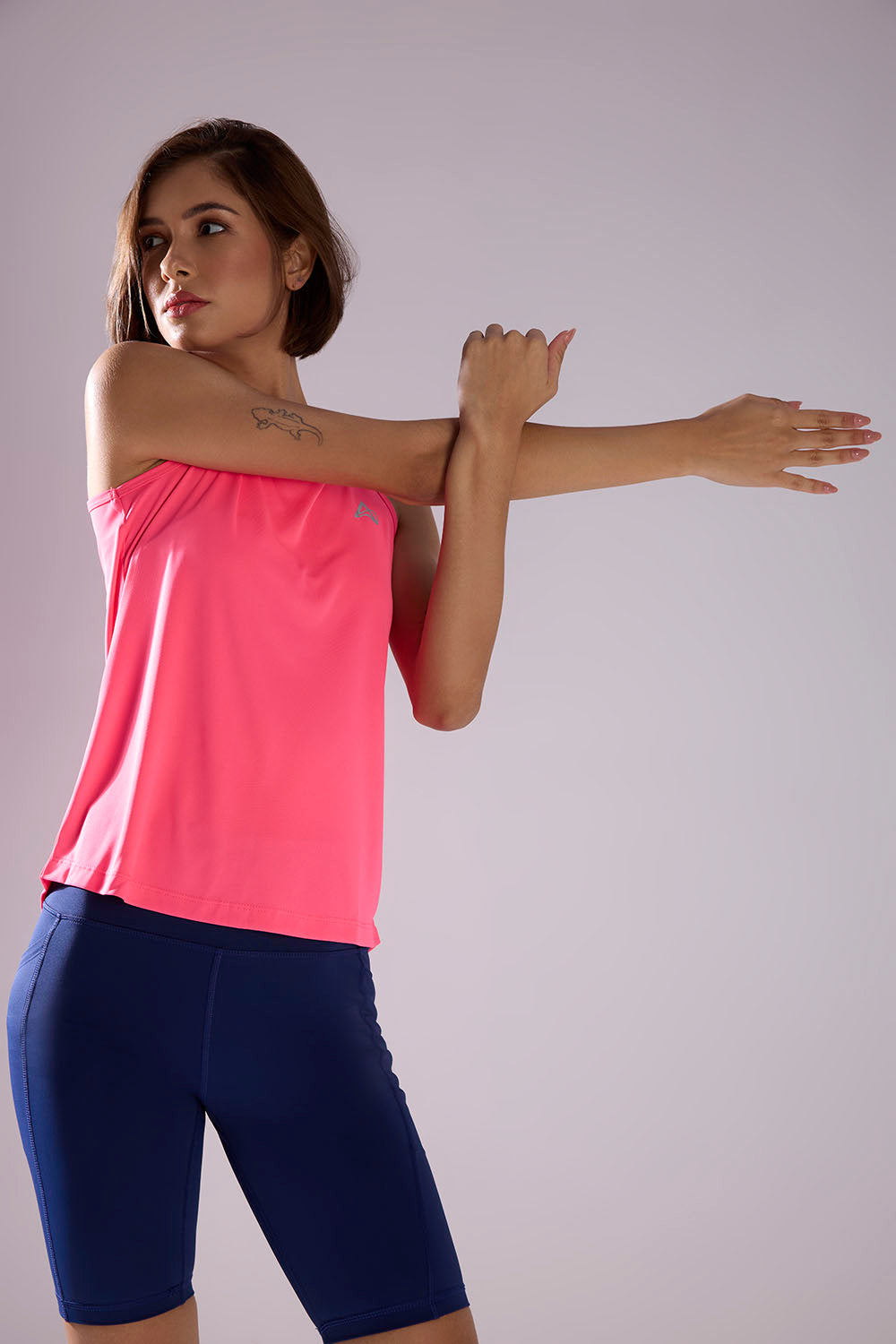
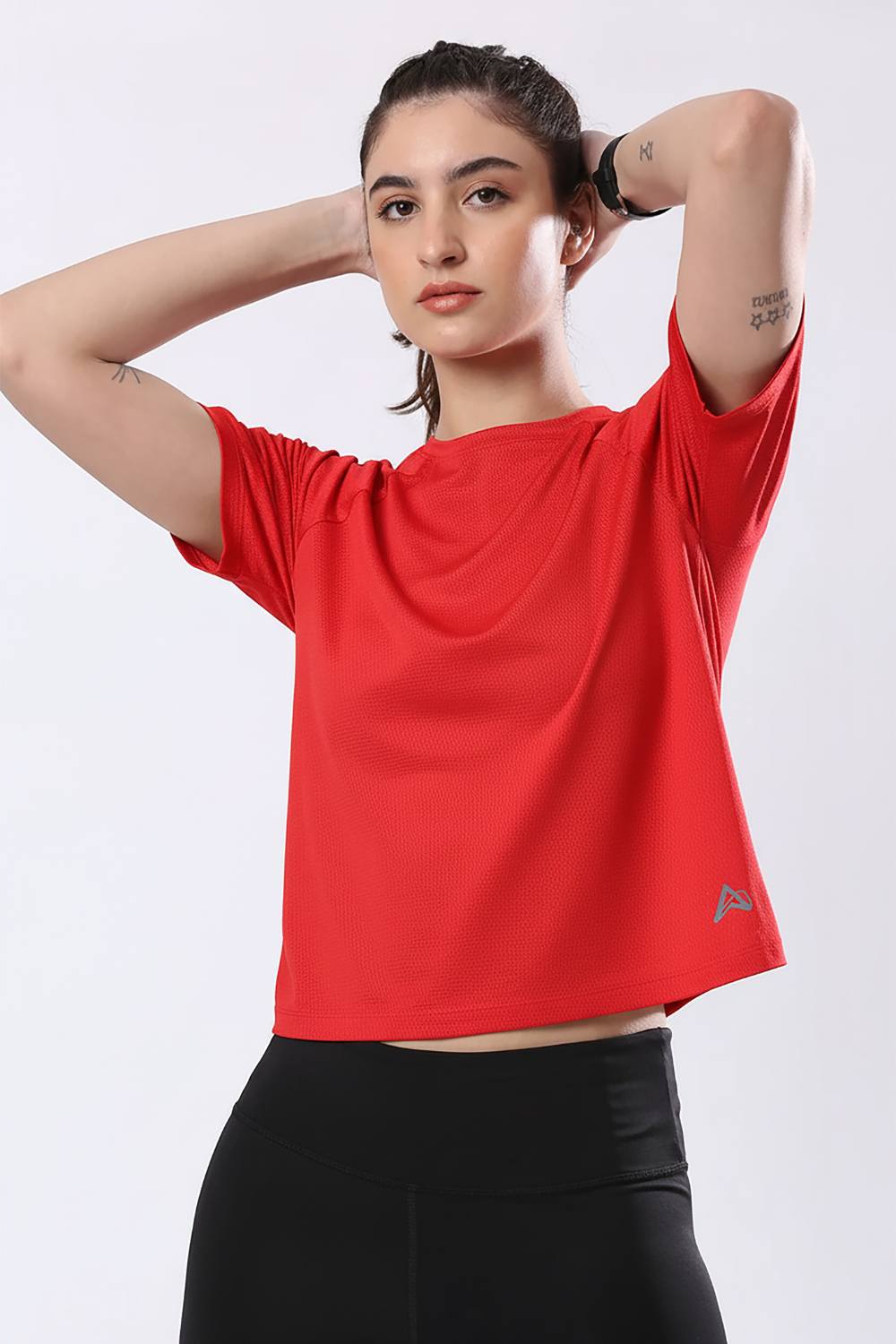
Start with a moisture-wicking base layer that pulls sweat away from your skin. Add a lightweight technical top for sun protection or wind chill. In cooler conditions, bring a windbreaker or light jacket that packs small. This system lets you adjust instantly to temperature shifts without compromising performance.
Guidelines from organizations like Sports Medicine Australia emphasize removing excess layers and choosing low-coverage, airy designs to optimize heat loss. Comfort metrics extend beyond temperature to include psychological and sensorial factors, where well-engineered pieces minimize irritation and allow focus on the race.
Breathable Fabrics: the Foundation of Race-day Comfort
The fabric itself makes or breaks a race-day outfit. Cotton feels great initially but becomes your enemy once you start sweating it turns heavy and clings. Modern performance fabrics solve this problem with advanced moisture-wicking technology.
Look for blends of polyester, nylon, or merino wool that dry quickly and keep you dry mile after mile. These materials create a comfortable, flexible layer that moves with your body rather than restricting it. Breathable race-day clothing layers help runners maintain optimal body temperature whether they're racing in the heat of Ahmedabad or the cooler mornings of Navi Mumbai.
Investing in race-day outfits aligned with these principles supports safer, more enjoyable events and better overall results, as comfortable apparel reduces physical and mental barriers to reaching goals.
Fit, Features, and Key Considerations
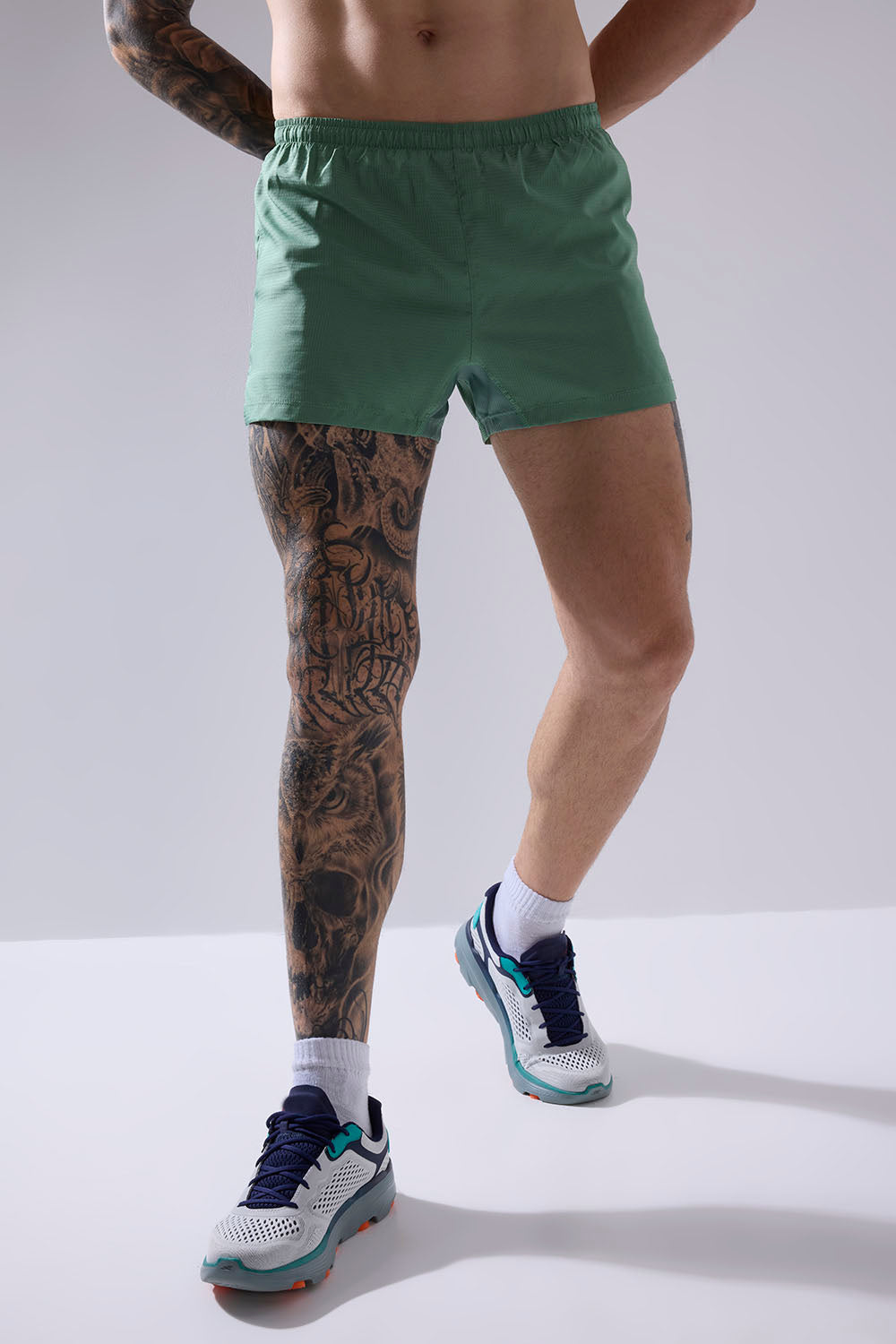
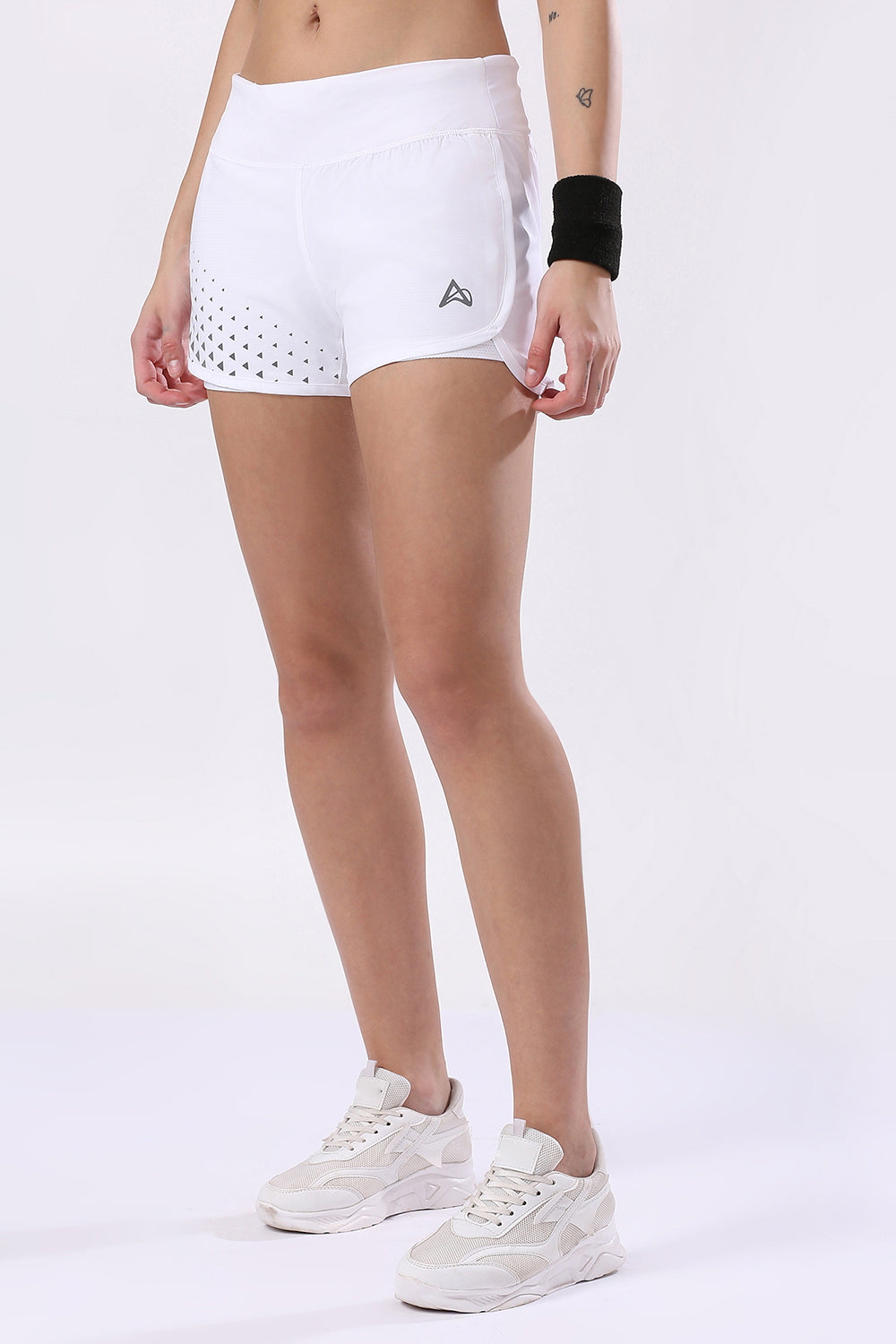
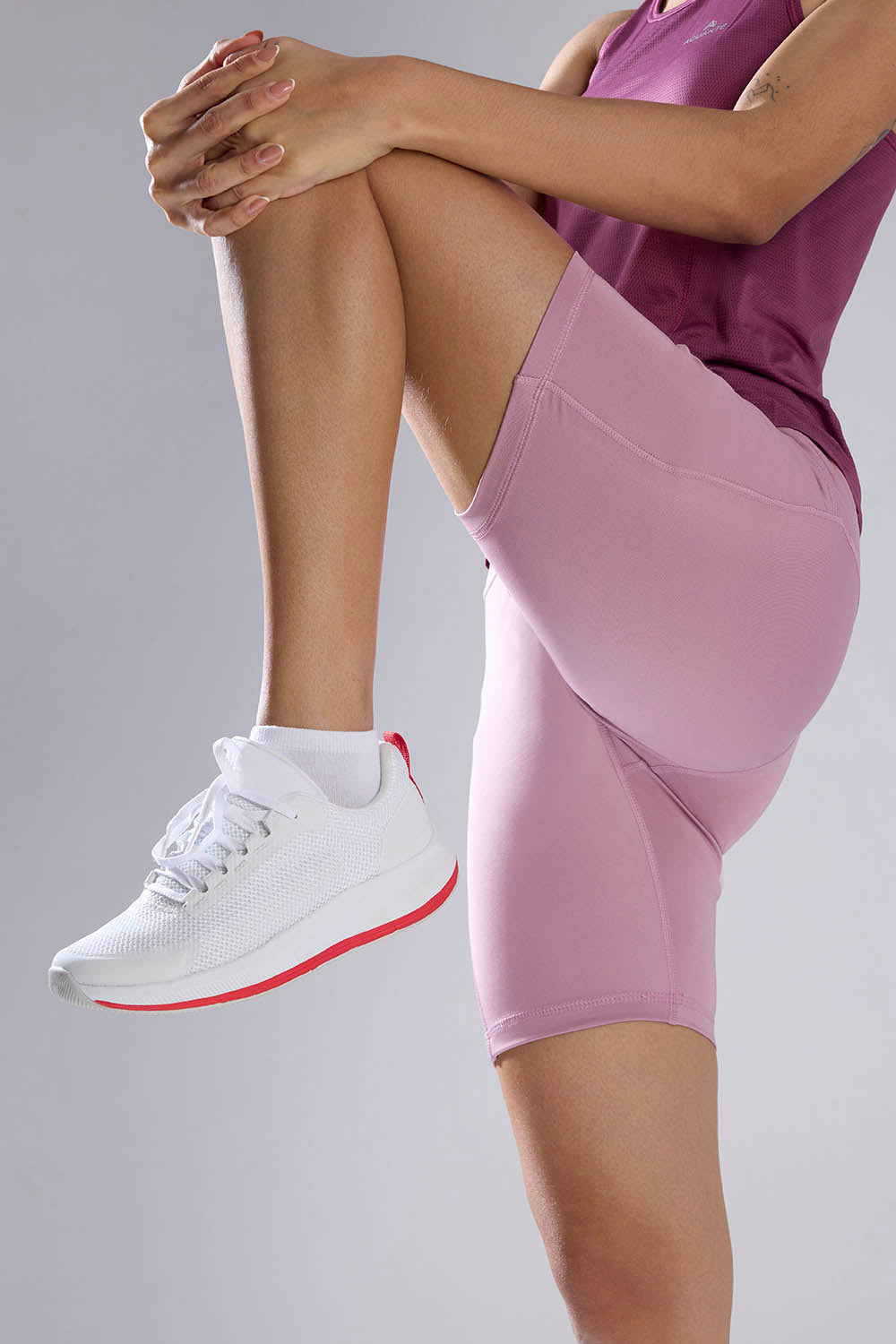
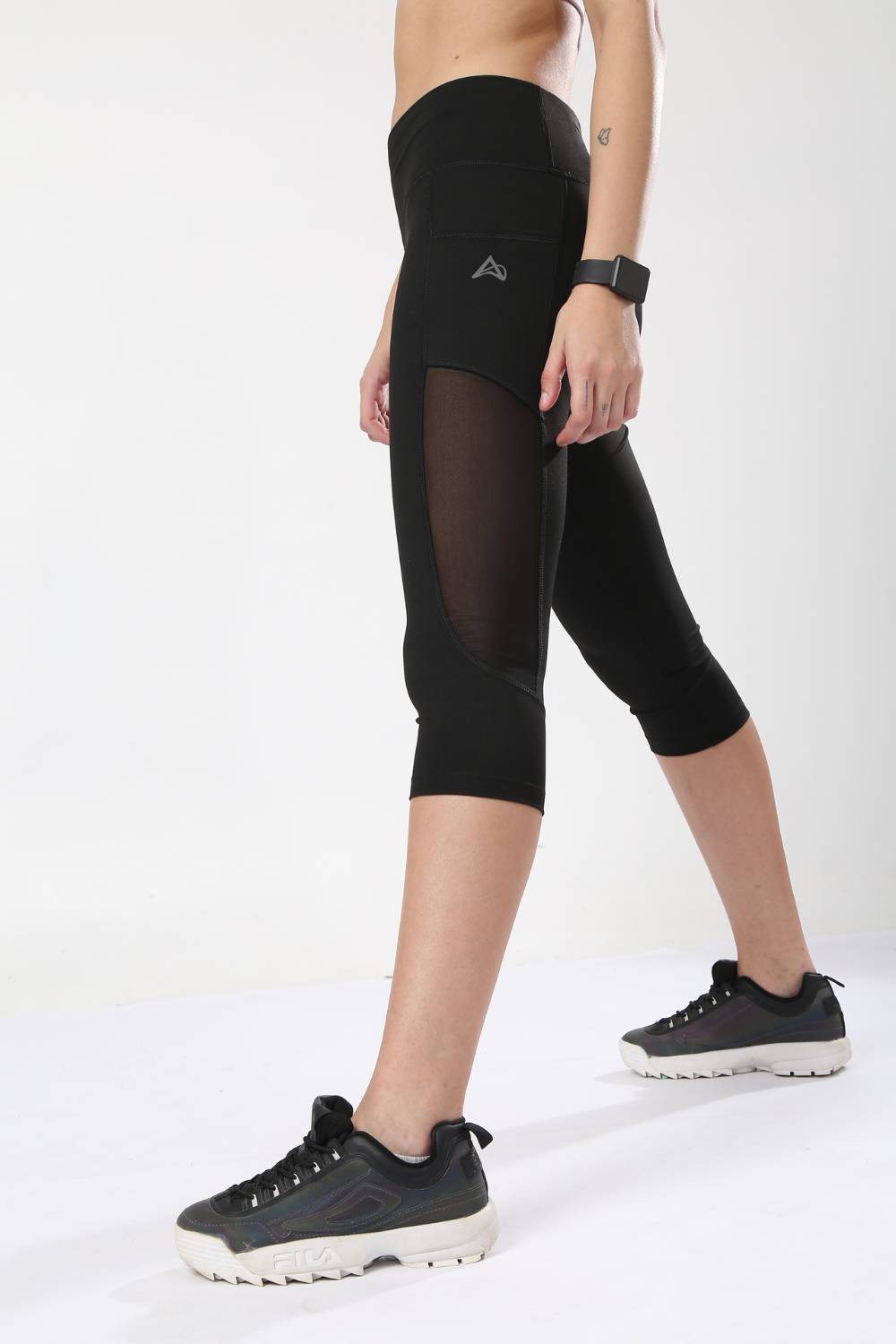
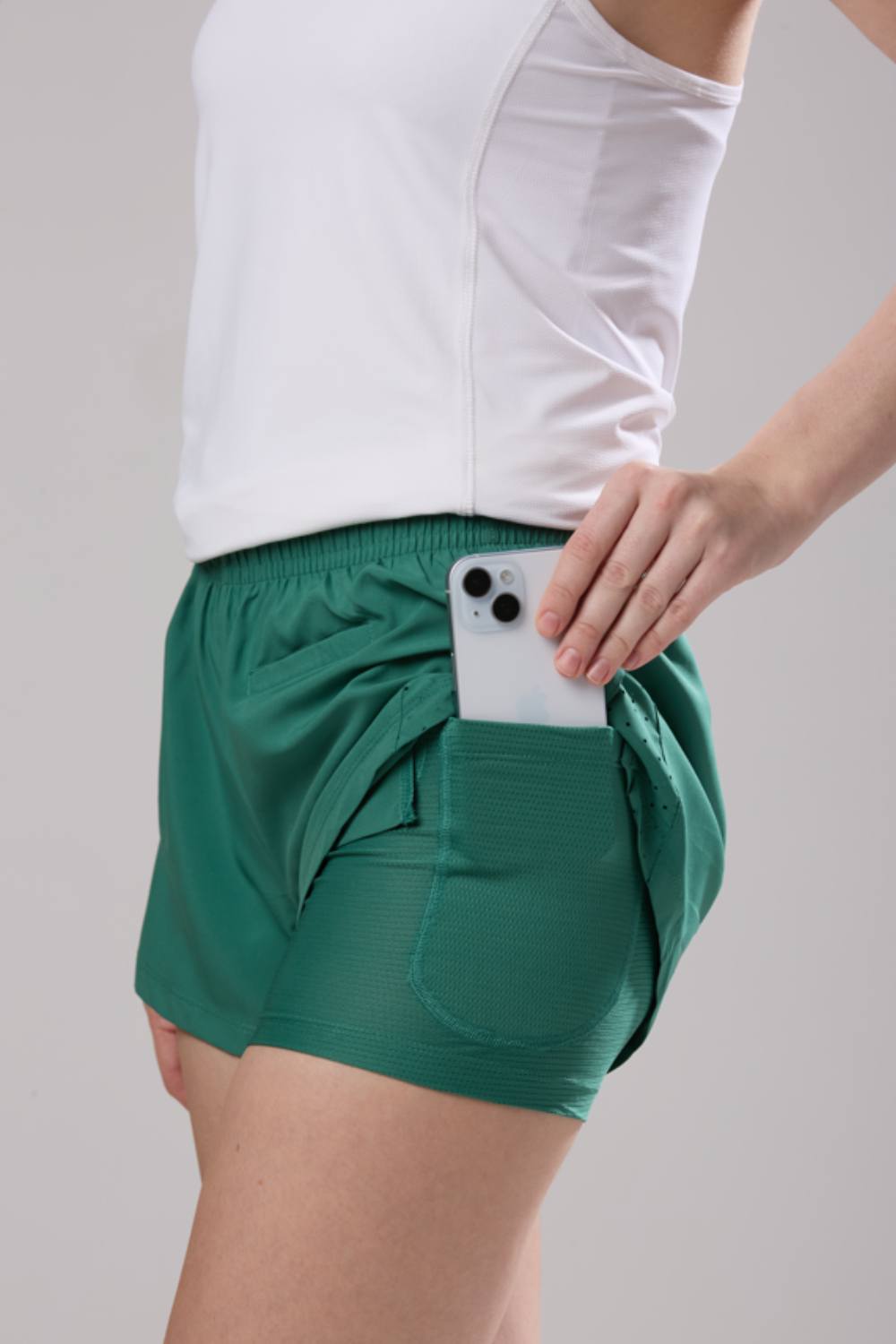
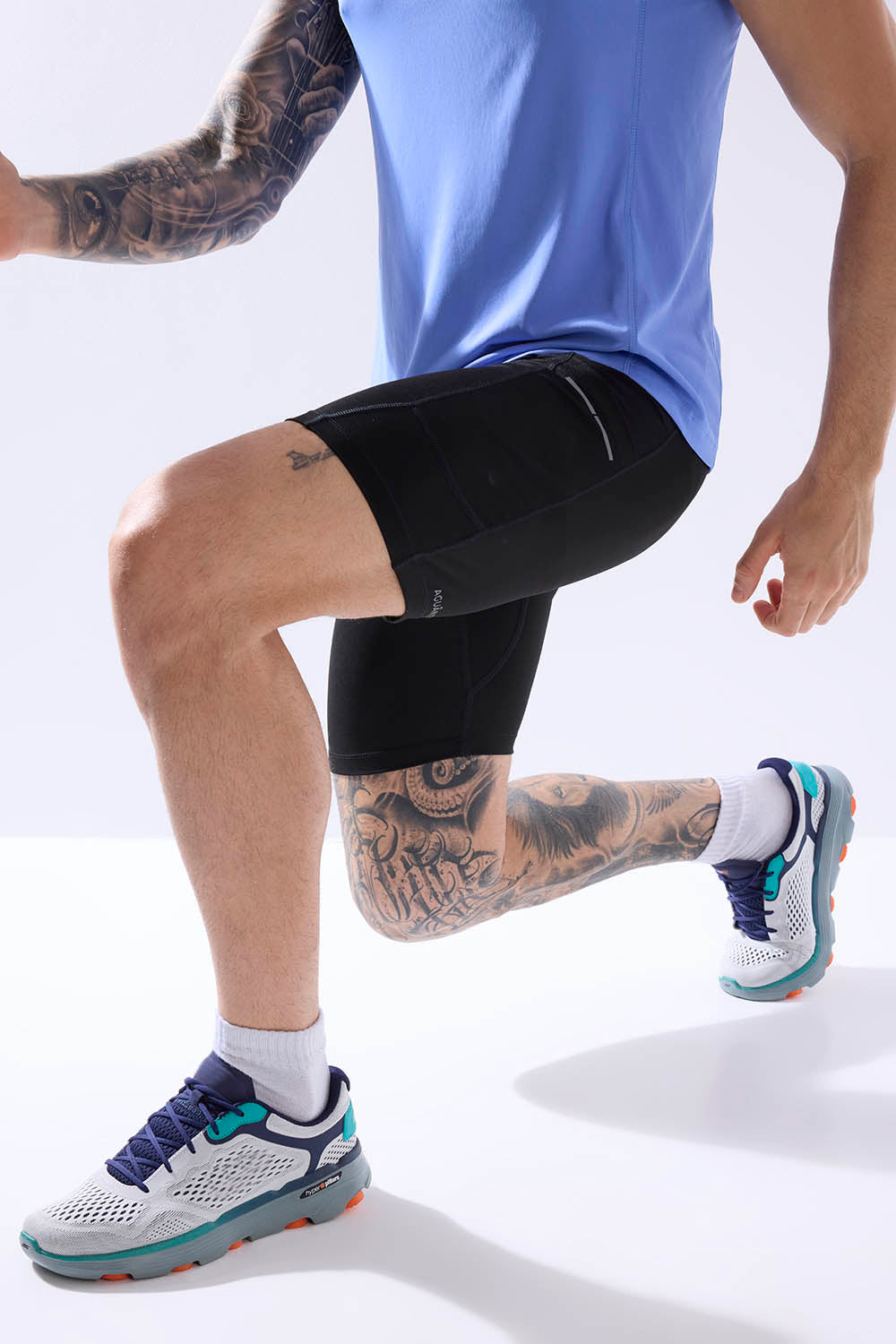
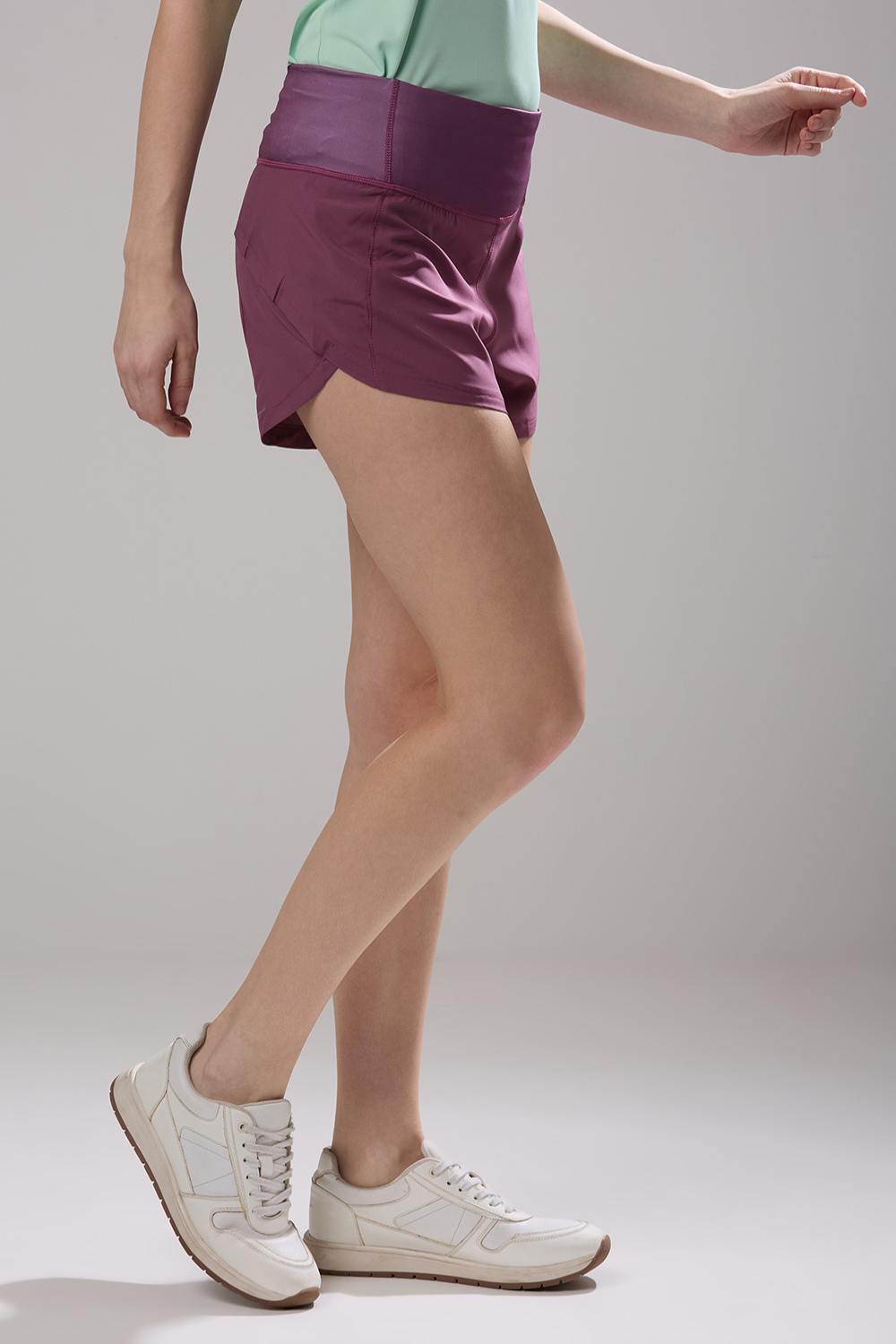
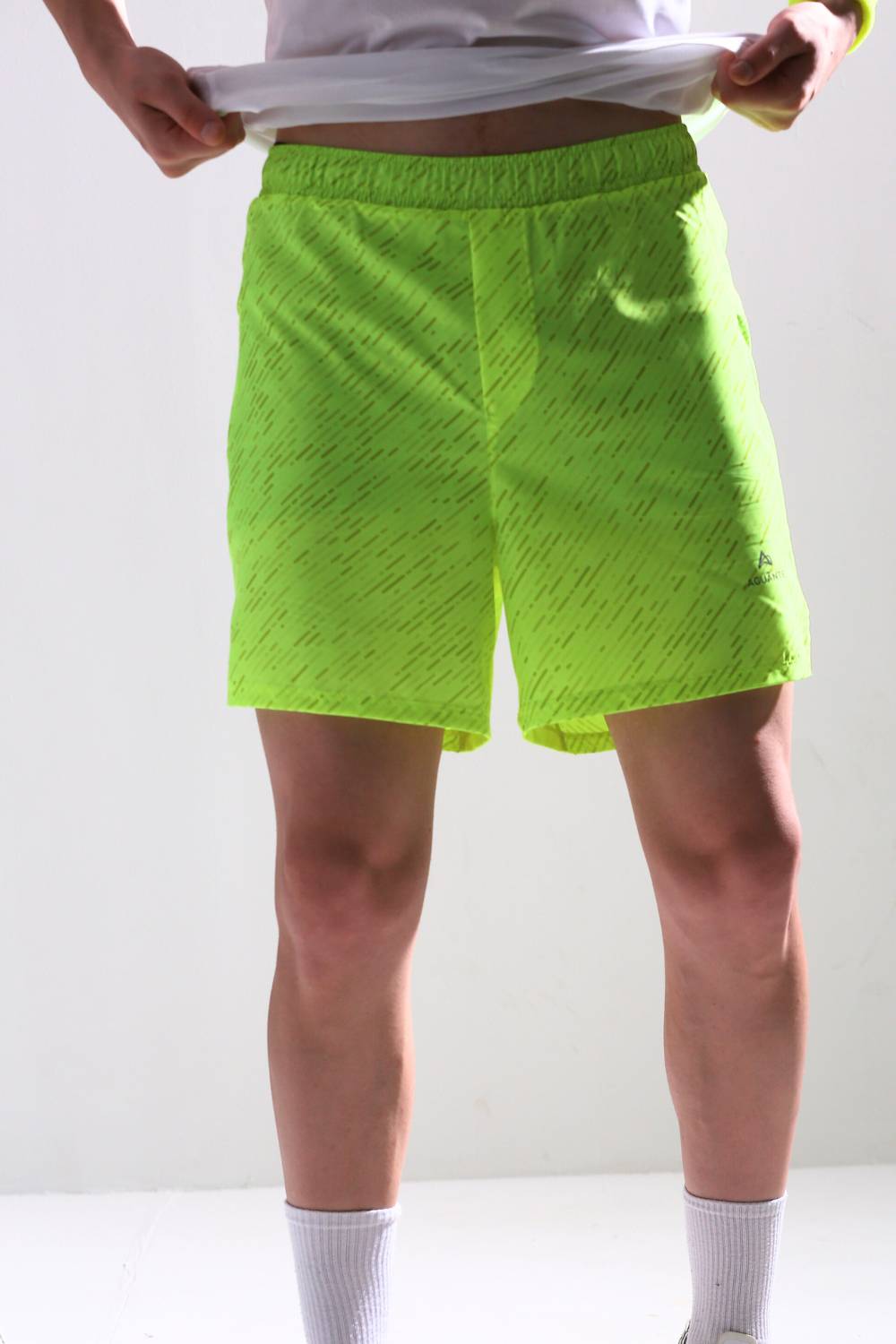
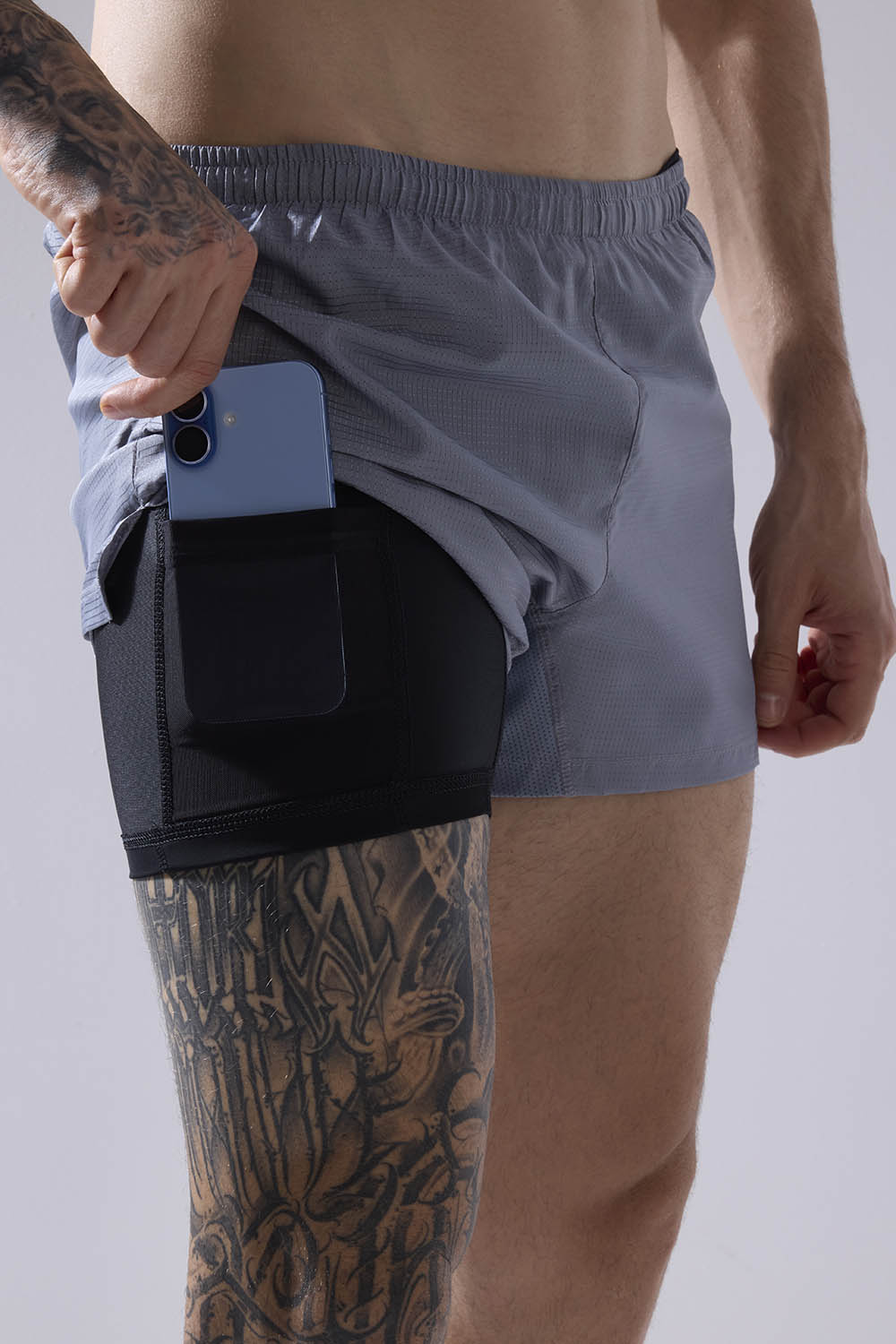
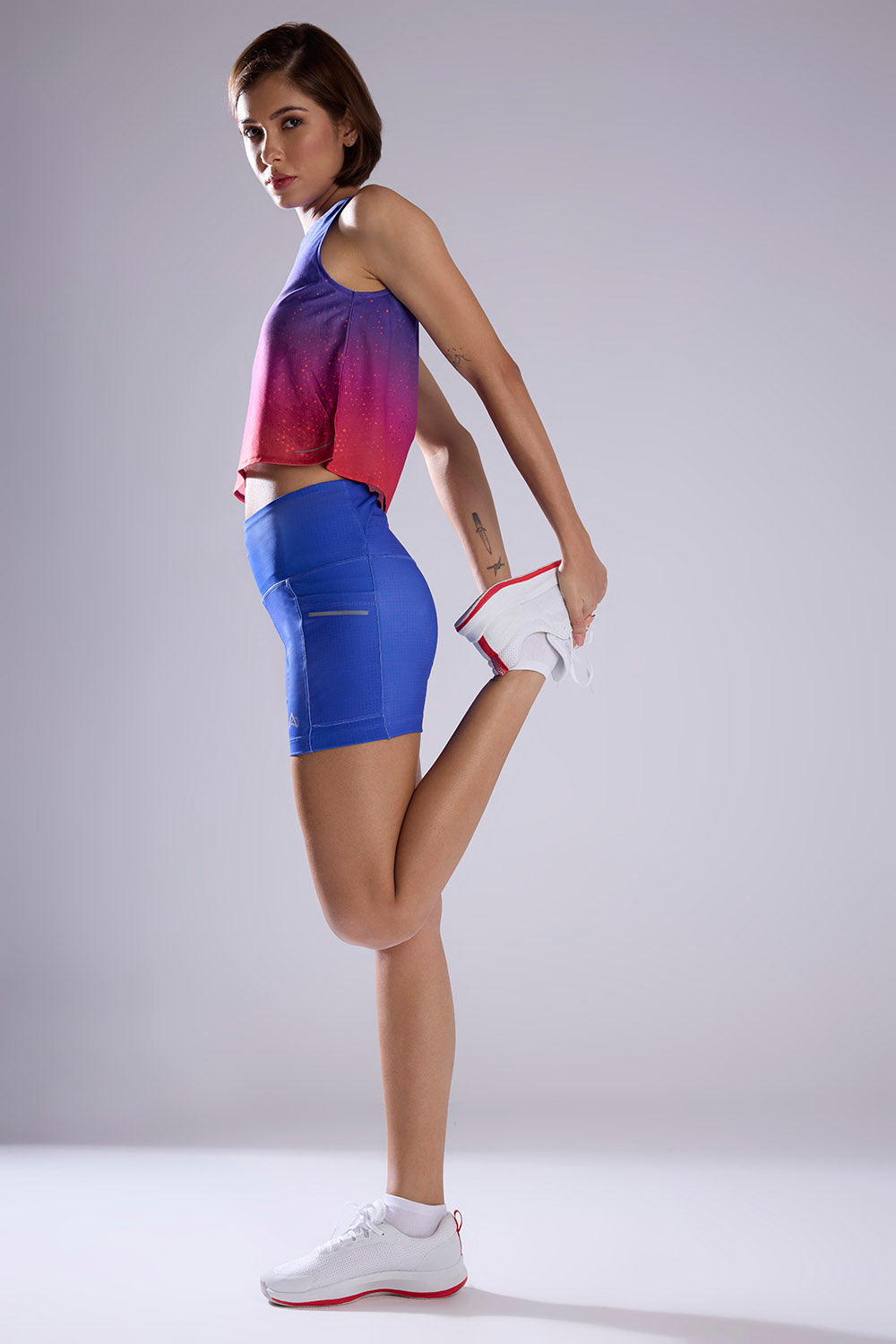
Fit is everything. Compression shorts with flat seams prevent chafing while offering support. Well-designed undergarments keep everything in place without digging in. Pockets should be secure but shallow enough not to bounce. Reflective details or light colors improve visibility at dawn starts or evening finishes.
Extra features like moisture-wicking socks, anti-chafing solutions, and a hat or visor complete the picture. The smartest approach is creating a race-day outfit that has one personality point and many invisible comfort points. The personality point may be a bold print or team theme, while the comfort points handle everything from chafing prevention to temperature regulation.
Practical Tips for Preparing Your Race-day Outfit
Start by testing every piece during long training runs so your body knows exactly what to expect. Bring extras: a change of clothes, a towel, and warm layers for post-race weather. Pack them in a small dry bag or waterproof pouch in case of rain.
Practice your race-day ritual in advance. Know exactly where to tie your shoe laces and how to adjust your watch without stopping. The goal is zero stress on race morning so you can focus purely on the run ahead.
Whether you're preparing for a half-marathon in Surat or a full marathon in Ahmedabad, these small preparation steps make a measurable difference in how you feel mile after mile.
Choosing Aguante for Race-day Comfort
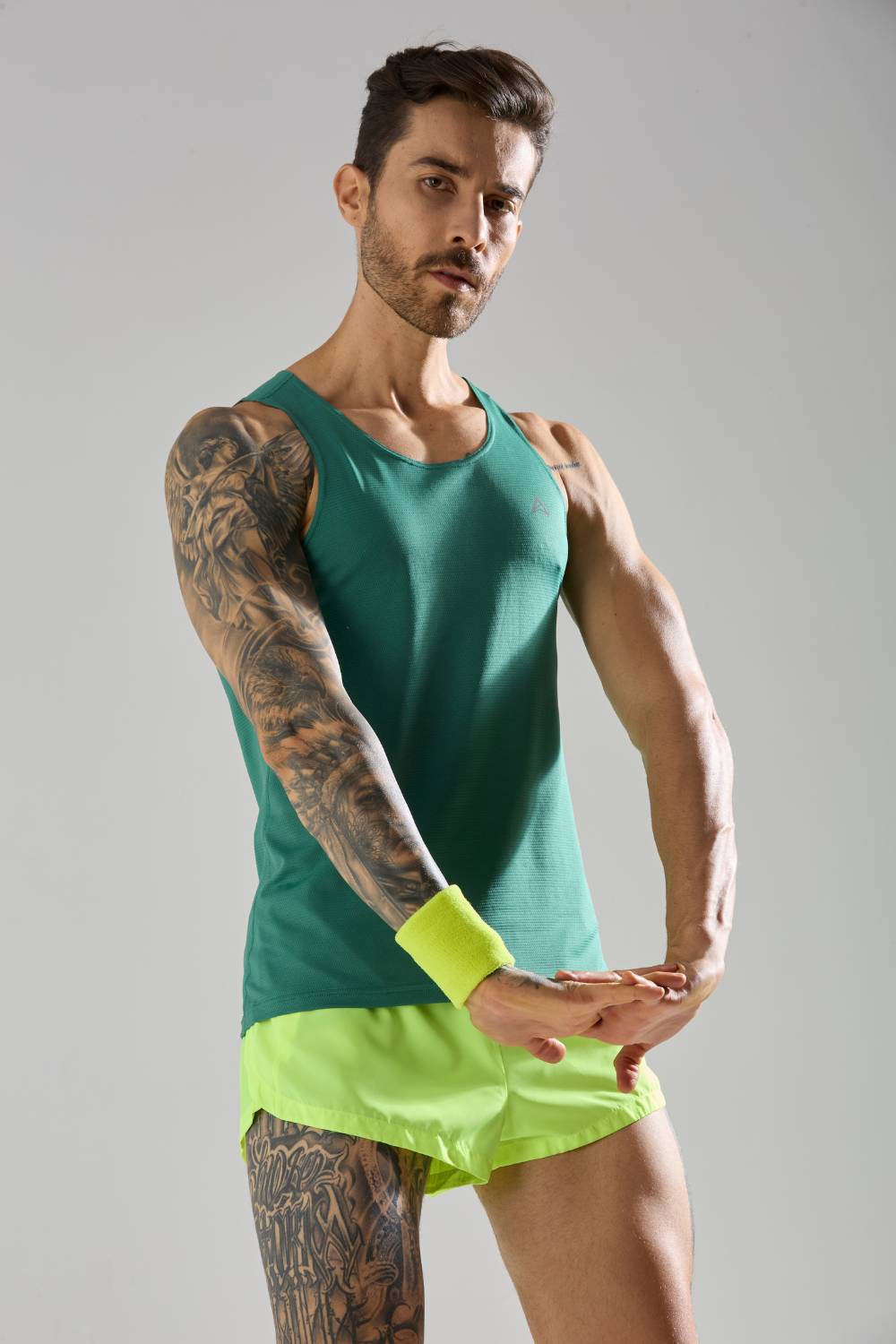
When you want high-performance apparel that delivers real comfort without compromise, brands like Aguante stand out. Their collections are engineered with the same attention to breathability, moisture management, and thoughtful fit that serious runners demand. From technical tees to race-ready bottoms, every piece is built to help you feel supported when it counts most.
By prioritizing comfort in every design, Aguante helps runners across India focus on what matters crossing the finish line feeling strong, confident, and ready for whatever comes next.
Embrace Comfort on Race Day
Every runner deserves an outfit that works as hard as they do. By choosing comfort-focused race-day clothing, you unlock better performance, fewer distractions, and more enjoyment from the miles ahead. The right gear doesn't just help you finish it helps you thrive the entire way.
Start planning your race-day outfit today. Test it in training, layer strategically, and step onto the course feeling ready to perform at your best. Your future self and the finish line will thank you.
Frequently Asked Questions
Why is a comfortable race-day outfit important for runners?
A comfortable race-day outfit is essential because it helps runners maintain focus, reduce distractions, and perform consistently throughout the race. Poorly chosen clothing can cause chafing, overheating, or discomfort that slows pace and affects endurance. With breathable, well-fitted gear, runners can better regulate body temperature and stay mentally locked into their performance.
What fabrics are best for a comfortable race-day running outfit?
The best fabrics for a comfortable race-day running outfit are moisture-wicking materials like polyester, nylon, and merino wool. These fabrics draw sweat away from the skin, dry quickly, and help prevent the heaviness and discomfort caused by cotton. Choosing breathable performance fabrics supports better thermoregulation and keeps runners cooler and drier during long-distance events.
How should runners layer clothing on race day for changing weather conditions?
Runners should start with a moisture-wicking base layer that keeps sweat away from the skin. A lightweight technical top can be added for sun or wind protection, while a packable windbreaker or jacket helps in cooler or unpredictable weather. This layering strategy allows quick adjustments so runners stay comfortable and maintain performance throughout the race.
Disclaimer: The above helpful resources content contains personal opinions and experiences. The information provided is for general knowledge and does not constitute professional advice.
You may also be interested in: How Women's Running Apparel Supports Comfort and Mobility
Tired of gear that slows you down? Chafing, soggy fabrics, and missing pockets kill your run's momentum. At Aguante, we're runners who get it. Our high-performance activewear features moisture-wicking fabrics, ergonomic designs, and smart storage to keep you focused. Shop Now!
Powered by flareAI.co