



In the pre-dawn haze of Bangalore, the sticky pre-monsoon air of Mumbai, or the rising heat of Ahmedabad streets, runners understand one hard truth: showing up consistently is everything, and the wrong gear can quietly sabotage even the strongest resolve. When humidity turns every kilometer into a steaming effort and ordinary shirts cling like a second, sodden skin, motivation erodes one uncomfortable run at a time. Breathable running gear is rarely glamorous, yet it quietly determines whether training becomes a sustainable habit or another abandoned resolution.
Across India's major running cities Bangalore, Hyderabad, Mumbai, Pune, Navi Mumbai, Delhi, Gurugram, Surat, and Ahmedabad temperatures frequently exceed 35°C and relative humidity lingers above levels that make sweat evaporation painfully slow. Runners here train amid monsoon puddles, uneven footpaths, dense traffic, and year-round warmth that drains energy far faster than elevation ever could. The apparel that keeps core temperature in check, moves moisture efficiently, and prevents distraction becomes the difference between logging steady mileage and limping through inconsistent weeks.
Tired of gear that slows you down? Chafing, soggy fabrics, and missing pockets kill your run's momentum. At Aguante, we're runners who get it. Our high-performance activewear features moisture-wicking fabrics, ergonomic designs, and smart storage to keep you focused. Shop Now!
The Daily Battle Against Heat and Humidity
Imagine stepping out at 5 a.m. in coastal Mumbai or Navi Mumbai: the air already feels thick, carrying the promise of another humid day. In Delhi and Gurugram the summer brings punishing combinations of heat and moisture; Hyderabad and Pune see sharp seasonal swings that still deliver sticky mornings; Surat's pavements radiate stored warmth long after sunset. Bangalore's elevation offers little relief when humidity climbs.
Ordinary cotton absorbs perspiration and holds it close, creating that familiar heavy, dragging sensation. Prolonged exposure leads to skin irritation, chafing, and a steady drop in perceived effort capacity. Research consistently shows that inadequate thermoregulation in hot-humid environments accelerates fatigue and increases the likelihood of heat-related discomfort, quietly undermining the ability to maintain regular training. Breathable, moisture-wicking fabrics change the equation by pulling sweat away from the skin, spreading it for rapid evaporation, and allowing airflow to do its natural cooling work.
What Makes a Fabric Truly Breathable for Runners
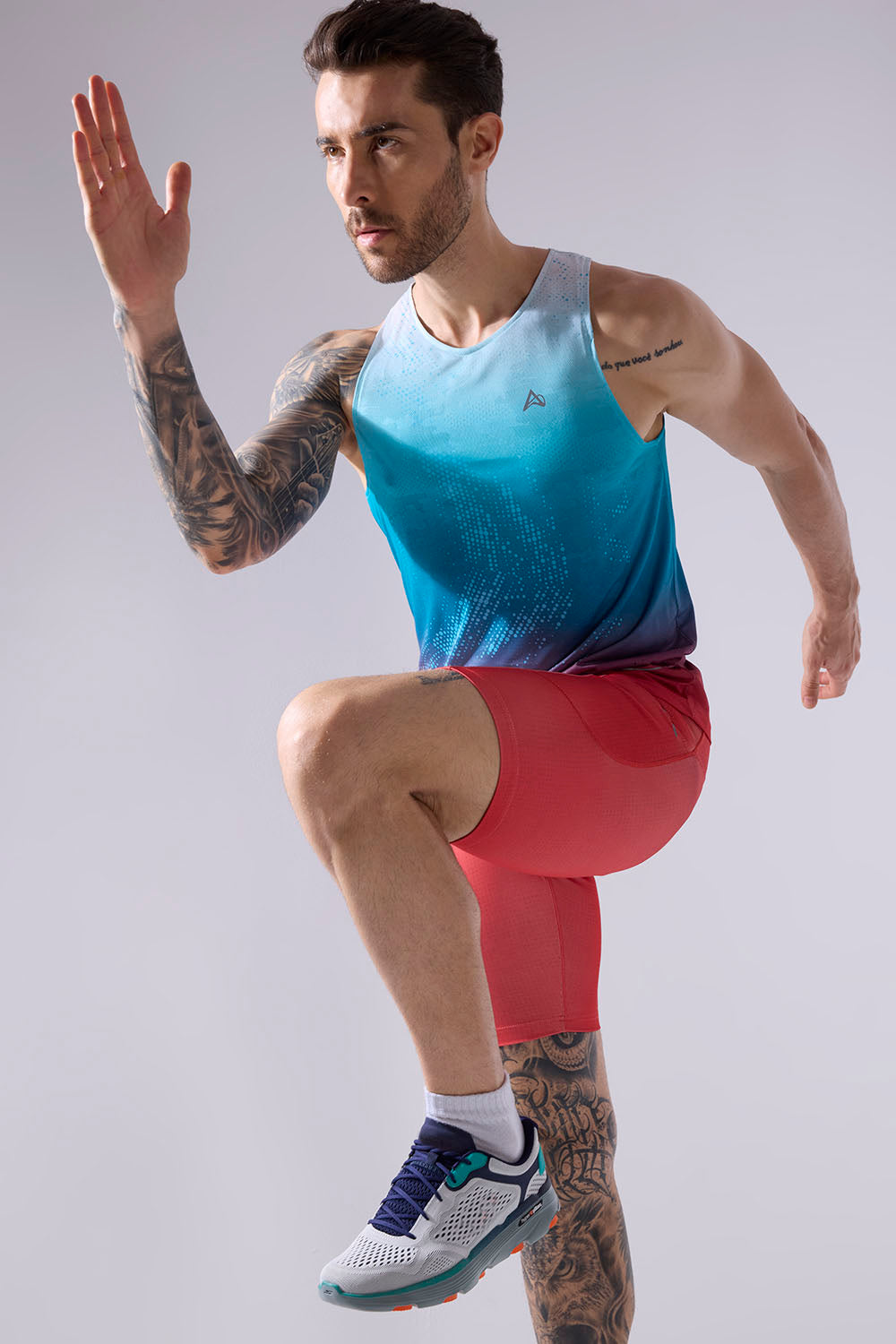
Contemporary running apparel leans on carefully engineered synthetics polyester-nylon blends, lightweight mesh inserts, and zoned ventilation that actively manage moisture rather than simply absorb it. Wicking pulls sweat outward; capillary action spreads the moisture across a larger surface area; rapid drying follows. The result is a microclimate next to the skin that stays noticeably drier and cooler than would otherwise be possible.
In persistently humid zones like Mumbai's coastline or Hyderabad's monsoon months, where natural evaporation struggles, these fabrics still deliver measurable relief by capitalizing on whatever movement of air exists. Strategic mesh panels under the arms, along the sides, and across the upper back create escape routes for heat. Flat-lock seams and anti-chafe inner linings reduce friction during long efforts. Runners frequently describe the difference as “lighter legs” and quicker bounce-back between sessions small advantages that compound into weeks and months of more consistent training.
Consistency Is Built on Removing Friction
Long-term running success has far less to do with heroic single efforts and far more to do with eliminating everyday obstacles. When clothing bounces, chafes, overheats, or forces constant readjustment, the cumulative mental tax grows. One irritating run easily becomes two skipped days.
Breathable gear lowers that tax. By keeping you comfortable and distraction-free, it supports progressive overload: gradually longer distances, steadier effort levels, fewer unplanned rest days. In vibrant local running scenes Bangalore's Cubbon Park groups, Pune's trail communities, Mumbai's sea-link gatherings experienced participants often point to intelligent apparel choices as the unsung factor that helped them push through peak summer without breaking stride.
The Growing Appetite for Smarter Running Gear
The surge in outdoor fitness across urban India mirrors powerful global currents. More people are choosing early-morning or evening runs and jogs, driven by rising health awareness and increasingly busy schedules that push workouts to the margins of daylight. Market data reflects this momentum: the global reflective running gear sector reached USD 1.48 billion in 2024 and continues to expand steadily, propelled by greater emphasis on visibility during low-light sessions and the broader boom in outdoor activity.
Similar dynamics appear in specialized segments. Demand for reflective running vests has grown markedly, fueled by urban safety concerns and the popularity of dawn-to-dusk training in traffic-heavy environments. Industry observers note particularly brisk growth across Asia Pacific including India where rapid urbanization, rising disposable incomes, and enthusiastic participation in community runs and marathons are creating strong tailwinds for performance-oriented, locally attuned products.
Debunking Common Hesitations About Performance Apparel
Runners often pause at two familiar objections: “A basic dry-fit shirt is good enough” and “specialized gear is too expensive.”
Reality proves more nuanced. Generic moisture-management tops frequently underperform in sustained high humidity wicking slows, fabrics stay clammy, poorly placed seams rub. Fit may not accommodate typical Indian body proportions or stride mechanics. Price anxiety is understandable, yet many premium imports carry heavy markups from overseas design and marketing rather than superior material performance.
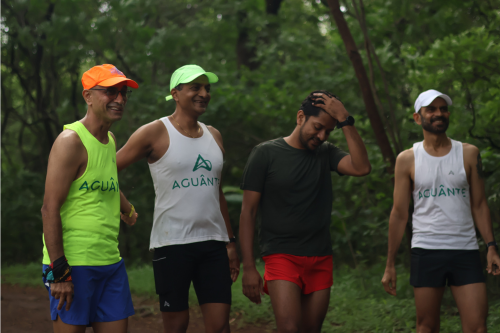
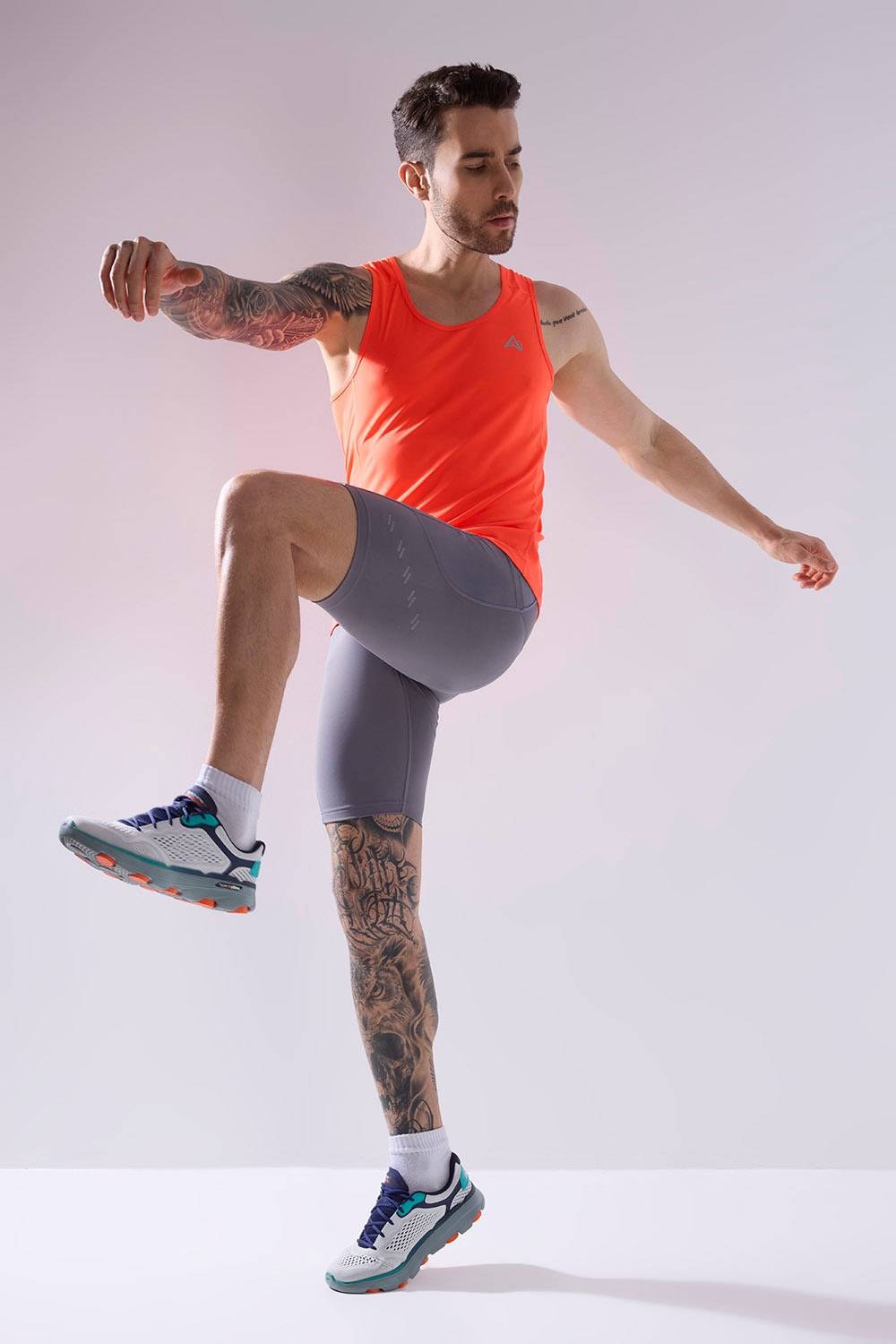
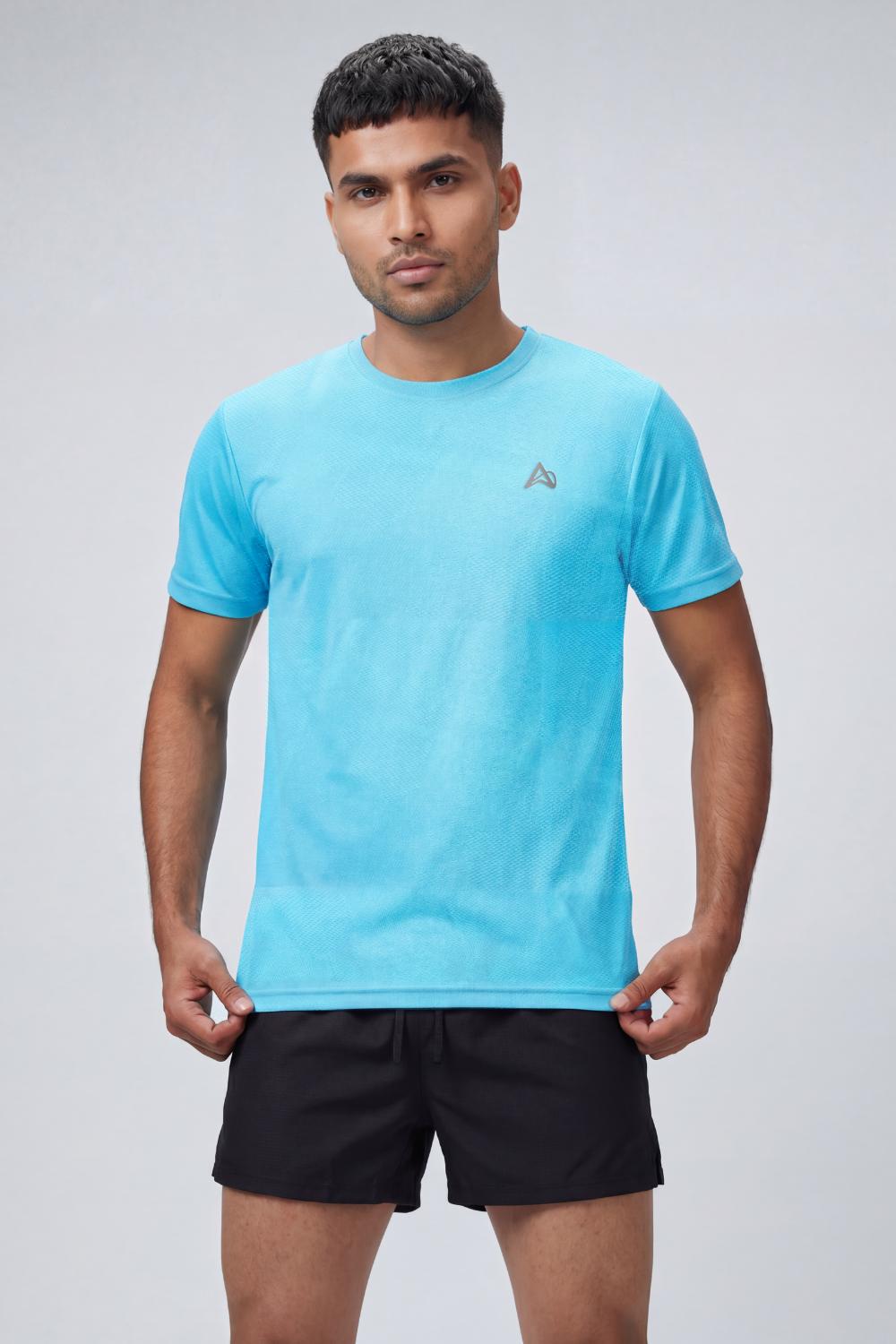
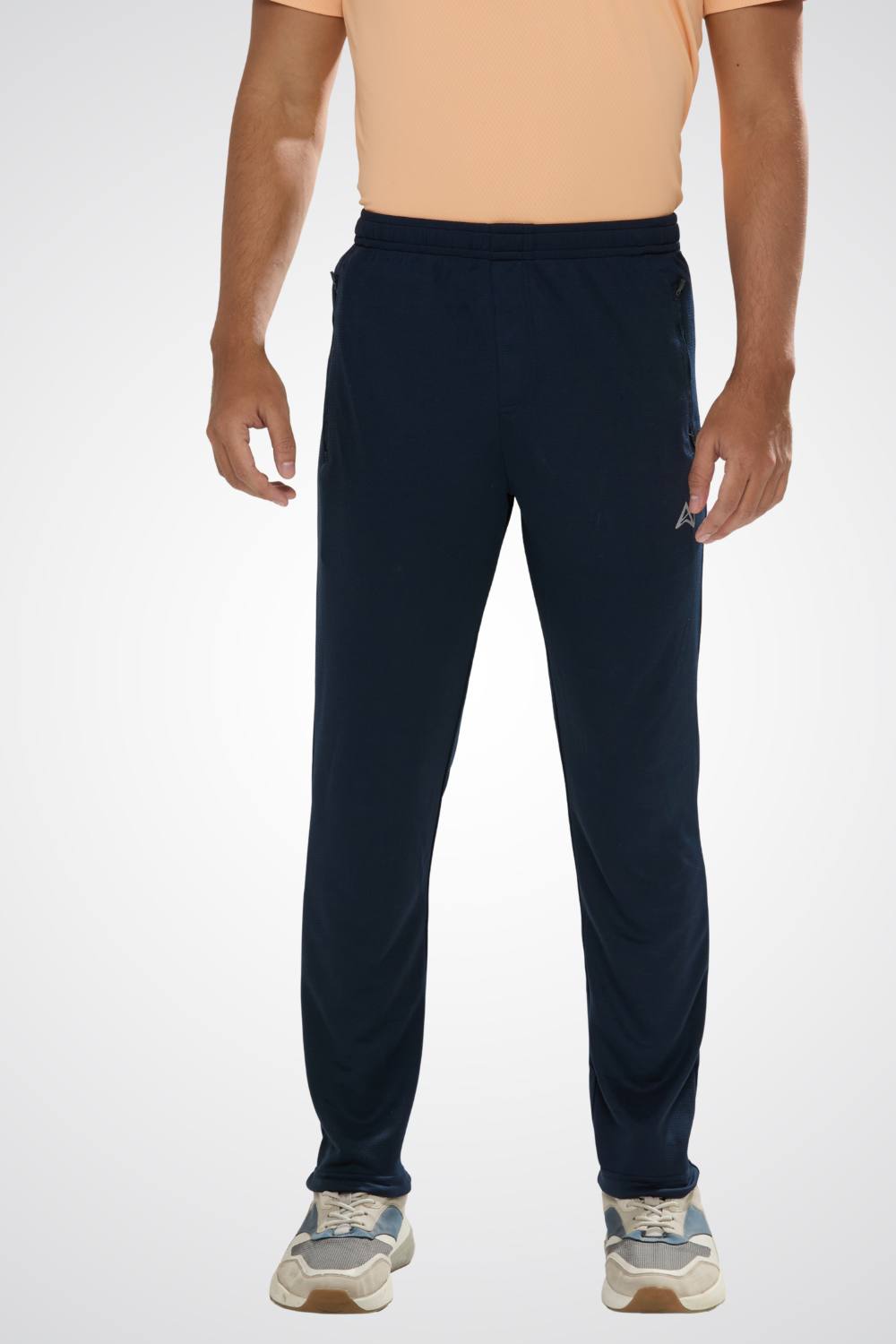
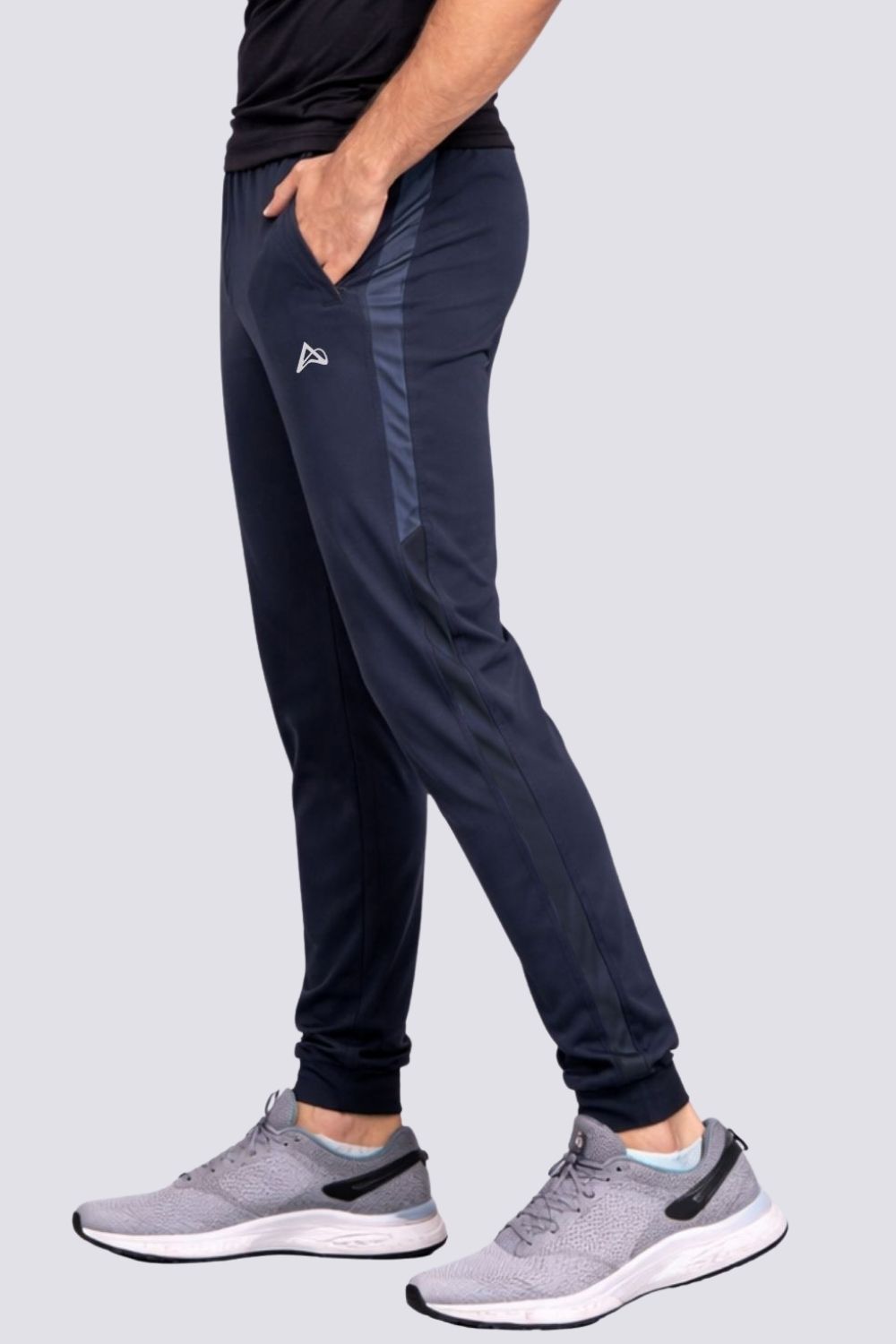
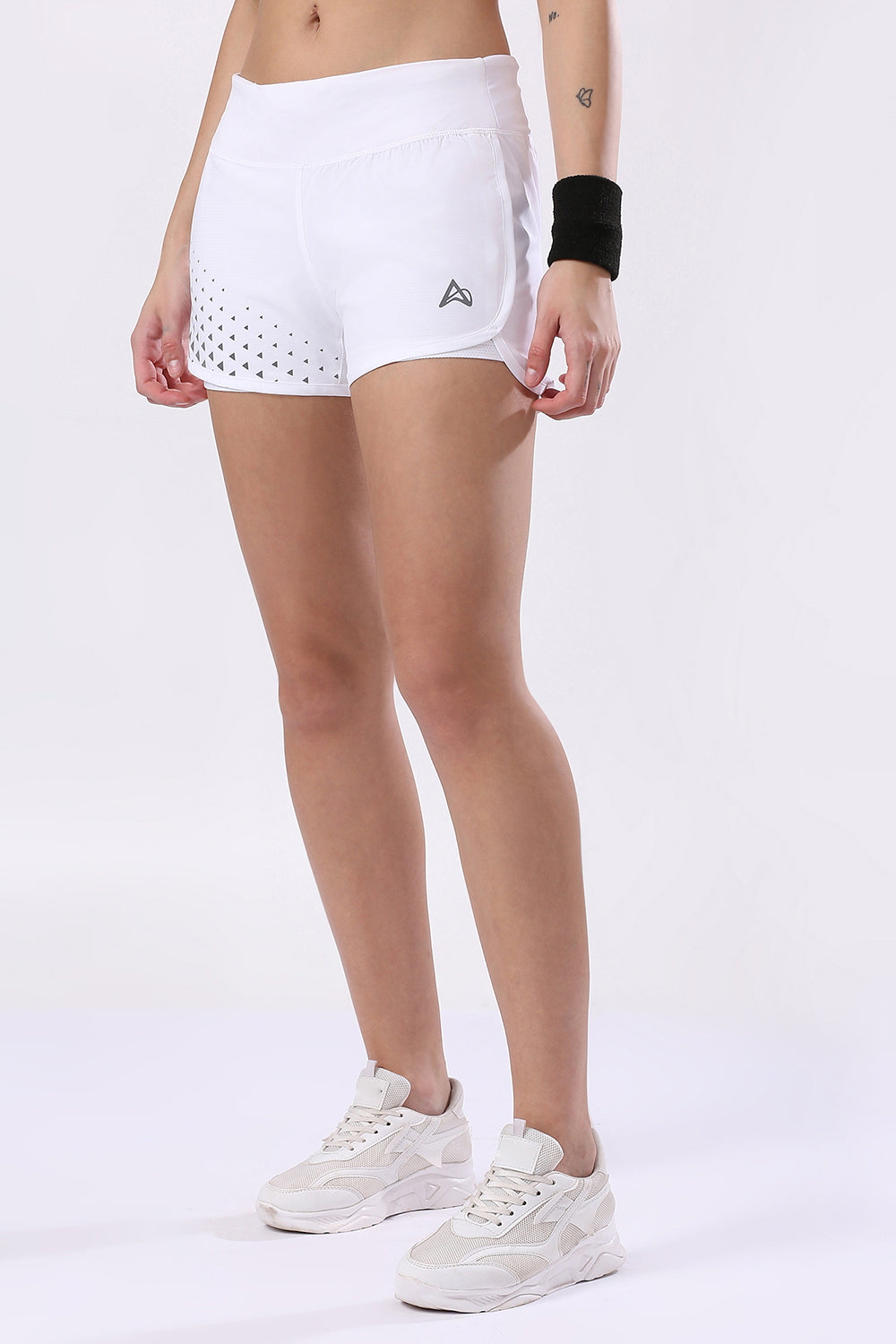
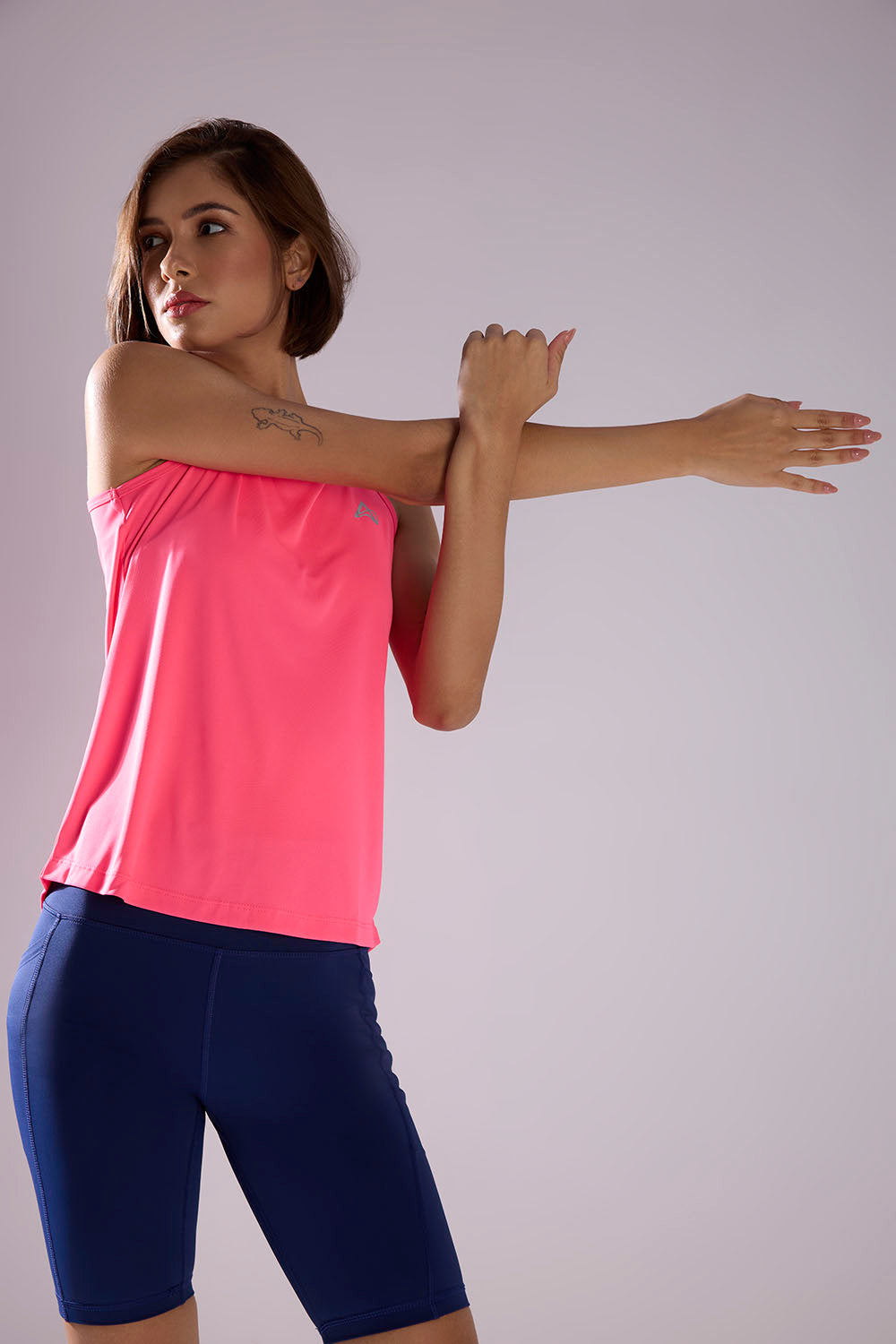
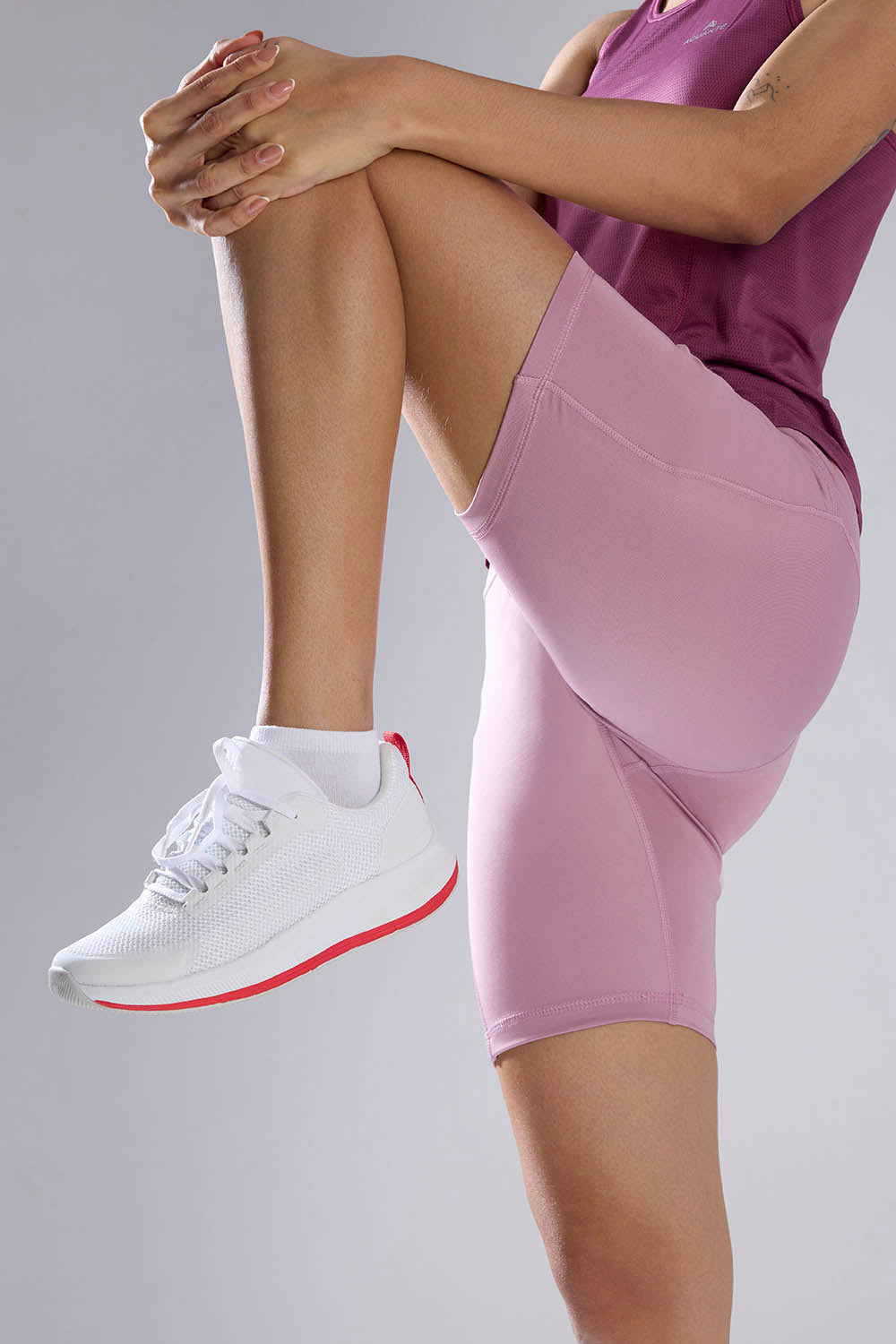
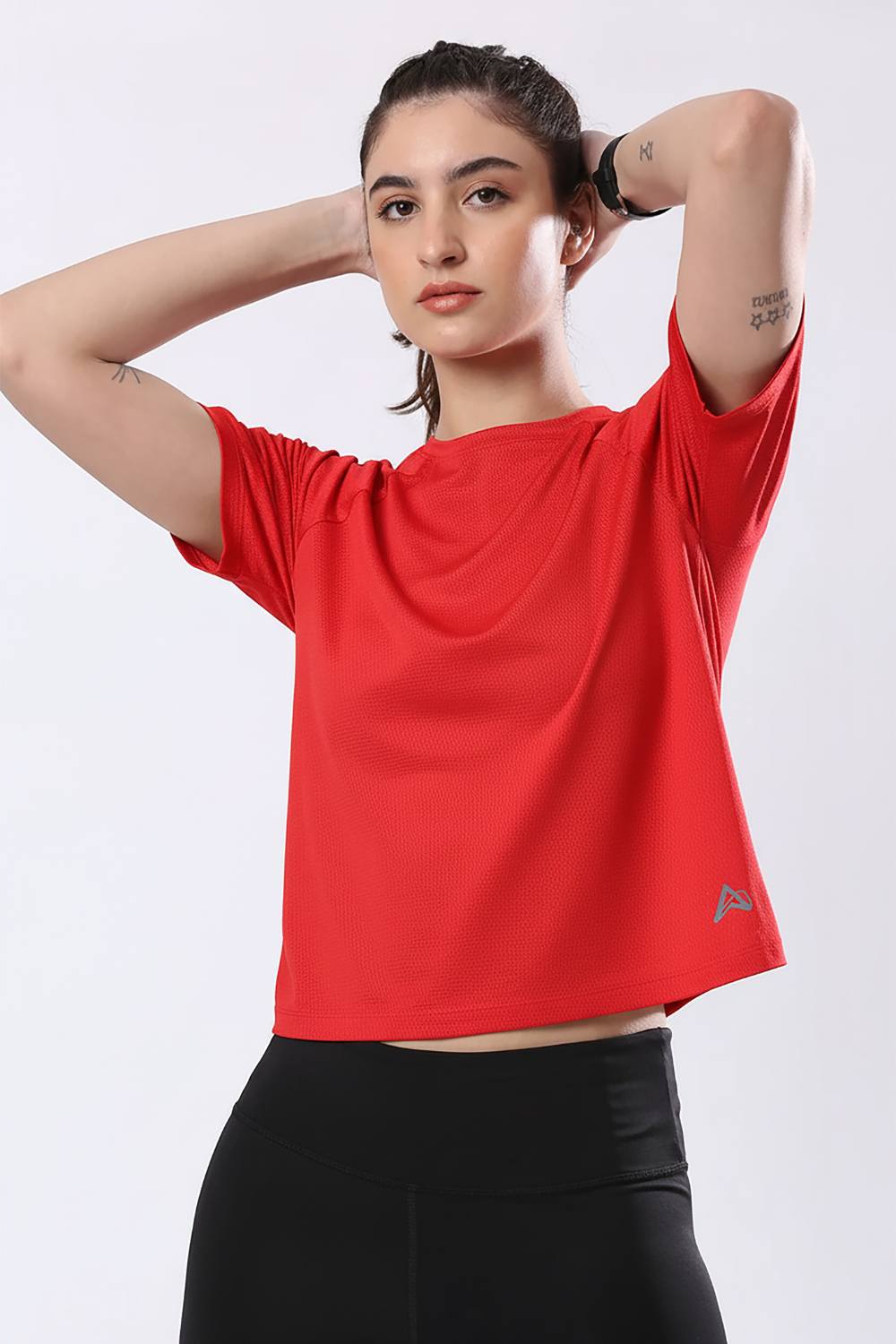
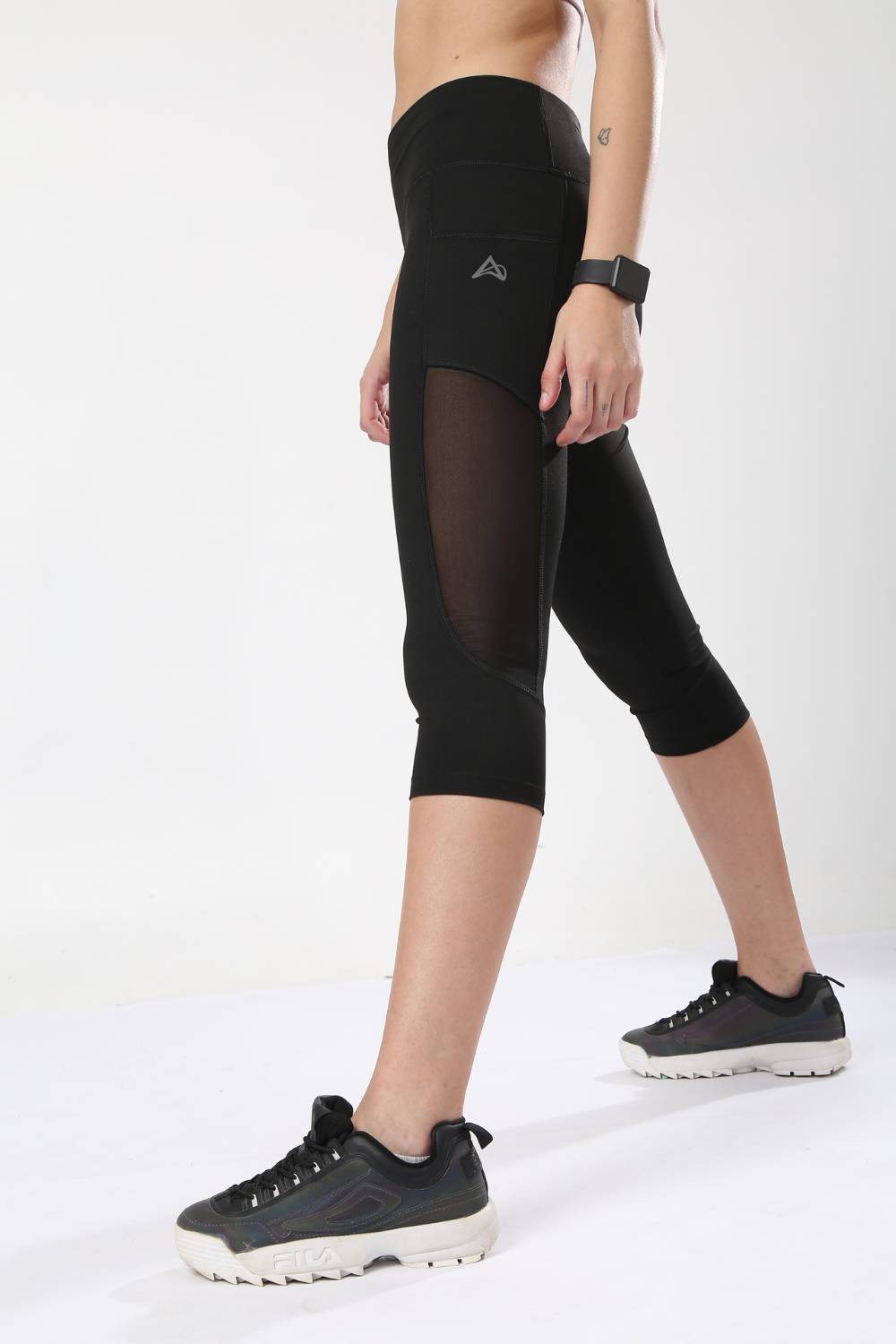
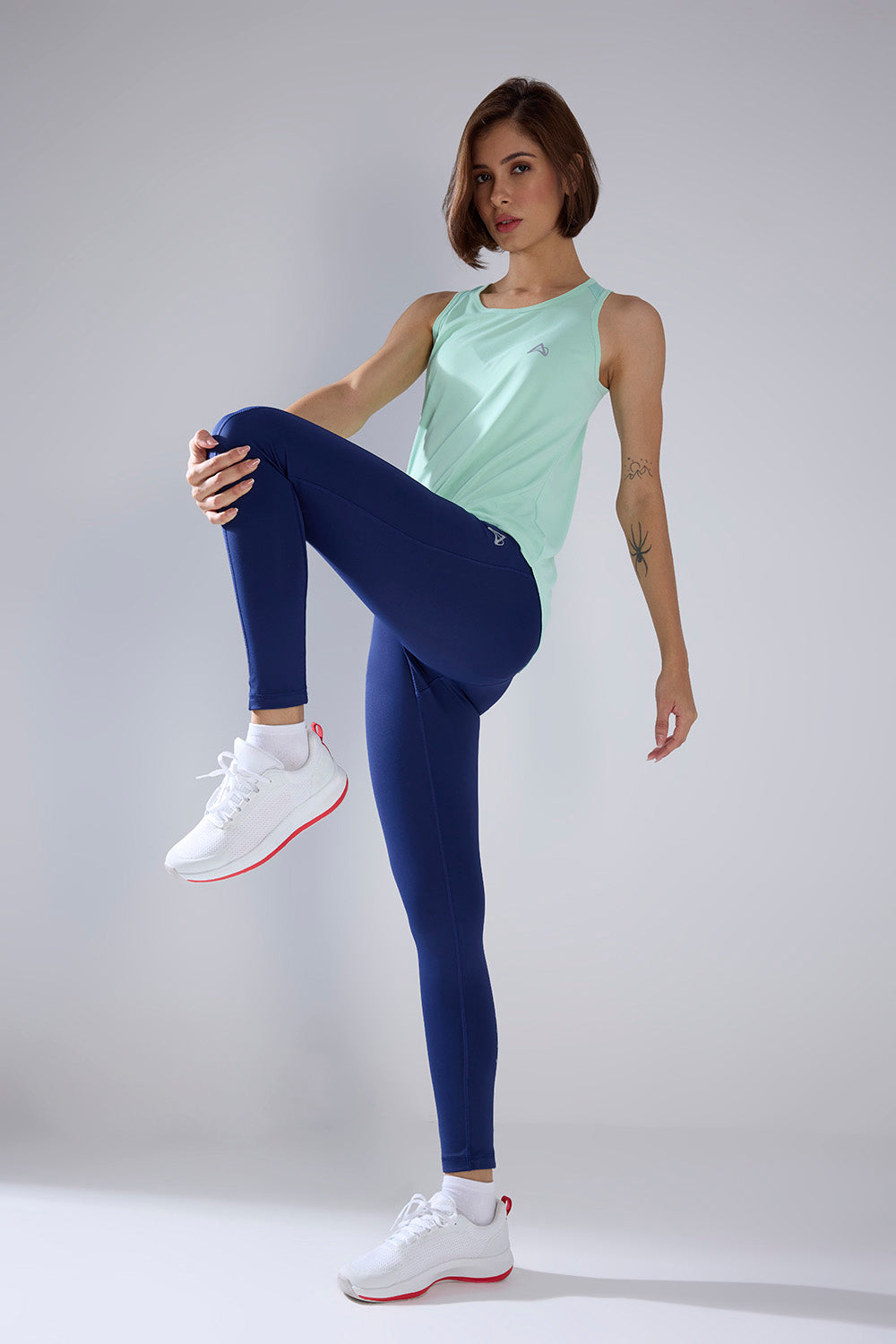
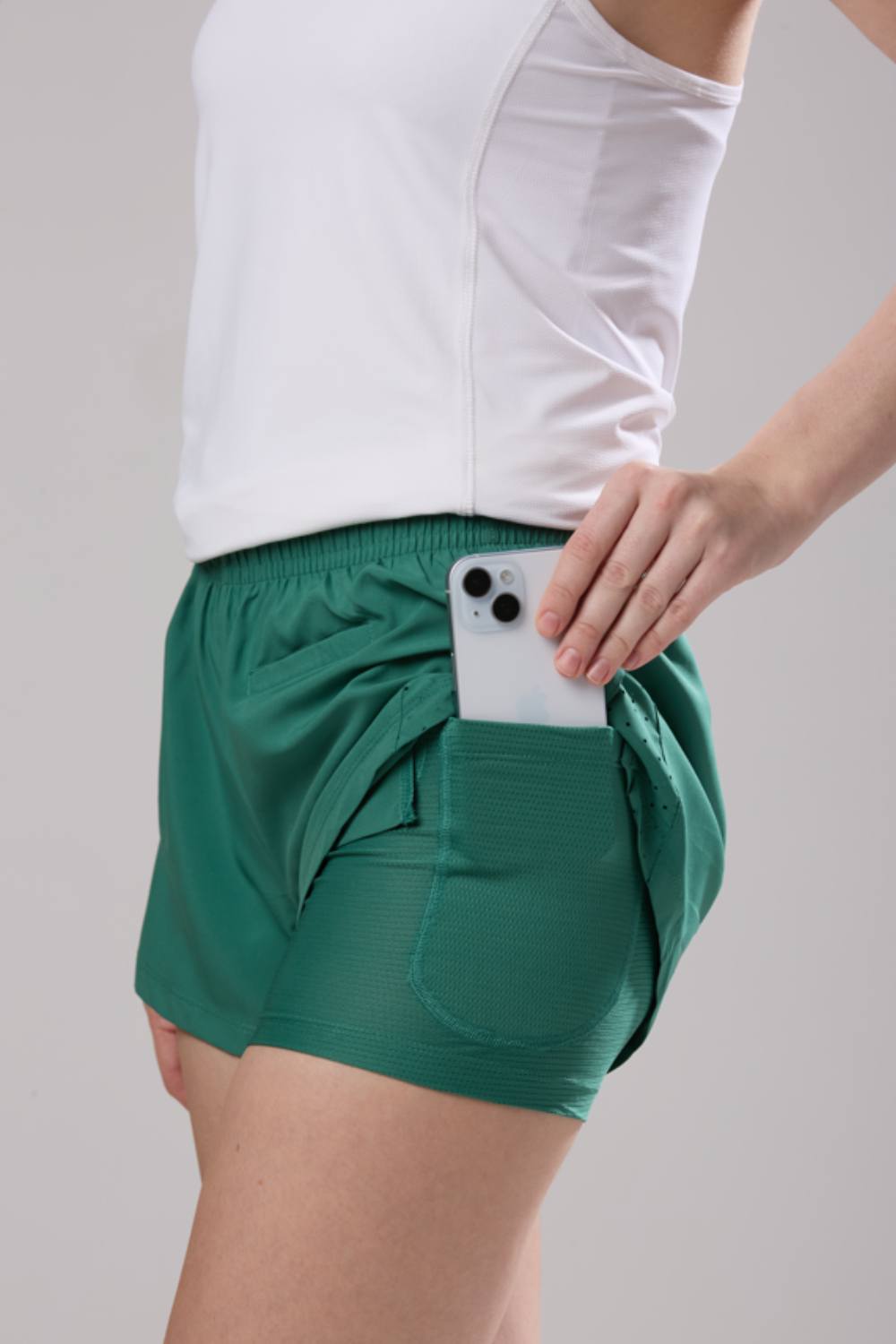
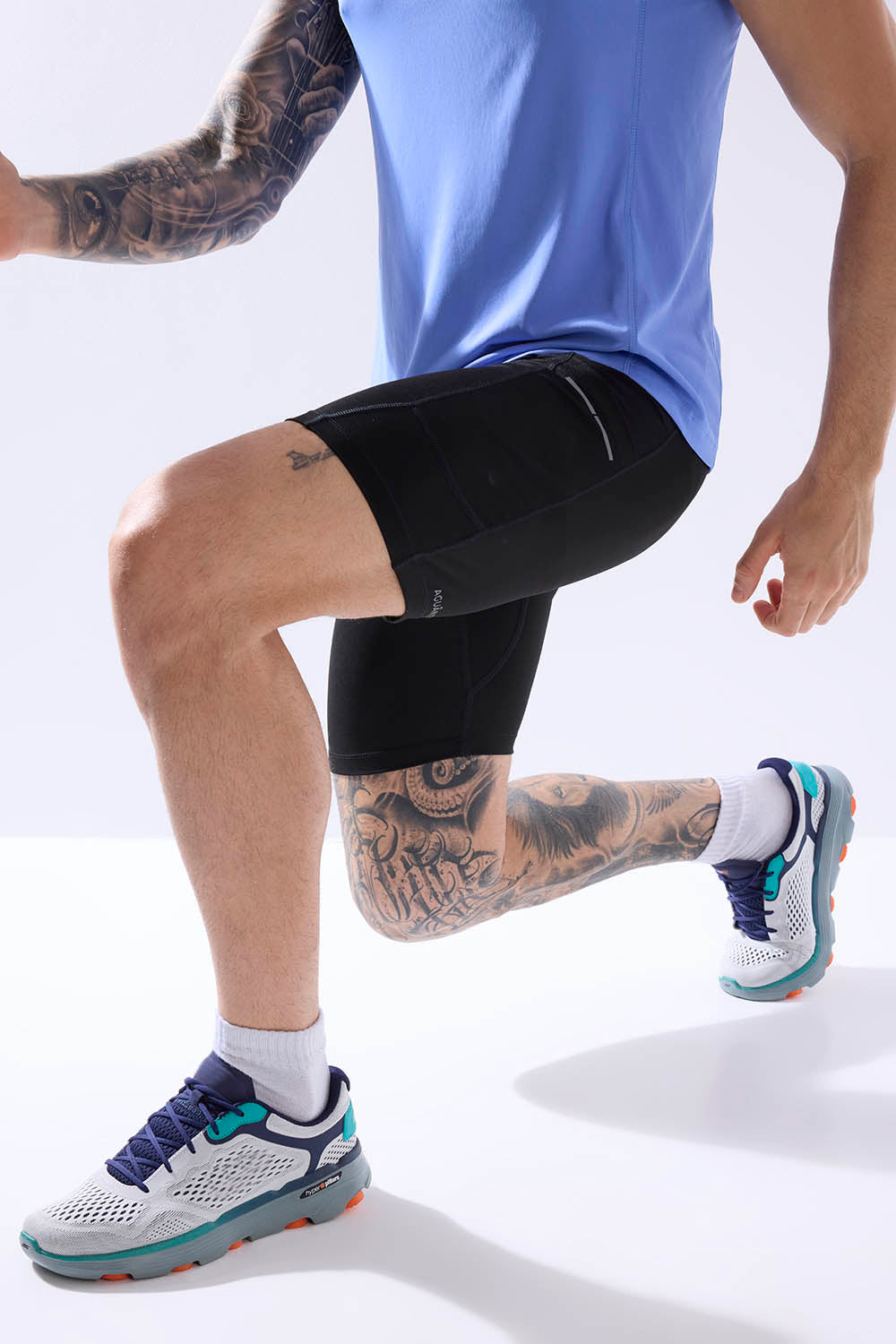
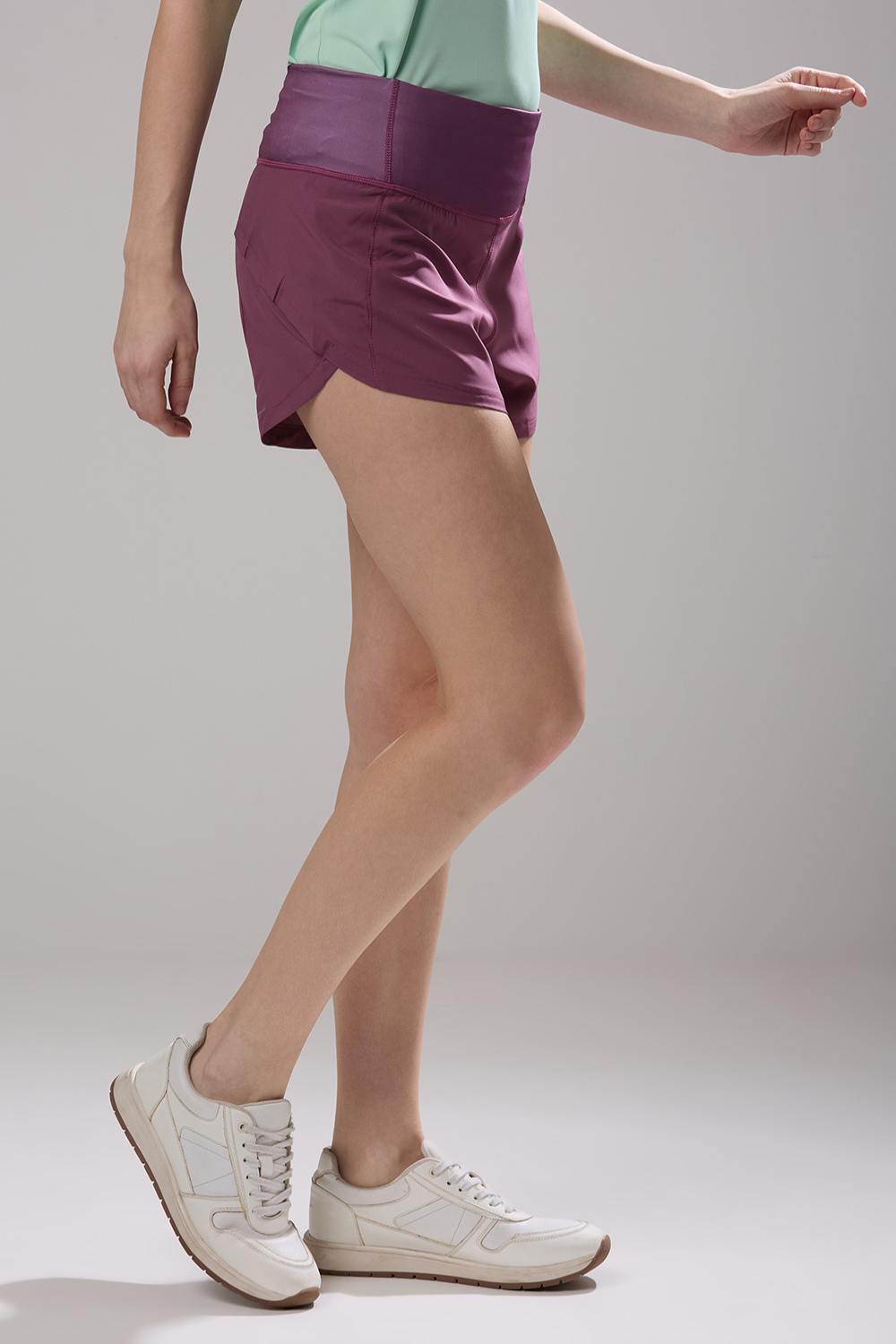
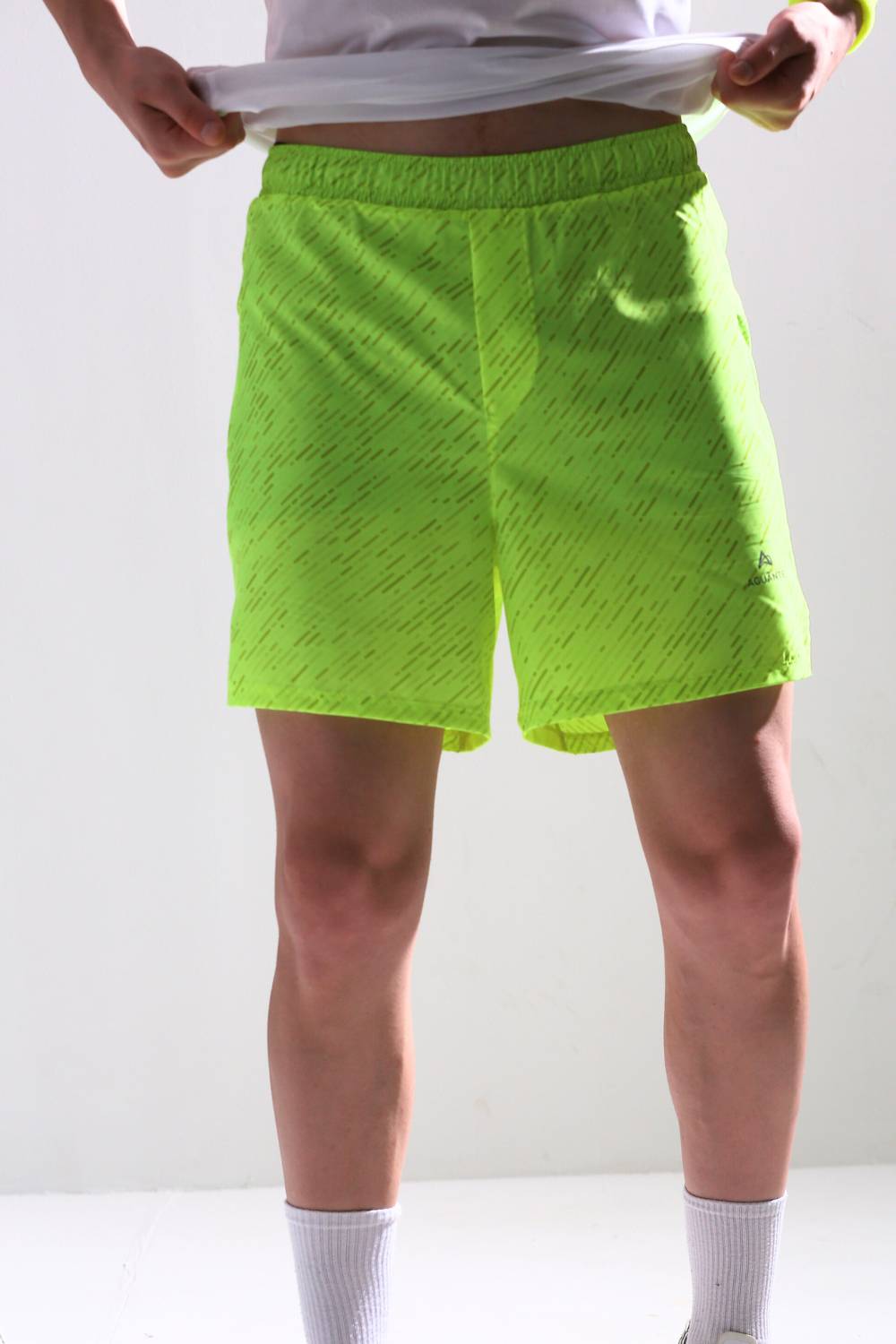
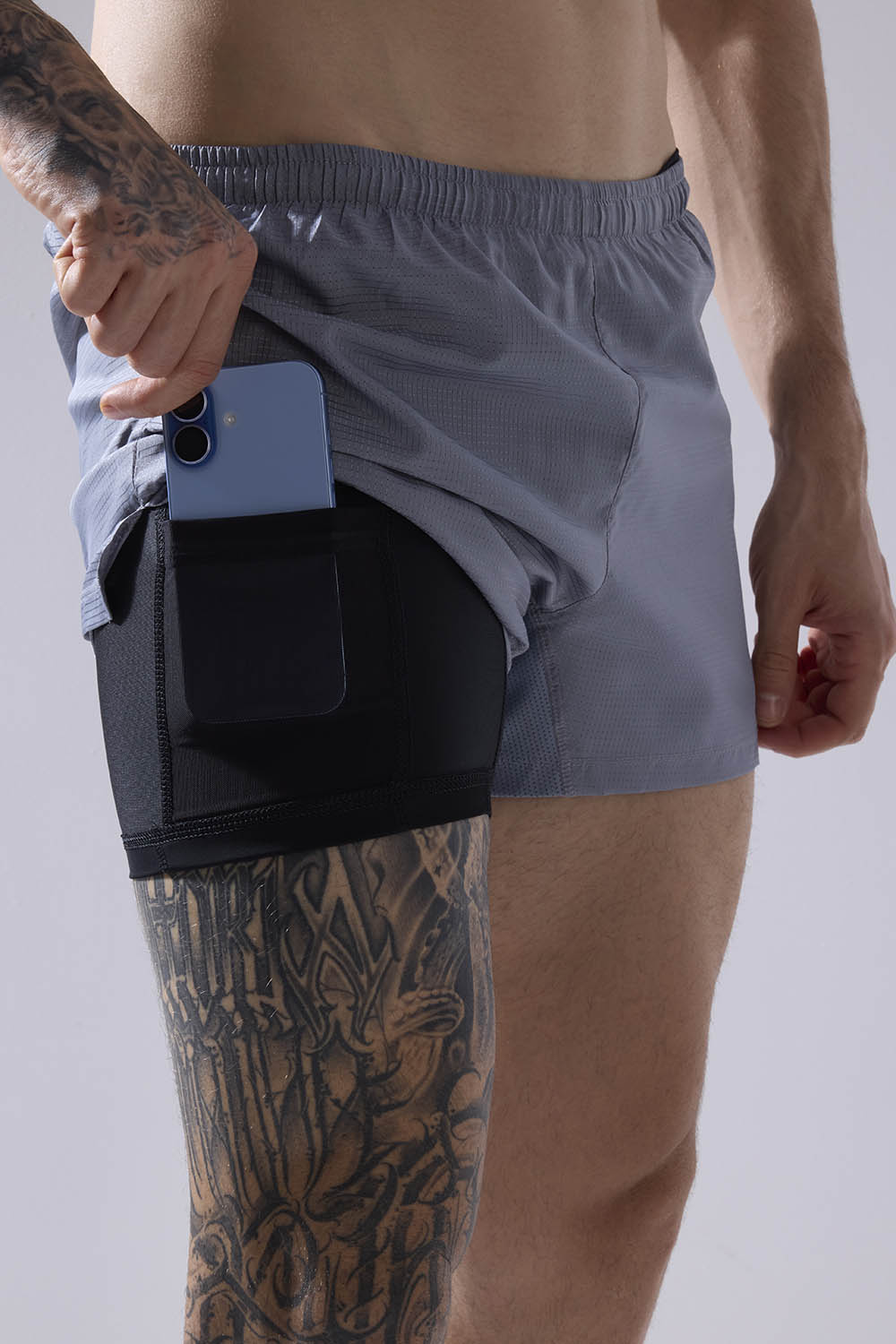
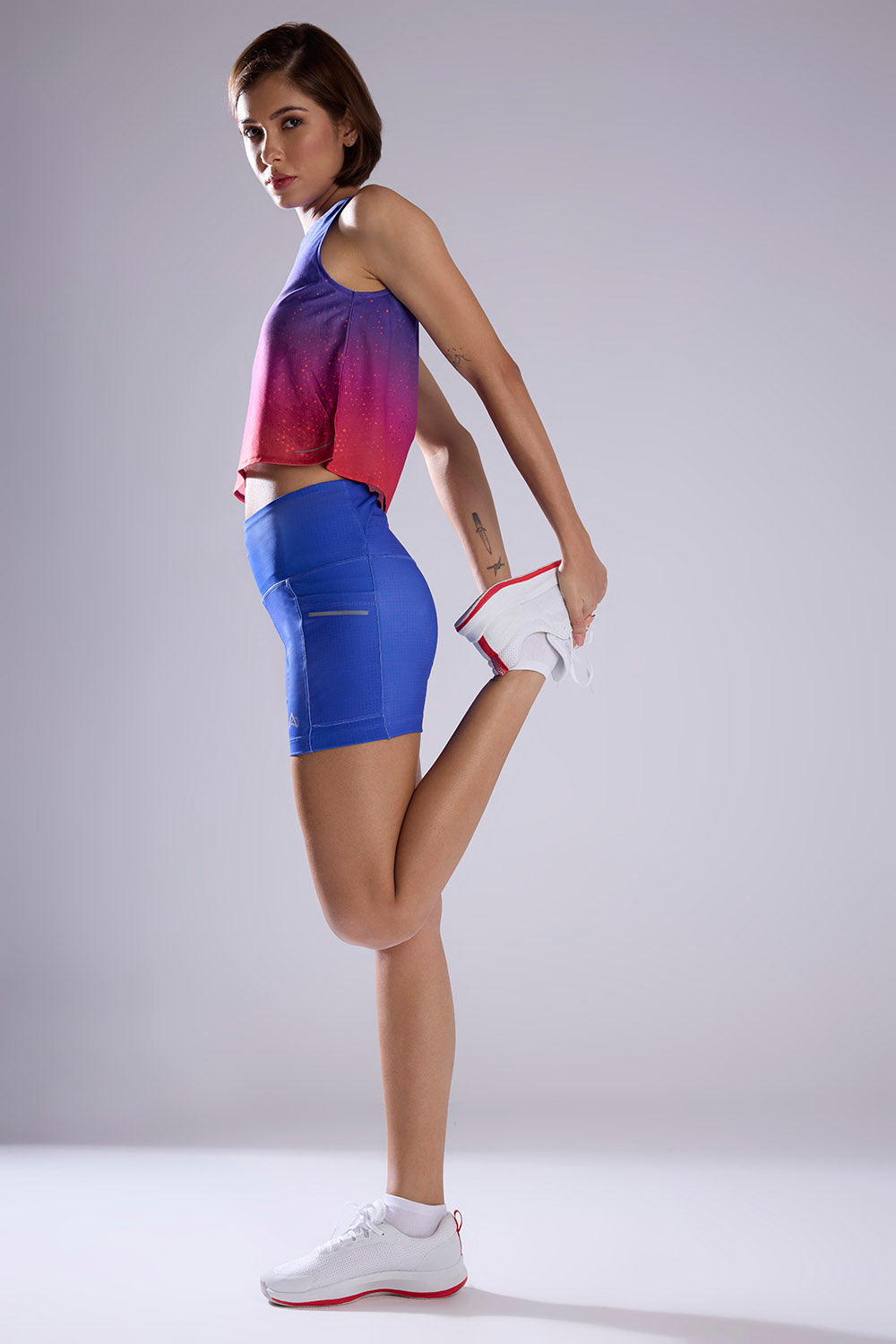
Brands like Aguante address both concerns directly. Every piece is developed with Indian running conditions in mind: exceptional breathability for heat and humidity, secure non-bouncing pockets for gels and phones, anti-chafe construction, reflective detailing for safety on busy urban roads, and thoughtful fits validated by real local runners. The result is high-performance equipment priced honestly no inflated overhead bridging global quality with genuine local relevance.
Choosing Gear That Helps You Stay the Course
Breathable running apparel is never the headline; it is the quiet foundation. On Bangalore's tree-lined trails, along Mumbai's Marine Drive, through Ahmedabad's early-morning streets, or amid Pune's hilly routes, runners who select clothing engineered for their climate and terrain accumulate more kilometers, recover better, and most importantly keep returning to the roads week after week.
As community runs multiply, marathon fields swell, and health consciousness deepens in these cities, the apparel that respects India's distinctive environmental realities becomes less optional and more essential. Prioritize pieces that wick intelligently, breathe freely, move with you, and keep you visible. Consistency stops being a battle of willpower and starts feeling like the natural outcome of smart, small choices.
Frequently Asked Questions
Why is breathable running gear important for training in India's hot and humid climate?
In cities like Mumbai, Bangalore, and Hyderabad, temperatures often exceed 35°C with high humidity, making sweat evaporation slow and uncomfortable. Breathable, moisture-wicking fabrics pull sweat away from the skin, spread it for rapid evaporation, and allow airflow to cool the body naturally. Without proper ventilation, ordinary fabrics like cotton cling to the body, causing fatigue, skin irritation, and chafing that disrupt consistent training.
What features should I look for in breathable running apparel?
Look for engineered synthetics like polyester-nylon blends with strategic mesh panels under the arms, along the sides, and across the upper back for maximum airflow. Flat-lock seams and anti-chafe linings reduce friction during long runs, while moisture-wicking technology keeps the skin noticeably drier. Additional features like secure non-bouncing pockets and reflective detailing are especially useful for urban runners training in low-light or traffic-heavy environments.
Is specialized breathable running gear worth the cost compared to a basic dry-fit shirt?
Generic moisture-management tops often underperform in sustained high humidity — wicking slows, fabrics stay clammy, and poorly placed seams can cause rubbing over long distances. Performance-focused running gear engineered for specific conditions, like India's heat and humidity, delivers measurably better comfort and helps you stay consistent by reducing the distractions that lead to skipped training days. Many quality options are available without the heavy markups of imported brands, making them a practical long-term investment.
Disclaimer: The above helpful resources content contains personal opinions and experiences. The information provided is for general knowledge and does not constitute professional advice.
You may also be interested in: Indian Activewear Brands Expand Reach via Social Media - Aguante
Tired of gear that slows you down? Chafing, soggy fabrics, and missing pockets kill your run's momentum. At Aguante, we're runners who get it. Our high-performance activewear features moisture-wicking fabrics, ergonomic designs, and smart storage to keep you focused. Shop Now!
Powered by flareAI.co