



Quick Listen:
Breathability is one of the most important factors to consider when choosing running apparel because clothing directly affects how comfortable a runner feels during movement. A good running outfit does more than provide coverage; it helps manage heat, sweat, and airflow so runners can stay focused on their training. Whether a session involves an easy jog, interval training, or a longer endurance run, the ability of apparel to support temperature control can make a noticeable difference. Understanding why breathability matters in running clothes helps runners make better choices based on comfort, climate, and performance needs.
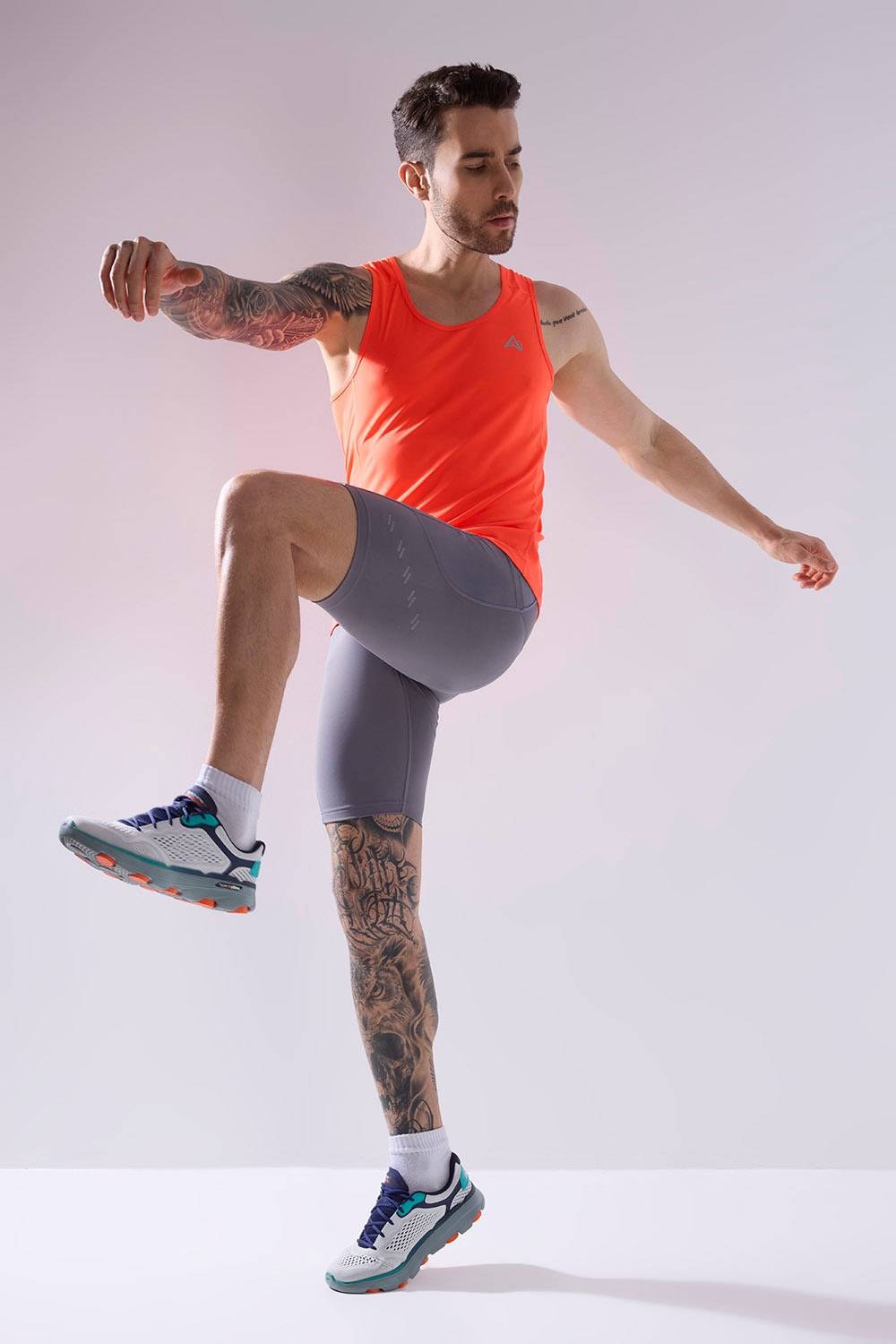
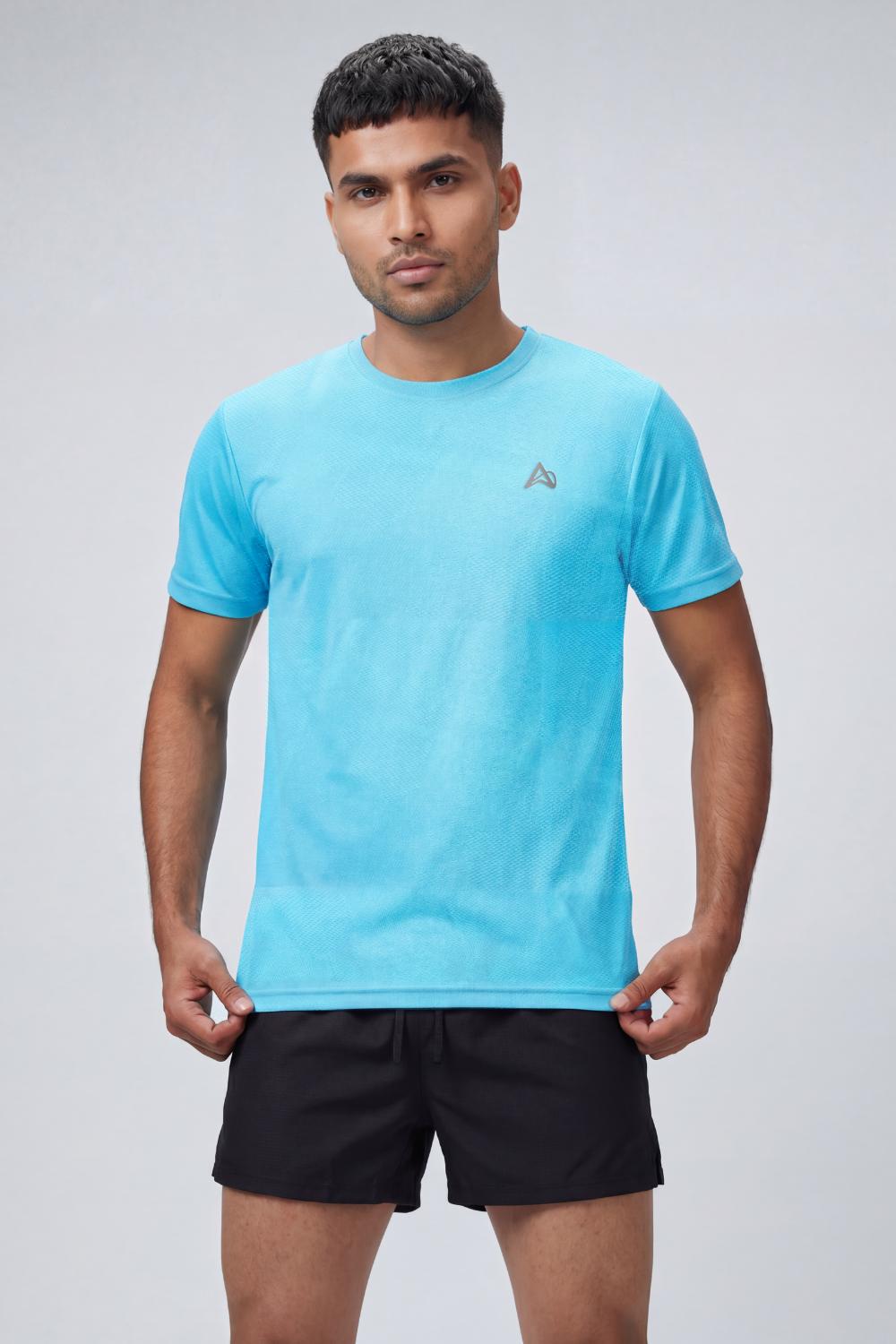
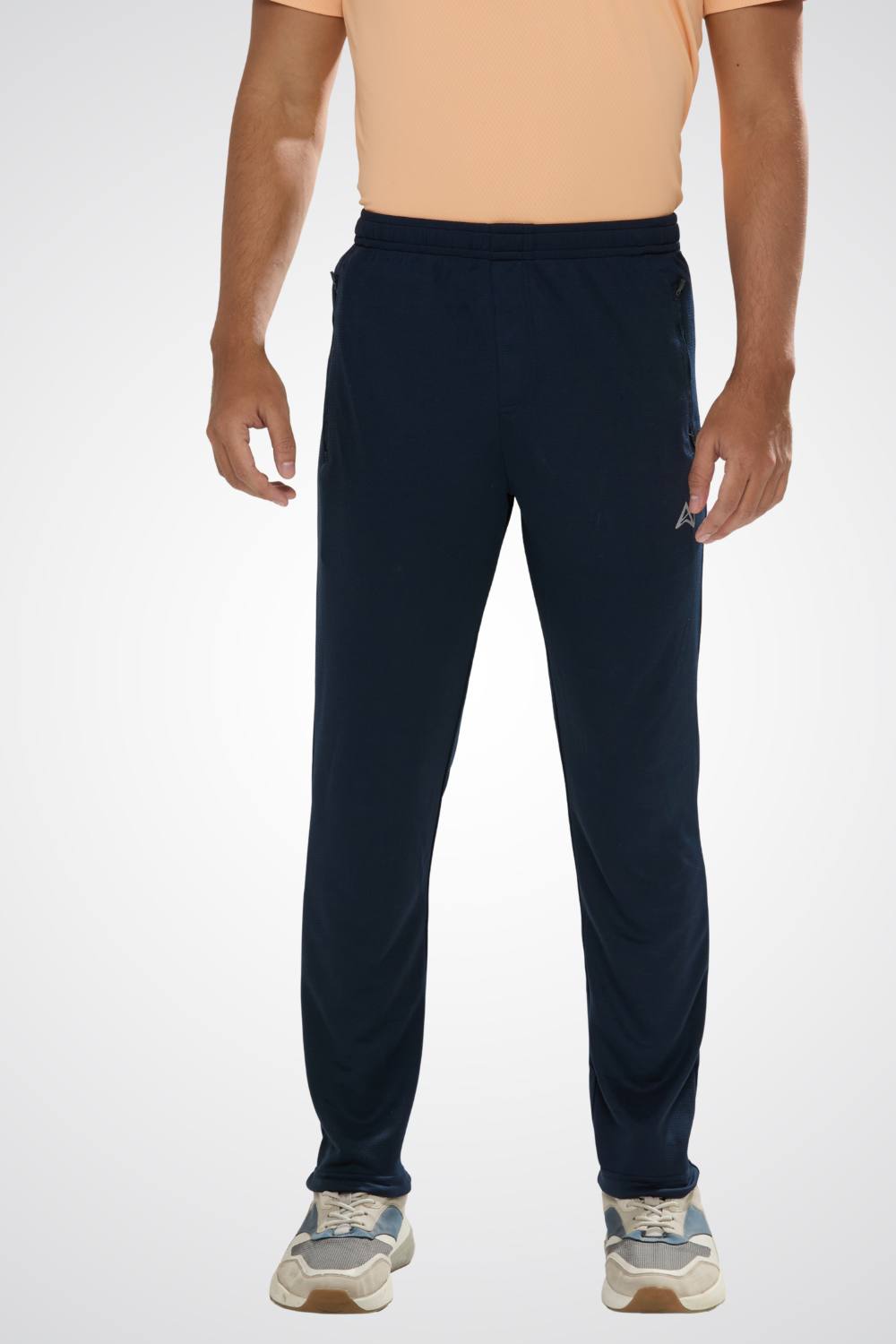
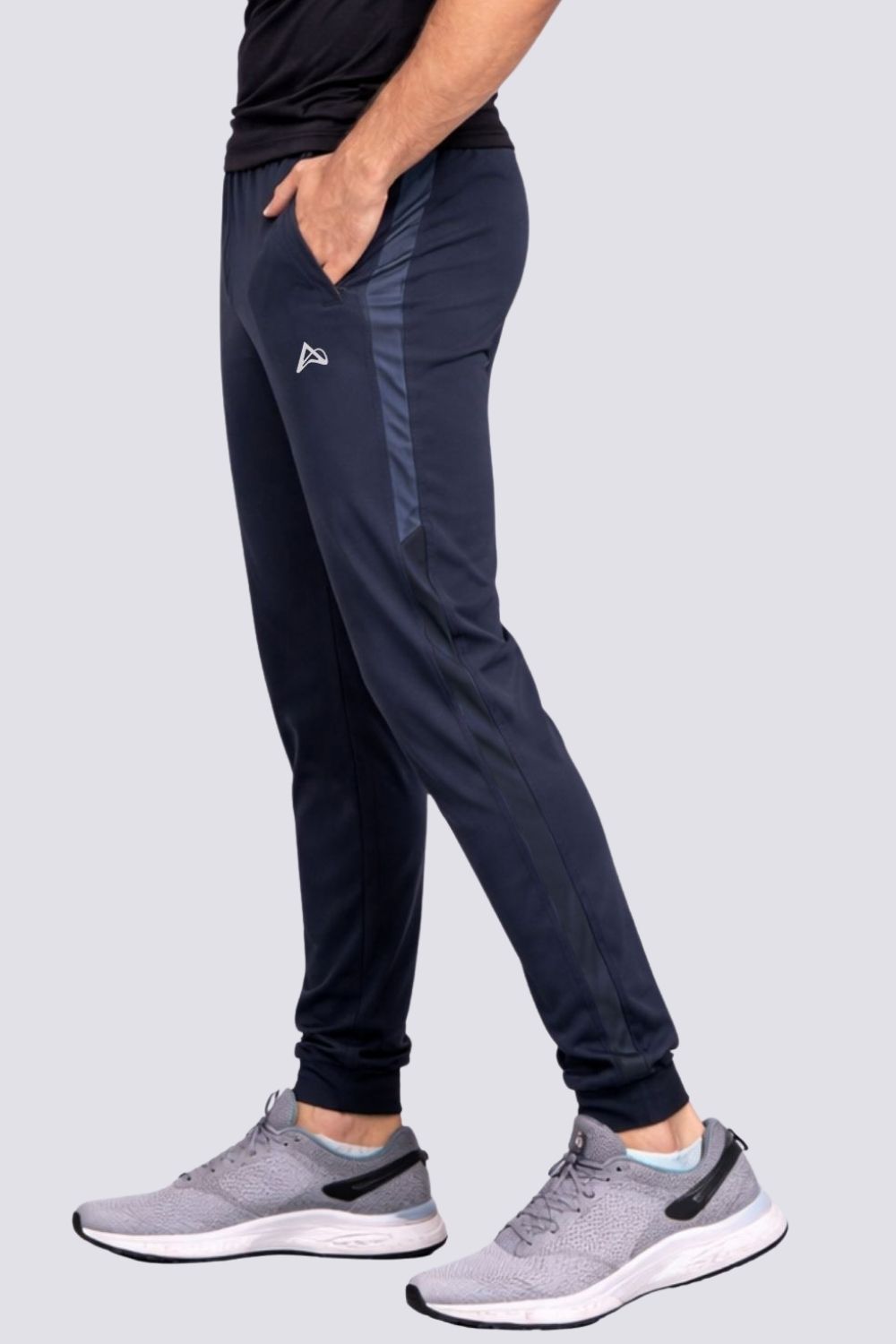
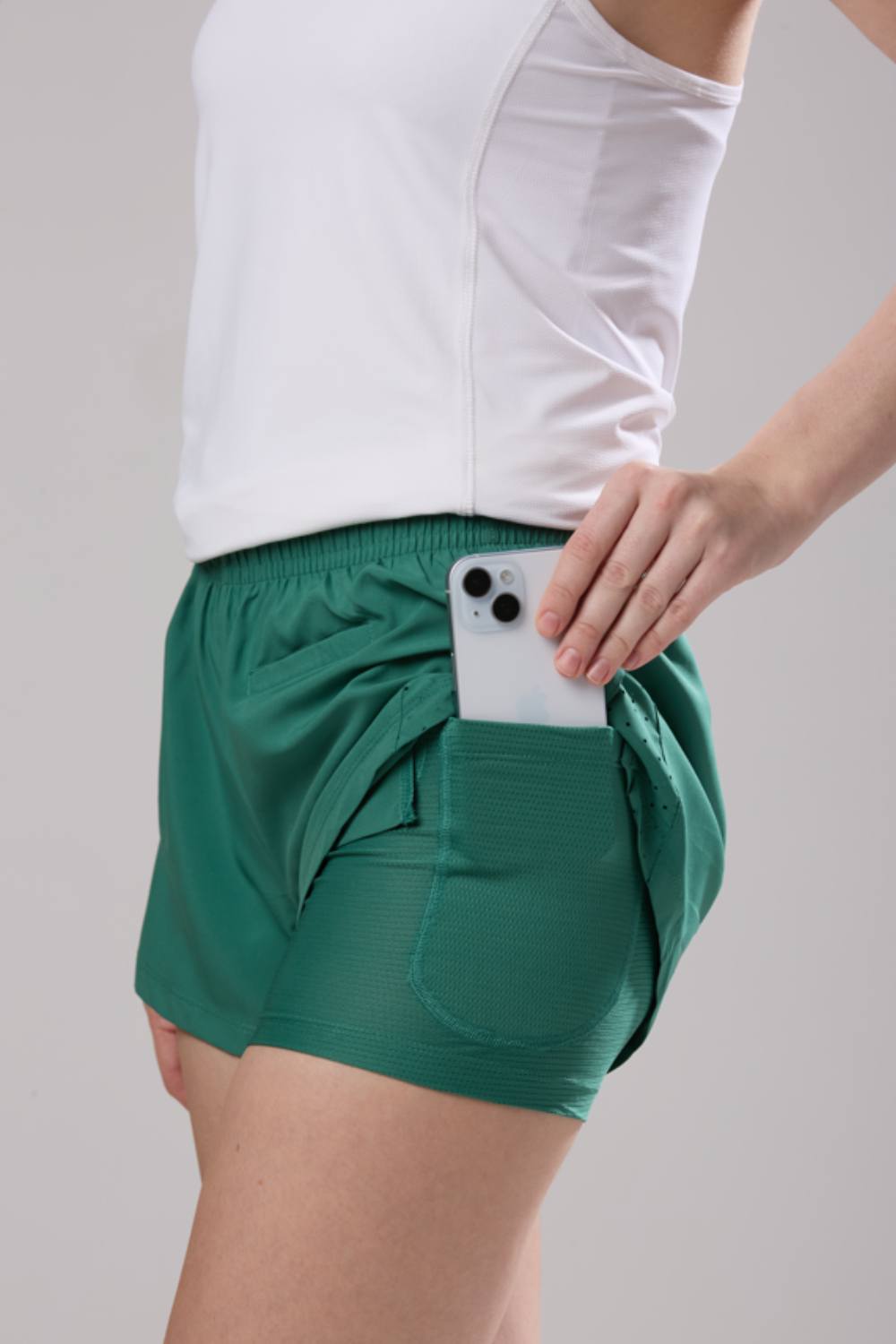
Tired of gear that slows you down? Chafing, soggy fabrics, and missing pockets kill your run's momentum. At Aguante, we're runners who get it. Our high-performance activewear features moisture-wicking fabrics, ergonomic designs, and smart storage to keep you focused. Shop Now!
What Makes Running Apparel Breathable?
Breathable running apparel is designed to allow air movement while helping moisture move away from the body. During exercise, the body naturally produces heat and sweat as muscles work harder. If clothing traps that heat and moisture, the fabric can feel heavy, uncomfortable, and restrictive.
Breathability depends on several design elements, including fabric structure, weight, ventilation areas, and construction methods. Lightweight materials, moisture management systems, and airflow-focused designs are commonly used to improve comfort during demanding workouts. Running shirts tested for breathability highlights how modern performance apparel is evaluated based on factors such as airflow, drying ability, and moisture movement.
Unlike casual clothing, running apparel is created around repeated movement and changing body conditions. A breathable garment allows air to circulate more effectively, helping reduce the uncomfortable feeling of fabric sticking to the skin during intense activity.
Why Breathability Matters During a Run
Running creates continuous physical demand. As pace increases or distance extends, the body generates more heat and sweat. Clothing that cannot manage these changes may become a distraction, forcing runners to adjust their gear instead of concentrating on their workout.
The main benefit of breathable running apparel is improved comfort. When airflow is supported and moisture can move away from the skin, runners are more likely to experience a lighter, more natural feel throughout their session. This is particularly useful for people training in warm or humid conditions, where heat buildup can become a common challenge.
Breathability also supports better fabric performance. When sweat remains trapped, clothing may become heavier and lose some of its comfort advantages. Fabrics designed for moisture movement help create a more balanced experience by supporting quicker drying and reducing excess dampness.
Managing Heat and Moisture More Effectively
Temperature regulation is a key part of running comfort. Breathable materials create pathways for air circulation, allowing excess heat to escape while helping sweat management features work more effectively. This balance is especially valuable during longer training sessions when small discomforts can become more noticeable over time.
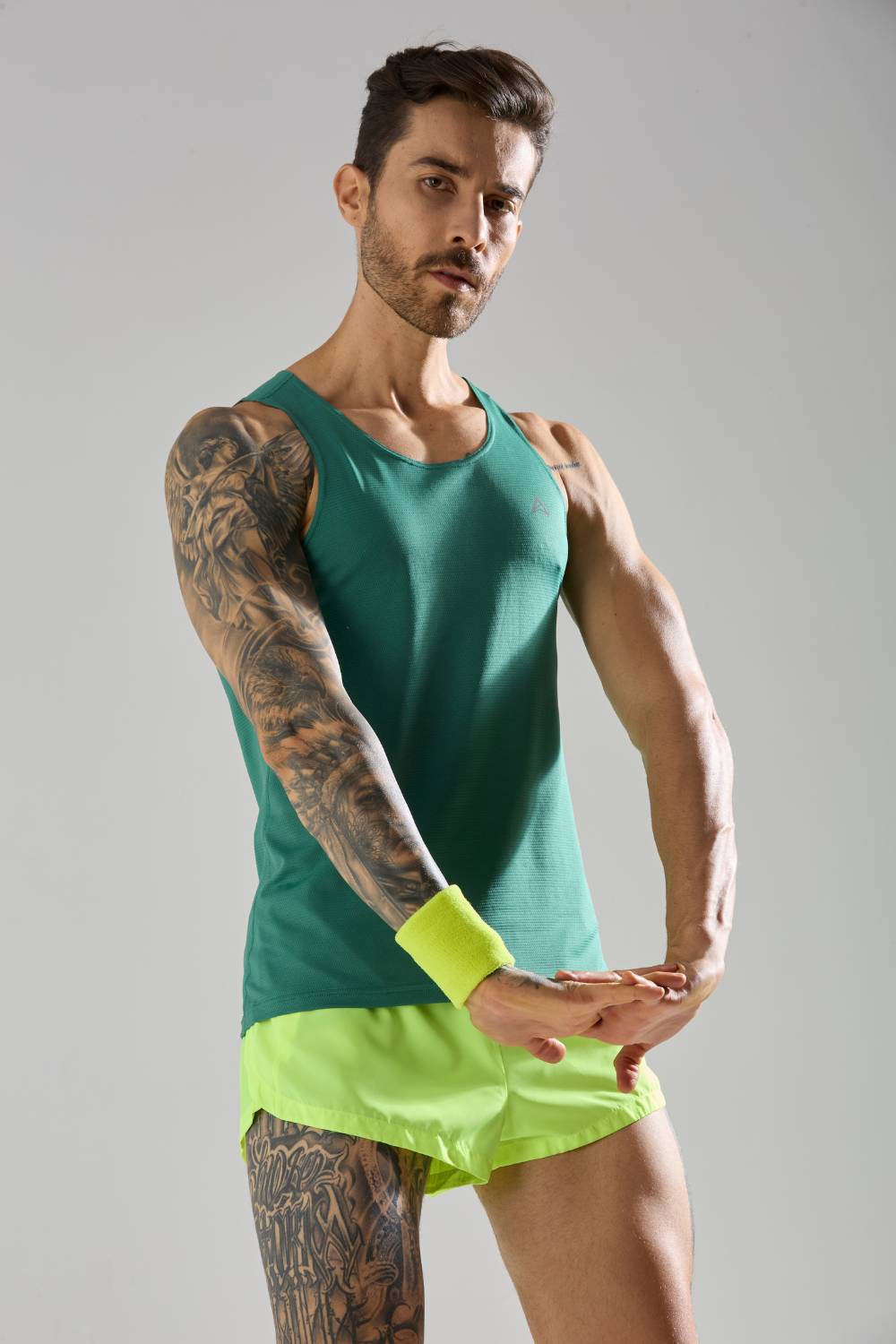
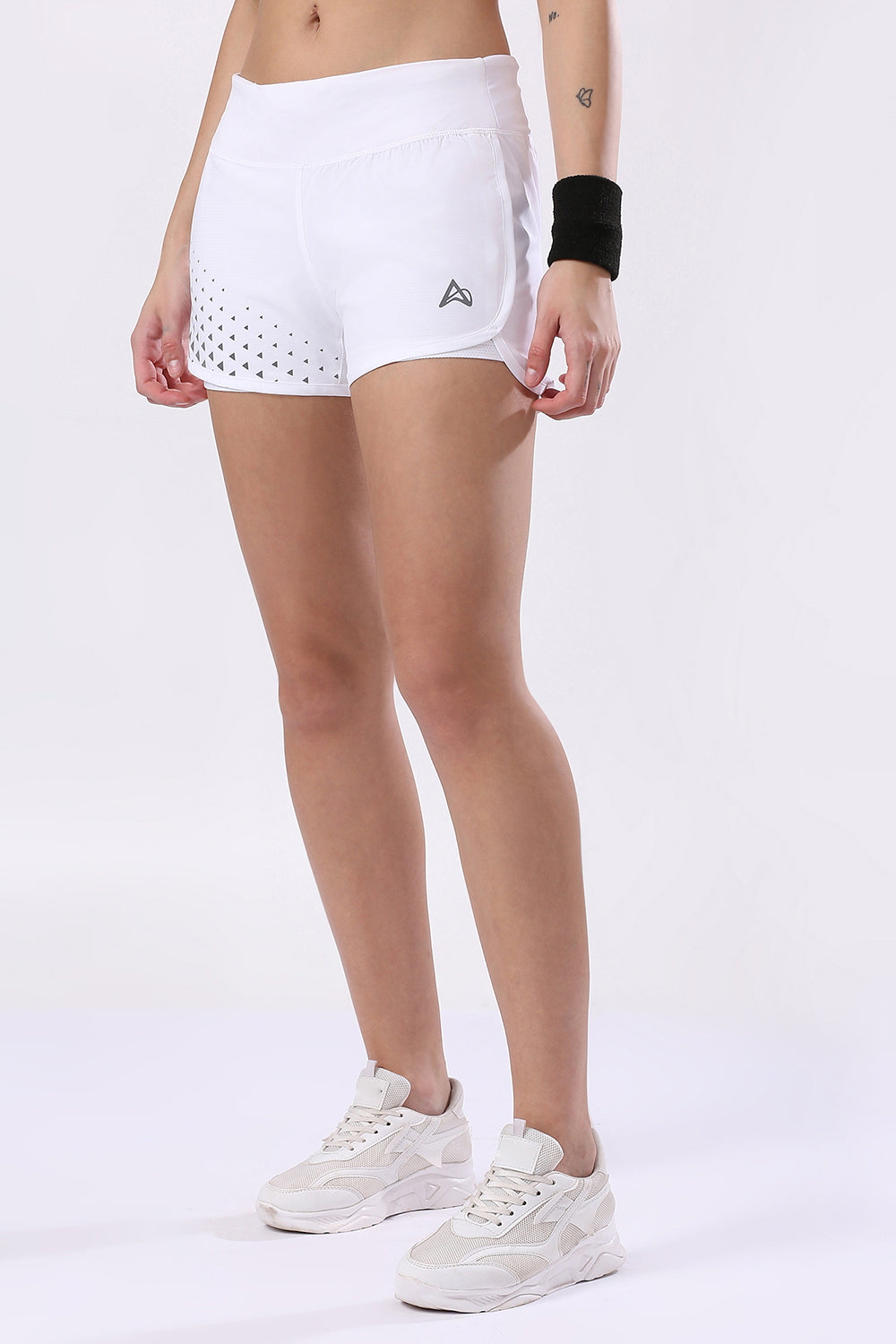
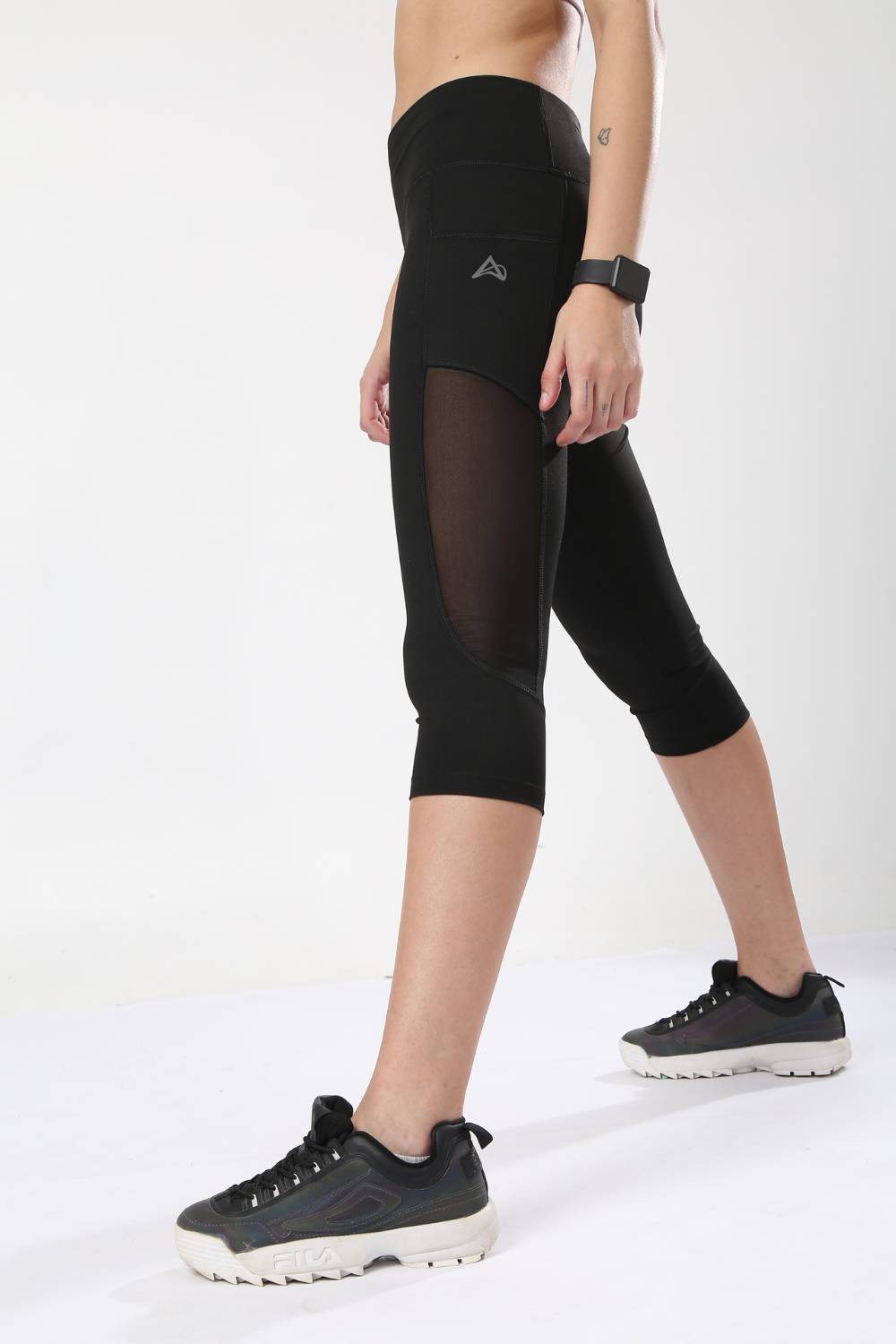
Modern running apparel often combines lightweight construction with technical fabric designs to address these needs. Features such as mesh sections, ventilation zones, and quick-drying materials are examples of how clothing design has evolved around athlete comfort. These details are not only aesthetic choices; they serve practical purposes during movement.
The Role of Fabric Technology in Performance Clothing
The development of performance fabrics has changed how runners approach clothing choices. Traditional sportswear focused mainly on durability and basic comfort, but modern apparel considers how materials interact with the body during activity.
Many performance garments use advanced polyester blends, mesh structures, and engineered fabric patterns to support airflow and moisture management. These materials are designed to reduce the uncomfortable effects of sweat accumulation while maintaining flexibility and lightweight feel.
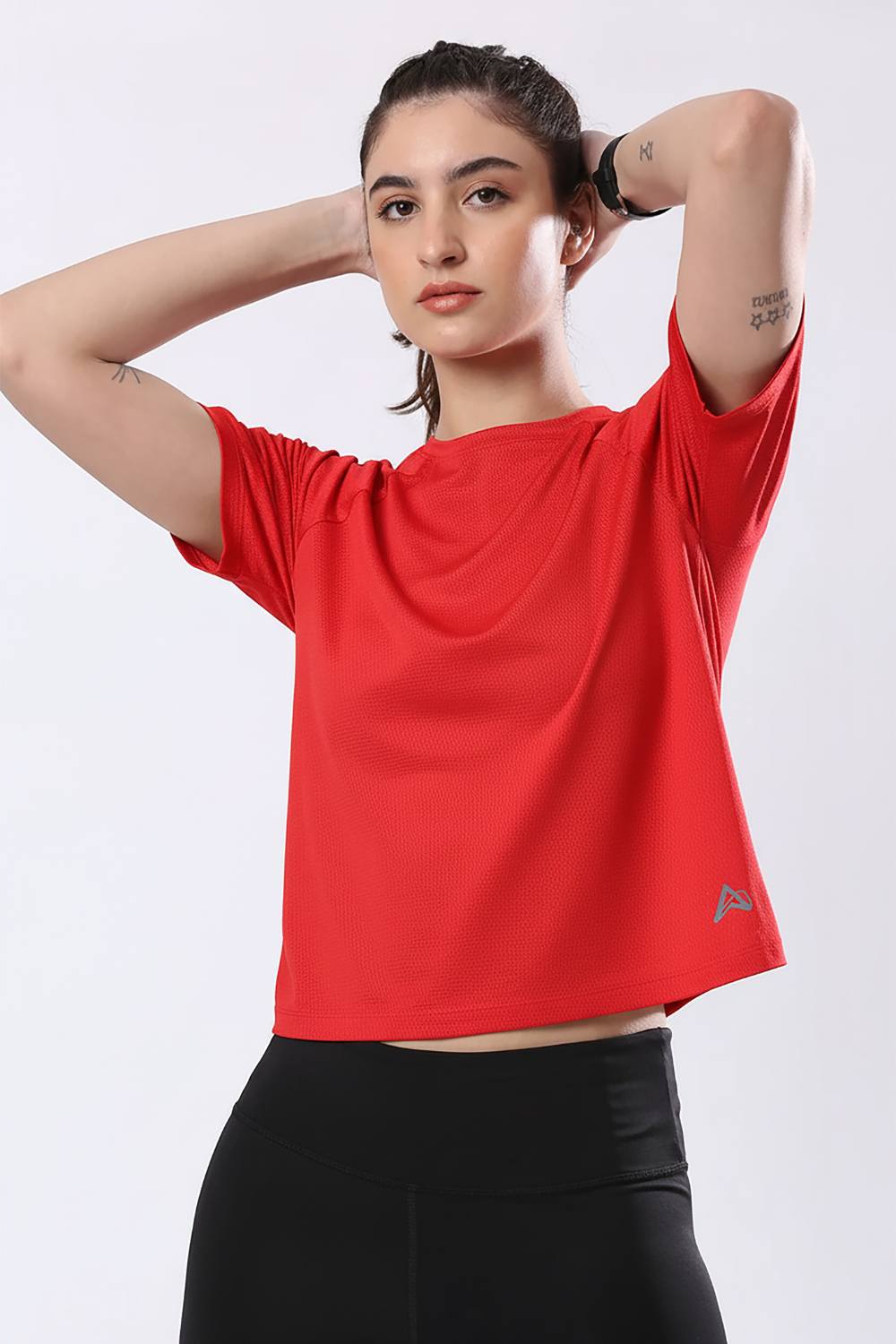
Mesh technology in running gear shows how ventilation-focused designs have become an important part of modern running clothing. Mesh fabrics and perforated structures create opportunities for improved airflow, helping apparel respond to the demands of warm-weather training and endurance activities.
For runners, fabric choice can influence the overall experience of a workout. The right material helps clothing feel less restrictive, supports movement, and allows athletes to focus on their goals rather than discomfort caused by unsuitable gear.
Choosing Running Clothes for Hot and Humid Conditions
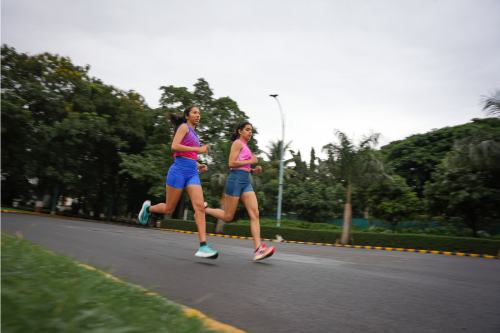
Weather conditions can strongly influence what runners need from their apparel. Running clothes for hot weather should prioritise lightweight construction, airflow, and effective moisture management. A garment that works well in cooler conditions may not provide the same comfort when temperatures rise or humidity increases.
When selecting breathable running apparel, runners should consider how and where they usually train. Someone running outdoors during warmer parts of the day may benefit from clothing designed with additional ventilation, while someone completing shorter indoor workouts may have different requirements.
- Fabric weight: Lightweight materials can help create a less restrictive feel during movement.
- Ventilation design: Mesh panels or airflow-focused sections can support better circulation.
- Moisture management: Fabrics that move sweat away from the skin can improve comfort.
- Fit and mobility: A comfortable fit allows natural movement without unnecessary distraction.
Understanding these factors helps runners choose comfortable workout clothes that match their activity level and environment instead of focusing only on appearance.
Common Mistakes When Selecting Running Apparel
Many runners choose clothing based only on style, colour, or price, but performance needs should also influence the decision. A garment that looks suitable may not provide the comfort required for regular training.
One common mistake is selecting heavy fabrics that retain heat during active sessions. Another is overlooking the importance of fit. Running involves repeated movement, so clothing should allow freedom without creating friction or restricting motion.
Runners should also avoid assuming that all sportswear materials perform in the same way. Different fabrics and designs serve different purposes. Breathability, moisture control, durability, and comfort work together to create effective running apparel.
Looking Beyond Appearance
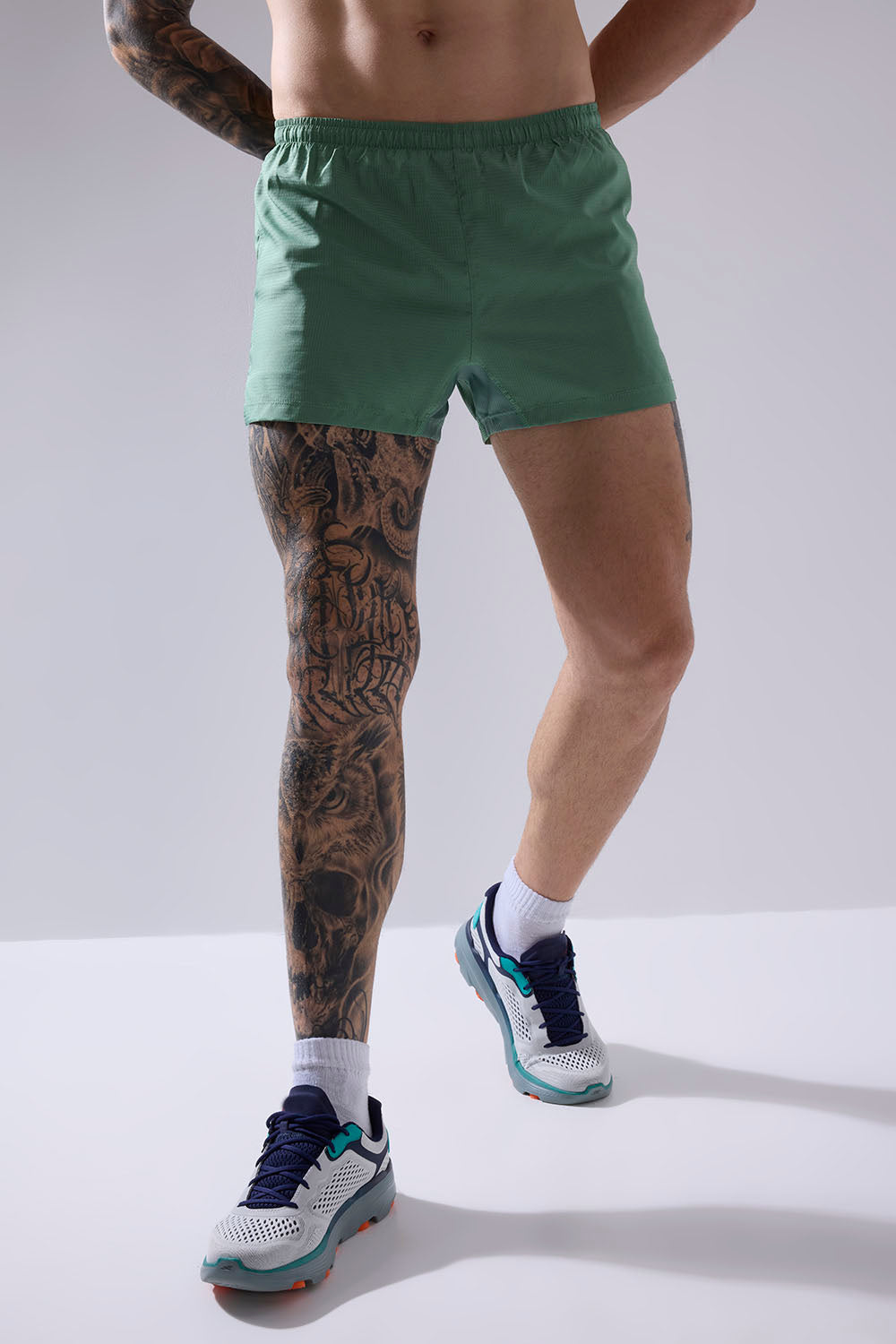
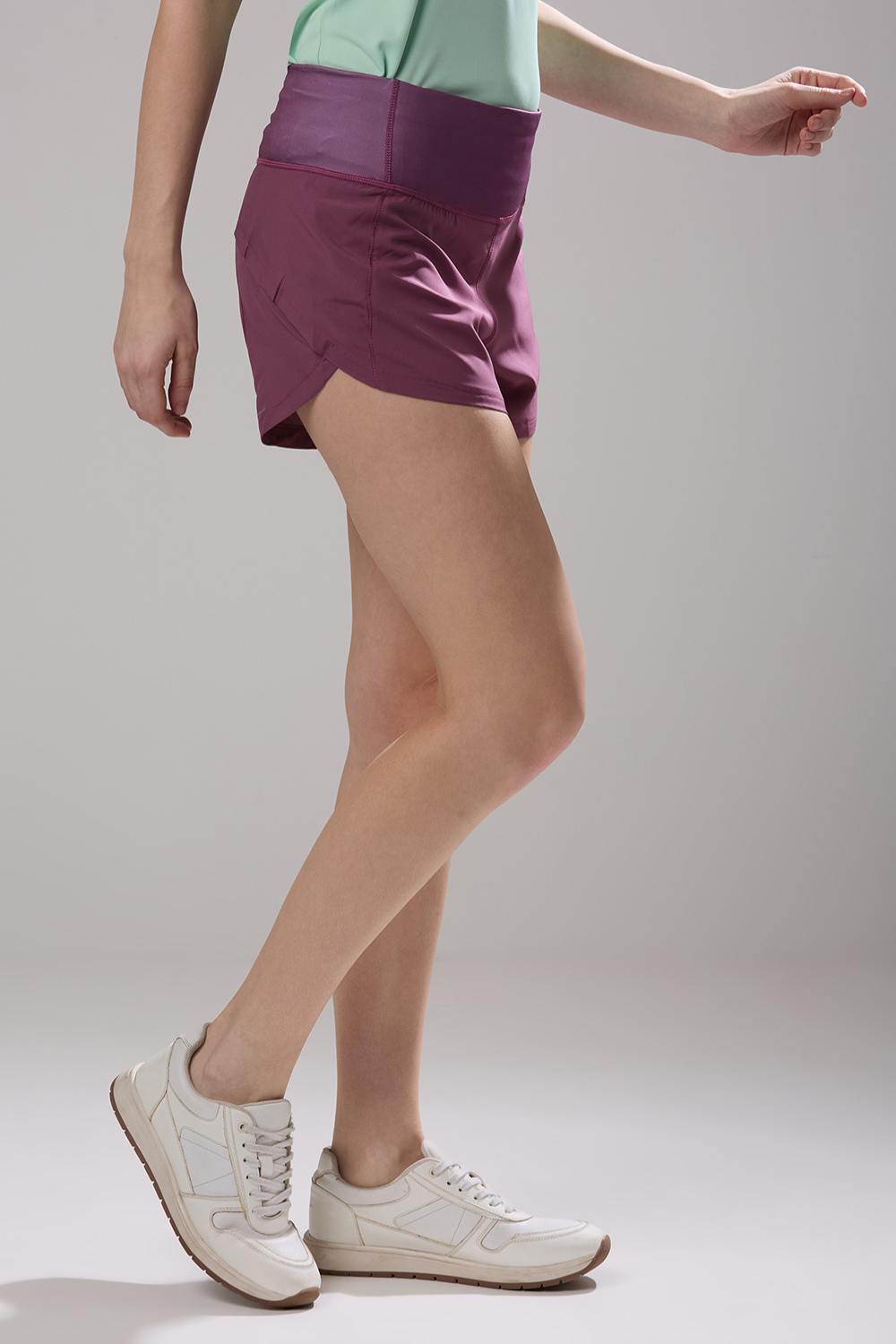
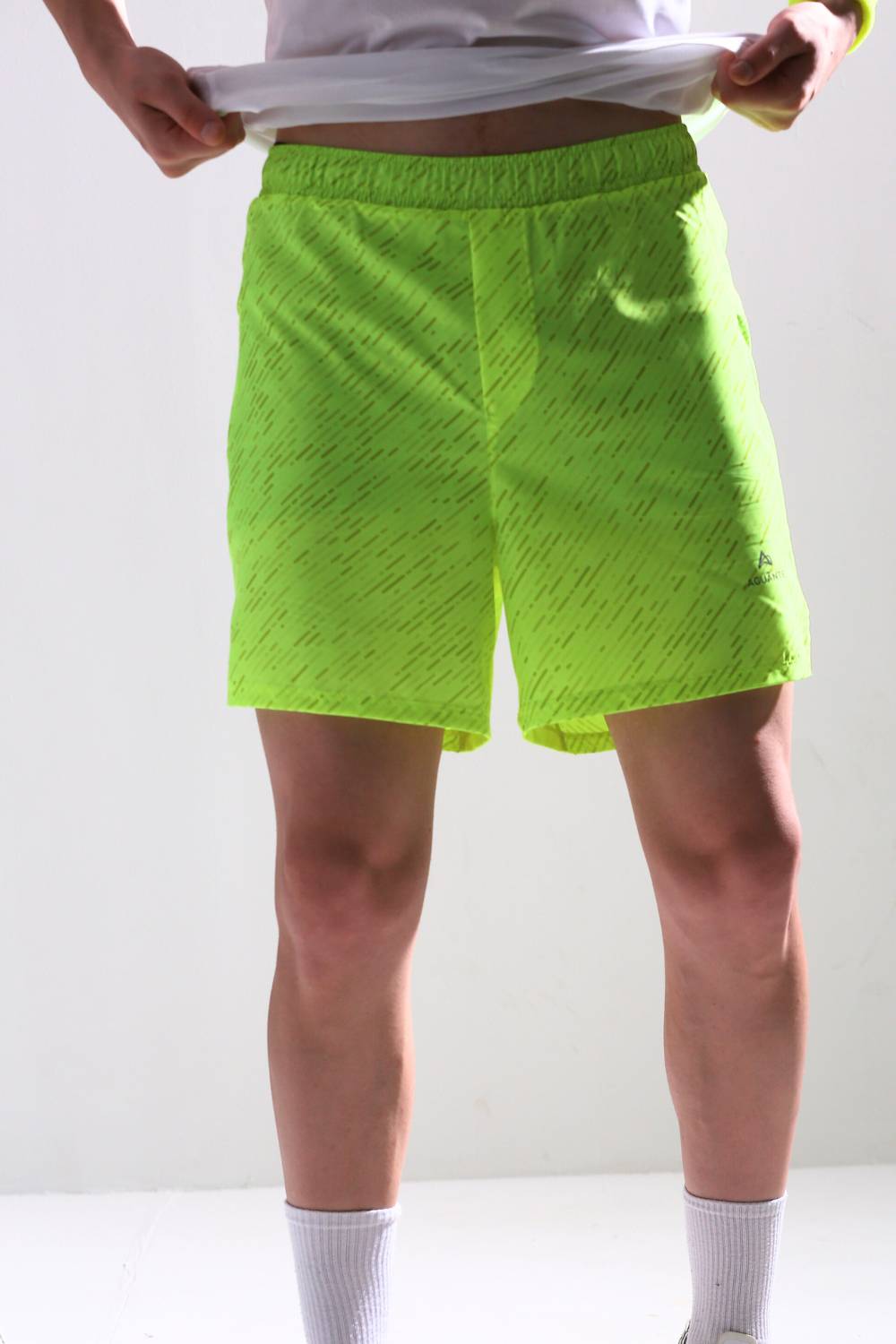
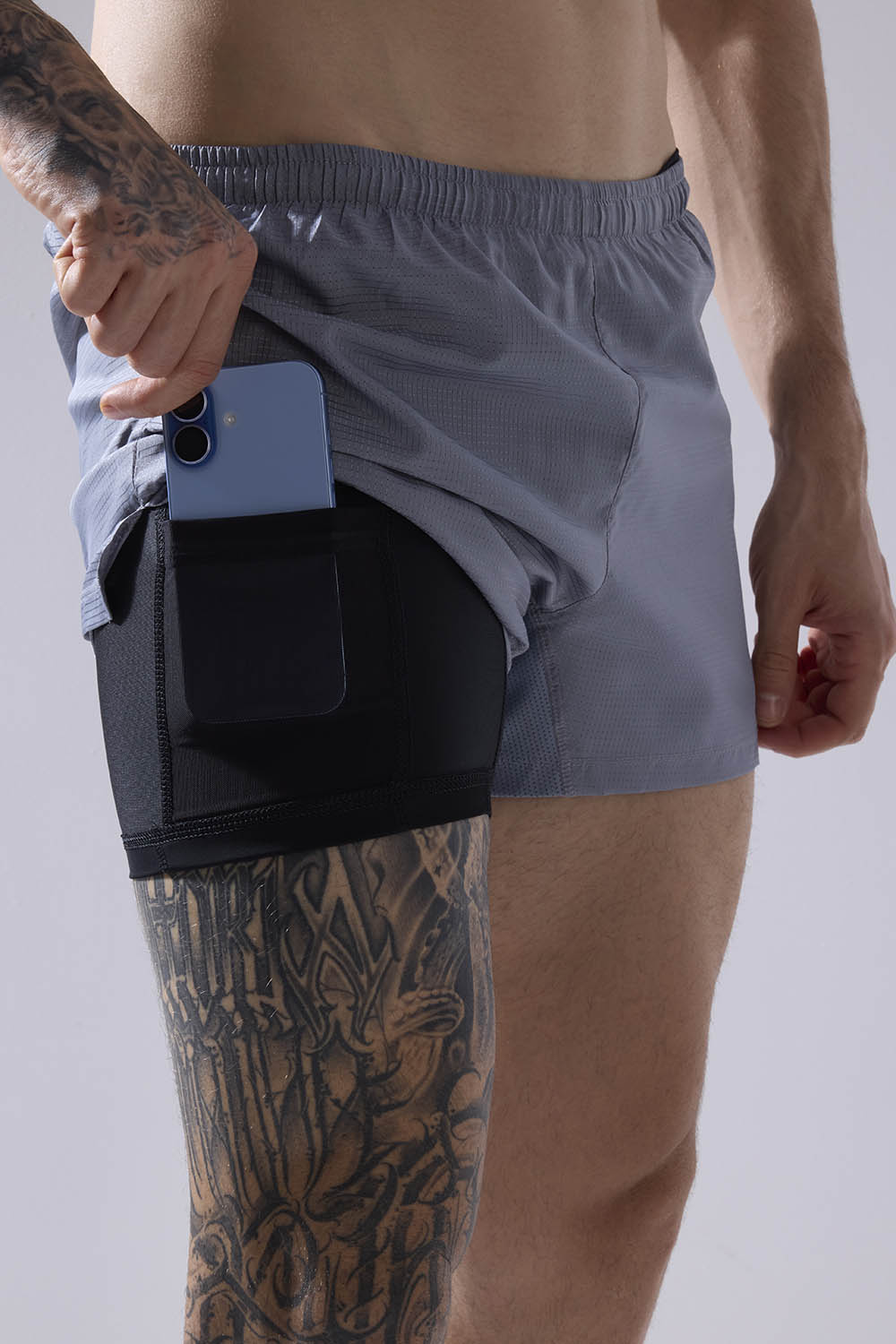
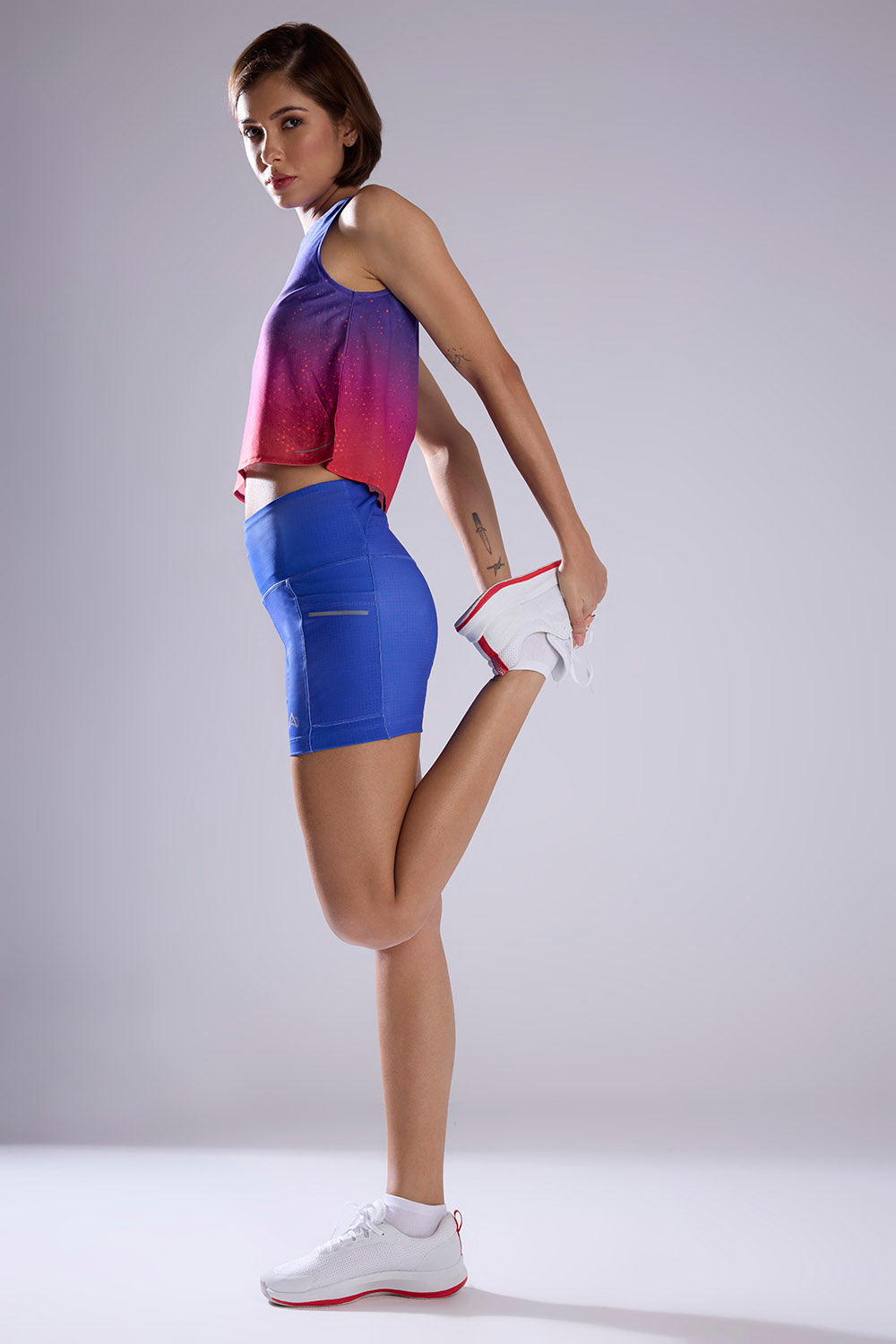
Performance clothing is built around solving practical problems. A breathable shirt, pair of shorts, or layer should support the runner's experience rather than simply complete an outfit. Features such as ventilation placement, fabric construction, and lightweight design often determine how useful a garment feels during training.
This approach encourages runners to think about apparel as part of their preparation. Just as runners consider shoes, hydration, and training plans, clothing choices can also influence how comfortable a session feels.
How Breathable Apparel Supports Better Running Experiences
Comfort plays an important role in consistency. When runners feel comfortable in their clothing, they can spend more energy focusing on pace, distance, and technique. Breathable apparel helps remove one of the common distractions during exercise: clothing that does not respond well to heat and sweat.
For recreational runners and experienced athletes alike, choosing the right clothing is about matching apparel features with personal needs. Someone training for longer distances may prioritise moisture management and lightweight construction, while another runner may focus on comfort during everyday fitness sessions.
The relationship between clothing and performance is not about replacing training effort or improving ability instantly. Instead, well-designed apparel supports the physical experience of running by helping manage the conditions runners encounter during activity.
Why Breathability Should Be a Key Consideration in Running Apparel
Breathability matters because running places continuous demands on the body and clothing. Heat, sweat, movement, and environmental conditions all influence how apparel feels during a workout. Choosing breathable materials helps runners find a better balance between comfort and performance.
As running apparel continues to develop, features such as airflow-focused designs, moisture management, and lightweight fabrics are becoming increasingly important considerations. For runners looking to improve their training experience, understanding these elements makes it easier to select clothing that supports their everyday goals.
Aguante's focus on running-focused activewear connects naturally with this conversation because runners need apparel designed around real movement challenges. By understanding the role of breathability, runners can make more informed decisions about the clothing features that matter most for their training and comfort.
Frequently Asked Questions
What are the best clothes for running in hot and humid weather?
The best clothes for running in hot and humid weather are lightweight, breathable garments that help manage sweat and allow airflow. Performance fabrics designed for moisture management and quick drying can help runners stay more comfortable during warm-weather workouts.
What should I wear for running in hot weather to stay cool?
To stay cool while running in hot weather, choose breathable running clothes for summer with a comfortable fit and lightweight construction. Avoid heavy fabrics that trap moisture, and select apparel that supports natural movement and heat release.
Why are moisture-wicking clothes important for running in humid weather?
Moisture-wicking clothes help move sweat away from the skin so it can evaporate more effectively during exercise. In humid conditions, where sweat evaporation can be slower, these fabrics can improve comfort by reducing the feeling of wet and heavy clothing.
Disclaimer: The above helpful resources content contains personal opinions and experiences. The information provided is for general knowledge and does not constitute professional advice.
You may also be interested in: The Science of Running Apparel: Why Fit and Comfort Matter
Tired of gear that slows you down? Chafing, soggy fabrics, and missing pockets kill your run's momentum. At Aguante, we're runners who get it. Our high-performance activewear features moisture-wicking fabrics, ergonomic designs, and smart storage to keep you focused. Shop Now!
Powered by flareAI.co