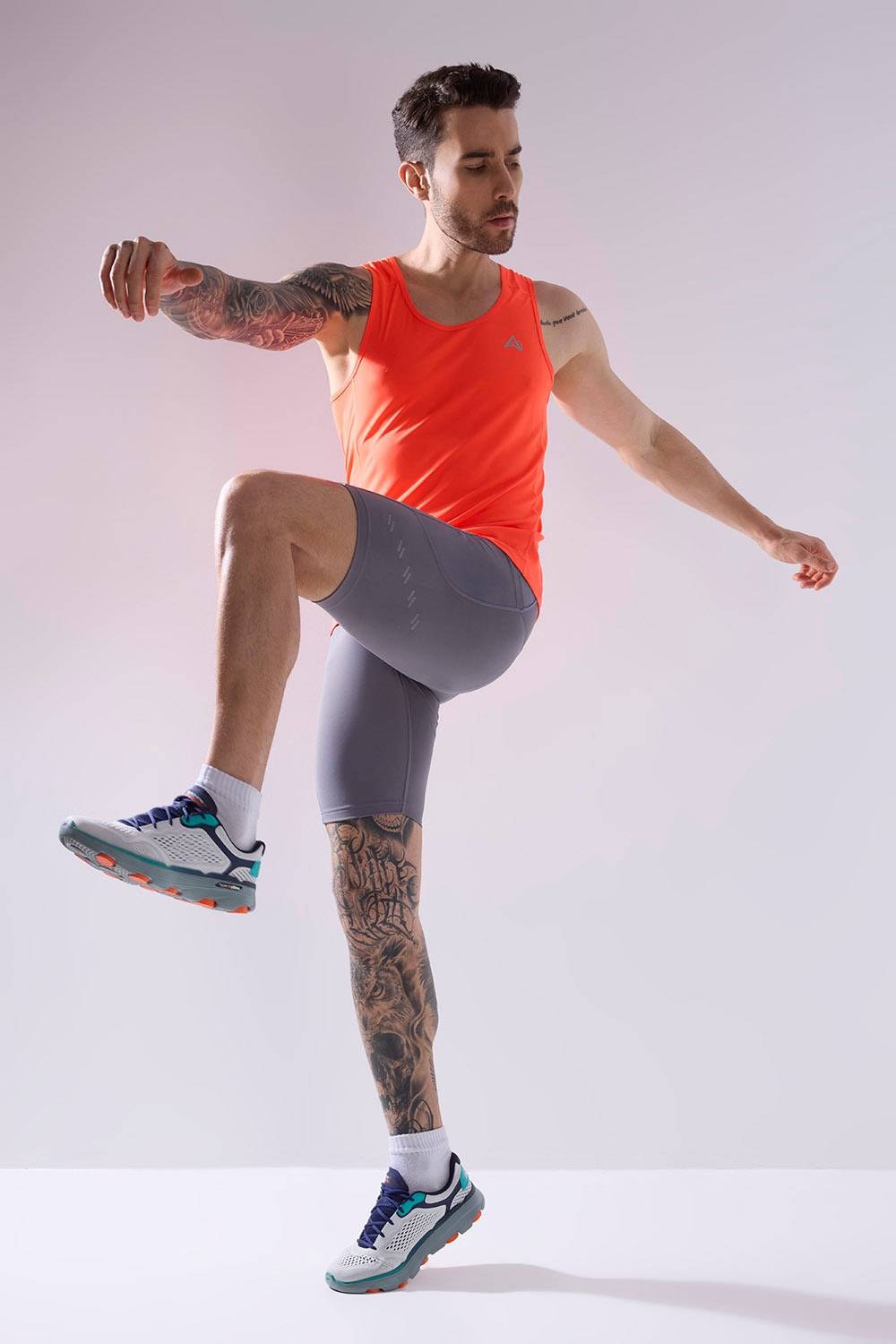
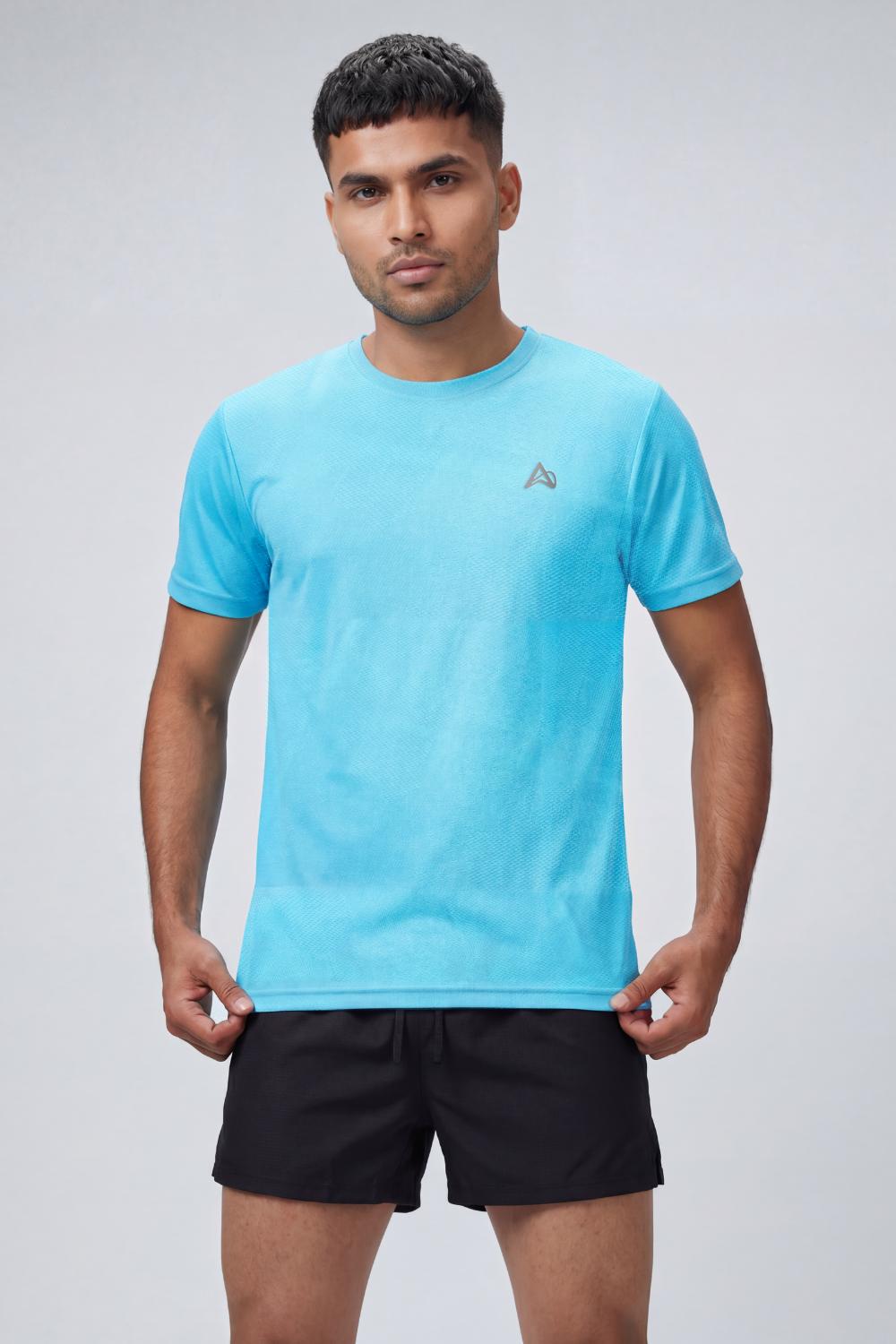
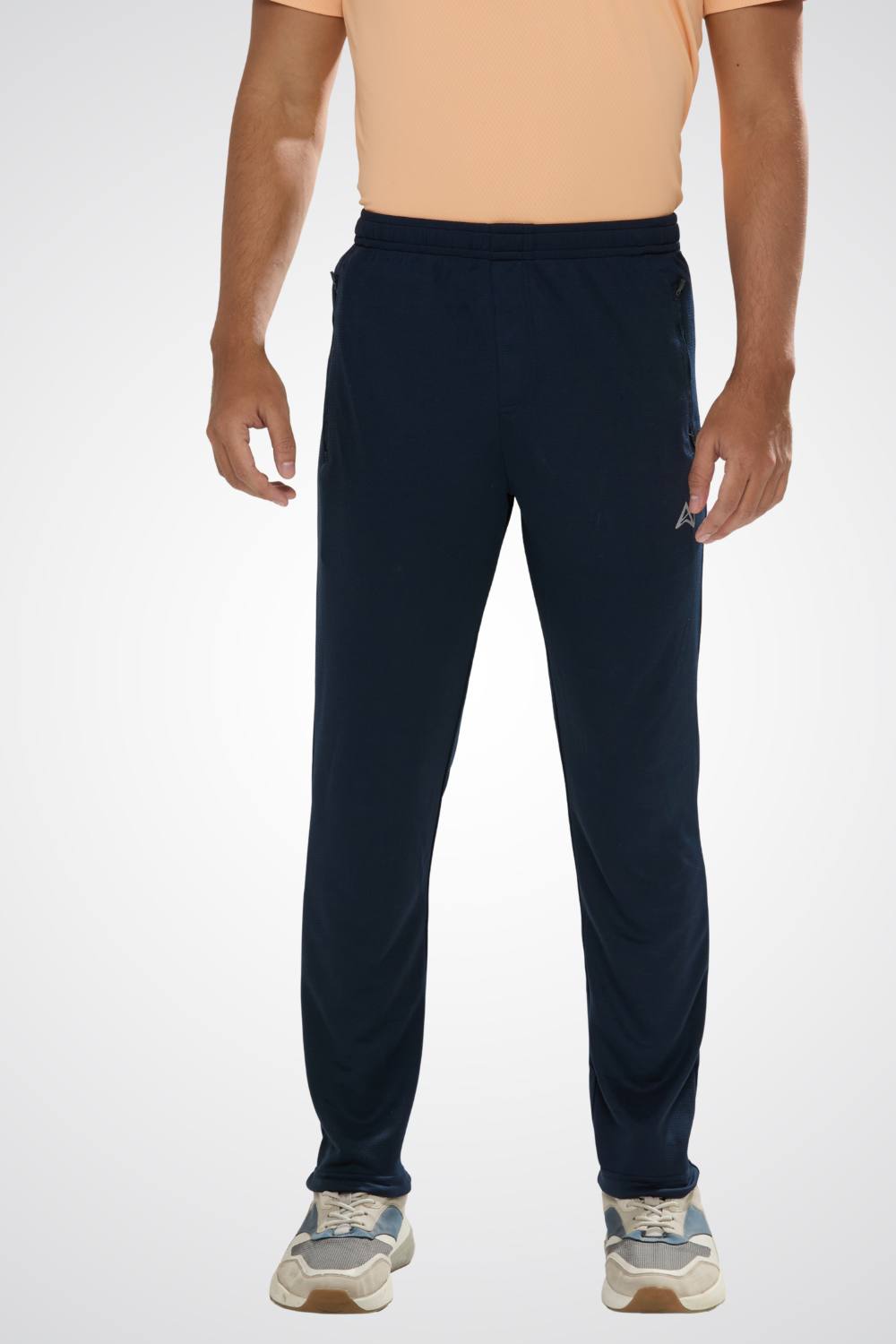
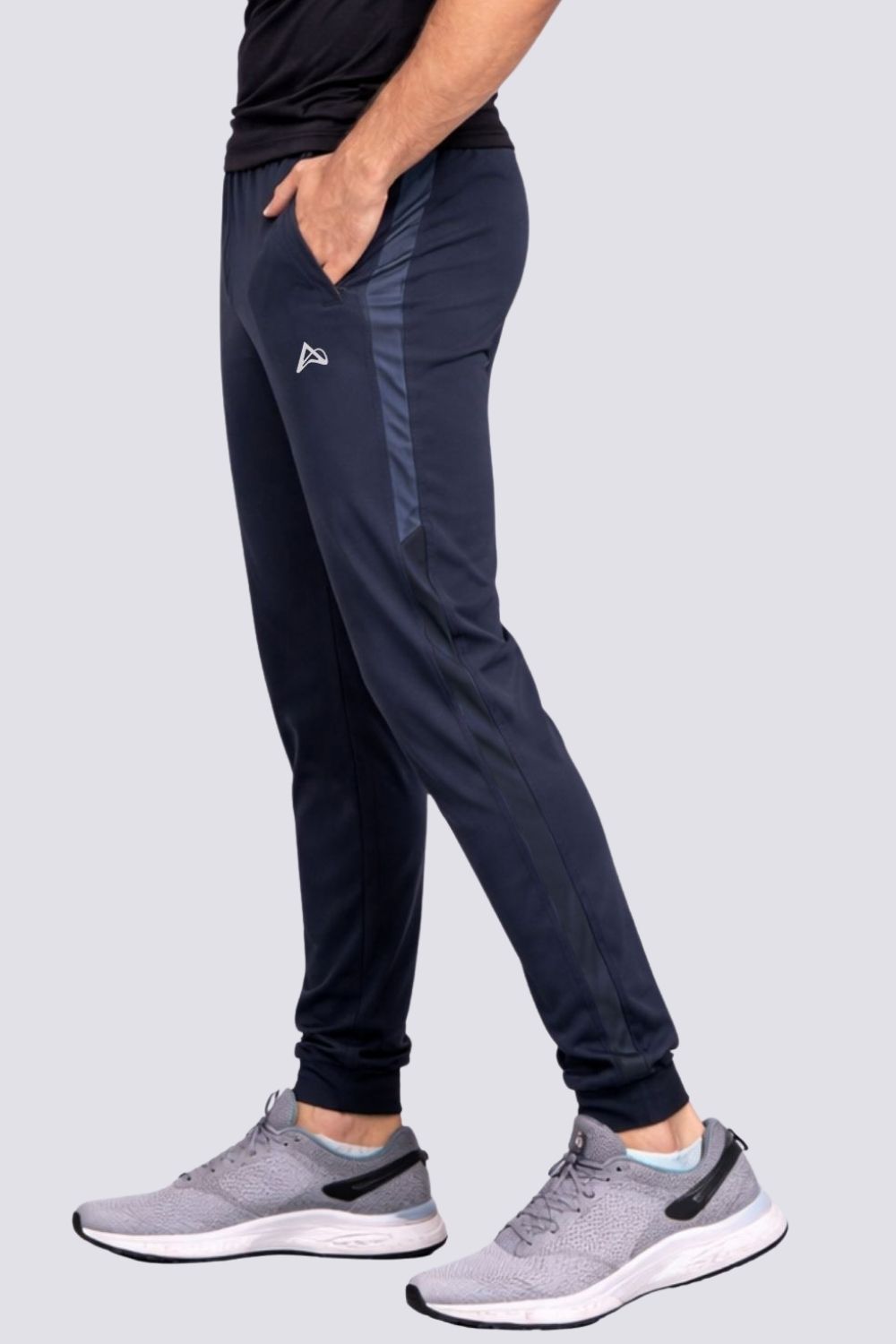
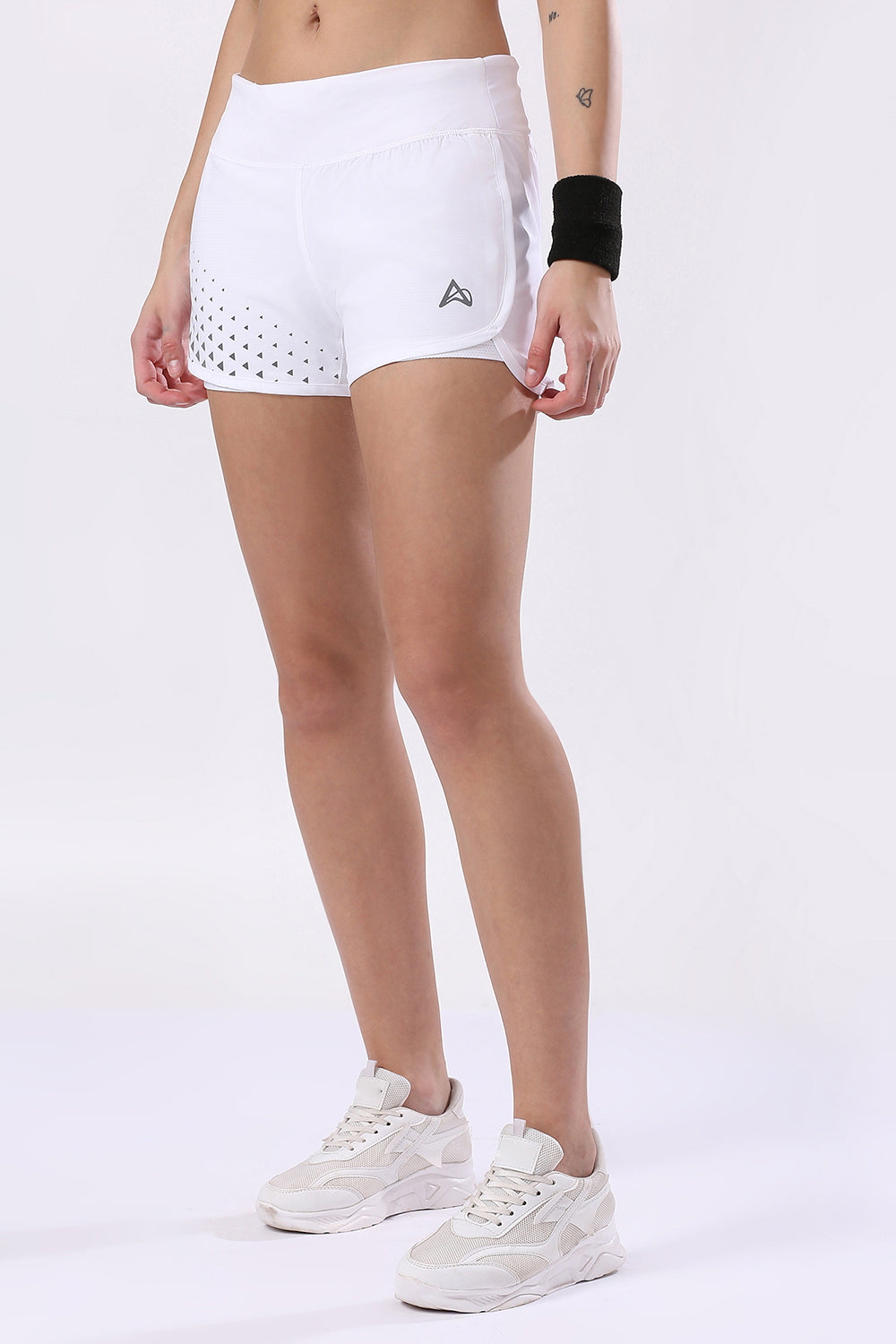
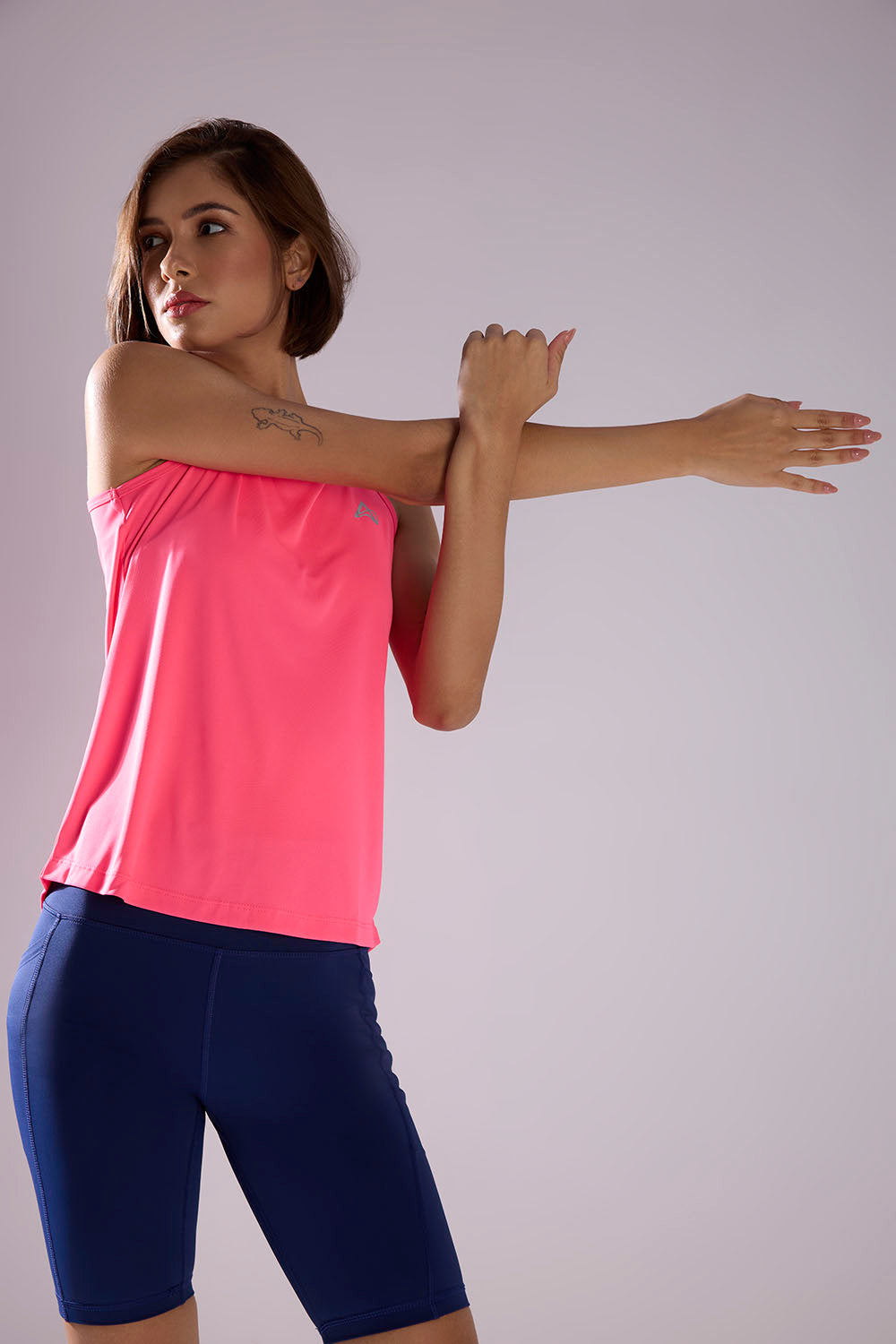
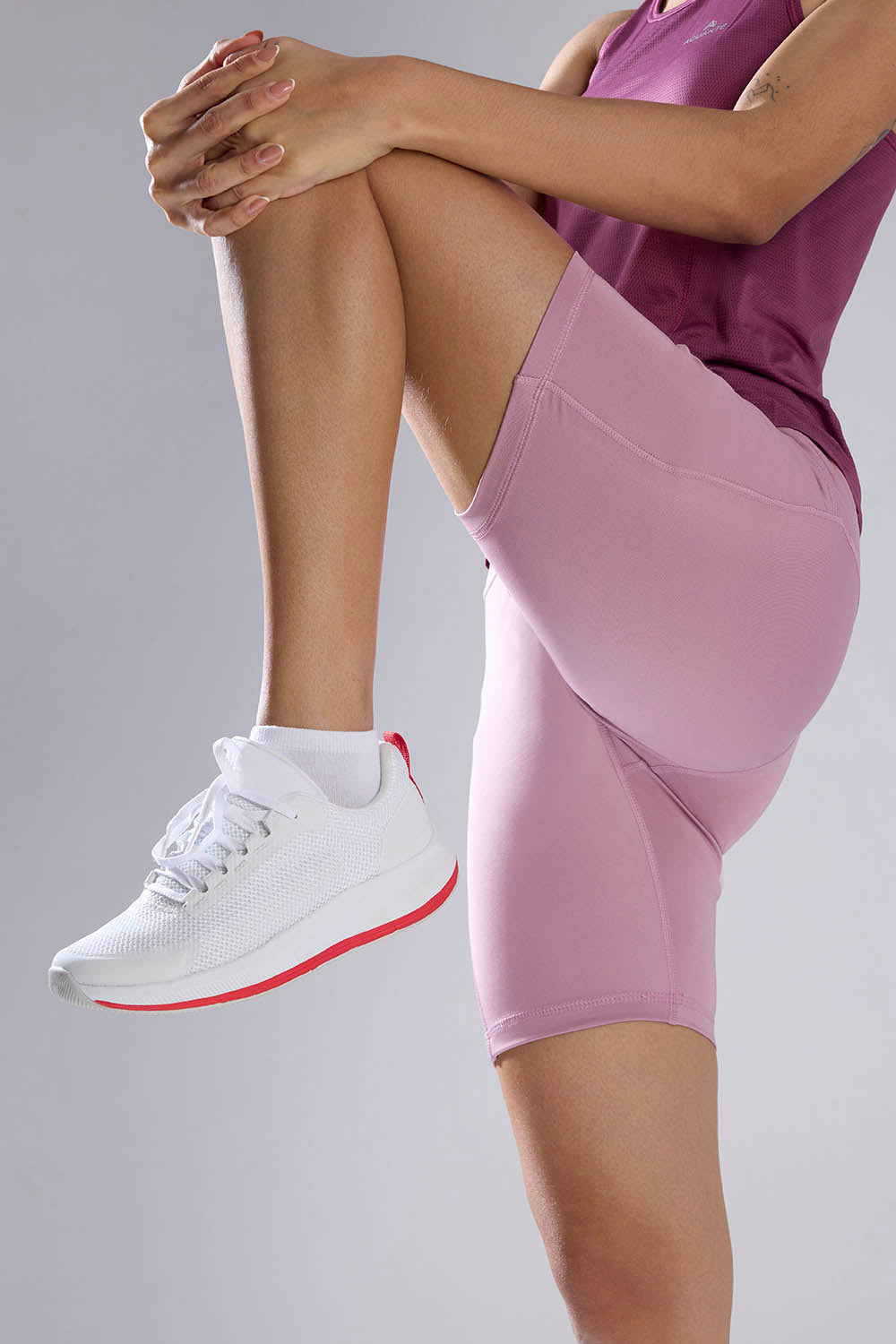
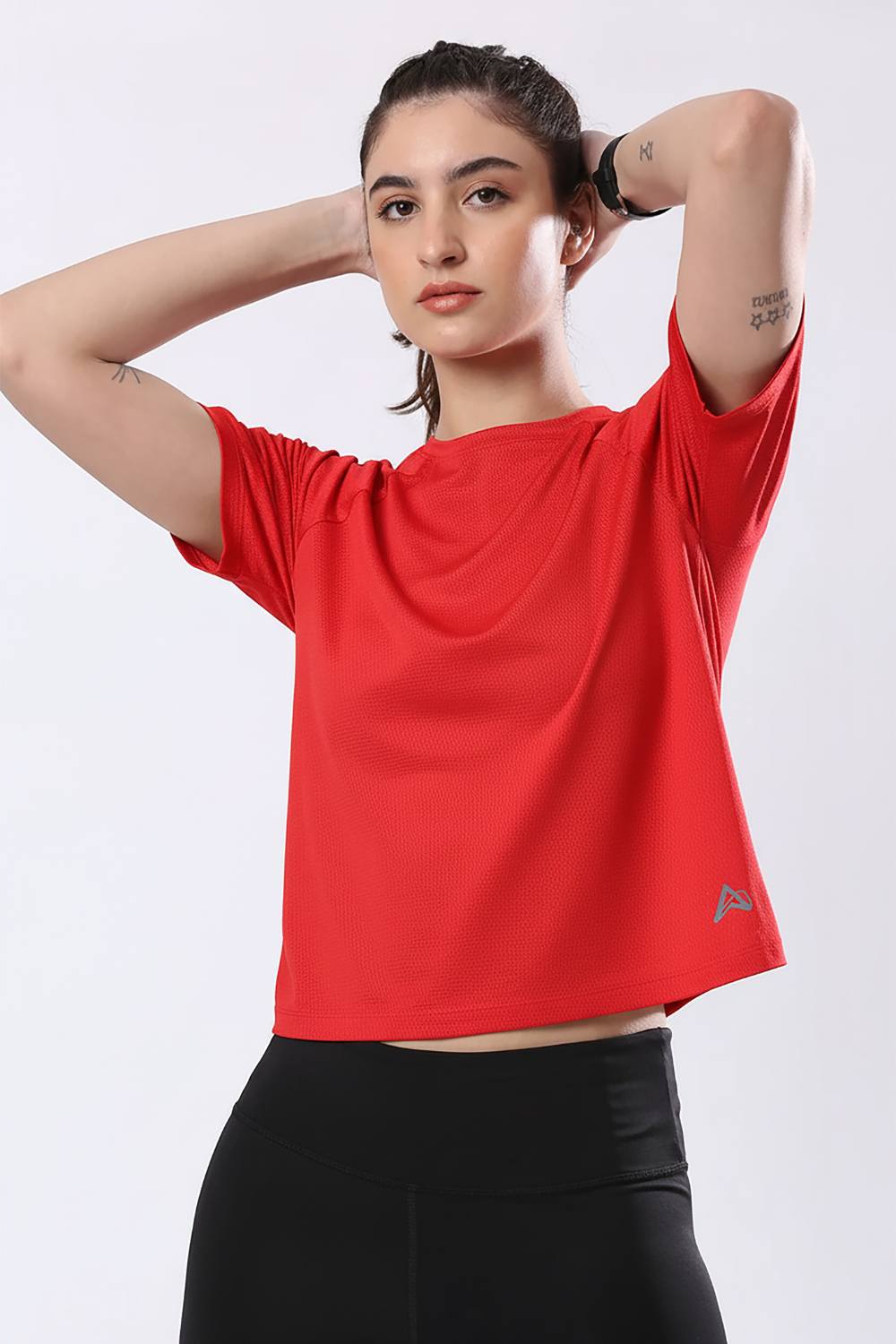
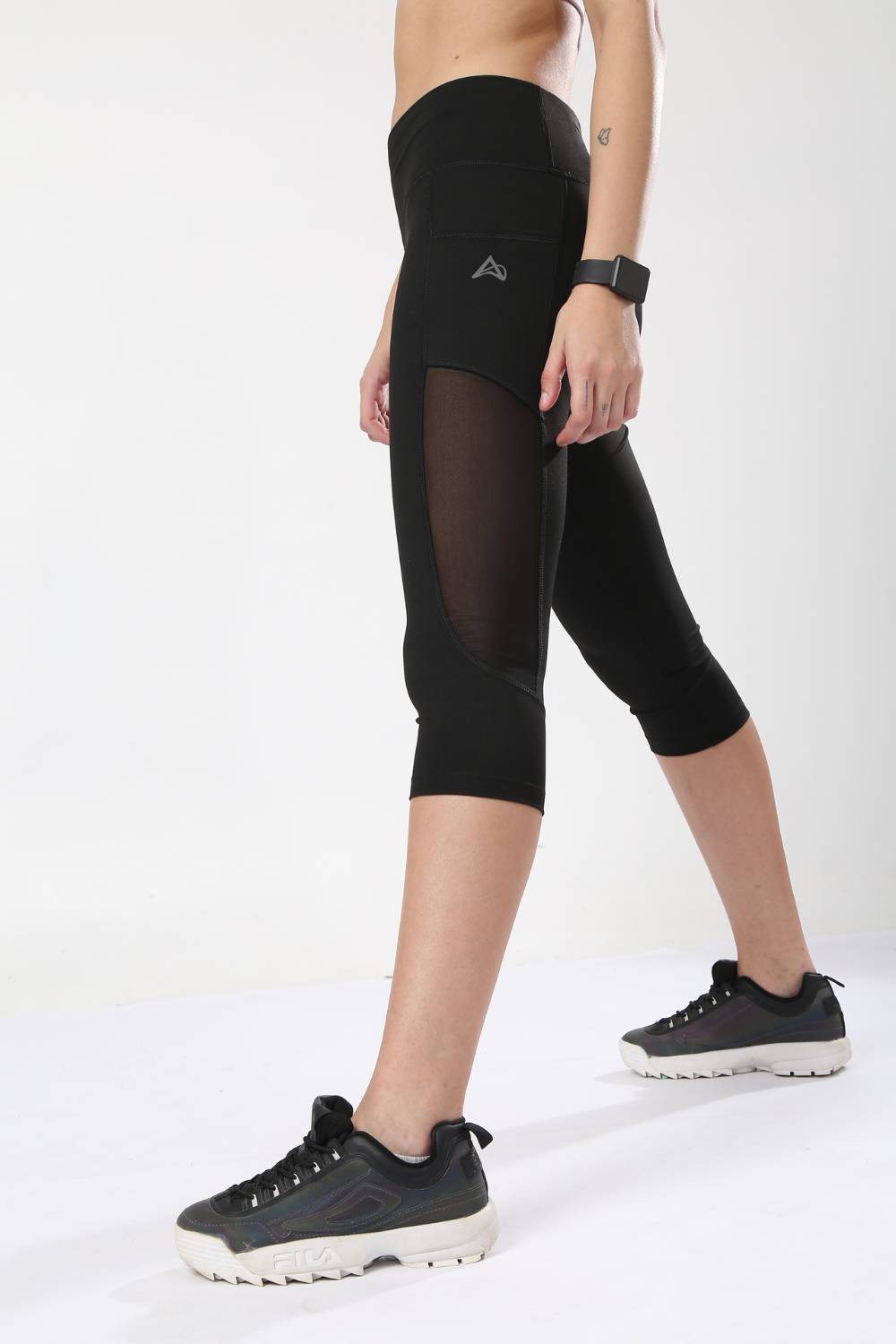
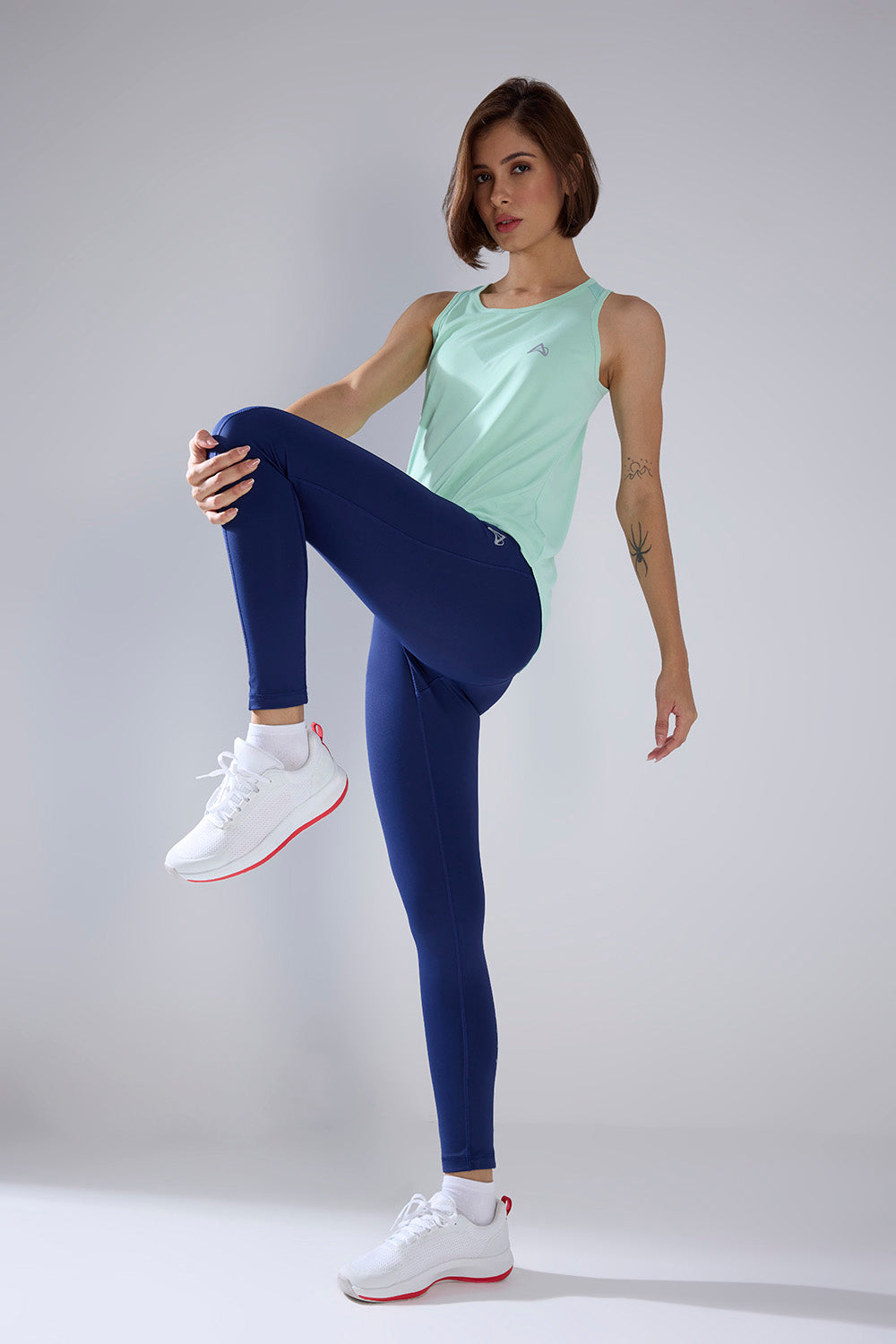

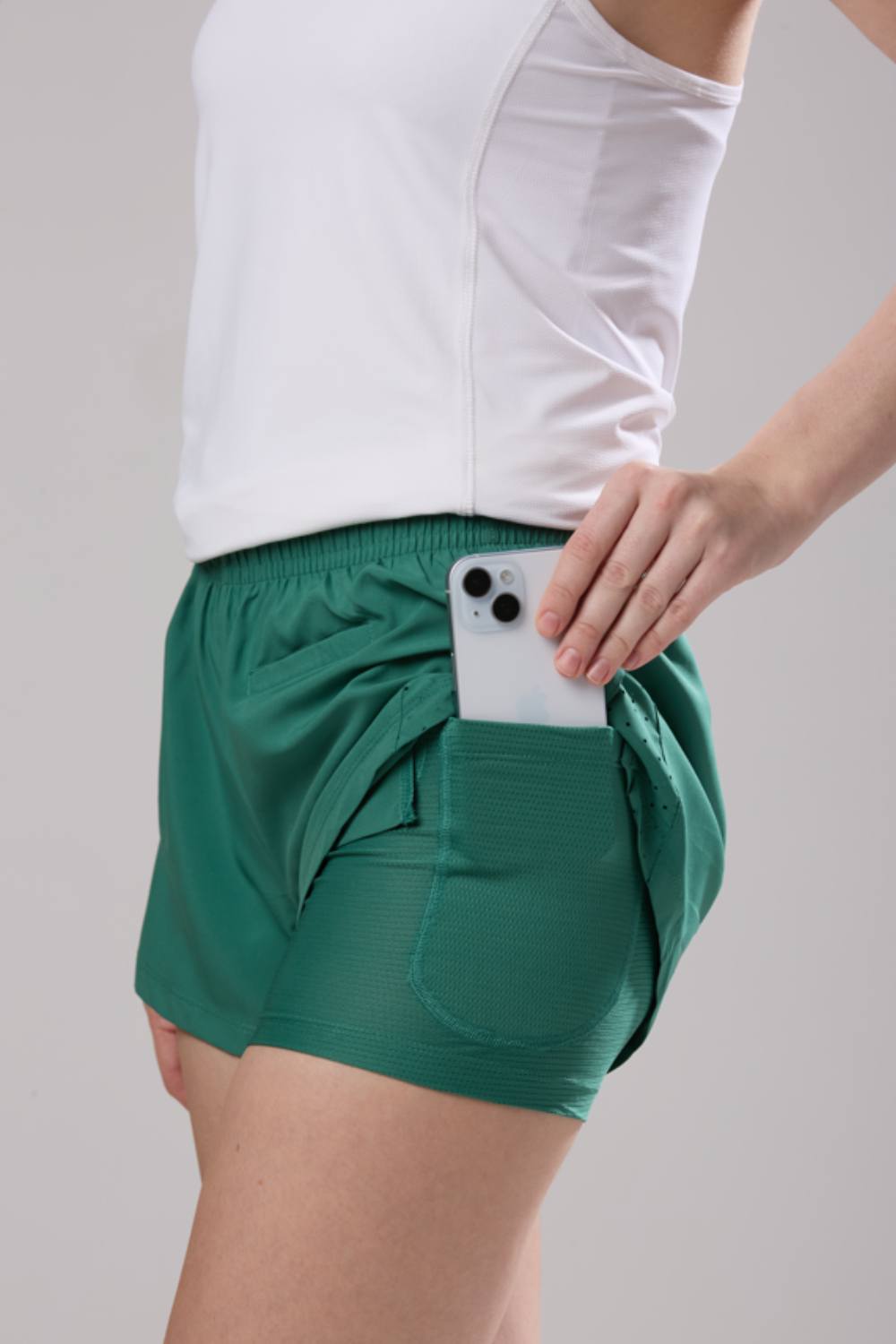
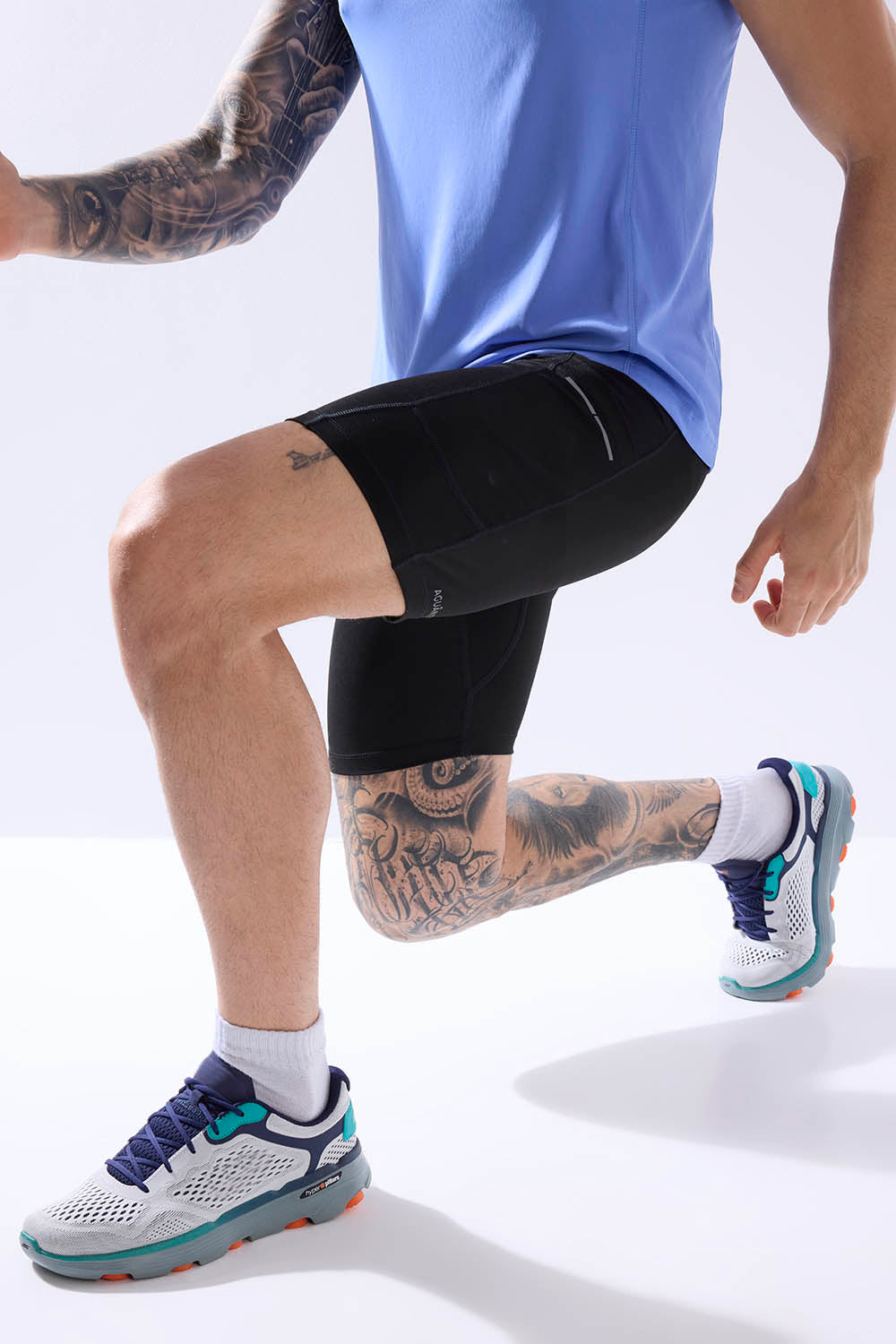
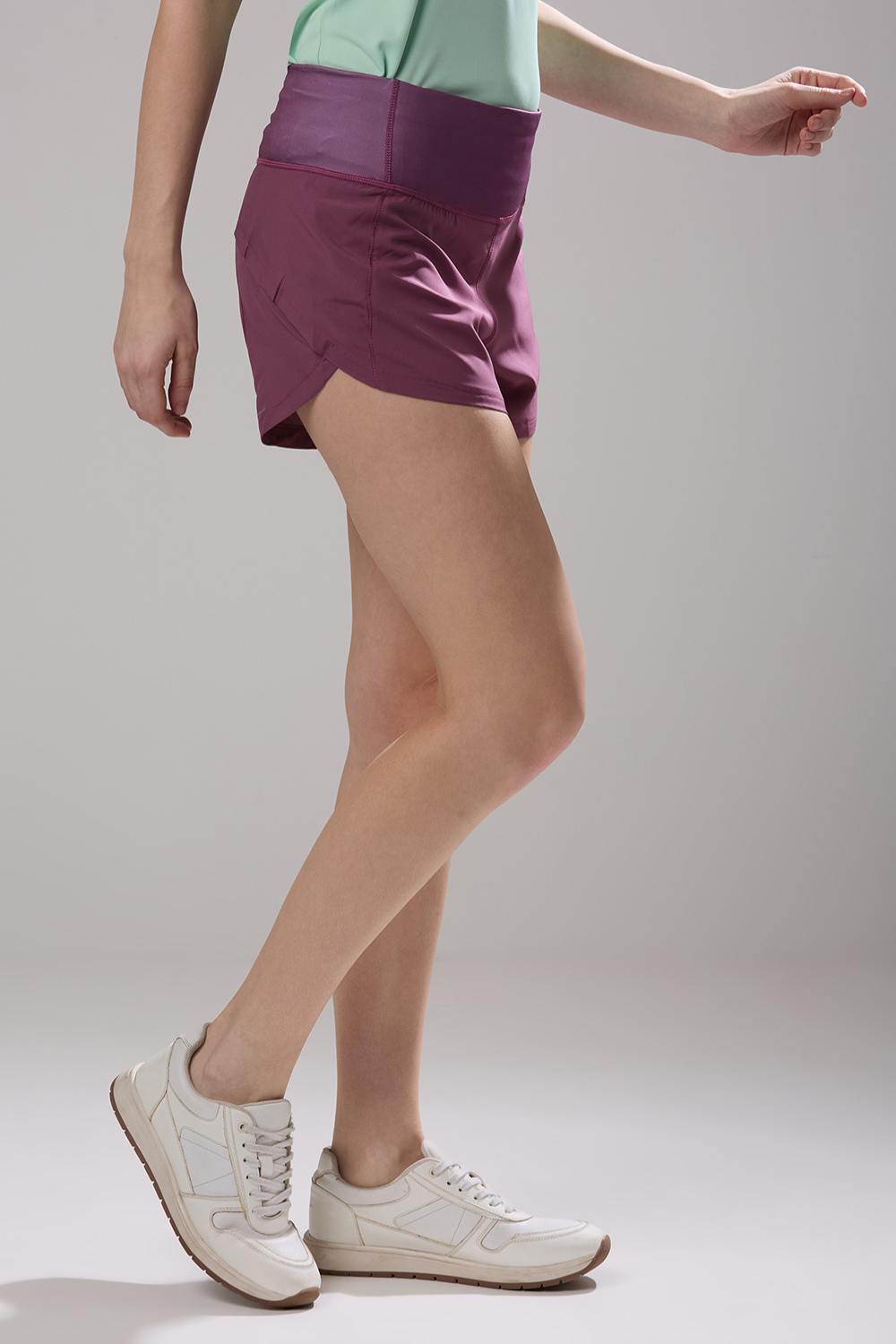
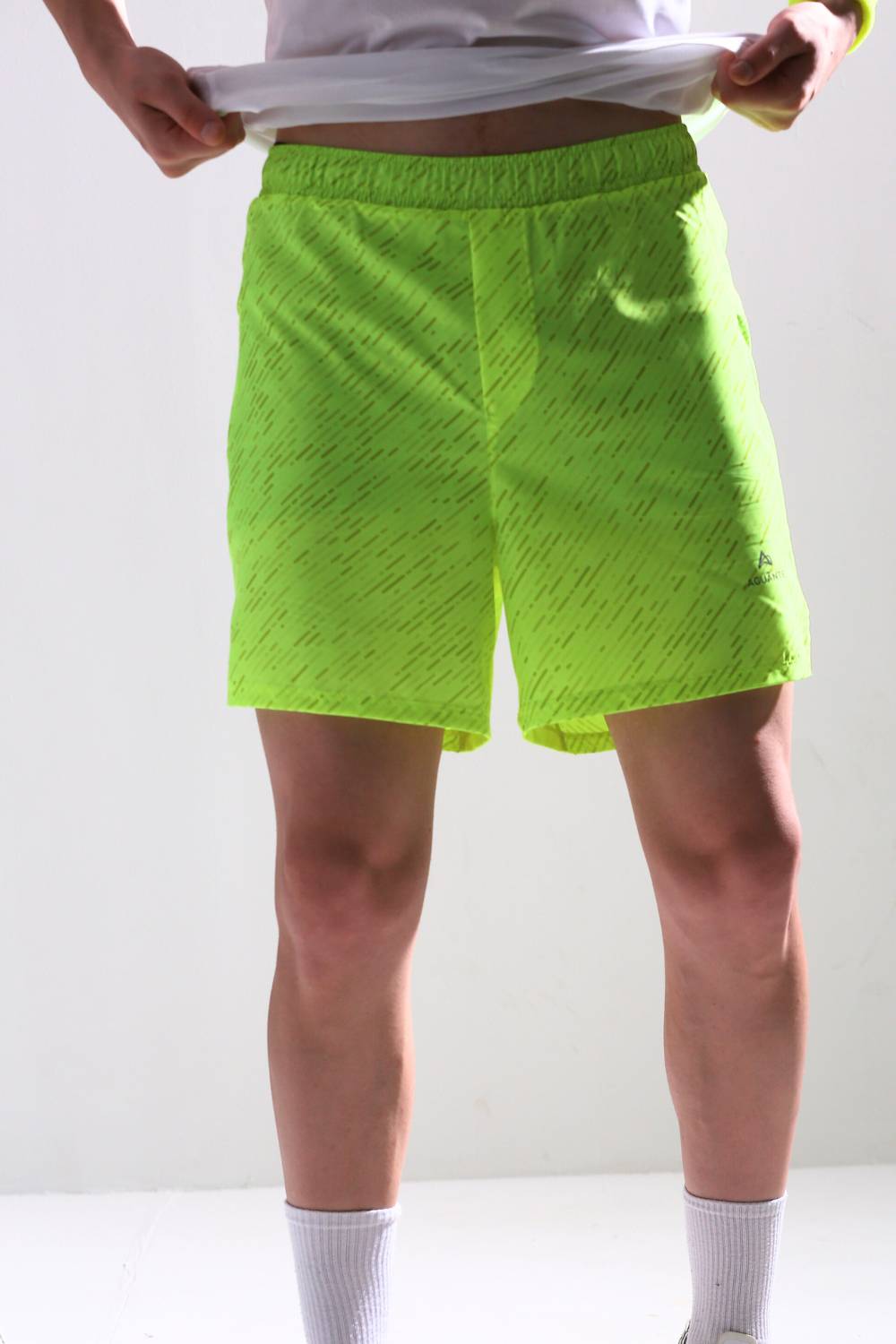
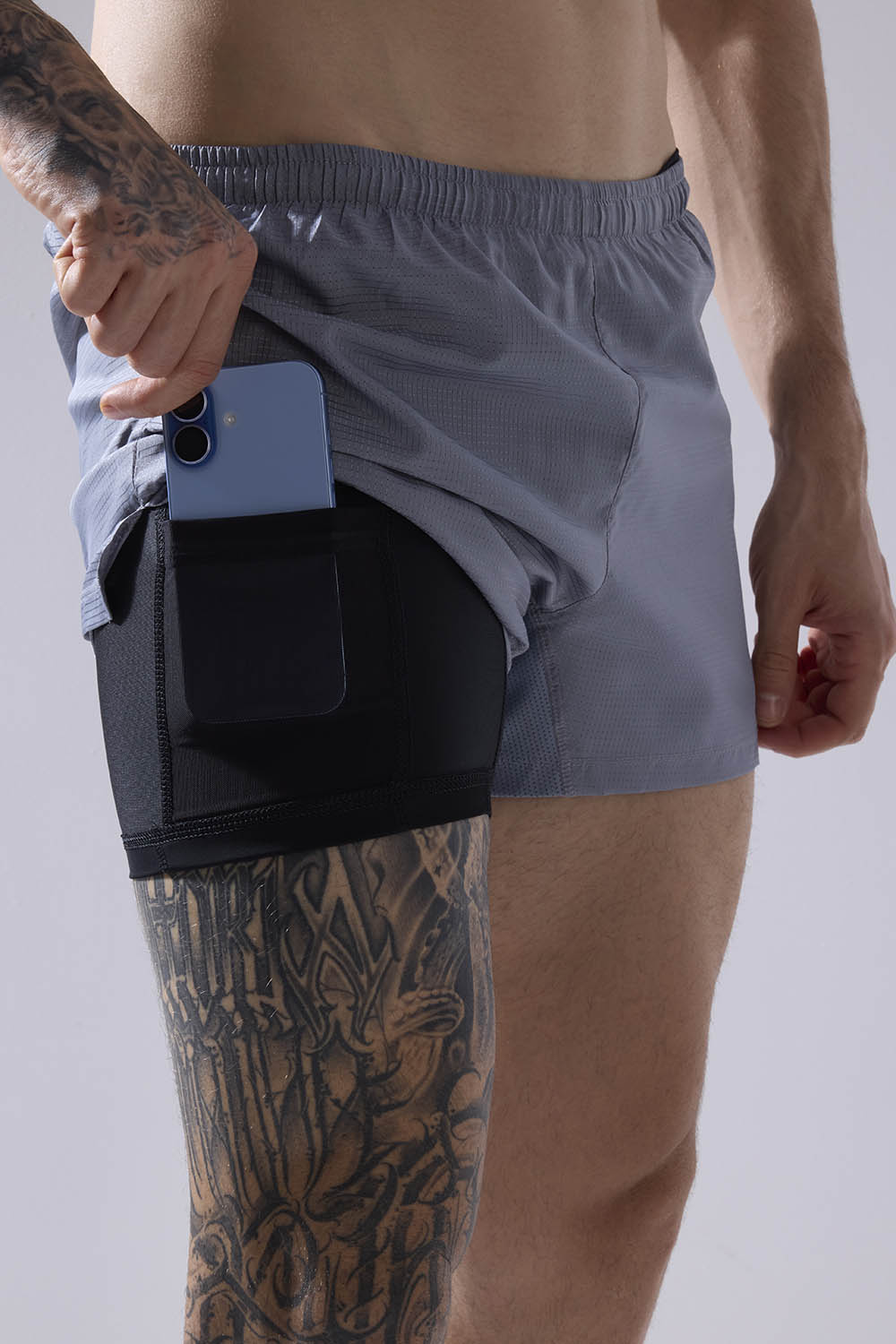

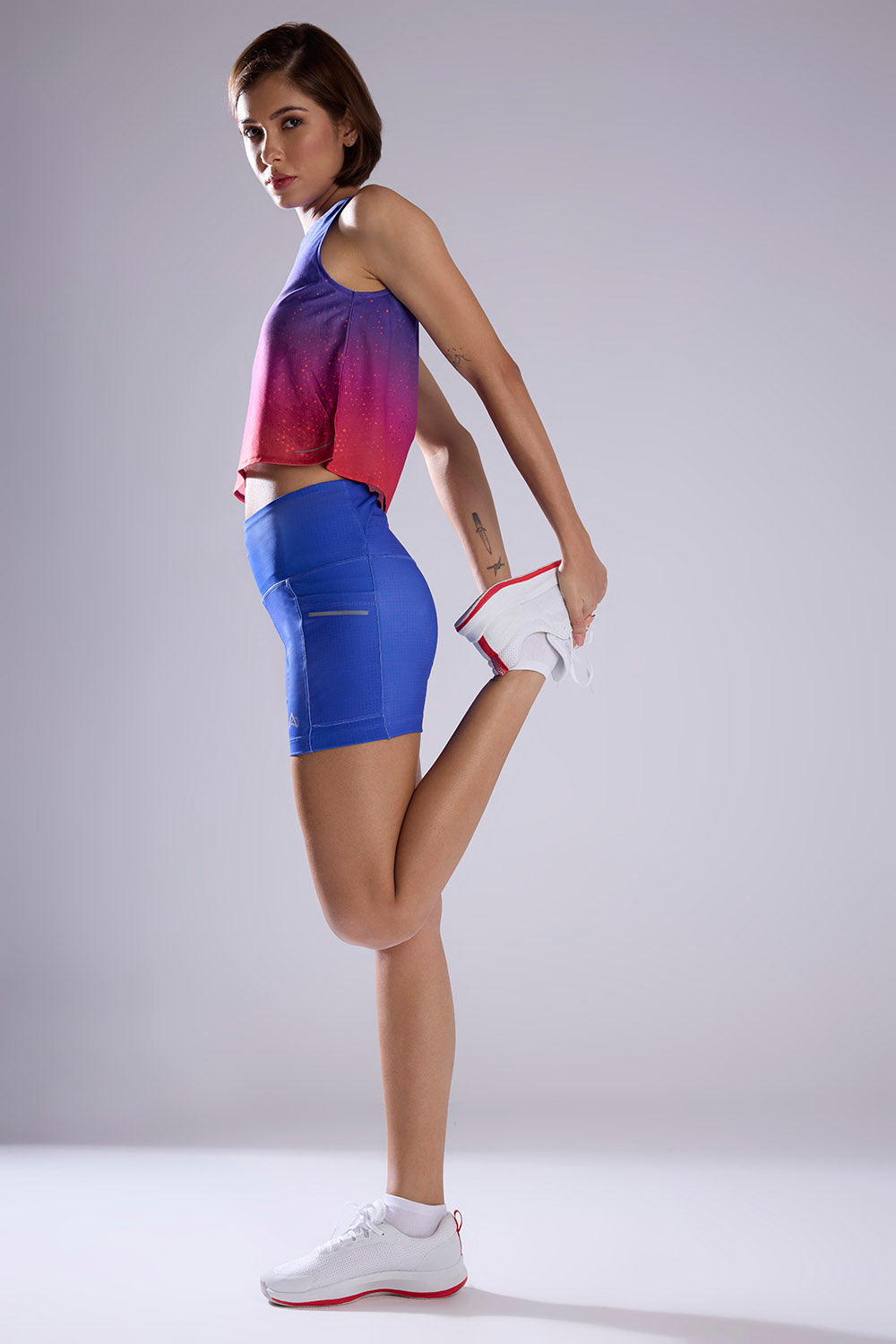
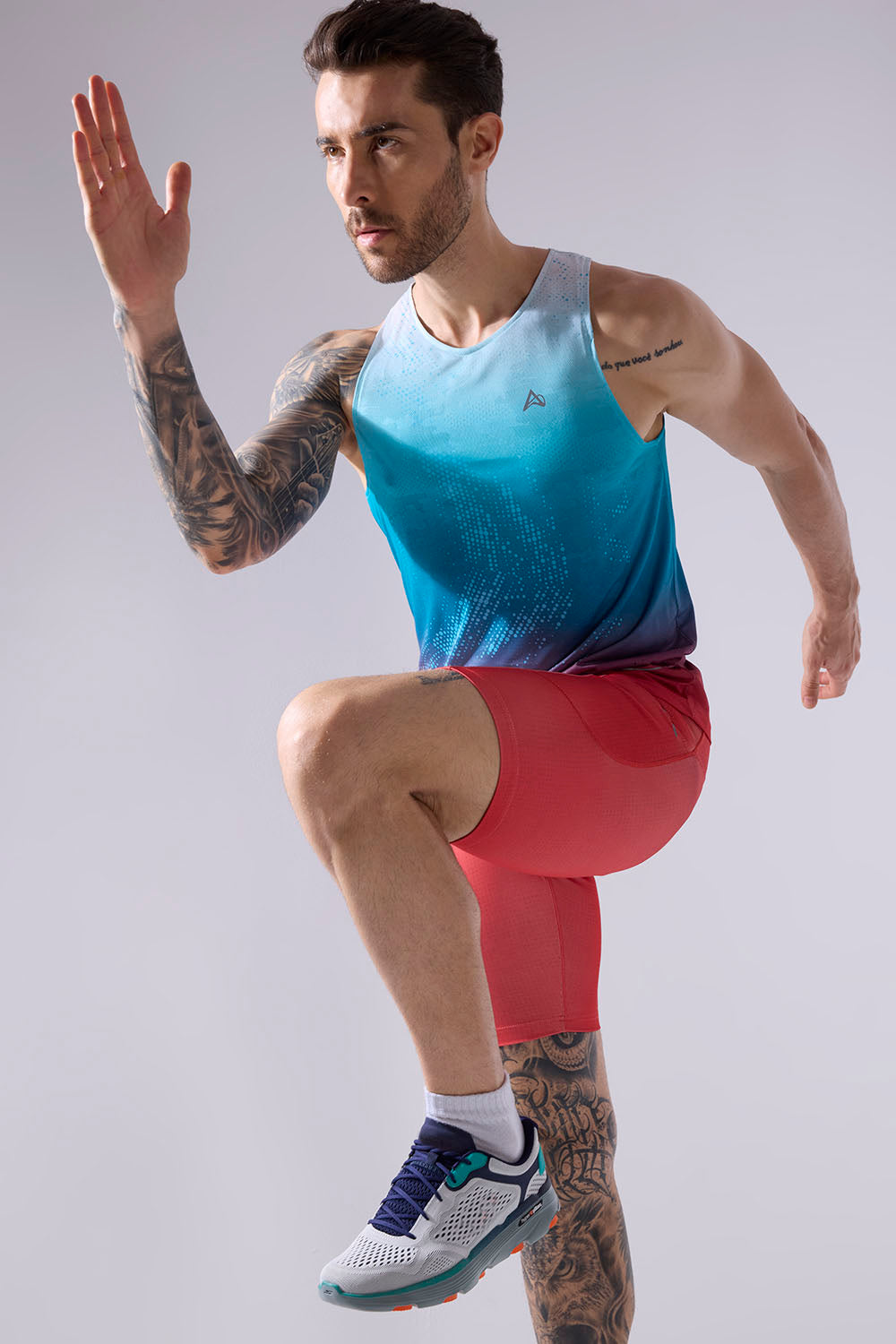

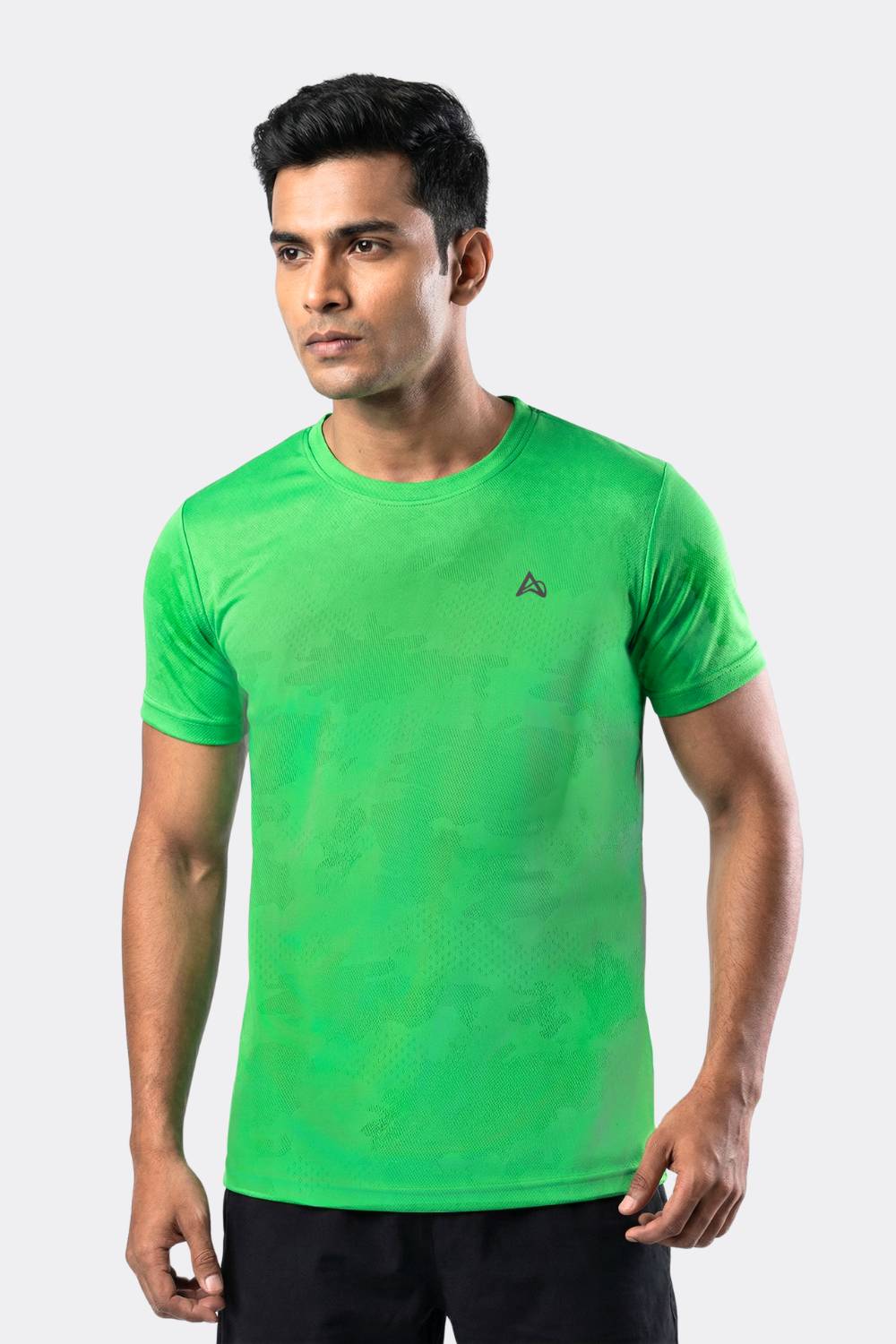
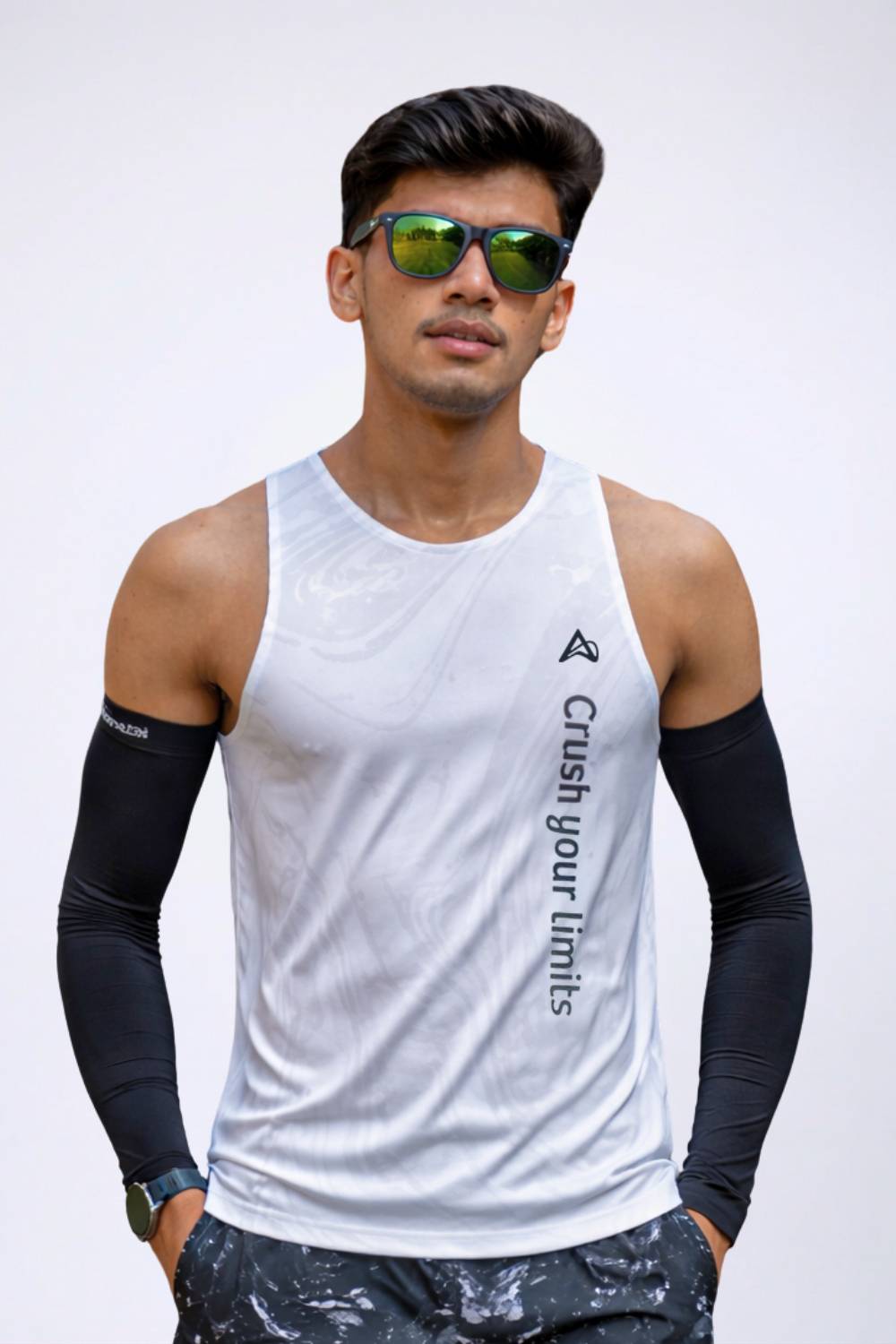

Why Breathability Is Essential for Endurance Sports is a question that matters every time an athlete spends longer periods running, training, or competing outdoors. Endurance exercise places continuous demands on the body: muscles generate heat, the skin produces sweat, and changing environmental conditions influence how comfortable an athlete feels. Clothing plays an important role in helping manage these challenges because the fabric and construction determine how effectively heat, air, and moisture move between the body and the surrounding environment.
For runners and endurance athletes, breathable sportswear is not simply about feeling lighter at the beginning of a workout. It is about maintaining comfort as intensity increases and conditions become more demanding. Understanding how breathability works helps athletes make better choices about their training apparel and recognise why fabric technology has become an important part of performance preparation.
Tired of gear that slows you down? Chafing, soggy fabrics, and missing pockets kill your run's momentum. At Aguante, we're runners who get it. Our high-performance activewear features moisture-wicking fabrics, ergonomic designs, and smart storage to keep you focused. Shop Now!
Why Breathability Matters During Long-duration Activity
During endurance activities, the body constantly works to maintain a stable temperature. As exercise continues, internal heat production increases, and sweat becomes one of the body's primary cooling mechanisms. Clothing that traps heat or slows moisture movement can make an athlete feel uncomfortable and distracted, especially during longer sessions.
Breathability allows air to move through a garment, helping support the exchange of heat and moisture. This does not mean that a garment simply needs to feel thin or loose. Effective performance apparel balances airflow, fabric structure, fit, and moisture management so that the clothing supports the body's natural cooling process.
For marathon runners, distance athletes, and regular endurance trainers, small comfort issues can become more noticeable over time. A garment that feels acceptable during a short workout may create challenges during extended activity because sweat accumulation, friction, and heat retention increase as the session continues.
The Connection Between Airflow, Sweat, and Athletic Comfort
Breathability and moisture management work together. When sweat moves away from the skin, it can evaporate more effectively, helping the body release heat. When moisture remains trapped against the body, clothing can become heavier and less comfortable.
Fabric science for extreme heat highlights why clothing performance depends on more than choosing a lightweight material. Air permeability, moisture movement, garment construction, fit, and activity conditions all influence how clothing interacts with the body's cooling system.
Moisture wicking fabric for runners is designed around this principle. Instead of allowing sweat to remain concentrated near the skin, performance fabrics help move moisture toward the outer surface where it can dry more easily. This approach can support comfort during demanding training sessions where the athlete spends extended time in motion.
However, breathability is not created by one feature alone. The weave of the fabric, placement of ventilation areas, and overall garment design all contribute to how well clothing performs during endurance activities.
How Breathable Clothing Supports Endurance Performance
The benefits of breathable clothing are closely connected to how athletes manage effort over time. Endurance sports require consistency, and discomfort caused by heat or moisture can affect focus, pacing, and the overall training experience.
When clothing supports airflow and moisture transfer, athletes can spend more attention on their movement rather than adjusting uncomfortable layers or dealing with excess dampness. This is particularly valuable during outdoor runs, where temperature, humidity, and sunlight can change throughout the session.
For athletes searching for the best running clothes for hot weather, breathability should be considered alongside other practical factors such as fit, durability, and freedom of movement. A breathable garment should allow natural movement while helping manage the changing conditions created by physical effort.
Recent textile research also shows how fabric innovation is moving toward broader thermal management solutions. Researchers at the University of South Australia and Zhengzhou University developed a lightweight biodegradable textile designed to reflect solar radiation while supporting heat release and moisture management. The research demonstrates how future clothing technologies may combine multiple functions, including airflow, cooling, and moisture control, rather than focusing on a single material characteristic. New cooling textile research provides insight into this direction.
Why Fabric Technology Matters for Endurance Athletes
Modern performance apparel is shaped by the relationship between athletes, environments, and materials. A runner training in warm outdoor conditions faces different challenges from someone exercising indoors or competing in cooler weather. Clothing needs to respond to these changing situations rather than simply provide coverage.
Technical fabrics are developed to address specific performance needs, including ventilation, drying speed, and comfort during movement. These features are especially relevant for endurance athletes because their clothing must perform over longer periods rather than only during short bursts of activity.
Fabric technology also influences how garments feel throughout a training session. A well-designed piece of running apparel can help reduce distractions caused by excessive moisture, uncomfortable weight, or restricted movement. This makes clothing selection part of an athlete's broader preparation strategy.
For brands creating performance apparel, the challenge is not only selecting advanced materials but also combining those materials with thoughtful design. The position of seams, the shape of panels, and the balance between support and ventilation all contribute to the final experience.
Choosing Breathable Sportswear for Endurance Training
Selecting breathable sportswear for endurance athletes requires looking beyond labels and marketing terms. Athletes should consider how a garment will perform during the activities they actually do, whether that means long-distance running, regular training sessions, or competitive events.
- Moisture management: The fabric should help move sweat away from the skin and support faster drying.
- Airflow: The garment should allow heat and moisture to escape during extended activity.
- Fit: Clothing should support movement without creating unnecessary restriction or reducing ventilation.
- Construction: Design details such as fabric placement and ventilation zones influence overall comfort.
- Activity requirements: The best choice depends on distance, intensity, weather conditions, and personal preferences.
Runners often spend significant time evaluating shoes, training plans, and recovery routines, but clothing deserves similar attention. Apparel is part of the equipment that supports consistent training, especially when workouts involve longer distances and changing conditions.
The Role of Breathability in Modern Running Apparel Design
Running apparel has evolved from simple workout clothing into equipment designed around athlete needs. Performance-focused garments now consider how the body moves, how heat builds during exercise, and how environmental factors affect comfort.
For endurance runners, this shift reflects a broader understanding that performance is influenced by many small details. Breathability, moisture control, fit, and durability work together to create clothing that supports the athlete throughout the entire session.
Aguante's focus on runner-oriented activewear connects naturally with this approach. The brand's category of performance apparel is built around the needs of people who spend time running and training, making education about fabric features and comfort an important part of helping athletes choose suitable gear.
Explaining why breathable clothing is important for running also helps athletes understand that apparel choices are not only about appearance. The right clothing can contribute to a more comfortable and consistent training experience by supporting the body's natural responses during physical activity.
Building Better Endurance Experiences Through Smarter Apparel Choices
Endurance sports test both physical preparation and equipment choices. While training, nutrition, and recovery remain essential parts of performance, clothing can influence how effectively athletes manage comfort during long periods of movement.
Breathability remains a foundational feature because effective cooling depends on the movement of air, heat, and moisture between the skin, clothing, and environment. As fabric technology continues to develop, performance apparel will increasingly focus on helping athletes handle real-world conditions with greater comfort.
For runners deciding what to wear for training or competition, understanding breathability provides a practical way to evaluate sportswear. The goal is not simply finding clothing that feels comfortable at the start of a run, but choosing apparel that continues to support the athlete as distance, effort, and environmental demands increase.
Frequently Asked Questions
Why is breathability important in endurance sports?
Breathability helps endurance athletes manage heat and moisture during long-duration activities by allowing better airflow and sweat movement. Breathable sportswear can improve comfort by supporting the body's natural cooling process during running and training sessions.
How does breathable clothing improve running performance?
Breathable clothing helps reduce discomfort caused by trapped heat, excess moisture, and heavy fabrics during extended exercise. By supporting moisture management and ventilation, breathable sportswear for endurance athletes can help runners stay focused on their movement and performance.
What should runners look for in breathable sportswear for hot weather?
Runners should consider features such as moisture wicking fabric, airflow, proper fit, and garment construction when choosing clothing for warm conditions. The best running clothes for hot weather should support sweat management while allowing comfortable movement during long-distance training or races.
Disclaimer: The above helpful resources content contains personal opinions and experiences. The information provided is for general knowledge and does not constitute professional advice.
You may also be interested in: How Running Shorts Designed for Endurance Training Improve Comfort
Tired of gear that slows you down? Chafing, soggy fabrics, and missing pockets kill your run's momentum. At Aguante, we're runners who get it. Our high-performance activewear features moisture-wicking fabrics, ergonomic designs, and smart storage to keep you focused. Shop Now!
Powered by flareAI.co