



Quick Listen:
Choosing performance running clothing is not simply about picking a lightweight outfit or following the latest sportswear trend. The right apparel can influence comfort, movement, and consistency during training by helping runners manage practical challenges such as sweat, changing temperatures, and long-distance fatigue. Before selecting running apparel, buyers should evaluate how a garment's materials, construction, fit, and features align with their personal running habits. A thoughtful approach helps runners avoid purchasing clothing that looks suitable but does not perform well during actual use.
Tired of gear that slows you down? Chafing, soggy fabrics, and missing pockets kill your run's momentum. At Aguante, we're runners who get it. Our high-performance activewear features moisture-wicking fabrics, ergonomic designs, and smart storage to keep you focused. Shop Now!
Start with the Running Environment and Training Needs
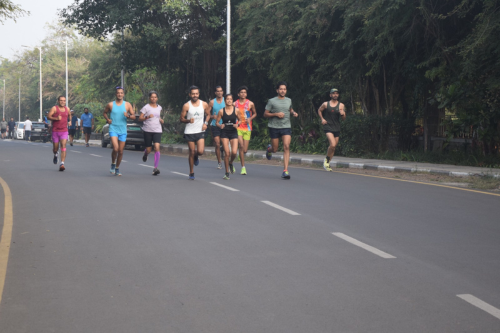
The first step in selecting performance running clothing is understanding where and how the apparel will be used. A runner training outdoors in humid conditions may prioritize breathability and quick drying, while someone running early mornings or evenings may focus more on layering and visibility features. The best choice depends on the environment, workout intensity, and duration of use.
Modern performance apparel is increasingly designed around real running conditions rather than appearance alone. Innovations in garment engineering are helping brands address common challenges such as heat buildup, trapped moisture, and changing weather conditions. For example, adaptive ventilation technology demonstrates how apparel design is moving toward solutions that respond to changing conditions during activity.
- Will the clothing be used for short training sessions, long-distance runs, or competitive events?
- Does the material suit the climate and intensity of the activity?
- Can the garment provide comfort across different stages of a run?
Understanding these factors helps buyers focus on performance needs rather than choosing clothing based only on appearance or brand familiarity.
Evaluate Fabric Performance and Moisture Management
Fabric is one of the most important elements to review before selecting running clothing. During exercise, the body generates heat and moisture, so effective apparel should help manage sweat while allowing comfortable movement. The right material can make a significant difference during longer training sessions when discomfort from damp or heavy clothing becomes more noticeable.
When comparing fabrics, runners should look for properties such as breathability, drying speed, softness, and durability. Moisture wicking running apparel is designed to move sweat away from the skin, helping maintain a more comfortable feel during activity. However, moisture management is only one part of fabric performance. A good running garment should also balance airflow, flexibility, and strength.
- Breathability: Helps regulate comfort by allowing air movement through the garment.
- Quick drying capability: Reduces the uncomfortable feeling of prolonged dampness.
- Stretch and recovery: Supports natural movement without restricting stride.
- Durability: Helps the garment maintain performance through repeated use and washing.
Understanding fabric technology allows runners to make better decisions instead of assuming that thinner or lighter materials will always provide better performance.
Review Fit, Movement, and Construction Details
A well-designed running garment should support movement without creating distractions. Fit is especially important because clothing that is too loose may create unnecessary movement, while overly tight designs can limit comfort during longer sessions.
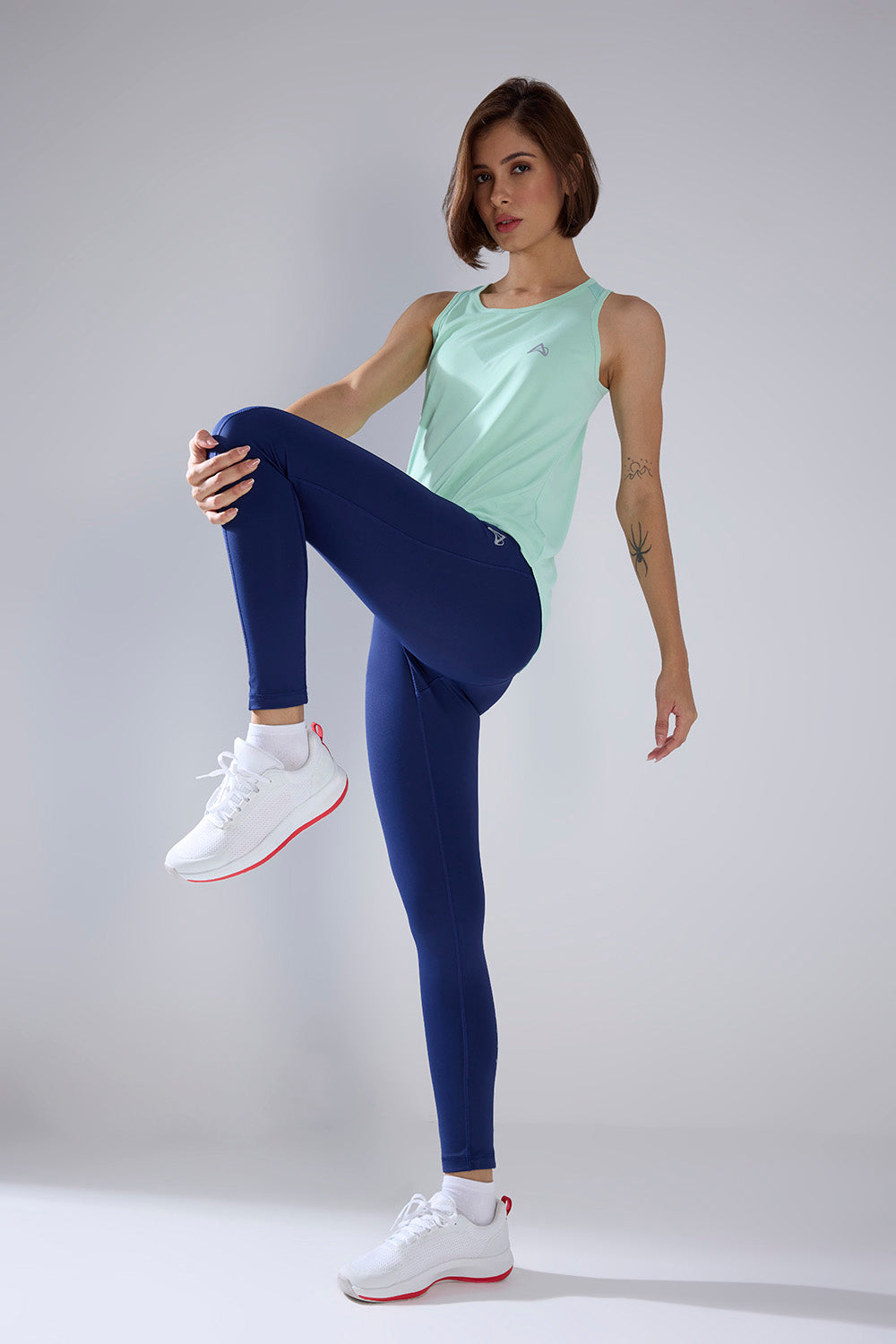
When considering how to choose running clothes, runners should pay attention to how the garment feels while moving rather than only how it fits while standing still. Activities such as stretching, climbing stairs, or completing running movements can reveal whether the design supports natural mobility.
- Seam placement that reduces potential irritation.
- Flexible panels or designs that support running motion.
- A comfortable waistband or adjustment system.
- A fit that allows layering when needed.
Small design choices can have a noticeable impact over time. A garment that feels comfortable for a few minutes may not provide the same experience during longer training sessions, making practical testing an important part of the buying process.
Look Beyond Appearance: Functional Features Matter
Performance running clothing is increasingly influenced by consumer expectations for both technical benefits and everyday versatility. Runners are paying more attention to product engineering, including fabric quality, construction, fit, and practical features rather than relying only on visual appeal. This shift has made it more important for buyers to understand what features genuinely support comfort, movement, and performance during training.
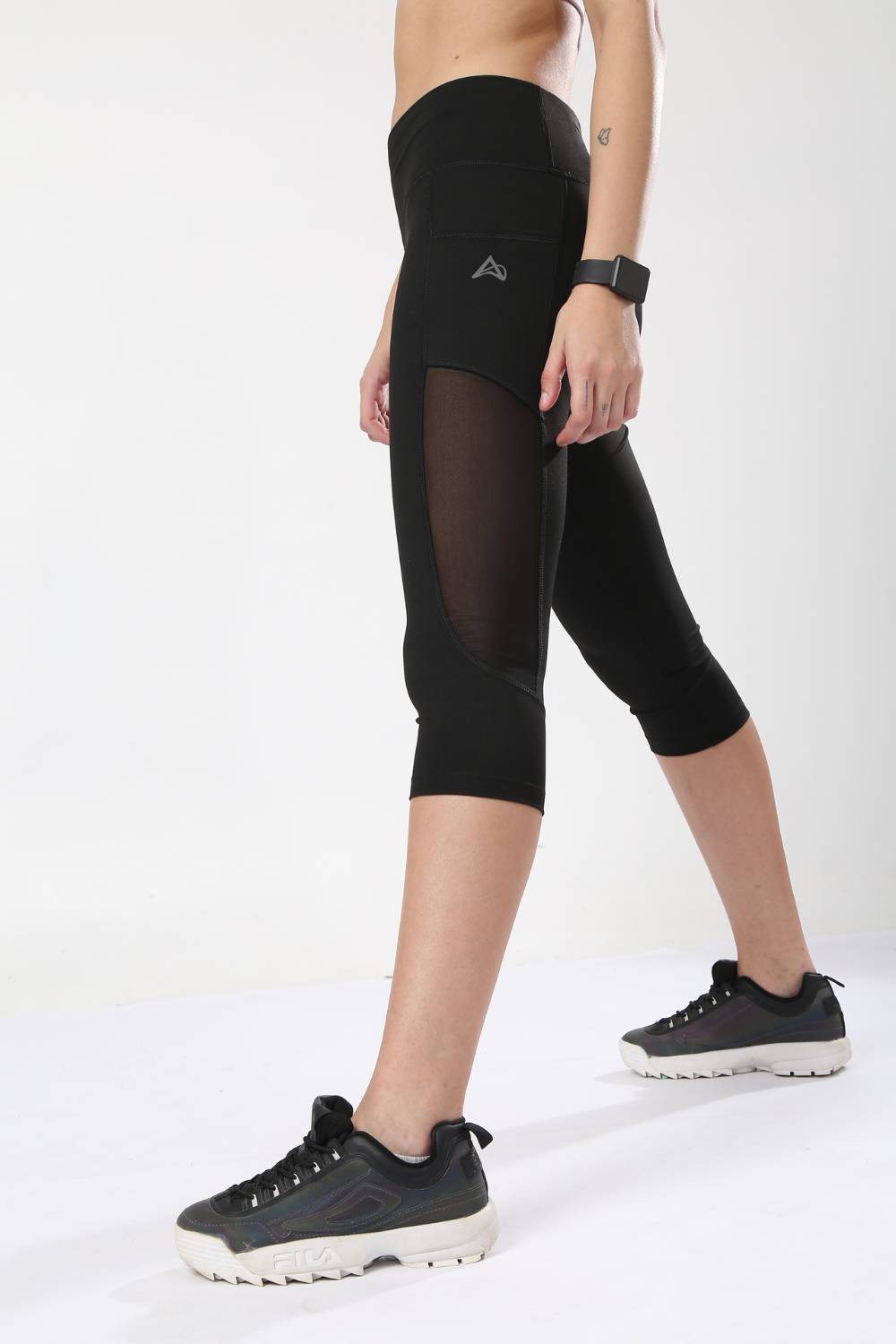
Useful running clothing features can include storage options, reflective elements, ventilation zones, and lightweight layering capabilities. These additions should solve real problems rather than simply increase the number of features on a product.
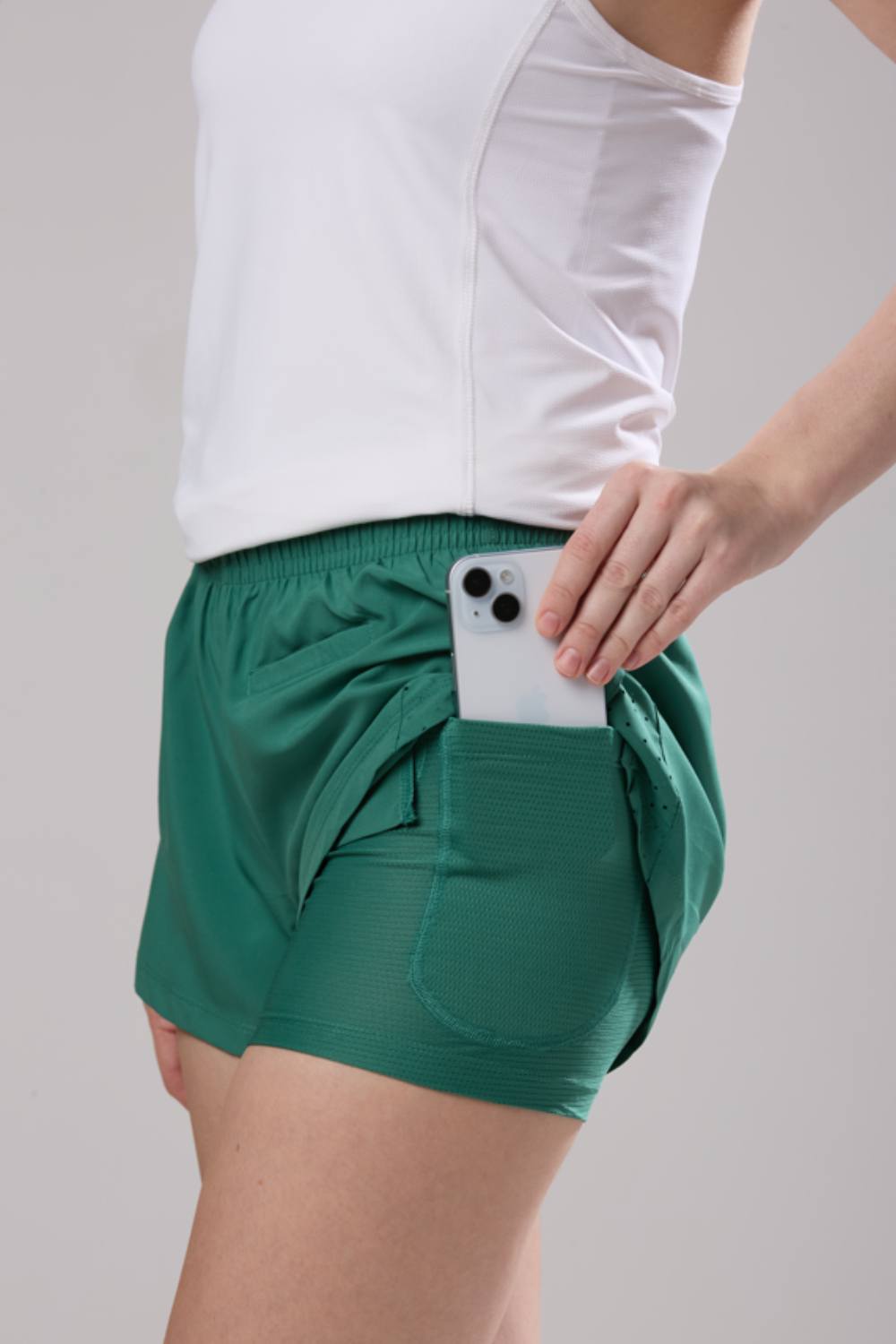
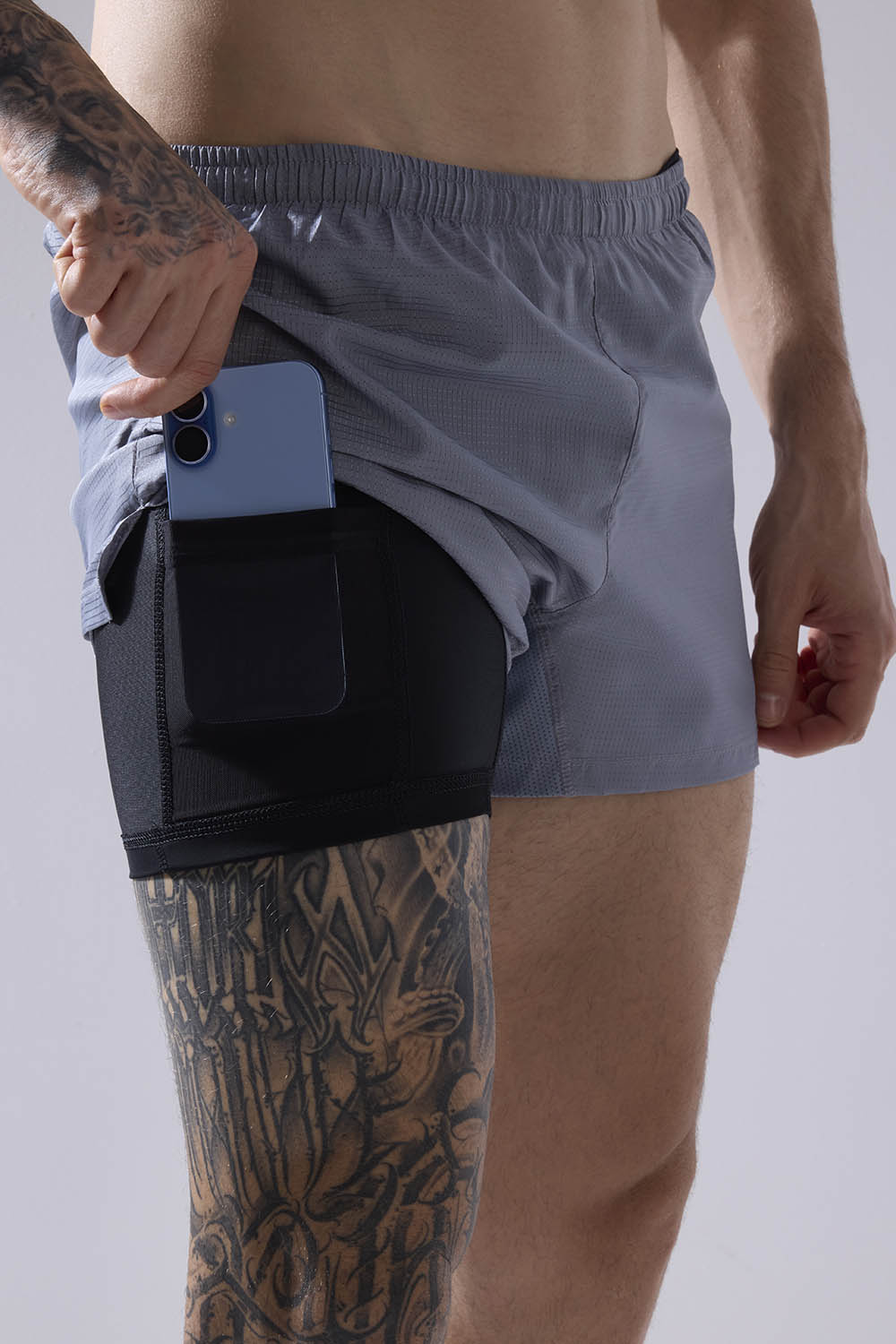
For example, pockets can be valuable for runners who need to carry essentials during longer sessions. Reflective details can support visibility when running in lower-light conditions. Ventilation areas can improve comfort during intense workouts. The most suitable garment is usually the one where each feature has a clear purpose.
- Does the clothing include features that match your running routine?
- Will the added features improve comfort or convenience?
- Are the design elements useful during actual runs?
Consider Climate, Layering, and Long-term Use
Running conditions can change throughout the year, making versatility an important consideration. A runner may need different clothing choices for warm-weather sessions, cooler mornings, outdoor training, or recovery activities.
Instead of selecting individual items based only on current needs, runners can think about how each garment fits into their broader training wardrobe. Lightweight tops, breathable bottoms, and adaptable outer layers can provide more flexibility when conditions change.
Durability should also be part of the evaluation process. Performance apparel is designed for repeated activity, so buyers should consider whether materials and construction can withstand regular training. A garment that maintains its comfort, shape, and functionality over time may provide better value than one that only performs well initially.
- How often the garment will be used.
- Whether it works across different training conditions.
- How easily it can be maintained.
- Whether its design supports long-term comfort.
Compare Performance Benefits Before Making a Purchase
With many options available, comparing running apparel requires looking at meaningful differences rather than focusing only on price or appearance. Buyers should review how each garment addresses their specific needs, from training frequency to preferred running conditions.
The growth of specialist running apparel reflects a broader change in how consumers evaluate sportswear. Many runners now compare technical details and expect clothing to provide a combination of comfort, functionality, and thoughtful design. This makes product education an important part of the decision-making process.
- Fabric performance and comfort.
- Fit and freedom of movement.
- Useful features for your running style.
- Suitability for your climate and training environment.
- Expected durability with regular use.
This approach helps runners select apparel based on performance requirements instead of making decisions based only on trends.
How Performance Apparel Supports Better Running Decisions
Selecting the right running clothing is ultimately about matching product design with individual needs. The ideal garment should support movement, manage comfort challenges, and provide useful features without adding unnecessary complexity.
Brands focused on performance running apparel continue to explore ways to improve the relationship between clothing and athlete experience. From fabric selection to ergonomic construction, every design decision can influence how runners feel during training. Understanding these elements allows buyers to make more informed choices and select clothing that supports their goals.
For runners evaluating performance running clothing, the most important factors remain consistent: choose materials that suit your conditions, prioritize comfort and fit, review practical features, and consider how the garment will perform over time. A thoughtful selection process can help transform running apparel from a simple outfit choice into a valuable part of the training experience.
Frequently Asked Questions
What should I look for when selecting performance running clothing?
When selecting performance running clothing, review key factors such as fabric quality, fit, breathability, moisture management, durability, and functional features. The right apparel should match your running environment, training intensity, and comfort needs to support better performance.
What is the best fabric for running clothes?
The best fabric for running clothes should provide moisture management, breathability, flexibility, and quick drying performance. Moisture wicking running apparel can help move sweat away from the skin while maintaining comfort during workouts and longer runs.
How do I choose running clothes that fit my training needs?
To choose running clothes that suit your training needs, consider where you run, how often you train, and the type of movement involved. Look for comfortable running clothes for athletes that offer the right fit, useful features, and durability for your regular running routine.
Disclaimer: The above helpful resources content contains personal opinions and experiences. The information provided is for general knowledge and does not constitute professional advice.
You may also be interested in: Running Tights vs Running Shorts Which Should You Wear - Aguante
Tired of gear that slows you down? Chafing, soggy fabrics, and missing pockets kill your run's momentum. At Aguante, we're runners who get it. Our high-performance activewear features moisture-wicking fabrics, ergonomic designs, and smart storage to keep you focused. Shop Now!
Powered by flareAI.co