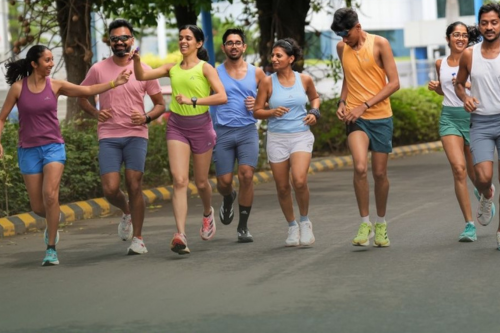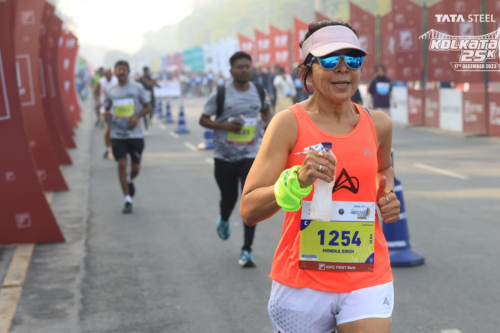



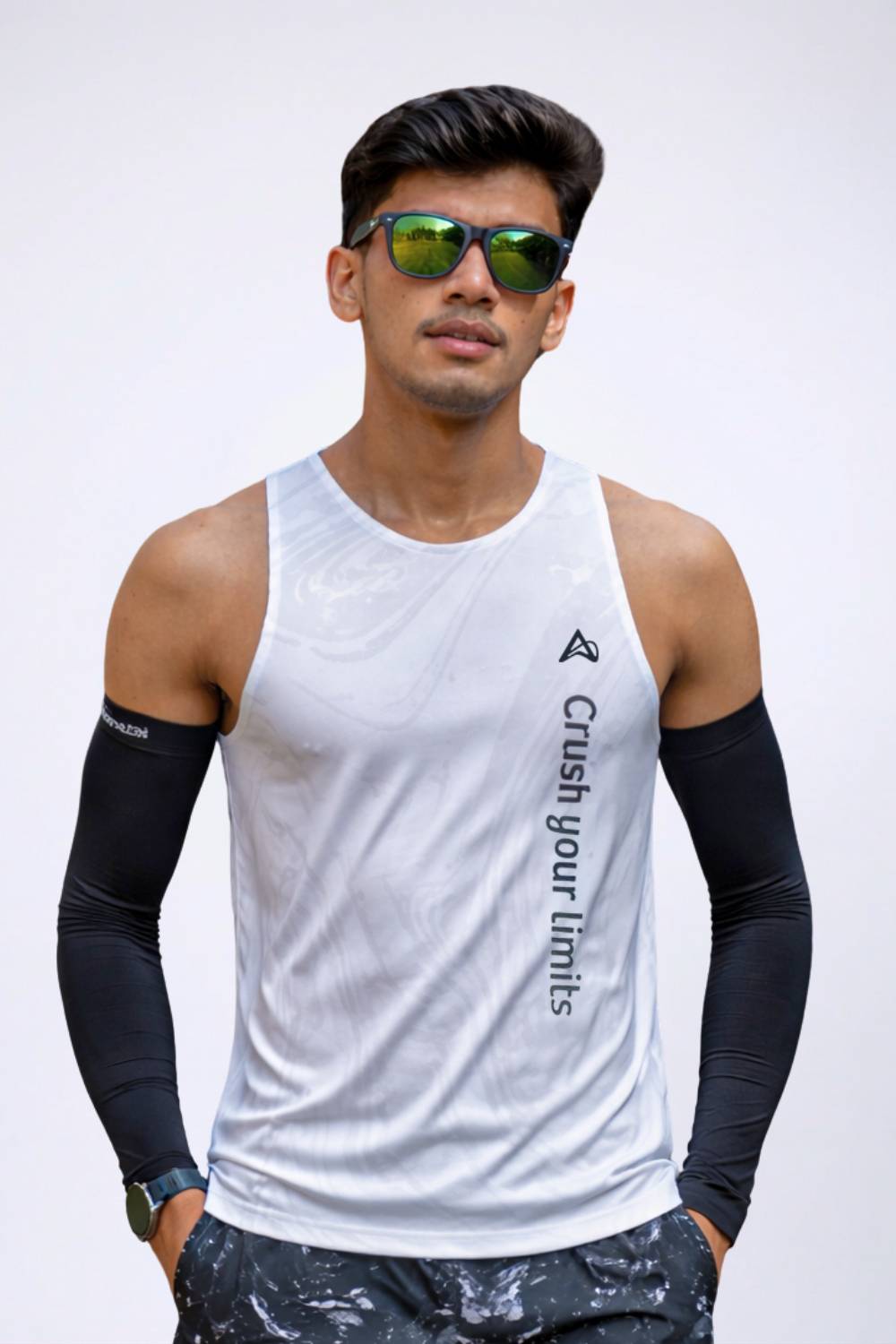

Knowing what should women wear for running in humid weather can make a major difference to comfort during summer and monsoon training. In humid conditions, sweat evaporates more slowly, so clothing can stay damp against the skin for longer. This can contribute to discomfort, rubbing and chafing during longer runs.
For women running in India's warm and humid conditions, the goal is to choose clothing that is lightweight, breathable, moisture-wicking and comfortable during repeated movement.
A practical humid-weather running outfit can include a moisture-wicking running top, lightweight running shorts or half tights, a supportive sports bra, technical socks and well-tested running shoes.
Why Humid Weather Changes What You Should Wear
When humidity is high, the air already contains considerable moisture. This can make sweat evaporation less effective, meaning your body may feel hotter and your clothing can remain damp.
Aguante's guide to running in humid and tropical climates highlights moisture management, airflow and reducing sweat buildup as important apparel considerations for Indian runners.
This makes fabric and fit particularly important.
The right running clothes should:
- Manage sweat
- Allow airflow
- Dry relatively quickly
- Stay lightweight
- Reduce unnecessary friction
- Allow unrestricted movement
- Remain secure during long runs
1. Wear a Lightweight Moisture-Wicking Running Top
Your top is one of the most important parts of a humid-weather running outfit.
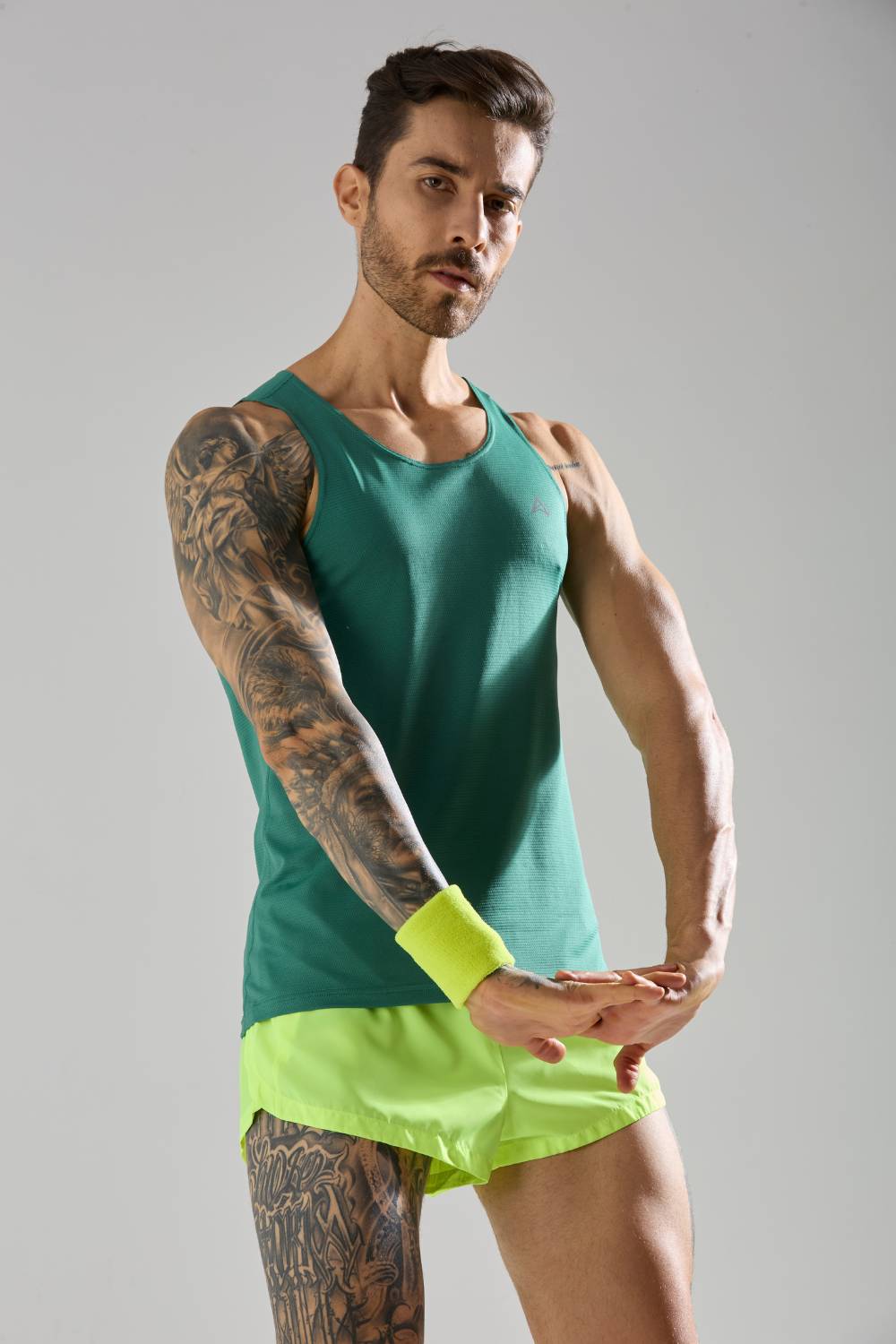
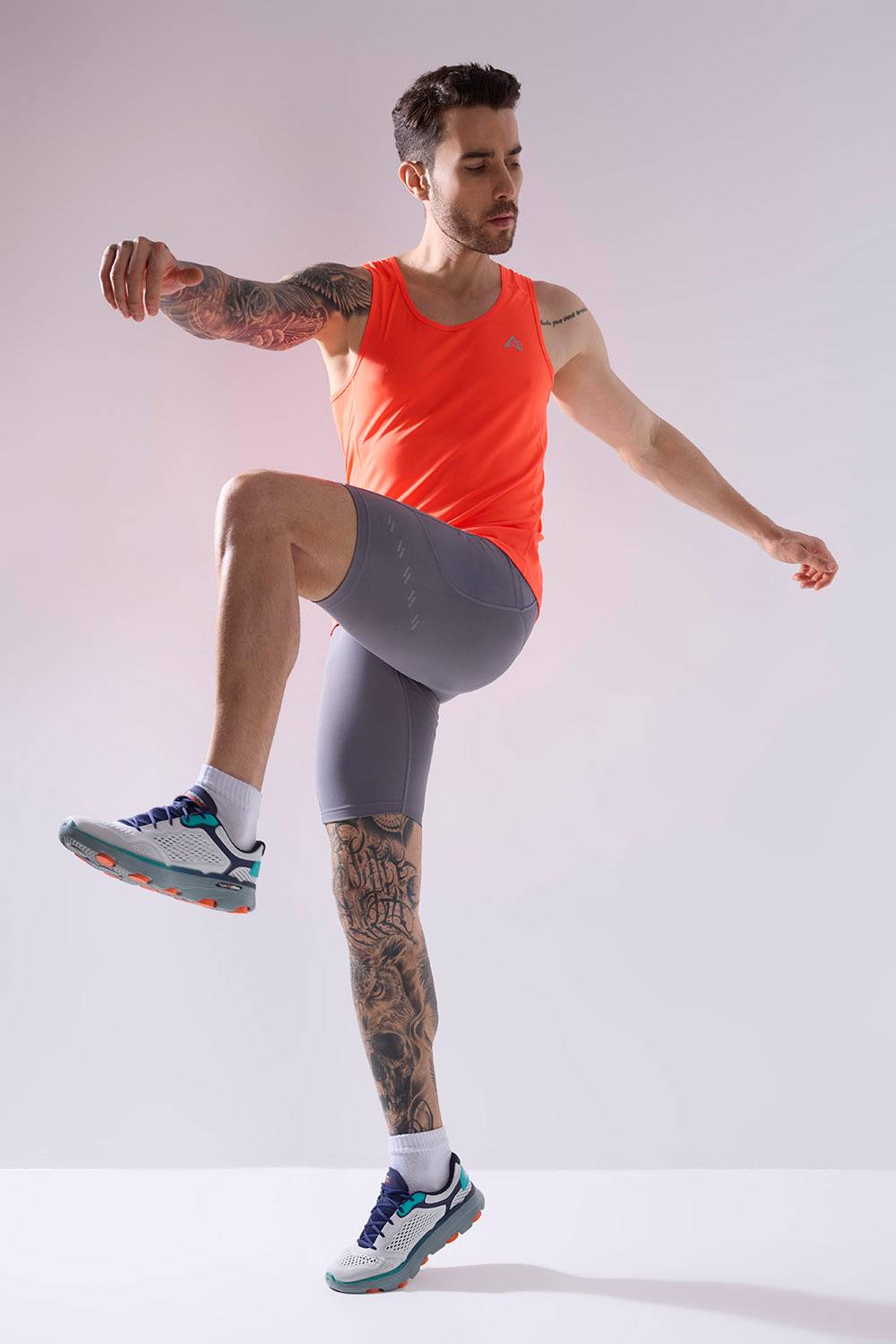
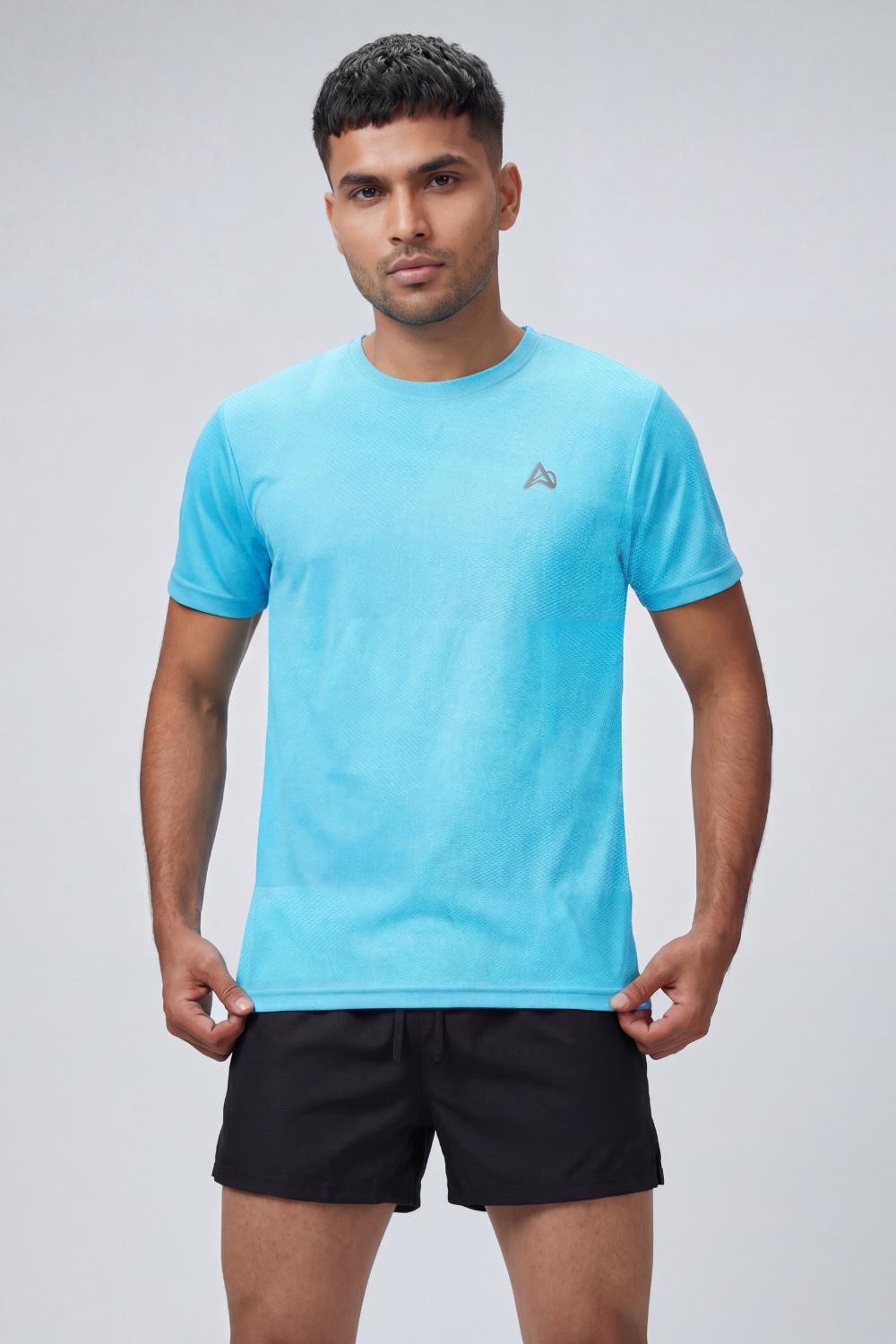
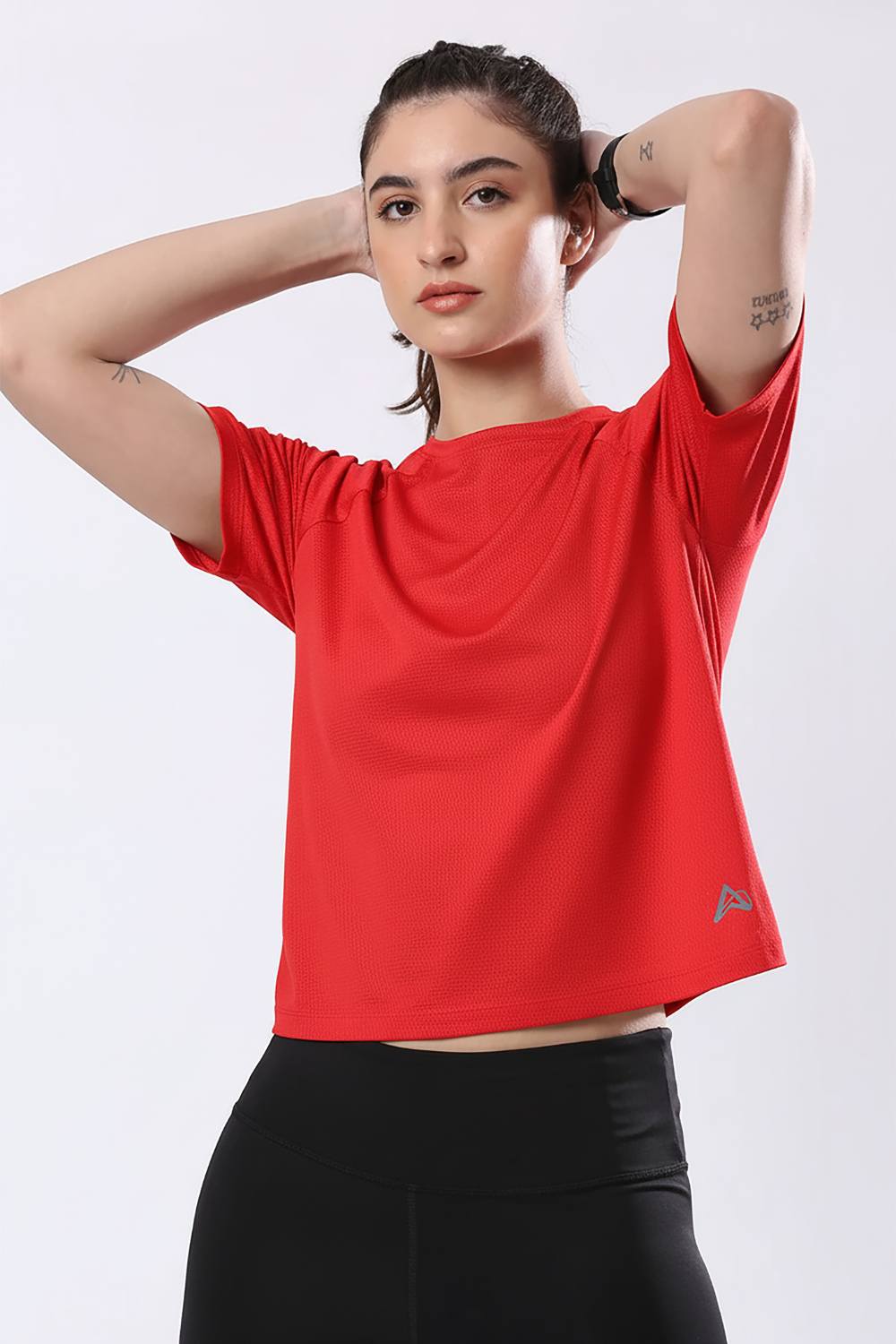
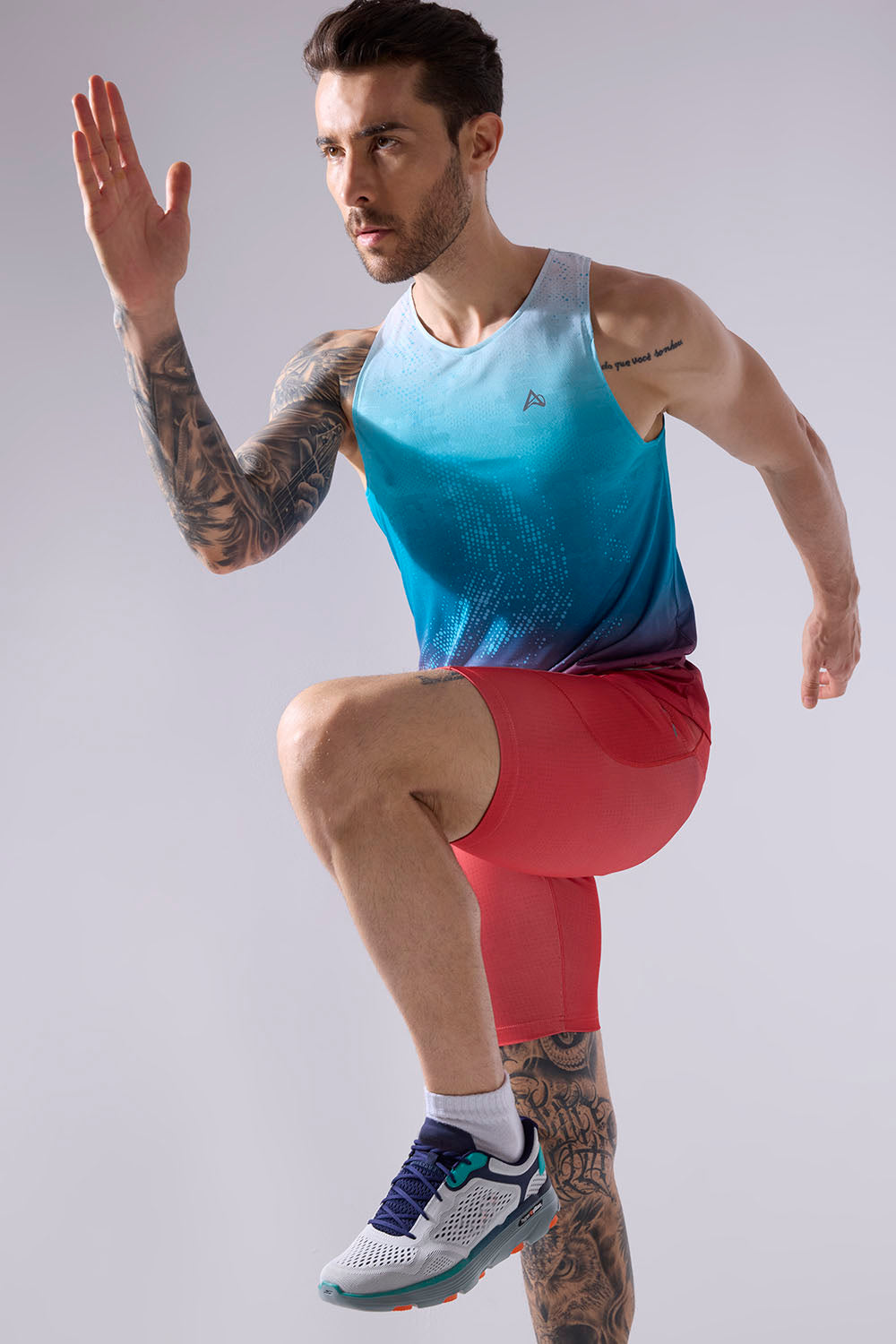
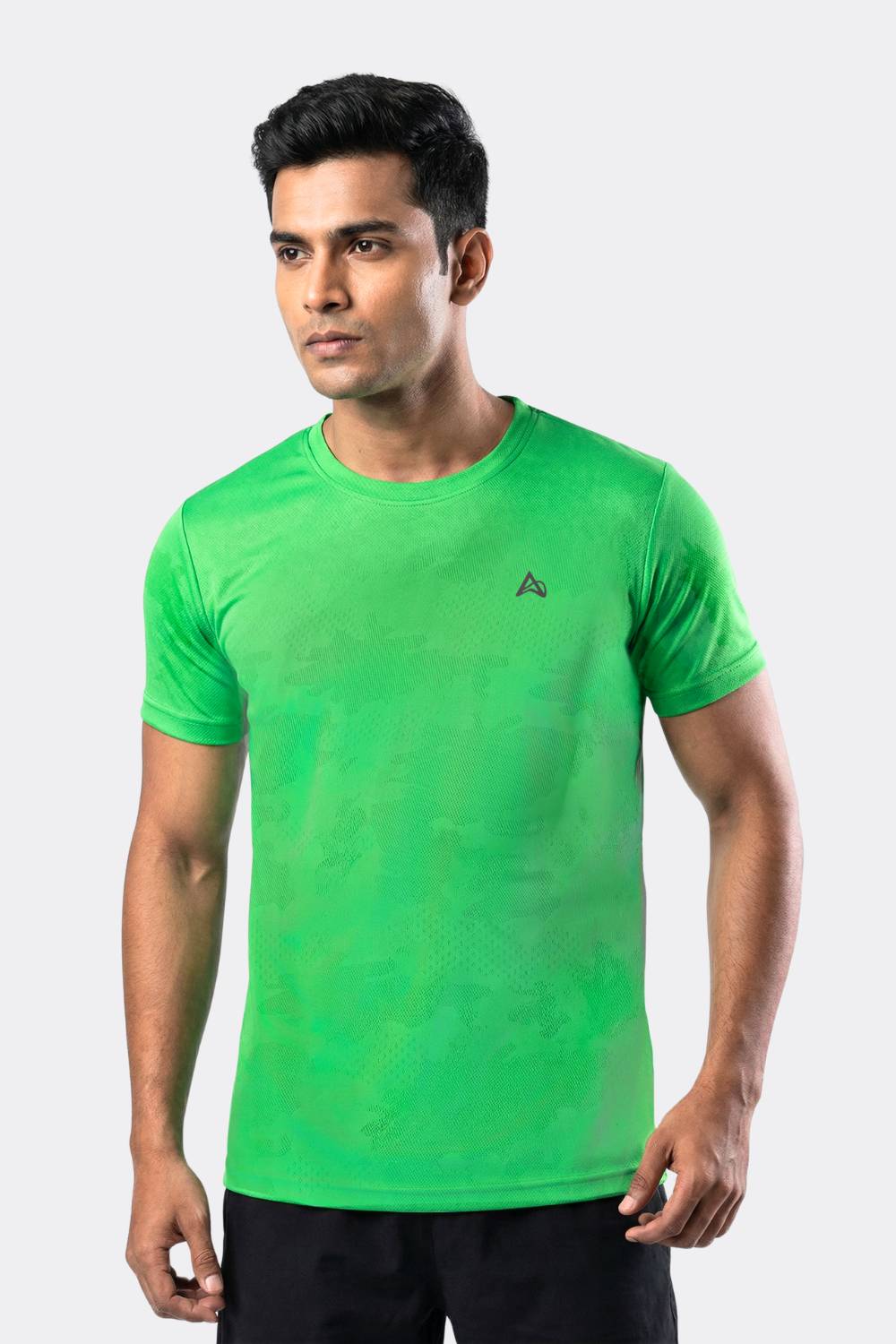
Instead of heavy cotton, choose a lightweight technical running T-shirt, tank or singlet.
Look for:
- Moisture-wicking fabric
- Breathable construction
- Lightweight material
- Quick-drying properties
- Mesh ventilation
- Comfortable armholes
Technical synthetic fabrics such as polyester and appropriate nylon blends are commonly used in performance running apparel because they can manage moisture while remaining relatively lightweight.
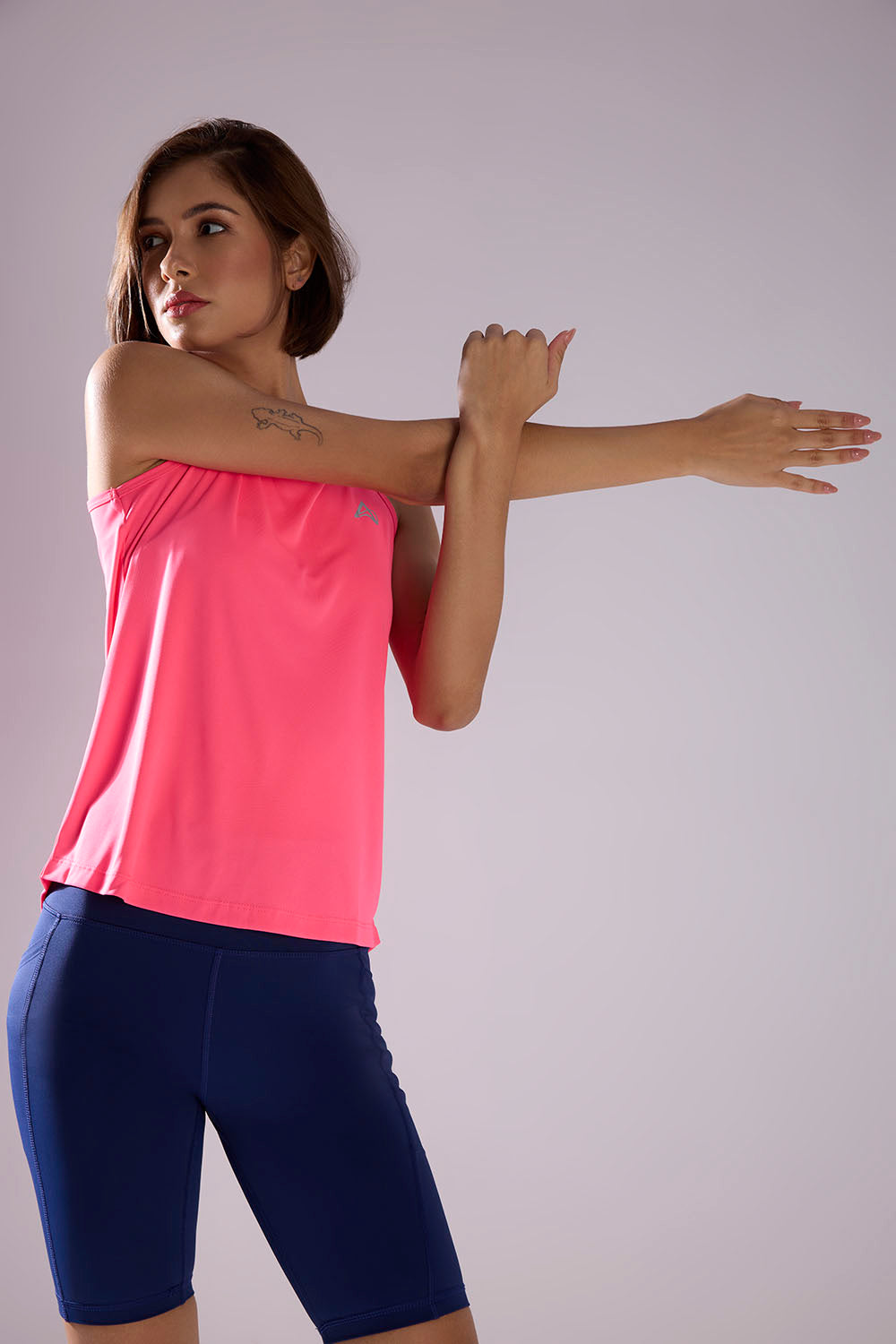
Aguante's women's running collection includes lightweight running tops and singlets designed for running and training.
Explore Aguante Women's Running Apparel
2. Choose Running Shorts for Maximum Airflow
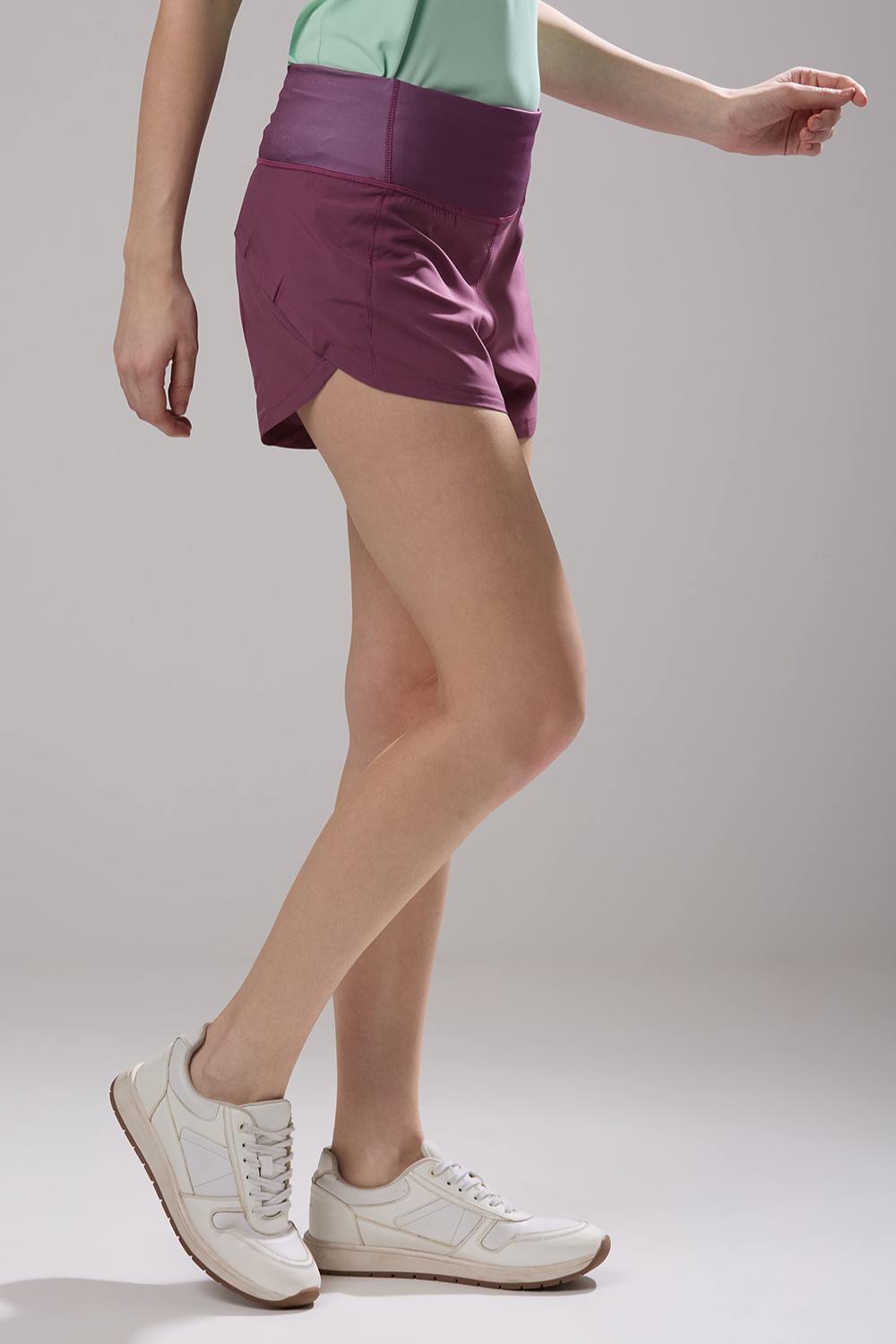
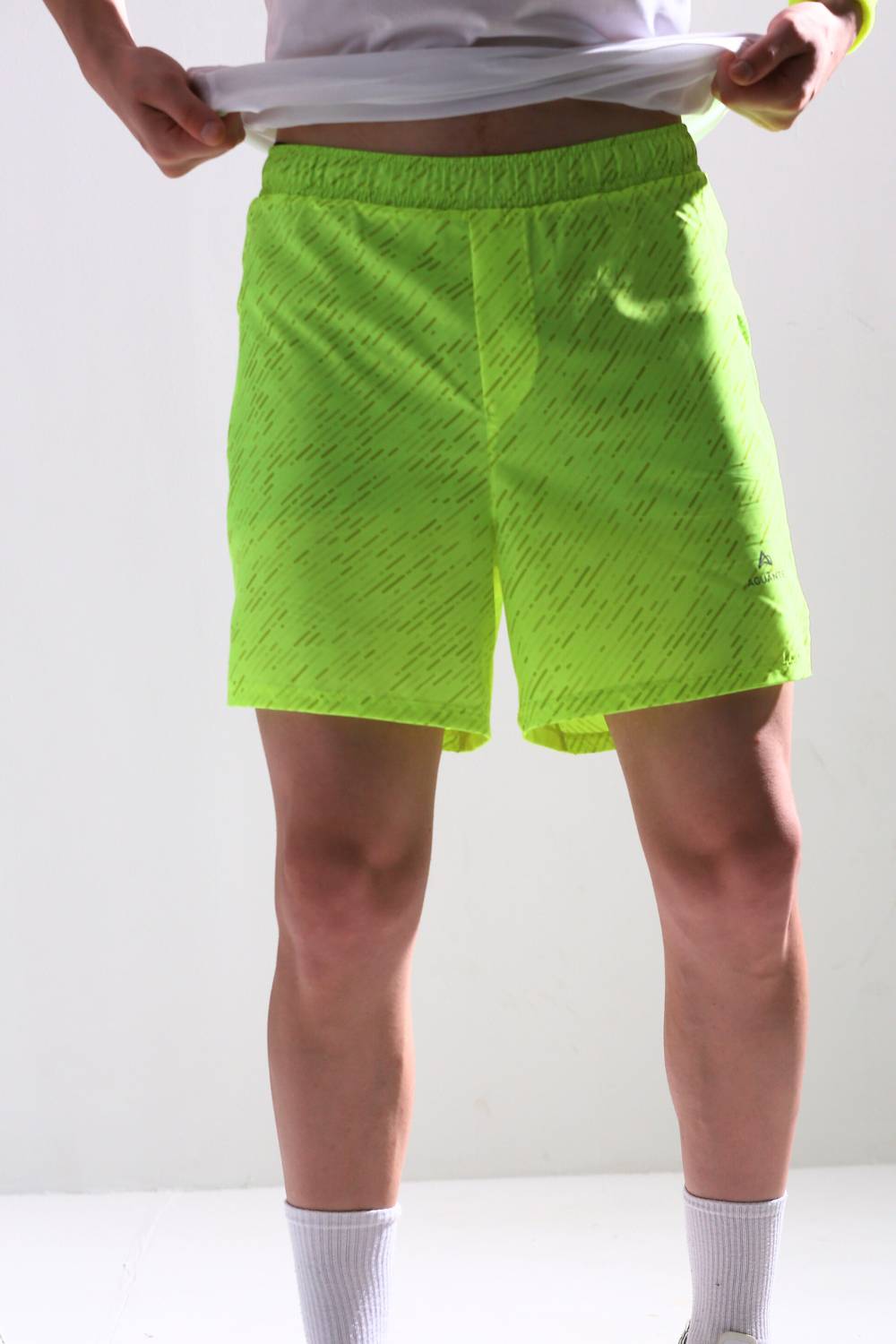
For hot and humid conditions, running shorts can provide excellent airflow around the legs.
When choosing women's running shorts, look for:
- Lightweight fabric
- Moisture-wicking construction
- Breathable lining
- Secure waistband
- Comfortable leg opening
- Stretch
- Storage pockets
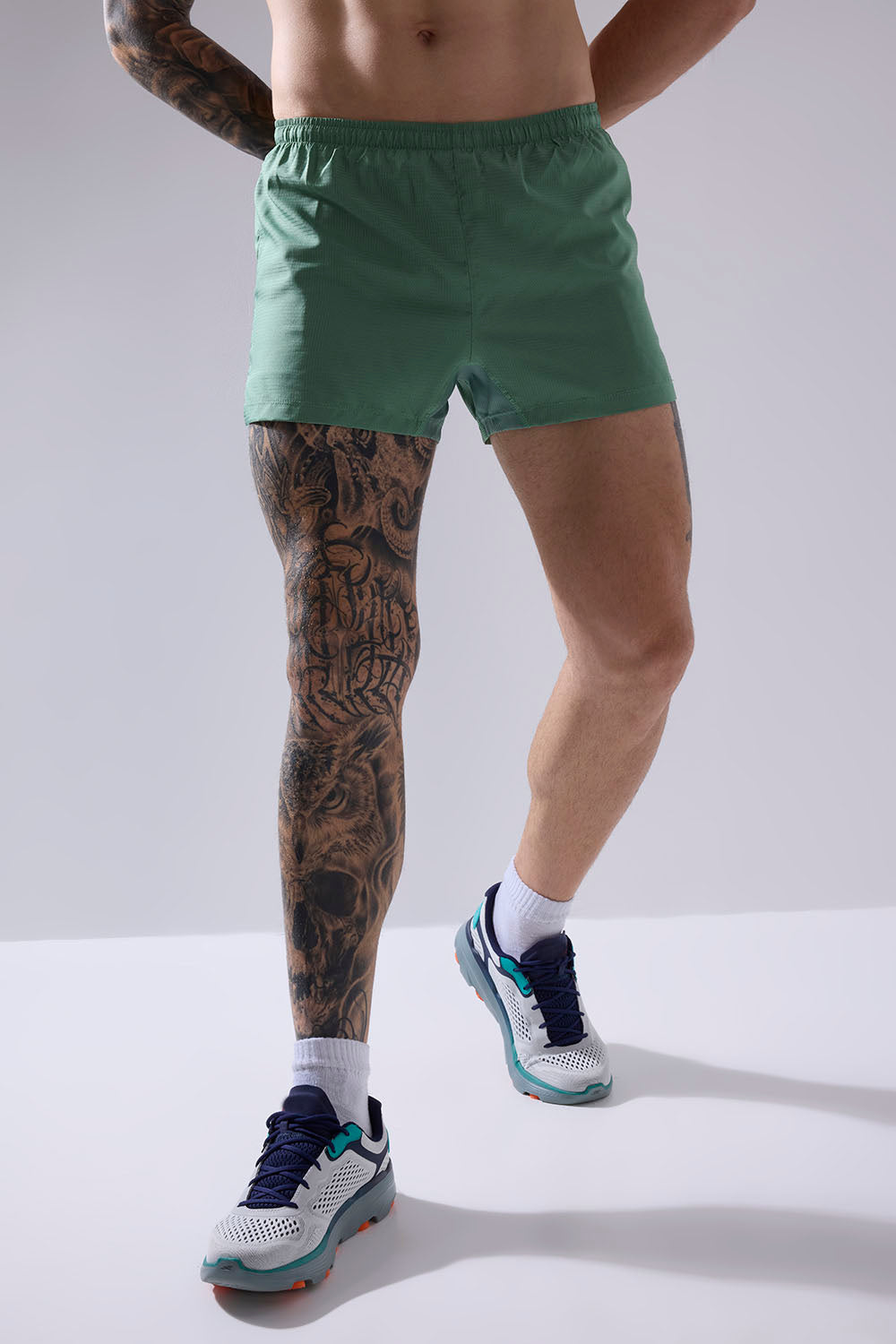
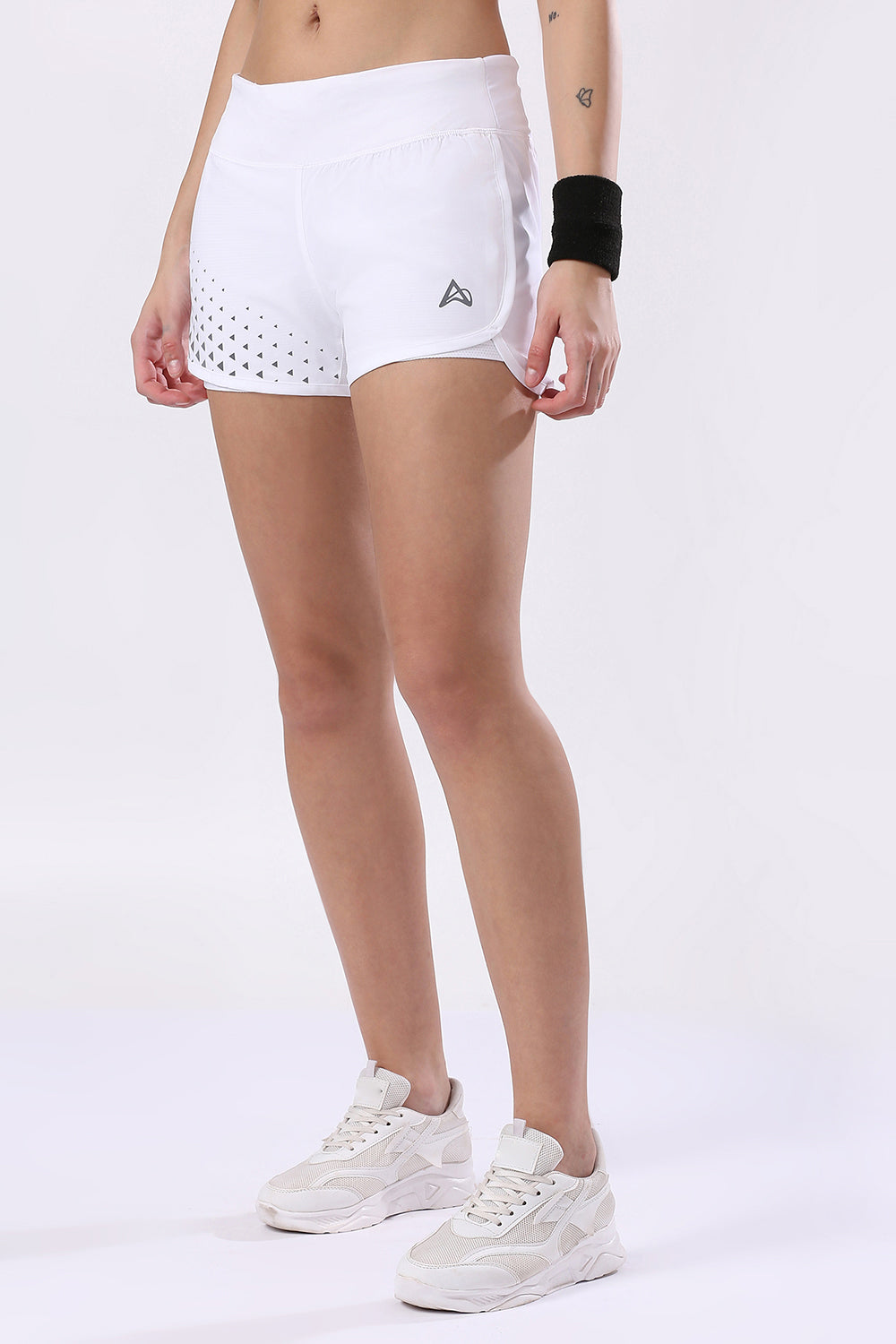
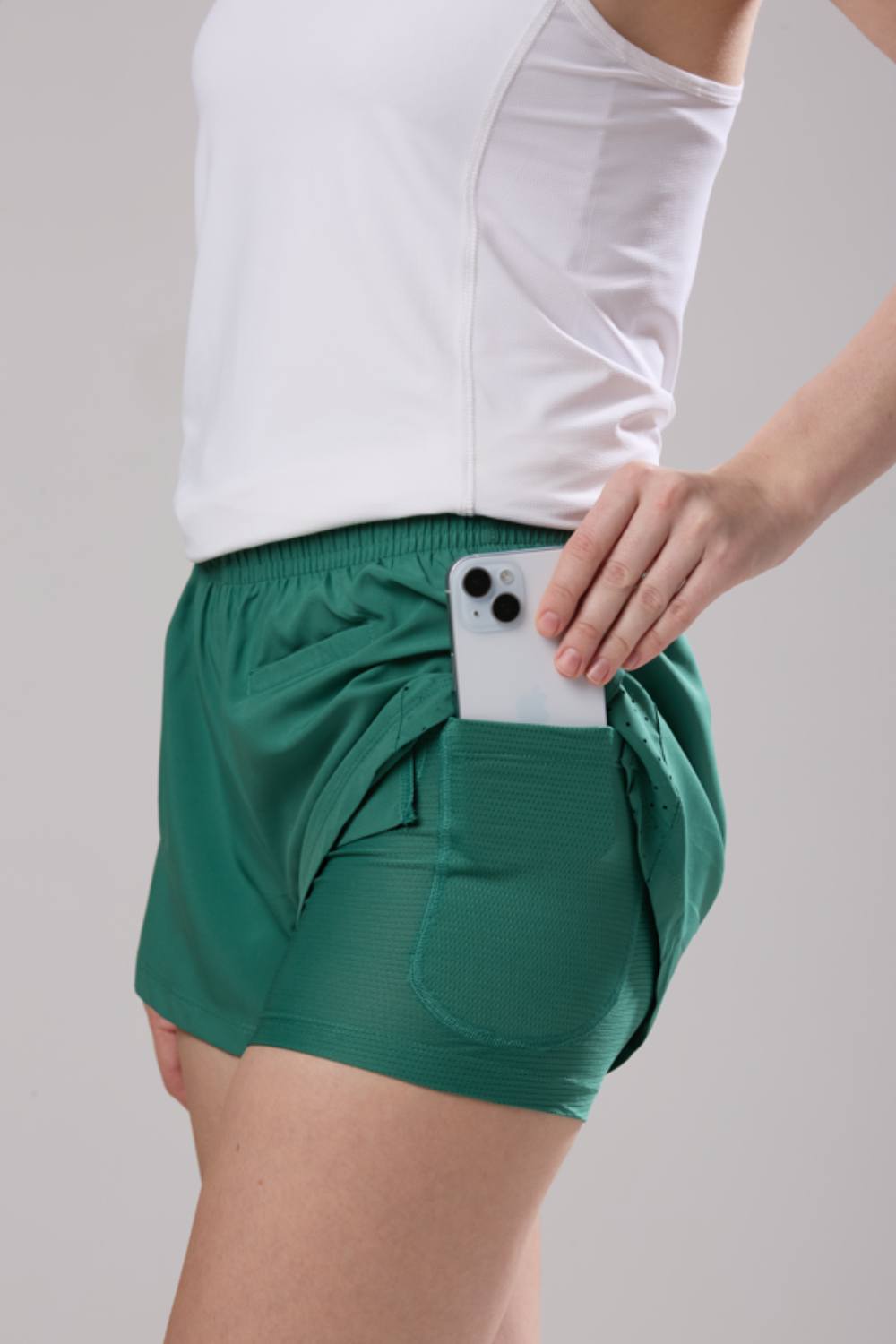
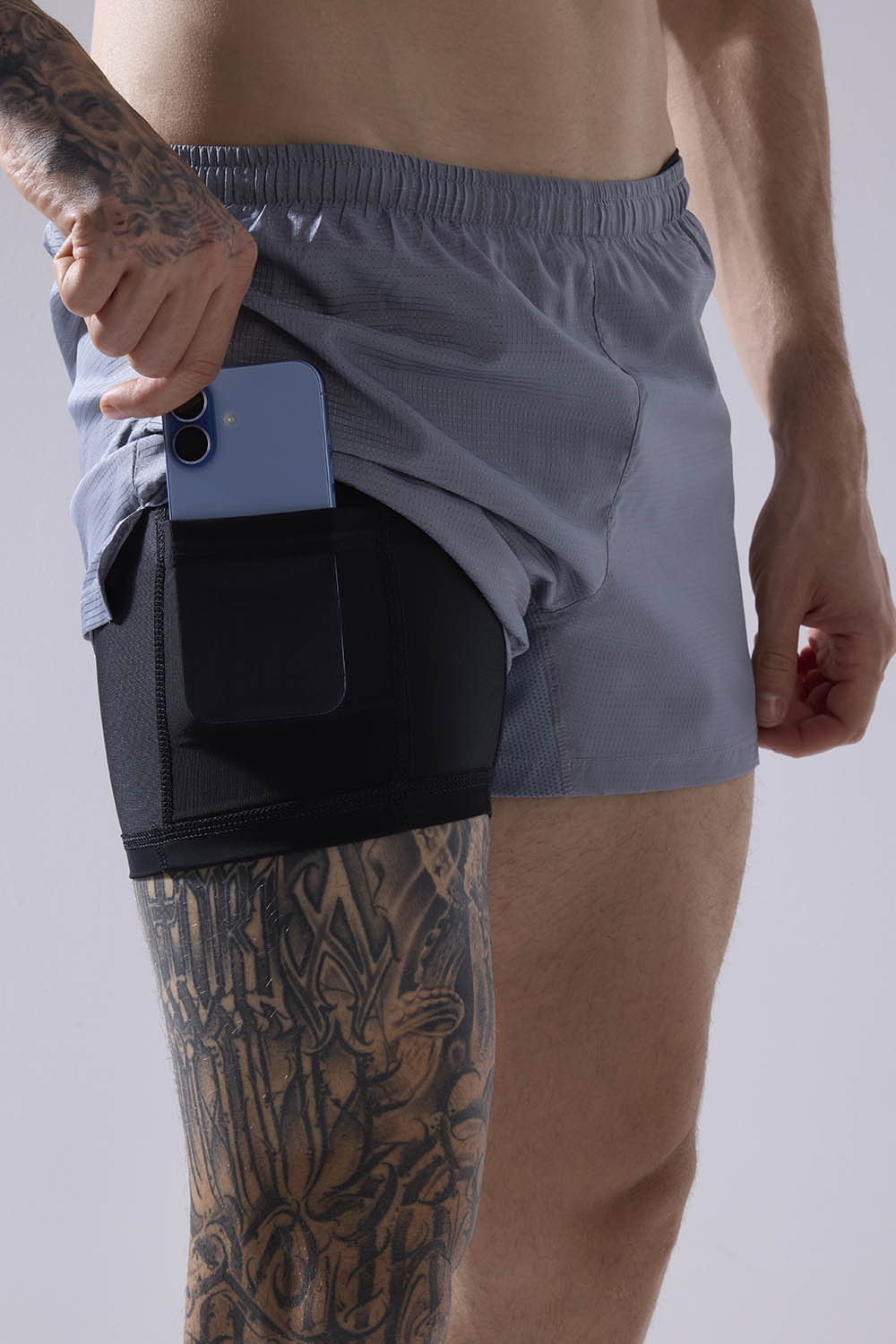
Aguante's 3.5" StrideMax Ultimate Shorts are currently listed with moisture-wicking and breathable construction, a mesh crotch panel, five pockets, an elasticated waistband and reflective detailing. The size-S weight is listed as 116g.
Shop 3.5" StrideMax Ultimate Shorts
Shorter running shorts can be useful when your priority is airflow and freedom of movement.
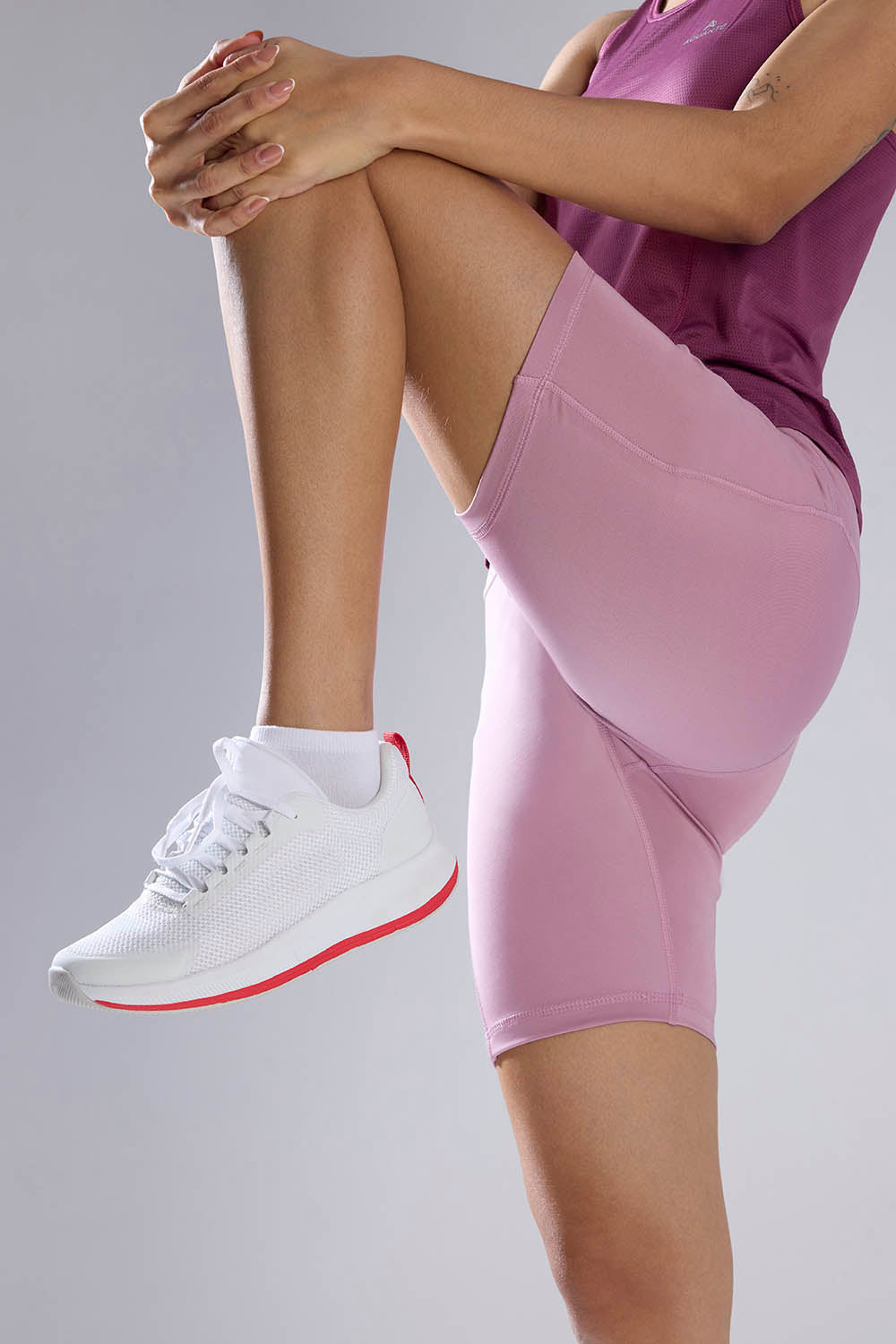
3. Consider Half Tights if You Experience Thigh Chafing
Not every woman prefers loose running shorts.
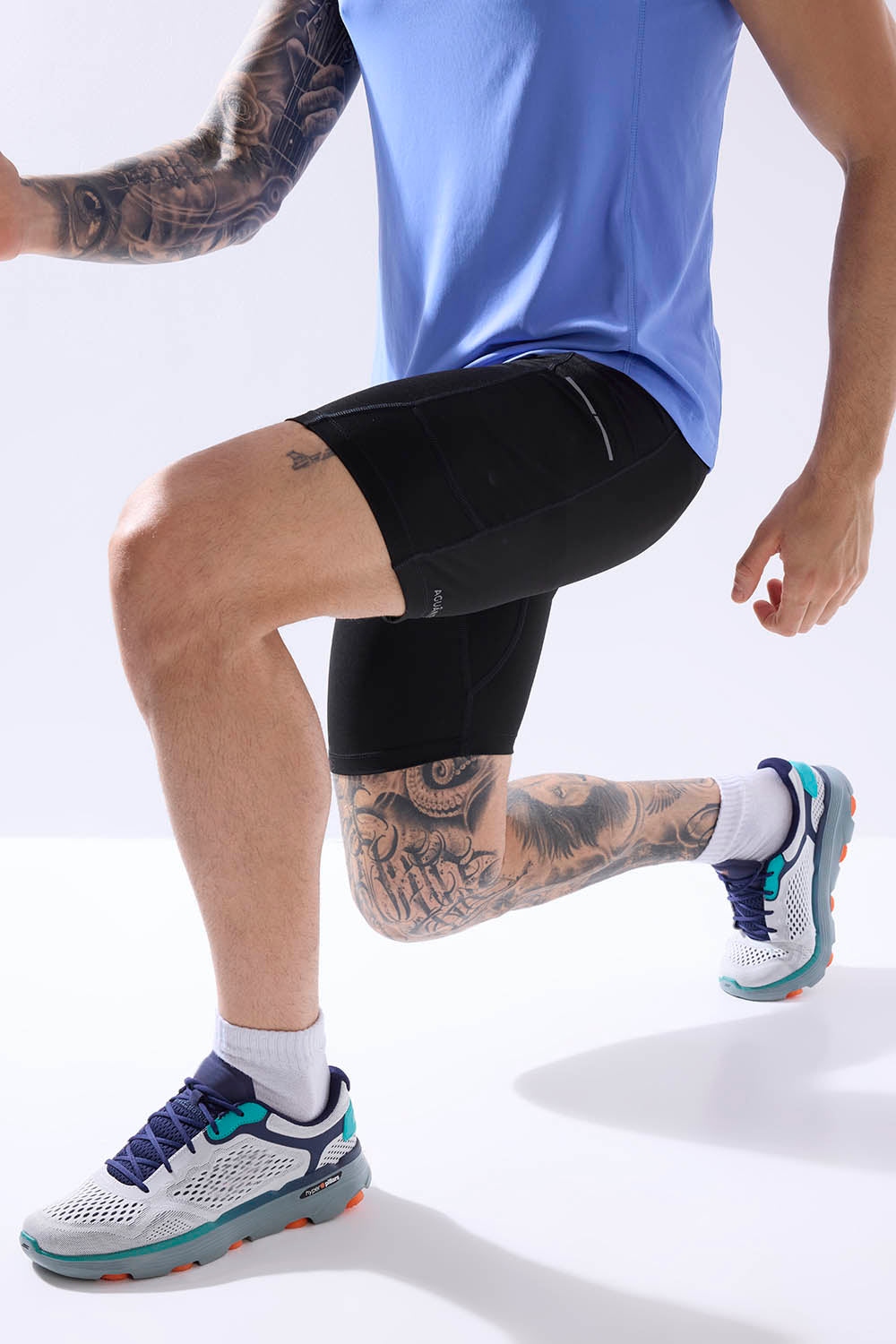
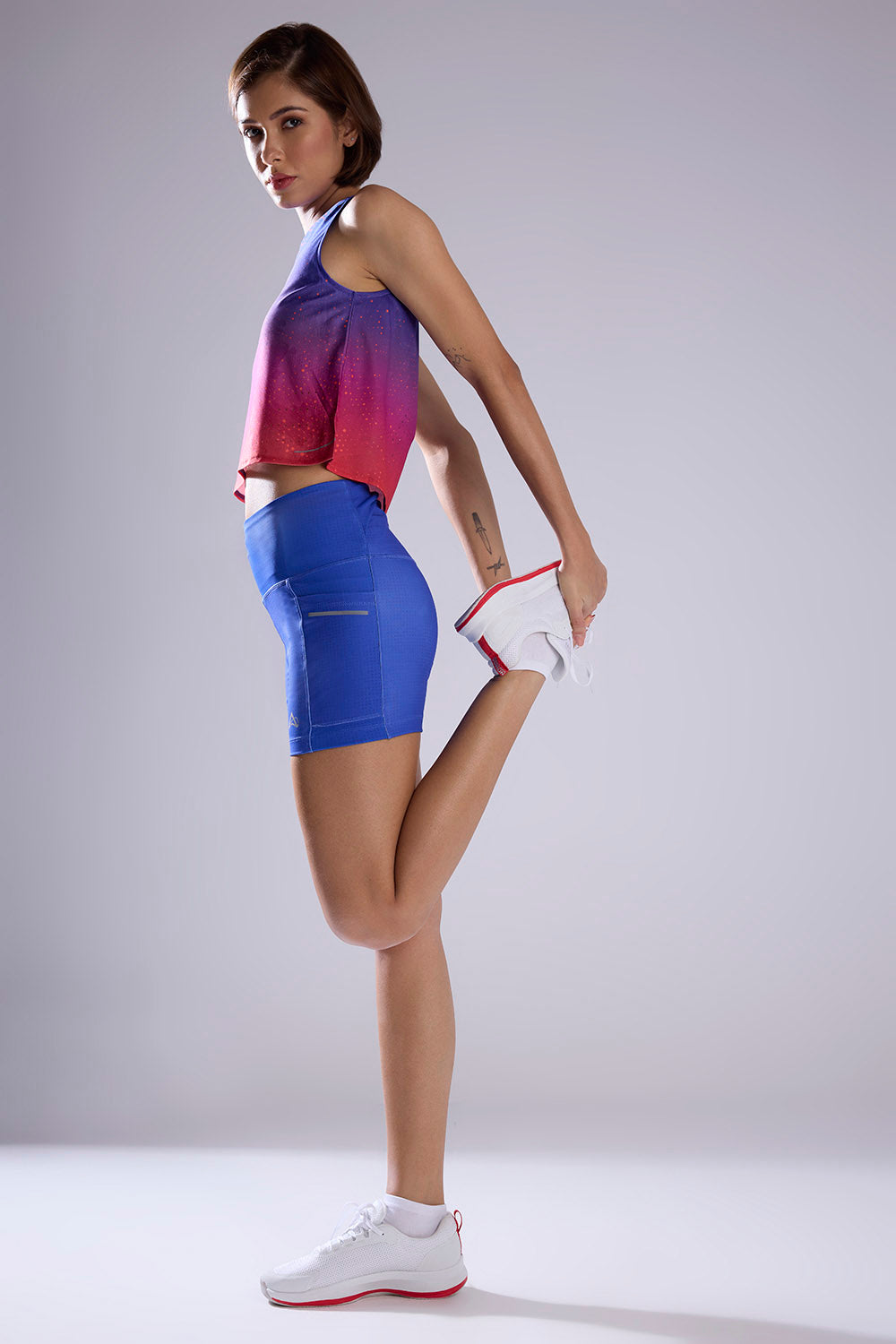
If inner-thigh friction is a recurring problem, running half tights can be an alternative.
Half tights provide a closer fit around the thighs and reduce loose fabric movement.
They can be useful for:
- Long runs
- Marathon training
- Humid-weather running
- Race training
- Runners prone to thigh friction
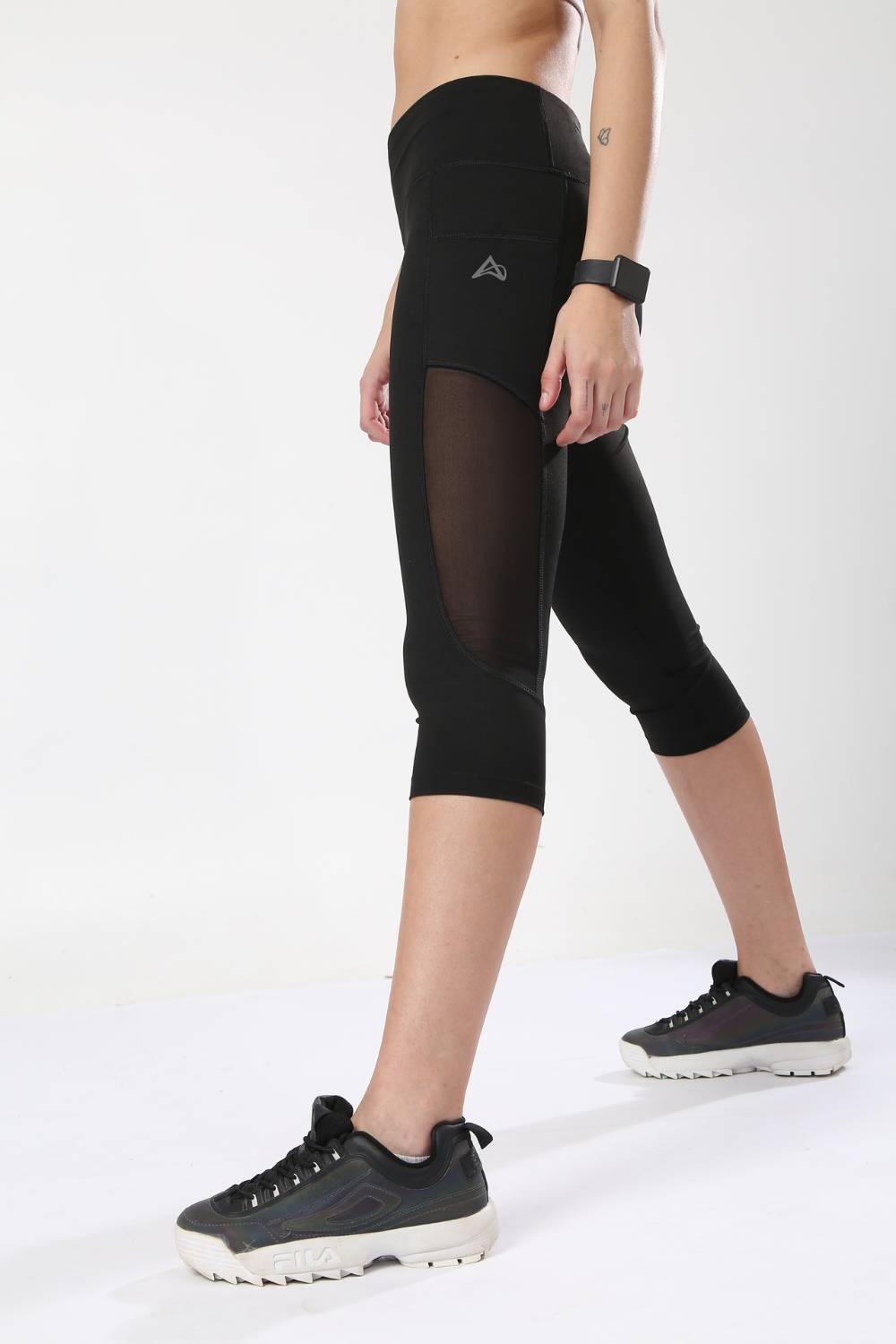
Aguante's women's half-tights collection includes several lengths and designs.
Explore Aguante Women's Half Tights
The important point is to choose a fabric that remains comfortable when you're sweating heavily.
4. Don't Ignore the Sports Bra
A sports bra needs to provide support without trapping unnecessary heat.
For humid-weather running, look for:
- Moisture-wicking fabric
- Breathable panels
- Secure support
- Comfortable straps
- Smooth construction
- A fit that doesn't restrict breathing
A sports bra that becomes soaked and uncomfortable can become distracting during longer runs.
Avoid testing a completely new sports bra during your first long-distance race. Wear it during training first.
5. Choose Moisture-Wicking Running Socks
Your feet can sweat heavily during hot-weather runs.
Cotton socks can retain moisture, which may contribute to discomfort and blistering.
Instead, look for running socks with:
- Moisture-wicking fibres
- Breathable construction
- Comfortable cushioning
- Secure fit
- Minimal irritating seams
Your socks should remain comfortably in place rather than bunching inside your shoes.
6. What Fabric Is Best for Running in Humid Weather?
For humid-weather running, performance fabrics are generally more practical than absorbent everyday fabrics.
Polyester
Polyester is widely used in running apparel because it is lightweight and can be engineered for moisture management.
Nylon Blends
Nylon blends can provide softness, stretch and durability depending on the construction.
Spandex/Elastane Blends
Small amounts of stretch fibres can provide flexibility and help garments maintain their shape.
Cotton
Cotton can feel comfortable for casual clothing, but it absorbs moisture and can remain wet during prolonged sweaty runs.
Aguante's India-focused running content similarly recommends lightweight synthetic fabrics such as polyester and nylon blends for humid and wet conditions.
7. Choose Breathable Clothing
Moisture wicking and breathability are related but different.
A fabric can move sweat away from the skin, while garment construction also determines how much air can circulate.
For humid weather, look for:
- Mesh panels
- Ventilation zones
- Lightweight fabrics
- Perforated areas
- Relaxed or ergonomic construction where appropriate
Aguante's running apparel content specifically highlights breathable technical fabrics and mesh construction for hot and humid running.
8. Avoid Overdressing
One of the simplest ways to make a humid run more comfortable is to avoid unnecessary layers.
For many warm-weather runs, a practical outfit can be:
Moisture-wicking singlet or T-shirt + running shorts + sports bra + technical socks + running shoes
If you prefer more thigh coverage:
Moisture-wicking top + half tights + technical socks + running shoes
Your exact clothing choice should depend on temperature, humidity, time of day, training intensity and personal comfort.
9. Prevent Chafing
Humidity and sweat can make friction more noticeable.
Common problem areas include:
- Inner thighs
- Underarms
- Sports-bra edges
- Waistband
- Groin area
To reduce discomfort, choose running-specific apparel with:
- Smooth seams
- Comfortable inner liners
- Appropriate fit
- Moisture-wicking materials
- Adequate thigh coverage
Aguante's women's anti-chafing guide specifically recommends considering inner liners, moisture management, breathable construction and appropriate fit when selecting running shorts.
Read the Aguante Women's Anti-Chafing Guide
10. Choose the Right Running Short Length
There isn't one ideal length for every woman.
3–3.5 Inch Running Shorts
Suitable for runners who prefer:
- Maximum airflow
- Minimal fabric
- Freedom of movement
- A lightweight feel
4 Inch Running Shorts
A useful middle ground between airflow and additional coverage.
5 Inch Running Shorts
Suitable for women who prefer more leg coverage.
Half Tights
A close-fitting alternative for women who want more thigh coverage and reduced fabric movement.
The best choice depends on your body proportions, comfort and running style.
11. Pockets Are Still Important in Humid Weather
Sweat management doesn't mean giving up storage.
For longer runs, you may need to carry:
- Phone
- Running gels
- Keys
- Cards
- ID
The key is secure storage.
Aguante's StrideMax shorts currently feature five pockets, including storage designed around running essentials.
When choosing running apparel, don't simply count the number of pockets. Consider whether your phone or gels remain stable while running.
12. What Should Women Avoid Wearing in Humid Weather?
Some clothing choices can make a humid run considerably less comfortable.
Heavy Cotton T-Shirts
They can absorb sweat and become heavier.
Oversized Shorts
Loose fabric can move excessively and create friction.
Non-Breathable Fabrics
These may trap heat and moisture.
Uncomfortable Sports Bras
Poor fit can cause rubbing and distraction.
Untested Race Apparel
Even technically advanced clothing can cause irritation if the fit isn't right for you.
13. What to Wear for a Long Run in Humid Weather
For a long-distance training session, consider:
- Lightweight moisture-wicking top
- Running shorts or half tights
- Supportive sports bra
- Technical socks
- Tested running shoes
- Cap or visor
- Sunglasses
- Hydration
- Your usual nutrition
For marathon training, test the complete outfit during your long runs rather than waiting until race day.
14. What to Wear for Running in Indian Summer
During particularly hot conditions, prioritize reducing unnecessary clothing.
A practical summer outfit could be:
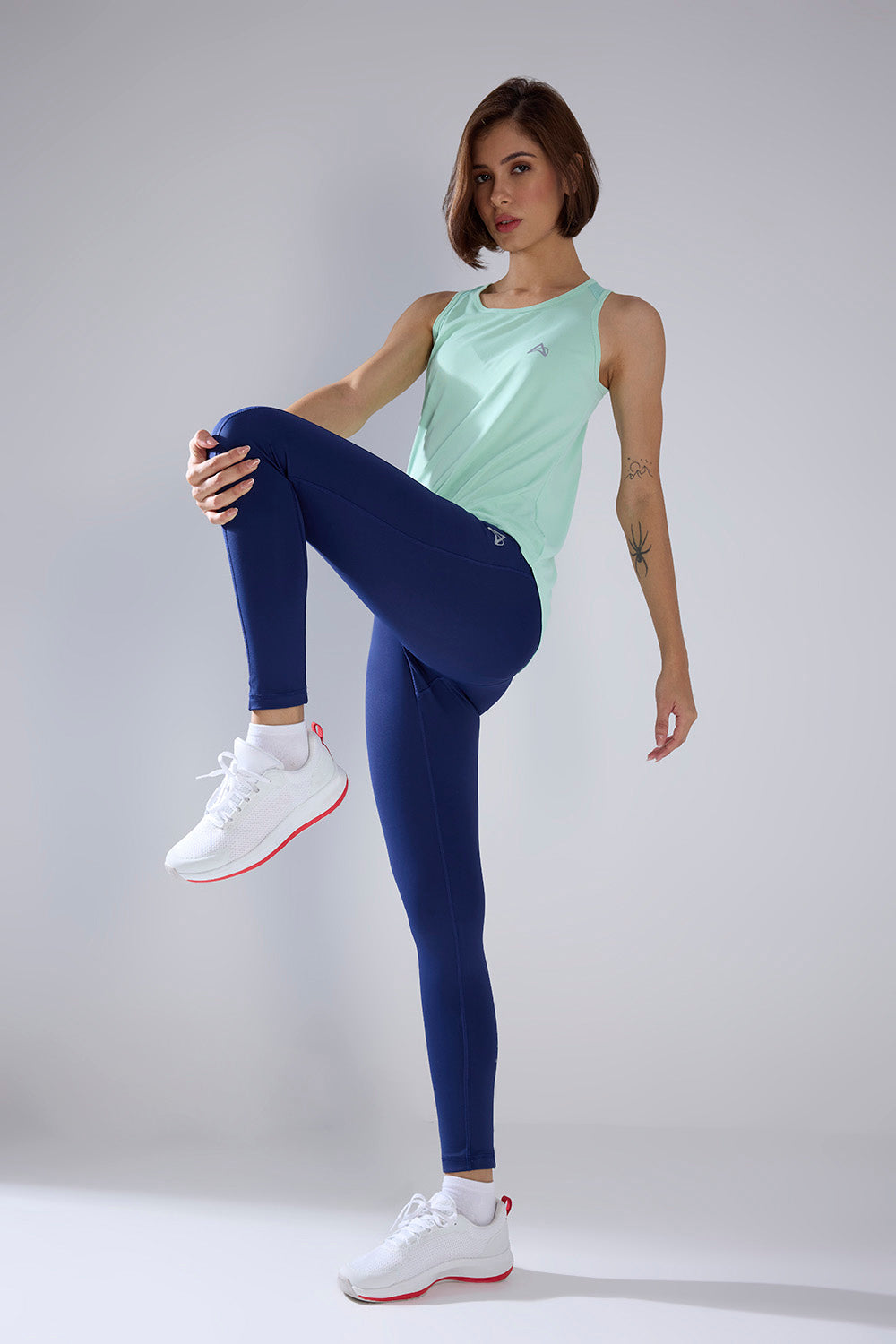
Lightweight running singlet + short running shorts + breathable sports bra + technical socks.
If thigh chafing is a concern:
Lightweight running singlet + half tights + technical socks.
Aguante's women's running collection includes shorts, half tights, singlets and other performance apparel that can be combined according to training needs.
Shop Aguante Women's Running Collection
15. What to Wear for Running During Humid Monsoon Weather
Humidity combined with rain requires additional attention to drying speed.
For warm rainy conditions, consider:
- Quick-drying running top
- Lightweight running shorts or half tights
- Moisture-wicking socks
- Running shoes suitable for wet conditions
- Reflective details when visibility is poor
You generally don't need to wear heavy waterproof layers simply because it is raining. In warm, humid conditions, additional layers can trap heat and sweat.
Aguante's monsoon running guide recommends lightweight synthetic apparel and quick-drying shorts or half tights for warm Indian rain.
16. How Should Humid-Weather Running Clothes Fit?
Fit matters almost as much as fabric.
Your running clothing should be:
Secure: It shouldn't constantly move or require adjustment.
Comfortable: It shouldn't dig into your skin.
Flexible: You should be able to stride naturally.
Appropriately fitted: Excessively loose clothing can move around, while excessively tight clothing may feel restrictive.
For shorts, check that the waistband remains secure and the inner liner doesn't ride up.
For tops, make sure the armholes and shoulders allow natural movement.
17. A Simple Humid-Weather Running Outfit
If you're unsure where to start, use this basic checklist:
Top
Lightweight moisture-wicking running T-shirt or singlet.
Bottom
Running shorts for maximum airflow or half tights for additional thigh coverage.
Inner Layer
Supportive, moisture-wicking sports bra.
Socks
Technical running socks.
Shoes
Comfortable, well-tested running shoes.
Accessories
Cap, sunglasses, GPS watch and your normal hydration/nutrition setup.
Humid-Weather Running Outfit Checklist
Before your run, check:
- ✓ Lightweight top
- ✓ Moisture-wicking fabric
- ✓ Breathable construction
- ✓ Running-specific shorts or half tights
- ✓ Secure waistband
- ✓ Comfortable sports bra
- ✓ Technical socks
- ✓ Well-tested shoes
- ✓ Secure pockets
- ✓ Anti-chafing solution if needed
- ✓ Hydration for longer sessions
Final Thoughts
So, what should women wear for running in humid weather?
The most practical approach is to choose lightweight, breathable and moisture-wicking running apparel rather than simply wearing less clothing. A technical running top paired with running shorts is a good starting point for maximum airflow, while half tights can be useful for women who prefer more coverage or experience thigh friction.
For Indian conditions, sweat management becomes particularly important because high humidity can slow evaporation and leave clothing damp for longer. Choosing appropriate fabric, fit and construction can therefore make long training sessions considerably more comfortable.
Aguante's women's running range includes moisture-wicking shorts, half tights, singlets and other running apparel designed around warm-weather and humid running requirements.
Ultimately, the best humid-weather running outfit is the one that stays comfortable, manages sweat, reduces unnecessary friction and allows you to move freely throughout your entire run.