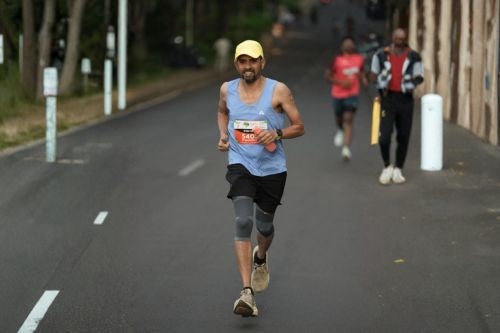




Running in hot and humid weather can be challenging even when you have a good training plan. Excessive sweating, trapped moisture, friction, and poor airflow can leave your skin irritated and uncomfortable. For runners in India, these problems can become especially noticeable during summer, monsoon, and long-distance training.
So, what running clothes prevent sweat rashes in humid weather?
The best running clothes for preventing sweat-related skin irritation are generally lightweight, moisture-wicking, quick-drying, breathable, and well-fitting. Technical running fabrics such as lightweight polyester and performance blends can help manage sweat, while breathable shorts, singlets, and properly fitted half tights can reduce unnecessary friction.
However, clothing is only part of the solution. Good hygiene, changing out of sweaty clothes quickly, and allowing irritated skin to recover are also important.
Why Does Humid Weather Cause Sweat Rashes?
Sweat rashes and heat-related skin irritation can develop when sweat and heat remain trapped against the skin.
Humidity makes the problem worse because the air already contains a lot of moisture, so sweat may evaporate more slowly. During running, your body continues producing sweat, leaving your skin and clothing increasingly damp.
Combined with friction, this can cause irritation around areas such as:
- Inner thighs
- Groin
- Underarms
- Chest
- Waist
- Back
- Areas covered by sports bras
- Skin folds
Long runs can make the problem more noticeable because your skin experiences heat, moisture, and repetitive movement for an extended period.
1. Choose Lightweight Moisture-Wicking Running Clothes
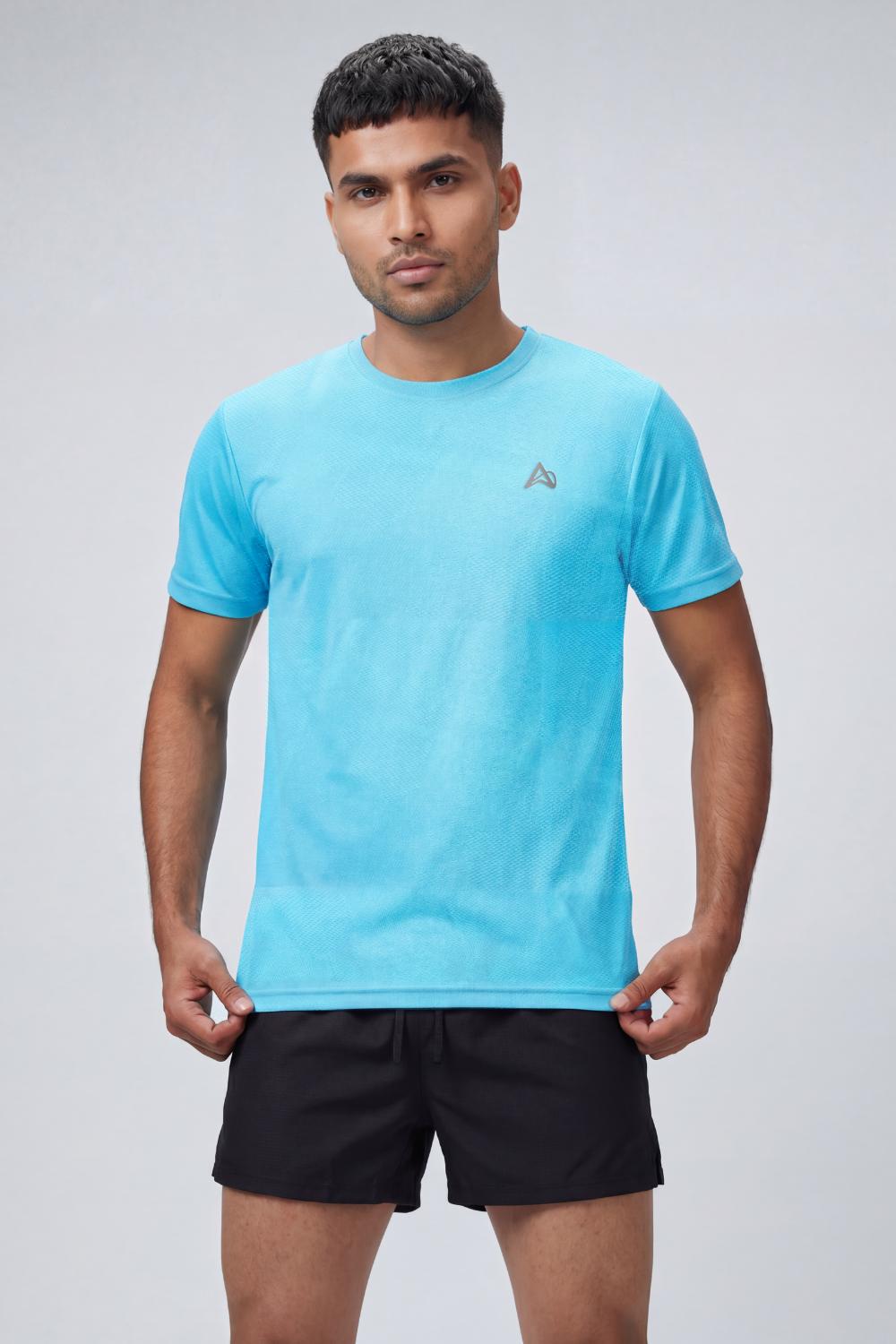
One of the best ways to reduce sweat-related irritation is to choose apparel designed for running rather than ordinary cotton clothing.
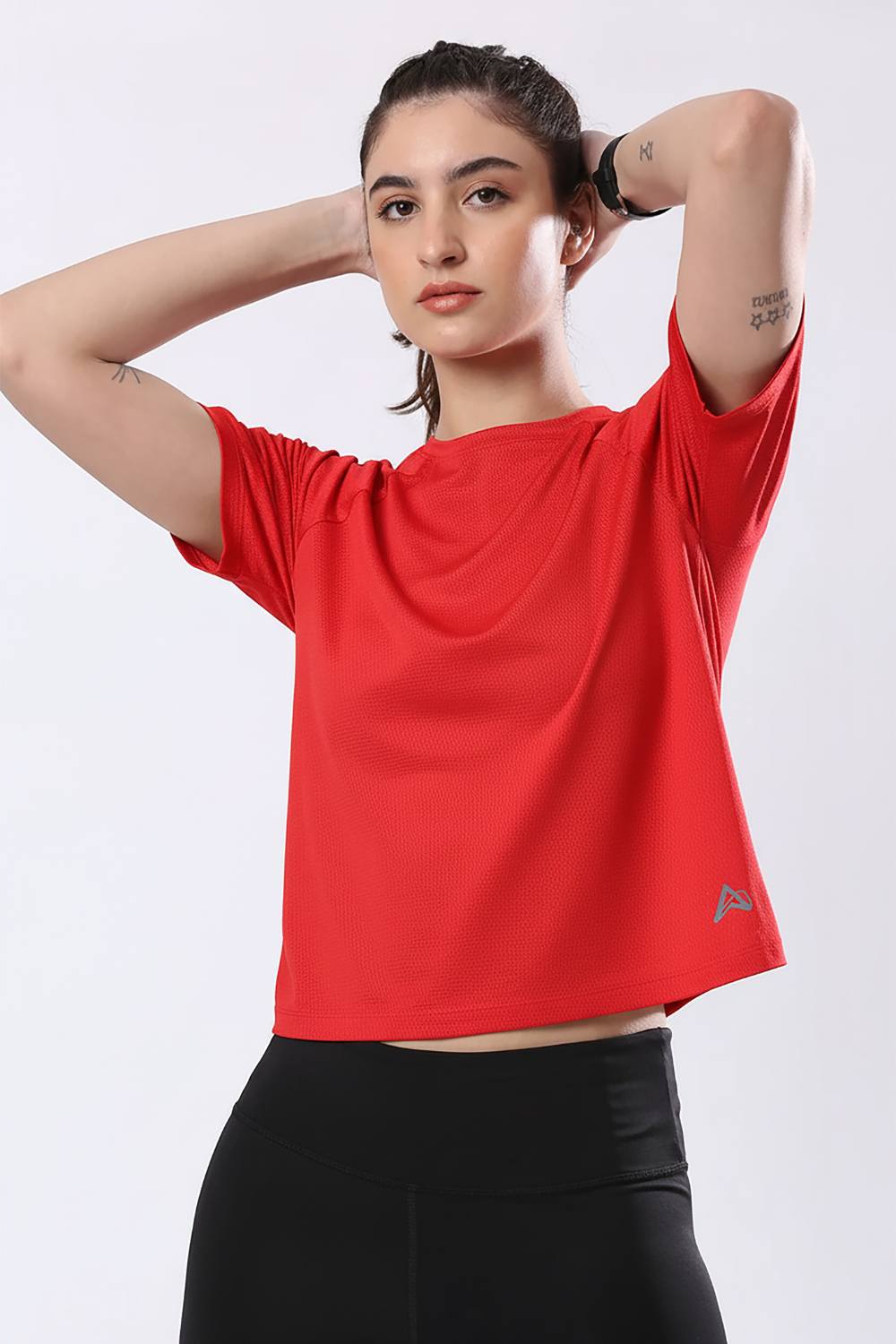
Moisture-wicking running clothes are designed to manage sweat and help move moisture away from the skin.
For humid Indian weather, look for:
- Lightweight technical fabrics
- Quick-drying construction
- Breathable materials
- Sweat-managing fabrics
- Lightweight mesh panels
- Comfortable stretch
- Smooth or well-positioned seams
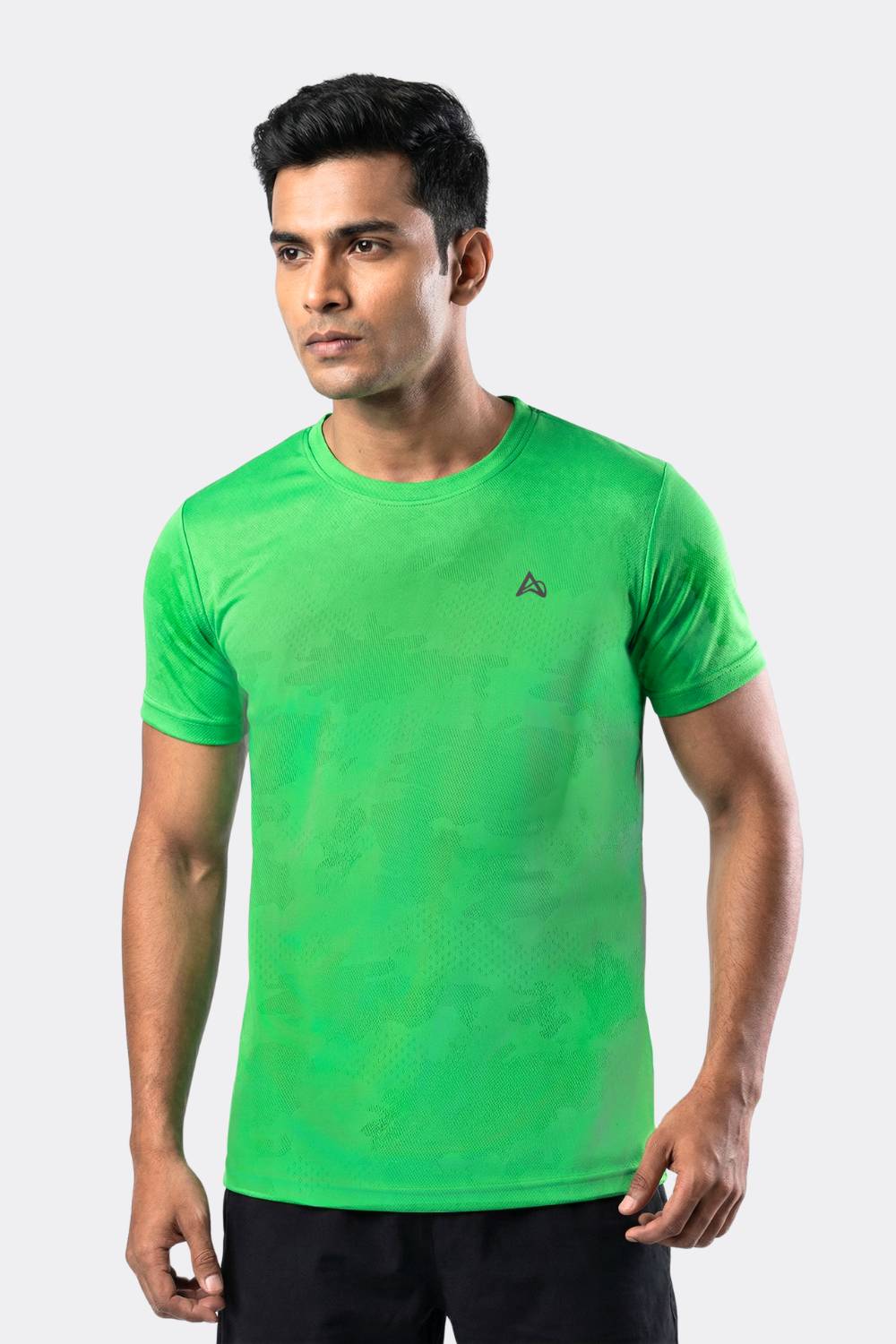
A lightweight technical running T-shirt or singlet can be considerably more comfortable than a heavy cotton shirt during a long summer run.
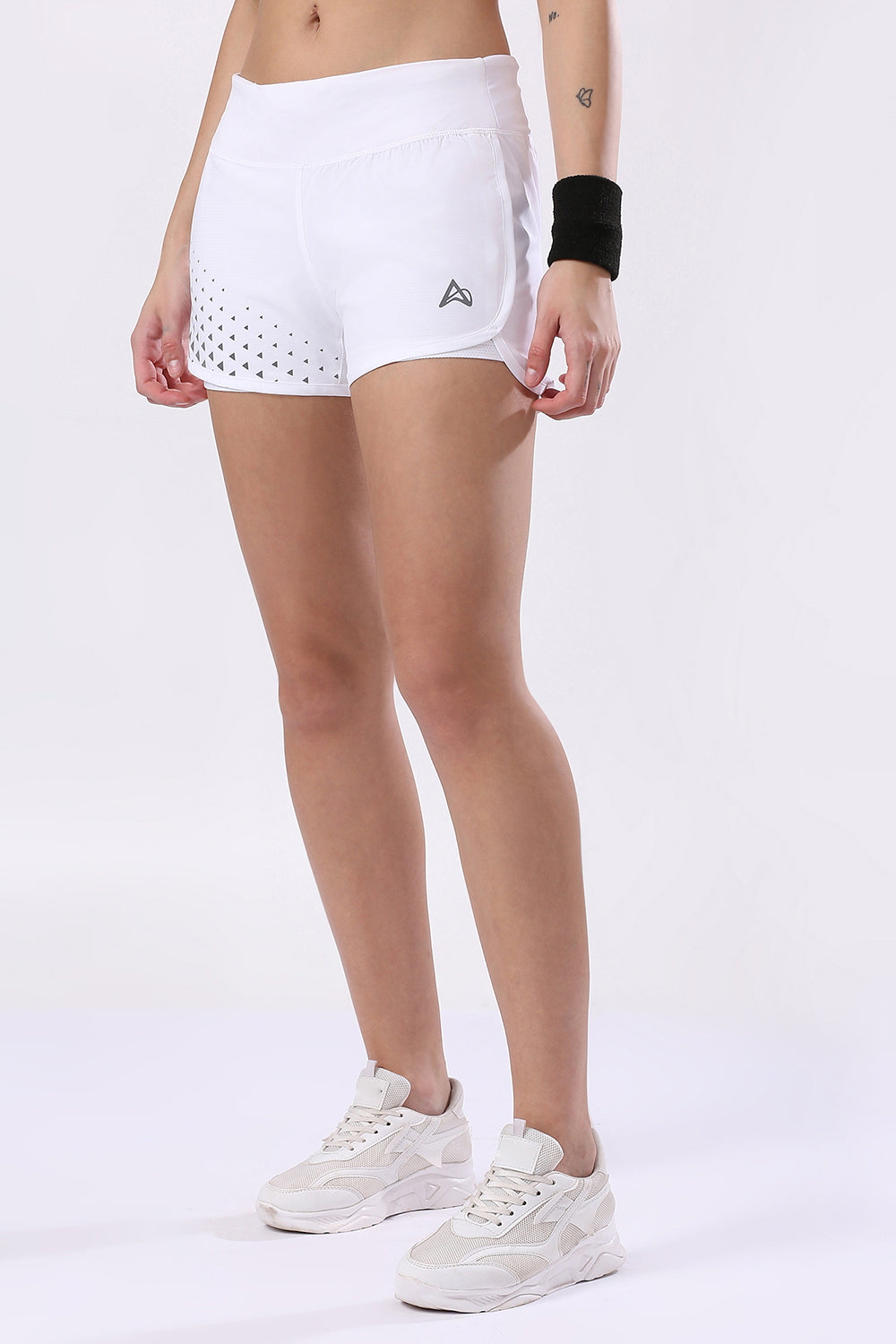
2. Wear Breathable Running Shorts
Your lower body can be particularly vulnerable to sweat and friction.
When your thighs repeatedly rub together while running, moisture can make the friction worse. This is one reason anti-chafing running shorts are useful in humid conditions.
Look for running shorts with:
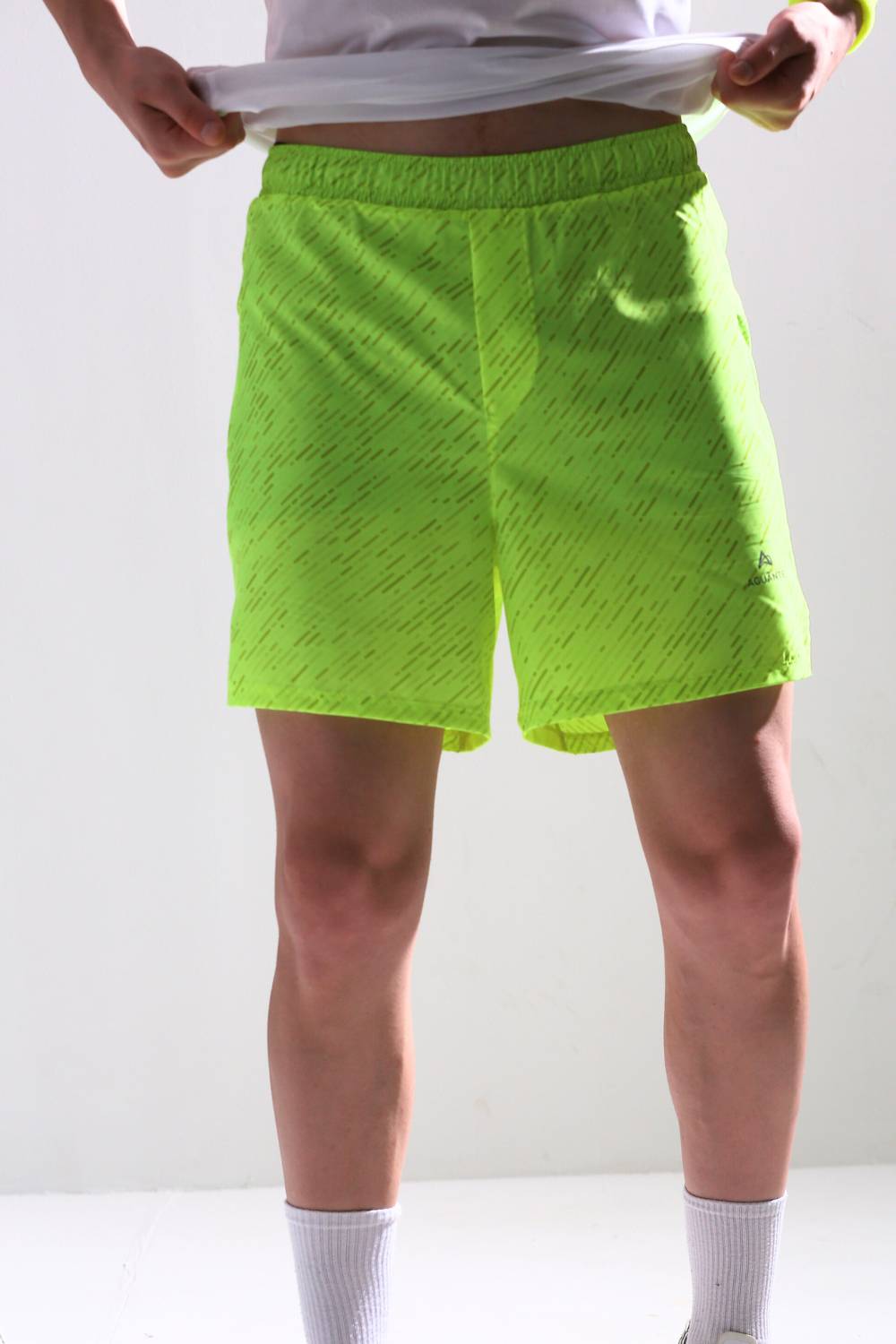
- Lightweight construction
- Breathable fabric
- Good airflow
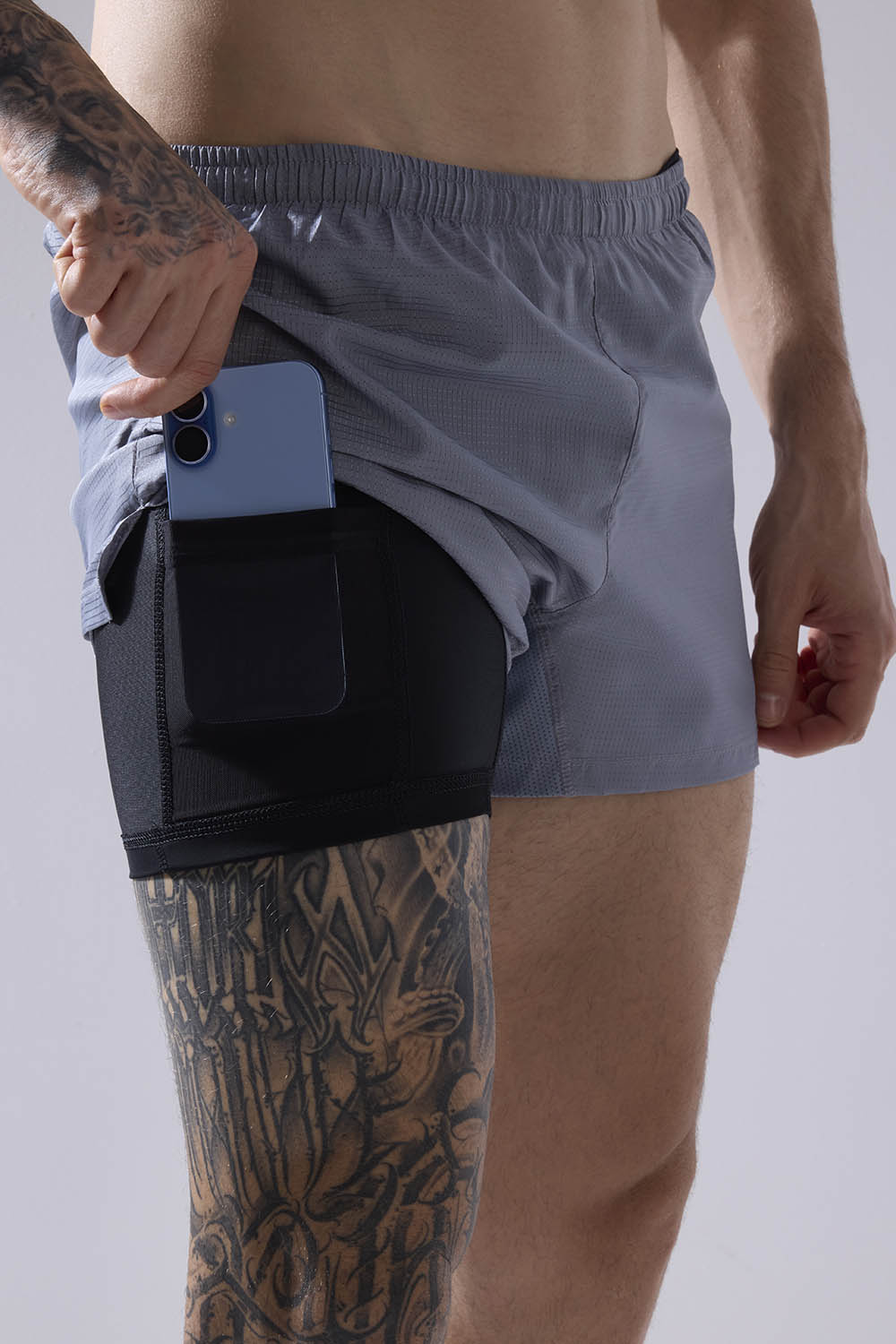
- Comfortable liners
- Stable fit
- Sweat-management properties
- Minimal unnecessary fabric
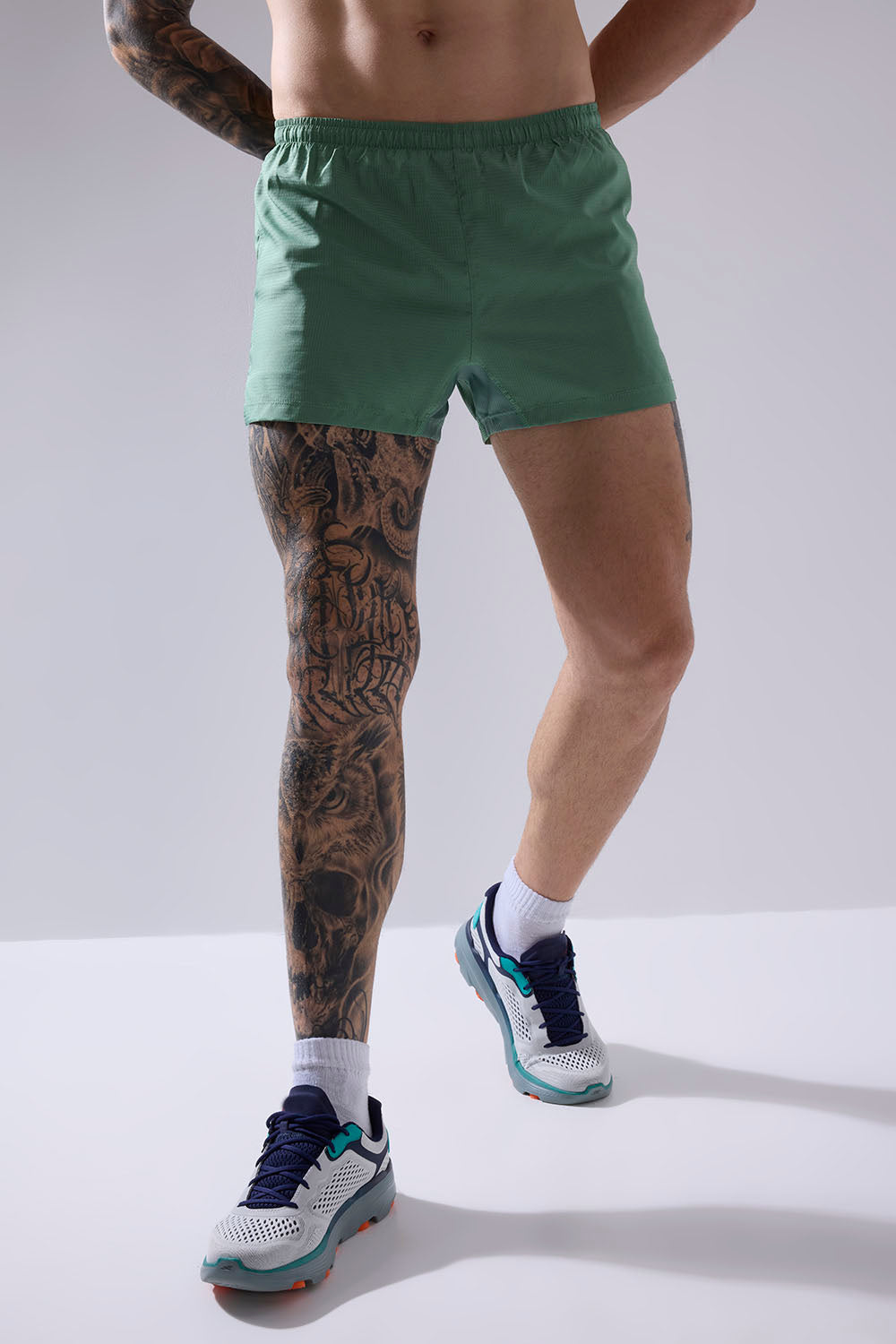
For runners who want maximum airflow, shorter running shorts can work well during hot-weather sessions.
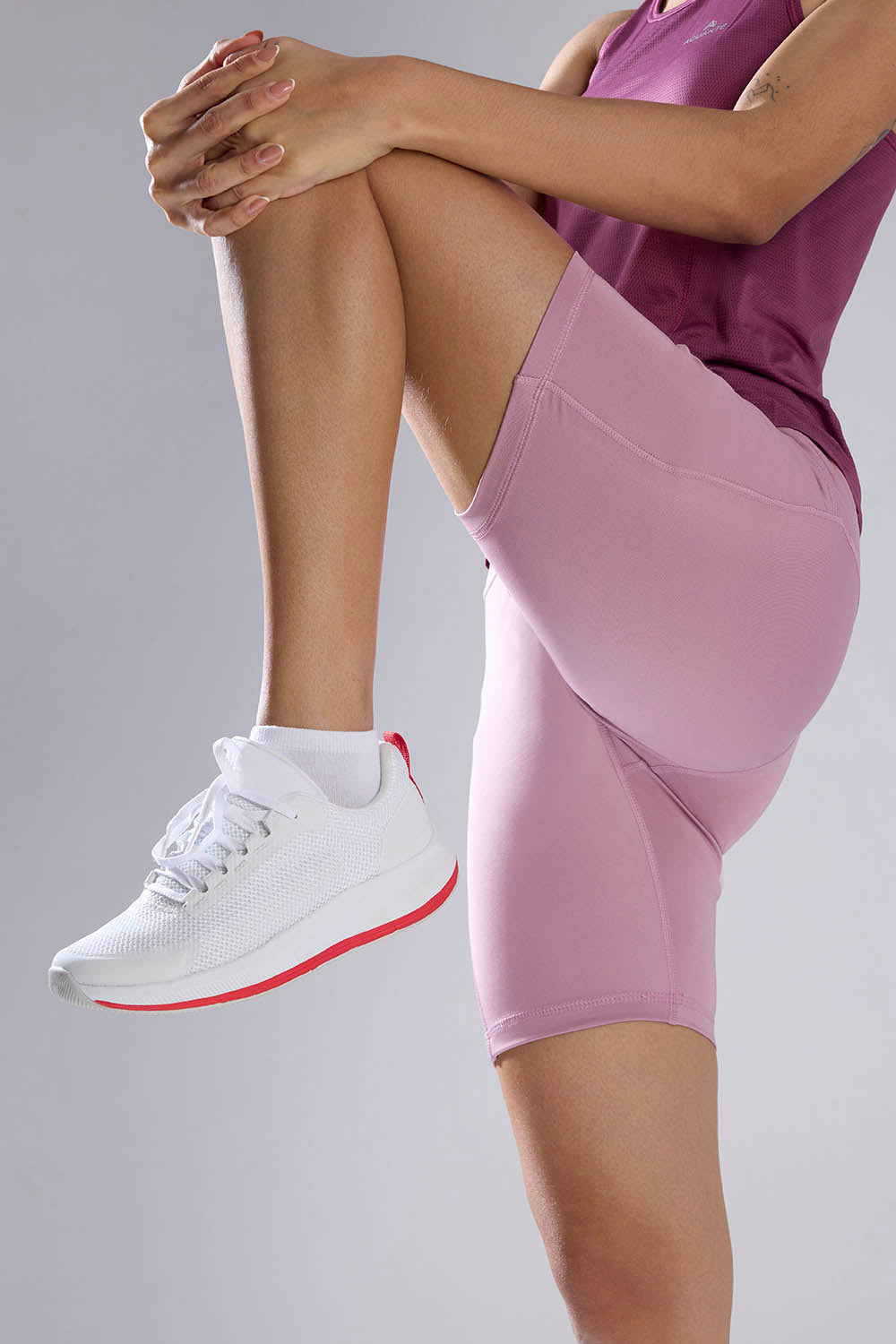
For additional coverage and reduced skin-on-skin friction, half tights can be another option.
3. Consider Half Tights for Inner-Thigh Irritation
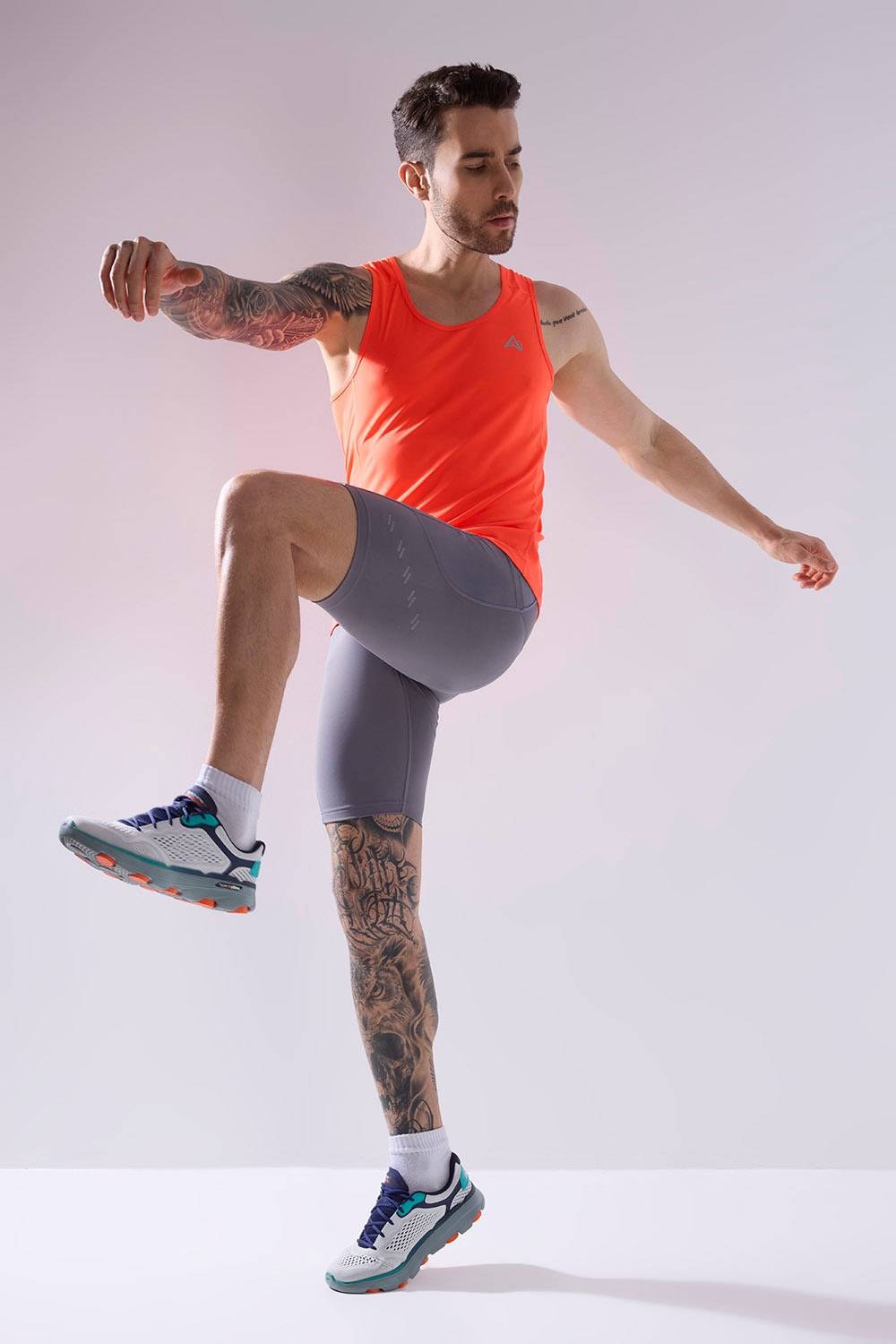
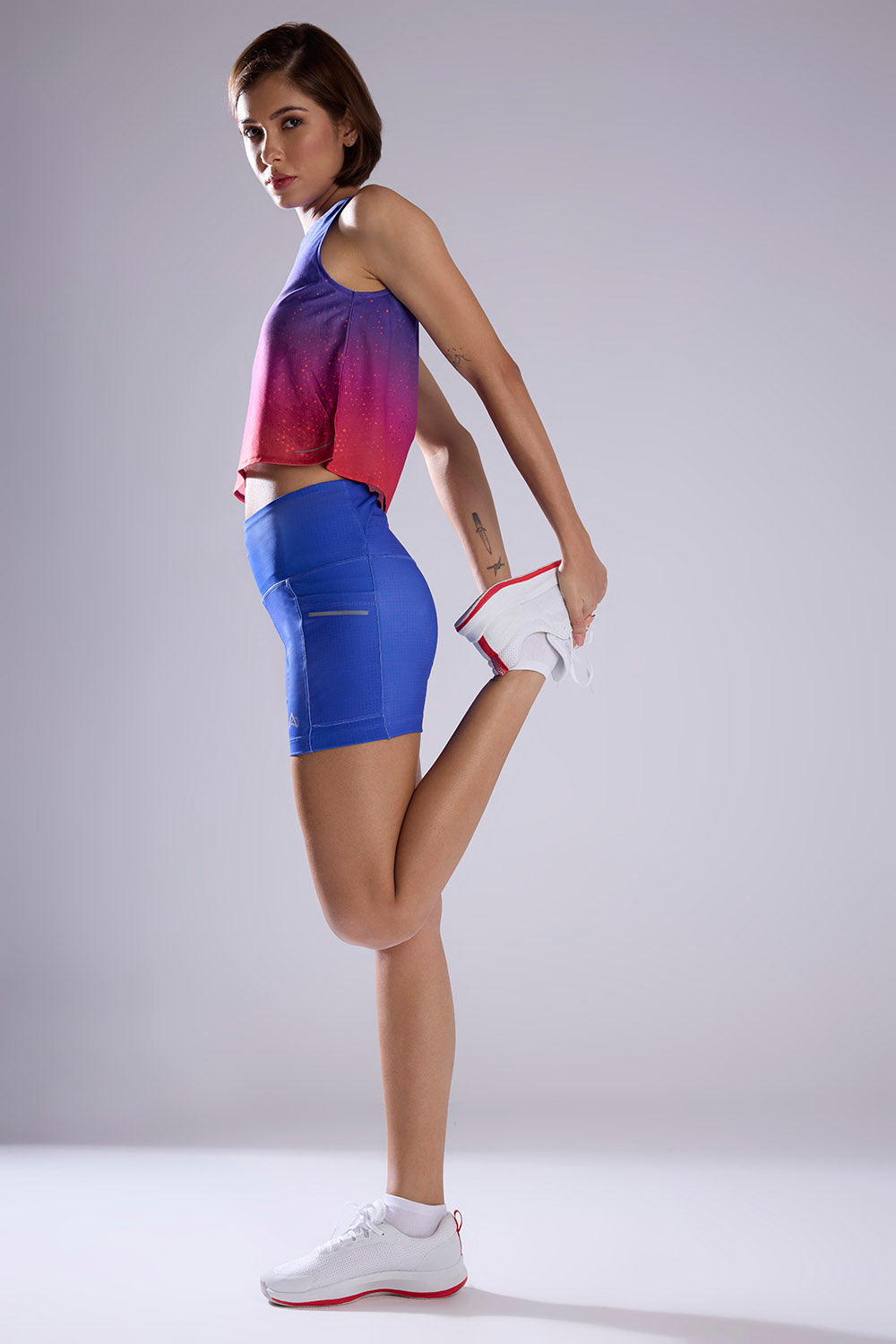
If your main problem is irritation between the thighs, running half tights may be worth considering.
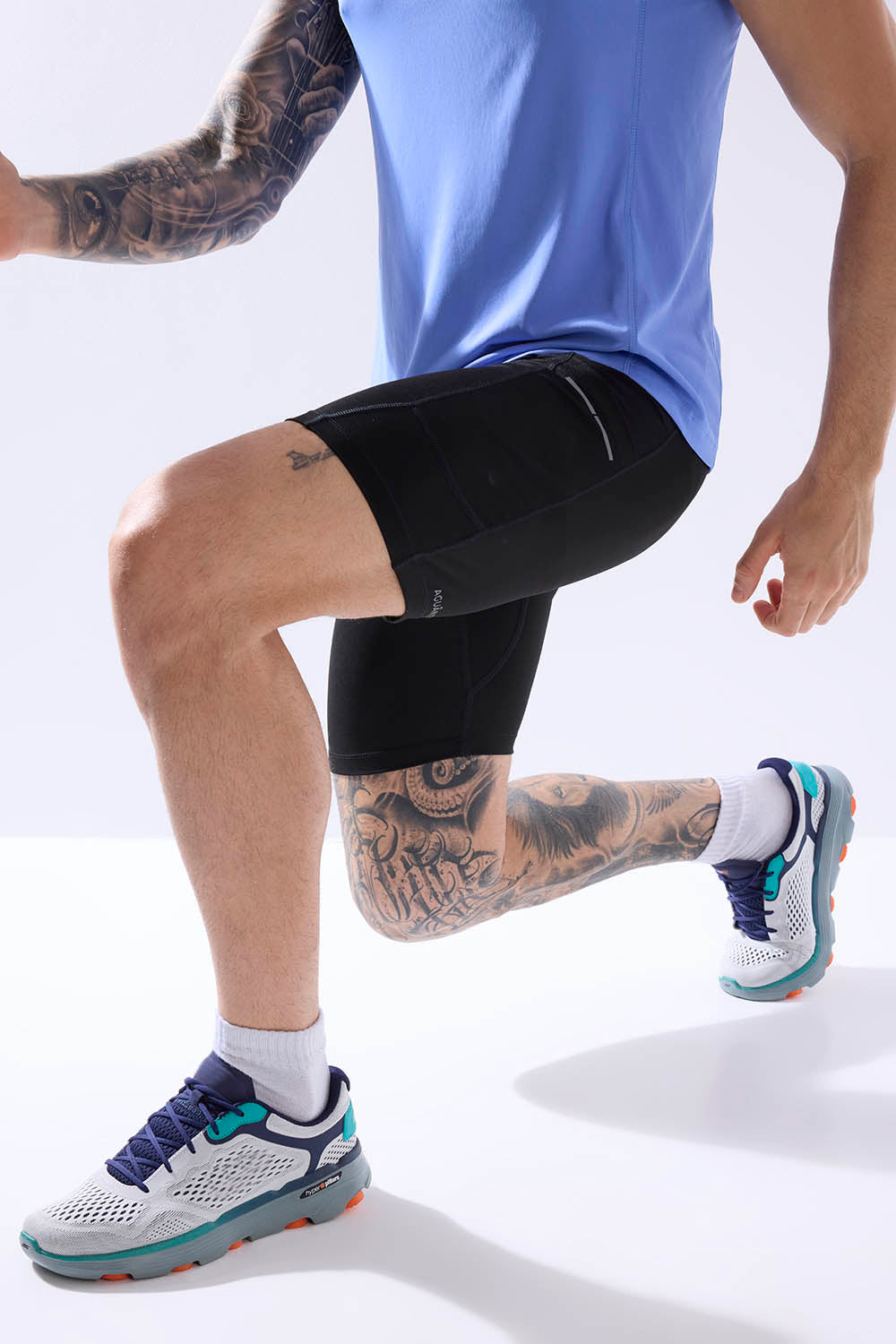
Half tights cover the upper legs and can reduce direct skin-on-skin contact. They can also remain more stable than loose shorts during long runs.
Aguante offers men's half tights designed for running and endurance training.
Depending on your distance and preference, options such as 7" Distance Running Half Tights can provide additional coverage for long-distance running.
For runners who need substantial storage during longer sessions, 8" CoreRun Half Tights are another option to consider.
The important point is that half tights should fit comfortably. Excessively tight or poorly designed apparel can create pressure and friction of its own.
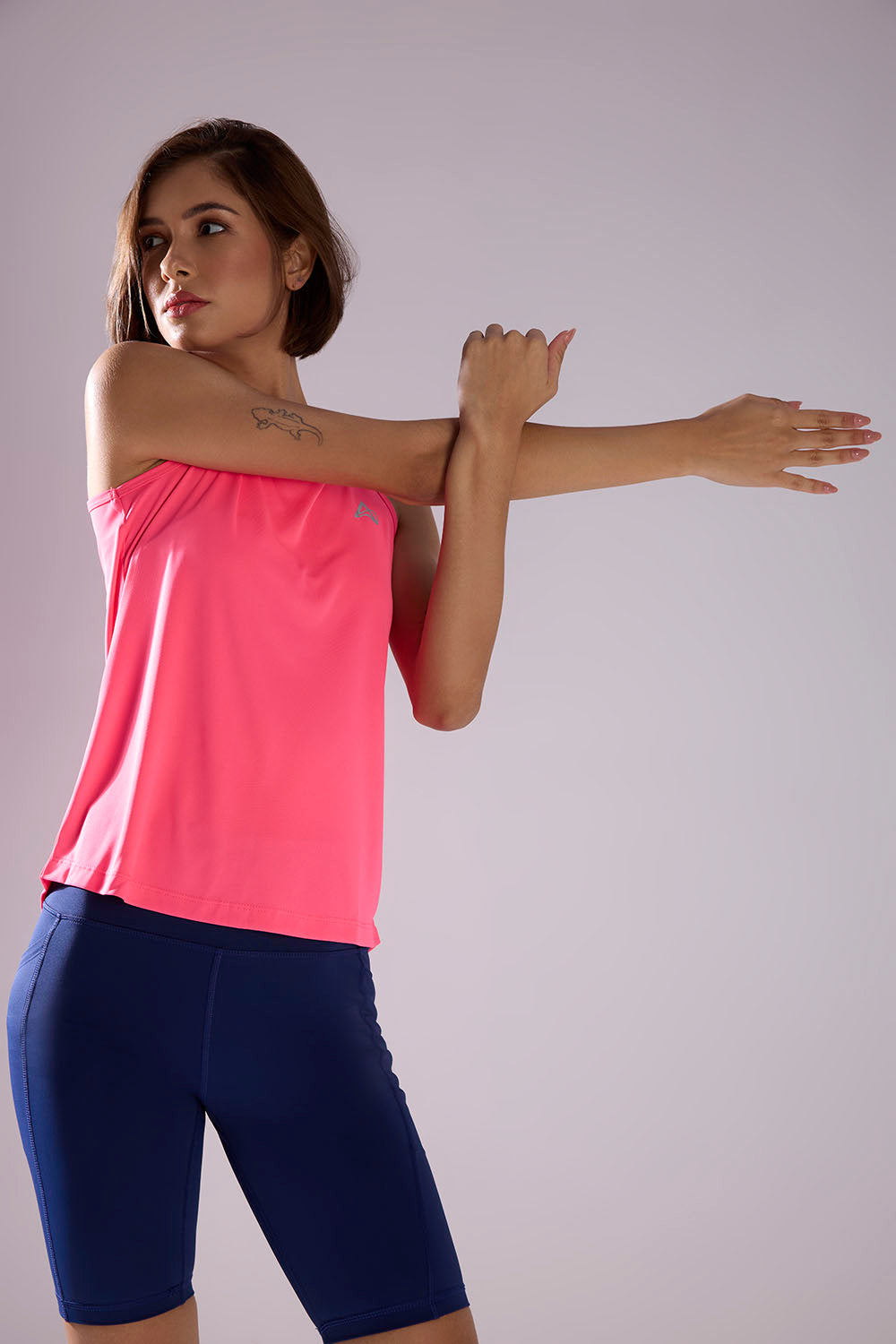
4. Choose a Lightweight Running Singlet
Your upper body can also experience heat rash when sweat becomes trapped under clothing.
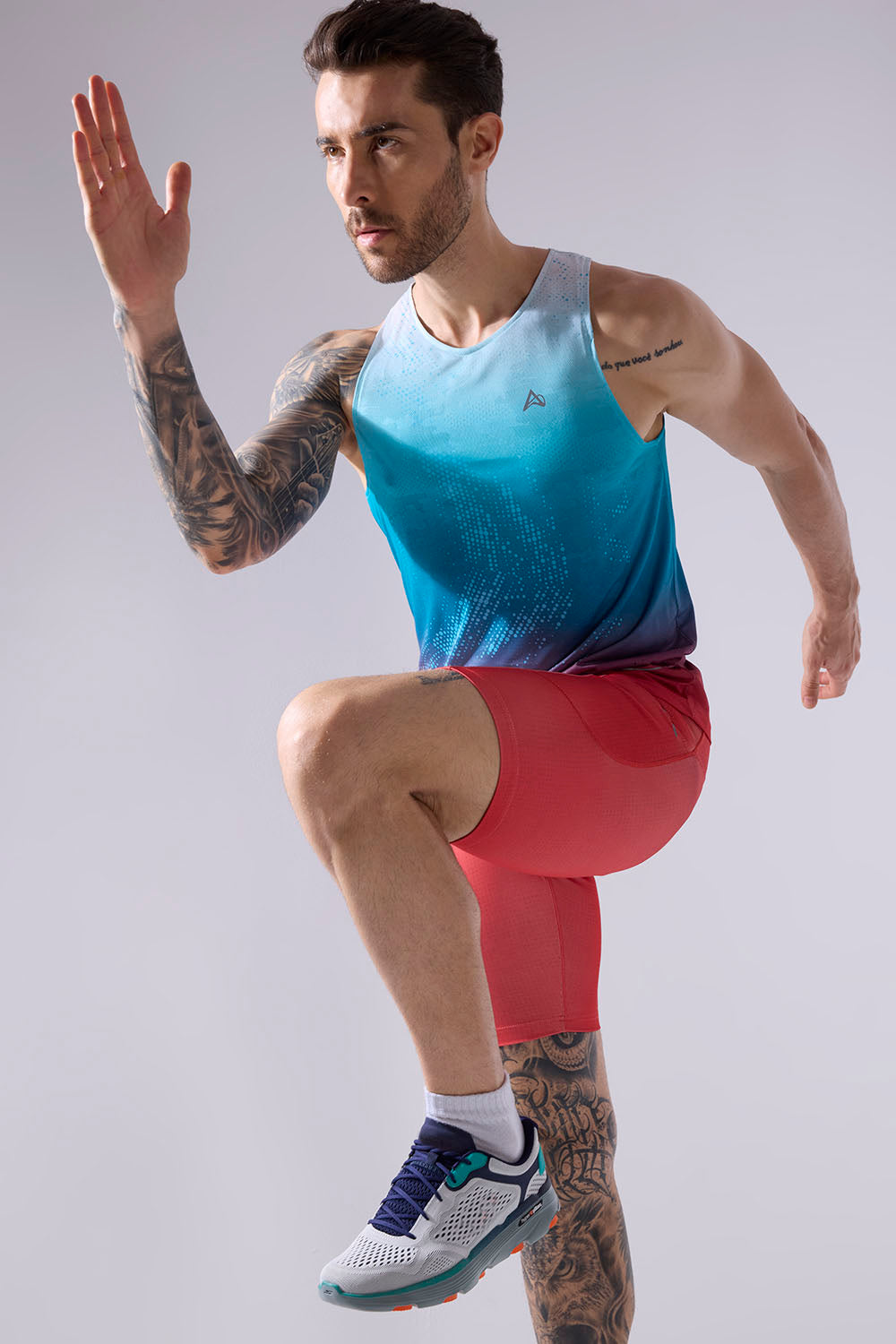
A lightweight running singlet can reduce the amount of fabric covering your torso and improve airflow.
For hot and humid runs, look for a singlet that is:
- Lightweight
- Moisture-wicking
- Breathable
- Comfortable around the armholes
- Not excessively tight
- Designed for running movement
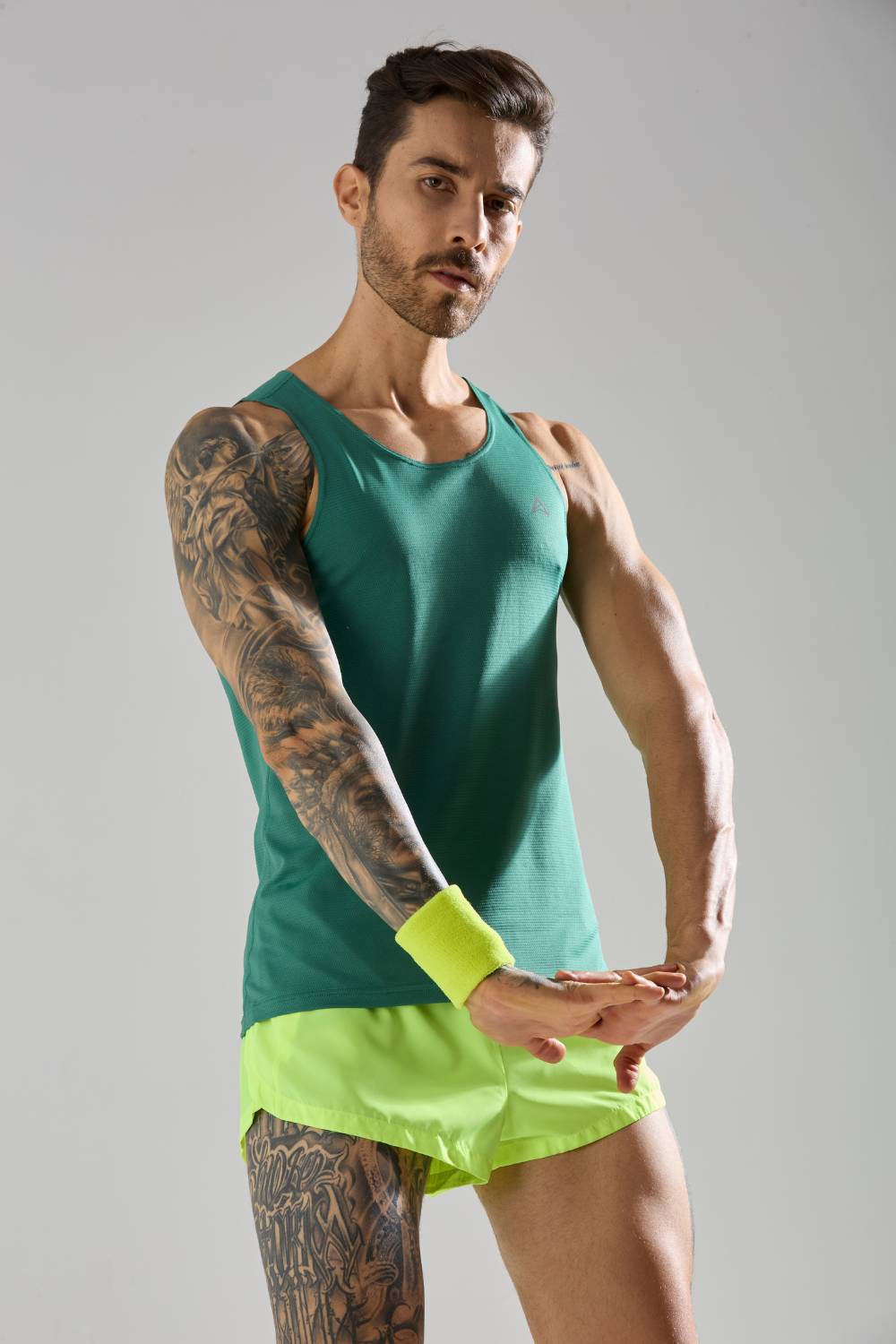
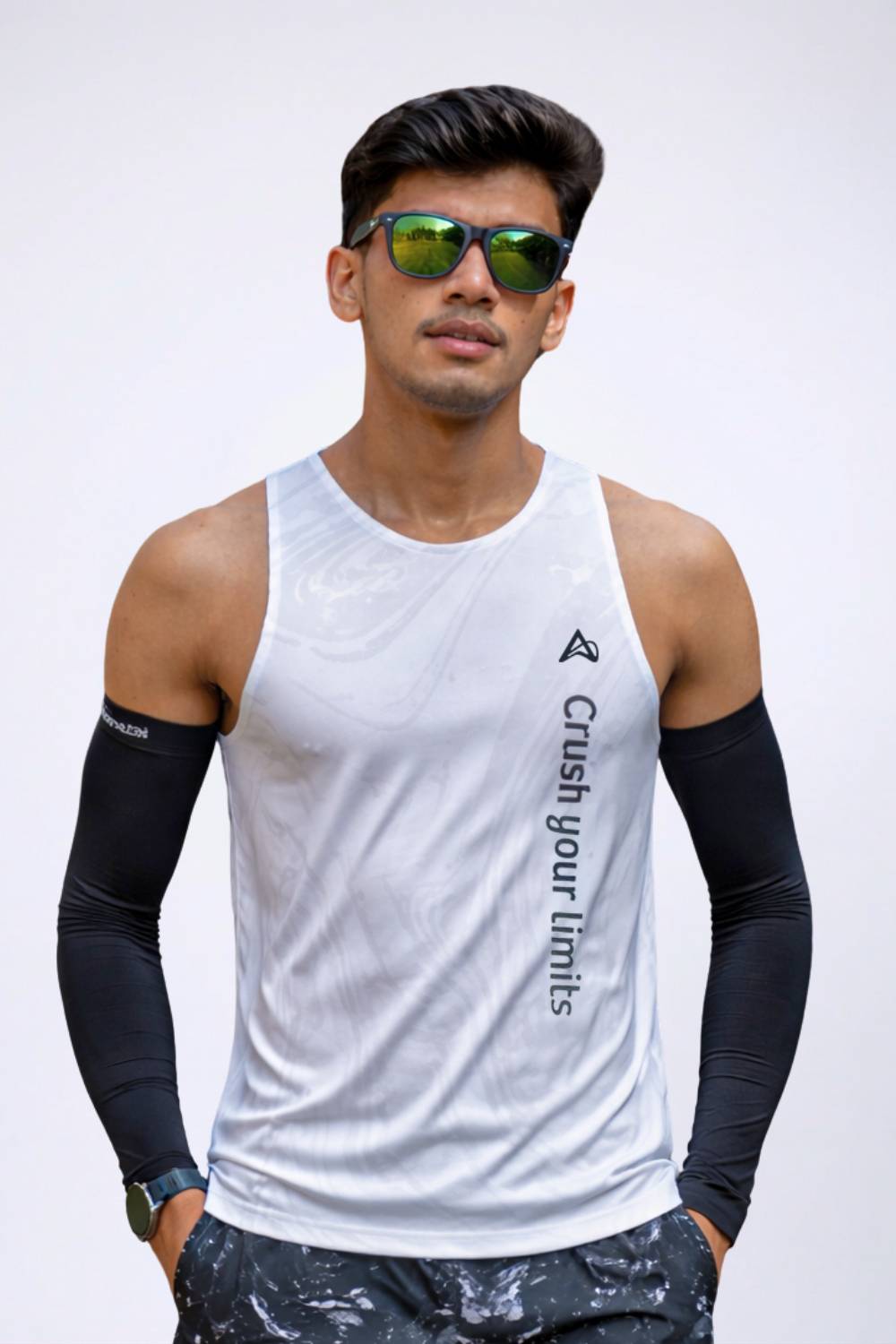
Aguante's men's running singlet is an option for runners looking for lightweight performance apparel for warm-weather training.
A singlet can be particularly useful for early-morning summer runs, speed sessions, and race-day training.
5. Avoid Heavy Cotton During Long Runs
Cotton is comfortable for everyday clothing, but it isn't always the best choice for sweaty running.
Once cotton absorbs a large amount of sweat, it can remain wet against the skin. During a long run, this can contribute to:
- Increased friction
- Sticky clothing
- Heavier garments
- Discomfort
- Skin irritation
For a short walk or easy jog, cotton may not be a major problem. But for a 60–120-minute training run in humid conditions, technical running apparel is generally a better choice.
6. Don't Wear Extremely Tight or Loose Clothing
Fit is just as important as fabric.
Clothing that is too loose can move repeatedly against your skin. Clothing that is too tight can create pressure, trap heat, or rub sensitive areas.
Your running apparel should:
- Stay in place
- Allow a natural stride
- Avoid excessive bunching
- Minimize unnecessary friction
- Feel comfortable throughout the run
This becomes especially important during marathon training.
A pair of shorts that feels comfortable for 20 minutes may become irritating after 90 minutes, so always test your race-day clothing during long training runs.
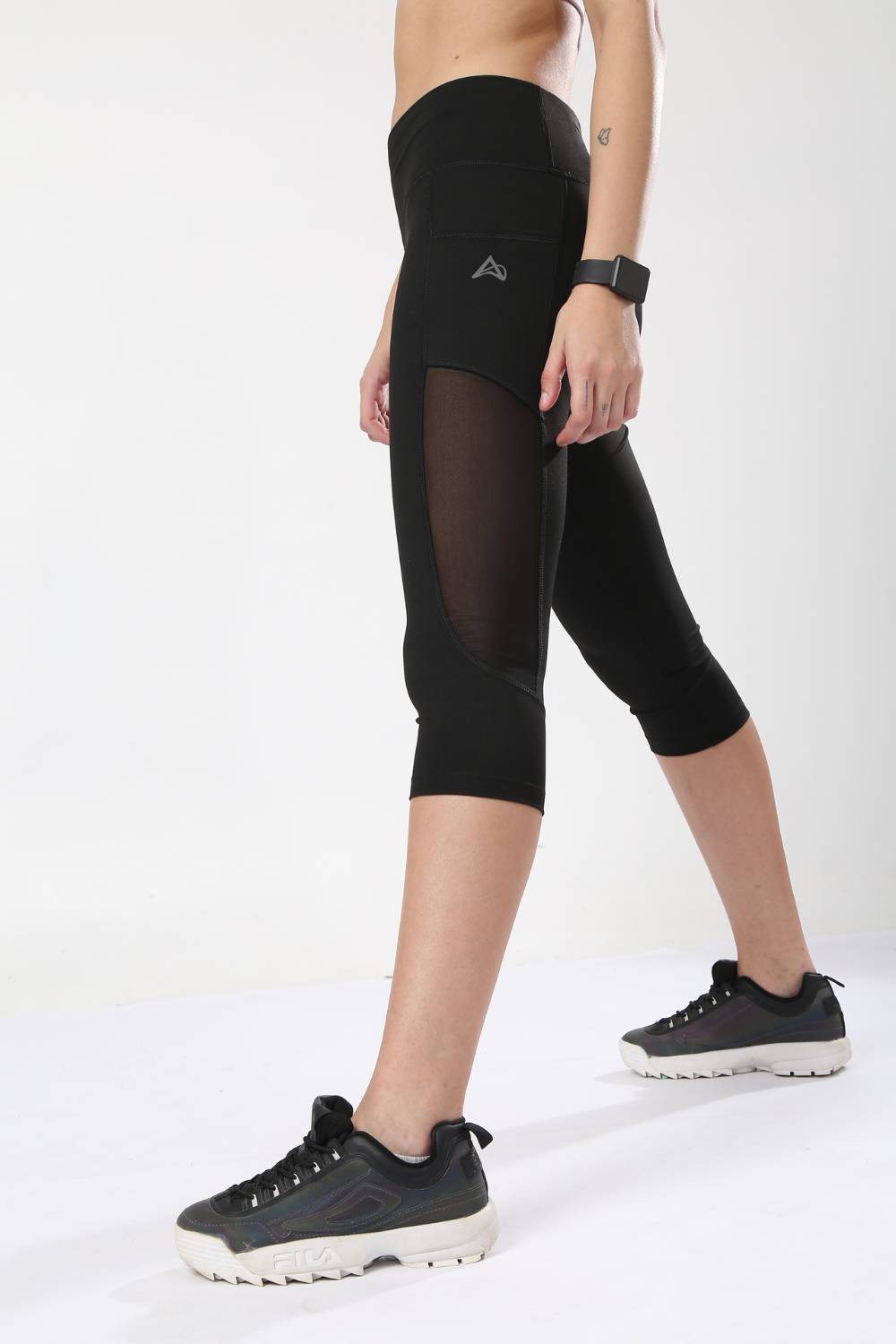
7. Look for Breathable Mesh Construction
Mesh can help improve airflow in areas where heat and sweat accumulate.
You may find mesh in:
- Running shorts
- Short liners
- T-shirts
- Singlets
- Side panels
- Back panels
For Indian summer and humid conditions, strategically placed ventilation can make a difference.
However, mesh alone doesn't guarantee comfort. The overall combination of fabric weight, construction, fit, ventilation, and moisture management matters.
8. Choose Running Clothes With Minimal Friction Points
Seams, labels, elastic bands, and rough fabric can all contribute to irritation.
When shopping for running apparel, pay attention to:
- Seam placement
- Waistband construction
- Inner-thigh seams
- Armhole finishing
- Liner construction
- Waistband pressure
- Fabric softness
If you are particularly prone to irritation, try your running clothes on an easy training run before using them for a long-distance session.
Best Running Outfit for Humid Indian Weather
A practical humid-weather running outfit could include:
For a short run
- Lightweight moisture-wicking singlet or T-shirt
- Breathable running shorts
- Technical running socks
- Running shoes
- Cap or visor if running in strong sunlight
For a long run
- Lightweight running singlet
- Anti-chafing running shorts or half tights
- Technical socks
- Secure storage for phone and gels
- Hydration system
- Anti-chafing balm if needed
For runners training in Mumbai, Pune, Hyderabad, Chennai, Bengaluru, Kolkata, Ahmedabad, or Delhi-NCR, the exact combination can vary depending on temperature and humidity.
Can Running Clothes Completely Prevent Sweat Rash?
No.
The right clothing can reduce heat, moisture retention, and friction, but it cannot guarantee that you will never develop a rash.
Other factors can contribute, including:
- High temperatures
- High humidity
- Heavy sweating
- Skin sensitivity
- Friction
- Long training sessions
- Staying in sweaty clothing
- Poor post-run hygiene
If you develop persistent, severe, painful, spreading, or infected-looking skin irritation, it's best to stop aggravating the area and seek medical advice rather than assuming it is simply a sweat rash.
What Should You Do After a Humid-Weather Run?
Your post-run routine matters too.
After finishing your run:
- Change out of sweaty clothing as soon as possible.
- Shower and gently clean sweaty areas.
- Dry your skin thoroughly.
- Wash your running clothes before wearing them again.
- Avoid aggressively rubbing irritated skin.
- Give irritated areas time to recover.
Don't stay in a sweat-soaked T-shirt or running shorts for several hours after training.
Aguante Running Clothes for Hot and Humid Conditions
For runners looking for running clothes for humid weather in India, Aguante offers performance-focused running apparel designed around training, racing, and endurance running.
For lightweight upper-body coverage, explore the Aguante running singlet.
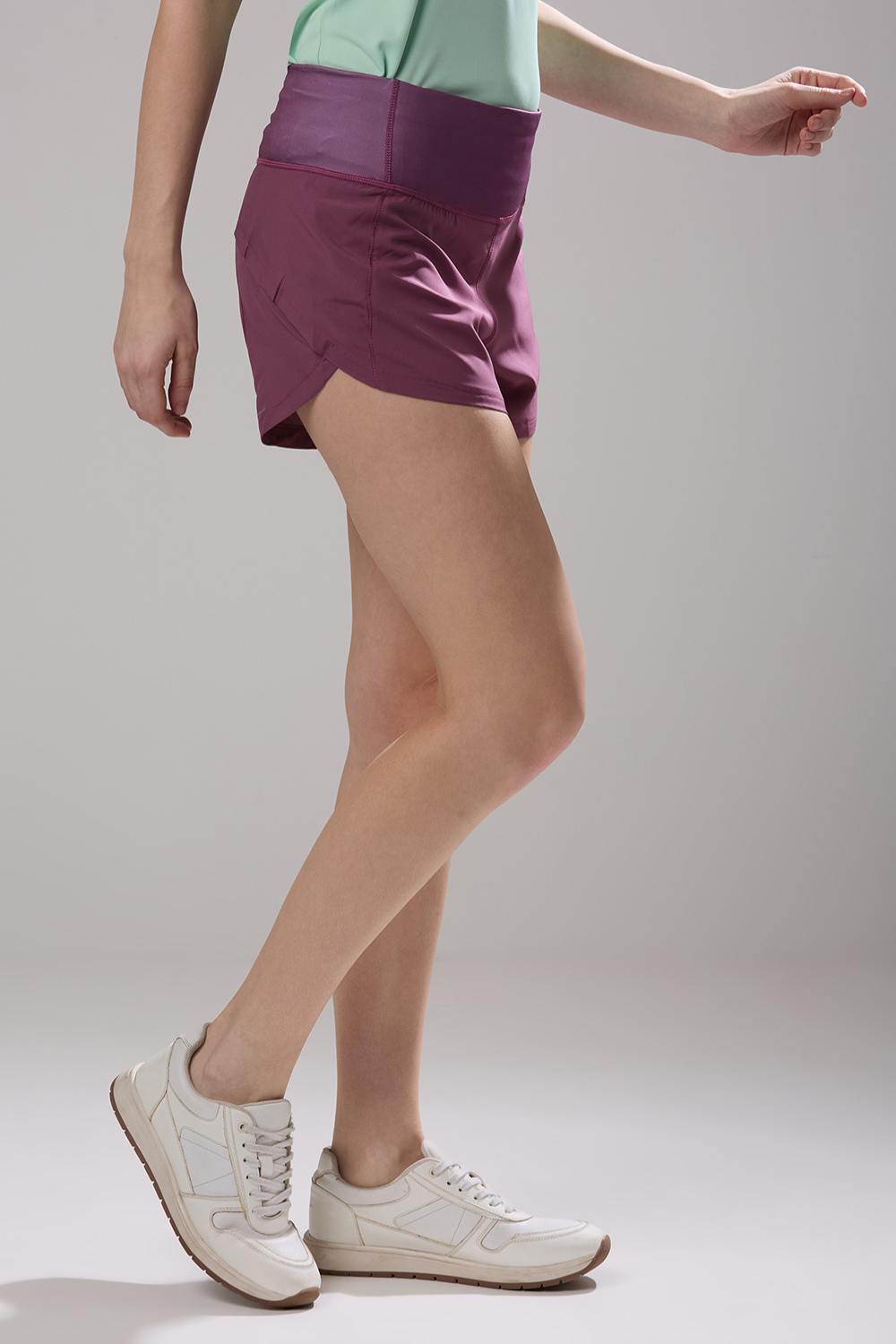
For maximum airflow during faster summer runs, the 2" Split Running Shorts are a lightweight option.
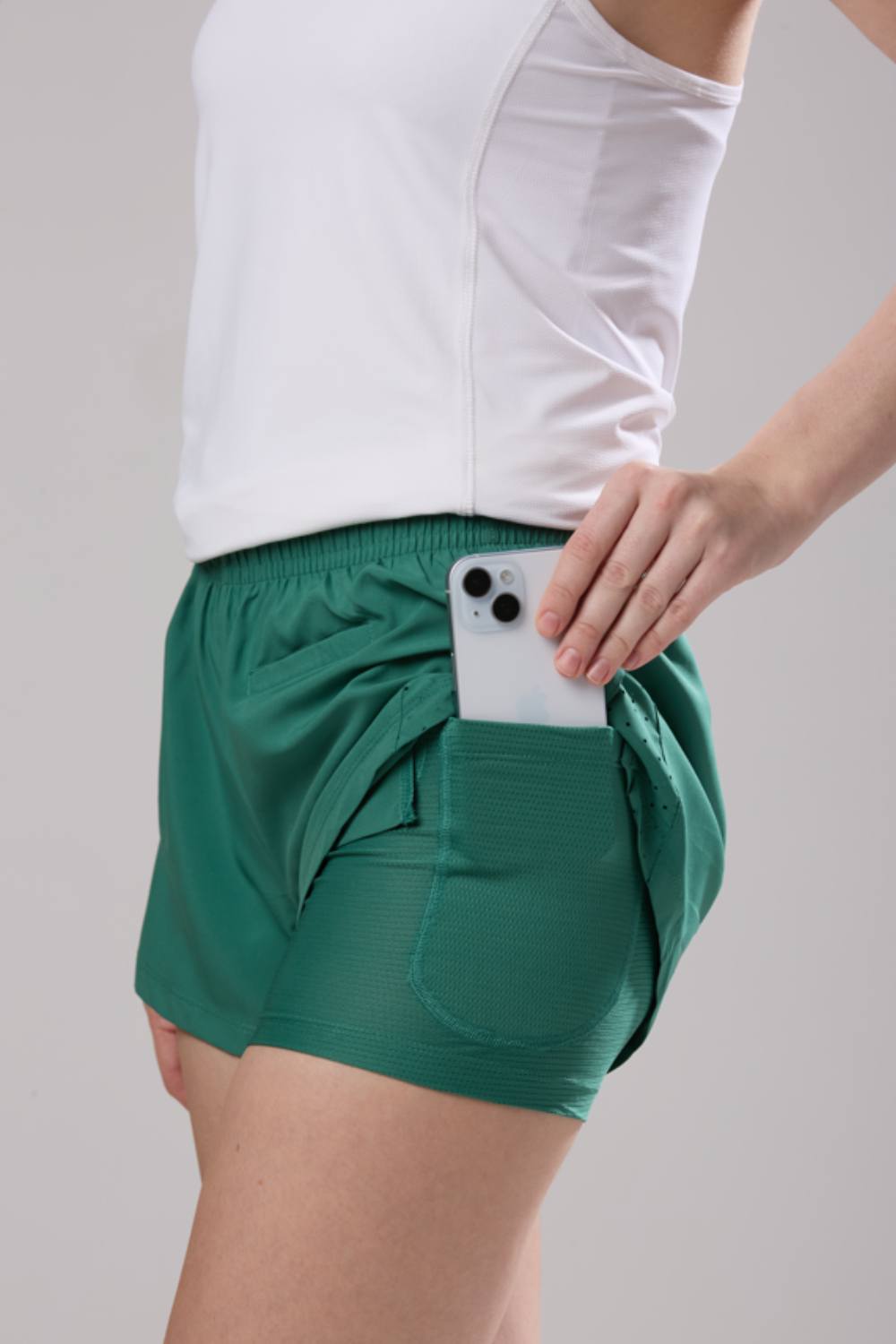
For longer runs where storage matters, the 5" EnduroFlex Performance Shorts provide multiple secure pockets.
If inner-thigh friction is your biggest concern, explore Aguante's men's half tights.
You can also browse Aguante's complete running collection for performance apparel suited to different distances and training conditions.
Frequently Asked Questions
What fabric is best for preventing sweat rashes while running?
Lightweight technical fabrics such as polyester and performance blends are generally good choices because they can be designed for moisture management and quick drying. Fabric construction and fit are also important.
Are cotton running clothes good for humid weather?
Cotton can be comfortable for short, low-intensity activities, but it absorbs sweat and can remain wet. For long, sweaty runs, lightweight technical running apparel is generally preferable.
Are half tights good for preventing inner-thigh chafing?
They can be. Half tights provide additional coverage and can reduce skin-on-skin friction between the thighs. The fit and fabric still need to be comfortable and breathable.
What are the best running clothes for Indian humidity?
Look for lightweight moisture-wicking tops, breathable running shorts or half tights, technical socks, and apparel that stays securely in place without excessive friction.
Final Takeaway
If you're wondering what running clothes prevent sweat rashes in humid weather, start with lightweight, breathable, moisture-wicking, quick-drying apparel.
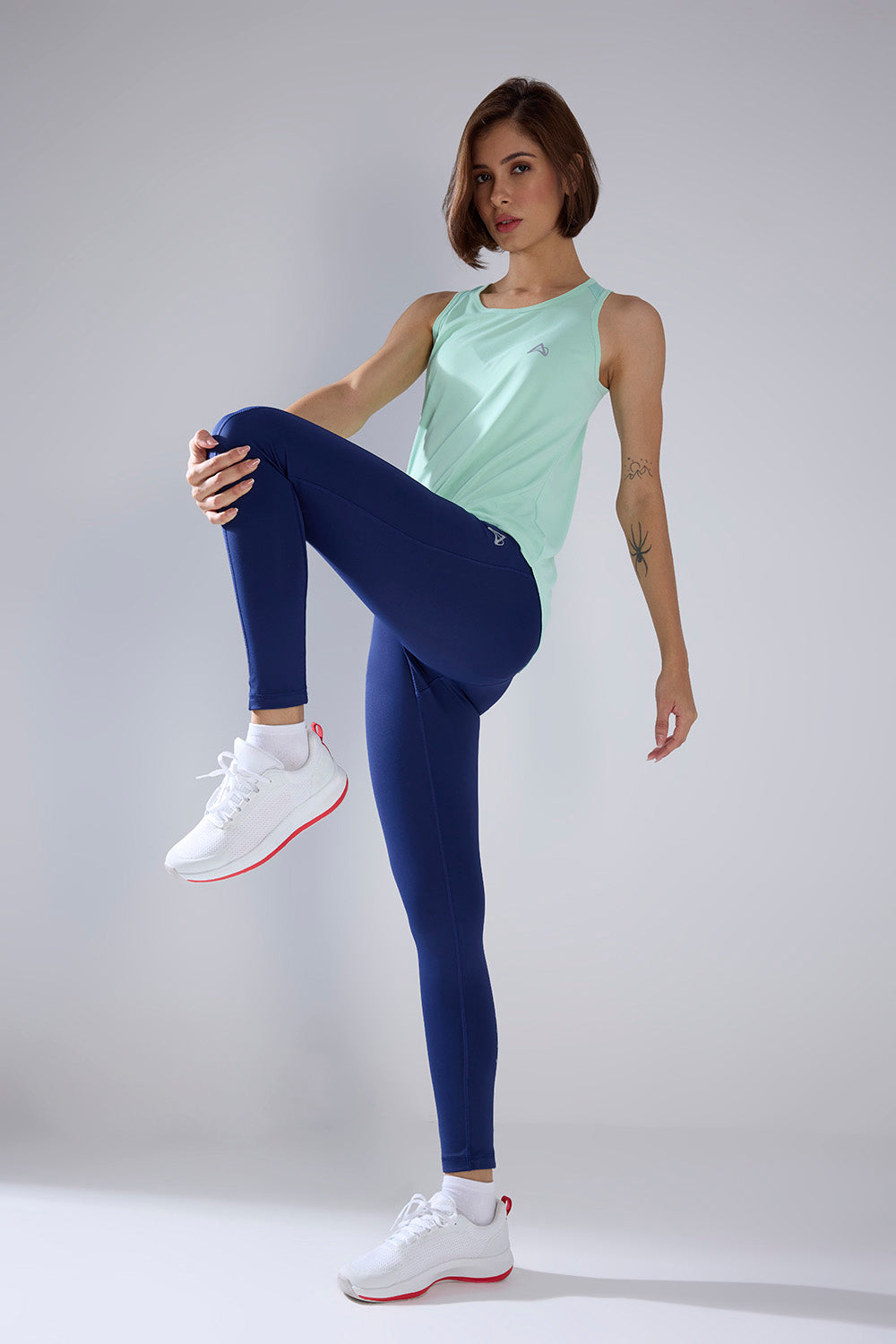
For most Indian runners, a combination of a lightweight technical singlet or T-shirt, breathable running shorts or half tights, and sweat-managing socks is a practical choice. If you experience inner-thigh irritation, anti-chafing shorts or half tights can provide additional protection against friction.
Most importantly, don't focus only on the fabric label. Fit, ventilation, moisture management, seam construction, and how the garment performs over the entire run all matter.