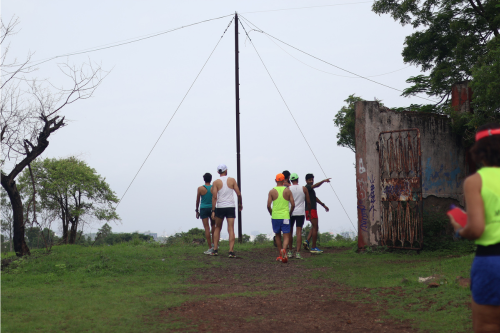
























Running is more than a physical activity; it is a lifestyle that demands consistency, mental resilience, and intrinsic motivation. For many runners, sustaining a long-term habit is challenging, yet achievable with the right strategies and mindset. Across urban hubs in India such as Bangalore, Hyderabad, Mumbai, Pune, Navi Mumbai, Delhi, Gurugram, Surat, and Ahmedabad, local running communities and individual behaviors reveal insightful patterns that shed light on why some people maintain running routines over years, while others struggle to stay consistent.
Tired of gear that slows you down? Chafing, soggy fabrics, and missing pockets kill your run's momentum. At Aguante, we're runners who get it. Our high-performance activewear features moisture-wicking fabrics, ergonomic designs, and smart storage to keep you focused. Shop Now!
Understanding the Psychology of Running Consistency
Consistency in running is largely influenced by psychological drivers. Runners who persist over time often demonstrate high levels of self-regulation and goal-setting abilities. In cities like Bangalore and Pune, individuals frequently set incremental distance or time goals, which allow them to monitor progress and experience tangible achievements. This approach transforms running from a vague routine into a structured habit, increasing intrinsic satisfaction and long-term adherence.
Another critical factor is the role of intrinsic motivation. Many runners in Delhi and Hyderabad report that personal well-being, stress relief, and mental clarity are the primary reasons they continue running. The act of running becomes self-reinforcing; the more benefits they perceive, the more likely they are to maintain regular schedules. This intrinsic feedback loop is often more influential than external rewards or recognition.
Community and Social Engagement
Running communities and social networks significantly impact long-term motivation. In Mumbai and Navi Mumbai, organized running clubs, park meetups, and neighborhood groups provide social accountability and camaraderie. These communities foster a sense of belonging, where members encourage one another and celebrate achievements together. Participation in local events and group challenges creates a shared commitment, which can reinforce individual consistency in training.
For example, local running initiatives in Gurugram have demonstrated that runners who engage with peers are less likely to skip sessions and more likely to adopt structured training routines. Social engagement creates a form of external motivation that complements intrinsic goals, blending accountability with enjoyment and shared experiences.
Technology and Performance Tracking
Wearable technology, mobile apps, and performance-tracking platforms have transformed how runners approach consistency. In cities like Hyderabad and Ahmedabad, runners increasingly use GPS watches, smartwatches, and running apps to monitor distance, pace, and heart rate. These tools provide immediate feedback, goal tracking, and insights into performance trends, which help maintain motivation over time. Tracking progress visually reinforces commitment and allows runners to celebrate milestones, even in the absence of competitive events.
Furthermore, the integration of gamified elements in running apps such as badges, streaks, and virtual challenges can create additional motivation. Many users report that completing weekly distance targets or achieving personal bests drives them to remain consistent, turning habitual exercise into an engaging, interactive experience.
Setting Realistic Goals and Habit Formation
Building a sustainable running habit requires goal-setting that is both challenging and attainable. In Pune and Bangalore, runners often emphasize the importance of starting small short distances or limited sessions per week and gradually increasing intensity or frequency. This approach prevents burnout and reduces the risk of injury, making long-term consistency feasible.
Another key strategy involves routine integration. Many runners in Delhi schedule runs around commuting, lunch breaks, or evening leisure time, embedding running into daily life rather than treating it as an optional activity. Habit stacking, where running is linked to existing daily routines, has been shown to enhance adherence by reducing decision fatigue and increasing automaticity of behavior.
Personal Rewards and Self-Reflection
Maintaining motivation also involves self-recognition and reward mechanisms. Runners in Mumbai and Surat often track progress through personal journals, photographs, or app dashboards, reflecting on improvements and accomplishments. Celebrating small wins whether completing a first 5K or achieving a new pace record reinforces positive behavior and strengthens commitment.
Moreover, self-reflection encourages deeper understanding of personal motivations. In Hyderabad, seasoned runners report that reflecting on mental and physical benefits helps them reconnect with intrinsic reasons for running, especially during periods of low motivation. Recognizing progress, rather than focusing solely on outcomes, sustains engagement and fosters a long-term mindset.
Environmental and Urban Considerations
The urban landscape itself can influence running habits. Cities like Bangalore, Pune, and Gurugram provide a mix of public parks, dedicated running tracks, and community spaces that support safe and accessible exercise. Having reliable, convenient, and enjoyable environments encourages routine participation and reduces friction associated with maintaining a consistent habit.
Local weather conditions and seasonality also play a role. In Mumbai and Delhi, runners adjust their schedules to accommodate heat and monsoon conditions, often shifting runs to early mornings or evenings. Adapting to environmental factors demonstrates flexibility and reinforces a mindset geared toward sustainable practice, rather than occasional bursts of motivation.
Motivation Through Lifestyle Integration
For many individuals in Navi Mumbai and Ahmedabad, running is integrated with broader lifestyle goals, such as improved health, mental clarity, and social engagement. The connection between running and other wellness practices like yoga, gym workouts, or balanced nutrition creates a holistic framework that reinforces consistency. When running is perceived as a component of a broader, meaningful lifestyle, adherence increases naturally.
Additionally, aligning running with personal identity enhances motivation. Many recreational runners in Hyderabad and Delhi consider themselves “lifelong runners” or part of a fitness-oriented community, which strengthens internal commitment. This identity-based motivation encourages consistency even in the absence of immediate rewards or social pressures.
Role of Performance Apparel in Sustaining Motivation
High-performance running gear can subtly influence motivation and consistency. According to a verified running gear study, health-conscious consumers are increasingly investing in apparel that supports comfort, performance, and versatility, making it easier to maintain regular routines. In India's urban centers, well-designed activewear that accommodates both running and lifestyle use encourages habitual participation by reducing discomfort and increasing enjoyment.
Performance apparel also contributes psychologically. Wearing specialized gear can enhance confidence, reinforce the identity of a runner, and signal commitment to oneself and peers. This alignment between functional clothing and intrinsic motivation supports a more consistent and satisfying running experience over time.
Practical Tips for Sustaining Long-Term Motivation
- Establish a running schedule that aligns with daily routines, using habit stacking to reduce decision fatigue.
- Set incremental, realistic goals to monitor progress without risking burnout.
- Engage with local running communities for social accountability and shared motivation.
- Leverage technology and apps for performance tracking, goal setting, and gamification.
- Reflect regularly on personal achievements and intrinsic reasons for running.
- Adapt to environmental factors, including weather and urban infrastructure, to ensure routine continuity.
- Invest in high-performance activewear that enhances comfort, confidence, and enjoyment.
Consistency in running emerges from a blend of psychological, social, technological, and environmental factors. By understanding and leveraging these drivers, runners in cities like Bangalore, Hyderabad, Mumbai, Pune, Navi Mumbai, Delhi, Gurugram, Surat, and Ahmedabad can cultivate sustainable routines that endure beyond initial motivation. The key lies in structuring habits, engaging communities, integrating lifestyle goals, and aligning supportive tools and apparel with intrinsic desires to run.
Ultimately, the motivation to keep running is not a singular factor but a composite of personal goals, social reinforcement, environmental accessibility, and lifestyle integration. For runners seeking to maintain momentum over years, adopting a multifaceted strategy that balances discipline with enjoyment is essential. Through deliberate planning, reflection, and engagement, building a long-term running habit becomes both achievable and rewarding.
Frequently Asked Questions
What are the most effective ways to stay motivated to run consistently over time?
Staying consistent with running requires a combination of intrinsic motivation, realistic goal-setting, and social engagement. Setting incremental distance or time goals gives you measurable progress to celebrate, while joining local running communities provides accountability and camaraderie. Integrating running into your daily routine through habit stacking such as scheduling runs around commutes or lunch breaks helps automate the behavior and reduces decision fatigue.
How do running apps and wearable technology help maintain long-term running habits?
Running apps and GPS or smartwatches provide real-time feedback on distance, pace, and heart rate, helping runners track progress and stay engaged with their goals. Gamified features like badges, streaks, and virtual challenges add an interactive layer of motivation that keeps the habit rewarding beyond physical benefits. Seeing visual progress over time reinforces commitment and gives runners a reason to lace up even on low-motivation days.
Can joining a running community really improve consistency in your training?
Yes social accountability is one of the strongest predictors of long-term running consistency. Runners who participate in local clubs, group meetups, or community challenges are significantly less likely to skip sessions and more likely to follow structured training plans. The shared commitment, encouragement, and celebration of milestones within a running group create a powerful blend of external accountability and genuine enjoyment that complements personal goals.
Disclaimer: The above helpful resources content contains personal opinions and experiences. The information provided is for general knowledge and does not constitute professional advice.
You may also be interested in: Urban Running Culture Drives Social Media Apparel Trends - Aguante
Tired of gear that slows you down? Chafing, soggy fabrics, and missing pockets kill your run's momentum. At Aguante, we're runners who get it. Our high-performance activewear features moisture-wicking fabrics, ergonomic designs, and smart storage to keep you focused. Shop Now!
Powered by flareAI.co