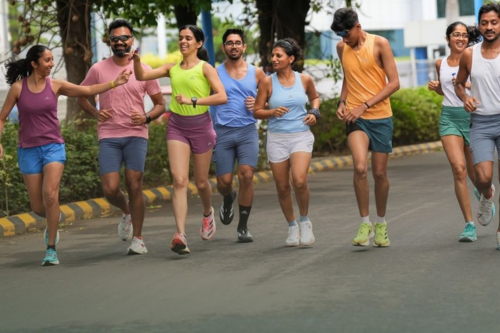
Running gear has changed from being simple workout clothing into a carefully engineered part of the athlete's experience. Modern runners are looking beyond basic comfort and expecting apparel and equipment to support movement, manage changing conditions, and reduce distractions during training or competition. The efficiency of today's running gear comes from a combination of material science, thoughtful construction, and a deeper understanding of how the human body performs in different environments.
The biggest shift in modern running gear is the move from lightweight design alone toward a more complete performance approach. Efficient gear is not only about reducing weight; it is about helping runners manage effort more effectively through better interaction between the body, clothing, and environment.
Designers now focus on how fabrics respond during activity, including how they handle heat, moisture, airflow, and movement. A well-designed running garment can help minimise discomfort caused by sweat accumulation, restricted movement, or poor temperature management. This allows runners to focus more on their stride, training goals, and endurance rather than adjusting their clothing throughout a run.
This approach reflects a broader change in performance apparel. Running shirts, shorts, layers, and accessories are increasingly treated as part of a complete system designed around athlete needs rather than standalone products.
Tired of gear that slows you down? Chafing, soggy fabrics, and missing pockets kill your run's momentum. At Aguante, we're runners who get it. Our high-performance activewear features moisture-wicking fabrics, ergonomic designs, and smart storage to keep you focused. Shop Now!
The Role of Fabric Technology in Running Performance
Fabric selection is one of the most important factors behind efficient running apparel. Traditional clothing materials often prioritised appearance or basic durability, but modern performance fabrics are developed around the demands of physical activity.
Advanced materials are designed to move moisture away from the skin, support faster evaporation, and improve comfort during extended periods of movement. The goal is not simply to create a garment that feels light but to create one that works with the body's natural cooling process.
Advanced cooling fabric research highlights how designers are exploring the relationship between materials, body temperature, and environmental conditions. This reflects a growing focus on performance engineering, where fabrics are selected based on how they respond during real-world use.
For runners, this means choosing clothing that supports consistency across different sessions. A training run in warm weather, a long-distance effort, or an intense workout can place different demands on apparel. Efficient running gear is designed to adapt to these situations rather than simply provide a basic layer of protection.
Why Fit and Construction Matter More Than Ever
Fabric technology works best when it is combined with thoughtful garment construction. The way a piece of running apparel fits the body can influence comfort, mobility, and overall performance experience.
Modern running clothing often uses ergonomic design principles to support natural movement. Strategic seams, flexible structures, and body-aware shaping help reduce unnecessary friction and allow runners to move freely. These details may seem small, but they can have a significant impact during longer training sessions when minor discomfort becomes more noticeable.
Designing Around Runner Movement
Efficient gear considers the repeated motions involved in running. Every stride creates patterns of movement, pressure, and heat generation. Apparel that accounts for these patterns can help runners maintain comfort without feeling restricted.
Features such as practical storage, lightweight construction, and reflective elements also contribute to the overall usefulness of running apparel. These details solve everyday challenges faced by runners, from carrying essentials during longer routes to improving visibility during low-light sessions.
The best features in running apparel are not necessarily the most noticeable ones. Often, efficiency comes from a combination of small design choices that make the garment easier to use and more supportive over time.
How Equipment Innovation Is Improving Running Efficiency
While apparel plays an important role, running equipment has also evolved through increased attention to biomechanics and movement efficiency. Footwear development demonstrates how manufacturers are applying engineering concepts to improve the interaction between athletes and their equipment.
Carbon-fibre plated shoes combine responsive foams with stiff structures designed to influence energy return during each stride. This development shows how modern running equipment is moving toward specialised solutions that consider movement patterns, cushioning needs, and long-distance demands.
Carbon fibre shoe innovation has also influenced how runners think about performance equipment. The discussion around advanced footwear shows that efficiency is becoming a central consideration across the running industry, with athletes evaluating how design choices affect comfort, responsiveness, and running economy.
This same principle applies to apparel. Runners increasingly view their gear as a collection of tools that can support their training approach. Clothing, footwear, and accessories all contribute to creating a more complete running experience.
Comfort Has Become a Performance Factor
Comfort is sometimes treated as a secondary benefit, but for runners it can directly affect consistency. Gear that feels uncomfortable can become a distraction, especially during longer sessions where repeated movement exposes weaknesses in design.
Modern running apparel focuses on reducing common issues such as excessive moisture, overheating, restricted movement, and poor fit. This does not mean every runner needs the most advanced equipment available. Instead, efficient gear is about matching design features with individual needs, training conditions, and personal preferences.
For recreational runners, this may mean selecting breathable clothing that supports regular workouts. For endurance athletes, it may involve choosing apparel designed for longer efforts where durability and comfort become increasingly important.
The idea of efficient running gear is therefore closely connected to usability. The most effective products are those that allow athletes to spend less time thinking about their equipment and more time focusing on their goals.
Choosing More Efficient Running Gear
Selecting running apparel requires understanding which features provide practical value. More technology does not automatically mean better performance. The right choice depends on the runner, the environment, and the type of activity.
- Consider fabric performance: Look for materials designed to manage moisture and support comfort during movement.
- Evaluate fit: Apparel should allow natural movement without creating unnecessary friction or restriction.
- Prioritise useful features: Storage, visibility elements, and functional details can improve everyday running experiences.
- Match gear to training needs: Different running styles and distances may require different levels of support and durability.
Understanding these factors helps runners make more informed decisions. Instead of choosing gear based only on appearance, athletes can consider how design choices contribute to comfort, efficiency, and long-term usability.
The Future of Performance Running Apparel
The development of modern running gear reflects a wider movement toward more personalised and functional athletic products. Designers are increasingly combining material innovation, athlete feedback, and performance research to create equipment that responds more effectively to real running conditions.
Future improvements will likely continue focusing on the relationship between technology and human movement. The goal is not simply to create more advanced products, but to create solutions that help runners feel supported throughout their training journey.
For brands in the performance apparel space, this shift creates an opportunity to focus on meaningful innovation. The most valuable improvements are those that solve real problems for runners, whether that means better temperature control, improved comfort, easier movement, or more practical everyday features.
Modern running gear is becoming more efficient because it is being designed with a clearer understanding of what runners actually need. Through better fabrics, smarter construction, and performance-focused thinking, apparel and equipment are evolving from basic accessories into important parts of athletic preparation. For runners looking to improve their experience, the right gear is not about adding complexity; it is about choosing designs that make every run feel more natural, comfortable, and focused.
Frequently Asked Questions
How does modern running gear improve running performance?
Modern running gear improves performance by combining advanced materials, ergonomic design, and functional features that support movement and comfort. Efficient running apparel helps manage moisture, regulate temperature, and reduce distractions so runners can focus on their training.
What features should I look for in performance running apparel?
Key features in performance running apparel include moisture-wicking fabrics, breathable construction, comfortable fit, practical storage, and reflective elements. These features help runners handle different conditions while improving overall usability during workouts and races.
How does advanced running clothing technology make gear more efficient?
Advanced running clothing technology focuses on how fabrics and designs interact with the body during activity. By improving moisture management, airflow, flexibility, and comfort, modern gear helps runners maintain a more consistent experience across different training sessions.
Disclaimer: The above helpful resources content contains personal opinions and experiences. The information provided is for general knowledge and does not constitute professional advice.
You may also be interested in: The Rise of Trail Running Events Across Indian Cities and Hill Stations
Tired of gear that slows you down? Chafing, soggy fabrics, and missing pockets kill your run's momentum. At Aguante, we're runners who get it. Our high-performance activewear features moisture-wicking fabrics, ergonomic designs, and smart storage to keep you focused. Shop Now!
Powered by flareAI.co