





Choosing the right fabric can make a huge difference when running in hot and humid weather. In India, runners often deal with high temperatures, intense sweating, humidity, and long outdoor training sessions. Wearing the wrong fabric can leave you feeling heavy, sticky, overheated, and uncomfortable—and can even increase the risk of chafing.
So, what fabric is best for running in hot and humid weather?
For most runners, lightweight technical synthetic fabrics such as polyester and polyester blends are among the best choices because they can be engineered for moisture management, quick drying, breathability, and low weight. The exact fabric construction matters just as much as the fibre itself.
Whether you're running in Mumbai humidity, Pune summer heat, Hyderabad temperatures, Chennai's coastal weather, or Bengaluru's warmer afternoons, your running apparel should help manage sweat rather than hold it against your skin.
What Makes a Fabric Good for Hot and Humid Running?
Before choosing a running T-shirt, singlet, shorts, or half tights, look for these characteristics:
- Moisture-wicking performance
- Quick-drying construction
- Lightweight feel
- Breathability
- Good airflow
- Comfortable stretch
- Low friction
- Sweat-resistant construction
- Comfortable seams
- Minimal fabric weight
The goal isn't simply to find the "coolest" fabric. Good running apparel should help your body manage heat and sweat while remaining comfortable throughout your run.
1. Polyester: One of the Best Fabrics for Humid Running
Polyester is one of the most widely used fabrics in performance running apparel.
Unlike cotton, polyester can be engineered to move moisture away from the skin and dry relatively quickly. This makes it a popular choice for running T-shirts, singlets, shorts, and other technical apparel.
For humid Indian conditions, lightweight polyester can offer several advantages:
- Dries faster than cotton
- Lightweight
- Durable
- Suitable for technical construction
- Can provide effective moisture management
- Holds its shape well
- Works well for running tops and shorts
However, not all polyester garments perform identically. A heavy polyester fabric can still feel uncomfortable in extreme heat. Fabric weight, knit structure, ventilation, and garment design all matter.
2. Polyester Blends for Stretch and Comfort
Polyester is often combined with elastane or spandex to create a more flexible fabric.
This is particularly useful for:
- Running shorts
- Half tights
- Compression-style apparel
- Training apparel
- Women's running wear
The added stretch allows the garment to move with your body rather than restricting your stride.
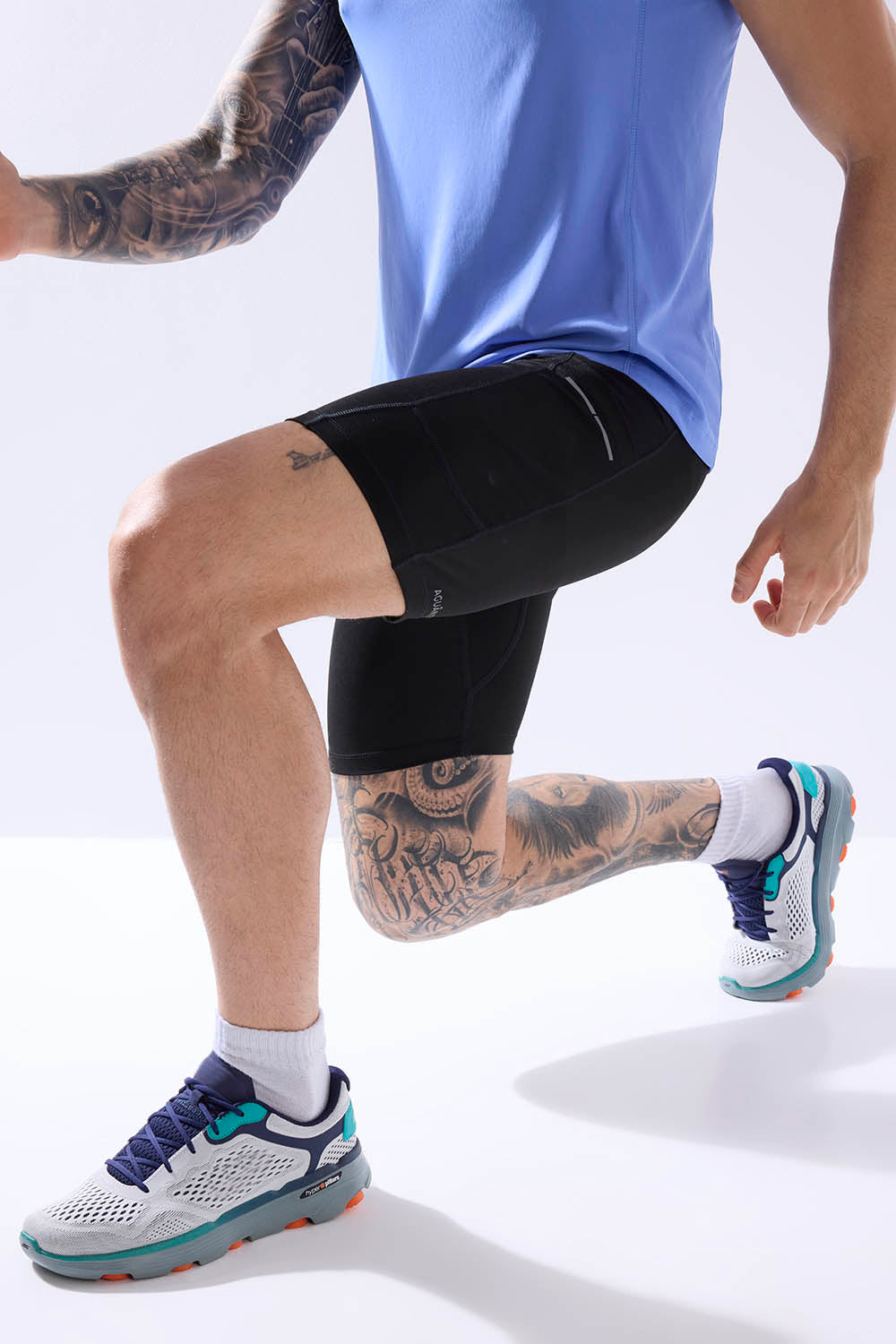
For runners who experience inner-thigh friction, a well-fitting stretch performance fabric can also help the garment remain stable instead of repeatedly moving against the skin.
3. Nylon: Lightweight and Durable
Nylon is another synthetic fibre commonly used in performance clothing.
It is known for being lightweight, durable, and comfortable against the skin. Nylon blends can work well for athletic apparel where softness, durability, and stretch are important.
For running, nylon can be particularly useful in garments where you want a balance between:
- Durability
- Stretch
- Comfort
- Lightweight construction
Like polyester, however, the performance of a nylon garment depends heavily on its specific fabric construction.
4. Mesh: Excellent for Airflow
When temperatures rise, airflow becomes extremely important.
Mesh fabrics can provide additional ventilation by allowing air to move through the garment.
You'll often find mesh panels in:
- Running singlets
- Running T-shirts
- Shorts
- Inner liners
- Side panels
- Back panels
For Indian summer running, strategically placed mesh can help improve ventilation in areas where heat and sweat tend to build up.
This is particularly useful during longer sessions when your body temperature and sweat production increase.
5. Moisture-Wicking Fabric vs Cotton
One of the biggest mistakes runners make in hot weather is choosing cotton because it feels comfortable before the run.
Cotton can feel soft and pleasant initially, but it absorbs sweat and can remain wet for longer.
During a long run, a soaked cotton T-shirt can:
- Become heavy
- Stick to your skin
- Increase friction
- Feel warmer
- Become uncomfortable
- Contribute to chafing
Technical running fabrics are generally a better choice for sweaty training sessions because they are designed around moisture management.
This is why moisture-wicking running clothes in India are particularly useful for summer and humid-weather training.
6. What About Merino Wool?
Merino wool is often discussed as a high-performance outdoor fabric, but it's not automatically the best choice for every hot and humid run.
Merino can provide excellent temperature regulation and odour management, making it useful for certain outdoor activities and variable climates.
However, for high-sweat running in hot Indian weather, many runners prefer lightweight synthetic technical fabrics because they prioritize quick drying and low weight.
If your main concern is running in 30°C+ temperatures with high humidity, a lightweight technical polyester or synthetic blend is often the more practical option.
7. Avoid Heavy Fabrics in Extreme Heat
Fabric weight matters.
A thick, heavy T-shirt can trap more heat and become uncomfortable once saturated with sweat.
For hot-weather running, look for:
- Lightweight fabric
- Thin construction
- Breathable panels
- Minimal layering
- Sweat-managing construction
This is especially important when running in temperatures above 30°C.
When temperatures approach 35–40°C, however, clothing alone cannot make running safe. Consider running during the coolest practical part of the day, reducing intensity, staying hydrated, and avoiding strenuous exercise during extreme heat.
Best Fabric Choices by Running Gear
Different parts of your running outfit can benefit from different materials.
| Running Gear | Suitable Fabric/Construction | Why |
|---|---|---|
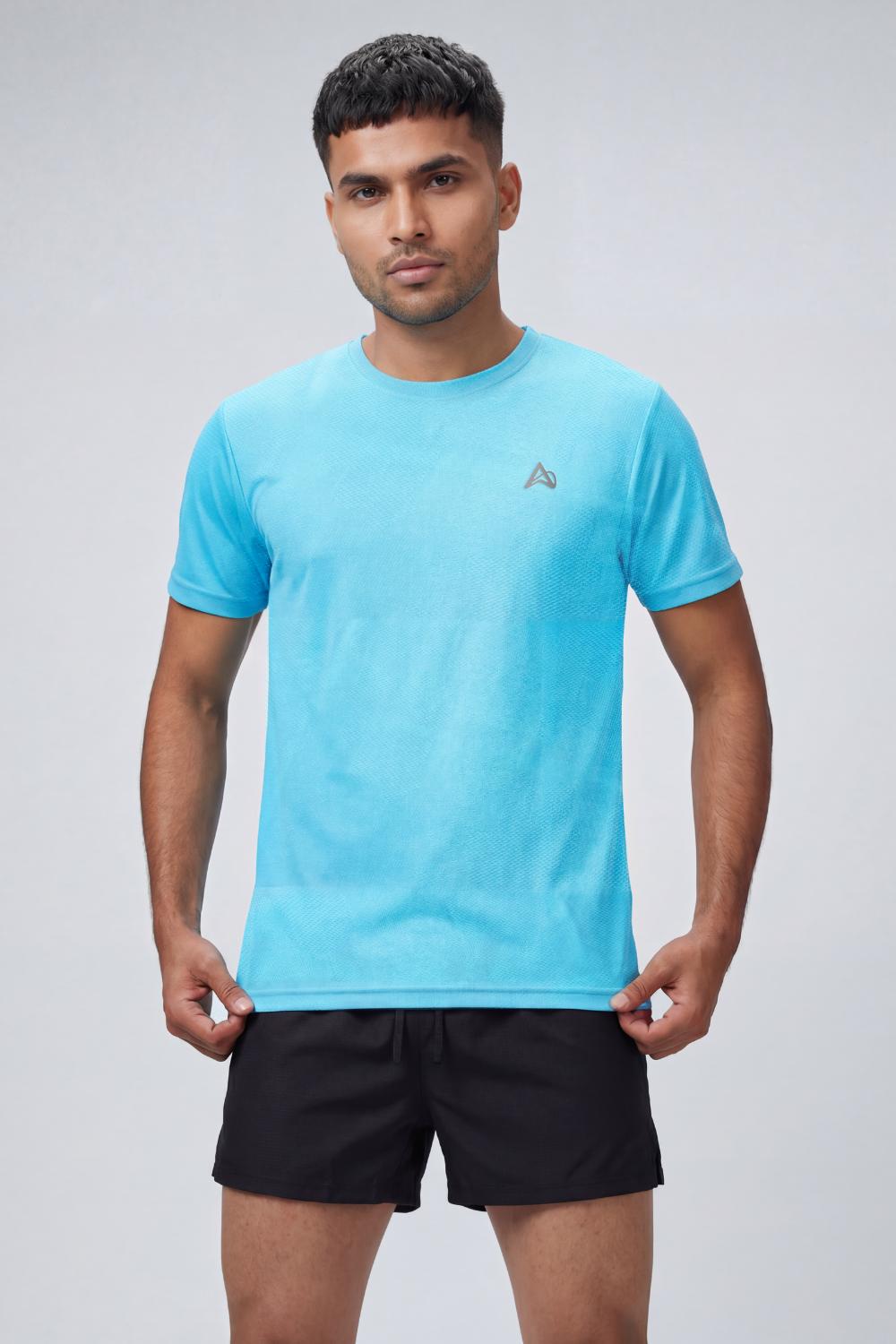
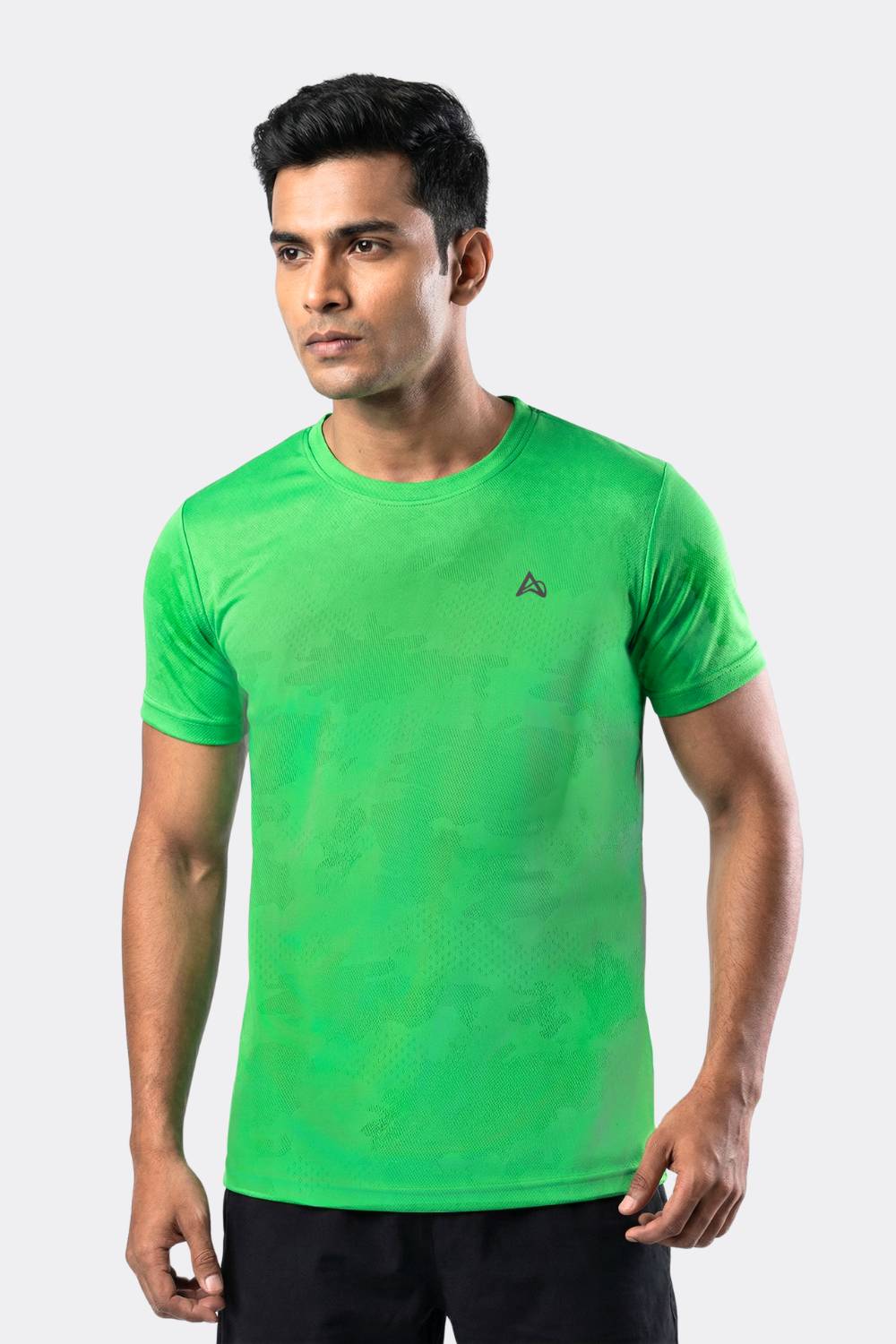
| Running T-shirt | Lightweight polyester | Moisture management and quick drying |
| Running singlet | Lightweight polyester/mesh | Maximum airflow |
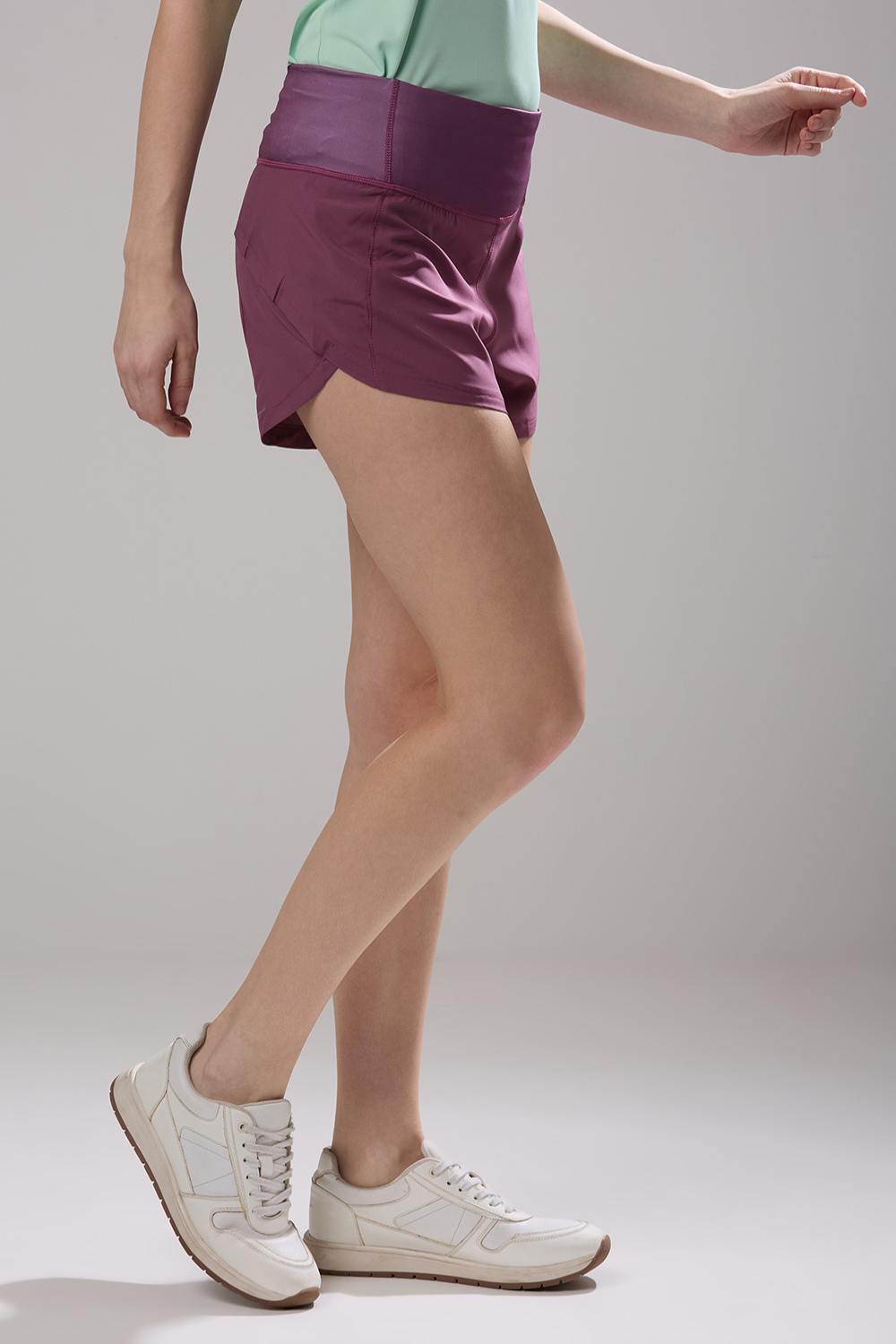
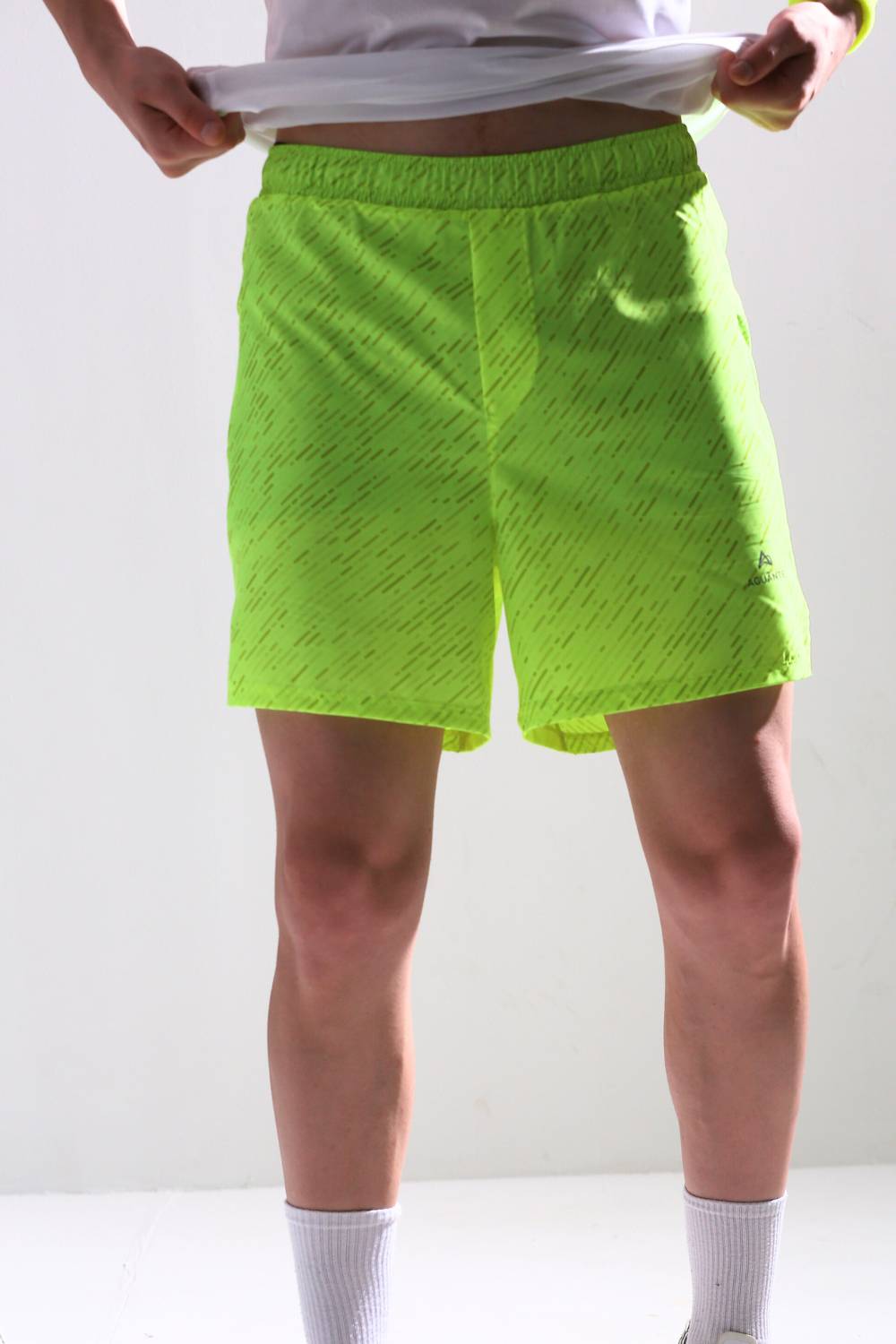
| Running shorts | Polyester or polyester blend | Lightweight and durable |
| Half tights | Polyester/elastane or nylon/elastane blend | Stretch and stability |
| Socks | Technical synthetic blend | Sweat management |
| Base layer | Lightweight moisture-wicking synthetic | Helps manage sweat |
The best choice isn't simply about the fibre name. Look at fabric weight, ventilation, stretch, fit, and moisture management together.
What Should You Wear for Running in Indian Summer?
For most summer runs in India, a practical outfit could include:
Upper body
- Lightweight moisture-wicking running singlet or T-shirt
Lower body
- Breathable running shorts for maximum airflow
- Half tights if you need additional coverage or prefer them for long-distance running
Accessories
- Lightweight socks
- Running shoes
- Cap or visor
- Sunglasses
- Sunscreen
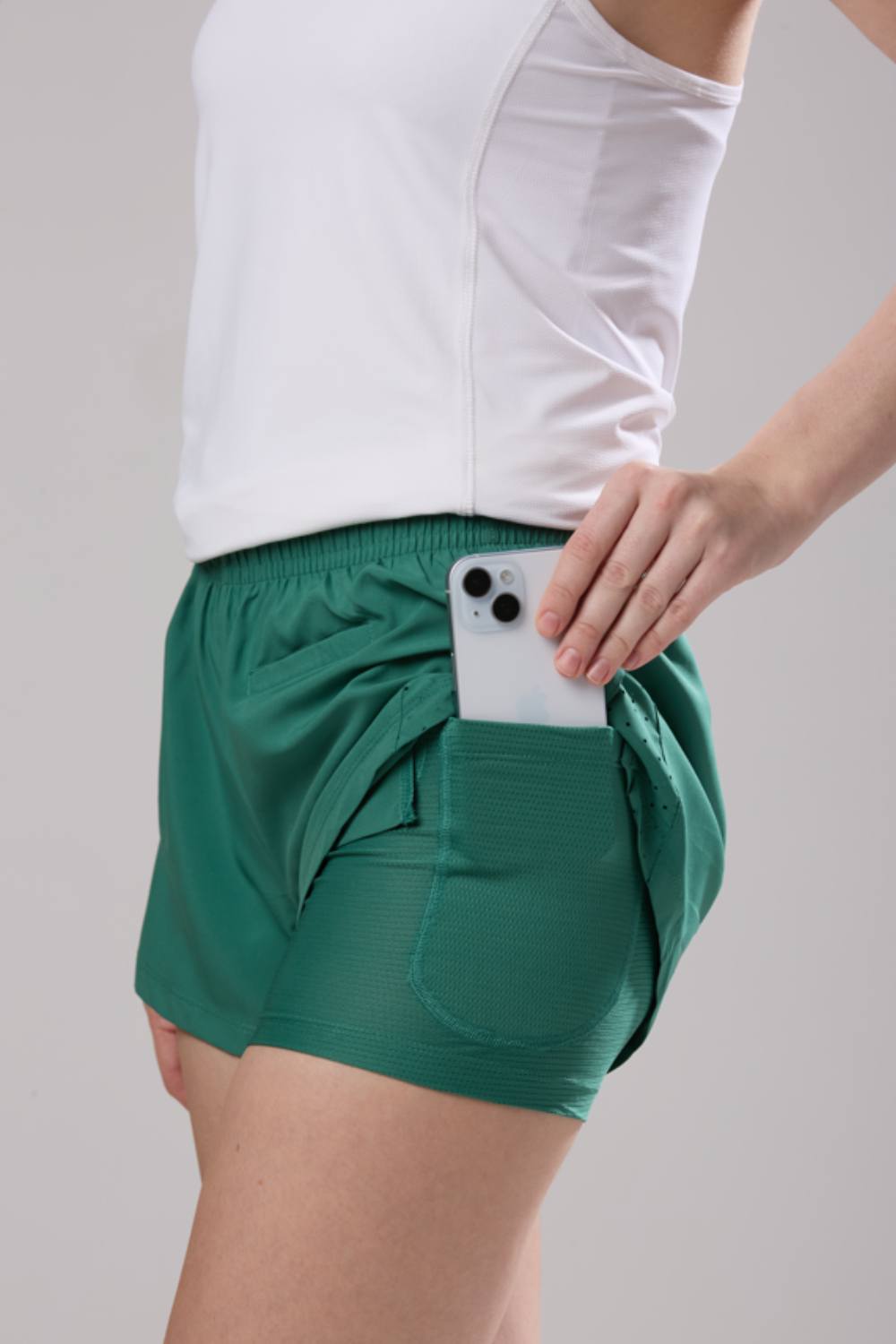
For longer runs, also consider how you'll carry your phone, keys, and energy gels. Secure pockets can prevent items from bouncing around and becoming another source of discomfort.
Aguante Running Apparel for Hot and Humid Indian Weather
For runners looking for running clothes for hot and humid weather in India, Aguante offers performance-focused options designed around running and active training.
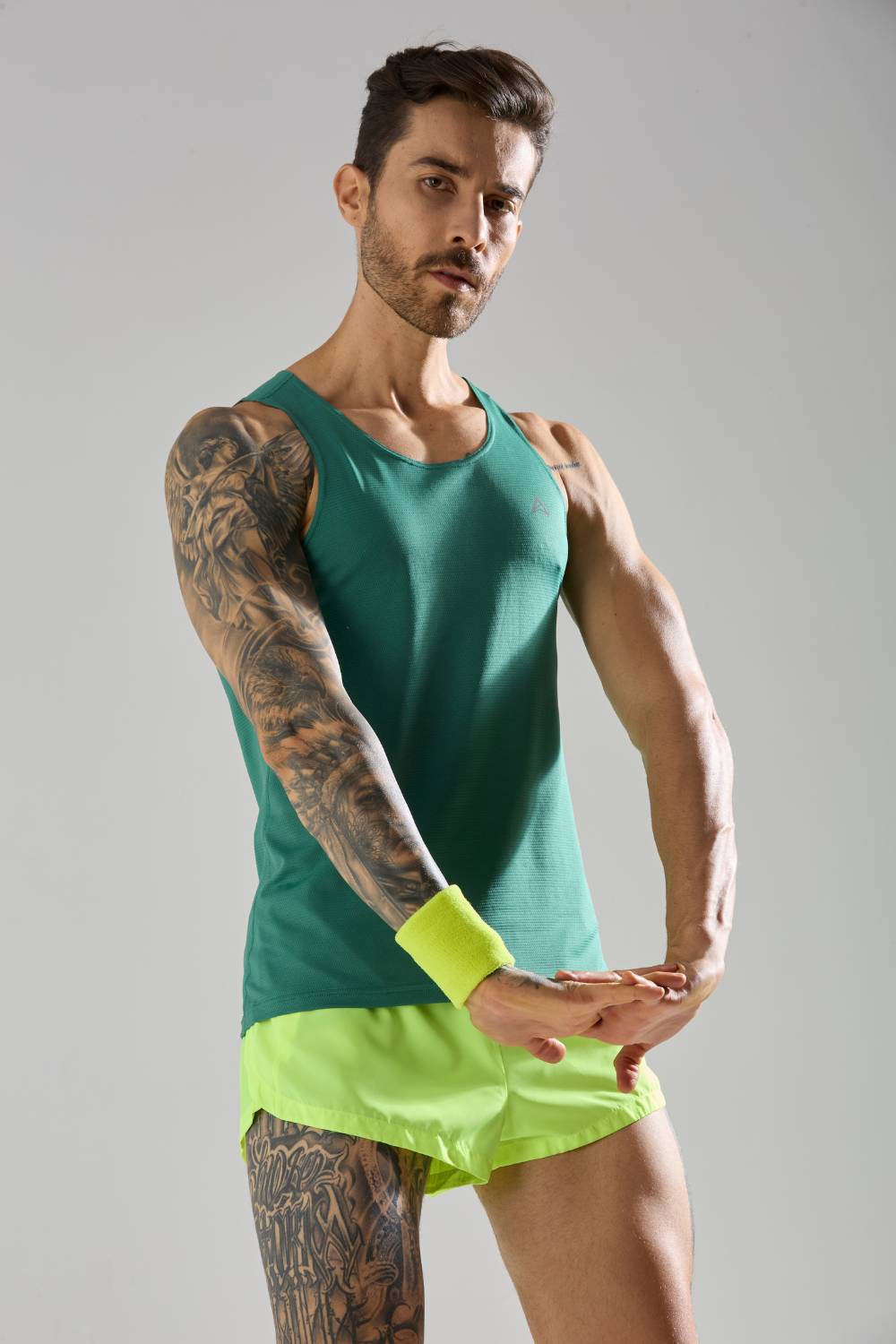
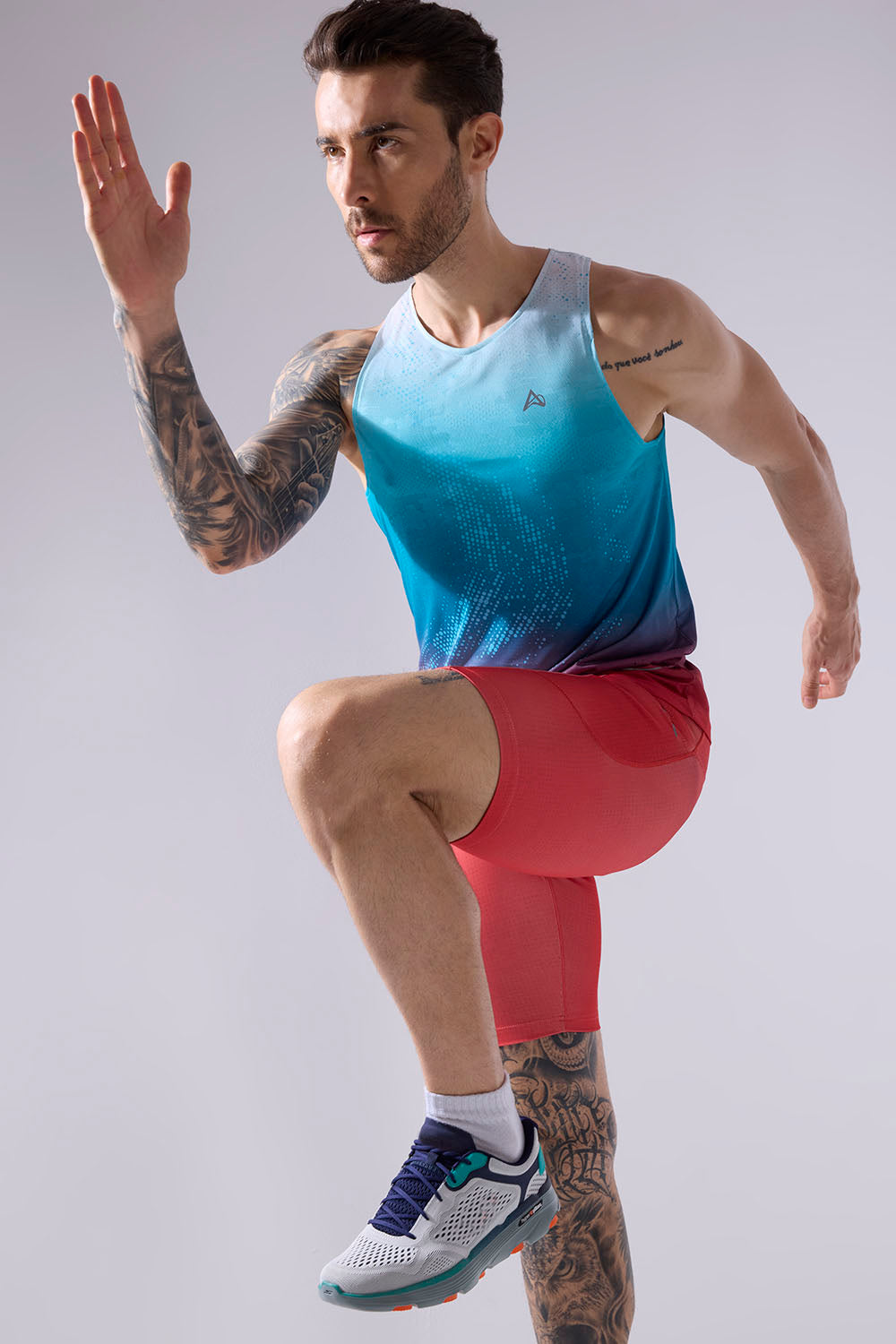
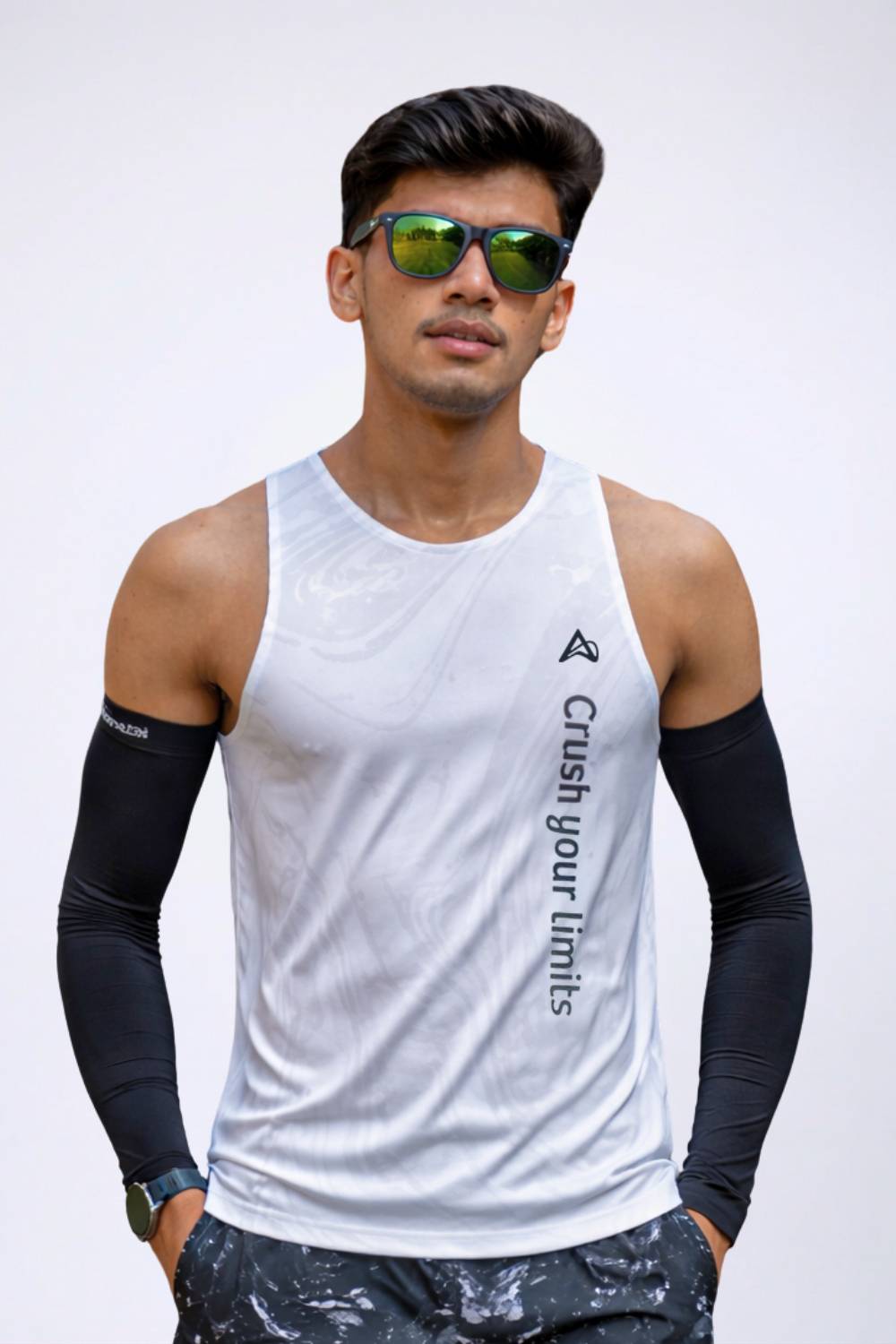
For example, Aguante's men's running singlets are a practical option when you want a lightweight running top for warm conditions.
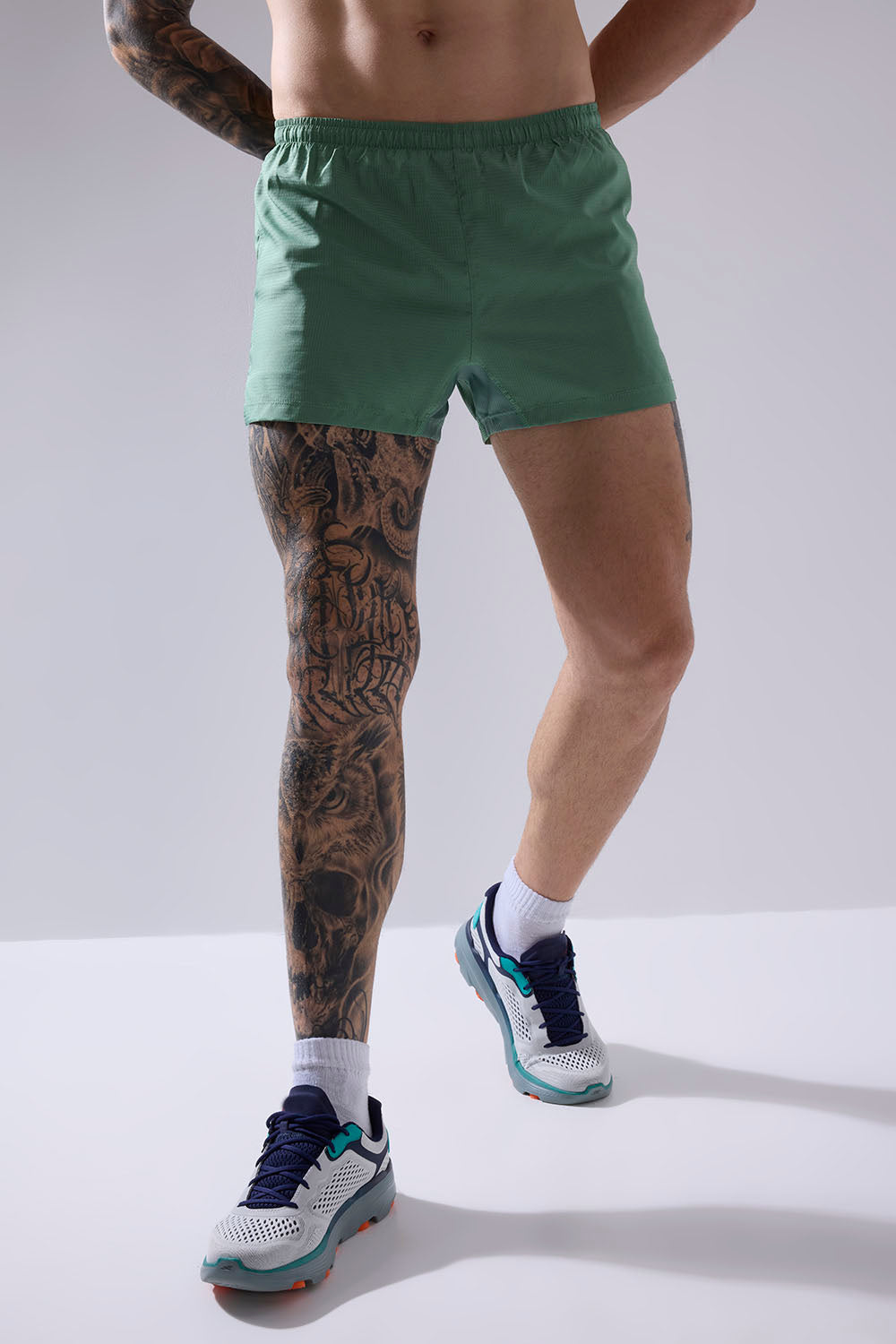
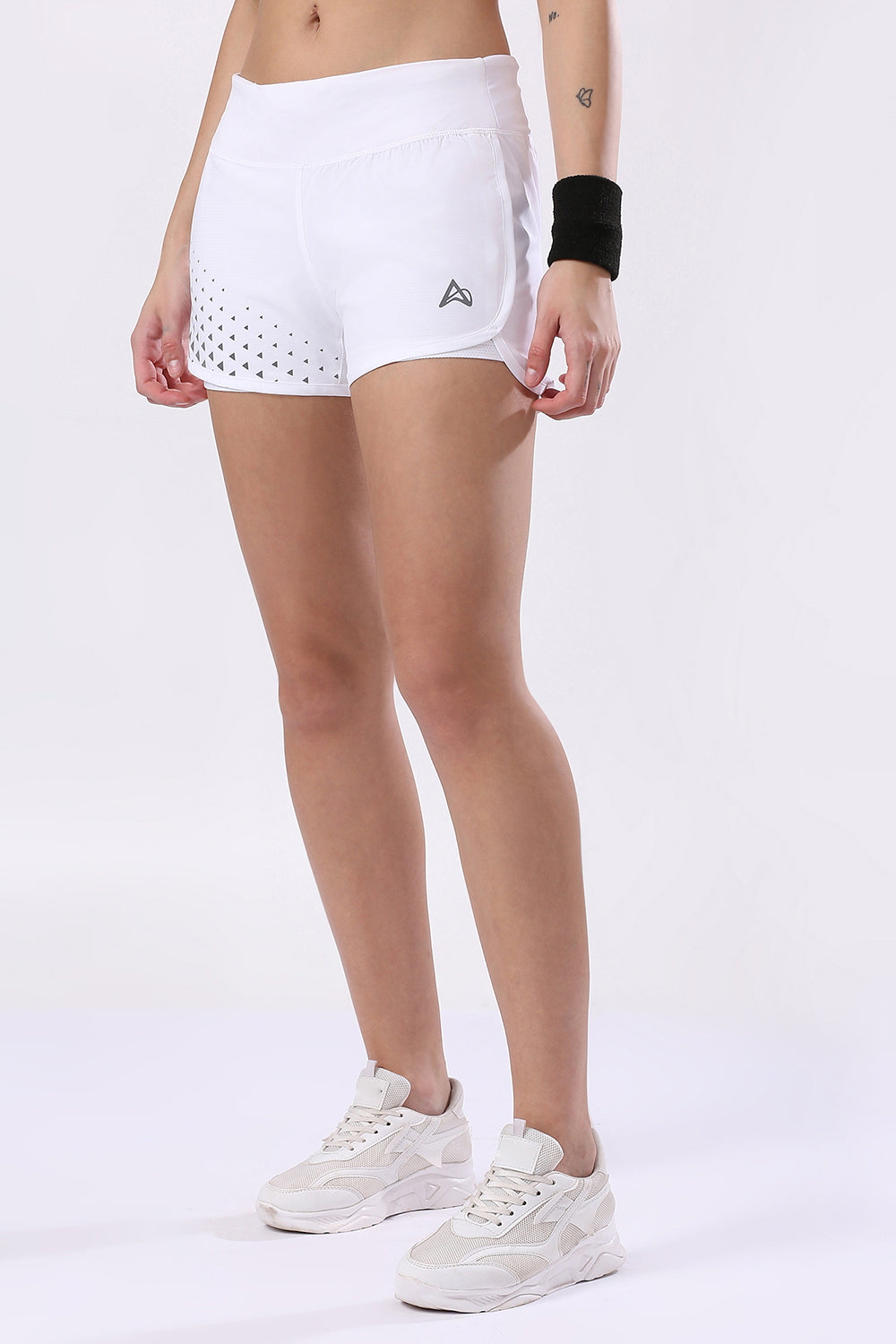
For maximum airflow and speed-focused sessions, Aguante's 2" Split Running Shorts are designed as lightweight running shorts with a split-leg construction and secure storage.
For runners who want more coverage and storage during longer sessions, Aguante's 5" EnduroFlex Performance Shorts are another option.
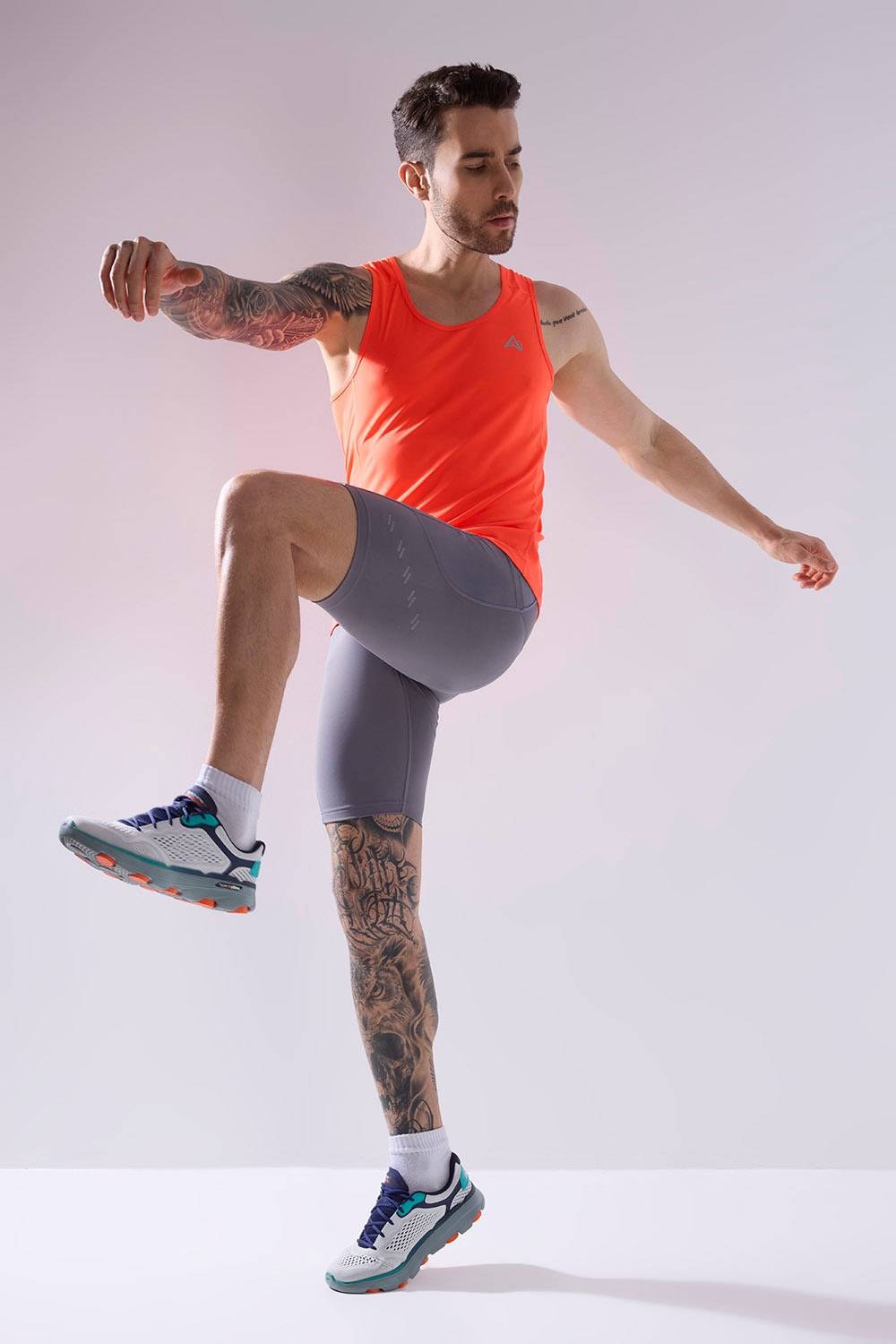
If inner-thigh chafing is a concern, consider Aguante's men's half tights, particularly for longer-distance training where reduced friction and additional coverage can be useful.
You can also explore Aguante's complete running collection to build a summer running outfit around your distance, training style, and weather conditions.
Polyester vs Cotton for Hot and Humid Running
| Feature | Technical Polyester | Cotton |
|---|---|---|
| Moisture management | Excellent* | Low |
| Drying speed | Fast* | Slow |
| Weight when wet | Usually low* | High |
| Breathability | Depends on construction | Often comfortable initially |
| Long-run performance | Excellent* | Poor to moderate |
| Chafing control | Better when well-designed | Can worsen when soaked |
| Hot-weather suitability | Excellent* | Moderate |
*Performance varies significantly depending on fabric construction and garment design.
How to Choose the Best Running Fabric for Your Climate
Don't choose running apparel based only on the material label.
Instead, ask:
1. How hot is it?
Higher temperatures generally call for lighter fabrics and fewer layers.
2. How humid is it?
When humidity is high, sweat evaporates more slowly, making moisture management and airflow especially important.
3. How long are you running?
A fabric that feels fine for 20 minutes may become uncomfortable after two hours.
4. Do you experience chafing?
Look for stable fits, smooth construction, and appropriate coverage.
5. Do you need storage?
For long runs, secure pockets can be more useful than simply choosing the lightest garment.
Final Answer: What Fabric Is Best for Running in Hot and Humid Weather?
For most runners, lightweight moisture-wicking polyester and polyester blends are excellent choices for hot and humid running. Mesh panels can improve airflow, while elastane or spandex can provide the stretch needed for running shorts and half tights.
But remember: the best running fabric isn't determined by fibre alone. Fabric weight, construction, breathability, moisture management, fit, and ventilation all affect how comfortable you feel.
For Indian runners dealing with heat and humidity, choose lightweight technical apparel over heavy cotton, prioritize sweat management, and select your clothing based on the distance and intensity of your run.
If you're looking for running apparel for Indian weather, explore Aguante's performance running range at Aguante.