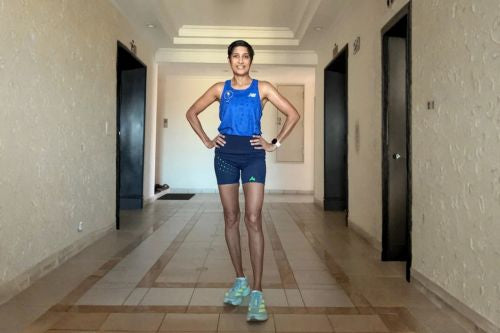
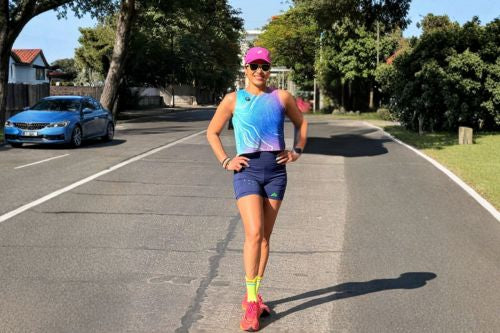
Technical sportswear has changed the way runners think about comfort, endurance, and performance. A running outfit is no longer just a matter of choosing lightweight clothing or a comfortable fit. For runners training in demanding conditions, the difference between ordinary athletic clothing and technical running apparel often comes down to how well the garment manages sweat, heat, movement, and repeated use.
Understanding what is technical sportswear helps runners make better decisions when building their training kit. Technical running clothes are designed around the practical challenges athletes experience during exercise, including moisture build-up, friction, temperature changes, and the need for unrestricted movement. Whether preparing for a long-distance race or maintaining a regular training routine, the right apparel can influence how a runner feels throughout every session.
Tired of gear that slows you down? Chafing, soggy fabrics, and missing pockets kill your run's momentum. At Aguante, we're runners who get it. Our high-performance activewear features moisture-wicking fabrics, ergonomic designs, and smart storage to keep you focused. Shop Now!
What Is Technical Sportswear and Why Does It Matter?
Technical sportswear refers to performance-focused clothing created with specific functional goals rather than everyday wear. Instead of relying only on appearance, these garments are designed to support athletic activity through fabric construction, fit, ventilation, stretch, and durability.
For runners, technical apparel addresses common challenges that appear after the first few kilometres of a workout. Sweat accumulation, fabric weight, uncomfortable seams, restricted movement, and poor airflow can all affect the running experience. A well-designed garment considers these factors together instead of focusing on a single feature.
The most effective running apparel balances several requirements at once. A fabric needs to feel light while still providing enough coverage, allow airflow while maintaining comfort, and provide flexibility without losing shape. This balance is especially important for runners who train regularly and spend longer periods outdoors.
How Technical Fabric for Running Manages Sweat and Heat
One of the biggest advantages of technical running apparel is its ability to manage moisture. During exercise, the body produces heat and sweat as it works harder. Clothing that traps moisture can become uncomfortable, heavier, and more likely to cause friction.
Technical fabrics are designed to move perspiration away from the skin and support evaporation. Lightweight polyester and nylon constructions are commonly used because they can help transport moisture while maintaining a comfortable feel during activity. Research and testing of running apparel highlight the importance of moisture management, breathability, stretch, and fit when choosing performance clothing. Summer running gear testing shows why fabric behaviour during real workouts matters more than marketing claims alone.
For runners training in warm or humid environments, this function becomes even more valuable. A shirt that feels comfortable when first worn may perform very differently after several kilometres of movement. Good technical activewear is designed to continue supporting the runner as conditions become more challenging.
The Role of Breathability, Fit, and Movement in Running Performance
Running involves constant movement across the shoulders, arms, hips, and legs. Clothing that restricts motion can create distractions and discomfort, particularly during longer sessions. Technical sportswear focuses on creating a fit that supports natural movement while staying securely in place.
Why Airflow and Garment Construction Matter
Breathability is one of the key features runners should consider when selecting performance apparel. Areas that experience more heat and sweat accumulation often benefit from designs that improve airflow. Mesh panels, open-weave structures, and lightweight materials can help create better ventilation during demanding workouts.
However, breathability is only one part of the equation. A highly ventilated garment may not provide the same level of coverage or protection as a denser fabric. Choosing the right option depends on training conditions, personal comfort preferences, and the type of running activity.
Fit Is More Than Sizing
A technical garment should move with the runner rather than against them. Excess fabric can create friction, while an overly tight fit can restrict movement. Features such as stretch materials, secure waistbands, comfortable seams, and practical construction all contribute to a better running experience.
This is why performance running gear explained through features alone can be misleading. A fabric specification does not tell the entire story. The complete design of the garment determines whether it performs effectively during real training conditions.
Technical Running Clothes Benefits Beyond the First Workout
Many runners evaluate clothing based on how it feels when they first try it on. While initial comfort matters, technical apparel should also be assessed based on how it performs after repeated use.
Long-distance runners and regular trainers need clothing that remains reliable through sweat, washing, movement, and changing conditions. Durability, fabric recovery, and consistent comfort become important considerations when a garment becomes part of a weekly training routine.
Testing of running shorts demonstrates why moisture management remains a critical factor for runners, particularly those who sweat heavily or train in warmer conditions. Technical designs that include quick-drying materials, breathable construction, supportive liners, and secure waistbands can improve comfort throughout a session. Moisture management in running shorts highlights the importance of evaluating apparel under realistic running conditions rather than only during a short fitting.
For runners, this means choosing clothing based on actual training needs. A runner completing shorter evening sessions may prioritise different features compared with someone preparing for longer endurance events.
Choosing Technical Apparel for Runners in Different Conditions
The right technical running apparel depends on the environment, training style, and personal requirements of the athlete. There is no single garment design that works perfectly for every runner because individual needs vary.
- Hot and humid conditions: Prioritise lightweight materials, airflow, and effective moisture management.
- Long-distance training: Consider comfort over extended periods, reduced friction, and reliable fit.
- High-intensity workouts: Look for garments that support movement and help regulate comfort during demanding sessions.
- Frequent training: Choose durable materials that maintain performance through regular use.
Runners should also consider how different pieces work together. A complete kit includes more than a single shirt or pair of shorts. The interaction between tops, bottoms, layers, and accessories affects overall comfort during training.
For serious runners, investing time in understanding technical activewear can make clothing selection more practical. Instead of choosing based only on appearance, runners can focus on the features that support their individual goals.
Common Mistakes Runners Make When Selecting Performance Apparel
Many runners choose clothing based on assumptions rather than experience. A lightweight garment may not always be the most comfortable option, and a .
One common mistake is ignoring personal sweat patterns. Some runners stay comfortable in a wide range of fabrics, while others need stronger moisture management because they sweat more heavily during training. Apparel choices should reflect how the body responds during actual runs.
Another mistake is selecting clothing only for short sessions. A garment that feels suitable for a brief workout may create issues during longer distances. Runners should evaluate whether clothing stays comfortable after extended movement, repeated sweating, and changing weather conditions.
The most useful approach is to view running apparel as training equipment. Just as runners select shoes based on their running style, clothing should be selected according to performance needs.
The Future of Technical Sportswear Is Centred on Runner-focused Design
The development of technical sportswear continues to focus on solving practical problems faced by athletes. The most valuable innovations are not simply about adding more features; they are about creating clothing that works naturally with the runner.
As more people take running seriously as a form of fitness, competition, and personal achievement, expectations around apparel continue to increase. Runners want clothing that feels comfortable, supports movement, manages sweat, and remains dependable across different training environments.
For anyone exploring performance running gear explained, the key lesson is simple: effective sportswear is built around real running experiences. Fabric technology, garment construction, and thoughtful design work together to help runners focus less on discomfort and more on their training.
Technical running apparel is ultimately about creating a stronger connection between the athlete and the activity. The right clothing does not replace training, but it can remove unnecessary distractions and provide the comfort needed to keep moving consistently.
Frequently Asked Questions
What is technical sportswear and why is it important for runners?
Technical sportswear is performance-focused clothing designed to manage sweat, heat, movement, and comfort during exercise. For runners, technical running apparel helps improve the training experience by using features such as breathable fabrics, moisture management, stretch, and durable construction.
What are the benefits of technical running clothes compared with regular athletic wear?
Technical running clothes are designed to support runners through better moisture control, airflow, flexibility, and reduced friction during workouts. Unlike regular athletic wear, technical apparel focuses on how the garment performs during extended movement and changing training conditions.
How should runners choose the right technical apparel for hot and humid conditions?
Runners should look for technical activewear with lightweight materials, good breathability, and effective moisture management when training in warm or humid environments. The right technical running apparel should match personal sweat patterns, workout intensity, and the duration of each training session.
Disclaimer: The above helpful resources content contains personal opinions and experiences. The information provided is for general knowledge and does not constitute professional advice.
You may also be interested in: Half Tights for Marathon: Why They're a Smart Choice for Long-distance Runners
Tired of gear that slows you down? Chafing, soggy fabrics, and missing pockets kill your run's momentum. At Aguante, we're runners who get it. Our high-performance activewear features moisture-wicking fabrics, ergonomic designs, and smart storage to keep you focused. Shop Now!
Powered by flareAI.co